Species
|
Conservation Status
|
Key Information
|
| Asian Elephant

|
- IUCN: Endangered
- CITES Appendix I;
- Schedule I (WPA, 1972)
|
- Symbol of Heritage: Plays a key role in forest and grassland ecosystems.
- Threats: Habitat loss, human-wildlife conflict, and poaching for tusks.
- Conservation Needs: Sustained efforts are crucial to ensure their survival and maintain biodiversity.
|
| Ganges River Dolphin

|
- IUCN: Endangered
- CITES: Appendix I;
- Schedule I (WPA, 1972)
|
- Critical Habitat: Found in the Ganges-Brahmaputra-Meghna and Karnaphuli-Sangu river systems.
- Challenges: Water extraction, pollution, and river traffic.
- Population Decline: Less than 2,000 individuals remain in India.
|
| Bengal Tiger

|
- IUCN: Endangered
- CITES Appendix I;
- Schedule I (WPA, 1972)
|
- Iconic Predator: Represents a significant part of India’s wildlife.
- Current Status: Numbers are increasing, but threats like poaching and habitat loss persist.
- Habitat: Found across varied ecosystems, from forests to mangroves.
|
| Red Panda

|
- IUCN: Endangered
- CITES: Appendix I
- Schedule I (WPA, 1972)
|
- Status: Significant decline due to habitat loss and poaching.
- Habitat Zones: Found in the eastern Himalayas and parts of Northeast India.
- Conservation Importance: Serves as an indicator species for the health of the Himalayan forests.
|
| Asiatic Lion

|
- IUCN: Endangered
- CITES: Appendix I
- Schedule I (WPA, 1972)
|
- Last Refuge: Exclusively found in Gir National Park, Gujarat.
- Population Challenges: Threats include poaching and accidental deaths from open wells and fences.
- Conservation Strategies: Involves habitat restoration and stricter anti-poaching laws.
|
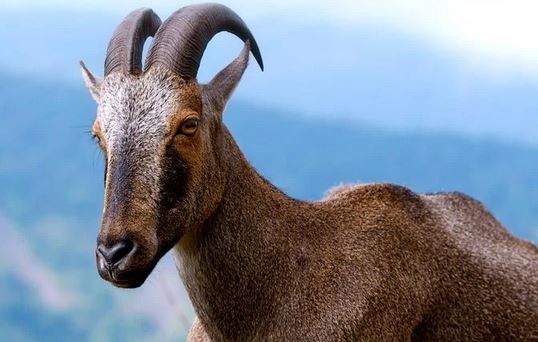
| Nilgiri Tahr
|
- IUCN: Endangered
- Schedule I (WPA, 1972)
|
- Mountain Inhabitant: Lives in the mountainous regions of Kerala and Tamil Nadu.
- Population Pressure: Climate change and human interference are major threats.
- Survival Strategies: Requires focused conservation to stabilise its declining population.
|
| Lion-tailed Macaque

|
- IUCN: Endangered
- CITES Appendix I;
- Schedule I (WPA, 1972)
|
- Distinct Appearance: Notable for its silver mane, found in the Western Ghats.
- Critical Decline: Population affected by habitat fragmentation and human interaction.
- Behavioural Changes: Adjustments in their natural behaviours due to human activities are concerning.
|
| Great Indian Bustard (GIB)

|
- IUCN: Critically Endangered
- CITES Appendix I;
- Schedule I (WPA, 1972)
|
- IBs are the largest among India’s four bustard species and are considered flagship birds of grasslands.
- Habitat reduced to just 10 per cent.
- Overhead power transmission, poor vision, windmills, noise pollution, landscape changes, and alterations in cultivation patterns pose significant threats to GIBs.
|
| Golden Langur

|
- IUCN: Endangered
- CITES Appendix I;
- Schedule I (WPA, 1972)
|
- Approximately 7,396 Golden Langur (Trachypithecus geei) in India as per a census conducted by Assam Forest Department.
|
| Hangul (Kashmir Stag)

|
- IUCN: Critically Endangered
- CITES: Appendix I;
|
- Kashmir’s Hangul, a shy and endangered species of deer, has exhibited a robust breeding season, suggesting a hopeful future for its population in the Dachigam National Park.
- The Hanguls population could surpass 300 this spring, marking the first time in over 30 years.
|