IoT is the network of physical devices, vehicles, home appliances and other items embedded with electronics, software, sensors, actuators, and connectivity which enables these objects to connect and exchange data
Each thing is uniquely identifiable through its embedded computing system but is able to inter-operate within the existing Internet infrastructure
The IoT allows objects to be sensed or controlled remotely across existing network infrastructure
When IoT is augmented with sensors and actuators, the technology becomes an instance of the more general class of cyber-physical systems, which also encompasses technologies such as smart grids, virtual power plants, smart homes, intelligent transportation and smart cities
Real Estate Investment Trusts or REITs are mutual funds like institutions that enable investments in the real estate sector
This is done by pooling small sums of money from a multitude of individual investors for directly investing in real estate properties so as to return a portion of the income (after deducting expenditures) to unitholders of REITs, who pooled in the money
A REIT in India is allowed to invest mainly in completed and revenue generating assets and other approved investments
REIT will have to distribute the majority of its income among the unit holders
REITs are set up as a trust under the provisions of the Indian Trusts Act, 1882
Like a mutual fund, it has three parties – Trustee, Sponsor(s) and Manager – to avoid any conflict of interest issues
REITs are regulated by the securities market regulator in India- Securities and Exchange Board of India (SEBI)
Recently in News because : Justice Dalveer Bhandari was re-elected as a judge at the International Court of Justice (ICJ),making him the third Indian to secure a prominent position in a United Nations (UN) body in recent months
Objective : Settle legal disputes submitted to it by states, duly authorized international branches, agencies, and the UN General Assembly
Members : The International Court of Justice is composed of 15 judges elected to nine-year terms of office by the United Nations General Assembly and the Security Council
The geological structure of a country helps in understanding the types and character of rocks and slopes, the physical and chemical properties of soils, the availability of minerals, and the surface and underground water resources. But before we can study the geological structure of India, it is important that we understand what a geological time scale means:
The Geological Timescale
When did the dinosaurs get extinct? When did the birds first appear on earth? What about the beginning of life itself?
To answer these questions, geologists use a special timeline called the Geological Time Scale. It is a record of Earth’s Geologic history based on radiometric dating and the record of ancient life preserved in layers of rocks.
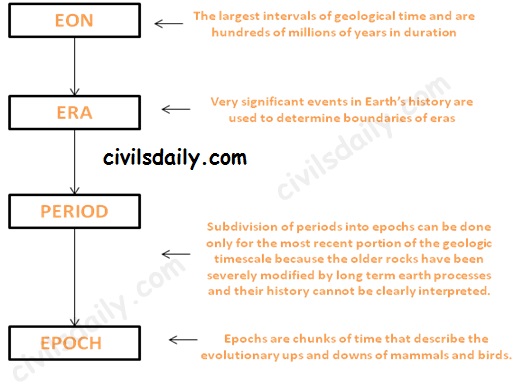
The geological timescale is broken up into larger and smaller subdivisions which help us understand how the various historical events fit together. These time intervals are not equal in length like the hours in a day. Instead, the time intervals are variable in length because geologic time is divided using significant events in the history of the Earth. The various intervals are:
Subdivisions of the Geological timescale
Let’s watch a video to understand this division better:
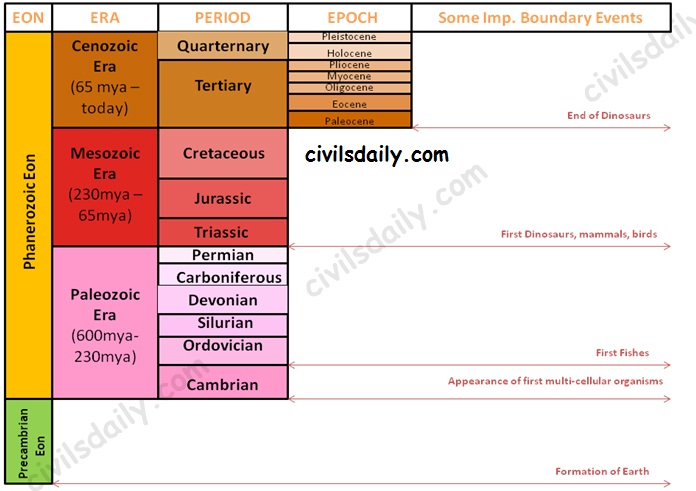
The geological timescale thus looks like:
The Geological Timescale
Note: Due to lack of sufficient information about the Precambrian Eon, there is no subdivision into eras etc. At the same time, it is important to note that the Precambrian time constitutes about 86.7% of Earth’s history.
The Indian Geological History:
Major events in the geological history of India:
Peninsular India was a part of the old landmass since the formation of the Earth’s Crust
The upheaval of Himalayas in the tertiary period.
Aggradational formation of the Indo-Gangetic plain during the Pleistocene period. It continues till today through sedimentation in the floodplains of the rivers and the lower part of the Gangetic plain.
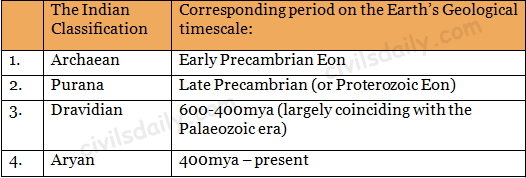
Based on this complex and varied geological history, the Geological Survey of India has classified rock systems of the country into 4 major divisions:
Classification of the Indian Rock Systems by the Geological Survey of India
Let us study the basic features of each of these:
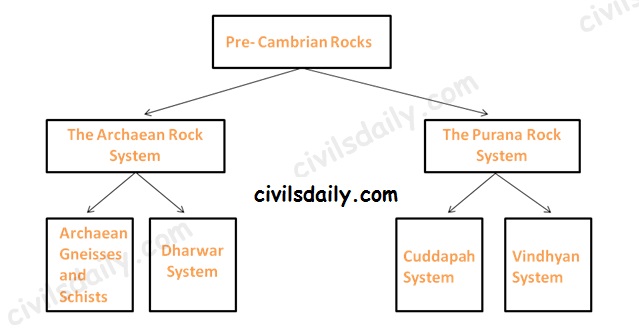
The Pre-Cambrian Rocks – The Archaean and the Purana Rock System
The Archaean rock system (Early Pre-Cambrian)
The Archaean group of rocks consists of two systems-(a) Achaean granites and gneisses, and (b) Dharwarian sedimentary:
Archaean Gneisses and Schists (pre 2500 million years)
The Archean System contains the first formed rocks of the earth.
The rocks are primarily gneisses and granites, having no marks of fossils.
They often underlie the strata formed subsequently and the system is generally known as the basement complex or fundamental gneisses.
The Archaean rocks cover two-thirds of the peninsular India. They also occur in roots of the mountain peaks all along the Greater Himalayas, trans-Himalayan ranges of Zaskar, Ladakh and Karakoram.
Dharwar System (2500-1800 million years ago)
The weathering of the Archaean rocks yielded the earliest sediments and formed the oldest sedimentary strata, the Dharwar system.
These are found today in metamorphic forms and do not contain fossils.
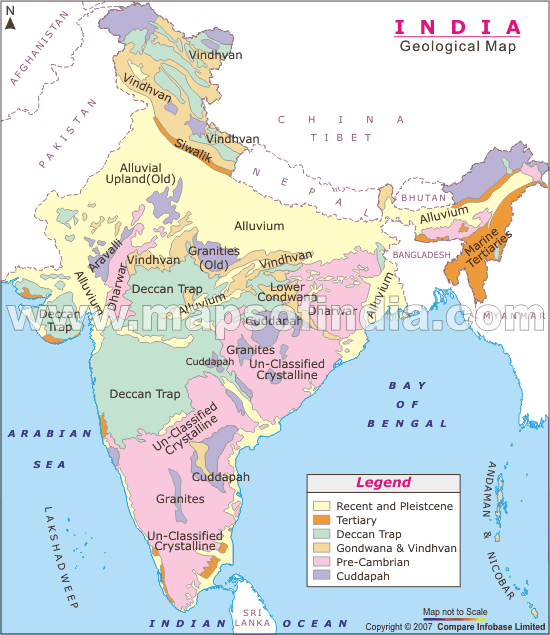
These rocks occur in scattered patches in parts of Karnataka, Tamil Nadu, central and eastern parts of Chotanagpur plateau, Meghalaya plateau, Aravalis, Himalayan region etc as shown on the map.
The Archaean rocks are economically the most important rocks because they possess valuable minerals like high-grade iron ore, manganese, copper, lead, gold, quartzite, slates, mica, etc.
1. The Purana Rock System (Late Pre-cambrian):
The Archaean gneiss and the Dharwar rocks underwent further erosion leading to the formation of the Purana Rock system.
The Purana rock system is further subdivided into (i) the Cuddapah and (ii) the Vindhyan
The Cuddapah
These rocks are generally without fossils
These formations, named after the Cuddapah district in Andhra Pradesh are sedimentary metamorphic formations.
These are found in Andhra Pradesh, southern Chhattisgarh, Odisha and along the main axis of Aravallis.
The metallic content in ores of Cuddapah rocks is low and at places uneconomical for extraction.
The Vindhyan
This system derives its name from the Vindhyan mountains
Consists of enormous sedimentary deposits. In some tracts, Vindhyan rocks are buried under the Deccan lava.
It stretches from Sasaram in Bihar to Chittorgarh in Rajasthan with the exception of the central tract of Bundelkhand gneiss.
The well-known diamond mines of Panna and Golconda lie in the Vindhayan region.
This rock system is well known for red sandstone, sandstone, durable stones, ornamental stones, raw materials for lime, glass, cement and chemical industries.
2. The Dravidian Rock system (Cambrian to middle carboniferous)
These formations do not occur in the peninsular plateau as it was above the sea level at that time but are found in continuous sequence in the Himalayas.
They contain abundant fossils in them
Coal formation started in the Carboniferous age. Carboniferous in geology means coal-bearing. [Most of the coal found in India is not of the Carboniferous period; High-quality coal of Great Lakes Region-USA, U.K and Ruhr region is Carboniferous coal].
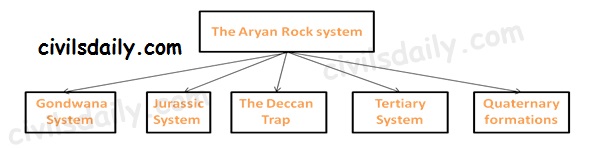
3. The Aryan Rock system (Upper Carboniferous to recent)
The Aryan Rock System
The Gondwana System:
The peninsula during the Upper Carboniferous period experienced crustal movements, which led to the formation of basin-shaped depressions. These depressions had countless terrestrial plants and animals, which were buried to from coal deposits in India known as the Gondwana Rocks.
These rocks have also marks of climatic changes from arctic cold to tropical and desert conditions.
These Rocks are found mainly in the Damodar, the Mahanadi and the Godavari valleys of the peninsula.
Gondwana rocks contain nearly 98 percent of India’s coal reserves. Gondwana coal is much younger than the Carboniferous coal and hence its carbon content is low.
Jurassic System:
The marine transgression in the latter part of the Jurassic gave rise to thick series of shallow water deposits in Rajasthan and in Kuchchh.
Coral limestone, sandstone, conglomerates and shales occur in Kuchchh.
Another transgression on the east coast of the Peninsula is found between Guntur and Rajahmundry.
The Deccan Trap:
Towards the end of the Mesozoic era, intensive volcanic activity took place, which flooded with lava vast areas of Maharashtra and other parts of the Deccan known as the Deccan traps.
The volcanic rocks contain some thin fossiliferous sedimentary layers found between the lava flows. This indicates that the lava flows was not continuous. The volcanic activity led to two great events
1. Breakup of the Gondwanaland masses
2. Uplift of the Himalayas out of the Tethys Sea.
Present Deccan Trap covers about 5 lakh sq km mainly in parts of Kuchchh, Saurashtra, Maharashtra, the Malwa plateau and northern Karnataka.
The weathering of these rocks for a long time has given birth to black cotton soil known as ‘regur’.
Tertiary System
Eocene to Pliocene about 60 to 7 million years ago.
The tertiary is the most significant period in India’s geological history because the Himalayas were born and India’s present form came into being in this period.
The Pleistocene and recent formations (The quaternary period)
Quaternary is the name proposed for very recent deposits, which contains fossils of species with living representatives
These include Satluj-Ganga-Brahmaputra plains and Karewa formations of the Kashmir valley.
Geological Divisions of India:
Geologic divisions are marked by geologists as regions of similar rocks, structures and geologic history [Recall the brief geological history of India discussed above]. Geologically, India is divided into 3 major regions (also called the Triple Tectonic division):
The Peninsular Plateau region – It also includes the Shillong Plateau and the Kutchch Kathiawar region (Outliers)
The Extra-peninsular region – the mountainous region of Himalayas.
The Himalayas are young, weak and flexible in their geological structure, unlike the rigid and stable Peninsular Block.
Consequently, they are still subjected to the interplay of exogenic and endogenic forces, resulting in the development of faults, folds and thrust plains.
These mountains are tectonic in origin, dissected by fast-flowing rivers which are in their youthful stage.
Various landforms like gorges, V-shaped valleys, rapids, waterfalls, etc. are indicative of this stage.
The Indo-Gangetic Plain between the above two.
In addition to these, there are 2 minor divisions:
The Coastal Plains (Eastern and western)
The Islands (Lakshadweep and Andaman and Nicobar)
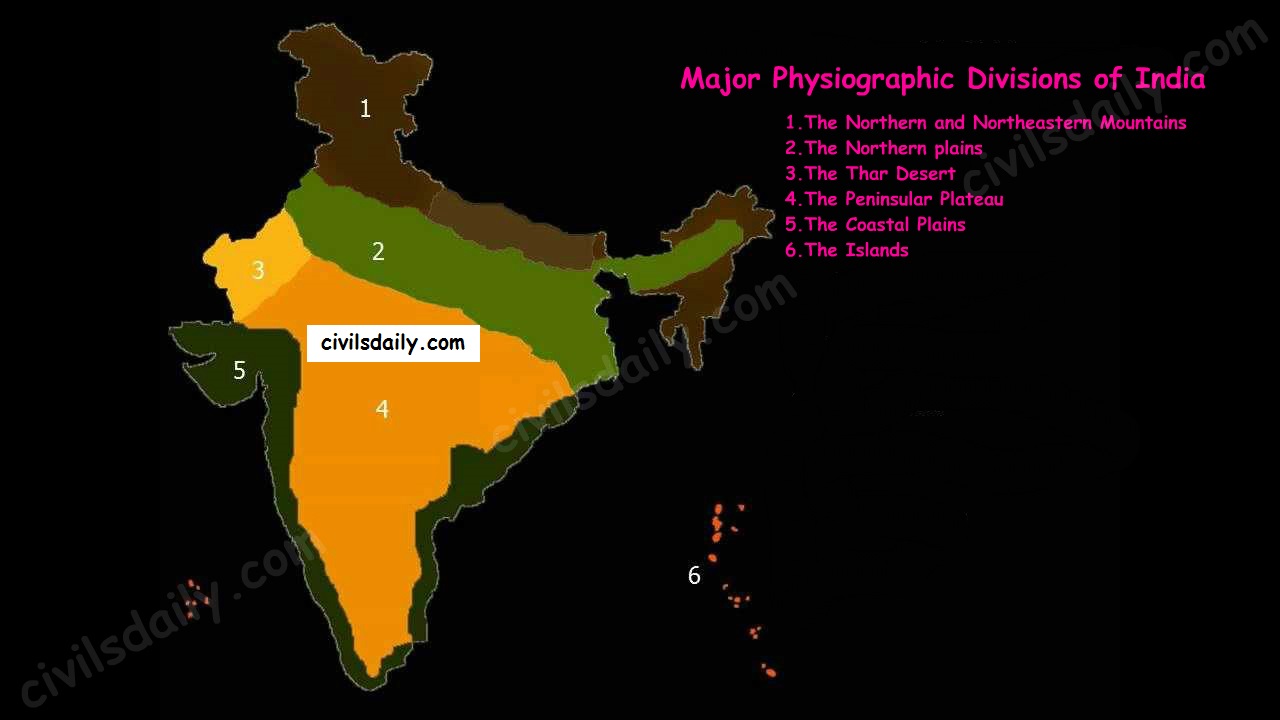
Physiographic divisions of India
Physiography deals with the study of surface features. This includes the landforms (mountains and valleys, their shape and steepness), the way rivers flow across the land, and the way in which the land erodes. Geographers recognize physiographic divisions based on the shape of the land.
There is a close relationship between India’s physiographic and geologic divisions as geology affects the way the land erodes.
The Indian landmass can be divided into the following broad physiographic units:
The Northern and Northeastern Mountains
The Northern plains
The Thar Desert
The Peninsular Plateau
The Coastal Plains
The Islands
The Major Physiographic Divisions of India
In the next articles, we will study each of these divisions in detail. [For the next article on the Himalayan mountains, click here]
But before we proceed to the next article, let’s look at the following question from a past UPSC examination:
Prelims:
1997:
Question: Match List I with List II and select the correct answer using the codes given below the lists:
The European Union (EU) is a political and economic union of 28 member states that are located primarily in Europe
The Maastricht Treaty established the European Union in 1993 and introduced European citizenship
The EU has developed an internal single market through a standardized system of laws that apply in all member states
EU policies aim to ensure the free movement of people, goods, services, and capital within the internal market, enact legislation in justice and home affairs, and maintain common policies on trade, agriculture, fisheries, and regional development
Within the Schengen Area, passport controls have been abolished
The EU traces its origins from the European Coal and Steel Community (ECSC) and the European Economic Community (EEC), established, respectively, by the 1951 Treaty of Paris and 1957 Treaty of Rome
National Company Law Appellate Tribunal (NCLAT) was constituted under Section 410 of the Companies Act, 2013 for hearing appeals against the orders of National Company Law Tribunal(s) (NCLT), with effect from 1st June 2016
NCLAT is also the Appellate Tribunal for hearing appeals against the orders passed by Insolvency and Bankruptcy Board of India under Section 202 and Section 211 of IBC
NCLAT is also the Appellate Tribunal to hear and dispose of appeals against any direction issued or decision made or order passed by the Competition Commission of India (CCI)
The President of the Tribunal and the chairperson and Judicial Members of the Appellate Tribunal shall be appointed after consultation with the Chief Justice of India
The Members of the Tribunal and the Technical Members of the Appellate Tribunal shall be appointed on the recommendation of a Selection Committee consisting of—
(a) Chief Justice of India or his nominee—Chairperson;
(b) a senior Judge of the Supreme Court or a Chief Justice of High Court— Member;
(c) Secretary in the Ministry of Corporate Affairs—Member;
(d) Secretary in the Ministry of Law and Justice—Member; and
(e) Secretary in the Department of Financial Services in the Ministry of Finance— Member
Solar radiation management (SRM or solar geoengineering) is a theoretical approach to reducing some of the impacts of climate change by reflecting a small amount of inbound sunlight back out into space
It is in the early stages of research
SRM would not directly reduce concentrations greenhouse gases
Different SRM techniques have been proposed such as- Stratospheric aerosol injection, Marine cloud brightening
Stratospheric aerosols might delay the regeneration of the ozone layer
This topic is not one of UPSC’s favorites and too much details and depth is not required. You need to make a note of 2 things. First, try to understand the evolution of tool technology, memorize which technology(flint, flakes, microliths) corresponds to which age. Second, refer the table at the end. Memorize what started in which age.
Paleolithic Age – It is the longest phase divided in to 3 phases.
1) Early (lower) – 500K -50K BC
2) Middle – 50K – 40K BC
3) Late (upper) – 40K – 10K BC
Followed by the Mesolithic Age(9K to 4K BC) which is regarded as a transitory phase and then Neolithic Age. Neolithic Age began at different times in different parts of the country. But generally Neolithic settlements found in India are no older than 2500 BC.
EVOLUTION OF TOOL TECHNOLOGY
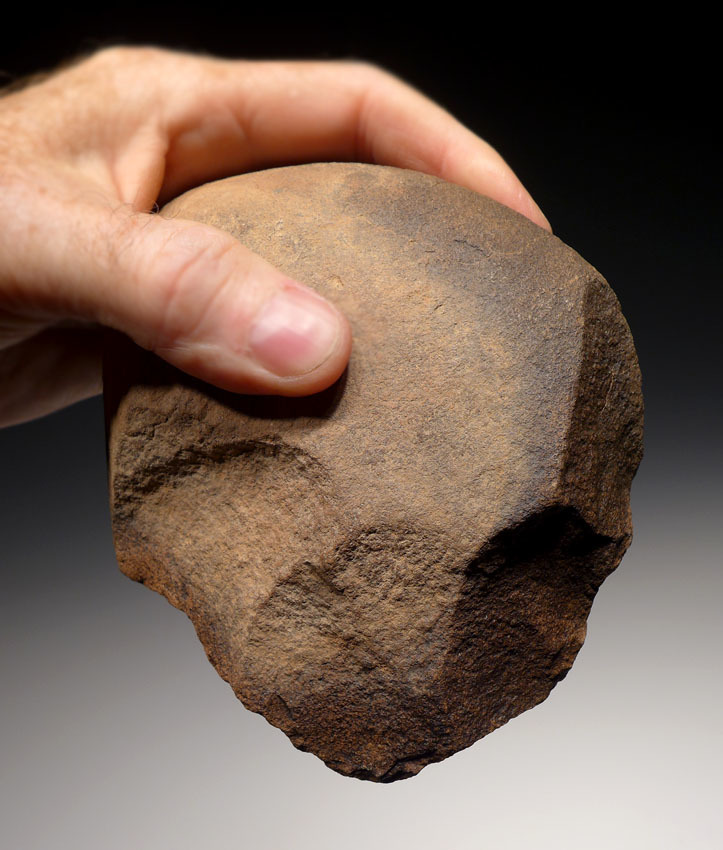
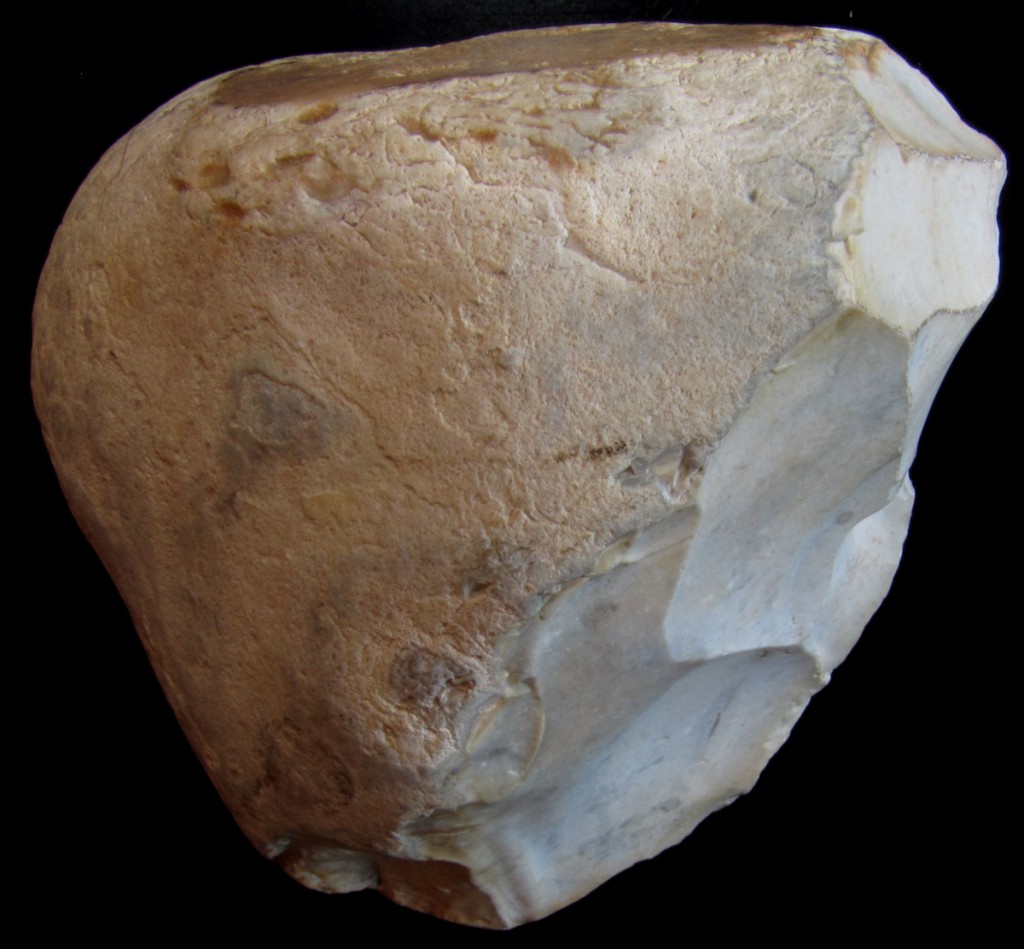
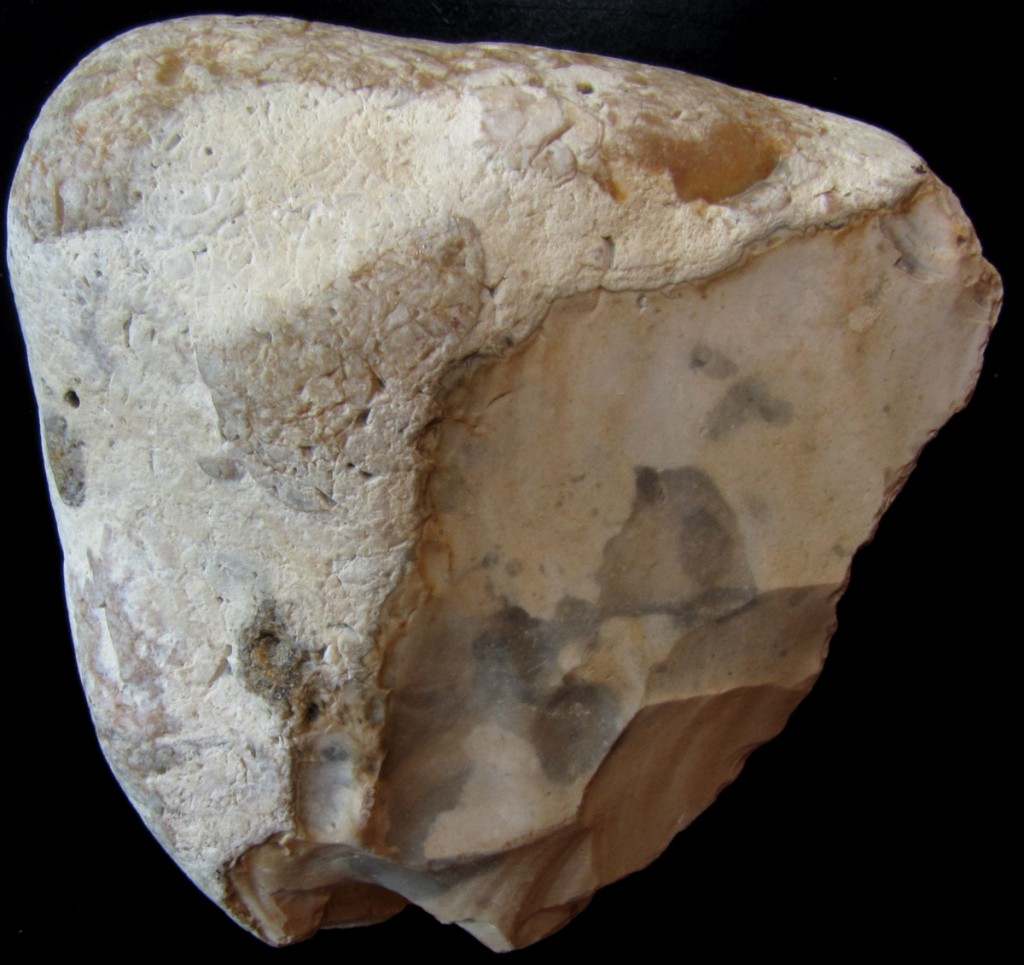
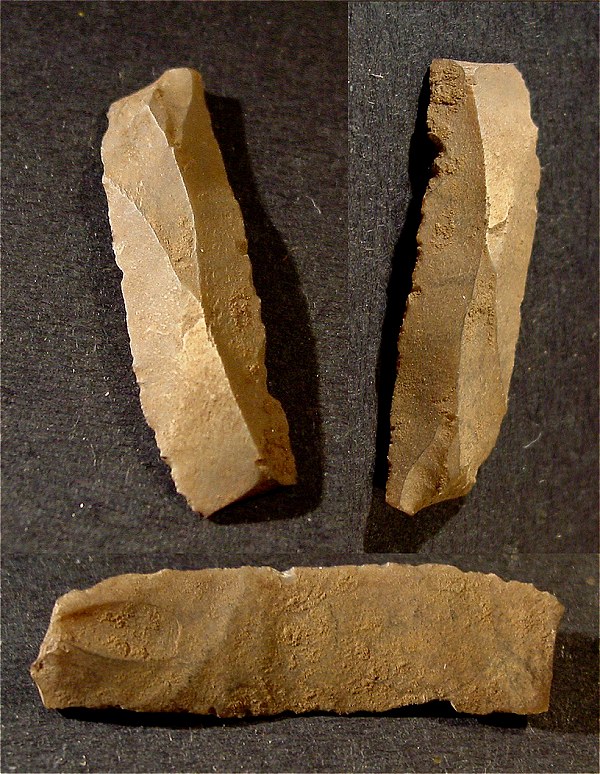
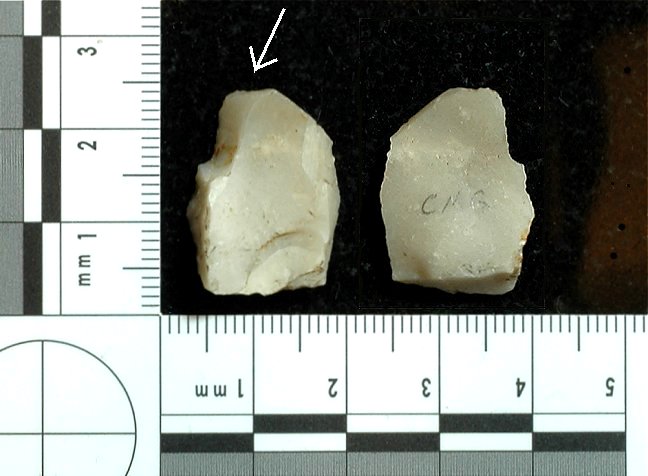
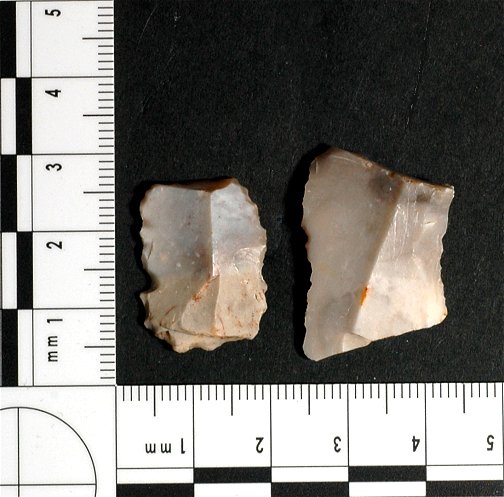
Tools were made by keeping one stone fixed and striking it with another stone. If the tools were made out of the larger leftover ‘core’, they were called core tools. If made using the smaller piece of stone ‘flaked’ out, they were called flake tools.
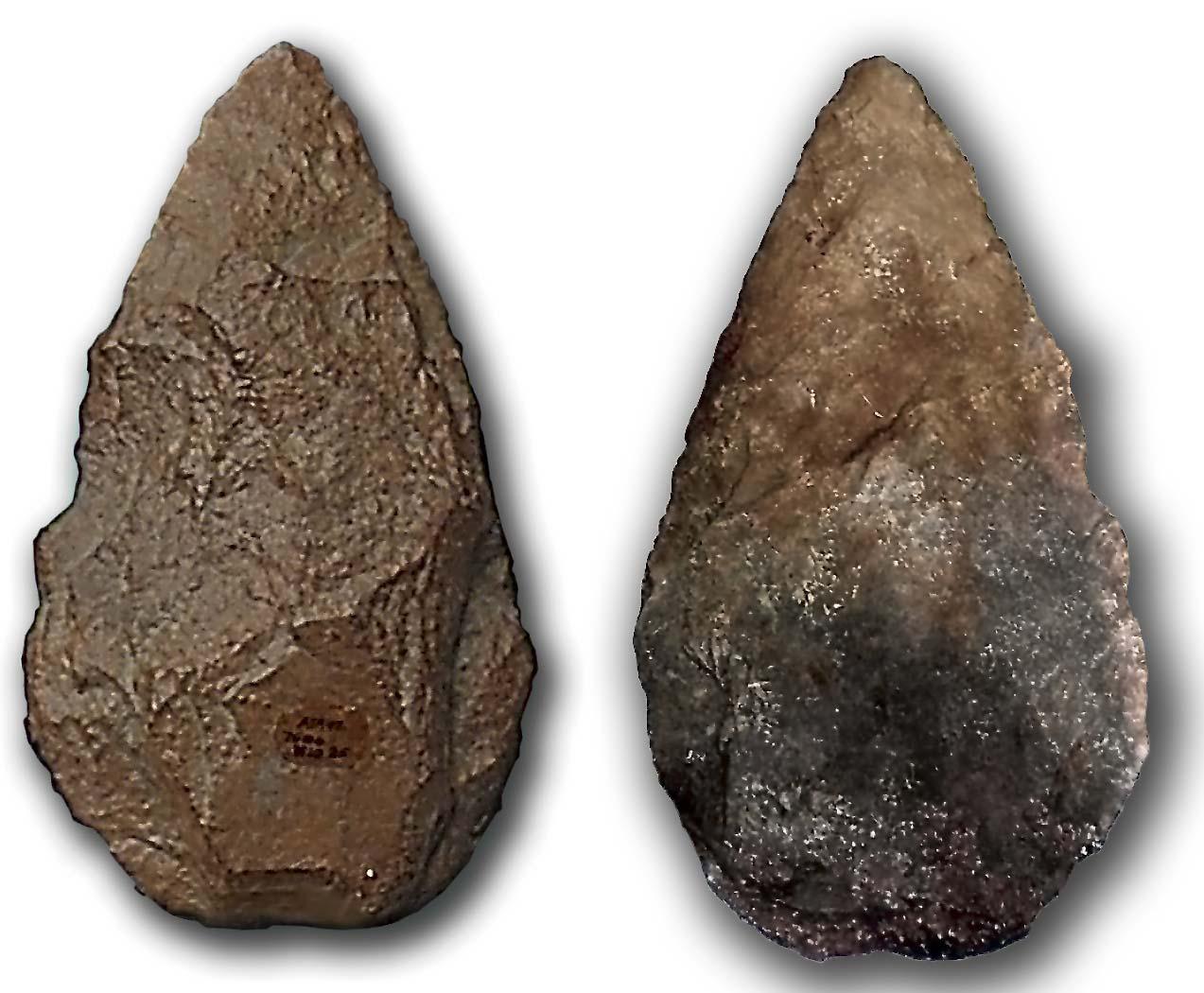
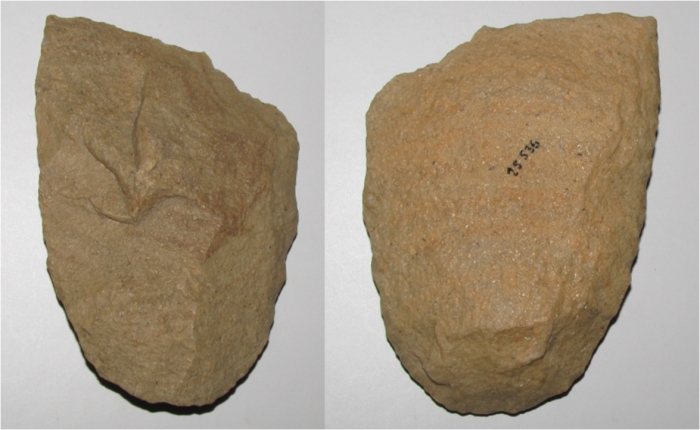
EARLY PALEOLITHIC AGE – Made of core part.
1. Chopper: using a bowl shaped piece of stone, a heavy and bold tool was created. Only one side was worked on (unifascial).
2. Chopping tool: same as the chopper but with 2 edges worked on (bifascial). Chopper and chopping tool are characteristic of lower palaeolithic.
3. Hand axe: A tool requiring much greater control than the chopper, a narrower tool with vertical working edge.
4. Cleaver: cleavers are different from hand-axes in having a transverse or horizontal working edge.
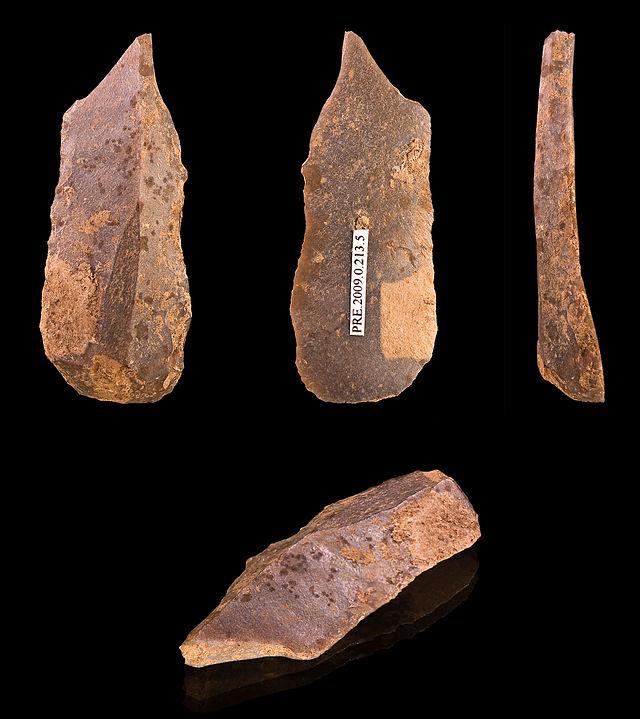
MIDDLE PALEOLITHIC AGE – Flake tools. They are lighter, more precise.
1. Blades: Parallel working edges.
2. Scraper: parallel working edges on the sides, similar to blade, with the difference being blades are much longer than they are wide. This is also a flake tool.
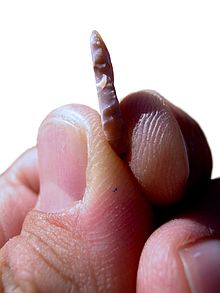
3. Points: sharpened up to a tip: like a point. 2 sideways working edges meet up to the tip. These are sometimes grafted onto a wooden handle, for which a shoulder is present.
UPPER PALEOLITHIC – Flint Tools
1. Burins: unlike a point, the tip is flat like the end of a screwdriver.
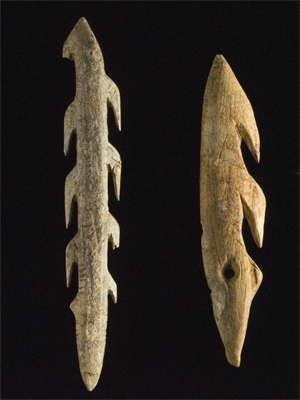
2. Bone tools: Eg. harpoon: used for fishing as fishing hooks. May be one sided or two sided.
MESOLITHIC AGE
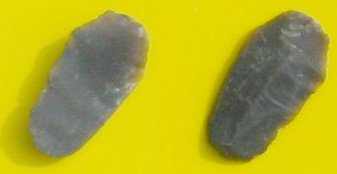
In this age, we get Microliths. These are very small tools (1cm to 8cm) often geometrical in shape, these were used for beautification (eg) tattooing, shaving etc.
Sometimes they were grafted onto wooden shafts: called composite tools.
Names were according to the shape of the tool: trapezoid, lunate, microlith points, microlith blades etc.
NEOLITHIC AGE – Polished Tools
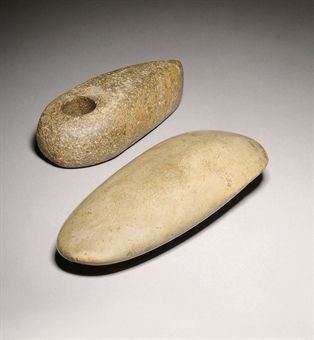
We see remarkable Polished tools. Rounded heavy tools discovered, which could have been possibly used to level the ground. May have the provision for a handle as well.
1. Celt: used for digging the ground, like an edge.
MAIN CHARACTERISTICS
Early (lower) – 500K -50K
Middle – 50K – 40K
Late (upper) – 40K – 10K
Mesolithic (9K to 4K)
Neolithic
Technology
Flakes
Flints
Microliths
Polished Tools.
Stone Used
Quartzite
Quartzite
Chert, Jasper
Agate
Dyke, Basalt, Dolomite.
Occupation
Hunting, food gathering and fishing.
Hunting, food gathering and fishing
Hunting, food gathering and fishing.
Homo-sapiens come in.
Hunting, food gathering and fishing.
In the later phase they start domesticating animals.
Hunting, food gathering and fishing came to an end.
Regular agriculture begins. Settled in smaller villages
Food producing age.
Mehrgarg – wheat, cotton
Mirzapur – cultivation of rice.
Sites
Soan or Sohan Valley, Punjab
Belan Valley , Mirzapur District, UP (near Allahabad)
Didwana, Rajasthan
Bhimbetka, MP
Geography coincides roughly with the Lower Paleolithic sites.
Upper levels of Gujrat Dunes.
Andhra, Karnataka, Maharashtra, Central MP, south UP.
Bhimbetka caves used as shelters.
Adamgargh, MP & Bagor, Rajasthan – earliest evidence of domestication of animals.
Salt Lake, Sambhar deposits suggest cultivation of plants.
North
Kashmiri – dwelling pits, range of ceramics, variety of stone and bone tools and absence of microlith. Burzahom, Gufkrul
Bihar – Chirand
South
South of Godavari
East
Assam, Garo Hills
Burial
No burial found
Burzahom – Domestic dogs buried with their masters.
Pottery
No pottery found
First reference of pottery.
Burzahom – coarse grey pottery.
Hand-made pottery found in this age. Later period – footwheel is also used.
Included black-burnished ware, greyware and mat-pressed ware.
Painting
Bimbetka in Madhya Pradesh, Belan Valley in Uttar Pradesh and Narmada Valley have prehistoric art belonging to all the 3 phases.
Objectives/need for amendment:Give autonomy to IIM’s
Key features of the bill
Allow IIMs to grant degrees to their students.
Grant complete autonomy to IIMs, combined with adequate accountability.
Coordination Forum of IIMs as an advisory body will be established. Board of an IIM will drive the management of the institution. It will select Chairperson and Director of IIM. Board will have greater participation of experts and alumni. It will also include women and members from Scheduled Castes/Tribes.
Periodic review of the performance of IIM will be conducted by independent agencies and their results will be placed in public domain. The Annual Report of the IIMs will be placed in the Parliament and CAG (Comptroller and auditor general of India) will audit their accounts.
Paramparagat Krishi Vikas Yojana is an elaborated component of Soil Health Management (SHM) of major project National Mission of Sustainable Agriculture (NMSA)
Under PKVY Organic farming is promoted through the adoption of the organic village by cluster approach and PGS certification
Groups of farmers would be motivated to take up organic farming under Paramparagat Krishi Vikas Yojana (PKVY)
Fifty or more farmers will form a cluster having 50-acre land to take up the organic farming under the scheme
The produce will be pesticide residue free and will contribute to improving the health of the consumer
Brief Intro: The M777 howitzer is a towed 155 mm artillery piece. It succeeded the M198 howitzer in the United States Marine Corps and United States Army in 2005
The M777 is also used by the ground forces of Australia, Canada, India and Saudi Arabia. It made its combat debut in the War in Afghanistan
The M777 is manufactured by BAE Systems’ Global Combat Systems division
Green GDP is a term used for expressing GDP after adjusting for environment degradations.
Green GDP is an attempt to measure the growth of an economy by subtracting the costs of environmental damages and ecological degradations from the GDP
The concept was first initiated through a System of National Accounts.
The System of National Accounts (SNA) is an accounting framework for measuring the economic activities of production, consumption and accumulation of wealth in an economy during a period of time. When information on economy’s use of the natural environment is integrated into the system of national accounts, it becomes green national accounts or environmental accounting.
The process of environmental accounting involves three steps viz. Physical accounting; Monetary valuation; and integration with national Income/wealth Accounts.
Physical accounting determines the state of the resources, types, and extent (qualitative and quantitative) in spatial and temporal terms.
Monetary valuation is done to determine its tangible and intangible components.
Thereafter, the net change in natural resources in monetary terms is integrated into the Gross Domestic Product in order to reach the value of Green GDP.
Green GDP and India
While explicitly green GDP is not measured in India, but environmental accounting has been done in India from last 2 decades
A Framework for the Development of Environmental Statistics (FDES) was developed by the Central Statistics Office (CSO) of India in the early 1990s. The Compendium of Environment Statistics is being released since 1997.
As per the recommendations of Technical Working Group on Natural Resource Accounting (NRA) in the later 1990s, a pilot project on NRA in the State of Goa was initiated during 1999-2000. Thereafter, resource accounting studies were carried out in 8 states on a different set of natural resources. Later a Technical Advisory Committee was constituted in the year 2010 under the Chairmanship of Dr Kirit Parikh to bring out a Synthesis Report combining the findings of all these studies. The report recommended the preparation of a National Accounting Matrix that would include environmental accounts. The High powered expert group under Partha Dasgupta was constituted subsequently in 2011 with the mandate of developing a framework for green national accounts of India and for preparing a roadmap to implement the framework.
Following the guidance of International Organisation of Supreme Audit Institutions (INTOSAI) on the framework for of environmental auditing, the supreme audit institution of India (CAG) also conducts an environmental audit in India. This process was formalised with the introduction of specialized guidelines for the conduct of environmental audits. This laid down broad guidelines to enable India’s auditors to examine whether the auditee institutions gave due regard to the efforts of promulgating sustainability development and environmental concerns, where warranted.
Thus, in India, the Environmental audit is conducted within the broad framework of Compliance Audit and Performance Audit at the central level by the Office of Principal Director of Audit (Scientific Departments) and by the state Accountant Generals (Audit) at the state level. Over the years, more and more states have taken up environmental audits. This compliance as well as performance audits have been printed in the respective state/ central audit reports and presented to Legislature/Parliament. All these reports deal with the environmental themes of water issues, air pollution, waste, biodiversity and environmental management systems. All the environment audits done at the state level and at the central level since 2001 are collated in the CAG report on environmental audit.
Gender Inequality Index
Gender inequality remains a major barrier to human development. Girls and women have made major strides since 1990, but they have not yet gained gender equity.
The disadvantages facing women and girls are a major source of inequality. All too often, women and girls are discriminated against in health, education, political representation, labour market, etc.—with negative consequences for development of their capabilities and their freedom of choice.
The GII is an inequality index. It measures gender inequalities in three important aspects of human development—reproductive health, measured by maternal mortality ratio and adolescent birth rates; empowerment, measured by proportion of parliamentary seats occupied by females and proportion of adult females and males aged 25 years and older with at least some secondary education; and economic status, expressed as labour market participation and measured by labour force participation rate of female and male populations aged 15 years and older.
The GII is built on the same framework as the IHDI—to better expose differences in the distribution of achievements between women and men. It measures the human development costs of gender inequality. Thus, the higher the GII value, the more disparities between females and males and the more loss to human development.
The GII sheds new light on the position of women in 159 countries; it yields insights in gender gaps in major areas of human development. The component indicators highlight areas in need of critical policy intervention, and it stimulates proactive thinking and public policy to overcome systematic disadvantages of women.
Gross National Happiness Index
Gross National Happiness is a term coined by His Majesty the Fourth King of Bhutan, Jigme Singye Wangchuck in the 1970s. The concept implies that sustainable development should take a holistic approach towards notions of progress and give equal importance to non-economic aspects of well-being.
“How are you?” We ask that question of one another often. But how are we doing – as a country, a society? To answer that question, Bhutan uses its Gross National Happiness (GNH) Index.
In 2015, a total of 91.2% of Bhutanese were narrowly, extensively, or deeply happy. 43.4% were extensively or deeply happy. The aim is for all Bhutanese to be extensively or deeply happy. Bhutan is closer to achieving that aim in 2015 than it was in 2010.
GNH is a much richer objective than GDP or economic growth. In GNH, material well-being is important, but it is also important to enjoy sufficient well-being in things like community, culture, governance, knowledge and wisdom, health, spirituality and psychological welfare, a balanced use of time, and harmony with the environment.
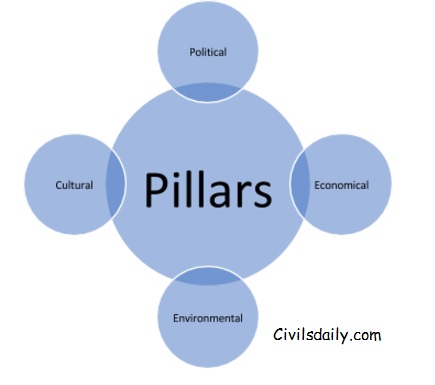
The four pillars of GNH:
The Nine Domains of GNH
Criticism of GNH
From an economic perspective, critics state that because GNH depends on a series of Subjective judgments about well-being, governments may be able to define GNH in a way that suits their interests
Other critics say that international comparison of well-being will be difficult in this model; proponents maintain that each country can define its own measure of GNH as it chooses and that comparisons over time between nations will have validity. GDP provides a convenient, international scale.
Research demonstrates that markers of social and individual well-being are remarkably transcultural: people generally report greater subjective life satisfaction if they have strong and frequent social ties, live in healthy ecosystems, experience good governance, etc. Nevertheless, it remains true that reliance on national measures of GNH would render international comparisons of relative well-being more problematic since there is not and is not likely ever to be a common scale as “portable” as GDP has been with other countries.
Human Development Index
The Human Development Index (HDI) is a statistical tool used to measure a country’s overall achievement in its social and economic dimensions. The social and economic dimensions of a country are based on the health of people, their level of educational attainment and their standard of living.
Pakistani economist Mahbub ul Haq created HDI in 1990 which was further used to measure the country’s development by the United Nations Development Program (UNDP). Calculation of the index combines four major indicators: life expectancy for health, expected years of schooling, mean of years of schooling for education and Gross National Income per capita for the standard of living.
Why do we require HDI?
Firstly, GDP method of calculating progress ignores non-income aspects like education and health thus, for example, Arab countries have high GDP per-capita, but the progress in health and education field is limited in those countries which do not get measured in GDP. Similarly, in countries like Cuba and Sri Lanka GDP per capita is low, but the quality of life is much better than many high GDP per capita countries of the Arab world and Latin America because of high-quality indicators in social sectors. HDI will overcome this problem
Secondly, GDP per capita ignores income inequality or distribution of wealth in a country for example in countries of Latin America have high GDP per capita but due to skewed income distribution, the masses are excluded from growth process.
The HDI was created to emphasize that people and their capabilities should be the ultimate criteria for assessing the development of a country, not economic growth alone
Method of calculating HDI
The Human Development Index (HDI) is a summary measure of average achievement in key dimensions of human development: a long and healthy life, being knowledgeable and have a decent standard of living. The HDI is the geometric mean of normalized indices for each of the three dimensions.
(a)Life Expectancy Index assessment
The minimum value for life expectancy is fixed at 20 years in the new calculation. The maximum value for life index is kept at 83.2 years.
Formula to calculate Life Expectancy Index (LEI) = Life Expectancy of a country -20/ 83.2-20
(b) Education Index assessment
Education Index (EI) assessment is composite of two indices. They are
1. Mean Years of Schooling Index (MYSI)
2. Expected Years of Schooling Index (EYSI)
Formula to calculate Mean Years of Schooling Index (MYSI) = Mean years of schooling – 0/ 13.2 – 0
Formula to calculate Expected Years of Schooling Index (EYSI) = Expected Years of Schooling – 0/ 20.6 – 0
(C) Income Index assessment
To calculate this index, goal posts are set as per observations during 1980 – 2010 in various countries. Gross National Income per capita is taken as a measure to calculate new Income Index in new HDI. Minimum income is set as $163, and maximum income is set as $108,211.
Formula to calculate Income Index = Log (Country’s GNIpc) – Log ($163) / Log ($108,211) – Log ($163)
How to calculate Human Development Index as per new method?
Formula to calculate Human Development Index (HDI) = (Life Expectancy Index X Education Index X Income Index) 1/3
New Human Development Index (HDI) is geometric mean of Life Expectancy Index (LEI), Education Index (EI) and Income Index (II).
After this calculation total value will be between 0 and 1. As per the values gained, countries will be placed in the list of the division of countries. They are divided into very high human development, high human development, medium high human development and low high human development countries
Global Trends in HDI
The Scandinavian countries which include Norway, Sweden, Denmark etc. are world leaders in HDI since most of them occupy positions within top 10 in HDI list and Norway always tops the list. According to 2015 HDI rankings, Norway is top ranked country. The reasons why these countries are performing so well In HDI are manifold. These countries have high per capita income, along with this positive state interference in education and health along with a well-developed social security system ensure that these countries maintain their dominance in HDI ranking.
Among India’s neighbours, Bhutan and Bangladesh figure in Medium development category. Pakistan (ranked 146) and Nepal (145) are in the ‘low development’ category, while Sri Lanka (73) is in the ‘high development’ category.
The five countries that made up the bottom of the list were Niger (0.348), Central African Republic (0.350), Eritrea (0.391), Chad (0.392) and Burundi (0.400).
Strength of HDI index
There is widespread use of HDI to compare development levels, and it does reveal clear global patterns.
Does not solely concentrate on economic Growth, and takes into consideration that there are other, more social, ways to measure progress.
Increase in education and health shows an improvement in countries progress index.
Weaknesses of HDI index
The fact that the HDI uses GDP per capita in its calculations opens many criticisms. Here are some of them.
GDP per capita does not give an indication of the income distribution. Issues about Rich and poor divide etc
GDP does not show how the income is spent by the government. Some countries spend more on military than on health care
The range of variables included by the HDI is too narrow and does not include much-needed factors such as the % of people living on under 1$ a day
Out of the three main constituents of the HDI, some factors are more important than others. The HDI is flawed for this reason as the score of the three is averaged out.
When knowledge is measured it only takes into account what children learn at school not in the family. And so maybe knowledge statistics may be distorted if the family play more of a role in education in the home.
Longevity can also be distorted as the life expectancy of a person does not consider how healthy the life was led. i.e. A person aged 90 years old but has suffered serious illness in the last 30 years of their life would have a higher HDI value compared to a 70-year-old who has led a very healthy life.
Countries like are countries with booming economic growth. And also, it has well-developed health and education sector. There is no religious freedom, there’s censorship on the internet, and the state is everywhere.
Data from some developing countries may not be very reliable and may be difficult to confirm.
The measures chosen may seem very arbitrary to some because there are another way of measuring relative qualities in health and education
No indication in the education index about access to education for all groups in society.
The HDI and India
India’s human development index (HDI) ranking for 2015 puts Asia’s third largest economy among a group of countries classed as “medium” in the list, as opposed to “low” in the 1990s, thanks to factors such as an increase in life expectancy and mean years of schooling in the past 25 years.
But the bad news from the report released on Tuesday in Stockholm is that regional disparities in education, health and living standards within India—or inequality in human development—shave off 27% from India’s HDI score.
As it stands, India is ranked 131 out of 188 countries in a list that is topped by Norway.
India’s HDI value for 2015 is 0.624—which puts the country in the medium human development category but behind fellow South Asian countries like Sri Lanka and the Maldives.
India’s 2015 score is up from 0.428 in 1990, i.e. an increase of 45.8% between 1990-2015.
India’s improved HDI value is second among BRICS countries, with China recording the highest improvement—48%.
Between 1990 and 2015, India’s life expectancy at birth increased by 10.4 years, mean years of schooling increased by 3.3 years and expected years of schooling increased by 4.1 years,” the report said, adding that India’s Gross National Income, or GNI, per capita, increased by about 223.4% during the same period.
In South Asia, countries that are close to India in HDI rank with a comparable population size are Bangladesh and Pakistan, which are ranked 139 and 147, respectively.
The HDI report also showed that almost 1.5 billion people in developing countries live in multi-dimensional poverty. Of this, 54%, or 800 million people, are in South Asia while 34% are in Sub-Saharan Africa.
By
Himanshu Arora
Doctoral Scholar in Economics & Senior Research Fellow, CDS, Jawaharlal Nehru University
Parker Solar Probe is a planned NASA robotic spacecraft to probe the outer corona of the Sun
It will approach to within 8.86 solar radii (6.2 million kilometers or 3.85 million miles) from the ‘surface’ (photosphere) of the Sun
It will determine the structure and dynamics of the Sun’s coronal magnetic field, understand how the solar corona and wind are heated and accelerated, and determine what processes accelerate energetic particles
The Parker Solar Probe mission design uses repeated gravity assists at Venus to incrementally decrease its orbital perihelion to achieve multiple passes of the Sun at approximately 8.5 solar radii
The BFA was formed by China in 2001 on the lines of the World Economic Forum in Davos
The Boao Forum for Asia is a non-profit organization that hosts high-level forums for leaders from government, business, and academia in Asia and other continents to share their vision on the most pressing issues in this dynamic region and the world at large
It holds its meeting every year
Boao Forum has its fixed address in Bo’ao, Hainan province, China, although the Secretariat is based in Beijing
An anti-dumping duty is a protectionist tariff that a domestic government imposes on foreign imports that it believes are priced below fair market value
The Revenue Department in the Finance Ministry imposes anti-dumping duty
It is imposed after following recommendations of Directorate General of Anti-Dumping and Allied Duties (DGAD)
These duties are imposed under the multilateral WTO regime
They are not a measure to restrict imports or cause an unjustified increase in cost of products
Electoral Bond is a financial instrument for making donations to political parties
These are issued by Scheduled Commercial banks upon authorization from the Central Government to intending donors, but only against cheque and digital payments (it cannot be purchased by paying cash)
Electoral Bonds would have a life of only 15 days during which it can be used for making donation only to the political parties registered under section 29A of the Representation of the Peoples Act, 1951 and which secured not less than one percent of the votes polled in the last general election to the House of the People or a Legislative Assembly
The Electoral Bonds under the Scheme shall be available for purchase for a period of 10 days each in the months of January, April, July, and October, as may be specified by the Central Government