💥Join UPSC 2027,2028 Mentorship (July Batch) + XFactor Notes & Microthemes PDF

Distribution: yearly

  • India needs the anchor of a National Security Strategy 

    Why in the news? 

    The newly elected National Democratic Alliance government is confronted with several longstanding and complex national security issues.

    Strategic Relations with the US and Competition with China:

    • China’s Multifaceted Challenges: China poses an unprecedented array of interconnected challenges, including a significant naval build-up, geoeconomic clout in South Asia, and leverage in global supply chains.
    • Strategic Relations with the US: India must navigate its strategic partnership with the United States while managing competition with China.
    • Global Conflicts Impact: Distant conflicts, such as those in Ukraine and Gaza, reveal new technologies and tactics of war that could spread to India’s neighbourhood, influencing its strategic relations and defence strategies.

    Challenges Involved in the near future for the Indian Government:

    • Decisions on Military Investments: The government must decide on key defence projects, such as building another aircraft carrier and implementing theaterisation.
    • Holistic National Security: There is a need to step back and consider national security holistically, rather than making piecemeal decisions that could waste resources and undermine national goals.
    • Managing Strategic Risks: Addressing strategic risks like climate change, pandemics, and China’s growing influence requires coordinated, long-term policy efforts.
    • Synchronizing Efforts: Various arms of the government, including the military and national security agencies, need to synchronize their efforts more effectively.

    Blueprint for Expanding Power:

    • Comprehensive Strategic Assessment: A National Security Strategy (NSS) would compel the government to thoroughly review threats, opportunities, and global security trends.
    • Framework for Long-Term Planning: An NSS would provide a coherent framework for long-term strategic planning, helping to allocate resources effectively and develop necessary military capabilities and international partnerships.
    • Signaling Intent to Allies and Adversaries: An NSS would clarify India’s strategic intent, signaling its role as a net security provider in the Indian Ocean and its stance on regional security issues.
    • Coordinated National Security Efforts: An NSS would align the efforts of different national security agencies and military branches, fostering better coordination and integration.

    Issue of Accountability:

    • Transparency and Accountability: An NSS would serve as a tool to ensure that the government’s policies are transparent and accountable to Parliament and the citizens.
    • Adherence to Political Leadership’s Intent: It would help ensure that the bureaucracy adheres to the political leadership’s strategic direction.
    • Public Document: A strong NSS should be a public document, endorsed by the Prime Minister, to synchronize efforts across the government and signal political intent both domestically and internationally.
    • Rational Decision-Making: An NSS would help identify trade-offs and opportunity costs, enabling political leaders to make informed, rational decisions for long-term national growth and security.

    Conclusion: Develop a coherent strategic framework within the NSS that outlines India’s national security objectives, priorities, and methodologies for achieving them. This framework should guide decision-making on defense investments, international partnerships, and response strategies to global challenges like climate change and pandemics.

    Mains PYQ:

    Q What introduces friction into the ties between India and the United States is that Washington is still unable to find for India a position in its global strategy, which would satisfy India’s National self-esteem. (UPSC IAS/2019)
  • [26th June 2024] The Hindu Op-ed: Agony still in Manipur, a year later

    PYQ Relevance: 

    Q What are the two major legal initiatives by the state since Independence, addressing discrimination against Scheduled Tribes (ST)? (UPSC IAS/2017)
    Q Why are the tribals in India referred to as ‘the Scheduled Tribes’? Indicate the major provisions enshrined in the Constitution of India for their upliftment. (UPSC IAS/2016)

    Mentors’ comment: The Meiteis and Kuki-Zos are the two major ethnic communities in Manipur engaged in a violent conflict since May 2022. The Meiteis, the dominant group in the Imphal valley, have demanded Scheduled Tribe status, which the Kuki-Zos in the hills oppose fearing loss of land and jobs. The conflict has led to over 220 deaths, thousands injured, and tens of thousands displaced, creating a humanitarian crisis.

    Let’s learn!

    Why in the news?

    The absence of Manipur Chief Minister N. Biren Singh was notable at the high-level security meeting on Manipur convened by Union Home Minister Amit Shah in New Delhi on June 17, 2024.

    Background issue:

    • Communities Involved: The primary conflict is between two major ethnic communities in Manipur: the Meitei and the Kuki-Zo tribes.
    • Violence and Casualties: The clashes have resulted in significant violence, including attacks on civilians and property. The conflict has led to a considerable loss of life, with casualties reported on both sides.
    • Displacement: The violence has caused widespread displacement within Manipur. Both Meiteis and Kuki-Zos have been forced to flee their homes, contributing to a humanitarian crisis in the region.
    • Reason: The roots of the conflict are deep-seated and include historical grievances and disputes over land, resources, and political representation.

    Issues related to High-Level Security Meeting:

    • Exclusion from High-Level Meetings: Manipur Chief Minister N. Biren Singh was conspicuously excluded from a high-level security meeting convened by Union Home Minister Amit Shah in New Delhi on June 17, 2024.
    • Centralized Control: Speculations arose about an undeclared President’s Rule in Manipur, indicating that the State government’s authority in handling the ethnic clashes between Meitei and Kuki-Zo tribes has been significantly diminished.
    • Appointment of Officials: The Director General of Police and Security Adviser for Manipur were appointed from outside the State following the outbreak of violence, highlighting a shift in administrative control away from local authorities.

    Recent challenges:

    • Misguided Separation Strategy: An attempt to create a buffer zone between the warring communities by dividing responsibilities between central forces and state police backfired.
    • Lack of Resolution Efforts: While violence temporarily subsided, underlying causes of discord between Meiteis and Kuki-Zos were not addressed, allowing tensions to persist and escalate unpredictably.
    • Presence of Security Forces: Despite a large deployment of around 70,000 personnel, the strategy has focused on managing rather than resolving the conflict, leading to sustained distrust and communal tensions.

    Impact on Meiteis and Kuki-Zos communities:

    • Casualties and Displacement: Official figures report 225 deaths, with significant displacement and mutual ethnic cleansing affecting both Meiteis and Kuki-Zos communities.
    • Blurred Victim-Perpetrator Lines: Over time, the distinction between victims and perpetrators has become less clear, complicating reconciliation efforts and deepening communal divisions.
    • Humanitarian Impact: The conflict has exacted a heavy toll on lives and properties, necessitating empathy and shared acknowledgement of suffering as a basis for reconciliation and eventual peace-building.

    Way forward: 

    • Inclusion of Local Leadership: Ensure the meaningful participation of Manipur Chief Minister N. Biren Singh and local community leaders in high-level security meetings and decision-making processes. This can help in fostering trust and ownership of initiatives aimed at resolving the conflict.
    • Address Root Causes: Conduct a comprehensive assessment to identify and address the underlying causes of ethnic tensions, such as historical grievances, competition over resources, and political representation. Develop policies and initiatives that aim at long-term reconciliation rather than short-term management of conflict.

    Source: 

    https://www.thehindu.com/opinion/lead/agony-still-in-manipur-a-year-later/article68332570.ece#:~:text=There%20seem%20to%20be%20no,placed%20in%20virtual%20animated%20suspension.
  • Chang’e 6 Lunar Probe

    Why in the News?

    • On June 25, Chang’e-6 became the world’s first spacecraft to bring back samples from the far side of the Moon.
      • Chang’e-6 successfully returned with samples from the lunar far side, making China the first country to achieve this feat.

    About Chang’e-6 Mission 

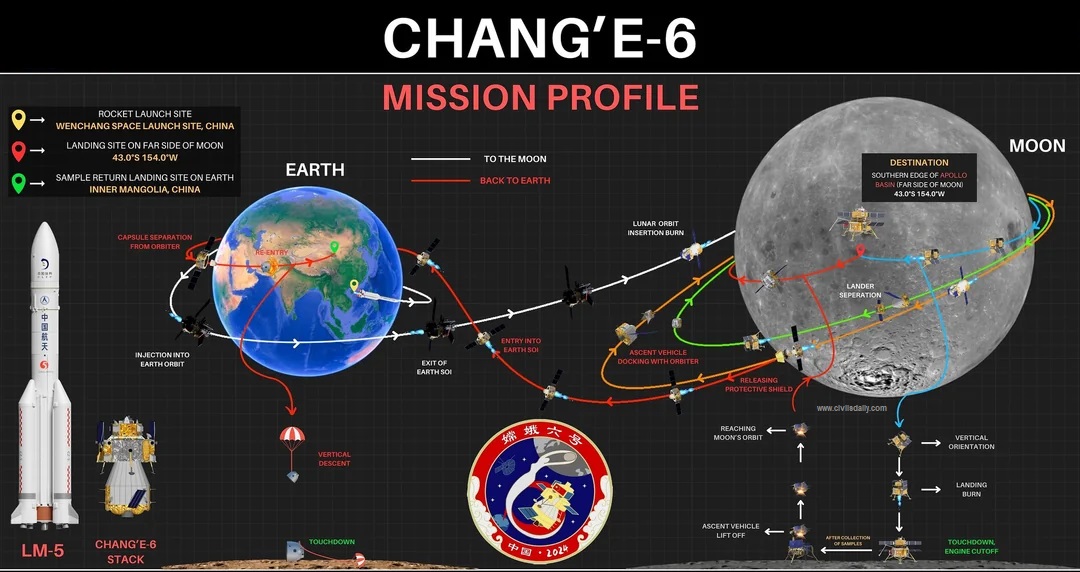
    • The mission lasted 53 days, starting with a launch on May 3, 2024, and ending with the return capsule landing on June 25, 2024.
    • The lander descended into the South Pole-Aitken basin, one of the largest impact basins in the solar system, believed to contain material from the lunar mantle.
    • The lander used robotic scoops and drills to collect about 2 kilograms of lunar material, including both surface soil and subsurface samples.

    Components of Chang’e-6 

    1. Lander: Equipped with drills and scoops for sample collection.
    2. Ascender: Transported samples from the lunar surface to lunar orbit.
    3. Orbiter: Carried the samples from lunar orbit back to Earth.
    4. Returner: Brought the samples safely back to Earth.

    Collaboration and Payloads

    The mission carried instruments from international partners, including:

    • French DORN: Studied lunar dust and volatiles.
    • Italian INRRI: Measured distances using a retroreflector.
    • Swedish NILS: Detected negative ions on the lunar surface.
    • Pakistani ICUBE-Q CubeSat: Imaged the lunar surface and obtained magnetic field data.

    Scientific Goals  

    • Sample Analysis: Scientists aim to learn more about the Moon’s internal structure and the differences between its near and far sides.

    China’s Lunar Exploration Program

    • Chang’e-6 follows previous missions under China’s Lunar Exploration Program, marking the next step in incremental technological advancements.
    • Phases of Exploration: The program has four phases:
    1. First Phase: Reaching lunar orbit, completed by Chang’e 1 (2007) and Chang’e 2 (2010).
    2. Second Phase: Landing and roving, achieved by Chang’e 3 (2013) and Chang’e 4 (2019).
    3. Third Phase: Sample collection and return, accomplished by Chang’e 5 (2020) and Chang’e 6 (2024).
    4. Fourth Phase: Developing a robotic research station near the Moon’s South Pole, aiming for crewed lunar landings in the 2030s.

    Previous Lunar Sample Missions

    • Apollo 11 Mission (1969): The US mission brought 22 kg of lunar material, including 50 rocks.
    • Luna 16 Mission (1970): Soviet robotic mission brought lunar samples to Earth.
    • Chang’e-5 Mission (2020): Predecessor to Chang’e-6, returned 2 kg of lunar soil from the near side.

    Significance of Sample Return Missions

    • Laboratory Analysis: Allows the use of sophisticated instruments to study the chemical, isotopic, mineralogical, structural, and physical properties of samples.
    • Long-term Preservation: Samples can be preserved and re-examined by future generations with advanced technology.
    • Technological Feat: Recovering samples from the far side is a significant technological achievement.
    • Step Towards Human Exploration: Success of Chang’e-6 is seen as a step towards China’s goal of landing astronauts on the Moon by 2030.
    • Launch Pad for Deep Space: The Moon could serve as a base for future deep space missions and extraterrestrial exploration.

    Outcome: New Lunar Race

    • Global Participation: India, China, Japan, the US, and Russia launched lunar missions in 2023.
    • Future Missions: Over 100 Moon missions by governments and private companies are expected by 2030.
    • Long-term Goals: Unlike the 20th-century space race, today’s missions aim to establish a long-term presence and use lunar resources.

    India’s Chandrayaan-4 Mission

    • Chandrayaan-4, under development by ISRO, will also be a sample return mission to be launched tentatively by 2028.
    • Chandrayaan-3 landed near the Moon’s South Pole last year, about 600 km from the target area for Chandrayaan-4.


    PYQ:

    [2016] Discuss India’s achievements in the field of Space Science and Technology. How the application of this technology helped India in its socio-economic development?

  • K-Shaped Economic Recovery fuels diverse Inflation Dynamics in India

    Why in the News?

    India is experiencing a K-shaped recovery, with uneven growth patterns. This recovery is causing divergent inflation trends, with food and rural prices rising faster than other goods and services, and urban inflation.

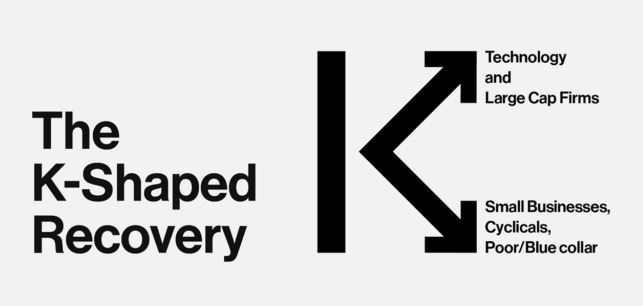
    What is K-Shaped Recovery?

    •  A K-shaped recovery is an economic scenario in which different sectors, industries, or groups within an economy recover from a recession at markedly different rates.
    • This results in a divergent economic recovery pattern, with some parts of the economy experiencing robust growth and others continuing to struggle or even decline.

    Features of K-Shaped Recovery

    • Divergent Recovery Rates: Certain sectors, such as technology and finance, may recover quickly and strongly. Other sectors, like hospitality and retail, may continue to struggle or recover much more slowly.
    • Income Inequality: High-income individuals and businesses may see significant improvements in their financial situations. Low-income individuals and small businesses may face prolonged financial hardships.
    • Sectoral Disparities: Industries that can adapt to remote work or have online business models (e.g., tech, e-commerce) thrive.

    Indian Context: Consumption Patterns Post-Pandemic

    • High-End Goods Demand: Post-pandemic recovery is driven by increased demand for higher-end goods and services.
    • Mass Consumption Items: Lower-income households’ consumption of mass-market items remains relatively subdued.

     Contrast Inflation Rate:

    • Rural vs. Urban Inflation: Rural inflation is outpacing urban inflation.
    • Food Prices vs. Other Goods: Food price inflation is higher compared to inflation in other goods and services.
    • Goods vs. Services Inflation: Goods inflation is higher than services inflation.
    • Input vs. Output Prices: Input prices are rising faster than output prices.

    Policy Implications

    • Sensitive Policymaking: Government policies need to be sensitive to the impact on different groups affected by supply-side shocks.
    • Careful Planning: Reforms should be carefully explained and planned to mitigate adverse impacts.

    PYQ:

    [2021] Do you agree that the Indian economy has recently experienced V-shaped recovery? Give reasons in support of your answer.

  • China-France launches SVOM Satellite for Gamma-Ray Burst Study

    Why in the News?

    The Space Variable Objects Monitor (SVOM) satellite jointly developed by China and France was launched from the Xichang Satellite Launch Center.

    About Space Variable Objects Monitor (SVOM)

    • The SVOM is designed to study gamma-ray bursts (GRBs) resulting from explosive cosmic events like black hole births and neutron star collisions.
    • It is the first astronomy satellite developed jointly by China and France, following their collaboration on an oceanographic satellite launched in 2018.

    Importance of Studying Gamma-Ray Bursts (GRBs)

    • GRBs are highly energetic bursts of gamma rays, lasting from less than a second to several minutes, occurring in distant parts of the universe.GRBs can erupt with a luminosity a quintillion times that of the Sun.
    • Types of GRBs:
    1. Short GRBs: Result from collisions of neutron stars or a neutron star with a black hole, lasting less than two seconds, often followed by kilonovas.
    2. Long GRBs: Result from the explosive deaths of massive stars, lasting two seconds or longer.

    Mission and Objectives of SVOM

    • Primary Objective: To search for and study GRBs across the universe.
    • Data Collection: Measure and analyze electromagnetic radiation properties of GRBs.
    • Scientific Goals: Unlock mysteries about the universe’s evolution and gravitational waves, which are often associated with neutron star collisions.
    • Real-time Detection: Transmit GRB data to ground control within about one minute, enabling coordinated observations with ground-based stations globally.

    Features and Capabilities of SVOM

    • Satellite Specifications: Weighs 930 kg and is equipped with four payloads, two developed by France and two by China.
    • French Contributions: ECLAIRs and MXT telescopes to detect and capture GRBs.
    • Chinese Contributions:
    1. Gamma Ray Burst Monitor (GRM): Measures the spectrum of GRBs.
    2. Visible Telescope (VT): Detects and observes visible emissions immediately after a GRB.
    • Orbit Details: Placed in a low Earth orbit at an altitude of 625 km, with an orbital period of 96 minutes.

    Significance of SVOM’s Findings

    • Early Universe Insights: Aim to detect the earliest GRBs, providing information on the universe’s early stages and evolution.
    • Kilonova Detection: Capability to search for kilonovas, enhancing understanding of stellar evolution and the origin of heavy elements like gold and silver in the universe.

    PYQ:

    [2019] Recently, scientists observed the merger of giant ‘blackholes’ billions of light-years away from the Earth. What is the significance of this observation?

    (a) ‘Higgs boson particles’ were detected.

    (b) ‘Gravitational waves’ were detected.

    (c) Possibility of inter-galactic space travel through ‘wormhole’ was confirmed.

    (d) It enabled the scientists to understand ‘singularity’.

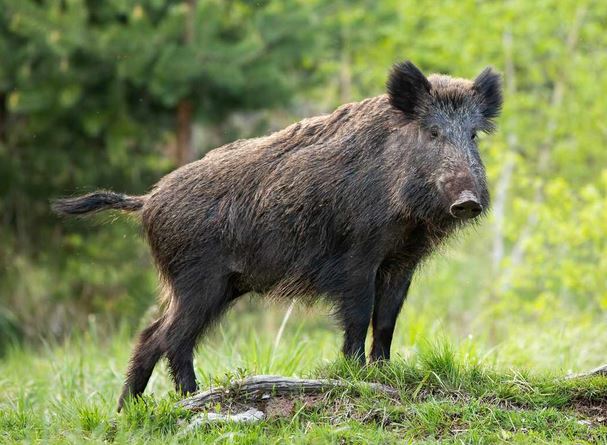
  • TN to allow regulated culling of Wild Boars  

    Why in the News?

    • The Tamil Nadu government has approved the controlled hunting of wild boars causing distress to farmers near forest areas.
      • Presently, Wild boars are NOT listed as Vermin under the Schedule V of the Wildlife Protection Act, 1972.

    About the Farmers’ Conflict Resolution Committee

    • The Committee includes representatives from the Departments of Forest, Revenue, Agriculture, and Horticulture, along with scientific experts and wildlife enthusiasts.
    • Objective: The committee was formed to study the impact of raids by elephants and wild pigs on agricultural crops.
    • Implementation Protocol:
      • Approval Process: The culling will require approval from a local three-member checking body.
      • Composition of the Checking Body: The body will include a forester or forest guard, the Village Administrative Officer, and the ward member.
      • Supervision: Culling operations must be conducted in the presence of these three members.

    Zoning for Culling Operations

    • Areas adjacent to reserve forests will be divided into three zones:
    1. Zone A: Within one kilometre from forest limits.
    2. Zone B: One to five kilometres from forest limits.
    3. Zone C: Beyond five kilometres from forest limits.
    • Restrictions: Shooting of wild pigs is prohibited within five kilometres of the reserve forest (Zones A and B).
    • Scientific Approach to Culling:
      • Scientific Methodology: The shooting of wild boars must adhere to a scientific approach, considering the intensity and frequency of conflict incidents.
      • Expert Concerns: Experts highlight the ecological role of wild boars and caution against indiscriminate killing.

    About Indian Wild Boar

    Details
    Scientific Name Sus scrofa cristatus
    Habitat and Distribution High grass, bushes, forests, high crops, dense forests, grasslands, scrublands, agricultural areas; Indian subcontinent, various altitudes from sea level to mountains
    Behaviour and Social Structure
    • Matriarchal ‘sounders’ led by an elder female;
    • Solitary adult males or loose bachelor groups;
    • Active during evening and night;
    • Territorial fights with predators.
    Diet
    • Omnivorous: excreta, tubers, roots, leaves, fruit, vegetables, standing crops, carrion, small animals, baby deer;
    • Prefers marshy areas and roots in swampy places
    Reproduction
    • Breeding year-round, peak seasons vary by region;
    • Gestation: around four months; Litter size: multiple piglets
    Ecological Role
    • Seed dispersal aiding plant propagation;
    • Important prey species maintaining predator-prey balance in the ecosystem
    Conservation Status
    • IUCN Red List: Least Concern
    • Wildlife (Protection) Act, 1972: Schedule III

    Proposed reclassification to Schedule V (vermin) due to agricultural damage.

    Present Culling Section 11-B (1) of the Wildlife (Protection) Act, 1972 allows the Chief Wildlife Warden to issue special orders to kill dangerous wild animals.


    Back2Basics: Schedule III of WPA, 1972

    • Protection Level: Lesser degree of protection compared to Schedule I and II.
    • Prohibition: Hunting of these species is prohibited except under special circumstances defined by the Act.
    • Penalties: Violations related to these species attract penalties, though they are less stringent than those for higher schedules.

    Species Listed in Schedule III: As per the latest available data, the following are examples of species listed under Schedule III of the Wildlife (Protection) Act, 1972:

    1. Chinkara (Gazella bennettii): Also known as the Indian Gazelle, found in various parts of India.
    2. Blackbuck (Antilope cervicapra): A species of antelope native to India.
    3. Blue Bull (Boselaphus tragocamelus): Also known as the Nilgai, the largest Asian antelope.
    4. Indian Wild Boar (Sus scrofa cristatus): A subspecies of the wild boar native to the Indian subcontinent.
    5. Sambar (Rusa unicolor): A large deer native to the Indian subcontinent.

    Legal Provisions:

    • Hunting Prohibition: Hunting any animal listed under Schedule III is prohibited except for purposes like scientific research, education, and when permitted by the authorities under specific conditions.
    • Penalties: The penalties for offenses involving Schedule III animals include imprisonment up to three years, or a fine up to Rs. 25,000, or both.


    PYQ:

    [2017] In India, if a species of tortoise is declared protected under Schedule I of the Wildlife (Protection) Act, 1972, what does it imply?

    (a) It enjoys the same level of protection as the tiger.

    (b) It no longer exists in the wild, a few individuals are under captive protection; and now it is impossible to prevent its extinction.

    (c) It is endemic to a particular region of India.

    (d) Both B and C stated above are correct in this context.

  • Enemy Agents Ordinance: Strict Measures for Militant Assistance in J&K

    Why in the News?

    • J&K Director General of Police stated that individuals assisting militants in J&K should be tried under the Enemy Agents Ordinance, 2005.

    Enemy Agents Ordinance: An Overview

    • It was first issued in 1917 by the Dogra Maharaja of J&K, the ordinance remains in effect.
    • The ordinance mandates death or rigorous imprisonment for life, or imprisonment up to 10 years with a fine for aiding the enemy or engaging in actions detrimental to Indian military operations.
    • Its Evolution:
      • Post-Partition Incorporation: The ordinance was retained as a law in J&K post-1947 and amended over time.
      • Changes Post-2019: Following the repeal of Article 370, the Jammu and Kashmir Reorganisation Act retained the Enemy Agents Ordinance and other security laws while replacing many state laws with Indian laws, such as the Indian Penal Code.

    Trial Procedures under the Ordinance

    • Special Judge Appointment: Trials are conducted by a special judge appointed by the government in consultation with the High Court.
    • Legal Representation: Accused individuals can only engage a lawyer if permitted by the court.
    • No Appeal Provision: Verdicts can only be reviewed by a High Court judge chosen by the government, with the decision being final.
    • Publication Bar: Unauthorized disclosure or publication of trial information is punishable by imprisonment up to two years, fine, or both.

    Notable Application of the Ordinance

    • Notable Cases: Many Kashmiris have been tried under the ordinance, including Maqbool Bhat, the founder of Jammu Kashmir Liberation Front, who was hanged in Tihar Jail in 1984.
    • Current Context: The Enemy Agents Ordinance continues to be a critical tool in addressing militant assistance in J&K, reflecting the stringent legal measures in place to maintain security.

    PYQ:

    [2019] The banning of ‘Jamaat-e-Islami’ in Jammu and Kashmir brought into focus the role of over-ground workers (OGWs) in assisting terrorist organizations. Examine the role played by OGWs in assisting terrorist organizations in insurgency affected areas. Discuss measures to neutralize the influence of OGWs.

    [2019] Indian government has recently strengthen the anti-terrorism laws by amending the unlawful activities (Prevention) Act, (UAPA), 1967 and the NIA Act. Analyze the changes in the context of prevailing security environment while discussing scope and reasons for opposing the UAPA by human rights organisations.

  • Sucheta Kripalani (1908-1974): India’s first woman Chief Minister

    Why in the News?

    June 25 is the birth anniversary of “Sucheta Kripalani”, India’s first woman Chief Minister.

    Who was Sucheta Kripalani?

    • Sucheta Kripalani was born on June 25, 1908, in Ambala, Punjab. Daughter of S. N. Majumdar, a government surgeon. She studied at Indraprastha College for Women and St. Stephen’s College, University of Delhi.
    • She married J. B. Kripalani, a former Congress president and Gandhian, in April 1936 against familial and Mahatma Gandhi’s wishes.

    Political Journey and Chief Ministership

    • Early Career: Joined BHU to teach Constitutional History in 1929, participated in Satyagraha, and was imprisoned in 1940.
    • Congress Role: Organized the foreign affairs wing of AICC and later founded the All India Mahila Congress.
      • She won by a margin of 99 votes over Kamalapati Tripathi and was sworn in as CM on October 2, 1963.

    Contributions and Achievements

    • Educational Reforms: Waived school fees for girls up to Class 10 from January 1965. Established Meerut University and Kanpur University.
    • Social Reforms: Increased reservation for SCs in government jobs to 24% in Group C and 45% in Group D until the 18% target was achieved.
    • Infrastructure Developments: Established a Sainik School in Ghorakhal, a new medical college in Meerut, and the UP Awas Vikas Parishad. She created the post of agriculture production commissioner.
    • Crime Control: Neutralized many dacoits in the Chambal Valley with the help of the Police Radio Unit.
    • Anti-Corruption Stance: Emphasized the need to tackle growing corruption in public services, supporting the Union government’s initiative to appoint a vigilance commission.
    • Multifaceted Contributions: Involved in relief activities for the 1934 Bihar earthquake, Noakhali riots, Tibetan refugee rehabilitation, and the Indo-Pak War of 1971.
      • Criticism and Response: Faced criticism for being influenced by English, despite being a staunch supporter of Hindi. Advocated for creating an atmosphere for Hindi in governance.

    Later Life and Legacy

    • Post-CM Career: Served as Lok Sabha MP until 1971.
    • Impact: Her tenure as CM and various social contributions left a lasting impact on Indian politics and society, especially in terms of women’s leadership and social reforms.

    PYQ:

    [2011] With reference to the Indian freedom struggle, Usha Mehta is well-known for:

    (a) Running the secret Congress Radio in the wake of the Quit India Movement

    (b) Participating in the Second Round Table Conference

    (c) Leading a contingent of the Indian National Army

    (d) Assisting in the formation of Interim Government under Pandit Jawaharlal Nehru

  • [25th June 2024] The Hindu Op-ed:  The Court spells the way in Himalaya’s development

    [25th June 2024] The Hindu Op-ed:  The Court spells the way in Himalaya’s development

    PYQ Relevance:

    Q Climate change is a global problem. How India will be affected by climate change? How Himalayan and coastal states of India will be affected by climate change? (UPSC IAS/2017)

    Q Should the pursuit of carbon credits and clean development mechanisms set up under UNFCCC be maintained even though there has been a massive slide in the value of a carbon credit? Discuss with respect to India’s energy needs for economic growth.(UPSC IAS/2014)

    Mentor comment: The Indian Himalayan Region is crucial for its rich biodiversity, serving as a habitat for diverse flora and fauna, including endangered species. It plays a vital role in regulating regional and global climate patterns, hosting the source of major rivers essential for water supply and agriculture. Culturally and spiritually significant, it supports the livelihoods of indigenous communities, offering opportunities for tourism, research, and sustainable development.

    Let’s learn! 

    Why in the News?

    The dissonance between the special development needs and the development model being pursued in the Indian Himalayan Region.

    Supreme Court’s Stance on Sustainable Development

    • Rights-Based Regime: Recent Supreme Court judgments indicate a move towards recognising sustainable development as a fundamental right.
    • Case Highlight: In the State of Telangana and Others vs. Mohd. Abdul Qasim (2024), the Court emphasised the need for an ecocentric view of the environment.
    • Trusteeship of Earth: The Court stated that humanity must act as trustees of the Earth, respecting the rights of natural entities like rivers, lakes, and mountains.

    A model of destruction

    • Hydroelectric Power Stations: Rampant construction of hydroelectric power stations without consideration for the rights of rivers and streams.
    • Road Widening: Reckless widening of hill roads to four lanes, leading to frequent damage during river floods.
    • Construction Violations: Rampant construction violates norms and regulations, including building on river beds, flood plains, steep slopes, seismic zones, and landslide-prone areas.
    • Environmental Disasters: Instances like the Teesta dam breach in Sikkim and monsoon floods and landslides in Himachal Pradesh in 2023 highlight the destructive impact of the development model on the environment, ecology, and local communities.

    Need for a Balanced Development Approach

    • Ecocentric and Anthropocentric Views: Both approaches require aligning growth aspirations with environmental science and the rights of people and nature.
    • Supreme Court’s Guidance: The Court’s judgments stress the intersectionality of environmental protection and human rights.

    Carrying Capacity and Developmental Rights: Judicial Precedence 

    • Carrying Capacity Studies: In Ashok Kumar Raghav vs Union of India (2023), the Supreme Court sought a way forward to manage the carrying capacity of Himalayan states.
    • Right to a Clean Environment: In the Great Indian Bustard case, the Court linked the right to life and equality with the right to be free from adverse climate impacts.

    Significance of Infrastructure and Climate Resilience

    • Sustainable Infrastructure: Development must be resilient to climate change impacts to ensure equality and access to opportunities.
    • Impact on Social Inequality: Disasters amplify social inequality, disproportionately affecting the poor.
    • Judicial Mandate: The Supreme Court’s judgments call for integrating disaster management in development planning.

    Fundamental Right to Sustainable Development

    • New Fundamental Right: The right to be free from adverse climate impacts is now recognized as a fundamental right.
    • Implications for IHR: People in the IHR have a fundamental right to a development model that is sustainable and respects the region’s carrying capacity.
    • Need for Legal Framework: The Supreme Court’s judgments should guide the creation of a legal framework to ensure sustainable development in the IHR.

    Way Forward

    • Integrated Approach Needed: Development planning must incorporate disaster prevention and resilience measures.
    • Convergence of Authorities: The planning stage convergence of different authorities is essential to ensure that all disaster and climate resilience concerns are addressed before project implementation.
    • Role of Science and Policy: Science, policy, and action must align in an integrated approach involving policymakers, planners, scientists, and communities.
    • Call for Action: The Supreme Court’s judgments provide a basis for necessary course corrections in development practices, especially in the IHR.
    • Balancing Development and Resilience: Achieving a balance between development and disaster resilience is crucial for sustainable progress.

    https://www.thehindu.com/opinion/lead/the-supreme-court-of-india-spells-the-way-in-himalayas-development/article68328728.ece

  • What is in Great Nicobar, site of NITI Aayog’s mega Island Project?

    Why in the News?

    • The opposition party has demanded the immediate suspension of all clearances granted to NITI Aayog’s Great Nicobar Island (GNI) Project.
    • It alleged violations of due process, legal and constitutional provisions protecting tribal communities.

    Great Nicobar Island: An Overview

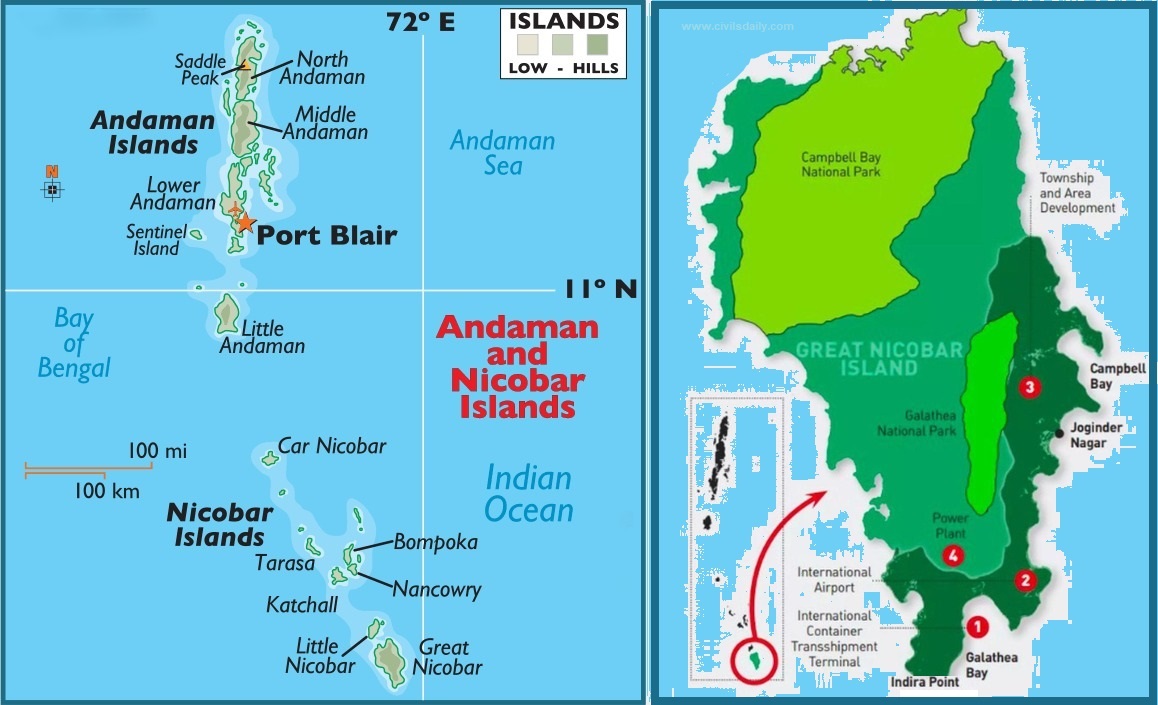
    • Geography and Ecology: Southernmost tip of India, part of the Andaman and Nicobar archipelago comprising 600-odd islands.
    • Environment: Hilly, covered with lush rainforests, annual rainfall of around 3,500 mm.
    • Biodiversity: Hosts numerous endangered and endemic species including the giant leatherback turtle, Nicobar megapode, Great Nicobar crake, Nicobar crab-eating macaque, and Nicobar tree shrew.
    • Area: 910 sq km with mangroves and Pandan forests along the coast.
    • Indigenous Communities:
      • Shompen Tribe: Approximately 250 people live in interior forests, predominantly hunter-gatherers, classified as a Particularly Vulnerable Tribal Group.
      • Nicobarese Community: Two groups – Great Nicobarese and Little Nicobarese, practice farming and fishing.
      • Resettlement: The Great Nicobarese were resettled in Campbell Bay after the 2004 tsunami.
    • Administrative Hub: Campbell Bay serves as the administrative hub, housing local offices of the Andaman and Nicobar administration and the panchayat.

    Back2Basics: “Nicobar Triangle”

    It is named after the Nicobar Islands, which are located at the northern apex of this triangular area.

    The islands within the Nicobar Triangle include:

    1. Nicobar Islands: This group of islands belongs to India and is situated to the south of the Andaman Islands. They are known for their diverse flora and fauna and are inhabited by indigenous tribes.
    2. Andaman Islands: Located to the north of the Nicobar Islands, the Andaman Islands are also part of India. They are well-known for their lush forests, coral reefs, and indigenous tribes.
    3. Indonesian Archipelago: To the south and southeast of the Nicobar Islands lies the Indonesian archipelago, which includes thousands of islands spanning a vast area between the Indian and Pacific Oceans.

    What is GNI Project?

    The GNI Project refers to the “Holistic Development of Great Nicobar Island,” a proposed mega project being piloted by NITI Aayog.

    • Implementing Agency: The project is to be implemented by the Andaman and Nicobar Islands Integrated Development Corporation (ANIIDCO).
    • Historical Context: Development plans for a port in Great Nicobar date back to the 1970s, aimed at leveraging its strategic location near the Malacca Strait.
    • The project aims to develop the southern end of the Andaman and Nicobar group of Islands in the Bay of Bengal by constructing –
    1. Transshipment port
    2. Dual-use military-civil international airport
    3. Power plant (450 MVA gas and solar-based) and
    4. A township over a span of 30 years on more than 160 sq. km of land, of which 130 sq. km is primary forest

    Features of the Project

    • Transshipment hub of the East: The proposed port will allow Great Nicobar to participate in the regional and global maritime economy by becoming a major player in cargo transshipment.
    • Naval control: The port will be controlled by the Indian Navy, while the airport will have dual military-civilian functions and will cater to tourism as well.
    • Urban amenities: Roads, public transport, water supply and waste management facilities, and several hotels have been planned to cater to tourists.

    Significance of the project

    • Economic significance: The proposed port would allow GNI to become a significant player in cargo transhipment, as it is positioned equidistant from Colombo, Port Klang (Malaysia), and Singapore.
    • Strategic significance: The proposal to develop GNI has been on the table since the 1970s, and it has been highlighted repeatedly as a crucial element for national security and consolidation of the Indian Ocean Region.
      • In recent years, the escalating Chinese presence in the Indian Ocean has added greater urgency to this imperative.

    Issues with the Project

    • The project entails the deforestation of 130 sq km, and felling 10 lakh trees, threatens biodiversity at Galathea Bay, displaces indigenous tribes, lacks thorough impact assessments, and poses seismic risks to vulnerable communities.

    Due-process Violations highlighted by the ‘Opposition’

    (1) Did not recognise the grant ownership: The island administration did not recognise or grant ownership of any forest land to local tribespeople as per FRA, a requisite step under the Forest Conservation Rules, 2017, before Stage-I clearance is granted.

    • This is despite the fact that Rule 6(3)(e) of Forest Conservation Rules-2017 (FCR) requires that any diversion of forest land first requires the District Collector to recognise and vest rights to locals under the FRA.
    • The legislation allows forest communities the right to control and manage the use of the forest land over which they hold titles, and their consent is mandatory for diverting it.

    (2) Inconsistencies with Stage-I Clearance: The Stage-I clearance for the project was granted in October 2022, two years after the application was received. Monthly progress reports show that the district administration did not process any claims over forest land under the FRA in the 26 months since project sanction.

    (3) Withdrawal of Consent: Weeks after the Stage-I clearance was granted, the Tribal Council at Campbell Bay withdrew the consent granted by the Gram Sabha.