💥Join UPSC 2027,2028 Mentorship (July Batch) + XFactor Notes & Microthemes PDF

Distribution: yearly

  • RBI releases the 29th Financial Stability Report, 2024

    Why in the News?

    The Reserve Bank of India has released the 29th issue of the Financial Stability Report (FSR).

    About Financial Stability Report:

    • The FSR is published biannually by the RBI.
    • It reflects the collective assessment of the Sub-Committee of the Financial Stability and Development Council (FSDC – headed by the Governor of RBI) on risks to financial stability and the resilience of the financial system.
    • The Report also discusses issues relating to the development and regulation of the financial sector.

    Key Highlights of the FSR

    [1] Global Economic Context

    • Heightened Global Risks: The global economy faces significant challenges, such as:
      • Geopolitical Tensions: Conflicts or political disagreements between countries that can affect global stability.
      • Elevated Public Debt: Many countries owe large amounts of money, which can be risky if they struggle to repay it.
      • Slow Progress in Disinflation: Prices of goods and services are not decreasing quickly, which can affect economic stability.
    • Resilience: Despite these challenges, the global financial system (how money moves around the world) remains strong and stable.

    [2] Indian Economy and Financial System

    • Robust and Resilient: India’s economy and financial system are strong and able to handle shocks or problems.
    • Banking Sector Support: Banks and financial institutions (like insurance companies) are in good health and are lending money to support economic activities.

    [3] Financial Metrics for Scheduled Commercial Banks (SCBs)

    • Capital Ratios:
      • Capital to Risk-Weighted Assets Ratio (CRAR): This is a measure of a bank’s financial strength. A CRAR of 16.8% means that for every 100 units of risk, the bank has 16.8 units of capital to cover potential losses.
      • Common Equity Tier 1 (CET1) Ratio: This is a stricter measure of a bank’s core capital. A CET1 ratio of 13.9% means the bank has a strong base of high-quality capital.
    • Asset Quality:
      • Gross Non-Performing Assets (GNPA) Ratio: This measures the percentage of a bank’s loans that are not being repaid. A GNPA ratio of 2.8% means that 2.8% of the total loans are in trouble.
      • Net Non-Performing Assets (NNPA) Ratio: This is similar to GNPA but considers the money the bank has already set aside to cover bad loans. An NNPA ratio of 0.6% means that 0.6% of the total loans, after accounting for provisions, are in trouble.

    [4] Macro Stress Tests for Credit Risk

    • Stress Scenarios and Projections:
      • Baseline Scenario: Under normal conditions, banks are expected to have a CRAR of 16.1% by March 2025.
      • Medium Stress Scenario: Under moderate stress, banks are expected to have a CRAR of 14.4% by March 2025.
      • Severe Stress Scenario: Under severe stress, banks are expected to have a CRAR of 13.0% by March 2025.
    • Interpretation: These tests show how banks might perform under different levels of economic stress. They are hypothetical scenarios to ensure banks are prepared for tough times.

    [5] Health of Non-Banking Financial Companies (NBFCs)

    • CRAR: NBFCs have a CRAR of 26.6%, indicating they are financially strong.
    • GNPA Ratio: NBFCs have a GNPA ratio of 4.0%, meaning 4% of their loans are not being repaid.
    • Return on Assets (RoA): NBFCs have a RoA of 3.3%, indicating they are making good profits from their assets.

    PYQ:

    [2016] With reference to ‘Financial Stability and Development Council’, consider the following statements:

    1. It is an organ of NITI Aayog.

    2. It is headed by the Union Finance Minister.

    3. It monitors macroprudential supervision of the economy.

    Which of the statements given above is/are correct?

    (a) 1 and 2 only

    (b) 3 only

    (c) 2 and 3 only

    (d) 1, 2 and 3

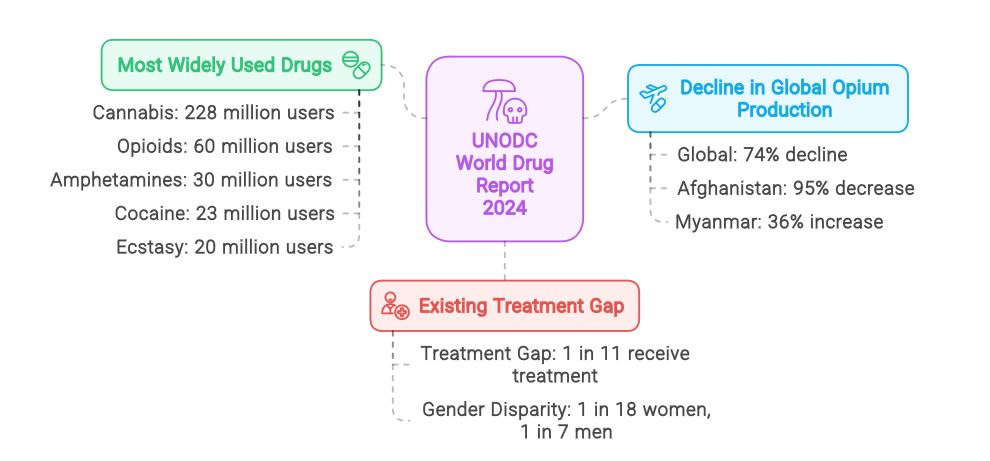
  • UNODC World Drug Report 2024: Key Highlights

    Why in the News?

    • Global drug users reached 292 million in 2022, marking a 20% increase over the past decade. The report was released by the United Nations Office on Drugs and Crime (UNODC).

    About UNODC

    Aspect Details
    Global Role Leader in the fight against illicit drugs and international crime, responsible for implementing the UN’s lead programme on terrorism.
    Headquarters Vienna, Austria.
    Establishment Formed in 1997 through the merger of the United Nations Drug Control Programme and the Centre for International Crime Prevention.
    Functions 1. Educate people about the dangers of drug abuse.

    2. Strengthens international action against illicit drug production and trafficking.

    3. Improves crime prevention and assists with criminal justice reform.

    4. Supports States in ratifying and implementing legal instruments against terrorism.

    Funding Relies mainly on voluntary contributions from governments.
    India and UNODC India works closely with UNODC on multiple fronts, including drug control, crime prevention, and anti-terrorism measures.


    Cannabis Use: An Overview  

    According to the WHO, cannabis is a generic term for the various psychoactive preparations of the plant Cannabis sativa. Following are the derived products of Cannabis:

    • THC: The major psychoactive constituent in cannabis is Delta-9 tetrahydrocannabinol (THC).
    • Marijuana (Ganja): The Mexican term is frequently used to refer to cannabis leaves or other crude plant material in many countries.
    • Hashish: Refers to unpollinated female cannabis plants.
    • Cannabis Oil (Hashish Oil): A concentrate of cannabinoids obtained by solvent extraction of the crude plant material or resin.

    International Laws Regulating Cannabis

    • Commission on Narcotic Drugs (CND): The CND founded in 1946, is the UN agency mandated to control substances under global drug control conventions.
    • 1961 Single Convention on Narcotic Drugs: Cannabis has been on Schedule IV, the most dangerous category, since the convention’s inception.
      • Despite being on Schedule IV, many jurisdictions have legalized cannabis for medicinal and recreational use.
      • Over 50 countries now allow medicinal cannabis programs, and recreational use has been legalized in Canada, Uruguay, and 15 US states.

    Indian Context: Narcotic Drugs and Psychotropic Substances Act (NDPS), 1985

    • Illegalization: The Act illegalizes any mixture of charas and ganja, or any drink prepared from them.
    • Legal Exceptions: The law does not ban the use of seeds and leaves of the cannabis plant if these are not mixed with other parts of the plant. For example, bhang, commonly consumed during the Holi festival, and chutney made from cannabis seeds are not illegal.

    PYQ:

    [2019] Consider the following statements:

    1. The United Nations Convention against Corruption (UNCAC) has a ‘Protocol against the Smuggling of Migrants by Land, Sea and Air’.
    2. The UNCAC is the ever-first legally binding global anti-corruption instrument.
    3. A highlight of the United Nations Convention against Transnational Organized Crime (UNTOC) is the inclusion of a specific chapter aimed at returning assets to their rightful owners from whom they had been taken illicitly.
    4. The United Nations Office on Drugs and Crime (UNODC) is mandated by its member States to assist in the implementation of both UNCAC and UNTOC.

    Which of the statements given above are correct?

    (a) 1 and 3 only
    (b) 2, 3 and 4 only
    (c) 2 and 4 only
    (d) 1, 2, 3 and 4

     [2018] India’s proximity to the two of the world’s biggest illicit opium-growing states has enhanced her internal security concerns. Explain the linkages between drug trafficking and other illicit activities such as gunrunning, money laundering and human trafficking. What counter-measures should be taken to prevent the same?

  • Himalayan Serow recorded at Assam’s Raimona National Park

    Why in the News?

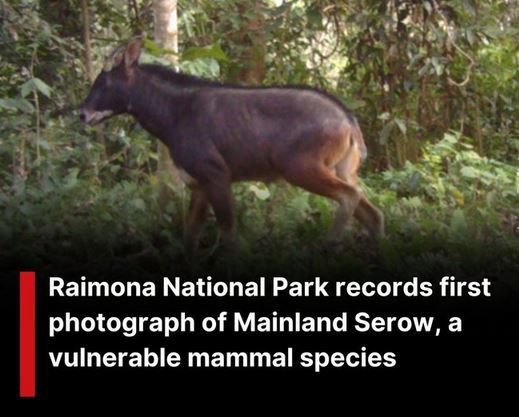
    • A mainland serow aka. Himalayan Serow (Capricornis sumatraensis thar) was recorded at 96 metres above mean sea level in Raimona National Park, Assam.
      • This is the lowest elevation recorded for the species beyond Bhutan, its natural habitat.

    About Himalayan Serow

    Details
    About Herbivore species.

    Also known as Thar.

    Resembles a cross between a goat, a donkey, a cow, and a pig.

    Recognition Official state animal of Mizoram.
    Distribution
    • Found at altitudes between 2,000 metres and 4,000 metres (6,500 to 13,000 feet).
    • Found across the India-Bhutan border in Phibsoo Wildlife Sanctuary and Royal Manas National Park.
    • Present in eastern, central, and western Himalayas, but not in the Trans Himalayan region.
    Conservation Status
    • IUCN Red List: Vulnerable
    • CITES: Appendix I
    • The Wildlife Protection Act, 1972: Schedule I


    Back2Basics:  Raimona National Park 

    • Raimona National Park is a newly established protected area located in the Bodoland Territorial Region (BTR) of Assam.
    • It was officially declared a national park in June 2021, becoming the sixth national park in the state of Assam.
    • It shares its northern boundary with Bhutan, forming part of the transboundary conservation landscape.
    • It is characterised by dense forests, rivers, and grasslands. The park is part of the greater Manas Biosphere Reserve and serves as an extension of the Manas National Park.
    • The area is interspersed by the Sankosh River which flows through the park.

    Flora and Fauna:

    • Flora: The park boasts a rich biodiversity with various types of vegetation, including semi-evergreen forests, mixed deciduous forests, and patches of grassland.
    • Fauna: Hosts a variety of wildlife, including:
      • Mammals: Asian elephants, tigers, clouded leopards, golden langurs, Indian gaur, and several species of deer.
      • Birds: Home to numerous bird species, including hornbills, great pied hornbills, and various migratory birds.
      • Reptiles and Amphibians: The park also supports a diverse range of reptiles and amphibians, adding to its ecological richness.


    PYQ:

    [2011] The Himalayan Range is very rich in species diversity. Which one among the following is the most appropriate reason for this Phenomenon?

    (a) It has a high rainfall that supports luxuriant vegetative growth

    (b) It is a confluence of different bio-geographical zones.

    (c) Exotic and invasive species have not been introduced in this region.

    (d) It has less human interference.

  • Read the rocks to improve India’s geological literacy


    PYQ Relevance: 

    Q Safeguarding the Indian art heritage is the need of the moment. Comment (10) (UPSC IAS/2018)

    Q Do you agree that regionalism in India appears to be a consequence of rising cultural assertiveness? Argue. (UPSC IAS/2020)

    Mentors’ comment: India, with its landscapes ranging from the world’s highest peaks to low-lying coastal plains, showcases a diverse morphology that has evolved over billions of years. Numerous locations feature a variety of rocks, minerals, and distinctive fossil assemblages. These geological features and landscapes reveal spectacular ‘origin’ stories based on scientific interpretations rather than mythology. India’s tumultuous geological past is etched in its rocks and terrains and should be regarded as part of our non-cultural heritage. The country offers many such examples. Geo-heritage sites serve as educational spaces where people can gain much-needed geological literacy, especially given India’s generally poor regard for this legacy.

    Let’s learn!

    Why in the news?

    India’s turbulent geological history is captured in its rocks and landscapes and should be regarded as part of our non-cultural heritage.

    Scant Traction in India:

    • Lack of Awareness and Importance: Despite international advancements in geological conservation, India has not prioritized geo-conservation, with many fossil-bearing sites destroyed due to development and real estate growth.
    • Destructive Activities: Stone mining activities, covering more than 10% of India’s total area, have led to significant destruction of geological sites, undermining the preservation of these natural laboratories.
    • Neglect of Geological Heritage: There is a paradox in India’s approach—seeking evidence of early life on Mars while destroying crucial geological evidence within its own territory, such as the little-known Dhala meteoritic impact crater.
    • Absence of Legislation: India lacks specific legislation or policies to protect geo-heritage, despite being a signatory to international agreements advocating geological conservation.

    Half-hearted Measures:

    • Abandoned Legislation Attempts: In 2009, a Bill to constitute a National Commission for Heritage Sites was introduced but later withdrawn, indicating a lack of commitment to geo-heritage conservation.
    • Ineffective Notification by GSI: The Geological Survey of India (GSI) has notified 34 geological monuments but lacks regulatory power to enforce preservation measures, leading to threats against these sites.
    • Draft Bill with No Progress: In 2022, the Ministry of Mines drafted a Bill for the preservation and maintenance of geo-heritage sites, but there has been no further progress, reflecting a lack of urgency and follow-through.
    • Recent Cliff Demolition Example: The demolition of part of the Varkala cliff, a designated geological heritage site, by the district administration citing landslide hazards highlights the inadequate protection and respect for such sites.

    Impact:

    • Loss of Scientific Knowledge: The destruction of fossil-bearing sites and other geological features due to development, real estate growth, and stone mining activities results in the permanent loss of invaluable scientific data. This hampers the understanding of India’s geological history and reduces opportunities for education and research in earth sciences.
    • Erosion of Cultural and Natural Heritage: Neglecting geological conservation undermines India’s rich natural heritage, which is integral to the country’s identity. The demolition of sites like the Varkala Cliff demonstrates a disregard for preserving unique geological formations that are part of India’s natural legacy.
    • Missed Economic Opportunities: Geo-heritage sites have the potential to attract tourism, contributing to local and national economies. The lack of legislative protection and promotion of these sites means missed opportunities for sustainable tourism development, which could generate income and create jobs while educating the public about the importance of geological conservation.

    Way forward: 

    • Legislative Framework for Geo-Conservation: Enact specific legislation to protect and conserve geo-heritage sites, similar to the Biological Diversity Act, 2002. This legislation should establish clear guidelines for the preservation, management, and sustainable use of geo-heritage sites, ensuring they are protected from destructive activities and development pressures.
    • National Geo-Conservation Authority: Establish a National Geo-Conservation Authority to oversee the identification, protection, and promotion of geo-heritage sites.  
    • Promotion of Geo-Tourism: Develop and promote geo-heritage sites as sustainable tourism destinations. This includes investing in infrastructure, providing educational resources, and marketing these sites to attract both domestic and international tourists.  
  • It’s time for India to reclaim its voice on Tibet

    Why in the News? 

    A U.S. lawmaker delegation’s visit to Dharamshala closely followed the passage of the ‘Promoting a Resolution to the Tibet-China Dispute Act’ in Congress, awaiting Biden’s approval.

    About the delegation on ‘Promoting a Resolution to the Tibet-China Dispute Act’ 

    • Legislative Background: The U.S. Congress passed the ‘Promoting a Resolution to the Tibet-China Dispute Act,’ emphasizing support for Tibetan autonomy and human rights. 
      • The delegation’s visit to Dharamshala, India, followed this legislative action to underscore U.S. commitment to Tibetan freedom.
    • Delegation Composition and Purpose: The delegation included bipartisan U.S. lawmakers who were co-authors of the Act, invited by the Central Tibetan Administration.
      • Their visit aimed to advocate for restarting dialogue between the Dalai Lama’s representatives and Beijing, stalled since 2010.
    • India’s Diplomatic Calculus: Hosting the U.S. delegation amidst ongoing tensions with China signals India’s nuanced diplomacy in managing its relations with both nations. 
      • It reflects India’s stance on Tibet as sensitive, balancing its traditional policy of non-interference with growing international scrutiny.
    • Geopolitical Implications: The delegation’s visit raises geopolitical questions about India’s sovereignty and diplomatic independence in the face of U.S.-China strategic competition.
      • It underscores India’s role in regional stability and global human rights discourse, impacting its strategic partnerships and international standing.

    Challenges and weaknesses involved        

    • Diplomatic Sensitivities: India faces challenges in balancing its historical support for Tibetan refugees with its current diplomatic relations with China, a crucial economic and strategic partner. 
      • Hosting U.S. lawmakers advocating for Tibetan autonomy could strain India-China relations, given Beijing’s sensitivity to international interference on Tibet-related issues.
    • Domestic Perception and Political Messaging: Allowing U.S. lawmakers to publicly advocate for Tibetan independence in India could be perceived domestically as compromising India’s stance on sovereignty and non-interference in internal matters. 
      • There is a risk of domestic backlash or political opposition questioning the government’s handling of sensitive foreign policy issues, particularly regarding Tibet and China.
    • Impact on Bilateral Relations: The visit and the Act may lead to diplomatic friction between India and China, potentially affecting bilateral cooperation in various domains, including trade, defense, and regional stability. 
      • China’s response to perceived foreign interference on Tibet could escalate tensions, impacting broader regional dynamics and India’s strategic autonomy.

    Future Scope (Way forward):

    • International Advocacy and Diplomatic Engagement: The U.S. delegation’s visit and advocacy for the Tibet-China Dispute Act highlight ongoing international interest and support for Tibetan autonomy. 
      • The future scope involves continued diplomatic engagement by global stakeholders to advocate for human rights and autonomy for Tibetans, potentially influencing China’s policies.
    • India’s Strategic Positioning: India may explore a nuanced approach to balance its historical support for Tibetan refugees with its current diplomatic relations with China. 
      • Future scope includes India asserting its stance on Tibet in international forums while managing bilateral relations with China to avoid escalation and maintain regional stability.

    Mains question for practice: 

    Q The recent visit of a delegation of U.S. lawmakers to Dharamshala, closely following the passage of the ‘Promoting a Resolution to the Tibet-China Dispute Act’ in the U.S. Congress, has brought forth significant diplomatic challenges and implications for India.15M

    Mains PYQ: 

    Q “The USA is facing an existential threat in the form of China, that is much more challenging than the erstwhile Soviet Union.” Explain. (UPSC IAS/2021)

  • Prolonged exposure to coal mining causes respiratory, skin diseases in workers: study  

    Why in the News?

    A new study by the National Foundation of India (NFI) reveals that 75% of focus group participants have chronic respiratory and skin ailments due to prolonged exposure to coal mining pollutants.

    • The study report titled, “At the Crossroads: Marginalised Communities and the Just Transition Dilemma”, is a sequel to the 2021 study by NFI on the socio-economic impact of coal transitions in India.
    Key Highlights of the reports by the National Foundation for India:

      • The study covered two districts each from three central Indian states—Chhattisgarh, Jharkhand, and Odisha surveying 1209 households and conducting 20 Focused Group Discussions (FDGs).
    • Other key findings of the study are: 
      • Health Concerns: Prolonged exposure to coal mining pollutants has resulted in widespread respiratory and skin diseases among the local populations. At least 75% of participants in Focus Group Discussions (FGDs) reported issues such as chronic bronchitis, asthma, and various skin conditions.
      • Economic Impact/ Economic Dependency on Coal: The phasing down of coal is expected to result in significant job losses and economic downturns in coal-dependent regions. This will not only impact the coal miners and workers directly but also the broader local economy.
      • Caste-Based Inequities: Access to resources and opportunities is significantly skewed, with marginalized communities such as Scheduled Castes (SCs), Scheduled Tribes (STs), and Other Backward Classes (OBCs) being disproportionately affected.
    • The report identifies several challenges in achieving a just transition, including the need to upskill a largely under-educated workforce and the lack of alternative livelihoods. 
    • It underscores the importance of community-specific policies, robust institutional mechanisms, and coordinated efforts between government bodies.
    • The study offers a potential framework for safeguarding the interests of these communities through:
      • Alternative Livelihoods: Emphasizing the development of new economic opportunities beyond coal.
      • Ecological Restoration: Promoting environmental recovery to mitigate the health impacts of coal mining.
      • Inclusive Policies: Ensuring that the transition policies are inclusive and consider the needs of marginalized communities.


    Present Challenges of Medical Expenses and Shift from Coal:

    • Health Concerns: People living closer to coal mines face higher medical expenses due to increased incidence of lung and breathing-related diseases and skin infections.
    • Economic concerns: The global shift away from coal is expected to result in job losses and economic downturns in coal-dependent regions, affecting both coal miners and the broader local economy.
      • Economic disparities exist with varying income levels and irregular wage receipt patterns in coal-dependent districts.
      • Dhanbad and Koriya, solely reliant on coal production, reported lower incomes compared to diversified industrial districts.

    Way Forward:

    • Diversification of Local Economies: Develop alternative industries and economic activities in coal-dependent regions to reduce reliance on coal mining. Promote skill development programs to help coal workers transition to new employment opportunities in emerging sectors such as renewable energy, manufacturing, and services.
    • Investment in Health Infrastructure: Enhance healthcare facilities in coal mining regions to address the higher incidence of lung, and breathing-related diseases, and skin infections. Implement comprehensive health monitoring and support programs for communities living near coal mines.
    • Promotion of Renewable Energy: Accelerate the shift towards renewable energy sources, building on the recent trend of increased capacity addition in renewable energy. Invest in renewable energy infrastructure and create job opportunities in the renewable sector to offset job losses in coal mining.
    • Government and Policy Support: Implement policies and provide financial support for a ‘just transition’ to ensure that workers and communities dependent on coal mining are not left behind.
    • Community Engagement and Participation: Involve local communities in planning and decision-making processes related to the transition from coal.

    Mains question for practice : 

    Q Analyse the health and socioeconomic impacts of prolonged coal mining in India, as highlighted by the National Foundation for India’s survey. 10M

    Mains PYQ: 

    Q In spite of adverse environmental impact, coal mining is still inevitable for Development”. Discuss. (UPSC IAS/2017)

  • Why India needs to build disaster resilience in its critical infrastructure?

    Why in the News?
    The unprecedented surge in electricity demand offers a glimpse into the kind of stress that critical infrastructure endures during extreme weather events and resulting disasters.

    Present Challenges in India -> High Temperatures and Electricity Demand:

    • Record-breaking Electricity Demand: Delhi experienced record-breaking electricity demand due to persistently high temperatures.
    • Frequent Power Cuts: The high demand led to frequent power cuts in Delhi and neighbouring areas.
    • Worsening Conditions: Other regions in central and eastern India faced similar or worse situations, with high night temperatures exacerbating the situation.
    • Heat-related Deaths: The lack of electricity and high temperatures likely contributed to several heat-related deaths.

    Mounting Losses:

    • Increased Economic Losses: Despite early warnings and quick responses reducing human casualties, economic and other losses from extreme weather events and disasters have been rising due to their increasing frequency and intensity.
    • Government Expenditure: States spent over Rs 1.5 lakh crore between 2018 and 2023 on disaster and natural calamity aftermaths.
    • Long-term Costs: Long-term costs include livelihood losses and reduced agricultural land fertility, which are projected to worsen over time.
    • Job Losses: A 2022 World Bank report projected that heat-related stress could result in a loss of around 34 million jobs in India by 2030.
    • Food Wastage: Food wastage due to non-air-conditioned transportation is estimated at about $9 billion annually.
    • Uncounted Infrastructure Damage: Damage to critical infrastructure like transportation, telecommunications, and power supply is often uncounted in government figures, particularly for privately owned services, causing massive disruptions.

    Incorporating Resilience:

    • Disaster Management Plans: Infrastructure sectors have disaster management plans to prepare and respond to events, such as backup power supplies for hospitals, waterlogging prevention for airports and railways, and underground telecommunication lines.
    • Slow Progress: Despite plans, much of India’s infrastructure remains extremely vulnerable to disasters.
    • Future Infrastructure: India is still developing much of its infrastructure, and it is more cost-effective to incorporate disaster resilience during construction than to retrofit later. Upcoming projects need to be climate-smart, sustainable, energy-efficient, and disaster-resilient.
    A case study of Odisha:

    The Coalition for Disaster Resilient Infrastructure (CDRI) studied Odisha’s electricity transmission and distribution infrastructure, revealing its extreme fragility. Over 30% of distribution substations are within 20 km of the coastline; 80% of electricity poles are susceptible to high wind speeds; over 75% of distribution lines are over 30 years old and not cyclone-resistant.


    Note: CDRI’s Created in 2019, CDRI aims to make critical infrastructure resilient to natural disasters. It serves as a knowledge hub and collaborates with over 30 countries, but only a few Indian states have engaged with CDRI.

    Way Forward:

    • Proactive Infrastructure Planning and Investment: Future infrastructure projects in India must integrate disaster resilience at the planning and construction stages. This approach ensures that new developments are sustainable, energy-efficient, and capable of withstanding extreme weather events, reducing the need for costly retrofits later.  
    • Collaboration with Expert Bodies and Adoption of Best Practices: States and infrastructure sectors should actively seek expertise and collaboration from organisations like the Coalition for Disaster Resilient Infrastructure (CDRI).  

    Mains question for practice: 

    Q Discuss the implications of extreme weather events on critical infrastructure in India, citing recent examples. What measures can be taken to enhance the resilience of infrastructure against such events? 15M

    Mains PYQ:

    Q Describe the benefits of deriving electric energy from sunlight in contrast to conventional energy generation. What are the initiatives offered by our government for this purpose? (UPSC IAS/2020)


  • South India’s First and Largest Leopard Safari at Bannerghatta Biological Park

    Why in the News?

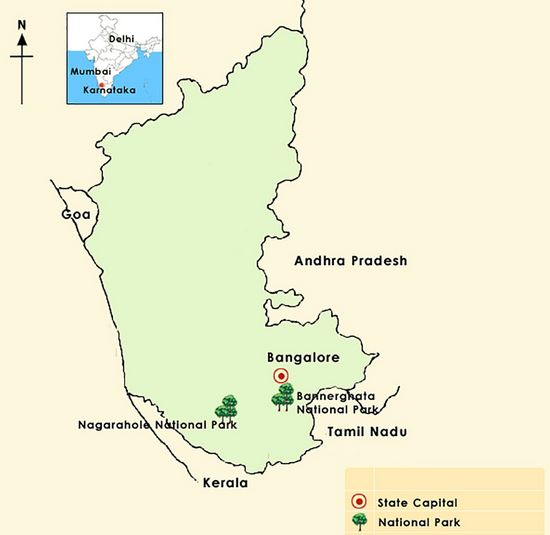
    South India’s first and the country’s largest leopard safari was inaugurated at the Bannerghatta Biological Park (BBP).

    About Bannerghatta Biological Park 

    • BBP is located near Bangalore and was established in 2002.
    • It spans an area of approximately 731.88 hectares, situated within the larger Bannerghatta National Park, which covers around 25,000 acres.
    • The park was created to facilitate the conservation of wildlife, promote tourism, and educate the public about wildlife and conservation efforts.
    • River Suvarnamukhi stream, the main source of water for the animals of the park, runs through the centre of the park.

    Leopards in India

    • The Indian Leopard (Panthera pardus fusca) is a leopard subspecies widely distributed on the Indian subcontinent.
    • These are the smallest of the big cats.
    • They are known for their ability to adapt to a variety of habitats.
    • They are strong and agile predators that can climb trees and drag their prey up for safety.
    • Conservation Status:
    1. IUCN Red List: Vulnerable
    2. CITES: Appendix I
    3. Wildlife (Protection) Act, 1972: Schedule I

    Do you know?

    As per, Status of Leopards in India Report, 2022:

    • India’s leopard population is estimated at 13,874 individuals.
    • Madhya Pradesh houses the largest population of leopards in the country – 3907 (2018: 3421), followed by Maharashtra (2022: 1985; 2018: 1,690), Karnataka (2022: 1,879 ; 2018: 1,783) and Tamil Nadu (2022: 1,070; 2018: 868).


    PYQ:

    [2012] Consider the following:

    1. Black-necked crane
    2. Cheetah
    3. Flying squirrel
    4. Snow leopard

    Which of the above are naturally found in India?

    (a) 1, 2 and 3 only
    (b) 1, 3 and 4 only
    (c) 2 and 4 only
    (d) 1, 2, 3 and 4

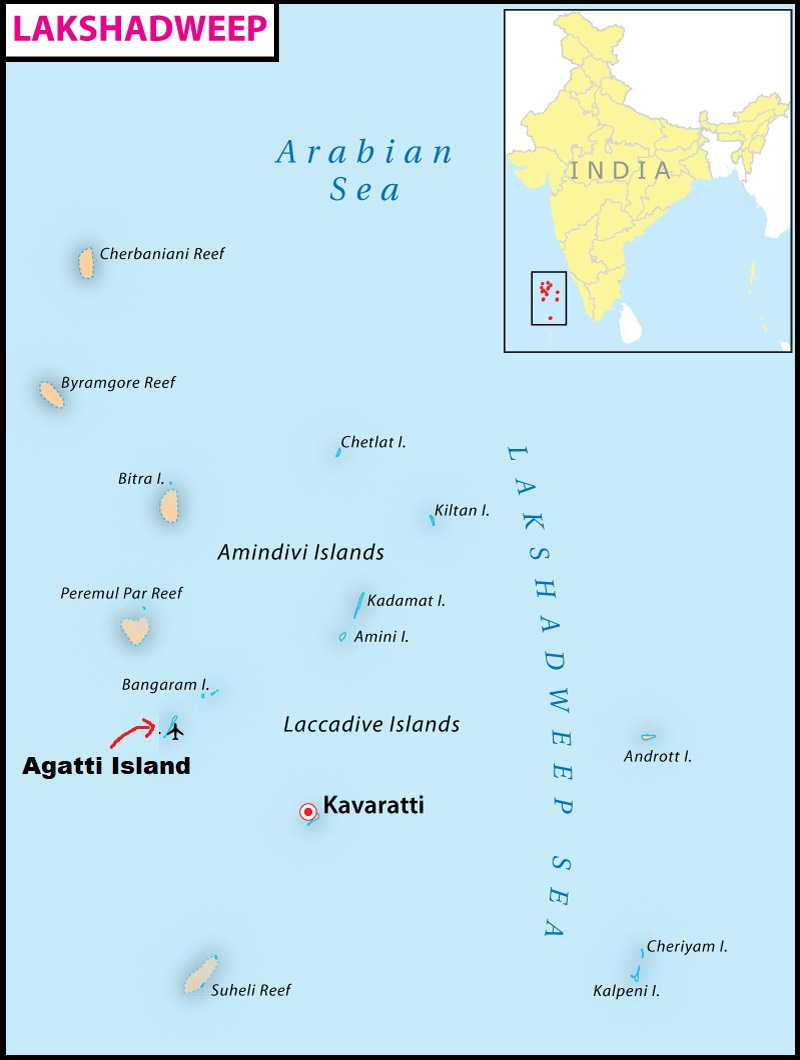
  • Mass Coral Bleaching in Lakshadweep: An Overview

    Why in the News?

    Lakshadweep has been severely affected by the fourth global coral bleaching event (GCBE4), the most severe on record according to the National Oceanic and Atmospheric Administration (NOAA).

    Global Coral Bleaching Events (GCBE)

    A GCBE means significant coral bleaching has been confirmed in all the ocean regions where warm-water corals live: the Pacific, Atlantic, and Indian Oceans in both the Northern and Southern Hemispheres.

    • Previous Events: Mass coral bleaching recorded in 1998, 2010, and 2014-2017.
    • Current Event (GCBE4): Began early 2023, with over 70.7% of the world’s coral reefs impacted by bleaching-level heat stress as of May 23, 2024.

    Lakshadweep Specifics

    • Kavaratti atoll survey indicated an 84.6% bleaching extent, with mass bleaching observed. Previous bleaching events in Lakshadweep were 81% (1998), 65% (2010), and 41.9% (2020).
    • Species Impacted:
      • Most impacted: Porites cylindrical, Porites lobata, Porites lutea, Acropora muricata, Montipora foliosa.
      • Resilient species also showing signs: Acropora digitifera, Pocillopora grandis, Isopora palifera, Pavona venosa, Hydnophora microconos.
    • Contributing Factors: Increased temperatures attributed to global warming; from April 1 to May 2, 2024, temperatures ranged between 29.6°C to 32.8°C.

    Importance of Coral Reefs

    • Marine Biodiversity: Support diverse marine life including fish, invertebrates, and algae.
    • Coastal Protection: Act as natural barriers against erosion and storm surges.
    • Local Economy: Provide sustenance and livelihood for local communities and attract tourists.

    GCBE-4 and Indian Context

    • Gujarat Coast: Monitoring coral bleaching mid-summer, with 30-40% bleaching observed annually; most corals recover.
    • Tamil Nadu: Lesser impact in the Gulf of Mannar due to late bleaching onset and early monsoon reducing seawater temperatures.
    • Temperature Reduction: The onset of monsoon has slightly reduced water temperatures in Lakshadweep.
    • Recovery Uncertain: The long-term health of corals depends on sustained cooler conditions and the absence of further stressors.

    Back2Basics: Corals

    • Corals are made up of genetically identical organisms called polyps.
    • These polyps have microscopic algae called zooxanthellae living within their tissues in a mutualistic relationship.
    • The coral provides the zooxanthellae with the compounds necessary for photosynthesis.
    • In return, the zooxanthellae supply the coral with organic products of photosynthesis, like carbohydrates, which are utilized by the coral polyps for the synthesis of their calcium carbonate skeletons.
    • Corals are marine invertebrates or animals which do not possess a spine.
    • They are the largest living structures on the planet.
    • Each coral is called a polyp and thousands of such polyps live together to form a colony, which grows when polyps multiply to make copies of themselves.
    • Coral reefs are also called the “rainforests of the seas”.

    Types of Coral

    Corals are of two types — hard corals and soft corals:

    1. Hard corals extract calcium carbonate from seawater to build hard, white coral exoskeletons. Hard corals are in a way the engineers of reef ecosystems and measuring the extent of hard coral is a widely-accepted metric for measuring the condition of coral reefs.
    2. Soft corals attach themselves to such skeletons and older skeletons built by their ancestors. Soft corals also add their own skeletons to the hard structure over the years. These growing multiplying structures gradually form coral reefs.

    Conditions Needed for Corals to Flourish

    • Extensive submarine platforms for the formation of colonies by the coral polyps (not more than 90m below sea level).
    • High mean annual temperature ranging 20-21 degrees Celsius.
    • Clean sediment-free water because muddy water or turbid water clogs the mouths of coral polyps resulting into their death.
    • Oceanic salinity ranging between 27-30 ppt.
    • Ocean currents and waves, as they bring food supply for the polyps.


    PYQ:

    2014: Which of the following have coral reefs?

    1. Andaman and Nicobar Islands
    2. Gulf of Kachchh
    3. Gulf of Mannar
    4. Sunderbans

    Select the correct answer using the code given below:

    (a) 1, 2 and 3 only

    (b) 2 and 4 only

    (c) 1 and 3 only

    (d) 1, 2, 3 and 4

  • Will the Agnipath scheme be revamped? | Explained 

    Why in the news?

    Following the 2024 election results, NDA allies Janata Dal (United) and Lok Janshakti Party (Ram Vilas) raised concerns about the Agnipath scheme and called for discussions on the matter.

    What is the Agnipath scheme?

    • The Agnipath scheme recruits soldiers, sailors, and airmen into the Indian armed forces for a four-year term, replacing the previous system of permanent recruitment. After completing their four-year tenure, up to 25% of Agniveers can be selected for permanent positions within the armed forces.
    • Agniveers can obtain educational certificates and skill certifications during their service. They receive a lump sum amount upon completing their tenure but are not eligible for a pension.

    Issues Associated with the Scheme

    • Personnel Shortage: There is a significant shortage of personnel in the ‘below officer’s rank’ cadres, exacerbated by the recruitment freeze during the COVID-19 pandemic. The Army retires around 60,000 soldiers annually but only recruits 40,000, leading to a growing shortfall.
    • Low Conversion Rate: The 25% conversion rate from Agniveers to regular soldiers is considered insufficient to address the personnel shortage.
    • Compressed Training: The four-year tenure necessitates a shorter training period, which may impact the quality of training.
    • Political and Social Opposition: The scheme has faced political opposition and led to violent protests in some parts of the country. Critics argue for a clause-by-clause review or complete scrapping of the scheme.

    Present Scenario

    As the Agnipath scheme marks two years since its implementation, the Department of Military Affairs (DMA) in the Defence Ministry is reviewing the scheme based on feedback from the armed forces.

    • Feedback Compilation: The Navy and Air Force have compiled their feedback, while the Army is still in the process.
    • Recommendations: Suggestions include increasing the intake numbers, raising the permanent recruitment rate from 25% to at least 50%, and extending the age limit for technical recruits from 21 to 23 years.
    • Review Process: The DMA will compile all recommendations and submit them to the Defence Ministry for potential adjustments to the scheme.

    Way forward:

    • Enhance Educational and Skill Development Opportunities: Partner with educational institutions to provide Agniveers with advanced degrees and certifications that are recognized nationwide. Offer vocational training and skill development programs that are aligned with industry standards, improving post-service employability.
    • Increase Permanent Induction Rate: Raise the conversion rate of Agniveers to permanent positions from 25% to at least 50% to address the personnel shortage effectively.