On 20 May 2024, the Prosecutor of the International Criminal Court (ICC) requested arrest warrants against leaders of Hamas and Prime Minister Benjamin Netanyahu of Israel about the events of October 7, 2023, and the conflict in Palestine.
What is the International Criminal Court?
The International Criminal Court formed in 2002, is an Intergovernmental Organization and International Tribunal seated in the Hague, Netherlands.
It deals with the most serious crimes of concern to the international community, including genocide, crimes against humanity, war crimes, and crimes of aggression.
Unlike the international tribunals, the International Criminal Court is a permanent body.
Against whom has the Prosecutor requested warrants of arrest?
Specifically, warrants have been sought for senior Hamas leaders Yahya Sinwar, Mohammed Deif, and Ismail Haniyeh, along with Netanyahu and Israel’s Minister of Defence Yoav Gallant.
The process of ICC decision-making and the scope of the present case:
ICC decisions are binding, but they rely on the cooperation of member states for support.
A panel of judges at the ICC must decide on the Prosecutor’s application for arrest warrants.
If approved, all State Parties are obligated to cooperate, including arresting and extraditing the accused individuals to The Hague.
This could restrict international travel for Netanyahu and Gallant, affecting visits to countries that are State Parties to the Rome Statute.
Israel is not a Party to the Rome Statute. However, the ICC does have jurisdiction over crimes committed by nationals of both State Parties (such as Palestine) and Non-state Parties (such as Israel) on the territory of a State Party (such as Palestine).
International Criminal Court (ICC) Vs. International Court of Justice (ICJ)
ICC
ICJ
Relationship with the UN
ICC is an independent organization not part of the United Nations
ICJ is an integral part of the UN and acts as its primary judicial branch
Members
ICC has around 105 members, focusing on prosecuting individuals for crimes.
ICJ has all 193 UN member countries as its members, primarily resolving disputes between states
Derivation of Authority
ICC derives its authority from the Rome Statute, focusing on prosecuting individuals for crimes against humanity, war crimes, genocide, and crimes of aggression.
ICJ derives its authority from the Charter of the United Nations, settling disputes between countries based on international law
Funding
It mainly functions on contributions made by state parties to the Rome Statute and voluntary contributions
Its funding sources differ based on its status as an organ of the United Nations
Way forward:
Need Enhanced Cooperation: Encouraging greater cooperation between the ICC and the UN to strengthen their effectiveness in addressing international crimes.
Need Wider Membership: Advocating for more countries to become State Parties to the Rome Statute to broaden the ICC’s jurisdiction and reach.
Mains PYQ:
Q India’s relations with Israel have, of late, acquired a depth and diversity, which cannot be rolled back.” Discuss. (UPSC IAS/2018)
The UN Convention to Combat Desertification (UNCCD) recently published the “Global Land Outlook Thematic Report” on Rangelands and Pastoralists, revealing that up to 50% of Rangelands are degraded.
About UNCCD:
UNCCD adopted in 1994 (effectively from 1996), is a legally binding agreement that aims to protect and restore land and combat desertification and drought.
It is one of the three Rio Conventions (the other two being – the Convention on Biological Diversity (UNCBD) and United Nations Framework Convention on Climate Change (UNFCCC)).
What is the Rangeland?
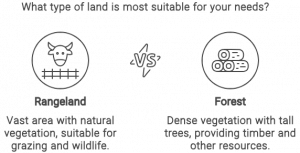
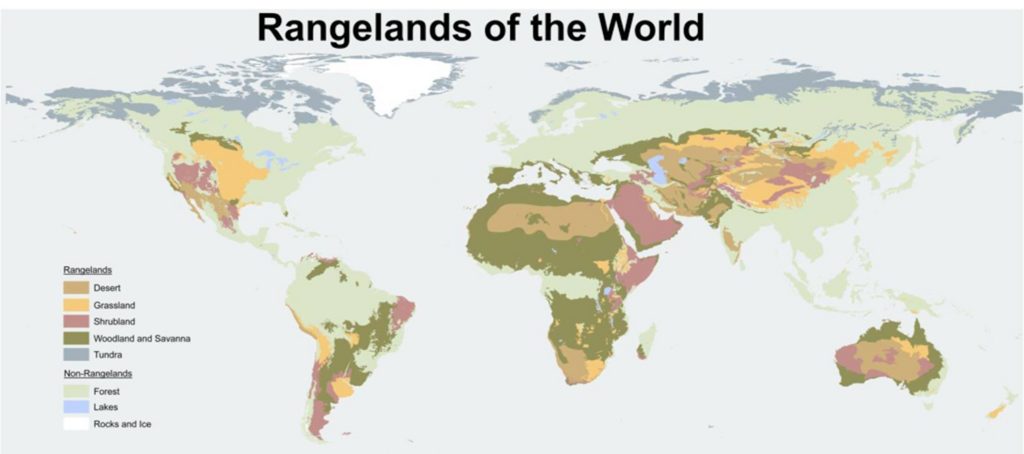
Rangeland, is any extensive area of land that is occupied by native herbaceous or shrubby vegetation which is grazed by domestic or wild herbivores.
It may include tallgrass prairies, steppes (shortgrass prairies), desert shrublands, shrub woodlands, savannas, chaparrals, and tundras.
These lands constitute 54% of all land cover, account for 1/6th of global food production, and represent nearly 1/3rd of the planet’s carbon reservoir.
World areas that are most acutely affected by Rangeland Degradation:
Central Asia, China, Mongolia: The replacement of government management with privatization and agricultural industrialization led to the abandonment of herders and reliance on insufficient natural resources, causing degradation.
North Africa and the Near East: Climate change is pushing pastoralists into poverty and degrading rangelands.
Sahel and West Africa: Conflict, power imbalances, and border issues have disrupted livestock mobility, leading to degradation.
South America: Climate change, deforestation from industrial agriculture, and land use conversion are primary drivers of degradation.
East Africa: Migration and forced displacement due to competing land uses are evicting pastoralists, causing degradation.
North America: Degradation of ancient grasslands and dry rangelands threatens biodiversity in ecosystems like tall-grass prairies and southern deserts.
Europe: Policies favoring industrial farming over pastoralism and misguided incentives are causing the abandonment and degradation of rangelands.
South Africa and Australia: Afforestation, mining, and land conversion are causing degradation and loss of rangelands.
How does it impact the Food chain?
Over two billion people, including small-scale herders, ranchers, and farmers, depend on healthy rangelands for their livelihoods, underscoring the critical link between rangeland health and food chain cycle.
Up to 50% of rangelands are degraded due to various factors including overuse, misuse, climate change, and biodiversity loss, posing a severe threat to food security.
The Economic significance of Rangelands:
Livestock Grazing and Agriculture: Rangelands are crucial for livestock production, providing natural forage for cattle, sheep, goats, and other herbivores. This grazing land supports the meat and dairy industries, which are vital to the global food supply and rural economies.
Eco-tourism and hunting: These areas support a wide range of wildlife, contributing to biodiversity and offering opportunities for eco-tourism and hunting, both of which generate significant income for local economies.
Ecosystem Services: Rangelands provide vital services like water filtration, carbon storage, and soil preservation, yielding economic advantages through climate regulation and conservation.
Income and employment opportunities: Harvesting these resources provides income and employment opportunities for rural populations. The economic contributions made by different countries are as follows:
Ethiopia: Livestock production from rangelands accounts for 19% of the country’s GDP.
India: Livestock from rangelands contributes 4% to the national GDP.
Brazil: As a major beef producer, Brazil generates one-third of its agribusiness GDP from cattle livestock, producing 16% of the world’s beef.
What is the innovative approach presented by the UNCCD Report?
The past estimates by UNCCD of degraded rangeland of roughly 25% are significantly underestimated, where the actual loss of rangeland’s health and productivity was potentially reaching up to 50%.
Conceptual Approach: The report outlines a new conceptual approach designed to help policymakers stabilize, restore, and manage rangelands more effectively.
This new approach is supported by detailed case studies from nearly every world region, which provide important lessons from both the successes and failures in rangeland management.
Core Recommendation – Protect Pastoralism: The report emphasizes the importance of protecting pastoralism a traditional, mobile way of life based on pasture-based livestock production as a key strategy for sustainable rangeland management.
Conclusion: Many countries like the U.S. and Canada makingare trying to reintroduce bison, an animal with significant cultural importance to indigenous peoples. This initiative aims to promote rangeland health and enhance food security.
Mains PYQ:
Q The process of desertification does not have climate boundaries. Justify with examples.(UPSC IAS/2020)
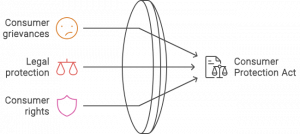
Recently, the apex court held that lawyers as ‘professionals’ could not be subjected to legal proceedings for providing faulty ‘service’ under the Consumer Protection Act 2019 (CPA). A similar case applies to Medical practitioners which is in high controversy.
What is the Consumer Protection Act (CPA)?
Consumer Protection Act, 1986
Consumer Protection Act, 2019
Purpose
Enacted to provide simpler and quicker access to redressal of consumer grievances.
Repeals and replaces the CPA, 1986.
Introduction of Concept
Introduced the concept of ‘consumer’ and conferred additional rights on consumers.
Expands the scope of the definition of ‘consumer’ to include transactions conducted offline or online through electronic means, teleshopping, direct selling, or multi-level marketing.
Scope of Protection
Protects individuals fitting the definition of ‘consumer’ as defined by the Act.
Extends protection to a wider range of transactions, including those related to banking, insurance, transport, housing construction, entertainment, amusement, etc.
About the previous case –Indian Medical Association vs V P Shantha (1995):
In 1995, a three-judge bench of the SC ruled, “Doctors would be covered under the consumer protection law, allowing the filing of several medical negligence lawsuits against doctors for deficiency in service”.
The court also acknowledged that medical professional occupations are often “skilled” work which differs from other occupations and the success usually depends on factors that are beyond the doctor’s control.
Diversity of present Opinions:
What did the National Consumer Disputes Redressal (NCDR) Commission say?
In 2007, the NCDR Commission held that lawyers provide a service to their clients and hence they can be sued for deficiency of service.
This case ultimately reached the apex court where the judgement was passed recently.
What did the Apex court say?
The court said that the objective principle of the CPA 2019 was to protect consumers from unfair trade practices and unethical business practices (the law was not intended to include professionals).
The court noted that the legal profession is unique and cannot be compared with any other profession.
According to the SC, hiring or availing of an advocate is “a contract of personal service” and is therefore exempted from the scope of the consumer protection law.
About the Consumer Redressal Commissions in India:
Legal proceedings under the CPA are heard by the Commissions which are constituted at all the 3 tier- District, State, and National levels (According to the CPA, 1986).
The President of each Commission would be a person who was/ is qualified to be a judge at the District, High Court, and Supreme Court resp.
The other individuals who have the knowledge, experience, or capacity to deal with problems relating to economics, law, commerce, accountancy, industry, public affairs or administration.
Since there is no requirement for commission members to have knowledge in medical matters, they are not suited to deal with complex medical issues.
In 2024, another SC bench appeared to be more sympathetic to the medical practitioners and held that these professionals should not be held to the same standard as other occupations.
Why does the Apex Court not Exempt Medical Profession from the Purview of CPA?
Firstly, doctors have specific duties to their patients, such as deciding on treatment and its administration.
Secondly, if a doctor breaches these duties by failing to provide a reasonable standard of care, they can be held liable under the CPA.
Additionally, the court believes requiring commission members to have case-specific knowledge would be impractical and burdensome.
Conclusion: This decision aims to prevent potential imbalances between District and State Commissions in handling cases and places the responsibility on parties to provide evidence for informed decisions.
The price fluctuations and Inflation trends in recent market underscore the necessity for Targeted Policy Interventions and a comprehensive grasp of Agricultural Supply Chains.
The Significance of Vegetable Triumvirate (trio):
Tomato, Onion, and Potato (TOP) aren’t just statistical entities but essential ingredients in Indian cuisine, forming the backbone of many dishes.
These vegetables represent more than just a portion of the CPI basket; they embody cultural and dietary preferences deeply ingrained in Indian culinary traditions.
Volatility and its role in shaping Inflation trends by TOP vegetables:
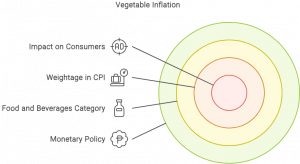
Vegetable prices in India rose by approximately 15% year-on-year, indicating significant inflation in this category.
Highly Volatile: There was notable volatility in vegetable prices, with a sharp decrease of 0.7% in June followed by a substantial increase of 37.4% in July.
High Contribution to Inflation: Despite vegetables weighing only 6% in the total CPI basket, their contribution to inflation was about 30% in Feb/March 2024.
For example, Tomatoes having a weight of only 0.6% in the CPI basket, prices soared by 202% in July 2023, contributing to 18.1% of the total headline inflation.
The contribution of vegetables to headline inflation was 31.9%, with TOP (tomato, onion, and potato) contributing 17.2%, further highlighting their substantial impact on inflation trends.
Navigating Culinary and Economic Realities (Challenges):
Policy Challenges: The volatility in TOP prices underscores the need for effective policy interventions, including agricultural value chain reforms and improved storage facilities to stabilize prices and support farmers.
Farmers’ Plight: Farmers, who are often net buyers of these crops, bear the brunt of price fluctuations, necessitating measures like Minimum Support Prices to ensure their livelihoods are protected.
Government Response: Despite protests and demands from farmers, policy responses have been inconsistent, relying on short-term measures like export bans rather than addressing underlying structural issues in the agricultural sector.
Way forward:
Need for Value Chain Reforms: Implement reforms aimed at improving the efficiency and resilience of agricultural value chains for TOP vegetables.
Need Price Stabilization Mechanisms: Introduce mechanisms to stabilize prices of TOP vegetables, such as market interventions, buffer stocks, or price ceilings during periods of extreme volatility. This can help mitigate the impact of price fluctuations on consumers and farmers alike.
Minimum Support Prices (MSPs): Establish MSPs for TOP vegetables to provide farmers with a guaranteed floor price for their produce.
Mains PYQ:
Q Do you agree with the view that steady GDP growth and low inflation have left the Indian economy in good shape? Give reasons in support of your arguments.(UPSC IAS/2019)
Wildlife authorities in Himachal Pradesh’s Lahaul & Spiti district have initiated surveys to estimate the population of Blue Sheep (bharal) and Himalayan Ibex (Tangor), vital prey species for the iconic snow leopard.
This move aims to assess the region’s biodiversity and promote conservation efforts.
About the Species Mentioned
Bharal (Blue Sheep)
Himalayan Ibex (Tangor)
Scientific Name
Pseudois nayaur
Capra sibirica hemalayanus
Genus
Pseudois
Capra
Distribution
India, Bhutan, China (Gansu, Ningxia, Sichuan, Tibet, Inner Mongolia), Myanmar, Nepal, Pakistan
Himalayan region of India, Pakistan, Tibet, Nepal
Features
Slate grey coat with bluish shine
Horns grow upwards, curve out, and then towards the back
Large curved horns with notches on the front
Light brown to reddish-brown coat, white belly, black and white markings on legs
Thick, woolly coat in winter, shed in early summer
Behavior
Active throughout the day, alternating between feeding and resting on grassy mountain slopes
Usually found in small herds, sometimes around 50 together;
The Election Commission of India (ECI) told the Supreme Court that there is no legal mandate to provide Form 17C (account of votes recorded) to any other person other than the candidate or his agent.
What does Article 329(b) say?
It specifically bars courts from intervening in any disputes related to the electoral processduring the active phase of an election—from its notification to the final declaration of results.
This is to prevent any potential delays or disruptions caused by litigation during the election.
About Forms 17A and 17C
As per the Conduct of Elections Rules, 1961, there are two forms that have data on the number of electors and voters — Forms 17A and 17C.
Form 17A: This document, compiled by the Returning Officer for each constituency, lists contesting candidates and registers voter information, including names and symbols.
Form 17C: Form 17C contains the account of votes recorded at each polling station during the election. It is prepared by the Presiding Officer of the polling station after the conclusion of polling. It includes:
EVM identification numbers.
Total number of electors and voters at the polling station.
Number of voters who did not record their votes after signing the register.
Number of voters not allowed to vote.
Total number of votes recorded per EVM.
Part-II of Form 17C: It carries counting results entered on counting day. This form is crucial for any legal challenges to the election results and for candidates to verify results on counting day.
Why is there a Demand to Make Form 17C Data Public?
Activists advocate for greater transparency in election processes.
The high number of polling stations makes it hard for candidates to compile all data.
The Election Commission of India (ECI) is not legally required to publish aggregate voter turnout data.
The ECI ensures that all statutory requirements, including providing Form 17C to candidates, are met.
Discrepancies noted in Form 17C can be contested to maintain election integrity.
Back2Basics: Conduct of Election Rules, 1961
The Conduct of Election Rules, 1961, commonly referred to as the 1961Rules, outline the procedural framework governing various aspects of the electoral process in India.
These rules were formulated under the authority of the Representation of the People Act, 1951.
It serves as the foundational legislation for conducting elections in the country.
Activities covered: Preparation of electoral rolls, the nomination of candidates, the conduct of polling, counting of votes, and the declaration of results.
Regulatory Function: The 1961 Rules incorporate provisions for addressing electoral malpractices, disputes, and grievances, thereby safeguarding the sanctity of elections.
PYQ:
[2017] For election to the Lok Sabha, a nomination paper can be filed by
(a) Anyone residing in India.
(b) A resident of the constituency from which the election is to be contested.
(c) Any citizen of India whose name appears in the electoral roll of a constituency.
PYQ Relevance: Mains: Q) What is the significance of Indo-US defense deals over Indo-Russian defense deals? Discuss with reference to stability in the Indo-Pacific region. (UPSC CSE 2020)
Q) The new tri-nation partnership AUKUS is aimed at countering China’s ambitions in the Indo-Pacific region. Is it going to supersede the existing partnerships in the region? Discuss the strength and impact of AUKUS in the present scenario. (UPSC CSE 2021)
Prelims:
With reference to the ‘Trans-Pacific Partnership’, consider the following statements: (UPSC CSE 2016) 1. It is an agreement among all the Pacific Rim countries except China and Russia. 2. It is a strategic alliance for the purpose of maritime security only. Which of the statements given above is/are correct? (a) 1 only (b) 2 only (c) Both 1 and 2 (d) Neither 1 nor 2
Note4Students:
Prelims: Global Issues;
Mains: Global Issues; Multipolar World; Russia-China Relations;
Mentor comment: The article discusses the present “no-limits” friendship declared between Russian President Vladimir Putin and Chinese President Xi Jinping, and how it is a defining feature of the emerging multipolar world order. During World War II, the world was divided into – Allied (UK, USSR, US, and China) and Axis (Germany, Italy, and Japan). Eventually after WW II, there was again a division between the US and the USSR which came to be known as the ‘Cold War’ where India adopted its Non-aligned stand. Taking today’s article view i.e. the Russia-China Friendship, the relations between both countries date back to the 17th century, with historical conflicts and territorial disputes. However, the relationship improved significantly after the fall of the Soviet Union in 1991, leading to the establishment of diplomatic relations and the signing of the Treaty of Good-Neighborliness and Friendly Cooperation in 2001. In the present context, we need to study what impact it will have on World order and of course our India also.
Let’s learn.
–
Why in the News?
Chinese President Xi Jinping and Russian President Vladimir Putin declared their ‘no-limits’ friendship just days before the Ukraine war began.
Putin, who was sworn in for his new term recently, will spend two days in China.
The Putin-Xi bromance is not just a bilateral affair, but a harbinger of a new world order.
What are the common grounds for ‘no limits’ friendship?
A Shared Anti-West Sentiment: Both leaders believe the West is trying to hold them back and undermine their influence. This shared grievance has brought them closer together, with Putin and Xi presenting a united front against what they see as a hostile Western world.
Military Cooperation: The two leaders have celebrated military cooperation, particularly during times of heightened tensions such as the US-China trade war. It includes security cooperation, emphasizing their mutual opposition to theWashington-led global consensus.
Economy and Trades: The structure of their bilateral trade shows that Russia mainly supplies raw materials, such as oil, natural gas, and coal, while importing manufacturing and technological products from China.
Russia has also been receiving loans and export credits, with the yuan’s share in the Russian central bank’s foreign currency reserves increasing significantly.
Strategic Partnership: The friendship between Putin and Xi is strategic, aiming to counterbalance U.S. global influence.
The two leaders have been attempting to put economics at the center of their strategic partnership, with Xi’s Belt and Road Initiative (BRI) and Putin’s Eurasian Economic Union (EAEU) aiming to create a single market among Russia, Armenia, Belarus, Kazakhstan, and Kyrgyzstan.
Limitations on their ‘no limit’ friendship:
A Relationship of Unequals: Despite aiming for equal friendship, China’s growing economic and technological might dwarf Russia’s. This power imbalance could create tension in the relationship, especially as China’s dominance continues to grow in Central and West Asia.
Russia may struggle to maintain its status as an equal partner, potentially leading to friction in the alliance.
A Delicate Balance: Beijing may face pressure from its trading countries and internal critics to distance itself from Moscow, especially if Russia’s actions continue to attract international condemnation.
What does it mean for the rest of the world?
New Multipolar System and Geoplotical Risks: Russia has recently shifted its Nuclers Policies making it questionable for European and other Western countries. This shift in power dynamics (Russia-China) could lead to a more fragmented and unstable world, with the West facing a united front from two of its most powerful adversaries.
Potential Risks to Global Energy Security: Russia’s growing dependence on China as an energy export market could give China more leverage over Russia and influence global energy prices and supply.
Expanded Russia-China energy cooperation may undermine Western efforts to isolate Russia economically and limit its ability to wage war in Ukraine.
Implications for Global Gas Markets: If the power of the Siberia pipeline is completed, it could reshape global gas markets by providing a new major source of supply to China and reducing Russia’s dependence on European gas exports.
However, the fate of the pipeline remains uncertain, as China has refrained from committing to it so far, likely because it currently benefits from keeping the project in Limbo.
What does it mean for India?
Strategic Concerns: Russia being a major supporter of the Indian defense system, India can face challenges in ensuring reliable defense supplies after the evolution of such “no limit” friendship and China-Russia cooperation.
Diplomatic Balancing: India aims to balance ties with Russia and West Asia to have a seamless connection with the European Union but faces challenges due to evolving Russia-China relations.
National Interests: India has always been a ‘big brother’ in the Asian region incorporating its Foreign Policies. Seeing the present context, India must navigate the changing geopolitical landscape, leveraging its diplomatic strengths and pursuing a clear long-term strategy.
Conclusion: The economic interests and trade between Russia and China are critical components of their “no-limits” friendship. While their bilateral trade has grown significantly, the relationship is marked by an unequal dynamic, with China’s economic dominance over Russia growing.
The prevalence of Congenital Anomalies and Neurological Challenges in newborns highlights the need for adequate Antenatal and Perinatal care to address them.
Key observations made by the National Family Health Survey (NFHS-5):
Perinatal mortality rates stand at 32 for 1,000 pregnancies, neonatal mortality rates at 25 for 1,000 live births, and hypertensive disorders in pregnancy remain a leading cause of maternal death.
Cause of Maternal and Perinatal Mortality:Preeclampsia (PE) is a significant cause of maternal and perinatal morbidity and mortality, with early onset PE posing higher risks.
Combination of Maternal factors and Biomarkers: Screening based on maternal risk factors alone has suboptimal performance, while a combination of maternal factors and biomarkers like mean arterial pressure, uterine artery pulsatility index, and serum placental growth factor can improve detection rates significantly.
Early Intervention with Aspirin Prophylaxis: First-trimester screening models, like the FMF prediction algorithm, have been effective in identifying high-risk pregnancies for preterm PE, allowing for early intervention with aspirin prophylaxis to reduce the incidence of preeclampsia.
What is Pre-eclampsia?
Preeclampsia is a complication of pregnancy. Preeclampsia, high blood pressure, and high levels of protein in urine indicate kidney damage (proteinuria), or other signs of organ damage.
Preeclampsia usually begins after 20 weeks of pregnancy in women whose blood pressure had previously been in the standard range.
Challenges to cure Pre-eclampsia (PE):
Complex Screening Protocols: Effective screening requires a combination of maternal history, demographics, color Doppler ultrasound, mean arterial pressure, and placental biomarkers, which may not be uniformly available or implemented.
Limited Resources: Not all healthcare facilities have access to advanced screening tools and technologies like color Doppler ultrasound and placental biomarker testing.
Lack of Awareness: Pregnant women may not be aware of the symptoms and risks associated with pre-eclampsia, leading to delayed presentation and diagnosis.
Delayed Intervention: Identifying high-risk pregnancies early is crucial, but delays in screening and diagnosis can lead to missed opportunities for timely intervention.
Pharmacological Challenges: Ensuring timely pharmacological intervention, such as aspirin prophylaxis, requires adherence to established protocols, which may only sometimes be followed.
Logistical Issues: Implementing widespread screening and management protocols involves logistical challenges, including training healthcare providers and ensuring the availability of necessary equipment.
Complexity of the Disorder: The systemic nature of pre-eclampsia, affecting multiple organs, complicates its management and requires a multidisciplinary approach.
Programs in India:
“Samrakshan” program: The Indian Radiological and Imaging Association’s (IRIA) “Samrakshan” program aims to reduce pre-eclampsia from 8%-10% to 3% and fetal growth restriction from 25%-30% to 10% by the end of the decade.
The program focuses on spreading awareness, screening for pre-eclampsia and fetal growth restriction, and ensuring comprehensive care throughout pregnancy.
Way Forward:
Early Detection and Management: Early detection through regular prenatal care, including blood pressure monitoring and urine testing for protein, is crucial in managing pre-eclampsia.
Timely intervention can help prevent severe complications and ensure the well-being of both mother and baby.
Promoting Awareness and Education: Raising awareness about the signs and symptoms of pre-eclampsia among pregnant women is essential for early recognition and prompt action.
Education on risk factors, preventive measures, and the importance of regular antenatal check-ups can significantly impact maternal and neonatal outcomes.
Ensuring Access to Quality Maternal Healthcare: Access to quality maternal healthcare services, including skilled antenatal care, monitoring, and timely interventions, is vital in addressing pre-eclampsia and reducing maternal mortality rates.
Empowering healthcare providers with the knowledge and resources to manage pre-eclampsia effectively is key to ensuring safe motherhood.
Collaborative Efforts for Maternal Health: Collaboration between governments, healthcare institutions, non-profit organisations, and the private sector is essential in implementing comprehensive maternal health programs that prioritise the prevention, early detection, and management of pre-eclampsia.
Conclusion: By spotlighting pre-eclampsia and emphasising the importance of early detection, awareness, access to quality care, and collaborative efforts, we can strive towards ensuring safe motherhood for all women, safeguarding the health and well-being of mothers and their babies.
Mains PYQ:
Q Identify the Millennium Development Goals (MDGs) that are related to health.Discuss the success of the actions taken by the Government for achieving the same.(UPSC IAS/2013)
The sudden demise of Iranian President Ebrahim Raisi in a helicopter crash has sent shockwaves through the Islamic Republic, grappling with the implications for the country’s future leadership.
India is closely monitoring the unfolding of Iran’s succession plan, given the significant geopolitical and economic stakes involved.
India and Iran have recently signed a 10-year agreement to develop and operate a terminal at the strategic Chabahar Port, enhancing trade connections with Afghanistan and Central Asian countries.
BACK2BASICS: India-Iran Bilateral Relations:
Pre-Cold War Era: India and Iran span centuries of relationship which is marked by meaningful interactions. Both countries shared a border till 1947 with several common features in their language, culture, and traditions. They established their diplomatic ties in March 1950.
Cold War Era (1950-1990): India followed its Non-alignment policy, but paralleling strong links with the Soviet Union (USSR), while Iran was an open member of the Western Bloc and enjoyed close ties with the United States.
Therefore, the relations between India and Iran suffered due to their differing political interests.
Post Cold-War Era:
Iran’s continuously supported Pakistan in the India–Pakistan border conflicts. This was also a major reason that India had expressed strong opposition to Iran’s Nuclear program.
India’s close relations with Iraq during the Iran–Iraq War greatly strained bilateral ties.
Oil Trade: In 2019, due to the sanctions imposed by the US on Iran, India stopped importing crude oil from the country. Before 2019, India was the second biggest buyer of oil from Iran.
During recent times in 2021, both countries continued to collaborate in supporting the broad-based anti-Taliban government until the Taliban recaptured Afghanistan.
Other Trades:
India-Iran bilateral trade during the FY 2020-21 was USD 2.1 billion, a decrease of 56 % as compared to USD 4.8 billion during FY 2019-20.
Our Exports to Iran: rice, tea, sugar, fresh fruits, drugs/pharmaceuticals, man-made staple fibers, electrical machinery, artificial jewelry etc.
Our Imports from Iran: dry fruits, inorganic/organic chemicals, glass and glassware, natural or cultured pearls, precious or semiprecious stones, leather, gypsum, etc.
About Raisi’s Rise and Hardline Agenda:
Ebrahim Raisi, had politically risen through the ranks of Iran’s theocracy and was widely seen as a leading candidate to succeed.
His presidency was part of a broader consolidation of power by hardliners dedicated to shoring up the pillars of the Islamic Republic against dissent and external threats.
Raisi’s death poses significant challenges for the conservative hardliners who had backed him as a unifying figure loyal to the Supreme Leader.
Raisi’s demise opens the door for the ambitions of the powerful Iranian Revolutionary Guards Corps (IRGC), which has exploited its constitutionally mandated roles to expand its political and economic influence.
Raisi’s death introduces great uncertainty into the succession process, with various factions and figures vying for influence.
What are the potential implications of Iran’s succession plan for India?
Trade ties: The death of President Raisi could impact India-Iran trade relations, which reached $2.33 billion in 2023-24 under Raisi’s policies.
Regional stability: India has enjoyed good ties with Iran and has been involved in key projects like the development of the Chabahar port, which serves as India’s gateway to Central Asia.
The succession plan in Iran could affect regional stability and India’s relation to energy security and connectivity.
Foreign policy alignment: Changes in Iran’s stance towards regional conflicts and international agreements could influence India’s foreign policy decisions in the Middle East.
Security concerns: Instability or changes in Iran’s approach to regional conflicts or its relations with other countries could impact India’s security calculations.
Way Forward
India needs to prioritize economic projects like the Chabahar Port, which are crucial for regional trade and India’s strategic interests, ensuring long-term agreements and investments. Further, maintaining a delicate balance between US relations and Iran ties by leveraging diplomatic channels to navigate sanctions can help.
Mains PYQ:
Q In what ways would the ongoing US-Iran Nuclear Pact Controversy affect the national interest of India? How should India respond to its situation? (UPSC IAS/2018)
Q The question of India’s Energy Security constitutes the most important part of India’s economic progress. Analyze India’s energy policy cooperation with West Asian Countries. (UPSC IAS/2017)
The RBI has issued draft regulations for a Harmonized Prudential Framework and revised DCCO criteria, to enhance the Regulatory Framework for long-term (infrastructure, non-infrastructure, and commercial real estate sectors) project financing.
RBI’s purpose behind this is to regulate and supervise payment and settlement systems in the country, ensuring safe, secure, and efficient mechanisms for financial transactions.
What is the Date of Commencement of Commercial Operations (DCCO)?
The DCCO is a critical milestone for project loans, indicating the start of revenue-generating activities for the project.
Banks maintain the DCCO for project loans for several key reasons:
Asset classification: The DCCO is crucial for determining the asset classification of a project loan. If the project fails to commence commercial operations by the stipulated DCCO, the loan may be classified as a Non-performing asset (NPA).
Restructuring: The DCCO is used as a reference point for allowing the restructuring of project loans without treating it as an NPA. RBI guidelines permit banks to extend the DCCO by up to 1 year for commercial real estate projects and up to 2 years for infrastructure projects, without downgrading the asset classification, provided certain conditions are met.
Viability assessment: When extending the DCCO, banks must satisfy themselves about the viability of the project and the restructuring plan.
Provisioning: If a loan remains in the pre-commencement of the commercial operations phase for an extended period, banks may need to make higher provisions, considering the risk involved.
Monitoring and control: Maintaining a clear DCCO allows banks to monitor the project’s progress and take timely action if there are delays or cost overruns. This helps in managing the bank’s exposure and mitigating risks.
Key Highlights of the Proposed New Framework:
Income Recognition and Asset Classification: The draft framework outlines guidelines for Income Recognition, Asset Classification, and Provisioning of Advances for Projects Under Implementation (IRACP-PUIMP).
It emphasizes the importance of monitoring stress in projects and initiating resolution plans proactively.
Increase in general provisioning at the construction stage from 0.4% to 5% on all existing and fresh exposures, phased over three years (2% for FY25, 3.5% for FY26, and 5% for FY27).
Restructuring Norms: The RBI has prescribed norms for restructuring exposure in projects due to changes in the DCCO.
Lenders are required to have a board-approved policy for resolving stress in projects, triggered by a credit event during the construction phase.
Provisioning can be reduced to 2.5% and 1% at the operational phase if certain conditions are met.
Consortium Arrangements: In projects financed under consortium arrangements, specific exposure limits have been set based on the aggregate exposure of lenders.
Individual lenders must maintain a Minimum Exposure Percentage to ensure a balanced risk-sharing mechanism.
Financial Closure and Repayment Structure: The framework mandates that financial closure must be achieved before the disbursement of funds.
It discourages moratoriums on repayments beyond the DCCO period and sets guidelines for the repayment tenor not exceeding 85% of the economic life of the project.
Projects must demonstrate a positive net operating cash flow to cover all repayment obligations and a reduction in total long-term debt by at least 20%.
Net Present Value (NPV) Requirement: A positive NPV is a prerequisite for any project financed by lenders. The RBI stresses the importance of reevaluating the project NPV annually to ensure financial viability and address credit impairment risks.
Guidelines for a standby credit facility to fund cost overruns due to delays, with incremental funding of 10% of the original project cost.
ICRA Observations:
ICRA set up in 1991 is an independent and professional investment Information and Credit Rating Agency. It observed the proposed new framework could have the following implications:
Profitability Impact: Higher provisioning requirements for projects under implementation could impact the profitability of Non-banking Financial Companies and Infrastructure Financing Companies. The impact will be spread over 3 years.
Funding Costs: Estimated increase in funding costs by 20-40 basis points as lenders build additional risk premiums.
Major banks like SBI, Union Bank of India, and Bank of Baroda do not foresee significant impacts, although the pricing of loans may need adjustments.
Way Forward:
Enhanced Monitoring and Compliance: Implement robust monitoring mechanisms to ensure compliance with the new regulations. Regularly review and update the prudential framework to adapt to evolving market conditions.
Capacity Building: Train bank staff and stakeholders on the new regulatory requirements and best practices for project financing.
Prelims PYQ:
Q The Reserve Bank of India regulates the commercial banks in matters of: (UPSC CSE 2013)
liquidity of assets
branch expansion
merger of banks
winding-up of banks
Select the correct answer using the codes given below.