💥Join UPSC 2027,2028 Mentorship (August Batch) + XFactor Notes & Microthemes PDF

GS Paper: GS1

  • India’s Unique Approach to Conflict Resolution in the Ukraine Crisis

    Central Idea

    • China’s recent mediation efforts in the Ukraine crisis have drawn attention to India’s distinct approach to conflict resolution. While China has positioned itself in opposition to the American approach, India has employed symbolic instruments of power to enhance its soft power appeal. Prime Minister Narendra Modi has projected India as the mother of democracies and a moral force for global peace.

    India’s engagement with Ukraine in the context of the Ukraine crisis

    • Expressions of Solidarity: Through various statements and interactions, India has conveyed its support for Ukraine’s sovereignty and territorial integrity.
    • Direct Communication: Prime Minister Modi has engaged in telephonic conversations with Ukrainian President Volodymyr Zelenskyy on multiple occasions. This direct communications underline India’s commitment to engaging with Ukraine at the highest level and addressing the crisis.
    • Support for Peace Efforts: India has extended support for peace efforts in Ukraine. Prime Minister Modi has conveyed India’s commitment to peace and stability in the region, emphasizing the importance of resolving the conflict through diplomatic means.
    • Alignment with Global Players: India’s engagement with Ukraine aligns its response to the crisis with that of other global players, such as the United States. Recognizing the interconnectedness of geopolitical dynamics, India seeks to bring its stance into alignment with key stakeholders involved in conflict resolution.
    • Balancing Act: India’s engagement with Ukraine does not indicate a complete shift in its historical ties with Russia. While expressing solidarity with Ukraine, India also acknowledges Russia’s military and geopolitical importance, considering it in the context of its own military preparedness and regional stability.
    • Rising Stature: India’s active involvement in the Ukraine crisis highlights its growing stature and recognition in the international arena. By engaging with Ukraine, India positions itself as a relevant player in resolving global conflicts and reinforces its commitment to global peace and stability.
    • Aspirations for Global Role: India’s engagement with Ukraine reflects its aspirations to play a constructive role in shaping international relations. By expressing support for Ukraine and actively engaging in conflict resolution efforts, India aims to contribute to a peaceful resolution and assert its position as a responsible global actor.

    India’s ambiguity in the Ukraine conflict

    • Evasive Position in UN Resolutions: India has been criticized for taking an ambiguous stance in many UN resolutions concerning the Ukraine conflict. While expressing disapproval of the war, India has avoided taking a clear position, particularly in conflicts involving its traditional allies. This ambiguity raises concerns, especially considering India’s aspiration to become a permanent member of the UN Security Council.
    • Lack of Condemnation: Despite expressions of solidarity and support for peace efforts, India has refrained from explicitly condemning Russian belligerence in Ukraine. This reluctance to condemn Russia’s actions contradicts India’s commitment to opposing territorial aggression and rights violations, which is expected of a nation aspiring to be a global voice for peace and stability.
    • Historical Ties with Russia: India’s historical ties with Russia, rooted in military and geopolitical importance, contribute to its ambiguity in the Ukraine conflict. India’s military dependence on Moscow and its traditional alliance with Russia create a complex dynamic that influences India’s stance and makes it hesitant to take a clear position against Russian aggression.
    • Strategic Autonomy Doctrine: India’s strategic autonomy doctrine, which emphasizes the pursuit of an independent foreign policy, further adds to its ambiguity in the Ukraine conflict. India’s focus on balancing multiple alignments and preserving its strategic interests may limit its willingness to take a firm and unequivocal position on the conflict.
    • Challenges in Matching China’s Influence: India’s limited material resources and comparatively lower economic and military potential pose challenges in matching China’s influence in the Ukraine conflict. This may result in a cautious approach, as India navigates its own geopolitical considerations and seeks diplomatic space in the emerging nexus between Russia and China.
    • Soft Power Considerations: India’s ambiguity in the Ukraine conflict can also be attributed to soft power considerations. While India sympathizes with Ukraine as a victim of aggression, it seeks to maintain its historical ties with Russia. Balancing these considerations may lead to a nuanced and ambiguous position that prioritizes maintaining relations with both parties involved in the conflict.

    India’s soft power and its role in foreign policy at present

    • Cultural Heritage and Diversity: India’s rich cultural heritage, diverse traditions, and ancient civilizational history contribute to its soft power appeal. The promotion of Indian culture, including yoga, Ayurveda, cuisine, music, and dance, enhances India’s global influence and attracts people from around the world.
    • Diaspora and Indian Community: India’s large diaspora and the presence of Indian communities around the world contribute to its soft power. The Indian diaspora serves as a bridge between India and other nations, fostering cultural exchanges, economic ties, and people-to-people connections.
    • Economic Growth and Technological Advancements: India’s emergence as a global economic power and advancements in technology have bolstered its soft power. India’s success in sectors such as information technology, space exploration, and pharmaceuticals enhances its reputation and attractiveness as a partner in various fields.
    • Development Cooperation and Humanitarian Assistance: India’s active engagement in development cooperation and humanitarian assistance initiatives in various countries elevates its soft power. Through projects like capacity-building programs, infrastructure development, and assistance during crises, India promotes goodwill and strengthens relationships with partner nations
    • Global Leadership and Multilateral Engagement: India’s active participation in global forums, such as the United Nations, G20, and BRICS, showcases its commitment to global problem-solving and its aspiration to play a leadership role. India’s voice on international platforms amplifies its soft power and contributes to shaping global narratives.
    • Public Diplomacy and Cultural Exchanges: India’s emphasis on public diplomacy, cultural exchanges, and people-to-people interactions fosters mutual understanding and strengthens diplomatic ties. Initiatives like cultural festivals, exchange programs, and scholarships enable greater engagement and create lasting connections between India and other nations.
    • Bollywood and Indian Cinema: The popularity of Indian cinema, particularly Bollywood, has a significant impact on India’s soft power. Indian films, with their colourful storytelling, music, and dance sequences, have a wide international audience, contributing to India’s cultural influence and positive image abroad.
    • Yoga and Spiritual Practices: India’s promotion of yoga and spiritual practices has gained global recognition and has become a prominent aspect of its soft power diplomacy. Yoga has been embraced by people worldwide, leading to the establishment of International Yoga Day and numerous yoga centres across the globe

    India’s approach to conflict resolution in the Ukraine crisis: Challenges

    • Limited Influence: India’s influence in the Ukraine crisis is relatively limited compared to major global powers involved in the conflict, such as the United States, Russia, and European Union. As a result, India may find it challenging to have a significant impact on the resolution process.
    • Geographical Distance: India’s geographical distance from the conflict zone poses a challenge in actively engaging and mediating in the Ukraine crisis. Physical proximity and regional dynamics often play a crucial role in conflict resolution efforts.
    • Resource Constraints: India’s resource constraints, both in terms of economic and military capabilities, limit its ability to exert significant pressure or provide substantial assistance to the parties involved in the conflict. This constraint may hinder India’s effectiveness in playing a direct role in resolving the crisis.
    • Balancing Multiple Interests: India faces the challenge of balancing its relationships with key actors in the Ukraine crisis, particularly Russia and Ukraine. India has historically maintained close ties with Russia, while also seeking to strengthen relations with other global powers. Striking a delicate balance without jeopardizing its strategic interests can be complex.
    • Competing Priorities: India has a diverse range of domestic and international priorities that demand attention and resources. These competing priorities may divert attention and resources away from active engagement and conflict resolution efforts in the Ukraine crisis.
    • Regional Implications: India’s approach to conflict resolution in the Ukraine crisis needs to consider the broader regional implications, particularly in the Indo-Pacific region. India’s strategic considerations related to China, the United States, and other regional dynamics may influence its approach to the crisis.
    • International Consensus: Building consensus among the international community on the way forward in resolving the Ukraine crisis can be challenging. Diverse perspectives, conflicting interests, and differing approaches to the conflict among global powers may complicate India’s efforts to find a common ground for conflict resolution.

    Conclusion

    • India’s approach to conflict resolution in the Ukraine crisis stands apart from China’s mediation efforts. India’s engagement with Ukraine, symbolic projection of soft power, and balancing act between Russia and the West highlight its unique position in the global order. While India faces challenges in matching China’s influence, its commitment to global peace and stability remains steadfast

    Get an IAS/IPS ranker as your personal mentor for UPSC 2024 | Schedule your FREE session and get the Prelims prep Toolkit!

    Also Read:

    India’s role in Russia-Ukraine war


  • Santiniketan in tentative list for UNESCO World Heritage list

    santiniketan

    Central Idea

    • The article announces that Santiniketan, the home of Nobel laureate Rabindranath Tagore in West Bengal, has been recommended for inclusion in UNESCO’s World Heritage List.

    About Santiniketan

    Santiniketan is a renowned cultural and heritage place located in Birbhum District, West Bengal, India. It holds historical significance and is known for its association with Nobel laureate Rabindranath Tagore. Here are key points about Santiniketan:

    • It was the home of Rabindranath Tagore, where he lived and composed many of his literary works, including songs, poems, and novels.
    • The Santiniketan campus is adorned with splendid sculptures, frescoes, murals, and paintings created by renowned artists such as Rabindranath Tagore, Nandalal Bose, Ramkinkar, Binodbehari Mukhopadhyay, and others.
    • The region of Birbhum District, where Santiniketan is located, is also famous for its fairs and festivals. Some notable ones are Poush Mela (December), Joydev Mela (January), Basanta Utsav (Holi) in March, and the famous mystic Baul Singers.
    • Special cultural events are held during Bengali New Year and Rabindra Janmotsav (birth anniversary of Rabindranath Tagore) in the Bengali month of Boisakh with great enthusiasm.
    • Santiniketan celebrates unique festivals like Briksharopan (festival of Planting Saplings) and Halakarshan (festival of Plowing the Fields) on the 22nd and 23rd days of Sravana (August), respectively.
    • Varshamangal, the festival of rains, is celebrated during August/September.
    • Poush Mela is an annual fair and festival held in Santiniketan, starting on the 7th day of the month of Poush. The fair officially lasts for three days, but vendors may stay until the end of the month. It is known for live performances of Bengali folk music, particularly by bauls (traditional wandering minstrels), and also features tribal dances like Santali.

    Recommendation by ICOMOS

    • The recommendation for Santiniketan’s inclusion was made by the International Council on Monuments and Sites (ICOMOS), which is the advisory body to the UNESCO World Heritage Centre.
    • ICOMOS is a France-based international cultural body dedicated to the conservation and enhancement of global architectural and landscape heritage.

    West Bengal’s Representation in World Heritage List

    • If selected, Santiniketan would be the second cultural symbol from West Bengal to be included in the UNESCO list.
    • In 2021, UNESCO included ‘Durga Puja in Kolkata’ in its list of Intangible Cultural Heritage of Humanity.

    Back2Basics: UNESCO World Heritage Sites

    Description
    UNESCO World Heritage Sites Landmarks or areas selected by UNESCO for their cultural, historical, scientific, or other significant value, legally protected by international treaties.
    Importance World Heritage Sites represent collective and preservative interests of humanity, signifying remarkable accomplishments and intellectual history.
    Selection Criteria Sites must be already-classified landmarks, unique and significant culturally or physically, such as ancient ruins, historical structures, cities, monuments, etc.
    Conservation World Heritage Sites require practical conservation to protect them from risks like trespassing, uncontrolled access, or administrative negligence.
    World Heritage Committee Selects and monitors World Heritage Sites, manages the World Heritage Fund, and provides financial assistance. Composed of 21 states parties elected for a four-year term.
    Membership India is not a member of the World Heritage Committee.

    Note: “States parties” refer to the countries that have ratified the World Heritage Convention and participate in the decision-making process.


    Get an IAS/IPS ranker as your personal mentor for UPSC 2024 | Schedule your FREE session and get the Prelims prep Toolkit!

  • Significance of Meerut: Birthplace of India’s First War of Independence

    meerut

    Central Idea

    • The article highlights the historical significance of Meerut, a city in western Uttar Pradesh.
    • Alamgirpur, the easternmost settlement of the Harappa civilization, is located in Meerut and has archaeological importance.
    • However, Meerut gained fame for its role in India’s First War of Independence on May 10, 1857, also known as the Indian Mutiny or Revolt.

    Meerut: Historical origins and name

    • Meerut has historical origins, possibly deriving its name from Mayarashtra, the capital of Mayasura, who was Ravana’s father-in-law.
    • The archaeological site of Vidura-ka-tila, located northeast of Meerut, is believed to be the remains of Hastinapur, the ancient capital of the Kauravas and Pandavas from the Mahabharata.
    • Meerut was ruled by the Scindias before being ceded to the British in 1803, which eventually paved the way for the British exit from India.

    The 1857 Rebellion

    • The rebellion in Meerut was sparked by the introduction of the Enfield rifle and the use of cartridges rumored to be greased with a mixture of cow and pig fat.
    • Sepoys (Indian soldiers) who refused to use the cartridges were punished and stripped of their uniforms.
    • This incident led to a rebellion among the sepoys and a call for the uprising against British rule.

    Outbreak of the Mutiny

    • On May 10, 1857, while the European residents of Meerut were attending church, the sound of musketry and columns of smoke signalled the revolt of the native troops.
    • The sepoys, having revolted, marched towards Delhi, considering it the power center and the capital of Mughal India.

    Meerut’s Significance

    • Meerut played a crucial role in the Indian Mutiny, serving as the starting point for the rebellion that spread across the country.
    • The mutiny in Meerut inspired and influenced the subsequent events of the uprising.
    • D. Savarkar later referred to the Mutiny as the First War of Independence.


    Get an IAS/IPS ranker as your personal mentor for UPSC 2024 | Schedule your FREE session and get the Prelims prep Toolkit!

  • Cyclone Mocha developing in Bay of Bengal

    cyclone

    Central Idea: The Indian Meteorological Department (IMD) has warned of a developing cyclonic or low-pressure area in the Bay of Bengal. It would be named Cyclone Mocha (pronounced ‘Mokha’).

    What is a cyclone and how are they formed?

    • A cyclone is a low-pressure system that forms over warm waters.
    • Warm seas present ripe conditions for the development and strengthening of cyclones.
    • The air rises and blows in an anticlockwise direction around the low in the northern hemisphere and in a clockwise direction in the southern hemisphere.
    • As warm air rises and cools, water vapour condenses to form clouds and this can lead to rains.
    • Cyclones can cause significant impacts on life and property, including storm surge, flooding, extreme winds, tornadoes and lightning.

    Requirements for a Cyclone to form

    There are six main requirements for tropical cyclogenesis:

    1. Sufficiently warm sea surface temperatures
    2. Atmospheric instability
    3. High humidity in the lower to middle levels of the troposphere
    4. Enough Coriolis force to develop a low-pressure centre
    5. A pre-existing low-level focus or disturbance
    6. Low vertical wind shear

    How are cyclones named?

    • Cyclones that form in every ocean basin across the world are named by the regional specialized meteorological centres (RSMCs) and Tropical Cyclone Warning Centres (TCWCs).
    • The IMD names the cyclones developing over the north Indian Ocean after following a standard procedure.
    • In 2000, a group of nations called WMO/ESCAP decided to start naming cyclones in the region.
    • After each country sent in suggestions, the WMO/ESCAP Panel on Tropical Cyclones (PTC) finalized the list.
    • This cyclone will be named Mocha (Mokha), a name suggested by Yemen after the Red Sea port city, which is known to have introduced coffee to the world over 500 years ago.

    Why is it important to name cyclones?

    • Adopting names for cyclones makes it easier for people to remember, as opposed to numbers and technical terms.
    • It’s easier and less confusing to say “Cyclone Titli” than remember the storm’s number or its longitude and latitude.
    • Apart from the general public, it also helps the scientific community, the media, disaster managers etc.
    • With a name, it is also easy to identify individual cyclones, create awareness of its development, rapidly disseminate warnings to increase community preparedness etc.


    Get an IAS/IPS ranker as your personal mentor for UPSC 2024 | Schedule your FREE session and get the Prelims prep Toolkit!

  • Aspirational Cities Programme (ACP): A Step in the Right Direction

    ACP

    Central Idea

    • Maharashtra’s Aspirational Cities Programme (ACP) aims to address the challenges of rapid urbanisation by adopting a holistic approach to urban governance. The ACP is set to focus on improved governance, address persistent civic issues, and increase funding avenues for the urban local bodies. The success of the ACP could have a significant impact on Maharashtra’s economy and lead to ease of living in urban areas.

    Urban population of India

    • According to the Census of India 2011, the urban population of India was 377 million, which accounted for 31.16% of the total population. Around 590 million people would live in the cities by 2030.
    • While cities constitute about 3 per cent of the land in the country, they generate 70 per cent of the Gross Domestic Product (GDP) and contribute substantially to economic growth and opportunities.
    • There is a robust relationship between the index of cities’ liveability and the country’s GDP per capita suggesting that long-term growth is only feasible if the city attributes in terms of providing equitable access to basic services, residences, and improved economic management are woven seamlessly through digital service delivery platforms.

    Challenges of urbanization in Maharashtra

    • Deficient Infrastructure: Maharashtra’s cities are grappling with issues of deficient infrastructure, such as inadequate roads, public transport, water supply, and waste management systems.
    • Air Pollution: Urbanization has led to an increase in air pollution in Maharashtra’s cities, primarily due to vehicular emissions and industrial activities.
    • Social Inequities: The growth of informal settlements and slums in Maharashtra’s cities has led to social inequities, with the urban poor lacking access to basic services, such as healthcare, education, and housing.
    • Mobility and Migration: Maharashtra’s cities continue to face the challenge of frequent mobility and migration, with an inward net movement of people for better livelihood opportunities.
    • Vulnerabilities to Disasters and Climate Change: Rapid urbanization has increased the vulnerability of Maharashtra’s cities to disasters and climate change, such as floods and heatwaves.
    • Poor Urban Planning: Many of the challenges faced by Maharashtra’s cities are a result of poor urban planning, with a lack of coordination between various government departments and inadequate implementation of policies and programmes.

    What is Aspirational Cities Programme (ACP)?

    • The Aspirational Cities Programme (ACP) is an initiative of the Government of Maharashtra aimed at addressing the challenges of rapid urbanization in the state by adopting a holistic approach to urban governance.
    • The ACP has identified 57 cities that have been proposed for the programme. Service level benchmarking will be done for the cities based on the data collected on the Performance Assessment System of the Government of Maharashtra.
    • The performance of the 57 selected cities would be monitored and ranked quarterly through a standard digital monitoring platform with indicators on the themes of urban infrastructure, education, urban services, skill development, and climate change.
    • The ACP is based on three priority areas: inclusive urban development, scientific data methods for assessing and monitoring outcomes, and citizen participation in civic affairs.

    ACP

    The Maharashtra government’s Aspirational Cities Programme (ACP) focuses on three priority areas

    1. Inclusive Urban Development: The ACP aims to bring an integrated approach to urban programming that involves all development sectors. This is aimed at ensuring that the benefits of urban development reach all sections of society, including the most vulnerable.
    2. Scientific Data Methods: The ACP seeks to adopt scientific data methods for assessing and monitoring the outcomes of both state and central schemes. This will provide a better understanding of the impact of various policies and programmes on the ground.
    3. Citizen Participation: The ACP aims to enhance the voice and participation of citizens in civic affairs through physical and digital means. This is aimed at ensuring that governance is citizen-centric and responsive to the needs and aspirations of the people.

    Other key features of Maharashtra’s ACP

    • Improved Governance: The ACP is set to focus on improved governance, address persistent civic issues, and increase funding avenues for the urban local bodies. This is aimed at ensuring that the governance of cities is efficient, transparent, and accountable.
    • Service Level Benchmarking: Service level benchmarking will be done for the cities based on the data collected on the Performance Assessment System of the Government of Maharashtra. This will enable the state government to monitor and rank the performance of the 57 selected cities quarterly through a standard digital monitoring platform.
    • Provision of Adequate Potable Tap Water: The ACP agenda includes provisioning adequate potable tap water to all households by taking advantage of the ambitious Jal Jeevan Mission.
    • Reformed Property Tax: The ACP aims to reform property tax by delinking it from the reasonable rental value method and adopting the market value of the property as a base for assessment.

    Facts for prelims

    What is Urban 20 (U20)?

    • Within the G20 ecosystem, a city diplomacy initiative called the Urban 20 (U20) was launched in December 2017.
    • As one of the formal Engagement Groups under G20, the U20 forum was meant to collectively raise critical urban issues of G20 cities during the G20 negotiations.
    • Despite U20’s concerted efforts to run parallel to G20, the absence of any written constitution, procedures, or formal agreement has made U20 unable to effectively address the aspirations and concerns of cities.

    Conclusion

    • It is time to accept the reality that New India is moving from its villages to the cities, and therefore, the need for renewed thinking and policies that are citizen-centric. The ACP is an example of a policy that puts people first as part of urban development. This effort by the Government of Maharashtra is strategically contextualised with the Viksit Bharat vision for India in 2047.

    Mains Question

    Q. New India is moving from its villages to the cities which highlights the need for renewed thinking and policies that are citizen-centric. In light of this discuss how Maharashtra’s Aspirational Cities Programme (ACP) could help to address the challenges of urbanization

    Get an IAS/IPS ranker as your personal mentor for UPSC 2024 | Schedule your FREE session and get the Prelims prep Toolkit!

    Also Read:

    [Sansad TV] Perspective: Urban Planning


  • US seeks sanctions on Indian agencies over Religious Freedom Violations

    religious india

    The Commission for International Religious Freedom (USCIRF) has urged to impose targeted sanctions on Indian government agencies and officials responsible for “severe violations” of religious freedom by freezing their assets.

    What is USCIRF Report?

    • The USCIRF report assesses the status of religious freedom around the world.
    • It provides a comprehensive analysis of the state of religious freedom in countries across the globe, highlighting issues of concern and making recommendations for action by the US government.
    • The report is an important tool for raising awareness of violations of religious freedom and advocating for greater protection of this fundamental human right.

    Allegations against India

    (1) Policies

    • It is alleged that the Indian government at the national, state, and local levels promoted and enforced religiously discriminatory policies, including:
    1. Laws targeting religious conversion
    2. Interfaith relationships
    3. Ban over wearing of hijabs and cow slaughter
    • This has negatively impact Muslims, Christians, Sikhs, Dalits, and Adivasis.

    (2) Laws of Suppression

    • The report also alleges that the national government continued to suppress critical voices, particularly of religious minorities and those advocating on their behalf through-
    1. Surveillance / Harassment / Cow Vigilantism
    2. Accusation of Sedition
    3. Demolition of Property
    4. Detention under the Unlawful Activities Prevention Act (UAPA)
    5. Targeted banning of NGOs ex. Missionaries of Charity under the Foreign Contribution Regulation Act (FCRA)
    6. Constitution

    India’s response

    • India has slammed USCIRF for “misrepresenting” facts and described it as an “organisation of particular concern”.
    • The Indian government rejected the biased and inaccurate comments.
    • Foundation of Indian and Indian Diaspora Studies (FIIDS) slammed USCIRF for its biased report and failure to acknowledge the cultural and economic significance of cows to Indians.

    Why such reports often falsely target India?

    • Lack of objectivity: There have been instances in the past where these reports have been criticized for being one-sided and lacking objectivity.
    • US lobby against everyone: It is important to note that reports like USCIRF’s are based on the organization’s own assessments.
    • Inherent bias against India: Such allegations are prevalent ever since India attained its Freedom.
    • Self-proclaimed father of democracy: US has infamous for selectively promoting democracy and human rights, and for supporting authoritarian regimes that align with its strategic interests.
    • Anti-regime: Such reports often overlook the efforts made by the present regime in India towards promoting religious tolerance and communal harmony.

    Way forward

    • Urgent action: India needs to take prompt and necessary steps to address religious freedom issues and take everyone’s faith in the government and democratic process.
    • Nuanced understanding: International organizations and foreign governments must make a conscious effort to understand the complexities of India’s social, political, and economic landscape before making any recommendations or issuing reports.
    • Avoid sweeping generalizations: It is important to avoid sweeping generalizations and presenting a one-sided view of the situation, which can be detrimental to India’s reputation and lead to misunderstandings.
    • Self-reflection by the US: The US must address its own issues related to religious freedom and human rights violations, and not just sermon other countries.

    Conclusion

    • India’s historical diversity and pluralism: India has a long history of diversity, pluralism, and peaceful coexistence among different communities.
    • Constitutional guarantees: The Constitution guarantees fundamental rights to all citizens, regardless of their religion, caste, or creed.
    • Media as a strong pillar: The country has a vibrant democracy and a free and independent media that regularly scrutinizes the government and its policies. This eliminates the scope for anyone’s oppression.
    • Nation-building: All communities have contributed significantly to the country’s cultural and social fabric. Success of India is often unwelcomed by the US. People should not fall prey to foreign propaganda.


    Get an IAS/IPS ranker as your personal mentor for UPSC 2024 | Schedule your FREE session and get the Prelims prep Toolkit!

  • Copper plates decoded reveal new info on Shilabhattarika

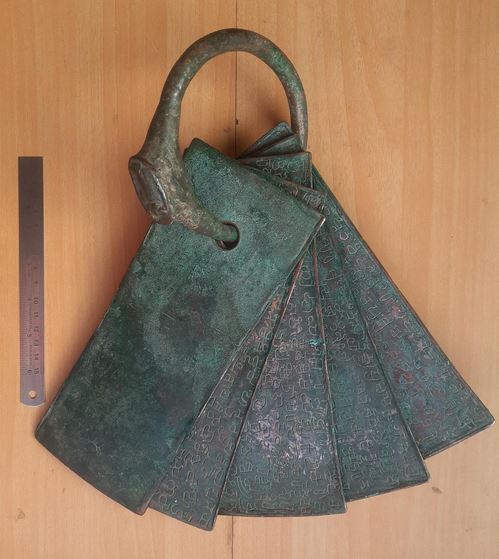
    Central idea: The article talks about the discovery of new information on the celebrated ancient Sanskrit poetess Shilabhattarika through the decoding of copper plates by the Pune-based Bhandarkar Institute.

    Who was Shilabhattarika?

    • Shilabhattarika was a 9th-century Sanskrit poet from India.
    • She lived near the Narmada River and the Vindhya mountains.
    • Her poetic skills were praised by medieval Sanskrit literary critics.
    • It is speculated that she may be the same as Shilamahadevi, the queen of 8th-century Rashtrakuta ruler Dhruv.
    • According to recent research, she was the daughter of Chalukya ruler Pulakeshin II.

    Her literary works

    • Shilabhattarika is known to have written at least 46 poems on various topics, such as love, morality, politics, nature, beauty, the seasons, insects, anger, indignation, codes of conduct, and the characteristic features of various kinds of heroines.
    • Shilabhattarika is considered a leading figure of the Panchali literary style, which maintains “a balance between words and meaning”.
    • According to Rajashekhara, the Panchali style can be traced to the works of Shilabhattarika, and possibly in some of the works of the 7th-century poet Bana.
    • Sharangadhara-paddhati, a 14th-century anthology, praises her and three other female poets for their great poetic genius and erudition.
    • One of the most iconic songs of the noted Marathi poetess Shanta Shelke, “toch chandrama nabhat” (it is the same moon in the sky), draws inspiration from the verses of Shilabhattarika.

    Key findings of the recent research

    • The research analyzed a copperplate charter consisting of 5 copper plates dating back to the reign of Badami Chalukyan ruler Vijayaditya (696-733 CE).
    • The plates were held together by a copper ring that bore the varaha (boar) seal, which is the trademark of the Badami Chalukyas.
    • The Sanskrit text inscribed in late-Brahmi script contained a total of 65 lines.
    • The charter revealed that King Vijayaditya Chalukya had donated the village of Chigateri to a scholar named Vishnu Sharma, based on the recommendation of Mahendravarma, Shilabhattarika’s son.
    • Shilabhattarika’s husband, Dadiga, was deputed as the governor of Kogali, while his elder brother Polavira succeeded their father Mokkara as the ruler of the Western Ganga dynasty, which acted as subordinates to the Chalukyas of Badami and fought against the Pallavas of Kanchi.
    • The plates also mentioned the names of Shilabhattarika’s father-in-law, Mokkara (or Mushkara), and his father, Durvinita, who was a proficient composer and had patronized Bharavi, the author of the classical epic Kiratarjuniya.


    Get an IAS/IPS ranker as your personal mentor for UPSC 2024 | Schedule your FREE session and get the Prelims prep Toolkit!

  • Bihan Mela of Kondh Tribals

    bihan mela

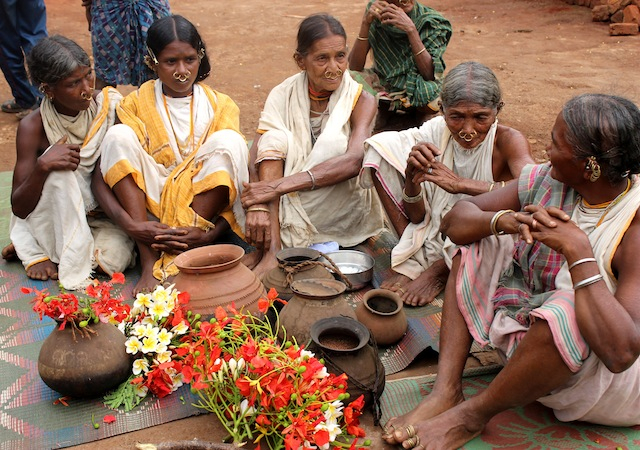
    Central idea: Since 2019, the Kondh tribe in Nayagarh district, Odisha has been celebrating the Bihan Mela, or the seed festival, to promote the revival of indigenous farming.

    Bihan Mela

    • This event involves the collection and preservation of indigenous seeds, and farmers from 40 villages in Dasapalla block participate in the festival.
    • After harvesting kharif crops, women collect the seeds of indigenous varieties and store them in earthen pots.
    • On a designated day in December, they decorate the pots with red and white motifs, place them in a bamboo basket and carry them on their heads to the village where the fair is being organized.
    • Men accompany them, beating drums and other traditional instruments.

    Objectives

    • The seed festival was introduced to help farmers return to their traditional ways of farming, like mixed-cropping, which is more resilient to erratic rainfall and pest attacks.
    • In recent years, farmers have abandoned native crops and varieties that are naturally resistant to pests and better suited to the region’s climate.

    Commercialization through this festival: Seed Bank

    • To facilitate access to indigenous seeds, Nirman, a non-profit that works with the tribe on forest rights and agro-ecological farming, set up a seed bank in Raisar village in 2019.
    • The bank collects and preserves indigenous seeds from across Kondh villages and lends those out to farmers.
    • The bank now boasts of 62 varieties of paddy, four varieties of millets, five varieties of pulses, and eight vegetables.
    • The bank is open to all Kondh farmers and has benefitted 750 families so far.
  • Conservation work at Delhi’s Zafar Mahal to begin

    zafar mahal

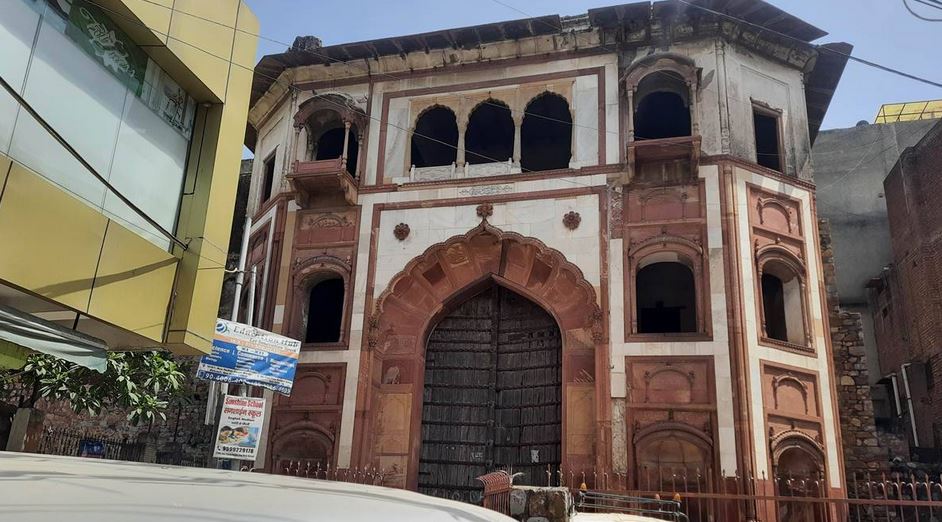
    The Archaeological Survey of India (ASI) is set to initiate conservation works at Zafar Mahal in south Delhi’s Mehrauli.

    Zafar Mahal

    • Zafar Mahal, located in Mehrauli village, South Delhi, India, is considered the last monumental structure built during the fading years of the Mughal era.
    • The palace was built in the 18th and 19th centuries, with a forlorn history due to the deportation of the last Mughal Emperor, Bahadur Shah Zafar II, by the British.
    • The monument is now in a neglected and ruined state and locals often play cricket and gamble inside the protected monument.

    History

    • The Mughal dynasty ended after 332 years when the last Emperor Bahadur Shah Zafar II (1837–1857) was deported to Rangoon, Burma, now Myanmar from the imperial city of Delhi.
    • The palace had graves in the precincts of Zafar Mahal built within a marble screen enclosure by Jahandar Shah for his father Bahadur Shah I and others who followed, and is a minor reflection of the history of the place.
    • Bahadur Shah Zafar II, who wished to be buried in the precincts of the palace, was buried in Rangoon.
    • The palace used to be visited by Bahadur Shah Zafar II for hunting during the monsoon season, and he was honoured here during the Phool Walon Ki Sair festival held in February/March.

    Key Structures

    • Zafar Mahal consists of the Mahal or the palace, built in the 18th century, and the entrance gate, reconstructed in the 19th century.
    • The palace is a three-storied structure in red sandstone embellished with marble, and the gate is imposing with an 11.75 feet opening at the entrance.
    • A masjid called the Moti Masjid, built by Bahadur Shah I, was also located within the palace precincts.
    • The palace now sits in a dilapidated condition and its restoration is limited by the inadequate documents to deduce the original construction details.

    Demolished or Illegally Occupied Structures

    • Zafar Mahal used to be a huge palace consisting of many other structures that are no longer present or occupied by local residents.
    • These structures include the Diwan-e-Khaas of Bahadur Shah Zafar, the house of Mirza Babur, the Baoli of Aurangzeb, the house of Mirza Nili, the Thana of Bahadur Shah Zafar, the house of Mirza Salim, and the Khwas Pura.


    Get an IAS/IPS ranker as your personal mentor for UPSC 2024 | Schedule your FREE session and get the Prelims prep Toolkit!

  • Over 19,000 Seamounts discovered

    seamount

    Central Idea: Scientists have reported finding 19,325 new seamounts after poring through new high-resolution data. A study had already mapped 24,000 seamounts across the world’s oceans.

    Why study this?

    • The recent discovery of new seamounts was made possible by advancements in altimetry for gravity-field mapping, which improved spatial coverage.
    • The CryoSat-2, Envisat, Jason-1 geodetic missions, and the SARAL satellite developed by India and France contributed to these advancements.

    What are Seamounts?

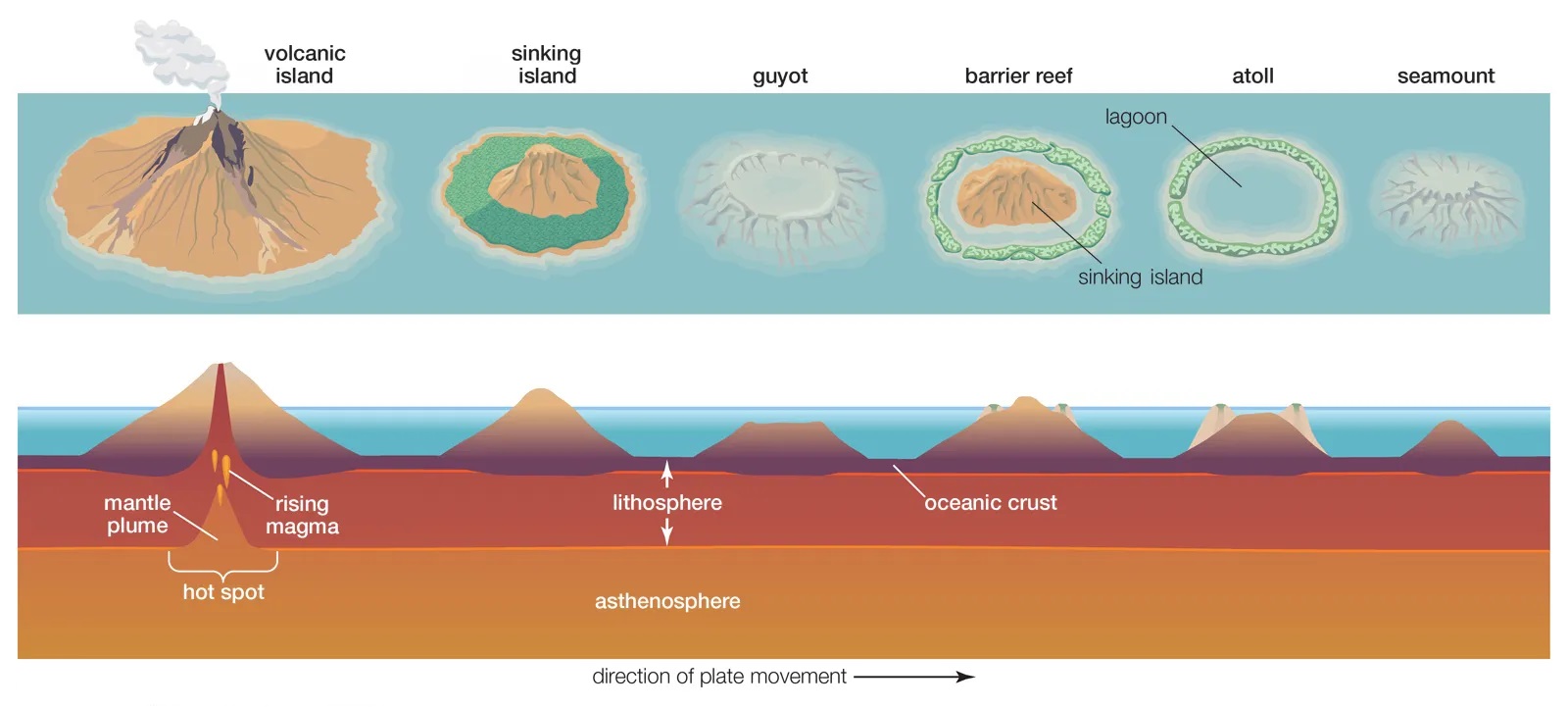
    • Seamounts are underwater mountains formed through volcanic activity.
    • They are recognised as hotspots for marine life.
    • Most seamounts are formed near mid-ocean ridges, intraplate hotspots, and oceanic island chains with volcanic and seismic activity called island arcs.
    • They can be active, extinct or dormant volcanoes.

    Importance of Seamounts

    • Seamounts provide information about the mantle’s composition and how tectonic plates evolve as they are formed when molten rock comes up from below the tectonic plates.
    • Oceanographers study seamounts to understand their influence on how water circulates and absorbs heat and carbon dioxide.
    • Seamounts are home to diverse biological communities as they can cause localised ocean upwelling, which brings nutrient-rich water from deep within the ocean to the surface.

    How were they mapped?

    • Surveyors map seamounts using either echo sounders or multibeam sonar on ships for topographic mapping or using satellite altimetry for gravity-field mapping.
    • The hi-res maps produced by multibeam sonar mapping are often incomplete, whereas the low-res maps produced by satellite altimetry have better coverage.


    Get an IAS/IPS ranker as your personal mentor for UPSC 2024 | Schedule your FREE session and get the Prelims prep Toolkit!