💥Join UPSC 2027,2028 Mentorship (July Batch) + XFactor Notes & Microthemes PDF

GS Paper: GS1

  • [pib] 2550th Bhagwan Mahavir Nirvan Mahotsav

    Why in the news?

    The Prime Minister has inaugurated the 2550th Bhagwan Mahavir Nirvan Mahotsav on the occasion of Mahavir Jayanti.

    About Vardhaman Mahavir

    Description
    Birth 540 B.C.
    Birthplace Kundagrama village near Vaishali
    Family Background Belonged to the Jnatrika clan; father Siddharta was the head of the Jnathrika Kshatriya clan, and mother Trishala was a sister of Chetaka, the king of Vaishali.
    Renunciation Renounced home at the age of 30 to become an ascetic.
    Spiritual Practice Practiced austerity for 12 years.
    Attainment of Kaivalya Attained the highest spiritual knowledge called Kaivalya (conquered misery and happiness) at the age of 42.
    First Sermon Delivered his first sermon at Pava.
    Symbol Associated with the symbol of a Lion.

    Aliases include: Nayaputta, Muni, Samana, Nigantha, Brahman, and Bhagavan

    Missions Traveled to various regions including Koshala, Magadha, Mithila, Champa, etc.
    Passing Away Passed away at the age of 72 in 468 B.C. at Pavapuri in Bihar.
    Legacy Founded Jainism as it is known today; contributed significant teachings and principles to the religion.

    Everything you need to know about Jainism:

    Description
    Origin Jainism gained prominence in the 6th century B.C. when Lord Mahavira propagated the religion.
    Founder Lord Mahavira, the 24th Tirthankara, is the central figure
    Tirthankaras
    • Jainism recognizes 24 Tirthankaras or great teachers
    • Rishabhanatha being the first and Mahavira the last.
    Main Principles Jainism emphasizes the Three Jewels or Triratna:

    1. Right Faith (Samyakdarshana),
    2. Right Knowledge (Samyakjnana), and
    3. Right Conduct (Samyakcharita).
    Five Doctrines Ahimsa (non-violence), Satya (truthfulness), Asteya (non-stealing), Aparigraha (non-attachment), and Brahmacharya (chastity) are the fundamental principles of Jainism.
    Concept of God
    • Jainism does not adhere to the concept of a creator God
    • Believes in the existence of liberated souls (Siddhas) who have attained spiritual perfection.
    Major Doctrines
    1. Anekantavada: Jain doctrine of non-absolutism, recognizing that truth can have multiple perspectives or facets.
    2. Syadvada: Jain doctrine stating that all judgments are conditional and true only from certain perspectives, expressed by the term “syat” (may be).
    Sects/Schools Jainism is divided into two major sects:

    1. Digambara (sky-clad) and
    2. Svetambara (white-clad)
    Spread
    • Jainism spread gradually into regions where Brahmanical influence was weak.
    • Received royal patronage from rulers like Chandragupta Maurya
    Literature Jain literature comprises:

    1. Agama (canonical) texts, which include the direct teachings of Mahavira, and
    2. Non-agama (commentaries and elaborations) works, such as the Acaranga Sutra.
    Architecture
    • Temples, caves (layana/gumphas), statues, and ornamental pillars (manastambha), exhibiting intricate designs and religious motifs.
    • Notable Jain architecture in India includes the Dilwara Temples in Mount Abu, Rajasthan, and the Girnar and Palitana Temples in Gujarat.
    • These structures exemplify intricate craftsmanship and religious symbolism.
    Jain Councils Two significant Jain councils were held for compiling and preserving Jain scriptures and teachings:

    1. First Jain Council at Pataliputra (3rd century B.C.) and
    2. Second Jain Council at Vallabhi (512 A.D.)
    Difference from Buddhism
    • Acknowledgment of a permanent self (atman),
    • Acceptance of the varna system,
    • Belief in the concept of a soul (jiva), and
    • Advocacy of extreme asceticism ex. Santhara/Sallekhana
    Thoughts on Rebirth Acaranga Sutra: Jainism teaches the doctrine of rebirth (samsara) and various realms of existence (lokas) based on karma, with souls cyclically transmigrating through different life forms.

    PYQ:

    [2011] The Jain philosophy holds that the world is created and maintained by

    (a) Universal Law

    (b) Universal Truth

    (c) Universal Faith

    (d) Universal Soul

    [2012] With reference to the history of ancient India, which of the following was/were common to both Buddhism and Jainism?

    1. Avoidance of extremities of penance and enjoyment
    2. Indifference to the authority of the Vedas
    3. Denial of efficacy of rituals

    Select the correct answer using the codes given below:

    (a) 1 only

    (b) 2 and 3 only

    (c) 1 and 3 only

    (d) 1, 2 and 3

  • Scripting a new tribal identity

    Why in the news? 

    President of India Droupadi Murmu was being presented a book, Contributions of Tribal Leaders in the Freedom Struggle, at a National Commission for Scheduled Tribes (NCST) event.

    Contributions of Tribal Leaders in the Freedom Struggle

    • Santhal Revolution: Led by Buddhu Bhagat, Joa Bhagat, and Madara Mahato, the Santhal Revolution was a significant tribal uprising against British colonial rule in 1855. The Kols were joined by other tribes like the Hos, Mundas, and Oraons in this struggle
    • Paika Rebellion: The Paika Rebellion in 1817 was a tribal uprising against the British in Odisha. The Paikas were a warrior class who were fighting for their rights and against the exploitation by the British
    • Kol Revolt: The Kol Revolt of 1831-32 was a tribal uprising against the British in Chhattisgarh. The Kols were fighting for their rights over the land and against the exploitation by the British
    • Birsa Munda: Birsa Munda was a tribal leader from Jharkhand who led the Millenarian Movement against the British in the late 19th century. He mobilized the tribal community against the British and forced them to introduce laws protecting the land rights of tribals
    • Rani Gaidinliu: Rani Gaidinliu was a tribal leader from Nagaland who led a revolt against the British in the early 20th century. She was a spiritual leader who fought for the rights of the Nagas and against the exploitation by the British
    • Laxman Naik: Laxman Naik was a tribal leader from Odisha who led a revolt against the British in the early 20th century. He was a farmer who fought for the rights of the farmers and against the exploitation by the British

    Impact of Tribal Revolts during Freedom Struggle: 

    • The tribal revolts during the freedom struggle contributed to the very beginning of the aggression for British Raj. They revolted not against the British but their policy for Indians which were imposed on them without even knowing their culture and its significance. Later this led to the revolt of 1857, which took attention of all over the country

    Conclusion: President Droupadi Murmu received the book “Contributions of Tribal Leaders in the Freedom Struggle” at an NCST event, highlighting significant uprisings like the Santhal, Paika, and Kol revolts, emphasizing tribal resistance against British exploitation, influencing broader Indian agitation.

    Mains PYQ 

    Q Several foreigners made India their homeland and participated in various movements. Analyze their role in the Indian struggle for freedom.(UPSC IAS/2013)

  • Srinagar vies for World Craft City Tag 

    Why in the news?

    • The World Crafts Council International (WCCI) has identified Srinagar as a potential candidate for the prestigious World Craft City (WCC) designation from India.
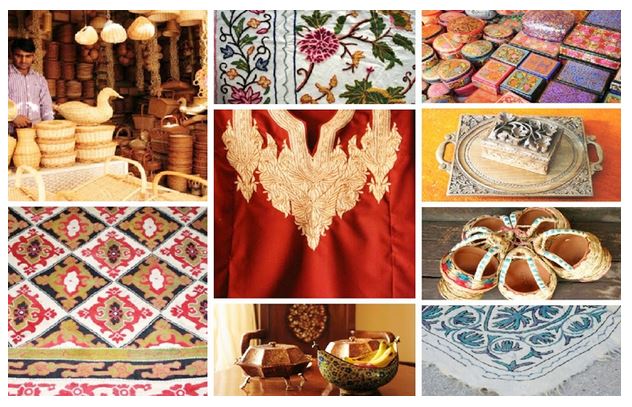
    • Artisans in Srinagar have uniquely preserved their traditional crafts such as Pashmina shawls, carpets, and papier mâché.

    Craft Sector Statistics in Kashmir

    • The Indian National Trust for Art and Cultural Heritage-Kashmir (INTACH-K) is working with the J&K Handicrafts department to map Srinagar’s craft sector in preparation for the final nomination.
    • Srinagar boasts a rich artisanal heritage, with over 20,000 registered craftsmen engaged in various disciplines such as papier mâché, walnut wood carving, hand-knotted carpets, and more.
    • Handicrafts contribute significantly to the local economy, with approximately 2.64% of J&K’s overall economic output attributed to the sector by 2016-17.


    About World Craft Council (WCC International)

    Details
    What is it? Non-profit, Non-governmental organization
    Working
    • Establishment in 1964;
    • Registered in Belgium as an international association without lucrative purpose (AISBL).
    • Affiliated to the UNESCO
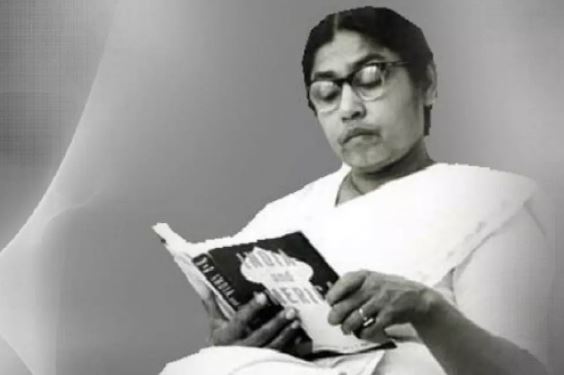
    Founders Kamaladevi Chattopadhay and Aileen Osborn Webb
    Purpose To promote fellowship among craftspersons worldwide, foster economic development through craft-related activities, organize exchange programs, workshops, conferences, seminars, and exhibitions, and offer encouragement and advice to artisans.
    Legal Status
    • Registered in Belgium as an international association without lucrative purpose (AISBL)
    • WCC is organized into five regions: Africa, Asia Pacific, Europe, Latin America, and North America.
    Meetings
    • European branch meets annually;
    • General Assembly occurs every four years (took place in Chennai in 2012).

    What is World Craft City (WCC) Designation?

    • The WCC initiative was launched in 2014 by the World Crafts Council AISBL (WCC-International).
    • It recognizes the pivotal role local authorities, craftspeople, and communities play in cultural, economic, and social development worldwide.
    • India has only 3 cities designated as World Craft City:
    1. Jaipur (Kundan Jadai (Gem setting), Meenakari Jewellery, Lac based craft, Gotta Patti Work etc. )
    2. Mysuru (Kinnal paintings, Sandalwood carvings, Rosewood Inlay etc. )
    3. Mamallapuram (Stone Carving continuing since Pallava dynasty (275 CE to 897 CE))

    With inputs from: https://www.wccinternational.org/craft-cities/craft-cities-asia-pacific

    PYQ:

    Consider the following pairs:

    1. Puthukkuli Shawls — Tamil Nadu
    2. Sujni Embroidery — Maharashtra
    3. Uppada Jamdani Saris — Karnataka

    Craft Heritage of which of the pairs given above is/are correct?

    (a) 1 only

    (b) 1 and 2

    (c) 3 only

    (d) 2 and 3

  • Iron Age Megalithic Sites discovered in Telangana

    Why in the news?

    • Archaeologists in Telangana have found Iron Age megalithic sites, including various structures such as large stone monuments and places with rock paintings.
    • These discoveries provide important information about the ancient civilizations that once lived in the area.

    Iron Age in India

    • India’s Iron Age ranged from approximately 1200 BCE to 200 BCE.
    • It was marked by the emergence of new archaeological cultures, including the megalithic cultures, Painted Grey Ware culture (1300–300 BCE), and the Northern Black Polished Ware (700–200 BCE).
    • This period corresponds to the transition from the Janapadas (principalities) of the Vedic period to the 16 Mahajanapadas (region-states) of the early historic period.
    • This transition culminated in the emergence of the Maurya Empire toward the end of the Iron Age.
    • Ironworking was prevalent in the Central Ganga Plain and the Eastern Vindhyas from the early second millennium BCE.
    • Sites:
    1. North India: Malhar, Dadupur, Raja Nala Ka Tila, Lahuradewa, Kosambi and Jhusi, Allahabad in present-day Uttar Pradesh.
    2. South India: Earliest Iron Age sites include Hallur in Karnataka and Adichanallur in Tamil Nadu, dating to around 1000 BCE. Mahurjhari near Nagpur was a significant site for bead manufacturing.
    • The Indian Iron Age ended coinciding with other significant events such as the decline of the Mauryan Empire and the spread of Buddhism.


    About the Ooragutta Megalithic Site

    • The site boasts over 200 megalithic monuments, although the exact count remains uncertain due to the dense forest and hilly terrain.
    • They are characterized by squarish or rectangular shapes, the structures at Ooragutta exhibit unique features.

    Dolmenoid Cists

    • The newly discovered monuments, termed “Dolmenoid Cists,” feature side slabs arranged to mirror the shape of the cap-stone, resulting in each cist having a distinct shape dictated by the cap-stone.
    • These monuments are estimated to date back to around 1,000 BCE.

    Rock Art Sites at Damaratogu

    • Two new rock art sites have been discovered at Damaratogu in Gundala mandal of Bhadradri Kothagudem district.
    • One of these sites, known as Devarlabanda Mula, exclusively depicts animals and NO humans, in a rock painting.
    • It suggests a cultural significance possibly related to hunting or animal worship.
    • The absence of weapons or domestic animals in the paintings indicates that these artworks may belong to the Mesolithic age, dating anywhere between 8000 – 3000 BCE.

    Significance of Discoveries

    • These monuments resemble to “Passage Chambers” found in Europe.
    • This discovery sheds light on previously unknown architectural styles in the region and offers insights into the evolution of megalithic practices.

    PYQ:

    [2021] Consider the following pairs: ​

    (Historical place) (Well-known for)​

    1. Burzahom : Rock-cut shrines​
    2. Chandraketugarh : Terracotta art​
    3. Ganeshwar : Copper artefacts​

    Which of the pairs given above is/are correctly matched?​

    (a) 1 only

    (b) 1 and 2 only

    (c) 3 only

    (d) 2 and 3 only

  • Mount Ruang in Indonesia Erupts

    Why in the news?

    Indonesia witnessed a series of eruptions from Mount Ruang, a stratovolcano located in North Sulawesi Province.

    About Mount Ruang 

    • Ruang is situated in the Sangihe Islands arc, North Sulawesi, Indonesia.
    • It comprises an island that is 4 by 5 kilometers wide, with a summit containing a partial lava dome reaching an altitude of 725 meters (2,379 ft).
    • From its summit, peaks such as Klabat, Siau, and Ternate can be observed in the south, north, and east, respectively.
    • The volcano’s first recorded eruption was in 1808.

    Why so many volcanic eruptions in Indonesia this year?

    • Indonesia, an archipelago of 270 million people, has 120 active volcanoes.
    • It is prone to volcanic activity because it sits along the “Ring of Fire,” a horseshoe-shaped series of seismic fault lines around the Pacific Ocean.

    What is the Pacific ‘Ring of Fire’?

    • The Pacific ‘Ring of Fire’ or Pacific Rim, or the Circum-Pacific Belt, is an area along the Pacific Ocean that is characterized by active volcanoes and frequent earthquakes.
    • Volcanic arcs and oceanic trenches partly encircling the Pacific Basin form the so-called Ring of Fire.
    • It is home to about 75 per cent of the world’s volcanoes – more than 450 volcanoes.
    • Also, about 90 per cent of the world’s earthquakes occur here.

    Its spread

    • Its length is over 40,000 kilometres and traces from New Zealand clockwise in an almost circular arc covering Tonga, Kermadec Islands, Indonesia.
    • It is moving up to the Philippines, Japan, and stretching eastward to the Aleutian Islands, then southward along the western coast of North America and South America.

    Seismic activity of the region

    • The area is along several tectonic plates including the:
    1. Pacific plate,
    2. Philippine Plate,
    3. Juan de Fuca plate,
    4. Cocos plate,
    5. Nazca plate, and
    6. North American plate.
    • The movement of these plates or tectonic activity makes the area witness abundant earthquakes and tsunamis every year.
    • Along much of the Ring, tectonic plates move towards each other creating subduction zones.

    PYQ:

    [2018] Consider the following statements:

    1. The Barren Island volcano is an active volcano located in the Indian Territory.
    2. Barren Island lies about 140 km east of Great Nicobar.
    3. The last time the Barren Island volcano erupted was in 1991 and it has remained inactive since then.

    Which of the statements given above is/are correct?

    (a) 1 only

    (b) 2 and 3

    (c) 3 only

    (d) 1 and 3

  • Bhojshala-Kamal Maula Complex Dispute

    Why in the news?

    The Supreme Court has issued a cautionary note to Archaeological Survey of India (ASI) barring any physical excavation that could alter the character of the Bhojshala-Kamal Maula Complex.

    About Bhojshala Complex

    Details
    Location Dhar district, Madhya Pradesh.
    Historical Background Established by Raja Bhoj, the greatest ruler of the Parmar dynasty, as an educational institute.
    Date of Establishment 11th century.
    Transformation Originally a Goddess Wagdevi (Saraswati temple), later converted into Kamal Maulana Mosque by Muslim rulers.
    Architectural Features
    • Large open courtyard (Mahaāyata);
    • Verandah with decorated pillars (Sthāpanā);
    • Prayer hall with intricately carved ceilings (Shikharākāra).
    Inscriptions
    • Two hymns depicting the Karmavatar of Vishnu (Avatār);
    • Sarpabandha pillar inscriptions with Sanskrit alphabet and grammatical rules (Vyākaraṇa).
    Archaeological Significance Protected by the Archaeological Survey of India (ASI) as an 11th-century monument under Archaeological Sites and Remains Act, 1958

    Controversy over Bhojshala Complex

    • Religious Claims: Hindus regard the site as the temple of Goddess Wagdevi (Saraswati), while Muslims believe it to be the Kamal Maula mosque.
    • Usage Agreement: The Archaeological Survey of India (ASI) allows Hindus to pray on Tuesdays and Vasant Panchami, and Muslims to offer namaz on Fridays,

    Recent Developments

    • Vasant Panchami Dispute: A recent order allowing Hindus to worship during Basant Panchami hours led to discontent among some Right-wing activists.
    • Demand for Extended Access: Hindu groups demand all-day access to the shrine on such occasions, leading to protests and petitions filed in the High Court.


    Who was Raja Bhoj?

    Details
    Original name Raja Bhoja (Mihir Bhoja)
    Dynasty Gurjara-Pratihara
    Reign 836 – 885 AD
    Rise to Prominence Emerged as the paramount power in northern India, defeating rivals like the Palas and Rashtrakutas
    Capital Kannauj (Mahodaya)
    Military Strength Possessed India’s strongest cavalry, as noted by Arab traveller Sulaiman
    Title Assumed the title of “Adivaraha”; referred to as “King Baura” by Arab travellers
    Religious Affiliation Great follower of Vaishnavism
    Acknowledgment of Supremacy Acknowledged as supreme by various factions, including Arabs of Sindh, Chandalas, and Kalachuris
    Notable Feats Triumph over Pala king Devapala and Rashtrakuta king Amoghavarsha
    Legacy Renowned for his wisdom, military prowess, and patronage of Vaishnavism
    Historical Significance Marked the zenith of the Gurjara-Pratihara dynasty, leaving a lasting impact on Indian history


    PYQ:

    [2021] With reference to Chausath Yogini Temple situated near Morena, consider the following statements:​

    1. It is a circular temple built during the reign of Kachchhapaghata Dynasty.​
    2. It is the only circular temple built in India.​
    3. I was meant to promote the Vaishnava cult in the region.​
    4. Its design has given rise to a popular belief that it was the inspiration behind the Indian Parliament building. ​

    Which of the statements given above are correct?

    (a) 1 and 2 only

    (b) 2 and 3 only

    (c) 1 and 4 only

    (d) 2, 3 and 4 only

  • India’s Arctic imperative

    Why in the news? 

    The Indian government appears interested in capitalizing on seabed mining and resource exploitation in the Arctic

    About Artice Region:

    • The Arctic region is rich in energy resources, including oil, natural gas, and renewable energy sources such as wind, solar, hydro, geothermal, and tidal power.
    • The Arctic covers an area of approximately 8 million square kilometers, with interests belonging to Denmark, Canada, Iceland, Finland, Russia, Norway, Sweden, and the United States

    The reason behind the growing interest in the Arctic Region:

    • Climate Change Concerns: India’s increased interest in the Arctic stems from scientific data revealing accelerated warming in the region.
    • Trade Route Opportunities: India seeks to capitalize on the opening up of Arctic sea routes, particularly the Northern Sea Route, to enhance its trade efficiency.
    • Geopolitical Considerations: India’s focus on the Arctic is also driven by geopolitical factors, including concerns over China’s expanding presence and Russia’s decisions regarding access to Arctic routes.
    • Historical Engagement: India’s involvement in the Arctic dates back to 1920 with the signing of the Svalbard Treaty.

    Indian Initiatives:

    • Arctic Council: As an Observer in the Arctic Council, India actively participates in various working groups and expert meetings. India’s involvement in these discussions helps in understanding Arctic governance issues and contributes to the development of sustainable policies for the region.
    • INS Himadri: In 2019, India launched its first scientific expedition to the Arctic with the INS Himadri, an ice-class research vessel. The expedition aimed to study climate change, oceanography, and marine biodiversity, furthering India’s expertise in polar research.
    • PAME: India’s commitment to sustainable development in the Arctic is reflected in its engagement with Arctic Council initiatives like the ‘Protection of the Arctic Marine Environment’ (PAME).

    Way Forward – Potential for Collaboration:

    • Green Energy and Clean Industries: India’s current policy emphasizes cooperation with Arctic countries, particularly Norway, in green energy and clean industries. This aligns with India’s goal of positioning itself as a responsible stakeholder in global environmental initiatives.
    • Transformational Partnership: Collaboration with Norway could be transformative for India, offering opportunities for increased participation in Arctic Council working groups
    • Scientific Research and Environmental Protection: A partnership with Norway is expected to focus on scientific research, climate, and environmental protection. These areas align with India’s Arctic Policy pillars, emphasizing the importance of addressing environmental challenges through research and cooperation.
  • Jiadhal River and Change of its Course

    Why in the news?

    • Climate Change is disrupting Jiadhal River’s (Dhemaji district, Assam) tranquil flow, leading to unprecedented shifts in its course and causing upheaval for residents.

    About Jiadhal River:

    • It flows through the districts of Darrang, Udalguri, and Baksa in the northeastern state of Assam.
      • It is also known Kumotiya River after flowing from Gogamukh.
    • Origin: From the Hills of Bhutan, flows through the Assam Himalayas before meandering through the plains of Assam. It is formed by the confluence of several smaller streams.
    • Major tributaries: Kolong River and the Daokao River.
    • It eventually joins the Brahmaputra River near the town of Nalbari.
    • It is known as the ‘Sorrow of Dhemaji’ for the heavy damage caused by annual floods and erosion.

    Factors leading to changes in the Jiadhal River’s Course  

    • Erosion: Flowing water gradually wears away the riverbanks and bed, causing the river to meander and change course.
    • Sediment deposition: Accumulation of sediment can create new channels or alter the flow pattern of the river.
    • Human activities: Dams, channelization, urbanization, deforestation, and mining can disrupt natural river processes, leading to changes in flow and morphology.
    • Climate change: Changes in precipitation, temperature, and glacier melt affect river flow patterns and behavior.
    • Tectonic activity: Uplift, subsidence, and faulting influence river topography and drainage patterns, leading to adjustments in course and behavior.

    PYQ:

    [2017] With reference to river Teesta, consider the following statements:

    1. The source of river Teesta is the same as that of Brahmaputra but it flows through Sikkim.

    2. River Rangeet originates in Sikkim and it is a tributary of river Teesta.

    3. River Teesta falls into Bay of Bengal at the border of India and Bangladesh.

    Which of the statements given above is/are correct?

    (a) 1 and 3 only

    (b) 2 only

    (c) 2 and 3 only

    (d) 1, 2 and 3

  • Urbanization, no liberating force for Dalits

    Why in the News?

    The Indian cities have failed with the aspirations and expectations of the Dalit liberation movement in urbanization.

    View of Ambedkar and  Jyotirao Phule on Urbanisation:

    • Urbanization as an Opportunity for Dalit Liberation: Both Ambedkar and Jyotirao Phule saw urbanization as an opportunity for Dalit liberation. They believed that the systems of caste oppression that were prevalent in Indian villages would weaken in cities.
    • City Life as Liberating and Liberal: Phule admired city life for its liberal atmosphere and the opportunity it provided him to earn a living. Similarly, Ambedkar saw cities as places where one could become anonymous, breaking free from the constraints of caste-based identities.
    • Transition from Caste to Class: Cities offered the potential for individuals to transition from a caste-based order to a class-based order. In cities, one’s status would be determined more by their accumulation of resources or capital rather than their caste background.

    Why Urbanisation is not a liberating force for Dalits?

    • Extension of Caste in City: The logic of purity-pollution extends to the broader urban environment, where Dalits carry the stigma of their ghettoized identity into public spaces. This perpetuates the association of Dalit identity with impurity and reinforces caste-based discrimination.
    • Meat as impure by the State: Governments impose Brahminical regulations on public spaces, reinforcing the perception of meat as impure. For example, it includes Regulations on meat shops and bans on meat-based street food in certain areas, often justified by citing religious sentiments.
    • Secular and Religious Spaces: The state’s regulations to maintain purity in both secular and religious public spaces, even extending to what pedestrians can visually encounter.
    • Poor Sanitation: A large-scale study also found that public services and access to Municipal Infrastructure such as clean drinking water are the worst in Dalit and Muslim ghettos
    • Issue of Sacrifice Zone: Research in sacrifice zones regions marked for severe environmental pollution such as landfills shows that such areas are overwhelmingly inhabited by Dalits and Muslims.
    • Statistics: A recent report by the ‘Housing and Land Rights Network’ on forced evictions in India also shows that Dalits and Muslims are the most impacted by slum demolition drives.

    Suggestive Measures:

    • Community Empowerment: Empower Dalit and Muslim communities through grassroots initiatives, community organizations, and advocacy groups.
    • Awareness and Sensitization: Conduct awareness campaigns and sensitization programs aimed at challenging caste-based stereotypes and prejudices in urban society.
    • Infrastructure Development: Prioritize investment in infrastructure development in Dalit and Muslim ghettos to improve access to basic amenities such as clean water, sanitation, healthcare, and education.

    Conclusion: Urbanization hasn’t fulfilled Dalit liberation hopes. Ambedkar and Phule envisioned cities as liberating, but caste persists. Measures include community empowerment, awareness campaigns, and infrastructure development to combat discrimination and improve living conditions.

  • Lachit Borphukan and his Legend

    Why in the news?

    • The Statue of Valour, depicting Ahom general Lachit Borphukan, has become a significant landmark in Meleng-Hollongapar, Jorhat in Assam.
    • The 125-foot statue commemorates Lachit Borphukan’s leadership in the Battle of Saraighat in 1671.

    Ahom Kingdom (1228–1826)

    • Establishment: Founded in 1228 in the Brahmaputra valley of Assam by Chaolung Sukapha.
    • Duration: Retained sovereignty for 600 years until annexed by British India in 1826 (Treaty of Yandaboo).
    • Resistance: Despite facing the Mughal Empire’s power, the Ahom Kingdom remained unconquered.
    • Political Structure: Established a new state by supressing the older system of bhuiyans (landlords).
    • Labor System: Relied on forced labor known as paiks for state functions.
    • Social Organization: Society divided into clans or khels, embracing Hinduism and Assamese language alongside tribal beliefs.
    • Cultural Patronage: Supported poets, scholars, and theater; translated Sanskrit texts into local language; composed historical chronicles called buranjis.
    • Military Strategy: King served as supreme commander; core army comprised of paiks; mastered guerrilla warfare and surprise attacks.
    • Key Forts: Included Chamdhara, Saraighat, and Simlagarh, strategically crucial for defense.
    • River Expertise: Mastered construction of boat bridges on the Brahmaputra River.
    • Legacy: Ahom Kingdom’s military prowess, cultural patronage, and political organization left a lasting impact on Assam’s history.

    Who was Lachit Borphukan?

    • Lachit Borphukan was a legendary military commander from the northeastern region of India, specifically from the state of Assam. Here are some facts related to him:
    Description
    Timeline 1622-1672
    Dynasty Ahom Dynasty
    Mughal Threat Faced the Mughal Empire’s expansion into Assam
    Battle of Saraighat
    • Led Ahom forces to victory against the Mughals in 1671;
    • Defended Assam against the Aurangzeb’s forces led by Ram Singh.
    Leadership Known for strategic brilliance and guerrilla tactics
    Legacy Revered as a symbol of Assamese pride and resistance
    Recognition
    • INS Lachit:  Indian Navy’s guided-missile destroyer named in honor;
    • Lachit Divas:  Celebrated annually on November 24th in Assam;
    • Lachit Borphukan Medal: Awarded to the best cadet from the National Defence. Academy (NDA, Pune).


    PYQ:

    [2015]  Who among the following founded a new city on the south bank of a tributary to river Krishna and undertook to rule his new kingdom as the agent of a deity to whom all the land south of the river Krishna was supposed to belong?

    (a) Amoghavarsha I

    (b) Ballala II

    (c) Harihara I

    (d) Prataparudra II