[learn_press_instructors]
Search results for: “”
-
Southwest Monsoon begins early Withdrawal/Retreat

Central Idea
- India Meteorological Department (IMD) has announced withdrawal of the monsoon.
What is Monsoon Withdrawal/Retreat?
- In India, retreating monsoon is the withdrawal of south-west monsoon winds from North India.
- The withdrawal is gradual and takes about three months.
- With the retreat of the monsoons, the clouds disappear and the sky becomes clear. The day temperature starts falling steeply.
- Monsoon rains weaken all over India except few southeastern states.
- It is helpful in Rabi crop cultivation.
Factors affecting the retreat
Two predominant factors cause the phenomenon:
(1) Land topography
- First, the low mountain range in each region runs from north to south, shielding it from west-bound winds that trigger summer monsoon.
- After summer, the range aids in the ‘orographic lift’ or rising of east-bound air mass from a lower to higher elevation, forming clouds and resulting in rain.
(2) Atmospheric convection
- The second factor is atmospheric convection or vertical movement of air.
- As the earth is heated by the sun, different surfaces absorb different amounts of energy and convection may occur where the surface heats up very rapidly.
- As the surface warms, it heats the overlying air, which gradually becomes less dense than the surrounding air and begins to rise.
- This condition is more favorable from September to February because of the role played by sea surface temperature or water temperature.
Immediate factors influencing withdrawal
- The withdrawal of the monsoon is based on meteorological conditions such as-
- Anti-cyclonic circulation (dry air that is the opposite of a cyclone)
- Absence of rain in the past five days and
- Dry weather conditions over the region
When does it occur?
- The monsoon withdrawal is a long-drawn process and extends into mid-October, though the IMD considers September 30 to be the final day of the season over India.
- The rain after that is categorised as “post-monsoon” rainfall.
-
How Indians and their Boats fared in the Deep Sea?

Central Idea
- A groundbreaking 21-meter-long ship, constructed using an age-old technique of stitching wooden planks with ropes, cords, coconut fibers, natural resins, and oils, is scheduled to embark ‘Baliyatra’ from Odisha to Bali, Indonesia.
- The initiative, led by the Govt. of India, aims to rekindle the nation’s rich maritime tradition and heritage.
- This remarkable journey will be manned by a crew from the Indian Navy.
Early Evidence of Maritime Trade
- Ancient Maritime Trade: The presence of maritime trade networks dating back to circa 3300-1300 BCE is supported by evidence from the Indus Valley, Mesopotamia, and coastal sites along the Arabian Sea. The engineering marvel of the dock at Lothal in Gujarat stands as a testament to the Indus civilization’s profound understanding of tides and winds.
- Historical Accounts: Ancient texts, including the Vedas (circa 1500-500 BCE), contain vivid accounts of seafaring adventures and the associated risks. Furthermore, the Jataka Tales (circa 300 BCE-400 CE) and Tamil Sangam literature (circa 300 BCE-300 CE) provide explicit references to maritime activities.
Challenges in Recognizing Maritime Heritage
- Historiographical Biases: Historians have often marginalized India’s maritime heritage in favor of narratives centered on land-based polities. This bias has led to the neglect of India’s maritime contributions.
- Emergence of Deep-Sea Voyages: The 1st century BCE witnessed intensified mid-ocean voyages driven by the Roman Empire’s demand for Eastern commodities, which harnessed monsoon winds and marked a significant turning point in maritime activity.
Ancient Indian Boats and Shipbuilding
- Limited Knowledge: The field of marine archaeology in India remains at an early stage of development, with primary insights derived from boat-building traditions, artistic depictions, and literary sources.
- Traditional Boat-Building Techniques: Indian boat construction traditions favor stitching planks of wood together instead of using nails. These traditions encompass coir-stitched, jong (Southeast Asian), and Austronesian methods, each employing various stitching techniques.
- Wood Selection: Selection of wood types for shipbuilding depended on their suitability for specific ship components. Mangrove wood excelled in creating sturdy dowels, while teak was preferred for planks, keels, stem, and stern posts.
India’s Role in Maritime Trade
- Trade Lake of the Indian Ocean: By the Common Era, the Indian Ocean had evolved into a thriving trade network, with India positioned at its heart. This network facilitated trade connections between India and Europe via the Middle East and Africa in the west, as well as Southeast Asia, China, and Malaysia in the east.
- Evidence of Scale: Estimates indicate the colossal scale of trade, with customs taxes collected from the Red Sea trade route alone contributing significantly to the Roman exchequer.
Uncovering a Hidden Past
- Ongoing Exploration: Recent excavations have provided substantial insights into India’s maritime history. Nevertheless, experts acknowledge that numerous discoveries await on this journey of exploration.
- Need for Investment: Marine archaeology in India requires increased funding and recognition to unlock its full potential and contribute meaningfully to humanity’s understanding of the past.
- Value of Knowledge: Scientific archaeology’s pursuit of India’s deep maritime past offers the potential for immense benefits to humanity. Engaging with this history challenges conventional narratives and represents a subversive yet essential endeavor.
Conclusion
- The forthcoming voyage of the stitched ship symbolizes India’s dedicated efforts to rejuvenate its maritime heritage, shedding light on the forgotten history of Indian seafarers and their remarkable vessels.
- Through exploration and study, India seeks to restore the rightful place of its maritime legacy in the annals of history.
-
Tobacco Warnings on OTT Platforms: A Closer Look at the Debate

Central Idea
- The Central government’s regulations mandated long-duration smoking warnings for films and TV series on OTT platforms like Hotstar, Amazon, and Netflix.
- Streaming websites voiced objections, raising concerns about user experience.
Recent Development
- According to a recent report, the government has agreed to find “pragmatic solutions” for stricter tobacco warnings on OTT platforms.
- A closed-door meeting saw streaming executives engage with Health Ministry and Information and Broadcasting (I&B) Ministry officials.
Why Smoking Warnings in Indian Entertainment?
- Linking Health Impact and Public Perception: The introduction of smoking warnings in Indian entertainment stems from the connection between smoking’s health impact and its portrayal to the public. The goal is to communicate clear information about the health risks associated with smoking and discourage its use.
- Regulation Evolution: The Indian government has a history of regulating how smoking is portrayed. The Cinematograph Act of 1952 prohibited the “glamorization” of tobacco in movies, and the Cable Television Networks Amendment Act of 2000 banned tobacco and alcohol advertising on cable TV.
Historical Context
- Factors Leading to Consensus: Several factors contributed to a growing national consensus on tobacco control, including increased health awareness, new laws and enforcement, judicial rulings (e.g., the 2008 ban on public smoking), civil society efforts, global support for tobacco control, and the influence of the World Health Organization.
- COTPA and Health Ministry Notification: Under the Cigarettes and Other Tobacco Products Act (COTPA), signed into law in May 2003, the Health Ministry introduced a notification prohibiting the display of tobacco products in cinema and television programs.
- Content Rules: This notification required films and shows produced before it to include health warnings regarding smoking as a prominent scroll at the bottom of the screen. It also recommended prohibiting smoking in public places and using pictorial health warnings covering 85% of tobacco product display areas.
- Legal Challenges: Legal challenges arose as some filmmakers and actors argued that these rules violated their freedom of speech. The Delhi HC quashed the notification in 2009, but the Supreme Court later upheld the rules.
Introduction of Health Spots
- Consensus-Building Efforts: Amid legal disputes, I&B Ministry appointed a new minister, leading to attempts to reach consensus. In 2011, the Health Ministry introduced new rules after consultations with I&B Ministry, aiming to make them more practical and implementable.
- Health Spots in Old Content: For films and shows made before these rules, anti-tobacco health spots or messages were required at the beginning and middle of television programs, made available to the Central Board of Film Certification (CBFC).
- Requirements for New Content: New films and TV shows with smoking scenes were to provide an “editorial justification” to the CBFC, include anti-tobacco health spots, display a prominent static message during tobacco product scenes, and feature an audio-visual disclaimer on the ill effects of tobacco use.
Implementation Challenges
- A study revealed that while many movies implemented at least one element of the film rules on tobacco imagery, few fully complied.
- Compliance with other aspects of COTPA, such as restrictions on selling cigarettes near schools, has also been lacking.
Debate over OTT Smoking Warnings
- Content Library Concerns: I&B Ministry which regulates streaming platforms, expressed concerns about implementing warnings in existing content, foreign content, and health spots. It suggested displaying an appropriate health warning when users log in.
- OTT Industry Concerns: In May, India ordered OTT platforms to insert static health warnings and anti-tobacco disclaimers. OTT executives raised concerns about the potential need to edit vast amounts of existing content, impacting user experience and creators’ freedom of expression.
-
RBI asks for SARFAESI Act Compliance
Central Idea
- The RBI has issued a directive requiring commercial banks and Non-Banking Financial Companies (NBFCs), collectively referred to as Regulated Entities (REs), to disclose borrower information.
- This disclosure pertains to borrowers whose secured assets have been repossessed under the Securitisation and Reconstruction of Financial Assets and Enforcement of Securities Interest Act, 2002 (SARFAESI Act).
What is the SARFAESI Act?
- Objective: The SARFAESI Act, introduced in 2002, is formally known as the Securitisation and Reconstruction of Financial Assets and Enforcement of Securities Interest Act. Its primary objective is to protect financial institutions against loan defaults.
- Empowering Banks: The Act empowers banks to seize, manage, or sell securities pledged as collateral for loans, facilitating the recovery of bad debts without the need for court intervention.
- Broad Application: The SARFAESI Act applies nationwide and covers all types of assets, whether movable or immovable, provided as security to lenders.
Aim of the SARFAESI Act
The SARFAESI Act serves two key purposes:
- Efficient NPA Recovery: It streamlines and expedites the recovery of non-performing assets (NPAs) for financial institutions and banks.
- Asset Auction: It enables financial organizations and banks to auction residential and commercial assets in cases of borrower default.
Why was such a Law needed?
- Pre-SARFAESI Era: Before the enactment of the SARFAESI Act in December 2002, financial institutions and banks faced complex procedures for recovering bad debts.
- Legal Complexity: Lenders had to navigate legal complexities, resorting to civil courts or designated tribunals to secure ‘security interests’ for recovering defaulted loans, resulting in slow and cumbersome debt recovery.
Powers Granted to Banks under the Law
- Default Trigger: The SARFAESI Act comes into play when a borrower defaults on payments for more than six months.
- Notice Period: The lender is required to issue a notice to the borrower, providing them with a 60-day window to clear their outstanding dues.
- Asset Possession: If the borrower fails to comply within the stipulated period, the financial institution gains the right to take possession of the secured assets and manage, transfer, or sell them.
- Appellate Avenue: The defaulter has the option to appeal to an appellate authority established under the law within 30 days of receiving a notice from the lender.
SARFAESI Act: Applicability
The SARFAESI Act primarily deals with various legal aspects related to:
- Registration of asset reconstruction companies.
- Acquisition of rights or interest in financial assets.
- Measures for asset reconstruction.
- Resolution of disputes.
-
Parliamentary Panel findings on the New Education Policy, 2020

Central Idea
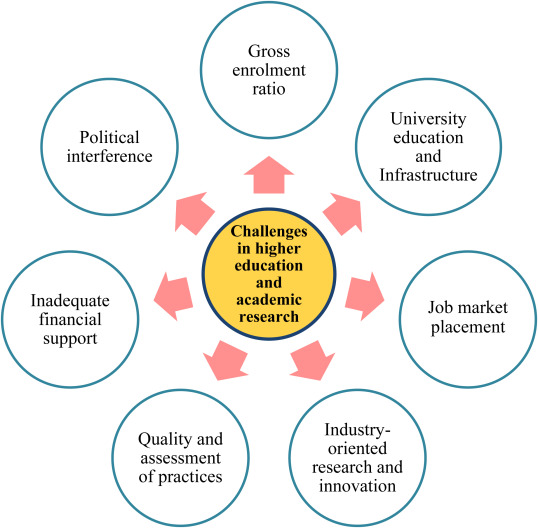
- The Parliament Standing Committee on Education presented a report during a special parliamentary session focused on the “Implementation of the National Education Policy (NEP), 2020 in Higher Education.”
Report Highlights
- Salient NEP Features: The report examined the key aspects of NEP’s application in higher education and assessed the progress achieved thus far. The committee engaged with representatives from State governments, Union Ministries, higher education institutions, and stakeholders to compile the report.
- State’s Role: The report emphasized the significance of State governments, as approximately 70% of the country’s 1,043 universities operate under State Acts. Furthermore, 94% of students are enrolled in State or private institutions, while only 6% attend Central higher educational institutions.
Key Issues Discussed
- Rigid Disciplinary Separation: The committee addressed issues such as the inflexible division of disciplines in higher education.
- Limited Access in Disadvantaged Areas: It acknowledged the limited access to higher education in socio-economically disadvantaged regions.
- Language of Instruction: The report highlighted the dearth of higher education institutes (HEIs) offering education in local languages.
- Faculty Shortage: The committee noted the shortage of faculty members in HEIs.
- Lack of Autonomy: Concerns about institutional autonomy and insufficient emphasis on research were also raised.
- Regulatory System: The report identified the regulatory system as ineffective and criticized low standards of undergraduate education.
Recommendations
- Expansion of Multidisciplinary HEIs: The committee recommended that by 2030, every district in India should have at least one multidisciplinary higher education institution.
- Enrolment Ratio Increase: It called for increasing the Gross Enrolment Ratio in higher education, including vocational education, from 26.3% in 2018 to 50% by 2035.
- Socially and Economically Disadvantaged Groups (SEDGs): Actions proposed included allocating suitable funds for SEDGs, setting higher enrolment targets for SEDGs, improving gender balance in HEI admissions, offering more financial assistance and scholarships, ensuring inclusive admission processes and curricula, enhancing employability potential of higher education programs, and developing courses taught in regional languages and bilingually.
- Infrastructure for Physically Challenged: Specific infrastructural enhancements were recommended to support physically challenged students, along with strict enforcement of non-discrimination and anti-harassment rules.
- NEP Implementation in Jammu and Kashmir: The committee commended Jammu and Kashmir for its prompt implementation of NEP in all higher educational institutions from the 2022 academic session. It noted positive changes in teaching methods leading to enhanced lifelong learning opportunities for students.
Funding Enhancement and Diversification
- Effective Use of HEFA: The committee suggested improving the Higher Education Financing Agency (HEFA) to enhance funding for HEIs.
- Diversified Funding Sources: It advised HEFA to diversify funding sources beyond government allocations by exploring partnerships with private sector organizations, philanthropic foundations, and international financial institutions.
- Loan Interest Rates: The committee recommended reviewing and adjusting interest rates on loans provided by HEFA to make them more competitive and affordable for HEIs.
Concerns about MEME Program
- Feasibility Challenges: The panel raised concerns about the feasibility of implementing the multiple entry and multiple exit (MEME) system in Indian institutions.
- Predictability Issues: MEME’s flexible structure, effective in Western educational institutions, might pose challenges in the country. Predicting student entry and exit numbers could disrupt the pupil-teacher ratio.
-

Self-study strategy to cover UPSC Polity GS syllabus for Prelims & Mains in 21 days | Session 3 of #StartLikeATopper Series | By Swatantra sir| Register FREE
Get 21-Day UPSC GS Polity by Swatantra sir
Step by Step strategy & approach: FREE Session Swantra sir
UPSC aspirants often find themselves knee-deep in the intricate details of our Constitution, the vast landscape of governance, and the roles and responsibilities of our institutions.
While the Polity syllabus demands a grasp over constitutional concepts, governance mechanisms, and the interplay of rights and duties, many find it a challenge to cover the spectrum efficiently.
Questions like “How to ensure I don’t miss out on any crucial topic?” or “How can I apply these concepts to Prelims MCQs and Mains answer writing?” are common.
Enter Swatantra Sir’s transformative webinar. With a proven strategy, he presents a strategic blueprint to not only cover but master the Polity & Governance syllabus in just 21 days.
Don’t Spend Months—Invest Just 21 Days of guided Self-Study
With his extensive experience and expertise, Swatantra sir has designed an actionable strategy to conquer UPSC Polity syllabus for Prelims and Mains in just 21 days.
About #StartLikeATopper Series
A streamlined set of power-packed sessions aimed at the most effective UPSC syllabus coverage, one subject at a time, giving you a laser-focused approach.
This isn’t your run-of-the-mill lecture. It’s a strategic blueprint packed with actionable insights that will pivot your approach from “learning” to “strategic learning.”
This isn’t just another strategy session; it’s your lifeline to transform those dreaded Polity books into high-scoring answers.
The series aims to equip aspirants with strategies right from the get-go, ensuring their preparation aligns with topper methodologies, maximizing chances of success.
Don’t just study hard; study smart with the #StartLikeATopper Series.
FREE Session: UPSC Polity Syllabus in 21 days

Registration details for Session 2 of #StartLikeATopper series
Topic: How to cover UPSC GS Polity syllabus for Prelims and Mains in just 21 days? Detailed approach, important topics, and strategic blueprint
- Date: 26th Sept 2023
- Time: 7:30 pm
- Fee: FREE and Open to all
Zoom Meeting Link will be sent via your registered email address.
Who Is This For?
- Aspirants looking for a structured approach to mastering or revising UPSC Polity Syllabus.
- Anyone finding Polity syllabus too big.
- Aspirants trying to connect Polity with current news.
- Those who want a clear plan for Polity.
- Repeaters who want to improve their Polity prep.
- New aspirants who want a strong start
Why you must attend this session?
In this comprehensive session, Swatantra sir will share:
- How to cover UPSC Polity Syllabus in 21 days?
- Choosing what Polity topics to focus on.
- Answering Polity MCQs in Prelims easily.
- A proven strategy to streamline Polity preparation.
- Techniques to interlink constitutional concepts for comprehensive understanding.
- Methods to apply Polity knowledge effectively in Prelims MCQs and Mains answers.
- Time-saving hacks for efficient revision.
- Insights into tackling evolving UPSC question patterns related to Polity & Governance
- Writing good answers for Polity in Mains.
Why aspirants face issues in UPSC Polity syllabus coverage?
The UPSC Polity syllabus for both Prelims and Mains is extensive and multifaceted. As a result, aspirants face a variety of challenges while preparing. Here are some of the prominent issues faced by them:
- Volume of the Syllabus: The Polity syllabus is vast, ranging from historical aspects of the Indian Constitution to its contemporary challenges.
- Conceptual Clarity: Many topics, like Fundamental Rights, DPSPs, and federalism, require deep conceptual understanding. Grasping these concepts and their nuances can be tricky.
- Interlinking Topics: Aspirants often struggle with understanding the interconnectedness of topics, such as how the Preamble sets the tone for the entire Constitution or how DPSPs relate to Fundamental Duties.
- Dynamic Nature: UPSC often asks questions that relate static Polity concepts to current events. Staying updated with such dynamic intersections can be daunting.
- Answer Writing: For Mains, it’s not just about what you know but how you present it. Aspirants often struggle with structuring their answers and providing balanced viewpoints.
- Differentiating between Prelims and Mains: While Prelims is more about factual recall and understanding, Mains demands analytical skills. Many aspirants find it challenging to switch between these modes of study.
- Legal Language: The Indian Constitution and many other polity resources are written in legal language which can be complex and hard to understand for beginners.
- Case Laws: Important Supreme Court and High Court judgements that interpret the Constitution are essential for the Mains. Remembering these judgements and their implications can be difficult.
- Time Management: Given the vastness of the syllabus, aspirants often struggle with allocating appropriate time to Polity, balancing it with other subjects.
- Reliability of Sources: With numerous books, coaching materials, and online resources available, choosing the right study material becomes a challenge.
- Evolution of Polity: Understanding the evolution of Indian Polity, from the Regulating Act to the Indian Councils Act, to the present Constitution, can be a complex journey.
Overcoming these challenges requires a combination of structured study, practice, regular revision, and staying updated with current affairs related to Polity.
Mastering Polity is not about quantity, but quality of time invested.
What can you expect to learn from the session?
- Understanding the upcoming trend, UPSC’s new paradigm is evolving. How UPSC has changed over the past couple of years and how you should adapt?
- Chucking old ways of UPSC preparation and building a solid foundation that is flexible and adaptable.
- Basic syllabus mastery: NCERTs and Standard Bookslike Laxminkanth- Learn which sections of NCERTs and Standard Books are essential for UPSC and how to make effective notes from them.
- NCERT & Standard book Selection: Discover the must-read NCERTs that provide a comprehensive understanding
We’ll be sharing a personalized study plan after the webinar
CivilsDaily’s FREE Current Affairs package and personalized UPSC study plan
Post-webinar you will get your Personalized study plan, important PDFs, timetable framework, and mentorship session.
Based on your UPSC prep situation (working aspirant, full-time aspirant), your learning style, previous attempts, and other such factors, we will be preparing and sharing a personalized PDF study plan for you.

Entry is FREE but seats are limited (only 100)
Book your seat now!
-
26th Sep 23 | Prelims Daily with Previous Year Questions
[WpProQuiz 1483]
[WpProQuiz_toplist 1483]
UPSC 2024 countdown has begun! Get your personal guidance plan now! (Click here)
-
India-France Relations
What’s the news?
- In a recent development, the Indo-French partnership, celebrating its 25th anniversary, reaffirmed its commitment to tackling sustainable development challenges in the Indo-Pacific through innovative strategies and regional collaboration.
Central idea
- The Indo-Pacific region has emerged as a critical geographic hotspot for sustainable development in the 21st century. India and France, as resident powers and close allies sharing democratic values and a commitment to multilateralism, play pivotal roles in this context. Their 25-year-old strategic partnership is now geared towards Agenda 2030, as outlined in the ambitious ‘India-France Indo-Pacific Roadmap’ within ‘Horizon 2047.
What is development diplomacy?
- Development diplomacy, also known as development-oriented diplomacy, is a diplomatic approach that seeks to promote and advance a country’s development goals and objectives through its foreign policy and international relations.
- It involves using diplomatic tools, negotiations, and cooperation with other countries and international organizations to address issues related to economic development, poverty reduction, social progress, and sustainability.
The significant role of development diplomacy in shaping global relations
- Bridge Between Foreign Policy and Development Cooperation:
- Development diplomacy is occupying a crucial space that bridges foreign policy and development cooperation.
- This integration of diplomacy and development efforts allows countries to pursue their foreign policy objectives while simultaneously working toward global development goals.
- Benefit for the Global South:
- Development diplomacy is particularly beneficial for countries in the Global South. These nations often face substantial development challenges, including poverty, infrastructure deficits, and limited access to financing.
- Development diplomacy can help them access resources, technology, and expertise from other countries and international organizations.
- India’s G20 Presidency:
- India’s successful G20 presidency was a pivotal moment that emphasized the importance of development cooperation on the global stage. During its presidency, India focused on connecting with low-income countries and small island developing states (SIDS).
- This outreach demonstrates how development diplomacy can be a key instrument for building partnerships, addressing common challenges, and fostering solidarity among nations.
- Bridging the North-South Gap:
- Development diplomacy, as exemplified by India’s engagement during its G20 presidency, serves as a means to bridge the gap between the Global North (developed countries) and the Global South (developing countries).
- It promotes cooperation, knowledge sharing, and resource allocation to support sustainable development in regions that need it most.
French Presence in the Indian Ocean
- Overseas Territories: France has several overseas territories and departments in the Indian Ocean, including Réunion Island, Mayotte, and the French Southern and Antarctic Lands (TAAF). These territories are integral parts of France and are located strategically in the Indian Ocean.
- Naval Bases: France maintains important naval bases in the Indian Ocean, notably in Réunion and Mayotte. These bases serve as key hubs for French naval operations in the region, including patrolling and securing maritime routes.
- Military Presence: France deploys military assets to protect its interests and contribute to regional security in the Indian Ocean. This includes naval vessels, aircraft, and troops stationed in the area. These forces are often involved in counter-piracy operations and maritime security efforts.
- Exclusive Economic Zones (EEZs): France’s overseas territories in the Indian Ocean have large Exclusive Economic Zones, which grant them jurisdiction over significant maritime areas. These zones are valuable for fisheries, resource exploration, and scientific research.
- Geopolitical Interests: France’s presence in the Indian Ocean is driven by various geopolitical interests. These include ensuring the security of its overseas territories, protecting maritime trade routes, countering piracy and illegal fishing, and participating in regional stability efforts.
- Cooperation with Regional Partners: France collaborates with regional partners and organizations in the Indian Ocean, such as the Indian Ocean Commission (IOC) and the African Union, to address common challenges, including environmental protection, security, and economic development.
- Economic Engagement: France is involved in economic activities in the Indian Ocean region, including trade, investment, and development assistance. French companies operate in sectors such as energy, infrastructure, and tourism.
Indo-French Strategic Cooperation
- Geographic Significance: The Indo-Pacific region is highlighted as a critical geographic hotspot for sustainable development in the 21st century, and both India and France are described as resident powers and close allies with significant stakes in the region.
- Shared Values: India and France are characterized as bilateral trade partners who share the core values of democracy and a commitment to multilateralism. Their strategic partnership is noted as being particularly relevant to the Indo-Pacific region.
- Long-Standing Partnership: The partnership between India and France has reached the milestone of 25 years, and both countries express a keen interest in strengthening their cooperation towards achieving Agenda 2030, as outlined in the India-France Indo-Pacific Roadmap within the framework of Horizon 2047.
- Areas of Cooperation: India and France have formulated several mutually beneficial cooperation agreements covering various sectors, including defense, climate, economic, maritime, and civil nuclear domains. Their shared geopolitical interests and developmental agendas are cited as key drivers of this cooperation.
- Diplomatic Peak: The diplomatic relationship between India and France is described as being at its peak, with both nations poised for a policy dialogue to further their cooperation in supporting sovereign efforts and addressing developmental challenges with a focus on sustainability.
- Global Impact: The significance of development diplomacy is significant. Development diplomacy is a crucial tool for many countries in the Global South that lack resources and access to finance.
- G20 Presidency: India’s G20 presidency is highlighted as an opportunity for the country to contribute to and lead global development efforts in the post-pandemic world.
- Data Analysis: India and France are noted for their involvement in data analysis using satellite technologies, although specific details are not provided.
Addressing Challenges in Sustainable Development
- Defining Green Projects: The ambiguity surrounding the definition of green projects poses a significant obstacle to sustainable development. India and France can take the lead in setting clear standards and criteria for such projects, establishing a common framework that encompasses environmental, social, and economic factors.
- Bridging the Start-up Financing Gap: Start-ups are often the breeding ground for innovative, sustainable solutions, yet they face financing hurdles. India and France can collaborate to create dedicated funds and venture capital networks focused on green and sustainable start-ups.
- Enhancing Data Collection and Analysis: Accurate and accessible data is the backbone of informed decision-making. Leveraging their expertise in data analysis and satellite technology, India and France can establish a regional data repository.
- Encouraging Private Sector Engagement: The private sector is a potent force in driving sustainability. Both countries can incentivize businesses by offering tax incentives, subsidies, or preferential treatment to companies that embrace sustainable practices.
- Promoting Regional Cooperation: Sustainable development challenges often transcend borders. India and France can lead by example, initiating regional cooperation efforts. These may include co-funding cross-border infrastructure projects, facilitating knowledge sharing among Indo-Pacific nations.
Conclusion
- The India-France Development Partnership in the Indo-Pacific holds immense promise for realizing Agenda 2030s sustainable development goals. As resident powers and close allies, India and France are well-positioned to lead the way in addressing the region’s development challenges and fostering sustainability.
-
What’s the link between GDP growth and employment in India
What’s the news?
- A recent report, SWI 2023, has brought to light the disconcerting disparity between India’s relentless pursuit of GDP growth and the stark reality of inadequate job creation.
Central idea
- In the realm of policy decisions, a fundamental question often arises: Should the focus be on accelerating economic growth or ensuring widespread employment opportunities? A recent report, India is Broken and the State of Working India 2023, draws insights on how India’s growth trajectory impacts employment, emphasizing the need to consider various social factors in this equation.
The State of Working India 2023 (SWI) Report
- SWI 2023, focusing on a long-term perspective, analyzes data from 1983 to 2023, emphasizing social identities like caste, gender, and religion.
- It highlights how GDP growth benefits are distributed unevenly among various segments of society.
- The quality of jobs created is a crucial aspect of distinguishing between regular-wage jobs and self-employment.
The relationship between economic growth and employment in India
- Job Creation Challenge: The report emphasizes that job creation remains one of India’s most significant macroeconomic challenges. Despite the pursuit of high GDP growth, the report suggests that the correlation between economic growth and employment generation has weakened over time.
- Weakening Employment Elasticity: Employment elasticity, which measures the extent to which employment grows when GDP grows by one unit, has consistently declined since the 1980s. This decline indicates that a 1% increase in GDP now results in less than a 1% increase in employment.
- Recent Trends: The period from 2017 to 2021 showed a notable improvement in employment. However, this improvement came with nuances. While employment numbers increased, it’s essential to distinguish between jobs created due to economic growth and those created out of necessity (self-employment).
- Quality of Jobs: The SWI 2023 report underscores the importance of considering the quality of jobs created. Not all employment opportunities are equal, and the report highlights the prevalence of self-employment, which often lacks regular wages and job security.
- Impact on Women: The changing employment landscape disproportionately affects women. Although women accounted for half of the lost employment during the specified period, they received only a third of the increase in formal employment. This shift also saw more individuals turning to self-employment due to economic distress.
- Uncorrelated Growth: The report’s broader takeaway is that over the long run, GDP growth and employment growth have been uncorrelated in India. This suggests that policies solely oriented towards achieving higher GDP growth rates may not necessarily lead to accelerated job creation.
The dominance of GDP growth
- For years, India’s national discourse has been dominated by the pursuit of high GDP growth rates as the primary indicator of economic progress.
- The belief has been that rapid economic growth will naturally lead to increased employment opportunities.
- However, recent developments challenge this conventional wisdom, prompting us to reconsider our priorities.
The US perspective
- In contrast to India’s GDP-centric approach, the United States, the world’s largest economy, places a strong emphasis on employment levels.
- The Chairman of the US Federal Reserve, Jay Powell, consistently highlights the importance of achieving full employment while maintaining price stability.
Why does India not prioritize employment to the same degree?
- Historical Perspective: India’s approach to economic development has been influenced by its post-independence history. When India gained independence in 1947, it faced widespread poverty, and economic growth was seen as a means to uplift the masses.
- Development Paradigm: India adopted a development paradigm that prioritized industrialization and capital-intensive sectors. The belief was that as industries expanded, they would naturally absorb labor.
- Policy Framework: India’s economic policies, especially since the 1991 economic reforms, have largely centered on liberalization, privatization, and globalization. These policies aimed to attract foreign investment and promote private sector growth, often with an emphasis on manufacturing and services. While these policies aimed at increasing overall economic output, they did not always address the issue of employment directly.
- Data Focus: Economic policymakers often rely on GDP growth as a quantifiable and easily measurable metric to gauge economic performance. Employment data can be more complex to collect and interpret, and the focus on GDP growth has made it the primary indicator of success.
- Political Considerations: Political leaders and parties have, at times, used the promise of high GDP growth as a way to gain popular support and demonstrate economic progress to the electorate. This political narrative has reinforced the emphasis on GDP growth.
- Globalization Trends: The global trend toward globalization and competitiveness has also influenced India’s priorities. The country has sought to position itself as a global economic player, and this often involves pursuing policies that align with international economic norms, including a focus on GDP growth.
- Lack of Comprehensive Social Safety Nets: India’s social safety nets and social security systems have historically been limited in coverage and effectiveness. As a result, there may be a perception that focusing on GDP growth is essential to lifting people out of poverty, as job opportunities are seen as the primary means of economic betterment.
A Framework for Change: Rethinking India’s Growth Strategy
- Promote labor-intensive manufacturing:
- Encourage industries that have the potential for labor-intensive manufacturing, such as textiles, electronics assembly, and agro-processing.
- Implement policies and incentives to attract investments in these sectors, as they can create a significant number of jobs.
- Invest in skill development and training.
- Establish comprehensive skill development programs to enhance the employability of the workforce.
- Collaborate with industries to design training programs that align with their specific needs, ensuring that workers are adequately prepared for available job opportunities.
- Support Micro, Small, and Medium Enterprises (MSMEs):
- Provide targeted support to MSMEs, which often generate substantial employment.
- Simplify regulations and reduce bureaucratic hurdles for MSMEs to encourage their growth.
- Green Manufacturing and Sustainable Industries:
- Explore opportunities in green manufacturing and sustainable industries, aligning with global trends toward environmentally friendly practices.
- Invest in renewable energy, eco-friendly technologies, and sustainable agriculture, which can create employment while contributing to environmental goals.
- Infrastructure Development in Rural Areas:
- Develop infrastructure in rural areas to facilitate economic activities and job creation outside of urban centers.
- Improve connectivity, transportation, and access to markets to boost rural employment opportunities.
- Focus on the formalization of jobs:
- Implement policies that encourage the formalization of employment, including ensuring written contracts and providing benefits to workers.
- Address labor market informality to improve job quality and security.
- Gender-Inclusive Policies:
- Develop and enforce policies that promote gender equality in the workforce.
- Encourage women’s participation in the labor market through initiatives such as affordable childcare facilities and measures to reduce workplace harassment.
- Social Safety Nets:
- Strengthen social safety nets to provide a cushion for workers during periods of economic volatility.
- Ensure that unemployment benefits, healthcare, and retirement provisions are accessible and effective.
- National Employment Policy:
- Develop and implement a comprehensive national employment policy that outlines a long-term vision and strategy for job creation.
- Address both the supply and demand sides of the labor market and promote the quantity and quality of employment.
- Global Trade and Export Promotion:
- Actively engage in global trade and export promotion, which can stimulate economic growth and create jobs.
- Identify and target export-oriented industries with growth potential.
- Decentralized Economic Development:
- Promote economic decentralization by encouraging the development of regional and local economies.
- Invest in infrastructure, skills, and entrepreneurship in underdeveloped regions to reduce regional disparities.
Conclusion
- The time has come for India to reconsider its economic priorities. While GDP growth remains important, a greater emphasis on job creation, especially quality employment, is crucial for sustainable and inclusive development. The findings of the SWI 2023 report offer a compelling case for Indian policymakers to shift their focus towards strategies that prioritize employment generation, ensuring that the benefits of growth are shared by all segments of society.