GS-1 Indian culture will cover the salient aspects of Art Forms, literature and Architecture from ancient to modern times.
GS-2 Important aspects of governance, transparency and accountability; Government Policies
GS-3 Indian Economy
GS-4 Philosophical basis of governance and probity; Information sharing and transparency in government, Right to Information, Codes of Ethics, Codes of Conduct, Citizen’s Charters, Work culture, Quality of service delivery, Utilization of public funds, challenges of corruption.
HOW TO ATTEMPT ANSWERS IN DAILY ANSWER WRITING ENHANCEMENT(AWE)?
Daily 4 questions from General studies 1, 2, 3, and 4 will be provided to you.
A Mentor’s Comment will be available for all answers. This can be used as a guidance tool but we encourage you to write original answers.
You can write your answer on an A4 sheet and scan/click pictures of the same.
Upload the scanned answer in the comment section of the same question.
Along with the scanned answer, please share your Razor payment ID, so that paid members are given priority.
If you upload the answer on the same day like the answer of 11th February is uploaded on 11th February then your answer will be checked within 72 hours. Also, reviews will be in the order of submission- First come first serve basis
If you are writing answers late, for example, 11th February is uploaded on 13th February , then these answers will be evaluated as per the mentor’s schedule.
We encourage you to write answers on the same day. However, if you are uploading an answer late then tag the mentor like @Staff so that the mentor is notified about your answer.
*In case your answer is not reviewed, reply to your answer saying *NOT CHECKED*.
“Guys, Let us spark up in October so that we can make it better than September.”- Civilsdaily
Civilsdaily is launching the special OCTOBER edition of the on-demand ‘Smash Ethics Program’. It’s a special October Batch for UPSC-CSE 2023 and 24. The ETHICS program assesses your ‘ethical competence‘ and not only mere ‘knowledge about ethics‘.
Mains GS Paper 4, Ethics is the most dynamic paper out of the lot. There is no “ONE WAY approach” in ethics. But, Scoring well in the Ethics paper is the sine qua non for featuring in the final list and getting one’s desired service. As the essay paper, this paper offers maximum returns. With very little effort, one can score good marks.
In our experience of working with 2000+ students, ethics is a game-changer for the UPSC examination. Scoring well in the ethics paper is the sine qua non for getting featured in the final list and one’s desired service. The ETHICS paper is designed to evaluate the ‘ethical competence’ but not the ‘knowledge about ethics’.
REMEMBER: General studies paper 4 is the only paper where you can score 120+ marks easily.
The TRICK is to learn the static portion, link them to current affairs and bring it in writing. So, the ethics paper needs to hold over the ART OF ANSWER WRITING as well as STATIC MATERIAL.
Our October Smash Ethics Program also helps in adding the moral dimension to answers in GS Paper-1, 2, and 3 papers and also the Essay paper. It also helps in coming across as a person who has the qualities desired of a civil servant in the personality test.
Watch: Messages of our Hall of Fame 2021 Top Rankers
👉 The Smash ethics program will focus on both the needs of answer writing and static coverage of the syllabus. Being the composition paper, it offers maximum returns. With very little effort, one can score good marks. Thorough preparation of this paper also helps in adding the moral dimension to answers in GS Paper-1, 2, and 3 papers and also the essay paper. It also helps in coming across as a person who has the qualities desired of a civil servant in the personality test.
Structured video lectures of Paper 4 for a concrete understanding of the syllabus. Our novel methodology accompanied by an in-depth explanation ensures comprehensive coverage of every topic in the syllabus. Added to this, we have made sure to add that extra element of fun. Here’s a snapshot of the lecture for you:
8 FLT Tests:
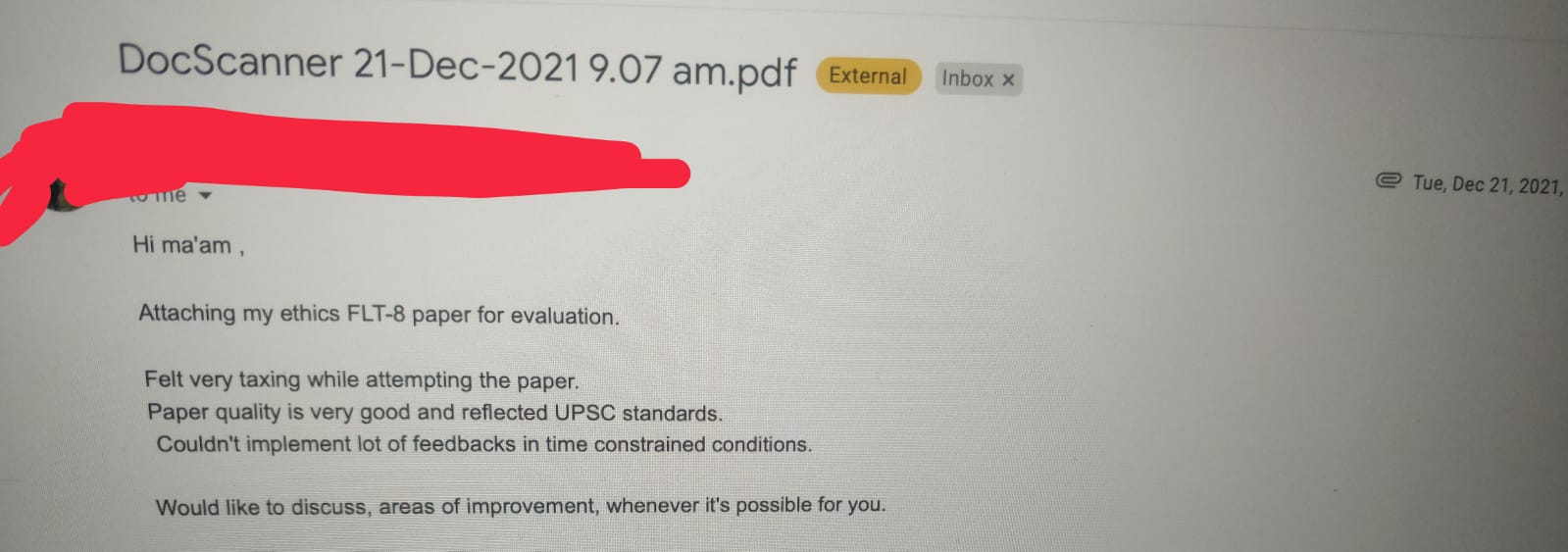
FLT tests will help to bring together the ideas and concepts of the art of answer writing. Practice full-length tests to evaluate your levels. With every test and discussion on strategies to follow, one can improve with every test. Questions framed are from the most important UPSC relevant themes and papers are based on the latest pattern of UPSC. Get model answers covering all the aspects of a question and providing enriching points to the student.
1-1 Mentorship support
A schedule is created where dedicated days are kept to discuss your doubts regarding each test and lecture. Weekly zoom calls can help boost ideas and discussion on various techniques, also among peers so that one can get a lot of exposure to various answer writing techniques and points to write in the answer. Also, the best answer copy of the week can be taken for discussion so that you can get an idea of how to write better.
👉Acknowledging the need to ensure the fastest mentorship response, Senior IAS mentors like Partha Sir, and Swatantra Sir, will receive your call.
Civilsdaily’s Handholding
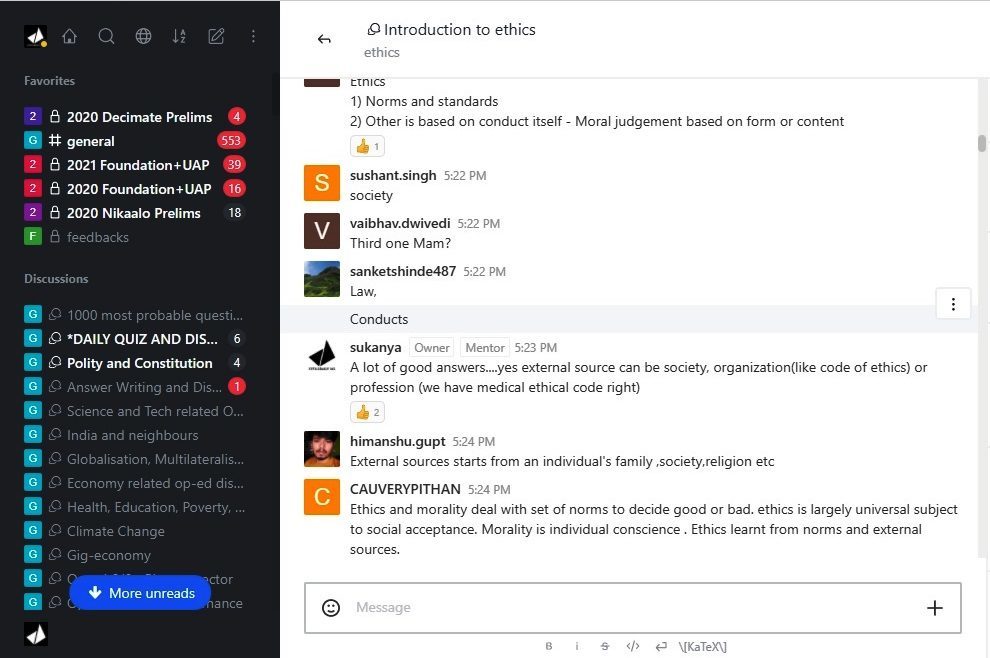
You’ll be given membership to an exclusive group on Civilsdaily’s Habitat. The group will be headed by Sukanya ma’am herself. From doubt resolution and discussion will be done by Sukanya ma’am only. Here you can directly connect with ma’am. Habitat is where everything comes together learning, doubt clearing, mentor’s support, and a focused community. You’re going to learn and discuss it like never before.
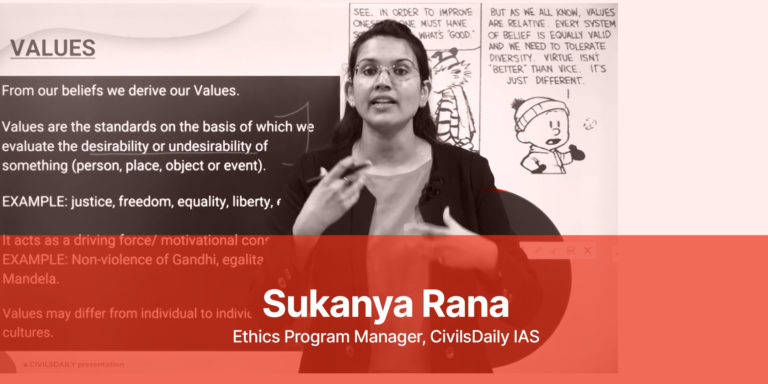
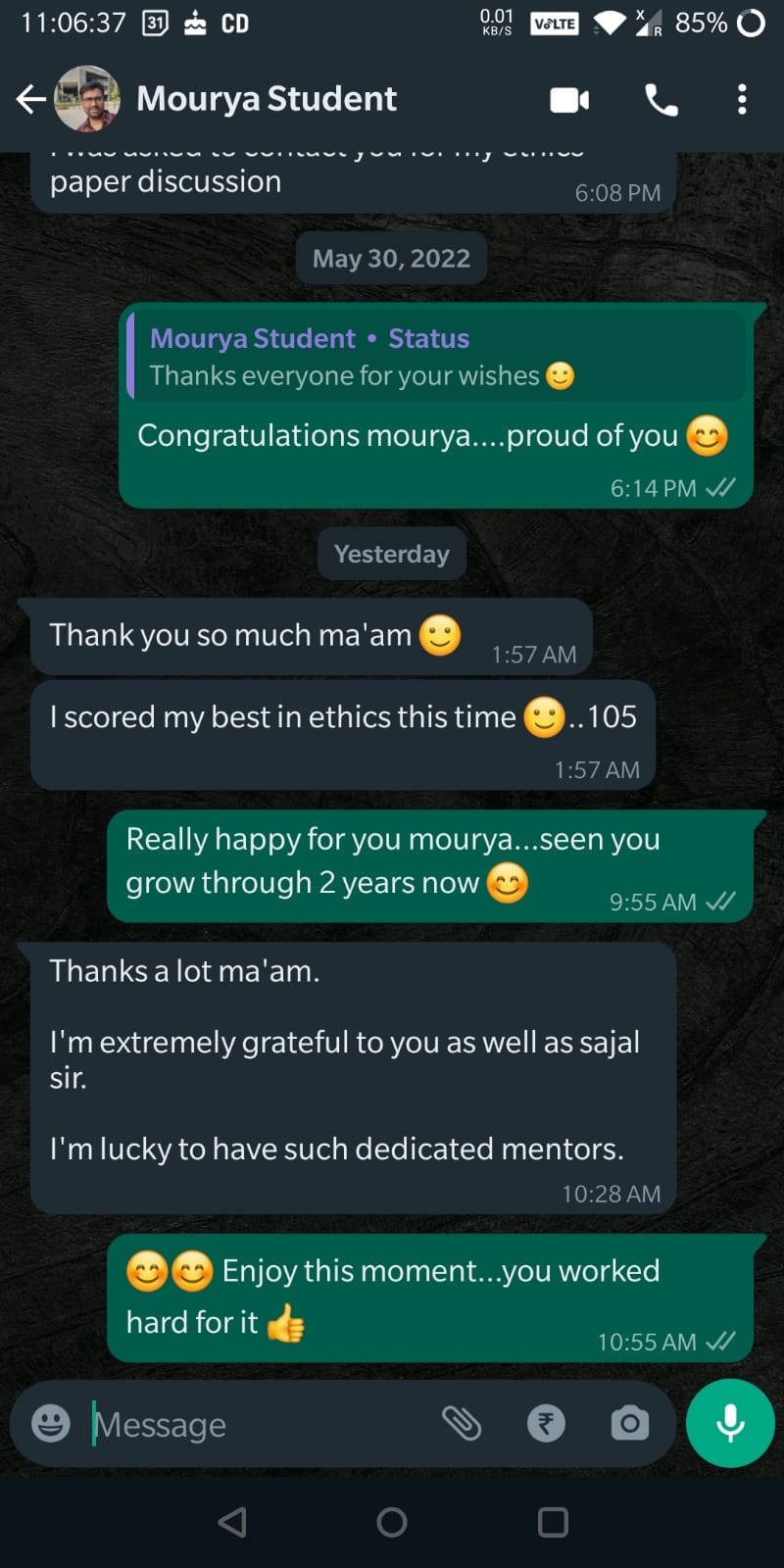
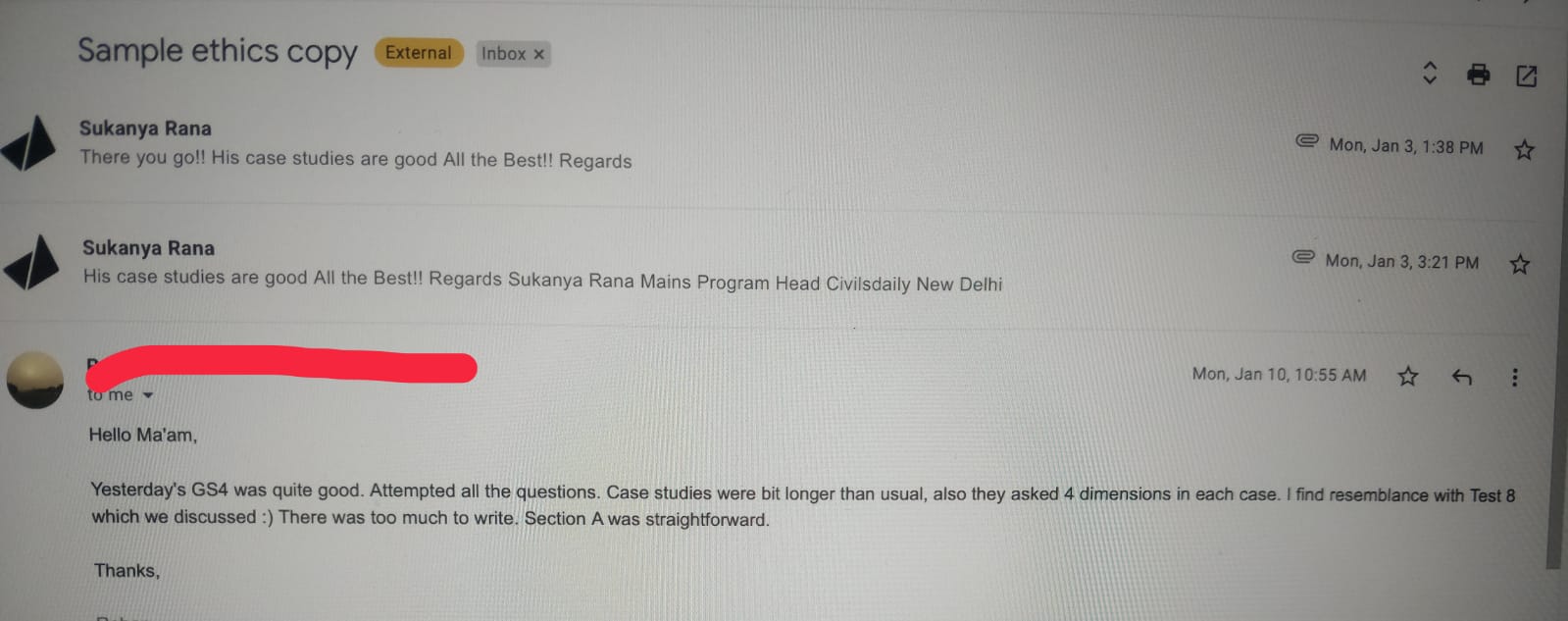
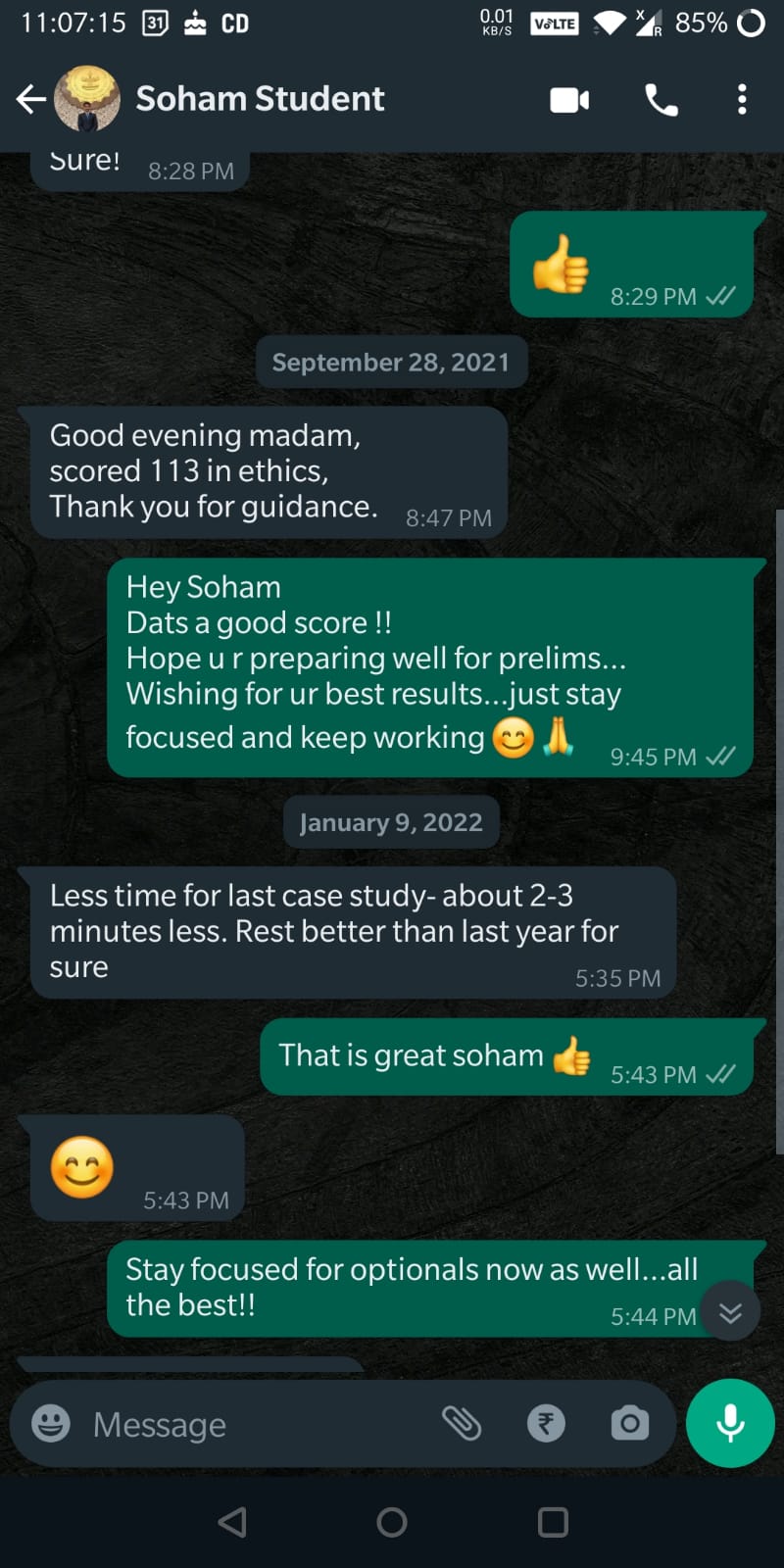
Sukanya ma’am has firsthand experience of 4 mains and 2 interviews with UPSC. She has also appeared in the State PCS interview. Before she worked as an officer in a public sector bank and now as a Mentor at Civilsdaily, she aims to guide future aspirants in finding success. Sukanya Ma’am has scored consistently 100+ marks in ethics and in 2019 her marks were 140 in GS 4. In 2020, under her mentorship, many smash mains students were able to secure 120+ marks.
👉 Acknowledging the need to ensure the fastest mentorship response, Senior IAS mentors like Partha Sir, and Swatantra Sir will receive your call.
The death of 66 children in the Gambia, linked to cough syrups manufactured by an Indian firm, has spurred the government to launch an urgent probe into the matter.
Samples of the cough syrups, being blamed for the deaths, have been sent for testing.
Kids poisoned by cough syrup in Gambia
The cough syrups contained unacceptable amounts of diethylene glycol and ethylene glycol, considered to be poisonous compounds.
After this, the WHO raised an alert, linking the deaths in the Gambia to the four cough syrups, made by Haryana-based Maiden Pharmaceuticals.
While the probe is on, the incident has certainly put the spotlight once again on quality monitoring and due diligence by companies and the need for stricter regulations.
India’s drug export to Africa
India is a significant player in the pharmaceutical market in Africa.
A recent report revealed that 20% of India’s exports of pharmaceuticals of about $17 billion go to Africa.
The Gambia received 3.6 lakh doses of the Indian vaccine in March 2021, showing the importance that India attaches to this nation.
Africa is, therefore, a major partner in India’s pharmaceutical industry.
What is Diethylene Glycol (DEG)?
WHO said that Diethylene Glycol (DEG) or ethylene glycol is toxic to humans when consumed and can prove fatal.
It can cause kidney and neurological toxicity and has been associated with several cases of mass poisoning when consumed via drugs.
The chemical tastes sweet and is water-insoluble.
The toxic effects of the chemical include abdominal pain, vomiting, diarrhea, inability to pass urine, headache, altered mental state, and acute kidney injury.
Are the syrups sold in India?
A drug regulatory expert who was part of the investigation into the 2020 J&K deaths said India has phased out syrups in favour of suspensions.
The chemical is used as a solvent for Active Pharma Ingredients (API).
To save on costs, some companies use industrial propylene glycol that may contain diethylene glycol and ethylene glycol as contaminants.
India’s response to Gambia deaths
It is certainly the responsibility of the importing country to test medicines before releasing them in their market.
After being informed about the incident, India’s apex regulatory body, Central Drugs Standard Control Organisation (CDSCO) opened investigations and lifted control samples.
Issue: India’s credibility at stake
India is one of the leading exporters of medicines.
PM Modi recently stressed that Indian drugs had earned the world’s trust and that India could be called the ‘pharmacy to the world’.
However, such negative reports on the quality and safety of our medicines will be a massive blow to the country’s image as a source of cheap generic drugs to the world.
Issues highlighted by the incident
Smuggling of cheap drugs: Inquiry reveals that these were imported from an Indian manufacturer, not under public tender but privately.
Ignorance by authorities: The drug which is banned for domestic consumption has got exported and led to fatalities. This is a huge blissful mistake by Indian Authorities.
Lack of inspection: There are not enough drug inspectors in the country to conduct as many inspections as is ideally required in such as vast set-up.
Inadequacies in quality-check: Despite huge production units, there are not an adequate number of laboratories to test the samples in time if all the samples that should be lifted for testing are picked up.
Blot on credibility: The matter, if not properly handled, can damage the perception that Indian medicines are trustworthy for African countries and the global South.
Health cooperation between India and Africa
Health cooperation is an important part of the India-Africa engagement.
The India-Africa Health Sciences platform, Pan-African e-Network project, e-Arogya Bharti, and training programs under the Indian Technical and Economic Cooperation (ITEC) program are part of inter-governmental action.
There is a growing pharmaceutical trade, medical tourism and hospital management between India and Africa.
This is because of the confidence that India is a cost-effective but efficient partner in the health sector.
Indian companies have established a reputation as partners of choice — particularly of international healthcare NGOs and aid agencies — over the past decades.
They have followed WHO standards in the main and their budget-friendly medicines have been a boon to many African countries for their public health programs.
Possible factors behind this tragedy
There are rackets of counterfeit Indian medicines turning up in many African countries.
Some of these were coming from unregistered producers in India, who would produce medicine depending on what cost was paid to them without concern for quality.
In some cases, competitors from other countries were known to make counterfeit medicines with Indian markings and dump them in markets where Indian pharmaceuticals were well regarded.
Way forward
The pharmaceutical trade is vital and must be protected from predatory practices and violations of regulatory norms.
Regulatory mechanism on both sides should be strengthened.
African importers should be given lists of recognised Indian manufacturers.
Training should be provided to drug controllers to curtail the menace of counterfeit and poor-quality medicine entering Africa from India.
Current Affairs for UPSC is such a necessary evil that terrifies many aspirants for good reason. Aspirants feel that there is no single source to help them navigate this section & it all feels like one big haze. In such, confusion 90% of aspirants start to plan their own and start a separate current affairs preparation/strategy for UPSC Prelims and Mains. But current affairs is not a subject that we can filter out for objective types and for descriptive types separately.
They should be dealt with in an integrated manner rather than in a silos approach (covering CA for prelims and mains separately).
Following an integrated approach is an important UPSC skill that is lacking in many relatively fresher/beginner aspirants, and even veteran aspirants. Covering current affairs in such a balanced manner makes preparation effective, outcome-oriented, and simple.
Purnima ma’am will be taking up a special Masterclass to help you impart this skill and teach how to cover current affairs in an Integrated manner for UPSC 2023.
You will get an opportunity to talk and discuss 1-1 with Purnima ma’am. Register now.
1. Balancing Prelims and Mains wrt Current Affairs.
Approaching Current Affairs in an Integrated manner for UPSC pre+mains. Instead of covering current affairs in a silos approach, there should be a high level of interlinking and alignment towards both stages. Else it would be a wasteful approach.
2. Balancing Dynamic-Static part.
Linking Current Affairs with the Static part of the syllabus.
UPSC expects a candidate to be well aware of the implications and impact of a particular issue, that is currently in news, on various aspects of life, the state, society, etc. For this, we need to link it with the GS subjects and topics that explain the static part.
3. Following a selective and effective approach
Reading everything under the sun is a bad approach to dealing with Current Affairs. Following a selective and effective approach to cover CA is essential for success in UPSC in just one attempt.
4. Making notes, collecting info like case studies, examples, etc.
You have to cover a lot of things in Current Affairs for UPSC over the course of around 1 year. Organizing the information, facts, and data to be used in answers and solving MCQs or revision is a crucial skill one must have. We’ll discuss this in the masterclass.
5. Writing Daily mains answers and attempting prelims MCQs. (Best resources for this)
Reading and Organising current affairs is not of any use until and unless you know how to use that fodder. Thus writing daily mains answers based on current affairs and solving MCQs is really important. We will also discuss the best resources, freely available, in this masterclass.
6. LIVE doubt resolution and interaction with Purnima ma’am
A 1-to-1 Q&A session will follow the masterclass because you have questions and doubts that need resolution on a personal level. List down all your questions. We will tackle them in the masterclass/webinar
Cotton, one of the most important crops, has a strategic role in India’s international agriculture play. India is the world’s third-largest exporter of cotton and the second-largest exporter of textiles, therefore, also contributing significantly to the country’s economy.
All you need to know about the Cotton crop
Rainfall and Temperature: Sensitive to timing of rainfall and rainfall during harvest might lead to crop failure. Temperature required is around 20-30 degree c., while rainfall is about 75-100cm.
Soil: Black soil ideally suited for cotton cultivation as it is rich in lime.cotton is vulnerable to pest attack.
Humidity: Cotton cultivation requires more than 200 frost free days. Humidity during harvest is harmful.
Oilcake: The cotton seeds are crushed for oil and the oilcake is an important animal fodder and also used as farm manure.
India holds a 4% share of the U.S.$840 billion global textile and apparel market
India has been successful in developing backward links, with the aid of the Technical Upgradation Fund Scheme (TUFS), in the cotton and technical textiles industry.
However, India is yet to move into man-made fibres as factories still operate in a seasonal fashion.
Areas of cotton cultivation are Gujrat, Maharashtra, Telangana, Punjab, etc.
Do you know?
The latest archaeological discovery in Mehrgarh puts the dating of early cotton cultivation and the use of cotton to 5000 BCE. The Indus Valley civilization started cultivating cotton by 3000 BCE. Cotton was mentioned in Hindu hymns in 1500 BCE.
What are the voluntary sustainable standards (VSS) in cotton?
Voluntary Sustainability Standards (VSS): Voluntary Sustainability Standards (VSS), which encapsulate certification schemes, labelling programmes, and private standards. The major VSS that are dominant in the sustainable cotton value chain today include Better Cotton Initiative (BCI), Organic Cotton, Fair trade Cotton, and Cotton Made in Africa.
To achieve sustainable Goal: The global textile supply chain is undergoing a paradigm shift; it is pursuing environmental and social upgradation to meet the sustainability requirements imposed by global textile and home furnishing retailers, so as to mitigate the adverse impacts of climate change on cotton farmers and cotton cultivation.
What are the benefits of VSS for India?
Enhance position in global cotton supply: Adapting to VSS is clearly beneficial for India. On the one hand, it will help it remain globally competitive in the cotton supply chain and strengthen its position in the export market, while on the other, it will help meet India’s SDG commitments.
Takes India a step closer towards sustainable farming: India has made considerable progress in its transition towards a more sustainable cotton farming ecosystem. The total cotton area under VSS has reached 1.5 million hectares, contributing to 24 percent of the global VSS cotton area.
Increases organic production of cotton: With approximately 0.2 million hectares of area for production, it is the largest producer of organic cotton, accounting for 50 percent of global organic cotton production, and the second-largest producer of ‘Better Cotton’, accounting for 16.5 percent of total Better Cotton production covering an area of 1.5 million hectares.
Higher yeild: According to the BCI’s 2020 Impact Report for India, Better Cotton farmers have 9 percent higher yields and 18 percent higher profit than conventional farmers.
Eco friendly production:The Thinkstep report 2018 on the Life Cycle Assessment of VSS Cotton conducted in Madhya Pradesh revealed a reduction of 50 percent in climate change impact, 59 percent in blue water consumption, 84 percent in ecotoxicity, and 100 percent eutrophication in organic over conventional cotton.
To achieve SDG Targets: The VSS cotton growth story in India has already demonstrated its contribution towards the achievement of SDG targets for Zero Hunger (Goal 2), Clean Water and Sanitation (Goal 6), Responsible Consumption and Production (Goal 12), Life on Land (Goal 15), and Climate Action (Goal 16).
NITI Aayog’s Assessment: VSS cotton delivers real, measurable outcomes according to priority indicators as outlined by NITI Aayog which maps India’s SDG goals. These indicators include changes in the extent of water bodies, improving groundwater withdrawal against availability, and rationalising nitrogen fertiliser.
Conclusion
India must scale up the VSS while aligning it with its SDG commitments since VSS in cotton ensures a better production system, sourcing methods, and consumption patterns while also influencing the lives of hundreds of millions.
Mains Question
Q. What are the Voluntary Sustainable Standards (VSS)? Cotton production can be boosted in India using VSS method. Elaborate.
The union territory of Ladakh will host India’s first Dark Sky Reserve which will be set up in Hanle area in the next three months. The Dark Sky Reserve is being built as part of Ladakh’s high-altitude Changthang Wildlife Sanctuary.
What is Dark Sky Reserve (DSR)?
Definition of Dark Sky Reserve: The International Dark Sky Association (IDSA) defines an international dark sky reserve (IDSR) as “a public or private land of substantial size (at least 700 km², or about 173,000 acres) possessing an exceptional or distinguished quality of starry nights and nocturnal environment, and that is specifically protected for its scientific, natural, educational, cultural heritage, and/or public enjoyment.
What is Core Area of Dark Sky Reserve?
A dark sky reserve requires a “core” area that has clear sky without any light pollution, which can enable telescopes to see the sky in its natural darkness.
Why Ladakh is chosen as ideal location for DSR?
Ladakh is ideal for long-term observatories and dark-sky sites because of its large arid area, high elevation, and sparse population, extreme cold and minimum temperature drops to minus 40 degree celcius.
The Changthang wildlife Sanctuary, the DSR site is situated around 4,500 metres above sea level, which makes it a perfect host for telescopes.
Who is managing India’s DSR?
The Department of Science and Technology and Indian Institute of Astrophysics (IIA) in Bengaluru are providing support for the facility. The IIA already manages the Indian Astronomical Observatory (IAO) complex in Hanle, Ladakh.
What are the International standards for DSR?
International Dark Sky Association’s Recognition: The IDSA recognizes and accredits dark-sky areas worldwide, in three categories. The Mont Mégantic Observatory in Quebec is the first such site to be recognized (in 2007) as an International Dark Sky Reserve.
Categorical Certification: Individuals or groups can nominate a site for certification to the International Dark Sky Association (IDSA). There are five designated categories, namely International Dark Sky parks, communities, reserves, sanctuaries and Urban Night Sky Places.
Global Recognition: The certification process is similar to that of a site being awarded the UNESCO World Heritage Site tag or getting recognised as a Biosphere Reserve. Between 2001 and January 2022, there have been 195 sites recognised as International Dark Sky Places globally, the IDSA said.
Dark Sky Park: IDSA recognized Natural Bridges National Monument in Utah as the world’s first International Dark Sky Park.
Dark Sky Sanctuary: In 2015, the IDSA introduced the term “Dark Sky Sanctuary” and designated the Elqui Valley of northern Chile as the world’s first International Dark Sky Sanctuary. The Gabriela Mistral Dark Sky Sanctuary is named after a Chilean poet.
To promote AstroTourism: The primary objective of the proposed Dark Sky Reserve is to promote astronomy tourism in a sustainable and environment-friendly manner. Scientific methods will be used here to preserve the night sky from ever-increasing light pollution.
To offer clear skies for observations: With metros, cities and peripheral areas experiencing light pollution and remaining constantly lit up, there are diminishing areas that offer a view of clear skies on cloudless nights.
For training purpose: In the pilot phase, the Indian Institute of Astrophysics (IIA),has procured ten small and easy-to-handle telescopes and light-reflecting shields. IIA’s scientists and outreach experts will identify locals and train them to use these telescopes.
Sky gazing and a boost for village economy: This will include basic sky gazing, identification of constellations, and locating the pole star, among others. These telescopes will be installed at the homestays, which is a popular option for tourist accommodation in Ladakh.
Conclusion
The Dark Sky Reserve is likely to boost Astro tourism in India where there has been no such reserve. Once set up, the reserve will be the highest-located site in the country for infrared, gamma-ray, and optical telescopes.
Mains Question
Q. What are the Dark Sky Reserves? How DRS will help in astronomical research and observations in India?
The debate that began with an RBI 2022 report on state finances followed by Prime Minister Narendra Modi’s comment on revdi culture aka freebies, has garnered substantial attention so much so that the Supreme Court is hearing on this issue. Freebies have now assumed more importance than ever.
What are freebies?
Freebies could be defined as non-merit subsidies. The term Freebies is not new; rather it is a prevalent culture in Indian politics (in the name of socialism).
The political parties are always trying to outdo each other in luring the Indian voters with freebies.
What are Subsidies?
Subsidies are money transfers (implicit or explicit) by the government in an attempt to drive prices artificially below market prices.
As a National Institute of Public Finance and Policy (NIPFP) study by Sudipto Mundle and Satadru Sirkar puts it, budget subsidies, in particular, are defined as the unrecovered cost of economic and social services.
However, all subsidies cannot be easily classified into merit or non-merit.
Welfare state: It could be said that providing freebies empowers the state to, first, deliver welfare as a welfare state should, by providing subsidised merit goods like health and education;
Combating poverty: To help households combat poverty (especially in economically stressed times characterised by fewer job opportunities, lower incomes, high inflation, etc.) by providing subsidised public goods like food, electricity, etc.
Populist spending: To appeal to the electorate through outright populist spending.
Question of classification between a merit and a non-merit freebies?
Blur Boundary: The boundaries between the aforementioned objectives begin to blur when it comes to classifying one form of freebie as a merit or a non-merit subsidy.
Few examples: Are corporate tax cuts non-merit subsidies or a measure to boost investment? 2. Is making bus rides free for women in the national capital a non-merit subsidy or a way to boost women’s mobility and labour-force participation? 3. Are free laptops to students in Tamil Nadu not a way to bridge the digital divide in education?
Varying definition: The existing arguments develop an understanding that freebies cannot be defined in a finite context, and that the definition varies across space and economic conditions.
How freebies impact revenue of the state?
Adverse impact on revenues: Regardless of which one gets classified as good or bad, freebies are simply expenditures or foregone revenues. Any freebie-induced debt burden could have an adverse effect on the state finances if, one, it hasn’t been properly accounted for through transparent budgeting procedures (including off-budget borrowings in debt calculations)
Increase in Fiscal deficit: Either way, they lead to an increase in fiscal deficit whose financing could necessitate taking on debt. It threatens fiscal sustainability, i e, it limits the state’s ability to service its debt-related commitments without making an unrealistic fiscal adjustment.
Lack of data leading to leakages: The targeting of beneficiaries to ease the burden on the exchequer is one way to check these expenditures but lack of data has forced a situation wherein leakages and duplication of beneficiaries is commonplace.
Jeopardises long-term growth and development: In the absence of adequate avenues of revenue mobilisation, any fiscal adjustment achieved by contracting critical expenditures on the social sector and capital formation further jeopardises long-term growth and development. The emanating risk of fiscal sustainability means a “revdi” today would take a toll on tomorrow’s generation.
What could be the solution?
Setting up an independent fiscal council: Setting up an independent fiscal council that has been recommended by the FRBM Review Committee (2017), and recently constituted Finance Commissions too, including the 15th Finance Commission.
Providing information and advisory: FRBM report says, the council will serve both an ex-ante role providing independent forecasts on key macro variables like real and nominal GDP growth, tax buoyancy, commodity prices as well as an ex-post monitoring role, and also serve as the institution to advise on triggering the escape clause and also specify a path of return.
Monitoring finance: Such a council should work for the union as well as the states. Monitoring of finances and fiscal rules could also help ensure that states comply with a medium-term fiscal policy framework, which has been long argued for by economists.
Conclusion
Freebies cannot be defined easily, and constitutionally, any state government should be empowered to spend the way it wants, provided the fiscal policy is sustainable. The message from the freebies debate is to make informed economic decisions whilst attending to key development objectives.
Mains Question
Q.There is nothing wrong in having social security programme that aims to lift the poor get out of poverty and empower the vulnerable sections of the society. In this context, where do you see the goal of sustainable economic development? Comment.
Though early days, the number of crop fires reported out of Punjab are at a three-year low, suggest data from the Indian Agricultural Research Institute (IARI) that tracks such fires via satellite.
What is Stubble Burning?
Stubble (parali) burning is a method of removing paddy crop residues from the field to sow wheat from the last week of September to November.
It is usually required in areas that use the combined harvesting method which leaves crop residue behind.
This practice mostly carried out in Punjab, Haryana and UP contributes solely to the grave winter pollution in the national capital.
Emissions from stubble burning
The process of burning farm residue is one of the major causes of air pollution in parts of north India, deteriorating the air quality.
Stubble burning is a significant source of carbon dioxide (CO2), volatile organic compounds (VOCs), nitrogen oxides (NOx) and hydrocarbons (HC).
Despite emissions, why do farmers burn stubble?
Crop residue burning is practised by the farmers to prepare the land for the next cultivation.
The major reason behind the stubble burning is the short time available between rice harvesting and sowing of wheat as delay in sowing wheat affects the wheat crop.
Between the harvesting of the paddy crop and the sowing of the next crop, there is only a two to three weeks’ time window is left.
Even though farmers are aware that the burning of straw is harmful to health, they do not have alternatives for utilizing them effectively.
The farmers are ill-equipped to deal with waste because they cannot afford the new technology that is available to handle the waste material.
Therefore, stubble burning is considered one of the cheapest methods to clean the field after the harvesting season.
Impact of stubble burning
Air Pollution: Stubble burning emits toxic pollutants in the atmosphere containing harmful gases like Carbon Monoxide (CO), methane (CH4), carcinogenic polycyclic aromatic hydrocarbons, volatile organic compounds (VOC). These pollutants disperse in the surroundings and eventually affect air quality and people’s health by forming a thick blanket of smog. Along with vehicular emissions, it affects the Air Quality Index (AQI) in the national capital and NCR.
Soil degradation: Soil becomes less fertile and its nutrients are destroyed when the husk is burned on the ground. Organic content of soil is completely destroyed. Stubble burning generates heat that penetrates into the soil, causing an increase in erosion, loss of useful microbes and moisture.
Alternative solutions
Power generation: The available paddy straw can be effectively used for power generation, which will go a long way towards overcoming the problem of disposal of crop residues and power deficit in the region.
In-situ decomposition: Suitable machinery for collection, chopping and in situ incorporation of straw is required. We can use Pusa Biodecomposer, Biomethanation etc.
Organic manuring: Convert the removed residues into enriched organic manure through composting.
Conclusion
Unless financial assistance is to be provided by the Centre for boosting farm mechanization, it is difficult to completely stop stubble burning.
States need to make alternative arrangements for the consumption of paddy straw into the soil as per the directions of the NGT.




 Context
 What are the voluntary sustainable standards (VSS) in cotton?
 Conclusion
 Context
 What is
  Conclusion
 Context
 What are the
  How freebies impact revenue of the state?
 Conclusion