Ashwatthama, a 38-year-old elephant, died of electrocution near Karnataka’s Nagarahole Tiger Reserve.
The High Court of Karnataka suo motu initiated a PIL petition to inquire about this incident attributed to a lack of care and diligence by concerned authorities.
Nagarahole Tiger Reserve
Located in the Western Ghats in Karnataka; Spans over 643 square kilometers.
Declared a wildlife sanctuary in 1955 and a tiger reserve in 1999.
Part of the Nilgiri Biosphere Reserve is recognised as an Important Bird Area (IBA) and a Project Tiger, Project Elephant reserve.
Managed by the Karnataka Forest Department with efforts focused on conservation, ecotourism, and community engagement.
The reserve is crisscrossed by several rivers such as the Kabini River, Lakshmana Tirtha River, and Moyar River.
Flora and Fauna: Known for its diverse ecosystem, including tropical and moist deciduous forests, home to a variety of wildlife such as tigers, leopards, elephants, gaur, and several species of deer and birds.
Protective Measures:Project Elephant
It was launched in the year 1992 as a Centrally Sponsored Scheme with the following objectives:
To protect elephants, their habitat & corridors
To address issues of man-animal conflict
The welfare of captive elephants
It covers 23 states across India.
The Ministry of Environment, Forest and Climate Change provides financial and technical support to major elephant range states in the country through the project.
It contributed to the increase in the wild elephant population from around 25,000 in 1992 to about 30,000 in 2021.
Status of Elephant Conservation in India
Details
Population Estimate
India hosts the largest population of wild Asian Elephants (Elephas maximus), with around 29,964 individuals,
Approximately 60% of the global population (2017 census).
Leading States
Karnataka holds the highest number of elephants, followed by Assam and Kerala.
Conservation Status
IUCN Red List: Endangered.
CMS: Appendix I.
Wildlife (Protection) Act, 1972: Listed under Schedule I,
CITES: Appendix I.
PYQ:
[2020] With reference to Indian elephants, consider the following statements:
The leader of an elephant group is a female.
The maximum gestation period can be 22 months.
An elephant can normally go on calving till the age of 40 years only.
Among the States in India, the highest elephant population is in Kerala.
Which of the statements given above is/are correct?
To achieve a $5 trillion economy by 2025-26, India must eliminate obstacles hindering Foreign Investments and facilitate smoother processes for companies and investors.
About the Indian Foreign Exchange Management (Non-debt Instruments) Rules
FEMA outlines the formalities and procedures for the dealings of all foreign exchange transactions in India. These foreign exchange transactions have been classified into two categories — Capital Account Transactionsand Current Account Transactions.
The Indian Foreign Exchange Management (Non-debt Instruments) Rules, 2019, commonly referred to as FEMA NDI, regulates foreign investments in Indian companies. These rules are critical for overseeing the flow of foreign capital into the country, ensuring that investments align with national interests and do not pose security risks.
The amendment to the Indian Foreign Exchange Management (Non-debt Instruments) Rules, 2019 (“FEMA NDI”)was again made through press note number 3 in the year 2020.
In exercise of the powers conferred by section 47 of the Foreign Exchange Management Act, 1999 (42 of 1999) and consequent to the Foreign Exchange Management (Non-Debt Instrument) Rules, 2019, the Reserve Bank of India makes the following regulations relating to mode of payment and reporting requirements for investment in India by a person resident outside India.
‘Act’means the Foreign Exchange Management Act, 1999 (42 of 1999);
On April 16, 2024, the Ministry of Finance, through the Department of Economic Affairs, notified the Foreign Exchange Management (Non-debt Instruments) (Third Amendment) Rules, 2024 (the “Amendment“), prescribing new entry routes for foreign investment in activities under the space sector.
Introduction of Press Note 3 (PN3) Requirement:
What does it mean?: This amendment requires prior government approval for any investments from entities or individuals in countries that share a land border with India. This rule applies if the investment comes directly from these countries or if the beneficial owner (the real person who ultimately owns or controls the investment) is a citizen or resident of these countries.
The purpose: Implemented during the COVID-19 pandemic, the rule aims to prevent opportunistic takeovers of struggling Indian companies by neighboring countries
Challenges with the Recent Amendment
Undefined ‘Beneficial Owner’: The term ‘beneficial owner’ isn’t clearly defined in the PN3 Requirement, leading to confusion. Different laws define the term differently, making it hard for companies to know which standards to follow.
Regulatory Uncertainty: Since the latter half of 2023, the Reserve Bank of India (RBI) has adopted a stricter interpretation of these rules. This shift has caused anxiety among investors and companies, as practices previously deemed acceptable are now being scrutinized.
Regulatory Burden: Companies now face significant delays and a high rate of rejection when seeking approval for investments. According to some officials, proposals worth ₹50,000 crore have been stalled or rejected in the past three years, with 201 applications being turned down.
Severe Fines: Non-compliance with the PN3 Requirement can result in fines up to three times the amount of the investment. For many startups, this could mean financial ruin, as the fines could exceed their revenue or assets.
Legal Battles: Violations could lead to lengthy and costly legal disputes, further burdening the already slow judicial system in India.
What can be the better solution? (Way forward)
Ownership Thresholds: Define beneficial ownership with clear thresholds, such as 10% to 25% ownership stakes. This would help companies understand whether they need to seek approval.
Control-Conferring Rights: Specify which rights indicate control, such as the ability to influence board decisions or veto significant operational changes. Exclude rights that merely protect investor interests, such as veto powers over mergers.
Investor Representations: Allow Indian companies to require foreign investors to provide assurances about their compliance with the PN3 Requirement, backed by indemnities.It would provide a safety net for Indian companies.
Time-Bound Reviews: Introduce a system where companies can seek timely advice from regulatory authorities on whether specific clauses in their investment agreements confer control. This would be similar to mechanisms in competition law, offering clarity and reducing the risk of penalties for inadvertent non-compliance.
Mains PYQ:
Q Foreign Direct Investment (FDI) in the defence sector is now set to be liberalized: What influence this is expected to have on Indian defence and economy in the short and long run? (UPSC IAS/2014)
The Bonn climate meeting failed to define a new climate finance goal, crucial for finalizing a sum exceeding $100 billion annually by the end of 2024.
Key Highlights of the Climate Meeting in Bonn, Germany
Failure to Define New Climate Finance Goal: The recent climate meeting in Bonn did not make significant progress in setting a new climate finance goal. This new goal is supposed to replace the existing $100 billion per year target, which needs to be finalized by the end of 2024.
Outcome: The meeting only produced a lengthy 35-page “input paper” summarizing various countries’ demands and concerns, without providing any concrete numbers or agreements. This paper is expected to be developed into a formal negotiating draft for COP29 in Baku, Azerbaijan.
Search for a New NCQG (New Collective Quantified Goal)
Importance of Climate Finance: Money is essential for climate action, including mitigation, adaptation, and other tasks like collecting and reporting climate data, which require substantial funds, especially in developing countries.
Existing Commitment: Developed countries had promised to mobilize $100 billion annually from 2020 to help developing countries fight climate change. This target is now being re-evaluated to increase the amount post-2025.
Previous Assessment
Current Needs: It is widely recognized that developing countries now require trillions of dollars annually. A UNFCCC assessment indicated that these countries need about $6 trillion by 2030 for climate actions, with adaptation needs alone requiring $215 billion to $387 billion annually.
Energy Transition: The global shift to clean energy requires investments of about $4.3 trillion per year until 2030 and around $5 trillion annually thereafter until 2050 to achieve global net-zero emissions.
Developing Countries’ Demands: India has proposed that developed countries should provide at least $1 trillion annually after 2025, while Arab and African countries have suggested figures of $1.1 trillion and $1.3 trillion, respectively.
Debate Over Contribution
Original Responsibility: According to the UNFCCC and Paris Agreement, only the 25 countries listed in Annexure 2, along with the European Economic Community, are responsible for providing climate finance to developing countries.
Shifting Responsibility: These countries argue that other nations, such as China, Gulf countries, and South Korea, are now economically capable and should also contribute. However, countries like China have stated they do not intend to take on additional responsibilities beyond their current efforts.
Developed Countries’ Stance: While acknowledging that the new target must be higher than the existing $100 billion per year, developed countries have not made any specific offers publicly.
Way forward:
Clear Definition of Climate Finance: Establish a universally accepted definition of climate finance to prevent discrepancies in reporting and ensure transparency.
Precise Targets and Timelines: Set clear, incremental targets leading up to the final goal, with defined timelines for achieving these targets. This will provide a roadmap for both developed and developing countries.
Mains PYQ:
Q Describe the major outcomes of the 26th session of the Conference of the Parties (COP) to the United Nations Framework Convention on Climate Change (UNFCCC). What are the commitments made by India in this conference? (UPSC IAS/2021)
The central government has granted a one-year extension to the Digital Health Incentive Scheme (DHIS), aimed at digitizing patients’ health records and integrating them with the Ayushman Bharat Digital Health Account (ABHA ID).
About the Digital Health Incentive Scheme:
The National Health Authority (NHA) launched the Digital Health Incentive Scheme on January 1, 2023, to implement the Ayushman Bharat Digital Mission (ABDM) to create a digital health ecosystem in the country.
ABDM intends to support different healthcare facilities like clinics, diagnostic centers, hospitals, laboratories and pharmacies in adopting the ABDM ecosystem to make available the benefits of digital health for all the citizens of India.
It encourages the adoption of digital health solutions like Health Management Information Systems (HMIS) and Laboratory Management Information Systems (LMIS) by offering financial incentives for each additional record digitized beyond a specified threshold.
Benefits of the Digital Health Incentive Scheme:
Earn incentives for Digitization: Reimburse the expenses incurred for digitization to all the participating healthcare facilities and digital Solution Companies.
Efficiency in Healthcare Delivery: Seamless access to patient’s longitudinal health records; Removes hassles in the healthcare process (registration, appointment, consultation, IPD admission, discharge, etc).
Building a Robust Digital Health Ecosystem: Building a robust digital health ecosystem across different levels of healthcare facilities.
Improved Quality of Care: Evidence-based, accessible, and good quality care. Patient’s ease of access to digitized health records and improved healthcare delivery.
Why has the scheme been extended?
The extension aims to sustain momentum in the adoption of digital health technologies. By providing additional time, the scheme supports more healthcare providers, both public and private, in overcoming financial barriers associated with digitization and promoting a digital-first approach to healthcare delivery.
Extending the scheme allows for incorporating feedback from stakeholders and refining its implementation based on operational insights. This iterative process ensures that the scheme remains effective in enhancing healthcare efficiency, patient care, and accessibility to medical records across the country.
How many Hospitals and Digital Health Companies have availed of the incentive?
Registered Facilities: A total of 4,005 healthcare facilities have registered for the Digital Health Incentive Scheme (DHIS). This includes 1,085 private healthcare facilities.
Digital Solution Companies (DSCs): There are 41 digital solution companies (DSCs) registered under the scheme, out of which 36 are private companies.
Availed the Scheme: Among the registered facilities and companies, 584 healthcare facilities have availed the scheme so far. This includes 83 private healthcare facilities. Additionally, 12 DSCs, including 10 private companies, have also availed the incentive.
How can it be beneficial for the patients?
Quick Registration: Patients can benefit from quicker OPD registrations through digital systems, reducing waiting times at hospitals and clinics.
Digital Transactions: Digital health records enable easier access to medical history and facilitate seamless sharing of information between healthcare providers, ensuring continuity of care.
Reduced Redundancy: Digital records help in avoiding duplicate tests and procedures due to lost or misplaced paper records, which is particularly beneficial for patients who move between healthcare facilities or states.
Better Coordination: Healthcare providers can access comprehensive patient records quickly, leading to more coordinated and effective treatment plans.
Prevention of Additional Costs: By reducing the need for repeat tests and administrative overheads associated with paper-based records, patients are less likely to incur unnecessary expenses.
Clear Communication: Patients can securely view, access, and share their health records with healthcare providers, promoting transparency and informed decision-making about their care.
Secure Storage: Digital health records stored under the Ayushman Bharat Digital Health Account (ABHA ID) ensure data security and privacy, adhering to regulatory standards.
Do you know what is ‘ABHA ID’?
ABHA ID, or Ayushman Bharat Digital Health Account ID, is a unique digital identifier issued to individuals in India.
It serves as a centralized platform for individuals to store and manage their medical records digitally, including doctor consultations, prescriptions, and diagnostic test results.
ABHA ID facilitates easy access to health information across different healthcare providers, promotes continuity of care, and supports informed decision-making during medical treatments.
Conclusion: The extension of the Digital Health Incentive Scheme aims to boost adoption of digital health solutions, benefiting patients with improved access and care coordination. Challenges include ensuring equitable access and addressing digital literacy barriers.
Mains PYQ:
Q Appropriate local community level healthcare intervention is a prerequisite to achieve ‘Health for All’ in India. Explain. (UPSC IAS/2018)
Q Discuss the role of the Election Commission of India in the light of the evolution of the Model Code of Conduct.(UPSC IAS/2022)
Q Simultaneous election to the Lok Sabha and the State Assemblies will limit the amount of time and money spent in electioneering but it will reduce the government’s accountability to the people’ Discuss. (UPSC IAS/2017)
Mentors’ Comment: In an impressive speech (one of many he has delivered), RSS chief Mr Bhagwat has effectively outlined a road map for the newly reinstated government and proposed a model code of conduct, a role typically expected of the Election Commission of India (ECI) during the 2024 general election. The common thread between the two lies in what remains unspoken. While the ECI subtly warned the party, the RSS leader delivered a directive to ‘whomsoever it may concern.’ Mr. Bhagwat’s message is clear and direct, in contrast to the ECI’s subdued and carefully crafted communication. Both messages aim to hit their mark without explicitly identifying the target.
Let’s learn.
Why in the News?
Rashtriya Swayamsevak Sangh (RSS) chief Mohan Bhagwat’s strategic address outlines a governance roadmap, similar to the ECI’s muted directive, both subtly guiding political conduct.
Key Implications of 2024 General Elections:
No more Charisma: The party’s reliance on single personal charisma may have reached its limit, with diminishing returns evident in the election results. Local Issues Matter: The party’s disconnect from local issues in key states like Uttar Pradesh, Maharashtra, and West Bengal contributed to electoral setbacks. Role of RSS (Rashtriya Swayamsevak Sangh): The party underestimated the importance of the RSS in grassroots mobilization and support, which affected its electoral performance. Dalit Voters Cannot Be Taken for Granted: Attempts by leaders to discuss changes to reservation policies backfired, leading to significant losses among Dalit and OBC (Other Backward Classes) voters. Importance of Opposition Alliances: The success of opposition alliances, particularly the INDI Alliance, highlighted the necessity for the Congress and other parties to forge effective alliances to consolidate non-NDA votes.
Bhagwat’s Strategic Speech
Roadmap for Government: Bhagwat’s speech laid out a roadmap for the government and a model code of conduct, akin to the expectations of the Election Commission of India (ECI) during the 2024 general election.
Clear Message: Bhagwat’s message was clear and direct, while the ECI’s was more muted.
Issue Addressing: Both messages aimed to address issues without directly targeting any party.
Election Commission’s Actions
Complaint Examination: The ECI examined complaints, asked political parties for explanations, and issued mild reprimands.
Impartial Justice: The ECI aimed to deliver impartial justice, risking its image but believing it was repaired by the efficient conduct of the 2024 general election.
Bhagwat’s Post-Election Message
Post-Mortem of Election: Bhagwat’s address came after the general election results, suggesting a post-mortem of election conduct.
‘Mishap’ and ‘Maryada’: He implied that the ‘mishap’ was losing the majority, caused by ‘unnatural’ violations of decorum during the campaign by both sides.
Key Words and Their Importance
‘Maryada’ and ‘Ahankar’: Bhagwat emphasized ‘Maryada’ (dignity) and ‘Ahankar’ (arrogance).
True Workers: He stated that true workers maintain dignity without arrogance, linking ‘Maryada’ to Lord Ram and suggesting a model code of conduct.
RSS Vision and Humility
The metaphor of Growth: The RSS website uses the metaphor “Great oaks from little acorns grow,” applying it to the growth of the organization and its volunteers.
Importance of Humility: Bhagwat stressed the importance of humility among swayamsevaks (volunteers).
Treating Political Opponents
Respect for Opponents: Bhagwat highlighted treating opponents with respect after the contest is over.
‘Pratipaksh’ (Opposition): He used the term ‘pratipaksh’ to emphasize the democratic need for inclusivity and respect for opposing views.
Inclusivity and Consensus
Call for Inclusivity: Bhagwat called for inclusivity and building consensus, placing the onus on the ruling party.
Responsibility of Power: He stressed that the responsibility lies with those in power to diminish societal divisions and alleviate minority apprehensions.
India’s Diversity
Mutual Respect: Bhagwat acknowledged India’s diversity and the need for mutual dependence and respect among different communities.
Condemnation of Division Exploitation: He condemned those who exploit divisions for political gains and called for leaders to foster harmony.
Conclusion: Mohan Bhagwat’s address serves as a strategic guide, emphasizing dignity, humility, and inclusivity to strengthen India’s democratic foundations and societal harmony. His message calls for mutual respect, the acknowledgement of diverse perspectives, and the importance of a strong, united foundation for stable governance.
Since President Lai Ching-te took office in Taiwan, China has reacted strongly to his pro-independence remarks by using sophisticated tactics against his Democratic Progressive Party.
Background of the China-Taiwan issue
The conflict has its roots in the Chinese Civil War (1927-1950) between the Nationalist Party (Kuomintang) and the Communist Party of China. After the Communist victory in 1949, the Nationalist government retreated to Taiwan, establishing the Republic of China (ROC) there, while the Communist Party proclaimed the People’s Republic of China (PRC) on the mainland.
China claims Taiwan as a breakaway province that must eventually be reunified with the mainland, while Taiwan sees itself as a distinct, democratic entity. This dispute over Taiwan’s political status is at the heart of the ongoing tensions between China and Taiwan.
The strategic importance of Taiwan lies in its location in the “first island chain” in the western Pacific, as well as its dominance in the global semiconductor industry. Control over Taiwan would enhance China’s ability to project power in the region and potentially threaten US interests, while Taiwan’s independence is seen as crucial by the US and its allies
What Are the Coercive Measures China Has Imposed on Taiwan?
Military Pressure: China’s People’s Liberation Army Eastern Theater Command (PLA ETC) conducts regular training drills and simulated invasion scenarios to demonstrate its military capability. These include 3D animation videos depicting missile attacks on Taiwan, aiming to intimidate and exert psychological pressure.
Grey-Zone Warfare: Continuous sorties by PLA fighter jets, UAVs, and strategic fighters over and around Taiwan. These operations are designed to wear down Taiwan’s defence forces through sustained pressure and intelligence gathering.
Economic Coercion: China suspended preferential tax rates for 134 chemical imports from Taiwan, which were previously granted under the Economic Cooperation Framework Agreement (ECFA). This move was a retaliation against pro-independence statements by Taiwan’s new president, Lai Ching-te, and Taipei’s restrictions on over 2,000 Chinese imports.
China’s Ideology and Political Tactics
Cognitive Warfare: Deployment of ideological narratives within Taiwan to influence public opinion. For instance, Chinese citizens dropped fliers via drones on Kinmen Island, promoting messages against Taiwan’s independence and framing it as a dead end.
Propaganda: These cognitive warfare tactics aim to initiate public discussions and garner attention for the Chinese cause, leveraging social media to propagate Beijing’s ideological stance.
Carrots and Sticks Approach(Political Tactics)
Carrots: Favorable treatment towards Taiwan’s opposition party, the Kuomintang (KMT), which holds relatively pro-mainland views. The KMT engages with Communist Party of China (CPC) officials, maintaining communication and collaboration that the DPP lacks. The KMT’s interactions with CPC officials have sometimes led to investigations under Taiwan’s ‘anti-infiltration law’.
Sticks: Coercive economic measures targeting Taiwan’s Democratic Progressive Party (DPP) to seek political concessions. The suspension of preferential tax rates for Taiwanese chemical imports is one such tactic.
Conclusion: Taiwan must navigate China’s multifaceted ‘grey-zone’ tactics through resilience in defense, strategic alliances, and international advocacy to safeguard its sovereignty and democratic identity amid escalating pressures.
Mains PYQ:
Q South China Sea has assumed great geopolitical significance in the present context. Comment. (UPSC IAS/2016)
A weak performance by green and left-wing parties, coupled with gains by the far-right, could lead the EU to adopt a more protectionist stance and a less environmentally focused foreign policy.
What happens in the EU parliament?
Legislative Role and Trade Agreements: The European Parliament must approve all EU free trade agreements. For instance, it is currently involved in negotiations with Southeast Asian countries such as Indonesia, Thailand, and the Philippines. This approval process ensures that any trade agreement aligns with EU standards and regulations.
Policy Shifts Due to Election Results: The recent gains by far-right factions in the European Parliament could shift legislative priorities. For example, a more nationalist Parliament may prioritize protectionist policies over liberal trade agreements, potentially imposing tariffs or restrictions on imports from Southeast Asia, as seen with past tariffs on Cambodian and Myanmar rice.
Influence on Environmental and Human Rights Policies: With the Greens and Liberals losing seats, the European Parliament may place less emphasis on environmental sustainability and human rights. This shift could affect initiatives like the Just Energy Transition schemes with countries like Vietnam and Indonesia, which rely on EU support for their green agendas. Reduced focus on these areas could hinder such cooperative efforts.
Changes in the Commission
Commission Presidency and Coalition Dynamics: Ursula von der Leyen, the incumbent European Commission President from the centre-right European People’s Party (EPP), faces a challenging re-election. She needs to secure 361 votes from Members of the European Parliament (MEPs).
Shift in Policy Focus: The composition of the new Commission will significantly influence EU policy directions. If von der Leyen allies with the Greens, there could be an intensification of green policies and environmental initiatives, such as the European Green Deal.
Leadership and Foreign Policy Changes: The departure of EU foreign policy chief Josep Borrell opens the field for new candidates vying to lead the European External Action Service (EEAS). The new leadership could reshape the EU’s foreign policy approach, with potential changes in emphasis on development cooperation and international relations, including those with Southeast Asia. This could affect ongoing initiatives like the Just Energy Transition partnerships with countries like Vietnam and Indonesia.
Pivot to South Asia
Strategic Partnership and Economic Interests: Southeast Asia is an increasingly important economic partner for the EU. The region’s growing markets and economic dynamism offer significant trade opportunities. For instance, the EU is negotiating free trade agreements with countries like Indonesia, Thailand, and the Philippines, which could enhance trade flows and economic cooperation. Strengthening ties with Southeast Asia helps the EU diversify its trade partners and reduce reliance on traditional markets.
Environmental and Green Transition Initiatives: Southeast Asia is a crucial region for the EU’s global environmental goals. The EU has invested in green transition initiatives, such as the Just Energy Transition schemes in Vietnam and Indonesia, providing over €20 billion in concessional loans and investments. These initiatives support Southeast Asian countries in adopting sustainable energy practices and combating climate change.
Geopolitical and Security Considerations: Southeast Asia’s strategic location and geopolitical significance make it a vital region for the EU’s foreign policy. By engaging more deeply with Southeast Asia, the EU can strengthen its influence in a region where other major powers, such as China and the United States, are also vying for influence.
Conclusion: The EU’s evolving policies and leadership will shape its economic, environmental, and geopolitical engagement with Southeast Asia, highlighting the region’s strategic importance and potential for cooperation.
Mains PYQ:
Q Africa was chopped into states artificially created by the accident of European competition. Analyse. (UPSC IAS/2013)
FOGSI launched a detailed immunization plan for women in Mumbai, featuring essential vaccines and recommended dosages, presented by women’s health advocate Kajal Aggarwal.
About the Federation of Obstetric and Gynaecological Societies of India (FOGSI)
The Federation of Obstetric and Gynaecological Societies of India (FOGSI) is a prominent professional organization dedicated to advancing the field of obstetrics and gynaecology in India.
Foundation and Scope: FOGSI was established in 1950 and currently represents over 34,000 obstetricians and gynaecologists across India. It serves as a unified platform for healthcare professionals specializing in women’s health.
Objectives: The primary objective of FOGSI is to promote the study and practice of obstetrics and gynaecology through education, research, and advocacy. It aims to improve the standards of healthcare delivery for women in India.
Significance of Preventive Health Care
Early Detection and Intervention: Preventive healthcare emphasizes regular screenings, vaccinations, and health checks to detect potential health issues early. This proactive approach allows healthcare providers to intervene early, often before symptoms appear, which can lead to better treatment outcomes and lower healthcare costs.
Promotion of Health and Well-being: By focusing on preventive measures such as healthy lifestyle choices, vaccination against preventable diseases, and routine health screenings, individuals can maintain optimal health and well-being. Preventive healthcare encourages behaviours that reduce the risk of chronic illnesses and promote longevity.
Reduction of Healthcare Burden: Investing in preventive healthcare can alleviate the burden on healthcare systems by reducing the prevalence and severity of diseases. By preventing illnesses before they occur or progress, fewer resources are needed for acute care, hospitalizations, and long-term management of chronic conditions.
Accessing ‘Vulnerable Period’
Postpartum Period: The postpartum period, typically defined as the first six weeks after childbirth, is a critical vulnerable period for women. During this time, the body undergoes significant physiological changes, including hormonal fluctuations and potential immune system alterations. These changes can increase susceptibility to infections and other health complications, necessitating close monitoring and appropriate medical interventions.
Menopausal Transition: Menopause marks a significant transition in a woman’s life when reproductive hormone levels decline, leading to various physical and psychological changes. This period can be accompanied by symptoms such as hot flashes, mood swings, and changes in bone density. Due to these changes, women may be more vulnerable to conditions like osteoporosis and cardiovascular disease.
Chronic Illness Management: Women with chronic conditions such as diabetes, hypertension, or autoimmune disorders may experience periods of vulnerability related to their specific health challenges. Fluctuations in hormone levels, stress, and lifestyle factors can exacerbate these conditions or increase the risk of complications. Healthcare strategies during these vulnerable periods often include personalized treatment plans, regular monitoring, and patient education to optimize disease management and promote overall well-being.
Conclusion: FOGSI’s launch of a women’s immunization schedule underscores their commitment to advancing women’s health through proactive care, addressing vulnerable periods like postpartum and menopause, and promoting disease prevention and management strategies.
Mains PYQ:
Q In order to enhance the prospects of social development, sound and adequate health care policies are needed particularly in the fields of geriatric and maternal health care. Discuss. (UPSC IAS/2020).
On June 13, the Union government informed the Supreme Court that the scorecards of 1,563 candidates who received compensatory marks in the NEET-UG 2024 exam, held on May 5, will be cancelled.
About National Testing Agency:
National Testing Agency (NTA) has been established as a premier, specialist, autonomous and self-sustained testing organization to conduct entrance examinations for admission/fellowship in higher educational institutions.
The NTA was established in 2017 by the Ministry of Education.
NTA is responsible for conducting the
Joint Entrance Examination – Main (JEE Main)
National Eligibility cum Entrance Test-Undergraduate (NEET-UG)
National Eligibility Test (NET)
Common Management Admission Test (CMAT)
Graduate Pharmacy Aptitude Test (GPAT).
The NTA is chaired by an eminent educationist who will be appointed by the Ministry of Education.
Why has the Union government told the Supreme Court that it will cancel the scorecards of candidates who have been awarded grace marks?
Technical Issues During Exam: The cancellation stems from petitions challenging the award of grace marks to 1,563 candidates from six NEET centers due to technical issues that did not allow them the full 3.2 hours to complete the exam.
Compensatory Marks Controversy: Grace marks were awarded based on a court order and the recommendation of a committee constituted by the National Testing Agency (NTA). This move was challenged as arbitrary and lacking transparency.
Skewed Results: The committee found that the compensatory marks led to a skewed situation, thus recommending the cancellation of the scorecards for these candidates and conducting a re-test on June 23.
How did the National Testing Agency respond to the various charges against the conduct of the exams?
Formation of Committee: In response to the allegations, the NTA constituted a four-member committee to investigate the truth behind the claims, including the award of grace marks and other issues related to the conduct of NEET 2024.
Admission of Irregularities: The NTA admitted that the grace marks caused confusion and contributed to skewed results. They acknowledged technical issues and the improper awarding of grace marks.
Panel Recommendations: The panel recommended limiting grace marks to the attempted questions and concluded that it would be best to cancel the test for the affected 1,563 students.
Explanations for High Scores: NTA officials attributed the unusually high number of perfect scores (67 students scoring 720/720) to an ‘easy paper’, but still took steps to address the fairness and validity of the results by planning a re-test.
Addressing Other Allegations: The NTA’s response included acknowledging various logistical issues such as slow distribution of question papers, wrong OMR sheets, and technical delays, and they aimed to ensure better planning and execution in future exams.
Way forward:
Calls for a Re-test for All Candidates: Students and education experts argue that if the exam can be cancelled for 1,563 candidates, it should be cancelled for all 23 lakh candidates to maintain fairness. They believe that the logical step is to conduct a re-test for everyone who took the May 5 exam.
Restoring Faith in the System: The dissatisfaction expressed on social media highlights a loss of faith in the examination system. To restore confidence, students demand comprehensive measures to address the flaws and ensure a fair and transparent testing process for all candidates.
Improving Examination Conduct: For an exam of NEET’s scale and history, it is expected that organizational issues should be resolved. The NTA and government agencies need to enhance measures to prevent fraud, ensure the timely distribution of materials, and apply proper judgment to address any technical issues during the exam, aiming for a smooth and reliable process in future examinations.
Mains PYQ:
Q National Education Policy 2020 is in conformity with the Sustainable Development Goal-4 (2030). It intends to restructure and reorient the education system in India. Critically examine the statement. (UPSC IAS/2020)
After Mount Canlaon erupted in the Philippines, cold lava started flowing through streets and rivers.
It was followed by ashfall, and dangers like floods and mudflows downstream.
What is Cold Lava?
Cold lava, also known as “lahar,” is a mixture of water and rock fragments that flows rapidly down the slopes of a volcano, often triggered by heavy rainfall or volcanic eruptions.
The mixture forms a concrete-like substance that destroys everything in its path.
This can also include smooth, glassy textures or rough and jagged textures.
Another example of cold Lava in the world
Mount Merapi, Indonesia (2023): An eruption of Mount Merapi resulted in the deaths of at least 23 climbers and spewed ash up to 3,000 meters into the air, covering towns and villages
How harmful is Cold Lava?
Rain can carry cold lava down the slopes of a volcano during an eruption and into the path of nearby towns or villages.
According to the United States Geological Survey, cold lava has the power to crush and bury things in its path.
It also moves quickly like wet concrete and is considered more destructive than hot lava.
About Mount Canlaon
Mount Canlaon, located in the Philippines, is an active stratovolcano known for its frequent eruptions and volcanic activity.
It is situated on the island of Negros in the Visayas region of the Philippines.
It is part of the Pacific Ring of Fire, known for its high volcanic activity.
It poses hazards such as ash fall, lava flows, pyroclastic flows, and lahars (mudflows) that can endanger nearby communities and agriculture.
PYQ:
[2021] Discuss about the vulnerability of India to earthquake-related hazards. Give examples including the salient features of major disasters caused by earthquakes in different parts of India during the last three decades.
The Centre approved the Uttarakhand government’s proposal to rename Joshimath tehsil to Jyotirmath and Kosiyakutoli tehsil to Pargana Shri Kainchi Dham.
This decision aims to enhance the religious and cultural significance of these areas, boosting their status as major destinations for religious tourism.
About Jyotirmath
Jyotirmath, also known as Jyotir Peeth, is one of the four cardinal mathas established by Adi Shankaracharya in the 8th century to promote Advaita Vedanta philosophy.
Adi Shankaracharya performed penance under the Amar Kalpavriksha tree here, symbolising his attainment of divine knowledge (Jyoti).
Evolution to Joshimath:
Name Transition: Originally known as Jyotirmath, the town gradually adopted the name Joshimath over time, influenced by regional languages and dialects.
Cultural Evolution: The shift from Jyotirmath to Joshimath reflects a cultural and linguistic evolution rather than a specific historical event.
About Adi Shankaracharya (c 788 CE-820 CE)
Details
Philosopher and Theologian
Prominent advocate of ancient Hinduism, known as Sankara (Jagatguru).
Birthplace
Kaladi in Ernakulam, Kerala, soon to be declared a national monument.
Guru
Govinda Bhagavatpada, from whom he learned extensively.
Philosophies
Advocated Advaita Vedanta and established Dashanami Sampradaya.
Advaita Vedanta
Non-dualistic philosophy asserts the identity of Atman (self) and Brahman (ultimate reality).
Maya (creative energy) of Brahman creates the world.
Liberation through understanding Brahman and overcoming Avidya (ignorance).
Key Disciples
Padmapada, Totakacharya, Hasta Malaka, and Sureshwara – played crucial roles in spreading his teachings.
Contributions
Introduced the Shanmata system and restored the Dashanami structure.
Established four Mathas (monastic institutions) across India.
Authored commentaries on major Hindu scriptures and composed hymns.
Mathas Established
Sri Sringeri Sharada Peetam (Karnataka), Jyotir Matha (Uttarakhand),
The winners of the 2024 Kavli Prize were announced, recognising achievements in astrophysics, neuroscience, and nanoscience.
About Kavli Prize
The Kavli Prize celebrates outstanding achievements in astrophysics, neuroscience, and nanoscience.
It is established in honour of Norwegian-American businessman and philanthropist Fred Kavli (1927-2013).
Awarded biennially, the prize recognizes researchers whose work pushes the boundaries of human knowledge and enhances our understanding of the universe, the brain, and nanoscale phenomena.
About Fred Kavli
Fred Kavli, born in Erejsford, Norway, immigrated to California in 1956 and quickly made a mark in the engineering field.
His entrepreneurial journey began in 1958 with the founding of Kavlico, a pioneering company known for its precision pressure sensors used across diverse industries, from aviation to consumer electronics.
The Kavli Foundation:
In 2000, after selling Kavlico for $340 million, Fred Kavli established the Kavli Foundation.
This philanthropic organisation supports fundamental research aimed at improving global quality of life.
The foundation operates 20 institutes worldwide dedicated to astrophysics, neuroscience, nanoscience, and theoretical physics.
Prize Structure and Prestige:
Comparison with Nobel Prize: The Kavli Prize mirrors the Nobel Prize in its prestige and international recognition but differs by not limiting awards to achievements within the preceding year, allowing broader scope and longevity in selection criteria.
Award Ceremony: Each Kavli Prize includes a $1 million cash award per field, a scroll, and a 7 cm diameter medal. The ceremony, held at the Oslo Concert Hall and attended by global scientific leaders, features a red-carpet event, emphasizing its significance in the scientific community.
Selection Process:
Committees: Three international committees nominate and review candidates, providing a unanimous recommendation to the Norwegian Academy of Science and Letters.
Nominees: Nominees come from prestigious institutions worldwide, ensuring a diverse and comprehensive evaluation process.
Winners of the 2024 Kavli Prize:
Field
Winners
Contributions
Astrophysics
David Charbonneau (Harvard University), Sara Seager (Massachusetts Institute of Technology)
Pioneering methods for detecting atomic species in planetary atmospheres and measuring their thermal infrared emission, are crucial for identifying molecular fingerprints in atmospheres of exoplanets.
Nanoscience
Robert Langer (MIT), Armand Paul Alivisatos (University of Chicago), Chad Mirkin (Northwestern University)
Langer: Nano-engineering for controlled drug delivery systems.
Alivisatos: Development of semiconductor quantum dots for bio-imaging.
Mirkin: Concept of spherical nucleic acids (SNAs) for applications in gene regulation and immunotherapy.
Mapping brain functions related to facial recognition using neuroimaging and neuronal recording techniques, identifying brain centers and neural architectures involved in face processing.
PYQ:
[2021] The Nobel Prize in Physics of 2014 was jointly awarded to Akasaki, Amano and Nakamura for the invention of Blue LEDs in the 1990s. How has this invention impacted the everyday life of human beings?
[2018] Discuss the work of ‘Bose-Einstein Statistics’ done by Prof. Satyendra Nath Bose and show how it revolutionized the field of Physics.
[2008] Nobel Prize-winning scientist James D. Watson is known for his work in which area? (2008)
Sysmex Astrego, a Sweden-based diagnostic company, won the £10 million Longitude Prize for developing a high-tech UTI (Urinary Tract Infection) test called the PA-100 AST System.
What is Antimicrobial Resistance?
Antimicrobial Resistance (AMR) occurs when bacteria, viruses, fungi, and parasites change so that medicines no longer work against them.
This makes infections harder to treat and can lead to more severe illness and even death.
AMR can occur naturally through genetic changes or when one type of microorganism picks up resistance from another.
It can also occur randomly due to mutations or when resistant genes spread between different organisms.
The main reasons for AMR are antibiotics incorrectly or too often, not having access to clean water and good hygiene, not doing enough to prevent infections, and people not knowing how to use antibiotics properly.
Global Impact of AMR
Global Threat: Antibiotic-resistant infections caused nearly 1.3 million deaths in 2019, with projections to exceed cancer-related deaths by 2050.
Economic Impact: The global economy faces potential losses of up to 4 trillion by 2030 and 100 trillion by 2050 due to the AMR crisis.
About the Longitude Prize
The Longitude Prize, valued at £8 million (₹85 crore), was recently awarded for its profound implications in combating antimicrobial resistance (AMR).
The prize launched in 2014, aims to revolutionize infection management globally.
Historical Context:
Origins: Established in 1714 to solve the maritime longitude problem, demonstrating the critical need for accurate navigation.
Modern Application: The 21st-century Longitude Prize addresses pressing global challenges like AMR, incentivizing innovative solutions.
Goal of the Prize:
Aims to replace current lab-based diagnostic methods with rapid tests that guide targeted antibiotic therapies, combating AMR effectively.
About PA-100 AST System
Technology Breakthrough: Developed by Sysmex Astrego, this system uses a phenotypic test that identifies UTI bacteria and performs antibiotic susceptibility testing in under 45 minutes.
Operation: A single-use cartridge processes less than half a milliliter of urine, using microfluidic traps and phase-contrast imaging in a shoe box-sized reader instrument.
Clinical Impact: Provides rapid “sensitive” or “resistant” results for antibiotics, aiding doctors in immediate, accurate treatment decisions at the point of care.
Current Challenges in UTI Diagnosis
Limited Accuracy: Current options include urine dipstick tests for quick results but limited accuracy (50-60%) and lab cultures with 2-3 day turnaround times.
Impact on Treatment: Delayed diagnosis often leads to empirical antibiotic use, contributing to antibiotic resistance worldwide.
Significance for India
Healthcare Burden: In India, millions seek treatment for UTIs annually, impacting lives and healthcare systems significantly.
Potential: Rapid, accurate point-of-care tests could revolutionize UTI management globally, saving lives and reducing healthcare costs.
PYQ:
[2014] Can overuse and free availability of antibiotics without a Doctor’s prescription be contributors to the emergence of drug-resistant diseases in India? What are the available mechanisms for monitoring and control? Critically discuss the various issues involved.
[2019] Which of the following are the reasons for the occurrence of multi-drug resistance in microbial pathogens in India?
Genetic predisposition of some people
Taking incorrect doses of antibiotics to cure diseases
Using antibiotics in livestock farming
Multiple chronic diseases in some people
Select the correct answer using the code given below.
(a) 1 and 2
(b) 2 and 3 only
(c) 1, 3 and 4
(d) 2, 3 and 4
This year’s theme for International Fatty Liver Day, an awareness initiative observed annually in June, is ‘Act Now, Screen Today’. This theme holds more urgency now than ever before.
Liver Diseases in recent times
Liver diseases have long been primarily linked to excessive alcohol consumption, which continues to be a major cause of advanced chronic liver disease.
However, in recent years, a new and quietly escalating threat to liver health has emerged: non-alcoholic fatty liver disease.
India’s Growing Burden of Fatty Liver Disease
Note: MASLD, or Metabolic dysfunction-associated steatotic liver disease, is a reclassification of what was previously known as non-alcoholic fatty liver disease (NAFLD).
High Prevalence Rates: The global prevalence of Metabolic dysfunction-associated steatotic liver disease (MASLD) is estimated at 25-30%. In India, a 2022 meta-analysis revealed that the pooled prevalence of fatty liver among adults was 38.6%. Among obese children in India, the prevalence was around 36%.
Progression of Disease: The continuous damage caused by fatty liver leads to more severe conditions such as steatohepatitis and cirrhosis, often requiring liver transplants.
Causes of Growing Burden of Fatty Liver Disease
Lack of Early Detection: Fatty liver disease often goes undetected in early stages due to lack of symptoms. Diagnosis usually occurs at an advanced stage, when significant liver damage has already taken place.
Diet and Insulin Resistance: Excessive consumption of carbohydrates, especially refined carbs and sugars, leads to metabolic problems. High carbohydrate intake results in persistently high insulin levels and insulin resistance, promoting the conversion of excess glucose into fatty acids, which are then stored in the liver.
Initiatives Taken by the Government
Integration with NPCDCS: The Ministry of Health & Family Welfare launched operational guidelines for integrating NAFLD with the National Programme for Prevention & Control of Cancer, Diabetes, Cardiovascular Diseases and Stroke (NPCDCS) in February 2021.
Health Promotion and Prevention: The Ayushman Bharat- Health and Wellness Centres (AB-HWCs) are being used to promote healthy living and screen for hypertension, diabetes, and other common NCDs.
Personalization is the Key
Tailored Screening Tests: The selection of screening tests and their frequency should be based on individual risk factors, including family history, lifestyle, and pre-existing health conditions.
Avoiding Generic Assumptions: Clinicians should not rely solely on age or physical markers; instead, they should consider a comprehensive risk profile. Non-communicable diseases are increasingly affecting diverse populations, including children.
Integrated Health Strategies: Combining dietary modifications, regular physical activity, and effective weight management to mitigate liver disease risks.
Frequent Screenings: Regular monitoring of liver health through non-invasive tools like vibration-controlled transient elastography. Continuous assessment of liver stiffness to detect early stages of liver fibrosis and monitor treatment responses.
Active Health Management: Emphasis on the importance of individuals taking control of their health by being aware of their diet and lifestyle choices.Encouragement of frequent health screenings to detect and manage liver disease early.
Way Forward:
Awareness Campaigns: Government initiatives focus on raising awareness about the importance of liver health and the risks associated with MASLD.
Health Screenings: Programs promoting comprehensive health screenings that include physical examinations, blood tests, and abdomen ultrasounds to detect liver diseases early.
Mains PYQ
Q The public health system has limitations in providing universal health coverage. Do you think that the private sector can help in bridging the gap? What other viable alternatives do you suggest? (UPSC IAS/2015)
Donanemab, a new Alzheimer’s disease therapy developed by Eli Lilly, has gained unanimous support from independent scientists advising the US Food and Drug Administration (FDA), moving it closer to clinical use.
What is Donanemab?
Donanemab is a monoclonal antibody, which means it is a laboratory-produced molecule designed to function like antibodies in the immune system.
It is specifically developed for individuals in the early stages of Alzheimer’s disease, including those with mild cognitive impairment or mild dementia.
How Does Donanemab Work?
It targets amyloid beta proteins in the brain. Amyloid beta plaques are one of the defining features of Alzheimer’s disease.
Mechanism of Action: The drug binds to amyloid beta plaques and promotes their removal from the brain. This action is intended to slow down the progression of Alzheimer’s disease by reducing the accumulation of these toxic plaques.
How do the benefits of the drug stack up against its risks?
Target Population: The drug is intended for those in the early stages of Alzheimer’s disease (mild cognitive impairment or mild dementia).
Benefits: Significant clinically meaningful slowing of the disease, allowing patients to retain their functions for a longer time. Phase 3 study shows a 35.1% slowdown in cognitive decline in early Alzheimer’s patients over 76 weeks.
Risks: Main adverse effects include brain swelling (24%) and brain bleeds (19.7%), with most cases being asymptomatic.Three treatment-related deaths reported.Amyloid-related imaging abnormalities (ARIA) like brain bleeds and seizures were mostly non-serious and resolved after discontinuation of therapy.
Risk Management: The key risks can be mitigated through appropriate labeling and clinical monitoring. Further risks will be characterized through post-authorization studies.
Why is a breakthrough of this kind important?
Rising Burden of Alzheimer’s: The global population is ageing, leading to an increased burden of diseases like Alzheimer’s. In India, 5.3 million people are currently living with dementia, expected to rise to 14 million by 2050.
Lack of Effective Treatments: There are limited options for disease-modifying treatments for Alzheimer’s. Innovations like donanemab are crucial for providing new hope and potential therapies.
Economic Considerations: While the drug is expensive, it offers the potential for several more years of quality life for patients.
Why was the approval for the drug delayed?
Additional Data Requirements: The USFDA wanted to understand further the data relating to the therapy, especially regarding the limited dosing protocol used during trials.
Limited Dosing Protocol: During the trial, therapy was stopped in patients who achieved a certain level of amyloid beta plaque clearance, which is a distinguishing feature of donanemab compared to other therapies.
Previous Drug Approval Irregularities: Scrutiny increased after irregularities were found in the approval process of the first drug, aducanumab, which involved close collaboration between the regulator and the drugmaker and approval despite negative trial outcomes. The second drug, lecanemab, also had cautious optimism from doctors due to its demonstrated efficacy with fewer side effects.
Conclusion: Ensure rigorous and transparent review processes for new Alzheimer’s treatments, incorporating comprehensive data analysis and post-authorization studies to monitor long-term safety and efficacy.
Mains PYQ:
Q Stem cell therapy is gaining popularity in India to treat a wide variety of medical conditions including leukaemia, Thalassemia, damaged cornea and several burns. Describe briefly what stem cell therapy is and what advantages it has over other treatments? (UPSC IAS/2017)
The current period of intense heat in several regions has once more sparked debates about the potential inclusion of heatwaves as officially recognized disasters under the Disaster Management (DM) Act of 2005.
What are Notified Disasters?
According to the Disaster Management (DM) Act, 2005, a disaster is defined as a “catastrophe, mishap, calamity, or grave occurrence” arising from natural or man-made causes that result in substantial loss of life, destruction of property, or environmental damage and is beyond the coping capacity of the affected community.
Funds: The DM Act allows states to draw money from the National Disaster Response Fund (NDRF) and the State Disaster Response Fund (SDRF) for managing these disasters.
Current Notified Disasters: There are currently 12 categories of notified disasters: cyclones, drought, earthquake, fire, flood, tsunamis, hailstorms, landslides, avalanches, cloudbursts, pest attacks, and frost and cold waves.
Why Heatwaves Were Not Included as Notified Disasters?
Common Occurrence: Heatwaves were historically considered regular events during summer months in many parts of India. They were not seen as exceptional or unusual disasters warranting specific disaster management provisions under the DM Act, 2005.
Perception of Predictability: Unlike sudden-onset disasters such as earthquakes or cyclones, heatwaves were perceived as relatively predictable and part of seasonal weather patterns. This perception led to a belief that they could be managed through general public awareness and local interventions rather than formal disaster response mechanisms.
Not fit in definition of Disaster: When the DM Act was formulated, disasters were defined as events that caused substantial loss of life, property, or environmental damage beyond the coping capacity of the affected community. At that time, the impacts of heatwaves were typically viewed as localized health issues rather than widespread disasters.
Lack of Urgency: There was a lack of urgency in recognizing heatwaves as disasters requiring national-level response frameworks. The focus of disaster management efforts initially leaned towards more acute and visible calamities like cyclones, floods, and earthquakes.
Why is the Centre Not Adding Heatwaves as a Notified Disaster Now?
Financial Concerns: One of the primary concerns is the potential financial burden of declaring heat waves as a notified disaster. Under the current provisions, the government is obligated to provide monetary compensation for lives lost during notified disasters, which is set at Rs 4 lakh per victim.
The reluctance of Finance Commissions: Despite requests from various states, the 15th Finance Commission has not recommended adding heatwaves to the list of notified disasters. They argue that the existing categories adequately cover disaster response needs, and they have provided provisions for states to utilize a portion of the State Disaster Response Fund (SDRF) for local disasters like heatwaves.
Conclusion: Engage with the Finance Commission and other relevant bodies to reassess the inclusion of heatwaves as a notified disaster. Highlight the evolving nature of heat waves, their increasing frequency, and the need for dedicated funding and support mechanisms.
Mains PYQ:
Q Climate change’ is a global problem. How India will be affected by climate change? How Himalayan and coastal states of India will be affected by climate change? (UPSC IAS/2017)
India’s new cabinet has only 2 women ministers, down from 10 previously. The Global Gender Gap Report 2024 (by the World Economic Forum) ranks India third-lowest in South Asia, highlighting significant gender disparity in leadership and representation.
Comparison of Indian Ranking with Other Countries:
Global Gender Gap Report 2024: India ranked 129th out of 146 economies in the overall gender gap index. Ranked third-lowest among South Asian economies, behind Bangladesh, Nepal, Sri Lanka, and Bhutan.
Key points as Gender Gap Report 2024:
Economic Participation and Opportunity: 142nd, Health and Survival: 142nd, Educational Attainment: 112th, and Political Empowerment: Best rank (65th), but overall political representation remains low.
Political Empowerment: India performs relatively better on the head-of-state indicator (40.7%). However, women’s representation in ministerial positions (6.9%) and parliament (17.2%) is significantly lower. The region of South Asia shows high political disparity, with Nepal leading in ministerial representation (23.5%).
Educational Attainment: Despite high enrollment rates in primary, secondary, and tertiary education for women, the gap in literacy rate between men and women is significant (17.2 percentage points). India ranks 112th globally in this indicator.
Economic Participation: India has seen improvement in economic participation and opportunity, although it still ranks low (142nd). Challenges remain in bridging gender gaps in earned income, leadership roles, labour force participation, and technical professions.
Major observations around the causes of the Gender Gap
Patriarchal Structures: Patriarchy influences decision-making processes and power dynamics, often marginalising women’s voices and restricting their participation in political, economic, and social spheres.
Gender Bias: Gender bias manifests in various forms, affecting women’s access to resources, healthcare, education, and career advancement opportunities compared to men.
Gender Pay Gap: Women in India typically earn less than men for similar work, reflecting systemic inequalities in pay and compensation.
Occupational Segregation: Women are often concentrated in lower-paying sectors and informal employment, facing barriers to accessing high-paying and leadership roles.
Political Underrepresentation: Low representation of women in decision-making bodies such as parliament and state assemblies hinders legislative reforms and policies that could promote gender equity and address systemic barriers.
Way forward:
Gender Quotas: Implement and enforce quotas for women’s representation in parliament, state assemblies, and ministerial positions. This can be modelled after successful practices in other countries where gender quotas have significantly increased women’s political participation.
Equal Pay Initiatives: Enforce equal pay for equal work through rigorous monitoring and enforcement mechanisms. Encourage transparency in salary structures and promote awareness among employers and employees.
Mains PYQ:
Q Can the vicious cycle of gender inequality, poverty and malnutrition be broken through microfinancing of women SHGs? Explain with examples.(UPSC IAS/2021)
PYQ Relevance: Q The judicial systems in India and the UK seem to be converging as well as diverging in recent times. Highlight the key points of convergence and divergence between the two nations in terms of their judicial practices. (UPSC IAS/2020)
Q Why did the Industrial Revolution first occur in England? Discuss the quality of life of the people there during the industrialization. How does it compare with that in India at present times? (UPSC IAS/2015)
Let’s learn!
Mentor comment: The UK’s upcoming elections are marked by widespread disillusionment and uncertainty. Labour leads amid economic woes and political divisions but lacks clear solutions. The Conservatives, grappling with internal turmoil, face low expectations. The outcome will impact India-UK relations, particularly in trade, immigration, and strategic partnerships, amid Brexit’s aftermath and domestic challenges like NHS funding and economic recovery.
Why in the News?
Rishi Sunak called a general election six months early, making the announcement in the rain, symbolizing the current pessimism in Britain.
Party-Dynamics in UK:
In the UK, the dominant parties in elections are:
1.Conservative Party (Led by Rishi Sunak): Historically, the Conservative Party, under the leadership of Rishi Sunak, has emphasized strengthening economic and trade ties with India. They have shown interest in forging closer partnerships in various sectors, including technology, defense, and education. The Conservative Party’s immigration policies, including visa regulations, can affect Indian nationals wishing to study, work, or immigrate to the UK.
2. Labour Party (Led by Keir Starmer): The Labour Party has also sought to enhance relations with India, focusing on areas such as trade, investment, and cultural exchange. However, the party has faced criticism from some sections of the Indian diaspora for its stance on issues like Kashmir and immigration policies. Labour’s approach to visa regulations and its stance on international affairs can impact its relationship with India.
Labour Party’s Contributions for India’s Freedom:
Support for Indian Self-Government: The Labour Party, especially under leaders like Clement Attlee, expressed support for Indian self-government and independence. Attlee, who later became Prime Minister, was sympathetic to Indian aspirations for freedom and worked towards granting independence. Cabinet Mission Plan: In 1946, the Labour government sent the Cabinet Mission to India to discuss and negotiate the transfer of power. The mission proposed a plan for India’s constitutional future, advocating for a united but decentralized India with significant autonomy for provinces. Although the plan did not ultimately succeed, it demonstrated Labour’s commitment to finding a peaceful resolution to India’s struggle for independence. Indian Independence Act: In 1947, the Labour government passed the Indian Independence Act, which provided the legal framework for India’s partition and independence. The act received support from Labour members of parliament and was instrumental in facilitating the end of British colonial rule in India.
Labour’s Challenge
Leading Polls but Facing Issues: Labour is leading in the polls but is aware of the challenges: a weak economy, a strained social contract, and political division.
Lack of Solutions: Labour recognizes it currently lacks real solutions to these problems.
Reflecting on Grievances: No party offers optimism; Britain is reflecting on past grievances.
Self-Inflicted Problems
Economic and Global Uncertainties: Britain’s weak economy and global uncertainties contribute to the current despair.
Brexit’s Impact: Much of this despair is due to Brexit, which failed to address migration issues and did not deliver economic benefits.
Funding Shortfalls: There is insufficient funding for the National Health Service (NHS), education, and addressing the cost-of-living crisis, with nearly 3% of the population relying on food banks.
Conservative Party Issues
Unpopularity and Internal Chaos: The Conservatives, in power for 14 years, are unpopular due to internal chaos and frequent leadership changes.
Frequent Leadership Changes: Since 2019, the party has had three Prime Ministers, four Chancellors, four Foreign Secretaries, and five Home Secretaries.
Low Expectations: The party is not expecting to win another term.
Why UK elections matter to India?
Trade and Economic Relations: The UK is an important trading partner for India, and the outcome of the elections could influence future trade agreements and economic cooperation between the two countries. Diaspora Concerns: The large Indian diaspora in the UK has significant political and economic influence. Their interests and concerns, including immigration policies, are often considered in the UK’s political landscape, which can impact India-UK relations. Strategic Partnerships: India and the UK share strategic interests in areas such as defense, security, and counter-terrorism. The political leadership in both countries plays a crucial role in shaping and maintaining these partnerships. Diplomatic Engagement: The stance of the UK government on international issues, including India’s relations with its neighbors and global affairs, can influence diplomatic engagements between the two countries. Immigration Policies: Immigration policies proposed or implemented by the UK government can directly affect Indian nationals, including students, professionals, and families, leading to implications for bilateral ties and people-to-people exchanges.
Labour’s Campaign
Lack of Optimism: Unlike in 1997, Labour’s current campaign lacks optimism and focuses on ending Conservative chaos.
Challenges for Keir Starmer: Keir Starmer’s Labour faces challenges as the UK exits a shallow recession and remains divided over Brexit and immigration.
International Tensions: International tensions, particularly with Russia and China, dominate discussions without the financial means to increase defense spending.
Domestic Issuesin UK
Economic Concerns and Public Services: Britain’s problems are mainly domestic, including economic concerns, an overburdened NHS, and public services affected by migration and Brexit.
NHS Promises: Both Labour and Conservatives pledge to protect the NHS but lack concrete solutions.
Brexit Stance: There is little difference between the parties on key issues, particularly Brexit.
Brexit Regret
Growing Regret: More people regret Brexit now than support it, but Starmer has ruled out rejoining the EU or restoring free movement.
Similar Brexit Stances: Labour’s stance on Brexit is similar to the Conservative hardline approach, despite the economic impact.
Migration Rhetoric: Starmer avoids sounding soft on migration due to toxic rhetoric surrounding the issue.
Scandals and Public Distrust
Major Scandals: Two major scandals are prominent: the Post Office miscarriage of justice and the infected blood scandal.
Bipartisan Involvement: Both scandals involve Labour and Conservative governments, with denial and obfuscation by politicians and civil servants.
Compensation and Distrust: The new government will face compensation costs and a distrustful electorate.
Conclusion: Britain faces a critical juncture marked by economic stagnation, social division, and disillusionment exacerbated by the Brexit fallout. To navigate forward, leaders must prioritize rebuilding trust, addressing NHS and social care crises, fostering economic stability, and healing societal rifts. Effective governance and genuine solutions are imperative to restore optimism and tackle pressing domestic challenges.
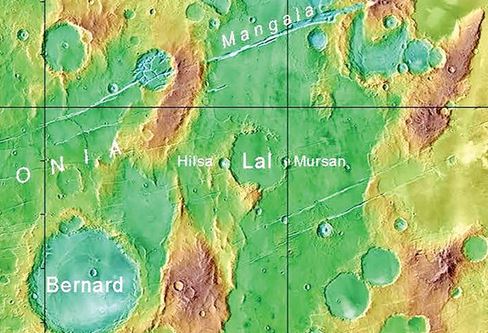
Scientists from Ahmedabad-based Physical Research Laboratory (PRL) have identified three new craters on Mars, situated in the Tharsis volcanic region around 21.0 S, 209 W.
Back2Basics: International Astronomical Union (IAU)
The IAU was founded on July 28, 1919, during the Constitutive Assembly held in Brussels, Belgium.
Its creation was prompted by the need for international collaboration in astronomy, especially after the devastation caused by World War I.
It aims to promote and safeguard astronomy in all its aspects through international cooperation.
IAU is now headquartered in Paris, France.
Major Activities and Initiatives
General Assembly: The IAU holds a general assembly every three years in varying parts of the world at which professional astronomers meet to discuss research, new cooperative ventures, and similar matters of professional interest.
Astronomical Nomenclature: IAU standardises the nomenclature of celestial bodies, features, and phenomena. It maintains several working groups dedicated to naming conventions for stars, planets, asteroids, and other objects.
Research and Collaboration: It promotes international cooperation in astronomical research and supports initiatives such as observational campaigns, data sharing, and joint projects.
Education and Outreach: It is actively involved in promoting astronomy education and public outreach efforts worldwide. It supports educational programs, workshops, and resources for students, teachers, and the general public.
Membership
IAU membership spans 92 countries. Out of those countries, 85 are National Members.
India is represented by the Astronomical Society of India (ASI).
Its members are professional astronomers from all over the world, at the D. level and beyond, who are active in professional research, education, and outreach in astronomy.
Crater Names and Significance
Lal Crater: Named after Prof. Devendra Lal, former director of PRL, this 65 km wide crater is positioned at -20.98° and 209.34°.
Mursan Crater: Named after a town in Uttar Pradesh, India, this ~10 km wide crater is situated on the eastern side of the Lal crater’s rim.
Hilsa Crater: Named after a town in Bihar, India, this ~10 km wide crater is positioned on the western side of the Lal crater’s rim.
Scientific Importance of Lal Crater
Lava Coverage: The entire Lal crater area, located in the Tharsis volcanic region on Mars, is covered with lava.
Evidence of Water: Geophysical evidence, including a 45-meter thick sedimentary deposit, suggests the presence of water in the subsurface of the Lal crater. This finding supports the theory that Mars once had water flowing on its surface.
Infilling Process: Mursan and Hilsa craters, positioned on either side of the Lal crater, offer insights into the infilling process of the Lal crater. Their presence indicates that infilling occurred episodically over time.
India’s 2nd Quest for Mars
The ISRO is expected to launch Mangalyaan-2, or Mars Orbiter Mission 2 (MOM 2), in 2025.
The mission will last one year and is aimed at studying the Red Planet.
The successor to Mangalyaan-1, or Mars Orbiter Mission 1 (MOM 1), Mangalyaan-2 will consist of only one orbiter and will be launched atop a GSLV Mark III rocket from Satish Dhawan Space Centre.
Other missions to Mars
ExoMars rover (2022): European Space Agency’s mission to explore Mars.
Tianwen-1 (2021): China’s Mars Mission aims to explore and study the Martian surface.
UAE’s Hope Mars Mission (2021): UAE’s first interplanetary mission focused on studying the Martian atmosphere.
NASA’s Mars Insight (2018): A lander designed to study the interior of Mars.
NASA’s Curiosity (2012) and Perseverance (2020): Rovers exploring the Martian surface.
NASA’s Mars Reconnaissance Orbiter (2005), Mars Odyssey (2001), and MAVEN (2013): Orbiters studying Mars from space.
Mars 2 and Mars 3 (1971): Soviet Union’s missions to Mars, which included orbiter and lander components.
PYQ:
[2016] The Mangalyaan launched by ISRO
is also called the Mars Orbiter Mission.
made India the second country to have a spacecraft orbit the Mars after USA
made India the only country to be successful in making its spacecraft orbit Mars in its very first attempt.
Which of the statements given above is/are correct?
(a) 1 only
(b) 2 and 3 only
(c) 1 and 3 only
(d) 1, 2 and 3
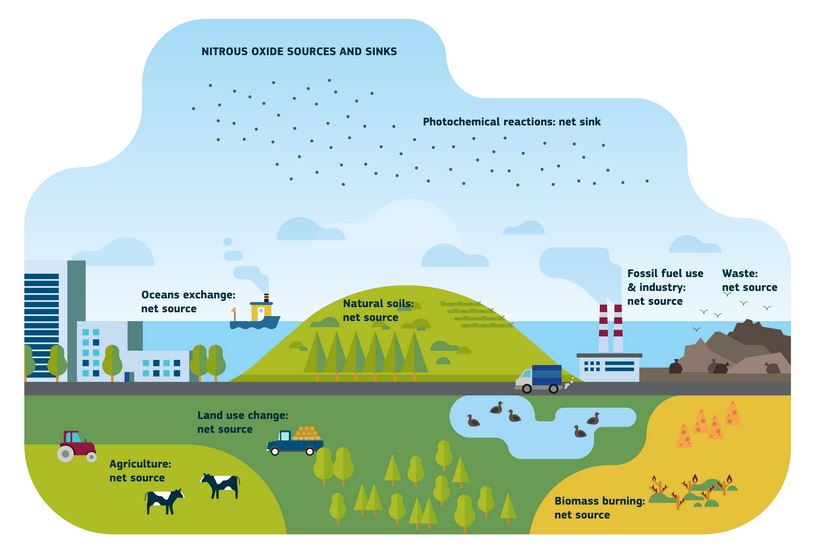
India ranks as the world’s second-largest contributor (after China) to nitrous oxide (N2O), a potent greenhouse gas (GHG), accounting for approximately 11% of global man-made emissions in 2020 as per data published in the journal Earth System Science Data.
The top five country emitters by volume of anthropogenic N2O emissions in 2020 were China (16.7%), India (10.9%), the United States (5.7%), Brazil (5.3%), and Russia (4.6%).
AboutNitrous Oxide
Nitrous oxide (N2O), a colourless and odourless gas, is a potent greenhouse gas, 300 times more powerful than CO2. Despite its small atmospheric fraction, it ranks third in concentration after CO2 and methane (CH4). It’s a crucial target for environmental research and efforts to mitigate climate change impacts.
Sources of Emission:
Natural Sources: N2O is naturally produced in processes such as microbial nitrogen cycling in soil and water bodies, volcanic activity, and biomass burning.
Anthropogenic Activities: Human activities significantly contribute to N2O emissions, with the primary sources being:
Agricultural practices, including the use of nitrogen-based fertilizers and animal manure.
Industrial processes such as combustion of fossil fuels and wastewater treatment.
Combustion of biomass and waste.
Use of nitrous oxide in medical and dental procedures (as a sedative) and in food packaging.
Impact on Climate Change:
Greenhouse Gas: N2O is a potent greenhouse gas with a global warming potential (GWP) much higher than that of carbon dioxide (CO2).
Ozone Depletion: In addition to its role in climate change, N2O also contributes to ozone depletion in the stratosphere, further exacerbating environmental concerns.
Environmental and Health Effects:
Environmental Pollution: N2O emissions can lead to pollution of soil, water bodies, and air, affecting ecosystems and human health.
Health Risks: While N2O is relatively non-toxic at ambient levels, prolonged exposure or high concentrations can pose health risks, including respiratory issues and neurological effects.
Global Nitrous Oxide Emissions
Atmospheric Concentration: The concentration of atmospheric N2O reached 336 parts per billion in 2022, about 25% above pre-industrial levels.
Next to Carbon Emissions: In comparison, the concentration of carbon dioxide was 417 parts per million in 2022.
Persistent Lifespan: Once emitted, N2O stays in the atmosphere for longer than the average human lifespan (117 years), making its climate and ozone impacts long-lived.
Contribution to Climate Change: These emissions are responsible for 6.4% of the effective radiative forcing of greenhouse gases and have added about 0.1°C to current global warming.
Impact of Nitrogen Fertilizers: N2O emissions from human activities have increased by 40% in the past four decades, with agricultural production using nitrogen fertilizers and animal manure contributing 74% of total anthropogenic N2O emissions in the last decade.
Call for Action and Future Outlook
Scientists warn that anthropogenic N2O emissions must decline by at least 20% relative to 2019 levels by 2050 to align with net-zero emission pathways consistent with the Paris Agreement.
Nitrogen fertilizers, which are heavily subsidized in India, contribute significantly to N2O emissions. Urgent reforms are needed to promote alternative production systems and mitigate emissions.
India’s Policy Initiatives to Curb Nitrogen Pollution
Nutrient-Based Subsidy (NBS) (2010): This policy encourages the adoption of controlled-release fertilizers to enhance nutrient management efficiency.
Soil Health Cards (2015): Provided to farmers, these cards offer insights into soil nutrient levels and tailored fertilizer recommendations, promoting balanced nutrient application.
Bharat Stage (BS VI) Emission Standards (2016): These stringent regulations for vehicles and industries aim to reduce the emission of nitrogen oxides and particulate matter, thereby mitigating air and water pollution.
Nano Urea (2021): Marketed by the Indian Farmers Fertiliser Cooperative Limited (IFFCO), Nano Urea is a patented fertilizer approved for commercial use, designed to curb excessive and indiscriminate conventional urea use while boosting crop yields.
PYQ:
[2016] Why does the Government of India promote the use of ‘Neem-coated Urea’ in agriculture?
(a) Release of Neem oil in the soil increases nitrogen fixation by the soil microorganisms
(b) Neem coating slows down the rate of dissolution of urea in the soil
(c) Nitrous oxide, which is a greenhouse gas, is not at all released into the atmosphere by crop fields
(d) It is a combination of a weedicide and a fertilizer for particular crops
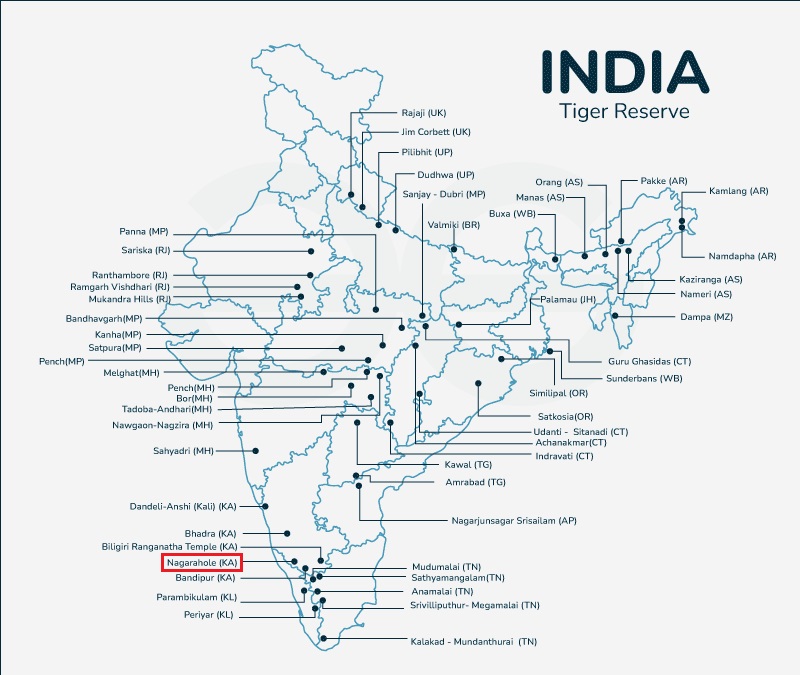
![[14th June 2024] The Hindu Op-ed: The message in the RSS chief’s Speech](https://www.civilsdaily.com/wp-content/uploads/2024/06/14-June-1568x882.jpg)
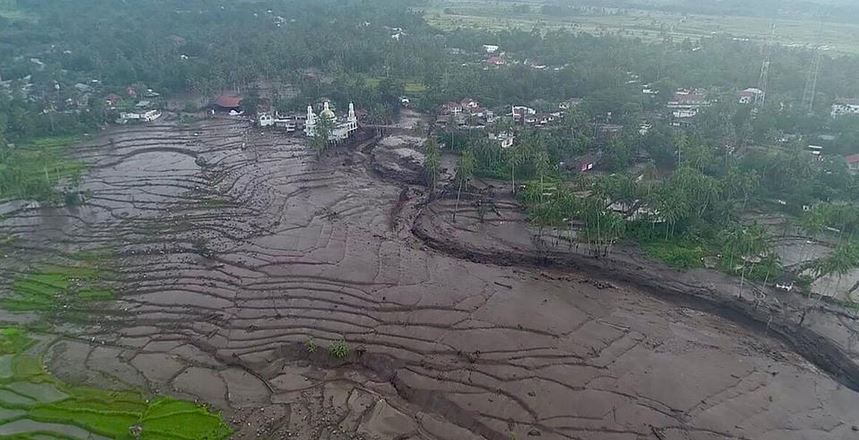
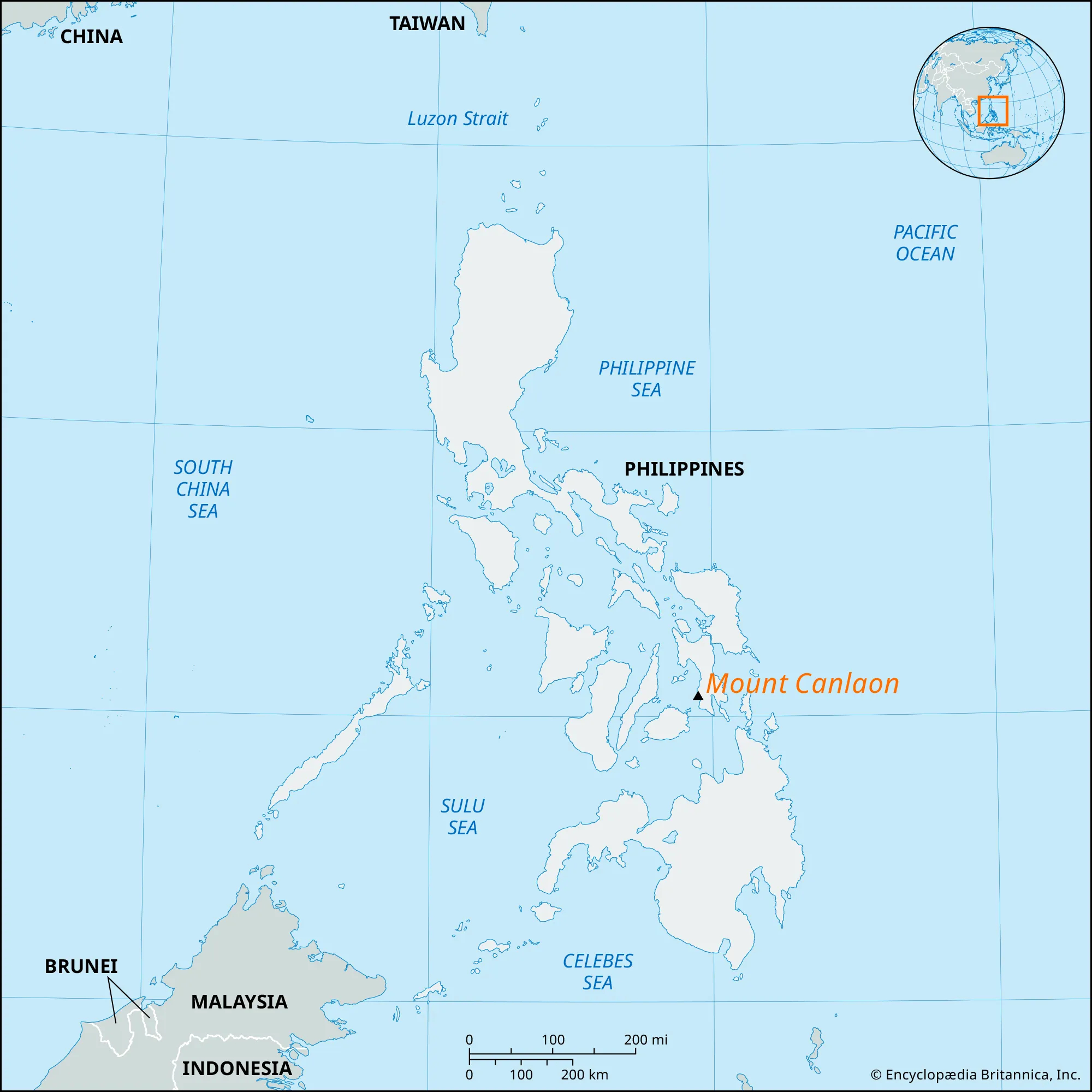
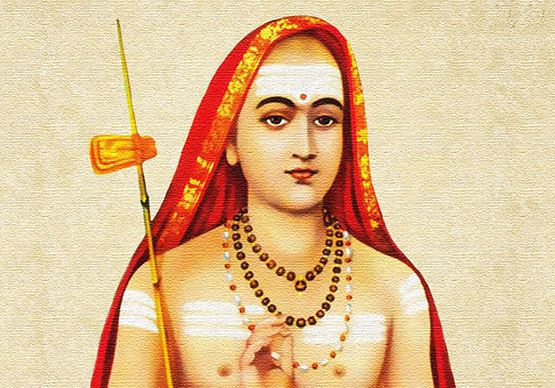
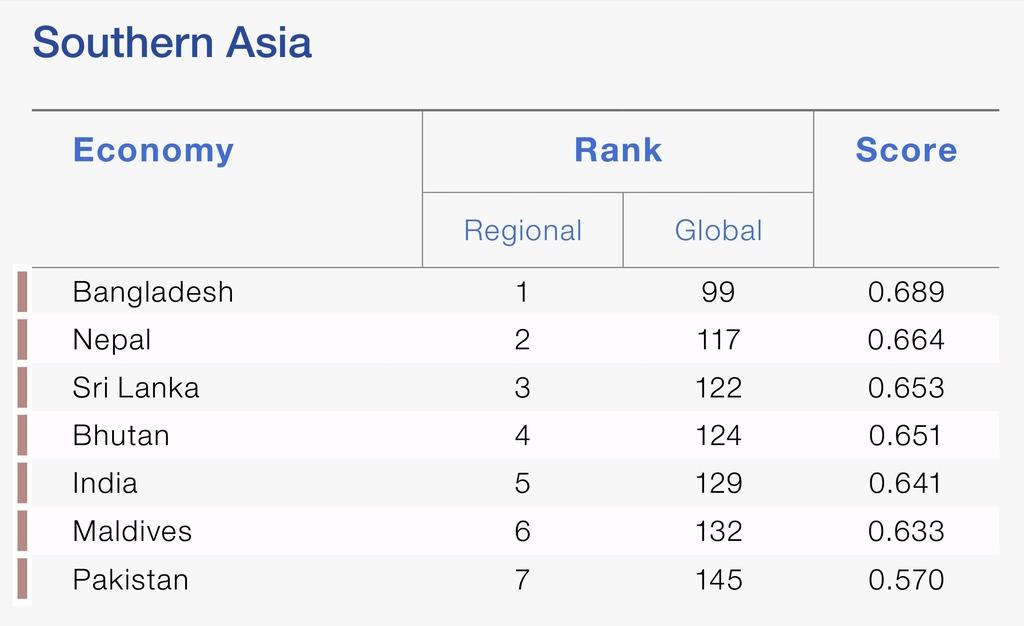
![[13th June 2024] The Hindu Op-ed: Britain’s summer of discontent](https://www.civilsdaily.com/wp-content/uploads/2024/06/13-June-1568x882.jpg)