India’s Commerce and Industry Minister Piyush Goyal, virtually took part in IPEF’s (Indo-Pacific Economic Framework) 1st Ministerial meeting in 2024, along with other IPEF partners.
What is the Indo-Pacific Economic Framework (IPEF)?
It is a US-led initiative that aims to strengthen economic partnerships among participating countries to enhance resilience, sustainability, inclusiveness, economic growth, fairness, and competitiveness in the Indo-Pacific region.
The IPEF was launched in 2021with 12 initial partners who together represent 40% of the world GDP.
The IPEF is NOT a Free Trade Agreement (FTA) but allows members to negotiate the parts they want to.
Four main “Pillars” of IPEF
Tradethat will include digital economy and emerging technology, labor commitments, the environment, trade facilitation, transparency and good regulatory practices, and corporate accountability, standards on cross-border data flow and data localisations;
Supply chain resilience to develop “a first-of-its-kind supply chain agreement” that would anticipate and prevent disruptions;
Clean energy and decarbonization that will include agreements on “high-ambition commitments” such as renewable energy targets, carbon removal purchasing commitments, energy efficiency standards, and new measures to combat methane emissions; and
Fair Economy Agreement, with commitments to enact and enforce “effective tax, anti-money laundering, anti-bribery schemes in line with [American] values”.
Members Countries include:
Currently, India and 13 countries other located in the Pacific Ocean are its members: Australia, Brunei, Fiji, India, Indonesia, Japan, South Korea, Malaysia, New Zealand, Philippines, Singapore, Thailand, United States, and Vietnam.
How is IPEF different from other trade deals?
No market access or tariff reductions have been outlined in the IPEF, although experts say it can pave the way to trade deals.
It’s not a take-it-or-leave-it arrangement, like most multilateral trade deals are.
Since the IPEF is not a regular trade pact, the members so far are not obligated by all four pillars despite being signatories.
Practice MCQ:
Regarding the Indo-Pacific Economic Framework (IPEF), consider the following statements:
The Prime Minister highlighted the National Mission on Edible Oils – Oil Palm (NMEO-OP) during his visit to Arunachal Pradesh, inaugurating the first oil mill under this mission.
Why discuss this?
This results in a substantial outflow of $20.56 billion in foreign exchange, the need for self-reliance in edible oil production has become paramount.
Edible Oil Consumption in India: Key Facts
India, the world’s biggest importer of vegetable oils, is likely to buy 15.6 million metric tons of cooking oils in the 2023-24 oil year, down from 16.6 million in the current year to Oct.
With India imports 57% of its vegetable oil demand.
These imports have shown a declining trend in recent months.
This decline is attributed to various factors such as reduced availability of palm oil for edible oil requirements due to producers diverting it for biodiesel production.
Additionally, the import of soyabean oil from Argentinaincreased sharply in February 2024, while imports from Brazil declined.
The top three vegetable oil imports – palm, soybean, and sunflower seed oil.
India’s vegetable oil sector accounts for 13% of the Gross Cropped Area, 3% of the Gross National Product, and 10% of the value of all agricultural commodities.
A substantial portion of India’s edible oil requirement is fulfilled through palm oil imports from Indonesia and Malaysia.
Mission Palm Oil: A Catalyst for Self-Reliance
It is a Centrally Sponsored Scheme launched in 2021 targeting a substantial increase in oil palm cultivation and crude palm oil production.
It has been introduced with a particular emphasis on the Northeast region and the Andaman and Nicobar Islands.
Objectives:
Expand oil palm acreage by an additional 6.5 lakh hectares by 2025-26
Increase crude palm oil production to 11.2 lakh tonnes by 2025-26, reaching up to 28 lakh tonnes by 2029-30.
Increase consumer awareness to maintain a consumption level of 19.00 kg/person/annum till 2025-26.
Focus Areas
(1) Fixing of Viability Price
Oil palm farmers currently produce Fresh Fruit Bunches (FFBs), from which the industry extracts oil.
Presently, FFB prices fluctuate with international Crude Palm Oil (CPO) prices.
The Government of India will now assure price stability for FFBs, known as Viability Price (VP), shielding farmers from international CPO price fluctuations.
A Formula Price (FP), set at 14.3% of CPO and adjusted monthly, will be established. Viability gap funding will be the difference between VP and FP, directly disbursed to farmers’ accounts via Direct Benefit Transfer (DBT) when necessary.
(2) Input Assistance
The scheme’s second major focus is to significantly enhance input assistance/interventions, including:
Increasing assistance for oil palm planting material from Rs. 12,000 to Rs. 29,000 per hectare.
Boosting support for maintenance and intercropping interventions.
Providing special assistance of Rs. 250 per plant for replanting old gardens to rejuvenate them.
Offering special assistance tailored for the North-East and Andaman regions, including provisions for half-moon terrace cultivation, bio-fencing, land clearance, and integrated farming.
Try this PYQ from CSE Prelims 2019:
Among the following, which one is the largest exporter of rice in the world in the last five years?
(a) China
(b) India
(c) Myanmar
(d) Vietnam
Practice MCQ:
Consider the following statements:
India is the world’s biggest importer of vegetable oils.
The top three vegetable oil imports include – soybean, palm and groundnut oil.
The Union Government has approved a scheme aimed at promoting India as a manufacturing destination for e-vehicles (EVs) with the latest technology.
The policy aims to attract investments from reputed global EV manufacturers to bolster the EV ecosystem in the country.
About E- Vehicle Manufacturing Policy
Access to Latest Technology: Indian consumers will gain access to the latest technology in EVs, aligning with the Make in India initiative.
Strengthening the EV Ecosystem: The policy aims to strengthen the EV ecosystem by fostering healthy competition among EV players, leading to high-volume production and economies of scale.
Reducing Import Dependency: By promoting domestic production, the policy aims to reduce imports of crude oil, lower the trade deficit, and curb air pollution, particularly in cities.
Key provisions of the Policy include:
Minimum Investment Requirement: A minimum investment of Rs 4150 crore (∼USD 500 million) is required to qualify for the scheme.
Timeline for Manufacturing: Manufacturers must set up manufacturing facilities in India within 3 years, start commercial production of e-vehicles, and achieve 50% domestic value addition (DVA) within 5 years.
Domestic Value Addition (DVA): Localization levels of 25% by the 3rd year and 50% by the 5th year must be achieved during manufacturing.
Customs Duty Incentives: A customs duty of 15% applies to vehicles with a minimum CIF value of USD 35,000 and above, subject to certain conditions.
Additional Provisions and Requirements
Limit on Duty Forgone: The duty foregone on imported EVs is limited to the investment made or ₹6484 crore, whichever is lower.
Annual Import Limits: A maximum of 40,000 EVs can be imported annually, subject to investment thresholds.
Bank Guarantee Requirement: Investment commitments must be backed by a bank guarantee, which will be invoked in case of non-achievement of DVA and minimum investment criteria.
Bank Guarantee Invocation: The bank guarantee will be invoked if companies fail to meet the DVA and minimum investment criteria outlined in the scheme guidelines.
Various Policy Moves for Promoting E-Vehicles
FAME scheme II (2019): Offers incentives such as subsidies, tax rebates, and preferential financing for EV manufacturers and buyers.
National Electric Mobility Mission Plan (2013): Aims to achieve annual sales targets of 6-7 million hybrid and electric vehicles by 2020 through fiscal incentives.
Amendments to the Model Building Bye-laws (2016): It requires 20% of parking spaces in residential and commercial buildings to be allocated for EV charging facilities.
National Mission on Transformative Mobility and Battery Storage (2019): Aims to create an ecosystem for EV adoption and support the establishment of large-scale battery manufacturing plants.
Production Linked Incentive (PLI) scheme (2021): It incentivises EV and component manufacturing.
Vehicle Scrappage Policy (2021): It incentivizes the scrapping of old vehicles and the purchase of new EVs.
Ministry of Power’s guidelines: It mandates charging stations every 3 km along grids and every 25 km on highways.
Try this PYQ from CSE Mains 2019:
Q. How is efficient and affordable urban mass transport key to the rapid economic development in India?
The Department of Fisheries inaugurated the integration of the Kisan Credit Card (KCC) Fisheries scheme onto the JanSamarth Portal, marking a revolutionary step in providing credit facilities to fishers and fish farmers nationwide.
JanSamarth Portal
It is a first-of-its-kind online platform for directly connecting lenders with beneficiaries. Citizens can avail loans under 13 Central government schemes under 4 loan categories.
The one-stop portal allows citizens to check eligibility, apply online and get digital approval.
About KCC Fisheries Scheme
The GoI, in the year 2018-19, extended KCC facility to fisheries and animal husbandry farmers to help them to meet their working capital requirements.
Bank authorities have been instructed to issue KCC within 14 days of receipt of the completed application from the fish farmers.
Benefits Include:
For the existing KCC holders the benefits of interest subvention and prompt repayment incentive will be admissible up to the credit limit of Rs. 3 lakhs including fisheries activities.
In the case of new card holders, the credit limit is Rs. 2 lakhs to meet their working capital requirements for fisheries activities.
In the KCC scheme @7% is the lending rate to farmers including @2% interest subvention per annum by GoI. Also, another @3% per annum is provided in case of prompt repayment as an additional incentive as per the existing guidelines.
This implies that the farmers repaying promptly as above would get a loan @ 4% per annum effectively for loan amount upto Rs 2 lakhs.
Kisan Credit Cards (KCC) Scheme
The KCC scheme was introduced on the recommendation of R.V. Gupta of the National Bank for Agriculture and Rural Development.
The scheme was launched in 1998to provide adequate and timely credit support from the banking system to the farmers.
It provides a single window with flexible and simplified procedures to the farmers for their cultivation and other needs like purchasing agriculture inputs such as seeds, fertilizers, pesticides etc. and drawing cash for their production needs.
The scheme was further extended for the investment credit requirement of farmers viz. allied and non-farm activities in the year 2004.
In 2018-19, it was extended to fisheries and animal husbandry farmers.
Objectives include:
To meet the short-term credit requirement for cultivation
To manage post-harvest expenses
To meet the consumption requirement of farmer’s household
Working capital for maintaining the farm assets and activities allied to agriculture
Investment credit requirement for agriculture-allied activities
KCC scheme is implemented by:
Commercial banks
Regional Rural Banks (RRBs)
Small Financial Banks, and
Cooperative banks
Try this PYQ from CSE Prelims 2020:
Under the Kisan Credit Card scheme, short-term credit support is given to farmers for which of the following purposes?
Working capital for maintenance of farm assets
Purchase of combine harvesters, tractors and mini trucks
Consumption requirements of farm households
Post-harvest expenses
Construction of family house and setting up of village cold storage facility
Select the correct answer:
(a) 1, 2 and 5 only
(b) 1, 3 and 4 only
(c) 2, 3, 4 and 5 only
(d) 1, 2, 4 and 5
Practice MCQ:
The JanSamarth Portal often seen in the news is related to:
The Indian Army Aviation Corps inaugurated its first unit of AH-64E Apache Attack Helicopters into its fleet at Jodhpur Air Base.
AH-64E Apache Attack Helicopters
The AH-64E Apache also known as ‘Apache Guardian’ is widely recognized as the world’s most advanced multi-role combat helicopter.
It originates from the United States and is manufactured by Boeing.
In February 2020, India sealed a deal with Boeing for the acquisition of six AH-64E for the Army, with an additional six helicopters contracted subsequently.
Several countries have acquired the AH-64E, including India, Egypt, Greece, Indonesia, Israel, Japan, South Korea, Kuwait, Netherlands, Qatar, Saudi Arabia, Singapore, UAE, and the UK.
Indigenous Push
Tata Boeing Aerospace Limited (TBAL), a joint venture between Boeing and Tata Advanced Systems Ltd. (TASL), was established in 2016 to manufacture fuselages for the AH-64 Apache.
TBAL’s Hyderabad facility has been delivering AH-64 Apache fuselages since 2018.
The advanced manufacturing facility will eventually become the sole producer of AH-64 fuselages in the world, with 90% of parts sourced from Indian suppliers.
Combat Features
Engineered with an open systems architecture to integrate cutting-edge communications, navigation, sensor, and weapon systems.
Boasts enhanced thrust and lift capabilities, joint digital interoperability, improved survivability, and cognitive decision aiding.
Incorporates a new integrated infrared laser for simplified target designation and upgraded infrared imagery blending infrared with night vision capabilities.
Strategic Significance of the Induction
Enhancing Combat Capability: The induction of Apache helicopters marks a significant advancement for the Army Aviation Corps, providing formidable firepower and maneuverability in combat scenarios.
Complementing Indigenous Capabilities: The Apaches will complement the indigenous Light Combat helicopter (LCH), strengthening the Army’s aerial combat capabilities.
Replacing the ageing arsenal: The Apache fleet is set to will replace the Russian Mi-35 attack helicopters in service.
Try this PYQ from CSE Prelims 2018:
Q.What is “Terminal High Altitude Area Defense (THAAD)”, sometimes seen in the news?
(a) An Israeli radar system
(b) India’s indigenous anti-missile programme
(c) An American anti-missile system
(d) A defence collaboration between Japan and South Korea
Practice MCQ:
What is “AH-64E Apache Guardian “, sometimes seen in the news?
At the international level, the bilateral relations between most nations are governed on the policy of promoting one’s own national interest without any regard for the interest of other nations. This leads to conflicts and tensions between the nations. How can ethical consideration help resolve such tensions? Discuss with specific examples. [UPSC 2015]
Some of the International funding agencies have special terms for economic participation stipulating a substantial component of the aid used for sourcing equipment from the leading countries. Discuss the merits of such terms and there exists a strong case not to accept such conditions in the Indian context. [UPSC 2014].
Prelims:
Consider the following Statements regarding the DPSP/Directive Principles of State Policy: 1) The Principles spell out the socio-economic democracy in the country. 2) The provisions contained in these Principles are not enforceable by any court. Which of the statements given above is/are correct?
(a) 1 only (b) 2 only (c) Both 1 and 2 (d) Neither 1 nor 2
Note4Students:
Prelims: Bilateral Relations; European Countries;
Mains: Bilateral Relations; European Countries;
Mentor comments: Ireland and India celebrate 75 years of diplomatic relations, highlighting their shared history of fighting colonial oppression and growing connections in trade, education, and people-to-people ties. Despite global conflicts, Ireland maintains a principled stance, advocating for accountability and humanitarian assistance. Recently, Ireland has chalked out its Asia Pacific Strategy targeting EUROS 100 billion in trades with the region by 2025. We need to note here that the India-Ireland relationship extends beyond politics to encompass education, literature, and cultural exchanges.
Let’s learn.
—
Why in the News?
As Ireland commemorates St. Patrick’s Day (March 17), both India-Ireland emphasize the significance of supporting each other and nurturing lasting partnerships, especially through the engagement of young people.
Context:
India-Ireland relations have shared a bond strengthened by prominent figures like Jawaharlal Nehru, Eamon de Valera, Rabindranath Tagore, and W.B. Yeats, who were instrumental in fostering ties between India and Ireland.
The Indian community in Ireland plays a significant role in enhancing bilateral relations by integrating well into Irish society and contributing positively.
Ireland’s initiatives and Stand on Conflicts:
Russian Brutality in Ukraine: Ireland condemns the unprovoked Russian brutality in Ukraine, advocating for accountability and supporting Ukraine’s path to European Union membership.
Hamas Attack on Israel: Ireland strongly denounced Hamas’s appalling attack on Israel, calling for the unconditional release of hostages in Gaza.
Humanitarian Assistance: Ireland advocates for upholding international humanitarian law, a humanitarian ceasefire, and providing sustained humanitarian assistance to over two million civilians in Gaza.
Factors that makes Ireland’s Stance for Global initiatives:
Its Historical Background: Ireland’s history of famine, poverty, forced migration, and conflicts like those in Northern Ireland have shaped its perspective on global issues.
Its Resilience and Empathy: Despite past challenges, Ireland’s experiences have cultivated resilience and empathy, influencing its approach to conflicts and humanitarian crises worldwide.
Ireland’s view for a Young Talent Pool:
The Irish government wants to further deepen its strong economic and cultural relationship with India as part of its renewed Asia Pacific strategy launched recently on various fields:
On Developing Sustainable future:
On Entrepreneurship: Ireland values enterprise and supports young entrepreneurs in bringing their ideas to the markets, fostering a culture of innovation.
On Innovation: Young people play a crucial role in addressing global challenges like the climate emergency and advocating for sustainable solutions.
On Development and Growth:
On Workforce: Ireland’s vibrant young talent pool attracts top companies in software and medical technology due to its economic stability, business-friendly environment, and access to a large market.
On Education: Irish universities attract students worldwide to a safe, welcoming environment, reinforcing Ireland’s position in the global economy.
On Global Perspective:
Citizenship: Despite facing challenges, Ireland’s high ranking in the top 10 countries for the UN’s Human Development Index underscores its commitment to progress, peace, human dignity, and equality as a responsible global citizen.
Advocacy for International Law: Youth globally demand respect for international law, multilateral institutions, and support for a rules-based order, sustainable development, and human rights.
Key areas for Indian Government (Opportunities for India):
Ireland aims to deepen its robust economic and cultural connections with India as part of its renewed Asia Pacific strategy.
Asia Pacific Strategy: Ireland highlights the importance of enhancing ties with India within the broader Asia Pacific strategy to drive future economic growth globally.
Ireland’s strategic approach: The target of EUR 100 billion in trade with the Asia Pacific region by 2025 has been reflecting the success of Ireland’s strategic approach.
Diplomatic Engagement: Ireland’s commitment to expanding its presence in the Asia Pacific region includes establishing a new Consulate General in Mumbai to strengthen its footprint.
Promoting Dialogue: Deputy PM Martin underscores the significance of upholding fundamental rights and engaging in constructive dialogue to address complex issues.
For example, in response to recent diplomatic tensions involving Canada and India, Ireland emphasizes the importance of dialogue and resolution between the two countries, refraining from direct arbitration.
Human Rights Focus: Ireland approaches international issues, including those concerning Manipur and Kashmir, through a human rights perspective, aligning with its upcoming election to the UN Human Rights Council.
Post Brexit: Ireland’s Indian immigrant population has grown 170% since 2016 due to Brexit and has seen a steady rise, especially among those pursuing higher education; according to the data by the Indian Embassy, 6,422 student visas were issued in 2022.
Conclusion:
Apart from booming economic benefits, job security, and work-life balance, Ireland offers multiculturalism for overseas students, helping them to merge into the new landscape. International students strive for personal growth, development, and a hospitable environment to sustain.
What did the Indian Constitution borrow from Ireland?
The makers of the Constitution of India were influenced by the Irish Home Rule Movement and other national movements of Ireland. Hence, the Indian Constitution borrowed the idea of Directive Principles of State Policy(DPSP) from Ireland. Part IV of the Indian constitution deals with the DPSP.
Mains PYQ Relevance: How does illegal transborder migration pose a threat to India’s security? Discuss the strategies to curb this, bringing out the factors which give impetus to such migration. [UPSC 2014]
Border management is a complex task due to difficult terrain and hostile relations with some countries. Elucidate the challenges and strategies for effective border management. [UPSC 2016]
‘China is using its economic relations and positive trade surplus as tools to develop potential military power status in Asia’, In the light of this statement, discuss its impact on India as her neighbor. [UPSC 2017]
Mentor comments: Bhutan’s Gelephu project, aims to create a “Gelephu Mindfulness City” as a carbon-neutral economic hub spanning 1,000 square kilometers. This initiative focuses on sustainable industries like IT, education, and healthcare, positioning Gelephu as an investment destination and health and wellness center. This project is aligned with Bhutan’s Gross National Happiness philosophy, aiming to drive regional development and job creation responsibly. The project is crucial for Bhutan’s economic challenges, including the need to boost tourism revenues and address outmigration of youth seeking jobs abroad. Along this infrastructural learning, we need to align India’s involvement with its regional connectivity to emphasize the importance of land-based connectivity throughout Asia and the Indo-Pacific region.
Let’s learn.
—
Why in the News?
The recent project by Bhutan government of “Gelephu Mindfulness City” holds geopolitical significance, offering Bhutan a controlled way to engage globally while managing relations with China.
About the Gelephu Project:
The Gelephu Mindfulness City project in Bhutan is a significant initiative envisioned by His Majesty the King Jigme Khesar Namgyel Wangchuck to create a unique economic hub with a focus on sustainable development and cultural preservation.
This project involves the establishment of a Special Administrative Region (SAR) covering 1000 square kilometers, emphasizing conscious and sustainable businesses inspired by Bhutan’s spiritual heritage and values.
The SAR will have executive autonomy, legal independence, and will prioritize businesses that align with Bhutan’s Gross National Happiness philosophy, aiming to drive regional development and job creation responsibly.
India’s involvement aligns with its regional connectivity plans, emphasizing the importance of land-based connectivity across South Asia and the Indo-Pacific region.
How are Bhutanese concerns aligned with India?
1) Geographical concerns:
Floods: With warmer temperatures than in the mountains, Gelephu gets high amounts of rainfall during a monsoon season that lasts several months, leading to considerable flooding each year.
Habitat and Conservation Issues: The surrounding forests and wildlife populations place Gelephu right in the middle of elephant corridors.
2) Geopolitical concerns:
China Factor: Pressure from its northern neighbor China to conclude a boundary resolution deal and to establish diplomatic ties.
Far away to the south, Gelephu offers Bhutan a way to open itself up in a controlled manner to the rest of the world, while also continuing negotiations with Beijing for a stable border.
Security Issues:Insurgencies in Assam and the northeastern states and just across the Indian border in Myanmar have been an area of great concern in the past.
This has led to a major military operation (Operation All Clear) by Bhutan’s former king in 2003, working with the Indian Army to drive out militant groups sheltering in the area.
Administrative Concern: As Gelephu is landlocked, it is dependent on primarily India, to provide the infrastructure for trade and transport out of the special administrative region.
3) Economic concerns:
Lag in Decision Making: Apart from hydropower, tourism is Bhutan’s mainstay, but the kingdom has always discouraged mass tourism, preferring instead a “high value, low volume” motto to ensure sustainability.
Bhutan needs to scale up its capacity to take in more tourists and visitors and land bigger planes in the narrow Paro valley.
Financial need for infrastructure: The Gelephu project involves scaling up the Gelephu airport and tarmac to international standards, which will need financing and expertise from India.
Employment issue: The growing “outmigration” of Bhutanese youth in search of jobs abroad is another challenge, and the government hopes a mega project such as Gelephu will stem that.
Prevailing India-Bhutan Relationship:
Officially, the diplomatic relations between Bhutan and India were established in January 1968. This Bilateral relationship is majorly guided by the Indo-Bhutan Friendship Treaty.
Article 2 of the Treaty declares that India would not interfere in Bhutan’s administrative affairs and the latter would be guided by the former’s advice in its external relations.
Economic Cooperation:
Since 2014, India’s trade with Bhutan has almost tripled from USD 484 million in 2014-15 to USD 1422 million in 2021-22. This accounts for about 80% of Bhutan’s overall trade, with the balance of trade in India’s favor.
India is the leading source of investments in Bhutan, comprising 50% of the country’s total FDI. Interestingly, Bhutanese currency Ngultrum is officially pegged to the Indian Rupee.
Infrastructural Cooperation: India has constructed three Hydroelectric Projects (HEPs) in Bhutan:336 MW Chukha HEP, 60 MW Kurichhu HEP and 1020 MW Tala HEP.These three plants are operational and export surplus power to India. Hydropower projects in Bhutan are an example of win-win cooperation, providing a reliable source of inexpensive and clean electricity to India, generating export revenue for Bhutan and cementing our economic integration.
Growth Cooperation: For the 12th Five-Year Plan of Bhutan, India is assisting Rs. 45 billion.
What needs to be India’s current interest w.r.t the recent escalating Geopolitics?
Climate Change: India’s plans for a South Asian power grid (throughSolar and Wind power generation projects) that would draw electricity from Nepal and Bhutan, with supply to Bangladesh and Sri Lanka would lend itself to more consistent power supplies needed for Gelephu.
Connectivity: Nearly decades of deteriorating ties with Pakistan have seen the Indian government virtually cut off any plans for land connectivity over India’s western border. The International North-South Transport Corridor, faces western sanctions, the IMEC and I2U2 initiative are challenged by Israel’s bombardment of Gaza and Houthi attacks in the Red Sea.
Conclusion:
At the 7th Indian Ocean Conference 2024, External Affairs Minister highlighted the need for lateral land-based connectivity across the Indian Ocean region, which is essential to supplement and complement the maritime flows. The Gelephu project offers a chance for the region to conjure an imagination beyond the problematic present. Although it is a huge gamble for Bhutan, but also a potential game changer for the region, with help from India.
The United States is leading an effort at the United Nations to create rules for Artificial intelligence (AI).
Context-
The draft resolution, which recognizes the rapid acceleration of AI development and use, aims to close the digital divide between countries.
The United States initiated negotiations with all 193 UN member nations about three months before the statement.
It plans to make sure that nations have the necessary capabilities to take advantage of the technology when it comes to detecting diseases and predicting floods.
What are the provisions proposed through the New framework?
Encouragement for Regulatory and Governance Approaches: The resolution encourages various entities, including countries, organizations, communities, and individuals, to develop and support regulatory and governance frameworks for safe AI systems. It emphasizes the importance of safeguarding against improper or malicious use of AI systems.
Global Movement Towards AI Regulations: Countries worldwide, including the U.S., China, and the EU, are working on AI regulations. The EU is set to finalize comprehensive AI rules, and other nations and groupings like the G20 are also developing AI regulations.
Assistance to Developing Countries: The U.S. draft resolution calls for helping developing countries access the benefits of digital transformation and safe AI systems. It stresses the importance of respecting human rights and fundamental freedoms throughout the lifecycle of AI systems.
Support for UN Development Goals: It particularly aims to support the UN’s 2030 goals, including ending hunger and poverty, improving health, and achieving gender equality.
Need Global support to pass the resolution:
For Principles: The resolution aims to garner global support for a set of principles for developing and using AI. It intends to guide the use of AI systems for beneficial purposes while managing associated risks.
If approved, the resolution is deemed a historic advancement in promoting safe, secure, and trustworthy AI on a global scale.
Consensus Support: After several drafts, the resolution achieved consensus support from all member states. It will be formally considered later in the month.
Non-Legally Binding: Unlike Security Council resolutions, General Assembly resolutions are not legally binding. However, they serve as important indicators of global opinion.
How it will positively impact the well-being of the Society all over?
AI can play a crucial role in both detecting diseases and predicting floods by leveraging various data sources, advanced algorithms, and computational power-
Disease Detection with AI:
Medical Imaging Analysis: AI algorithms can analyze medical images such as X-rays, MRI scans, and CT scans to detect abnormalities or signs of diseases like cancer, tuberculosis, or pneumonia.
Deep learning models, such as convolutional neural networks (CNNs), have shown remarkable accuracy in identifying patterns in medical images.
Health Monitoring and Predictive Analytics: AI-powered health monitoring devices can continuously collect data such as heart rate, blood pressure, and glucose levels.
Machine learning algorithms can analyze this data to detect anomalies or early signs of diseases, allowing for early intervention and prevention.
Diagnostic Decision Support Systems: AI-based diagnostic systems can assist healthcare professionals in diagnosing diseases by analyzing patient data, symptoms, medical history, and laboratory test results.
These systems can provide accurate and timely recommendations, improving diagnostic accuracy and efficiency.
Flood Prediction with AI:
Data Analysis and Modeling: AI algorithms can analyze various data sources such as weather patterns, topography, soil moisture, river levels, and historical flood data to build predictive models. Machine learning techniques, including regression, decision trees, and neural networks, can identify complex relationships between these factors and predict the likelihood and severity of floods.
Remote Sensing and Satellite Imagery: AI can analyze satellite imagery and remote sensing data to monitor changes in land use, vegetation, and water bodies. This information can be used to assess flood risks and predict flood events in vulnerable areas.
Real-time Monitoring and Early Warning Systems: AI-powered sensors and monitoring devices can continuously collect data on rainfall, river levels, and water flow rates. Machine learning algorithms can analyze this data in real time to detect sudden changes or anomalies indicative of imminent flooding. Early warning systems can then alert authorities and communities, enabling them to take preventive measures and evacuate residents if necessary.
Conclusion-
In the way forward, global consensus on AI principles is vital. Continued efforts in developing regulatory frameworks and assisting developing nations are essential. AI’s role in disease detection and flood prediction underscores its potential for addressing global challenges effectively.
Mains Question for Practise-
Discuss the global efforts towards establishing regulatory frameworks for Artificial Intelligence (AI) and its applications in healthcare and disaster management. Examine the significance of international cooperation in ensuring the safe and beneficial deployment of AI technologies. (250 words)
Renewed clashes in eastern DRC between the Congolese army and Rwandan-backed M23 rebels have raised global concerns.
Context:
The conflict exacerbates the humanitarian crisis in the region, with increased fatalities, displacements, and food security risks.
The United Nations and several Western countries denounce the attacks and urge the M23 rebels to halt their offensive
What is the conflict?
Origin: Conflict in the eastern region of the Democratic Republic of the Congo (DRC) stems from the aftermath of the Rwandan genocide in 1994, where extremist Hutus killed hundreds of thousands of minority ethnic Tutsis and Hutu moderates.
Refugee Crisis: Following the genocide, around two million Rwandan refugees fled to eastern Congo, leading to tensions between local Congolese and Rwandan emigrants.
First Congo War: Ethnic tensions escalated into the First Congo War, pitting Zairean soldiers against Tutsi militias and the Alliance of Democratic Forces for the Liberation of Congo (AFDL), supported by Rwanda and Uganda.
Political Changes: The AFDL captured Kinshasa, leading to the renaming of Zaire as the Democratic Republic of the Congo (DRC) in 1997.
Africa’s World War: The Second Congo War erupted in 1998, characterized as “Africa’s world war,” involving various armed groups, including the Rwanda-backed rebel group, the Rally for Congolese Democracy (RCD).
Despite multiple peace agreements, violence persists in the region, making it one of the deadliest conflicts since World War II.
Who are the M23 rebels?
Formation of M23 rebels: The March 23 Movement (M23) was formed in 2012 to defend Tutsi interests against Hutu militias, stemming from a 2009 ceasefire agreement. It broke away from the Congolese army, accusing the government of failing to integrate Tutsis.
Recent Resurgence: M23 resurged in 2022, citing attacks by Hutu militias. Recent attacks near Goma have exacerbated the humanitarian crisis, leading to protests urging Rwanda’s withdrawal of support.
Escalating Tensions: Violence has strained relations between the DRC and Rwanda, with the DRC accusing Rwanda of backing M23 rebels. Rwanda denies these allegations and attributes the escalation to Congo’s decision to send back regional peacekeepers.
Potential Regional Escalation: The worsening violence raises concerns about regional tensions and the involvement of more countries. Attacks on civilian settlements have caused significant casualties and forced health and aid workers to withdraw.
Measures to resolve these issues-
Regional Cooperation: Foster cooperation among neighboring countries to address cross-border security challenges and prevent the spread of violence. Establishing joint patrols and intelligence-sharing mechanisms can enhance security along shared borders.
Peacekeeping Missions: Increased peacekeeping efforts can help stabilize conflict-affected areas and create conducive conditions for peace talks.
Socio-Economic Development: Invest in socio-economic development initiatives in conflict-affected areas to address underlying drivers of instability and marginalization. Providing livelihood opportunities, access to education, healthcare, and infrastructure can help alleviate poverty and promote social cohesion.
Disarmament and Reintegration: Implement effective disarmament, demobilization, and reintegration (DDR) programs which should include vocational training, psychosocial support, and community-based reconciliation efforts.
International Support: Mobilize international support and Regional organizations, donor countries, and civil society actors to provide timely and coordinated assistance to affected populations.
Conclusion:
The conflict in eastern DRC, fueled by historical grievances and ethnic tensions, requires diplomatic engagement, regional cooperation, peacekeeping missions, comprehensive peace agreements, socio-economic development, disarmament, international support to achieve lasting peace and stability.
Mains PYQ-
The anti-colonial struggles in West Africa were led by the new elite of Western-educated Africans. Examine. (UPSC IAS/2016)
A high-level committee chaired by former President Ram Nath Kovind has proposed conducting simultaneous elections
Context
It has proposed conducting simultaneous elections for the Lok Sabha and State Assemblies as the initial step.
Subsequently, municipal and panchayat elections would be held within 100 days following the general elections.
What is Simultaneous elections?
Simultaneous elections, also known as “One Nation, One Election,” refer to the practice of holding elections for all levels of government – national, state, and local – simultaneously, or within a short period of time.
This means that voters would cast their ballots for parliamentary (Lok Sabha), state legislative assembly (Vidhan Sabha), and local government (municipalities, panchayats) elections on the same day or within a closely coordinated timeframe.
Article 83 (Duration of Houses of Parliament): Article 83 specifies the tenure of the Lok Sabha, the lower house of Parliament. It states that the Lok Sabha’s duration is five years from the date of its first sitting unless dissolved earlier. The President has the authority to dissolve the Lok Sabha before the completion of its five-year term, leading to general elections.
Article 172 (Duration of State Legislatures): Article 172 deals with the duration of the Legislative Assemblies in the states. It mandates that the Legislative Assembly of a state will continue for five years from the date of its first sitting unless dissolved earlier. Similar to the Lok Sabha, the Governor of a state holds the power to dissolve the Legislative Assembly before the completion of its five-year term, leading to fresh elections.
Recommendation as per Committee-
Synchronization Proposal: The committee proposed a method to synchronize elections by setting an ‘Appointed Date’ after the general elections. State Assemblies formed after this date and before the completion of the Lok Sabha’s term would conclude before subsequent general elections, enabling simultaneous polls.
Tenure and Fresh Elections: The committee suggested that if a hung House or a no-confidence motion occurs, fresh elections could be conducted. However, the tenure of the House would only last for the remaining term of the preceding full term.
Continuation of New Assemblies: In the case of fresh elections for Legislative Assemblies, the new Assemblies would continue until the end of the full term of the Lok Sabha unless dissolved earlier.
Constitutional Amendments: Amendments to Article 83 and Article 172 of the Constitution are recommended to facilitate these changes regarding the duration of Parliament and State legislatures.
Implementation of Changes: An implementation group is proposed to oversee the execution of the recommended amendments by the committee.
Examining the issue of Simultaneous elections:
Law Commission’s Action: The 22nd Law Commission, concurrently examining the issue of simultaneous elections, is anticipated to submit its report to the Law Ministry soon. It is likely to recommend simultaneous polls from the 2029 general election cycle.
Ratification by States-
Amendments to Constitution Articles: The committee recommends amendments to Article 324A to enable simultaneous elections in panchayats and municipalities. Amendments to Article 325 are suggested to empower the Election Commission of India (EC) to collaborate with state election authorities in preparing a unified electoral roll and voter ID cards.
Article 324A: This article pertains to the recommendations for amendments to enable simultaneous elections in panchayats and municipalities.
It implies that changes to Article 324A would empower the Election Commission of India (EC) to conduct elections for local bodies concurrently with state and national elections.
The proposed amendment aims to streamline the electoral process and reduce the frequency of elections, aligning with the broader goal of synchronizing all levels of elections.
Article 325: It deals with the right to vote and preparation of electoral rolls.
The suggested amendments to Article 325 would authorize the Election Commission of India (EC), in consultation with state election authorities, to prepare a unified electoral roll and issue voter ID cards.
This amendment seeks to establish a uniform and standardized voter registration process across different levels of elections, ensuring consistency and efficiency in voter identification and participation.
Significance of “One Nation, One Election”:
Governance Efficiency: Conducting elections at all levels simultaneously can streamline the electoral process, reducing the disruptions caused by frequent elections. This leads to more stable governance and allows elected representatives to focus on their duties rather than preparing for elections.
Cost Savings: Simultaneous elections can significantly reduce the financial burden associated with conducting multiple elections at different times. It helps in optimizing resources, cutting down on campaign expenses, and minimizing the overall cost to the exchequer.
Voter Engagement: Coordinating elections at all levels encourages higher voter turnout by consolidating electoral activities. It simplifies the voting process for citizens and promotes greater participation in the democratic process.
Policy Continuity: Simultaneous elections facilitate better policy planning and implementation by ensuring that elected governments at various levels have concurrent tenures. This continuity promotes stability and coherence in policymaking, leading to more effective governance.
Reduced Political Polarization: By aligning electoral cycles, simultaneous elections can mitigate the intense political polarization often witnessed during election periods. It fosters a more collaborative political environment and encourages constructive dialogue among political parties.
Conclusion:
The proposal for simultaneous elections requires constitutional amendments and careful implementation. Cooperation among states and the Election Commission is essential for its success.
Mains PYQ-
Q- Simultaneous election to the Lok Sabha and the State Assemblies will limit the amount of time and money spent in electioneering but it will reduce the government’s accountability to the people’ Discuss.( UPSC IAS/2017)
Major cities of India are becoming vulnerable to flood conditions. Discuss. (2015)
Discussion the various social problems which originated out of the speedy process of urbanization in India. (2013)
Note4Students:
Mains: Social Issues; Governance; Urbanization;
Mentor comments: The Karnataka Legislative Assembly passed the Karnataka Professional Civil Engineers Bill, 2024 to allow only registered engineers to approve building plans ensuring that they will be accountable for any eventualities. In light of this, the registration of professional Civil Engineers, standards of professional conduct, code of ethics and etiquette for professional civil engineers are connected. Although it’s State news, we need to look at this news because India, one of the most populated countries, has grappled with many issues related to Urbanization and unplanned cities for decades.
Let’s learn.
—
Why in the News?
Recently, the Karnataka Legislative Assembly passed the Karnataka Professional Civil Engineers Bill, 2024 to allow only registered engineers to approve building plans ensuring that they will be accountable for any eventualities.
Provisions of the Karnataka Professional Civil Engineers Bill, 2024:
Aim: To improve professionalization and construction standards by requiring only certified civil engineers to offer engineering designs. However, this approach may create confusion, become restrictive, and remain out of sync with best practices
The Bill establishes the following key aspects:
Defining a civil engineer: Anyone with a diploma or a degree in a civil engineering discipline in India or abroad can qualify as a civil engineer. Those with Degrees need 1 year of experience; those with Diplomas require 2 years of experience;
Must be registered with the Karnataka Council of Professional Civil Engineers within 1 year from the date of commencement of the Act. In addition, they should obtain a certificate to become a ‘professional civil engineer’ in Karnataka.
Listing engineering designs and Restricting who can offer engineering design services: Only professional civil engineers can offer engineering designs (civil, structural, geotechnical, and environmental).Instructing how to ensure compliance;
Instructing how to ensure compliance:
Firstly, the Bill insists that any building more than 50 square meters in plinth area or taller than the ground floor or not built with a load-bearing masonry structure.
Secondly, a group housing project with more than three buildings must be supervised or executed or certified only by professional civil engineers.
Thirdly, strict gate-keeping is imposed by instructing government authorities not to permit construction unless registered professional civil engineers certify designs and drawings.
On Reservation: Out of all tenders not exceeding One Crore rupees, 4% of tenders are reserved for Category 1 Castes and 15% of tenders are reserved for Category 2A castes.
What is the current dilemma w.r.t to Karnataka Professional Civil Engineers Bill, 2024?
Overlap and Left-out: Despite overlaps between professional services in the building industry, the Bill restrictively defines engineering designs, potentially leading to confusion.
This is baffling because the SC also pointed out difficulties in a comparable situation involving ‘architects’, the bill has refused to include related professionals from offering overlapping services.
Silent on licensing requirements: The Karnataka Bill seeks absolute protection of services, but it falls short of licensing requirements and would benefit from tightening the certification process.
It is probably for this reason that the Gujarat Professional Civil Engineers Act, 2006, which is similar, is restrained in its scope.
Undermined with Global experiences: Many countries are cautious about regulations that restrict competition and support self-regulation of professions. Global practices suggest that protecting professional titles through rigorous processes and mandating high academic standards and experience is more effective than restricting services.
What can we learn from Global practices?
Need to work on self-regulation of professions: Recalling a study on engineering licensing and professional practice across several countries would be worthwhile. Because there is no hard evidence that tight engineering licensure provides economic gains to societies.
Need to avoid Extra Ring-fencing of Restrictions: Many professional council’s across the world, aware of these complexities, have not tried to ring-fence their services. Instead, they take the alternative and effective route of protecting titles such as ‘chartered engineer or architect’ by establishing a rigorous process that demands high academic standards and experience.
Need for better peer interviews or examinations: Through this, users will come to know that professional titles are not offered lightly, and only the competent ones earn them. Users can be convinced by the credibility of the collective, and voluntarily seek certified professionals.
Case Study:
The Engineering Council in the UK clarifies that there are no restrictions on practicing as an engineer. However, it protects titles offered to the qualified and those who pass professional reviews. Only a limited number of high-risk constructions, such as reservoir design and road tunnel safety regulations, are reserved for licensed persons. In comparison, the Karnataka Bill seeks an absolute protection of services and falls short of licensing requirements. There are no examinations and fewer experience requirements in the Bill. It would serve better to tighten the process leading to certification.
Conclusion:
The question professional must be decided on an event-to-event basis, locally and based on education, experience, and special knowledge. What would be even better is to resist the demand for professional turfs to control supply. An effective solution would be to influence the demand side by continuously demonstrating the usefulness of professionals and certification.
NITI Aayog’s B.V.R. Subrahmanyam stated that less than 5% of Indians live below the poverty line based on HCES(Household Consumption Expenditure Survey) 2022-23 findings.
Context:
According to the World Bank, in India, 21.9% of the population lives below the national poverty line in 2011.
In 2018, almost 8% of the world’s workers and their families lived on less than US$1.90 per person per day (international poverty line).
About HCES (Household Consumption Expenditure Survey): The HCES is usually conducted by the National Statistical Office (NSO) every 5 years. It is designed to collect information on the consumption of goods and services by households
What does the HCES Survey say?
The survey indicates 2.5 times increase in consumption expenditure since 2011-12, but critics question income rise parity on basis of the following conditions:
Nominal vs. Real Terms: Consumption has increased about 40% per capita in real terms over the past 11 years, despite nominal terms showing a 2.5 times increase.
Wage Growth: Data from the Periodic Labour Force Survey (PLFS) reveals a 3.2% annual increase in wages for agricultural workers since 2011, indicating real wage growth.
Tax Data: Tax records demonstrate robust growth in the wages of salaried workers since 2011, further supporting the claim of increased incomes lead to higher consumption.
How the Poverty line is defined in India? Does the poverty line need to be raised?
The poverty line in India: Historically based on the Tendulkar Committee observation, the poverty line, currently approximates ₹1,500 in rural and ₹1,800 in urban areas. However, it lacks a clear conceptual basis, diverging from traditional calorie-based metrics. Additionally, there’s no officially declared poverty line presently.
Poverty Line Calculation: NITI Aayog’s task force calculates the poverty line in India using data from the National Sample Survey Office, which is part of the Ministry of Statistics and Programme Implementation.
Need for raising the Poverty line: In 2011-12, India’s poverty rate was 12.5%, but it has decreased to 5% by 2022-23. Using the Tendulkar poverty line, poverty levels are around 2%, indicating the need to increase the poverty line. Extreme poverty has been reduced, but raising the poverty line is necessary, as indicated by different calculations.
What is the Criticism faced along the lines of income rise parity?
Real Wage Growth: Contrary to claims of wage growth, numerous studies indicate that real wages have grown by less than 1% annually since 2017, and have even declined for construction workers.
Employment Data: The celebrated increase in employment shown in the latest PLFS survey for 2022-23 is misleading, as it primarily stems from a rise in unpaid family helpers rather than genuine job creation.
Unpaid Workers: The prevalence of unpaid family helpers, particularly among women, has increased significantly, with 37.5% of women workers now being unpaid, up from 32% in previous years.
Paid Employment Rates: When considering only paid employment (those receiving compensation for work), the rates are notably low, with only 48% for men and 13% for women, indicating a lack of genuine employment opportunities and wage growth for most working families.
Stagnant Demand for Mass Consumption Goods: Despite overall consumption growth, demand for mass-consumption goods and fast-moving consumer goods (FMCGs) remains stagnant, suggesting limited improvement in the purchasing power of the majority of the population.
Two-Wheeler Sales: Sales of two-wheelers, a key indicator of consumer demand, have not recovered to pre-demonetization levels (pre-November 2016), indicating persistent challenges in the broader economy affecting consumer spending habits.
The Other side of the coin-
Concerns with Private Sector Data: There is skepticism regarding the quality of data provided by private sector entities like CMIE, particularly regarding indicators such as female labor force participation rates.
Female Labor Force Participation Rate: CMIE data suggests a significantly low female labor force participation rate in India, with only 9% of women reportedly working, raising questions about the accuracy and reliability of these statistics.
Comparison with Other Countries: The data implies that India’s female labor force participation rate is lower than that of countries like Yemen and Iraq, highlighting the severity of the issue and prompting concerns about the credibility of the data.
Way Forward: Measures to improve the data and poverty line –
Revising Poverty Line Definition: Develop a clear conceptual basis for defining the poverty line, moving away from historical metrics like the Tendulkar poverty line towards more comprehensive and inclusive criteria, such as calorie-based metrics or multidimensional poverty indicators.
Official Declaration of Poverty Line: Establish an officially declared poverty line, supported by rigorous research and consultation with experts, to provide clarity and consistency in poverty estimation efforts.
Enhanced Monitoring and Evaluation: Strengthen monitoring and evaluation mechanisms to regularly review and update the poverty line based on evolving socio-economic conditions, ensuring its relevance and accuracy over time.
Conclusion:
The poverty line in India, historically based on the Tendulkar poverty line, needs revision due to its lack of conceptual basis and the absence of an official declaration. Despite reductions in extreme poverty, concerns persist over stagnant wage growth, misleading employment data, and the need for improved poverty measurement methodologies.
The Ministry of Home Affairs notified the rules to implement the CAA, which fast-tracks citizenship for non-Muslim immigrants from neighbouring countries. Despite delays, the Act faces challenges in the Supreme Court.
Context
Petitions challenge the CAA’s constitutionality, arguing it violates Article 14 by making religion a qualifier for citizenship.
Petitions seek a stay on the recently notified rules, criticizing the bypassing of tiered scrutiny for citizenship applications and the government’s decision to implement rules before a final court decision.
About Citizenship Amendment Act 2019:
Origin- The citizenship laws in India find their roots in the constitution through Articles 5-11 and the Citizenship Act of 1955. This legislation outlines provisions for acquiring citizenship through birth, descent, registration, and naturalization.
Changes as per CAA 2019– It revised the Citizenship Act of 1955 to grant eligibility for Indian citizenship to illegal migrants who are Hindus, Sikhs, Buddhists, Jains, Parsis, and Christians from Afghanistan, Bangladesh, and Pakistan.
Citizenship Amendment Rules, 2024:
Despite a delay of over four years, the Ministry of Home Affairs has officially issued the Citizenship Amendment Rules, 2024, facilitating the implementation of the Citizenship Amendment Act 2019.
The key provisions include:
Application Process: Eligible refugees are required to submit applications accompanied by affidavits verifying statements, character references from Indian citizens, and a declaration of proficiency in a designated Indian language for citizenship.
E-Application to District-Level Committee: The rules stipulate that applications must be submitted electronically to a district-level committee for verification of documents and administration of the oath of allegiance. Failure to appear in person may result in rejection of the application by the empowered committee following review by the district committee.
Supporting Documentation: Applicants are mandated to provide supporting documents such as passports, birth certificates, identity papers, land records, or evidence of ancestry from Pakistan, Afghanistan, or Bangladesh to substantiate their citizenship claims.
Verification of Entry Date: Applicants must furnish evidence of entry before December 31, 2014, through one of the 20 specified documents, including FRRO registration, Census slips, government-issued IDs (such as Aadhaar, ration card, driver’s license), or marriage certificates issued in India.
What are the implications of CAA?
Potential Impact on Muslims: The CAA, when combined with the proposed National Register of Indian Citizens (NRIC), has the potential to disproportionately affect Muslims residing in India. Non-Muslims may have an opportunity to obtain citizenship through the CAA, while Muslims may be denied this opportunity.
Exclusion from NRIC: In the event of people being excluded from the NRIC, non-Muslims may have a pathway to inclusion through the CAA, while Muslims may face barriers. The Supreme Court-monitored NRC exercise in Assam in 2021 left over 19 lakh people from the citizenship register, raising concerns about exclusion and discrimination.
Executive Order and Implementation: The Union government issued an order granting District Collectors in five states with high migrant populations the power to grant citizenship to groups identified in the CAA amendment. However, there were allegations that this order was a tactic to implement the CAA, which the government denied.
Relaxation of Citizenship Criteria: The newly notified rules under the CAA have eased the process of granting Indian citizenship to members of specified communities by excluding the requirement of a valid passport or visa. Instead, documents showing ancestry from designated countries are deemed sufficient.
Constitutional Challenges: The constitutionality of the CAA has been challenged in court, with petitions arguing that the law violates Article 14 of the Constitution by making religion a qualifier for citizenship.
Impact on Assam Accord: The CAA has been criticized as undermining the Assam Accord of 1985, which does not differentiate on grounds of religion and deems any person who cannot prove ancestry beyond March 24, 1971, as an alien. Petitions contend that the law may lead to an increase in the influx of illegal migrants from Bangladesh to Assam.
How has the Supreme Court responded? (Judicial Stand)
December 2019: The Supreme Court, led by former Chief Justice of India (CJI) S.A. Bobde, refused to stay the operation of the CAA. Instead, the court suggested that the government should publicize the actual intent of the Act.
A similar plea for a stay was rejected by the court on January 22, 2020, with the court emphasizing the need to hear the government’s perspective first.
October 2022: A Bench led by former CJI U.U. Lalit ordered that final hearings in the case would commence on December 6, 2022.
However, since then, the case has not been listed. According to the Supreme Court’s website, the petitions are currently before a Bench headed by Justice Pankaj Mithal.
What is the significance of the challenge to Section 6A?
Dependence on Assam Accord: Section 6A was introduced in furtherance of the Assam Accord, a Memorandum of Settlement signed in 1985 to resolve issues related to immigration in Assam.
Therefore, the challenge to Section 6A is intricately linked to the implementation and interpretation of the Assam Accord.
Legal Implications: The challenges against Section 6A of the Citizenship Act and the CAA raise significant legal questions regarding their constitutionality and compatibility with existing laws and agreements.
These legal challenges highlight the need for clarity and consistency in India’s citizenship laws.
Interpretation of Assam Accord: Section 6A of the Citizenship Act, introduced by the Assam Accord of 1985, establishes March 24, 1971, as the cut-off date for determining citizenship in Assam.
The challenges against this provision and the CAA raise questions about the interpretation and implementation of the Assam Accord, which aimed to resolve issues related to immigration in Assam.
Why are petitioners seeking a stay on the rules?
Changes in Scrutiny Process: The rules have reportedly eliminated the tiered scrutiny process of applications for citizenship by District Collectors.
Previously, District Collectors scrutinized applications, and state governments provided recommendations on granting citizenship. The removal of this scrutiny process is a concern for the petitioners.
Timing of their implementation: The petitioners highlight that the government had previously avoided a push for a stay on the Citizenship Amendment Act (CAA) in the Supreme Court five years ago by arguing that the rules for implementation had not been framed.
Now, with the rules in place, the petitioners question the timing of their implementation.
Pending Decision from Supreme Court: The petitioners argue that the government should have awaited a final decision from the Supreme Court regarding the constitutionality of the CAA before implementing the rules.
They suggest that implementing the rules without a definitive ruling from the court could preempt its decision-making process.
Conclusion:
Implementing the Citizenship Amendment Act and its accompanying rules faces legal challenges and societal implications.
Moving forward, ensuring fairness, inclusivity, and adherence to constitutional principles will be vital in resolving the complexities surrounding citizenship laws in India.
Much of the discussion over illegal immigration to the US has in recent weeks moved its focus south to the Darien Gap.
What is Darien Gap?
The Darien Gap spans northern Colombia and Southern Panama, covering approximately 97 km of dense jungle terrain.
It is situated in the narrowest part of the Isthmus of Panama, connecting North America to South America.
It covers an area of approximately 41,440 square km.
The landscape is characterized by dense rainforests, swamps, rivers, and rugged mountains.
It is one of the most biologically diverse regions on Earth, home to a wide array of plant and animal species, including jaguars, pumas, tapirs, and numerous bird species.
Why in the news?
Ans. Surge in Illegal Crossings
Escalating Numbers: In 2021, the Panamanian government recorded a staggering 133,000 crossings, with over half a million individuals transiting through the region in 2023.
Root Causes: Violence, insecurity, and limited legal immigration options in home countries propel individuals, including Venezuelans, Haitians, and Afghans, to undertake the perilous journey.
Try this PYQ from CSE Prelims 2015:
The area known as ‘Golan Heights’ sometimes appears in the news in the context of the events is related to:
Nearly two years after introducing a revised regulatory framework for non-banking finance companies (NBFCs), the Reserve Bank of India is set to review the categorisation of NBFCs in 2024.
Currently, 16 NBFCs are placed in the upper layer.
What areNon-Banking Financial Companies (NBFCs)?
A NBFC is a company registered under the Companies Act, 1956.
It engaged in the business of loans and advances, acquisition of shares/stocks/bonds/debentures/securities issued by Government or local authority or other marketable securities of a like nature, leasing, hire-purchase, insurance business, and chit business.
It does NOT include any institution whose principal business is that of agriculture activity, industrial activity, purchase or sale of any goods (other than securities) or providing any services and sale/purchase/construction of immovable property.
How are NBFCs different from Bank?
NBFCs lends and make investments and hence their activities are akin to that of banks.
However, there are a few differences as given below:
Commercial Banks are regulated under Banking Regulation Act, 1949.
NBFC CANNOT accept demand deposits.
NBFCs DO NOT form part of the payment and settlement system and cannot issue cheques drawn on itself.
Deposit insurance facility of Deposit Insurance and Credit Guarantee Corporation is NOT available to depositors of NBFCs, unlike in case of banks.
Different types/categories of NBFCs registered with RBI
NBFCs are categorized:
in terms of the type of liabilities into Deposit and Non-Deposit accepting NBFCs,
non deposit taking NBFCs by their size into systemically important and other non-deposit holding companies (NBFC-NDSI and NBFC-ND) and
by the kind of activity they conduct.
Within this broad categorization the different types of NBFCs are as follows:
Definition
Asset Finance Company (AFC)
A financial institution primarily engaged in financing physical assets used in productive/economic activities, such as automobiles, tractors, machinery, and industrial equipment.
Investment Company (IC)
A company whose principal business involves acquiring securities.
Loan Company (LC)
A financial institution primarily engaged in providing finance through loans, advances, or other means for activities other than its own.
Does not include Asset Finance Companies.
Infrastructure Finance Company (IFC)
A non-banking finance company that deploys at least 75% of its total assets in infrastructure loans, with a minimum Net Owned Funds of ₹300 crore, a minimum credit rating of ‘A’ or equivalent, and a CRAR of 15%.
Systemically Important NBFCs
NBFCs with an asset size of ₹500 crore or more, as per the last audited balance sheet.
Considered significant due to their potential impact on the overall financial stability of the economy.
Scale-Based Regulation of NBFCs
Scale-based regulations came into effect in October 2021 and were implemented a year later by RBI.
There are four layers namely the base layer, middle layer, upper layer and top layer.
As on September 30, 2023, NBFCs in the base, middle and upper layers constituted 6 per cent, 71 per cent and 23 per cent of the total assets of NBFCs respectively.
Presently, no NBFC is listed in the top layer.
Here’s a breakdown of the key aspects of the SBR:
Base Layer (NBFC-BL)
The Base Layer primarily comprises non-deposit-taking NBFCs with assets below Rs 1,000 crore.
It encompasses NBFC Peer to Peer (P2P), NBFC-Account Aggregator (AA), Non-Operative Financial Holding Company (NOFHC), and NBFCs without public funds and customer interface.
Middle Layer (NBFC-ML)
The Middle Layer includes deposit-taking NBFCs and non-deposit-taking NBFCs with assets exceeding Rs 1,000 crore.
It encompasses NBFCs involved in specific activities such as Standalone Primary Dealers (SPDs), Infrastructure Debt Fund – NBFCs (IDF-NBFCs), Core Investment Companies (CICs), Housing Finance Companies (HFCs), and Infrastructure Finance Companies (NBFC-IFCs).
III. Upper Layer (NBFC-UL)
The Upper Layer comprises NBFCs identified by RBI as requiring enhanced regulatory requirements based on specific parameters and scoring methodology.
The top 10 eligible NBFCs in terms of asset size will always be placed in the Upper Layer, irrespective of other factors.
Top Layer (NBFC-TL)
NBFCs in the Upper Layer may be transferred to the Top Layer if RBI perceives a significant increase in potential systemic risk.
Currently, the Top Layer remains vacant but serves as a precautionary measure for heightened risk situations.
Q. With reference to the Scale-Based Regulation of Non-Banking Financial Companies (NBFCs), consider the following statements:
Higher the layer, least is the regulatory intervention required by the RBI.
Currently, no NBFC is listed in the top layer.
Which of the given statements is/are correct?
a) Only 1
b) Only 2
c) Both 1 and 2
d) Neither 1 nor 2
Try this PYQ from CSE 2020:
If you withdraw ` 1,00,000 in cash from your Demand Deposit Account at your bank, the immediate effect on aggregate money supply in the economy will be:
The Information & Broadcasting Ministry has blocked 18 OTT platforms on the charge of publishing obscene and vulgar content.
How were these platforms banned?
The contents listed on the OTT platforms was found to be prima facie violation of:
Section 67 and 67A of the Information Technology Act, 2000;
Section 292 of the Indian Penal Code; and
Section 4 of the Indecent Representation of Women (Prohibition) Act, 1986.
These platforms were violative of the responsibility to not propagate obscenity, vulgarity and abuse under the guise of ‘creative expression’.
How are OTT Platforms regulated in India?
Regulatory Framework: The Information Technology (Guidelines for Intermediaries and Digital Media Ethics Code) Rules, 2021 introduce a Code of Ethics applicable to digital media entities and OTT platforms.
Key Provisions: These guidelines encompass content categorization, parental controls, adherence to journalistic norms, and the establishment of a grievance redressal mechanism to address concerns.
[A] Content Regulations
Age-Based Classification: OTT platforms like Netflix and Amazon Prime are mandated to classify their content into five age-based categories: U (universal), 7+, 13+, 16+, and A (adult).
Parental Locks: Effective parental locks must be implemented for content classified as 13+, ensuring that parents can control access to age-inappropriate material.
Age Verification: Robust age verification systems are required for accessing adult content, enhancing parental oversight and safeguarding minors from exposure to inappropriate material.
[B] Grievance Redressal Mechanism
Three-Tier System: A comprehensive grievance redressal mechanism consisting of three tiers has been established:
Level-I: Publishers are encouraged to engage in self-regulation to address grievances and concerns internally.
Level-II: A self-regulating body, headed by a retired judge from the Supreme Court or High Court or an eminent independent figure, will oversee complaints and ensure impartial resolution.
Level-III: The Ministry of Information and Broadcasting will formulate an oversight mechanism and establish an inter-departmental committee tasked with addressing grievances. This body possesses the authority to censor and block content when necessary.
[C] Selective Banning of OTT Communication Services
Parliamentary Notice: Concerns about the influence and impact of OTT communication services prompted a notice from a Parliamentary Standing Committee to the Department of Telecom (DoT).
Scope of Discussion: This discussion focuses exclusively on OTT communication services such as WhatsApp, Signal, Meta (formerly Facebook), Google Meet, and Zoom, excluding content-based OTTs like Netflix or Amazon Prime.
Regulatory Authority: Content regulation within OTT communication services falls under the jurisdiction of the Ministry of Information and Broadcasting (MIB), emphasizing the government’s commitment to ensuring responsible communication practices.
A suspected case of Lyme disease caused by the bite of a tick carrying borrelia bacteria has been reported from Koovapady in Ernakulam district.
What is Lyme Disease?
According to the Centers for Disease Control and Prevention (CDC), Lyme is transmitted to humans through the bite of infected blacklegged ticks.
Typical symptoms include fever, headache, fatigue, and a characteristic skin rash called erythema migrans.
If left untreated, infection can spread to joints, the heart, and the nervous system.
Symptoms of Lyme Disease
Symptoms of Lyme disease depend on the stage of the condition.
(1) Stage 1
The early symptoms of Lyme disease begin to appear within 3 to 30 days after a tick bite.
In this stage, the disease has a limited set of symptoms that includes rash, fever, headache, muscle aches etc. and hence is called early localised disease.
(2) Stage 2
Stage 2 is often more serious and widespread. It is called early disseminated disease.
Symptoms include more rashes on other parts of the body, neck pain or stiffness, muscle weakness on one or both sides of the face etc.
(3) Stage 3
In the United States, the most common condition of this stage is arthritis in large joints, particularly the knees.
Pain, swelling or stiffness may last for a long time. Or the symptoms may come and go.
Stage 3 symptoms usually begin 2 to 12 months after a tick bite.
Try this PYQ from CSE Prelims 2016:
Which of the following statements is/are correct?
Viruses can infect
bacteria
fungi
plants
Select the correct answer using the code given below.
The Ministry of Earth Sciences has commissioned Atmospheric Research Testbed-Central India (ART-CI) near Bhopal.
About Atmospheric Research Testbed
ART-CI stands as an innovative testbed facility, pioneering the exploration of monsoon convection and land-atmosphere interactions, marking a significant advancement in climate research.
The Indian Institute of Tropical Meteorology (IITM), Pune leads ART-CI, operating under the Ministry of Earth Sciences (MoES).
Mission Objectives
ART-CI primarily targets the monsoon trough area, encompassing the Monsoon Core Zone (MCZ), a critical component of the regional climate system.
Understanding this zone is paramount for precise weather forecasts and accurate climate modelling within India.
Monsoon Core Zone (MCZ)
MCZ is a region in India stretching from Gujarat to West Bengal in the east.
India Meteorological Department demarcates it as an agricultural region where cropping is mostly rainfed.
It is the region within the monsoon trough area that plays a central role in the dynamics of the Indian monsoon system.
It is characterized by intense convective activity, significant rainfall, and crucial atmospheric interactions that influence the overall behavior of the monsoon.
The MCZ typically experiences a concentration of atmospheric processes that drive the onset, progression, and withdrawal of the monsoon rains across the Indian subcontinent.
Features and Capabilities
ART-CI’s development unfolds incrementally as part of the Atmosphere & Climate Research-Modelling Observing Systems & Services (ACROSS) umbrella scheme.
The facility will feature an extensive array of remote-sensing and in-situ instruments.
These tools would help monitoring of various atmospheric parameters like convection, cloud cover, precipitation, soil moisture, radiation levels, and microphysics.


![[16 March 2024] The Hindu Op-ed: Looking to the future on St. Patrick’s Day](https://d18x2uyjeekruj.cloudfront.net/wp-content/uploads/2024/03/WhatsApp-Image-2024-03-17-at-2.41.10-PM-1-1568x882.jpeg)
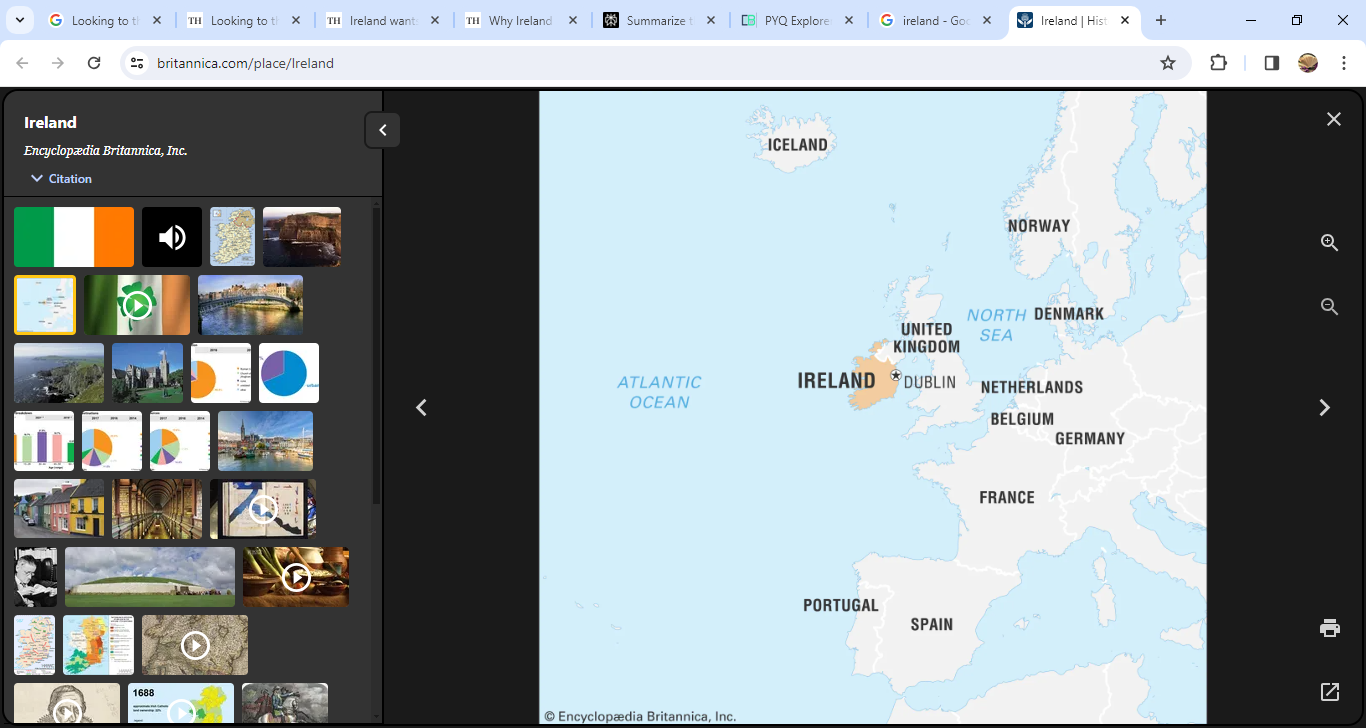
![[15 March 2024] The Hindu Op-ed: Bhutan’s opening move, its Gelephu gambit](https://d18x2uyjeekruj.cloudfront.net/wp-content/uploads/2024/03/WhatsApp-Image-2024-03-17-at-2.41.10-PM-1568x882.jpeg)
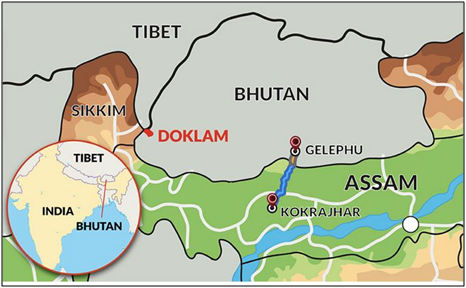
![[14 March 2024] The Hindu Op-ed: The Karnataka civil engineers Bill, its pathway](https://d18x2uyjeekruj.cloudfront.net/wp-content/uploads/2024/03/WhatsApp-Image-2024-03-17-at-2.41.11-PM-1568x882.jpeg)


