💥UPSC 2026, 2027, 2028 UAP Mentorship (March Batch) + Access XFactor Notes & Microthemes PDF

Search results for: “”

  • Have India’s health centres really ‘collapsed’?

    health centres

    In the news

    • Public health centres in India have long been shrouded in infamy, perceived as symbols of systemic failure.
    • The effectiveness of primary healthcare in India has always been a topic of discussion, with calls for strengthening these services through government commitment to accessibility, affordability, and quality care.

    PYQ from CSE Mains 2021:


    Q. “Besides being a moral imperative of a Welfare State, primary health structure is a necessary precondition for sustainable development.” Analyse.

    Health Centres in India

    • Primary Health Centres (PHCs) also known as Public HCs play a crucial role in providing comprehensive healthcare services to the population.
    • The first PHC in India was established following the proposal of the PHC concept in a paper submitted to the Executive Board of the World Health Organization (WHO) in January 1975.
    • The establishment of PHCs gained further momentum with the International Conference on PHC held in Alma Ata, Kazakhstan in 1978.
    • They are a fundamental component of the healthcare system, with Medical Officers at these centers required to hold an MBBS degree.
    • India boasts a vast public health infrastructure with 23,391 PHCs and 145,894 sub-centers, serving a substantial percentage of the population.
    • PHCs cover a significant portion of outpatient care, including services for non-communicable diseases, maternal health, and child health.

    Importance of Health Centres

    • Foundational Role: Health centres form the backbone of India’s public health system, providing primary care to millions.
    • Access and Affordability: With nearly two lakh centres across the country, they aim to offer accessible and affordable healthcare, particularly in rural areas.
    • Impact on Equity: Effective health centres can mitigate social and health inequities, reducing reliance on costly private healthcare and preventing households from falling into poverty due to healthcare expenses.

    Unveiling the Reality

    • Evidence of Progress: Surveys conducted across five states reveal a pattern of improving quality and utilization of health services over time, albeit at a slow pace.
      1. In Himachal Pradesh, functional health centres serve 83% of the population.
      2. Chhattisgarh has shown a radical expansion in the public provision of healthcare, with increased facilities, medicines, and staff presence.
      3. Bihar lags behind, with dismal quality of health centres and some sub-centres being dormant or non-existent.
    • Policy Interventions: Increased health expenditure, initiatives like the National Rural Health Mission, and state-specific schemes have contributed to incremental improvements.
      1. The share of health expenditure in the Union Budget increased drastically.
      2. The National Health Mission’s share shrank from 69% to 44%, while allocations for the Ayushmann Bharat program and new AIIMS hospitals surged.
      3. COVID-19 led to a sustained increase in patient utilization of public health facilities, indicating growing trust in the system.

    Challenges and Gaps

    • Underutilization: Despite improvements, health centres still face challenges such as high staff absenteeism, limited services, and poor infrastructure.
    • Lacunas: Health workers report irregular flow of funds, lack of facilities like toilets and transport, and inadequate supply of drugs and testing equipment.
    • Social Discrimination: Caste and gender dynamics influence access to and quality of healthcare, perpetuating inequalities. Upper-caste doctors display disparaging attitudes towards marginalized communities, while upper-caste families disrespect Dalit ANMs.
    • Gender Disparities: Women, particularly frontline health workers, play a crucial role in rural health settings but often face neglect and discrimination.

    Way forward

    • Holistic Investment: While progress has been made, it remains patchy, with allocations often prioritizing tertiary healthcare over primary care.
    • Designated allocations: The composition of the healthcare budget has remained stagnant, with minimal increases in the share allocated to primary healthcare.
    • Policy Reform: The paper advocates for substantial support from the central government to enable poorer states to replicate successful initiatives and enhance the role of health centres in public healthcare delivery.

    Conclusion

    • India’s health centres, though fraught with challenges, embody resilience and potential.
    • By addressing systemic gaps and prioritizing primary healthcare, the nation can harness the transformative power of these centres to achieve equitable and accessible healthcare for all.
  • MethaneSAT: Revolutionizing Methane Emission Tracking


    MethaneSAT

    In the news

    • MethaneSAT, the latest addition to the space technology arsenal, promises to revolutionize the tracking and measurement of methane emissions globally.
    • Launched aboard a SpaceX Falcon9 rocket, this innovative satellite is set to provide unparalleled insights into methane emissions, aiding in the fight against climate change.

    Methane Emissions


    • Methane, organic compound composed of carbon and four hydrogen atoms (CH4).
    • Second-biggest anthropogenic contributor to global warming after carbon dioxide, 80 times more potent.
    • Global Warming Potential (GWP) measures warming caused by substance relative to carbon dioxide over a century.
    • Methane GWP100: 28, nitrous oxide 265, sulphur hexafluoride 23,500.
    • Short-lived climate pollutant, breaks down in a few years unlike carbon dioxide.
    • Sources: Cattle-farming, landfills, wastewater treatment, rice cultivation, industrial processes.
    • Energy, agriculture, waste sectors primary emitters, responsible for 30% of global warming.
    • Livestock emissions, including manure and gastroenteric releases, account for 32% of human-caused emissions.
    • Global Methane Pledge: Launched at UN COP26 climate conference in Glasgow. Over 90 countries signed, led by United States and European Union (India not signed up).

     Unraveling MethaneSAT

    • MethaneSAT is an initiative of the Environmental Defense Fund (EDF), in collaboration with Harvard University, the Smithsonian Astrophysical Observatory, and the New Zealand Space Agency.
    • Equipped with a highresolution infrared sensor and a spectrometer, MethaneSAT can detect methane concentrations as small as three parts per billion.
    • With a wide-camera view of about 200 km by 200 km, MethaneSAT can identify both small and large emitters, filling critical data gaps.

    Key Features

    • Data Accessibility: MethaneSAT will provide its data for free in near real-time, empowering stakeholders and regulators to take timely action to curb methane emissions.
    • Cloud Computing and AI: Google’s cloud-computing and AI technology will be used to analyze the vast amount of data collected by MethaneSAT, ensuring efficient processing and interpretation.

    Significance of Methane Emission Monitoring

    • Greenhouse Gas Impact: Methane, though invisible, is a potent greenhouse gas and a major contributor to global warming, second only to carbon dioxide.
    • Health Hazards: Methane emissions also contribute to the formation of ground-level ozone, posing serious health risks and causing premature deaths.
    • Fossil Fuel Operations: The bulk of human-caused methane emissions stem from fossil fuel operations, making it imperative to monitor and reduce these emissions.

    Implications  

    • Global Impact: The launch of MethaneSAT aligns with the growing momentum for stringent methane management policies worldwide.
    • Transparency: Publicly available data from MethaneSAT will hold governments and corporations accountable for their methane emission reduction commitments.
    • Behavioral Change Challenges: While the data from MethaneSAT can drive awareness, behavioral changes among polluters are not guaranteed, highlighting the need for complementary regulatory measures.

    Try this PYQ from CSE Prelims 2019:

    Q.Consider the following:

    1. Carbon monoxide
    2. Methane
    3. Ozone
    4. Sulphur dioxide

    Which of the above are released into atmosphere due to the burning of crop/biomass residue?

    (a) 1 and 2 only

    (b) 2, 3 and 4 only

    (c) 1 and 4 only

    (d) 1, 2, 3 and 4

    Post your answers here.

  • Holistic Progress Card (HPC): Revolutionizing Student Assessment

    Holistic Progress Card

    In the news

    • The traditional report cards of students are undergoing a transformation with the introduction of the Holistic Progress Card (HPC) by the National Council for Educational and Research Training (NCERT).
    • This innovative approach aims to evaluate not just academic performance but also various aspects of a child’s holistic development.

    What is the Holistic Progress Card (HPC)?

    • 360-Degree Evaluation: Departing from the conventional marks or grades-based assessment, the HPC adopts a comprehensive evaluation approach.
    • Student-Centric Assessment: Students are actively engaged in the assessment process through class activities, allowing them to demonstrate diverse skills and competencies.
    • Peer and Self-Assessment: Students participate in evaluating their own and their classmates’ performance, fostering self-awareness and peer collaboration.

    Key Features of the HPC

    • Classes Involved: The HPC was created for the foundational stage (Classes 1 and 2), preparatory stage (Classes 3 to 5), and middle stage (Classes 6 to 8). Efforts are currently underway to develop a similar framework for the secondary stage.
    • Parameters of Evaluation: Besides academics, students are evaluated on self-awareness, relationships, problem-solving, emotional intelligence, and creativity. Students reflect on their progress after each activity by circling statements like “I learned something new,” “I expressed creativity,” or “I helped others.”
    • Method of Evaluation:
      1. Self-Assessment: Included in the HPC for all students from Class 1 to Class 8. In middle school (Classes 6 to 8), students set academic and personal goals with specific timelines at the start of the year. The middle stage HPC also involves an “ambition card” where students list their goals for the year and areas for improvement, along with the skills and habits needed to achieve them.
      2. Parental Involvement: Parents provide feedback on homework completion, classroom engagement, and the child’s ability to balance screen time with extracurricular activities at home, thus connecting home and school.
      3. Peer Evaluation: Students evaluate their classmates’ participation in learning and engagement after each classroom activity.

    Implementation and Adoption

    • Rollout across States: The HPC has been sent to all states and Union Territories, with several already adopting it for Classes 1 to 8.
    • Regional Customization: States have the flexibility to modify the HPC to suit their regional requirements while adhering to the overarching principles.

    Rationale behind the Change

    • Focus on Higher-Order Skills: The shift from rote memorization to higher-order skills evaluation aligns with the objectives of NEP 2020 and NCF SE.
    • Promotion of Holistic Development: The HPC aims to communicate students’ strengths and areas of improvement, fostering self-esteem and self-awareness.

    Benefits and Implications

    • Comprehensive Evaluation: The HPC promotes a holistic assessment approach, encompassing academic achievements and critical skill development.
    • Shift to Formative Assessment: By emphasizing formative assessment, the HPC encourages competency-based evaluation and continuous improvement.
    • Insights for Teachers and Parents: Teachers and parents gain valuable insights into each student’s learning journey, enabling personalized support and guidance.

    Conclusion

    • The introduction of the Holistic Progress Card marks a significant step towards redefining student assessment in India.
    • By prioritizing holistic development and competency-based evaluation, the HPC aims to nurture well-rounded individuals capable of thriving in a rapidly evolving world.
  • India ranks 113 out of 190 countries in Women, Business and Law Index by World Bank

    In the news

    • India’s ranking in the World Bank’s Women, Business and Law index saw a significant improvement, climbing to 113 out of 190 countries in the latest edition of the report.
    • It is intriguing to know that none of the countries globally achieved a full score in the new index, indicating pervasive gender disparities in legal rights worldwide.

    About Women, Business and Law Index

    • The Women, Business and Law Index is a World Bank initiative aimed at measuring how laws and regulations impact women’s economic opportunity.
    •  The index provides objective and measurable benchmarks for evaluating global progress towards legal gender equality.
    •  Range from 0 to 100, where 100 denotes equal legal rights for men and women.
    •  The report assesses eight critical areas: mobility, workplace, pay, marriage, parenthood, entrepreneurship, assets, and pension.
    • The 2024 edition marks the 10th iteration of the report.

    India’s Performance

    • Legal Rights Gap: Indian women now enjoy 60% of the legal rights granted to men, slightly below the global average of 64.2%.
    • Regional Comparison: India outperformed its South Asian counterparts, where women typically have access to only 45.9% of the legal protections compared to men.
    • Supportive Frameworks: India’s performance in establishing supportive frameworks fell short, with only 54.2% of the necessary frameworks in place.
    • Policy Efforts: India aims to increase female labour force participation, which stood at 37% in 2022-23, significantly lower than many advanced economies.
    • OECD Comparison: The female labour force participation rate in OECD countries exceeded 50% in 2022, highlighting the gap India seeks to bridge.

    Try this PYQ from CSE Prelims 2015:

    ‘Global Financial Stability Report’ is released by which organisation?

    (a) Organization for Economic Cooperation and development (OECD)

    (b) World Economic Forum

    (c) World Bank

    (d) World trade Organization (WTO)


    Post your answers here.

  • INS Jatayu: India’s new Naval Base in Lakshadweep

    In the news

    • The Naval Detachment Minicoy will transition into INS Jatayu, an upgraded naval base, symbolizing India’s commitment to bolstering security infrastructure in the strategic Lakshadweep Islands.
    • This development underscores the Indian Navy’s strategic imperative to fortify its presence in the region.

    About INS Jatayu

    • Upgrade to Naval Base: INS Jatayu will be elevated to a fully-fledged naval base, equipped with essential infrastructure such as an airfield and housing facilities.
    • Strategic Location: Situated amidst vital Sea Lines of Communications (SLOCs), the Lakshadweep Islands hold immense strategic importance, serving as a gateway to the Indian Ocean.
    • Enhanced Operational Capability: The transformation of Naval Detachment Minicoy into INS Jatayu signifies a significant augmentation of the Navy’s operational capabilities in the region.
    • Geopolitical Dynamics: Against the backdrop of evolving geopolitical dynamics, particularly China’s increasing influence in the Indian Ocean Region, the establishment of INS Jatayu assumes greater significance.

    minicoy jatayu

    A Strategic Asset: Lakshadweep Archipelago

    • Geographical Context: Lakshadweep, comprising 36 islands, lies strategically between the Indian mainland and the Maldives, serving as a vital link in India’s maritime security architecture.
    • Maritime Highways: Minicoy, in particular, is strategically positioned along key maritime highways, including the Eight Degree Channel and the Nine Degree Channel.

    Future Prospects and Challenges

    • Operational Implications: The establishment of INS Jatayu will bolster the Navy’s operational reach and responsiveness, enabling effective anti-piracy and anti-narcotics operations in the western Arabian Sea.
    • Ecological Considerations: The fragile ecology of the island poses challenges for infrastructure development, necessitating meticulous planning and environmental clearances.
    • Operational Expansion: The proposed airfield at INS Jatayu will facilitate operations for various aircraft, bolstering the Navy’s surveillance capabilities and extending its operational reach.
  • ADITI Scheme to Fund India’s Defence Start-ups

    In the news

    • The recently launched ADITI scheme by the Union Minister of Defence marks a new era in promoting innovations in critical and strategic defence technologies.

    About ADITI Scheme

    • Scheme Objective: Acing Development of Innovative Technologies with iDEX (ADITI) is aimed at fostering innovations in critical and strategic defence technologies.
    • Development Goals: The scheme targets the development of approximately 30 deep-tech critical and strategic technologies within the proposed timeframe.
    • Eligibility Criteria: Start-ups can avail grant-in-aid of up to Rs 25 crore for their research, development, and innovation efforts in defence technology.
    • Budget Allocation: ADITI is backed by a budget of Rs 750 crore spanning from 2023-24 to 2025-26.
    • Framework: It operates within the iDEX (Innovations for Defence Excellence) framework under the Department of Defence Production, Ministry of Defence.

    Features of the Scheme

    • Bridge-building Initiative: ADITI aims to establish a ‘Technology Watch Tool’ to bridge the gap between the modern Armed Forces’ expectations and requirements and the capabilities of the defence innovation ecosystem.
    • Incentives for Innovators: iDEX has been expanded to iDEX Prime, offering increased assistance from Rs 1.5 crore to Rs 10 crore, motivating young innovators to participate.
    • National Transformation: Initiatives like ADITI, iDEX, and iDEX Prime are instrumental in propelling India towards becoming a knowledge society.
    • Youth Empowerment: The scheme aims to nurture youth innovation, propelling the country forward in the realm of technology.
  • What are Cavum Clouds?

    cavum clouds

    In the news

    • Recently, the National Aeronautics and Space Administration (NASA) shared mesmerizing images of Cavum clouds, also known as “hole-punch clouds” or “fallstreak holes,” as observed from space.

    What are Cavum Clouds?

    • Formation Process: Cavum clouds are formed when airplanes traverse through layers of altocumulus clouds, which are mid-level clouds containing supercooled water droplets (water below freezing temperature but still in liquid form).
    • Adiabatic Expansion: As the aircraft moves through, a phenomenon called adiabatic expansion can occur, causing the water droplets to freeze into ice crystals.
    • Creation of Holes: These ice crystals eventually become too heavy and fall out of the cloud layer, resulting in the formation of a hole in the clouds.
    • Steep Angle Formation: Cavum clouds are typically formed when planes pass through at a relatively steep angle.

    About Altocumulus Clouds

    Details
    Appearance Altocumulus clouds are mid-level clouds characterized by white or gray patches or layers.
    Formation They form between 2,000 to 7,000 meters (6,500 to 23,000 feet) above sea level.
    Composition Composed of water droplets and occasionally ice crystals.
    Shape Usually appear as rounded masses or rolls.
    Weather Patterns Often indicate fair weather, but can also precede thunderstorms or cold fronts.
    Optical Effects They can create a halo effect around the sun or moon when thin enough.
    Classification Altocumulus clouds are classified as “middle-level clouds” (based on their altitude in the atmosphere).
    Associated Types Altocumulus castellanus: Towering altocumulus clouds indicating instability and potential storminess.
  • The long road to reforming India’s political party system

    Why in the News?

    Recent political events make one doubt the perceived need and utility of India’s Anti-defection law.

     Context:

    • Political Defections prevalent across India:
      • In Bihar, MLAs from Congress and RJD shifted to BJP, leading to disqualifications under the anti-defection law. Similar incidents occurred in Himachal Pradesh and Andhra Pradesh.
      • A recent adjudicatory development in Maharashtra raised doubts on the necessity of India’s anti-defection law, where factions within NCP were not disqualified based on intra-party dissent.
    • Need for better inner-party democracy: The Speaker highlighted the challenges in applying the anti-defection law effectively, emphasizing the need for better inner-party democracy reforms to address political defections and ensure legislative stability.

     Transgressions that pass muster /Challenges with Anti-defection law:

    • Intra-party dissent and Anti-defection law: The Speaker’s decision in the NCP split case highlights the complexity of applying the anti-defection law to intra-party dissent. The intra-party dissent cannot be subject to the punitive provisions of the Tenth Schedule due legislative majority.
    • Mergers and Anti-defection law: Under the current anti-defection law, a faction that splits from its original party cannot claim exemption from disqualification, as the “split” exception was deleted from the Tenth Schedule in 2003.
      • The only exemption available now is that of mergers, which mandatorily require a minimum of two-third members to separate from their political party and merge with another.
    • The Speaker’s observations: The Speaker’s concern for preservation of inner-party dissent is laudable, but the observation that it is in the nature of politics for leaders to form new alliances and break into new forms raises concern about the effectiveness of the anti-defection law.
    The issue of inner-party democracy:

    • The issue of inner-party democracy in India underscores the lack of democratic processes within political parties, leading to challenges like dynastic politics, nepotism, and ineffective candidate selection.
    • Presently, there is no statutory backing for internal democratic regulation of political parties in India and the only governing provision is under Section 29A of the Representation of the Peoples’ Act, 1951 which entails registration of political parties with the Election Commission of India.
    • Reports from the 2nd ARC, the National Commission to Review the Working of the Constitution and the Law Commission have both recommended introducing statutes to enforce internal democracy for political parties.

     Way Forward:

    • Need for Robust democratic structures: The 255th Report of the Law Commission of India proposed amendments to the Representation of the People Act, 1951 which could mandate that besides having a constitution, political parties elect an executive committee (for the party), select candidates who are to contest elections to Parliament or State Assemblies, and conduct regular elections within the party at every level.
    • Need for Statutory regulation: The Law Commission also proposed granting the Election Commission of India the powers to impose monetary penalties or withdraw the registration of a political party in case it failed to comply.

    BACK2BASICS

    About Anti-Defection Law in India:

    • The Anti-Defection Law in India, introduced in 1985 through the Tenth Schedule of the 52nd Amendment to the Constitution, aims to limit political defections and ensure democratic stability by curbing unethical practices.
    • This law prohibits elected representatives from defecting to another party after being elected, thereby promoting party discipline and preventing opportunistic defections that can destabilize governments.
    • Despite its significance, there have been calls for reforming the anti-defection law to address challenges and ensure its effectiveness in maintaining the integrity of the political system.
    Mains:

    1) “The Indian party system is passing through a phase of transition which looks to be full of contradictions and paradoxes.” Discuss. [UPSC CSE 2016]

    Prelims:

    1) Which one of the following Schedules of the Constitution of India contains provisions regarding anti-defection? [UPSC CSE 2014]

    a) Second Schedule

    b) Fifth Schedule

    c) Eighth Schedule

    d) Tenth Schedule

  • [5 March 2024] The Hindu Op-ed: The quick transformation of Russia-North Korea ties

    [5 March 2024] The Hindu Op-ed: The quick transformation of Russia-North Korea ties

    PYQ Relevance:

    Prelims:
    With reference to the ‘Trans-Pacific Partnership’, consider the following statements:
    1. It is an agreement among all the Pacific Rim countries except China and Russia.
    2. It is a strategic alliance for the purpose of maritime security only.
    Which of the statements given above is/are correct? (UPSC CSE 2016)
    a) 1 only
    b) 2 only
    c) Both 1 and 2
    d) Neither 1 nor 2

    Mains:
    1. “The USA is facing an existential threat in the form of China, which is much more challenging than the erstwhile Soviet Union.” Explain. (UPSC CSE 2021)

    2. What is the significance of Indo-US defense deals over Indo-Russian defense deals? Discuss with reference to stability in the Indo-Pacific region. (UPSC CSE 2020)

    Note4Students:

    Mains: Geopolitical and challenges over the Globe;

    Prelims: International Relations; Major Powers;

    Mentor comments: Russia and North Korea relationship has been strengthening since Russia’s invasion of Ukraine in 2022, with both countries preparing for a summit between their leaders in 2024. Both countries share common challenges and strategic objectives. With Indian perspective, we need to be aware as these recent changes can lead to the beginning of a trio, Russia-North Korea-China, in the Asian continent.

    Let’s learn.

    Why in the News?

    Recently, the strengthening of Russia and North Korea ties can be a challenging geo-political factor through Global security.

    Context:

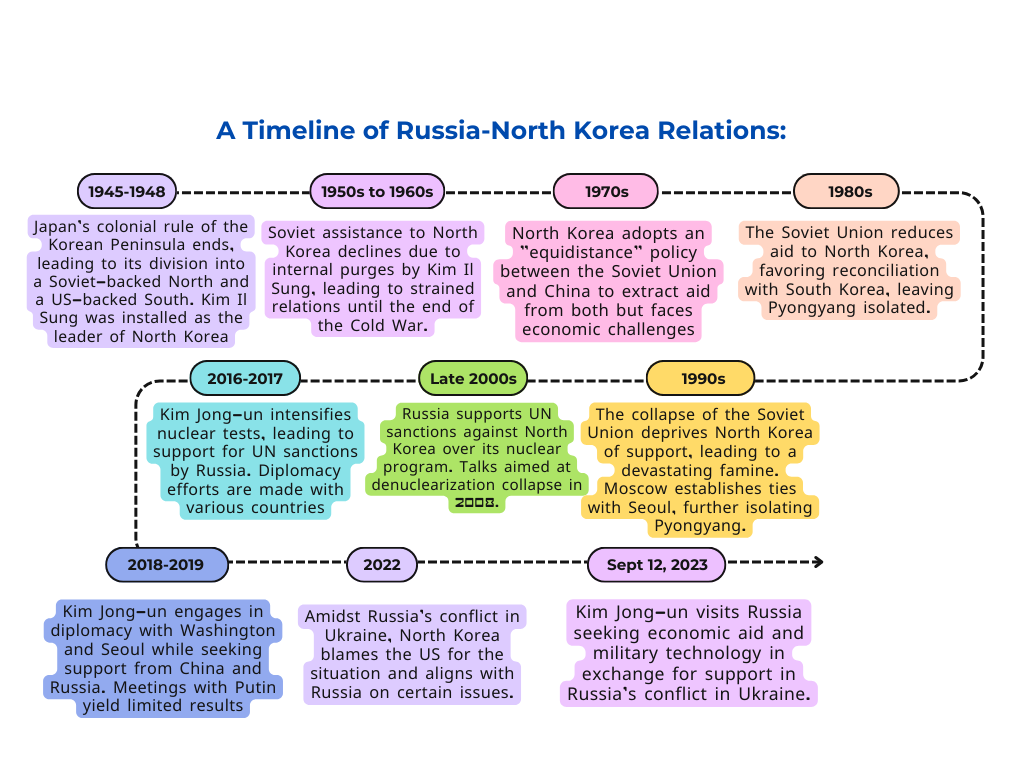
    • Recently, since the Russia-Ukraine war, North Korea and Russia have been discussing cooperation in sensitive areas.
    • They are exploring energy collaboration and have been engaged in infrastructure projects. The partnership has far-reaching implications for regional stability and global geopolitics.

    Common Challenges and shared strategic objectives between both Countries:

    • Energy collaboration: Energy collaboration has also formed another crucial aspect of the partnership. Russia has been a key supplier of fuel to North Korea.
      • Moscow needs arms, artillery, rockets, and missiles to sustain its invasion of Ukraine while Pyongyang is in dire need of commodities and food.  Therefore the mainstay of bilateral cooperation is the food-for-arms agreement.
      • This has raised concerns about the potential for increased belligerence on the part of Pyongyang, which could destabilize the Korean Peninsula and East Asia.
    • Resource cooperation: Russia has emerged as a potential savior for North Korean development in sectors such as energy and transportation, and even in addressing Pyongyang’s chronic food shortages.
    • Infrastructure cooperation: Infrastructure projects such as the Rajin-Khasan railway linking Russia to North Korea’s Rajin port, have bolstered economic cooperation.

    How does this relationship have far-reaching Implications for Regional Stability and Geopolitics?

    • The American factor: The strain in relations with Western countries has led Russia and North Korea to adjust their foreign policy priorities. Russia sees engagement with North Korea as a way to influence security dynamics in Northeast Asia, particularly concerning the US and its allies.
      • For example, The North Korean Foreign Minister in October 2023 observed that powerful ties between Moscow and Pyongyang could potentially offset the US-led efforts of a strong alliance between Washington (US), Tokyo (Japan), and Seoul (S. Korea).
    • The China factor: Russia, often in diplomatic collaboration with China, underscores a desire to shape regional security architecture independently of Western influence.
      • In Feb 2024, the US imposed sanctions on the producer of the car against Russia. The sanctions and trade restrictions also targeted Chinese firms that the U.S. said were assisting Russia’s war.

    What does it mean for the world? (Way Forward)

    • Need for Western strategy: The West’s strategic goals in the Ukraine war involve rationalizing with Russia, supporting democracy, and reconstructing Ukraine post-war.
    • Need for Trans-Atlantic alliance: While Russia has endured casualties and the long-term effects of sanctions, China has remained relatively unscathed. The war in Ukraine has highlighted the need for broader support beyond the trans-Atlantic alliance, including major economies like India.
    • Abiding by the Global South: Involving the Global South in Ukraine’s reconstruction and sanctions against Russia is seen as crucial for shaping postwar geopolitics.
    Practice Question:
    Russia- North Korea’s deepening ties are based on common challenges and shared strategic objectives. In the light of the above statement, discuss its far-reaching implication on global geo-politics.

    Approach for the Answer:

    1. Introduction: 
    Theme:  Russia-North korea Deepening ties

    2. Body:
    Demand 1: Common challenges and shared objectives of their deepening ties
    Demand 2: Implication on global geopolitics of their deepening ties

    3. Way Forward:
    Give suggestions to address the negative implications of their ties on global geo-politics.

    References:

    https://www.thehindu.com/opinion/op-ed/the-quick-transformation-of-russia-north-korea-ties/article67914078.ece

    https://www.thehindu.com/news/international/a-timeline-of-the-complicated-relations-between-russia-and-north-korea/article67298589.ece

    https://www.iiss.org/publications/strategic-comments/2023/the-surge-of-activity-in-relations-between-north-korea-and-russia/

    https://www.thehindu.com/news/international/russia-ukraine-war-change-in-global-power-dynamics/article67882861.ece

    https://www.voanews.com/a/us-china-discuss-russia-north-korea-cooperation-says-state-department/7500184.html

  • SC ends Immunity for Legislators taking Bribes

    In the news

    • A seven-judge Constitution Bench of the Supreme Court, headed by Chief Justice of India DY Chandrachud, delivered a significant judgment regarding parliamentary privilege and criminal prosecution.
    • The verdict overturned a 1998 ruling in PV Narasimha Rao Case that granted immunity to lawmakers accepting bribes if they subsequently voted or spoke in the House

    Also read:

    Legislators Immunity against Criminal Prosecution

    What are Parliamentary Privileges?

    Details
    Definition Special rights, immunities, and exemptions enjoyed by Parliament, its committees, and members.

    Defined in Article 105 of the Indian Constitution.

    Scope Applies to Parliament, committees, and members.
    Freedom of Speech Guaranteed under Article 105(1).

    Subject to rules and procedures of Parliament (Article 118).

    Limitations to Free Speech Speech must comply with constitutional provisions.

    Cannot discuss judges’ conduct (Article 121), except for motions for their removal.

    Freedom from Arrest Immunity from arrest in civil cases 40 days before and after sessions.

    House permission needed for arrest within Parliament limits.

    Notification of Arrest Chairman/Speaker must be informed of any member’s arrest.
    Right to Prohibit Publication No liability for publishing reports, discussions under member’s authority (Article 105(2)).
    Right to Exclude Strangers Members have power to exclude non-members from proceedings.


    Immunity against Bribe: Constitutional Provisions Examined

    • Article 105(2): This article grants immunity to members of Parliament from court proceedings concerning their actions (speech or votes) in Parliament.
    • Article 194(2): Similarly, this article extends immunity to members of state assemblies.

    Court’s Review and Interpretation

    • PV Narasimha Rao Case: In 1998, the Supreme Court ruled with a 3:2 majority that MPs and MLAs were immune from prosecution in bribery cases as long as they fulfilled their end of the bargain.
    • Judicial Scrutiny of Privilege: The Court revisited the interpretation of Articles 105(2) and 194(2), challenging the traditional understanding of absolute immunity for lawmakers.
    • Historical Context: It noted that India’s parliamentary privileges stem from statutory and constitutional sources, unlike the UK’s House of Commons, which has ancient and undoubted rights.

    Key Findings and Interpretations

    • Necessity Test Applied: The Court applied a “necessity test” to determine the legitimacy of claims to parliamentary privilege, emphasizing that accepting bribes cannot be deemed necessary for lawmakers to discharge their duties.
    • Emphasis on Probity: The ruling underscored the importance of probity in public life, highlighting the corrosive impact of corruption on democratic ideals.
    • Interpretation of Offense: It clarified that the act of accepting a bribe constitutes an offense, regardless of subsequent actions by the lawmaker in the House.

    Conclusion

    • The Supreme Court’s ruling represents a significant departure from past precedent, affirming the principle that no individual, including legislators, is above the law.
    • By asserting the judiciary’s role in scrutinizing claims of parliamentary privilege, the Court reaffirmed the primacy of constitutional values and accountability in governance.
    • This landmark judgment underscores the judiciary’s commitment to upholding the rule of law and combating corruption, thereby bolstering India’s democratic foundations.
  • Is India finally entering stage II of its nuclear programme?

    In the news

    PM Modi marked a historic moment in India’s nuclear power journey by overseeing the commencement of core-loading at the indigenous Prototype Fast Breeder Reactor (PFBR) situated in Kalpakkam, Tamil Nadu. This event signifies a significant stride forward in India’s ambitious nuclear power program, heralding the onset of stage II.

    Context:

    • As of 2024, nuclear power contributes to around 3.11% of India’s total power generation.
    • Nuclear power remains the fifth-largest source of electricity in India, following coal, gas, hydroelectricity, and wind power.

    History of India’s Nuclear Power Program

    India’s journey in nuclear technology dates back to its independence in 1947. Here is a brief history of India’s Nuclear Power Program:

    1. 1948: India established the Atomic Energy Commission (AEC), marking its entry into the nuclear age.
    2. 1950s: Homi Bhabha, the founding director of India’s nuclear program, formulated the three-stage nuclear power program to establish a self-sufficient nuclear power industry.
    3. 1969: The first Pressurized Heavy Water Reactor (PHWR), the 40 MW Tarapur Atomic Power Station, was commissioned, marking the operationalization of Stage 1 of the nuclear power program.
    4. 1974: India conducted its first nuclear test, Pokhran-I, demonstrating its nuclear capabilities.
    5. Late 1970s – Early 1980s: India embarked on developing fast breeder reactors (FBRs) as part of Stage 2 of its nuclear program to enhance fuel efficiency and self-sufficiency.
    6. 1990s – 2000s: India focused on building a nuclear arsenal and delivery systems capable of military deployment after conducting further nuclear tests in 1998.
    7. Present: India possesses both nuclear weapons and an extensive nuclear fuel cycle capability, with ongoing developments in thorium-based reactors as part of Stage 3 of its nuclear power program.

    About India’s 3-stage Nuclear Power Program

    Description Timeline
    Stage 1 Relies on pressurized heavy water reactors (PHWRs) using natural uranium as fuel. Initiated in the 1950s;

    Operational since the 1960s

    Stage 2 Focuses on developing fast breeder reactors (FBRs) using plutonium-239 produced in Stage 1. Initiated in the 1970s;

    Development phase

    Stage 3 Involves the development of thorium-based reactors utilizing India’s significant thorium reserves. Initiated in the late 1980s/early 1990s;

    Research & Development phase


    Do you know?

    • The two principal natural isotopes are uranium-235 (which comprises 0.7% of natural uranium), which is fissile, and uranium-238 (99.3% of natural uranium), which is fissionable by fast neutrons and is fertile, meaning that it becomes fissile after absorbing one neutron.
    • All uranium isotopes are radioactive. U-239 is much more so than the far more common U-238 though, its half-life is about 23 minutes compared to four billion years! U-239 soon undergoes beta decay to Np-239.
    • Plutonium is created from uranium in nuclear reactors. Plutonium-239 is used to make nuclear weapons. Pu-239 and Pu-240 are byproducts of nuclear reactor operations and nuclear bomb explosions.

    What is Prototype Fast Breeder Reactor (PFBR)?

    • The PFBR is a machine that produces more nuclear fuel than it consumes. Its core-loading event is being hailed as a “milestone” because the operationalization of the PFBR will mark the start of stage II of India’s three-stage nuclear power program.
      • Previously, India used Pressurised Heavy Water Reactors (PHWRs) and Natural Uranium-238 (U-238), which contain minuscule amounts of U-235, as the fissile material.
    • It’s working:
      • Basically, in the process of Nuclear Fission, the nucleus of an atom absorbs a neutron, destabilizes, and breaks into two while releasing some energy. If the destabilized nucleus releases more neutrons, the reactor’s facilities will attempt to use them to instigate more fission reactions.
      • However, the heavy water in PHWR, the water molecules containing the deuterium isotope of hydrogen – slows neutrons released by one fission reaction enough to be captured by other U-238 and U-235 nuclei and cause new fission.
        • This heavy water is then pressurized to keep it from boiling to produce plutonium-239 (Pu-239) and energy.
    • Significance of using PFBR:
      • Only U-235, not U-238, can sustain a chain reaction but it is consumed fully in stage I. In stage II, India will use Pu-239 together with U-238 in the PFBR to produce energy, U-233, and more Pu-239.
      • Liquid sodium serves as the primary coolant, facilitating heat transfer and electricity generation through secondary circuits.

    Why was the PFBR delayed?

    • Prolonged delays: The PFBR project encountered prolonged delays and cost overruns, attributed to technical complexities and logistical hurdles. Sanctions imposed against India following the ‘Smiling Buddha’ nuclear test in 1974 disrupted the project, necessitating alterations in fuel type and operational parameters.
    • Lack of Resources:
      • The retirement of experienced personnel involved in the project, coupled with delays in decision-making processes, contributed to project setbacks.
      • Escalating costs, reaching ₹6,800 crore by 2019, underscored the financial strain and administrative shortcomings plaguing the project.
    • Procurement Issues: Audit reports revealed procurement inefficiencies, with delays averaging 158 days per order, exacerbating project timelines and costs.
    • Regulatory Imperatives: Addressing concerns over safety and regulatory oversight remains imperative to ensure public confidence and operational integrity.

    Way Forward and Future Prospects:

    • Usage of Small Modular Reactors (SMRs): SMR designs have a maximum capacity of 300 MW, require less land, and accommodate more safety features. Several countries are developing SMRs to complement conventional [facilities] since SMRs can be installed at reduced cost and time by repurposing.
    • Stage II Expansion: The PFBR’s 500 MWe capacity sets the stage for future FBR projects, aligning with India’s energy diversification goals and decarbonization initiatives. Today nuclear power has a new lease of life thanks to the pressure on India to decarbonise, reduce its import of fossil fuels, and give its renewables sector some breathing space.
      • In 2019, the DAE proposed building 4 more fast breeder reactors (FBRs) of 600 MWe capacity each – 2 in Kalpakkam in 2021 and two in 2025, with sites to be selected.

    Conclusion

    • As India navigates the complexities of nuclear power development, the PFBR stands as a testament to technological prowess and strategic foresight.
    • While challenges persist, the trajectory of stage II underscores India’s commitment to leveraging nuclear energy for sustainable development and energy security.
    • With continued innovation and regulatory reform, India is poised to realize its vision of a robust and self-reliant nuclear energy ecosystem.

    Try this Question from CSE Mains 2018:

    Q. With growing energy needs should India keep on expanding its nuclear energy programme? Discuss the facts and fears associated with nuclear energy. (250 Words, 15 Marks)

  • India’s Bail System: Challenges and Prospects

    bail

    In the news

    • India’s bail system faces significant challenges, resulting in a large number of undertrials remaining in prison despite being granted bail.
    • The complexities of complying with bail conditions, especially for marginalized individuals, exacerbate the situation.

    Bail Provisions in India

    Description
    What is Bail? The conditional release of a defendant with the promise to appear in court when required. It also refers to the security deposit to secure the release of the accused.
    Types of Bail in India
    • Regular bail: Granted to a person in police custody, applied for under section 437 and 439 of CrPC.
    • Interim bail: Short-term bail granted before the hearing for regular or anticipatory bail.
    • Anticipatory bail: Granted under section 438 of CrPC by session court or High Court, to avoid potential arrest for a non-bailable offense.
    Case in Bailable Offences Section 436 states that accused of a bailable offence under IPC can be granted bail if:

    1. There’s reason to believe the accused didn’t commit the offence.
    2. There’s need for further inquiry.
    3. Accused isn’t charged with an offence punishable by death, life imprisonment, or up to 10 years’ imprisonment.
    Bail for Non-Bailable Offences Section 437 states that accused doesn’t have the right to apply for bail. Bail may be granted if:

    1. Accused is a woman or child.
    2. Lack of evidence.
    3. Delay in lodging FIR.
    4. Accused is gravely sick.

    Understanding the Crisis in Bail System

    • Overrepresentation of Undertrials: Over 75% of India’s prison population comprises undertrials, reflecting systemic inefficiencies in the bail system.
    • Judicial Reluctance: Chief Justice of India D.Y. Chandrachud highlighted a growing reluctance among trial judges to grant bail, leading to a situation where incarceration becomes the norm.
    • Bail Backlog: The backlog of bail applications further exacerbates the problem, prolonging the detention of undertrials awaiting trial.

    Judicial Acknowledgment and Guidelines

    • Supreme Court’s Observations: The Supreme Court acknowledged the ineffectiveness of India’s bail system in the case of Satender Kumar Antil vs CBI, emphasizing the principle of ‘bail not jail’.
    • Need for Legislative Action: The Court urged the enactment of separate legislation and laid down comprehensive guidelines to streamline bail procedures.
    • Delayed Disposal of Applications: Despite court directives, delays in the disposal of bail applications contribute to prolonged detention of undertrials.

    Empirical Assessment and Policy Reforms

    • Lack of Empirical Evidence: The absence of empirical data hampers efforts to understand the bail system’s challenges comprehensively.
    • Socio-economic Barriers: Bail laws disproportionately burden marginalized individuals, necessitating reforms based on a realistic assessment of the problem.
    • No Data-driven Reform: Policymakers should prioritize empirical research to inform evidence-based policy reforms aimed at addressing systemic inequalities.

    Safeguards and Adjudication Practices

    • Arrest Safeguards: Existing safeguards against arbitrary arrest often exclude vulnerable populations, contributing to the high proportion of undertrials.
    • Discretionary Adjudication: Courts exercise discretion in granting bail, but guidelines lack clarity on how socioeconomic factors influence bail decisions.
    • Recording Reasons for Bail Denial: Courts should be mandated to record detailed reasons for denying bail, promoting transparency and accountability in the adjudication process.

    Bail Compliance Challenges

    • Financial Hurdles: Many undertrials struggle to comply with bail conditions due to financial constraints and lack of local sureties.
    • Structural Disadvantages: Factors like lack of residence proof and family support further hinder undertrials’ ability to comply with bail conditions.
    • Support Mechanisms: Establishing support mechanisms to assist undertrials in navigating the bail process and fulfilling conditions can alleviate compliance challenges.

    Why bail needs reform?

    • Indiscriminate arrests: Of this category of prisoners, majority may not even be required to be arrested despite registration of a cognizable offense, being charged with offenses punishable for seven years or less.
    • Disadvantageous for some sections: They are not only poor and illiterate but also would include women. Thus, there is a culture of offense being inherited by many of them.
    • Colonial legacy: Theoretically, the court also linked the idea of indiscriminate arrests to magistrates ignoring the rule of “bail, not jail” to a colonial mindset.

    Way forward

    • No Flawed Assumptions: The current bail system operates on flawed assumptions about the accused’s socio-economic status, rendering ‘bail not jail’ meaningless for many.
    • Call for Bail Reform: Meaningful bail reform necessitates a reevaluation of these assumptions and a data-driven approach to diagnose systemic issues.
    • Holistic Approach: Reform efforts should adopt a holistic approach, addressing both procedural inadequacies and socio-economic barriers to ensure equitable access to bail.

    Conclusion

    • India’s bail system stands at a critical juncture, with an urgent need for reform to address systemic inefficiencies and ensure justice for all.
    • Empirical research, legislative action, and judicial scrutiny are essential components of a comprehensive reform agenda.

    Try this PYQ from CSE Prelims 2021:

    With reference to India, consider the following statements:

    1. Judicial custody means and accused is in the custody of the concerned magistrate and such accused is locked up in a police station, not in jail.
    2. During judicial custody, the police officer in charge of the case is not allowed to interrogate the suspect without the approval of the court.

    Which of the statements given above is/are correct?

    (a) 1 only

    (b) 2 only

    (c) Both 1 and 2

    (d) Neither 1 nor 2

    Post your responses here.

  • Recently awarded GI Tags

    gi tag

    In the news

    • In the past week, many Geographical Indications (GI) Tags were awarded across the states of India.

    About GI Tag

    • A GI is a sign used on products that have a specific geographical origin and possess qualities or a reputation that are due to that origin.
    • Nodal Agency: Department for Promotion of Industry and Internal Trade (DPIIT), Ministry of Commerce and Industry
    • India, as a member of the World Trade Organization (WTO), enacted the Geographical Indications of Goods (Registration and Protection) Act, 1999 w.e.f. September 2003.
    • GIs have been defined under Article 22 (1) of the WTO Agreement on Trade-Related Aspects of Intellectual Property Rights (TRIPS) Agreement.
    • The tag stands valid for 10 years.

    Recently Awarded GI Tags

    [1] Narasapur Crochet Lace Craft:

    Details
    Technique Handcrafted crochet lace-making using fine threads
    Design Intricate patterns and motifs inspired by nature and traditional motifs
    Uniqueness Known for delicate and intricate designs, used in sarees, dress materials, and home decor
    Economic Impact Provides livelihood to local artisans, enhances market value, protects against imitation
    Recognition GI tag promotes cultural heritage, supports economic empowerment of artisans


    [2] Mukha Shilpa of Majuli:

    Details
    Origin Majuli, Assam, the world’s largest river island
    Artform Traditional mask-making, also known as Mukha Shilpa
    Material Made from eco-friendly materials like bamboo, clay, and cloth
    Uniqueness Masks depict mythological characters, deities, and animals, preserving Assamese culture
    Cultural Significance Used in traditional Sattriya dance forms, rituals, and festivals
    Economic Impact GI tag promotes tourism, empowers local artisans, supports conservation efforts
    Conservation Efforts Recognition boosts efforts to preserve and promote this ancient art form


    [3] Traditional Tribal Attire ‘Risa’:

    Details
    Origin Tripura, northeastern state known for rich tribal culture
    Attire Traditional attire worn by Tripuri tribal women
    Fabric Handwoven cotton fabric with vibrant colors and intricate designs
    Uniqueness Unique weaving techniques and motifs representing tribal identity
    Cultural Heritage Integral part of Tripuri culture, worn during festivals and ceremonies
    Economic Impact GI tag enhances market visibility, supports livelihoods of weavers
    Preservation Efforts Recognition promotes preservation and revival of traditional weaving techniques


    [4] Riyawan Garlic (Madhya Pradesh):

    Details
    Origin Riyawan village in Ratlam district, Madhya Pradesh
    Variety Special type of garlic known for unique taste, aroma, and medicinal properties
    Cultivation Grown organically in fertile soil and favorable climate
    Uniqueness Distinct flavor and pungency, popular in culinary uses and Ayurvedic medicine
    Health Benefits Rich in antioxidants, believed to have medicinal properties for various ailments
    Economic Impact GI tag boosts local agriculture, provides economic opportunities to farmers
    Quality Assurance Recognition ensures authenticity and quality, protects against imitation


    [5] ‘Chandi Tarakasi’ or Silver Filigree:

    Details
    Origin Cuttack, Odisha, renowned for centuries-old silver filigree craftsmanship
    Craftsmanship Intricate art of twisting and curling thin silver wires to create delicate patterns and designs
    Utility Used in jewelry, utensils, decorative items, and souvenirs
    Uniqueness Unique designs reflecting Odia culture and heritage, passed down through generations
    Artistic Value Prized for craftsmanship and artistic appeal
    Economic Impact GI tag enhances market value, supports local artisans, promotes preservation of cultural heritage
    Cultural Heritage Recognition promotes preservation and continuation of traditional art form


    Try this PYQ from CSE Prelims 2018:

    Q.India enacted The Geographical Indications of Goods (Registration and Protection) Act, 1999 in order to comply with the obligations to-

    (a) ILO

    (b) IMF

    (c) UNCTAD

    (d) WTO


    Post your responses here.

  • Punjab-Himachal dispute over the Shanan Hydropower Project

    Shanan Hydropower Project

    In the news

    • A longstanding dispute between Punjab and Himachal Pradesh over the ownership of the Shanan hydropower project has escalated, leading to legal intervention by both parties.
    • As the 99-year-old lease of the project expired on March 2, the Centre has issued orders to maintain status quo until a final decision is reached.

    Shanan Hydropower Project and the Dispute

    • Location: It is located on the Uhl River, a tributary of the Beas River, in Mandi district, Himachal Pradesh, India.
    • British-era Lease: The 110-MW Shanan hydel project was leased to Punjab in 1925 by the then-ruler of Mandi, Raja Joginder Bahadur, under a 99-year lease agreement.
    • Competing Claims: Himachal Pradesh contends that the project should revert to its control upon the expiry of the lease, citing historical and legal grounds for its claim.
    • Economic Significance: The project has significant economic implications for both states, contributing to their power generation capacities and regional development.

    Punjab’s Claims over the Project

    • Historical Ownership: The project historically supplied power to undivided Punjab and Delhi before Independence, and it was allocated to Punjab during the reorganization of states in 1966.
    • Legal Basis: Punjab asserts its legal control over the project under the provisions of the Punjab Reorganisation Act, 1966, reinforced by a central notification issued in 1967.
    • Utilization of Resources: Punjab argues that it has invested in the maintenance and operation of the project, making it a vital component of its energy infrastructure.

    Legal Proceedings and Centre’s Intervention

    • Supreme Court Petition: Punjab has filed a suit in the Supreme Court, seeking a permanent injunction against Himachal Pradesh from disturbing its lawful possession of the project.
    • Interim Status Quo Order: The Centre, invoking its powers under relevant laws, has ordered the status quo on the project’s functioning until a final decision is made, emphasizing the public interest in maintaining stability.
    • Legal Interpretation: The interpretation of historical agreements and legislative acts will be pivotal in determining the rightful ownership of the project.

    Implications and Future Course of Action

    • Interim Measure: The Centre’s order is an interim measure to prevent disruption in the functioning of the Shanan Power House until the dispute is resolved.
    • Legal Framework: Both parties are expected to proceed further within the legal framework to settle the dispute, ensuring adherence to due process and fairness.
    • Regional Cooperation: A collaborative approach between Punjab and Himachal Pradesh, facilitated by federal authorities, could lead to a mutually beneficial resolution and promote inter-state harmony.
  • India’s first National Dolphin Research Centre finally a reality

    In the news

    • The inauguration of the National Dolphin Research Centre (NDRC) in Patna marks a significant step towards the conservation of the Gangetic Dolphin.
    • The NDRC aims to facilitate in-depth studies on various aspects of Gangetic dolphins, including behavior, survival skills, food habits, and mortality factors.
    • Led by Bihar Chief Minister Nitish Kumar, this pioneering institute promises to advance scientific understanding and foster conservation efforts for this iconic species.

    Key Facts about Gangetic Dolphin

    Details
    Discovery Platanista gangetica also known as the “Tiger of the Ganges,” was officially discovered in 1801.
    Habitat Historically distributed in major river systems of India, Nepal, and Bangladesh, including the Ganges-Brahmaputra-Meghna and Karnaphuli-Sangu.
    Features
    • Essentially blind, hunts by emitting ultrasonic sounds.
    • Frequently found alone or in small groups, usually with a calf.
    • Females larger, give birth once every 2-3 years.
    Importance
    • Indicator of river ecosystem health.
    • Designated National Aquatic Animal (2009) and State Aquatic Animal of Assam.
    Major Threats
    • Unintentional killing in fishing gear.
    • Poaching for dolphin oil.
    • Habitat destruction due to development and pollution.
    Protection Status
    • IUCN: Endangered
    • CITES: Appendix I
    • CMS: Appendix I
    • Indian Wildlife (Protection) Act 1972: Schedule I
    Government Initiatives

    Try this PYQ from CSE Prelims 2015:

    Which one of the following is the national aquatic animal of India?

    (a) Saltwater crocodile
    (b) Olive ridley turtle
    (c) Gangetic dolphin
    (d) Gharial


    Post your answers here.

  • Venice Biennale: The Olympics of the Art World

    Venice Biennale

    In the news

    • The Venice Biennale, revered as “the Olympics of the art world,” is set to unveil its 60th edition on April 20.
    • Under the theme “Stranieri Ovunque” or “Foreigners Everywhere,” curated by Adriano Pedrosa, the exhibition will feature 333 artists from around the world.

    What is the Venice Biennale?

    • Inception: Proposed by Venice’s city government in 1893, the Biennale aimed to commemorate the silver jubilee of King Umberto I and Queen Margherita of Italy.
    • Early Exhibitions: The inaugural exhibition in 1895 attracted over two lakh visitors, showcasing works by foreign and Italian artists without specific thematic constraints.

    Structure of the Venice Biennale

    • Central Pavilion: Serving as the focal point, the central pavilion hosts the main exhibition curated by the appointed curator, highlighting selected artworks.
    • National Pavilions: Representing individual countries, these pavilions feature curated exhibitions managed by respective ministries of culture, with India having participated officially since 1954.
    • Collateral Events: Independent exhibitions and events across Venice complement the Biennale, enriching the cultural landscape.

    India’s Journey at the Venice Biennale

    • Debut in 1954: India made its inaugural appearance with an exhibition organized by the Embassy of India in Rome, featuring eminent artists like M F Husain and Amrita Sher-Gil.
    • Subsequent Engagements: Indian artists have participated in various editions, with official pavilions organized in 2011 and 2019, showcasing diverse artistic expressions.
    • Continued Representation: In 2024, Indian artists will feature prominently in the central exhibition, alongside the Aravani Art Project, symbolizing India’s enduring presence on the global art stage.
  • Chakshu Platform launched against Spam Calls

    In the news

    • The Department of Telecommunications (DoT) introduced Chakshu, a new platform aimed at enabling telecom users to report fraud or spam callers.

    Chakshu Platform

    • Chakshu (meaning eyes), accessible at sancharsaathi.gov.in/sfc, empowers citizens to proactively report suspicious communications, as announced by the DoT.
    • The government will collaborate with private firms like Truecaller to improve the functionality of the platform.
    • The Telecom Regulatory Authority of India (TRAI) is also working on building an app for the ‘Chakshu’ platform.

    Features of the platform

    • Reporting Options: Users can report various types of frauds, including those related to bank accounts, payment wallets, SIM cards, gas and electricity connections, KYC updates, impersonation, and sextortion.
    • Enhanced Reporting Mechanism: Chakshu offers a comprehensive mechanism for reporting fraudulent activities, ensuring that telecom users can address a wide range of concerns.
  • A vaccine that prevents six cancers

    Pyq mains

    UPSC IAS/2017

    Stem cell therapy is gaining popularity in India to treat a wide variety of medical conditions including leukaemia, Thalassemia, damaged cornea and several burns. Describe briefly what stem cell therapy is and what advantages it has over other treatments? (10)
    Pyq pre 


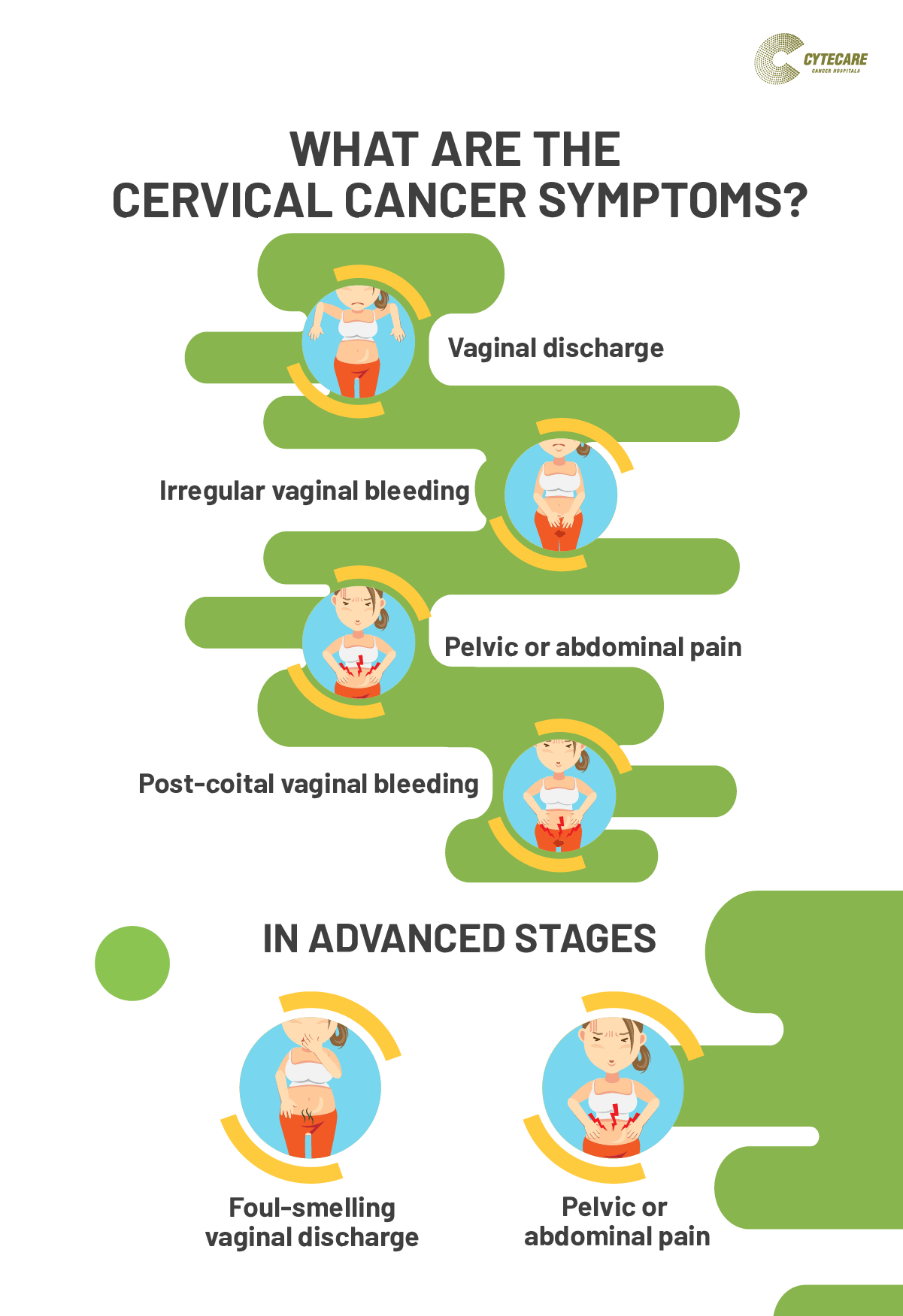
    Cervical Cancer: Symptoms, Diagnosis & Treatment

    Why is it in the News?

    • Cervical cancer prevention, particularly through HPV vaccination, has gained attention recently due to several factors. January was observed as Cervical Cancer Awareness Month, drawing focus to the importance of combating this disease. Additionally, March 4 marked International HPV Awareness Day, further highlighting the significance of addressing HPV-related health issues.

    What is Cervical Cancer?

    • Cervical cancer is a type of cancer that affects the cervix, the lower part of the uterus. It is primarily caused by certain types of the Human Papillomavirus (HPV), which is transmitted through intimate contact.
    • If left untreated, cervical cancer can be life-threatening. It is a significant health concern worldwide, with a particularly high burden in lower- and middle-income countries. In India, cervical cancer is the second most common cancer among women, posing a substantial threat to public health.

    What is Human Papillomavirus (HPV)?

    • Human Papillomavirus (HPV) is a group of viruses that infect the skin and mucous membranes. It’s the most common sexually transmitted infection (STI) worldwide. HPV can cause various health issues, including genital warts and certain types of cancers.

    What Facts are explained in the article?

    • Prevalence and Impact: Cervical cancer claims the lives of over 300,000 women annually worldwide, with a disproportionate burden in lower-income countries.
    • Risk in India: With over 500 million women at risk, cervical cancer is a significant public health concern in India, second only to breast cancer.
    • Role of HPV Vaccination: HPV vaccination is identified as a crucial strategy for preventing cervical cancer. It targets the underlying cause of the disease by protecting against HPV infection.

    Strategies for Prevention of Cervical cancer

    • HPV Vaccination: Implementing widespread HPV vaccination programs, particularly targeting adolescent girls, can significantly reduce the incidence of cervical cancer. Vaccination should ideally occur before the onset of sexual activity to maximize effectiveness.
    • Screening for Precancerous Lesions: Regular screening for precancerous lesions, such as Pap smears or HPV DNA tests, can detect abnormalities early and allow for timely intervention. This is crucial for reducing the incidence of advanced-stage cervical cancer.
    • Education and Awareness: Increasing education and awareness about cervical cancer, HPV infection, and the importance of vaccination and screening are essential. This includes targeting healthcare professionals, policymakers, parents, and adolescents to dispel myths and misconceptions and encourage uptake of preventive measures.

    What are the Challenges?

    • Limited Access: HPV vaccination may not be widely accessible, particularly in lower-resourced communities, and is often available at a significant out-of-pocket cost.
    • Misconceptions Among Physicians: Some physicians underestimate the incidence and risk of cervical cancer, as well as the safety and effectiveness of HPV vaccines. This can lead to hesitancy in recommending vaccination to eligible individuals.
    • Parental Hesitancy: Misinformation and concerns about vaccine safety and efficacy among parents can contribute to hesitancy in vaccinating adolescents against HPV.
    Pap Smears
    Description: A screening procedure for cervical cancer involving collecting cells from the cervix to examine for abnormalities.
    Purpose: To detect precancerous or cancerous changes in cervical cells early for timely intervention and prevention.
    Procedure: Use of a speculum to visualize the cervix and collection of cells with a brush or spatula.
    Timing: Typically performed during routine gynecological exams, starting at age 21 or within 3 years of becoming sexually active.

    Facts about HPV Vaccination:

    • The HPV vaccine is safe and effective in preventing six HPV-related cancers, including cervical, vulvar, anal, vaginal, throat, and cervical cancers.
    • Vaccination is recommended for adolescents starting at age 9 years to maximize its effectiveness.
    • HPV vaccination is an essential component of the immunization schedule recommended by the Indian Academy of Pediatrics (IAP).

    Best Practices for HPV Vaccination and Cervical Cancer Prevention:

    • Effective Communication:
    • Provide clear and accurate information to parents about HPV vaccination.
    • Address concerns and misconceptions to ensure informed decision-making.
    • Timely Vaccination:
    • Recommend HPV vaccination for adolescents starting at age 9.
    • Encourage vaccination before sexual activity begins for maximum effectiveness.
    • Integration into Immunization Programs:
    • Advocate for inclusion in national immunization programs for widespread access.
    • Collaborate with policymakers to ensure equitable vaccine coverage.
    • Promotion of Regular Screening:
    • Emphasize the importance of cervical cancer screening for women over 30.
    • Encourage routine Pap smears or HPV DNA tests for early detection.
    • Physician Education:
    • Provide comprehensive training on HPV vaccination and cervical cancer prevention.
    • Equip healthcare professionals with updated guidelines and communication skills.

    In conclusion, the article emphasizes the importance of proactive measures to prevent cervical cancer, particularly through HPV vaccination and screening. It underscores the role of healthcare professionals, policymakers, and community stakeholders in addressing the challenges and ensuring equitable access to preventive interventions.

  • The Hindu Op-ed: Mountains of plastic are choking the Himalayan States 

    The Hindu Op-ed: Mountains of plastic are choking the Himalayan States 

    PYQ Relevance:

    Prelims:
    Q1. Recently, there was a growing awareness in our country about the importance of Himalayan nettle (Girardinia diversifolia) because it is found to be a sustainable source of [UPSC CSE 2019]

    a) Anti-malarial drug
    b) Biodiesel
    c) Pulp for the paper industry
    d) Textile fiber

    Q2. If the National Water Mission is properly and completely implemented, how will it impact the country? [UPSC CSE 2012]

    1. Part of the water needs of urban areas will be met through the recycling of wastewater.
    2. The water requirement of coastal cities with inadequate alternative sources of water will be met by adopting appropriate technologies that allow for the use of ocean water.
    3. All the rivers of Himalayan origin will be linked to the rivers of peninsular India.
    4. The expenses incurred by farmers for digging bore wells and for installing motors and pump sets to draw groundwater will be completely reimbursed by the Government.

    Select the correct answer using the codes given below:
    a) 1 only
    b) 1 and 2 only
    c) 3 and 4 only
    d) 1, 2, 3 and 4

    Mains:
    1. How can the mountain ecosystem be restored from the negative impact of development initiatives and tourism? ( UPSC CSE 2019)

    2. ‘Climate change’ is a global problem. How will India be affected by climate change? How Himalayan and coastal states of India are affected by climate change? (UPSC CSE 2017)

    3. Bring out the relationship between the shrinking Himalayan glaciers and the symptoms of climate change in the Indian subContinent. (UPSC CSE 2014)
    From The Hindu

    Note4Students:

    Mains: Biodiversity Conservation strategies;

    Prelims: Plastic Pollution; Himalayan Ecosystem;

    Mentor comments:Plastic pollution is widespread, reaching from mountaintops to ocean depths, even infiltrating human lungs and placenta. Microplastics, resulting from the breakdown of larger plastic items, are found in various environments like the Himalayan mountains, rivers, and lakes. Unscientific plastic disposal is causing soil and water pollution in the Indian Himalayan Region and impacting its biodiversity, which is having an adverse impact on the fresh water sources that communities downstream depend on. Empowering local bodies and creating the necessary infrastructure for waste management in the Indian Himalayan Region need immediate attention.

    Let’s Learn.

    Why in the News?

    Recently, the NGT issued notices to the MoEFCC, the Central Pollution Control Board (CPCB), and Himalayan states on waste dumping in eco-sensitive areas by tourists and commercial establishments. 

    What do the Recent Reports reveal about Himalayan Plastic Pollution?

    • The Himalayan Clean up that was conducted by the Integrated Mountain Initiative with Zero Waste Himalayas and the National Productivity Council of India’s waste audit results (2023) showed that 92.7% of trash was plastic, with 72% of waste being non-recyclable plastic.
    • The Social Development for Communities Foundation highlighted towns drowning in plastic waste, prompting notices from the National Green Tribunal to address waste dumping in eco-sensitive areas.

    About the recent Plastic Waste Crisis and the Changing Consumption Patterns:

    • Rapid Urbanization: Unplanned urbanization and altered production-consumption patterns contribute significantly to the plastic waste crisis in the Indian Himalayan Region. Local communities face challenges due to poor waste management practices, impacting their health and environment.
    • Tourism Impact: The surge in tourist numbers exacerbates the plastic waste issue, with over 400 million tourists visiting Uttarakhand and Himachal Pradesh since 2010. Plastic waste is found extensively in the region, affecting wildlife like Greater adjutant storks in Assam and causing pollution in rivers such as the Nambul in Manipur.

    Legal Mandate for Waste Management in the Indian Himalayan Region:

    Regulatory Framework:

    • Solid Waste Management Rules (SWM) 2016: Forms part of the regulatory framework for plastic waste management in India, emphasizing waste segregation at source.
    • Plastic Waste Management (PWM) Rules 2016 and Extended Producer Responsibility (EPR) 2022: Comprise the legal mandate for plastic waste management at the country level, with a focus on waste segregation and disposal.

    State Initiatives:

    • Himachal Pradesh and Sikkim Laws: Both states have enacted special laws banning plastics, with Himachal Pradesh implementing a buy-back policy for non-recyclable plastics.
    • Mizoram and Tripura: Mizoram has made by-laws under PWM, while Tripura has enacted municipal by-laws and established a State-level task force to combat single-use plastics.

    What are the Challenges being faced during Implementation?

    • Waste Segregation and Management Issues:
      • Mandate for Segregation: SWM/PWM/EPR collectively mandate waste segregation at the source, including different types of plastics, for effective disposal.
      • Reality Check: Despite the requirement on paper, landfills are overwhelmed with mixed waste, indicating a gap between policy and practice.
    • Implementation and Local Bodies:
      • Lack of By-laws: Only few states and local bodies have enacted necessary by-laws to implement waste management mandates effectively.
      • Power Devolution: Unclear collaboration mandates between local bodies and producers, importers, and brand owners (PIBOs) hinder effective waste management.
    • Infrastructure Challenges:
      • Deficient Infrastructure: Inadequate infrastructure impedes waste management efforts, leading to landfill overflow and environmental pollution.
      • Hill Areas Neglect: While SWM recognizes hill areas’ special needs, these considerations are often overlooked in mandates for local bodies and PIBOs under PWM and EPR.

    Way Forward:

    • Addressing Data gaps: Closing data gaps on waste generation, utilizing existing schemes like Swachh Bharat Mission and Finance Commission grants, and leveraging initiatives such as the Swachh Bharat Kosh Trust and Atal Mission for Rejuvenation and Urban Transformation (AMRUT) can bolster waste management efforts in the region.
    • Allocating Resources: Empowering local bodies, establishing necessary infrastructure, promoting waste segregation through public education, and considering the unique challenges of mountain waste management are essential steps.
    • Supporting Biodiversity: Ensuring geographical fairness in Extended Producer Responsibility (EPR) targets and valuing EPR certificates in the region can incentivize proper waste processing. Collaboration among various schemes like Smart Cities can further advance scientific waste management practices in the Indian Himalayan Region.

    References:

    https://www.thehindu.com/opinion/lead/mountains-of-plastic-are-choking-the-himalayan-states/article67910881.ece

    https://eprewastecpcb.in/

    https://lib.icimod.org/record/33878

    https://www.business-standard.com/india-news/plastic-garbage-becoming-threat-in-himalayan-regions-environment-scientist-123052700111_1.html

    https://www.sciencedirect.com/science/article/abs/pii/S0048969723011117

More posts