The Eastern Ghats Biodiversity Centre situated along the Kambalakonda Wildlife Sanctuary’s periphery, near PM Palem in Visakhapatnam, features a new Nature Interpretation Centre.
AboutKambalakonda WLS
Details
Location
Visakhapatnam district, Andhra Pradesh, India
Establishment
Declared in 1970 under the Wildlife Protection Act of India
Area
Approximately 71 square kilometers (27 square miles)
Ecosystem
Dry evergreen forests and scrubland
Biodiversity
Home to Indian leopards, deer species, wild boar, jackals, reptiles, birds, and medicinal plants
Flora
Predominantly dry evergreen forests with moist deciduous patches
The Global Partnership on Artificial Intelligence (GPAI) Summit began in New Delhi on December 12, inaugurated by Prime Minister.
India, along with 28 member countries, is working towards a consensus on a declaration document focusing on the proper use of AI, establishing guardrails for the technology, and its democratization.
GPAI and India
Founding Member: India joined GPAI as a founding member in June 2020, aiming to bridge the gap between AI theory and practice.
International Collaboration: The initiative fosters collaboration among scientists, industry professionals, civil society, governments, international organizations, and academia.
Previous Summits: Prior GPAI summits were held in Montreal, Paris, and Tokyo.
India’s Stance: IT Minister highlighted India’s focus on sustainable agriculture and collaborative AI, building on the Digital Public Infrastructure (DPI) approach used in Aadhaar and UPI systems.
Content of the Proposed Declaration
Themes and Focus: The declaration is expected to cover AI’s use in sustainable agriculture, healthcare, climate action, and building resilient societies.
Regulatory Aspects: It will align with past agreements and global ideas on AI regulation.
India’s Contribution: India’s emphasis is on evaluating AI in sustainable agriculture and promoting collaborative AI.
Global Conversation on AI Regulation
EU’s AI Act: The European Union passed the AI Act, introducing safeguards and guardrails for AI use, especially in law enforcement, and setting up mechanisms for complaints against violations. It imposes strong restrictions on facial recognition and AI’s potential to manipulate human behavior.
AI Safety Summit in the UK: Major countries agreed on a declaration for global action to address AI risks, acknowledging the dangers of misuse, cybersecurity threats, biotechnology, and disinformation risks.
US Executive Order: The Biden Administration issued an order to safeguard against AI threats and oversee safety benchmarks for generative AI bots like ChatGPT and Google Bard.
The Indian Armed Forces contingent, consisting of 45 personnel, has arrived in Hanoi, Vietnam, to participate in the fourth edition of the Joint Military Exercise VINBAX-2023.
Exercise VINBAX-2023
Inception: VINBAX was established in 2018, with its inaugural edition held in Jabalpur, Madhya Pradesh, India.
Annual Event: This training event is conducted annually, alternating between India and Vietnam. The last edition took place at Chandimandir Military Station in August 2022.
Collaborative Partnership: The exercise aims to foster collaborative partnerships and promote interoperability between the two nations.
Training Emphasis: The focus is on the deployment and employment of an Engineer Company and a Medical Team in a Command Post Exercise cum Field Training Exercise format.
Activities and Training Modules
Tactical Exchange: The exercise will facilitate the exchange of tactics, techniques, and procedures between the contingents.
Engineering and Medical Drills: Participants will share modern methods for constructing roads, culverts, helipads, ammunition shelters, and observation posts. Combat engineering and medical drills are also part of the training.
Validation Exercise: The exercise will conclude with a Validation Exercise to showcase the standards achieved by both contingents.
The government has initiated an investigation into allegations that poor villagers from Myanmar were coerced into selling their kidneys to wealthy patients, with Delhi’s Apollo hospital implicated in the scheme.
India’s Transplant Law and Kidney Scams
India’s Transplantation Law: The Transplantation of Human Organs and Tissues Act, 1994, in India allows organ donations from living persons, primarily close relatives, and deceased donors.
Curb on organ trade: It strictly prohibits organ trade to prevent exploitation of the poor.
Previous Allegations: This isn’t the first instance of alleged kidney scams in India, with most rackets reportedly using forged documents to establish fake donor-recipient relationships.
Procedure for Legal Transplants
Documentation for Close Relatives: For living donations involving close relatives, both Indian and foreign nationals must submit identity proofs, family trees, relationship evidence, and financial status documents.
Scrutiny for Unrelated Donors: Donations from non-relatives require additional evidence of long-term association and undergo rigorous examination by an external committee to prevent illegal transactions.
Penalties for Illegal Organ Trade: The law imposes severe punishments, including imprisonment and hefty fines, for any involvement in organ trade or related illegal activities.
Kidney Transplants: High Demand and Target for Illegal Trade
High Demand: Approximately 2 lakh Indians annually reach end-stage kidney failure, necessitating transplants or dialysis, but only about 12,000 transplants occur each year.
Low Risk and Accessibility: Kidney transplants pose the least risk to donors and are relatively affordable and widely available in India, making kidneys a common target for illegal trade.
Organ Viability: Kidneys can survive outside the body for 24-36 hours, longer than lungs or liver, increasing their viability for transplants.
Addressing the Organ Supply Gap
Promoting Deceased Donations: Increasing awareness and promoting donations from brain-dead individuals can significantly enhance the organ pool.
Government Initiatives: The government has introduced an Aadhaar-linked donor registry to encourage deceased donations, which currently constitute only 16% of total transplants in India.
Reducing Transplant Necessity: Efforts are also needed to decrease the number of people requiring organ transplants.
Conclusion
Combating Illegal Organ Trade: The ongoing investigation into the alleged kidney racket highlights the need for stringent vigilance and adherence to legal procedures in organ transplants.
Enhancing Legal Organ Donation: Increasing public awareness and promoting legal avenues for organ donation are crucial steps in addressing the organ supply-demand gap and preventing exploitation in organ trade.
At the ongoing COP28 climate summit, the term “unabated” fossil fuels has become a focal point in discussions about climate change mitigation.
The draft climate agreement mentions phasing down unabated coal, and US climate envoy John Kerry emphasized the need to phase out all unabated fossil fuels.
Understanding ‘Unabated’ Fossil Fuels
Definition: “Unabated” fossil fuels refer to the use of coal, oil, and natural gas without reducing the associated CO2 and greenhouse gas emissions.
Contrast with ‘Abated’: “Abated” fossil fuels involve efforts to decrease emissions to an acceptable level, though the specifics of this level are not clearly defined.
IPCC’s Definition: The UN IPCC defines unabated fossil fuels as those without substantial reduction interventions for greenhouse gas emissions, suggesting capturing significant percentages of CO2 and methane.
Role of Carbon Capture and Storage (CCS) Technologies
CCS Technologies: These technologies capture emissions from power stations or industrial facilities and store them underground.
Polarized Views: Oil and gas producers view CCS as essential for emission reduction, while climate activists and experts argue its effectiveness is limited.
EU and Nations’ Stance: The EU and several nations stated that CCS should not replace significant fossil fuel cuts and must not be overused.
Effectiveness of Carbon Capture and Storage
IEA Report: The International Energy Agency reports that modern CCS technologies can capture about 90% of CO2.
IEEFA Study: A study by the IEEFA found that many flagship CCS projects underperformed or failed.
Climate Analytics Analysis: This analysis indicated that reliance on CCS could lead to substantial greenhouse gas emissions, potentially doubling CO2 emissions in 2023 if capture rates are lower than expected.
Cost and Sustainability of CCS
High Costs: CCS technologies are expensive, with alternatives like wind, solar, and batteries being more cost-effective than retrofitting coal plants with CCS.
Sustainability Concerns: Scenarios achieving the Paris Agreement’s 1.5°C limit show a near-complete phase-out of fossil fuels by 2050, with minimal use of fossil CCS.
Implications for COP28 and Beyond
Potential COP28 Declaration: The summit’s final declaration might include phasing out or down of unabated fossil fuels, raising concerns about continued fossil fuel use with CCS.
Risks of ‘Abated’ Fossil Fuels: Experts like Claire Fyson from Climate Analytics warn that promoting ‘abated’ fossil fuels could misdirect climate finance and greenwash emissions from fossil fuel use.
Conclusion
Balancing Act: The COP28 discussions highlight the complexities of balancing fossil fuel use, technological solutions like CCS, and achieving climate targets.
Need for Caution: The debate underscores the need for cautious approaches to fossil fuel use and CCS, ensuring they align with broader climate goals and do not undermine efforts to reduce greenhouse gas emissions.
The Rajya Sabha passed a bill that revises the process for appointing the Chief Election Commissioner (CEC) and Election Commissioners (ECs), replacing the Election Commission (Conditions of Service of Election Commissioners and Transaction of Business) Act, 1991.
Election Commission Appointments Bill:Key Features
Appointment Process: The President will appoint the CEC and ECs based on recommendations from a Selection Committee comprising the Prime Minister, a Union Cabinet Minister, and the Leader of Opposition in Lok Sabha.
Search Committee Role: A Search Committee led by the Cabinet Secretary will suggest candidates to the Selection Committee.
Eligibility Criteria: Candidates must have held a post equivalent to the Secretary to the central government.
Salary and Conditions: The CEC and ECs will receive salaries and benefits equivalent to the Cabinet Secretary, a change from the previous equivalence to a Supreme Court judge.
Constitutional Context
Constitutional Provisions: Article 324 of the Constitution allows the President to appoint the CEC and ECs but does not specify the appointment process.
Supreme Court Directive: In March 2023, the Supreme Court mandated a selection process involving the Prime Minister, Leader of Opposition, and the Chief Justice of India, until Parliament legislates otherwise.
Key Issues and Analysis
Independence Concerns: The government-dominated Selection Committee could impact the Election Commission’s independence.
Validity despite Vacancies: The Selection Committee’s recommendations will be valid even with vacancies, potentially leading to government control in appointments.
Salary and Status: Aligning the CEC and ECs’ salary with the Cabinet Secretary, determined by the government, may affect their independence compared to a salary fixed by Parliament.
Exclusion of Candidates: Limiting eligibility to senior bureaucrats may exclude other qualified individuals, particularly those with judicial experience.
International Practices: The appointment processes for election commissions in countries like South Africa, the UK, the US, and Canada vary, with some involving judicial members or parliamentary approval.
Concerns over Independence and Selection Process
Government Influence: The Bill’s provisions for a government-majority Selection Committee and the acceptance of recommendations despite vacancies could lead to executive dominance in appointments.
Salary and Removal Parity: The change in salary equivalence and the lack of parity in the removal process of the CEC and ECs compared to Supreme Court judges raise concerns about the Commission’s independence.
Goswami Committee (1990) Recommendations
Background: The Goswami Committee on Electoral Reforms (1990) made significant recommendations regarding the Election Commission’s functioning.
Appointment Process: The Committee suggested that the CEC should be appointed by the President in consultation with the Chief Justice and the Leader of Opposition in Lok Sabha. For ECs, it recommended a similar process but included the CEC in the consultative process.
Importance of Independence: The Committee emphasized the need for the Election Commission’s independence from executive influence to ensure free and fair elections.
Conclusion
Ensuring ECI’s Autonomy: While the Bill aims to formalize the appointment process for the CEC and ECs, maintaining the Election Commission’s autonomy and independence is crucial for upholding democratic principles.
Need for Deliberation: The concerns raised about the Bill highlight the need for careful consideration to ensure that the Election Commission remains an impartial and effective guardian of electoral integrity in India.
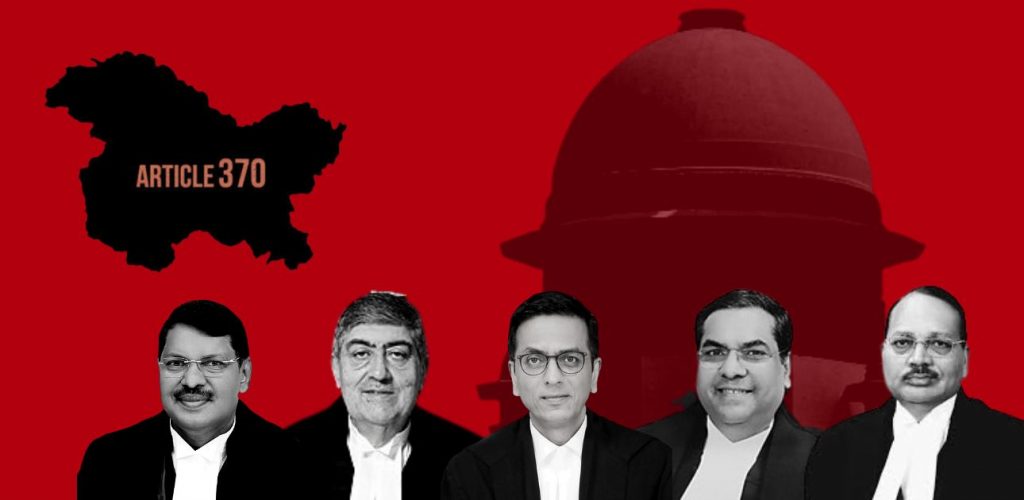
The Supreme Court’s validation of the abrogation of Article 370 in Jammu and Kashmir signifies a legal triumph for the Modi government’s approach. The judgment navigates historical complexities, raises questions about federalism, and introduces the need for honest political reconciliation in the region. The Court’s nuanced stance prompts reflections on the balance between integration and preserving regional identity.
Key Highlights:
Supreme Court’s Validation: The judgment upholding the abrogation of Article 370 is considered a significant legal victory for the Narendra Modi government, emphasizing its unwavering approach to Jammu and Kashmir.
Historical Ambiguities: The decision reflects on historical ambiguities, procedural intricacies, and legal complexities, asserting that no such considerations should impede the government’s vision of Jammu and Kashmir’s relationship with the Indian Union.
Political History Evaluation: Public perception of this judgment hinges on the unfolding of political history. Is it viewed as another instance of Jammu and Kashmir’s betrayal now officially endorsed by the Supreme Court? Does it set potentially precarious precedents for federalism and the credibility of the judiciary?
Integration or Half Measures?: The judgment prompts questions about whether this marks the final and complete integration of the state into India’s constitutional scheme or an improvement on the previous half measures, given the special status and autonomy that Article 370 was intended to provide.
Valley’s Response: The sullen silence in the Valley is being closely observed. Is it indicative of a final acceptance, a subdued victory, or an opportunity, as suggested by Justice Kaul, to set Kashmir on the path of truth and reconciliation?
Key Challenges:
Federalism and Judiciary’s Authority: A critical challenge lies in the Court’s avoidance of addressing the novel degradation of Indian federalism represented by the downgrading of Jammu and Kashmir to a Union Territory. This non-engagement poses questions about the judiciary’s commitment to upholding constitutional principles.
Conjuring Tricks and Constitutional Amendments: The judgment’s acceptance of open-ended promises for restoring statehood at an unspecified future date raises concerns about potential constitutional amendments through backdoor methods, challenging the integrity of the process.
Key Terms and Phrases:
Article 370’s Transitory Nature: The Court’s emphasis on Article 370 being transitory, justifying its abrogation without the Jammu and Kashmir Legislative Assembly’s consent.
Jammu and Kashmir Reorganisation Act, 2019: The Act that led to the downgrading of J&K to a Union Territory, a significant departure from the state’s historical status.
J&K Legislative Assembly: The absence of the requirement for the assembly’s consent raises questions about the democratic process and representation.
Union Territory: The transformation of J&K into a Union Territory, a move that alters its political and administrative status within the Indian Union.
Key Quotes:
“The whole of the Constitution of India applies to Jammu and Kashmir. But not yet.” – The Court’s statement encapsulating a performative aspect that delays full application.
Key Statements:
The Court’s avoidance of addressing the degradation of Indian federalism could undermine its authority and the principles it stands for.
Justice Kaul’s call for a Truth and Reconciliation Commission underscores the need for an honest reckoning with the complex history of Jammu and Kashmir.
Key Facts and Data:
Article 370’s gradual attenuation since the 1960s, leading to the question of whether its abrogation was a logical progression.
The reorganisation of J&K, creating a new precedent and introducing complexities in its political identity.
Critical Analysis:
The Court’s focus on procedural aspects and historical context while sidestepping federalism concerns creates a nuanced perspective on its role in interpreting constitutional provisions.
The judicial acceptance of open-ended promises raises questions about the accountability of the government’s actions and the potential misuse of constitutional powers.
Way Forward:
Honest political reconciliation is deemed essential in the absence of a political force capable of fostering genuine dialogue and resolution.
The evolving landscape of Indian politics and the Court’s role in navigating constitutional challenges, ensuring a delicate balance between integration and preserving regional identity.
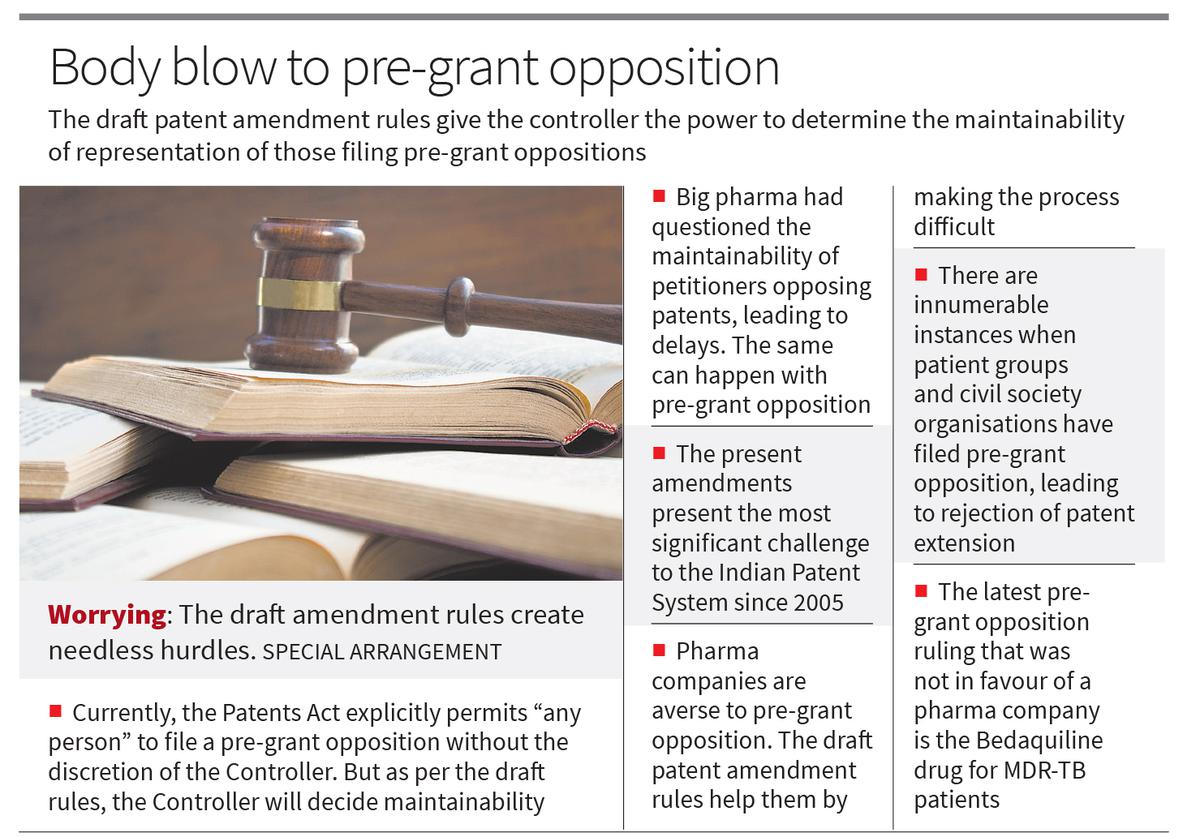
Madras High Court’s recent rulings on pharmaceutical patents clarify Section 3(e) and Section 3(i) exclusions, emphasizing evidence and contextual analysis for patent eligibility. The decisions highlight the necessity of bright-line rules for consistency in patent office decisions and suggest a legislative role in addressing gaps in pharmaceutical patent issues.
Key Highlights:
Recent Madras High Court judgments by Justice Senthilkumar Ramamoorthy bring clarity to pharmaceutical patent exclusions in the Indian context.
The first case, Novozymes vs Assistant Controller of Patents, interprets Section 3(e), excluding compositions that are mere aggregations. The court specifies that known aggregates can still be patent-eligible if individual components meet patent criteria.
The second case, Hong Kong and Shanghai University vs Assistant Controller of Patents, deals with Section 3(i), excluding inventions related to the treatment of humans or animals. The court provides insights into the types of diagnoses excluded under this provision.
Key Challenges:
Lack of bright-line rules in the interpretation of patent exclusions, leaving room for ambiguity and varied decisions.
Balancing the interests of pharmaceutical innovation, public health, and preventing overbroad monopolies poses a challenge for the courts.
The need for more legislative clarity on exclusions, with suggestions for in vitro process considerations and potential compulsory licensing.
Key Terms and Phrases:
Section 3(e): Exclusion related to compositions that amount to a mere aggregation of components.
Section 3(i): Exclusion pertaining to inventions involving processes for the treatment of humans or animals.
Bright-line rules: Clear and specific guidelines for interpreting patent exclusions, ensuring consistency in decision-making.
Key Quotes and Statements:
“Bright-line rules are very critical in the realm of pharmaceutical patents to provide consistency and certainty in decision-making.”
“The court’s insistence on producing evidence to demonstrate the synergistic properties of compositions is a welcome move for clarifying the scope of Section 3(e).”
“Courts need to be conscious of competing interests in pharmaceutical and medical patents, finding a robust balance point for all parties.”
Way Forward:
Advocate for the formulation of bright-line rules to simplify decision-making in the Indian Patent Office.
Encourage legislative consideration for in vitro processes, accompanied by provisions for compulsory licensing.
Emphasize the importance of courts balancing socio-economic conditions and public health concerns in interpreting patent law provisions.
A Constitution Bench of the Supreme Court on Monday unanimously upheld the power of the President to abrogate Article 370 in August 2019, leading to the reorganisation of the full-fledged State of Jammu and Kashmir to two Union Territories and denuding it of its special privileges.
Key Issues and Court’s Findings
[A] On the Sovereignty of Jammu and Kashmir:
Petitioners’ Claim: They argued that J&K retained an element of sovereignty when it acceded to India in 1947, different from other princely states.
Court’s Examination: The Court noted that J&K was listed as a Part III state in the Indian Constitution and Section 3 of J&K’s Constitution declared it an integral part of India.
Final Ruling: The Court held that J&K did not retain sovereignty, and the process of integration was ongoing, culminating in the Presidential declaration under Article 370(3).
[B] Whether Article 370 is Temporary or Permanent:
Arguments Presented: Petitioners argued for Article 370’s permanence, while others viewed it as temporary.
Court’s Opinion: Both CJI Chandrachud and Justice Kaul concurred that Article 370 was a temporary provision.
[C] Legality of Abrogating Article 370:
Abrogation Process: On August 5, 2019, President Ram Nath Kovind issued CO 272, amending Article 367 and redefining “Constituent Assembly of Jammu and Kashmir” as the “Legislative Assembly of Jammu and Kashmir.”
Court’s Upholding: The Court upheld this process, with CJI Chandrachud stating that post-dissolution of J&K’s Constituent Assembly, the President could have unilaterally abrogated Article 370.
[D] Actions Under President’s Rule:
Challenge to Union’s Actions: The challenge was to the extent of powers appropriated under Article 356 (President’s rule).
Reference to Bommai Ruling: The Court, citing the 1994 Bommai ruling, stated that actions under the President’s rule must not be mala fide or irrational.
Upholding Centre’s (Union) Supremacy
Parliament’s Unilateral Actions: The Court’s interpretation suggests Parliament can change a state’s status under the President’s rule.
Article 3 Reference: The President referred the Jammu and Kashmir Reorganisation Bill, 2019, to Parliament for its views, as the state was under President’s rule.
Validity of Executive Orders: The Court applied Bommai ruling standards to validate the executive orders, emphasizing the need for proof of mala fides to challenge the actions.
Conclusion
J&K’s Integral Status Affirmed: The Court conclusively ruled that J&K has always been an integral part of India.
Temporary Nature of Article 370: The ruling clarifies that Article 370 was a temporary provision.
Expansion of Union Powers: The judgment potentially expands the Union’s powers under President’s rule, affecting the federal balance.
Constitutional Precedent: This ruling sets a significant precedent in interpreting Union and state powers, reflecting on the dynamics of Indian federalism.
On December 11, the Supreme Court upheld the abrogation of Article 370, affirming that Jammu and Kashmir (J&K) did not retain sovereignty after joining the Union of India.
CJI D Y Chandrachud, writing for himself and Justices B R Gavai and Surya Kant, cited a 1949 proclamation by Yuvraj Karan Singh (successor of J&K titular Maharaja) as a key factor in this decision.
Karan Singh’s 1949 Proclamation
Repeal of the Government of India Act, 1935: The proclamation declared the repeal of the Government of India Act, 1935, which previously governed J&K’s constitutional relationship with India.
Adoption of the Indian Constitution: It stated that the Indian Constitution would govern J&K’s relationship with the Union of India and abrogate inconsistent constitutional provisions in the state.
Reason behind the Proclamation
Karan Singh’s Perspective: Speaking to The Indian Express, Karan Singh, aged 92, explained that the proclamation was necessary to eliminate ambiguity regarding J&K’s integration with India.
Instrument of Accession’s Ambiguity: He noted that while his father, Hari Singh, signed the Instrument of Accession like other rulers, J&K retained a measure of autonomy, leading to questions about its complete integration.
Supreme Court’s Findings
Essence of the Judgment: The Court stated that J&K did not retain any form of sovereignty upon joining India.
Significance of the 1949 Proclamation: The Court highlighted that Karan Singh’s proclamation superseded all constitutional provisions inconsistent with the Indian Constitution, effectively surrendering J&K’s sovereignty.
Alignment with the Centre’s Argument
Centre’s Stance: The Union government argued that the 1949 proclamation acknowledged the supremacy of the Indian Constitution and surrendered sovereignty to it, where the sovereign is ‘We the people of India’.
Court’s Agreement: The Supreme Court’s ruling aligns with this argument, affirming the complete integration of J&K into India.
Conclusion
The Supreme Court’s decision clarifies the constitutional status of J&K post the abrogation of Article 370, confirming its full integration into the Indian Union without any retained sovereignty.
The ruling underscores the historical context of J&K’s accession and the role of the 1949 proclamation in shaping its constitutional relationship with India.
The Supreme Court’s reliance on the 1994 SR Bommai judgment was pivotal in upholding the abrogation of Article 370.
The SR Bommai case is a landmark judgment interpreting Article 356 of the Constitution, which deals with President’s rule in states.
SR Bommai Case: An Overview
Origin of the Case: The case arose from the dismissal of the Janata Dal-led Karnataka government in 1989 by the Congress-led central government.
Governor’s Recommendation: Karnataka Governor P Venkatasubbaiah recommended President’s rule citing the loss of majority by Chief Minister SR SR Bommai and the inability of other parties to form a government.
Controversy: The move was controversial, especially as some MLAs later retracted their withdrawal of support, claiming their signatures were obtained by misrepresentation.
Supreme Court’s Verdict in the Case
Judicial Review of President’s Proclamation: The Court unanimously held that the President’s proclamation is subject to judicial review on several grounds, including illegality, malafide, and abuse of power.
Parliamentary Approval Requirement: The verdict mandated Parliamentary approval for imposing President’s rule. Without this approval, the dismissed government would automatically be revived after two months.
Centre-State Relationship: The ruling emphasized the autonomy of states, stating that greater power at the Centre does not reduce states to mere appendages.
Impact of the Ruling
Scrutiny of Governor’s Conduct: This was one of the first judgments to scrutinize the Governor’s role, especially in the context of frequent impositions of President’s rule.
Decrease in President’s Rule Impositions: Research indicates a significant decrease in the frequency of President’s rule post-SR Bommai , from an average of 2.5 times a year (1950-1994) to just over once a year (1995-2021).
Kashmir Reference in the Article 370 Ruling
Key Question: The central question was whether Article 370 could be abrogated while J&K was under President’s rule, which had been in place since 2018.
Supreme Court’s Reliance on SR Bommai: The Court used the SR Bommai ruling to validate the President’s actions in J&K, applying the standards set by Justices PB Sawant and Jeevan Reddy for testing the validity of executive orders.
Conclusion
Influence on Federal Dynamics: The SR Bommai judgment continues to influence the balance of power between the Centre and states, ensuring judicial oversight over central interventions in state governance.
Relevance in Contemporary Rulings: Its principles, particularly regarding judicial review and the autonomy of states, remain crucial in contemporary constitutional interpretations, as seen in the Article 370 ruling.
Since 1966, Foreigners Tribunals (FTs) in Assam have identified 32,381 people as foreigners.
Foreigners Tribunals in Assam
Unique Quasi-Judicial Bodies: FTs are specific to Assam, tasked with determining whether a person is illegally staying as a “foreigner” in India.
Backdrop of Assam’s NRC: With the National Register of Citizens (NRC) in Assam, the Ministry of Home Affairs (MHA) has outlined guidelines for detecting, detaining, and deporting illegal foreign nationals.
Amendment to Foreigners (Tribunals) Order, 1964: The MHA has amended this order, allowing district magistrates in all States and Union Territories to establish tribunals.
Shift in Power: Previously, only the Central Government had the authority to constitute such tribunals.
Need for Foreigners Tribunals
Legal Process for Foreigners: In other regions, foreigners apprehended for illegal stay are tried under the Passport Act, 1920, or the Foreigners Act, 1946, with penalties including imprisonment and eventual deportation.
Detention Centers: Post-sentence, the accused are held in detention centers until their country of origin agrees to accept them.
Recent Amendments and Their Implications
Changes in Tribunal Constitution: The 1964 order initially allowed only the Central Government to refer cases to the Tribunals. The amendment now permits State Governments, UT administrations, District Collectors, and District Magistrates to do so.
Empowerment of Individuals: The amended Foreigners (Tribunal) Order, 2019, enables individuals to approach Tribunals, a change from the earlier provision where only the State could challenge a suspect.
Context of NRC: With the final NRC publication, this amendment aims to provide adequate opportunities for those not included in the list.
Procedure for Non-Listed Individuals: Persons not found in the final NRC can approach the Tribunals. District Magistrates can also refer cases of individuals who haven’t filed claims against their NRC exclusion.
Issuance of Fresh Summons: These individuals will receive new summons to prove their citizenship.
Following judgment of the Supreme Court upholding the abrogation of Article 370, many invoked Dr Syama Prasad Mookerjee (1901-53), an ardent opponent of Kashmir’s ‘special status’ in the Indian Union.
Who was Syama Prasad Mookerjee?
Syama Prasad Mookerjee, an eminent Indian politician, barrister, and academician, played a significant role in shaping India’s political landscape during the mid-20th century.
Born on July 6, 1901, in Kolkata (formerly Calcutta), Mookerjee emerged as a prominent leader and a staunch advocate of Indian nationalism and Hindu politics.
Early Life and Education
Bengali Brahmin heritage: Mookerjee hailed from a respected Brahmin family with roots in Jirat, Hooghly District, and West Bengal.
Academic brilliance: He exhibited exceptional academic prowess, pursuing his education at prestigious institutions such as Presidency College and the University of Calcutta.
Legal career: Mookerjee became a barrister, being called to the English Bar after studying at Lincoln’s Inn in London.
Political Career
Initial association with Congress: Mookerjee began his political journey as a member of the Indian National Congress, representing Calcutta University in the Bengal Legislative Council.
Hindu Mahasabha affiliation: He later joined the Hindu Mahasabha, a right-wing Hindu nationalist organization, and became its president.
Championing Bengal partition: Mookerjee actively advocated for the partition of Bengal to safeguard Hindu interests, leading to the establishment of a separate West Bengal within the Indian Union.
Resignation from Bengal cabinet: As Finance Minister of Bengal Province, Mookerjee resigned in 1942, condemning the British government’s oppressive policies and their attempts to hold on to India.
Contributions to Independent India
Minister for Industry and Supply: Mookerjee served as India’s first Minister for Industry and Supply in Jawaharlal Nehru’s cabinet after independence.
Nehru-Liaquat Pact and resignation: He resigned from Nehru’s cabinet in 1950, protesting against the Nehru-Liaquat Pact, which he believed compromised the interests of Hindus in East Bengal (now Bangladesh).
Founding Bharatiya Jana Sangh: Mookerjee, with the support of the Rashtriya Swayamsevak Sangh (RSS), established the Bharatiya Jana Sangh in 1951, laying the foundation for the Bharatiya Janata Party (BJP).
Mookerjee’s Opposition to Article 370
Balkanization of India: Mookerjee strongly believed that Article 370 created a sense of separatism and division within the country, leading to the fragmentation of India’s unity.
Rejection of dual governance: Mookerjee famously stated, “Ek desh mein do Vidhan, do Pradhan aur Do Nishan nahi chalenge” (One country cannot have two constitutions, two prime ministers, and two flags), emphasizing his opposition to the separate status enjoyed by Jammu and Kashmir.
Reservations about special status: Mookerjee expressed concerns that the special status granted to Jammu and Kashmir under Article 370 would impede the state’s full integration into the Indian Union.
Inequality and separatism: He believed that granting special privileges to one state based on religion or regional factors would lead to a sense of inequality and separatism.
Ideological Stance and Legacy
Influence on BJP’s policy agenda: His ideology and vision continue to shape the policies and agenda of the Bharatiya Janata Party.
Controversial demise: Mookerjee’s untimely death in 1953 while in custody remains a subject of controversy and speculation, with demands for an independent inquiry.
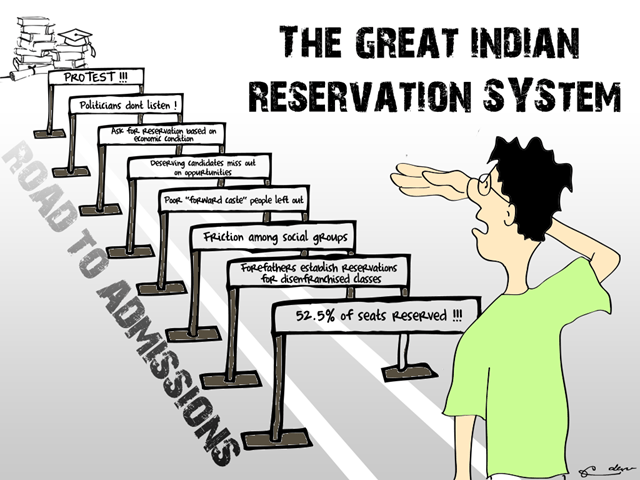
The article argues for the abolition of all reservations in government jobs, universities, and other institutions, contending that the once crucial affirmative action has devolved into a tool for political manipulation. It highlights the failure of reservations to achieve genuine social equality and proposes a voucher system exclusively for historically oppressed groups as an alternative.
Key Highlights:
The author advocates for the abolishment of all reservations in government jobs, universities, schools, the army, and paramilitary forces.
Reservation policies, initially introduced for scheduled castes and tribes as a gesture of atonement, have become a tool for political manipulation and failed to achieve social equality.
The suggestion to replace reservations with a voucher system for education, exclusively for those historically oppressed, is proposed as an alternative.
Key Challenges:
The political exploitation of caste-based reservations has perpetuated the system beyond its intended purpose, hindering genuine social progress.
The reluctance to address the issue stems from its controversial nature, making it difficult for leaders and commentators to openly criticize or advocate for change.
Key Terms & Phrases:
Reservations, Affirmative Action, Caste Census, Scheduled Castes, Scheduled Tribes, Voucher System, Social Equality, Political Exploitation.
Key Quotes:
“When reservations were introduced… it was a vital gesture of atonement for the evil done to lower caste Indians for centuries.”
“As a tool for bringing social equality for scheduled castes and tribes, reservations have failed.”
“The great Indian dream remains landing a government job.”
Key Statements:
Reservations, initially crucial for affirmative action, have transformed into a political tool, hindering genuine progress.
The author urges for the courage to admit the farcical nature of the reservations system and advocates for its abolition.
Key Examples and References:
Reference to Maratha leaders fasting for reservations highlights the misuse of the system by powerful castes.
The proposal to replace reservations with a voucher system draws from the need to address historical oppression without political exploitation.
Key Facts & Data:
Dr. Ambedkar initially suggested reservations for ten years, but political motivations led to its continuation.
The Prime Minister’s acknowledgment of belonging to the OBC category questions the need for reservations for these castes.
Critical Analysis:
The author emphasizes the need for a candid discussion on reservations, calling out its political exploitation and proposing alternatives.
The article challenges the prevalent narrative on reservations and highlights the disconnect between the intended purpose and the current reality.
Way Forward:
The article calls for bold leadership to address the reservations issue, suggesting a reevaluation of policies and the implementation of alternative measures to ensure genuine social progress.
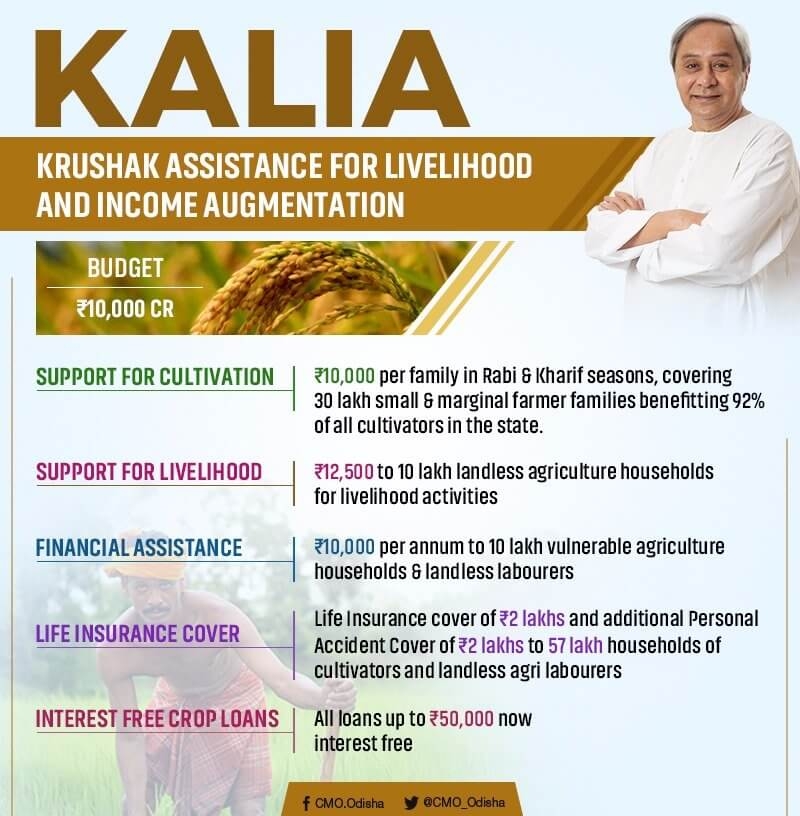
Odisha’s agricultural transformation, exemplified by a shift from scarcity to surplus, stands as a model for climate-resilient and equitable food security. The state’s success lies in empowering small and marginal farmers, embracing crop diversification, and proactively addressing climate vulnerabilities.
Key Highlights:
Odisha’s Agricultural Transformation: From importing rice to recording its highest food grain production in 2022, focusing on small and marginal farmers, and tripling average rice yield in two decades.
Resilience and Sustainability: Odisha’s proactive approach to climate change, developing a comprehensive Climate Change Action Plan covering various sectors, implementing climate-resilient cultivation practices, and adopting innovative measures for crop monitoring.
Social Protection: Odisha’s partnership with the United Nations World Food Programme, ranking as the top state in the National Food Security Act for 2022, and collaboration on food security, livelihood, and climate resilience initiatives.
Key Challenges:
Climate Vulnerability: Odisha’s susceptibility to climate change impacts, including cyclones, floods, and droughts, posing risks to livelihoods and infrastructure.
Implementation Hurdles: The need for effective implementation of climate-resilient practices at the ground level, overcoming potential challenges in executing the Climate Change Action Plan.
Key Terms and Phrases:
Krushak Assistance for Livelihood and Income Augmentation (KALIA)
Odisha Millet Mission
Climate-resilient cultivation practices
Crop Weather Watch Group
Integrated farming
Zero-input-based natural farming
Biometric technology in the Targeted Public Distribution System
Rice fortification
National Food Security Act
Key Quotes:
Odisha Chief Minister Naveen Patnaik: “Zero Hunger” goal commitment at the United Nations World Food Programme headquarters.
Anu Garg: “Odisha’s transformative journey presents a unique development model for other States in the context of the challenges of global climate change.”
Key Statements:
Odisha’s transition from food grain scarcity to surplus, climate-proofing agricultural systems, and ensuring food and nutrition security for vulnerable populations.
Key Examples and References:
Use of biometric technology in the Targeted Public Distribution System in Rayagada district.
Rice fortification initiatives in Gajapati district.
Key Facts and Data:
Odisha’s contribution to India’s rice production, ranking as the top state in the National Food Security Act for 2022.
Critical Analysis:
Odisha’s success in achieving surplus production and resilience can serve as a model for other states facing similar challenges.
The effectiveness of climate-resilient practices and the Climate Change Action Plan in mitigating climate risks need continuous evaluation.
Way Forward:
Scaling Successful Initiatives: Expanding successful schemes like KALIA and promoting crop diversification to enhance resilience.
Technological Integration: Continued integration of technology in agriculture for monitoring, early warning systems, and precision farming.
International Collaboration: Strengthening partnerships with international organizations for knowledge exchange and resource mobilization.
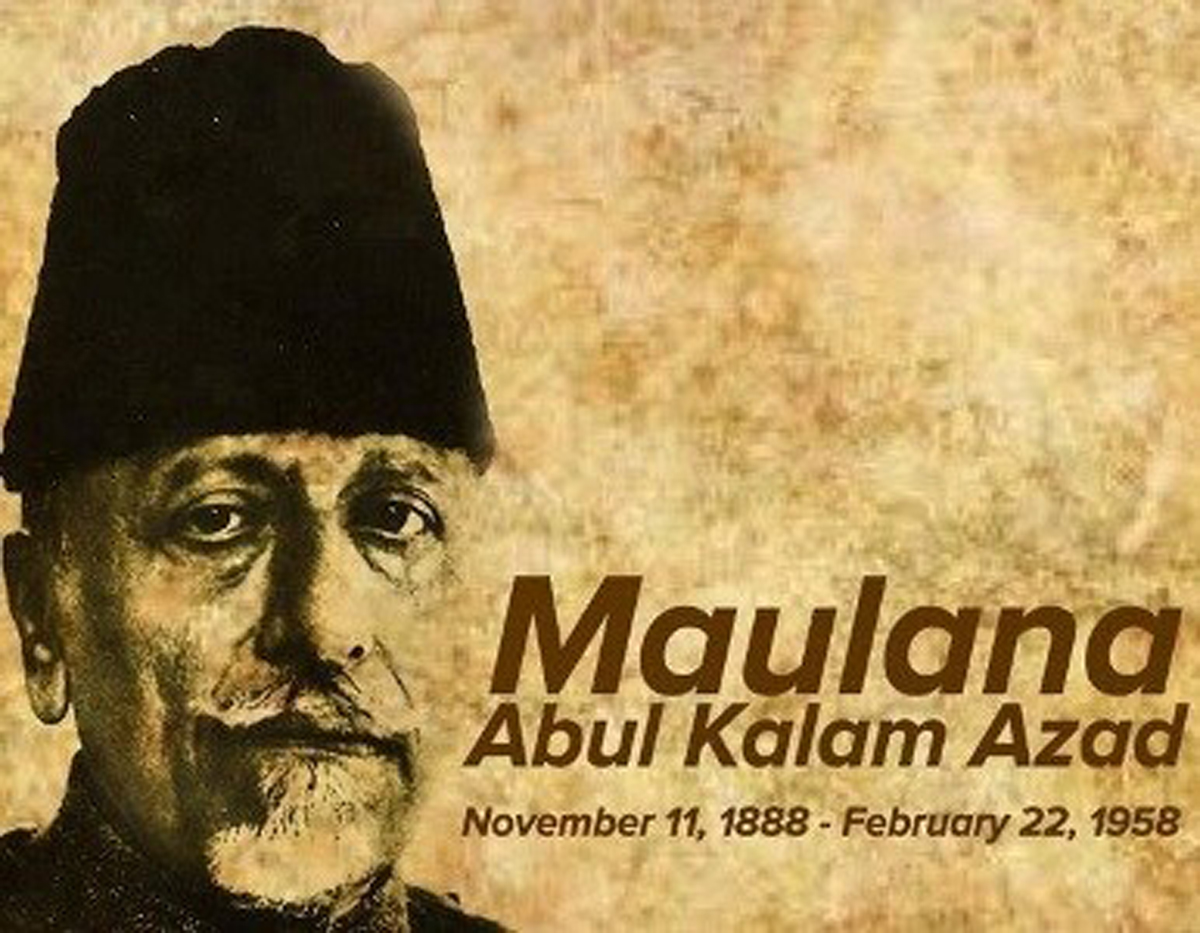
The article reflects on the legacy of Maulana Abul Kalam Azad, emphasizing his commitment to Hindu-Muslim unity and his pivotal role during the Partition era. The author expresses concerns about the current state of unity, citing instances of hate and intolerance, and calls for introspection to preserve the values Azad stood for.
Key Highlights:
The author reflects on the life and contributions of Maulana Abul Kalam Azad, focusing on Azad’s commitment to Hindu-Muslim unity and his refusal to sign the Partition Resolution.
The article highlights pivotal moments in Azad’s life, emphasizing his dedication to unity and the challenges faced during the partition.
Key Challenges:
The author expresses concern about the current state of Hindu-Muslim unity, citing rising hate and intolerance.
Instances of vandalizing Azad’s statue and derogatory comments in Parliament are presented as challenges to the values Azad stood for.
Key Terms:
Hindu-Muslim ittehad (unity)
Partition Resolution
Swaraj
Kakinara
Kashmir
Key Phrases:
“Over my dead body.”
“You are throwing us to the wolves.”
“Nehru ki galtiyon ka khamyaza Kashmir ko bhugatna pada.”
“Julam dhha le, tu sitam dhha le/ Hamare bhi to din hain aane waale.”
Key Quotes:
“If an angel were to descend from heaven and declare that India would get Swaraj in 24 hours, provided she relinquishes Hindu-Muslim unity, I will answer, ‘Never’.”
“Hate is the favored word; expressions like ‘mohabbat ki dukaan’ are sniggered at.”
“Our day, too, will come.”
Anecdotes:
The author recalls instances of vandalism against Azad’s statue and derogatory comments in Parliament, reflecting the challenges faced by ideals of unity.
Key Statements:
“The angel has descended and made his declaration, but he has been shown his place.”
“Indians are being swept by a tsunami of hate.”
“Today, I grope about in the endless darkness in which my country has been enveloped.”
Key Examples and References:
Mention of Kakinara incident and recent expressions in Parliament.
Reference to the filmmaker K A Abbas and his film “Rahi.”
Key Facts:
Azad’s refusal to sign the Partition Resolution.
Azad’s pivotal role in advocating Hindu-Muslim unity.
Instances of vandalism against Azad’s statue and derogatory comments in Parliament.
Key Data:
The time frame: 100 years since Azad’s pivotal speech, approaching 2024.
Critical Analysis:
The author critically examines the current state of Hindu-Muslim unity, expressing concerns about rising hate and intolerance.
The article reflects on the impact of political and social changes on the legacy of freedom fighters like Azad.
Way Forward:
The article implies a call for introspection and a renewed commitment to the values of unity, advocating for a more inclusive and tolerant society.
In the last 3 years, a lot of things have changed about UPSC CSE
This includes Exam Patterns & trends, Prelims, CSAT, Mains, and Preparation strategy
Standard resources and mocks can’t make you feel prepared anymore
Now, Every ranker who qualifies Mains crafts a process for it, painstakingly
Civilsdaily Masterclasses allow you to access the real work from those who have done it before
All rankers built their own preparation system. What’s stopping you?
Let us help you develop your system
Never start from scratch on your UPSC preparation
Start like a Topper.
Read what Saloni Vats, Rank 129, UPSC’23, has to say about UPSC preparation and approach.
“I genuinely believe std. Resources and mock tests are not enough now to get a rank in UPSC CSE.
With approximately 12 months to go for UPSC Prelims 2025, one has to consider the overall preparation strategy and how he/she will approach the exam.
Now, you need to define the exact plan.
This thinking gives you an edge over others in the exam. You become relaxed and confident throughout the journey, which is otherwise filled with lots of daily anxiety, fear, and uncertainty.
And this Wednesday, I am coming to help you create your own preparation plan, especially if you are a beginner; you must attend this.
My masterclass will be a reality check on modern-day UPSC prep. Not just book list and strategy but also my inputs on your current strategy shared with you over our private Zoom meeting.”
Attend the FREE Webinar on Integrated UPSC 2025 Prelims and Mains Strategy
By the end, you’ll have razor-sharp clarity and a clear roadmap for approaching and qualifying your UPSC 2024-25 exam with confidence and near-perfect certainty.
Saloni Vats, AIR 129, UPSC’23
Registration open! Join now to attend the webinar for FREE
(Don’t wait—the next webinar won’t be until July’24)
These masterclasses are packed with value. They are conducted in private with a closed community. We rarely open these webinars for everyone for free. This time we are keeping it for 300 seats only.
The Union Tribal Ministry informed the Rajya Sabha that the population of Particularly Vulnerable Tribal Groups (PVTGs) is not declining, contrary to earlier data.
The Pradhan Mantri-Janjati Adivasi Nyaya Maha Abhiyan (PM-JANMAN) aims to provide basic facilities to PVTGs, with a significant budget allocation.
Who are the PVTGs?
Definition and Characteristics: PVTGs, formerly known as Primitive Tribal Groups, are identified by criteria like declining population, pre-agrarian technology, economic backwardness, and low literacy.
Distribution: Spread across 18 States and Union Territories, India has 75 PVTGs, with the highest numbers in Odisha and Andhra Pradesh.
Historical Context: These groups inhabit remote areas and have historically been among the most vulnerable sections of Scheduled Tribes.
PM-JANMAN: Objectives and Funding
Mission Goals: The mission, announced earlier in the year, focuses on improving infrastructure and basic amenities in PVTG areas.
Budget Allocation: The Cabinet approved a ₹24,000 crore package, with contributions from both the central and state governments.
Implementation Strategy: The program involves nine ministries and aims to enhance housing, connectivity, healthcare, education, and economic opportunities in PVTG villages.
Challenges in Implementation
Data Gaps: A key challenge is the lack of current and accurate data on PVTG populations and socio-economic conditions.
Baseline Surveys: While surveys are being conducted, their results are not yet public, and there has been no separate Census for PVTGs since 1951.
Recommendations: The National Advisory Council suggested conducting a specific Census for PVTGs to better understand their needs in education, health, and housing.
Conclusion
Critical Need for Accurate Data: Effective implementation of development projects for PVTGs hinges on having reliable data.
Holistic Approach: The government’s initiative reflects a comprehensive approach to improving the living standards of PVTGs, addressing various aspects of their well-being.
Continued Monitoring and Evaluation: Ongoing assessment and adaptation of strategies will be crucial to ensure the success of these development efforts for PVTGs.





![[UPSC’25 Beginner’s Webinar]: On PYQs, Current Affairs & Time management | 19th June, 4:00 PM](https://www.civilsdaily.com/wp-content/uploads/2023/12/Saloni-Vats-Thumb-1568x882.jpg)