💥UPSC 2026, 2027, 2028 UAP Mentorship (March Batch) + Access XFactor Notes & Microthemes PDF

Search results for: “”

  • Nikaalo Prelims Spotlight || RBI, Inflation and Monetary Policy, Money Market and Capital Market


    Dear Aspirants,

    This Spotlight is a part of our Mission Nikaalo Prelims-2023.

    You can check the broad timetable of Nikaalo Prelims here

    Session Details

    YouTube LIVE with Parth sir – 7 PM  – Prelims Spotlight Session

    Evening 04 PM  – Daily Mini Tests

    Join our Official telegram channel for Study material and Daily Sessions Here


    1st May 2023

    Inflation

    Understanding Inflation

    Inflation: Inflation is when the overall general price level of goods and services in an economy is increasing. As a consequence, the purchasing power of the people are falling. 

    Inflation Rate: Inflation Rate is the percentage change in the price level from the previous period. 

    Inflation Rate= {(Price in year 2 – Price in year 1)/ Price in year 1} *100

    Whole sale Price Index: WPI is used to monitor the cost of goods and services bought by producer and firms rather than final consumers. The WPI inflation captures price changes at the factory/wholesale level.

    GDP Deflator: GDP Deflator is the ratio of nominal GDP to real GDP. The nominal GDP is measured at the current prices whereas the real GDP is measured at the base year prices. 

    The Difference

    Consumer Price Index GDP Deflator
    CPI reflects the price of goods and services bought by the final consumers. GDP deflator reflects the price of all the goods and services produced domestically.
    Example: Suppose the price of a satellite to be launch by ISRO increases. Even though the satellite is part of the GDP of India, but it is not a part of normal CPI index, since we don’t consume satellite. The price rise of the ISRO satellite will be reflected in GDP deflator.
    Similarly, India produces some crude oil, but most of the oil/petroleum is imported from the West Asia, as a result, when the price of oil/petroleum product changes, it is reflected in CPI basket as petroleum products constitute a larger share in CPI. The price change of oil products is not reflected much in the GDP deflator since we do not produce much crude oil.
    The CPI compares the price of a fixed basket of goods and services to the price of the basket in the base year. The GDP deflator compares the price of currently produced goods and services to the price of the same goods and services in the base year. Thus, the group of goods and services used to compute the GDP deflator changes automatically over time.

    Producer Price Index

    PPI measures the average change in the sale price of goods and services either as they leave the place of production or as they enter the place of production. Moreover, PPI includes services also.

    The PPI measure the price changes from the perspective of the seller and differs from CPI which measures price changes from buyer perspective.

    Causes of Inflation

    Inflation is mainly caused either by demand Pull factors or Cost Push factors. Apart from demand and supply factors, Inflation sometimes is also caused by structural bottlenecks and policies of the government and the central banks. Therefore, the major causes of Inflation are:

    • Demand Pull Factors (when Aggregate Demand exceeds Aggregate Supply at Full employment level).
    • Cost Push Factors (when Aggregate supply increases due to increase in the cost of production while Aggregate demand remains the same).
    • Structural Bottlenecks (Agriculture Prices fluctuations, Weak Infrastructure etc.)
    • Monetary Policy Intervention by the Central Banks.
    • Expansionary Fiscal Policy by the Government.

    Demand and Supply factors can be further sub divided into the following:
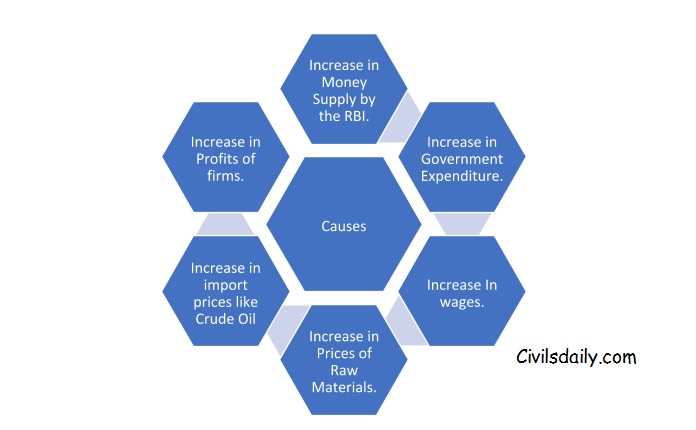
    Inflationary Gap: the Inflationary gap is a situation which arises when Aggregate demand in an economy exceeds the Aggregate supply at the full employment level.

    Deflationary Gap: Deflationary Gap is a situation which arises when Aggregate demand in the economy falls short of Aggregate Supply at the full employment level.

    Stagflation:  The falling growth along with rising prices makes cost push inflation more dangerous than the demand-pull inflation. The situation of rising prices along with falling growth and employment is called as stagflation.

    Hyperinflation: Hyperinflation is a situation when inflation rises at an extremely faster rate. The rate of inflation can increase from 50 times to 300 times. The major causes of the hyperinflation are; government issuing too much currency to finance its deficits; wars and political instabilities and unexpected increase in people’s anticipation of future inflation.

    Structural Inflation

    • Structuralist Inflation is another form of Inflation mostly prevalent in the Developing and Low-Income Countries.
    • The Structural school argues that inflation in the developing countries are mainly due to the weak structure of their economies.

    Deflation: Deflation is when the overall price level in the economy falls for a period of time.Deflation is when, for instance, the price of a basket of goods has fallen from Rs 100 to Rs 80. It’s the reduction in overall prices of goods.

    Disinflation: Disinflation is a situation in which the rate of inflation falls over a period of time. Remember the difference; disinflation is when the inflation rate is falling from say 5% to 3%.

    Headline versus Core Inflation

    The headline inflation measure demonstrates overall inflation in the economy. Conversely, the core inflation measures exclude the prices of highly volatile food and fuel components from the inflation index.

    Core inflation excludes the highly volatile food and fuel components and therefore represents the underlying trend inflation. 

    Banking and Monetary Policy

    What is monetary policy?

    As the name suggests it is policy formulated by monetary authority i.e. central bank which happens to be RBI in case of India.

    It deals with monetary i.e money matters i.e. affects money supply in the economy.

    Eg. CRR,SLR,OMO,REPO etc

    What is fiscal policy then?

    It is formulated by finance ministry i.e. government. It deals with fiscal matters i.e. matters related to government revenues and expenditure.

    Revenue matters- tax policies, non tax matters such as divestment, raising of loans, service charge etc

    Expenditure matters– subsidies, salaries, pensions, money spent on creation of capital assets such as roads, bridges etc.

    Monetary policy and fiscal policy together deal with inflation.


    Let us now understand how RBI formulates monetary policy to control inflation

    It’s clear from what we have learnt so far that to control inflation, RBI will have to decrease money supply or increase cost of fund so that people do not demand goods and services.

    Tools available with RBI


    1. Quantitative tools or general tools- they affect money supply in entire economy- housing, automobile, manufacturing, agriculture- everything.

    They are of two types

    1. Cash Reserve Ratio (CRR)– as the name suggests, banks have to keep this proportion as cash with the RBI. Bank cannot lend it to anyone. Bank earns no interest rate or profit on this.Bank cannot lend it to anyone. 
    2. Statutory Liquidity Ratio (SLR)-  As the name indicates banks have to set aside this much money into liquid assets such as gold or RBI approved securities mostly government securities. Banks earn interest on securities but as yield on govt securities is much lower banks earn that much less interest.

    RBI Tools for Controlling Credit/Money Supply

    Broadly speaking, there are two types of methods of controlling credit.

    Measure of Money Supply in India

    M1 M2 M3 M4
    It is also known as Narrow Money. It is a broader concept of the money supply. It is also known as Broad Money. M4 includes all items of M3 along with total deposits of post office saving accounts.
    M1= C+DD+OD

    C= Currency with Public.

    DD= Demand Deposit with the public in the Banks.

    OD= Other Deposits held by the public with RBI.

    M2= M1 + Saving deposits with the post office saving banks.

    M1 is distinguished from M2 because the post office saving deposits are not as liquid as Bank deposits.

    M3 = M1+ Time Deposits with the Bank.

    Time deposits serve as a store of wealth and represent a saving of the people and are not as liquid as they cannot be withdrawn through cheques or ATMs as compared to money deposited in Demand deposits.

    M4= M3+Total Deposits with Post Office Saving Organisations.

    M4 however, excludes National Saving Certificates of Post Offices.

    It is the most liquid form of the money supply.   M3 is the most popular and essential measure of the money supply. The monetary committee headed by late Prof Sukhamoy Chakravarty recommended its use for monetary planning in the economy. M3 is also called Aggregate Monetary Resource  


    FINANCIAL MARKETS

    • Financial Markets refers to the system consisting of financial institutions, financial instruments, regulatory bodies and organisations
    •  It facilitates flow of debt and equity capital.
    • Financial Institutions (Banks), Development financial Institutions (NABARD, SIDBI, IDBI etc.) and Non-Banking Financial Institutions form Financial Institutions. Ø Financial Instruments are shares, bonds, debentures etc.

    Financial markets consist of two major segments:

    (l) Money Market: the market for short term funds;

    (2) Capital Market: the market for long and medium term funds.

    MONEY MARKET

    According to the RBI, “The money market is the centre for dealing mainly of short character, in monetary assets; it meets the short term requirements of borrowers and provides liquidity or cash to the lenders.

    It is a place where short term surplus investible funds at the disposal of financial and other institutions and individuals are bid by borrowers, again comprising institutions and individuals and also by the government.

    Functions of Money Market

    • To maintain monetary equilibrium: It means to keep a balance between the demand for and supply of money for short term monetary transactions.
    • To promote economic growth: Money market can do this by making funds available to various units in the economy such as agriculture, small scale industries, etc.
    • To provide help to Trade and Industry: Money market provides adequate finance to trade and industry. Similarly it also provides facility of discounting bills of exchange for trade and industry.
    • To help in implementing Monetary Policy: It provides a mechanism for an effective implementation of the monetary policy.
    • To help in Capital Formation: Money market makes available investment avenues for short term period. It helps in generating savings and investments in the economy.
    • Money market provides non-inflationary sources of finance to government.

    Instruments of money market

    Treasury Bills: They are promissory notes issued by the RBI on behalf of the government as a short term liability and sold to banks and to the public. The maturity period ranges from 14 to 364 days. They are the negotiable instruments, i.e. they are freely transferable. No interest is paid on such bills but they are issued at a discount on their face value.

    Commercial Bills: They are also called Trade Bills or Bills of Exchange. Commercial bills are drawn by one business firm to another in lieu of credit transaction. It is a written acknowledgement of debt by the maker directing to pay a specified sum of money to a particular person. They are short-term instruments generally issued for a period of 90 days. These are freely marketable. Banks provide working capital finance to firms by purchasing the commercial bills at a discount; this is called ‘discounting of bills’.

    Commercial Paper (CP): The CP was introduced in 1990 on the recommendation of the Vaghul Committee. A commercial paper is an unsecured promissory note issued by corporate with net worth of atleast Rs 5 crore to the banks for short term loans. These are issued at discount on face value for a period of 14 days to 12 months. These are issued in multiples of Rs 1 lakh subject to a minimum of Rs 25 lakh.

    Certificate of Deposit (CD): The CD was introduced in 1989 on the recommendation of the Vaghul Committee. These are issued by banks against deposits kept by individuals and institutions for a period of 15 days to 3 years. These are similar to Fixed Deposits but are negotiable and tradable. These are issued in multiples of Rs. 1 lakh subject to a minimum of Rs25 lakh.

    CAPITAL MARKET

    The capital market is the market, for medium and long term funds. It consists of all the financial institutions, organizations and instruments which deal in lending and borrowing transaction of over one year maturity.

    It is of following two types:

    Primary Market

    Secondary Market

    It issues security for the first time. Example- Initial public offer and follow on public offer.

    Existing securities are bought and sold.

    Firms issue shares to public.

    One investor sells it to another investor.

    Price is fixed by the firms.

    Price is fixed on the basis of demand and supply.

    Firms raise money for long-term investment.

    Companies benefit from the secondary markets.

    There is no specific geographical location.

    There is no specific geographical location.

    SEBI is the regulator for this market.

    SEBI is the regulator for this market as well.

    GILT-EDGED MARKET

     The Gilt-edged market refers to the market for government and semi government securities, backed by the RBI.

    It is known so because the government securities do not suffer from the risk of default and are highly liquid.

    The RBI is the sole supplier of such securities. These are demanded by commercial banks, insurance companies, provident funds and mutual funds.

    The gilt-edged market may be divided into two parts- the Treasury bill market and the government bond market. Treasury bills are issued to meet short-term needs for funds of the government, while government bonds are issued to finance long-term developmental expenditure. 


  • Re-examination of Sedition Law in motion: Govt informs SC

    Central idea: The Centre has informed Supreme Court that it has initiated the “process of re-examination” of Section 124A (sedition) of the Indian Penal Code and consultations are in its “final stage”.

    What is the Sedition Law?

    • Section 124A of the Indian Penal Code lays down the punishment for sedition. The IPC was enacted in 1860, under the British Raj.
    • The then British government in India feared that religious preachers on the Indian subcontinent would wage a war against the government.
    • Particularly after the successful suppression of the Wahabi/Waliullah Movement by the British, the need was felt for such law.
    • Throughout the Raj, this section was used to suppress activists in favor of national independence, including Tilak and Mahatma Gandhi, both of whom were found guilty and imprisoned.

    Do you know?

    Queen-Empress v. Bal Gangadhar Tilak (1897) was the first case in which Section 124A was defined and applied. Again in 1908, when Tilak was tried under same section, then young barrister and a staunch protagonist Mohammed Ali Jinnah defended Tilak.

    What is Sedition?

    • The Section 124A defines sedition as:

    An offence committed when “any person by words, either spoken or written, or by signs, or by visible representation, or otherwise, brings or attempts to bring into hatred or contempt, or excites or attempts to excite disaffection towards the government established by law in India”.

    • Disaffection includes disloyalty and all feelings of enmity.
    • However, comments without exciting or attempting to excite hatred, contempt or disaffection, will not constitute an offense.
    • Sedition is a non-bailable offense.
    • Punishment under Section 124A ranges from imprisonment up to three years to a life term with/without a fine.

    Sedition as a cognizable offense

    • Sedition was made a cognizable offense for the first time in history in India during the tenure of Prime Minister Indira Gandhi in 1973, that is, arrest without a warrant was now permissible.
    • In 1962 the Supreme Court of India interpreted the section to apply only if there is, say, “incitement to violence” or “overthrowing a democratically elected government through violent means”.

    Is it constitutionally valid?

    • Violative of FRs: Two high courts had found it unconstitutional after Independence, as it violated the freedom of speech and expression.
    • Reasonable restrictions: The Constitution was amended to include ‘public order’ as one of the ‘reasonable restrictions’ on which free speech could be abridged by law.
    • Kedar Nath Case: Thereafter, the Supreme Court, in Kedar Nath Singh v. State of Bihar (1962) upheld its validity.
    • Limited use: At the same time, it limited its application to acts that involve “intention or tendency to create disorder” or incitement to violence.
    • Strong criticism doesn’t amount to sedition: Thus, even strongly worded remarks, as long as they do not excite disloyalty and enmity, or incite violence, are not an offence under this section.

    sedition

    Why the controversy now?

    • Frequent use: In recent times, the resort to this section is seen as disturbingly frequent.
    • Curbing dissent: Activists, cartoonists and intellectuals have been arrested under this section, drawing criticism from liberals that it is being used to suppress dissent and silence critics.
    • Misuse for propaganda: Authorities and the police who invoke this section defend the measure as a necessary step to prevent public disorder and anti-national activities.
    • Irrelevance: Many of them have also been detained under the National Security Act and UAPA.

    What is being debated about it?

    • Demand for its scrapping: Liberals and rights activists have been demanding the scrapping of Section 124A.
    • Provision is outdated: It is argued that the provision is “overbroad”, i.e., it defines the offence in wide terms threatening the liberty of citizens.
    • Various calls for its reconsideration: The Law Commission has also called for a reconsideration of the section.
    • Tyranny of the law: It has pointed that Britain abolished it more than a decade ago and raised the question of whether a provision introduced by the British to put down the freedom struggle should continue to be law in India.
    • Doctrine of severability: Some argue that a presumption of constitutionality does not apply to pre-constitutional laws as those laws have been made by foreign legislature or bodies.

    Need for such law

    • There are some tendencies exist even today who wish to overthrow the state apparatus and constitutional scheme of India.
    • It falls on the judiciary to protect Articles 19 and Article 21 of the Constitution.
    • Undue exercise of free speech has led to overture of ordinary dissent into an anti-national insurrection or uprising.
    • There are areas in the country that face hostile activities and insurgencies created by rebel groups, like the Maoists.
    • There must be restrictions on expressing unnecessary contempt or ridiculing of the Government beyond certain limits.

    Way forward

    • India is the largest democracy in the world and the right to free speech and expression is an essential ingredient of democracy.
    • The sedition law should not be abolished as some measures are needed to check communal violence & insurgency activities like Naxals.
    • The definition of sedition should be narrowed down, to include only the issues pertaining to the territorial integrity of India as well as the sovereignty of the country.
    • Section 124A should not be misused as a tool to curb free speech.


    Get an IAS/IPS ranker as your personal mentor for UPSC 2024 | Schedule your FREE session and get the Prelims prep Toolkit!

  • ASEAN-India maritime exercise in South China Sea

    south china sea asean

    Central idea: The article highlights India’s increasing military cooperation with ASEAN countries, with a special emphasis on the upcoming ASEAN-India Maritime Exercise (AIME) in the South China Sea.

    ASEAN-India Maritime Exercise

    • The first ASEAN-India Maritime Exercise (AIME) is set to commence on May 2, 2023, with war games to be held in the South China Sea.
    • INS Satpura and INS Delhi will participate in the exercise.
    • The exercise is divided into two phases: ‘Harbour Phase’ and ‘Sea Phase.’
    • The exercise is aimed at fostering close cooperation and conducting seamless operations in the maritime domain between the Indian Navy and ASEAN navies.

    About ASEAN (Association of Southeast Asian Nations)

    Details
    Members Brunei Darussalam, Cambodia, Indonesia, Laos, Malaysia, Myanmar, Philippines, Singapore, Thailand, Vietnam
    Formation August 8, 1967
    Headquarters Jakarta, Indonesia
    Purpose To promote economic growth, social progress, and cultural development
    Economic integration ASEAN Free Trade Area (AFTA) and ASEAN Economic Community (AEC)
    Political cooperation ASEAN Regional Forum (ARF) and ASEAN Defense Ministers Meeting (ADMM)
    Cultural cooperation ASEAN Socio-Cultural Community (ASCC)
    Relationship with India Strategic partnership, trade, and investment


    Why such exercise?

    • Defying territorial claims: The South China Sea is a critical waterway that connects the Indian Ocean with the Pacific Ocean, and it is also a contested region where multiple countries have territorial claims.
    • Support freedom of navigation: Conducting exercises in this region allows India to demonstrate its commitment to maintaining freedom of navigation and upholding international maritime laws.
    • Indo-Pacific Strategy: India’s growing strategic ties with ASEAN are part of its broader Indo-Pacific strategy, which seeks to promote a rules-based order and ensure stability in the region.
    • Counterbalancing China: As China’s influence in the Indo-Pacific grows, India sees ASEAN as a key partner in balancing China’s assertiveness and promoting regional stability.

    India’s stakes in South China Sea

    The South China Sea plays a critical role in India’s security and well-being as-

    • Global common: The SCS is not China’s sea, but a global common.
    • Unimpeded navigation: It has been an important sea-lane of communication for centuries, and passage has been unimpeded. Indians have sailed these waters for well over 1,500 years with a continuous trading presence.
    • Global trade chokepoint: Nearly $200 billion of India’s trade passes through the South China Sea, and thousands of Indian citizens study, work and invest in ASEAN, China, Japan and the Republic of Korea.

    Key significance: India’s Responsiveness to ASEAN

    India needs to be responsive to ASEAN’s expectations.

    • Meeting ASEAN’s aspirations: While strategic partnerships and high-level engagements are important, ASEAN expects longer-lasting buy-ins by India in their future.
    • History of lesser importance given by India: ASEAN has taken the initiative time and again to involve India in Indo-Pacific affairs, even though India’s current level of trade or investment with ASEAN does not make a compelling argument.
    • Broader perception of India as key partner: ASEAN has deliberately taken a longer-term view, given the importance of regional arrangements for economic recovery and rejuvenation.


    Back2Basics:  South China Sea Dispute

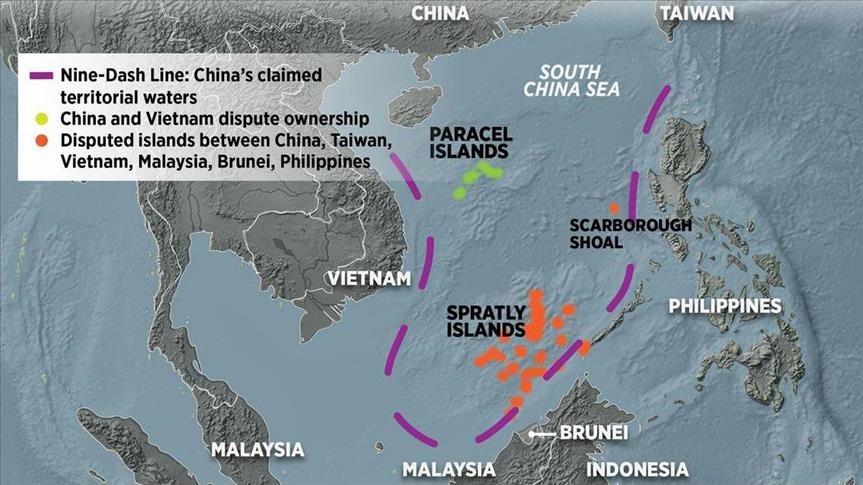
    • It is a dispute over territory and sovereignty over ocean areas, and the Paracels and the Spratlys – two island chains claimed in whole or in part by a number of countries.
    • China, Vietnam, the Philippines, Taiwan, Malaysia, and Brunei all have competing claims.
    • Alongside the fully-fledged islands, there are dozens of rocky outcrops, atolls, sandbanks, and reefs, such as the Scarborough Shoal.
    • China claims by far the largest portion of territory – an area defined by the “nine-dash line” which stretches hundreds of miles south and east from its most southerly province of Hainan.
    • Beijing says its right to the area goes back centuries to when the Paracel and Spratly island chains were regarded as integral parts of the Chinese nation, and in 1947 it issued a map detailing its claims.
    • It showed the two island groups falling entirely within its territory. Those claims are mirrored by Taiwan.


    Get an IAS/IPS ranker as your personal mentor for UPSC 2024 | Schedule your FREE session and get the Prelims prep Toolkit!

  • Psychedelics and its uses to treat Depression

    Central idea: The context of the article is about the use of psychedelic drugs for both recreational and medicinal purposes.

    What are Psychedelics?

    • Psychedelics are a class of drugs that alter an individual’s perception, mood, and thought processing while still allowing the individual to remain conscious and with unimpaired insight.
    • They are non-addictive and non-toxic, and cause less harm to the end user compared to illicit drugs.
    • The two most commonly used psychedelics are LSD (Lysergic acid diethylamide) and psilocybin. Researchers have also developed synthetic psychedelics.
    • In India, the Narcotic Drugs and Psychotropic Substances Act 1985 prohibits the use of psychedelic substances, except for ketamine which is used under strict medical supervision.

    History of psychedelics

    • Humans have used psilocybin and mescaline for ceremonial, healing, and spiritual rituals for millennia.
    • The modern-day use of psychedelics is commonly associated with the German chemist Arthur Heffter isolating mescaline from the peyote cactus in 1897.
    • In 1938, Swiss chemist Albert Hofmann first synthesized LSD while investigating compounds related to ergotamine.
    • LSD was widely used as a therapeutic catalyst in psychotherapy between 1947 and 1967, until it was criminalized in the US due to medical concerns and the Vietnam War.

    Experience of using psychedelic substances

    • Users of psychedelic substances report changes in perception, somatic experience, mood, thought-processing, and entheogenic experiences.
    • Perceptual distortions most commonly include the visual domain.
    • Somatic experiences may include the visceral, tactile, and interoceptive domains.
    • Mood changes may include elation, euphoria, anxiety, and paranoia.
    • Entheogenic experiences include transcendental and ineffable spiritual experiences.

    How do they work inside the body?

    • Classical psychedelics boost brain serotonin levels.
    • Psilocybin’s therapeutic effects require a ‘trip’ that is mediated by the activation of serotonin receptors.
    • Modern neuroimaging suggests that psychedelics increase the cross-talk between different brain networks, and this correlates with the subjective effects of psychedelics.

    Can psychedelic substances cause any harm?

    • Death due to direct toxicity of LSD, psilocybin, or mescaline has not been reported in the literature despite 50-plus years of recreational use.
    • Synthetic psychedelics have been associated with acute cardiac, central nervous system, and limb ischemia, as well as serotonin syndrome.

    What is Psychedelic-Assisted Psychotherapy?

    • Psychedelic-assisted psychotherapy has three types of sessions: preparatory, medication, and integration.
    • In the medication session, the patient is accompanied by a male-female co-therapist dyad and a psychedelic drug is administered in a comfortable and well-appointed room.
    • Over the next 6-8 hours, the therapists listen to the patient while maintaining a neutral therapeutic stance.
    • In the integration session, the therapists work with the patient to interpret the contents of their psychedelic experience into meaningful long-term change, based on their thoughts and ideas.

    Uses to treat Neuropsychiatric Disorders

    • Research has shown that psychedelic substances have potential therapeutic benefits in treating neuropsychiatric disorders such as treatment-resistant depression and post-traumatic stress disorder (PTSD).
    • In recent trials, a single dose of psilocybin or MDMA-assisted therapy has been shown to reduce depression scores and improve symptoms of PTSD in participants.

    Back2Basics: Narcotic Drugs and Psychotropic Substances Act, 1985

    Details
    Purpose Combat drug abuse and trafficking in India
    Scope Consolidates and amends the existing legal framework related to narcotics and psychotropic substances
    Regulations Strictly regulates and controls the production, manufacture, sale, transport, possession, and consumption of narcotic drugs and psychotropic substances
    Special Courts Establishment of special courts and appointment of special public prosecutors to handle cases related to drug trafficking and abuse
    Covered Substances Opium, heroin, cannabis, cocaine, synthetic drugs such as LSD and ecstasy
    Classification Substances classified into different schedules based on their potential for abuse and medical use
    Punishment Imposes different levels of punishment for offenses related to each schedule
    Enforcement Narcotics Control Bureau (NCB), Central Bureau of Narcotics (CBN), and state-level drug enforcement agencies
    Functions Prevention of drug abuse and trafficking, investigation and prosecution of drug offenses, rehabilitation and treatment of drug addicts


    Get an IAS/IPS ranker as your personal mentor for UPSC 2024 | Schedule your FREE session and get the Prelims prep Toolkit!

  • Copper plates decoded reveal new info on Shilabhattarika

    Central idea: The article talks about the discovery of new information on the celebrated ancient Sanskrit poetess Shilabhattarika through the decoding of copper plates by the Pune-based Bhandarkar Institute.

    Who was Shilabhattarika?

    • Shilabhattarika was a 9th-century Sanskrit poet from India.
    • She lived near the Narmada River and the Vindhya mountains.
    • Her poetic skills were praised by medieval Sanskrit literary critics.
    • It is speculated that she may be the same as Shilamahadevi, the queen of 8th-century Rashtrakuta ruler Dhruv.
    • According to recent research, she was the daughter of Chalukya ruler Pulakeshin II.

    Her literary works

    • Shilabhattarika is known to have written at least 46 poems on various topics, such as love, morality, politics, nature, beauty, the seasons, insects, anger, indignation, codes of conduct, and the characteristic features of various kinds of heroines.
    • Shilabhattarika is considered a leading figure of the Panchali literary style, which maintains “a balance between words and meaning”.
    • According to Rajashekhara, the Panchali style can be traced to the works of Shilabhattarika, and possibly in some of the works of the 7th-century poet Bana.
    • Sharangadhara-paddhati, a 14th-century anthology, praises her and three other female poets for their great poetic genius and erudition.
    • One of the most iconic songs of the noted Marathi poetess Shanta Shelke, “toch chandrama nabhat” (it is the same moon in the sky), draws inspiration from the verses of Shilabhattarika.

    Key findings of the recent research

    • The research analyzed a copperplate charter consisting of 5 copper plates dating back to the reign of Badami Chalukyan ruler Vijayaditya (696-733 CE).
    • The plates were held together by a copper ring that bore the varaha (boar) seal, which is the trademark of the Badami Chalukyas.
    • The Sanskrit text inscribed in late-Brahmi script contained a total of 65 lines.
    • The charter revealed that King Vijayaditya Chalukya had donated the village of Chigateri to a scholar named Vishnu Sharma, based on the recommendation of Mahendravarma, Shilabhattarika’s son.
    • Shilabhattarika’s husband, Dadiga, was deputed as the governor of Kogali, while his elder brother Polavira succeeded their father Mokkara as the ruler of the Western Ganga dynasty, which acted as subordinates to the Chalukyas of Badami and fought against the Pallavas of Kanchi.
    • The plates also mentioned the names of Shilabhattarika’s father-in-law, Mokkara (or Mushkara), and his father, Durvinita, who was a proficient composer and had patronized Bharavi, the author of the classical epic Kiratarjuniya.


    Get an IAS/IPS ranker as your personal mentor for UPSC 2024 | Schedule your FREE session and get the Prelims prep Toolkit!

  • May Day and the Challenge of Regulating Working Hours

    May Day

    Central Idea

    • May 1st commemorates the historic Haymarket Square affair and is celebrated globally as International Labour Day or May Day. The day holds immense significance as it signifies the struggle of workers to secure their rights. However, the idea of reducing working hours to improve social welfare is still a dream for many in India, despite it being adopted by several countries. Instead, we see a growing trend of increasing working hours, especially in the garment and electronic industries, in the name of increasing productivity.

    Significances of International Labour Day

    • Honouring the labour movement: International Labour Day is an occasion to pay tribute to the labour movement and honour the contributions of workers worldwide.
    • Celebrating the rights of workers: The day is an opportunity to celebrate the hard-won rights of workers, including the right to fair wages, safe working conditions, and the right to form unions.
    • Advocating for workers’ rights: International Labour Day is also a platform to raise awareness about the need to protect and advocate for workers’ rights, particularly in countries where labour laws are weak or not enforced.
    • Recognizing the role of labour unions: Labour unions have played a significant role in securing better working conditions and benefits for workers. On International Labour Day, the contributions of labour unions are recognized and celebrated.
    • Promoting social justice: The day promotes social justice by advocating for fair treatment of workers, regardless of their gender, race, or other factors that may lead to discrimination or exploitation.
    • Remembrance of struggles: International Labour Day is also an opportunity to remember the struggles of workers in the past and the sacrifices made by those who fought for workers’ rights.
    • Building solidarity among workers: The day fosters a sense of solidarity among workers, encouraging them to come together to promote their rights and advocate for better working conditions.

    May Day

    What are the reasons behind growing trend of increasing working hours?

    • Global competition: Companies feel pressure to work longer hours to keep up with international competition and maintain their market share.
    • Cost-cutting: Employers may increase working hours to cut costs and boost productivity, rather than hiring more workers.
    • Increased demand: As demand for goods and services grows, companies may feel the need to work longer hours to meet that demand.
    • Technology: Advances in technology have made it easier to work remotely, leading to an expectation of being available and connected 24/7.
    • Flexibility: Employers may offer more flexible schedules, but with the expectation of working longer hours to complete tasks.
    • Emphasis on economic growth: Mainstream economists prioritize economic growth, even if it is at the expense of labor rights and human rights. They believe that working longer hours and increasing exports will lead to economic growth.
    • Subsidies and exemptions: Regional governments offer subsidies and exemptions to attract global and domestic capital, and employers may prefer weaker unions in exchange for these incentives.

    May Day

    Facts for prelims

    International Labour Day

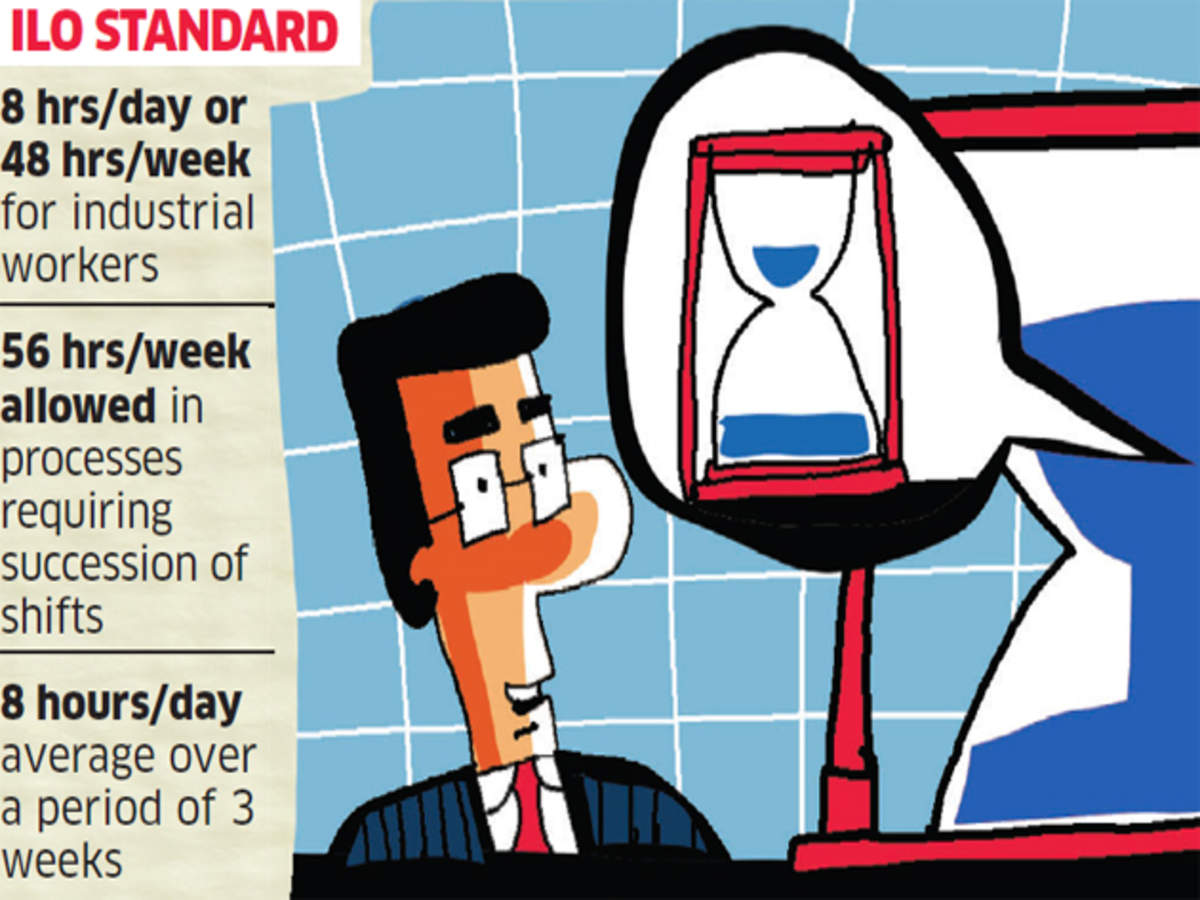
    • International Labour Day, also known as May Day, originated in the United States in the late 19th century when labor unions and socialist movements organized demonstrations and strikes calling for better working conditions, higher wages, and an eight-hour workday.
    • On May 1, 1886, workers in Chicago organized a massive protest rally, and the following days were marked by violent clashes between police and protesters.
    • In 1889, the International Socialist Conference declared May 1 as International Workers’ Day to commemorate the Chicago protests and honor workers around the world. Since then, May Day has been celebrated globally as a day to recognize the contributions of workers and to advocate for their rights and fair treatment.

    Maharashtra day

    • May 1 is celebrated as Maharashtra Day to commemorate the formation of the state of Maharashtra.
    • On May 1, 1960, the Bombay Reorganization Act came into effect, and the state of Maharashtra and Gujarat were formed. Hence, May 1 is celebrated as Maharashtra Day in Maharashtra, India.
    • It is a public holiday in the state, and various cultural events and parades are held to mark the occasion.

    What are the concerns over increasing working hours?

    • Adversely Affecting Health: Extending working hours can lead to physical and mental fatigue, stress, and burnout, which can affect the health of the workers. This, in turn, can lead to an increase in absenteeism, accidents, and medical costs.
    • Diminishing Marginal Productivity: As the hours of work increase, the efficiency and productivity of the worker may decrease, leading to a decline in the quality of output. It can also lead to a decrease in the quality of life of the workers, as they have less time for family and leisure activities.
    • Violation of Labour Rights: Increasing working hours can be a violation of the fundamental rights of the workers, as it denies them the right to rest and leisure, which are essential for the physical and mental well-being of the workers.
    • Job Insecurity: Increasing working hours can lead to job insecurity as employers may replace workers with automation or outsourcing to cut costs. It can also lead to a decline in wages, as employers may argue that they are paying for more working hours.
    • Adverse Impact on Women Workers: Increasing working hours can disproportionately affect women workers, who may be responsible for domestic chores and childcare. Long working hours can lead to a decline in their physical and mental health and an increase in their workload, which can have an adverse impact on their family life.

    May Day

    Why it is necessary to regulate working hours?

    • Protecting workers’ health: Working long hours can have adverse effects on workers’ physical and mental health. It can lead to fatigue, stress, sleep disorders, and other health issues.
    • Ensuring safety at the workplace: Workers who are overworked may become fatigued, which can increase the risk of accidents and injuries at the workplace. Regulating working hours can help ensure a safe and healthy work environment.
    • Promoting work-life balance: Long working hours can negatively impact workers’ personal lives, reducing their time with family and friends, and limiting their ability to engage in other activities outside of work. Regulating working hours can help promote a healthy work-life balance.
    • Enhancing productivity: Research has shown that working long hours can lead to a decline in productivity and an increase in errors and accidents. By regulating working hours, employers can ensure that workers are well-rested and productive.
    • Protecting workers’ rights: Regulating working hours is an essential component of protecting workers’ rights. It helps to prevent exploitation and ensures that workers are compensated fairly for their time and labor.

    Conclusion

    • May Day serves as a reminder of the struggle of workers for their rights. In this context, India must prioritize the welfare of its labour force and regulate working hours to improve their social welfare. The government must ensure that labour laws are not weakened, and trade unions must unite to ensure that the rights of workers are protected. Multinational corporations must be held accountable for skilling their workers and not exploiting the cheap labour offered by developing countries. Only then can India move towards inclusive and sustainable development.

    Mains Question

    Q. There is a growing trend of increasing working hours, especially in the garment and electronic industries, in the name of increasing productivity. Discuss the reasons and discuss why it is necessary to regulate working hours?

    Get an IAS/IPS ranker as your personal mentor for UPSC 2024 | Schedule your FREE session and get the Prelims prep Toolkit!

    Also read:

    Why May 1 is observed as Labour Day?
  • Sustainable Development Goals (SDGs): India’s Progress Analysis

    SDGs

    Central Idea

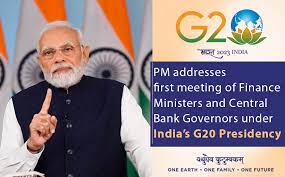
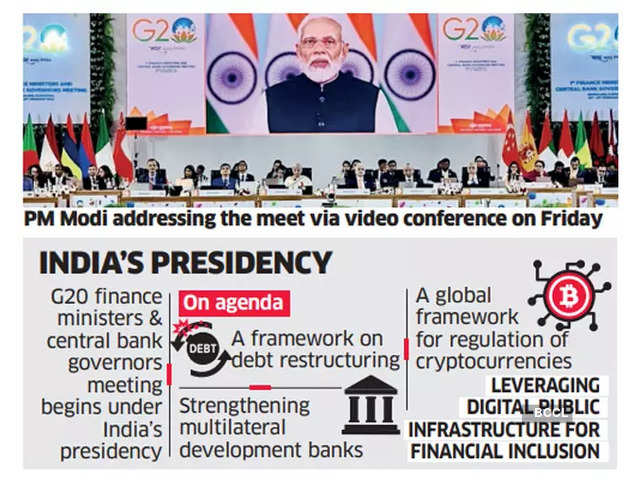
    • India’s Prime Minister Narendra Modi, while addressing the first meeting of Finance Ministers and Central Bank Governors under India’s G20 Presidency, expressed concern about the slowing down of Sustainable Development Goals (SDGs). Given India’s large population, the success of achieving these goals is crucial for global progress. While India has made progress towards achieving some SDG targets, there are concerns regarding others.

    SDGs

    India’s progress on SDG’s

    • Neonatal and under-five mortality: India is on target to meet the SDG indicators for neonatal and under-five mortality. Both indicators have substantially improved in the last five years.
    • Full vaccination: India is on target to meet the SDG indicator for full vaccination.
    • Improved sanitation: India is on target to meet the SDG indicator for improved sanitation. The country has made significant progress in this area in the last five years.
    • Electricity access: India is on target to meet the SDG indicator for electricity access.
    • Access to banking: The number of women having bank accounts has improved across a vast majority of the districts between the years 2016 and 2021.
    • Adolescent pregnancy: The SDG indicator for eliminating adolescent pregnancy has improved across a vast majority of the districts between the years 2016 and 2021.
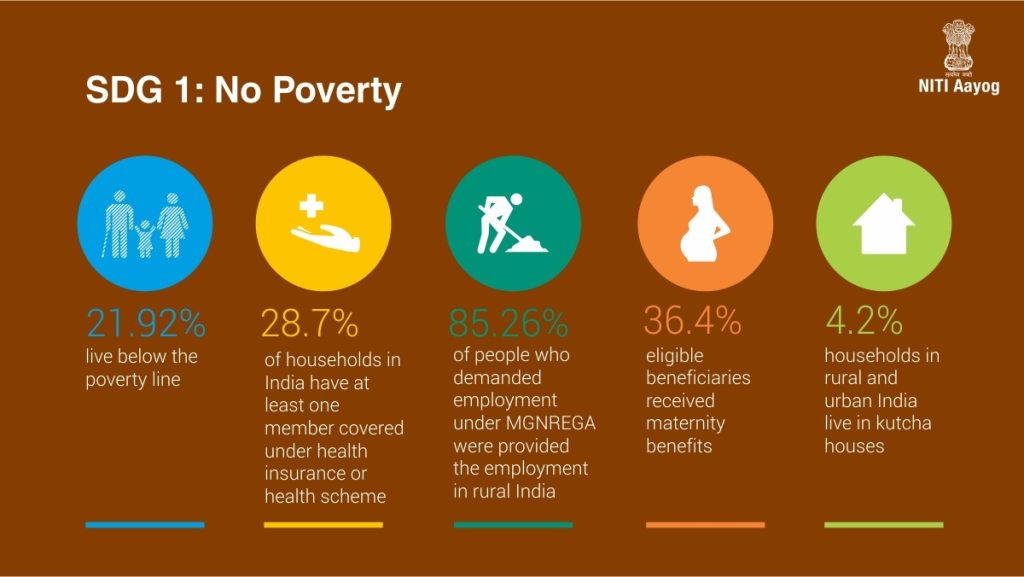
    • Multidimensional poverty: The SDG indicator for reducing multidimensional poverty has improved across a vast majority of the districts between the years 2016 and 2021.
    • Women’s well-being and gender equality: India has made progress in increasing mobile phone access, with 93% of households having access to mobile phones. However, only 56% of women report owning a mobile phone.

    Facts for prelims

    Recent findings by National Family Health Survey

    • Multidimensional poverty declined: At a compounded annual average rate of 4.8 per cent per year in 2005-2011 and more than double that pace at 10.3 per cent a year during 2011-2021.
    • Declining child mortality: There are some issues with the 2011 child-mortality data, but for each of the 10 components of the MPI index, the rate of decline in 2011-2021 is considerably faster than in 2005-2011.
    • Average decline in overall indicators: The average equally weighted decline for nine indicators was 1.9 per cent per annum in 2005-2011 and a rate of 16.6 per cent per annum, more than eight times higher in 2011-2021.
    • Consumption inequality decline: Every single household survey or analysis has shown that consumption inequality declined during 2011-2021. This is consistent with the above finding of highly inclusive growth during 2011-2021.

    Lessons from COVID-19 Approach

    • Leadership: Strong political leadership and responsive administrative structure are critical to success, and India’s COVID-19 response demonstrated that a mission-oriented ethos that provides adequate support for accomplishing district-level SDGs is urgently needed.
    • Infrastructure and Coordination: India’s success with COVID-19 was largely possible both because of the existing digital infrastructure, as well as new, indigenous initiatives such as the Co-WIN data platform and the Aarogya Setu application. Following these examples, India must put in place a coordinated, public data platform for population health management.
    • Targeted delivery: A targeted SDG strategy delivered at scale must be executed with the same timeliness of India’s COVID-19 relief package. Key to this relief programme was a mix of spending to provide direct in-kind and economic support, as well as measures aimed at revitalising the economy, small businesses, and agriculture.

    Concerns regarding India’s progress towards achieving SDGs

    • Unequal progress across districts: While India is on target to meet 14 out of 33 SDG indicators, the progress is not uniform across all districts.
    • For example: neonatal and under-five mortality rates are on target for the country as a whole, but many districts are not on track to meet these indicators.
    • Pace of improvement: The current pace of improvement is not sufficient to meet the SDG targets for 19 out of 33 indicators.
    • For instance: despite a national policy push for clean fuel for cooking, more than two-thirds of districts remain off-target for this indicator.
    • Gender inequality: India is facing significant challenges in achieving gender-related SDG targets.
    • For example: no district in India has yet succeeded in eliminating the practice of girl child marriage before the legal age of 18 years. Also, despite the overall expansion of mobile phone access in India, only 56% of women report owning a mobile phone, with many districts remaining off-target for this indicator.
    • Multidimensional poverty: Although India has made progress in reducing multidimensional poverty, many districts are still off-track to meet this SDG indicator.
    • Environmental sustainability: India has made progress in some areas related to environmental sustainability, such as improved sanitation and access to electricity. However, the country is still off-target for indicators related to clean cooking fuel, water and handwashing facilities, and reducing greenhouse gas emissions.

    Way ahead

    • Implement targeted policies and programs that are aligned with the SDG goals, particularly for areas where progress has been slow or lacking.
    • Improve the digital infrastructure, and create a coordinated public data platform for population health management.
    • Ensure strong and sustained political leadership that is supported by a responsive administrative structure at all levels.
    • Prioritize and accelerate efforts to address gender inequality and women’s well-being.
    • Strengthen implementation and monitoring mechanisms to ensure timely and effective delivery of SDG policies and programs.
    • Foster partnerships between government, civil society, and the private sector to mobilize resources and expertise to achieve SDG targets.
    • Develop a decadal plan that outlines concrete steps and targets for achieving SDG goals in the next ten years.

    SDGs

    Conclusion

    • India needs to innovate a new policy path to achieve its SDG targets, especially those related to population health and well-being, basic quality infrastructure, and gender equality. India’s successful COVID-19 response has shown that it is possible to deliver at scale in such an ambitious and comprehensive manner. To achieve SDG targets, India needs a similar concerted, pioneering, and nationwide effort.

    Mains Question

    Q. India’s progress towards SDGs id often described as mixed progress. While there have been positive improvements, there are still concerns that needs to be addressed. Discuss along with a way ahead.

    Get an IAS/IPS ranker as your personal mentor for UPSC 2024 | Schedule your FREE session and get the Prelims prep Toolkit!

    Also read:

    A recent analysis published in The Lancet has concluded that India is not on-target to achieve 19 of the 33 Sustainable Development Goals (SDGs) indicators.


  • Link between poor Solid Waste Management and Stray Dog Attacks

    stray dog

    Central idea: Several incidents of stray dog attacks in Indian cities have shed light on the link between urban solid waste management and the issue of stray dogs.

    Stray Dog Attacks in India

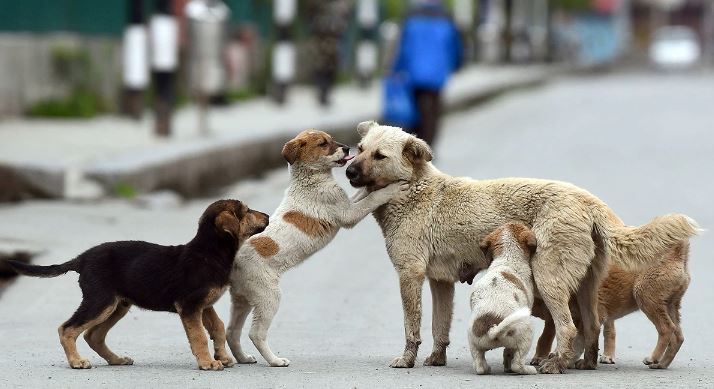
    • Cities have witnessed a sharp increase in the stray dog population, which as per the official 2019 livestock census stood at 1.5 crore.
    • However, independent estimates peg the number to be around 6.2 crore.
    • The number of dog bites has simultaneously doubled between 2012 and 2020.
    • Experts agree there may be a correlation between urbanisation and solid waste production, made visible due to the mismanagement of waste disposal.
    • Tepid animal birth control programmes and insufficient rescue centres, in conjunction with poor waste management, result in a proliferation of street animals in India.

    Reasons behind

    • Poor waste management: Inadequate waste disposal facilities and the mismanagement of solid waste often lead to the congregation of stray dogs around garbage dumps and landfills, where they scavenge for food.
    • Unplanned urbanization: The population boom in Indian cities has led to a sharp increase in the stray dog population. Rapid urbanization has led to the creation of slums and unmanaged solid waste, which attract dogs.
    • Lack of food and shelter: The availability of food and shelter determines the carrying capacity of a city. In the absence of these facilities, free-ranging dogs become scavengers that forage around for food, eventually gravitating towards exposed garbage dumping sites.
    • Territoriality: Stray dogs often become territorial and aggressive about public spaces where they are fed, leading to increased attacks on humans.
    • Improper sterilization and rescue centres: Tepid animal birth control programmes and insufficient rescue centres, in conjunction with poor waste management, result in a proliferation of street animals in India.

    Food wastage in India

    • A population boom in Indian cities has contributed to a staggering rise in solid waste production. Indian cities generate more than 150000 metric tonnes of urban solid waste every day.
    • According to a 2021 UNEP report, an estimated 931 million tonnes of food available to consumers ended up in households, restaurants, vendors and other food service retailers’ bins in 2019.
    • Indian homes on average also generated 50 kg of food waste per person.
    • The presence of free-roaming dogs in urban areas is determined by the “carrying capacity” of a city, which is the availability of food and shelter.

    Urban Stray Dogs and Waste Disposal

    • Food and shelter: The wastage food often serves as a source of food for hunger-stricken, free-roaming dogs that move towards densely-populated areas in cities, such as urban slums which are usually located next to dumping sites.
    • Sanitation assists food hunt: In the absence of proper sanitation and waste disposal facilities, stray dogs become scavengers that forage for food around exposed garbage dumping sites.

    Impact of Unplanned and Unregulated Urban Development

    • ABC Program: Under Animal Birth Control (ABC) program, municipal bodies trap, sterilize, and release dogs to slow down the dog population. This approach aims to control the number of strays while avoiding the inhumane practice of killing them.
    • Rabies Control Measures: Another anchor of India’s response is rabies control measures, including vaccination drives. Rabies is a fatal disease that can be transmitted to humans through dog bites. Thus, preventing rabies is essential in addressing the issue of stray dogs.
    • Informal Measures: These include mass killing of dogs in states like Kerala, which is a controversial practice as it is often inhumane and does not address the root causes of the issue. Other measures include imposing bans on the entry of stray dogs in colonies or feeding them in public.

    Why address stray dog attacks issue?

    • Adds Vulnerability to the poor: The disproportionate burden of dog bites may also fall on people in urban slums, which are usually located in close proximity to dumping sites.
    • Exposes harsher realities: The rise in such attacks speak to core issues of lack of serviced affordable urban housing for all, lack of safe livelihood options and improper solid waste management”.

    Empathizing the strays

    • Abandoned, not strayed: Stray dogs are sentient social beings capable of feeling pain, fear, and joy. Urban living patterns have largely impacted their abandonment.
    • Subjected to abuse: They are often victims of neglect, abuse, and abandonment, and are forced to survive in harsh conditions on the streets.
    • Neglected community guardians: Stray dogs can serve as community guardians by alerting us to potential dangers and can also provide emotional support to humans.

    Way forward

    • Improve waste management: Efficient management of solid waste can help reduce the availability of food for stray dogs and limit their population growth.
    • Increase vaccination and sterilization: ABC and vaccination programs should be implemented in a more organized and efficient manner to control the stray dog population and the spread of rabies.
    • Encourage responsible feeding practices: Regulating feeding around bakeries and restaurants and improving waste management in public spaces can reduce the carrying capacity of the environment for stray dogs and minimize the congregation of dogs in certain areas.
    • Develop national policy: There is a need for a comprehensive national policy that addresses the issue of stray dogs and their management in a more systematic and humane manner.
    • Stop gruesome brutality: Stopping brutality towards dogs is a crucial step towards creating a more compassionate and just management of stray dogs menace.


    Also read:

    Prevention of Cruelty to Animals (Amendment) Bill, 2022. Why is it needed?

    Get an IAS/IPS ranker as your personal mentor for UPSC 2024 | Schedule your FREE session and get the Prelims prep Toolkit!

  • Nikaalo Prelims Spotlight || Pattern of Economic Indicators & Fiscal Policy


    Dear Aspirants,

    This Spotlight is a part of our Mission Nikaalo Prelims-2023.

    You can check the broad timetable of Nikaalo Prelims here

    Session Details

    YouTube LIVE with Parth sir – 7 PM  – Prelims Spotlight Session

    Evening 04 PM  – Daily Mini Tests

    Join our Official telegram channel for Study material and Daily Sessions Here


    1st May 2023

    Patterns of Economic Indicators

    An economic indicator is a statistic about an economic activity. Economic indicators allow analysis of economic performance and predictions of future performance. One application of economic indicators is the study of business cycles.

    NATIONAL INCOME
    • National Income is the total value of all final goods and services produced by the country in certain year. The growth of National Income helps to know the progress of the country.
    • In other words, the total amount of income accruing to a country from economic activities in a year’s time is known as national income.
    • National Income includes payments made to all resources in the form of wages, interest, rent and profits.
    NATIONAL INCOME ACCOUNTING (NIA)
    • National Income Accounting is a method or technique used to measure the economic activity in the national economy as a whole.
    • It is the bookkeeping system which measures the level of economic activity in a given time period
    • NIA sets rules and definition to measure aggregate economic activity and tries to summarise the performance of the economy
    Indicators: GDP
    • Gross Domestic Product is the market value of all the goods and services produced within the domestic territory of a country during a specified time period, usually one year.
    • Accounting Year = Fiscal Year; for India it is 1st of April to 31st of March (next year)
    • Will include the income generated by MNCs in India

    Domestic Territory = Political frontiers of the country including its territorial waters+ Embassies/Consulates + Military Establishments of the country abroad + Ships/Aircrafts/Fishing Vessels/Oil Rigs belonging to the residents of the country

    GDP does not include :
    • Capital goods (e.g. machinery) are included in GDP, but intermediate goods (e.g. raw materials) are not.
    • Intermediate goods and services are not included to avoid double counting.
    • Same good can be final (you consuming milk ) or intermediate (milk in the restaurant) depending on the usage.
    GROWTH RATE &GDP DEFLATOR
    • Growth Rate (%) = [GDP (Present year – Last Year) / Last Year] x 100
    • But, quantitatively the production may not have improved (From 1 kg garlics to 2 kg garlics), and only because of inflation in the prices (₹ 10/kg garlic to ₹ 100/kg) the growth rate may be appear high.
    • Therefore (to remove the inflation impact on growth rate), we must select a base year, and convert the current prices to constant prices.
    • The ratio of these GDPs is called ‘GDP deflator’, it presents a picture of inflation like CPI and WPI but, unlike CPI & WPI it’s not based on a fixed basket of commodities.
    • These figures are revised as the new data arrives / previous data is cross verified & corrected.
    GDP AND NATIONAL INCOME
    Gross National Income (GNI)
    • According to OECDà GNI as GDP + NET receipts from abroad (wages, interest, profit, rent) plus net taxes & subsidies receivable from abroad. Here, ‘Wages and salaries’ from abroad = ‘Guest’ workers who reside abroad for less than 12 months and whose centre of economic interest remains in their home country
    National Disposable Income
    • National Disposable Income= NNP + Other Current Transfers from rest of the world (remittances, gift, donations etc.)National Disposable Income gives an idea of what is the maximum amount of goods and services the domestic economy has at its disposal.
    Personal Disposable Income
    • Personal Income – Personal Tax Payments (e.g. income tax) – Non-tax Payments (e.g. fines)

    Fiscal Policy

    What is Fiscal Policy? Fiscal Policy deals with the revenue and expenditure policy of the Govt. The word fiscal has been derived from the word ‘fisk’ which means public treasury or Govt funds.

    Objectives of Fiscal Policy

    The following are the objectives of the Fiscal Policy:

    1. Higher Economic Growth
    2. Price Stability
    3. Reduction in Inequality

    What are the components of Fiscal Policy?

    There are three components of the Fiscal Policy of India:

    1. Government Receipts
    2. Government Expenditure
    3. Public Debt

    Government Receipts

    The categorisation of the government receipts is given below:

    1. Revenue Receipt
      • Tax Revenue
        • Direct Tax
        • Indirect Tax
      • Non-Tax Revenue
        • Fees
        • License and Permits
        • Fines and Penalties, etc
    2. Capital Receipt
      • Loans Recovery
      • Disinvestments
      • Borrowing and other liabilities

    Government Expenditure

    There are two classifications of public expenditure:

    1. Revenue Expenditure – It is a recurring expenditure:
      • Interest Payments
      • Defence Expenses
      • Salaries to Central Government employees, etc are examples of  revenue expenditure
    2. Capital Expenditure – It is a non-recurring expenditure
      • Loans repayments
      • Loans to public enterprises, etc.


  • [Sansad TV] Perspective: 5 Years of Khelo India

    [Sansad TV] Perspective: 5 Years of Khelo India

    Central Idea: 5 Years of Khelo India

    • The Khelo India Mission has completed 5 years. It is a GOI program aimed at providing international standard sports infrastructure and promoting fitness for citizens.
    • The ultimate goal is to make India a sporting nation, and the program has been running since 2018, supporting over 2500 athletes in different disciplines.
    • The success of Khelo India and its challenges will be discussed in this edition of the article.

    What is Khelo India Mission?

    • Khelo India is a national program launched by the Indian government in 2018 with the aim of promoting sports and fitness in India.
    • The program seeks to provide sports infrastructure of international standards to budding athletes, promote a holistic approach towards fitness for citizens, and ultimately make India a sporting nation.
    • It focuses on encouraging and promoting sports at the grassroots level and providing access to sporting facilities and infrastructure to all citizens, regardless of their economic background or geographical location.
    • It also aims to develop and train coaches who can provide high-quality coaching and training to athletes at the grassroots level, identify young talent and provide financial assistance.
    • The program also emphasizes the importance of teamwork, socialization, and the participation of girls in sports.

    Achievements of the program

    (1) Support to Young Athletes

    • 2500 young athletes are being supported with Rs. 6.28 lakhs annually under the scheme and are being identified to represent India at international competitions.
    • Successful athletes are further being inducted into Target Olympic Podium Scheme (TOPS) for higher levels of training. 110 Khelo India athletes are part of TOPS.

    (2) Organizing Competitions

    • To ensure competition opportunities for young athletes, 5 Khelo India Youth Games with 43K participants have been organized.
    • Khelo India Leagues are held throughout the year, with a special focus on girl athletes. More than 1.25 lakh girls have participated in it.

    (3) Sports Infrastructure Created

    • To ensure sports infrastructure availability in remote corners of India, 946 Khelo India Centers have been set up.
    • By August 15, 2023, 1000 KICs are expected to be operational, giving every district in India a sports facility for the training of grassroots-level athletes.

    (4) Indigenous Games Inducted

    • A special emphasis on indigenous games under Khelo India has ensured the popularity of India’s traditional sporting disciplines like Gatka, Thang-Ta, Mallakhamb, Kalaripayattu and Yoga.
    • These games have also been included in KIYG to give athletes an impetus to practice them.

    Significance of the Program

    • Promoting the importance of sports and fitness: The program promotes the importance of sports and fitness in one’s life, as playing sports inculcates team spirit, and develops strategic and analytical thinking, leadership skills, goal setting, and risk-taking.
    • Improving confidence and social skills: Participation in the program has helped athletes improve their confidence, teamwork, leadership skills, and socialization. The program emphasizes the importance of teamwork, providing opportunities for children to learn how to work with others and manage different personalities, find their way as leaders etc.
    • Encouraging the participation of girls in sports: The program emphasizes the participation of girls in sports, providing them with a great opportunity to showcase their talents.
    • Promoting diversity and inclusivity: The program’s emphasis on indigenous games and the participation of girls in sports is also a significant step in promoting diversity and inclusivity in sports.
    • Creating world-class sports infrastructure: The program aims to create world-class sports infrastructure in the country, including training facilities, stadiums, and sports complexes. This will help create a conducive environment for athletes to train and compete at the highest level.
    • Promoting sports for development and peace: The program aims to promote sports for development and peace by using sports, physical activity, and play to attain specific development and peace objectives.

    Various challenges

    • Lack of awareness and participation: One of the significant challenges of the Khelo India program is a lack of awareness among the masses. Despite the program’s efforts to promote sports and fitness at the grassroots level, many people are still not aware of the program’s existence, which affects participation.
    • Infrastructure challenges: Another challenge faced by the Khelo India program is infrastructure challenges. Despite the program’s efforts to create world-class sports infrastructure in the country, many areas still lack the necessary infrastructure, including training facilities, stadiums, and sports complexes.
    • Shortage of trained coaches: The program’s success is also dependent on the availability of trained coaches who can provide high-quality coaching and training to athletes at the grassroots level. However, there is a shortage of trained coaches, which affects the program’s effectiveness.
    • Funding issues: The program’s effectiveness is also dependent on funding. Despite the government’s efforts to provide financial assistance to promising athletes, more funding is needed to create world-class sports infrastructure and to support athletes in their training and development.
    • Lack of support for indigenous games: Although the program aims to promote indigenous games, there is still a lack of support and infrastructure for these games, which affects their popularity and development.
    • Gender bias and lack of opportunities: Despite the program’s efforts to promote the participation of girls in sports, there is still a gender bias in many areas, and girls often face a lack of opportunities and support, affecting their ability to participate and excel in sports.

    Other initiatives for sports promotion

    The Ministry of Youth Affairs & Sports has formulated the following schemes to promote sports in the country, including in rural, tribal and backward areas:

    • Assistance to National Sports Federations
    • Special Awards to Winners in International sports events and their Coaches
    • National Sports Awards, Pension to Meritorious Sports Persons
    • Pandit Deendayal Upadhyay National Sports Welfare Fund
    • National Sports Development Fund; and
    • Running Sports Training Centres through Sports Authority of India

    Benefits of Augmenting Sports

    • Alternative career development: For those for whom opportunities are few, and jobs are scarce, sport becomes a powerful mobility device. A strong sports sector encourages an average/ poor academic student to make a career in sports.   
    • Reaping demographic dividend: India is having a very young population and is soon going to become the world’s youngest country. In such a scenario, a robust sports sector can help in reaping the potential demographic dividend. 
    • Revenue generation: Developing robust sports infrastructure in the country will allow India to host a greater number of international events. Such hosting boosts tourism in the country and results in enhancing the revenue and employment in the region. Ex. IPL
    • Promotes the spirit of Unity in Diversity: People cheer for the Indian athletes and Indian teams at international events. An improvement in sports automatically fosters the spirit of brotherhood amongst the people of diverse nations. For instance, the Pan India support enjoyed by Indian cricket team enhances belongingness between India’s north and south. 

    Way forward

    • Increasing awareness and outreach: The government can increase awareness and outreach efforts to promote the program and encourage more people to participate in sports and fitness activities.
    • Promoting indigenous games: The government can promote indigenous games by providing the necessary infrastructure, support, and funding for these games to increase their popularity and development.
    • Ensuring gender equality: The government can ensure gender equality by promoting the participation of girls in sports and providing equal opportunities and support for both male and female athletes.
    • Collaboration with private sector: The government can collaborate with the private sector to increase funding and support for sports and fitness activities.
    • Uniformity in sports activities: Sports being a state subject, uniformity in sports activities across various states in India is essential to provide equal sporting opportunities to all citizens of the country.
    • Collective action for talent development: To develop a talent pipeline, it is necessary to take collective action to create a system and environment where young talent is spotted and nurtured.
    • Integration of sports with education: To introduce a sports culture in India, there is a need to integrate sports with education, making it a mandatory part of the curriculum.
    • Increase allocation of funds: The allocation of funds to sports, as a percentage of the budget, can be increased to broad-base sports in the country and provide adequate funding for sports development.
    • Spreading awareness in society: There is also a need to develop a sports culture in the whole country by spreading awareness in society and educating people about the benefits of sports in life.

    Get an IAS/IPS ranker as your personal mentor for UPSC 2024 | Schedule your FREE session and get the Prelims prep Toolkit!

  • Issues with Great Nicobar Island (GNI) Project

    nicobar

    The National Commission for Scheduled Tribes (NCST) has now flagged alleged discrepancies with respect to the forest clearance granted for the ₹72,000-crore Great Nicobar Island (GNI) Project.

    What is GNI Project?

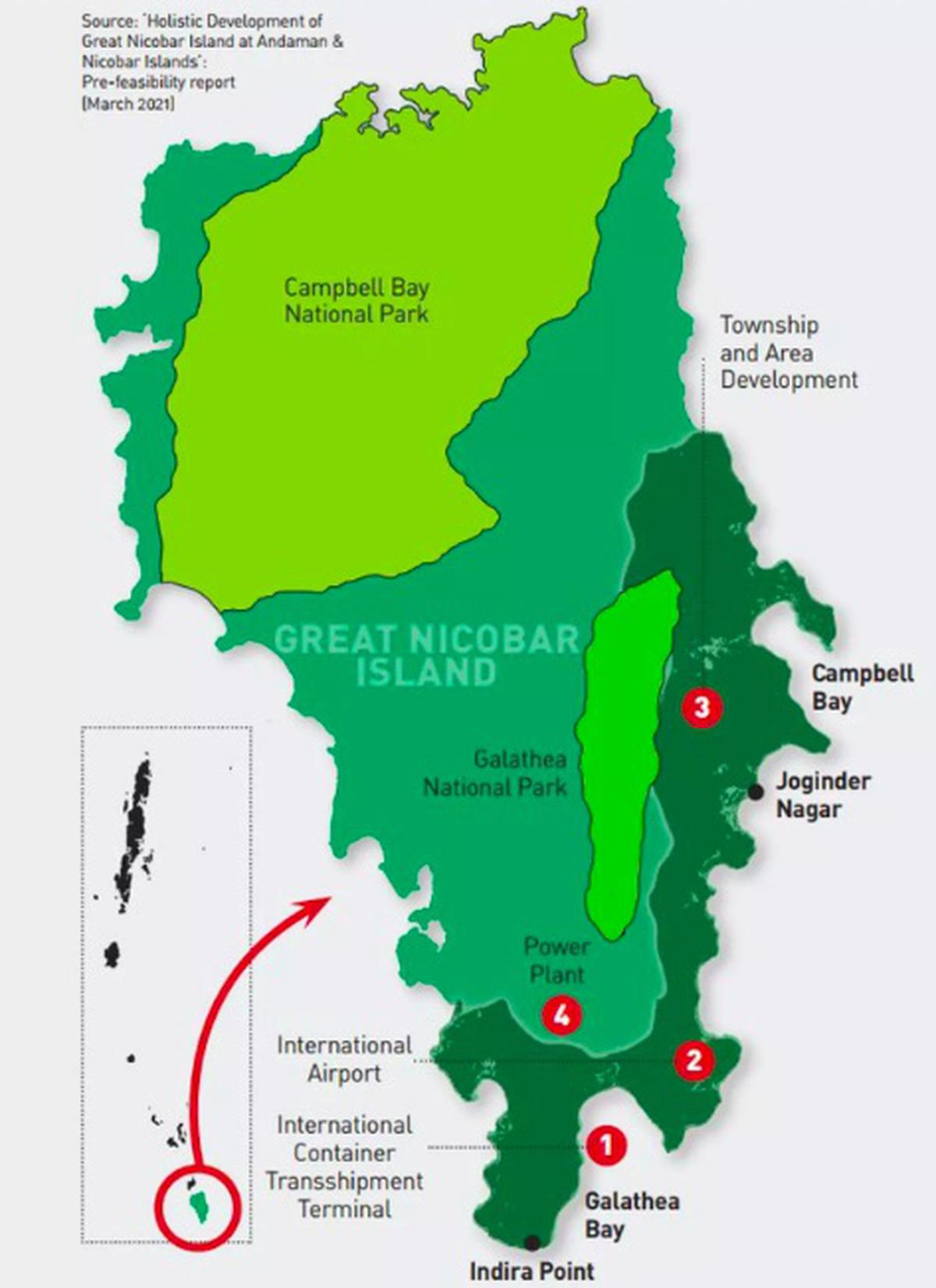
    • The GNI Project refers to the “Holistic Development of Great Nicobar Island,” a proposed mega project being piloted by NITI Aayog.
    • The project aims to develop the southern end of the Andaman and Nicobar group of Islands in the Bay of Bengal by constructing –
    1. Transshipment port
    2. Dual-use military-civil international airport
    3. Power plant and
    4. A township over a span of 30 years on more than 160 sq. km of land, of which 130 sq. km is primary forest

    Features of the Project

    • Transshipment hub of the East: The proposed port will allow Great Nicobar to participate in the regional and global maritime economy by becoming a major player in cargo transshipment.
    • Naval control: The port will be controlled by the Indian Navy, while the airport will have dual military-civilian functions and will cater to tourism as well.
    • Urban amenities: Roads, public transport, water supply and waste management facilities, and several hotels have been planned to cater to tourists.

    Significance of the project

    (1) Economic significance

    • Making India transshipment giant: The proposed port would allow GNI to become a significant player in cargo transshipment, as it is positioned equidistant from Colombo, Port Klang (Malaysia), and Singapore.
    • En-route of busiest shipping lane: It located close to the East-West international shipping corridor that sees a vast amount of the world’s shipping trade.
    • Huge source of revenue: The proposed ICTT can potentially become a hub for cargo ships travelling on this route.

    (2) Strategic significance

    • Securing IOR: The proposal to develop GNI has been on the table since the 1970s, and it has been highlighted repeatedly as a crucial element for national security and consolidation of the Indian Ocean Region.
    • Critical shipping chokepoint: Great Nicobar is equidistant from Colombo to the southwest and Port Klang and Singapore to the southeast, the region through which a very large part of the world’s shipping trade passes.
    • Oceanic outpost: The ANI is an oceanic outpost for continental India.
    • Combatting Chinese presence: In recent years, the escalating Chinese presence in the Indian Ocean has added greater urgency to this imperative.

    Issues with the Project

    • Threat to Biodiversity: The construction of the port, airport, and township, and the influx of people that the project is expected to bring, are likely to result in habitat destruction, fragmentation, and degradation, which could threaten the survival of several species.
    • Displacement of Indigenous Tribes: GNI is home to two isolated and indigenous tribes, the Shompen and the Nicobaris, who have lived on the island for thousands of years. The project could displace these tribes and disrupt their way of life and culture.
    • Deforestation: The project is expected to result in the cutting down of an estimated 8.5 lakh trees in the island’s prehistoric rainforests, which could have a significant impact on the island’s ecology and biodiversity.
    • Lack of Adequate Environmental and Social Impact Assessments: The project has received several easy clearances with uncharacteristic haste, raising questions about the adequacy of environmental and social impact assessments.
    • Fragile Topography: Experts have raised several concerns relating to the tectonic volatility and disaster vulnerability of the islands, which have experienced nearly 444 earthquakes in the past 10 years. The tribal communities, who were displaced in the 2004 Tsunami, are still recovering from its impact.

    Concerns highlighted by the NCST

    (1) Discrepancies with FRA Compliance

    • The island administration did not recognise or grant ownership of any forest land to local tribespeople as per FRA, a requisite step under the Forest Conservation Rules, 2017, before Stage-I clearance is granted.
    • This is despite the fact that Rule 6(3)(e) of Forest Conservation Rules-2017 (FCR) requires that any diversion of forest land first requires the District Collector to recognise and vest rights to locals under the FRA.
    • The legislation allows forest communities the right to control and manage the use of the forest land over which they hold titles, and their consent is mandatory for diverting it.

    (2) Inconsistencies with Stage-I Clearance

    • The Stage-I clearance for the project was granted in October 2022, two years after the application was received.
    • Monthly progress reports show that the district administration did not process any claims over forest land under the FRA in the 26 months since project sanction.
    • A Gram Sabha meeting was called with less than a day’s notice to villagers where a resolution was passed consenting to the diversion of forest land for the project.

    (3) Withdrawal of Consent

    • Weeks after the Stage-I clearance was granted, the Tribal Council at Campbell Bay withdrew the consent granted by the Gram Sabha.
    • NCST alleged that the minutes of the meeting were typed after securing members’ signatures.

    Back2Basics: National Commission for Scheduled Tribes (NCST)

    Description
    Formation NCST was set up with effect from 19th February, 2004.

    Created by inserting a new article 338A in the Constitution through the 89th Constitution Amendment Act, 2003.

    Hence a constitutional body.

    Objective To oversee the implementation of various safeguards provided to STs under the Constitution or under any other law for time being in force or under any other order to the Government and to evaluate the working of such safeguards.
    Composition It consists of a Chairperson, a Vice-Chairperson and 3 other Members who are appointed by the President by warrant under his hand and seal.

    At least one member should be a woman.

    The Chairperson, the Vice-Chairperson and the other Members hold office for a term of 3 years.

    The members are not eligible for appointment for more than two terms.

    The Chairperson has been given the rank of Union Cabinet Ministers, the Vice Chairperson has the rank of a Minister of State and other Members have the rank of a Secretary to the Government of India.


    Get an IAS/IPS ranker as your personal mentor for UPSC 2024 | Schedule your FREE session and get the Prelims prep Toolkit!

  • Bihan Mela of Kondh Tribals

    bihan mela

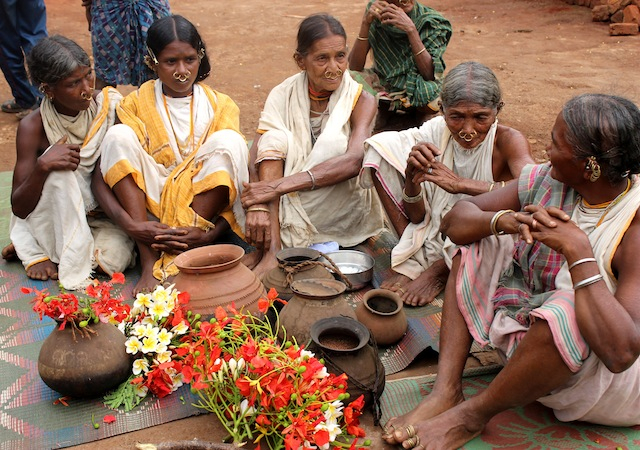
    Central idea: Since 2019, the Kondh tribe in Nayagarh district, Odisha has been celebrating the Bihan Mela, or the seed festival, to promote the revival of indigenous farming.

    Bihan Mela

    • This event involves the collection and preservation of indigenous seeds, and farmers from 40 villages in Dasapalla block participate in the festival.
    • After harvesting kharif crops, women collect the seeds of indigenous varieties and store them in earthen pots.
    • On a designated day in December, they decorate the pots with red and white motifs, place them in a bamboo basket and carry them on their heads to the village where the fair is being organized.
    • Men accompany them, beating drums and other traditional instruments.

    Objectives

    • The seed festival was introduced to help farmers return to their traditional ways of farming, like mixed-cropping, which is more resilient to erratic rainfall and pest attacks.
    • In recent years, farmers have abandoned native crops and varieties that are naturally resistant to pests and better suited to the region’s climate.

    Commercialization through this festival: Seed Bank

    • To facilitate access to indigenous seeds, Nirman, a non-profit that works with the tribe on forest rights and agro-ecological farming, set up a seed bank in Raisar village in 2019.
    • The bank collects and preserves indigenous seeds from across Kondh villages and lends those out to farmers.
    • The bank now boasts of 62 varieties of paddy, four varieties of millets, five varieties of pulses, and eight vegetables.
    • The bank is open to all Kondh farmers and has benefitted 750 families so far.
  • Conservation work at Delhi’s Zafar Mahal to begin

    zafar mahal

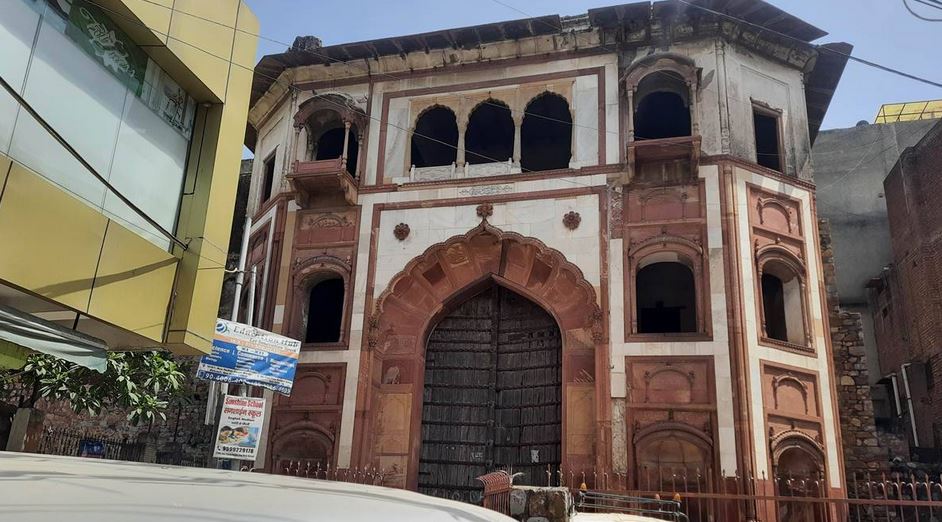
    The Archaeological Survey of India (ASI) is set to initiate conservation works at Zafar Mahal in south Delhi’s Mehrauli.

    Zafar Mahal

    • Zafar Mahal, located in Mehrauli village, South Delhi, India, is considered the last monumental structure built during the fading years of the Mughal era.
    • The palace was built in the 18th and 19th centuries, with a forlorn history due to the deportation of the last Mughal Emperor, Bahadur Shah Zafar II, by the British.
    • The monument is now in a neglected and ruined state and locals often play cricket and gamble inside the protected monument.

    History

    • The Mughal dynasty ended after 332 years when the last Emperor Bahadur Shah Zafar II (1837–1857) was deported to Rangoon, Burma, now Myanmar from the imperial city of Delhi.
    • The palace had graves in the precincts of Zafar Mahal built within a marble screen enclosure by Jahandar Shah for his father Bahadur Shah I and others who followed, and is a minor reflection of the history of the place.
    • Bahadur Shah Zafar II, who wished to be buried in the precincts of the palace, was buried in Rangoon.
    • The palace used to be visited by Bahadur Shah Zafar II for hunting during the monsoon season, and he was honoured here during the Phool Walon Ki Sair festival held in February/March.

    Key Structures

    • Zafar Mahal consists of the Mahal or the palace, built in the 18th century, and the entrance gate, reconstructed in the 19th century.
    • The palace is a three-storied structure in red sandstone embellished with marble, and the gate is imposing with an 11.75 feet opening at the entrance.
    • A masjid called the Moti Masjid, built by Bahadur Shah I, was also located within the palace precincts.
    • The palace now sits in a dilapidated condition and its restoration is limited by the inadequate documents to deduce the original construction details.

    Demolished or Illegally Occupied Structures

    • Zafar Mahal used to be a huge palace consisting of many other structures that are no longer present or occupied by local residents.
    • These structures include the Diwan-e-Khaas of Bahadur Shah Zafar, the house of Mirza Babur, the Baoli of Aurangzeb, the house of Mirza Nili, the Thana of Bahadur Shah Zafar, the house of Mirza Salim, and the Khwas Pura.


    Get an IAS/IPS ranker as your personal mentor for UPSC 2024 | Schedule your FREE session and get the Prelims prep Toolkit!

  • Cell-Based Meat: An Environmentally Friendly and Ethical Alternative

    Meat

    Central Idea

    • Cell-based meat, also known as cultured meat, is a promising alternative to traditional meat production that could offer ethical and environmental benefits. However, there are still many unknowns about its safety, nutritional value, and potential health risks that must be addressed.

    What is Cell-based meat in short?

    • Cell-based meat, also known as cultured meat, lab-grown meat, or clean meat, refers to meat produced from animal cells grown in a laboratory, rather than from animals raised and slaughtered for meat.

    Steps in the process of producing cell-based meat

    • Cell isolation: A small sample of cells is taken from an animal through a biopsy, which could be done using a needle or a small incision. The cells are typically muscle cells, which are capable of replicating and forming muscle tissue.
    • Cell culture: The cells are then placed in a culture medium, which provides the necessary nutrients and growth factors for the cells to multiply and form muscle tissue. The medium typically contains fetal bovine serum (FBS), which is derived from the blood of a cow fetus, but scientists are working to develop plant-based and other alternatives to FBS.
    • Tissue engineering: The muscle cells are then placed on a scaffold, which can be made of various materials such as collagen or cellulose. The scaffold provides structure and support for the cells to form muscle tissue.
    • Bioreactor cultivation: The scaffold with the muscle cells is then placed in a bioreactor, which provides a controlled environment for the muscle tissue to grow. The bioreactor can be adjusted to provide the right levels of oxygen, nutrients, and other factors for optimal growth.
    • Harvesting: Once the muscle tissue has grown to the desired size, it is harvested and processed into the final product, which can take various forms such as ground meat or whole cuts.

    Report on cell-based meat market

    • A 2021 report by United States-based analytics firm Markets and Markets estimated that the global cell-based meat market will reach $214 million by 2027 at a compound annual growth rate of 61.4 per cent.
    • The report cites increasing concerns over animal welfare, environmental sustainability, and the growing demand for protein-rich foods as key drivers of market growth.
    • The firm recently received approval from Singapore Food Agency for its ‘chicken bites’ made from cultured meat. It is a significant step toward the future of food.

    Advantages of cell-based meat

    • Environmental sustainability: The production of cell-based meat requires fewer resources such as land, water, and energy compared to traditional meat production. It also produces fewer greenhouse gas emissions.
    • For instance:
    1. A recent study published by Switzerland-based research publisher Frontiers mentions cell-based meat could reduce greenhouse gas (GHG) emissions by up to 78 per cent and land use by up to 99 per cent.
    2. Another study by ACS Publications said that cell-based meat production could reduce GHG emissions by up to 96 per cent and land use by up to 99 per cent compared to traditional beef production.
    • Ethical: Cell-based meat production does not involve animal slaughter and hence is considered more humane.
    • Healthier: Cell-based meat can be produced with lower levels of saturated fat and no antibiotics or hormones. It can also be tailored to provide specific nutritional benefits.
    • Food security: As the global population continues to increase, traditional meat production may not be able to keep up with the demand for protein. Cell-based meat can provide an alternative source of protein that can be produced in a controlled and sustainable manner.
    • Pathogen-free: Cell-based meat is produced in a sterile and controlled environment, reducing the risk of pathogen contamination.
    • For instance: A team of researchers published a report in ScienceDirect in 2018, which says that cell-based meat production could reduce the risk of contamination by bacteria such as E. coli and Salmonella. This would largely be due to the elimination of animal slaughter and reliance on antibiotics in animal husbandry.
    • No harmful growth hormones: Lab-grown meats are free of growth hormones as well. Commercial livestock factories use these hormones to expedite the growth of farm animals. Their excess use has harmful health outcomes.
    • For instance: A European Union-appointed research committee examined six growth hormones used in raising cattle. It concluded that the growth hormones had developmental, neurobiological, genotoxic, and carcinogenic effects.

    Potential challenges of cell-based meat

    • Culture medium: Researchers have yet to develop a culture medium that is completely free of animal-derived components. The use of fetal bovine serum, for example, contradicts the ethical standards of lab-grown meat production.
    • Health effects: The health effects of consuming cell-based meat are still unknown, and there are concerns about dysregulation and the development of cancerous properties in cultured meat.
    • Consumer acceptance: Most consumers still prefer natural products and may be hesitant to adopt cell-based meat due to its “unnatural” origins. Educating consumers about the safety, quality, and sustainability of cell-based meat will be important for its commercial success.
    • Variety: Researchers have not yet developed true muscle with an organized network of blood vessels, which makes it difficult to reproduce the original flavor and taste of meat derived from different species.
    • Cost: Currently, the production of cell-based meat is more expensive than traditional meat production. As the technology advances and economies of scale are achieved, it is expected that the cost will decrease, but it may take some time before cell-based meat becomes cost-competitive with traditional meat.

    Way ahead

    • Addressing the cost: Currently, cell-based meat is expensive to produce. Research and development should focus on finding ways to reduce production costs and making the final product more affordable.
    • Improving the taste and texture: While cell-based meat is similar to traditional meat, there are still some differences in taste and texture. Researchers need to work on improving the taste and texture to make it more appealing to consumers.
    • Increasing variety: Currently, only a limited range of cell-based meats are available. Researchers need to work on producing different types of meat to offer consumers a wider range of options.
    • Addressing regulatory concerns: As cell-based meat is a new technology, there are still some regulatory concerns that need to be addressed. Governments and regulatory bodies should work with the industry to establish guidelines and regulations to ensure the safety and quality of cell-based meat products.
    • Educating consumers: Consumer awareness and education are key to the success of cell-based meat. People need to be made aware of the benefits of cell-based meat and be educated about how it is produced and the safety and quality standards that are in place.

    Conclusion

    • Cell-based meat can be the food of the future as it is free of antibiotics, germs, and doesn’t emit GHGs. However, their success depends on developing new cell lines and optimising growth conditions to produce meat that is more similar in texture, flavour, and nutritional composition to traditional meat. The health risks and consumer acceptance of cell-based meats are still largely unknown, so rigorous testing and regulatory oversight are needed to meet high safety standards.

    Mains question

    Q. Cultured meat is becoming a promising alternative to traditional meat production, however there are also potential risks associated with it. Discuss.

    Get an IAS/IPS ranker as your personal mentor for UPSC 2024 | Schedule your FREE session and get Prelims prep Toolkit!

  • India’s One Health Approach to Tackle Future Pandemics

    One Health

    Central Idea

    • The Covid-19 pandemic exposed weaknesses in the world’s health systems, including countries ranked high in the Global Health Security Index. It has also provided an opportunity to build stronger health systems to prevent and respond to future pandemics. India’s One Health approach aims to address the health of people, animals, and ecosystems together in order to prevent, prepare, and respond to pandemics.

    One Health

    What is PM Ayushman Bharat Health Infrastructure Mission (PM ABHIM)? 

    • PM ABHIM is being rolled out as India’s largest scheme to scale up health infrastructure.
    • It is aimed at ensuring a robust public health infrastructure in both urban and rural areas, capable of responding to public health emergencies or disease outbreaks.
    • Key features:
    • Health and Wellness Centres: In a bid to increase accessibility it will provide support to 17,788 rural HWC in 10 ‘high focus’ states and establish 11,024 urban HWC across the country.
    • Exclusive Critical Care Hospital Blocks: It will ensure access to critical care services in all districts of the country with over five lakh population through ‘Exclusive Critical Care Hospital Blocks’.
    • Integrated public health labs: It will also be set up in all districts, giving people access to “a full range of diagnostic services” through a network of laboratories across the country.
    • Disease surveillance system: The mission also aims to establish an IT-enabled disease surveillance system through a network of surveillance laboratories at block, district, regional and national levels.
    • Integrated Health Information Portal: All the public health labs will be connected through this Portal, which will be expanded to all states and UTs, the PMO said.

    Facts for prelims

    What is Global Health Security Index?

    • The Global Health Security Index is a tool developed to assess a country’s preparedness and ability to respond to outbreaks, pandemics, and other public health emergencies.
    • It was developed by the Nuclear Threat Initiative (NTI) and the Johns Hopkins Center for Health Security, in collaboration with The Economist Intelligence Unit (EIU).
    • The Index ranks 195 countries based on their level of preparedness across six categories: 1. Prevention, 2. Detection and reporting, 3. Rapid response, 4. Health system, 5. Compliance with international norms, and 6. Risk environment.
    • The Index aims to identify gaps in preparedness and encourage countries to take action to strengthen their health security systems, particularly in the face of global health threats such as pandemics.
    • The first edition of the Index was published in 2019, and it has since been updated to reflect the evolving global health landscape.
    • Global Health Security Index 2021: India ranked 66th.

    One Health

    What is mean by One health?

    • One Health is an interdisciplinary approach that recognizes the interconnectedness of human, animal, and environmental health.
    • It emphasizes the need for collaboration between various sectors, including public health, veterinary medicine, environmental science, and others, to achieve optimal health outcomes for all.

    key components of India’s One Health approach

    • Pradhan Mantri Ayushman Bharat Health Infrastructure Mission (PM-ABHIM): The flagship program launched in October 2021 aims to prevent, prepare, and respond to pandemics. It seeks to fill the gaps in health systems at the national and state levels.
    • National Institute for One Health: The foundation for the institute was laid recently in Nagpur. It will identify hotspots for endemic and emerging zoonotic diseases to contain their spread early on.
    • Creation of a network of institutions for genomic surveillance: During the COVID-19 pandemic, India created a formidable network of institutions that can identify new pathogens. This can now be complemented with wider testing of wastewater and samples from incoming ships and aircraft.
    • Coordination between ministries: Several ministries, including health, animal husbandry, forests, and biotechnology, have been brought under the Principal Scientific Advisor to address overlapping mandates and improve coordination.
    • Expansion of research laboratories: India is expanding its network of research laboratories, which primarily focused on influenza, to cover all respiratory viruses of unknown origin.
    • Partnerships between research bodies and manufacturers: Indian manufacturers produced vaccines, test kits, therapeutics, masks and other items at very competitive prices, both for India and other countries. The partnerships between research bodies and manufacturers will need to be sustained and enhanced to make India a global hub in the biopharma sector.
    • Clinical trial network: The clinical trial network set up under the National Biopharma Mission is a positive step toward improving access to affordable new vaccines and drugs in India and around the world.
    • Ayushman Bharat Digital Health Mission: The mission can facilitate the bringing of private hospitals and clinics under a common platform and placing data in the public domain to augment surveillance in vulnerable areas.
    • Municipal corporations mandated to provide early alerts: Municipal corporations have been mandated to identify the most vulnerable areas and provide early alerts. For this to be successful, strong partnerships with communities, dairy cooperatives, and the poultry industry will be needed to identify new infections.

    What are the potential advantages of the One Health approach?

    • Holistic approach: The One Health approach looks at the interconnectedness of human, animal, and environmental health. By taking a holistic approach, it enables a better understanding of the complex interconnections between human, animal, and environmental health, and can lead to more effective interventions and solutions
    • Early disease detection: The One Health approach emphasizes the importance of early disease detection in animals, which can serve as an early warning system for potential human outbreaks. This approach can help prevent the spread of diseases and reduce the risk of pandemics.
    • Better disease surveillance: The One Health approach facilitates better disease surveillance by enabling the sharing of information and resources between different sectors, including human health, animal health, and environmental health.
    • More effective responses: The One Health approach can lead to more effective responses to outbreaks by facilitating collaboration between different sectors and stakeholders, and ensuring a coordinated response.
    • Improved animal health: The One Health approach recognizes the importance of animal health and welfare, and can lead to improved animal health through better disease control and prevention measures.
    • Better environmental management: The One Health approach also recognizes the importance of environmental management and conservation, and can lead to more sustainable environmental practices that benefit both human and animal health.

    One Health

    Conclusion

    • India’s One Health approach is a positive step towards addressing the health of people, animals, and ecosystems together. The country’s efforts to tackle future pandemics are commendable, and the success of these efforts will be critical. The rise of new pathogens, zoonotic diseases, and antibiotic resistance highlights the need for a comprehensive approach to prevent future pandemics. India’s efforts to build stronger health systems, prevent pandemics, and respond to outbreaks will help protect its citizens and set an example for the world.

    Mains Question

    Q. What do you understand by mean One Health? Discuss the advantages of One health approach the efforts of India in this direction.

    Get an IAS/IPS ranker as your personal mentor for UPSC 2024 | Schedule your FREE session and get Prelims prep Toolkit!


  • Women’s Political Representation in India: Moving Beyond Tokenism

    Representation

    “The progress of a community can be measured by the degree of progress which women have achieve” ——Babasaheb Ambedkar

    Central Idea

    • Women have broken the glass ceiling of patriarchy in various sectors; however, they still face significant barriers to political participation in India. Despite achieving suffrage early, women hold only 14% of seats in the Parliament even 75 years after independence. It is time to acknowledge the systematic exclusion of women from politics and demand action for creating a more equitable political landscape.

    Women’s political participation

    • Role in India’s fight for independence: Women played a crucial role in India’s fight for independence, by organising demonstrations, leading rallies, and raising awareness.
    • Representation in Constituent Assembly: There were numerous female representatives in the Constituent Assembly as well.
    • Women Chief Ministers: Just a decade ago, three of India’s largest States, West Bengal, Tamil Nadu, and Uttar Pradesh, were in the spotlight for being led by women Chief Ministers.
    • For instance: While Sushma Swaraj led the Opposition in the Lok Sabha, Sonia Gandhi served as both President of the Congress Party and Chairperson of the United Progressive Alliance. Also, India had its first woman President, Pratibha Patil around the same time.

    The discourse on women’s reservation

    • Dates back to pre-Independence era: The discourse on women’s reservation in India originates from the pre-Independence era when several women’s organisations demanded political representation for women.
    • 10% of seats in the Legislature: It can be traced back to 1955 when a government appointed committee recommended that 10% of seats in the Lok Sabha and State legislative assemblies should be reserved for women.
    • National Perspective Plan for Women (1988): The National Perspective Plan for Women (1988) recommended that 30% of seats in all elected bodies should be reserved for women.
    • National Policy for the Empowerment of Women: This recommendation was reiterated in the National Policy for the Empowerment of Women, which was adopted in 2001.
    • 33% reservation under Panchayati raj Act: In 1993, the Panchayati Raj Act was amended to reserve 33% of all seats in local government bodies for women, which was a significant step towards women’s political empowerment.
    • Women’s Reservation Bill in Lok Sabha: The success of this reservation led to demands for similar reservations in other elected bodies; in 1996, the Women’s Reservation Bill was introduced in the Lok Sabha. The Bill proposed to reserve one-third of seats in the Lok Sabha and State legislative Assemblies for women. However, facing strong opposition from some political parties it lapsed but gained more momentum again in the early 2000s. On March 9, 2010, the Bill was approved in the Rajya Sabha.

    Why female representation in Parliament and state legislatures remained low?

    • Inaccessibility of Institutions: Election records show that most political parties, though pledging in their constitutions to provide adequate representation to women, in practice give far too few party tickets to women candidates. A study found that a large section of women who do get party tickets have family political connections, or are ‘dynastic’ politicians. With normal routes of accessibility limited, such connections are often an entry point for women
    • Notion of women less likely to win: It is still widely held in political circles that women candidates are less likely to win elections than men, which leads to political parties giving them fewer tickets.
    • Challenging Structural Conditions: Election campaigns in India are extremely demanding and time-consuming. Women politicians, with family commitments and the responsibilities of child care, often find it difficult to fully participate
    • Highly vulnerable: Women politicians have been constantly subjected to humiliation, inappropriate comments, abuse and threats of abuse, making participation and contesting elections extremely challenging.
    • Expensive electoral system: Financing is also an obstacle as many women are financially dependent on their families. Fighting parliamentary elections can be extremely expensive, and massive financial resources are required to be able to put up a formidable contest. Absent adequate support from their parties, women candidates are compelled to arrange for their own campaign financing this is a huge challenge that deters their participation
    • Internalized patriarchy: A phenomenon known as ‘internalized patriarchy’ where many women consider it their duty to priorities family and household over political ambitions.

    Why women participation in law making process is so important?

    • Political empowerment: Legislative representation is fundamental to political empowerment, enabling participation in the law-making process. Legislatures play a vital role in raising debates and discussions on various aspects of governance and in exacting accountability from the government.
    • Shows the status of gender parity: Women’s representation in the national parliament is a key indicator of the extent of gender equality in parliamentary politics.
    • Women bring different skills to politics: According to Political scientist, Anne “women bring different skills to politics and provide role models for future generations; they appeal to justice between sexes.
    • Facilitates specific interests of women in policy: Their inclusion in politics facilitates representation of the specific interests of women in state policy and creates conditions for a revitalized democracy that bridges the gap between representation and participation.
    • Highly effective and less likely to be criminal and corrupt: Study found that, women legislators perform better in their constituencies on economic indicators than their male counterparts also women legislators are less likely to be criminal and corrupt, more efficacious, and less vulnerable to political opportunism.

    How reservation for women in India can help increase political participation?

    • Ensuring representation: Reservation of seats for women in legislatures can ensure that women are represented in decision-making bodies. This can help address the issue of underrepresentation of women in politics.
    • Encouraging women to enter politics: Reservation can provide women with an opportunity to enter politics and participate in the political process. This can help increase the number of women who contest elections and engage in politics.
    • Building capacity: Reservation can help build the capacity of women politicians by providing them with an opportunity to participate in legislative processes and gain experience in politics. This can help them to become effective leaders and represent the interests of women.
    • Changing attitudes: Reservation can help change societal attitudes towards women in politics. It can help create a perception that women are capable of holding political office and making important decisions. This can help break down stereotypes and encourage more women to participate in politics.
    • Promoting gender-sensitive policies: Women politicians can help promote gender-sensitive policies that address issues such as violence against women, gender-based discrimination, and women’s health. Reservation can help ensure that these issues are given due consideration in the legislative process.

    Conclusion

    • Women have been waiting for too long for their right to govern not just for themselves but for the greater common good. Women’s leadership qualities are not hidden from anyone, so the denial of opportunity for political representation represents grave injustice. As India strives to become a Vishwa Guru, we must not overlook the pivotal role women can play in nation building and development. The women’s reservation Bill cannot wait any longer. The Bill must be passed.

    Mains Question

    Q. Women’s leadership qualities are not hidden from anyone, so the denial of opportunity for political representation represents grave injustice. Comment.

    Get an IAS/IPS ranker as your personal mentor for UPSC 2024 | Schedule your FREE session and get Prelims prep Toolkit!

  • Whether The Nuclear Power in India Should Be Phased Out?

    Nuclear

    Central idea

    • Germany has recently shut down its last nuclear power plant, and France, the nuclear powerhouse of the world, is struggling to replenish its stock of aging reactors. With solar and wind power becoming more popular globally, the question arises whether nuclear power, with its attendant concerns on cost and safety, remains a relevant option for a fossil-free future, particularly in India. The question here arises is that whether the nuclear power in India should be phased out?

    Global outlook for nuclear power

    • Nuclear power renaissance in Europe and US: A lot has happened in the last two years. Particularly after the Ukraine war, nuclear power is seeing a renaissance, even in Europe and the U.S.
    • China: China has anyway been surging ahead on nuclear power.
    • South Korea: South Korea’s new president has changed the energy policy and committed to increasing the share of nuclear power in the country’s energy mix to 30% by 2030.
    • Japan: Japan, which should have completely shut down reactors after the Fukushima (accident), is restarting them, 10 have been restarted following years of inspection and upgrading safety systems, and I believe that the plan is to start 10 more. Japan had to do that because it was otherwise dependent either on expensive, imported coal or on natural gas (LNG).
    • UK: Beyond Germany, the U.K. has said that without scaling up nuclear power, it won’t be possible to decarbonise the electricity sector.

    Facts for prelims

    Element Deposits in India Applications Advantages Disadvantages
    Uranium Jaduguda, Bhatin, Narwapahar, Banduhurang, Mohuldih and Turamdih in Jharkhand; Lambapur-Peddagattu in Telangana; Gogi in Karnataka; and Tummalapalle in Andhra Pradesh Electricity generation, nuclear weapons, nuclear medicine Low carbon emissions, efficient energy production, cost-effective Radioactive waste management, risk of nuclear accidents, non-renewable
    Thorium Kerala coast, Bihar, Jharkhand, Tamil Nadu, Odisha, and Rajasthan Electricity generation, nuclear weapons, nuclear medicine More abundant than uranium, low levels of radioactivity, more efficient energy production than uranium Requires a breeder reactor, expensive, currently not widely used

    Why nuclear power is considered low-carbon or green energy?

    • Low greenhouse gas emissions: Nuclear power plants do not produce carbon dioxide or other greenhouse gases during their operation, unlike fossil fuel plants that emit large amounts of carbon dioxide and contribute to climate change.
    • High energy density: Nuclear fuel contains a very high energy density, which means that a small amount of fuel can produce a large amount of energy. This makes nuclear power a very efficient and reliable source of energy.
    • Energy security: Nuclear power plants provide a stable and reliable source of energy, which can help to reduce dependence on fossil fuels and improve energy security.
    • Reduced air pollution: Nuclear power plants do not emit pollutants such as sulfur dioxide, nitrogen oxides, or particulate matter, which can have negative impacts on human health and the environment.
    • Land use: Nuclear power plants require much less land than renewable energy sources such as wind or solar power, which can help to conserve land and natural habitats.

    How Nuclear energy is also responsible for greenhouse gas emissions?

    • Nuclear energy itself does not emit greenhouse gases during its operation, but it does produce greenhouse gas emissions during the lifecycle of the plant, including mining, processing, and transportation of nuclear fuel.
    • The construction and decommissioning of nuclear power plants also produce greenhouse gas emissions. Additionally, nuclear power plants rely on fossil fuels for the transportation of nuclear fuel and the operation of auxiliary systems.
    • The greenhouse gas emissions associated with nuclear energy are significantly lower than those associated with fossil fuels, but they are not zero.

    Why is there resistance to nuclear energy?

    • Safety concerns: The risk of nuclear accidents, such as those that occurred at Chernobyl and Fukushima, have led to safety concerns about nuclear power plants. The potential for radioactive contamination and long-term health effects on the surrounding population have made many people wary of nuclear power.
    • Nuclear proliferation: The possibility that nuclear power could be used to develop nuclear weapons is a concern for many countries, particularly those with nuclear weapons programs themselves.
    • Waste disposal: The radioactive waste produced by nuclear power plants is dangerous and must be stored safely for hundreds of thousands of years. Finding a safe and secure method of storing this waste is a major challenge.
    • Cost: Nuclear power plants are expensive to build and maintain. Cost overruns and delays are common, and the cost of decommissioning nuclear power plants at the end of their life can be significant.
    • Public perception: Nuclear power has a negative public image in many countries, with many people associating it with danger and disaster.

    Facts for Prelims

    Uranium Thorium
    Atomic number 92 90
    Natural isotopes U-238, U-235, U-234 Th-232
    Radioactivity Highly radioactive Weakly radioactive
    Fissile U-235 is fissile Not fissile
    Nuclear weapons Can be used to create nuclear weapons Cannot be used to create nuclear weapons
    Nuclear power Widely used for nuclear power Not commonly used for nuclear power
    Decay products Produces many long-lived and dangerous decay products Produces fewer and less dangerous decay products
    Availability Limited reserves Abundant reserves
    Waste disposal Radioactive waste remains dangerous for thousands of years Radioactive waste decays faster and becomes less dangerous
    Environmental impact Can have significant environmental impact Considered less environmentally damaging than uranium mining
    Health effects Exposure can cause serious health effects, including cancer Less harmful to human health than uranium

    What are the concerns over radioactivity from spent fuel?

    • Long-term storage: Spent nuclear fuel remains radioactive for thousands of years and requires careful handling and storage to prevent any potential exposure to humans and the environment.
    • Accidents: Accidents during transportation or storage of spent nuclear fuel can result in the release of radioactive material, which can cause severe environmental damage and health risks to humans and other living organisms.
    • Nuclear proliferation: Spent nuclear fuel can also be used to create nuclear weapons, and there are concerns about the risk of nuclear proliferation and the potential use of these weapons.
    • Disposal: The long-term disposal of spent nuclear fuel is also a major challenge, as it requires finding safe and secure locations to store the material for thousands of years.

    Why India should never consider phasing out nuclear power?

    • Limited growth potential for hydropower: India has limited growth potential for hydropower due to factors such as conserving biodiversity, rehabilitating and compensating landowners, and seismological factors in the Himalayas. Therefore, nuclear power is an alternative to coal-based power plants.
    • Net-zero emissions goal: To achieve the goal of net-zero carbon emissions by 2070, India needs a combination of small modular reactors and large reactors. Therefore, multiple companies need to be allowed to operate nuclear reactors rather than a monopoly by the Nuclear Power Corporation of India Limited.
    • Firm, reliable and low-carbon power: Nuclear power is a source of firm, dispatchable power that is low carbon and reliable. It can provide a constant and stable source of electricity, especially when wind and solar energy are intermittent or variable.
    • Access to nuclear fuel: India has limited access to enriched uranium, which is required to fuel nuclear reactors. However, the country’s nuclear program is based on working around its limited supply of enriched uranium, and it has not faced any significant issues in accessing nuclear fuel.
    • Portfolio of technologies: A mix of supply-side and demand-side technologies is required to solve energy problems. Nuclear power can be a part of the portfolio of technologies that India needs to achieve its energy goals. Therefore, policy frameworks should be enabling rather than technology-specific.

    Mains Question

    Q. Do you agree with the statement that ‘Without scaling up nuclear power, it won’t be possible to decarbonise the electricity sector.

    Get an IAS/IPS ranker as your personal mentor for UPSC 2024 | Schedule your FREE session and get Prelims prep Toolkit!

More posts