Artificial Intelligence (AI) has gained worldwide attention, and many mature democracies are using it for better legislative procedures. In India, AI can be used to assist parliamentarians in preparing responses for legislators, enhancing research quality, and obtaining information about any Bill, legislative drafting, amendments, interventions, and more. However, before AI can work in India, there is a need to codify the country’s laws, which are opaque, complex, and face a huge translation gap between law-making, law-implementing, and law-interpreting organizations.
AI is a constellation of technologies that enable machines to act with higher levels of intelligence and emulate the human capabilities of sense, comprehend and act.
The natural language processing and inference engines can enable AI systems to analyze and understand the information collected.
An AI system can also take action through technologies such as expert systems and inference engines or undertake actions in the physical world.
These human-like capabilities are augmented by the ability to learn from experience and keep adapting over time.
AI systems are finding ever-wider application to supplement these capabilities across various sectors
Need to Codify Laws
Current laws are complex and opaque: Current laws in India pose many challenges, such as their complexity, opaqueness, and lack of a single source of truth.
The India Code portal does not provide complete information: The India Code portal is not enough to provide complete information about parent Acts, subordinate legislation, and amendment notifications.
AI can be used to provide comprehensive information: There is a need to make laws machine-consumable with a central law engine, which can be a single source of truth for all acts, subordinate pieces of legislation, gazettes, compliances, and regulations. AI can use this engine to provide information on applicable acts and compliances for entrepreneurs or recommend eligible welfare schemes for citizens.
Assisting Legislators
Potential of AI for legislators: AI can help Indian parliamentarians manage constituencies with a huge population by analysing citizens’ grievances and social media responses, flagging issues that need immediate attention and assisting in seeking citizen inputs for public consultation of laws and preparing a manifesto.
AI-powered assistance: Many Parliaments worldwide are now experimenting with AI-powered assistants.
For instance:
Netherlands’s Speech2Write system: The Speech2Write system in the Netherlands House of Representatives, which converts voice to text and translates voice into written reports.
AI tools Japan: Japan’s AI tool assists in preparing responses for its legislature and helps in selecting relevant highlights in parliamentary debates.
Brazil: Brazil has developed an AI system called Ulysses, which supports transparency and citizen participation.
NeVA portal India: India is also innovating and working towards making parliamentary activities digital through the ‘One Nation, One Application’ and the National e-Vidhan (NeVA) portal.
Simulating Potential Effects of Laws
Dataset modelling: AI can simulate the potential effects of laws by modelling various datasets such as the Census, data on household consumption, taxpayers, beneficiaries from various schemes, and public infrastructure.
Flag outdated laws: In that case, AI can uncover potential outcomes of a policy and flag outdated laws that require amendment.
For example: During the COVID-19 pandemic, ‘The Epidemic Diseases Act, 1897’ failed to address the situation when the virus overwhelmed the country. Several provisions in the Indian Penal Code (IPC) are controversial and redundant, such as Article 309 (attempted suicide) of the IPC continues to be a criminal offense. Many criminal legislation pieces enacted more than 100 years ago are of hardly any use today.
Conclusion
The COVID-19 pandemic has given a strong thrust to the Digital India initiative, and a digitization of services needs to be kept up in the field of law, policy-making, and parliamentary activities, harnessing the power of AI. However, the use of AI must be encouraged in an open, transparent, and citizen-friendly manner, as AI is a means to an end, not an end in itself. Therefore, it is necessary to address the current challenges faced by India’s laws before AI can be effectively used to assist parliamentarians in their legislative duties.
Mains Question
Q. Artificial Intelligence (AI) has gained worldwide attention, and many mature democracies are using it for better legislative procedures. In this light evaluate the potential of AI in assisting Indian parliamentarians.
India needs an enabling policy and regulatory environment to tap into the potential of the Second Space Age and its rapidly growing space economy.
What is mean by the Second Space Age?
Commercialization: The Second Space Age refers to the recent era of increased commercialization and private sector involvement in space exploration, which began in the early 2000s.
Emergence of private space companies: This period has been marked by the emergence of private space companies like SpaceX, Blue Origin, and Virgin Galactic, who are investing heavily in space technology and infrastructure.
Today’s space domain has many more actors once dominated by US and USSR: Compared to the First Space Age dominated by the US and the USSR, today’s space domain has many more actors, with a majority being private companies. Private companies account for 90% of global space launches since 2020, and India is no exception
Increasing involvement of non-spacefaring nations: The Second Space Age is also characterized by the increasing involvement of non-spacefaring nations in space exploration and the development of technologies that enable greater access to space for both commercial and scientific purposes.
Exploration: The hope is that this new era will lead to breakthroughs in areas like space tourism, asteroid mining, and Mars colonization, among others.
India’s journey in space began modestly in the 1960s.
Societal objectives: Over the decades, the Indian Space Research Organisation (ISRO) prioritized societal objectives and benefits, such as developing satellite technology for mass communication, remote sensing for weather forecasting, resource mapping of forests, agricultural yields, groundwater and watersheds, fisheries and urban management, and satellite-aided navigation.
Enhanced launch capabilities: ISRO also developed satellite launch capabilities, beginning with the SLV-1 in the 1980s, followed by the PSLV series, which has become its workhorse with over 50 successful launches.
Facts for prelims
Steps taken to promote the space industry in India
Resulting Outcome
Creation of Indian Space Research Organisation (ISRO) in 1969
Establishment of a strong foundation for space research and exploration in India
Launch of Aryabhata satellite in 1975
First satellite successfully launched by India
Establishment of the Vikram Sarabhai Space Centre (VSSC) in 1972
Development of technologies for rocket and satellite launch
Launch of Rohini satellite in 1983
First satellite launched using an Indian-made launch vehicle
Launch of Polar Satellite Launch Vehicle (PSLV) in 1993
Capability to launch smaller satellites into orbit
Launch of Geosynchronous Satellite Launch Vehicle (GSLV) in 2001
Capability to launch larger and heavier satellites into orbit
Successful Mars Orbiter Mission (MOM) in 2014
India became the first country to successfully launch a spacecraft to Mars in its first attempt
Formation of NewSpace India Limited (NSIL) in 2019
Increased involvement of private sector in space activities and commercialization of space technologies
Announcement of Gaganyaan mission in 2018
Development of human spaceflight capabilities in India
India’s Space Potential
Economy and employment: India’s space economy, estimated at $9.6 billion in 2020, is expected to be $13 billion by 2025. However, with an enabling policy and regulatory environment, the Indian space industry could exceed $60 billion by 2030, directly creating more than two lakh jobs.
Downstream activities: Downstream activities such as satellite services and associated ground segment are dominant, accounting for over 70% of India’s space economy.
Media and entertainment segment: Media and entertainment account for 26% of India’s space economy, with consumer and retail services accounting for another 21%.
The Growing Role of the Private Sector
Increasing space start ups: The Indian private sector is responding to the demands of the Second Space Age, with over 100 space start-ups today. From less than $3 million in 2018, investment in the sector has doubled in 2019 and crossed $65 million in 2021.
Potential of multiplier effect on economy: The sector is poised for take-off, as a transformative growth multiplier like the IT industry did for the national economy in the 1990s.
Way ahead: Creating an Enabling Environment
ISRO needs to focus on research and collaborate with the Indian private sector, which has different needs and demands.
To create an enabling environment for the private sector, India needs a space activity act that provides legal grounding, sets up a regulatory authority, and enables venture capital funding into the Indian space start-up industry.
Although a series of policy papers have been circulated in recent years, legislation is needed to provide legal backing and create an enabling environment for private sector growth.
Conclusion
India’s space industry has enormous potential, but realizing it requires an enabling policy and regulatory environment that encourages private sector growth. With a space activity act that provides legal backing, sets up a regulatory authority, and enables venture capital funding, India can take advantage of the Second Space Age and become a major player in the global space economy.
Mains Question
Q. What do you understand by mean Second Space Age? Highlight potential of India’s space industry and growing role of private sector
This Spotlight is a part of our Mission Nikaalo Prelims-2023.
You can check the broad timetable of Nikaalo Prelims here
Session Details
YouTube LIVE with Parth sir – 1 PM – Prelims Spotlight Session
Evening 04 PM – Daily Mini Tests
Join our Official telegram channel for Study material and Daily Sessions Here
10th Apr 2023
Important Seas and Mountain Ranges in the World
Tasman Sea
The Tasman Sea is a marginal sea of the South Pacific Ocean, situated between Australia and New Zealand. It measures about 2,000 kilometres (1,200 mi) across and about 2,800 kilometres (1,700 mi) from north to south. The sea was named after the Dutch explorer Abel Janszoon Tasman, who was the first recorded European to encounter New Zealand and Tasmania. The British explorer Captain James Cook later extensively navigated the Tasman Sea in the 1770s as part of his first voyage of exploration.
Persian Gulf
This inland sea of some 251,000 square kilometres (96,912 sq mi) is connected to the Gulf of Oman in the east by the Strait of Hormuz; and its western end is marked by the major river delta of the Shatt al-Arab, which carries the waters of the Euphrates and the Tigris. Its length is 989 kilometres (615 miles), with Iran covering most of the northern coast and Saudi Arabia most of the southern coast. The Persian Gulf is about 56 km (35 mi) wide at its narrowest, in the Strait of Hormuz. The waters are overall very shallow, with a maximum depth of 90 metres (295 feet) and an average depth of 50 metres (164 feet).
Countries with a coastline on the Persian Gulf are (clockwise, from the north): Iran; Oman’s exclave Musandam; the United Arab Emirates; Saudi Arabia; Qatar, on a peninsula off the Saudi coast; Bahrain, on an island; Kuwait; and Iraq in the northwest. Various small islands also lie within the Persian Gulf, some of which are the subject of territorial disputes between the states of the region.
Mediterranean Sea The Mediterranean Sea is a sea connected to the Atlantic Ocean, surrounded by the Mediterranean Basin and almost completely enclosed by land: on the north by Southern Europe and Anatolia, on the south by North Africa, and on the east by the Levant. The sea is sometimes considered a part of the Atlantic Ocean, although it is usually identified as a separate body of water.
The countries with coastlines on the Mediterranean Sea are
Albania
Algeria
Bosnia and Herzegovina
Croatia
Cyprus
Egypt
France
Greece
Israel
Italy
Lebanon
Libya
Malta
Morocco
Monaco
Montenegro
Slovenia
Spain
Syria
Tunisia
Tukey
In addition, the Gaza Strip (“Palestine” has been associated with the geographical area that currently covers the State of Israel, the West Bank and the Gaza Strip) and the British Overseas Territories of Gibraltar and Akrotiri and Dhekelia have coastlines on the sea.
Black Sea
The Black Sea is a marginal sea of the Atlantic Ocean. It has an area of 436,400 km2 (168,500 sq mi) (not including the Sea of Azov). The roughly oval-shaped Black Sea occupies a large basin strategically situated at the southeastern extremity of Europe but connected to the distant waters of the Atlantic Ocean by the Bosporus (which emerges from the sea’s southwestern corner), the Sea of Marmara, the Dardanelles, the Aegean Sea, and the Mediterranean Sea.
Countries bordering the Black Sea are-
Ukraine
Russia
Georgia
Turkey
Bulgaria
Romania
Caspian Sea
The Caspian Sea is the largest enclosed inland body of water on Earth by area, variously classed as the world’s largest lake or a full-fledged sea. It is in an endorheic basin (a basin without outflows) located between Europe and Asia.
The Caspian Sea is bordered on the northwest by Russia, on the northeast by Kazakhstan, on the west by Azerbaijan, on the southeast by Turkmenistan, and on the south by Iran. It is classified as both a sea and a lake, and it is the largest enclosed inland body of water in the world.
Azerbaijan
Iran
Kazakhstan
Russia
Turkmenistan
Red Sea
The Red Sea (also the Erythraean Sea) is a seawater inlet of the Indian Ocean, lying between Africa and Asia. The connection to the ocean is in the south through the Bab el Mandeb strait and the Gulf of Aden. To the north lie the Sinai Peninsula, the Gulf of Aqaba, and the Gulf of Suez (leading to the Suez Canal). The sea is underlain by the Red Sea Rift which is part of the Great Rift Valley.
The salinity of the Red Sea is greater than the world average, approximately 4 percent. This is due to several factors:
Lack of significant rivers or streams draining into the sea.
Limited connection with the Indian Ocean, which has lower water salinity.
High rate of evaporation and very little precipitation.
The six countries bordering the Red Sea proper are:
Eastern shore:
Saudi Arabia
Yemen
Western shore:
Egypt
Sudan
Eritrea
Djibouti
Aral Sea
The Aral Sea was an endorheic lake lying between Kazakhstan (Aktobe and Kyzylorda Regions) in the north and Uzbekistan (Karakalpakstan autonomous region) in the south. The name roughly translates as “Sea of Islands”, referring to over 1,100 islands that once dotted its waters; in the Turkic languages aral means “island, archipelago”.
South China Sea
The South China Sea is a marginal sea that is part of the Pacific Ocean, encompassing an area from the Karimata and Malacca Straits to the Strait of Taiwan of around 3,500,000 square kilometres (1,400,000 sq mi). The area’s importance largely results from one-third of the world’s shipping sailing through its waters and that it is believed to hold huge oil and gas reserves beneath its seabed.
It is located
south of China;
east of Vietnam and Cambodia;
northwest of the Philippines;
east of the Malay peninsula and Sumatra, up to the Strait of Malacca in the western, and
north of the Bangka–Belitung Islands and Borneo
Ross sea
The Ross Sea is a deep bay of the Southern Ocean in Antarctica, between Victoria Land and Marie Byrd Land. It derives its name from the British explorer James Ross who visited this area in 1841. To the west of the sea lies Ross Island and to the east Roosevelt Island, while the southernmost part is covered by the Ross Ice Shelf, and is about 200 miles (320 km) from the South Pole.
Weddel sea
The Weddell Sea is part of the Southern Ocean and contains the Weddell Gyre. Its land boundaries are defined by the bay formed from the coasts of Coats Land and the Antarctic Peninsula. The easternmost point is Cape Norvegia at Princess Martha Coast, Queen Maud Land. To the east of Cape Norvegia is the King Haakon VII Sea. Much of the southern part of the sea is covered by a permanent, massive ice shelf field, the Filchner-Ronne Ice Shelf . The sea is named after the Scottish sailor James Weddell, who entered the sea in 1823 and originally named it after King George IV; it was renamed in Weddell’s honour in 1900.
Mountain Ranges
Sr. No.
Mountain Range
Important/Highest Peaks
Location
Description
1
Rocky Mountains
Mt. Elbert (highest peak in the Rockies)
North America
It is one of the longest fold mountains in the world and extends from Canada to Western US (New Mexico State)
2
Appalachian Mountains
Mt. Mitchell, North Carolina, US (highest peak of Appalachian Mountains)
North America
It is a fold mountain with rich in mineral resources
3
Alps
Mont Blanc (French –Italian border)
Europe
It is a folded mountain and source for rivers like Danube, Rhine, etc.
4
Sierra Nevada
Mt. Whitney
California, USA
Habitat for many Red Indian tribes
5
Alaska Range
Mt. McKinley
North America
Mt. McKinley highest peak in North America
6
Altai Mountains
Belukha mountain
Central Asia
Young folded mountain which extends from Kazakhstan to northern China.
7
Andes Mountains
Mt. Aconcagua
South America
Longest mountain chain in the world
8
Atlas Mountains
Mt. Toubkal
Northwestern Africa
Young fold mountain spreading over Morocco and Tunisia.
9
Drakensberg Mountains
Mt. Lesotho
South Africa
Young folded mountain
10.
Caucasus Mountain
Mt. Elbrus
Europe
Located between the Black Sea and the Caspian Sea
11.
Ural Mountains
Mt. Narodnaya
Russia
This mountain range act as a boundary between Europe and Asia.
12.
Hindukush Mountains
Mt. Trich Mir
Pakistan and Afghanistan
Folded mountain with rugged topography which makes it difficult for transportation.
13.
Himalayas
Mt. Everest
Asia
Young fold mountains in Asia which separates Indian sub-continent from Asian plains
14.
Arakan Yoma
Mt. Kennedy peak
Myanmar
It extends from north to south direction. Shifting cultivation is practised.
15.
Kunlun Mountains
Mt. Muztag
North of Tibetan plateau and western China
It is one of the young folded mountains.
16.
Vosges
Mt. Grand Ballon
Eastern France, Europe
Famous for the cultivation of grapes and manufacture of wines.
17.
Great Dividing Range
Mt. Kosciuszko
Australia
This range is the source for the rivers Darling and Murray.
Important Straits, Deserts and Volcanoes
Important Volcanoes, Straits and Deserts:
Vezuvias : Italy
Etna : Italy
Stromboli : Italy
Barren : India (Andaman Nicobar)
Kilimancharo : Tanzania
Krakathove : Indonesia
Pina thubo : Philippense
Ring of fire : Pacific
Lighthouse of the Pacific : Ezalko
Lighthouse of the Mediteranian : Stromboli
Important Deserts:
Fozil desert : Kalahari
Little Sahara : Australia
Death desert : Thakkala Makkan
Painted desert : North America
Coldest desert : Gobi
Warmest desert : Sahara
Driest desert : Attakkama
Great Indian desert : Thar
Roob Asavali : Asia
Attakkama : South America
Sahara : Africa
Kalahari : Africa
Nameeb : Nameebia
Great Sandy : Australia
Great Victoria : Australia
Thakkala Makkan : China
Sahel : China
Thar : India
The following table lists the major straits in the world:
Strait
Contiguous Landmass
Joining Seas/Water Bodies
Formosa Strait
China and Taiwan
The South China Sea and the East China Sea
Strait of Tartary
Russia (East Russia-Sakhalin Islands)
Sea of Okhotsk and the Sea of Japan
Yucatan Strait
Mexico and Cuba
The Gulf of Mexico and the Caribbean Sea
Mesina Strait
Italy and Sicily
The Tyrrhenian Sea and the Ionian Sea, within the central Mediterranean
Otranto Strait
Italy and Albania
Adriatic Sea & Ionian Sea
Cook Strait
New Zealand
The Tasman Sea and South Pacific Ocean
Mozambique Channel
Mozambique and Madagascar
Indian Ocean
North Channel
Ireland and Scotland
Irish Sea and Atlantic Ocean
Hormuz Strait
Iran and Oman
The Gulf of Oman and the Persian Gulf
Bab-el-Mandeb
Djibouti, Yemen, and Eritrea of the Somali Peninsula
The Gulf of Aden and the Red Sea
Ten Degree Channel
Car Nicobar Islands and Little Andaman
Andaman Sea and the Bay of Bengal
Sunda Strait
Java island of Indonesia with its Sumatra island.
Java Sea and the Indian Ocean
Florida Strait
Cuba and the USA
Gulf of Mexico and the Atlantic Ocean
Bering Strait
Asia from America
The Arctic Ocean and East Pacific ocean
Strait of Gibraltar
Spain and Morocco
The Atlantic Ocean and the Mediterranean Sea
Korea Strait
Japan and South Korea
The East China Sea and the Sea of Japan
Strait of Malacca
Malaysia and Sumatra
The Pacific Ocean to the east with the Indian Ocean to the west
Bonifacio Strait
Corsica island of France and Sardinia islands of Italy
The Tyrrhenian Sea and the Mediterranean Sea
Palk Strait
India and Sri Lanka
The Bay of Bengal in the northeast with the Palk Bay/Arabian Sea in the southwest
Prime Minister visited Bandipur Tiger Reserve in Karnataka and released the latest tiger census data marking the completion of 50 years of ‘Project Tiger’.
PM also launched the International Big Cats Alliance (IBCA). IBCA will focus on protection and conservation of seven major big cats of the world -Tiger, Lion, Leopard, Snow Leopard, Puma, Jaguar and Cheetah, with membership of the range countries.
About Project Tiger
Launched from Jim Corbett National Park, Uttarakhand, the project is an ongoing scheme of the Ministry of Environment, Forest and Climate Change (MoEFCC).
The centrally sponsored scheme is applicable in nine reserves of different States, namely Assam, Bihar, Karnataka, Madhya Pradesh, Maharashtra, Odisha, Rajasthan, Uttar Pradesh, and West Bengal.
Project Tiger has been converted into a statutory authority, National Tiger Conservation Authority (NTCA) by providing enabling provisions in the Wild Life (Protection) Act, 1972 through an amendment, via Wild Life (Protection) Amendment Act, 2006. The NTCA addresses ecological and administrative concerns for conserving tigers. It provides a statutory basis for the protection of tiger reserves and provides strengthened institutional mechanisms for the protection of ecologically sensitive areas and endangered species.
Purpose of Project Tiger
The tiger is a unique animal that plays a pivotal role in the health and diversity of an ecosystem.
Predation balance: It is a top predator which is at the apex of the food chain.
Regulation of herbivores: It keeps the population of wild ungulates in check, thereby maintaining the balance between prey herbivores and the vegetation upon which they feed.
Ecosystem balance: Therefore, the presence of tigers in the forest is an indicator of the well being of the ecosystem.
Tourism: Apart from the ecological services provided by the animal, the tiger also offers direct use such as attracting tourists, which provide incomes for local communities.
Execution of the Project Tiger
Project Tiger was administered by the NTCA. The overall administration of the project is monitored by a steering committee, which is headed by a director. A field director is appointed for each reserve, who is assisted by a group of field and technical personnel.
Shivalik-Terai Conservation Unit
North-East Conservation Unit
Sunderbans Conservation Unit
Western Ghats Conservation Unit
Eastern Ghats Conservation Unit
Central India Conservation Unit
Sariska Conservation Unit
Kaziranga Conservation Unit
The various tiger reserves were created in the country based on the ‘core-buffer’ strategy:
Core Area: are free of all human activities. It has the legal status of a national park or wildlife sanctuary. It is kept free of biotic disturbances and forestry operations like a collection of minor forest produce, grazing, and other human disturbances are not allowed within.
Buffer Areas: are subjected to ‘conservation-oriented land use’. They comprise forest and non-forest land. It is a multi-purpose use area with twin objectives of providing habitat supplement to spillover population of wild animals from the core conservation unit and providing site-specific co-developmental inputs to surrounding villages for relieving their impact on the core area.
Issues with the Project
Implementation bottlenecks: The efforts were hampered by poaching, as well as debacles and irregularities in Sariska and Namdapha, both of which were reported extensively in the Indian media.
Forest Dwellers Rights: The Forest Rights Act passed by the Indian government in 2006 recognizes the rights of some forest-dwelling communities in forest areas. This has led to controversy over implications of such recognition for tiger conservation.
Man-Animal Conflict: Some have argued that this is problematic as it will increase conflict and opportunities for poaching; some also assert that “tigers and humans cannot co-exist”.
Abuse of Authority: Others argue that this is a limited perspective that overlooks the reality of human-tiger coexistence and the abuse of power by authorities, evicting local people and making them pariahs in their own traditional lands.
Other efforts to save Tigers
India is home to 70 percent of the global tiger population. Therefore, the country has an important role to play in tiger conservation.
[1] Project Tiger
(discussed above)
[2] CITES (Convention on International Trade in Endangered Species of Wild Fauna and Flora)
Besides protecting tiger territory, other measures being taken to save the tiger include: curbing wildlife trade through international agreements.
CITES is an international agreement between governments aimed at ensuring that international trade in specimens of wild animals and plants, including tigers, does not threaten their survival. India ratified this treaty in 1976.
[3] Global Tiger Forum and Tiger Range Countries
Established in 1994, the Global Tiger Forum is the only inter-governmental body for tiger conservation.
Its membership includes seven tiger range countries: Bangladesh, Bhutan, India, Cambodia, Myanmar, Nepal and Vietnam.
[4] CA|TS
14 tiger reserves have been accredited under CA|TS (Conservation Assured | Tiger Standards) categories.
The CA|TS is a set of criteria that examines the management of tiger sites to gauge the success rates of tiger conservation.
[5] St. Petersburg Declaration
This resolution was adopted In November 2010, by the leaders of 13 tiger range countries (TRCs) assembled at an International Tiger Forum in St. Petersburg, Russia
It aimed at promoting a global system to protect the natural habitat of tigers and raise awareness among people on white tiger conservation.
[6] Various NGOs
International NGO members consist of World Wildlife Fund, International Fund for Animal Welfare (IFAW), and TRAFFIC.
Several national NGOs from India and Nepal are also members.
Success of these efforts
India’s tiger population rose by 200 in the past four years to reach 3,167 in 2022, the latest tiger census data revealed.
According to the data, the tiger population was 1,411 in 2006, 1,706 in 2010, 2,226 in 2014, 2,967 in 2018 and 3,167 in 2022.
The four-year tiger census report, Status of Tigers in India, 2018 shows numbers of the big cat have increased across all landscapes.
The total count has risen to 2,967 from 2,226 in 2014 — an increase of 741 individuals (aged more than one year), or 33%, in four years.
At present, India has around 75% of tiger population and its source areas amongst the 13 tiger range countries in the world.
2.24% of country’s geographical area is spread out in 51 tiger reserves in 18 States.
Significance of Tiger Conservation
Tiger conservation is necessary for several reasons:
Ecological balance: Tigers are apex predators and help maintain the ecological balance of the ecosystem they inhabit. They help regulate the populations of prey species and maintain a balance in the food chain.
Biodiversity: Tigers are an umbrella species, meaning that their conservation can lead to the conservation of other species in their ecosystem. The presence of tigers indicates a healthy ecosystem with a diverse range of flora and fauna.
Economic benefits: Tiger conservation can provide economic benefits to local communities through eco-tourism. It can create job opportunities and generate revenue for the local economy.
Cultural significance: Tigers hold cultural significance in many societies and are considered to be symbols of power, strength, and courage.
Climate change: Tigers are indicators of the health of forests, which play a crucial role in mitigating climate change. The conservation of tigers and their habitat can help in reducing carbon emissions and combating climate change.
Various threats to Tigers
Despite measures being initiated to protect wild tigers, habitat loss and poaching continue to pose a threat to the animal’s survival.
Tiger parts are used in traditional Chinese medicines, tiger skin is used for decorative and medicinal purposes and tiger bones are again used for medicinal purposes for curing body pain, et al.
Between 2000 and 2014, TRAFFIC’s research found that parts of a minimum of 1,590 Tigers were seized in Tiger range States, an average of two Tigers per week.
Other existential threats to tigers
Poaching: Illegal hunting and poaching of tigers for their body parts and skins remains a significant threat to their survival.
Man-Animal conflict: This largely seems a normal phenomenon in India. We broadly remember the case of Tigress Avni which was finally shot dead by the forest officials in Maharashtra.
Illegal wildlife trade: The illegal trade in tiger parts, skins, and bones remains a significant threat to the survival of tigers in India and around the world.
Shrinking habitat: This often leads to territorial conflicts among the Tigers.
Issues with Tourism: Excess of tourist activities is problematic for animals. Frequent visits in reserved forests areas disrupt them to move freely for their prey.
Climate Change: The effects of climate change and floods are a major problem. The latest study by WWF shows that Sundarban which is one of the biggest home of tigers in India would sink entirely in 2070.
Way forward
The process of tiger conservation should be more dynamic and compatible with the future possibilities of climatic changes as well.
The Forest Department and the Central government can collaborate to protect the natural corridors to ensure the free movement of the tigers for better food resources.
Campaigns such as ‘Save the Tiger’ are recommended as effective measures to make people across the country and globe aware of the significance of conserving tiger species.
Sensitization of local communities against poaching is also a crucial measure in this regard.
We have to make the environment and development co-exist and go hand in hand by planning our future developmental goals in such a manner that our environmental goals are not compromised.
The Union government is gearing up to constitute the Sixteenth Finance Commission in November this year to recommend the formula for sharing revenues between the Centre and the States for the five-year period beginning 2026-27.
What is the Finance Commission?
The Finance Commission (FC) was established by the President of India in 1951 under Article 280 of the Indian Constitution.
It was formed to define the financial relations between the central government of India and the individual state governments.
The Finance Commission (Miscellaneous Provisions) Act, 1951 additionally defines the terms of qualification, appointment and disqualification, the term, eligibility and powers of the Finance Commission.
As per the Constitution, the FC is appointed every five years and consists of a chairman and four other members.
Since the institution of the First FC, stark changes in the macroeconomic situation of the Indian economy have led to major changes in the FC’s recommendations over the years.
Constitutional Provisions
Several provisions to bridge the fiscal gap between the Centre and the States were already enshrined in the Constitution of India, including Article 268, which facilitates levy of duties by the Centre but equips the States to collect and retain the same.
Article 280 of the Indian Constitution defines the scope of the commission:
Who will constitute: The President will constitute a finance commission within two years from the commencement of the Constitution and thereafter at the end of every fifth year or earlier, as the deemed necessary by him/her, which shall include a chairman and four other members.
Qualifications: Parliament may by law determine the requisite qualifications for appointment as members of the commission and the procedure of selection.
Terms of references: The commission is constituted to make recommendations to the president about the distribution of the net proceeds of taxes between the Union and States and also the allocation of the same among the States themselves. It is also under the ambit of the finance commission to define the financial relations between the Union and the States. They also deal with the devolution of unplanned revenue resources.
Important functions
Devolution of taxes: Distribution of net proceeds of taxes between Center and the States, to be divided as per their respective contributions to the taxes.
Grants-in-aid: Determine factors governing Grants-in-Aid to the states and the magnitude of the same.
Augment states fund: To make recommendations to the president as to the measures needed to augment the Fund of a State to supplement the resources of the panchayats and municipalities in the state on the basis of the recommendations made by the finance committee of the state.
Any financial function: Any other matter related to it by the president in the interest of sound finance.
Members of the Finance Commission
The Finance Commission (Miscellaneous Provisions) Act, 1951 was passed to give a structured format to the finance commission and to bring it to par with world standards.
It laid down rules for the qualification and disqualification of members of the commission, and for their appointment, term, eligibility and powers.
The Chairman of a finance commission is selected from people with experience of public affairs. The other four members are selected from people who:
Are, or have been, or are qualified, as judges of a high court,
Have knowledge of government finances or accounts, or
Have had experience in administration and financial expertise; or
Have special knowledge of economics
Key challenges ahead for 16th FC
Overlap with GST Council: A key new challenge for the 16th FC would be the co-existence of another permanent constitutional body, the GST Council.
Conflict of interest: The GST Council’s decisions on tax rate changes could alter the revenue calculations made by the Commission for sharing fiscal resources.
Feasibility of recommendations: Centre usually takes the Commission’s recommendations on States’ share of tax devolution and the trajectory for fiscal targets into account, and ignores most other suggestions.
Major outstanding recommendations
Creating a Fiscal Council: The 15th FC has suggested creating a Fiscal Council where Centre and States collectively work out India’s macro-fiscal management challenges, but the government has signalled there is no need for it, he pointed out.
Creating a non-lapsable fund for internal security: The centre accepted to set up a non-lapsable fund for internal security and defense ‘in principle’, its implementation still has to be worked out.
Former Sikkim CM claimed that the Sikkimese people feel betrayed as Article 371F, which guarantees special provisions for Sikkim, was “violated”.
What is Article 371F?
Article 371F is a special provision in the Constitution of India that was created to provide for the unique status of Sikkim, a state located in the northeastern part of India.
Sikkim was an independent kingdom until 1975, when it became the 22nd state of India.
Article 371F was included in the Constitution to ensure that Sikkim’s distinct identity and cultural heritage were protected and preserved after its merger with India.
Special provisions for Sikkim
Under Article 371F, Sikkim has been granted several special provisions that are not available to other states in India. Some of the key provisions of Article 371F are:
Protection of Sikkimese people: Only the descendants of Sikkim subjects (those who lived in the state before its merger with India) whose names were mentioned in the 1961 register are considered Sikkimese and are entitled to certain benefits, such as the right to own land and get state government jobs. They are also exempted from paying income tax.
Legislative powers: The Governor of Sikkim has special powers with respect to the Sikkim Legislative Assembly, including the power to nominate one member to the Assembly and the power to give his or her assent to certain bills.
Constitutional safeguards: Certain constitutional safeguards have been provided to the people of Sikkim to protect their distinct identity and cultural heritage.
Formation of Committees: The Central Government has the power to appoint a committee of experts to advise on matters related to Sikkim, and the State Government can also appoint committees to examine issues related to the protection of Sikkim’s unique identity.
Why in news?
The Financial Bill, 2023 redefined Sikkimese as any Indian citizen domiciled in Sikkim, which would extend these benefits to a broader population.
This move is seen as a violation of Article 371F, which was the basis for Sikkim’s merger with India in 1975.
Concerns highlighted
The leader claimed that the people of Sikkim feel betrayed by the violation of Article 371F.
He alleged that Sikkim has become a hotbed for political violence.
He claimed that unrest in a sensitive border state like Sikkim is not good for national security.
Back2Basics: Article 371
It is a provision in the Constitution of India that grants special provisions and autonomy to certain states in India.
It is a set of temporary and transitional provisions that were included in the Constitution to address the specific needs and aspirations of various regions and communities in the country.
The provisions of Article 371 differ from state to state, depending on the specific needs and demands of the region. For instance:
Maharashtra and Gujarat: Article 371 provides for special provisions for the states of Maharashtra and Gujarat, which grants certain rights and privileges to the people of the Marathi-speaking areas of Maharashtra and the Gujarati-speaking areas of Gujarat.
Nagaland: Article 371A provides for special provisions and autonomy for the state of Nagaland. It grants the Nagaland Legislative Assembly special powers with respect to lawmaking, and prohibits outsiders from acquiring land in the state.
Assam: Article 371B provides for special provisions for the state of Assam, which includes the establishment of a regional council for the state and grants the council certain legislative and executive powers.
Manipur: Article 371C provides for special provisions for the state of Manipur. It gives the Manipur Legislative Assembly the power to enact laws related to land, forests, and minerals, and also provides for the protection of the rights of the hill tribes in the state.
Andhra Pradesh: Article 371D provides for the establishment of a special committee to oversee the development of backward regions in the state of Andhra Pradesh.
The provisions are aimed at promoting the development and welfare of the people in these states, while preserving their unique cultural and linguistic identity.
Scientists at the National Geophysical Research Institute (NGRI) in Hyderabad have discovered the presence of rare-earth elements (REEs) in Anantapur district, Andhra Pradesh.
What are Rare-Earth Elements?
Rare-earth elements (REEs) are a group of 17 elements, including lanthanum, cerium, praseodymium, neodymium, yttrium, hafnium, tantalum, niobium, zirconium, and scandium.
These elements are widely used in modern electronics, such as smartphones, computers, jet aircraft, and other products, due to their unique magnetic, optical, and catalytic properties.
These elements are crucial components in various electronic devices and have industrial applications in sectors like imaging, aerospace, and defense.
SHORE Project and discovery of REEs
The discovery was part of a study funded by the Council of Scientific and Industrial Research (CSIR) under a project called ‘Shallow subsurface imaging Of India for Resource Exploration’ (SHORE).
NGRI scientists found enriched quantities of REEs in “whole rock analyses”.
Drilling for at least a kilometer deep will help ascertain the consistency of the elements’ presence underground.
Significance of the discovery
The discovery of REEs in Anantapur district is significant as these elements are in high demand worldwide, and their supply is limited.
REEs have become a subject of geopolitical concern due to their increasing demand and limited supply.
China is currently the world’s largest producer and exporter of rare-earth elements (REEs), accounting for more than 80% of global production.
The country has significant reserves of REEs and has invested heavily in mining and processing infrastructure.
India has given the final approval to build its biggest scientific facility, Laser Interferometer Gravitational-Wave Observatory (LIGO), in the Hingoli district of Maharashtra. The facility will join the global project to detect and study gravitational waves.
Gravitation and General Theory of Relativity
Newton’s law of gravitation, proposed by Sir Isaac Newton in the 17th century, explains that the force that makes an object fall to the ground is also responsible for making heavenly bodies go around in their orbits.
However, the theory did not explain the existence of an attractive force between any two bodies or the instantaneous propagation of the gravitational force over large distances.
In 1915, Albert Einstein proposed the General Theory of Relativity, which altered our understanding of gravitation. Einstein proposed that space-time interacted with matter, was influenced by it, and in turn, and influenced events.
The curvature in space-time produced by matter was the reason other smaller bodies in the vicinity felt the gravitational pull.
General Relativity also predicted that moving objects would generate gravitational waves in space-time.
Ripples in spacetime caused by violent and energetic events in the universe
Location
Livingston, Louisiana and Hanford, Washington
Detector
Michelson interferometer
Function
Measure changes in length caused by passing gravitational waves
Benefits
Improving our understanding of the universe and its origins
Discovery
Detected gravitational waves for the first time in 2015
Significance
Confirmed a prediction made by Albert Einstein’s theory of general relativity
Field
Gravitational wave astronomy
Discoveries
Many exciting discoveries about the nature of the universe
About LIGO-India
LIGO-India will be the fifth node of this international network of gravitational wave observatories, and possibly the last.
The instrument is so sensitive that it can easily get influenced by events like earthquakes, landslides, or even the movement of trucks, and produce a false reading.
That is why multiple observatories are needed to revalidate the signals.
India’s involvement in LIGO is crucial to demonstrating its intent and capability to pull-off complex science projects independently.
Significance
The detection and study of gravitational waves could help in understanding the universe’s structure, the origin of the universe, and the functioning of black holes.
The LIGO project also has huge spin-off benefits for India’s science and technology sector.
Physicists in Japan have discovered a new isotope of uranium, with atomic number 92 and mass number 241.
Uranium
Uranium is a naturally occurring chemical element with the symbol U and atomic number 92.
It is a heavy metal that is radioactive and found in small quantities in rocks and soils worldwide.
Uranium has several isotopes, which are atoms that have the same number of protons but different numbers of neutrons.
Isotopes of Uranium
The most common isotopes of uranium are uranium-238 and uranium-235.
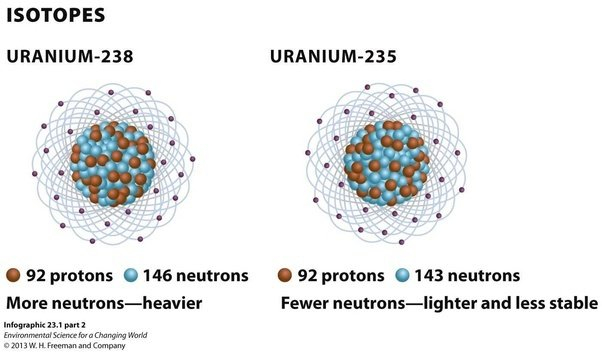
Uranium-238: It is the most abundant isotope of uranium, accounting for over 99% of natural uranium. It has 92 protons and 146 neutrons in its nucleus. It is not fissile, which means it cannot sustain a nuclear chain reaction. However, it is fertile, which means it can absorb neutrons and undergo radioactive decay to produce other isotopes such as plutonium-239, which is fissile.
Uranium-235: It is the second most abundant isotope of uranium, accounting for less than 1% of natural uranium. It has 92 protons and 143 neutrons in its nucleus. Unlike uranium-238, it is fissile, which means it can sustain a nuclear chain reaction. It is used as fuel in nuclear reactors and as the primary material for nuclear weapons.
How are isotopes created?
Isotopes can be created through natural processes or artificial processes in a laboratory.
Isotopes are created through natural processes such as radioactive decay, cosmic ray interactions, and nuclear fusion reactions in stars.
For example, carbon-14 is created in the Earth’s upper atmosphere when cosmic rays interact with nitrogen atoms.
Isotopes can also be created artificially through nuclear reactions.
This involves bombarding atoms with particles such as protons, neutrons, or alpha particles, which can change the number of protons and/or neutrons in the nucleus.
How uranium-241 was found?
To find uranium-241, the researchers accelerated uranium-238 nuclei into plutonium-198 nuclei using the KEK Isotope Separation System (KISS).
In a process called multinucleon transfer, the two isotopes exchanged protons and neutrons, resulting in nuclear fragments with different isotopes.
The researchers identified uranium-241 and measured the mass of its nucleus using time-of-flight mass spectrometry.
Theoretical calculations suggest that uranium-241 could have a half-life of 40 minutes.
Significance of the discovery
The discovery is significant because it refines our understanding of nuclear physics, particularly the shapes of large nuclei of heavy elements and how often they occur.
This information helps physicists to design models for nuclear power plants and exploding stars.
Also, what are Magic numbers?
There is a particular interest in ‘magic number’ nuclei, which contain a certain number of protons or neutrons that result in a highly stable nucleus.
Lead (82 protons) is the heaviest known ‘magic’ nucleus, and physicists have been trying to find the next element with magic numbers.
The researchers hope to extend their systematic mass measurements towards many neutron-rich isotopes, at least to neutron number 152, where a new ‘magic number’ is expected.
Conclusion
The discovery of the new neutron-rich uranium isotope is a major breakthrough in nuclear physics, as it provides essential information for understanding the behavior of heavy elements.
The researchers’ aim to extend their measurements to other neutron-rich isotopes reflects their commitment to exploring the frontiers of nuclear science and to improve our understanding of the universe.
Discovering new magic number nuclei through these measurements could have practical applications in designing safer and more efficient nuclear power plants and understanding the properties of exploding stars.
Central idea: Indian-American statistician Calyampudi Radhakrishna Rao has been awarded the 2023 International Prize in Statistics, which is considered the Nobel Prize for statistics. He is 102 YO.
Who is C. R. Rao?
R. Rao, is an Indian-American mathematician and statistician.
He is currently professor emeritus at Pennsylvania State University and Research Professor at the University at Buffalo.
Rao has been honoured by numerous colloquia, honorary degrees, and festschrifts and was awarded the US National Medal of Science in 2002.
The American Statistical Association has described him as “a living legend whose work has influenced not just statistics, but has had far reaching implications for fields as varied as economics, genetics, anthropology, geology, national planning, demography, biometry, and medicine.”
The Times of India listed Rao as one of the top 10 Indian scientists of all time.
Rao’s Groundbreaking Paper
The research paper, “Information and accuracy attainable in the estimation of statistical parameters,” was published in 1945 in the Bulletin of the Calcutta Mathematical Society.
The paper provided a lower limit on the variance of an unbiased estimate for a finite sample, which has since become a cornerstone of mathematical statistics.
Key outcomes of his research
Rao’s 1945 paper has three outcomes-
Cramer-Rao inequality: It provides a lower limit on the variance of an unbiased estimate for a finite sample.
Rao-Blackwell Theorem: It provides a method to improve an estimate to an optimal estimate.
Information geometry: It is a new interdisciplinary area called “information geometry,” which integrated principles from differential geometry into statistics, including the concepts of metric, distance, and measure.
The claim of poverty reduction in India during the pandemic year of 2020-21 is contested due to discrepancies in data and survey design. The PLFS data is used to make this claim, and there are recent papers that have come up with divergent claims on trends in poverty, showing both a rapid decline in poverty as well as a sharp increase.
Use of Comparable Estimates
Poverty estimates in India have always been based on consumption estimates from the NSO, particularly based on the consumption expenditure surveys (CES).
The last official poverty estimates were for 2011-12, even though a comparable consumption survey was conducted in 2017-18.
What is Periodic Labour Force Survey (PLFS)?
PLFS is a large-scale household survey conducted by the National Statistical Office (NSO) of India.
It collects data on various aspects of the labour force in India, including employment, unemployment, and labour force participation rates. In addition to these labour force indicators, the PLFS also collects data on consumption expenditure, which can be used to estimate poverty levels.
Issue with PLFS Data
Estimates are not comparable: The PLFS estimates of poverty are not comparable with those from the CES, as the PLFS estimates are based on a single question.
Consumption estimates: The issue of sensitivity of consumption estimates to survey design, the level of aggregation and details has been extensively written about and was at the heart of the Great Indian Poverty Debate of the early 2000s.
Details about consumption expenditure is not just relevant: The sensitivity to the details of questions asked to collect consumption expenditure is not just relevant across different surveys but also across different rounds of the PLFS.
Poverty Trends
The first set of conclusions can be drawn for the period between 2011-12 and 2017-18.
Using the CES based full schedule and the leaked report for 2017-18, a rise in poverty can be seen.
For a similar time period, the single question asked in the earlier rounds of PLFS can be compared with the 2014-15 (72nd round) NSO survey on services and durable goods expenditure which had exactly the same question in the same block with the same instructions making them comparable to estimates from the PLFS from 2017-18 to 2019-20.
These suggest that the poverty headcount ratio was 27 per cent in 2014-15 and rose to 36 per cent in 2017-18, declining to 32 per cent in 2018-19 and remaining at that level in 2019-20.
Unfortunately, for the period during the pandemic (2019-20 to 2020-21) that the PM paper tries to address, it is difficult to say what happened based on available consumption data because of the questionnaire changes mentioned above.
Impact on Policy
The absence of official estimates on poverty is also a reflection of the lack of political priority of the government on such a crucial indicator.
Currently, a survey on consumption expenditure is being canvassed by the NSO which again follows a completely new methodology and schedule. While it may provide another set of estimates of consumption expenditure, it is unlikely to help resolve the poverty debate.
Conclusion
The issue of what happened to poverty after 2011-12 is crucial for policy. However, frequent interference in the statistical system through changes in survey and questionnaire design, suppression of data, and delaying the release of crucial data are making it difficult to have a correct assessment of reality. The absence of official estimates on poverty is a reflection of the lack of political priority of the government on such a crucial indicator.
India’s rapid strides in health and healthcare with the help of a digital boom and the Ayushman Bharat Digital Mission, and the need for compassionate leadership to ensure respectful healthcare.
India’s healthcare sector
India’s healthcare sector has shown improvement in multiple metrics due to the push for healthcare digitization, infrastructure, coverage, and other inputs.
However, healthcare is not just about the treatment of diseases or the availability of infrastructure but also about the overall wellness of the person.
Respectful healthcare that is available, affordable, accessible, and compassionate is a determinant of the quality of care.
Importance of Compassionate leadership
Respectful and compassionate healthcare is essential: Healthcare is a perpetually evolving, stressful, and high-risk industry that puts a vast burden on healthcare providers. It is essential to navigate and manage the situation compassionately to deliver respectful care.
Compassion is a beating heart if healthcare: Compassionate leadership is required to build this type of healthcare system, as it is the quiet, beating heart of the entire healthcare system.
Curriculum for compassionate healthcare
Compassionate curriculum is very necessary: To integrate compassion into the healthcare system at every stage, it is necessary to build a curriculum and deliver it to those responsible for administering healthcare respectfully.
Curriculum with Dalai Lama’s vision rolled out in Bihar: An eight-stage curriculum, developed by Emory University, that furthers the Dalai Lama’s vision of educating both heart and mind for the greater good of humanity is being rolled out in Bihar.
Impact: To date, 1,200 healthcare providers across 20 districts have been impacted by the vital components of the cognitive-based compassion training, creating compassionate leaders at every level.
Institutionalizing compassionate healthcare
Institutionalizing will bring in real change: While the curriculum is a quantum leap towards building compassionate leadership, institutionalizing it will bring in real change.
Adopting at each level: Every academic institution and every department mandated with the responsibility to deliver health-related learning should develop and adopt compassion-based curricula.
Building capacity: State and regional health institutions must also be built with the capacity to deliver compassionate leadership. Partnerships with established academia and development sector organizations can enable the organizing of master coaches and master facilitators, thereby creating public goods that can be delivered by all.
Strengthening internal systems
Making compassion intrinsic to the ethos: All healthcare providers are expected to carry out a wide range of tasks within the system, which often leads to burnout and impacts patient experience adversely. It is vital to strengthen systems internally to make respect and compassion intrinsic to the ethos.
Building a network: Building a network of compassionate practitioners in every state, district and block hospital is crucial to fan the winds of change by starting with self-compassion first and then moving to compassion for others.
Valuing and measuring organizational culture: Valuing and measuring organizational culture is just as critical as patient outcomes. Developing sound metrics to measure culture and employee satisfaction, self-compassion, and compassion for the team assumes greater significance to building an institution whose foundation is compassion.
Conclusion
Respectful healthcare is already mentioned in the National Health Mission (NHM) guidelines, and such guidelines need to be the warp and weft of every policy and every guideline developed by public health authorities to improve patient experience. Compassionate leadership can truly realize India’s historically known values of compassion and bring alive the words of Hippocrates, the father of medicine, “Wherever the art of medicine is loved, there is also a love of humanity”.
The Chinese leadership has been using cartographic deception as a weapon to violate the sovereign national boundaries of its neighbours, and India has been a victim of this deception since Independence. The recent rechristening of villages and areas in Arunachal Pradesh is another example of China’s cartographic deception, and India must remain vigilant against such tactics.
Background: India-China relations
Historical context:
India has been a victim of China’s deception since its independence.
Mao’s Red Army sent messages to Indian Communists promising support in their violent liberation struggle to overthrow the government of Jawaharlal Nehru.
In the early 1950s, China started staking claims to large parts of Indian territory.
Cartographic deception used by China:
Cartographic deception is integral to the Chinese leadership’s machinations.
China has been indulging in cartographic deception by staking claims to large parts of Indian territory.
The recent rechristening of villages and areas in Arunachal Pradesh by the Chinese cabinet is another example of that cartographic deception.
Despite President Xi Jinping’s claims of standing guard over the world order based on international law, China continues to use cartography as a weapon to violate sovereign national boundaries of its neighbours.
How cartography is used as a weapon?
Deliberate manipulation of maps: The term use of cartography as a weapon refers to the deliberate manipulation of maps for political and strategic purposes. This can involve drawing new borders or redefining existing borders, claiming territory that was previously not contested or that belonged to another country, and renaming places to support these claims.
Psychological warfare technique: It is often accompanied by historical revisionism, propaganda, and the creation of artificial historical links to justify these claims. This approach can be seen as a form of psychological warfare, intended to create confusion, weaken the opponent’s resolve, and undermine its legitimacy in the eyes of the international community.
Historical background of Arunachal Pradesh
No contact with China: Historically, Arunachal Pradesh had no contact with China, and there was never any Chinese presence there.
Shimla Agreement: The McMahon Line, which became the international boundary between India and Tibet through the Shimla Agreement between the British and Tibetan governments in 1914, clearly puts Tawang, which fell south of the McMahon Line, out of Tibetan administrative control.
Claims over Tawang: Attempts by pro-China historians to claim that parts of Western Arunachal Pradesh like Tawang were under the rule of Lhasa before 1950 are negated by historical records.
Chinese invasion of Arunachal Pradesh in 1962
During the Chinese invasion of Arunachal Pradesh in 1962, they were extra-cordial with the locals and made special efforts to convince them about the greater racial affinity between them.
However, despite all the deceptive maneuvers during the 49-day-long occupation, the Chinese could not win over the hearts and minds of the people of NEFA.
Conclusion
India must remain vigilant against China’s cartographic deception, as it was through a similar deception in 1962 that China annexed territory. India has dismissed the recent rechristening exercise by China, and rightly emphasised that Arunachal Pradesh is, has been, and will always be an integral and inalienable part of India. India must continue to stand firm against China’s attempts to use cartography as a weapon to violate its sovereign national boundaries.
The Ministry of Education has released a pre-draft version of the National Curriculum Framework (NCF) for School Education. It will be the second in the series of 4 curriculum frameworks to be launched.
In this context, this edition of The Burning issue will elaborate on this new Curriculum framework.
Background
The Union Education Ministry launched the National Curriculum Framework for the foundational stage of education of children in the three to eight years age group in October 2022.
The NCF has four sections –
National Curriculum Framework for School Education,
National Curriculum Framework for Early Childhood Care and Education,
National Curriculum Framework for Teacher Educatio
National Curriculum Framework for Adult Education.
What is the NCF 2023?
It is a comprehensive framework for school education in India. It provides guidelines for the development of curricula and syllabi, textbooks, and teaching practices for schools in India.
It is developed by the National Council of Educational Research and Training (NCERT), an autonomous organization under the Ministry of Education.
It AIMS to promote a child-centred, activity-based approach to learning that focuses on the development of knowledge, skills, and values.
The first NCF was developed in 1986 and subsequently revised in 2000 and 2005.
The latest pre-draft version of NCF for School Education was released by the Ministry of Education in April 2023. It will cover age groups 3 to 18 years.
The framework has been developed by the National Steering Committee set up by the Ministry to undertake and develop NCFs under the chairmanship of K. Kasturirangan.
The NCF says its five parts are based on the ‘PANCHAKOSHA’ CONCEPT’, these are:
Physical development (sharirik vikas),
Development of life energy (pranik vikas),
Emotional and mental development (manasik vikas),
Intellectual development (bauddhik vikas) and
Spiritual development (chaitsik vikas).
The NCF (National Curriculum Framework) is an important step taken to implement the New Education Policy 2020.
Some issues with the Indian education system
Poor learning outcomes: According to the Annual Status of Education Report (ASER) 2019, only 26.8% of Class 3 students in rural India can read a Class 2 level text, and only 41.1% of Class 5 students can do basic arithmetic. These figures highlight the poor learning outcomes in many schools.
High dropout rates: The dropout rate at the primary level (Class 1-5) is 4.3%, while at the upper primary level (Class 6-8) it is 17.1%. This suggests that a significant number of students are not completing their basic education.
Shortage of teachers: The Right to Education Act mandates a pupil-teacher ratio of 30:1, but as of 2020, many states have failed to meet this requirement. For instance, Bihar has a ratio of 38:1, Uttar Pradesh has a ratio of 41:1, and Jharkhand has a ratio of 42:1. This shortage of teachers can affect the quality of education.
Inadequate infrastructure: Many schools in rural areas lack basic facilities such as clean drinking water, toilets, and playgrounds. According to ASER 2019, only 71.9% of schools in rural areas have usable toilets, and only 54.3% have access to drinking water.
Rote learning: The National Achievement Survey (NAS) 2017 found that only 33% of Class 8 students could solve a real-life mathematical problem, and only 43% of Class 10 students could understand a concept in science. This suggests that rote learning is still prevalent in many schools.
Lack of ethical education: The science and commerce-focused education system lacks ethical education leading to the creation of a good ‘workforce’ rather good human beings and citizens.
Archaic curriculum and textbooks: The NCERT textbooks were majorly revamped almost half and a decade ago. The NCF calls for a revamping of the curriculum as well as the school textbooks to ease the burden on students and make them up to date.
Key features of the Draft NCF 2023
Values and Roots
A key part of the document is the inclusion of values and their “rootedness” in India.
The pre-draft says that the framework is deeply rooted in India in content and learning of languages, in the pedagogical approaches including tools and resources, and in philosophical basis — in the aims and the epistemic approach.
The document further says that it leans towards making students acquainted with true sources of knowledge, which have been a philosophical preoccupation of ancient Indians.
These sources focus on SIX PRAMANAS: pratyaksa, anumana, upamana, arthapatti, anupalabdhi, and sabda.
Moral Development
A part of the document focuses on the moral development of a child through PANCHAKOSHA VIKAS or five-fold development.
The pre-draft recommends DEVELOPING MORAL VALUES for the child through a balanced diet, traditional games, yoga asanas, as well as a wide variety of stories, songs, lullabies, poems, and prayers to develop a love for cultural context.
Curriculum revamp
The pre-draft says that for Grade 10 certification, students will have to take two essential courses from humanities, maths and computing, vocational education, physical education, arts education, social science, science, and interdisciplinary areas.
In Grades 11 and 12, students will be offered CHOICE-BASED COURSES in the same disciplines for more rigorous engagement.
Arts education will include music, dance, theatre, sculpture, painting, set design, and scriptwriting, while interdisciplinary areas will include knowledge of India, traditions, and practices of Indian knowledge systems.
For Class 11 and 12, the document states that “MODULAR BOARD EXAMS” will be offered as opposed to a single exam at the end of the year, and the final result will be based on the cumulative result of each exam.”
Social Science Curriculum
The pre-draft emphasizes understanding and appreciating the Feeling Of Indianess, “Bhartiyata,” by valuing the rich cultural heritage and tradition of the country.
The pre-draft also stresses identifying and explaining important phases of the Indian national movement against British rule, with special reference to Gandhian and other subaltern movements.
It also recommends teaching concepts of Buddhism, Jainism, and Vedic and Confucian philosophies.
Possible positive outcomes: How does NCF’23 solve the challenges of the Indian Education system?
Inter-disciplinary education: the provision of choice to students of different streams to choose subjects of other streams (science students taking up humanities subjects and visa versa) will help in building interdisciplinary knowledge of students rather than just one stream.
Inculcation of Values and Roots: The framework emphasizes the importance of values and their “rootedness” in India. This can help students develop a strong sense of identity and cultural pride.
Moral Development of Students: The pre-draft focuses on the moral development of a child through various activities such as a balanced diet, traditional games, yoga, and exposure to cultural context through stories, songs, and prayers. This can help students develop a well-rounded personality.
Better designed and updated curriculum: The framework offers a more flexible and diverse curriculum for students, allowing them to choose essential courses from various disciplines such as humanities, maths, computing, vocational education, physical education, arts education, social science, science, and interdisciplinary areas. The modular board exams and the stress on interdisciplinary areas can also promote critical thinking and problem-solving skills among students.
Expand the horizon of thinking of students: The framework emphasizes the understanding and appreciation of Indian culture and heritage, as well as important phases of the Indian national movement against British rule, including subaltern movements. It also recommends teaching concepts of Buddhism, Jainism, and Vedic and Confucian philosophies, which can broaden students’ perspectives and enhance their understanding of the world.
SomeIssues with the Policy
The NCF falls short of telling anything about technical education and how the schools, textbooks and teachers will adjust in the era of rising disruptive technologies like Artificial intelligence specially Chat-GPT.
With 8 small board examinations over the year rather than one, the burden and fear of board examinations will increase, putting students under the pressure to study and perform throughout the year.
The issue with the change in curriculum: several opposition parties have raised their voices against the changes being proposed in school textbooks.
Controversy over curriculum revamp
The latest round of textbook rationalization has resulted in some of the most sweeping changes in the curriculum since the NDA government came to power.
These changes include removing all references to the 2002 Gujarat riots, reducing content related to the Mughal era and the caste system, and dropping chapters on protests and social movements.
Many of these changes are seen as ‘political’, however, their earlier introduction into the curriculum was also a political move.
Furore over Mughal History
While some of the content on the Delhi Sultanate and the Mughal Empire has indeed been removed from the history textbook for Class 7, the Mughals have not entirely disappeared.
For instance, the chapter ‘The Mughal Empire’ in the Class 7 history textbook, Our Pasts – II, has undergone deletions — including a two-page table on the milestones and achievements of the reigns of the emperors Babur, Humayun, Akbar, Jahangir, Shah Jahan, and Aurangzeb. However, the chapter itself has not been removed.
Students of Class 7 will continue to learn about the Mughals, though in lesser detail.
Conclusion
In conclusion, the National Curriculum Framework 2023 provides a comprehensive approach to education that emphasizes the importance of values, rootedness in Indian culture, and the moral development of students.
But it still falls short on several parameters. Thus, the draft needs to be thoroughly revisited by opening to its public comments and suggestions to incorporate other important things like learning new technologies, so as to make Indian students updated, educated and technically sound.
Himachal Pradesh CM has announced that the state government is considering legalizing the cultivation of cannabis.
What is Cannabis?
Cannabis, also known as marijuana among other names, is a psychoactive drug from the Cannabis plant used primarily for medical or recreational purposes.
The main psychoactive component of cannabis is tetrahydrocannabinol (THC), which is one of the 483 known compounds in the plant, including at least 65 other cannabinoids, including cannabidiol (CBD).
It is used by smoking, vaporizing, within the food, or as an extract.
Prospects of legalizing Marijuana
(1) Health benefits
The cannabinoids found in Cannabis is a great healer and has found mentioned in Ayurveda.
It can be used to treat a number of medical conditions like multiple sclerosis, arthritis, epilepsy, insomnia, HIV/AIDS treatment, and cancer.
(2) Ecological benefits
The cannabis plant and seeds apart from being labelled a ‘super-foods’ as per studies is also a super-industrial carbon-negative raw material.
Each part of the plant can be used for some industry. Hemp currently is also being used to make bio-fuel, bio-plastics and even construction material in certain countries. The cosmetic industry has also embraced Hemp seeds.
(3) Marijuana is addiction-free
An epidemiological study showed that only 9% of those who use marijuana end up being clinically dependent on it.
The ‘comparable rates’ for tobacco, alcohol and cocaine stood at 32%, 15% and 16% respectively.
(4) Good source of Revenue
By legalizing and taxing marijuana, the government will stand to earn huge amounts of revenue that will otherwise go to the Italian and Israeli drug cartels.
In an open letter to US President George Bush, around 500 economists, led by Nobel Prize winner Milton Friedman, called for marijuana to be “legal but taxed and regulated like other goods”.
(5) A potential cash crop
The cannabis plant is something natural to India, especially the northern hilly regions. It has the potential of becoming a cash crop for poor marginal farmers.
If proper research is done and the cultivation of marijuana encouraged at an official level, it can gradually become a source of income for poor people with small landholdings.
(6) Prohibition was ineffective
In India, the consumption of synthetic drugs like cocaine has increased since marijuana was banned, while it has decreased in the US since it was legalized in certain states.
Moreover, these days, it is pretty easy to buy marijuana in India and its consumption is widespread among the youth. So it is fair to say that prohibition has failed to curb the ‘problem’.
(7) Marijuana is less harmful
Marijuana consumption was never regarded as a socially deviant behaviour any more than drinking alcohol was. In fact, keeping it legal was considered as an ‘enlightened view’.
It is now medically proven that marijuana is less harmful than alcohol.
Risks of Legalizing Cannabis
(1) Health risks continue to persist
There are many misconceptions about cannabis. First, it is not accurate that cannabis is harmless.
Its immediate effects include impairments in memory and in mental processes, including ones that are critical for driving.
Long-term use of cannabis may lead to the development of addiction of the substance, persistent cognitive deficits, and of mental health problems like schizophrenia, depression and anxiety.
Exposure to cannabis in adolescence can alter brain development.
(2) A new ‘tobacco’ under casualization
A second myth is that if cannabis is legalized and regulated, its harms can be minimized.
With legalization comes commercialization. Cannabis is often incorrectly advertised as being “natural” and “healthier than alcohol and tobacco”.
Tobacco, too, was initially touted as a natural and harmless plant that had been “safely” used in religious ceremonies for centuries.
(3) Unconvincing Advocacy
Advocates for legalization rarely make a convincing case. To hear some supporters tell it, the drug cures all diseases while promoting creativity, open-mindedness, moral progression.
Too much trivialization of Cannabis use could lead to its mass cultivation and a silent economy wreaking havoc through a new culture of substance abuse in India.
Legalization status elsewhere in India
Several states in India have already legalized cannabis cultivation, including neighboring Uttarakhand, which became the first state in the country to do so in 2017.
Controlled cultivation is being done in some districts of Gujarat, Madhya Pradesh, and Uttar Pradesh.
Legal Framework for Cannabis Cultivation
Definition of Cannabis: The Parliament has defined cannabis in the Narcotic Drugs and Psychotropic Substances Act (NDPS), 1985.
Ban on extracting resin and flowers: While a complete ban has been imposed on extracting the resin and flowers of the cannabis plant, the law determines the method and extent of cultivation of cannabis for medicinal and scientific purposes.
Authorities to States: Section 10 (a) (iii) of the Act empowers States to make rules regarding the cultivation of any cannabis plant, production, possession, transport, consumption, use, purchase, sale, and consumption of cannabis (except charas).
Cultivation of hemp: States are also empowered to permit, by general or special order, the cultivation of hemp, only for obtaining fibber or seeds or for horticultural purposes.
What next?
The government will consider all aspects, including regulatory measures, and study the models followed by other States that have legalized cannabis cultivation, before taking the final call.
Highlighted that the government is cautious about the potential increase in drug use, and will make a decision only after a thorough study by the committee.
SpaceX Falcon 9 rocket successfully launched carrying a new NASA device named Tropospheric Emissions Monitoring of Pollution (TEMPO) designed to monitor air pollutants and their emission sources across North America from space more comprehensively than ever before.
What is TEMPO?
TEMPO is an instrument developed by NASA, which will enable scientists to monitor air pollutants and their emission sources from space, down to the neighbourhood level.
This instrument will measure pollution and air quality across greater North America on an hourly basis during the daytime.
TEMPO’s special features
TEMPO is unique because it will be hosted on an Intelsat communications satellite in geostationary orbit, about 22,236 miles (35,786 km) above the equator.
This will allow the instrument to match the rotation of the Earth, meaning it will stay over the same location (North America) at all times.
It will be able to measure atmospheric pollution down to a spatial resolution of 4 square miles (10 square km), or neighbourhood level.
Applications of TEMPO
TEMPO will have multiple applications from measuring levels of various pollutants to providing air quality forecasts and helping the development of emission-control strategies.
The data will be used by the US Environmental Protection Agency (EPA), the National Oceanic and Atmospheric Administration (NOAA), and other agencies responsible for tackling atmospheric pollution.
Importance of the mission
According to the American Lung Association, more than 40% of the US population, 137 million people, live in places with unhealthy levels of particle pollution or ozone, and air pollution is blamed for some 60,000 premature deaths a year.
TEMPO will track pollutants like nitrogen dioxide, produced from the combustion of fossil fuels, formaldehyde, and ozone.
Central idea: The government has identified and documented the unique cultural heritage of more than one lakh villages across the country under the National Mission for Cultural Mapping’s Mera Gaon Meri Dharohar programme.
Mera Gaon Meri Dharohar
The National Mission for Cultural Mapping aims to develop a comprehensive database of art forms, artists, and other resources across the country.
The programme was launched by the Culture Ministry in 2017 but was handed over to the Indira Gandhi National Centre for Arts (IGNCA) in 2021.
The programme aims to cover all the 6.5 lakh villages in the country.
Why such a program?
The program seeks to document the cultural identity at the village level by involving citizens to share what makes their village, block, or district unique.
The villages have been classified into seven-eight categories based on ecological, developmental, scholastic, historical, and mythological importance.
The mapping aims to develop a comprehensive database of art forms, artists, and other resources across the country.
Survey process
The survey process involves a CSC Village Level Entrepreneur (VLE) conducting meetings with locals and then uploading interesting facts about their village, its places of interest, customs and traditions, famous personalities, festivals and beliefs, art and culture, etc., on to a special application.
The IGNCA plans to create special films on 6,500 village clusters showcasing their unique heritage.
Short films have been made on 750 cluster villages, which have been shot using drones, and the VLEs would upload these videos on the application as well.
Central idea: India has been elected to the UN Statistical Commission for a four-year term.
About United Nations Statistical Commission
The UN Statistical Commission is the topmost body of the global statistical system, bringing together the Chief Statisticians from member states worldwide.
Responsibilities of the Commission include setting statistical standards and developing concepts and methods, implemented at national and international levels.
The Commission was established in 1947 and is headquartered in New York.
The United Nations Statistics Division (UNSD) is overseen by the Commission.
The Commission is a Functional Commission of the UN Economic and Social Council.
Membership details
There are 24 member states of the Commission.
Members are elected by the Economic and Social Council based on equitable geographical distribution, including:


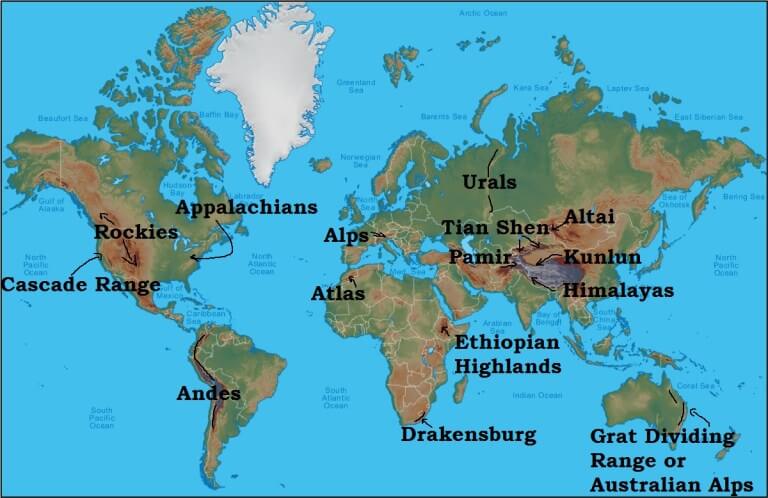
![[Sansad TV] Perspective: 50 Successful Years of Project Tiger](https://d18x2uyjeekruj.cloudfront.net/wp-content/uploads/2022/12/sansad.jpg)