💥UPSC 2026, 2027, 2028 UAP Mentorship (March Batch) + Access XFactor Notes & Microthemes PDF

Search results for: “”

  • Reforming the Election Commission

    Election Commission

    Context

    • A five-judge Constitution Bench of the Supreme Court is examining a bunch of petitions recommending reforms in the process of appointment of members of the Election Commission.

    Click and get your FREE Copy of CURRENT AFFAIRS Micro Notes

    Electoral reforms and reluctant Governments

    • Long pending reforms: A list of over 20 reform proposals was compiled in 2004. More proposals were added to the list over time and are pending with government.
    • Ineffective model code of conduct: These range from strengthening the Commission’s inherent structure to handling the misuse of muscle and money power during elections, which violate the Model Code of Conduct.
    • Judicial intervention because of reluctant Government: It is hoped that the Bench will also examine electoral reforms suggested to governments by successive Election Commissions over the last two decades or so.

    Issue of appointment of election commissioners

    • The Dinesh Goswami Committee in 1990: It is suggested that the Chief Election Commissioner be appointed by the President (read: executive) in consultation with the Chief Justice of India and the Leader of the Opposition (and in case the Leader of the Opposition was not available, then consultation be held with the leader the largest opposition group in the Lok Sabha).
    • Statutory backing for collegium led appointment: It said this process should have statutory backing. Importantly, it applied the same criteria to the appointments of Election Commissioners, along with consultation with the Chief Election Commissioner.
    • The National Commission to Review the Working of the Constitution: The commission under Justice M.N. Venkatachalam, said that the Chief Election Commissioner and other Election Commissioners should be appointed on the recommendation of a body comprising the Prime Minister, the Leaders of the Opposition in the Lok Sabha and the Rajya Sabha, the Speaker of the Lok Sabha and the Deputy Chairman of the Rajya Sabha.
    • The 255th Report of the Law Commission: Chaired by Justice A.P. Shah, said the appointment of all the Election Commissioners should be made by the President in consultation with a three-member collegium consisting of the Prime Minister, the Leader of the Opposition of the Lok Sabha (or the leader of the largest opposition party in the Lok Sabha), and the Chief Justice of India.

    Election Commission

    What is T.N.Seshan case?

    • Conferred equal power on election commissioners: The T.N.Seshan case conferred equal powers on the Election Commissioners as those enjoyed by the Chief Election Commissioner (referring to the Chief Election Commissioner as primus inter pares, or first among equals).
    • Equal protection was not conferred: Supreme court offered majority power, whereby any two can overrule even the Chief Election Commissioner. Yet, it did not accord the Election Commissioners the same constitutional protection (of removal by impeachment) as is accorded to the Chief Election Commissioner.

    Election Commission

    Why security of tenure is important for Election Commissioners?

    • Hesitancy to act: Without security of tenure, they may hesitate to act independently, which they otherwise might if they were truly secure.
    • Junior to chief election commission: In the absence of full constitutional security, an Election Commissioner could feel they must keep on the right side of the Chief Election Commissioner.
    • Remain loyal to government: They might also feel they should remain within the ambit favoured by the government.
    • Fear of non-elevation: An Election Commissioner can never be sure whether they will automatically be elevated to the top post because nowhere has elevation been statutorily decreed.

    What are the suggested reforms?

    • Same procedure for removal of judge: It is suggested measures to safeguard Election Commissioners from arbitrary removal, in a manner similar to what is accorded to the Chief Election Commissioner, who can only be removed by impeachment, which is by no means easy.
    • Appointment by collegium: While the Chief Election Commissioner should be appointed by a collegium, this must apply equally to the Election Commissioners.
    • Reform by constitutional amendments: The Election Commissioners must now equally be protected from arbitrary removal by a constitutional amendment that would ensure a removal process that currently applies only to the Chief Election Commissioner.

    Election Commission

    Conclusion

    • Reforms in election commission is absolutely necessary but manner of reforms is debatable. Judiciary’s role is not to reform the institution but to deliver the justice. This might be another case of judicial overreach in legislative domain any reform. Any reform in election commission has to come from legislature.

    Mains Question

    Q. What are the necessary reforms in Election commission of India? Why security of tenure is important for election commissioners?

    (Click) FREE1-to-1 on-call Mentorship by IAS-IPS officers | Discuss doubts, strategy, sources, and more


  • [Sansad TV] Diplomatic Dispatch: India & Global Partnership on Artificial Intelligence

    Context

    • India has recently been elected as the new chair of the Global Partnership on Artificial Intelligence (GPAI).
    • In the election for the Council Chair, India received more than a two-thirds majority of the first-preference votes and was followed by Canada and the US, respectively.

    In this article, we shall examine how Artificial Intelligence can be a game changer for India.

    What is GPAI?

    • GPAI is an international and multi-stakeholder initiative to guide the responsible development and use of AI, grounded in human rights, inclusion, diversity, innovation, and economic growth.
    • Its establishment was announced during the 2018 G7 Summit by Canadian PM Justin Trudeau and French President Emmanuel Macron. GPAI was officially launched on June 15, 2020
    • It is the league of leading economies including India, USA, UK, EU, Australia, Canada, France, Germany, Italy, Japan, Mexico, New Zealand, Republic of Korea, and Singapore.
    • GPAI will be supported by a Secretariat, to be hosted by Organization for Economic Cooperation and Development (OECD) in Paris, as well as by two Centers of Expertise- one each in Montreal and Paris.

    What makes it a special initiative?

    • First of its kind: GPAI is the first initiative of its type for evolving better understanding of the challenges and opportunities around AI using the experience and diversity of participating countries.
    • Collaboration: In order to achieve this goal, the initiative will look to bridge the gap between theory and practice on AI by supporting cutting-edge research and applied activities on AI-related priorities.

    Aims and Objectives

    • In collaboration with partners and international organizations, GPAI will bring together leading experts from industry, civil society, governments, and academia to collaborate to promote the responsible evolution of AI.
    • It will also help evolve methodologies to show how AI can be leveraged to better respond to the global crisis since COVID-19.

    Themes of working

    1. Responsible AI: RAI’s mandate aligns closely with that vision and GPAI’s overall mission, striving to foster and contribute to the responsible development, use and governance of human-centred AI systems, in congruence with the UN Sustainable Development Goals.
    2. Data governance: It  aims to collate evidence, shape research, undertake applied AI projects and provide expertise on data governance, to promote data for AI being collected, used, shared, archived and deleted in ways that are consistent with human rights, inclusion, diversity, innovation, economic growth, and societal benefit.
    3. Future of work: Its mandate is to conduct critical technical analysis on how the deployment of AI can affect workers and working environments as well as how workers and employers can better design the future of work.
    4. Innovation and commercialization: Its mandate is to study and recommend tools and methods to drive international collaboration on AI R&D and innovation,

    About Artificial Intelligence (AI)

    • AI is a constellation of technologies that enable machines to act with higher levels of intelligence and emulate the human capabilities of sense, comprehend and act.
    • Thus, computer vision and audio processing can actively perceive the world around them by acquiring and processing images, sound and speech.
    • Natural language processing and inference engines can enable AI systems to analyze and understand the information collected.
    • An AI system can also take action through technologies such as expert systems and inference engines or undertake actions in the physical world.
    • These human-like capabilities are augmented by the ability to learn from experience and keep adapting over time.
    • AI  systems are finding ever-wider application to supplement these capabilities across various sectors.

    Potential of Artificial Intelligence

    Artificial Intelligence has the potential to provide huge value to different sectors and can become a key source of competitive advantage for firms.

    (1) Healthcare: Helps address the issue of access to healthcare facilities, particularly in rural areas that suffer from poor connectivity and the limited supply of healthcare professionals.

    (2) Agriculture

    • It can address challenges such as inadequate demand prediction, lack of assured irrigation, and overuse/misuse of pesticides and fertilizers.
    • Improves crop yield through real-time advisory, advanced detection of pest attacks, and prediction of crop prices to informed sowing practices.

    (3) Smart Mobility, including Transports and Logistics

    • Autonomous fleets for ride sharing,
    • Semi-autonomous features such as driver assist, and
    • Predictive engine monitoring and maintenance.

    (4) Retail

    To improve user experience and sale through:

    • personalized suggestions,
    • preference-based browsing
    • image-based product search
    • customer demand anticipation
    • improved inventory management  
    • efficient delivery management

    (5) Manufacturing: To create a flexible and adaptable technical system to automate processes and machinery to respond to unfamiliar or unexpected situations by making smart decisions.

    (6) Energy: Energy system modelling and forecasting to decrease unpredictability and increase efficiency in power balancing and usage.

    (7) Smart Cities: Integration of AI in smart cities and infrastructure help meet the demands of a rapidly urbanizing population and provides enhanced quality of life.

    (8) Education and Skilling

    • Improving the learning experience through personalized learning,
    • automating and expediting administrative tasks, and
    • Predicting the need for student intervention to reduce dropouts or recommend vocational training.

    AI and Climate change

    • AI is a disruptive paradigm that has greater potential to assess, predict, and mitigate the risk of climate change with the efficient use of data, learning algorithms, and sensing devices.
    • It performs a calculation, makes predictions, and takes decisions to mitigate the impacts of climate change.
    • By developing effective models for weather forecasting and environmental monitoring, AI makes us better understand the impacts of climate change across various geographical locations.
    • It interprets climatic data and predicts weather events, extreme climate conditions, and other socio-economic impacts of climate change and precipitation.
    • From a technical perspective, AI offers better climatic predictions, shows the impacts of extreme weather, finds the actual source of carbon emitters and includes numerous other reasonable contributions. 
    • This enables the policymakers to be aware of the rising sea levels, earth hazards, hurricanes, temperature change, disruption to natural habitats, and species extinction.

    Applications of AI for Climate Change mitigation

    The following are the few areas in which AI can directly help mitigate the risks posed by climate change:-

    • AI-assisted prediction models for climate change mitigation
    • Role of machine vision in climate informatics and forecasting
    • Recent trends in AI to reduce carbon footprints for a sustainable environment
    • AI for earth hazard management
    • AI to promote eco-friendly energy production and consumption
    • AI-assisted expert systems for climate change risk prediction and assessment
    • AI-assisted big data analytics Synergy of IoT, big data, cloud computing, and AI techniques in climate change prediction and mitigation
    • Machine learning for a sustainable green future
    • AI in reducing the impacts of global warming
    • Deep learning for sustainable earth surveillance and earth informatics

    India’s AI Potential

    • AI is expected to add US $967 billion to Indian economy by 2035 and US $450–500 billion to India’s GDP by 2025, accounting for 10 per cent of the country’s USD 5 trillion GDP target.
    • It is pertinent to note that India has recently launched the National AI Strategy and National AI Portal.
    • It has also started leveraging AI across various sectors such as education, agriculture, healthcare, e-commerce, finance, telecommunications, etc. with inclusion and empowerment of human being approach by supplementing growth and development.
    • By joining GPAI as a founding member, India will actively participate in the global development of Artificial Intelligence, leveraging upon its experience around the use of digital technologies for inclusive growth.

    Way forward

    • Citizens should be brought to the table during the process of policymaking.
    • It will open the door to collective intelligence.
    • Also, there should be an effort from companies, ML practitioners and researchers.
    • Finally, governments should take measures to revisit policies.  

    Click and get your FREE Copy of CURRENT AFFAIRS Micro Notes

    (Click) FREE1-to-1 on-call Mentorship by IAS-IPS officers | Discuss doubts, strategy, sources, and more

  • Protests against Vizhinjam Port

    vizhinjam

    Kerala’s ambitious Vizhinjam port project for a transshipment container terminal is caught in protests and violence.

    Vizhinjam Port Project

    • In 2015, the Adani Group signed a concession agreement with the Kerala government to build India’s first mega transshipment container terminal at Vizhinjam near Thiruvananthapuram.
    • The ₹7,525 crore project — an all-weather deep-sea port with a depth of 24 meters — can service large megamax-sized container ships.
    • This natural port has no littoral sedimentation, obviating the need for periodic dredging and lowers maintenance costs.
    • The port, which is well-connected to the hinterland, will handle 1 million twenty-foot equivalent units in Phase-I and another 6.2 million TEUs when completed.

    Significance of the project for India?

    • Transshipment hub: The Vizhinjam Port holds the potential to attract a large share of container transshipment traffic that is now handled by Colombo, Singapore or Dubai.
    • Important shipping lane: It located just off the International Shipping Lane and close to the East-West Shipping Axis.
    • Cargo handling: A large share of India’s exports and imports that are now transshipped through these international ports can be handled at Vizhinjam.
    • Reducing logistic costs: It would mean a sharp reduction in shipping costs and lead time. This will go a long way in reducing overall logistics costs and making manufacturing competitive.
    • Employment generation: It will also create thousands of jobs – directly and otherwise.

    Reasons for protests

    • Local fishermen fear displacement and loss of livelihood. They blame higher tides and increasing coastal erosion on the project.
    • Protests has some leftist leaning inherently opposing every development project.
    • A Latin Catholic Church has been at the forefront of the protests.
    • Many right-wing outfits have thrown their weight behind the project and want its quick completion.
    • They blame foreign funding for what they call ‘anti-development’ protests.


    Click and get your FREE Copy of CURRENT AFFAIRS Micro Notes

    (Click) FREE1-to-1 on-call Mentorship by IAS-IPS officers | Discuss doubts, strategy, sources, and more

  • What is SHAKTI Policy?

    Ministry of Power has launched a scheme for procurement of aggregate power of 4500 MW for 5 years under SHAKTI Policy to help states that are facing power shortages and help generation plants to increase their capacities.

    SHAKTI Policy

    • SHAKTI is an acronym for Scheme for Harnessing and Allocating Koyala Transparently in India.
    • It was launched in 2018 to provide coal to stressed power units which lack coal supply.
    • It seeks to provide coal linkages to power plants which lack fuel supply agreements (FSAs) through coal auctions.

    Need for such policy

    • SHAKTI is a policy designated by the government for the allocation of coal among thermal power plants in a transparent and objective manner.
    • It aims to transfer the benefits of linkage coal to the end consumers.
    • The scheme is supposed to be beneficial not just for the infrastructure sector, but also for the public sector banks which have huge loans unpaid at the end of the power companies.
    • The companies, which did not have coal linkages before the introduction of the Shakti Scheme, would benefit when they would get domestic fuel supplies through auction at competitive rates.
    • The scheme also aims to reduce the dependence on imported coal and promote domestic industries.
    • With this policy, the government also aims to reduce dependence on imported coal.

    Coal linkage scenario in India

    • Coal linkage to the power sector is governed by provisions of the New Coal Distribution Policy (NCDP), 2007.
    • Under the NCDP, a system of issuance of Letter of Assurance (LoA) was introduced.
    • The requests for Linkage/LoA are forwarded to the Ministry of Power for its recommendations.
    • The coal availability scenario has, now, emerged from scarcity to adequacy.


    Click and get your FREE Copy of CURRENT AFFAIRS Micro Notes

    (Click) FREE1-to-1 on-call Mentorship by IAS-IPS officers | Discuss doubts, strategy, sources, and more

  • Supreme Court seeks government’s response on evolving ‘Project Great Indian Bustard’

    bustard

    The Supreme Court sought the government’s response about evolving a ‘Project Great Indian Bustard’ conservation program like the ‘Project Tiger’ to bring attention to the peril faced by the critically endangered bird species.

    Great Indian Bustards

    • GIBs are the largest among the four bustard species found in India, the other three being MacQueen’s bustard, lesser florican, and the Bengal florican.
    • GIBs’ historic range included much of the Indian sub-continent but it has now shrunken to just 10 percent of it. Among the heaviest birds with flight, GIBs prefer grasslands as their habitats.
    • GIBs are considered the flagship bird species of grassland.

    On the brink of extinction

    • The GIB population in India had fallen to just 150.
    • Pakistan is also believed to host a few GIBs and yet openly supports their hunting.

    Protection accorded

    • Birdlife International: uplisted from Endangered to Critically Endangered (2011)
    • Protection under CITES: Appendix I
    • IUCN status: Critically Endangered
    • Protection under Wildlife (Protection) Act: Schedule I

    Threats

    • Overhead power transmission
    • Poor vision: Due to their poor frontal vision, can’t detect powerlines in time and their weight makes in-flight quick maneuvers difficult.
    • Windmills: Coincidentally, Kutch and Thar desert are the places that have witnessed the creation of huge renewable energy infrastructure.
    • Noise pollution: Noise affects the mating and courtship practices of the GIB.
    • Changes in the landscape: by way of farmers cultivating their land, which otherwise used to remain fallow due to frequent droughts in Kutch.
    • Cultivation changes: Cultivation of cotton and wheat instead of pulses and fodder are also cited as reasons for falling GIB numbers.

    Supreme Court’s intervention

    • The Supreme Court has ordered that all overhead power transmission lines in core and potential GIB habitats in Rajasthan and Gujarat should be undergrounded.
    • The SC also formed a three-member committee to help power companies comply with the order.

    Conservation measures

    • In 2015, the Central government launched the GIB species recovery program.
    • Under the program, the WII and Rajasthan Forest departments have jointly set up conservation breeding centers where GIB eggs are harvested from the wild.
    • They have been incubated artificially and hatchlings raised in a controlled environment.


    Click and get your FREE Copy of CURRENT AFFAIRS Micro Notes

    (Click) FREE1-to-1 on-call Mentorship by IAS-IPS officers | Discuss doubts, strategy, sources, and more

  • In news: Exercise Yudh Abhyas

    China expressed concern over the India-US joint military exercise Yudh Abhyas being held in Uttarakhand, about 100 km from the LAC.

    Exercise Yudh Abhyas

    • Exercise Yudh Abhyas is the largest running joint military training and defence cooperation endeavour between India and the US.
    • The exercise aims at enhancing understanding, cooperation and interoperability between the two armies.
    • Interestingly, this is the only India-US service exercise continuing in bilateral format.

    Why in news?

    • The disengagement of troops is still under process after several rounds of talks between India and China.
    • Since beginning in May 2020, Chinese and Indian forces faced off in clashes with rocks, batons, and clubs wrapped in barbed wire at multiple locations along the LAC.
    • Differing perceptions of border demarcations along the LAC is the reason behind.
    • Each country seeks the withdrawal of the other’s forces and a return to the pre-stand-off conditions, but neither China nor India agreed to the conditions.


    Click and get your FREE Copy of CURRENT AFFAIRS Micro Notes

    (Click) FREE1-to-1 on-call Mentorship by IAS-IPS officers | Discuss doubts, strategy, sources, and more

  • Education as a tool of innovation for the climate change generation.

    Education

    Click and get your FREE Copy of CURRENT AFFAIRS Micro Notes

    Context

    • Instead of mirroring a broken development paradigm predicated on an extractive relationship with nature, India can lead with an approach that’s better for both people and the planet. A climate-resilient education system will be essential to realising this opportunity.

    Background

    • India’s LiFE mass movement: At COP27, India released its Long-Term Low Emissions and Development Strategies (LT-LEDS). This outlines priorities for carbon-intensive sectors like electricity and industry and transport, and emphasizes the role of a Lifestyle for Environment (LiFE) as a mass movement towards sustainable consumption and production.
    • Education is vital: From behavioral shifts of individuals to the re-shaping of markets, education has a vital role in the LiFE movement.
    • Potential of demand side actions: According to the Intergovernmental Panel on Climate Change (IPCC), this could make a significant dent in reducing planet-warming gases, demand-side actions have the potential to cut greenhouse gas emissions by 40-70 per cent in 2050.

    Education

    What are the challenges facing the education sector and children at present?

    • School closures during the Covid pandemic affect productivity: school closures during the pandemic have led to a learning deficit that’s getting reflected in reduced test scores. This will likely impact productivity and per capita income levels in the long term. One year of school closures could reduce GDP levels by anywhere from 1.1 to 4.7 per cent by mid-century, according to a paper by the Organisation for Economic Co-operation and Development.
    • Hinderance to the economic mobility: The lasting impacts of Covid-19 could hinder economic mobility for a generation of Indians and alter the arithmetic for public finance.
    • Climate change impacts children more: Climate impacts are already disrupting children’s learning and well-being globally. For instance, extreme heat reduces students’ learning levels and causes physiological harm. Schools are temporarily shut down and children’s health is affected due to persistently poor air quality in cities like Delhi.
    • Disasters and displacing families affecting children: Debilitating deluges are permanently displacing families, often leading to children (and disproportionately girls) dropping out of schools and being trafficked or subject to child labour due to distressed household incomes. As these disasters grow more frequent and intense, we must prepare the infrastructure, content, and delivery of the public education system to protect the most vulnerable citizens, many of whom will be climate refugees.
    • Anxiety about the future: The lived experiences of climate-induced disasters and anxiety about the future are causing despair and dread among young people. This is compounded by digital platforms and news cycles that don’t linger long enough to make sense of challenges or build a widespread understanding of breakthroughs like the significant reductions in the costs of renewable energy.

    Education

    How can the climate education system be used to both prevent crisis and create opportunity?

    • Creating a strong and inclusive climate-resilient education system at national level: At a national level, a strong enabling framework for a climate-resilient education system shall cover matters from curricula to nutrition to school building codes in a climate-changed world. With its scale and reach, the public school system is not only a source of learning but also shelter, clothing, food, and community for millions.
    • Programs in states shall be implemented according to the local demands: Design and implementation in states and districts should be shaped by existing local needs and anticipated climate risks. This could involve infrastructure investments so school buildings can double up as emergency shelters in cyclone-prone areas and capacity additions so government schools in mega-cities that are destinations for climate migrants can integrate and empower children
    • Emphasize should be on social and emotional learning: Students’ mental health needs should be served through an empathic expansion and an emphasis on social and emotional learning. Across the board, children should be able to access clean water and nutritious food.
    • Technical curriculum with indigenous knowledge shall be applied: Curricula can be infused with scientific and technical know-how alongside indigenous and local knowledge. In pockets, there are already innovative initiatives under-way where non-government organisations are adding tremendous value through contextualisation and close work with communities.
    • Integrating biodiversity conservation learning process: Students should be taught about the potential of integrating biodiversity conservation with regenerative agriculture. Youth must be empowered and encourages to take civic and climate actions from waste management to recycle, to lake restorations and to make their city more liveable.
    • Fostering critical thinking: The cross-cutting imperative should be to foster critical thinking instead of rote learning so that the next generation can embrace complexity and make informed choices.

    Education

    Way ahead

    • There is a need for climate education across society rather than simply at the primary and secondary levels.
    • There is need to retrain workers in industries that have a future in a green economy.
    • So is the need to priorities technical training in colleges and universities so we can rapidly accelerate our decarbonization pathway.

    Conclusion

    • We can’t afford to be narrowly focusing on technical training for the innovation, research, and development of climate technologies. Rather, we should develop strong analytical capabilities and holistic thinking about societal transformations and how new technologies will be embedded in communities. As Elizabeth Kolbert, the Pulitzer Prize-winning journalist put it, “the ‘invisible hand’ always grasps for more”.

    Mains question

    Q. Climate change is rapidly altering the environment and economy, especially affecting children. In this light, Climate resilient education systems can be used to prevent crises and create opportunities. Discuss.

    (Click) FREE1-to-1 on-call Mentorship by IAS-IPS officers | Discuss doubts, strategy, sources, and more

  • Doubling court strength won’t end pendency: Supreme Court

    pendency

    Judiciary is overburdened because of the system, says Chief Justice of India Chandrachud; he points out that it is already difficult to find good lawyers to fill judicial vacancies in High Courts.

    What is the news?

    • The Supreme Court has said that increasing the number of judges will not demolish the perennial problem of pendency.
    • It noted that it is already difficult finding good lawyers to accept the call to the Bench in High Courts.

    Indian Judiciary: A Backgrounder

    • Our Judicial system has been the nation’s moral conscience keeper.
    • It speaks truth to political power, upholds the rights of citizens, mediates between Centre-state conflicts, provides justice to the rich and poor alike, and on several momentous occasions, saved democracy itself.
    • Despite its achievements, a gap between the ideal and reality has been becoming clear over the years.
    • The justice delivery is slow, the appointment of judges is mired in controversy, disciplinary mechanisms scarcely work, hierarchy rather than merit is preferred, women are severely under-represented, and constitutional matters often languish in the Supreme Court for years.

    Why there is huge pendency?

    There are various reasons for delay of disposal of cases. Some of the important reasons as well as some suggestion and recommendations are as follows:

    • Low judge strength and appointment: In High courts of India, there are 1079 approved strength of judges out of which 680 is the working strength. There are 399 vacancies as per the approved strength.
    • Process of law: There are lot of hearings in a case, number of adjournments in a case, victims become frustrated of fighting for justice. The accused are misusing the process of law for their benefit.
    • Absenteeism of Judges: Judges need vacations to spent time with their family and society. The judiciary is providing them vacations to spent time in the society but some judges need more holidays to enjoy their life.
    • Number of appeals available in a case: Appeal provisions are made to satisfy the party or to check justice but litigants made it a means to earn more money from the parties. They make an appeal in every case decided by the lower court.
    • Lack of infrastructure: Courts lack of basic facilities like proper washroom facilities, canteen facilities, parking, and library for advocates, sitting facilities for advocates and drinking water facilities.
    • Misuse of process of law: There are so many cases which are running for more than 30 years and accused are contesting election and doing the corruption. The delay is often rewarding for the accused.
    • Legal education system: Legal education is not capable to produce efficient law professionals. Advocates are not capable do trial efficiently and fast, they need time to prepare for the case that results in slow trial of the case.

    Other challenges to the judicial system

    • Lack of infrastructure of courts
    • High vacancy of judges in the district judiciary
    • Pendency of Cases
    • Ineffective planning in the functioning of the courts
    • Delay in the delivery of judgements
    • Lack of transparency in appointments and transfers.
    • Corruption
    • Undertrials serving Jail
    • Outdated laws ex. Section 124A IPC

    What led to the underperformance of the Indian Judiciary?

    The primary factors contributing to docket explosion and arrears as highlighted by the Justice Malimath Committee report are as follows:

    • Population explosion
    • Litigation explosion
    • Hasty and imperfect drafting of legislation
    • Plurality and accumulation of appeals (Multiple appeals for the same issue)
    • Inadequacy of judge strength
    • Failure to provide adequate forums of appeal against quasi-judicial orders
    • Lack of priority for disposal of old cases (due to the improper constitution of benches)

    Recent developments:

    Proposal for the creation of National Judicial Infrastructure Corporation (NJIC)

    • The CJI has pitched to set up a National Judicial Infrastructure Corporation (NJIC) to develop judicial infrastructure in trial courts.
    • He indicated a substantial gap in infrastructure and availability of basic amenities in the lower judiciary.
    • There is a dearth of court halls, residential accommodation, and waiting rooms for litigants in trial courts, especially in smaller towns and rural areas.
    • Experience shows that budgetary allocation for state judiciary often lapses since there is no independent body to supervise and execute such works.
    • NJIC is expected to fill this vacuum and overcome problems related to infrastructure.

    Way forward

    • Creating NJIC: It will bring a revolutionary change in the judicial functioning provided the proposed body is given financial and executive powers to operate independently of the Union and the State governments.
    • Appointment reforms: There are many experts who advocate the need to appoint more judges with unquestionable transparency in such appointments.
    • Creating All Indian Judiciary Services: It would be a landmark move to create a pan-India Service that would result in a wide pool of qualified and committed judges entering the system.
    • Technology infusion: The ethical and responsible use of AI and ML for the advancement of efficiency-enhancing can be increasingly embedded in legal and judicial processes. Ex. SUPACE.
    • Legal education: This should be in alignment with the evolving dynamics of the law and must be propagated in trial and constitutional courts. This will improve the competence of the judicial system.
    • Alternate Dispute Resolution (ADR): ADR mechanisms should be promoted for out-of-court settlements. Primary courts of appeal should be set up.


    Click and get your FREE Copy of CURRENT AFFAIRS Micro Notes

    (Click) FREE1-to-1 on-call Mentorship by IAS-IPS officers | Discuss doubts, strategy, sources, and more

  • Municipal Solid Waste (MSW) in India

    Solid Waste

    Click and get your FREE Copy of CURRENT AFFAIRS Micro Notes

    Context

    • A recent report titled ‘EnviStats India 2022’, published by the Ministry of Statistics and Programme Implementation, has highlighted the herculean challenge of disposing of the solid waste generated by the States without harming the environment.

    What is the report all about?

    • Source and destination of solid waste: By taking Delhi as an example, the report has calculated the “physical supply and use tables” to capture the source and destination of all types of solid waste in the capital city.
    • Data from government sources: Data were collected from all the five Urban Local Bodies and the Delhi Pollution Control Committee pertaining to 2020-21.

    Case study of Delhi

    • Over 40 lakh tonnes of Municipal Solid Waste (MSW): Municipal solid waste includes garbage (highly decomposable material such as food), trash (bulky items such as tree branches or old appliances), and rubbish (slowly decomposing items such as paper, glass, or metal).
    • Households are largest contributors: According to the report, about 85% of MSW in Delhi was generated by households and 15% by shops and restaurants.
    • High C & D waste: That year, over 13 lakh tonnes of construction and demolition waste were also generated in the city along with over 5.4 lakh tonnes of plastic waste, about 11 thousand tonnes of bio-medical waste, and 610 tonnes of e-waste.
    • Hazardous waste: Delhi also generated 3,239 tonnes of hazardous waste. Hazardous waste is typically sludge from factories, industrial manufacturing process wastes and batteries.

    How the waste is disposed-off?

    • Largest part went to landfills: Half the municipal solid waste went to landfills and the other half was recycled and reused.
    • Incineration: About 35% of bio-medical waste was incinerated, while the entire share of construction and demolition waste was recycled. While bio-medical waste is incinerated, the ash generated after the process is sent to the landfills.
    • No information on E-waste: It is not known how e-waste is disposed of as there is no treatment and disposal facility available in Delhi for e-waste.
    • Plastic into energy: According to the report, of the 610 tonnes of e-waste generated in 2020-21, refurbish collector collected 28.6 tonnes and bulk consumers collected the rest. Notably, about 22% of plastic waste is converted into energy, while 37% is taken to landfills.

    Solid Waste

    How Municipal solid waste is taken care in others states of India?

    • Amount of waste processed: Across India, 68% of the MSW generated is processed. Himachal Pradesh leads the list with 98% of MSW getting processed, followed by Chhattisgarh at 93%.
    • West Bengal poor performer: In contrast, West Bengal processed only 9%. These data were of November 2020. In 2018-19, an average of 2.5 tonnes of plastic was generated per 1,000 population in India.
    • How biomedical waste is treated: Across India, 87% of biomedical waste was treated. Seventeen States and five Union Territories have already achieved 100% bio-medical waste treatment, while in Bihar and Chhattisgarh just 29% of it got treated, respectively. Close to 614 tonnes of biomedical waste was generated per day in India in 2018.
    • Hazardous waste is poorly treated: Across India, only 45% of the hazardous waste generated was recycled/utilised. Most States lag in this indicator. Of the 30 States analysed, in 13, less than 50% was recycled/utilised; and in 22 of them, less than 75% was recycled/utilised. These data pertain to the 2018-19 period. The hazardous waste generated in the country per 1,000 population was 8.09 metric tonnes in 2018.

    Solid Waste

    Municipal solid waste management rules 2016

    • Segregation at source: The new rules have mandated the source segregation of waste in order to channelize the waste to wealth by recovery, reuse and recycle. Waste generators would now have to now segregate waste into three streams- Biodegradables, Dry (Plastic, Paper, metal, Wood, etc.) and Domestic Hazardous waste (diapers, napkins, mosquito repellents, cleaning agents etc.) before handing it over to the collector.
    • Collection and disposal of sanitary waste: The manufacturers or brand owners of sanitary napkins are responsible for awareness for proper disposal of such waste by the generator and shall provide a pouch or wrapper for disposal of each napkin or diapers along with the packet of their sanitary products.
    • Collect Back scheme for packaging waste: As per the rules, brand owners who sale or market their products in packaging material which are non‐biodegradable, should put in place a system to collect back the packaging waste generated due to their production.
    • User fees for collection: The new rules have given power to the local bodies across India to decide the user fees. Municipal authorities will levy user fees for collection, disposal and processing from bulk generators.
    • Waste processing and treatment: It has been advised that the bio-degradable waste should be processed, treated and disposed of through composting or bio-methanation within the premises as far as possible and the residual waste shall be given to the waste collectors or agency as directed by the local authority.

    Conclusion

    • EnviStats India 2022 report highlights the positive progress by India in solid waste management. However, challenges still persist, hazardous and e- waste, Landfills and incineration need to be reduced significantly which are causing the pollution.

    Mains Question

    Q. Briefly discuss the solid waste management rule 2016. Analyse the performance of various state on SWM based on ‘EnviStats India 2022’ report.

    (Click) FREE1-to-1 on-call Mentorship by IAS-IPS officers | Discuss doubts, strategy, sources, and more


  • Removing the Menopause taboo

    Menopause

    Click and get your FREE Copy of CURRENT AFFAIRS Micro Notes

    Context

    • Recent announcement by the National Health Services (NHS) in the UK that menopausal women on their staff will be able to work out of the home should their symptoms require it, is about path-finding and working the middle ground in the workplace.
    • NHS chief Amanda Pritchard said that other employers should follow suit to help middle-aged women “thrive” at work and those “silently suffering” should not be expected to “grin and bear it.”

    Background: A menopausal taboo questions women’s potential?

    • The context opening up the conversation at least: If nothing, such a move has at least been a conversation starter about what has been so far a taboo in the workplace and a reason to hive off women than allow them ease of thriving.
    • Misconception that women may not work efficiently: Yet, just like pregnancy, the end of a woman’s reproductive cycle is seen as her losing energy, drive, desire, stamina, excitement and capability, in short, a cliff-jumping drop of her value in wisdom and experience.
    • On the contrary most women do best in this phase: Ironically, this phase, between the mid-40s to the mid-50s, is where you would find most women reaching the top, having battled biases of motherhood, leaving no questions unanswered on their competence and commitment.
    • Yet questions raised about her worth and never about her comfort: When a woman employee crosses the age bar, she has to prove her worth all over again. Is she as good, is she capable of thinking afresh, can she pull long hours? It is never about “is she comfortable?” Sadly, her body of work matters little.
    • Constant pressure on women to prove the worth forces to overlook themselves: And it is this constant pressure to feed expectations that forces even confident women to overwork themselves to stay relevant despite those painful bouts of endometriosis, heavy bleeding, hot flushes, insomnia, fatigue, anxiety, hypertension and palpitations. All of these are terribly debilitating but manageable with a little breathing space.

    What is menopause?

    • Menopause is a point in time 12 months after a woman’s last period.
    • Menopausal transition may commonly be referred to as “menopause,” true menopause doesn’t happen until one year after a woman’s final menstrual period.

    Menopause

    Menopausal transition

    • The years leading up to that point, when women may have changes in their monthly cycles, hot flashes, or other symptoms, are called the menopausal transition or perimenopause.
    • The menopausal transition most often begins between ages 45 and 55.
    • It usually lasts about seven years but can be as long as 14 years.The duration can depend on lifestyle factors such as smoking, age it begins, and race and ethnicity.
    • During perimenopause, the body’s production of estrogen and progesterone, two hormones made by the ovaries, varies greatly.
    • Estrogen is used by many parts of a woman’s body. As levels of estrogen decrease, one could have various symptoms. Many women experience mild symptoms that can be treated by lifestyle changes. Some women don’t require any treatment at all.

    Did you know?

    • According to the Harvard Medical School, a post-menopausal woman’s symptoms of a heart attack are “different from a man’s and she’s much more likely than a man to die within a year of having a heart attack.
    • Women also don’t seem to fare as well as men do after taking clot-busting drugs or undergoing certain heart-related medical procedures.”

    What are the signs and symptoms of menopause?

    • Change in your period: Women periods may no longer be regular. They may be shorter or last longer. Bleeding may be more or less than usual.
    • Hot flashes: Many women have hot flashes, which can last for many years after menopause. They may be related to changing estrogen levels. A hot flash is a sudden feeling of heat in the upper part or all of the body.
    • Disturbed Sleep: Around midlife, some women start having trouble getting a good night’s sleep.
    • Vaginal health and sexuality: After menopause, the vagina may become drier, which can make sexual intercourse uncomfortable. Women may find that the feelings about sex are changing.
    • Mood changes: Women might feel moodier or more irritable around the time of menopause. Scientists don’t know why this happens. It’s possible that stress, family changes such as growing children or aging parents, a history of depression, or feeling tired could be causing these mood changes.
    • Body features may alter: The body begins to use energy differently, fat cells change, and women may gain weight more easily. Women might have memory problems as well as joints and muscles could feel stiff and achy.

    Menopause

    How menopause affects Women health?

    • Severe and unexpected physiological challenges: As the hormone oestrogen dips, it pushes up bad cholesterol or LDL levels, raising their cardiac risk more than men. They even have higher concentrations of total cholesterol than men.
    • Psychological challenges: Strangely even women in the menopausal period are not concerned about their life risks as they get caught in the vanity trap and worry more about issues related to their body image, sexuality and self-esteem. Some rush into Menopausal Hormone Therapy (MHT), which is not quite the elixir of youth, and often has deadly side effects like uterine and breast cancer. These elevated risk factors, however, can be reduced if women were to be less stressed about tiring out their bodies to prove a point.

    The conversation over the menopause

    • In India: However, in India, where motherhood is seen as a major career impediment for women, menopause is a far cry, often bottled up in hushed conversations among women in the office loo.
    • Progressive step in UK: The UK Parliament commissioned a survey that showed how one in three women were missing work due to menopause.
    • Italy and Australia: Italy and Australia are debating about including menopause in work ethics norms.
    • EU parliament: Recently, the EU Parliament put out a statement, saying, “The failure to address menopause as a workplace issue is increasingly leading to insufficient protection of female workers and the early exit of women from labour markets, and thereby increasing the risk of women’s economic dependence, poverty and social exclusion, contributing to the loss of women’s knowledge, skills and experience, and leading to significant economic losses.”

    Menopause

    Conclusion

    • Considering that women will go through this biological phase at least for eight years in their work life, a little sensitivity to their concerns would matter more than a debate on whether they should be allowed extra benefits.

    Mains Question

    Q. What is menopausal transition? Menopause at work place often seen as taboo to talk, In this background, highlight the changes taking place.

    (Click) FREE1-to-1 on-call Mentorship by IAS-IPS officers | Discuss doubts, strategy, sources, and more

  • ‘Loss and Damages’ Fund Launched at the onset of COP28

    loss and damage

    On the first day of the COP28 climate conference in Dubai, a fund dedicated to assisting vulnerable nations in dealing with the effects of climate change was formally inaugurated.

    Loss and Damage: The climate change context

    • Climate change causes costly damage, including from climate-related natural disasters, such as tropical cyclones, and more gradual changes, such as desertification and rising sea levels.
    • Currently, because climate change is caused by greenhouse gases already in the atmosphere, rich industrialised countries are responsible for most of the emissions causing these phenomena.

     ‘Loss and Damages’ Fund: Inception of the idea

    • The idea of a “loss and damage” fund (LDF) was first floated in 1991.
    • Vanuatu, a low-lying island nation in the Pacific, suggested the creation of an insurance scheme, under the auspices of the UN, to help pay for the consequences of rising sea levels.
    • For thirty years such demands were left ignored at the UN.
    • But twelve months ago in Scotland, that country’s first minister promised £2m ($2.4m) to the cause.

    Why need LDF?

    • Poor countries often feel the effects first being the most vulnerable and incapable of self-mitigation.
    • They also include not only economic damage to property but also loss of livelihoods, and the destruction of biodiversity and sites that have cultural importance.
    • This broadens the scope for affected nations to claim compensation.
    • Hence loss and damage is sometimes called the “third pillar” of climate politicking, after mitigation (tackling the root cause of the problem by reducing emissions) and adaptation (preparing for current and future impacts).

    Immediate triggers for such action

    Ans. Pakistan Floods

    • Unusually heavy monsoon rains caused more than $30bn of damage and financial losses in Pakistan, equivalent to nearly 9% of the country’s GDP.
    • Natural climatic variations, notably an ocean-cooling phenomenon known as “La Niña,” were partly responsible.
    • But the rains were also made heavier by the effects of greenhouse gases.

    When will LDF be operational?

    • Further decisions have been left to a “transitional committee” that will make recommendations to enable the actual adoption of the fund at the next year COP to be held in UAE.

    Realistic picture of LDF

    • Some critical questions remain unaddressed –
    1. Who will manage this fund?
    2. Whether contributions are expected from large developing countries?
    3. What the fair share of contributors will be?

    Status of global consensus over LDF

    • During COP27, financial pledges for LDF came from multiple countries, including Austria, Belgium, Canada, France, Germany, and New Zealand, joining Denmark and Scotland, which had made pledges previously.

    How much fund is necessary?

    • The expected monetary compensation from the L&D fund is estimated to be nearly $500 billion and rising by $200 billion annually.
    • A global transformation to a low-carbon economy is expected to require investments of at least $4-6 trillion a year.
    • The global stocktake refers to a five-year appraisal by countries of the impact of their actions to curb climate change.

    How realistic is the establishment of LDF?

    • To some extent, all this is immaterial.
    • Few believe that an UN-sponsored “loss and damage” fund will ever transfer the hundreds of billions that would be needed to offset the damage done by climate change.
    • COP27 itself dropped several hints that money for loss and damage could be found in what is called a “mosaic” of sources in existing global, regional and national financial institutions.

    Way forward

    • Mitigation, adaptation and loss and damage are inextricably linked.
    • Faster, more ambitious decarbonization will reduce the bill for adaptation.
    • Better mitigation and adaptation will mean that less money has to be spent rebuilding after disasters.

    Conclusion

    • LDF is largely a first concrete step towards the institutionalization of climate finance.
    • Delivering such funding will require a swift and comprehensive transformation of the financial system.
  • Jallikattu Case: What right do you want to protect, Supreme Court asks petitioners

    jallikattu

    The Supreme Court has asked activists what they found wrong in Tamil Nadu’s Jallikattu law when it protects animals from “unnecessary pain” and sought to preserve the “culture and traditions” of the people in the State.

    What is the news?

    • The Prevention of Cruelty to Animals (TN Amendment) Act of 2017 and the Prevention of Cruelty to Animals (Conduct of Jallikattu) Rules of 2017 has recognised the culture and traditions of the people as a fundamental right.
    • The petitioners, said that a mere activity does not give a fundamental right status because of an assertion.
    • It referred to how practices like Sati, dowry, widow re-marriage, child marriage, etc. were once recognised as fundamental to our culture and stopped through legislation.

    What is Jallikattu?

    • It is a bull-taming sport and a disputed traditional event in which a bull such is released into a crowd of people.
    • Multiple human participants attempt to grab the large hump on the bull’s back with both arms and hang on to it while the bull attempts to escape.
    • Participants hold the hump for as long as possible, attempting to bring the bull to a stop. In some cases, participants must ride long enough to remove flags on the bull’s horns.
    • It is typically practised in the state of Tamil Nadu as a part of Pongal (harvest) celebrations in January.

    Issue with the sport

    An investigation by the Animal Welfare Board of India concluded that “Jallikattu is inherently cruel to animals”.

    • Human deaths: The event has caused several human deaths and injuries and there are several instances of fatalities to the bulls.
    • Manhandling of animals: Animal welfare concerns are related to the handling of the bulls before they are released and also during the competitor’s attempts to subdue the bull.
    • Cruelty to animal: Practices, before the bull is released, include prodding the bull with sharp sticks or scythes, extreme bending of the tail which can fracture the vertebrae, and biting of the bull’s tail.
    • Animal intoxication:  There are also reports of the bulls being forced to drink alcohol to disorient them, or chilli peppers being rubbed in their eyes to aggravate the bull.

    Arguments in favour

    • Native breed conservation: According to its protagonists, it is not a leisure sport available but a way to promote and preserve the native livestock.
    • Cultural significance: Jallikattu has been known to be practiced during the Tamil classical period (400-100 BCE) and finds mention in Sangam texts.
    • Man-animal relationship: Some believe that the sport also symbolizes a cordial man-animal relationship.


    Click and get your FREE Copy of CURRENT AFFAIRS Micro Notes

    (Click) FREE1-to-1 on-call Mentorship by IAS-IPS officers | Discuss doubts, strategy, sources, and more

  • Launching of the Digital Rupee Pilot Project

    rupee

    The Reserve Bank of India (RBI) has announced that the first pilot for the retail version of the digital Rupee (e₹-R) would be introduced on December 1, 2022.

    Where would be the pilot project launched?

    • The pilot will initially cover the four cities of Mumbai, New Delhi, Bengaluru, and Bhubaneswar, where customers and merchants will be able to use the digital rupee (e₹-R), or e-rupee.
    • Four banks will be involved in the controlled launch of the digital currency in these four cities: State Bank of India, ICICI Bank, Yes Bank, and IDFC First Bank.
    • The service will be subsequently extended to the cities of Ahmedabad, Gangtok, Guwahati, Hyderabad, Indore, Kochi, Lucknow, Patna, and Shimla.
    • Four more banks — Bank of Baroda, Union Bank of India, HDFC Bank, and Kotak Mahindra Bank — will join the pilot.

    What is Central Bank Digital Currency (CBDC)?

    • CBDC / Digital Rupee is a RBI bank-issued digital currency which is backed by some kind of assets in the form of either gold, currency reserves, bonds and other assets, recognised by the central banks as a monetary asset.
    • The present concept of CBDCs was directly inspired by Bitcoin, but a CBDC is different from virtual currency and cryptocurrency.
    • Cryptocurrencies are not issued by a state and lack the legal tender status declared by the government.

    What are the types of Digital Rupee?

    • Based on the usage and the functions performed by the digital rupee and considering the different levels of accessibility, CBDC can be demarcated into two broad categories:
    1. General purpose (retail) (CBDC-R): It is an electronic version of cash primarily meant for retail transactions. It will be potentially available for use by all — private sector, non-financial consumers and businesses — and can provide access to safe money for payment and settlement as it is a direct liability of the central bank.
    2. Wholesale (CBDC-W): It is designed for restricted access to select financial institutions. It has the potential to transform the settlement systems for financial transactions undertaken by banks in the government securities (G-Sec) segment, inter-bank market and capital market more efficiently and securely in terms of operational costs, use of collateral and liquidity management.

    What are the forms of CBDC?

    The central bank says e-rupee, or CBDC, can be structured as token-based or account-based.

    1. Token-based CBDC: It would be a bearer instrument like banknotes, meaning whosoever holds the tokens at a given point in time would be presumed to own them. In this, the person receiving a token will verify that his ownership of the token is genuine. It is viewed as a preferred mode for CBDC-R as it would be closer to physical cash.
    2. Account-based CBDC: It would require maintenance of record of balances and transactions of all holders of the CBDC and indicate the ownership of the monetary balances.  In this case, an intermediary will verify the identity of an account holder. This system can be considered for CBDC-W.

    What’s the model for issuance?

    • There are two models for issuance and management of CBDCs under the RBI’s consideration — direct model (single tier model) and indirect model (two-tier model).
    • Direct model: Here the central bank will be responsible for managing all aspects of the digital rupee system such as issuance, account-keeping and transaction verification.
    • Indirect model: It would be one where the central bank and other intermediaries (banks and any other service providers), each play their respective role. In this model, the central bank will issue CBDC to consumer’s indirectly through intermediaries and any claim by consumers will be managed by the intermediary.


    Click and get your FREE Copy of CURRENT AFFAIRS Micro Notes

    (Click) FREE1-to-1 on-call Mentorship by IAS-IPS officers | Discuss doubts, strategy, sources, and more

  • NITI Aayog launches CCUS policy framework

    niti

    The NITI Aayog has prepared a report on the policy framework for Carbon Capture Utilisation and Storage (CCUS).

    What is Carbon capture, utilization, and storage (CCUS)?

    • It is the process of capturing carbon dioxide emissions and either using them to make things such as building materials (utilization) or permanently storing those thousands of feet below the surface (storage).
    • Capturing carbon dioxide from industrial operations before it has a chance to enter the atmosphere helps reduce emissions, as does removing it directly from the air.
    • The carbon dioxide is then reused or sent through an injection well deep underground where it is locked away safely and permanently.
    • It’s a straightforward concept that takes infrastructure and policy considerations to implement, and Chevron is committed to making it work.

    Steps involved in CCUS

    • Capturing the carbon dioxide for storage: The CO2 is separated from other gases produced in industrial processes, such as those at coal and natural-gas-fired power generation plants or steel or cement factories.
    • Transport: The CO2 is then compressed and transported via pipelines, road transport or ships to a site for storage.
    • Storage: Finally, the CO2 is injected into rock formations deep underground for permanent storage.

    What has NITI Aayog identified?

    • CCUS has a critical role to play for the country to halve CO2 emissions by 2050.
    • Key challenge would be to reduce the cost of the mechanisms to implement the technology.
    • CCUS could enable the production of clean products while utilising rich endowments of coal, reducing imports and thus leading to a self-reliant India economy.
    • It has an important role to play in enabling sunrise sectors such as coal gasification and the nascent hydrogen economy in India.

    Key sectors identified for carbon utilization

    • Green urea: Green urea can be produced from the captured CO 2 and cost-competitive green hydrogen, from renewable energy-based electrolysis of water. Green urea can replace/complement the traditional LNG/NG-based production and import of ammonia and urea.
    • F&B applications: CO2 is utilized in F&B applications such as carbonated drinks, dry ice, and modified atmosphere packing; however, the scales are much lower compared to green urea.
    • Building materials (concrete and aggregates): There is a large market for aggregates and concrete in a developing country like India, providing a pathway for utilizing CO2 for producing building materials through concrete curing and aggregate formation. In these applications, CO2 is injected in a liquid state without any conversion, thus reducing the energy requirements.
    • Chemicals (methanol and ethanol): Conversion of CO2 to methanol and ethanol from CO2 is proven at a commercial scale in different parts of the world.

    Why such move?

    • India’s per capita CO2 emissions were about 1.9 tonnes per annum, which was less than 40% of the global average and about one-fourth of that of China.
    • India needs a sustainable solution for the decarbonization of sectors that contribute to 70% of emission.

    Why CCUS is important?

    • CCUS helps reduce the carbon intensity of industrial operations and is a critical component of meeting the global net-zero ambitions of the Paris Agreement.
    • In fact, the Intergovernmental Panel on Climate Change notes in its Global Warming of 1.5 °C report that achieving net-zero emissions by 2050 isn’t possible without ambitious mitigation action.


    Click and get your FREE Copy of CURRENT AFFAIRS Micro Notes

    (Click) FREE1-to-1 on-call Mentorship by IAS-IPS officers | Discuss doubts, strategy, sources, and more

  • What are in-camera proceedings, when are they conducted?

    The Supreme Court has rejected a plea by a rape case accused for an in-camera hearing.

    What are in-camera proceedings?

    • In-camera proceedings are private, unlike open court proceedings.
    • It is conducted as per the court’s discretion in sensitive matters to ensure protection and privacy of the parties involved.
    • The proceedings are usually held through video conferencing or in closed chambers, from which the public and press are excluded.
    • In an open court or open justice system, which is the usual course of proceedings, the press is allowed to report on the matter being heard.

    In-camera trial in rape cases

    • Section 327 of the Code of Criminal Procedure (CrPC) has detailed the types of cases that should be recorded on camera, including inquiry into and trial in rape case.
    • The said section states that if the presiding judge or a magistrate thinks fit, she can order at any stage of the proceedings that the public generally, or any particular person, shall not remain present in the courtroom or the court building.
    • The said provision says that the inquiry into and trial be held in camera for various offences punishable under section 376 (rape) of the IPC.
    • The law also prescribes that in such cases, the trial be conducted as far as possible by a woman judge or a magistrate.

    Other cases where in-camera proceedings are held

    • In-camera proceedings are usually conducted at family courts in cases of matrimonial disputes, including judicial separation, divorce proceedings, impotence, and more.
    • In-camera proceedings are also conducted during the deposition of witnesses of terrorist activities as per the court’s discretion, so as to protect them and maintain national security.

    What about publishing of such a hearing?

    • Section 327 of the CrPC states that it shall not be lawful to publish any matter in relation to in-camera proceedings except with the previous permission of the court.
    • It adds that the ban on publishing of trial proceedings for offence of rape may be lifted subject to maintaining confidentiality of name and address of the parties.


    Click and get your FREE Copy of CURRENT AFFAIRS Micro Notes

    (Click) FREE1-to-1 on-call Mentorship by IAS-IPS officers | Discuss doubts, strategy, sources, and more

  • Mauna Loa: Hawaii’s biggest Volcano set to erupt

    mauna

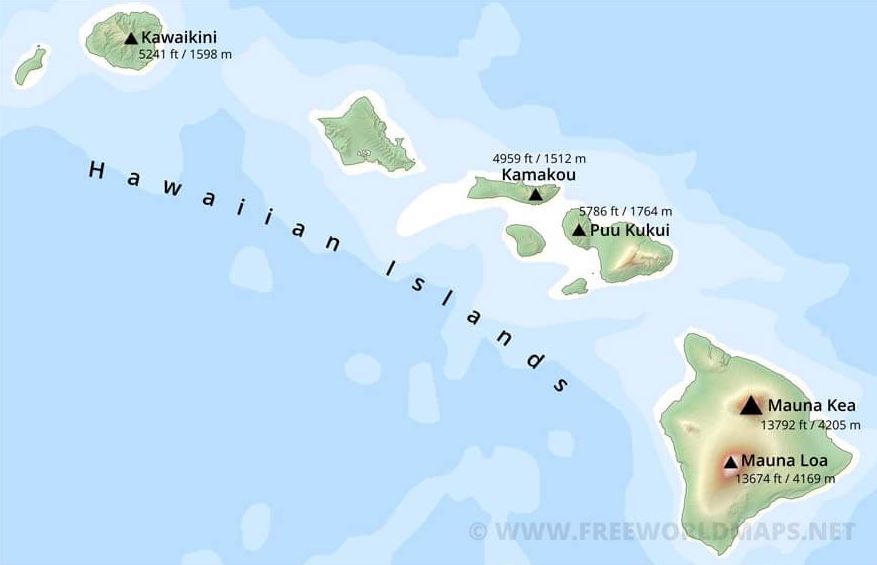
    Mauna Loa, the world’s largest active volcano has erupted after 38 years, spewing ash and debris, and covering the sky of Hawaii’s Big Island.

    Where is Mauna Loa?

    mauna

    • Mauna Loa is one of five volcanoes that together make up the Big Island of Hawaii (biggest being the Mauna Kea).
    • It is the southernmost island in the Hawaiian archipelago.
    • It’s not the tallest (that title goes to) but it’s the largest and makes up about half of the island’s land mass.
    • It sits immediately north of Kilauea volcano, which is currently erupting from its summit crater.

    Do you know?

    Any volcano that has erupted within the Holocene period (in the last 11,650 years) is considered to be “active” by scientists. “Dormant” volcanoes are those active volcanoes which are not in the process of erupting currently, but have the potential to do so in the future.

    Why do volcanoes erupt?

    • The deeper one goes under the surface of the Earth towards its core, the hotter it gets.
    • The geothermal gradient, the amount that the Earth’s temperature increases with depth, indicates heat flowing from the Earth’s warm interior to its surface.
    • At a certain depth, the heat is such that it melts rocks and creates what geologists call ‘magma’.
    • Magma is lighter than solid rock and hence it rises, collecting in magma chambers.
    • Chambers that have the potential to cause volcanic eruptions are found at a relatively shallow depth, between six to ten km under the surface.
    • As magma builds up in these chambers, it forces its way up through cracks and fissures in Earth’s crust. This is what we call a volcanic eruption.
    • The magma that surfaces on the Earth’s crust is referred to as lava.

    Why is the eruption of Mauna Loa so explosive?

    • Eruptions vary in intensity and explosiveness, depending on the composition of the magma.
    • In simple terms, runny magma makes for less explosive volcanic eruptions that typically are less dangerous.
    • Since the magma is runny, gasses are able to escape, leading to a steady but relatively gentle flow of lava out of the mouth of the volcano.
    • The eruption at Mauna Loa is of this kind. Since the lava flows out at a slow pace, people typically have enough time to move out of the way
    • . Geologists are also able to predict the flow of the lava depending on the incline and exact consistency it has.

    How is vulcanism measured?

    • The Volcanic Explosivity Index (VEI) is a scale used to measure the explosivity of a volcano.
    • It has a range of 1 to 8 with a higher VEI indicating more explosivity.
    • While the VEI of the current eruption at Mauna Loa is not known yet, the previous eruption in 1984 was deemed to have a VEI of 0.


    Also read about the Pacific Ring of Fire.


    Click and get your FREE Copy of CURRENT AFFAIRS Micro Notes

    (Click) FREE1-to-1 on-call Mentorship by IAS-IPS officers | Discuss doubts, strategy, sources, and more

  • Analyzing the approval of DMH-11

    DMH-11

    Context

    • Concerns regarding the recent recommendation for approval for the environmental release of genetically engineered (GE) mustard (“DMH-11 hybrid”) in India. The recommendation was made by the Genetic Engineering Appraisal Committee (GEAC).

    Click and get your FREE Copy of CURRENT AFFAIRS Micro Notes

    What is Dhara Mustard hybrid (DMH-11)?

    • DMH-11 is a hybrid variant of mustard developed by researchers at The Centre for Genetic Manipulation of Crop Plants, at the University of Delhi.
    • It is a hybrid variant that was developed without transgenic technology.
    • DMH-11 is a result of a cross between two varieties: Varuna and Early Heera-2. Such a cross wouldn’t have happened naturally and was done after introducing genes from two soil bacterium called barnase and barstar.
    • The result is DMH-11 (where 11 refers to the number of generations after which desirable traits manifest) that not only has better yield but is also fertile. DMH-11 is a transgenic crop because it uses foreign genes from a different species.

    DMH-11

    What are the concerns?

    • Not sufficient consideration: The potentially harmful long-term ecological and economic consequences of releasing DMH-11 have not received sufficient consideration.
    • Details of trials not made public: Details of the mandatory trials to ensure food and environmental safety which is a prerequisite before environmental release have not been made public.
    • A long-term assessment is yet to be done: a detailed long-term assessment of the potential social and economic benefits of using DMH-11, vis-à-vis its potential drawbacks, remains to be made. Without minimizing the importance of the last two aspects, the present note is restricted to highlighting the first aspect.

    DMH-11

    Examining the central Feature of DMH-11 

    • Gene for herbicide resistance (HT): A central feature of DMH-11 is that it carries a gene for herbicide resistance (also termed herbicide tolerance or HT). This fact has not received appropriate consideration.
    • Negatives outcomes: The deployment of herbicide-resistant or HT crops has been accompanied by deleterious outcomes in several places including the US, Australia, and Canada (so-called developed countries) as well as Argentina (a developing country).
    • Consequences of herbicide resistant weeds: The most well-established harmful consequence has been the spread of herbicide-resistant weeds across large tracts of agricultural land, which can spell disaster for the normal crop.

    Critical and technical analysis of DMH-11

    • On the use of Basta herbicide: The developers of DMH-11 have stated in their food and environmental safety assessment submission of 2016 that “Although GE mustard hybrid DMH-11 contains the bar gene conferring resistance to the herbicide Basta (phosphinothricin), Basta herbicide is required to be used only by seed producer for hybrid seed production (and) farmers are not required to spray Basta in the hybrid GE DMH-11 for weed control”.
    • Certain conditions placed by GEAC for environmental release of DMH-11:
    • The GEAC in its recommendation made on October 18 for environmental release of DMH-11 has accepted this position and also placed certain conditions for environmental release.
    1. Usage only under control: Usage of any formulation of herbicide is recommended only under controlled and specified conditions exclusively for hybrid seed production.
    2. Requires necessary permission: Usage of any formulation of herbicide is not permitted for cultivation in the farmer’s field under any situation and such use would require the necessary permission as per procedures and protocols of safety assessment of insecticides/herbicides by CIB&RC (Central Insecticide Board and Registration Committee).”
    • Knowing the facts GEAC ignoring the reports: In other words, GEAC assumes that farmers will use DMH-11 without adding herbicideeven though they know that it carries a gene for herbicide resistance. It ignores the known fact that there have been numerous recent reports in the Indian media of the illegal use of unapproved herbicide-resistant crops, which has been brought to the notice of the government.
    • Registers usage on a crop-wise basis is not enough: GEAC has considered the possible use of herbicide with DMH-11 merely as a matter of herbicide usage and referred its approval to the CIB&RC, which registers usage of herbicides on a crop-wise basis. It is not enough for GEAC to merely refer it for chemical registration since the CIB&RC is not the competent body for recommending approval of GM crops.
    • HT technology is different from conventional herbicides:
    1. On multiple counts, HT technology is qualitatively different from the conventional use of herbicides.
    2. They include the levels of herbicide used, which is much higher than in conventional use; its effect on the crop which is engineered to be resistant to the herbicide and thereby to tolerate much higher levels of herbicide and its agro-ecological impact including on agricultural biodiversity and insect populations.
    3. The scope of issues connected to use of herbicide with a herbicide-resistant crop places it squarely within the purview of GM regulation (that is, GEAC).

    Remarks: Developers Intent may not define how it is likely to be used

    • Notwithstanding the statement of the developers and its implicit acceptance by GEAC, DMH-11 does meet the definition of an HT crop.
    • The answers to two questions show this. Is DMH-11 herbicide tolerant? Yes. Is it a crop? Yes.
    • The intent of the developer on how it is meant to be used does not determine how it is actually likely to be used, especially if that usage appears to confer obvious advantages.
    • HT technology involves the use of a herbicide in far higher amounts than conventional herbicide treatments, high enough to kill all weeds in the field, leaving only the engineered crop to grow. Thereby, it replaces all other weed control measures.

    Conclusion

    • HT may be effective for a few years. But basic evolutionary considerations, as well as experience in other countries, shows that it imposes strong selective pressure for resistant weeds to emerge. They invariably do so in the course of time and spread rapidly. HT offers short-term benefits at the cost of long-term sustainability. Long term assessment is necessary before clearing its way.

    Mains Question

    Q. GM mustard is often in the news recently. Discuss the advantages and raised concerns over the usage of this new hybrid variety.

    (Click) FREE1-to-1 on-call Mentorship by IAS-IPS officers | Discuss doubts, strategy, sources, and more

  • [Burning issue] The tussle between Executive and Judiciary

    [Burning issue] The tussle between Executive and Judiciary

    Context

    • Recently, the Supreme court asked the Centre to produce in 24 hours the file related to the appointment of former bureaucrat Arun Goel as an EC so as to demonstrate how ECs are chosen.
    • In reply to it, Solicitor general (SG) Tushar Mehta urged the court not to traverse through a path that may disturb the constitutional scheme of separation of power.
    • The incident highlights the tussle between the two branches of the state- the executive and judiciary. This edition of the burning issue will analyse this issue in length.

    Previous incidences of the tussle

    • Fundamental Rights vs DPSP: The tussle between the judiciary and executive began when the judiciary defended the fundamental Rights in the Golak Nath Case,1967 against the supremacy of legislature (Parliament) established by the executive under the leadership of Mrs. Indira Gandhi, the Prime Minister of India.
    • Shield of “Basic Structure”: Mrs. Indira Gandhi in her next move got the three arbitrary constitutional Amendment Acts in 1971. The judiciary in response established the “Doctrine of Basic Structure‟ of the constitution through the Kesavanda Bharti case,1973.
    • Struck down of NJAC– The NJAC judgment was a crucial turning point leading to the present confrontation. No doubt, there always has been a certain amount of creative tension but NJAC judgment became the tipping point. 
    • Struck down of tribunal ordinance: Supreme Court struck down the Tribunal Reforms (Rationalisation and Conditions of Service) Ordinance of 2021
    • Displeasure over Delays in clearing recommendations of collegium: The Supreme Court expressed anguish over the delay by the Centre in clearing the names recommended by the Collegium for appointment as judges in the higher judiciary, saying it “effectively frustrates” the method of appointment.

    What does the constitution say about it?

    • Division of powers: The constitution of India divided the power and authority among three organs of government –executive, legislature and judiciary.
    • Article 50: The article puts an obligation on the State to separate the judiciary from the executive. But, since this falls under the Directive Principles of State Policy, it is not enforceable.
    • Article 123: The President, being the executive head of the country, is empowered to exercise legislative powers (Promulgate ordinances) in certain conditions.
    • Articles 121: No discussions shall take place in Parliament with respect to the conduct of any Judge of the Supreme Court or of a High Court in the discharge of his duties except upon a motion for presenting an address to the President praying for the removal of the Judge as hereinafter provided.
    • Article 211: This provides that the legislatures cannot discuss the conduct of a judge of the Supreme Court or High Court. They can do so only in case of impeachment.
    • Article 361: The President and Governors enjoy immunity from court proceedings.
    • The doctrine of separation of powers: it is a part of the basic structure of the Constitution, although not specifically mentioned. It calls for the division of powers of the state among three organs to avoid the overpowering of any one organ.

    Reasons for the tussle

    • Wide range of powers: The power of the Indian Supreme Court is comparable to those of its United States counterpart, including broad original and appellate jurisdiction and the right to pass on the constitutionality of laws passed by the Parliament. In the exercise of its power, however, the court has been at the center of major two controversies concerning the constitutional and political order in India.
    • Court’s FR vs State’s DPSP: The efforts by the court to give priority to the Fundamental Rights provisions in the constitution in a case where they have come into conflict with the Directive Principles, especially the broad ideological and policy goals of the Indian state and to which the executive and legislature have often given priority
    • Power of judicial review: The court’s power of judicial review of legislation passed by Parliament, which has on numerous occasions led to stalemates that point to a constitutional contradiction between the principle of Parliamentary sovereignty and that of judicial review.
    • The Collegium system: The collegium system of appointment of judges is popularly referred to as judges selecting judges. The collegium system is the Supreme Court’s invention. There is no mention of the collegium system either in the original constitution of India or successive amendments. From 1950 to 1973, the practice has been to appoint the senior most judge of the Supreme Court as Chief Justice of India. But the appointment and transfer of judges in the Supreme Court and High Courts became a matter of controversy between the judiciary and executive in 1973.
    • Collegium System vs National Judicial Appointment Commission: The judiciary withheld the NJAC as unconstitutional and void. The Supreme Court objects to the inclusion of politicians in the NJAC particularly the two eminent members of the society. These eminent persons are to be nominated for a three-year term by a Selection Committee consisting of the Chief Justice, the Prime Minister and the leader of the opposition in the Lok Sabha, and are not eligible for re-nomination. The Court blamed if politicians are involved, what about judicial independence? Those against the NJAC argue that it will give the executive undue influence over the selection of judges.
    • The decline of Parliament: Due to the failure of the executive and legislature to provide a solution to problems of the citizenry, citizens move to court for remedies. In the process of providing justice to the citizens, the judiciary sometimes crosses its boundary which leads to its tussle with the executive.

    Consequences of the tussle

    • Creates an Environment of distrust: the tussle creates an environment of distrust between the branches, leading to reduced cooperation and stagnancy in the reform process. some blame games and grandstanding are thrown in to either hide their limitations or to proclaim their superiority.
    • The struggle of power: Both sides seem to be engaged in a game of tug of war where each wants something important, which is the power of judicial appointment to the higher judiciary. But what is surprising and difficult to understand is that both executive and judiciary believe in making appointments to the higher judiciary on merit which can contribute to the accountability and efficiency of the judiciary and yet there is no consensus between the two!
    • Ignorance of separation of powers: Many of them miss the principle of separation of functions enshrined in the Constitution, a basic tenet of the Constitution for maintaining harmonious inter-institutional balance, as well as the differences in their respective ecosystems.
    • A mismatch between expectations and realization: Several laws such as contract laws, environmental laws and even corporate laws are not fully in tune with the new aspirations. Interpretations of economic laws by the judiciary remain in a static mode. Even when they come late, they are at times not in tune with the direction the executive would like it to be. So, there is disenchantment with the judiciary. While some may be genuine, many of them are the result of the mismatch between expectations and realization.

    Way forward

    • Strike a balance, especially by the executive: Inter-institutional balancing, even with strong constitutional provisions, is a difficult task. While the three wings of the State (Legislature, Executive and Judiciary) have to work for maintaining that delicate balance, it is primarily the responsibility of the executive to strive extra hard for the same. Because the executive is the most visible organ of the State as it is the government for all practical purposes.
    • Improving overall governance system: There is also a lot of disenchantment with the executive on multiple aspects of day-to-day civic life. Further, it is well-known that the executive is the largest litigant, clogging the judicial system. These are the result of suboptimal governance from the side of the executive.
    • Human resource management and ensuring sufficient financial resources and operational freedom for all agencies are all functions of the executive branch, the government.
    • Respecting the boundaries of each: To break this sub-optimal governance trap and to enhance the performance of all wings and agencies, those in responsible positions need to take a deep breath, think aloud and come out with appropriate solutions; understanding and respecting the boundaries of each of the three wings of the State. Institutional solutions on weighty issues like inter-institutional balancing and efficiency enhancement require a balanced, institutionalized approach.

    Conclusion

    • The “tussle” between the executive/legislature and the judiciary is not a real one. On the other hand, a judiciary and executive on the same page is disastrous for constitutional government and human rights.
    • The problem is inbuilt into the institution. The executive has to ensure the judiciary that they have no intention of curbing their independence. Also, the judiciary should not be too touchy that every small little thing is a challenge to their independence. The tension between them is due to this confrontation.

    Click and get your FREE Copy of CURRENT AFFAIRS Micro Notes

    (Click) FREE1-to-1 on-call Mentorship by IAS-IPS officers | Discuss doubts, strategy, sources, and more

More posts