💥UPSC 2027,2028 Mentorship (April Batch) + Access XFactor Notes & Microthemes PDF

Search results for: “”

  • Indian Science Congress Postponement: Significance and Implications

    Introduction

    • The Indian Science Congress, a significant annual event for scientists and science students in India, has been postponed from its usual start date of January 3.

    About Indian Science Congress

    Details
    Headquarters Kolkata, West Bengal, India
    Establishment 1914 in Kolkata
    Annual Meeting First week of January
    Membership More than 30,000 scientists
    First Congress 1914 at the Asiatic Society in Calcutta
    Recent Policy Change Speakers at future conferences to be vetted; scrutinizes content of talks due to past controversies
    Notable Participants Prominent Indian and foreign scientists, including Nobel laureates
    Genesis Initiated by British chemists Professor J. L. Simonsen and Professor P. S. MacMahon
    Objectives Advance and promote science in India

    Hold an annual congress

    Publish proceedings and journals

    Manage funds for science promotion

    Perform acts conducive to these objectives

    Sections, Committees, and Forums Grown from 16 sections in 2000 to 14 sections, including various scientific disciplines
    International Interaction Represented in various foreign scientific academies/associations
    Internal Challenges Discussions on corruption, need for transparency and overhaul of bureaucratic agencies


    Historical Context and Importance

    • Consistent Occurrence: Held every year since 1914, except for 2021 and 2022 due to the Covid-19 pandemic, the 108th edition took place in Nagpur from January 3-7, 2023.
    • Prime Minister’s Involvement: Traditionally inaugurated by the Prime Minister, the congress is a key event in the PM’s calendar and is often their first public engagement of the New Year.

    Reasons behind the Postponement

    • Funding Dispute: The postponement is a result of a disagreement between the Indian Science Congress Association (ISCA) and the Department of Science and Technology (DST) over alleged “financial irregularities” and funding withdrawal.
    • Venue Change and Withdrawal: The ISCA’s decision to move the event from Lucknow University to Lovely Professional University (LPU) in Jalandhar, which later withdrew its offer to host, contributed to the crisis.

    Decline of the Indian Science Congress

    • Loss of Prestige: In recent years, the Congress has been criticized for promoting pseudoscience and failing to reflect advancements in science, leading to a decline in participation from top scientists and institutions.
    • Calls for Discontinuation: Some scientists have suggested discontinuing the event or withdrawing government support due to its diminishing scientific credibility.

    Government’s Dilemma and Actions

    • Limited Influence: While the government funds the ISCA and the Congress, it has no direct role in the event’s organization, leading to challenges in addressing controversies.
    • Scaling Down Involvement: The government has reduced its involvement, such as no longer presenting awards at the inaugural session and limiting stage sharing with the PM.

    Future of the Indian Science Congress

    • Potential for Resumption: ISCA general secretary Ranjit Kumar Verma expressed hope for organizing the congress before March 31, with possible attendance by the Prime Minister.
    • Continued Government Support: A government official indicated that financial support for future events might resume, despite disagreements over this year’s funding.

    Way Forward

    • Alternative Scientific Forums: Scientists suggest creating alternative forums to discuss the latest scientific developments and foster scientific temper, similar to events in other countries.
    • Enhancing Indian Science: Such forums could increase the competitiveness of Indian science and encourage collaborative research with leading global institutions.

    Conclusion

    • Assessing the Impact: The postponement of the Indian Science Congress reflects broader issues in India’s scientific community and the need for reform.
    • Opportunity for Revitalization: This situation presents an opportunity to revitalize scientific discourse in India, potentially leading to more impactful and globally recognized scientific forums.
  • Nrega, Nyay and PM-Kisan: Why do politicians rush to give direct benefits?

    Introduction

    • Revival of NYAY: A mainstream political party has revived its 2019 manifesto center-piece, the NYAY scheme (Nyuntam Aay Yojana or Minimum Income Scheme), ahead of the 2024 general election.
    • Promised Benefits: The party announced that if elected, the party would implement NYAY, providing women with an annual income of Rs 60,000-70,000.

    Background of NYAY and PM-KISAN

    • NYAY’s 2019 Proposal: Its 2019 manifesto promised NYAY to the poorest 20% of Indian families, guaranteeing Rs 72,000 annually to each eligible family.
    • Comparison with PM-KISAN: Around the same time, the incumbent government launched PM-KISAN, providing Rs 6,000 per year to farmer families, showcasing the appeal of direct benefit transfers (DBTs).

    Understanding Universal Basic Income (UBI) vs. Targeted Schemes

    • UBI Definition: UBI involves providing a basic income to every citizen, from the wealthiest to the poorest, with the simultaneous removal of all subsidies.
    • Differences with NYAY/PM-KISAN: These schemes are not UBI as they don’t remove existing subsidies, offer a smaller amount than a basic income, and are targeted rather than universal.

    Challenges and Questions Surrounding UBI and DBTs

    • Affordability: No country has been able to afford UBI due to its high costs and the population size, especially in countries like India.
    • Political Backlash: Removing existing subsidies to fund UBI could lead to significant political backlash.
    • Effectiveness of DBTs: Despite criticisms of being mere doles or freebies, DBTs have been seen as effective in alleviating economic distress in various situations.

    Rationale behind Direct Benefit Transfers

    • Economic Arguments: Direct cash transfers can stimulate local economies and create a virtuous cycle of development.
    • Empowerment: Providing cash can empower individuals to make their own decisions and invest in their futures.

    A Radical Policy Solution: Direct Cash Transfers

    • Provocative Proposition: In their 2010 book, “Just give money to the poor: The Development Revolution from the Global South,” authors Joseph Hanlon, Armando Barrientos, and David Hulme advocate for unconditional cash transfers to the poor.
    • Historical Shifts in Welfare Thinking: The book outlines four paradigm shifts in welfare policies:
      1. 16th-century England’s collective responsibility for subsistence.
      2. Increased social spending and introduction of pensions in late-19th-century Europe.
      3. Mid-20th-century recognition of an adequate standard of living as a human right.
      4. Early 21st-century trend in the Global South of using cash transfers to combat poverty and promote development.

    Case for Unconditional Cash Transfers

    • Argument for Simplicity and Effectiveness: The authors argue that providing money directly to the poor, without conditions, is a promising approach for reducing poverty and fostering long-term development.
    • Global Examples: They cite successful examples from Mexico, South Africa, Namibia, Brazil, Indonesia, and India (NREGA), where governments have implemented such policies.

    Implementation Challenges and Principles

    • Effective Implementation: Successful DBT programs require fairness, assurance, practicality, sufficient payment size, and political acceptability.
    • International Examples: Developed countries have implemented various forms of cash transfers, indicating the potential benefits of such policies.

    Public Perception and Political Strategy

    • Rejection of Higher Cash Transfers: The public’s rejection of 2019 NYAY offer suggests that implementation and trust are as crucial as the policy itself.
    • Political Discourse: The debate over DBTs often gets mired in political rhetoric, overshadowing the policy’s potential benefits and challenges.

    Conclusion

    • Balancing Act: India must balance the immediate relief provided by DBTs with long-term strategies for poverty alleviation and economic empowerment.
    • Learning from the Past: The revival of NYAY and the ongoing debate on DBTs provide an opportunity to learn from past experiences and design more effective and inclusive policies.
    • Future of Welfare Policies: As India approaches the 2024 general election, the discourse on NYAY, PM-KISAN, and similar schemes will play a crucial role in shaping the country’s welfare policies.
  • The blood management system needs a fresh infusion

    In defence of Syed Ahmad Afzal's 'Laal Rang' – Cafe Dissensus Everyday

    Central Idea:

    The article emphasizes the importance of addressing global disparities in blood collection and management for a resilient health system. It highlights the need for public-private partnerships, dispelling myths around blood donation, and implementing innovative models like the hub and spoke system to ensure equitable access to safe blood and its products.


    Key Highlights:

    • Global disparities in blood collection pose a challenge to healthcare systems worldwide.
    • Shortages in blood units impact critical healthcare services, risking lives and affecting surgeries and transplants.
    • The hub and spoke model, involving high-volume blood banks and smaller centers, can optimize blood distribution and reduce wastage.

    Seeing red: Randeep Hooda is out for blood in Laal Rang

    Case study to fetch good marks 

    “Lal Rang,” starring Randeep Hooda, unfolds the life-threatening impact of blood shortages in a small town, where individuals resort to illegal blood trade out of desperation. The movie underscores the urgent need for systemic improvements, showcasing the potential role of public-private partnerships and awareness campaigns.

    Key Challenges:

    • Global inequities in blood collection, with low-income countries receiving a disproportionately small share.
    • Persistent shortage of blood units in countries like India, affecting healthcare services and putting lives at risk.
    • Misconceptions around voluntary blood donation hinder efforts to address shortages.

    Key Terms:

    • Public-Private Partnerships (PPP)
    • Hub and Spoke Model
    • Blood Management Ecosystem
    • Voluntary Blood Donation
    • Global Disparities


    Key Phrases:

    • “Innovative models for blood collection and distribution.”
    • “Optimizing utilization through the hub and spoke model.”
    • “Dispelling myths around voluntary blood donation.”


    Key Quotes:

    • “The hub and spoke model is one such innovative method where high-volume blood banks act as a hub for smaller blood centers.”
    • “Over the course of three years, a surplus of 30 lakh blood units and related products were discarded due to expiration, degradation, and infections.”


    Key Examples and References:

    • The World Health Organization’s report on global disparities in blood collection.
    • Data points in Parliament revealing the discard of blood units over three years.
    • The study by Savitribai Phule Pune University highlighting the impact of blood shortages on accident victims.


    Key Statements:

    • “As we leave the COVID-19 pandemic behind us, the health paradigm must be prepared accordingly, with a focus on blood management.”
    • “Proactive engagement from the industry and active citizen participation are pivotal aspects of this concerted effort.”


    Key Facts:

    • India faced a shortage of over six lakh blood units in 2019-20 despite improvements in the blood management ecosystem.
    • The hub and spoke model can address critical gaps in blood availability, especially in resource-constrained settings.
    • A surplus of 30 lakh blood units and related products were discarded over three years due to various reasons.


    Critical Analysis:

    The article critically examines the global disparities in blood collection and the impact of shortages on healthcare services. It emphasizes the need for innovative solutions like the hub and spoke model while addressing misconceptions around voluntary blood donation.


    Way Forward:

    • Strengthen public-private partnerships to improve blood collection and distribution.
    • Implement the hub and spoke model to optimize blood utilization and reduce wastage.
    • Conduct targeted awareness campaigns to dispel myths and encourage voluntary blood donation.
  • I-T searches, a form of extra-constitutional power

    I-T searches, a form of extra-constitutional power - The Hindu

    Central Idea:

    The article critiques the persistent judicial deference in interpreting statutes related to privacy rights in India, despite a significant Supreme Court decision in 2017. It focuses on the unchecked power granted to tax authorities under Section 132 of the Income Tax Act, highlighting the need for proportionality and stricter judicial review in executive actions.

    Key Highlights:

    • The 2017 Supreme Court decision affirmed the fundamental right to privacy but hasn’t significantly impacted the interpretation of related statutes.
    • Section 132 of the Income Tax Act grants broad powers to tax authorities, allowing searches without judicial warrants.
    • Recent incidents, like a lawyer’s raid, raise concerns about the abuse of these powers and the lack of safeguards.

    Key Challenges:

    • The persistence of a culture of judicial deference to executive authority in interpreting statutes.
    • The broad and unchecked powers granted to tax authorities under Section 132 of the Income Tax Act.
    • Lack of proportionality and strict judicial review in executive actions, risking potential abuse of power.

    Key Terms:

    • Judicial Deference
    • Section 132 of the Income Tax Act
    • Proportionality
    • Fundamental Right to Privacy
    • Executive Authority

    Key Phrases:

    • “Culture of justification”
    • “Judicial Deference”
    • “Doctrine of proportionality”
    • “Wednesbury rule”

    Key Quotes:

    • “The promised culture of justification is rarely on show, replaced by a culture of judicial deference.”
    • “Search and seizure powers must adhere to the doctrine of proportionality, ensuring a balance between means and violated rights.”

    Key Examples and References:

    • The Gujarat High Court questioning income-tax authorities on a lawyer’s raid.
    • The evolution of income-tax laws, especially the 1961 legislation and the subsequent Supreme Court cases.

    Key Statements:

    • “Post-Puttaswamy, there ought to be no place for the Wednesbury rule, especially when fundamental rights are at stake.”
    • “The state’s power to search and seize must be subject to the doctrine of proportionality.”

    Critical Analysis:

    The article critically examines the inconsistency in judicial interpretation post the Puttaswamy case, emphasizing the need for a more stringent review of executive actions, particularly in cases involving privacy rights. It questions the application of the Wednesbury rule and advocates for a proportional and justifiable approach.

    Way Forward:

    • Advocate for a reevaluation of Section 132 of the Income Tax Act in light of the Puttaswamy judgment.
    • Emphasize the importance of proportionality and judicial scrutiny in executive actions, especially those involving fundamental rights.
    • Call for a more comprehensive and balanced approach to interpreting statutes, ensuring protection against arbitrary executive excesses.
  • The dispute on India’s debt burden

    IMF cautions India on govt debt vulnerabilities, Centre disagrees


    Central Idea:

    The article discusses concerns raised by the International Monetary Fund (IMF) regarding India’s long-term debt sustainability and the reclassification of its exchange rate regime. It emphasizes the need for prudent debt management, considering potential adverse circumstances, and explores challenges India faces in credit ratings and fiscal responsibility.


    Key Highlights:

    • IMF expresses concerns about India’s long-term debt sustainability, projecting government debt to be 100% of GDP by 2028 under adverse circumstances.
    • The reclassification of India’s exchange rate regime by the IMF raises questions about the country’s currency management.
    • Challenges in managing public debt, maintaining credit ratings, and potential fiscal slippage in the face of increased subsidies and expenditure.


    Key Challenges:

    • Long-term risks associated with India’s considerable investment needs for climate change mitigation and resilience to natural disasters, as highlighted by the IMF.
    • India faces challenges in enhancing credit ratings despite being the fastest-growing major economy, attributed to weak fiscal performance and burdensome debt stock.
    • The possibility of fiscal slippage in FY24 due to increased expenditure on employment guarantee schemes and subsidies, posing a challenge to fiscal correction.


    Key Terms:

    • Article IV consultation report
    • Debt sustainability
    • Exchange rate regime
    • Fiscal Responsibility and Budget Management Act (FRBMA)
    • Credit ratings


    Key Phrases:

    • “Long-term risks are high due to considerable investment needs for climate change mitigation and resilience.”
    • “Challenges in enhancing credit ratings despite being the fastest-growing major economy.”
    • “Fiscal slippage attributed to higher expenditure on employment guarantee schemes and subsidies.”


    Key Quotes:

    • “IMF’s worst-case scenario projections for India need to be viewed in the context of the persistent debt conundrum in developing nations.”
    • “India’s stronger fundamentals are undermined by the government’s weak fiscal performance and burdensome debt stock, according to rating agencies.”


    Key Statements:

    • “The Finance Ministry refutes IMF projections as a worst-case scenario and not fait accompli.”
    • “India’s public debt-to-GDP ratio has barely increased, but it remains higher than levels specified by the FRBMA.”


    Key Examples and References:

    • The IMF’s projections on India’s government debt and exchange rate regime from the annual Article IV consultation report.
    • India’s credit rating remaining unchanged at ‘BBB-‘ since 2006, indicating the lowest investment grade.
    • India Ratings and Research’s report on the possibility of fiscal slippage in FY24.


    Key Facts:

    • Global public debt reached a record USD 92 trillion in 2022, with developing countries, including India, contributing almost 30%.
    • Despite being the fastest-growing major economy, India’s sovereign investment ratings have remained unchanged since August 2006.
    • India’s public debt-to-GDP ratio is higher than levels specified by the Fiscal Responsibility and Budget Management Act.


    Critical Analysis:

    The article critically examines the IMF’s concerns and India’s challenges in debt management, credit ratings, and fiscal responsibility. It discusses the potential impact of increased subsidies on fiscal slippage and the need for short-term fiscal correction.


    Way Forward:

    • Prudent debt management to address long-term sustainability concerns raised by the IMF.
    • Enhance credit ratings by improving fiscal performance and addressing burdensome debt stock.
    • Navigate short-term challenges, such as fiscal slippage, by adhering to fiscal correction paths and avoiding worst-case scenarios.
  • How to attempt 50 non-conventional questions in UPSC Prelims 2024 with tactical use of conventional knowledge? | FREE Webinar by Zeeshan sir | 6th Jan 2024, 7:00 pm

    How to attempt 50 non-conventional questions in UPSC Prelims 2024 with tactical use of conventional knowledge? | FREE Webinar by Zeeshan sir | 6th Jan 2024, 7:00 pm

    UPSC Prelims 2024: Solving paper like IAS Topper

    Join Zeeshan sir’s FREE webinar on 6th Jan 2024, 7:00 pm

    First 100 will get personalized study plan and mentorship session


    UPSC Prelims 2024 is just 5 months away

    At this time it isn’t just about UPSC syllabus completion, revision and attempting test series

    In the last 3 years, a lot has changed about UPSC CSE Prelims

    Other than knowledge and analytical understanding UPSC is also testing your ability to solve problems under pressure.

    To cross the cut-off and get an edge you need to complement your knowledge with the ability and skills to derive real-time answers

    This will take you into the league of IAS toppers.

    Read what Zeeshan sir has to say about UPSC prelims preparation and approach

    “This is Zeeshan Hashmi from Civilsdaily, and today, I want to share my perspective on the evolving nature of UPSC Prelims preparation. Having mentored over 100 rankers, including AIR 22 and 56, I’ve witnessed firsthand the shift in the exam’s approach and what it demands from aspirants.

    The era of solely relying on conventional books, multiple revisions, and countless mock tests for Prelims success is behind us. Now, the UPSC Prelims has transformed to rigorously test your real-time problem-solving abilities. It’s no longer about what you know; it’s about how you apply it under pressure.

    Interestingly, about 50 questions in the paper often fall into the vague or unknown category. It’s a clear indication that sticking to the traditional methods of preparation – confining oneself to the syllabus and regular tests – is not sufficient anymore.

    That’s why I am inviting you to attend my upcoming webinar, where I will introduce you to the ‘Knowledge+ Approach.‘ This innovative method focuses on real-time derivation of answers, turning questions that seem impossible into achievable opportunities.

    Join me on 6th January 2024, at 7 PM on Zoom, for a session that will redefine your approach to UPSC Prelims.

    This webinar is more than just a strategy discussion. It’s about adapting a methodology that aligns with the current demands of UPSC – a blend of knowledge and on-the-spot analytical skills.

    Whether you’re starting your journey or looking to refine your strategy, this webinar is a pivotal step towards achieving your IAS dream. It’s time to move beyond the conventional, embrace strategic learning, and step into your preparation with confidence and clarity.”

    UPSC Prelims 2024 Webinar by Zeeshan sir


    In this masterclass, you will get:

    1. A 45-minute deep dive on how to hone your ability to solve Prelims MCQs in real time under pressure scenarios.
    2. How do my IAS ranker students prepare and attempt the UPSC Prelims 2024 paper?
    3. Insider tips that only the top IAS and IPS rankers know and apply in every attempt

    Join Zeeshan sir’s FREE webinar on 6th Jan 2024, 7:00 pm

    First 100 will get personalized study plan and mentorship session

    By the end, you’ll have razor-sharp clarity and a clear roadmap for approaching and qualifying your UPSC 2024 prelims exam with confidence and near-perfect certainty. 

    Zeeshan sir

    (Don’t wait—the next webinar won’t be until March 25)

    upsc prelims 2024

    Registration open! Join now to attend the webinar for FREE


    These masterclasses are packed with value. They are conducted in private with a closed community. We rarely open these webinars for everyone for free. This time we are keeping it for 300 seats only.

    Fee:

    • Special Access (extra 15 min with Zeeshan sir) – Free (only for first 100 registrations, register before 5th Jan 2024)
    • Early Access – Rs. 299 (for the next 100 registrations, register before 6th Jan 2024, 1 PM)
    • Late Access – Rs. 499 (for last 100 registrations, register before  6th Jan 2024, Post 1 PM)

    Ready to attend the UPSC Webinar?


    Not sure yet?

    We recommend you register here. It takes less than 10 seconds to register.

    • No spam! Once in a while, we’ll only send you high-quality exam-related content. 
    • We will inform you about the upcoming Masterclasses that might benefit you.
    • You can demand one free mentorship call from verified Civilsdaily mentors. 
    • You can always choose to unsubscribe. 
  • Akash Missile System: India’s Iron Dome

    akash missile

    Central Idea

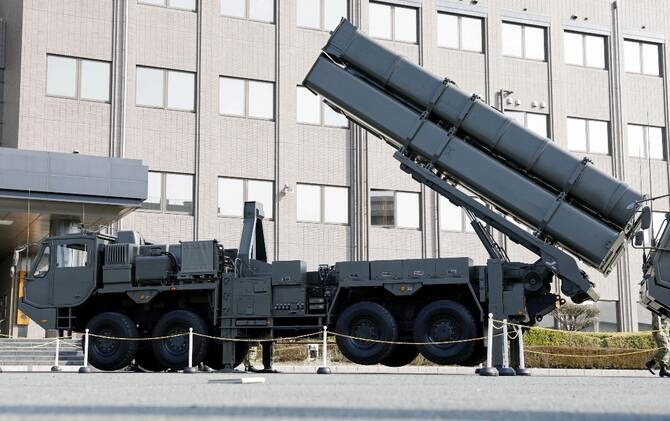
    • India demonstrated the firepower of its Akash surface-to-air (SAM) weapon system, where a single firing unit simultaneously engaged and destroyed four unmanned targets during the recent Exercise Astrashakti 2023.
    • Countries like Armenia, Brazil, and Egypt have shown interest in acquiring the Akash SAM.

    About Akash Missile System

    Details
    Development and Production Developed by the Defence Research and Development Organisation (DRDO), produced by Bharat Dynamics Ltd (BDL).
    Type Short-range Surface-to-Air Missile (SAM).
    Engagement Capacity Engages four aerial targets simultaneously at a range of 25 km from a single firing unit.
    Target Engagement Capable of targeting multiple threats concurrently in group or autonomous modes.
    Electronic Counter-Counter Measures (ECCM) Equipped to counter enemy jamming and evasion tactics.
    Mobility and Agility Configured on mobile platforms for rapid deployment and relocation.
    Operational Use In service with the Indian Army and the Indian Air Force (IAF).
    Range and Altitude Effective range of 4.5 km to 25 km, with an altitude range of 100 meters to 20 km.
    Physical Dimensions Length: 5,870 mm; Diameter: 350 mm; Weight: 710 kg.
    Automation and Response Fully automated with quick response from target detection to neutralization.
    System Architecture Open-system architecture for adaptability to current and future air defense environments.

    Comparison with Israel’s Iron Dome

    • Interception Capabilities: Akash is often compared to Israel’s Iron Dome due to its ability to intercept UAVs, smaller projectiles, helicopters, and aircraft.
    • Defensive Role: While similar to the Iron Dome, Akash is primarily designed for defense against larger aerial threats like aircraft, rather than small rockets.
  • India’s Transition in Slum Definitions

    slum

    Central Idea

    • Research Citation: Nipesh Narayanan’s research, published in the Economic & Political Weekly on October 21, 2023, delves into the changing conceptualization of slums in Indian parliamentary debates from 1953 to 2014.
    • Policy on Slums: These shifting narratives have significantly influenced government policies and approaches towards slums.

    Evolution of Discourses on Slums

    • Parliamentary Debates Analysis: Narayanan analyzed 1,228 debates in the Rajya Sabha and various policy documents, including Five-Year Plans, to trace the evolution of discourses surrounding slums.
    • Dynamic Definitions: The study highlights the fluid nature of slum definitions and the tendency to overlook urban disparity as a causal factor in slum formation.

    Eras of Changing Perspectives

    1. 1950s-1960s: Initially, slums were seen as a by-product of partition and rapid urbanization. The focus was on eradication due to health concerns and spatial constraints, side-lining socio-economic factors like migration. The Slum Areas Act of 1956 marked a significant shift, allowing government intervention in slum areas.
    2. Early 1970s-Mid-1980s: The narrative shifted to viewing slums as necessary evils requiring development rather than eradication. Town planning emerged as a key tool, pushing slums to city peripheries and prioritizing basic amenities over demolition.
    3. Mid-1980s-Late 1990s: With the National Commission on Urbanisation’s report in 1985, cities and slums began to be seen as economic assets. This era saw a focus on housing policies and infrastructure development, with economic reasoning driving interventions.
    4. 2000s-2014: The 2001 Census provided comprehensive data on slums, leading to targeted schemes. Slums transitioned from social concerns to technical, economic objects. The focus was on upgradation strategies, legal rights, and property rights for slum dwellers.

    Slum Formation and Government Response

    • Causality and Complexity: The research identifies urban planning issues, population growth, land pressure, and housing affordability as key factors in slum formation.
    • Government Role: The Union government’s role shifted to funding State governments for urban improvement, with a focus on data-driven policies.

    Technocratic Solutions and Challenges

    • Technological Reliance: The increasing dependence on technological solutions for urban issues is evident in current government policies.
    • Critical Examination: The article warns against using slums merely as a tool for anti-poverty policies and emphasizes understanding slum formation beyond numerical data.

    Conclusion

    • Historical Insights: Narayanan’s analysis provides valuable insights into the historical shifts in government perceptions and actions towards slums.
    • Significance for Urban Studies: This research contributes significantly to the understanding of urban dynamics, socio-economic inequalities, and the complexities of slum life in India.

More posts