💥UPSC 2026, 2027, 2028 UAP Mentorship (March Batch) + Access XFactor Notes & Microthemes PDF

Search results for: “”

  • Psychedelics and its uses to treat Depression

    Central idea: The context of the article is about the use of psychedelic drugs for both recreational and medicinal purposes.

    What are Psychedelics?

    • Psychedelics are a class of drugs that alter an individual’s perception, mood, and thought processing while still allowing the individual to remain conscious and with unimpaired insight.
    • They are non-addictive and non-toxic, and cause less harm to the end user compared to illicit drugs.
    • The two most commonly used psychedelics are LSD (Lysergic acid diethylamide) and psilocybin. Researchers have also developed synthetic psychedelics.
    • In India, the Narcotic Drugs and Psychotropic Substances Act 1985 prohibits the use of psychedelic substances, except for ketamine which is used under strict medical supervision.

    History of psychedelics

    • Humans have used psilocybin and mescaline for ceremonial, healing, and spiritual rituals for millennia.
    • The modern-day use of psychedelics is commonly associated with the German chemist Arthur Heffter isolating mescaline from the peyote cactus in 1897.
    • In 1938, Swiss chemist Albert Hofmann first synthesized LSD while investigating compounds related to ergotamine.
    • LSD was widely used as a therapeutic catalyst in psychotherapy between 1947 and 1967, until it was criminalized in the US due to medical concerns and the Vietnam War.

    Experience of using psychedelic substances

    • Users of psychedelic substances report changes in perception, somatic experience, mood, thought-processing, and entheogenic experiences.
    • Perceptual distortions most commonly include the visual domain.
    • Somatic experiences may include the visceral, tactile, and interoceptive domains.
    • Mood changes may include elation, euphoria, anxiety, and paranoia.
    • Entheogenic experiences include transcendental and ineffable spiritual experiences.

    How do they work inside the body?

    • Classical psychedelics boost brain serotonin levels.
    • Psilocybin’s therapeutic effects require a ‘trip’ that is mediated by the activation of serotonin receptors.
    • Modern neuroimaging suggests that psychedelics increase the cross-talk between different brain networks, and this correlates with the subjective effects of psychedelics.

    Can psychedelic substances cause any harm?

    • Death due to direct toxicity of LSD, psilocybin, or mescaline has not been reported in the literature despite 50-plus years of recreational use.
    • Synthetic psychedelics have been associated with acute cardiac, central nervous system, and limb ischemia, as well as serotonin syndrome.

    What is Psychedelic-Assisted Psychotherapy?

    • Psychedelic-assisted psychotherapy has three types of sessions: preparatory, medication, and integration.
    • In the medication session, the patient is accompanied by a male-female co-therapist dyad and a psychedelic drug is administered in a comfortable and well-appointed room.
    • Over the next 6-8 hours, the therapists listen to the patient while maintaining a neutral therapeutic stance.
    • In the integration session, the therapists work with the patient to interpret the contents of their psychedelic experience into meaningful long-term change, based on their thoughts and ideas.

    Uses to treat Neuropsychiatric Disorders

    • Research has shown that psychedelic substances have potential therapeutic benefits in treating neuropsychiatric disorders such as treatment-resistant depression and post-traumatic stress disorder (PTSD).
    • In recent trials, a single dose of psilocybin or MDMA-assisted therapy has been shown to reduce depression scores and improve symptoms of PTSD in participants.

    Back2Basics: Narcotic Drugs and Psychotropic Substances Act, 1985

    Details
    Purpose Combat drug abuse and trafficking in India
    Scope Consolidates and amends the existing legal framework related to narcotics and psychotropic substances
    Regulations Strictly regulates and controls the production, manufacture, sale, transport, possession, and consumption of narcotic drugs and psychotropic substances
    Special Courts Establishment of special courts and appointment of special public prosecutors to handle cases related to drug trafficking and abuse
    Covered Substances Opium, heroin, cannabis, cocaine, synthetic drugs such as LSD and ecstasy
    Classification Substances classified into different schedules based on their potential for abuse and medical use
    Punishment Imposes different levels of punishment for offenses related to each schedule
    Enforcement Narcotics Control Bureau (NCB), Central Bureau of Narcotics (CBN), and state-level drug enforcement agencies
    Functions Prevention of drug abuse and trafficking, investigation and prosecution of drug offenses, rehabilitation and treatment of drug addicts


    Get an IAS/IPS ranker as your personal mentor for UPSC 2024 | Schedule your FREE session and get the Prelims prep Toolkit!

  • Copper plates decoded reveal new info on Shilabhattarika

    Central idea: The article talks about the discovery of new information on the celebrated ancient Sanskrit poetess Shilabhattarika through the decoding of copper plates by the Pune-based Bhandarkar Institute.

    Who was Shilabhattarika?

    • Shilabhattarika was a 9th-century Sanskrit poet from India.
    • She lived near the Narmada River and the Vindhya mountains.
    • Her poetic skills were praised by medieval Sanskrit literary critics.
    • It is speculated that she may be the same as Shilamahadevi, the queen of 8th-century Rashtrakuta ruler Dhruv.
    • According to recent research, she was the daughter of Chalukya ruler Pulakeshin II.

    Her literary works

    • Shilabhattarika is known to have written at least 46 poems on various topics, such as love, morality, politics, nature, beauty, the seasons, insects, anger, indignation, codes of conduct, and the characteristic features of various kinds of heroines.
    • Shilabhattarika is considered a leading figure of the Panchali literary style, which maintains “a balance between words and meaning”.
    • According to Rajashekhara, the Panchali style can be traced to the works of Shilabhattarika, and possibly in some of the works of the 7th-century poet Bana.
    • Sharangadhara-paddhati, a 14th-century anthology, praises her and three other female poets for their great poetic genius and erudition.
    • One of the most iconic songs of the noted Marathi poetess Shanta Shelke, “toch chandrama nabhat” (it is the same moon in the sky), draws inspiration from the verses of Shilabhattarika.

    Key findings of the recent research

    • The research analyzed a copperplate charter consisting of 5 copper plates dating back to the reign of Badami Chalukyan ruler Vijayaditya (696-733 CE).
    • The plates were held together by a copper ring that bore the varaha (boar) seal, which is the trademark of the Badami Chalukyas.
    • The Sanskrit text inscribed in late-Brahmi script contained a total of 65 lines.
    • The charter revealed that King Vijayaditya Chalukya had donated the village of Chigateri to a scholar named Vishnu Sharma, based on the recommendation of Mahendravarma, Shilabhattarika’s son.
    • Shilabhattarika’s husband, Dadiga, was deputed as the governor of Kogali, while his elder brother Polavira succeeded their father Mokkara as the ruler of the Western Ganga dynasty, which acted as subordinates to the Chalukyas of Badami and fought against the Pallavas of Kanchi.
    • The plates also mentioned the names of Shilabhattarika’s father-in-law, Mokkara (or Mushkara), and his father, Durvinita, who was a proficient composer and had patronized Bharavi, the author of the classical epic Kiratarjuniya.


    Get an IAS/IPS ranker as your personal mentor for UPSC 2024 | Schedule your FREE session and get the Prelims prep Toolkit!

  • May Day and the Challenge of Regulating Working Hours

    May Day

    Central Idea

    • May 1st commemorates the historic Haymarket Square affair and is celebrated globally as International Labour Day or May Day. The day holds immense significance as it signifies the struggle of workers to secure their rights. However, the idea of reducing working hours to improve social welfare is still a dream for many in India, despite it being adopted by several countries. Instead, we see a growing trend of increasing working hours, especially in the garment and electronic industries, in the name of increasing productivity.

    Significances of International Labour Day

    • Honouring the labour movement: International Labour Day is an occasion to pay tribute to the labour movement and honour the contributions of workers worldwide.
    • Celebrating the rights of workers: The day is an opportunity to celebrate the hard-won rights of workers, including the right to fair wages, safe working conditions, and the right to form unions.
    • Advocating for workers’ rights: International Labour Day is also a platform to raise awareness about the need to protect and advocate for workers’ rights, particularly in countries where labour laws are weak or not enforced.
    • Recognizing the role of labour unions: Labour unions have played a significant role in securing better working conditions and benefits for workers. On International Labour Day, the contributions of labour unions are recognized and celebrated.
    • Promoting social justice: The day promotes social justice by advocating for fair treatment of workers, regardless of their gender, race, or other factors that may lead to discrimination or exploitation.
    • Remembrance of struggles: International Labour Day is also an opportunity to remember the struggles of workers in the past and the sacrifices made by those who fought for workers’ rights.
    • Building solidarity among workers: The day fosters a sense of solidarity among workers, encouraging them to come together to promote their rights and advocate for better working conditions.

    May Day

    What are the reasons behind growing trend of increasing working hours?

    • Global competition: Companies feel pressure to work longer hours to keep up with international competition and maintain their market share.
    • Cost-cutting: Employers may increase working hours to cut costs and boost productivity, rather than hiring more workers.
    • Increased demand: As demand for goods and services grows, companies may feel the need to work longer hours to meet that demand.
    • Technology: Advances in technology have made it easier to work remotely, leading to an expectation of being available and connected 24/7.
    • Flexibility: Employers may offer more flexible schedules, but with the expectation of working longer hours to complete tasks.
    • Emphasis on economic growth: Mainstream economists prioritize economic growth, even if it is at the expense of labor rights and human rights. They believe that working longer hours and increasing exports will lead to economic growth.
    • Subsidies and exemptions: Regional governments offer subsidies and exemptions to attract global and domestic capital, and employers may prefer weaker unions in exchange for these incentives.

    May Day

    Facts for prelims

    International Labour Day

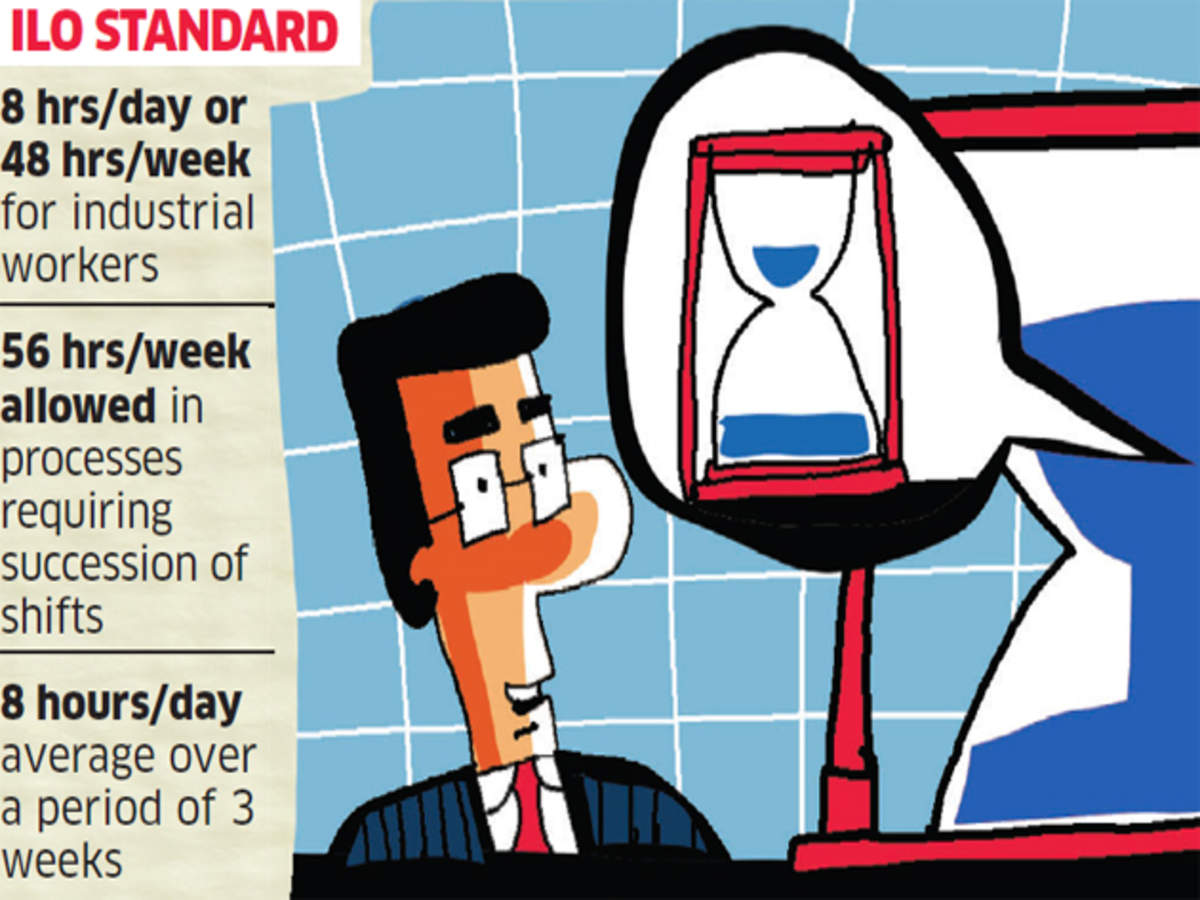
    • International Labour Day, also known as May Day, originated in the United States in the late 19th century when labor unions and socialist movements organized demonstrations and strikes calling for better working conditions, higher wages, and an eight-hour workday.
    • On May 1, 1886, workers in Chicago organized a massive protest rally, and the following days were marked by violent clashes between police and protesters.
    • In 1889, the International Socialist Conference declared May 1 as International Workers’ Day to commemorate the Chicago protests and honor workers around the world. Since then, May Day has been celebrated globally as a day to recognize the contributions of workers and to advocate for their rights and fair treatment.

    Maharashtra day

    • May 1 is celebrated as Maharashtra Day to commemorate the formation of the state of Maharashtra.
    • On May 1, 1960, the Bombay Reorganization Act came into effect, and the state of Maharashtra and Gujarat were formed. Hence, May 1 is celebrated as Maharashtra Day in Maharashtra, India.
    • It is a public holiday in the state, and various cultural events and parades are held to mark the occasion.

    What are the concerns over increasing working hours?

    • Adversely Affecting Health: Extending working hours can lead to physical and mental fatigue, stress, and burnout, which can affect the health of the workers. This, in turn, can lead to an increase in absenteeism, accidents, and medical costs.
    • Diminishing Marginal Productivity: As the hours of work increase, the efficiency and productivity of the worker may decrease, leading to a decline in the quality of output. It can also lead to a decrease in the quality of life of the workers, as they have less time for family and leisure activities.
    • Violation of Labour Rights: Increasing working hours can be a violation of the fundamental rights of the workers, as it denies them the right to rest and leisure, which are essential for the physical and mental well-being of the workers.
    • Job Insecurity: Increasing working hours can lead to job insecurity as employers may replace workers with automation or outsourcing to cut costs. It can also lead to a decline in wages, as employers may argue that they are paying for more working hours.
    • Adverse Impact on Women Workers: Increasing working hours can disproportionately affect women workers, who may be responsible for domestic chores and childcare. Long working hours can lead to a decline in their physical and mental health and an increase in their workload, which can have an adverse impact on their family life.

    May Day

    Why it is necessary to regulate working hours?

    • Protecting workers’ health: Working long hours can have adverse effects on workers’ physical and mental health. It can lead to fatigue, stress, sleep disorders, and other health issues.
    • Ensuring safety at the workplace: Workers who are overworked may become fatigued, which can increase the risk of accidents and injuries at the workplace. Regulating working hours can help ensure a safe and healthy work environment.
    • Promoting work-life balance: Long working hours can negatively impact workers’ personal lives, reducing their time with family and friends, and limiting their ability to engage in other activities outside of work. Regulating working hours can help promote a healthy work-life balance.
    • Enhancing productivity: Research has shown that working long hours can lead to a decline in productivity and an increase in errors and accidents. By regulating working hours, employers can ensure that workers are well-rested and productive.
    • Protecting workers’ rights: Regulating working hours is an essential component of protecting workers’ rights. It helps to prevent exploitation and ensures that workers are compensated fairly for their time and labor.

    Conclusion

    • May Day serves as a reminder of the struggle of workers for their rights. In this context, India must prioritize the welfare of its labour force and regulate working hours to improve their social welfare. The government must ensure that labour laws are not weakened, and trade unions must unite to ensure that the rights of workers are protected. Multinational corporations must be held accountable for skilling their workers and not exploiting the cheap labour offered by developing countries. Only then can India move towards inclusive and sustainable development.

    Mains Question

    Q. There is a growing trend of increasing working hours, especially in the garment and electronic industries, in the name of increasing productivity. Discuss the reasons and discuss why it is necessary to regulate working hours?

    Get an IAS/IPS ranker as your personal mentor for UPSC 2024 | Schedule your FREE session and get the Prelims prep Toolkit!

    Also read:

    Why May 1 is observed as Labour Day?
  • Sustainable Development Goals (SDGs): India’s Progress Analysis

    SDGs

    Central Idea

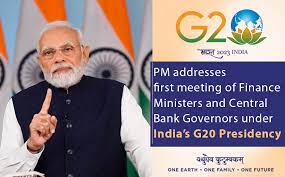
    • India’s Prime Minister Narendra Modi, while addressing the first meeting of Finance Ministers and Central Bank Governors under India’s G20 Presidency, expressed concern about the slowing down of Sustainable Development Goals (SDGs). Given India’s large population, the success of achieving these goals is crucial for global progress. While India has made progress towards achieving some SDG targets, there are concerns regarding others.

    SDGs

    India’s progress on SDG’s

    • Neonatal and under-five mortality: India is on target to meet the SDG indicators for neonatal and under-five mortality. Both indicators have substantially improved in the last five years.
    • Full vaccination: India is on target to meet the SDG indicator for full vaccination.
    • Improved sanitation: India is on target to meet the SDG indicator for improved sanitation. The country has made significant progress in this area in the last five years.
    • Electricity access: India is on target to meet the SDG indicator for electricity access.
    • Access to banking: The number of women having bank accounts has improved across a vast majority of the districts between the years 2016 and 2021.
    • Adolescent pregnancy: The SDG indicator for eliminating adolescent pregnancy has improved across a vast majority of the districts between the years 2016 and 2021.
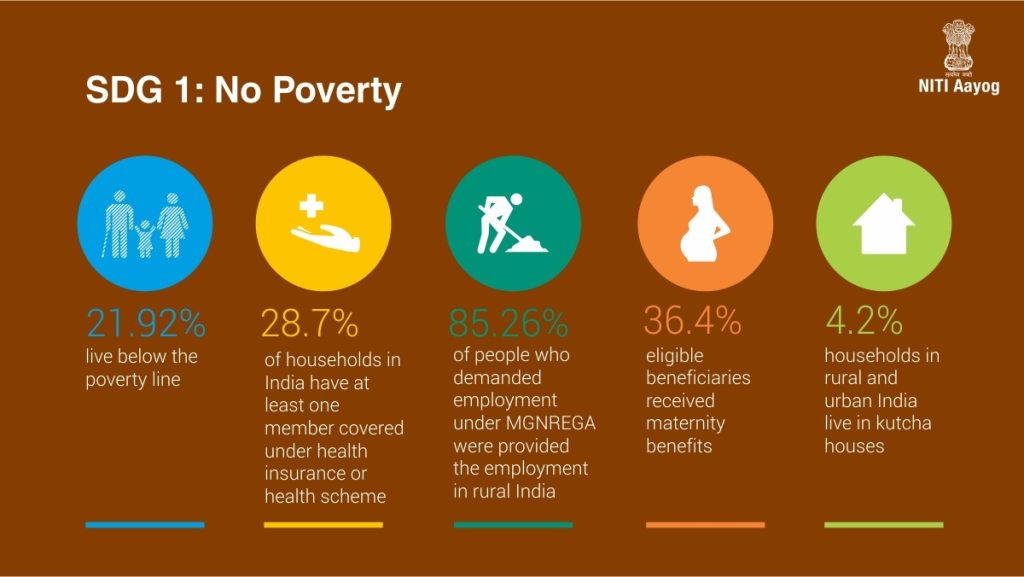
    • Multidimensional poverty: The SDG indicator for reducing multidimensional poverty has improved across a vast majority of the districts between the years 2016 and 2021.
    • Women’s well-being and gender equality: India has made progress in increasing mobile phone access, with 93% of households having access to mobile phones. However, only 56% of women report owning a mobile phone.

    Facts for prelims

    Recent findings by National Family Health Survey

    • Multidimensional poverty declined: At a compounded annual average rate of 4.8 per cent per year in 2005-2011 and more than double that pace at 10.3 per cent a year during 2011-2021.
    • Declining child mortality: There are some issues with the 2011 child-mortality data, but for each of the 10 components of the MPI index, the rate of decline in 2011-2021 is considerably faster than in 2005-2011.
    • Average decline in overall indicators: The average equally weighted decline for nine indicators was 1.9 per cent per annum in 2005-2011 and a rate of 16.6 per cent per annum, more than eight times higher in 2011-2021.
    • Consumption inequality decline: Every single household survey or analysis has shown that consumption inequality declined during 2011-2021. This is consistent with the above finding of highly inclusive growth during 2011-2021.

    Lessons from COVID-19 Approach

    • Leadership: Strong political leadership and responsive administrative structure are critical to success, and India’s COVID-19 response demonstrated that a mission-oriented ethos that provides adequate support for accomplishing district-level SDGs is urgently needed.
    • Infrastructure and Coordination: India’s success with COVID-19 was largely possible both because of the existing digital infrastructure, as well as new, indigenous initiatives such as the Co-WIN data platform and the Aarogya Setu application. Following these examples, India must put in place a coordinated, public data platform for population health management.
    • Targeted delivery: A targeted SDG strategy delivered at scale must be executed with the same timeliness of India’s COVID-19 relief package. Key to this relief programme was a mix of spending to provide direct in-kind and economic support, as well as measures aimed at revitalising the economy, small businesses, and agriculture.

    Concerns regarding India’s progress towards achieving SDGs

    • Unequal progress across districts: While India is on target to meet 14 out of 33 SDG indicators, the progress is not uniform across all districts.
    • For example: neonatal and under-five mortality rates are on target for the country as a whole, but many districts are not on track to meet these indicators.
    • Pace of improvement: The current pace of improvement is not sufficient to meet the SDG targets for 19 out of 33 indicators.
    • For instance: despite a national policy push for clean fuel for cooking, more than two-thirds of districts remain off-target for this indicator.
    • Gender inequality: India is facing significant challenges in achieving gender-related SDG targets.
    • For example: no district in India has yet succeeded in eliminating the practice of girl child marriage before the legal age of 18 years. Also, despite the overall expansion of mobile phone access in India, only 56% of women report owning a mobile phone, with many districts remaining off-target for this indicator.
    • Multidimensional poverty: Although India has made progress in reducing multidimensional poverty, many districts are still off-track to meet this SDG indicator.
    • Environmental sustainability: India has made progress in some areas related to environmental sustainability, such as improved sanitation and access to electricity. However, the country is still off-target for indicators related to clean cooking fuel, water and handwashing facilities, and reducing greenhouse gas emissions.

    Way ahead

    • Implement targeted policies and programs that are aligned with the SDG goals, particularly for areas where progress has been slow or lacking.
    • Improve the digital infrastructure, and create a coordinated public data platform for population health management.
    • Ensure strong and sustained political leadership that is supported by a responsive administrative structure at all levels.
    • Prioritize and accelerate efforts to address gender inequality and women’s well-being.
    • Strengthen implementation and monitoring mechanisms to ensure timely and effective delivery of SDG policies and programs.
    • Foster partnerships between government, civil society, and the private sector to mobilize resources and expertise to achieve SDG targets.
    • Develop a decadal plan that outlines concrete steps and targets for achieving SDG goals in the next ten years.

    SDGs

    Conclusion

    • India needs to innovate a new policy path to achieve its SDG targets, especially those related to population health and well-being, basic quality infrastructure, and gender equality. India’s successful COVID-19 response has shown that it is possible to deliver at scale in such an ambitious and comprehensive manner. To achieve SDG targets, India needs a similar concerted, pioneering, and nationwide effort.

    Mains Question

    Q. India’s progress towards SDGs id often described as mixed progress. While there have been positive improvements, there are still concerns that needs to be addressed. Discuss along with a way ahead.

    Get an IAS/IPS ranker as your personal mentor for UPSC 2024 | Schedule your FREE session and get the Prelims prep Toolkit!

    Also read:

    A recent analysis published in The Lancet has concluded that India is not on-target to achieve 19 of the 33 Sustainable Development Goals (SDGs) indicators.


  • Link between poor Solid Waste Management and Stray Dog Attacks

    stray dog

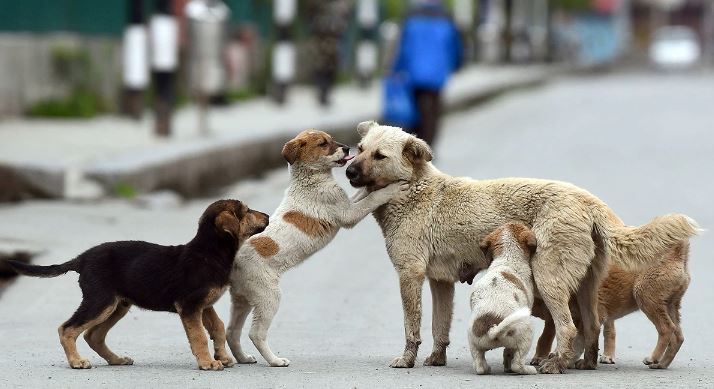
    Central idea: Several incidents of stray dog attacks in Indian cities have shed light on the link between urban solid waste management and the issue of stray dogs.

    Stray Dog Attacks in India

    • Cities have witnessed a sharp increase in the stray dog population, which as per the official 2019 livestock census stood at 1.5 crore.
    • However, independent estimates peg the number to be around 6.2 crore.
    • The number of dog bites has simultaneously doubled between 2012 and 2020.
    • Experts agree there may be a correlation between urbanisation and solid waste production, made visible due to the mismanagement of waste disposal.
    • Tepid animal birth control programmes and insufficient rescue centres, in conjunction with poor waste management, result in a proliferation of street animals in India.

    Reasons behind

    • Poor waste management: Inadequate waste disposal facilities and the mismanagement of solid waste often lead to the congregation of stray dogs around garbage dumps and landfills, where they scavenge for food.
    • Unplanned urbanization: The population boom in Indian cities has led to a sharp increase in the stray dog population. Rapid urbanization has led to the creation of slums and unmanaged solid waste, which attract dogs.
    • Lack of food and shelter: The availability of food and shelter determines the carrying capacity of a city. In the absence of these facilities, free-ranging dogs become scavengers that forage around for food, eventually gravitating towards exposed garbage dumping sites.
    • Territoriality: Stray dogs often become territorial and aggressive about public spaces where they are fed, leading to increased attacks on humans.
    • Improper sterilization and rescue centres: Tepid animal birth control programmes and insufficient rescue centres, in conjunction with poor waste management, result in a proliferation of street animals in India.

    Food wastage in India

    • A population boom in Indian cities has contributed to a staggering rise in solid waste production. Indian cities generate more than 150000 metric tonnes of urban solid waste every day.
    • According to a 2021 UNEP report, an estimated 931 million tonnes of food available to consumers ended up in households, restaurants, vendors and other food service retailers’ bins in 2019.
    • Indian homes on average also generated 50 kg of food waste per person.
    • The presence of free-roaming dogs in urban areas is determined by the “carrying capacity” of a city, which is the availability of food and shelter.

    Urban Stray Dogs and Waste Disposal

    • Food and shelter: The wastage food often serves as a source of food for hunger-stricken, free-roaming dogs that move towards densely-populated areas in cities, such as urban slums which are usually located next to dumping sites.
    • Sanitation assists food hunt: In the absence of proper sanitation and waste disposal facilities, stray dogs become scavengers that forage for food around exposed garbage dumping sites.

    Impact of Unplanned and Unregulated Urban Development

    • ABC Program: Under Animal Birth Control (ABC) program, municipal bodies trap, sterilize, and release dogs to slow down the dog population. This approach aims to control the number of strays while avoiding the inhumane practice of killing them.
    • Rabies Control Measures: Another anchor of India’s response is rabies control measures, including vaccination drives. Rabies is a fatal disease that can be transmitted to humans through dog bites. Thus, preventing rabies is essential in addressing the issue of stray dogs.
    • Informal Measures: These include mass killing of dogs in states like Kerala, which is a controversial practice as it is often inhumane and does not address the root causes of the issue. Other measures include imposing bans on the entry of stray dogs in colonies or feeding them in public.

    Why address stray dog attacks issue?

    • Adds Vulnerability to the poor: The disproportionate burden of dog bites may also fall on people in urban slums, which are usually located in close proximity to dumping sites.
    • Exposes harsher realities: The rise in such attacks speak to core issues of lack of serviced affordable urban housing for all, lack of safe livelihood options and improper solid waste management”.

    Empathizing the strays

    • Abandoned, not strayed: Stray dogs are sentient social beings capable of feeling pain, fear, and joy. Urban living patterns have largely impacted their abandonment.
    • Subjected to abuse: They are often victims of neglect, abuse, and abandonment, and are forced to survive in harsh conditions on the streets.
    • Neglected community guardians: Stray dogs can serve as community guardians by alerting us to potential dangers and can also provide emotional support to humans.

    Way forward

    • Improve waste management: Efficient management of solid waste can help reduce the availability of food for stray dogs and limit their population growth.
    • Increase vaccination and sterilization: ABC and vaccination programs should be implemented in a more organized and efficient manner to control the stray dog population and the spread of rabies.
    • Encourage responsible feeding practices: Regulating feeding around bakeries and restaurants and improving waste management in public spaces can reduce the carrying capacity of the environment for stray dogs and minimize the congregation of dogs in certain areas.
    • Develop national policy: There is a need for a comprehensive national policy that addresses the issue of stray dogs and their management in a more systematic and humane manner.
    • Stop gruesome brutality: Stopping brutality towards dogs is a crucial step towards creating a more compassionate and just management of stray dogs menace.


    Also read:

    Prevention of Cruelty to Animals (Amendment) Bill, 2022. Why is it needed?

    Get an IAS/IPS ranker as your personal mentor for UPSC 2024 | Schedule your FREE session and get the Prelims prep Toolkit!

  • Nikaalo Prelims Spotlight || Pattern of Economic Indicators & Fiscal Policy


    Dear Aspirants,

    This Spotlight is a part of our Mission Nikaalo Prelims-2023.

    You can check the broad timetable of Nikaalo Prelims here

    Session Details

    YouTube LIVE with Parth sir – 7 PM  – Prelims Spotlight Session

    Evening 04 PM  – Daily Mini Tests

    Join our Official telegram channel for Study material and Daily Sessions Here


    1st May 2023

    Patterns of Economic Indicators

    An economic indicator is a statistic about an economic activity. Economic indicators allow analysis of economic performance and predictions of future performance. One application of economic indicators is the study of business cycles.

    NATIONAL INCOME
    • National Income is the total value of all final goods and services produced by the country in certain year. The growth of National Income helps to know the progress of the country.
    • In other words, the total amount of income accruing to a country from economic activities in a year’s time is known as national income.
    • National Income includes payments made to all resources in the form of wages, interest, rent and profits.
    NATIONAL INCOME ACCOUNTING (NIA)
    • National Income Accounting is a method or technique used to measure the economic activity in the national economy as a whole.
    • It is the bookkeeping system which measures the level of economic activity in a given time period
    • NIA sets rules and definition to measure aggregate economic activity and tries to summarise the performance of the economy
    Indicators: GDP
    • Gross Domestic Product is the market value of all the goods and services produced within the domestic territory of a country during a specified time period, usually one year.
    • Accounting Year = Fiscal Year; for India it is 1st of April to 31st of March (next year)
    • Will include the income generated by MNCs in India

    Domestic Territory = Political frontiers of the country including its territorial waters+ Embassies/Consulates + Military Establishments of the country abroad + Ships/Aircrafts/Fishing Vessels/Oil Rigs belonging to the residents of the country

    GDP does not include :
    • Capital goods (e.g. machinery) are included in GDP, but intermediate goods (e.g. raw materials) are not.
    • Intermediate goods and services are not included to avoid double counting.
    • Same good can be final (you consuming milk ) or intermediate (milk in the restaurant) depending on the usage.
    GROWTH RATE &GDP DEFLATOR
    • Growth Rate (%) = [GDP (Present year – Last Year) / Last Year] x 100
    • But, quantitatively the production may not have improved (From 1 kg garlics to 2 kg garlics), and only because of inflation in the prices (₹ 10/kg garlic to ₹ 100/kg) the growth rate may be appear high.
    • Therefore (to remove the inflation impact on growth rate), we must select a base year, and convert the current prices to constant prices.
    • The ratio of these GDPs is called ‘GDP deflator’, it presents a picture of inflation like CPI and WPI but, unlike CPI & WPI it’s not based on a fixed basket of commodities.
    • These figures are revised as the new data arrives / previous data is cross verified & corrected.
    GDP AND NATIONAL INCOME
    Gross National Income (GNI)
    • According to OECDà GNI as GDP + NET receipts from abroad (wages, interest, profit, rent) plus net taxes & subsidies receivable from abroad. Here, ‘Wages and salaries’ from abroad = ‘Guest’ workers who reside abroad for less than 12 months and whose centre of economic interest remains in their home country
    National Disposable Income
    • National Disposable Income= NNP + Other Current Transfers from rest of the world (remittances, gift, donations etc.)National Disposable Income gives an idea of what is the maximum amount of goods and services the domestic economy has at its disposal.
    Personal Disposable Income
    • Personal Income – Personal Tax Payments (e.g. income tax) – Non-tax Payments (e.g. fines)

    Fiscal Policy

    What is Fiscal Policy? Fiscal Policy deals with the revenue and expenditure policy of the Govt. The word fiscal has been derived from the word ‘fisk’ which means public treasury or Govt funds.

    Objectives of Fiscal Policy

    The following are the objectives of the Fiscal Policy:

    1. Higher Economic Growth
    2. Price Stability
    3. Reduction in Inequality

    What are the components of Fiscal Policy?

    There are three components of the Fiscal Policy of India:

    1. Government Receipts
    2. Government Expenditure
    3. Public Debt

    Government Receipts

    The categorisation of the government receipts is given below:

    1. Revenue Receipt
      • Tax Revenue
        • Direct Tax
        • Indirect Tax
      • Non-Tax Revenue
        • Fees
        • License and Permits
        • Fines and Penalties, etc
    2. Capital Receipt
      • Loans Recovery
      • Disinvestments
      • Borrowing and other liabilities

    Government Expenditure

    There are two classifications of public expenditure:

    1. Revenue Expenditure – It is a recurring expenditure:
      • Interest Payments
      • Defence Expenses
      • Salaries to Central Government employees, etc are examples of  revenue expenditure
    2. Capital Expenditure – It is a non-recurring expenditure
      • Loans repayments
      • Loans to public enterprises, etc.


  • [Sansad TV] Perspective: 5 Years of Khelo India

    [Sansad TV] Perspective: 5 Years of Khelo India

    Central Idea: 5 Years of Khelo India

    • The Khelo India Mission has completed 5 years. It is a GOI program aimed at providing international standard sports infrastructure and promoting fitness for citizens.
    • The ultimate goal is to make India a sporting nation, and the program has been running since 2018, supporting over 2500 athletes in different disciplines.
    • The success of Khelo India and its challenges will be discussed in this edition of the article.

    What is Khelo India Mission?

    • Khelo India is a national program launched by the Indian government in 2018 with the aim of promoting sports and fitness in India.
    • The program seeks to provide sports infrastructure of international standards to budding athletes, promote a holistic approach towards fitness for citizens, and ultimately make India a sporting nation.
    • It focuses on encouraging and promoting sports at the grassroots level and providing access to sporting facilities and infrastructure to all citizens, regardless of their economic background or geographical location.
    • It also aims to develop and train coaches who can provide high-quality coaching and training to athletes at the grassroots level, identify young talent and provide financial assistance.
    • The program also emphasizes the importance of teamwork, socialization, and the participation of girls in sports.

    Achievements of the program

    (1) Support to Young Athletes

    • 2500 young athletes are being supported with Rs. 6.28 lakhs annually under the scheme and are being identified to represent India at international competitions.
    • Successful athletes are further being inducted into Target Olympic Podium Scheme (TOPS) for higher levels of training. 110 Khelo India athletes are part of TOPS.

    (2) Organizing Competitions

    • To ensure competition opportunities for young athletes, 5 Khelo India Youth Games with 43K participants have been organized.
    • Khelo India Leagues are held throughout the year, with a special focus on girl athletes. More than 1.25 lakh girls have participated in it.

    (3) Sports Infrastructure Created

    • To ensure sports infrastructure availability in remote corners of India, 946 Khelo India Centers have been set up.
    • By August 15, 2023, 1000 KICs are expected to be operational, giving every district in India a sports facility for the training of grassroots-level athletes.

    (4) Indigenous Games Inducted

    • A special emphasis on indigenous games under Khelo India has ensured the popularity of India’s traditional sporting disciplines like Gatka, Thang-Ta, Mallakhamb, Kalaripayattu and Yoga.
    • These games have also been included in KIYG to give athletes an impetus to practice them.

    Significance of the Program

    • Promoting the importance of sports and fitness: The program promotes the importance of sports and fitness in one’s life, as playing sports inculcates team spirit, and develops strategic and analytical thinking, leadership skills, goal setting, and risk-taking.
    • Improving confidence and social skills: Participation in the program has helped athletes improve their confidence, teamwork, leadership skills, and socialization. The program emphasizes the importance of teamwork, providing opportunities for children to learn how to work with others and manage different personalities, find their way as leaders etc.
    • Encouraging the participation of girls in sports: The program emphasizes the participation of girls in sports, providing them with a great opportunity to showcase their talents.
    • Promoting diversity and inclusivity: The program’s emphasis on indigenous games and the participation of girls in sports is also a significant step in promoting diversity and inclusivity in sports.
    • Creating world-class sports infrastructure: The program aims to create world-class sports infrastructure in the country, including training facilities, stadiums, and sports complexes. This will help create a conducive environment for athletes to train and compete at the highest level.
    • Promoting sports for development and peace: The program aims to promote sports for development and peace by using sports, physical activity, and play to attain specific development and peace objectives.

    Various challenges

    • Lack of awareness and participation: One of the significant challenges of the Khelo India program is a lack of awareness among the masses. Despite the program’s efforts to promote sports and fitness at the grassroots level, many people are still not aware of the program’s existence, which affects participation.
    • Infrastructure challenges: Another challenge faced by the Khelo India program is infrastructure challenges. Despite the program’s efforts to create world-class sports infrastructure in the country, many areas still lack the necessary infrastructure, including training facilities, stadiums, and sports complexes.
    • Shortage of trained coaches: The program’s success is also dependent on the availability of trained coaches who can provide high-quality coaching and training to athletes at the grassroots level. However, there is a shortage of trained coaches, which affects the program’s effectiveness.
    • Funding issues: The program’s effectiveness is also dependent on funding. Despite the government’s efforts to provide financial assistance to promising athletes, more funding is needed to create world-class sports infrastructure and to support athletes in their training and development.
    • Lack of support for indigenous games: Although the program aims to promote indigenous games, there is still a lack of support and infrastructure for these games, which affects their popularity and development.
    • Gender bias and lack of opportunities: Despite the program’s efforts to promote the participation of girls in sports, there is still a gender bias in many areas, and girls often face a lack of opportunities and support, affecting their ability to participate and excel in sports.

    Other initiatives for sports promotion

    The Ministry of Youth Affairs & Sports has formulated the following schemes to promote sports in the country, including in rural, tribal and backward areas:

    • Assistance to National Sports Federations
    • Special Awards to Winners in International sports events and their Coaches
    • National Sports Awards, Pension to Meritorious Sports Persons
    • Pandit Deendayal Upadhyay National Sports Welfare Fund
    • National Sports Development Fund; and
    • Running Sports Training Centres through Sports Authority of India

    Benefits of Augmenting Sports

    • Alternative career development: For those for whom opportunities are few, and jobs are scarce, sport becomes a powerful mobility device. A strong sports sector encourages an average/ poor academic student to make a career in sports.   
    • Reaping demographic dividend: India is having a very young population and is soon going to become the world’s youngest country. In such a scenario, a robust sports sector can help in reaping the potential demographic dividend. 
    • Revenue generation: Developing robust sports infrastructure in the country will allow India to host a greater number of international events. Such hosting boosts tourism in the country and results in enhancing the revenue and employment in the region. Ex. IPL
    • Promotes the spirit of Unity in Diversity: People cheer for the Indian athletes and Indian teams at international events. An improvement in sports automatically fosters the spirit of brotherhood amongst the people of diverse nations. For instance, the Pan India support enjoyed by Indian cricket team enhances belongingness between India’s north and south. 

    Way forward

    • Increasing awareness and outreach: The government can increase awareness and outreach efforts to promote the program and encourage more people to participate in sports and fitness activities.
    • Promoting indigenous games: The government can promote indigenous games by providing the necessary infrastructure, support, and funding for these games to increase their popularity and development.
    • Ensuring gender equality: The government can ensure gender equality by promoting the participation of girls in sports and providing equal opportunities and support for both male and female athletes.
    • Collaboration with private sector: The government can collaborate with the private sector to increase funding and support for sports and fitness activities.
    • Uniformity in sports activities: Sports being a state subject, uniformity in sports activities across various states in India is essential to provide equal sporting opportunities to all citizens of the country.
    • Collective action for talent development: To develop a talent pipeline, it is necessary to take collective action to create a system and environment where young talent is spotted and nurtured.
    • Integration of sports with education: To introduce a sports culture in India, there is a need to integrate sports with education, making it a mandatory part of the curriculum.
    • Increase allocation of funds: The allocation of funds to sports, as a percentage of the budget, can be increased to broad-base sports in the country and provide adequate funding for sports development.
    • Spreading awareness in society: There is also a need to develop a sports culture in the whole country by spreading awareness in society and educating people about the benefits of sports in life.

    Get an IAS/IPS ranker as your personal mentor for UPSC 2024 | Schedule your FREE session and get the Prelims prep Toolkit!

  • Issues with Great Nicobar Island (GNI) Project

    nicobar

    The National Commission for Scheduled Tribes (NCST) has now flagged alleged discrepancies with respect to the forest clearance granted for the ₹72,000-crore Great Nicobar Island (GNI) Project.

    What is GNI Project?

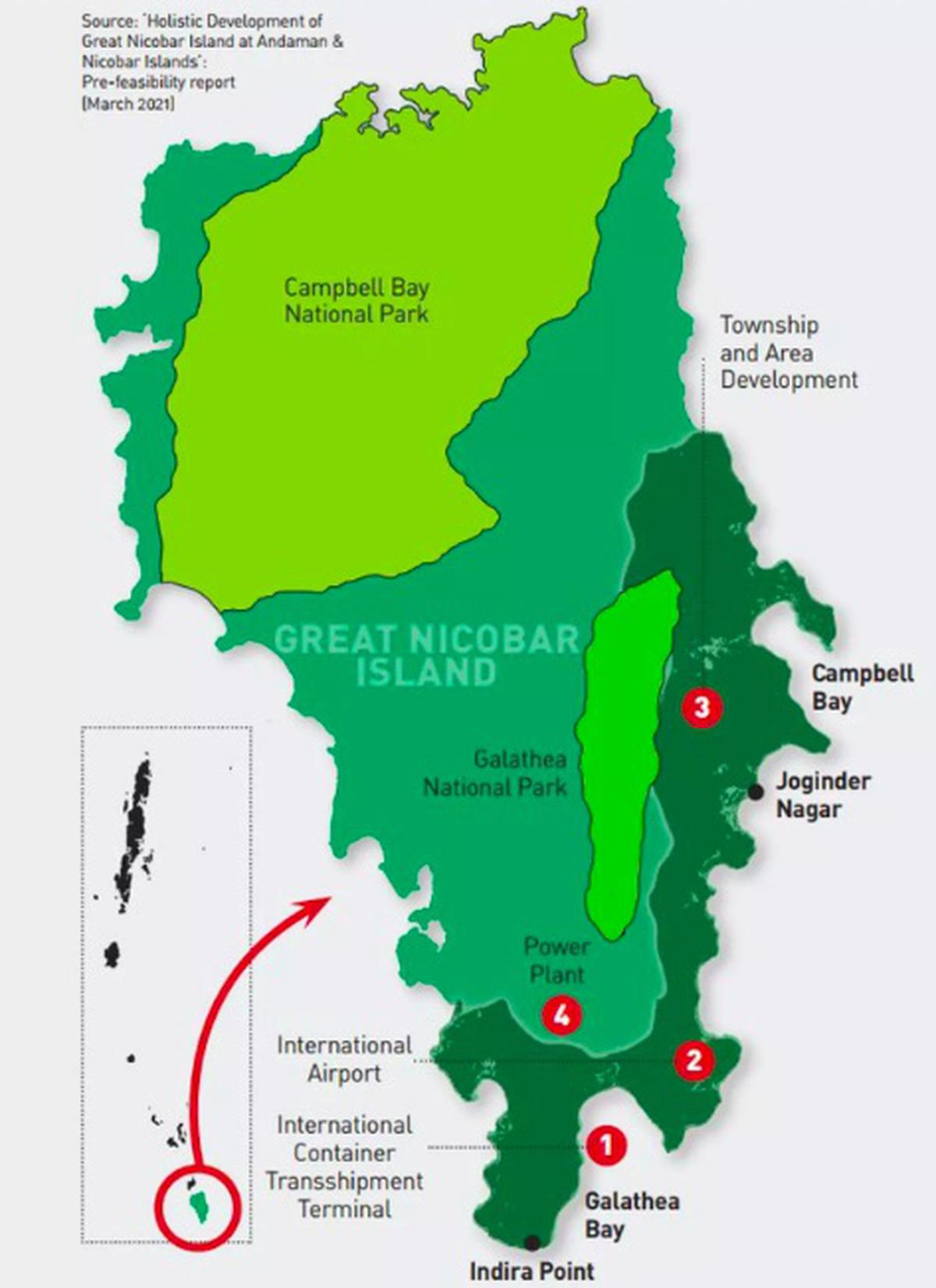
    • The GNI Project refers to the “Holistic Development of Great Nicobar Island,” a proposed mega project being piloted by NITI Aayog.
    • The project aims to develop the southern end of the Andaman and Nicobar group of Islands in the Bay of Bengal by constructing –
    1. Transshipment port
    2. Dual-use military-civil international airport
    3. Power plant and
    4. A township over a span of 30 years on more than 160 sq. km of land, of which 130 sq. km is primary forest

    Features of the Project

    • Transshipment hub of the East: The proposed port will allow Great Nicobar to participate in the regional and global maritime economy by becoming a major player in cargo transshipment.
    • Naval control: The port will be controlled by the Indian Navy, while the airport will have dual military-civilian functions and will cater to tourism as well.
    • Urban amenities: Roads, public transport, water supply and waste management facilities, and several hotels have been planned to cater to tourists.

    Significance of the project

    (1) Economic significance

    • Making India transshipment giant: The proposed port would allow GNI to become a significant player in cargo transshipment, as it is positioned equidistant from Colombo, Port Klang (Malaysia), and Singapore.
    • En-route of busiest shipping lane: It located close to the East-West international shipping corridor that sees a vast amount of the world’s shipping trade.
    • Huge source of revenue: The proposed ICTT can potentially become a hub for cargo ships travelling on this route.

    (2) Strategic significance

    • Securing IOR: The proposal to develop GNI has been on the table since the 1970s, and it has been highlighted repeatedly as a crucial element for national security and consolidation of the Indian Ocean Region.
    • Critical shipping chokepoint: Great Nicobar is equidistant from Colombo to the southwest and Port Klang and Singapore to the southeast, the region through which a very large part of the world’s shipping trade passes.
    • Oceanic outpost: The ANI is an oceanic outpost for continental India.
    • Combatting Chinese presence: In recent years, the escalating Chinese presence in the Indian Ocean has added greater urgency to this imperative.

    Issues with the Project

    • Threat to Biodiversity: The construction of the port, airport, and township, and the influx of people that the project is expected to bring, are likely to result in habitat destruction, fragmentation, and degradation, which could threaten the survival of several species.
    • Displacement of Indigenous Tribes: GNI is home to two isolated and indigenous tribes, the Shompen and the Nicobaris, who have lived on the island for thousands of years. The project could displace these tribes and disrupt their way of life and culture.
    • Deforestation: The project is expected to result in the cutting down of an estimated 8.5 lakh trees in the island’s prehistoric rainforests, which could have a significant impact on the island’s ecology and biodiversity.
    • Lack of Adequate Environmental and Social Impact Assessments: The project has received several easy clearances with uncharacteristic haste, raising questions about the adequacy of environmental and social impact assessments.
    • Fragile Topography: Experts have raised several concerns relating to the tectonic volatility and disaster vulnerability of the islands, which have experienced nearly 444 earthquakes in the past 10 years. The tribal communities, who were displaced in the 2004 Tsunami, are still recovering from its impact.

    Concerns highlighted by the NCST

    (1) Discrepancies with FRA Compliance

    • The island administration did not recognise or grant ownership of any forest land to local tribespeople as per FRA, a requisite step under the Forest Conservation Rules, 2017, before Stage-I clearance is granted.
    • This is despite the fact that Rule 6(3)(e) of Forest Conservation Rules-2017 (FCR) requires that any diversion of forest land first requires the District Collector to recognise and vest rights to locals under the FRA.
    • The legislation allows forest communities the right to control and manage the use of the forest land over which they hold titles, and their consent is mandatory for diverting it.

    (2) Inconsistencies with Stage-I Clearance

    • The Stage-I clearance for the project was granted in October 2022, two years after the application was received.
    • Monthly progress reports show that the district administration did not process any claims over forest land under the FRA in the 26 months since project sanction.
    • A Gram Sabha meeting was called with less than a day’s notice to villagers where a resolution was passed consenting to the diversion of forest land for the project.

    (3) Withdrawal of Consent

    • Weeks after the Stage-I clearance was granted, the Tribal Council at Campbell Bay withdrew the consent granted by the Gram Sabha.
    • NCST alleged that the minutes of the meeting were typed after securing members’ signatures.

    Back2Basics: National Commission for Scheduled Tribes (NCST)

    Description
    Formation NCST was set up with effect from 19th February, 2004.

    Created by inserting a new article 338A in the Constitution through the 89th Constitution Amendment Act, 2003.

    Hence a constitutional body.

    Objective To oversee the implementation of various safeguards provided to STs under the Constitution or under any other law for time being in force or under any other order to the Government and to evaluate the working of such safeguards.
    Composition It consists of a Chairperson, a Vice-Chairperson and 3 other Members who are appointed by the President by warrant under his hand and seal.

    At least one member should be a woman.

    The Chairperson, the Vice-Chairperson and the other Members hold office for a term of 3 years.

    The members are not eligible for appointment for more than two terms.

    The Chairperson has been given the rank of Union Cabinet Ministers, the Vice Chairperson has the rank of a Minister of State and other Members have the rank of a Secretary to the Government of India.


    Get an IAS/IPS ranker as your personal mentor for UPSC 2024 | Schedule your FREE session and get the Prelims prep Toolkit!

More posts