In a major study, scientists proved that cold exposure in rice plants can cause changes that improve stress tolerance and are inherited by the next five generations, supporting Lamarck’s old theory.
What was Lamarck’s theory of acquired characteristics?
This idea was formally presented by Jean-Baptiste Lamarck in 1809, and it was one of the earliest theories of evolution. When the traits developed during an organism’s lifetime due to use, disuse, or environmental influence could be inherited by its offspring. Eg: A giraffe stretching its neck to reach higher leaves would result in its offspring having longer necks.
How did later scientific discoveries challenge it?
Weismann’s Tail-Cutting Experiment: August Weismann demonstrated that acquired traits are not inherited by cutting the tails of mice for five generations, yet their offspring were still born with tails.
Mendel’s Laws of Heredity: Gregor Mendel showed that traits are inherited through stable units (genes) passed unchanged from parents to offspring, rather than traits acquired during life. Eg: In pea plants, traits like flower colour were inherited predictably, regardless of environmental changes.
Discovery of DNA and Mutations: The discovery of DNA as the genetic material and that mutations cause heritable changes explained inheritance scientifically, without relying on acquired characteristics. Eg: Genetic disorders like sickle cell anemia are caused by specific DNA mutations, not by environmental use or disuse.
How did Mendel’s work and DNA discovery change heredity understanding?
Introduction of Stable Hereditary Units: Mendel’s experiments introduced the concept of “genes” as stable, particulate units of inheritance passed from parents to offspring. Eg: Mendel’s pea plant experiments showed traits like seed shape and flower color followed predictable patterns.
Law of Segregation and Independent Assortment: Mendel proposed that alleles segregate independently, ensuring genetic variation without influence from acquired traits. Eg: A plant with one tall and one short gene could pass either to its offspring, not a mix of the two.
DNA Identified as Genetic Material: Later discoveries identified DNA as the carrier of genetic information, solidifying the molecular basis of heredity. Eg: Avery, MacLeod, and McCarty’s experiments in 1944 showed that DNA—not proteins—was responsible for heredity.
Mutation Explained Heritable Variation: The understanding that mutations in DNA cause changes in traits clarified how new heritable variations arise. Eg: Mutations in the hemoglobin gene lead to sickle cell anemia, a heritable disorder.
Disproved Lamarckian Inheritance: These findings rejected the idea that characteristics acquired during life could be inherited, as proposed by Lamarck. Eg: A bodybuilder’s muscular physique isn’t passed to their children genetically.
Why is the Cell study on cold-tolerant rice significant?
Proof of Heritable Epigenetic Change Induced by Environment: The study demonstrated that cold exposure triggered an epigenetic modification (methylation) in rice plants, which was inherited for five generations. Eg: Rice plants exposed to cold passed on improved cold tolerance without any DNA sequence change.
Reinforced the Role of Epigenetics in Evolution: It showed that gene expression can be regulated by epigenetic marks rather than genetic mutations, suggesting Lamarck’s idea of environmental inheritance has merit. Eg: The ACT1 gene stayed active in cold-tolerant rice due to the absence of a methylation tag, helping them survive cold stress.
New Direction for Crop Improvement and Climate Resilience: The findings open doors for non-genetic crop adaptation methods to deal with climate change. Eg: Epigenetically trained rice varieties could be developed to withstand colder environments, improving food security.
What are the steps taken by the Indian Government?
Multigenerational Cold-Stress Breeding: Researchers implemented a directional selection process over multiple generations by exposing rice to cold during the vulnerable meiotic stage, breeding for improved cold resistance. Eg: After three generations, they developed rice lines with stable cold tolerance that persisted for at least five generations.
Epigenetic Mapping and Editing of the ACT1 Promoter: Through multi-omics analysis, scientists identified hypomethylation at the ACT1 promoter as the molecular basis for cold adaptation. They then used precision DNA methylation editing to confirm that removing methyl tags restored cold tolerance.
Way forward:
Incorporate Epigenetic Breeding in National Crop Improvement Programs: Government research bodies and agricultural universities should integrate epigenetic trait selection and editing into mainstream breeding to develop climate-resilient varieties, especially for stress-prone regions.
Strengthen Investment in Multi-Generational Stress Trials: Increase funding for long-term, controlled environment trials to identify and stabilize heritable epigenetic traitsacross major crops, ensuring sustainable food security under climate change.
Mains PYQ:
[UPSC 2019] How can biotechnology improve the living standards of farmers?
Linkage: The core of the article reveals a novel mechanism for plant adaptation—epigenetic inheritance of cold tolerance in rice plants. This scientific breakthrough, falling under the broad umbrella of biotechnology, demonstrates a potential pathway to develop crops that can adapt to challenging environmental conditions (like cold stress) more rapidly than through traditional breeding or genetic modification.
On June 15, 1215, King John of England agreed to a seminal document called the Magna Carta, laying down principles that would help establish the foundations of modern democracies.
About Magna Carta:
Overview: The Magna Carta, meaning “Great Charter” in Latin, was signed on June 15, 1215, at Runnymede near London by King John of England under pressure from rebel barons.
Content: The charter originally had 63 clauses, with two of the most important being:
Clause 39: Protection against arbitrary arrest and imprisonment.
Clause 40: Guarantee of justice without delay or denial.
Context: It was created in response to military defeats and excessive taxation, particularly following England’s loss at the Battle of Bouvines (1214).
Initial Setback: Though annulled by Pope Innocent III, it was reissued multiple times, especially under King Henry III, and became part of English statutory law.
How it dealt with the masses: Magna Carta was initially meant to protect free men—mainly land-owning nobles and barons, excluding women, serfs, and commoners.
Radical Impact: Despite its narrow scope, historians regard it as Europe’s most radical early check on monarchical authority.
Legal Influence: The charter influenced future legal systems, including the U.S. Constitution, Bill of Rights, and principles like habeas corpus.
Modern Relevance: Clauses 39 and 40 remain part of UK law today.
Significance: It is considered one of the earliest documents to limit royal power and lay the foundation for the rule of law and constitutional governance.
Magna Carta of the Indian Constitution: Part III (Fundamental Rights)
Part III (Articles 12 to 35) of the Indian Constitution is often called the “Magna Carta of India”.
It guarantees justiciable Fundamental Rights, protecting citizens against arbitrary state action and forming the core of Indian democracy.
Why it’s called India’s Magna Carta?
Historical Parallel: Like the 1215 charter, Part III limits government power and guarantees individual freedoms.
Inspired by the U.S. Bill of Rights, it offers one of the most comprehensive rights charters in the world.
Legal enforceability empowers courts to uphold citizens’ rights and strike down unconstitutional laws.
Six Categories of Fundamental Rights:
Right to Equality (Articles 14–18): Equality before law and prohibition of discrimination.
Right to Freedom (Articles 19–22): Freedom of speech, movement, assembly, etc.
Right against Exploitation (Articles 23–24): Ban on forced labour and child labour.
Right to Freedom of Religion (Articles 25–28): Freedom to practice and propagate religion.
Cultural and Educational Rights (Articles 29–30): Rights of minorities to preserve culture and run institutions.
Right to Constitutional Remedies (Article 32): Right to move the Supreme Court for enforcement of rights.
[UPSC 2010] The ‘Instrument of Instructions’ contained in the Government of India Act 1935 have been incorporated in the Constitution of India in the year 1950 as:
Options: (a) Fundamental rights (b) Directive Principles of State Policy* (c) Extent of executive power of State (d) Conduct of business of the Government of India
In Assam’s Makum Coalfield, BSIP scientists found 24–23 million-year-old fossil leaves resembling today’s Nothopegia, now limited to the Western Ghats.
About the Nothopegia Fossil Discovery
Overview: Palaeo-scientists from Lucknow discovered fossil leaves in the Makum Coalfield of Assam. It dates back 24–23 million years to the late Oligocene epoch.
Oldest Known Record: These are the oldest known fossils of the Nothopegia genus, a tropical plant now endemic to the Western Ghats, not found in Northeast India today.
Identification Methods: Researchers used morphological analysis, herbarium comparisons, and cluster analysis to identify the fossil leaves.
Tropical Legacy: Nothopegia belongs to the Anacardiaceae family and reflects ancient tropical ecosystems that once existed in Northeast India.
Climate Reconstruction: Using the Climate Leaf Analysis Multivariate Program (CLAMP), scientists confirmed that the region once had a warm and humid climate, similar to the present-day Western Ghats.
Why did Nothopegia disappear from the Northeast?
Tectonic Disruption: The collision of the Indian and Eurasian plates led to the rise of the Himalayas, drastically altering climate, rainfall, and wind patterns in Northeast India.
Habitat Loss: These shifts caused the region to cool and dry, rendering it unsuitable for tropical flora like Nothopegia.
Southward Migration: Over time, the plant spread to the Western Ghats, which offered a climatically stable refuge and allowed its survival.
Significance of the Study:
Climate Lessons: The extinction and migration pattern of Nothopegia illustrates a deep-time example of species response to long-term climate change.
Scientific Value: Understanding ancient plant resilience aids in predicting survival pathways under current global warming scenarios.
Refuge Significance: The study highlights how climate refuges like the Western Ghats help preserve ancient lineages during major environmental changes.
[UPSC 2025] Which of the following are the evidence of the phenomenon of continental drift?
I. The belt of ancient rocks from the Brazil coast matches with those from Western Africa. II. The gold deposits of Ghana are derived from the Brazil plateau when the two continents lay side by side. III. The Gondwana system of sediments from India is known to have its counterparts in six different landmasses of the Southern Hemisphere.
Select the correct answer using the code given below:
Options: (a) I and III only (b) I and II only (c) I, II and III *(d) II and III only
India is set to test the Extended Trajectory-Long Duration Hypersonic Cruise Missile (ET-LDHCM), an advanced hypersonic missile developed by DRDO under the secretive Project Vishnu.
What is Project Vishnu?
Overview: Project Vishnu is a top-secret initiative by India’s Defence Research and Development Organisation (DRDO) to develop hypersonic missile technologies.
Strategic Purpose: The project aims to enhance India’s strategic deterrence by delivering high-speed missiles capable of both conventional and nuclear roles.
Focus: It is specifically designed to counter threats from China and Pakistan, reinforcing regional strike capability.
Platform Flexibility: A core feature is multi-platform deployment, allowing the missile to be launched from land, air, and naval systems.
Integrated Technologies: It brings together scramjet propulsion, materials science, and precision guidance into a single hypersonic weapons system.
Doctrinal Alignment: It reflects India’s shift toward technology-driven warfare and supports its credible minimum deterrence doctrine.
About the ET-LDHC Hypersonic Missile:
Overview: It is the flagship missile system under Project Vishnu.
Speed and Range: It reaches Mach 8 (~11,000 km/h) and has a strike range of 1,500 km, making it nearly impossible to intercept with current defence systems.
Payload Versatility: It can carry 1,000–2,000 kg of conventional or nuclear warheads, allowing mission-specific configurations.
Propulsion: Powered by an indigenously developed scramjet engine, it uses atmospheric oxygen for combustion, improving fuel efficiency and endurance.
Strike Capabilities: With evasive manoeuvrability and a flat trajectory, the missile is ideal for deep-penetration and precision attacks.
Next-Gen Materials: It is built from materials that withstand 2,000°C+ temperatures, ensuring oxidation resistance and structural integrity.
Launch Platforms: The missile is compatible with land systems, fighter jets, and naval vessels, offering operational flexibility.
[UPSC 2024] Consider the following statements:
1. Ballistic missiles are jet-propelled at subsonic speeds throughout their flights, while cruise missiles are rocket-powered only in the initial phase of flight.
2. Agni-V is a medium-range supersonic cruise missile, while BrahMos is a solid-fuelled intercontinental ballistic missile.
Which of the statements given above is/are correct?
Options: (a) 1 only (b) 2 only (c) Both 1 and 2 (d) Neither 1 nor 2 *
The first Assembly of the International Big Cat Alliance (IBCA) was held on June 16, 2025, in New Delhi, with the Union Environment Minister presiding over the session.
About the International Big Cat Alliance (IBCA)
Overview: It is a multi-country, multi-agency alliance of 95 countries, both range and non-range, dedicated to the conservation of big cats and their habitats.
Launch: Proposed by PM Modi in 2019, the alliance was officially launched in April 2023 to mark Project Tiger’s 50th anniversary.
Conservation Focus: IBCA seeks to protect and restore populations of 7 big cats: tiger, lion, leopard, snow leopard, cheetah, jaguar, and puma.
Core Functions: The alliance works through advocacy, knowledge exchange, promotion of eco-tourism, and resource mobilisation.
Conflict Resolution: It aims to reduce human-wildlife conflict and restore degraded habitats critical to big cat survival.
Global Participation: IBCA brings together 95 range countries from:
Asia: India, China, Nepal, Pakistan, Iran
Africa: Kenya, Congo, Ghana
Americas: Brazil, Ecuador, United States
Europe/Central Asia: Russia, Kazakhstan
Members: Bhutan, Eswatini, Cambodia, Guinea, India, Liberia, Nicaragua, Somalia and Suriname have deposited an instrument of ratification.
Institutional Structure: It is governed by a General Assembly, an elected Council, and a secretariat led by a Secretary-General.
Permanent Base: The ratification of the headquarters agreement has enabled IBCA to set up its permanent headquarters in India.
India’s Role:
Species Richness: India is home to 5 of the 7 big cats—the tiger, lion, leopard, snow leopard, and cheetah—and holds 70% of the world’s tiger population.
Funding Commitment: The Indian government has committed ₹150 crore (2023–2028) and is attracting additional global contributions to support the alliance’s goals.
Conservation Leadership: India plays a leading global role in big cat protection, setting benchmarks in wildlife conservation and ecological stewardship.
[UPSC 2024] Consider the following statements:
1. Lions do not have a particular breeding season.
2. Unlike most other big cats, cheetahs do not roar.
3. Unlike male lions, male leopards do not proclaim their territory by scent marking.
Which of the statements given above are correct?
(a) 1 and 2 only * (b) 2 and 3 only (c) 1 and 3 only (d) 1, 2 and 2
The Economist Intelligence Unit (EIU) has released its Global Liveability Index 2025, evaluating 173 cities worldwide on their quality of life.
About the Global Liveability Index:
Publisher: It is released annually by the Economist Intelligence Unit (EIU).
Purpose: It measures the quality of life in 173 cities worldwide, assessing how challenging or comfortable it is to live in each location.
Usage: The index informs decisions by corporations, governments, and development agencies, particularly for policy planning and expatriate relocation.
Five Assessment Categories:
Stability (25%): Considers levels of crime, civil unrest, and terrorism threats.
Healthcare (20%): Evaluates the quality, accessibility, and availability of medical services.
Culture & Environment (25%): Includes climate, cultural offerings, and environmental conditions.
Education (10%): Measures access to public and private education and overall quality.
Infrastructure (20%): Covers transport, roads, housing, and utility services.
Scoring: Cities are rated from 1 (intolerable) to 100 (ideal) using 30+ qualitative and quantitative indicators.
Key Global Rankings (2025):
Top Cities:
Copenhagen (Denmark) ranked 1st, scoring 98/100 with perfect marks in stability, education, and infrastructure.
Vienna and Zurich tied for 2nd, followed by Melbourne (4th) and Geneva (5th).
Regional Trends: Western European cities dominated the top 10, thanks to strong healthcare, education, and public transport systems.
Asia-Pacific Performers: Melbourne, Sydney, Osaka, Auckland, and Adelaide made the top 10, showing continued high liveability.
Improvements: Al Khobar (Saudi Arabia) jumped 13 spots due to gains in education and healthcare.
Lowest Ranked: Damascus (Syria) remains the least liveable, followed by Tripoli (Libya) and Dhaka (Bangladesh).
India’s Position: Both Delhi and Mumbai ranked 141st out of 173 cities, reflecting persistent issues in healthcare, infrastructure, air quality, and public safety.
[UPSC 2017] With reference to the role of UN-Habitat in the United Nations programme working towards a better urban future, consider the following statements:
1. UN-Habitat has been mandated by the United Nations General Assembly to promote socially and environmentally sustainable towns and cities to provide adequate shelter for all.
2. Its partners are either governments or local urban authorities only.
3. UN-Habitat contributes to the overall objective of the United Nations system to reduce poverty and to promote access to safe drinking water and basic sanitation.
Which of the statements given above is/are correct?
Options: (a) 1, 2 and 3 (b) 1 and 3 only* (c) 2 and 3 only (d) Neither 1 nor 2
Geo-economic fragmentation is reversing globalization, reshaping trade, investment, and supply chains. UPSC usually asks questions by linking globalization, trade policies, and institutions like WTO to India’s economic and strategic interests. It focuses on how global trends impact India and what policy changes are needed. Aspirants often falter in applying static concepts to current affairs. Many struggle to integrate real-world trade policies, geopolitical shifts, and economic data into structured answers. The Rise of Trade Restrictions, Shifting Investment Patterns, and Financial Decoupling are well-explained in this article with recent examples, helping aspirants connect theory with practice. It provides a cause-effect structure, making it easier to frame balanced answers. One very special feature of this article is how it blends micro (specific trade policies) and macro (global economic trends) perspectives, making complex topics easier to understand and apply in answers.
PYQs Anchoring:
GS 3: Elucidate the relationship between globalization and new technology in a world of scarce resources, with special reference to India. [2022]
GS 2: What are the key areas of reform if the WTO has to survive in the present con text of ‘Trade War’, especially keeping in mind the interest of India? [2018]
Microthemes: Globalisation, WTO
The world is witnessing a shift away from globalization towards geo-economic fragmentation (GEF)—a process where economic integration is reversing due to strategic considerations. The Economic Survey 2024-25, presented by Finance Minister Nirmala Sitharaman, highlights how trade, investment, and migration flows are being reshaped by rising geopolitical tensions.
Countries are once again forming economic blocs, reminiscent of the Cold War era, with terms like “friend-shoring” gaining prominence in global policymaking. Trade disputes, technological standards, and security concerns are driving this shift, impacting global growth and stability.
STATE OF GEO-ECONOMIC FRAGMENTATION
The Rise of Trade Restrictions: Trade barriers are increasing at an unprecedented rate. According to the World Trade Organization (WTO):
Between October 2023 and October 2024, countries introduced 169 new trade-restrictive measures, covering trade worth $887.7 billion—a $550 billion increase from the previous year.
Since 2020, over 24,000 trade and investment restrictions have been implemented globally.
This rise in protectionism is slowing down global trade, leading to concerns of secular stagnation, where economies struggle with long-term low growth. The International Monetary Fund (IMF) warns that trade fragmentation is costlier today than during the Cold War because global trade accounts for 45% of GDP, compared to just 16% in the past. Reduced trade also hampers knowledge sharing and cross-border investments, further affecting growth.
The Shift in Global Investment Patterns
Foreign Direct Investment (FDI) flows are now dictated by geopolitical alignments rather than purely economic factors.
Investments are increasingly concentrated among allied nations, especially in strategic sectors like technology and energy.
Emerging markets and developing economies, which depend on FDI from advanced economies, face heightened restrictions, making them more vulnerable.
The trend of “friend-shoring” and “re-shoring” (moving production back to home countries or friendly nations) is reducing investment in these economies, leading to potential output losses and economic instability.
China’s Growing Dominance
The Economic Survey underscores China’s expanding control over global manufacturing and energy transition technologies:
China is projected to account for 45% of global manufacturing, surpassing the combined output of the US and its allies (UNIDO projection).
It dominates renewable energy production, controlling:
80% of the solar panel supply chain (from polysilicon to modules).
80% of global battery manufacturing capacity, essential for electric vehicles.
60% of the world’s wind energy infrastructure.
This dominance gives China a strategic edge in shaping global supply chains, reinforcing its position as an economic powerhouse.
Reasons behind this Fragmentation:
1. Geopolitical Tensions and Economic Nationalism
Rising competition between major powers (U.S.-China, Russia-West) is pushing nations to prioritize national security over global trade.
Example:Western sanctions on Russia post-Ukraine invasion forced Russia to pivot towards China, UAE, and India.
Example:The U.S. is strengthening economic ties with Taiwan and South Korea to counter China’s dominance.
2. Trade Protectionism and Industrial Policy
Governments are favoring domestic industries over foreign competition by offering subsidies, tax breaks, and trade restrictions.
Example: The U.S. Inflation Reduction Act (2022) provides $369 billion in green subsidies to boost domestic clean energy production.
Example:India’s Production-Linked Incentive (PLI) scheme promotes local manufacturing in electronics and pharma.
3. The Impact of COVID-19 on Supply Chains
The pandemic exposed vulnerabilities in global supply chains, leading countries to rethink their reliance on China-centric manufacturing.
Example: The EU and U.S. are diversifying production to Vietnam, India, and Mexico.
Example:Japan’s $2.2 billion fund helped companies relocate production away from China.
4. The Rise of Digital and Financial Fragmentation
The shift towards de-dollarization and alternative financial systems is weakening U.S. economic dominance.
Example:China’s Cross-Border Interbank Payment System (CIPS) is an alternative to SWIFT for global payments.
Example:India and UAE are conducting trade in rupees, reducing dependence on the dollar.
5. Declining Trust in Global Institutions
Countries are losing faith in WTO, IMF, and G20, leading to the rise of regional trade agreements and security pacts.
Example: The Comprehensive and Progressive Agreement for Trans-Pacific Partnership (CPTPP) is an attempt to bypass the WTO.
Countries’ role in managing Geo-Economic Fragmentation:
Diversifying Supply Chains
Countries should build regional partnerships to balance security with economic efficiency.
Example:IMEC (India-Middle East-Europe Corridor) aims to provide an alternative to China’s Belt and Road Initiative.
Strengthening Trade Agreements
Nations should reform global trade rules under WTO, IMF, and G20 to prevent economic conflicts.
Example: The Regional Comprehensive Economic Partnership (RCEP) is boosting intra-Asia trade.
Balancing Protectionism and Globalization
Governments should promote domestic industries while keeping key global trade partnerships intact.
Example:Germany supports its auto industry while expanding global export partnerships.
Enhancing Economic Diplomacy
Nations should engage in bilateral negotiations to prevent unnecessary trade conflicts.
Example:India and Australia’s early free trade agreement (ECTA) strengthened trade while keeping national interests secure.
Investing in Digital and Financial Resilience
Countries should develop secure digital payment systems and financial institutions that promote cross-border cooperation.
Example:India’s UPI and Singapore’s PayNow linkage promote digital trade integration.
WAY FORWARD
Geo-economic fragmentation is reshaping global trade and investment, with nations prioritizing security and self-reliance over globalization. However, over-reliance on protectionism can lead to higher costs, inefficiencies, and slower economic growth. The challenge for world leaders is to strike a balance between economic resilience and international cooperation to ensure a stable and prosperous global economy.
As global rules change, India must focus on self-reliance and economic resilience. India should focus on the following:
Strengthening domestic industries to reduce over-reliance on global supply chains.
Encouraging economic freedom by systematically deregulating industries and empowering businesses.
Expanding trade partnerships beyond traditional blocs to ensure greater flexibility and market access.
As geo-economic fragmentation continues to reshape the world, India’s best strategy is to leverage its internal strengths, ensuring sustainable and independent economic growth in an increasingly unpredictable global environment.
Back to Basics: Understanding Geo-Economic Fragmentation
Geo-economic fragmentation refers to the increasing division of the global economy into competing blocs due to rising geopolitical tensions, trade restrictions, economic nationalism, and financial decoupling. Nations are moving away from interdependence and globalization towards self-sufficiency and strategic alliances, leading to disruptions in global trade, investment, and supply chains.
Instead of a unified global economy, we now see the emergence of regional economic clusters where trade and investments are conducted within politically aligned nations, while restricting engagement with adversaries. This shift raises concerns about economic slowdown, rising costs, and a decline in global cooperation.
Key Features of Geo-Economic Fragmentation
Rise in Trade Barriers
Countries are imposing higher tariffs, export bans, and import restrictions to protect domestic industries.
Example: The U.S.-China trade war saw tariffs on $550 billion worth of goods, disrupting global supply chains and raising consumer prices.
Example: India increased import duties on Chinese electronic goods to promote domestic manufacturing.
Restrictions on Foreign Investments
Governments are tightening control over foreign direct investment (FDI), especially in strategic industries like technology, defense, and energy.
Example: The U.S. and EU restricted Chinese investments in AI, semiconductors, and 5G due to security concerns.
Example: India introduced FDI restrictions on Chinese companies following border tensions in 2020.
Supply Chain Decoupling and “Friend-Shoring”
Nations and companies are reshoring (bringing production home) or “friend-shoring” (moving production to allied countries) to reduce reliance on adversarial nations.
Example: The U.S. CHIPS Act (2022) provides $52 billion to shift semiconductor production away from China.
Example: Apple and Samsung are relocating production from China to India and Vietnam.
Financial Decoupling and De-Dollarization
Nations are creating alternative financial networks to reduce reliance on the U.S. dollar and Western banking systems.
Example:Russia and China are increasing trade in yuan and rubles, bypassing the SWIFT banking system.
Example:BRICS nations (Brazil, Russia, India, China, South Africa) are exploring a new common currency to challenge dollar dominance.
Technology Bifurcation (Tech War)
The world is moving toward two separate technology ecosystems, with the U.S. and allies on one side and China and Russia on the other.
Example: The U.S. banned Huawei and TikTok, while China developed domestic alternatives to Google and Apple services.
Example:China is investing billions in domestic semiconductor production after being cut off from U.S. chip exports.
Shifting Strategic Alliances
Nations are diversifying trade and investment away from geopolitical rivals and towards friendly countries.
Example:India is reducing trade dependence on China and increasing ties with Japan, ASEAN, and the EU.
Example: The India-Middle East-Europe Economic Corridor (IMEC) is seen as a counter to China’s Belt and Road Initiative (BRI).
Impact of Geo-Economic Fragmentation
Impact
Explanation
Example
Reduced Global Growth
Trade restrictions and supply chain disruptions slow down global economic expansion.
The IMF estimates geo-economic fragmentation could reduce global GDP by up to 7%.
Higher Costs & Inflation
Import tariffs, disrupted supply chains, and production relocation drive up manufacturing costs.
The U.S.-China trade war led to price hikes on electronics, automobiles, and household goods.
Supply Chain Disruptions
Dependence on a single country for key components leads to inefficiencies when trade relations sour.
COVID-19 caused semiconductor shortages, impacting industries from automobiles to consumer electronics.
Weakened Multilateralism
Global organizations like WTO, IMF, and G20 struggle to resolve economic conflicts.
The WTO dispute resolution system weakened after the U.S. blocked judicial appointments.
Financial Decoupling
Nations shift away from the U.S. dollar and create alternative financial systems.
Russia and China are settling trade in local currencies rather than using the dollar.
Technology Fragmentation
Nations develop separate technological standards, supply chains, and regulatory policies.
China banned U.S. chipmakers, while U.S. banned TikTok and Huawei.
Geopolitical Realignments
Countries shift trade and investment to more politically aligned partners.
India is expanding ties with ASEAN and Europe to reduce dependence on China.
[UPSC 2022] Do you think that BIMSTEC is a parallel organisation like the SAARC? What are the similarities and dissimilarities between the two? How are Indian foreign policy objectives realized by forming this new organisation?
Linkage: This article highlights India’s efforts to “reinvigorate BIMSTEC” and the significance of the BIMSTEC Maritime Transport Cooperation Agreement in reducing trade friction and fostering multimodal linkages within the Bay of Bengal, with a broader goal of positioning India as a “regional integrator”. This question directly examines India’s foreign policy objectives through such regional organizations, which are central to its balancing act in the Bay of Bengal.
Mentor’s Comment: India’s decision to cancel Bangladesh’s transshipment facility — once seen as a step towards closer regional trade — has created tension in the Bay of Bengal region. This move came at a time when Bangladesh was seen to be strengthening ties with China, leading many to believe that India’s trade decisions are now being influenced by its strategic concerns. What was once neutral and shared trade infrastructure is now becoming politically sensitive. This is important because India is also trying to promote regional trade through BIMSTEC and position itself as a leader of fair, rules-based trade. But this action goes against those goals, making it a turning point for India’s regional diplomacy.
Today’s editorial discusses the implications of India’s recent decision to cancel Bangladesh’s transhipment facility. This content would help in GS Paper II (International Relations) in the mains Paper.
_
Let’s learn!
Why in the News?
India recently withdrew Bangladesh’s access to its ports for sending goods to other countries. This move has now created tension in the Bay of Bengal.
Why did India revoke Bangladesh’s transhipment facility?
Official Justification: Port Congestion: India cited logistical constraints and congestion at its ports, which were causing delays for Indian exporters, as the main reason for revoking the facility. Eg: Indian terminals at ports like Haldia and Kolkata were reportedly overloaded, affecting trade efficiency.
Perceived Political Message to Bangladesh: The move was seen in Dhaka as a political signal, possibly linked to Bangladesh’s growing ties with China and a speech by its interim Chief Adviser referring to India’s Northeast as “landlocked”. Eg: The announcement followed Bangladesh’s assertion that it was a maritime lifeline for India’s Northeast, which New Delhi viewed unfavourably.
Geopolitical Sensitivities and Strategic Hedging: India may have aimed to discourage strategic balancing by Bangladesh, especially as Dhaka has been reopening maritime trade with Pakistan and expanding engagement with Beijing. Eg: The timing suggested India was responding to Bangladesh’s diplomatic moves rather than acting purely on trade logistics.
What impact has this decision had on BIMSTEC trade and regional cooperation?
Undermines the Spirit of Cooperative Regionalism: The withdrawal of the transshipment facility has reintroduced political conditionality into what was seen as neutral trade infrastructure, weakening trust in regional integration efforts. Eg: BIMSTEC’s Maritime Transport Cooperation Agreement, aimed at easing trade, now appears less credible if access depends on bilateral politics.
Disrupts Bangladesh’s Export Logistics: Bangladeshi exporters, especially in ready-made garments (over 85% of its foreign earnings), now face higher costs and delays in routing shipments through alternatives like Sri Lanka or Southeast Asia. Eg: Exporters relying on Indian ports for faster global access must now divert shipments to costlier and less efficient routes.
Creates Regional Uncertainty and Strategic Caution: Other BIMSTEC members (like Nepal, Bhutan, Myanmar) may now view Indian trade infrastructure as subject to political shifts, potentially leading them to hedge against overdependence on India. Eg: If India’s trade facilitation appears transactional, smaller economies may seek Chinese or Southeast Asian alternatives, weakening BIMSTEC cohesion.
How does politicising trade affect India’s regional credibility?
Erodes Trust in India’s Leadership Role: When India uses trade access as a tool of political signalling, it undermines its image as a stable and reliable regional partner. Eg: Revoking the transshipment facility with Bangladesh due to geopolitical tensions contradicts India’s projected role as a neutral integrator under initiatives like BIMSTEC and Sagarmala.
Encourages Smaller Neighbours to Hedge Strategically: Politicised trade may push neighbouring countries to diversify economic dependencies and explore ties with rival powers such as China. Eg: Bangladesh’s increasing engagement with China, including maritime and economic cooperation, reflects a strategic shift partly influenced by India’s conditional economic approach.
Weakens India’s Push for Rules-Based Regional Order: If trade rules are seen as subject to India’s unilateral political decisions, it undermines the credibility of multilateral frameworks India champions. Eg: The credibility of a future BIMSTEC Free Trade Agreement could suffer if member states believe India might alter terms based on bilateral tensions.
Why is Bangladesh’s growing engagement with China a concern for India?
Strategic Encirclement through China’s Influence: Bangladesh’s closer ties with China raise fears of India being strategically encircled under China’s “String of Pearls” strategy, which aims to increase Chinese presence around India’s maritime periphery. Eg: China’s involvement in Bangladesh’s port infrastructure, like the Payra and Chattogram ports, gives Beijing a potential foothold in the Bay of Bengal, affecting India’s maritime security.
Dilution of India’s Role as a Regional Connector: If Bangladesh aligns more with China, it could sideline India’s efforts to be the primary economic and connectivity hub in South Asia. Eg: Bangladesh’s Chief Adviser referring to the country as the “maritime lifeline” for India’s Northeast indirectly challenges India’s Act East and Sagarmala initiatives.
Undermines BIMSTEC-Led Regional Integration: China is not a BIMSTEC member, and deeper Bangladesh-China economic ties may fragment the regional architecture that India is promoting through BIMSTEC. Eg: Bangladesh’s reopening of maritime trade with Pakistan and increased Chinese engagement may discourage rules-based, India-led cooperation in the Bay of Bengal.
What measures can India take to keep trade infrastructure geopolitically neutral? (Way forward)
Institutionalise Rules-Based Trade Frameworks: India should establish transparent, rules-based mechanisms for port access and transshipment to avoid ad-hoc or politically motivated decisions. Eg: Reinstating Bangladesh’s transshipment facility under a BIMSTEC Maritime Trade Protocol would ensure decisions are not influenced by political tensions.
Promote Multilateral Ownership of Regional Corridors: Trade corridors should be developed through collective BIMSTEC initiatives instead of bilateral control, reducing suspicion of Indian dominance. Eg: Projects like the India-Myanmar-Thailand Trilateral Highway can be expanded under a BIMSTEC umbrella for shared responsibility and access.
Separate Strategic Concerns from Economic Policy: India must draw a firm line between diplomatic disputes and regional trade policies to preserve trust and reliability. Eg: Avoiding retaliatory restrictions (such as land port bans on Bangladeshi goods) helps maintain India’s image as a credible regional partner, even during diplomatic disagreements.
N4S: This article explains the Indus Water Treaty and its recent challenges in clear, simple terms. UPSC often frames questions on such topics by linking them to current geopolitical tensions, legal frameworks, and bilateral relations. For example, previous questions have asked about maritime disputes and the importance of safeguarding navigation, which requires understanding of broader strategic issues and specific bilateral tensions (like India-China relations in the South China Sea). Aspirants often falter by memorizing treaty provisions without connecting them to real-world events or failing to understand the dispute resolution mechanisms under the treaty (such as the role of the Permanent Indus Commission or Neutral Expert). This article helps by breaking down complex ideas like “holding the treaty in abeyance” and why it has no clear legal basis under international law, using simple language and specific examples like the 2016 Pakistan bypass of the Neutral Expert stage. It also highlights how water has become a diplomatic tool and weapon, a concept many aspirants miss because they don’t link resources to international diplomacy (for example, India’s response after terror attacks by signaling water restrictions). One special feature of this article is its clear explanation of the three-tier dispute resolution process and how India and Pakistan have used or bypassed these mechanisms, which helps aspirants answer both conceptual and current-affairs-based questions with confidence. Overall, this article makes a tough topic accessible, showing the connections between history, law, and geopolitics, which is exactly how UPSC tests aspirants.
This article explores the Indus Water Treaty and its recent challenges by linking it to broader themes of geopolitics, international law, and India-Pakistan relations. UPSC often frames such topics around strategic issues, as seen in questions on maritime disputes or resource-based diplomacy. Aspirants usually falter by focusing only on treaty provisions, missing how these relate to current events or dispute resolution mechanisms like the Permanent Indus Commission or the Neutral Expert.
The article explains ideas such as “holding the treaty in abeyance” and highlights past examples like Pakistan bypassing the Neutral Expert in 2016. It also discusses how water has become a diplomatic tool. With a focus on real events and structured analysis, it helps aspirants tackle both static and dynamic dimensions effectively.
PYQ ANCHORING
GS 2: With respect to the South China sea, maritime territorial disputes and rising tension affirm the need for safeguarding maritime security to ensure freedom of navigation and over flight throughout the region. In this context, discuss the bilateral issues between India and China. [2014]
MICROTHEME: BILATERAL RELATIONS
“Rivers don’t just carry water. They carry history, power—and sometimes, revenge.”
Signed in 1960, the Indus Water Treaty was hailed as a miracle of diplomacy between two hostile neighbours—India and Pakistan. For over six decades, even through wars and terror strikes, the treaty held firm, insulated from political tempests.
Until now.
After the brutal Pahalgam attack that claimed the lives of Indian soldiers, Delhi has done the unthinkable—moved to suspend parts of the treaty. For the first time in history, water is being used not just as a resource, but as a weapon.
So what does this mean for India, for Pakistan—and for the fragile peace in South Asia? Is this strategic pressure or a dangerous escalation? And above all: once water becomes war, can there ever be peace again?
Key Reasons Cited by India for Holding the Indus Waters Treaty (IWT) “in Abeyance”
Fundamental Change in Circumstances: India argues that since the treaty’s signing in 1960, there has been a drastic shift in population demographics and developmental needs, especially the urgent requirement for clean energy. Eg: India’s push for hydropower projects on western rivers like Kishanganga and Ratle reflects its clean energy goals.
Violation of Good Faith Principle: India claims that Pakistan has not acted in good faith, as evidenced by its continuous sponsorship of cross-border terrorism, which undermines mutual trust required under international treaties. Eg: The recent Pahalgam terror attack is cited as part of a pattern of hostile actions.
Obstruction in Treaty Implementation: India points to Pakistan’s resistance and obstructionist approach in dispute resolution and infrastructure development under the treaty framework. Eg: In 2016, Pakistan bypassed the Neutral Expert process and approached the Permanent Court of Arbitration directly, delaying dam projects.
Legal Invalidity of the Term “Hold in Abeyance” Under International Law:
“Abeyance” Not Recognised in VCLT Terminology: The VCLT only recognises terms like “termination” and “suspension” of treaties—not “abeyance.” Hence, “holding a treaty in abeyance” has no formal legal status or procedural clarity under international law. Eg: Article 62 of the VCLT provides for treaty termination due to fundamental change in circumstances, but does not mention or define “abeyance.”
High Threshold for Fundamental Change: Even under Article 62, “fundamental change in circumstances” must directly relate to the core purpose of the treaty, and meet strict criteria set by international jurisprudence, particularly the ICJ. Eg: In the 1984 Nicaragua v. United States case, the ICJ rejected the US claim that a political shift in Nicaragua was a fundamental change justifying treaty exit.
Dispute Resolution Mechanism Under the Indus Waters Treaty:
Permanent Indus Commission (PIC) – First Tier: Both India and Pakistan appoint Commissioners who meet regularly to resolve technical and implementation issues bilaterally. This is the first step in resolving disputes. Eg: Disagreements over annual data sharing or small projects are often addressed at this level.
Neutral Expert – Second Tier: If the issue remains unresolved, either country can request the World Bank to appoint a Neutral Expert for technical matters such as design parameters of projects. Eg: In 2005, a Neutral Expert was appointed to resolve the Baglihar Dam dispute between India and Pakistan.
Permanent Court of Arbitration (PCA) – Third Tier: If the issue is legal or political, or if technical resolution fails, the matter can be escalated to the Permanent Court of Arbitration, facilitated by the World Bank. Eg: In 2016, Pakistan skipped the Neutral Expert stage and approached the PCA over the Kishanganga and Ratle projects, which India opposed.
Pakistan’s 2016 Bypass of the Neutral Expert Stage Under the IWT:
Bypassing in 2016 Over Indian Hydropower Projects: In 2016, Pakistan directly approached the Permanent Court of Arbitration (PCA) over India’s construction of the Kishanganga and Ratle hydroelectric projects, skipping the Neutral Expert stage meant for resolving technical disputes. Eg: Pakistan alleged that India’s designs violated the IWT’s specifications regarding spillway structures and pondage levels.
India’s Objection to Parallel Proceedings: India strongly opposed this move, stating that the IWT does not allow parallel proceedings at both the Neutral Expert and PCA stages for the same issue. India refused to participate in the PCA process and called for dispute resolution through the Neutral Expert instead. Eg: India maintained that allowing parallel processes undermines the treaty’s dispute resolution structure.
Transboundary Water Disputes
Transboundary water disputes occur when rivers, lakes, or groundwater basins flow across the boundaries of two or more countries, creating competition over access, usage, and control. As freshwater becomes scarcer due to climate change, population growth, and industrial demands, such disputes are becoming more frequent and politically sensitive. While international law encourages cooperation through treaties, the absence of enforcement mechanisms often turns shared water resources into contested geopolitical flashpoints. South Asia, Africa, and the Middle East are particularly vulnerable to such disputes due to legacy borders and high water dependency.
Major Transboundary Water Disputes
River/Basin
Countries Involved
Nature of Dispute
Indus River
India & Pakistan
India’s hydro projects (e.g., Kishanganga) seen as threats by Pakistan; long-standing tension under the Indus Waters Treaty.
Brahmaputra (Yarlung Tsangpo)
China, India, Bangladesh
China’s dam-building and data withholding upstream raise concerns over downstream water security.
Teesta River
India & Bangladesh
Bangladesh seeks equitable flow; India’s West Bengal government objects citing regional needs.
Nile River
Ethiopia, Sudan, Egypt
Ethiopia’s GERD dam project seen by Egypt as a threat to its vital freshwater supply.
Tigris–Euphrates
Turkey, Syria, Iraq
Turkish dams reduce downstream flow; accusations of water hoarding and destabilization.
Jordan River
Israel, Jordan, Palestine
Overlapping territorial and water rights complicate long-term agreements.
Water Wars in South Asia
In South Asia, where river systems transcend national boundaries, water is not merely a resource—it is a strategic asset tied to food security, energy generation, and political stability. Most countries in the region depend on rivers that originate beyond their borders, creating deep interdependence but also significant tension. While outright wars over water have not occurred, the region has witnessed recurring diplomatic friction, data withholding, dam-based disputes, and the politicization of river treaties. In several cases, water has become an extension of unresolved border conflicts or trust deficits between neighbours.
Water Tensions in India’s Neighbourhood
India &…
Waterbody Involved
Type of Tension
Pakistan
Indus River System
India threatens to restrict water usage post-terror attacks; Pakistan alleges treaty violations.
China
Brahmaputra (Yarlung Tsangpo)
China’s refusal to share flood data during border tensions; concern over mega dams upstream.
Bangladesh
Teesta River
Deal pending since 2011; political deadlock in India over water-sharing arrangements.
Nepal
Koshi & Gandak Rivers
Accusations of dam-induced floods and lack of joint river governance mechanisms.
Bhutan
Hydropower Projects
Dependence on India for electricity export and grid access; concerns over pricing and autonomy.
Using Natural Resources as Diplomatic Tools
Throughout history, nations have used their control over natural resources not just for economic gain but as tools of diplomacy, pressure, or retaliation. This strategic use—also known as resource weaponization—has extended to water in recent decades. When treaties are threatened, data is withheld, or river flow is altered for political messaging, water becomes a bargaining chip in regional politics. India’s evolving stance on the Indus Waters Treaty after major terror attacks is one example. Globally, countries have used oil, gas, rare minerals, and even food exports to signal intent, extract concessions, or punish adversaries—all without firing a shot.
Examples of Resource Weaponization
Resource
Country Using It
How It’s Used as Leverage
Water (Indus Rivers)
India
Post-terror attacks (Uri, Pulwama, Pahalgam), India signals intent to restrict water to Pakistan under treaty limits.
Gas
Russia
Shut down pipelines to Europe during Ukraine crisis to increase geopolitical leverage.
Rare Earth Minerals
China
Limited exports to Japan (2010) and threatened the US amid trade wars over semiconductor tech.
Oil
Arab OPEC Nations
1973 oil embargo used to pressure Western countries supporting Israel in Yom Kippur War.
Hydrological Data
China
Refused flood data to India during political standoffs; increased disaster vulnerability.
Food Exports
India, Russia, Argentina
Banned rice, wheat, or soybean exports during global shortages to protect domestic prices or gain trade leverage.
#BACK2BASICS : INDUS WATER TREATY
Indus Water Treaty: Overview and Key Provisions
The Indus Water Treaty (IWT), signed in 1960, governs the water-sharing arrangements between India and Pakistan over the Indus River system. The Treaty emerged as a solution to water disputes following the partition of India in 1947, which divided the river system between the two nations.
Key Provisions of the Indus Water Treaty
Water Sharing Arrangement:
The six rivers in the Indus Basin were divided as follows:
Western Rivers: Indus, Jhelum, and Chenab were allocated to Pakistan for unrestricted use, except for specified uses by India (e.g., non-consumptive, agricultural, and domestic uses).
Eastern Rivers: Ravi, Beas, and Sutlej were allocated to India for unrestricted use.
Approximately 80% of the water flow was allocated to Pakistan and 20% to India.
Specific Rights for India on Western Rivers:
Annexure C: Grants India rights for limited agricultural usage of waters from the western rivers.
Annexure D: Allows India to build ‘run-of-the-river’ hydropower projects (HEPs), which do not involve live water storage.
India must adhere to detailed design specifications.
Pakistan must be informed about project designs and can raise objections within three months.
Storage Provisions: India is permitted minimal storage on the western rivers for conservation and flood control purposes.
Permanent Indus Commission
A Permanent Indus Commission was established under the Treaty, comprising representatives from both nations.
Functions: Act as the first step in resolving water-related conflicts and Mandate at least one annual meeting.
Dispute Resolution Mechanism: The IWT outlines a three-step graded dispute resolution mechanism:
Permanent Indus Commission/Inter-government Talks: Initial disputes should be resolved through the Commission or inter-government dialogues.
Neutral Expert (NE): Unresolved disputes may be referred to the World Bank, which can appoint a Neutral Expert to resolve specific issues.
Court of Arbitration (CoA): If disputes involve treaty interpretation or dissatisfaction with the NE’s decision, they may be referred to a Court of Arbitration.
Discuss the key provisions of the Indus Water Treaty and analyze the implications of India’s decision to ‘hold the treaty in abeyance’ in light of international law and regional security. How does the strategic use of water as a diplomatic tool affect peace in South Asia?
The National Sample Survey Office’s Comprehensive Annual Modular Survey (CAMS) 2022-23 is a landmark initiative that provides the first large-scale assessment of India’s digital landscape at the household and individual level.
What does the CAMS 2022–23 reveal about digital access and skills in India?
Broadband Access is Widespread but Unequal: 76.3% of Indian households have broadband internet, indicating strong national reach. Eg: In urban areas like Delhi, over 90% of households are connected, while in states like Arunachal Pradesh, only 60.2% have access.
Social and Economic Inequalities Persist: Broadband access is higher among General category households (84.1%), but much lower among SCs (69.1%)and STs (64.8%). Eg: In the lowest income decile, 71.6% of households lack broadband, compared to just 1.9% in the top decile.
High Mobile Ownership But Gender and Caste Gaps Remain: Over 94% of rural households own mobile phones, but usage is skewed. Eg: Only 25.3% of rural women in the General category use mobile phones independently, and the percentage is even lower among SC/ST women.
Basic Digital Skills are Still Limited: While many can use mobile phones, skills like emailing and online banking are still underdeveloped. Eg: Only 20% of rural and 40% of urban people can send or receive emails; only 37.8% of all people aged 15+ can perform online banking transactions.
Why does the digital divide still exist despite high internet penetration?
Economic Inequality Limits Access: While internet availability is high, affordability remains a barrier for poorer households. Eg: In the lowest income decile, 71.6% of households lack broadband, compared to only 1.9% in the top income group.
Social Disparities Affect Usage: Caste and gender-based inequalities reduce meaningful digital access and use. Eg: Among rural women from the General category, only 25.3% use mobile phones independently, with even lower figures among SC/ST women.
Low Functional Digital Literacy: Having internet access does not mean people have the skills to use it effectively for education or services. Eg: Only 20% of rural and 40% of urban populations can send or receive emails, showing a gap in practical digital usage.
What digital skills are lacking among rural and urban populations?
Email Communication Skills Are Low: A large section of the population cannot use basic email services. Eg: Only 20% in rural areas and 40% in urban areas can send or receive emails.
Spreadsheet and Arithmetic Skills Are Poor: Most people lack the ability to perform basic digital tasks like calculations in spreadsheets. Eg: Less than 40% of Indians aged 15+ can perform arithmetic operations in spreadsheets.
Online Banking Proficiency Is Limited: There is limited ability to use secure digital financial services. Eg: Only 37.8% of people aged 15+ in India can perform online banking transactions, indicating low digital financial literacy.
How can the government bridge the digital divide to meet the SDG 4 goals? (Way forward)
Subsidise Internet Access for Poor Households: Make broadband a basic utility, like water or electricity, to ensure universal access. Eg: Provide low-cost broadband plans or free connections for families in the bottom income deciles, where 71.6% lack connectivity.
Invest in Digital Skill Training: Launch nationwide programs to train youth and adults in essential digital skills. Eg: Government-backed digital literacy missions in rural areas can teach email use, spreadsheet functions, and online banking.
Promote Inclusive Technology Access for Women and Marginalised Groups: Ensure equal digital access for SCs, STs, OBCs, and women through targeted schemes. Eg: Initiate women-focused mobile usage schemes in rural areas, where only 25.3% of general category women use mobile phones exclusively.
Mains PYQ:
[UPSC 2021] Has digital illiteracy, particularly in rural areas, coupled with lack of Information and Communication Technology (ICT) accessibility hindered socio-economic development? Examine with justification.
Linkage: The article explicitly details the disparities in “broadband Internet facilities” and “mobile or telephone connections” between rural and urban areas, and across different states, caste groups (OBCs, SCs, STs, and General), and income deciles, directly addressing “ICT accessibility. This question directly aligns with the core themes presented in the article.
The 2025 G7 Summit in Alberta, Canada, is getting worldwide attention because Donald Trump has returned to the scene.
It’s happening at a time when global tensions are high, especially due to the rising conflict between Israel and Iran and the ongoing war in Ukraine.
What are the main issues discussed at the 2025 G7 Summit in Canada?
Escalating Iran–Israel Conflict and Nuclear Talks: Negotiations to curb Iran’s nuclear programme and manage fallout from Israel’s June 13 strikes dominated early sessions. Eg: G7 leaders debated sanctions and diplomatic channels to prevent wider Middle-East war.
Ongoing Russia–Ukraine War: Securing long-term military and financial aid for Ukraine remained central, with President Zelenskyy briefing leaders. Eg: Canada and Europe proposed a fresh aid package, while the U.S. stance under Trump stayed cautious.
Global Trade Frictions and Tariff Disputes: Rising U.S. tariffs on steel, aluminium and fentanyl-linked goods—and partners’ countermeasures—featured prominently. Eg: Canada pushed for a zero-tariff pact on steel and autos in bilateral talks with the U.S.
Climate Action, Wildfire Response and Critical Minerals: Leaders issued short joint statements on wildfires, decarbonisation and securing critical mineral supply chains for clean tech. Eg: Australia and Canada showcased joint plans to boost lithium and nickel output for EV batteries.
Why is Trump’s presence seen as influential at the summit?
Disruptive Diplomatic Style and Past Precedents: Trump’s unpredictable behaviour, seen at the 2018 Quebec G7, influences how leaders prepare for negotiations and outcomes. Eg: In 2018, he left early, refused to sign the joint communique, and insulted then-PM Justin Trudeau.
Tariff Impositions and Nationalist Policies: His administration’s new tariffs on G7 allies and aggressive trade policies create friction within the bloc. Eg: He imposed fentanyl-related tariffs on Canada and Mexico, accusing them of failing on illegal immigration control.
Polarising Political Rhetoric: His controversial remarks, such as suggesting Canada become the 51st U.S. state, fuel tensions and affect domestic politics in host nations. Eg: These comments weakened Conservative candidate Pierre Poilievre’s campaign and contributed to Mark Carney’s election win.
What is the impact of the Middle East and Russia-Ukraine conflicts on the G7 agenda?
Shift in Strategic Focus and Urgency: The escalating Iran-Israel tensions redirected attention from economic to security and defense cooperation among G7 nations. Eg: After Israel’s strike on Iran’s nuclear facilities, leaders emphasized the need to restrict Iran’s nuclear ambitionsand prevent wider conflict.
Unity and Division within the G7: The Russia-Ukraine war exposed divergent views, especially with Trump’s reluctance to support Ukraine, contrasting with NATO allies’ continued backing. Eg: Trump labelled Zelenskyy “ungrateful”, while Canada and Europe reaffirmed their military and diplomatic support to Ukraine.
Broader Global Message of Deterrence: The inclusion of both conflicts on the agenda highlighted the G7’s role as a global security actor committed to international law and sovereignty. Eg: Ukrainian President Zelenskyy’s invitation was intended to signal G7’s continued resolve against Russian aggression.
Why is India’s invitation to the G7 significant despite strained Canada-India ties?
Rebuilding Diplomatic Channels: The invitation marked a thaw in strained relations following the diplomatic row over the Hardeep Singh Nijjar killing allegations. Eg: Canadian PM Mark Carney personally invited PM Narendra Modi, indicating a willingness to resume dialoguedespite unresolved tensions.
Acknowledgment of India’s Global Role: India’s presence reflected its growing influence in global governance, especially on issues like climate change, trade, and geopolitics. Eg: Including India alongside other key non-member nations like Brazil and South Africa affirmed its importance to G7 strategic objectives.
Way forward:
Institutionalise High-Level Dialogue: Establish regular diplomatic and law enforcement exchanges between India and Canada to address mutual concerns and rebuild trust while keeping sensitive issues separate from broader strategic cooperation.
Strengthen Multilateral Collaboration: Leverage platforms like the G7, G20, and UN to deepen cooperation on global challenges such as climate change, critical minerals, and digital governance, showcasing shared interests beyond bilateral disputes.
Mains PYQ:
[UPSC 2023] What are the ways in which oil pollution affects the marine ecosystem? In what way is oil pollution particularly harmful for a country like India?
Linkage: Maritime Accident Response” explicitly talks about the “oil spills” as one of the three major peacetime maritime accidents that the Indian coast needs protection against. It also states that oil is a “more severe fire hazard” than hazardous cargo, especially in the context of gas-carrying merchant ships. This question directly addresses the environmental and national impact of oil pollution, which is a significant aspect of maritime accidents and firefighting efforts.
Pune’s Gokhale Institute of Politics and Economics (GIPE) has recently called for a neutral takeover of its parent body, the Servants of India Society (SIS), following allegations of financial irregularities.
About Servants of India Society:
Founding: It was founded on June 12, 1905, in Pune by Gopal Krishna Gokhale, along with N.A. Dravid, G.K. Devadhar, and A.V. Patwardhan.
Mission: The Society aimed to train Indians for selfless national service, promote education, and work for social and political reform through constitutional means.
Core Values: Members took vows of simple living, secularism, and equality across caste and religion.
Non-political Nature: Though non-political and non-sectarian, many SIS members contributed significantly to the freedom movement.
Prominent Members: Influential members included V.S. Srinivasa Sastri, Hriday Nath Kunzru, and A.V. Thakkar.
Major Activities: SIS established schools, ran night classes, supported healthcare, and published The Hitavada since 1911.
Welfare Work: It actively engaged in disaster relief, women’s and child welfare, and rural development.
Secular Legacy: It was India’s first secular social reform organisation, focusing on nation-building through service.
Current Status: Headquartered in Pune, it continues to operate today, though with limited membership, preserving its foundational values.
Gopal Krishna Gokhale (1866-1915):
Early Life: He was a liberal nationalist, senior Indian National Congress leader, and social reformer.
Political Journey: He joined the Indian National Congress in 1889 under Justice M.G. Ranade and became Congress President in 1905.
Institution Building: In 1905, Gokhale founded the Servants of India Society to train dedicated public servants.
Legislative Work: He served in the Bombay Legislative Council (1899) and the Imperial Legislative Council as a non-official member.
Reform Advocacy: Gokhale played a major role in securing the Morley-Minto Reforms (1909) and presented India’s economic conditions to the Welby Commission.
Mentor to Gandhi: Gokhale was a political mentor to Mahatma Gandhi and supported his early work, including funding the Sabarmati Ashram.
Education and Journalism: He established the Ranade Institute of Economics and launched The Hitavada newspaper (published from Nagpur).
Philosophy: Gokhale believed in constitutional reform, education, and social justice as the path to Indian self-rule, bridging social reform and political activism.
[UPSC 2009] Who among the following rejected the title of knighthood and refused to accept a position in the Council of the Secretary of State for India?
A one-day Samyoga event was organised today at the National Institute of Sowa-Rigpa (NISR), Leh, with the participation of experts from 10 states of India.
About Sowa-Rigpa:
Overview: Sowa-Rigpa, also known as Traditional Tibetan Medicine or the Amchi system, is among the oldest continuously practised medical systems in the world.
Origin: The term comes from the Bhoti language, meaning “knowledge of healing”, and dates back over 2,000 years.
Historical Development: It was codified in the 8th century CE during King Trisong Detsen’s reign and further developed in the 12th century.
Foundational Text: The Gyud-Zi (4 Tantras) integrates ideas from Ayurveda, Chinese medicine, Greek traditions, and Bon and Buddhist philosophy.
Global Presence: Sowa-Rigpa is practiced in Tibet, Mongolia, Bhutan, Nepal, and parts of Russia and China.
Indian Regions: In India, it is common in Ladakh, Sikkim, Arunachal Pradesh, Himachal Pradesh (Lahaul & Spiti), Jammu & Kashmir, and Darjeeling.
Core Beliefs: The system promotes disease prevention, longevity, and holistic mind-body well-being, viewing the body as a microcosm of nature in harmony with the environment.
Diagnosis and Treatment:
Diagnostic Methods: Practitioners use pulse analysis, urine analysis, and detailed observation including case history.
Therapies Used: Treatments include diet and lifestyle adjustments, herbal medicines, Kunyé massage, moxibustion, acupuncture, and spiritual healing.
Ayurvedic Influence: About 75% of its theoretical base is derived from Ayurveda, especially the Ashtanga Hridaya.
Common Herbs: Shared medicinal herbs include Ashwagandha, Triphala, and Guggulu.
Education and Recognition:
Traditional Training: Knowledge was historically passed through oral traditions, via guru-shishya parampara or family lineages.
Modern Institutions: The Central Council for Tibetan Medicine oversees education and practice standards.
National Institute: The National Institute of Sowa-Rigpa (NISR) in Leh leads in education, research, and policy implementation.
Government Recognition: Sowa-Rigpa has been officially recognised under AYUSH systems in India since 2010 and is promoted in multiple Himalayan states.
[UPSC 2019] Recently, there was a growing awareness in our country about the importance of Himalayan nettle (Girardinia diversifolia) because it is found to be a sustainable source of:
Options: (a) anti-malarial drug* (b) biodiesel (c) pulp for paper industry (d) textile fibre
The long-awaited Chamundi Hills development project in Karnataka is finally gaining momentum under the Pilgrimage Rejuvenation and Spiritual Heritage Augmentation Drive (PRASHAD) scheme.
About the PRASHAD Scheme:
Launch: It was launched in 2014–15 by the Ministry of Tourism.
Core Objective: It aims to revitalize pilgrimage sites and develop spiritual tourism infrastructure across India.
Scope and Mission: In 2017, PRASHAD was upgraded to a National Mission, integrating features of the HRIDAY scheme to create a unified heritage and spiritual site development model.
Cultural Focus: The scheme emphasises cultural preservation, community involvement, and promoting both domestic and international spiritual tourism.
Implementation:
Executing Agencies: Projects are executed by state-level agencies appointed by the respective state or union territory governments.
Funding Model: The scheme offers 100% central financial assistance for eligible infrastructure and development components.
Public-Private Support: It encourages Corporate Social Responsibility (CSR) contributions and Public-Private Partnerships (PPP) to expand sustainability and local ownership.
Centre-State Collaboration: Implementation is designed to ensure close cooperation between central and state governments while respecting local cultural and religious traditions.
Key Features:
Infrastructure Development: Roads, drinking water, sanitation, solid waste management, lighting, and public conveniences at pilgrimage sites.
Connectivity Enhancement: Improved rail, road, and air links to facilitate easier access for pilgrims.
Pilgrim Facilities: Creation of accommodation, food courts, wayfinding systems, and security measures for safe and hygienic pilgrimages.
Cultural Conservation: Restoration of temples, monuments, ghats, and sacred lakes; integration of cultural traditions in tourism.
Community Empowerment: Skill training for locals, development of tourism-linked jobs, and stakeholder participation in project design and operation.
Sustainability Focus: Use of eco-friendly technologies, green energy, and promotion of responsible tourism to reduce environmental impact.
[UPSC 2022] The Prime Minister recently inaugurated the new Circuit House near Somnath Temple at Veraval. Which of the following statements are correct regarding Somnath Temple?
1. Somnath Temple is one of the Jyotirlinga shrines.
2. A description of Somnath Temple was given by Al-Biruni.
3. Pran Pratishtha of Somnath Temple (installation of the present day temple) was done by President S. Radhakrishnan.
Select the correct answer using the code given below:
Options: (a) 1 and 2 only * (b) 2 and 3 only (c) 1 and 3 only (d) 1, 2 and 3
A new study from the University of Plymouth has revealed that over 21% of the global ocean has significantly darkened in the last two decades.
What is Ocean Darkening?
Ocean darkening refers to the reduction in sunlight penetration into the ocean’s upper layers, known as the photic zone (up to 200 meters deep), where sunlight drives photosynthesis and supports marine biodiversity.
This process is measured using the diffuse attenuation coefficient (Kd 490), which tracks how quickly light diminishes as it passes through seawater.
The photic zone is essential for phytoplankton productivity, oxygen generation, marine food chains, and the regulation of global climate.
Recent Report Citing Ocean Darkening:
A new study by researchers from the University of Plymouth, published in 2024, titled “Darkening of the Global Ocean”, revealed that 21% of the global ocean has significantly darkened from 2003 to 2022.
Key findings:
9% of the ocean saw a drop of more than 50 meters in light penetration—equal to the area of Africa.
2.6% experienced a loss exceeding 100 meters in photic depth.
Affected Region: The study found the Arctic, Antarctic, Gulf Stream, and North Sea among the worst affected regions.
Causes:
Algal blooms from nutrient runoff in coastal areas.
Warming seas, altered plankton dynamics, and changing ocean currents in open ocean zones.
Implications of Ocean Darkening:
Ecosystem Disruption: Light-dependent species, such as Calanus copepods, are being pushed into shallower zones, increasing predation and competition.
Loss of Habitat: The shrinkage of the photic zone could be one of the largest marine habitat losses ever, affecting fish stocks and biodiversity.
Climate Feedback Loop: Reduced photosynthesis in oceans could weaken the ocean’s role in carbon sequestration and oxygen production, worsening climate change.
Threat to Global Fisheries: The contraction of productive zones affects fish populations, jeopardising fisheries and food security.
Scientific Concern: Researchers warn that this hidden crisis could fundamentally alter marine ecosystems if not urgently addressed.
[UPSC 2025] With reference to the planet Earth, consider the following statements:
I. Rain forests produce more oxygen than that produced by oceans. II. Marine phytoplankton and photosynthetic bacteria produce about 50% of the world’s oxygen. III. Well-oxygenated surface water contains several folds higher oxygen than that in atmospheric air.
Which of the statements given above is/are correct?
Options: (a) I and II (b) II only * (c) I and III (d) None of the above statements is correct
India advanced its indigenous defence tech with SDAL’s successful trial of the Hybrid VTOL UAV Rudrastra at Pokhran.
About Rudrastra:
Rudrastra is an indigenously developed Hybrid Vertical Take-Off and Landing (VTOL) UAV built by Solar Defence and Aerospace Limited (SDAL).
The UAV is engineered for deep-strike capabilities, capable of carrying out precision missions without endangering human soldiers.
It is tailored for anti-personnel roles, with airburst munitions designed to strike targets across hostile borders.
Rudrastra blends rotor-based vertical lift with fixed-wing cruise capability, enhancing deployment across diverse terrains.
It is considered a “stand-off” weapon, enabling missions deep into enemy territory with autonomous return capability.
Key Features:
Hybrid VTOL Design: Can vertically take off and land like a helicopter and cruise like a fixed-wing aircraft, enhancing flexibility.
Extended Range: Demonstrated a total mission range of over 170 km, including loiter time over the target.
Real-Time Surveillance: Maintained a stable video link while covering a 50+ km mission radius.
Precision Strike Capability: Successfully deployed airburst munitions, effective for area damage and anti-personnel use.
Endurance: Achieved a flight endurance of 1.5 hours, ideal for extended ISR or strike operations.
Autonomous Navigation: Returned independently to the launch site after completing the mission.
Made in India: Fully developed by an Indian defence company, supporting indigenous innovation in combat drones.
[UPSC 2025] With reference to Unmanned Aerial Vehicles (UAVs), consider the following statements:
I. All types of UAVs can do vertical landing. II. All types of UAVs can do automated hovering. III. All types of UAVs can use battery only as a source of power supply.
Which of the statements given above are correct?
Options: (a) Only one (b) Only two (c) All the three (d) None*
A recent study confirms that Arabia wasn’t always a desert wall but occasionally a green bridge between continents.
About the Green Arabia Hypothesis:
Core Idea: It suggests that the Arabian Peninsula, now one of the driest places on Earth, experienced multiple humid phases over the past 8 million years, turning it into a green corridor for early migrations.
Challenge to Old Views: This theory challenges traditional models that excluded Arabia from early human dispersal routes in the ‘Out of Africa’ narrative.
Fossil Evidence: The discovery of fossils of crocodiles, hippos, and horses, dating up to 74,000 years ago, supports the claim that Arabia was once lush and habitable.
Key Discoveries and Methods:
Archaeological Sites: Over 10,000 ancient lakebeds and sites over 500,000 years old were found, confirming Arabia’s role as a migration bridge between Africa and Eurasia.
Speleothem Analysis: 22 speleothem samples (mineral deposits formed within caves) from seven Saudi caves indicated humid phases between 7.44 million and 60,000 years ago.
Dating Techniques: Scientists used uranium-thorium dating to accurately time wet periods, revealing patterns linked to monsoon shifts and glacial cycles.
Environmental Impact: These wet intervals, though brief, supported vegetation, biodiversity, and water bodies, enabling human and animal settlements.
Significance of the Study:
Biogeographic Role: Arabia is now viewed as a climate-sensitive migratory bridge, not a barrier, in human evolution and dispersal.
Climate Dependency: Human movement was influenced not just by geography, but by shifts in rainfall patterns and monsoonal activity.
Key Locations: Sites like Jubbah Oasis provided stone tools and lakebed evidence, validating early human habitation in the region.
Conclusion: Arabia’s periodic greening played a decisive role in early human migration, revising our understanding of ancient dispersal pathways out of Africa.
[UPSC 2014] Which of the following phenomena might have influenced the evolution of organisms?
1. Continental drift
2. Glacial cycles Select the correct answer using the code given below.
Options: (a) 1 only (b) 2 only (c) Both 1 and 2* (d) Neither 1 nor 2
Precise and time-bound coverage of the Mains syllabus.
Includes ample room for revision.
Thematic Classes by Rankers
Learn how toppers gained those extra 20-50 marks.
Focus on understanding the X-factor.
Comprehensive & Concise Notes
Micro themes based on PYQ trends and rankers’ recommendations.
Stay focused on the most relevant topics.
Practical Revision Strategy
A singular focus on scoring 450+ in GS Mains.
Structured and well-planned revision.
Understanding Theme & Demand of Mains Questions
Develop a bank of ready reference Intro-Body-Conclusion combinations.
Build muscle memory for repeated themes.
Sharp Feedback from Mentors
Get detailed feedback on every Full-Length Test (FLT).
Make all mistakes in mocks, and ace the exam on D-Day.
What is Smash Mains?
More than just a regular Mains program Smash Mains is a complete preparation ecosystem that not only helps you with strategy but also focuses on rank improvement.
Proven success in its 2nd edition In the second edition, 52 out of 120 Smash Mains students cleared the UPSC Mains.
Big score improvements Most of the students scored over 400 in the GS Mains papers, with an improvement of more than 80 marks.
For those aiming for top ranks If you’re aiming for IAS, IPS, or IFS, scoring 400+ in GS Mains is non-negotiable. To ensure your rank stands strong, aim for 450+ to make it interview-proof.
Why We Must Rethink Mains Preparation and How Smash Mains Stands Apart from Other Mains Programs
Traditional methods believe that mains prep is just about Answer Writing. In reality, that is just 20% of overall Mains prep.
They don’t focus on Notes, Revision, Answer Thinking, Enrichment, Structure etc.
Conventional wisdom doesn’t work, and it worries us that so many Mains aspirants still follow outdated methods and obsolete, ‘far from reality’ programs.
Conventional wisdom is lazy thinking. It’s looking at old and obsolete ways and believing that’s what will work in the future, too. Continuing to rely on outdated methods is similar to expecting a horse and carriage to compete with a modern car.
It’s looking at average notes, incomplete revision, and existing approaches to Mains Prep and then believing that’s the best you can do.
The opposite of conventional wisdom is first principles. Rethinking the whole Mains Prep from scratch and building from there to align with UPSC requirements. Rigorously testing each Mains question and answer in a mock test and giving sharp feedback to continuously improve the score.
If you still believe in those methodologies, then Smash isn’t for you. But if you have tried old ways and realized their futility, then apply for Smash Mains today.
Before joining any test series, get your copies evaluated by our Mentors
Animesh’s command on answer writing grew month after month with each test. We did a detailed session discussing his evolution.
He didn’t follow conventional wisdom. He knew precisely what to focus on and what was important, and this is what he brings to the students of Smash Mains this year.
Smash Mains is the entire Mains program re-engineered.
Not putting Penguins among the Fowls – You already know how to write an average answer (you’re missing it by a few marks actually). You want to know how to increase your score from 90 to 110-115. The approach followed by other institutes in their Test series is the same for a veteran and a complete newbie and here lies the problem. Without personalized one-to-one interaction, it will be difficult for you to rectify these minute yet very important shortcomings.
Evaluation is a strength of this program and we put it on a high priority. Arvind sir himself is involved in the process, unlike other institutes where evaluation is outsourced to those who themselves might not have appeared for mains (It’s bizarre). It shouldn’t be based on ‘model answers’ as there are 3-4 ways of approaching an answer. Only a seasoned player will be able to go beyond these model answers and be able to appreciate your approach (If it’s innovative) even if it differs from the model answers provided.
Test copies get checked in a time-bound manner. The questions, answers, and material provided are of the highest quality.
Always on time and insightful discussions end with a reality check and motivation to perform better in the next test.
Emphasis on execution and utilization of knowledge – Mains is not only about knowledge but also about optimally expressing the relevant knowledge.
Our mentor’s interventions are highly specific and not generalized. Sitting right in front of you, he walks you through each question. He is always there, and he will not let you lose your focus.
24 Sectional and 12 Full-Length Tests for GS Mains, including detailed evaluation, model answers, and personalized mentor feedback.
10 Essay Tests with comprehensive evaluation and feedback from a dedicated mentor.
Concept Clarity Classes and Monthly Enrichment Sessions conducted by Shubham Sir to strengthen your understanding.
‘X Factor’ Sessions by AIR 2 Animesh Pradhan (recorded), providing insights to gain a 50-mark advantage.
‘X Factor’ Notes, focusing on PYQ-oriented content, quotes, judgments, data, and structured Intro-Conclusion frameworks.
6 Pillars of Smash Mains
Mentorship:
Focus on developing your unique style rather than copying top scorers or model answers.
Post-test mentor calls prioritize improvement areas for future tests, with question-level evaluation.
Mentors stay updated on evolving UPSC standards and guide students based on their writing style.
Question Framing:
Each question is designed to align with emerging UPSC trends and maximize hit-ratio.
Focus on repeating themes (e.g., in Art and Culture) to prepare students for probable questions.
Questions follow a balanced distribution that mirrors UPSC’s subject-wise weightage.
Detailed questions ensure that the theme and demand align with UPSC standards.
Answer Writing Frameworks:
Answer writing should stay aligned with the theme and demand of the question.
Use of structured frameworks like DAE (Dimension-Argument-Example) to make arguments more powerful.
Focus on coherence, enriched introductions, well-structured body content, and thoughtful conclusions.
Answer Evaluation:
Civilsdaily’s evaluation ensures consistent scoring across evaluators, reflecting true progress.
Feedback is structured and geared towards improving question comprehension and presentation.
Beyond simple marks, evaluators focus on theme demand and writing improvements.
Model Answers:
Model answers go beyond basic requirements, offering enriched study content.
Includes data, reports, and examples with clear structure (Introduction, Body, Conclusion).
Specialized questions for nuanced topics help students practice effectively for the exam.
X-Factor Notes:
Smash Mains provides a structured approach to building notes aligned with the Mains syllabus.
Notes cover all keywords from the syllabus, based on PYQs, ensuring relevance for the exam.
Regular guidance on note-making ensures better preparation and higher scores in Mains.
Monthly LIVE Enrichment Sessions:
Access live sessions for subject-specific insights and GS Mains answer feedback.
Monthly sessions cover macro and micro themes of the complete GS Mains syllabus.
Includes access to Smash Mains Worksheets for targeted preparation.
Enroll Now and Secure Your Future
Civilsdaily’s Smash Mains Program for UPSC CSE 2026 is your ticket to success in this prestigious exam. Limited seats are available, ensuring each student gets personalized attention and mentorship. Enroll today to kickstart your journey toward becoming a future civil servant.
Schedule a 1-1 call with Civilsdaily’s Mentorfor focused UPSC Prep
[UPSC 2022] Discuss global warming and mention its effects on the global climate. Explain the control measures to bring down the level of greenhouse gases which cause global warming, in the light of the Kyoto Protocol, 1997.
Linkage: SO2 as “one of the major greenhouse gases that cause global warming”. Flue Gas Desulphurisation (FGD) units are designed specifically to remove SO2 emissions from the combustion of fossil fuels. Therefore, FGD units serve as a direct “control measure to bring down the level of greenhouse gases” as addressed by the question.
Mentor’s Comment: India’s top science advisory group has suggested ending the 2015 rule that made it compulsory for all coal-based power plants to install Flue Gas Desulphurisation (FGD) units. This has raised serious concerns because FGDs are key to reducing sulphur dioxide (SO₂) pollution, which causes 15% of India’s PM2.5 levels and leads to breathing problems, environmental damage, and climate change. Although installing FGDs is expensive (₹1.2 crore per MW), experts warn that dropping the plan could harm public health and clean air efforts. Worryingly, only 39 of 537 plants have installed FGDs, and deadlines keep getting pushed back.
Today’s editorial focuses on the analysis of the installation of the Flue Gas Desulphurisation (FGD) units in a thermal power plant. This content is very relevant to GS Paper III (Environment, Science and Technology) Mains.
_
Let’s learn!
Why in the News?
A group of experts, led by Principal Scientific Advisor Ajay Sood, has recently suggested that India should cancel the 10-year-old rule that requires all coal-based thermal power plants to install Flue Gas Desulphurisation (FGD) units.
Why India should cancel the 10-Year-Old Rule (2015 FGD Mandate)?
High Installation Cost Burden: Installing FGD units costs around ₹1.2 crore per MW, which can significantly raise power generation costs and electricity tariffs. Eg: For 97,000 MW of new capacity, the cost would be about ₹97,000 crore, making power less affordable.
Delayed and Poor Implementation: Despite the 2015 rule, compliance has been dismal—only 39 out of 537 plants had FGDs installed by 2025. Eg: Repeated deadline extensions (up to 2029) show lack of feasibility and institutional capacity.
Limited Local Air Quality Impact in Some Areas: In certain regions, the contribution of SO₂ emissions from TPPs to PM2.5 levels is relatively small. Eg: In Delhi, most air pollution comes from other sources like vehicles and construction, so FGDs at distant plants may offer minimal benefit.
What is a Flue Gas Desulphurisation (FGD) unit?
FGD units are devices used in coal-fired thermal power plants (TPPs) to remove sulphur dioxide (SO₂) from flue gas. Flue gas is a byproduct of burning fossil fuels and contains pollutants like SO₂, CO₂, NOx, and particulate matter.
Three common FGD technologies:
Dry sorbent injection (adds powdered limestone to flue gas).
Wet limestone treatment (reacts SO₂ with limestone slurry to form gypsum).
Sea water scrubbing (used near coastal areas).
How does it reduce SO₂ emissions from thermal power plants?
Chemical Neutralisation Reaction: FGD units use alkaline substances like limestone or lime to react with acidic SO₂ in flue gas, converting it into stable, non-toxic compounds. Eg: In wet limestone FGD, SO₂ reacts with limestone slurry to form gypsum (CaSO₄·2H₂O), a harmless industrial byproduct.
Efficient Scrubbing Techniques: Technologies like wet scrubbers or dry sorbent injection physically remove SO₂ from exhaust gases before release into the atmosphere. Eg:Dry sorbent injection sprays powdered lime into the flue gas stream, which binds with SO₂ and is later captured by filters.
Controlled Emission Discharge: FGD ensures that the treated flue gas released into the environment has significantly lower SO₂ levels, complying with environmental norms. Eg: Power plants near coasts use sea water FGD, where sea water absorbs SO₂ and is then treated before being discharged safely.
Why are SO₂ emissions harmful?
Respiratory and Health Issues: Sulphur dioxide (SO₂) irritates the respiratory system, causing problems like asthma, bronchitis, and lung damage, especially in children and the elderly. Eg: Studies in urban industrial areas show a direct link between SO₂ exposure and increased hospital admissions for respiratory illnesses.
Formation of Secondary Particulate Matter (PM2.5): SO₂ reacts in the atmosphere to form fine particulate matter (PM2.5), which can penetrate deep into lungs and enter the bloodstream, posing serious health risks. Eg: According to studies, 80% of PM2.5 from coal combustion is due to secondary particles formed from SO₂.
Contribution to Acid Rain: SO₂ combines with water vapor in the atmosphere to form sulphuric acid, leading to acid rain that damages soil, crops, forests, and aquatic ecosystems. Eg: Regions near coal-fired plants have reported acidic lakes and damaged crops due to acid rain deposition.
Environmental Degradation: High SO₂ levels can corrode buildings, especially monuments made of limestone or marble, and degrade overall air and water quality. Eg: The Taj Mahal has shown signs of yellowing, partly attributed to SO₂-related pollution.
Climate and Visibility Impact: Though SO₂ itself is not a greenhouse gas, it leads to formation of aerosols, affecting cloud formation, reducing visibility, and causing climate imbalance. Eg: In industrial belts, hazy skies and temperature variations are linked to SO₂-derived aerosols.
What is the status of FGD installation in India (2025)?
Low Overall Commissioning: Only about 39 out of 537 thermal power plant units (≈ 19,430 MW capacity) have commissioned FGD systems, representing ~11% of the total required capacity. Eg: Just 13 out of 35 units within 300 km of Delhi have installed FGDs, showing slow progress in high-pollution zones.
Stalled Projects and Delays: Contracts have been awarded for about 238 units (~105,200 MW), and 139 units (~42,847 MW) are still in the tendering stage, but many projects remain stalled. Eg: Some plants, especially near Delhi, may take up to 36 months to complete FGD installation due to regulatory and logistical hurdles.
Repeated Deadline Extensions: Compliance deadlines have been extended multiple times: from 2017 → 2024 → 2026–2029, depending on the location and plant category. Eg: The Ministry of Environment has pushed back deadlines for thermal plants in Delhi NCR without strict justification, raising concerns about enforcement.
Way forward:
Prioritised FGD Installation: Expedite FGD implementation in high-emission and densely populated zones to balance cost and health impact.
Policy and Financial Support: Provide targeted subsidies or incentives to TPPs and integrate FGD costs into long-term tariff planning for smoother adoption.
The fire on MV Wan Hai 503 near Kannur exposed India’s weak maritime safety. With over 140 hazardous containers onboard, it posed a major risk during the monsoon, threatening the environment and lives.
What are the major types of peacetime maritime accidents faced by the Indian coast?
Sinking of merchant ships – leads to cargo loss, traffic disruption, and environmental damage.
Fire onboard vessels – threatens coastal life, property, and marine ecology.
Oil spills – have long-lasting environmental impacts and are difficult to contain.
Why was the MV Wan Hai 503 incident a significant maritime safety challenge?
Presence of Hazardous Cargo: Over 140 of the 1,754 containers onboard contained hazardous materials, posing a high risk of toxic release and chemical explosions. Eg: Multiple colors of smoke (brown, white, grey, black) indicated different substances burning simultaneously.
Proximity to Coastline During Fire: The ship began drifting dangerously toward the Indian coast near Azhikkal, Kerala, during monsoon rough seas, increasing the threat of coastal disaster. Eg: The tow rope initially snapped under pressure, risking further drift and collision with the shore.
Complexity of Fire-Fighting and Towing: Fire-fighting was complicated by weather conditions and ship instability, requiring precise coordination. Eg: An Indian Navy helicopter had to airdrop a salvage team to pass a steel wire rope for safe towing to deeper waters.
Multi-Agency Emergency Response Needed: The incident required rapid coordination between the Indian Navy, Coast Guard, and the ship owner’s team using tugs. Eg: The ship was finally stabilized 45 nautical miles offshore, where the water depth was nearly one kilometre, minimizing risk to coastal areas.
How did Indian agencies respond to the fire on MV Wan Hai 503?
Rapidfirefighting effortsamid adverse conditions: The Indian Coast Guard initiated firefighting operations despite rough seas caused by the monsoon. Eg:Firefighting continued while the ship drifted dangerously toward the Kerala coast, with thick smoke from burning hazardous cargo.
Coordinatedaerial and naval action: The Indian Navy deployed a helicopter to airdrop a salvage team onto the ship and deliver a steel wire rope to secure it. Eg: The steel rope enabled safe towing after the initial tow rope snapped due to tension and sea conditions.
Strategictowing and risk mitigation: Indian agencies, in coordination with the ship owner’s agents and tugboats, towed the vessel 45 nautical milesaway from the coast to prevent environmental and coastal damage. Eg: The vessel was moved to deeper waters (1 km depth) to minimize the impact of any further explosion or sinking.
Why are gas-carrying and oil-laden ships considered severe fire and explosion hazards?
High flammability of cargo: Gas and crude oil are highly combustible, making these ships extremely prone to fires and explosions if containment fails. Eg: Even a minor spark can ignite vapours from gas or oil, causing catastrophic fires onboard.
Large volume of hazardous material: These vessels carry enormous quantities of flammable substances, which amplify the scale of damage during accidents. Eg: The New Diamond VLCC was carrying 2,70,000 tonnes of crude oil when it caught fire off Colombo in 2020.
Critical maritime chokepoint risks: Accidents involving such vessels at strategic locations like the Suez Canal or Strait of Malacca can disrupt global trade and cause widespread damage. Eg: A gas carrier explosion at a maritime chokepoint could halt international shipping routes, impacting global supply chains.
What are the key areas India needs to strengthen in maritime fire-fighting and salvage operations? (Way forward)
Rapid Salvage Capability: India must improve its ability for quick salvage of sinking or damaged vessels to prevent cargo loss, environmental damage, and navigation disruption. Eg: During the MV Wan Hai 503 incident, timely towing by the Indian Navy helped avert a coastal disaster, but highlighted the need for faster salvage deployment.
Multi-agency Coordination: Effective response to maritime emergencies requires seamless coordination among the Coast Guard, Navy, port authorities, and private salvage firms. Eg: The successful control of the New Diamond VLCC fire involved joint efforts from Indian and Sri Lankan naval forces.
Advanced Fire-fighting Infrastructure: India needs to upgrade fire-fighting equipment on patrol vessels and at key ports, especially for handling hazardous cargo and oil/gas fires. Eg: The Coast Guard’s patrol vessels are now fitted with basic fire-fighting systems, but large-scale fires require specialised ships and foam-based suppression systems.
Mains PYQ:
[UPSC 2023] What are the ways in which oil pollution affects the marine ecosystem? In what way is oil pollution particularly harmful for a country like India?
Linkage: Maritime Accident Response” explicitly talks about the “oil spills” as one of the three major peacetime maritime accidents that the Indian coast needs protection against. It also states that oil is a “more severe fire hazard” than hazardous cargo, especially in the context of gas-carrying merchant ships. This question directly addresses the environmental and national impact of oil pollution, which is a significant aspect of maritime accidents and firefighting efforts.
![[pib] Ancient Assam Fossils Link to Western Ghats Biodiversity](https://d18x2uyjeekruj.cloudfront.net/wp-content/uploads/2025/06/assam-fossil.jpg)

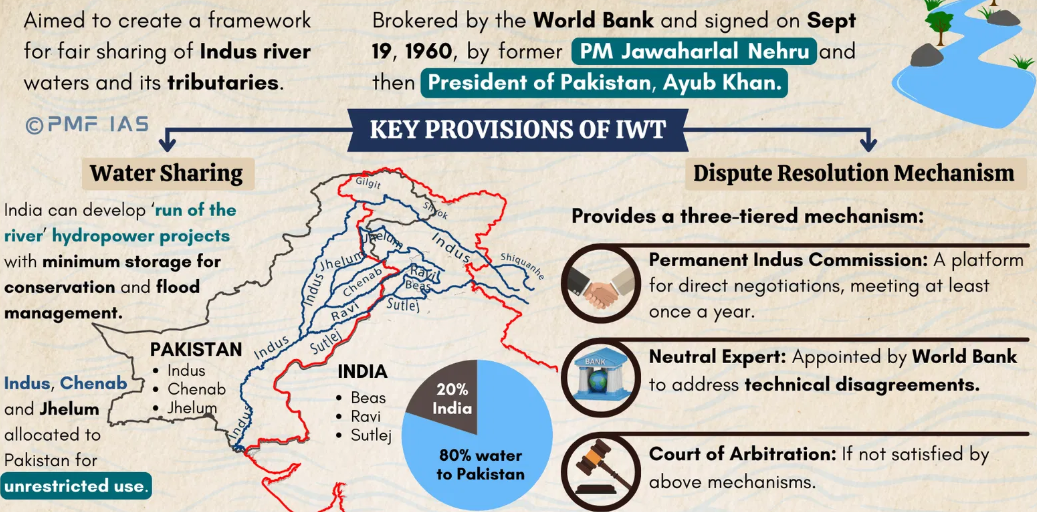


![[UPSC Mains 2025] Enrollment Open: Civilsdaily’s Smash Mains Program 2025 | Connect with Mentor Now](https://d18x2uyjeekruj.cloudfront.net/wp-content/uploads/2025/06/WhatsApp-Image-2025-06-17-at-14.24.53-1568x882.jpeg)