💥Join UPSC 2027,2028 Mentorship (August Batch) + XFactor Notes & Microthemes PDF

Subject: Biotech and Medical Sciences

  • What is Oropouche Fever?

    Why in the News?

    Brazil has reported the first deaths from Oropouche fever.

    About Oropouche Fever

    • Oropouche fever is a viral disease caused by the Oropouche virus.
    • The virus is transmitted primarily through the bites of infected midges, specifically the Culicoides paraensis, and mosquitos.
    • The World Health Organization (WHO) reported the first-ever outbreak in Cuba on June 11, 2024.

    Symptoms:

    • Symptoms are similar to those of dengue fever and typically begin between four to eight days after the bite.
    • Common symptoms include:
      • Sudden onset of fever
      • Headaches
      • Body aches
      • Chills
      • Joint stiffness
      • Nausea and vomiting (occasionally)
    • Most patients recover within seven days, and severe cases are rare.
    • There is no evidence of human-to-human transmission.

    Treatment and Prevention

    • There is no specific vaccine or antiviral treatment for Oropouche fever.
    • Treatment is usually symptomatic, focusing on relieving fever and pain.
    • Preventative measures include avoiding bites from midges and mosquitos by using repellents, wearing protective clothing, and using insect nets.

    PYQ:

    [2010] Widespread resistance of malarial parasites to drugs like chloroquine has prompted attempts to develop a malarial vaccine to combat malaria. Why is it difficult to develop an effective malaria vaccine?

    (a) Malaria is caused by several species of Plasmodium
    (b) Man does not develop immunity to malaria during natural infection
    (c) Vaccines can be developed only against bacteria
    (d) Man is only an intermediate host and not the definitive host

  • ICMR develops CRISPR Cas-based TB Detection Kit

    Why in the News?

    The Indian Council of Medical Research (ICMR) Regional Medical Research Centre for North East has developed the “world’s cheapest CRISPR Cas-based TB testing system”.

    Back2Basics: CRISPR-Cas9 Technology

    • CRISPR-Cas9 stands for Clustered Regularly Interspaced Short Palindromic Repeats and CRISPR-associated protein 9.
    • It is a technology that allows geneticists and researchers to edit parts of the genome by altering sections of the DNA sequence.
    • Emmanuelle Charpentier and Jennifer Doudna’s work on CRISPR-Cas9 as a ‘molecular scissor’ earned them the 2020 Nobel Prize in chemistry.
    • The system consists of two key components:
    1. Cas9: This is the enzyme that acts like a pair of molecular scissors. It is responsible for cutting the DNA strand at a specific location, allowing for the removal, addition, or alteration of DNA at that site.
    2. Guide RNA (gRNA): This is a piece of RNA that is designed to find and bind to a specific sequence of DNA that matches its code. The gRNA guides the Cas9 enzyme to the exact spot in the genome where an edit is desired.
    • Mechanism:
      • The process begins with the design of a gRNA that matches the DNA sequence where an edit is needed.
      • Once inside the cell, the Cas9 enzyme and the gRNA form a complex that can identify and bind to the target DNA sequence.
      • The Cas9 then cuts the DNA at this location.
      • After the DNA is cut, the cell’s natural repair mechanisms can be harnessed to add or remove genetic material, or to make specific changes to the DNA.
    • Applications: Used for gene editing to correct genetic disorders, develop targeted cancer therapies, enhance diagnostics for infectious diseases, and create personalized medicine approaches.

    About the New TB Detection System

    • The system can detect TB bacteria using DNA from a patient’s saliva at a very low cost.
      • Specific DNA sequences unique to Mycobacterium tuberculosis (the bacteria causing TB) are identified.
    • It can identify the bacteria in preliminary stages and test over 1,500 samples simultaneously within approximately two hours.
    • The technology is simple enough to be used in primary health centres in villages.

    TB Situation in India:

    • TB kills an estimated 480,000 Indians annually, or over 1,400 patients every day.
    • India has more than a million ‘missing’ TB cases each year, which remain undiagnosed or inadequately diagnosed and treated in the private sector.

    National Goals for Elimination of TB: 

    • Pradhan Mantri TB Mukt Bharat Abhiyan (2022): It is stipulated to meet the goal of ending the TB epidemic by 2025 from the country, five years ahead of the Sustainable Development Goals (SDG) for 2030.
    • Nikshay Poshan Yojana (2018): Launched in 2018, this scheme provides nutritional support to TB patients. Under this scheme, TB patients receive a direct benefit transfer (DBT) of Rs. 500 per month to purchase food.

    PYQ:

    [2019] What is Cas9 Protein that is often mentioned in news?

    (a) A molecular scissors used in targeted gene editing

    (b) A biosensor used in the accurate detection of pathogens in patients

    (c) A gene that makes plants pest-resistant

    (d) A herbicidal substance synthesized in genetically modified crops

    [2014] Can overuse and free availability of antibiotics without Doctor’s prescription, be contributors to the emergence of drug-resistant diseases in India? What are the available mechanisms for monitoring and control? Critically discuss the various issues involved.

  • How children win with U-WIN, govt’s new online vaccine portal?

    Why in the News?

    • The government plans to roll out U-WIN, an online vaccine management portal for childhood vaccination, across the country.
      • Similar to CoWIN used during the Covid-19 pandemic, U-WIN aims to digitize and individualize immunization records from birth.

    What is U-WIN? 

    • Children up to 6 years old and pregnant mothers are registered on U-WIN using government IDs like Aadhaar and their mobile phone numbers.
    • Records of all 25 shots given to a child and the two given to pregnant mothers are added to the platform.
    • It’s Working:
    • The platform generates a color-coded vaccination certificate.
      • The digital vaccine certificate can be downloaded by parents using their registered mobile numbers, eliminating the need for a physical vaccination booklet.
    • After each shot is administered and recorded, the date is added to the card, which also shows the due date for the next set of vaccines.
      • U-WIN sends SMS reminders to parents before their children are due for the next dose.
      • U-WIN helps locate the nearest vaccination center and book available slots.

    Significance:

    1) For providing Immunization:
    • U-WIN’s reminders to parents are likely to improve compliance with vaccination schedules.
    • The platform ensures portability, allowing children to receive their doses anywhere in the country, particularly benefiting children of migrant workers.
    • Registration at birth may help reduce the number of “zero dose” children, those who have not received any vaccinations.
    2) For Health Workers:
    • The platform can automatically generate a due list of children in specific areas for health workers.
    • These data points can be utilized by other government programs and eventually connected through the ABHA (Ayushman Bharat Health Account) ID.

    Integration with Existing Systems

    • U-WIN will link to the government’s existing eVIN platform for inventory management.
    • eVIN tracks all vaccine vials, from central stores to each vaccination site, monitoring doses used, wasted, and returned, and tracks real-time temperature and humidity using sensors.
    • U-WIN runs on the same principles and digital infrastructure as CoWIN, making adoption straightforward.
    • Most vaccinators are familiar with similar platforms, ensuring a smooth transition.

    Zero Dose Children

    • In India, the coverage of the first dose of diphtheria, pertussis, and tetanus (DPT)-containing vaccine is taken as the proxy for zero dose children.
    • Data from WHO and UNICEF showed that while 93% of children received their first vaccine dose, there were still 1.6 million zero dose children in India in 2023.
    • The data also showed that 1.6 million children missed their first measles-containing vaccine in 2023, up from 1.1 million the previous year.
    • This is concerning as in 2022, five states — Bihar, Gujarat, Haryana, Jharkhand, and Maharashtra — reported a rise in the incidence of measles.


    PYQ:

    [2016] ‘Mission Indradhanush’ launched by the Government of India pertains to:

    (a) Immunization of children and pregnant women

    (b) Construction of smart cities across the country

    (c) India’s own search for the Earth-like planets in outer space

    (d) New Educational Policy

  • Could Pythons be a Protein alternative?

    Why in the News?

    • In the farmlands of central Thailand, thousands of pythons are raised in a warehouse for their diamond-patterned skins, which are sold to high-end European fashion houses.
      • Some scientists and industry insiders believe the true value of these snakes lies in their meat.

    Python Farming in Asia

    • Researchers estimate that China and Vietnam alone have at least 4,000 python farms, producing several million snakes primarily for the fashion industry.
    • A study published in Nature highlighted python farming as a flexible and efficient response to global food insecurity.

    Benefits of Python Farming

    • Pythons can survive for months without food or water and maintain their condition.
    • They were fed waste chicken and wild-caught rodents, offering a more efficient feed-to-meat ratio than poultry, beef, and even crickets.
    • Female pythons can lay between 50 and 100 eggs annually, leading to rapid reproduction.

    Advantages of Python Meat

    • Pythons offer a more efficient feed-to-meat ratio than poultry, beef, and even crickets.
    • They can survive without food and water for months without losing condition.
    • Python meat has a chicken-like texture and is low in saturated fats.
    • It could provide a sustainable protein source with a lower environmental impact compared to traditional meat.

    Challenges and Market Acceptance

    • Despite the advantages, the market is limited for python meat.
    • Python farmers struggle to convince people to consume snake meat, resulting in most of it being discarded or sold to fish farms.

    Environmental Impact of Traditional Meat

    • The UN’s IPCC notes that meat from grazing animals has the greatest environmental impact.
    • The climate impact of traditional meat is significant, with beef identified as having the greatest environmental impact.
    • The UN and climate activists advocate for a more plant-based diet, but the demand for meat is expected to increase by 14% by 2032.
    • Drought and extreme weather are making traditional farming difficult in many parts of the world, increasing the need for alternative protein sources.
    • The paradox of rising meat demand and environmental concerns has spurred interest in alternatives like edible insects and lab-grown meats.

    Python Meat as an Alternative

    • Protein-energy malnutrition caused nearly 190,000 deaths globally in 2021, emphasizing the urgent need for protein sources in many parts of the world.
    • Python meat could help address this issue, offering a sustainable and efficient alternative.


    PYQ:

    [2018] How far do you agree with the view that the focus on lack of availability of food as the main cause of hunger takes the attention away from ineffective human development policies in India?

  • As thoughts become digitised, who will protect our Neurorights? 

    Why in the News?

    Many researchers anticipate the imminent development of wearable EEGs capable of enhancing human cognitive functions directly.

    • Elon Musk’s Neuralink has also sparked optimism by exploring brain-computer interfaces to potentially restore lost functions in physically impaired individuals.
    • Neuralink is a company founded by Elon Musk in 2016 that’s developing a brain-computer interface called “the Link,” which is a surgically embedded neural-chip implant designed to decode and stimulate brain activity.
    • Neuralink implanted its first device in a patient’s brain in January 2024.

    What is EEG?

    EEGs refer to electroencephalograms, which are devices used to record electrical activity in the brain. These devices are valuable in neuroscience for monitoring brain functions and diagnosing various neurological conditions.

    What is Neuroscience?

    Neuroscience is the scientific study of the nervous system, which includes the brain, spinal cord, and peripheral nerves. It is a multidisciplinary field that combines various approaches to understand the structure, function, and disorders of the nervous system.

    What is Neuro data?

    Neuro-data refers to data related to the nervous system, particularly the brain. It encompasses various types of data collected through neuroscience research and clinical studies.

    Significance of Neurodata:

    • Medical Advancements: It has the potential to provide precise diagnosis and personalized treatment of neurological disorders. It facilitates the continuous monitoring of brain health and early detection of abnormalities.
    • Technological Innovation: It supports the development of brain-computer interfaces (BCIs) and wearable neurodevices. It would enhance rehabilitation options for individuals with neurological impairments.
    • Research and Insights: It can provide data for studying brain functions, cognition, and behaviour. It fuels advancements in neuroscience, leading to new therapies and interventions.

    What are your neurorights?

    • Right to Mental Privacy: Individuals have the right to privacy concerning their neural activities and cognitive processes. This includes protection against unauthorized access to neural data and ensuring confidentiality in the use of neurotechnologies.
    • Right to Neurological Integrity: Individuals possess the right to autonomy over their neurological functions and activities. This entails the freedom from undue manipulation or coercion through neurotechnological interventions, ensuring that such technologies respect and preserve individuals’ neurological integrity.

    What is Neuroethics?

    Neuroethics is a field that addresses the ethical, legal, and social implications of advancements in neuroscience and neurotechnologies. It aims to ensure that the development and application of these technologies benefit humanity while minimising harm.


    The digitisation of neuro-data raises great opportunities as well as concerns  

    • Opportunities:

      • Enhanced Cognitive Assistance: Wearable EEGs and other neurotech devices can directly aid cognitive functions. For example, Brain-computer interfaces (BCIs) like Neuralink could help physically impaired individuals restore lost functions.
      • Medical Advancements: It provides Real-time health monitoring and personalized healthcare options. For example, Improved diagnosis and treatment of brain disorders through detailed neuro-data.
      • Commercial and Research Value: It provides Valuable insights for neuromarketing to understand and influence consumer behaviour.
      • Integration with Daily Life: It can be used in daily life by using Smartwatches and apps that can track physiological activities and emotions, integrating neurotech into everyday activities.
    • Concerns:

      • Surveillance Risks: It has a potential misuse of neuro data for monitoring by employers, governments, and private companies.
      • Privacy and Security: It may threaten mental privacy and autonomy with the collection and analysis of sensitive neuro data.
      • Ethical and Legal Challenges: It has the potential for ethical dilemmas in mental privacy, consent, and the use of neurotech in various societal contexts.
      • Impact on Individual Rights: The right to think freely and safeguard one’s mental state from monitoring could be compromised. For example, Digitized health data’s commercial value could lead to exploitation and loss of personal control.

    Initiatives related to neuroethics: 

    • Institutional Efforts:
      • U.S. Presidential Commission on Bioethics: In 2015, it published the ‘Gray Matters’ report, addressing cognitive enhancement, consent capacity, and the legal implications of neuroscience.
    • Global Initiatives:
      • OECD Recommendations: In 2019, the OECD recommended principles such as safeguarding personal brain data and monitoring potential misuse of neurotechnologies.
      • UNESCO’s Concerns: In 2022, UNESCO highlighted issues related to human identity, freedom of thought, and privacy, emphasizing the risks of unauthorized access to neural data.
    • Research and Training:
      • Institute of Neuroethics: In 2023, researchers emphasized the need for proactive consideration of the implications of scientific advances and incorporating ethics into research training.

    Conclusion: Governments and international bodies should collaborate to create robust regulations that govern the collection, use, and sharing of neuro data. These regulations should ensure that neurotechnologies are used ethically, protecting mental privacy, consent, and individual rights.

    Mains PYQ: 

    Q Discuss the advantages and security implications of cloud hosting of servers vis-a-vis in-house machine-based hosting for government business. (2015)
  • Tirzepatide: the Weight-loss Drug nearing Approval in India

    Why in the News?

    • India’s apex drug regulator Central Drug Standard Control Organisation (CDSCO) gave preliminary approval to the drug Tirzepatide.
      • Tirzepatide is known to have assisted in weight control treatment among diabetic patients.

    About Central Drugs Standard Control Organisation (CDSCO): 

    • CDSCO is India’s national regulatory body for cosmetics, pharmaceuticals and medical devices.
    • It serves a similar function to the Food and Drug Administration (FDA) of the US or the European Medicines Agency of the European Union.
    • The Indian government has announced its plan to bring all medical devices, including implants and contraceptives under a review of the CDSCO.
    • Within the CDSCO, the Drug Controller General of India (DCGI) regulates pharmaceutical and medical devices and is positioned within the Ministry of Health and Family Welfare.
    • The DCGI is advised by the Drug Technical Advisory Board (DTAB) and the Drug Consultative Committee (DCC).

    Mandate and Responsibilities:

    • Drug Approval: CDSCO is responsible for the approval of new drugs and clinical trials.
    • Standards Enforcement: Ensures standards of drugs and medical devices through various acts such as the Drugs and Cosmetics Act, 1940.
    • Import and Export: Regulates the import and export of drugs and medical devices in India.
    • Licensing Authority: Issues licenses for the manufacture, sale, and distribution of drugs in India.
    • Surveillance: Conducts drug quality surveillance and monitors adverse drug reactions.


    Diabetes Drug for Weight Loss

    • In 2017, the US Food and Drug Administration (FDA) approved a drug called Ozempic for managing type 2 diabetes.
    • The active ingredient, semaglutide, was later noted for causing weight loss, which led to its off-label use for treating obesity.
    • This usage became popular on social media, influencing further developments.

    What is Tirzepatide?

    • Tirzepatide is the main component of Eli Lilly’s drugs, Mounjaro and Zepbound.
    • It’s important to note here that Mounjaro is the brand name for diabetes, while Zepbound is for weight loss.

    How does it work?

    There is a dual action involving two hormones:

    (1) Regulation of glucagon-like peptide-1 (GLP-1): 

    • GLP-1 is a hormone that regulates appetite and calorie intake through effects on the brain and digestive tract.
    • Both semaglutide and tirzepatide function as polypeptides that enhance the body’s levels of GLP-1.
    • The higher levels of GLP-1 trigger satiety, the feeling of fullness, reducing the desire to eat.

    (2) Regulation of Glucose-dependent Insulinotropic polypeptide (GIP):

    • Unlike semaglutide, tripeptide also increases levels of GIP, the other hormone involved.

    Promising Global Trials

    • Global clinical trials for tirzepatide (Zepbound) have shown significant results, with the highest dosage leading to an average weight loss of 20.9% over 72 weeks.
    • The approval in India is due on further post-marketing surveillance (Phase IV trials) to monitor the drug’s side effects and its effectiveness across India’s diverse population.

    Long-term side effects:

    • Cardiovascular risks like increased heart rate and potential blood pressure elevation.
    • Gastrointestinal effects include nausea, vomiting, diarrhoea, and constipation. Endocrine concerns involve thyroid C-cell tumours in MEN syndrome patients.
    • Other issues include kidney problems, eye complications, mental health impacts, and long-term risks like pancreatic enzyme elevation and gallbladder problems.

    Why under-consideration in India?

    • India has the world’s second-highest number of people with type 2 diabetes and high obesity rates.
    • A study in Lancet in 2023 estimated that 101 million people in India — 11.4 per cent of the country’s population — are living with diabetes.
    • As per the World Obesity Federation Atlas, around 11 per cent of Indian adults will be obese by 2034.
  • Why are dengue cases on the rise worldwide?     

    Why in the news?

    In recent weeks, there has been an increase in dengue cases, notably in Karnataka, with rising numbers also observed in Kerala and Tamil Nadu.

    What is the global situation of dengue?

    • Epidemiological Burden: In 2024, over 7.6 million cases of dengue were reported globally, with 3.4 million confirmed cases and significant numbers of severe cases and deaths. Dengue affects approximately half of the world’s population, with an estimated 100-400 million infections occurring annually.
    • Geographical Distribution: Dengue transmission occurs in 90 countries worldwide, predominantly in tropical and subtropical regions. The disease is endemic in more than 100 countries across WHO regions, including Africa, the Americas, the Eastern Mediterranean, South-East Asia, and the Western Pacific.

    Are urbanisation and climate change fuelling dengue spread in the world?

    Urbanization:

    • Increased Population Density: Urban areas provide optimal conditions for the Aedes aegypti mosquito due to the availability of breeding sites like stagnant water in containers, tires, and other urban infrastructure.
    • Expansion of Cities: Rapid urbanization leads to unplanned growth, inadequate waste management, and inadequate water supply, creating breeding grounds for mosquitoes.
    • Human Movement: Urbanization facilitates increased human mobility, enabling the spread of the dengue virus through infected individuals travelling between urban centers.

    Climate Change:

    • Temperature and Rainfall Patterns: Warmer temperatures and altered rainfall patterns associated with climate change create favourable conditions for mosquito breeding and survival.
    • Shifts in Geographic Distribution: Changing climate allows Aedes mosquitoes to expand their range to new regions previously unaffected by dengue, including temperate climates.
    • Extreme Weather Events: Increased frequency and intensity of extreme weather events like hurricanes and floods provide breeding opportunities for mosquitoes and facilitate virus transmission.

    Impact:

    • Health Impact: India accounts for an estimated 33 million clinically apparent dengue cases each year, contributing to a third of the global dengue burden
    • Economic Impact: A cost analysis study in southern India estimated the direct medical costs per hospitalized dengue patient at around ₹20,000 in 2017-18, with costs soaring to over ₹61,000 for complications requiring intensive care.
    • Impact on Individuals: Dengue can cause a wide spectrum of illness, from mild flu-like symptoms to severe complications like internal bleeding, organ impairment, and potentially death if not treated promptly.

    Way forward: 

    • Enhance Urban Infrastructure: Improve urban planning to include effective waste management, regular clearing of stagnant water sources, and sustainable water supply systems to reduce mosquito breeding grounds.
    • Public Awareness Campaigns: Launch comprehensive public awareness campaigns focusing on urban populations to promote community involvement in mosquito control measures and encourage responsible waste disposal practices.

    Mains PYQ: 

    Q Public health system has limitation in providing universal health coverage. Do you think that private sector can help in bridging the gap? What other viable alternatives do you suggest? (UPSC IAS/2015)

  • Breaking the taboo around men’s reproductive health  

    Why in the news? 

    Following World Population Day (July 11), amidst discussions on global population dynamics, it is essential to highlight a topic often overlooked in conversations about reproductive health: male infertility.

    World Health Organization (WHO) Global Perspective on infertility:

    • Prevalence: WHO estimates that 60 million to 80 million couples worldwide experience infertility.
    • Male vs. Female Infertility: Globally, male infertility accounts for approximately 50% of all infertility cases.

    Issues Specific to India:

    • Data Deficiency: Unlike global estimates, specific prevalence data for infertility in India are outdated (from ICMR guidelines in 2005) and not comprehensive.
    • Male Infertility: In India, male infertility constitutes a significant portion of all infertility cases, estimated to be around 50%, mirroring global trends.
    • Contributing Factors: Unique challenges in India include environmental pollution, pesticide exposure in agriculture, lifestyle changes including late marriages and stress, which contribute to rising infertility rates.
    • Access to Treatment: Disparities in access to advanced infertility treatments exist, with urban areas having better access compared to rural regions.
    • Cultural and Social Stigma: Infertility remains stigmatized in Indian society, affecting mental health and social well-being of affected couples, and hindering open discussions and seeking timely medical help.

    What are the actual causes of infertility?   

    • Male Factors: Low sperm count (oligospermia) or poor sperm motility (asthenozoospermia). Anatomical issues such as blocked sperm ducts or varicocele. Hormonal imbalances, genetic factors, and environmental influences like exposure to toxins.
    • Female Factors: Ovulation disorders, including hormonal imbalances like PCOS. Structural issues like blocked fallopian tubes or uterine abnormalities. Endometriosis, is a condition where tissue similar to the lining of the uterus grows outside the uterus.
    • Shared Factors: Age-related decline in fertility. Lifestyle factors such as smoking, excessive alcohol consumption, and obesity. Medical conditions like cancer and its treatments, autoimmune disorders, and certain medications affecting fertility.

    Treatment options

    • Semen Analysis: Essential for diagnosing male infertility, conducted after a period of sexual abstinence.
    • Medical Consultation: Vital to identify underlying causes, whether physical (e.g., blocked sperm flow, anatomical issues) or genetic.
    • Corrective Surgeries: Address issues like blocked sperm ducts, undescended testicles, or anatomical abnormalities affecting sperm production and flow.

    Assisted Reproductive Technologies (ART):

    • Intra Cytoplasmic Sperm Injection (ICSI): Effective for cases of severe male infertility where sperm count is extremely low.
    • Intrauterine Insemination (IUI): Suitable when sperm motility is good but count is low, facilitating fertilization within the uterus.
    • In vitro Fertilisation (IVF): Used when both sperm count and motility are low, involving fertilization outside the body before implantation.
    • Donor Sperm Insemination or Adoption: Options for couples where male infertility is irreparable, providing alternative paths to parenthood.

    Way forward: 

    • Enhanced Data Collection and Research: Update and expand prevalence data on infertility in India through national surveys and research initiatives. This should include both urban and rural populations to understand regional disparities.
    • Public Awareness and Support Programs: Launch nationwide campaigns to raise awareness about infertility as a medical condition, debunk myths, and reduce stigma.

    Mains PYQ: 

    Q In order to enhance the prospects of social development, sound and adequate health care policies are needed particularly in the fields of geriatric and maternal health care. Discuss. (UPSC IAS/2020)

  • Scientists find proof that Pain-Sensing Cells are either Male or Female

    Why in the News?

    Recent research has uncovered significant differences in how male and female nociceptors (pain receptors) are activated, paving the way for more precise, sex-specific pain management therapies. 

    About Pain and Differences in Perception:

    • The International Association for the Study of Pain defines it as “an unpleasant sensory and emotional experience associated with actual or potential tissue damage, or described in terms of such damage.”
    • Subjectivity: Pain perception is highly personal and varies among individuals.
    • Scientific Findings: Recent research by the University of Arizona Health Sciences demonstrated functional sexual dimorphism in nociceptors, the nerve cells responsible for perceiving pain

    Why do we perceive Pain?

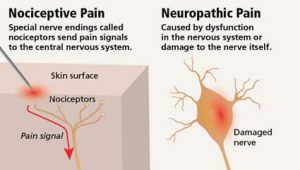
    • Role of Nociceptors: Nociceptors are nerve cells with bare endings found throughout the body. They detect extreme pressure, temperature, and chemical signals, converting them into electrical signals sent to the brain via the spinal cord.
    • Activation Mechanism: Nociceptors in both men and women produce similar pain perceptions but are activated differently. 
      • Normally, they respond to high-intensity stimuli, but their activation threshold can decrease under certain conditions, causing low-intensity stimuli to trigger pain.

    Nociceptor Response Threshold

    • Gender Differences: Females generally have a lower nociceptor response threshold than males.
    • Peripheral Nociceptor Sensitisation: External factors can lower the pain threshold, causing nociceptors to react to stimuli they would normally ignore.

    The Old Vs New Study

    • Previous research showed that the hormone prolactin increases pain responses in female rodents, while the neurotransmitter orexin B sensitized male rodents to pain.
    • According to the New study, the Prolactin hormone increased nociceptor activation in female mice, while orexin-B had a similar effect in male mice. These findings were consistent across monkeys and humans.
    • Nociceptors in males and females can be differentially sensitized, leading to varying pain thresholds.

    Significance of this Pain Research

    • Sex-Specific Pain Treatment: Current pain management often overlooks the patient’s sex, despite differences in pain conditions between men and women.
      • Conditions like irritable bowel syndrome, migraines, and painful bladder syndrome are more common in women, while cluster headaches and gout are more frequent in men.


    PYQ:

    [2021] What are the research and developmental achievements in applied biotechnology? How will these achievements help to uplift the poorer sections of the society?


  • Hepatitis A vaccination will be cost-effective in Kerala: study

    Why in the News? 

    • Hepatitis A infection in Kerala is shifting from early childhood to adolescents and young adults due to better sanitation and hygiene practices.
      • The inclusion of hepatitis A vaccination into the mainstream immunization program for both one-year-old children and 15-year-old individuals in Kerala shows cost-effectiveness and success.

    Present State in Kerala and Overall India:

    • At the Regional level (Kerala): Kerala has been experiencing regular hepatitis A outbreaks, with the 2024 outbreak being particularly severe.
      • As of May 30, over 2,400 cases and 18 deaths have been reported, mainly in districts like Kozhikode, Malappuram, Thrissur, and Ernakulam.
    • At the National Level: Severity in Different Age Groups: Almost 50% of children aged 1-5 years in India were found to be susceptible to the hepatitis A virus.
      • However, the hepatitis A vaccine is currently only available for those who can afford it, and is not part of the national immunization program.

    About Hepatitis A infection:

    • The infection is usually mild or asymptomatic in children under six years but can be symptomatic and severe in older children, adolescents, and adults, occasionally leading to liver injury and fatalities.
    • India has recently launched its first indigenously developed hepatitis A vaccine, called Havisure:
      • Havisure was launched in January 2024 by Indian Immunologicals Limited (IIL), a subsidiary of the National Dairy Development Board.
      • IIL plans to manufacture up to 1 million doses of Havisure per year initially, focusing on the domestic market first.
    Types of Hepatitis Cause Vaccine
    Hepatitis A (HAV) Spread through ingestion of contaminated food or water. Hepatitis A vaccine (e.g., Havrix, Vaqta)
    Hepatitis B (HBV) Spread through contact with infectious body fluids (blood, semen, etc.) Hepatitis B vaccine (e.g., Engerix-B, Recombivax HB)
    Hepatitis C (HCV)  Spread primarily through blood-to-blood contact, often via injection drug use or unsafe medical procedures. No vaccine is available currently. Treatment focuses on antiviral medications
    Hepatitis D (HDV) Requires HBV as a co-infection to cause illness. No specific vaccine for HDV. Prevention relies on hepatitis B vaccination.
    Hepatitis E (HEV) Spread through ingestion of contaminated water, similar to HAV A vaccine is available in some regions (e.g., Hecolin in China), but not widely used. Prevention mainly involves improving sanitation and safe drinking water

    Benefits of Hepatitis A Vaccination in Kerala:

    • Lifelong Immunity: Vaccination provides lifelong immunity against the hepatitis A virus, protecting individuals from severe infections and health complications later in life.
    • Less Out-of-Pocket Expenditure: Studies have shown that vaccinating children aged one year and adolescents aged 15 years in Kerala using either live attenuated or inactivated vaccines is cost-effective.
      • Vaccination prevents future healthcare expenditures associated with treating hepatitis A infections.
    • Increase in Household savings: Implementing vaccination for adolescents could save Kerala ₹5,872 million to ₹10,553 million over five years, depending on the type of vaccine used.
    • Equal and Universal Accessibility: Due to the inclusion in the universal immunization program, these vaccines are accessible throughout all sections of society, whether rich or poor.

    Government Initiatives:

    • National Viral Hepatitis Control Program (NVHCP): The Ministry of Health and Family Welfare launched the NVHCP in July 2018 to prevent and control viral hepatitis in India.
      • The program aims to combat hepatitis and achieve country-wide elimination of hepatitis C by 2030, reduce morbidity and mortality associated with hepatitis B and C, and reduce the risk, morbidity, and mortality due to hepatitis A and E.
    • State-Level Initiatives: Some states like Punjab, Assam, Manipur, Tripura, and Haryana have started free or subsidized hepatitis C treatment programs.
      • Haryana launched its own Hepatitis Control Program in 2013 at PGIMS Rohtak, which was later expanded to all district civil hospitals in the state in 2017.

    What is the Prime challenge?

    • Achieving high vaccination coverage among adolescents, who are not covered under the universal immunization program, remains a challenge. Strategies such as school-based vaccination campaigns are proposed to enhance this kind of coverage.

    Conclusion:  Implement targeted vaccination campaigns in schools and communities to ensure high coverage among adolescents aged 15 years, who are not currently included in Kerala’s universal immunization program. This can be achieved through collaboration with schools, healthcare providers, and community organizations to raise awareness and facilitate easy access to vaccinations.

    Mains PYQ: 

    Q What is the basic principle behind vaccine development? How do vaccines work? What approaches were adopted by the Indian vaccine manufacturers to produce COVID-19 vaccines? (UPSC IAS/2022)