💥Join UPSC 2027,2028 Mentorship (August Batch) + XFactor Notes & Microthemes PDF

Subject: Biotech and Medical Sciences

  • Longitude Prize on Antimicrobial Resistance (AMR)

    Why in the News?

    Sysmex Astrego, a Sweden-based diagnostic company, won the £10 million Longitude Prize for developing a high-tech UTI (Urinary Tract Infection) test called the PA-100 AST System. 

    What is Antimicrobial Resistance?

    • Antimicrobial Resistance (AMR) occurs when bacteria, viruses, fungi, and parasites change so that medicines no longer work against them.
    • This makes infections harder to treat and can lead to more severe illness and even death.
    • AMR can occur naturally through genetic changes or when one type of microorganism picks up resistance from another.
    • It can also occur randomly due to mutations or when resistant genes spread between different organisms.
    • The main reasons for AMR are antibiotics incorrectly or too often, not having access to clean water and good hygiene, not doing enough to prevent infections, and people not knowing how to use antibiotics properly.

    Global Impact of AMR

    • Global Threat: Antibiotic-resistant infections caused nearly 1.3 million deaths in 2019, with projections to exceed cancer-related deaths by 2050.
    • Economic Impact: The global economy faces potential losses of up to 4 trillion by 2030 and 100 trillion by 2050 due to the AMR crisis.

    About the Longitude Prize

    • The Longitude Prize, valued at £8 million (₹85 crore), was recently awarded for its profound implications in combating antimicrobial resistance (AMR).
    • The prize launched in 2014, aims to revolutionize infection management globally.
    • Historical Context:  
      • Origins: Established in 1714 to solve the maritime longitude problem, demonstrating the critical need for accurate navigation.
      • Modern Application: The 21st-century Longitude Prize addresses pressing global challenges like AMR, incentivizing innovative solutions.
    • Goal of the Prize:
      •  Aims to replace current lab-based diagnostic methods with rapid tests that guide targeted antibiotic therapies, combating AMR effectively.

    About PA-100 AST System 

    • Technology Breakthrough: Developed by Sysmex Astrego, this system uses a phenotypic test that identifies UTI bacteria and performs antibiotic susceptibility testing in under 45 minutes.
    • Operation: A single-use cartridge processes less than half a milliliter of urine, using microfluidic traps and phase-contrast imaging in a shoe box-sized reader instrument.
    • Clinical Impact: Provides rapid “sensitive” or “resistant” results for antibiotics, aiding doctors in immediate, accurate treatment decisions at the point of care.

    Current Challenges in UTI Diagnosis

    • Limited Accuracy: Current options include urine dipstick tests for quick results but limited accuracy (50-60%) and lab cultures with 2-3 day turnaround times.
    • Impact on Treatment: Delayed diagnosis often leads to empirical antibiotic use, contributing to antibiotic resistance worldwide.

    Significance for India

    • Healthcare Burden: In India, millions seek treatment for UTIs annually, impacting lives and healthcare systems significantly.
    • Potential: Rapid, accurate point-of-care tests could revolutionize UTI management globally, saving lives and reducing healthcare costs.

    PYQ:

    [2014] Can overuse and free availability of antibiotics without a Doctor’s prescription be contributors to the emergence of drug-resistant diseases in India? What are the available mechanisms for monitoring and control? Critically discuss the various issues involved.

    [2019] Which of the following are the reasons for the occurrence of multi-drug resistance in microbial pathogens in India?

    1. Genetic predisposition of some people
    2. Taking incorrect doses of antibiotics to cure diseases
    3. Using antibiotics in livestock farming
    4. Multiple chronic diseases in some people

    Select the correct answer using the code given below.

    (a) 1 and 2
    (b) 2 and 3 only
    (c) 1, 3 and 4
    (d) 2, 3 and 4

  • Scientists back new Alzheimer’s drug: Benefits vs Risks

    Why in the News?

    Donanemab, a new Alzheimer’s disease therapy developed by Eli Lilly, has gained unanimous support from independent scientists advising the US Food and Drug Administration (FDA), moving it closer to clinical use.

    What is Donanemab?

    • Donanemab is a monoclonal antibody, which means it is a laboratory-produced molecule designed to function like antibodies in the immune system.
    • It is specifically developed for individuals in the early stages of Alzheimer’s disease, including those with mild cognitive impairment or mild dementia.

    How Does Donanemab Work?

    • It targets amyloid beta proteins in the brain. Amyloid beta plaques are one of the defining features of Alzheimer’s disease.
    • Mechanism of Action: The drug binds to amyloid beta plaques and promotes their removal from the brain. This action is intended to slow down the progression of Alzheimer’s disease by reducing the accumulation of these toxic plaques.

    How do the benefits of the drug stack up against its risks?

    • Target Population: The drug is intended for those in the early stages of Alzheimer’s disease (mild cognitive impairment or mild dementia).
    • Benefits: Significant clinically meaningful slowing of the disease, allowing patients to retain their functions for a longer time. Phase 3 study shows a 35.1% slowdown in cognitive decline in early Alzheimer’s patients over 76 weeks.
    • Risks: Main adverse effects include brain swelling (24%) and brain bleeds (19.7%), with most cases being asymptomatic.Three treatment-related deaths reported.Amyloid-related imaging abnormalities (ARIA) like brain bleeds and seizures were mostly non-serious and resolved after discontinuation of therapy.
    • Risk Management: The key risks can be mitigated through appropriate labeling and clinical monitoring. Further risks will be characterized through post-authorization studies.

    Why is a breakthrough of this kind important?

    • Rising Burden of Alzheimer’s: The global population is ageing, leading to an increased burden of diseases like Alzheimer’s. In India, 5.3 million people are currently living with dementia, expected to rise to 14 million by 2050.
    • Lack of Effective Treatments: There are limited options for disease-modifying treatments for Alzheimer’s. Innovations like donanemab are crucial for providing new hope and potential therapies.
    • Economic Considerations: While the drug is expensive, it offers the potential for several more years of quality life for patients.

    Why was the approval for the drug delayed?

    • Additional Data Requirements: The USFDA wanted to understand further the data relating to the therapy, especially regarding the limited dosing protocol used during trials.
    • Limited Dosing Protocol: During the trial, therapy was stopped in patients who achieved a certain level of amyloid beta plaque clearance, which is a distinguishing feature of donanemab compared to other therapies.
    • Previous Drug Approval Irregularities: Scrutiny increased after irregularities were found in the approval process of the first drug, aducanumab, which involved close collaboration between the regulator and the drugmaker and approval despite negative trial outcomes. The second drug, lecanemab, also had cautious optimism from doctors due to its demonstrated efficacy with fewer side effects.

    Conclusion: Ensure rigorous and transparent review processes for new Alzheimer’s treatments, incorporating comprehensive data analysis and post-authorization studies to monitor long-term safety and efficacy.

    Mains PYQ:

    Q Stem cell therapy is gaining popularity in India to treat a wide variety of medical conditions including leukaemia, Thalassemia, damaged cornea and several burns. Describe briefly what stem cell therapy is and what advantages it has over other treatments? (UPSC IAS/2017)

  • N332-GT5 and eOD-GT8: Advancements in HIV Vaccine Development

    Why in the News?

    Researchers at the Duke Human Vaccine Institute have successfully induced broadly neutralising antibodies (bNAbs) against HIV (human immunodeficiency virus) through vaccination for the first time.

    About HIV/AIDS:

    • Emergence: The first cases of AIDS (Acquired Immunodeficiency Syndrome) were reported in the early 1980s, primarily among gay men in the United States.
    • Discovery of HIV: In 1983-1984, scientists identified HIV (Human Immunodeficiency Virus) as the cause of AIDS.
    • Global Spread: HIV/AIDS quickly became a global pandemic, affecting millions of people worldwide.

    Causes:

    • HIV is transmitted through contact with certain body fluids of an infected person, including blood, semen, vaginal fluids, and breast milk.
    • Common modes of HIV transmission include unprotected sexual intercourse, sharing needles or syringes, and from mother to child during pregnancy, childbirth, or breastfeeding.

    Symptoms:

    • Acute HIV Infection: Many people experience flu-like symptoms, such as fever, headache, fatigue, and swollen lymph nodes, within 2-4 weeks after infection.
    • Asymptomatic Stage: After the initial symptoms subside, HIV often enters a latent stage where individuals may not experience any symptoms for years.
    • Progression to AIDS: Without treatment, HIV gradually weakens the immune system, leading to the development of opportunistic infections and cancers. This advanced stage is known as AIDS and is characterized by severe immune deficiency.

    Vaccines Development:

    • Challenges: Developing an HIV vaccine has been challenging due to the virus’s ability to mutate rapidly and evade the immune system.
    • Vaccine Candidates: Numerous vaccine candidates have been tested over the years, but none have yet been successful in providing robust protection against HIV infection.
    • Hope for the Future: Despite setbacks, advances in vaccine development, such as the identification of promising candidates like N332-GT5 and eOD-GT8, offer hope for eventually achieving an effective HIV vaccine.

    How B cells and mRNA play distinct roles in the context of HIV infection?

    1.    B cells (B lymphocytes):

    • B cells are a type of white blood cell crucial for the immune response.
    • In HIV infection, B cells participate in the adaptive immune response by producing antibodies specific to HIV antigens.
    • These antibodies can neutralize HIV particles, tag infected cells for destruction by other immune cells, and contribute to the immune memory against HIV.

    2.    mRNA (messenger RNA):

    • mRNA is a molecule that carries genetic information from DNA to the ribosomes, where proteins are synthesized.
    • In the context of HIV, mRNA is involved in the replication process of the virus.
    • HIV uses its RNA genome to produce viral mRNA, which directs the synthesis of viral proteins necessary for the assembly of new virus particles.
    • Understanding HIV mRNA is crucial for developing antiviral therapies that target viral replication, such as mRNA-based vaccines or mRNA inhibitors.

    N332-GT5 and eOD-GT8: The New Vaccines in Making

    • N332-GT5: This vaccine candidate targets a specific region on the surface of the HIV virus known as the N332 glycan site. By engaging B-cells that have the potential to produce bNAbs against this site, N332-GT5 aims to stimulate the immune system to generate a protective response against a wide range of HIV strains.
    • eOD-GT8: Similarly, eOD-GT8 is designed to target another region on the HIV virus, known as the eOD protein. By leveraging nanoparticles as carriers, eOD-GT8 aims to enhance the immune system’s ability to recognize and neutralize HIV, ultimately leading to the production of bNAbs.

    What are Broadly Neutralizing Antibodies (bNAbs)?

    • In the 1990s, scientists discovered that some HIV-infected individuals produced bNAbs, which neutralize many viral strains.
    • bNAbs target viral protein areas crucial for infectivity, making them less likely to change.
    • Despite their effectiveness, bNAbs take years to develop, by which time HIV has often evolved to escape them.

    Developing bNAb-Based Vaccines

    • The goal is to make the immune system produce bNAbs quickly in response to a vaccine.
    • Germline targeting involves three steps:
      1. Identify and engage B-cells capable of producing bNAbs.
      2. Use a booster to guide these cells to produce stronger bNAbs.
      3. Refine bNAbs to neutralize a wide range of HIV strains.

    PYQ:

    [2013] Which of the following diseases can be transmitted from one person to another through tattooing?

    1. Chikungunya

    2. Hepatitis B

    3. HIV-AIDS

    Select the correct answer using the codes given below.

    (a) 1 only

    (b) 2 and 3 only

    (c) 1 and 3 only

    (d) 1, 2 and 3

  • Will understanding Cancer become a data problem? 

    Why in the news?

    WHO reports 33,000 new brain cancer cases yearly in India, highlighting widespread suffering.

    What is brain cancer?

    • Brain cancer, also known as primary brain cancer, is an overgrowth of cells in the brain that form masses called brain tumours.
    • It is different from secondary brain cancer, which occurs when cancer that began in another part of the body spreads to the brain

    The World Health Organization (WHO) Report:

    • Incidence of Brain Cancer: WHO reports approximately 33,000 new incidences of brain cancer annually in India.
    • Global Cancer Observatory 2020: Brain cancer ranks as the 19th most common type of cancer worldwide.

    Use of Data Analytical Tools in Diagnosis:

    • Potential of Data Analytics: Utilization of data analytical tools like Next-Generation Sequencing (NGS) can simplify the diagnosis process.
    • Advantages: Data analysis can provide real-time results with precision, reducing the need for invasive procedures like surgeries.
    • Liquid Biopsy: The introduction of techniques like liquid biopsy offers a less invasive alternative to surgery, enhancing patient comfort.

    Impact on Risks, Discomfort, and Pain:

    • Reduction of Risks: Adoption of data analytics in diagnosis can lower the risks associated with invasive procedures, ranging from short-term paralysis to death.
    • Enhanced Patient Experience: By offering less invasive alternatives, such as liquid biopsy, patients and their families can experience reduced discomfort and pain during the diagnostic process.
    • Improved Precision: Data analytics enable clinicians to detect genetic patterns indicative of cancer cells, facilitating early detection and treatment planning, ultimately leading to better outcomes for patients.

    Way forward:

    • Emphasize the transformative potential of data analytics in oncology research, particularly in simplifying diagnosis and reducing risks and discomfort for patients.
    • Highlight the importance of leveraging innovative technologies like NGS to unlock new possibilities in cancer research and treatment.

    Mains PYQ:

    Q What are the research and developmental achievements in applied biotechnology? How will these achievements help to uplift the poorer sections of the society? (UPSC IAS/2021)

  • First Human Case of Avian H5N2 Infection

    Why in the News?

    • The World Health Organization (WHO) has confirmed the death of a Mexican resident due to bird flu, marking the first confirmed case of human infection with the H5N2 variant.
      • This H5N2 strain is different from another bird flu variety-H5N1 which infected people in America recently.

    What is Avian Influenza A (H5N2)?

    • Avian Influenza A (H5N2) is a subtype of the influenza A virus that primarily circulates among birds but can infect humans under certain circumstances.
    • Human infections typically result from direct contact with infected birds or contaminated environments, showcasing the zoonotic nature of the virus.

    Symptoms of H5N2

    • Infection of H5N2 may cause mild to severe upper respiratory tract infections and can be fatal.
    • Conjunctivitis, gastrointestinal symptoms, encephalitis and encephalopathy have also been reported.

    Diagnostic and Treatment Protocols

    • Laboratory Diagnosis: The identification of avian influenza in humans necessitates laboratory testing to confirm the presence of the virus.
    • WHO Guidance: The World Health Organization periodically updates technical protocols, such as RT-PCR methods, to enhance the detection of zoonotic influenza.
    • Treatment Strategies: Antiviral medications, notably neuraminidase inhibitors like oseltamivir and zanamivir, demonstrate efficacy in reducing viral replication duration and improving survival prospects for afflicted individuals.

    Influenza A Viruses

    • The alphanumeric codes of H and N are used to subdivide the viruses according to what kinds of proteins are on the surface of the virus based on 2 types:
    1. Hemagglutinin (HA) 
    2. Neuraminidase (NA)
    • There are 18 known HA subtypes and 11 known NA subtypes.
    • In birds, 16 HA and 9 NA subtypes have been identified. (Two additional subtypes, H17N10 and H18N11, have been identified in bats.)
    • Many different combinations of HA and NA proteins are possible.
    • For example, an “A(H7N2) virus” designates an influenza A virus subtype that has an HA 7 protein and an NA 2 protein.
    • Similarly, an “A(H5N1)” virus has an HA 5 protein and an NA 1 protein.


    PYQ:

    [2015] H1N1 virus is sometimes mentioned in the news concerning which one of the following diseases?

    (a) AIDS

    (b) Bird flu

    (c) Dengue

    (d) Swine flu

  • Neo: A Novel Protein in Bacterial Defense

    Why in the News?

    “Klebsiella pneumoniae” bacteria might employ a newly discovered protein called “Neo” to halt bacteriophage infections.

    About Neo Protein

    • Discovery Details: Researchers, led by Stephen Tang and Samuel Sternberg, reported the discovery of Neo in a 2023 preprint paper on bioRxiv, while investigating Klebsiella pneumoniae.
    • Neo’s Defense Strategy: Bacteria employ diverse immune systems to fend off viral infections, including defense-associated reverse transcriptase (DRT) systems, which Neo is a part of.
      • DRT-2 System: This system involves de novo gene synthesis via rolling-circle reverse transcription (RT) of a non-coding RNA (ncRNA).
      • Operational Process: In uninfected cells, the ncRNA and RT enzyme catalyze the synthesis of a repetitive single-stranded cDNA.
      • Activation by Phage: Phage presence triggers the synthesis of the second-strand cDNA, resulting in long double-stranded DNA.
      • Role of Neo Protein: The translation of this double-strand cDNA produces the Neo protein, which induces potent growth arrest (cell dormancy), thereby protecting the bacterial population from phage proliferation.

    Biotechnological and Medical Implications

    • Potential Applications: Neo represents a promising tool for controlling viral infections, holding significance in both biotechnology and medicine.
    • Evolutionary Connections: Neo’s discovery sheds light on the shared evolutionary history and functional mechanisms of retroelements in the human genome and bacterial reverse transcriptases.
    • Technological Influence: Bacterial reverse transcriptases, predecessors of their eukaryotic counterparts, share analogous mechanisms and have revolutionized molecular biology research methods.

    What is Reverse Transcriptase?

    • Reverse transcription, the conversion of RNA into DNA, is facilitated by the enzyme reverse transcriptase.
    • Discovered by Howard Temin and David Baltimore in 1970, reverse transcriptase has transformed molecular biology research, particularly in studying RNA viruses like HIV.
      • Practical Applications: Reverse transcriptase is instrumental in gene cloning, PCR techniques, genome analysis, and viral load detection in diagnostics, such as the case of SARS-2, aiding in virus surveillance, healthcare management, and vaccine development efforts.


    PYQ:

    [2019] What is Cas9 protein that is often mentioned in the news?

    (a) A molecular scissors used in targeted gene editing.

    (b) A biosensor used in the accurate detection of pathogens in patients.

    (c) A gene that makes plants pest-resistant.

    (d) A herbicidal substance synthesized in genetically modified crops.

  • [pib] CSIR’s PI-CHeCK Project

    Why in the News?

    • The Council of Scientific and Industrial Research (CSIR) celebrated the completion of the initial phase of its groundbreaking health monitoring project, Phenome India-CSIR Health Cohort Knowledgebase’ (PI-CHeCK).

    What is Phenome?

    • The human phenome refers to the comprehensive set of observable physical and biochemical traits, behaviours, and characteristics exhibited by an individual as influenced by genetics, environment, and lifestyle.
    • It encompasses a wide range of attributes, including but not limited to:
    1. Physical characteristics such as height, weight, eye colour, hair colour, facial features, and body shape.
    2. Biological functions and processes like metabolism, hormone levels, blood pressure, and immune response.
    3. Behavioral traits include personality traits, cognitive abilities, temperament, and mental health conditions.
    4. Disease susceptibility and health outcomes, such as the presence or absence of genetic disorders, chronic illnesses, and response to medical treatments.
    5. Environmental factors such as diet, exercise habits, exposure to toxins, socioeconomic status, and cultural influences.

    What is the PI-CHeCK Project?

    • PI-CHeCK launched on Dec 7, 2023, assesses risk factors for cardio-metabolic disorders in the Indian population.
    • ‘Phenome India’ health check-up camp targets CSIR employees, pensioners, and spouses across 17 states, and 24 cities.
    • Nearly 10,000 volunteers provide comprehensive health data.

    Objectives:

    • Developing India-Specific Algorithms: The project highlights the necessity of developing risk prediction algorithms tailored to India’s diverse genetic and lifestyle landscape, as existing algorithms may not accurately represent the Indian population.
    • Advancing Precision Medicine: CSIR’s commitment to advancing precision medicine is evident through the project’s focus on Predictive, Personalized, Participatory, and Preventive healthcare.
    • Catalyzing Nationwide Initiatives: By generating a comprehensive phenome database, PI-CHeCK aims to catalyze similar initiatives nationwide, ensuring more accurate risk prediction algorithms for India’s diverse population.

    PYQ:

    [2021] “Besides being a moral imperative of a Welfare State, primary health structure is a necessary precondition for sustainable development.” Analyse.

    [2018] Appropriate local community-level healthcare intervention is a prerequisite to achieve ‘Health for All’ in India. Explain.

    [2011] Aspartame is an artificial sweetener sold in the market. It consists of amino acids and provides calories like other amino acids. Yet, it is used as a low-calorie sweetening agent in food items. What is the basis of this use?

    (a) Aspartame is as sweet as table sugar, but unlike table sugar, it is not readily oxidized in human body due to the lack of requisite enzymes.

    (b) When aspartame is used in food processing, the sweet taste remains, but it becomes resistant to oxidation.

    (c) Aspartame is as sweet as sugar, but after ingestion into the body, it is converted into metabolites that yield no calories.

    (d) Aspartame is several times sweeter than table sugar, hence food items made with small quantities of aspartame yield fewer calories on oxidation.

  • PraVaHa tool for Aerodynamic Design and Analysis

    Why in the News?

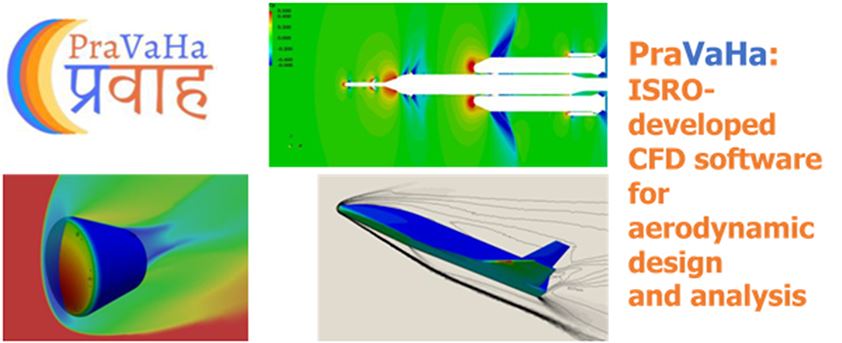
    The Indian Space Research Organisation (ISRO) has launched the Computational Fluid Dynamics (CFD) software named Parallel RANS Solver for Aerospace Vehicle Aero-thermo-dynamic Analysis (PraVaHa).

    About PraVaHa

    • PraVaHa was developed at ISRO’s Vikram Sarabhai Space Centre (VSSC), showcasing India’s prowess in aerospace technology.
    • It can simulate both external and internal flows on various aerospace vehicles, including launch vehicles, and winged, and non-winged re-entry vehicles.
    • It facilitates initial aerodynamic design studies by evaluating numerous configurations, crucial for optimizing vehicle performance and safety.

    Role of Computational Fluid Dynamics (CFD)

    • CFD predicts aerodynamic and aerothermal loads by solving governing equations. It has matured to offer high accuracy and fast simulations, addressing aerospace challenges like high pressure and intense heat flux.

    Integration in Gaganyaan Program

    • Key Applications: PraVaHa plays a pivotal role in the Gaganyaan program, facilitating aerodynamic analysis of human-rated launch vehicles such as HLVM3, Crew Escape System (CES), and Crew Module (CM).
    • Scalability and Collaboration: Designed to leverage both CPU and GPU architectures, PraVaHa ensures compatibility with existing and future supercomputing facilities, fostering collaboration with academic and government institutions.

    PYQ:

    [2010] In the context of space technology, what is “Bhuvan”, recently in the news?

    (a) A mini satellite launched by ISRO for promoting the distance education in India.

    (b) The name given to the next Moon Impact Probe, for Chandrayaan-II.

    (c) A geoportal of ISRO with 3D imaging capabilities of India.

    (d) A space telescope developed by India.

  • Genetic Mysteries of Microcephaly: The Role of SASS6 Gene

    Why in the News?

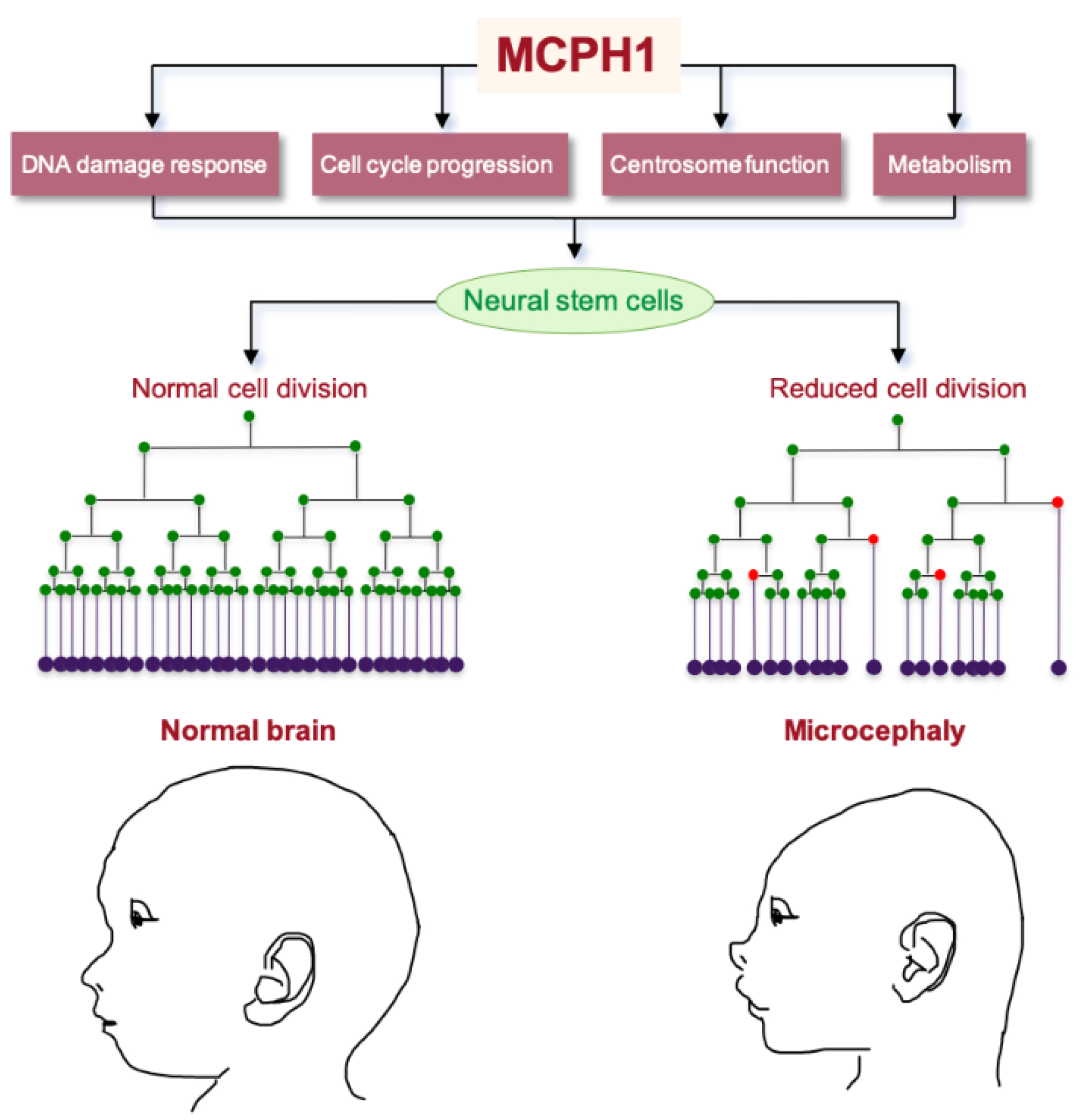
    A gene called SASS6 (Spindle Assembly Abnormal Protein 6) and its variants have been found to play a key role in a developmental process that causes “Microcephaly”.

    What is Microcephaly?

    • Microcephaly is a condition where a baby’s head is much smaller than normal.
    • It is associated with a smaller brain, poor motor skills, poor speech, abnormal facial features, and intellectual disabilities.
    • Developmental Roots:
      • The condition is believed to start during the peak phase of brain development in the embryo. Cells that are supposed to become neurons fail to divide normally.
    • Diagnosis:
      • Microcephaly can be diagnosed before birth using foetal ultrasound and MRI.

    Role of SASS6 gene 

    • Since 2014, the SASS6 gene and its variants have been linked to microcephaly.

    A recent study in China:(On March 19, 2024)

    • The study of a consanguine couple revealed microcephaly and fetal growth issues. Confirming the SASS6 gene’s role in microcephaly, findings suggest embryo survival requires at least one functional gene copy.

    The University of Cologne Study (February 2024):

    • Researchers removed all functional SASS6 genes from mouse embryo-derived cells.
    • Even without the genes, cells could make abnormal but passable centrioles (structures needed for cell division).
    • When these cells were prompted to become neurons, the centrioles disappeared, preventing the cells from becoming neurons.

    Consanguinity and Genetic Risk of Microcephaly

    • Expert Insight:
      • Researchers explained that over 70% of congenital microcephaly cases come from consanguineous marriages.
      • Such marriages increase the risk of inheriting mutated genes from both parents.
    • Genetic Causes:
      • Mutations in 30 genes cause microcephaly.
      • 10 of these genes create proteins needed for centrioles, which are crucial for cell division.

    Ile62Thr Mutation

    • 2004 Discovery: The SASS6 gene was discovered in the roundworm C. elegans, showing its conserved function across animals.
    • Gene Suppression in C. elegans:
      • Suppressing the SASS6 gene halted new centriole assembly, stopping development.
    • 2014 Study on a Pakistani Family: Researchers found four family members with microcephaly due to the Ile62Thr mutation in the SASS6 gene.
    • The Ile62Thr mutation was introduced into the C. elegans SASS6 gene.
    • The mutation alone did not significantly impair centriole function but became deadly when combined with another mutation.
    • In humans, this mutation causes microcephaly due to its impact on centriole function.


    PYQ:

    [2016]  In the context of the developments in Bioinformatics, the term ‘transcriptome’, sometimes seen in the news, refers to-

    (a) a range of enzymes used in genome editing

    (b) the full range of mRNA molecules expressed by an organism

    (c) the description of the mechanism of gene expression

    (d) a mechanism of genetic mutations taking place in cells

  • [pib] Central Council for Research in Ayurvedic Sciences (CCRAS) launches PRAGATI-2024

    Why in the news?

    • The Central Council for Research in Ayurvedic Sciences (CCRAS) is hosting “PRAGATI-2024” at the India Habitat Centre, New Delhi, to promote collaboration and research opportunities between CCRAS and the Ayurveda drug industry.

    About Central Council for Research in Ayurvedic Sciences (CCRAS)  

      • The CCRAS is an autonomous body of the Ministry of AYUSH (Ayurveda, Yoga & Naturopathy, Unani, Siddha and Homeopathy), Government of India.
      • It was established in 1978 to formulate, coordinate, develop, and promote research on scientific lines in the Ayurveda and Sowa-Rigpa system of medicine.
    • Primary Objectives:
      • Research: To undertake research to scientifically establish the efficacy of Ayurvedic practices.
      • Development: To develop and promote Ayurveda science through research and education.
      • Integration: To integrate traditional Ayurvedic methods with modern medicine for more comprehensive healthcare.

    Functions of CCRAS

    • Research Studies: Conducting various types of research studies like drug research, fundamental research, clinical research, literary research, and medicinal plant research.
    • Publication: Publishing scientific journals, research papers, and other documentation to disseminate knowledge.
    • Medicinal Plant Development: Focusing on the cultivation and conservation of medicinal plants used in Ayurveda.
    • Public Health Initiatives: Implementing public health programs and providing training to practitioners.

    Achievements of CCRAS:

    • Development of Ayurvedic Formulations: CCRAS has developed several notable Ayurvedic formulations and technologies, which have been patented and commercialised.
    • National Ayurveda Morbidity Codes: CCRAS has developed morbidity codes and standard terminologies to standardise the practice of Ayurveda.
    • AYUSH Research Portal: A comprehensive database of research on Ayurveda, which includes information on drugs, case studies, and clinical trials.

    Notable Projects:

    • Golden Triangle Partnership: A collaborative project with CSIR (Council of Scientific and Industrial Research) and ICMR (Indian Council of Medical Research) for enhancing the scientific validation of Ayurveda.
    • Tribal Health Care Research Program: Aimed at documenting ethno-medical knowledge and validating it for scientific purposes.

    PYQ:

    [2019] How is the Government of India protecting traditional knowledge of medicine from patenting by pharmaceutical companies?