💥Join UPSC 2027,2028 Mentorship (August Batch) + XFactor Notes & Microthemes PDF

Subject: Biotech and Medical Sciences

  • Omega-3 Fatty Acids and its Health Impacts

    Why in the News?

    • Fish oil supplements, highly regarded for their high omega-3 fatty acid content, have long been associated with heart health benefits.
      • A recent study has caused controversy by raising the possibility that these supplements may be as harmful as previously thought.

    What are Fatty Acids?


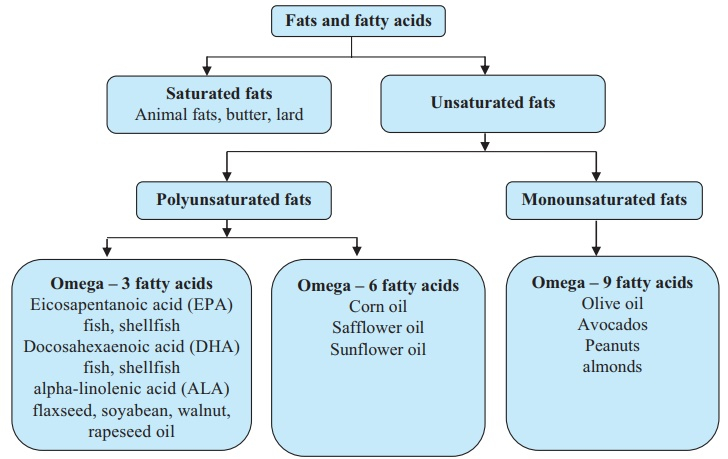
    Fatty acids are crucial lipids (fats and oils) essential for various biological functions (Fatty Acid + Glycerol = Fats). They are carboxylic acids with a long aliphatic chain, either saturated or unsaturated.

    • Basic Structure: Consists of a hydrocarbon chain with a terminal carboxyl group (-COOH). The length and degree of saturation of the hydrocarbon chain can vary.
    • Roles in the Body: Serve as energy sources, components of cell membranes, and precursors for bioactive lipids.

    Types of Fatty Acids

    Fatty acids are classified based on the presence and number of double bonds in their hydrocarbon chain:

    1. Saturated Fatty Acids (SFA)
      • Structure: Contain no double bonds between carbon atoms; the hydrocarbon chain is saturated with hydrogen atoms.
      • Properties: Typically solid at room temperature.
      • Sources: Animal fats, coconut oil, palm oil, dairy products.
      • Examples: Palmitic acid, stearic acid.
    2. Monounsaturated Fatty Acids (MUFA)
      • Structure: Contain one double bond in the hydrocarbon chain.
      • Properties: Generally liquid at room temperature but solidify when chilled.
      • Sources: Olive oil, canola oil, peanut oil, avocados, nuts.
      • Examples: Oleic acid.
    3. Polyunsaturated Fatty Acids (PUFA)
      • Structure: Contain two or more double bonds in the hydrocarbon chain.
      • Properties: Liquid at room temperature and in the refrigerator.
      • Sources: Fish, flax seeds, walnuts, sunflower oil, corn oil.
      • Examples:
    1. Omega-3 Fatty Acids: Alpha-linolenic acid (ALA), eicosapentaenoic acid (EPA), docosahexaenoic acid (DHA).
    2. Omega-6 Fatty Acids: Linoleic acid, arachidonic acid.
    1. Trans Fatty Acids
      • Formation: Produced by the industrial process of hydrogenation of unsaturated fats, or naturally in the guts of some animals.
      • Properties: Similar to saturated fats, solid at room temperature.
      • Health Impact: Associated with negative cardiovascular effects.
      • Sources: Margarine, partially hydrogenated oils, and some baked goods.

    What are Omega-3 Fatty Acids?

    • Omega-3 fatty acids (omega-3s) are polyunsaturated fats that perform important functions in the human body.
    • There are three main types of omega-3 fatty acids:
      • EPA (eicosapentaenoic acid). EPA is a “marine omega-3” because it’s found in fish.
      • DHA (docosahexaenoic acid). DHA is also a marine omega-3 found in fish.
      • ALA (alpha-linolenic acid). ALA is the form of omega-3 found in plants.
      • When we get ALA from food, the human body can turn some of the ALA into EPA and subsequently to DHA. However, this process provides just a small amount of EPA and DHA. So, dietary sources of EPA and DHA (like fish) are essential.

    Functions of Omega-s fatty acids:

      • They help to provide structure and supporting interactions between cells.
      • Omega-3s are concentrated in high levels in cells in human eyes and brain.
      • They provide the human body with energy (calories) and support the health of many body systems.  These include the human cardiovascular system and endocrine system.

    Significance of Omega-3 fatty acids:

    • Omega-3 fatty acids have many potential benefits for human cardiovascular health.
    • One key benefit is that they help lower human triglyceride levels.
      • Too many triglycerides in human blood (hypertriglyceridemia) raise human risk of atherosclerosis, and through this, can increase human risk of heart disease and stroke. So, it’s important to keep triglyceride levels under control.
    • Omega-3s may help us by raising human HDL (good) cholesterol and lowering human blood pressure.
      • Some studies show omega-3s may lower human risk for Cardiovascular disease (CVD), and hence lowering the sudden death caused by an abnormal heart rhythm (arrhythmia), and blood clots.
    • Beyond heart health, omega-3s may help lower the human risk of developing some forms of cancer, including breast cancer, Alzheimer’s disease, and dementia, age-related macular degeneration (AMD), research continues to investigate these and other possible benefits.

    PYQ:

    [2011] A company marketing food products advertises that its items do not contain trans-fats. What does this campaign signify to the customers?

    1. The food products are not made out of hydrogenated oils.
    2. The food products are not made out of animal fats/ oils.
    3. The oils used are not likely to damage the cardiovascular health of the consumers.

    Which of the statements given above is/are correct?

    (a) 1 only

    (b) 2 and 3 only

    (c) 1 and 3 only

    (d) 1, 2 and 3

  • Ferroptosis Cases in Severe Covid Patients

    Why in the News?

    Columbia University study on COVID-19 fatalities found ferroptosis as the main cause of lung cell death, advancing understanding of lung disease development.

    What is Ferroptosis?

    • Ferroptosis is a type of regulated cell death characterized by the iron-dependent accumulation of lipid peroxides to lethal levels.

    Other forms of cell death: 

    1. Apoptosis (highly regulated process that occurs in multicellular organisms to eliminate unwanted or damaged cells without causing inflammation),
    2. Necrosis (cell death characterized by rapid and uncontrolled cell lysis, often accompanied by inflammation and tissue damage).
    3. Autophagy (involves the degradation and recycling of cellular components through lysosomal machinery).

    Mechanism of Ferroptosis:

    The precise molecular mechanism underlying ferroptosis is still being elucidated, but it involves the deregulation of iron metabolism and lipid peroxidation. Here’s a simplified overview of how ferroptosis occurs:

    1. Iron Accumulation: Ferroptosis is characterized by the accumulation of iron within cells, particularly in the form of labile iron pools. Excess iron can lead to the generation of reactive oxygen species (ROS) through Fenton chemistry.
    2. Lipid Peroxidation: ROS generated from excess iron promotes lipid peroxidation, particularly of polyunsaturated fatty acids (PUFAs) within cell membranes. Lipid peroxides accumulate and propagate, leading to membrane damage and loss of membrane integrity.
    3. Glutathione Depletion: Glutathione (GSH) is an antioxidant that helps to neutralize ROS and prevent lipid peroxidation. In ferroptosis, there is a depletion of cellular GSH levels, which impairs the cell’s ability to counteract oxidative stress.
    4. GPX4 Inhibition: Glutathione peroxidase 4 (GPX4) is an enzyme that catalyzes the reduction of lipid hydroperoxides to their corresponding alcohols, thereby protecting cells from lipid peroxidation. In ferroptosis, GPX4 activity is inhibited, leading to the accumulation of lipid peroxides and cell death.
    5. Mitochondrial Dysfunction: Ferroptosis is associated with mitochondrial dysfunction, including alterations in mitochondrial membrane potential and morphology, as well as disruption of mitochondrial metabolism and bioenergetics.
    6. Cellular Consequences: The accumulation of lipid peroxides and mitochondrial dysfunction ultimately leads to cellular damage, loss of cell membrane integrity, and cell death by ferroptosis.

    Significance of the Study

    • Targeting and preventing ferroptosis could offer novel treatment avenues for COVID-19 lung disease and its possible future mutations.
    • Inhibiting this form of cell death may help improve the treatment outcomes for severe cases of COVID-19.

    PYQ:

    [2020] COVID-19 pandemic has caused unprecedented devastation worldwide. However, technological advancements are being availed readily to win over the crisis. Give an account of how technology was sought to aid management of the pandemic.

  • Xenotransplantation: Prospects and Challenges

    Why in the News?

    The recent passing away of Richard Slayman, the first recipient of a modified pig kidney transplant, has drawn attention to xenotransplantation—an innovative medical procedure with the potential to revolutionise organ transplantation.

    What is Xenotransplantation?

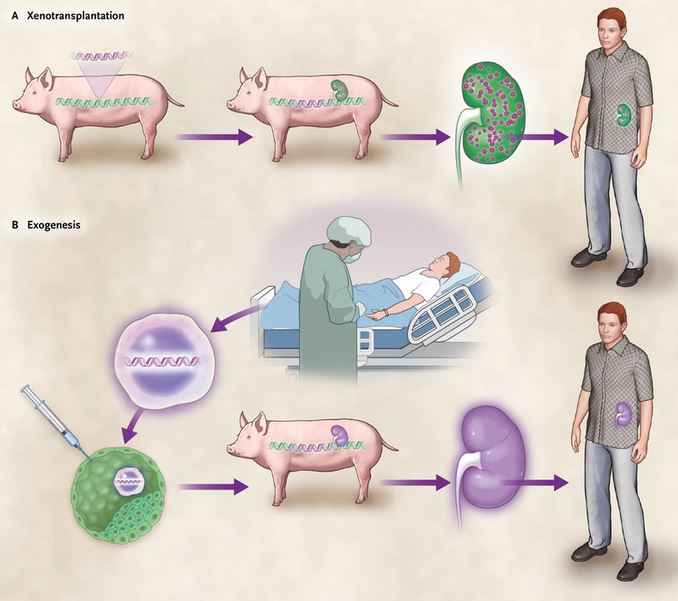
    • It involves transplanting live cells, tissues, or organs from nonhuman animal sources into human recipients.
    • It seeks to address the critical gap between organ demand and supply.
    • Xenotransplantation, pioneered in the 1980s with heart transplants, has emerged as a promising solution to alleviate the organ shortage crisis, particularly prevalent in kidney transplantation.

    Examples:

    • Chimpanzee-to-Human Transplants: In the 1960s, there were attempts at chimpanzee-to-human kidney transplants, heart transplants, and liver transplants.
    • Pig-to-Human Heart Transplant: In 2022, a groundbreaking milestone was achieved with the first successful transplantation of a pig heart into a human with end-stage heart disease

    Procedural Details

    • Xenotransplantation involves genetic modifications to animal organs, like 69 CRISPR-Cas9 edits to a pig kidney, removing pig genes and adding human genes for compatibility.

    Why is the Pig a Preferred Source?

    • Anatomical Resemblance: Pigs are favoured for xenotransplantation due to their physiological similarities to humans, facilitating successful integration. Pig organs, like heart valves, have been used in human medicine for over 50 years.
    • Breeding Advantages: Extensive pig farming ensures a readily available and cost-effective supply of organs, with diverse breeds offering size-matching opportunities.

    Challenges associated

    • The main challenge is preventing organ rejection. Innovative methods, such as embedding the pig’s thymus gland under the kidney’s outer layer, help manage immune responses.
    • There are also significant concerns regarding potential infections from both recognised and unrecognised infectious agents that could affect not only the recipient but also the wider population.
    • Retroviruses present in the animal organs pose a risk of cross-species infection, which could remain latent and cause diseases years after the transplantation.

    PYQ: 

    [2017] With reference to agriculture in India, how can the technique of ‘genome sequencing’, often seen in the news, be used in the immediate future?

    1. Genome sequencing can be used to identify genetic markers for disease resistance and drought tolerance in various crop plants.
    2. This technique helps in reducing the time required to develop new varieties of crop plants.
    3. It can be used to decipher the host-pathogen relationships in crops.

    Select the correct answer using the code given below:

    (a) 1 only
    (b) 2 and 3 only
    (c) 1 and 3 only
    (d) 1, 2 and 3

  • Spotlighting Pre-eclampsia, ensuring safe motherhood

    Why in the News?

    The prevalence of Congenital Anomalies and Neurological Challenges in newborns highlights the need for adequate Antenatal and Perinatal care to address them.

    Key observations made by the National Family Health Survey (NFHS-5):

    Perinatal mortality rates stand at 32 for 1,000 pregnancies, neonatal mortality rates at 25 for 1,000 live births, and hypertensive disorders in pregnancy remain a leading cause of maternal death.

    • Cause of Maternal and Perinatal Mortality: Preeclampsia (PE) is a significant cause of maternal and perinatal morbidity and mortality, with early onset PE posing higher risks.  
    • Combination of Maternal factors and Biomarkers: Screening based on maternal risk factors alone has suboptimal performance, while a combination of maternal factors and biomarkers like mean arterial pressure, uterine artery pulsatility index, and serum placental growth factor can improve detection rates significantly.
    • Early Intervention with Aspirin Prophylaxis: First-trimester screening models, like the FMF prediction algorithm, have been effective in identifying high-risk pregnancies for preterm PE, allowing for early intervention with aspirin prophylaxis to reduce the incidence of preeclampsia.

    What is Pre-eclampsia?

    • Preeclampsia is a complication of pregnancy. Preeclampsia, high blood pressure, and high levels of protein in urine indicate kidney damage (proteinuria), or other signs of organ damage. 
    • Preeclampsia usually begins after 20 weeks of pregnancy in women whose blood pressure had previously been in the standard range.


    Challenges to cure Pre-eclampsia (PE):

    • Complex Screening Protocols: Effective screening requires a combination of maternal history, demographics, color Doppler ultrasound, mean arterial pressure, and placental biomarkers, which may not be uniformly available or implemented.
    • Limited Resources: Not all healthcare facilities have access to advanced screening tools and technologies like color Doppler ultrasound and placental biomarker testing.
    • Lack of Awareness: Pregnant women may not be aware of the symptoms and risks associated with pre-eclampsia, leading to delayed presentation and diagnosis.
    • Delayed Intervention: Identifying high-risk pregnancies early is crucial, but delays in screening and diagnosis can lead to missed opportunities for timely intervention.
    • Pharmacological Challenges: Ensuring timely pharmacological intervention, such as aspirin prophylaxis, requires adherence to established protocols, which may only sometimes be followed.
    • Logistical Issues: Implementing widespread screening and management protocols involves logistical challenges, including training healthcare providers and ensuring the availability of necessary equipment.
    • Complexity of the Disorder: The systemic nature of pre-eclampsia, affecting multiple organs, complicates its management and requires a multidisciplinary approach.

    Programs in India:

    • “Samrakshan” program: The Indian Radiological and Imaging Association’s (IRIA) “Samrakshan” program aims to reduce pre-eclampsia from 8%-10% to 3% and fetal growth restriction from 25%-30% to 10% by the end of the decade.
    • The program focuses on spreading awareness, screening for pre-eclampsia and fetal growth restriction, and ensuring comprehensive care throughout pregnancy.

    Way Forward: 

    • Early Detection and Management: Early detection through regular prenatal care, including blood pressure monitoring and urine testing for protein, is crucial in managing pre-eclampsia.
      • Timely intervention can help prevent severe complications and ensure the well-being of both mother and baby.
    • Promoting Awareness and Education: Raising awareness about the signs and symptoms of pre-eclampsia among pregnant women is essential for early recognition and prompt action.
      • Education on risk factors, preventive measures, and the importance of regular antenatal check-ups can significantly impact maternal and neonatal outcomes.
    • Ensuring Access to Quality Maternal Healthcare: Access to quality maternal healthcare services, including skilled antenatal care, monitoring, and timely interventions, is vital in addressing pre-eclampsia and reducing maternal mortality rates.
      • Empowering healthcare providers with the knowledge and resources to manage pre-eclampsia effectively is key to ensuring safe motherhood.
    • Collaborative Efforts for Maternal Health: Collaboration between governments, healthcare institutions, non-profit organisations, and the private sector is essential in implementing comprehensive maternal health programs that prioritise the prevention, early detection, and management of pre-eclampsia.

    Conclusion: By spotlighting pre-eclampsia and emphasising the importance of early detection, awareness, access to quality care, and collaborative efforts, we can strive towards ensuring safe motherhood for all women, safeguarding the health and well-being of mothers and their babies.


    Mains PYQ:

    Q Identify the Millennium Development Goals (MDGs) that are related to health.Discuss the success of the actions taken by the Government for achieving the same.(UPSC IAS/2013)


  • Naegleria fowleri: the Brain-eating Amoeba

    Why in the news?

    • A five-year-old girl in Kozhikode, Kerala has succumbed to primary Amoebic Meningoencephalitis (PAM), caused by Naegleria fowleri.
      • India has recorded 20 reported cases of PAM, with the recent case marking the seventh infection in Kerala.

    What is Primary Amoebic Meningoencephalitis (PAM)?

    • PAM is a rare brain infection caused by Naegleria fowleri, a free-living amoeba found in warm freshwater and soil worldwide.
      • An amoeba is a type of cell or unicellular organism with the ability to alter its shape, primarily by extending and retracting pseudopods.
      • Higher temperatures of up to 115°F (46°C) are conducive to its growth and it can survive for short periods in warm environments.
    • The amoeba enters the body through the nose, typically during activities like swimming, and travels to the brain, causing severe damage.
    • PAM is also non-communicable.
    • Symptoms: Headache, fever, nausea, vomiting, stiff neck, confusion, seizures, hallucinations, and coma.
      • According to the US Centers for Disease Control and Prevention (CDC), most people with PAM die within 1 to 18 days after symptoms begin. It usually leads to coma and death after 5 days.

    Treatment Challenges

    • Currently, there are no established effective treatments for PAM.
    • Medical interventions typically involve a combination of drugs, including amphotericin B, azithromycin, fluconazole, rifampin, miltefosine, and dexamethasone.
  • Do no harm: conservative, non-surgical approaches advised over hysterectomy for gynecological conditions

    Why in the News?

    According to the recent report published in Women’s Reproductive Health under the title ‘Reported Reasons for Undergoing Hysterectomy Among Women Aged 45 Years and Above‘, it was seen that data is lacking on women’s health conditions; thus the true magnitude is never known, impeding funding and escaping the attention of policymakers.

    What is Hysterectomy?

    • A hysterectomy is surgery to remove the uterus. After a hysterectomy, you will not menstruate (have periods) or be able to get pregnant.
    • Uterus removal is a common treatment for a variety of conditions that affect a woman’s reproductive organs.

    Key highlights of the Report:

    Reasons for Undertaking Hysterectomy:

    • Medical Conditions: Common medical reasons such as fibroids, excessive bleeding, prolapse, endometriosis, and cancer.
    • Socioeconomic Factors: Influence of sociodemographic factors like age, education, income, and access to healthcare services.
    • Cultural and Regional Differences: Variations in hysterectomy rates and reasons across different regions and cultural contexts within India.

    Frequency of Hysterectomy:

    • Global Context: Hysterectomy is one of the most frequently performed surgeries among women worldwide.
    • Prevalence in India: The countrywide hysterectomy prevalence rate is 11.5%. The highest prevalence is reported in the southern (18.2%) and western (12.7%) regions of India.
      • According to the NFHS-5 (2019-2021), 3.3% of women aged 15–49 underwent hysterectomy, a slight increase from 3.2% in NFHS-4. Alarmingly, 50% of women who underwent hysterectomy did so before the age of 35.
    • Regional Variations: Andhra Pradesh has the highest prevalence rate at 63 per 1,000 women, followed by Telangana (55 per 1,000), Karnataka (29 per 1,000), and Punjab (23 per 1,000).
    • Sociodemographic Factors: Higher risk of hysterectomy among women from the OBC category, the richest wealth quintile, those with lower education levels, those who married at a younger age, and those with three or more children.

    Most Cited Reasons for Hysterectomy:

    • Primary Reasons: 
        • Heavy Menstrual Bleeding or Pain: Cited by 32.1% of women as the reason for undergoing hysterectomy.
        • Fibroids or Cysts: Cited by 24.2% of women as the reason for the surgery.
        • Uterine Prolapse: Cited by 16.3% of women.
    • Less Frequently Reported Reasons:
        • Cancer: Among the least reported reasons for undergoing a hysterectomy.
        • Severe Post-Partum Hemorrhage is also among the least reported reasons.
    • Sociodemographic Factors: 
      • Higher risk of undergoing hysterectomy among women from the OBC category, the richest wealth quintile, those with lower education levels, those who married at a younger age, and those with three or more children.

    What are the Ministerial guidelines?

    • Hysterectomy is a major surgery with a long recovery time and should be considered only after less invasive treatments have been tried.
    • The government emphasizes on attempting nonsurgical alternatives in elective cases before opting for a hysterectomy.

    Way Forward:

    • Healthcare Providers: Train healthcare providers about the potential overuse of hysterectomy and emphasize the importance of considering nonsurgical alternatives.
    • Public Awareness: Launch awareness campaigns to educate women about gynecological health, the implications of hysterectomy, and available alternatives.

    Mains PYQ:

    Q Public health system has limitation in providing universal health coverage. Do you think that private sector can help in bridging the gap? What other viable alternatives do you suggest? (UPSC IAS/2015)

  • The challenge of Extra-Pulmonary TB


    Why in the News? 

    A tuberculosis patient receives treatment from a nurse (instead of a specialist) at a TB hospital in Guwahati.

    What is meant by Pulmonary Tuberculosis (TB)?  

    • Pulmonary tuberculosis (TB) is a serious infection caused by the bacterium Mycobacterium tuberculosis (MTB) that involves the lungs but may spread to other organs where it destroys body tissue. TB is a contagious disease that can infect anyone exposed to MTB.
    • It constitutes a significant portion of the TB burden in India, accounting for more than 20% of cases.

    Present status of Extra-Pulmonary Tuberculosis (EPTB) in India:

    According to the World Health Organization (WHO) reports, there are over 10 million new cases of TB every year and India alone accounts for 27% of the global TB burden. However, the burden of EPTB is hard to estimate. EPTB is often stain-negative, which means it is not detectable on regular TB stain tests.


    The twin challenges of the Knowledge Gap: 

    • Lack of awareness:
      • Among Physicians: Many healthcare providers are unaware that TB can affect organs other than the lungs, such as the eyes and other immune-privileged sites.
      • Among Patients: Nearly 1/5th of TB patients have EPTB. Most of them go undiagnosed, and the few who are diagnosed cannot benefit from care unless they visit a few specialist health facilities.
    • Lack of Accurate Diagnostic and Treatment Criteria: There is a lack of accurate diagnostic criteria for EPTB, making it challenging to identify the disease correctly. Treatment protocols for EPTB are not well-established or widely known, complicating effective management.
      • Although guidelines like INDEX-TB (a set of guidelines by WHO for EPTB management in India) have been formulated, their implementation has remained dormant.
      • The current system for collecting EPTB data is fragmented, with specialist departments maintaining diverse data practices.
      • National Patient Management Portals, such as Ni-kshay in India, have incomplete and missing data on EPTB patients.

    Need to Prioritize Research and Development (R&D) for EPTB:

    • Need to understand the infection mechanism deeply: A troubling aspect of EPTB infection is the prolonged presence of disease markers even after the infection is resolved with treatment.
      • This phenomenon causes a lot of misery to persons with EPTB and is an active area of research.
    • Prioritize Advanced Immunological Tools: Advanced Immunological Tools such as single-cell RNA sequencing, will be able to uncover the immune mechanisms for the disease.
      • This will also help physicians to understand the treatment better, instead of going for long-duration anti-TB therapy (sometimes for even two years or more).

    Mains PYQ: 

    Q Can overuse and free availability of antibiotics without a Doctor’s prescription, be contributors to the emergence of drug-resistant diseases in India? What are the available mechanisms for monitoring and control? Critically discuss the various issues involved.

  • Decoding C. Elegans Worm: A Remarkable Discovery

    Why in the news?

    Researchers at Princeton University found that Caenorhabditis elegans can inherit the ‘knowledge’ to avoid a disease-causing bacterium, Pseudomonas vranovensis, across several generations after initially consuming it.

    C. Elegans: Breakthrough made in Scientific Research

    • C. elegans can inherit the ‘knowledge’ to avoid a disease-causing bacterium, Pseudomonas vranovensis, across several generations after by consuming it.
    • The study revealed that the worms ingested small RNA (sRNA) molecules from P. vranovensis, which then altered their feeding behaviour to avoid the bacteria.
    • This sRNA interacts with the worm’s gene maco-1, affecting its neurological functions.
    • These sRNAs are passed down to at least four subsequent generations, demonstrating a form of transgenerational epigenetic inheritance.


    About C. Elegans Worm

    • C. elegans, or Caenorhabditis elegans, is a small, transparent nematode (roundworm) widely used in scientific research.
    • It is about 1 mm in length, making it easy to study under a microscope.
    • It has a simple body plan, which simplifies many types of biological research.
    • C. elegans was the first multicellular organism to have its entire genome sequenced in 1998.

    Key Features of C. Elegans Worm

    • Short lifespan and quick regeneration: It has a short lifespan of about 2-3 weeks and develops from an egg to an adult in just 3-5 days. This allows for quick generation turnover and facilitates studies on genetics and developmental biology.
    • Transparency:  It allows researchers to easily observe its internal structures and developmental processes in real time.
    • Genetic information: This has provided a wealth of genetic information and made it a powerful tool for genetic studies.
    • Consistent Somatic Cell Count: Adult C. elegans have exactly 959 somatic cells, and their lineage has been fully mapped, providing a consistent model for studying cell development and death.

    PYQ:

    [2021] Consider the following:​

    1. Bacteria​

    2. Fungi​

    3. Virus​

    Which of the above can be cultured in artificial/synthetic medium?​

    (a) 1 and 2 only

    (b) 2 and 3 only

    (c) 1 and 3 only

    (d) 1, 2 and 3

  • FLiRT Variants: Latest Twist in the COVID-19 Saga

    Why in the news?

    The emergence of new variants KP.2 and KP1.1, known as the FLiRT variants, has raised global concerns.

    • Despite vaccination efforts, these variants pose challenges, leading to concerns about a potential rise in COVID-19 cases.

    What are the FLiRT Variants of COVID-19?

    • KP.2 and KP1.1, dubbed ‘FLiRT’ variants, are descendants of the Omicron JN.1 which spread globally over the winter last year.

    Features and Differences from Other Variants

    • New Spike Mutations: The FLiRT group includes two specific mutations that are believed to enhance the virus’s ability to infect human cells.
    • Transmission and Evasion: Preliminary studies suggest that KP.2, the more prevalent of the two, may possess enhanced capabilities to evade immune responses generated by vaccines and previous infections.

    Are FLiRT Variants Riskier than JN.1?

    • Increased Immune Evasion: Research indicates that KP.2 shows a significant ability to escape immunity from both the latest vaccines and previous infections.
    • Reproduction Number: The reproduction number of KP.2 may be higher than that of JN.1, indicating a potentially greater ability to spread.
    • No definitive evidence: While there’s no definitive evidence that FLiRT variants cause more severe illness, their ability to circumvent immune defences can lead to more infections and, by extension, potential increases in hospitalizations.

    PYQ:

    [2022] In the context of vaccines manufactured to prevent COVID-19 pandemic, consider the following statements:

    1. The Serum Institute of India produced COVID-19 vaccine named Covishield using mRNA platform.
    2. Sputnik V vaccine is manufactured using vector based platform.
    3. COVAXIN is an inactivated pathogen based vaccine.

    Which of the statements given above are correct?

    (a) 1 and 2 only

    (b) 2 and 3 only

    (c) 1 and 3 only

    (d) 1, 2 and 3

  • Widal Test: Flaws of Typhoid Diagnosis  

    Why in the news?

    Patients with fever in India often undergo testing and treatment for typhoid fever, primarily relying on the Widal test.

    • The Widal test, though widely used, has several limitations that affect its accuracy and reliability.

    Typhoid diagnosis using Widal Test

    • The Widal test is used primarily to diagnose typhoid fever.
    • Typhoid fever, caused by Salmonella Typhi and related bacteria, presents with symptoms like high fever, stomach pain, weakness, and gastrointestinal issues.
    • It detects antibodies in the patient’s blood against the O (somatic) and H (flagellar) antigens of Salmonella Typhi.
    • Procedure:
    1. The presence of these antibodies is detected through an agglutination reaction.
    2. The test involves serial dilution of the patient’s serum.
    3. The highest dilution at which agglutination occurs indicates the antibody titer, with higher titers suggesting an active infection.

    Diagnostic Challenges:

    • The gold standard for diagnosing typhoid involves isolating the bacteria from blood or bone marrow cultures, which is time-consuming and resource-intensive.
    • Widal test is commonly used due to its convenience and accessibility. However, the Widal test’s interpretation is complicated by factors like the need for multiple serum samples, variations in cutoff values, and potential cross-reactivity with antibodies from other infections or vaccines.

    Challenges with Widal Test:

    • Impractical: A single positive Widal test does not confirm typhoid.
    • Complicated result interpretation: High background antibody levels and variability in test cutoff values.
    • Cross-reactivity with antibodies from other infections and false negatives due to prior antibiotic therapy undermine test reliability.

    Consequences of Widal Test Use:

    • Erroneous results obscure the true burden of typhoid in India, leading to inappropriate treatment and financial strain on patients.
    • Overuse of antibiotics based on Widal test results contributes to antimicrobial resistance, exacerbating the challenge of treating typhoid.

    PYQ:

    [2016] Which of the following statements is/are correct?

    Viruses can infect

    1. Bacteria

    2. Fungi

    3. Plants

    Select the correct answer using the code given below.

    (a) 1 and 2 only

    (b) 3 only

    (c) 1 and 3 only

    (d) 1, 2 and 3