💥Join UPSC 2027,2028 Mentorship (July Batch) + XFactor Notes & Microthemes PDF

Subject: Economics

  • India’s Toy Industry: Unravelling the Recent Export Surge

    Toy Industry

    Central Idea

    • India’s toy industry has witnessed a remarkable turnaround in recent years, transitioning from being a net importer to becoming a net exporter during 2020-21 and 2021-22. The credit for this achievement is often attributed to the Make in India initiative launched in 2014 and related policies. However, it is crucial to examine whether this surge represents sustained industrial growth or is a temporary outcome of protectionist measures.

    Toy Industry

    The import-export dynamic of India’s toy industry

    • Historical Imbalance: Historically, India’s toy industry has been characterized by a significant imbalance, with imports dominating the market. Imports accounted for a substantial share of domestic toy sales, often reaching up to 80% of the market.
    • Recent Shift: In recent years, there has been a notable shift in the import-export dynamic. Between 2018-19 and 2021-22, toy exports from India have seen significant growth, increasing from $109 million (₹812 crore) to $177 million (₹1,237 crore). At the same time, toy imports have declined from $371 million (₹2,593 crore) to $110 million (₹819 crore), according to official data.
    • Factors Driving the Shift: Several factors have contributed to this shift. The “Make in India” initiative launched in 2014, aimed at promoting domestic manufacturing and boosting exports, has played a crucial role. Additionally, policy measures such as higher import duties and non-tariff barriers have influenced the decline in toy imports.
    • Positive Transformation: The shift in the import-export dynamic represents a positive transformation for the Indian toy industry. It signifies improved manufacturing capabilities, enhanced competitiveness, and the ability to meet domestic and international demand through domestic production and exports.
    • Small Global Share: Despite the positive shift, India’s share in the global toy trade remains relatively small, representing only a fraction of the overall market. There is still room for further growth and expansion to increase market share and global competitiveness.
    • Key Considerations: Monitoring and nurturing the import-export dynamic is crucial for sustaining this positive trend. Factors such as policy support, investment in research and development, innovation, quality improvement, and adherence to international standards will play essential roles in strengthening India’s position as an exporter of toys.
    • Opportunities and Challenges: The evolving import-export dynamic of the toy industry presents both opportunities and challenges. Continued efforts to foster domestic manufacturing, promote innovation, enhance product quality, and implement export-oriented policies will be critical for sustained growth and competitiveness in the global market

    The impact of reforms and the ‘Make in India’ initiative on India’s toy industry

    • Increased Focus on Domestic Manufacturing: ‘Make in India’ aimed to promote domestic manufacturing and reduce dependence on imports. It led to a renewed focus on developing and enhancing the manufacturing capabilities of the toy industry in India.
    • Policy Reforms: Reforms such as the abolition of the reservation policy and the introduction of ease of doing business measures created a more favorable environment for businesses, including toy manufacturers, to operate and invest in India.
    • Boost to Organized Sector: The entry of new firms into the organized sector following the abolition of the reservation policy contributed to improved productivity growth. It allowed for the formalization of the industry and attracted investments.
    • Increased Customs Duties: As part of the protectionist measures, the basic custom duty on toys was tripled from 20% to 60% in February 2020. This increase in import duties aimed to discourage toy imports and promote domestic production.
    • Non-tariff Barriers: Along with higher import duties, the imposition of non-tariff barriers such as production registration orders and safety regulation codes contributed to a contraction in toy imports, further supporting the domestic toy industry.

    Facts for prelims

    Traditional Toys Region Materials Unique Features
    Channapatna Toys Karnataka Wood Colorful, organic vegetable dyes, smooth finish
    Kondapalli Toys Andhra Pradesh Wood Carved, vibrant colors, rural and mythological themes
    Thanjavur Dolls Tamil Nadu Terracotta Intricate details, decorative, used in ceremonies
    Terracotta Toys Various regions Clay Earthy tones, rustic charm
    Dokra Crafts Odisha and West Bengal Metal (Dokra) Intricate figurines, tribal-inspired designs

    Critique on Sustainable Improvements or Protectionist Measures

    • Lack of Long-term Evidence: The shift from being a net importer to a net exporter has occurred in just a few years, and it may be premature to conclude that these improvements are sustainable in the long run. A more extended period of consistent growth and performance would provide a stronger basis for claiming sustainable improvements.
    • Dependency on Protectionist Measures: Relying solely on protectionism can create artificial market conditions and hinder the industry’s ability to compete globally on its merits. Sustainable improvements should be based on factors like innovation, productivity, and competitiveness rather than protectionism.
    • Short-term Solution: Protectionist measures, such as higher import duties and non-tariff barriers, may provide temporary relief to domestic industries by limiting imports. However, they often fail to address the underlying challenges and structural issues within the industry.

    Way ahead

    • Comprehensive Policy Framework: Develop a comprehensive policy framework specifically tailored to the needs of the toy industry. This framework should address issues related to infrastructure development, access to finance, technology upgradation, skill development, and innovation support.
    • Encouraging Investment: Encourage both domestic and foreign investment in the toy industry by providing incentives, tax breaks, and streamlined procedures for setting up manufacturing units.
    • Enhancing Competitiveness: Focus on improving the competitiveness of Indian toy manufacturers through measures such as improving quality standards, promoting design capabilities, and fostering innovation.
    • Skill Development and Training: Implement skill development programs to enhance the capabilities of the workforce engaged in the toy industry.
    • Strengthening Industry-Academia Collaboration: Foster collaboration between industry players and academic institutions to promote research and development activities, knowledge exchange, and skill development.
    • Export Promotion: Actively promote Indian-made toys in international markets through trade fairs, exhibitions, and targeted marketing campaigns. Develop export-oriented strategies to tap into global demand and establish India as a reliable and competitive toy manufacturing hub.
    • Supporting MSMEs: Provide specific support and incentives to micro, small, and medium-sized enterprises (MSMEs) in the toy industry. This can include access to finance, technology support, marketing assistance, and capacity-building programs to enhance their competitiveness and contribute to the growth of the sector.

    Toy Industry

    Conclusion

    • India’s transition to a net exporter in the toy industry is a positive development. While protectionist measures may have played a role in the recent turnaround, sustaining net exports necessitates strengthening domestic investment and production on a sustained basis. By considering lessons learned, India can chart a path towards sustainable growth and competitiveness in its toy industry and beyond.

    Get an IAS/IPS ranker as your personal mentor for UPSC 2024 | Schedule your FREE session and get the Prelims prep Toolkit!

    Also read:

    India’s Toy Industry


  • Light weight and Portable Payment System (LPSS) for emergencies

    payment

    Central Idea

    The Reserve Bank of India (RBI) has proposed the development of a Light weight and Portable Payment System (LPSS).

    Light weight and Portable Payment System (LPSS)

    • LPSS is referred to as a “bunker” equivalent, to ensure uninterrupted digital payments during exigencies such as natural calamities or war.
    • This system will operate independently of existing payment technologies like UPI, NEFT, and RTGS.
    • It can be operated from anywhere by a minimal staff during exigencies.
    • It will process critical transactions, such as bulk payments and interbank payments, during extreme and volatile situations.
    • The system operates on minimalistic hardware and software and is activated only when needed.

    Why such move?

    • As part of the Utkarsh 2.0 initiative, the RBI is working on strengthening the oversight framework for Centralised Payment Systems, including NEFT and RTGS.
    • The initiative aims to enhance the existing payment systems and introduce new functionalities to improve efficiency and reliability.

    Importance of an LPSS

    • Near-zero downtime: The RBI aims to create a payment system that can operate on minimalistic hardware and software, ensuring near-zero downtime of the payment and settlement system in the country.
    • Continuous liquidity pipeline: The lightweight system will facilitate uninterrupted functioning of essential payment services like bulk payments, interbank payments, and provision of cash to participant institutions, thereby keeping the liquidity pipeline of the economy alive and intact.
    • Stability of the economy: It is expected to process critical transactions, including government and market-related transactions that are crucial for maintaining the stability of the economy.
    • Enhancing public confidence: The resilient nature of the system will act as a bunker equivalent in payment systems, enhancing public confidence in digital payments and financial market infrastructure, even during extreme conditions.

    Differences between LPSS and UPI

    • Existing payment systems: The RBI acknowledges the availability of various payment systems in India for individuals and institutions, each with its distinct character and application.
    • Handling large transaction volumes: Conventional systems like RTGS, NEFT, and UPI are designed to handle large volumes of transactions while ensuring sustained availability, relying on complex wired networks and advanced IT infrastructure.
    • Vulnerability to catastrophic events: However, catastrophic events such as natural calamities and war can temporarily render these payment systems unavailable by disrupting the underlying information and communication infrastructure.
    • Preparedness for extreme situations: To address this vulnerability, the RBI believes it is prudent to be prepared with a lightweight payment system capable of functioning in extreme and volatile situations.

    Conclusion

    • The RBI has not provided a specific timeline for the launch of the lightweight payment and settlements system.
    • However, the concept serves as a crucial step towards ensuring the resilience of the payment ecosystem during emergencies.
    • Further research and development efforts are necessary to bring this system to fruition and enhance the overall stability and confidence in digital payments in India.


    Get an IAS/IPS ranker as your personal mentor for UPSC 2024

  • Enhancing Agricultural Research and Development for Climate Resilience

    Central idea

    • Recently the G-7 Summit 2023 held in Japan highlighted the urgent need to address climate change and set ambitious targets for reducing greenhouse gas emissions.  India has the largest workforce (45.6 per cent in 2021-22) engaged in agriculture amongst G20 countries faces significant challenges.  To mitigate the impact and ensure food and nutritional security, policymakers must prioritize agricultural research, development, education, and extension (ARDE).

    Facts for prelims

    • At the Hiroshima Summit 2023, the G7 nations stressed that the peak for global Green House Gas (GHG) emissions should be reached by 2025.
    • They committed to an “Acceleration Agenda” for G7 countries to reach net-zero emissions by around 2040 and urged emerging economies to do so by around 2050.
    • China has committed to net zero by 2060 and India by 2070
    • World Meteorological Organisation (WMO) has forecast that global near-surface temperatures are likely to increase by 1.1°C to 1.8°C annually from 2023 to 2027.

    Importance of ARDE

    • ARDE, which stands for Agricultural Research, Development, Education, and Extension, plays a crucial role in addressing the challenges faced by the agriculture sector, particularly in the context of climate change.
    • Climate Resilience: Through research and development efforts, scientists and experts can identify crops and varieties that are more tolerant to changing climatic conditions, such as drought, heatwaves, or extreme rainfall. This enables farmers to adapt and minimize the negative impacts of climate change on crop yields and agricultural productivity.
    • Resource Efficiency: By focusing on research and innovation, it aims to optimize the use of key resources like water, soil, and energy. This includes the development of precision farming techniques, efficient irrigation systems, soil management practices, and sustainable pest and disease control methods. Such advancements help conserve resources, reduce input costs, and minimize the environmental footprint of agriculture.
    • Enhanced Productivity: This involves developing high-yielding crop varieties, improving agronomic practices, and disseminating knowledge and best practices through education and extension programs. By adopting these advancements, farmers can increase their yields, improve crop quality, and contribute to food security and economic growth.
    • Sustainable Agriculture: ARDE focuses on reducing reliance on chemical inputs, minimizing soil degradation, preserving biodiversity, and promoting organic farming. Through research and education, it supports the transition towards more sustainable and environmentally friendly agricultural systems, ensuring the long-term viability of the sector.
    • Innovation and Technology Adoption: By investing in research and development, it facilitates the discovery and dissemination of cutting-edge technologies, such as precision agriculture, genetic engineering, biotechnology, and smart farming solutions. These advancements help farmers improve efficiency, reduce losses, and enhance profitability.
    • Knowledge Transfer and Capacity Building: They focus on disseminating research findings, best practices, and agricultural knowledge to farmers, rural communities, and agricultural stakeholders. By strengthening the knowledge base and building capacity, ARDE empowers farmers with the skills and information necessary to make informed decisions and improve their farming practices.

    India’s challenges in adapting to climate change

    • Vulnerability to Extreme Weather Events: India is highly susceptible to extreme weather events, including cyclones, floods, droughts, and heatwaves. These events can cause significant damage to infrastructure, agriculture, and livelihoods, impacting the overall resilience of communities.
    • Water Scarcity and Stress: Climate change exacerbates water scarcity in many regions of India. Changes in rainfall patterns, melting glaciers, and rising temperatures affect water availability for agriculture, domestic use, and industries. This poses challenges for irrigation, drinking water supply, and overall water management.
    • Agriculture and Food Security: The agricultural sector is crucial for India’s food security and rural livelihoods. However, climate change poses risks to crop yields, productivity, and quality. Erratic rainfall, increased pests and diseases, and extreme temperature fluctuations can impact crop growth and food production, leading to food security challenges.
    • Coastal Vulnerability: India has a long coastline, making it highly vulnerable to sea-level rise, coastal erosion, and storm surges. Coastal regions face threats to infrastructure, settlements, agriculture, and ecosystems. Climate change-induced sea-level rise also increases the risk of saltwater intrusion, affecting freshwater sources and agriculture in coastal areas.
    • Health Impacts: Climate change influences the spread of vector-borne diseases like malaria and dengue, as well as heat-related illnesses. Rising temperatures and changing rainfall patterns can affect the distribution of disease vectors and impact public health systems, particularly in vulnerable communities with limited access to healthcare.
    • Biodiversity Loss and Ecosystem Disruption: Climate change poses risks to India’s rich biodiversity and ecosystems. Habitats, wildlife, and fragile ecosystems like coral reefs and mangroves face threats from changing temperatures, altered rainfall patterns, and habitat loss. This can disrupt ecological balance and affect natural resources vital for human well-being.
    • Infrastructure Resilience: India’s infrastructure systems, including transportation networks, energy grids, and urban settlements, face challenges in adapting to climate change impacts. Infrastructure vulnerabilities can lead to disruptions in services, increased costs for repairs and maintenance, and hindered economic growth.
    • Socio-economic Inequalities: Climate change impacts can exacerbate existing socio-economic inequalities in India. Vulnerable communities, such as small farmers, tribal populations, and marginalized groups, are disproportionately affected by climate risks due to their limited resources, lack of access to information, and inadequate adaptive capacities.

    Policy Reforms for Climate Resilience

    • National Climate Change Adaptation Strategy: Developing a comprehensive national strategy focused on climate change adaptation is essential. This strategy should identify priority sectors, vulnerable regions, and specific adaptation measures.
    • Mainstreaming Climate Considerations: Integrating climate change considerations into sectoral policies and plans is vital. This includes incorporating climate resilience into agriculture, water management, urban planning, infrastructure development, and coastal zone management policies.
    • Strengthening Institutional Frameworks: Establishing robust institutional frameworks and coordination mechanisms for climate adaptation is necessary. This includes enhancing the capacity of relevant government departments, local authorities, and institutions to implement adaptation measures effectively.
    • Building Climate Information Systems: Developing and strengthening climate information systems includes improving meteorological services, climate monitoring networks, early warning systems, and climate data management. Accessible and reliable climate information helps policymakers, communities, and sectors plan and respond to climate risks effectively.
    • Promoting Nature-Based Solutions: Encouraging nature-based solutions can enhance climate resilience. This involves conserving and restoring natural ecosystems such as forests, wetlands, and mangroves, which provide crucial ecosystem services. Nature-based solutions contribute to flood control, water regulation, carbon sequestration, and biodiversity conservation, thereby improving resilience to climate change.

    Addressing Funding and Allocation Imbalance

    • Scaling Up Experiments: To address climate change challenges effectively, increased funding allocation for ARDE is essential. While there has been an increase in total expenditure on ARDE, research intensity (ARDE as a percentage of agri-GDP) has declined. It is crucial to allocate more funds to scale up experiments and innovations in sustainable agriculture.
    • Sector-wise Allocation: The current allocation of ARDE shows a skewed distribution towards crop husbandry, neglecting sectors like soil, water conservation, forestry, animal husbandry, dairy development, and fisheries. This imbalance needs correction to promote holistic agricultural research and development.

    Conclusion

    • As global temperatures rise and climate change impacts intensify, addressing remaining gaps in agricultural research and development becomes imperative. Increased investment in ARDE, realignment of expenditures and policies, and a focus on sustainable farming practices are essential to build climate resilience in India’s agriculture sector. By prioritizing these measures, India can secure food and nutritional security while mitigating the challenges posed by climate change.

    Get an IAS/IPS ranker as your personal mentor for UPSC 2024 | Schedule your FREE session and get the Prelims prep Toolkit!

    Must read:

    Food security and Climate change: The Interlink


  • Rethinking Coal-Based Power Stations: A Pragmatic Approach

    coal

    Central Idea

    • The government’s contemplation of a ban on new coal-based power stations, while allowing those under construction to continue, has generated surprise and curiosity. The government’s acknowledgement of the need for an additional 16,000 MW of coal-based capacity to meet the power demand in 2029-30, alongside the existing 27,000 MW under construction, seems contradictory.

    Central Electricity Authority (CEA) report

    • The Central Electricity Authority (CEA) report is a comprehensive document prepared by the Central Electricity Authority of India.
    • The CEA is a statutory organization responsible for overseeing and coordinating the development of the electricity sector in the country.
    • The CEA’s report, titled Optimal Generation Capacity Mix, presents two versions released in January 2020 and April 2023, respectively.
    • The second report, based on the 20th Electric Power Survey (EPS), adopts a more conservative approach to demand projections for 2029-30 compared to the first report.

    Pattern of electricity demand In India

    • Diurnal Variation: The demand for electricity in India typically exhibits a diurnal pattern, with peaks and troughs occurring throughout the day. The morning peak is generally observed during the early hours of the day when residential and commercial activities commence. The evening peak, traditionally occurring around 7 pm, is typically higher due to increased industrial demand and domestic energy usage.
    • Seasonal Variation: During the summer months, particularly in regions with high temperatures, the demand for electricity tends to increase significantly due to the widespread use of air conditioning and cooling systems. This spike in demand places additional stress on the power grid and necessitates the availability of sufficient generation capacity to meet the heightened energy requirements.
    • Day of the Week Variation: Weekdays generally witness higher electricity demand compared to weekends. This difference can be attributed to increased industrial and commercial activities on weekdays, while weekends often involve reduced energy consumption in non-essential sectors.
    • Industrial and Commercial Demand: As economic activities and manufacturing processes ramp up during working hours, these sectors contribute significantly to the overall demand for electricity. Demand patterns in these sectors are influenced by factors such as production schedules, working shifts, and operational requirements.
    • Rural vs. Urban Demand: Urban centers, with higher population densities and greater industrial and commercial activities, tend to exhibit higher electricity demand compared to rural areas. However, rural electrification efforts and the increasing penetration of electricity in rural regions have led to a rise in demand from these areas as well.

    Factors attributed to the decrease in the required capacity for coal-based stations

    • Conservative Demand Projections: The second version of the CEA report projections indicate a slightly lower peak demand and energy demand for 2029-30 compared to the earlier estimates. The government may consider these more realistic projections and adjust the required capacity accordingly.
    • Historical Overestimation: The CEA’s power demand projections have been known to be somewhat exaggerated in the past. This overestimation has led to higher capacity requirements being initially projected.
    • Changing Load Curve Dynamics: The load curve, representing the pattern of electricity demand throughout the day, has been evolving in India. Recent trends indicate a shift in the evening peak to around 4 pm. This shift aligns well with the availability of solar power during daylight hours, reducing the need for coal-based capacity.
    • Retirement of Older Units: A significant change in policy relating to the retirement of coal-based units after 25 years of operation has been considered. The revised CEA report mentions that a lower capacity of coal-based stations would be retired by 2030 compared to the earlier estimate.
    • Well-Maintained Old Plants: The government may view the continuation of well-maintained coal-based plants beyond the 25-year mark as a viable option. If generating units are properly maintained, the station heat rate remains unaffected by age. Continuing operations of such plants offers advantages such as pre-existing transmission links and maintained coal linkages, which can contribute to a more efficient use of resources.

    Way ahead: Balancing Energy Sources

    • Promoting Renewable Energy: A significant focus should be placed on accelerating the development and deployment of renewable energy sources such as solar, wind, hydro, and biomass. This entails setting ambitious targets for renewable energy capacity addition and providing supportive policies and incentives to attract investments in these sectors.
    • Enhancing Grid Integration: Robust grid integration infrastructure is essential for effectively integrating and managing the variability of renewable energy sources. Developing smart grids, advanced energy storage systems, and grid flexibility mechanisms can facilitate the integration of renewable energy into the grid, ensuring smooth and stable power supply.
    • Energy Storage Technologies: Expanding the use of energy storage technologies, such as advanced batteries, pumped hydro storage, and emerging technologies like hydrogen storage, can help address the intermittent nature of renewable energy sources.
    • Demand-Side Management: Promoting energy-efficient appliances, implementing time-of-use pricing, and raising awareness about energy conservation can incentivize consumers to shift their electricity usage to non-peak hours, thus reducing the strain on the grid.
    • Distributed Generation: Encouraging distributed generation through rooftop solar panels, community-based renewable energy projects, and microgrids can help diversify the energy mix and reduce transmission losses. Distributed generation enables localized generation and consumption, enhancing grid resilience and reducing dependence on centralized power plants.
    • Flexible Power Purchase Agreements (PPAs): Implementing flexible power purchase agreements that allow for the integration of variable renewable energy sources can attract investments in clean energy projects. These agreements should provide a fair and stable pricing mechanism for renewable energy developers, ensuring long-term viability and encouraging their participation in the energy transition.

    Conclusion

    • The government’s contemplation of a ban on new coal-based power stations, while allowing ongoing construction projects, reflects a pragmatic approach to energy planning. By reassessing the need for additional coal-based capacity, the government demonstrates a commitment to optimizing energy resources. However, it is essential to strike a balance and prioritize investments in solar and wind power to achieve a sustainable and reliable energy future for India.

    Get an IAS/IPS ranker as your personal mentor for UPSC 2024 | Schedule your FREE session and get the Prelims prep Toolkit!

    Also read:

    A call to ban use of fossil fuels


  • The Need for a New Economic Paradigm in India

    Paradigm

    Central Idea

    • In the pursuit of communal and caste politics, India’s focus on the economy has been overshadowed. However, the growing divide among classes is silently reshaping the Indian electorate, with more than 50% of the population being left behind by economic growth. It is essential to address the economic concerns of all citizens, regardless of caste and religion, and embrace a new paradigm of economics.

    The Global Solutions Summit

    • Global Solutions Summit, 2023 held at Berlin.
    • The theme at the Global Solutions Summit this year, was a new paradigm for the economy.
    • Its backdrop was the rising tensions in the east between the United States and China, and the war in the west between the North Atlantic Treaty Organization (NATO) and Russia
    • The dominant G-7 countries, representing only 15% of the world’s population, exert undemocratic pressure on other nations, raising concerns about global democracy.
    • The think tanks of the G-20 and other countries at the summit called attention to global problems of climate change, increasing economic inequalities within and among countries, and the effects of the financial and trade sanctions imposed by the most powerful nation, which are affecting the other 85% most of all.

    Prevalence of Political and economic divisions in societies worldwide

    Political Divisions

    • Ideological divisions: Political ideologies such as conservatism, liberalism, socialism, and populism can create stark divisions in society, with contrasting views on the role of government, individual rights, and social policies.
    • Partisan politics: Political parties and their supporters often exhibit deep divisions, especially during elections and policy debates, based on party affiliations, policy preferences, and competing interests.
    • Identity politics: Divisions along the lines of race, ethnicity, religion, gender, and other social identities can shape political landscapes, with groups advocating for their specific interests and rights.
    • Regional disparities: Regional differences in economic development, cultural norms, and historical grievances can lead to political divisions, with demands for greater autonomy or regional representation.

    Economic Divisions

    • Income inequality: The unequal distribution of wealth and income can create divisions between the rich and the poor, with implications for access to resources, opportunities, and social mobility.
    • Urban-rural divide: Disparities between urban and rural areas in terms of economic opportunities, infrastructure, and public services can lead to economic divisions and political differences.
    • Global economic disparities: The divide between developed and developing countries, as well as within countries, contributes to economic divisions, with implications for trade, investment, and development policies.
    • Labour market divisions: Differences in employment opportunities, wages, and working conditions can create divisions between different sectors of the economy, such as skilled and unskilled workers or formal and informal sectors.

    Evolution of Economic Systems

    • Traditional Economy: In traditional economies, production is based on customs, traditions, and barter systems. It typically revolves around subsistence agriculture, hunting, gathering, and small-scale artisanal activities. This system is prevalent in agrarian and indigenous societies.
    • Command Economy: Command economies emerged with the rise of centralized governments and planned economies. The state assumes control over the means of production, distribution, and resource allocation. Central planning and government directives determine economic activities and resource allocation. The Soviet Union under communism is an example of a command economy.
    • Market Economy: Market economies are characterized by decentralized decision-making and the interaction of supply and demand forces in determining prices, resource allocation, and production decisions. Private ownership of property, individual freedom, and competition play crucial roles. Free-market capitalism, as advocated by Adam Smith, is a key model of a market economy.
    • Mixed Economy: Most modern economies are mixed economies that combine elements of both market and command systems. In a mixed economy, the government intervenes to regulate markets, provide public goods and services, and address market failures. The extent of government intervention varies across countries and can range from social welfare programs to industrial regulations.
    • Socialist Economy: Socialist economies emphasize social ownership and collective decision-making in economic activities. The means of production are typically owned by the state or workers’ collectives. The aim is to reduce inequality and ensure equitable distribution of resources. Examples include the former Soviet Union and China under Mao Zedong.
    • Market Socialism: Market socialism blends elements of market economies with socialist principles. It allows for private ownership and market mechanisms but aims to maintain social equity through state intervention, wealth redistribution, and public ownership of key industries. Some Scandinavian countries, such as Sweden and Norway, incorporate aspects of market socialism.
    • Post-Industrial Economy: The post-industrial economy is characterized by a shift from manufacturing and heavy industry to service-based industries, information technology, and knowledge-based sectors. It is driven by innovation, technological advancements, and the growing importance of intellectual capital.

    Need to reform the GDP-centric model

    • Inadequate Measure of Well-being: GDP (Gross Domestic Product) measures the monetary value of all final goods and services produced within a country’s borders. However, it fails to capture important aspects of well-being, such as the distribution of wealth, social indicators, environmental sustainability, and quality of life.
    • Overemphasis on Economic Growth: The GDP-centric model places excessive focus on economic growth as the primary indicator of success. While economic growth is important, it should not be the sole measure of a nation’s progress.
    • Ignoring Income Inequality: GDP growth does not necessarily translate into equitable distribution of wealth and income. It often perpetuates income inequalities, as the benefits of growth may disproportionately accrue to a few privileged individuals or groups.
    • Unsustainable Resource Consumption: The GDP-centric model often encourages unsustainable patterns of resource consumption and production. It fails to account for the environmental costs and depletion of natural resources associated with economic activities.
    • Neglecting Non-Monetary Factors: The GDP-centric approach overlooks non-monetary factors that contribute to overall well-being, such as health, education, social capital, cultural heritage, and quality of life. These factors are critical for human development and should be considered alongside economic indicators to provide a comprehensive assessment of progress.
    • Inaccurate Reflection of Informal Economy: The GDP-centric model struggles to capture the contributions of the informal economy, which often represents a significant portion of economic activity in many countries. Informal sector workers and their economic contributions remain largely unaccounted for in traditional GDP calculations.
    • Need for Alternative Metrics: There is a growing need for alternative metrics and indicators that capture a broader range of factors affecting well-being, such as the Human Development Index (HDI), Genuine Progress Indicator (GPI), Sustainable Development Goals (SDGs), and well-being indices. These metrics consider social, environmental, and economic dimensions to provide a more holistic understanding of progress.

    Need for a New Economic Paradigm in India

    • Rising Inequality: India faces significant income and wealth inequalities, with a large portion of the population left behind by economic growth. The current economic system has failed to adequately address these inequalities and provide equal opportunities for all citizens.
    • Unemployment and Job Creation: India has been grappling with high unemployment rates and a lack of sufficient job opportunities, especially for its burgeoning youth population. The existing economic model needs to be reimagined to prioritize job creation, skill development, and entrepreneurship to harness the demographic dividend effectively.
    • Sustainable Development: Environmental degradation, climate change, and resource depletion are pressing challenges for India. A new economic paradigm should prioritize sustainability and integrate environmental considerations into economic decision-making.
    • Social Welfare and Human Development: While economic growth is essential, it must be accompanied by investments in social welfare and human development. Access to quality education, healthcare, housing, and social security are critical for the well-being of citizens. A new economic paradigm should prioritize human development indicators alongside economic indicators to ensure the holistic development of the population.
    • Agricultural Distress: India’s agricultural sector faces various challenges, including farmer distress, low productivity, and lack of market access. The new economic paradigm should address these issues by promoting sustainable agriculture, improving rural infrastructure, enhancing farmers’ income, and ensuring food security.
    • Digital Transformation and Innovation: India is experiencing a digital revolution, with rapid technological advancements and a growing digital economy. The new economic paradigm should leverage the potential of digital transformation and innovation to drive inclusive growth, improve governance, and enhance competitiveness in the global economy.
    • Governance and Transparency: Enhancing governance, promoting transparency, and curbing corruption are essential for sustainable economic development.

    Conclusion

    • India urgently needs a new economic paradigm that addresses the concerns of its citizens. The focus should shift towards inclusivity and social justice, rather than perpetuating economic inequalities. Reforms must prioritize the well-being of all, and economists should revaluate their current models to create a more equitable and sustainable future for India.

    Get an IAS/IPS ranker as your personal mentor for UPSC 2024 | Schedule your FREE session and get the Prelims prep Toolkit!

    Also read:

    Assessing the Indian Economy: A Fuzzy Picture with Bright Spots
  • IRDAI’s ambitious plan ‘Bima Trinity’

    bima

    Central Idea

    • The Insurance Regulatory and Development Authority (IRDA) in India aims to implement ambitious plans to improve the insurance sector.
    • The key objectives include offering affordable bundled policies that cover multiple risks and providing expedited claim settlements with value-added services.

    “Bima Trinity” – A Comprehensive Plan

    • The IRDA is collaborating with general and life insurance firms to develop a comprehensive plan called “Bima Trinity.”
    1. Bima Sugam
    2. Bima Vistar
    3. Bima Vaahaks

     (1) Bima Sugam – One-Stop Shop Platform

    • The IRDA is developing the Bima Sugam platform, which will integrate insurers and distributors onto a single platform.
    • This platform will serve as a one-stop shop for customers, simplifying the process of purchasing policies and accessing services.
    • Customers will be able to pursue service requests and settle claims through the same portal, enhancing convenience and efficiency.

    (2) Bima Vistar

    • The IRDA is working on the development of Bima Vistar, a bundled risk cover that encompasses life, health, property, and casualties or accidents.
    • This bundled policy aims to provide comprehensive protection against a wide range of risks.
    • Policyholders will have defined benefits for each risk, allowing for faster claim payouts without the need for surveyors.
    • Bima Vistar will offer defined benefits for each risk category, ensuring clarity and ease of understanding for policyholders.
    • If a loss occurs, the defined benefit will be promptly transferred to the policyholder’s bank account, eliminating unnecessary waiting periods.

    (3) Bima Vaahaks: Women-Centric Workforce

    • As part of the Bima Trinity plan, the IRDA envisions a women-centric workforce known as Bima Vaahaks.
    • Bima Vaahaks will operate at the Gram Sabha level and engage with women heads of households.
    • Their role will be to educate and convince women about the benefits of a comprehensive insurance product like Bima Vistar.
    • They will emphasize the usefulness of a composite insurance product like Bima Vistar during times of distress.
    • By highlighting the advantages and addressing concerns, these Bima Vaahaks will play a crucial role in empowering women and ensuring their financial security.

    Other developments

    • Leveraging Digitized Registries for Faster Claims: With the increasing digitization of birth and death registries in many states, the IRDA plans to integrate its platform with these registries. This integration would allow for seamless sharing of data and facilitate faster claim settlements.
    • Streamlined Claim Settlement Process: Policyholders can access the platform, retrieve their policy from the insurers’ repository, and provide the necessary documents, such as the death certificate. This swift claim settlement process revolutionizes the insurance industry by significantly reducing the time taken for policyholders to receive their claims.

    Expansion of Insurance Penetration

    (1) Legislative Amendments for Increased Investments

    • The IRDA plans to introduce legislative amendments to attract more investments into the insurance sector. These amendments would allow for differentiated licenses for niche players, similar to the banking sector.
    • The objective is to encourage more participation, ultimately making insurance more accessible and affordable for citizens.

    (2) Making Insurance Available, Affordable, and Accessible

    • The IRDA is focused on adopting a multi-level approach to make insurance available, affordable, and accessible to a larger population.
    • The aim is to address the low insurance penetration in the country and double the number of jobs in the sector.
    • The regulator believes that by implementing these changes, insurance can become more inclusive and reach citizens at the Gram Sabha (village council), district, and state levels.

    (3) Identifying Significant Protection Gaps

    • The IRDA acknowledges the existence of significant protection gaps in various lines of insurance, including life, health, motor, property, and crops.
    • These gaps highlight the need for comprehensive coverage and prompt claim settlements.

    Proposed Amendments for Regulatory Reforms

    The IRDA has proposed amendments to insurance laws to enable regulatory reforms that encourage increased investment and innovation.

    • Differentiated capital requirements: These amendments aim to introduce differentiated capital requirements for niche insurers, attracting more investment into the sector.
    • Other value-added services: Additionally, the proposed amendments will allow insurers to offer value-added services alongside policies, catering to the evolving needs and preferences of customers.
    • Encouraging new players and services: The proposed amendments will pave the way for the entry of new players in the insurance sector. Micro, regional, small, specialized, and composite insurers will have the opportunity to operate and cater to different geographical areas and population segments.

    Comparison with Banking Sector

    • The IRDA draws parallels between the proposed changes in the insurance sector and the existing diversity in the banking sector.
    • Similar to the banking sector, which includes various types of banks addressing different needs and geographies, the insurance sector can benefit from a diverse range of insurers.
    • Payment banks, small finance banks, cooperative banks, and other specialized institutions serve specific purposes and cater to distinct segments of the population.

    Way Forward

    The IRDA’s initiatives, including bundled policies and expedited claim settlements, have the potential to significantly enhance insurance accessibility and affordability in India. To move forward effectively, the following steps can be considered:

    • Collaborating with Insurers: The IRDA should work closely with insurance companies to refine and implement the Bima Trinity plan, ensuring the success of bundled policies and integrated platforms.
    • Technological Integration: Prioritizing the integration of birth and death registries with the IRDA platform to expedite claim settlements. Emphasizing technological advancements and partnerships for seamless data sharing and processing.
    • Awareness and Education: Launch a comprehensive awareness campaign in collaboration with insurers and stakeholders to educate the public, especially women, about the benefits of bundled policies and comprehensive insurance coverage.
    • Regulatory Reforms: Expediting proposed amendments to insurance laws to enable differentiated capital requirements and value-added services. Active engagement with relevant government bodies to ensure smooth implementation.
    • Monitoring and Evaluation: Establishing a robust framework for monitoring and evaluating the effectiveness of bundled policies, claim settlement processes, and insurance penetration in different regions.
    • Continuous Innovation: Encouraging insurers to continuously innovate and develop new products and services that address emerging risks and meet evolving consumer preferences in the rapidly evolving insurance landscape.


    Get an IAS/IPS ranker as your personal mentor for UPSC 2024

  • Ministry of Civil Aviation launches UDAN 5.1

    udan

    Central Idea

    • The Ministry of Civil Aviation has launched UDAN 5.1, an extension of the Regional Connectivity Scheme (RCS) – Ude Desh Ka Aam Nagrik (UDAN), to enhance connectivity to remote areas of India.

    What is UDAN 5.1?

    • This round specifically focuses on helicopter routes, aiming to achieve last mile connectivity.
    • It allows operators to operate routes where one of the origin or destination locations is in a priority area, such as hilly regions, islands, or North East states.

    Features of the scheme

    • Expanded Scope of Operations: Operators can now operate routes where one of the origin or destination locations is in a priority area, compared to the previous requirement of both points being in priority areas.
    • Reduced Airfare Caps: Airfare caps for helicopter flights have been reduced by up to 25%, making flying in helicopters more affordable for passengers.
    • Increased Viability Gap Funding (VGF) Caps: VGF caps for operators using single and twin-engine helicopters have been substantially increased to enhance the financial viability of operating the awarded routes.
    • Coverage Expansion: UDAN 5.1 aims to cover a significantly larger number of routes compared to previous rounds, further extending the benefits of air connectivity to unserved regions.

    Importance of UDAN 5.1

    • Democratization of Air Travel and Last-Mile Connectivity: UDAN 5.1 reflects the deeper democratization of air travel, with a focus on providing last-mile connectivity to remote regions of India.
    • Consultations and Stakeholder Engagement: The current version of the scheme has been designed after extensive consultations with all stakeholders, including helicopter operators.

    Way Forward

    • Successful Implementation: Ensure effective implementation of UDAN 5.1, considering the expanded scope of operations, reduced airfare caps, and increased VGF caps.
    • Collaboration with Operators: Foster collaboration and engagement with helicopter operators to optimize last-mile connectivity and promote the growth of the helicopter segment in the civil aviation industry.
    • Monitoring and Evaluation: Establish a robust monitoring and evaluation mechanism to assess the impact of UDAN 5.1 on remote regions, air travel affordability, and economic development.
    • Promoting Tourism: Leverage the increased helicopter penetration to boost tourism in remote areas, thereby supporting the hospitality industry and local economies.
    • Future Expansion: Continuously assess the potential for further expansion of the UDAN scheme, considering new routes and modes of transportation to improve connectivity to underserved regions of India.


    Back2Basics:All Versions of UDAN Scheme

    Launch Date Focus Category Distance Length Cap Viability Gap Funding Cap Exclusivity Period
    UDAN 1.0 April 27, 2017 Category 1 (19-78 Seats) 500 km 70% for Cat-1, 90% for Hilly States, J&K, Ladakh, NE and Island regions 3 years 10 years
    UDAN 2.0 November 16, 2018 Category 1 (19-78 Seats) 500 km Same as UDAN 1.0 3 years 10 years
    UDAN 3.0 November 8, 2019 Category 1 (19-78 Seats) 800 km Same as UDAN 1.0 3 years 10 years
    UDAN 4.0 December 3, 2020 Category 1 (19-78 Seats) 1,200 km Same as UDAN 1.0 1 year 10 years
    UDAN 5.0 September 1, 2021 Category 2 (20-80 Seats) and 3 (>80 Seats) No restriction 60% for Priority Areas, 20% for Non-Priority Areas 1 year 10 years


    Get an IAS/IPS ranker as your personal mentor for UPSC 2024

  • Evaluating the RBI’s Recent Currency withdrawal Decision

    Currency

    Central Idea

    • When discussing the value of a currency, the focus often revolves around its exchange rate and purchasing power. However, there is a more fundamental aspect to consider is the confidence citizens have in its acceptance and stability as a medium of exchange and store of value. This confidence is deeply rooted in the trust placed in the central bank, such as the Reserve Bank of India (RBI).

    Rationale behind the decision to withdraw ₹2,000 notes from circulation while keeping them legal tender

    • Promoting Clean Note Policy: The withdrawal is part of the RBI’s initiative to promote a cleaner currency system. By encouraging the exchange of soiled or damaged notes, the RBI aims to improve the overall quality of currency in circulation.
    • Curbing Black Money: The decision is aimed at curbing the hoarding of black money, as higher denomination notes are often associated with illicit activities. By limiting the usage of ₹2,000 notes, the RBI intends to discourage the accumulation of unaccounted wealth.
    • Enhancing Transparency: The withdrawal is expected to increase transparency in financial transactions. By reducing the availability of high-value currency, the RBI aims to encourage a shift towards digital payments and traceable transactions.
    • Addressing Counterfeit Concerns: The withdrawal may help mitigate the risks associated with counterfeit currency. High-denomination notes are often targeted by counterfeiters, and by withdrawing ₹2,000 notes, the RBI aims to combat counterfeiting and maintain the integrity of the currency.
    • Managing Currency Supply: The withdrawal allows the RBI to better manage the supply and circulation of currency. By gradually replacing ₹2,000 notes with lower denomination currency, the RBI can ensure an adequate availability of notes for day-to-day transactions.
    • Aligning with Majority Usage: The decision is based on the observation that a significant majority of transactions in India involve lower monetary values. By withdrawing ₹2,000 notes, which are predominantly used for high-value transactions, the RBI aims to align the currency with the needs of the majority of the population.

    Potential Impact of this move on Business and Economy

    • Uncertainty and Business Sentiment: The move to withdraw ₹2,000 notes may create uncertainty among businesses, as sudden changes in the currency system can disrupt economic activities. This uncertainty can affect business sentiment and decision-making, potentially leading to a cautious approach in investments and expansion plans.
    • Cash-dependent Sectors: Certain sectors that heavily rely on cash transactions, such as small businesses, informal sectors, and rural areas, may face challenges in adjusting to the withdrawal. The availability of lower denomination notes to replace ₹2,000 notes and the need for individuals to exchange their existing notes can temporarily disrupt cash flow in these sectors.
    • Digital Payment Adoption: With the reduction in the availability of high-value currency, there may be a push for increased adoption of digital payment methods. The withdrawal can potentially accelerate the ongoing shift towards digital transactions, as individuals and businesses seek alternatives to cash transactions.
    • Impact on Consumption: The withdrawal can have implications for consumer spending patterns. If individuals perceive a scarcity of high-value currency, it may affect their spending behavior, particularly for larger purchases. This could lead to a short-term dampening of consumer demand and impact certain sectors of the economy, such as real estate and luxury goods.
    • Counterfeit and Black Money: The withdrawal of ₹2,000 notes aims to combat counterfeiting and curb the hoarding of black money. If successful, it can contribute to enhancing the integrity of the currency and promoting a more transparent financial system. However, the actual impact on eliminating black money and counterfeit currency will depend on the effectiveness of enforcement measures and the adoption of alternative means for illicit transactions.
    • Financial Inclusion: The withdrawal may pose challenges for individuals who have limited access to banking services or digital payment infrastructure. Efforts will be needed to ensure that the transition does not hinder financial inclusion and that adequate support is provided to vulnerable segments of the population.

    Concerns and arguments over the central bank’s reputation

    • Demonetization Fallout: The implementation of demonetization in 2016, where high-value currency notes were invalidated, received mixed reactions. Critics argue that the RBI’s involvement in the decision-making process and its execution raised questions about the central bank’s independence and its ability to manage the country’s monetary policies effectively.
    • Inflation Management: The RBI’s primary mandate is to maintain price stability and control inflation. However, the central bank has faced challenges in achieving its inflation targets consistently. Critics contend that the RBI’s monetary policy framework and communication strategies could be improved to ensure better alignment with its objectives and boost its reputation in inflation management.
    • Banking Sector Oversight: The RBI is responsible for overseeing the banking sector and maintaining financial stability. Some argue that the central bank could have been more proactive in detecting and addressing issues related to non-performing assets (NPAs) and the overall health of banks. The perceived delays in taking corrective measures and addressing governance issues have raised concerns about the effectiveness of the RBI’s regulatory oversight.
    • Communication and Transparency: The RBI’s communication and transparency have been points of discussion. Critics argue that the central bank could enhance its communication strategies, ensuring clearer and more consistent messaging about policy decisions and their objectives.
    • Autonomy and Independence: The reputation of the RBI rests heavily on its autonomy and independence from external influences. Concerns have been raised over potential encroachments on the central bank’s independence, such as the invocation of certain provisions of the RBI Act and debates around the RBI’s relationship with the government. Preserving the RBI’s autonomy is seen as crucial for maintaining its reputation as a credible and independent institution.

    What measures RBI must take to restore and maintain its reputation?

    • Transparency and Communication: The RBI should prioritize transparency in its operations and decision-making process. It should provide clear and timely communication regarding policy decisions, objectives, and the rationale behind its actions. Regular and effective communication can help build public trust and enhance understanding of the RBI’s role in maintaining a stable and resilient financial system.
    • Independence and Autonomy: The RBI should emphasize its independence from political interference. It should ensure that its decision-making process remains free from external pressures and is based on sound economic principles. Upholding its autonomy strengthens the perception of the RBI as a credible and reliable institution.
    • Consistency and Predictability: A clear and consistent approach to monetary policy, regulation, and supervision fosters stability and confidence in the financial system. Avoiding abrupt shifts or reversals in policy direction can enhance the RBI’s reputation for sound decision-making.
    • Accountability and Oversight: The RBI should establish robust mechanisms for accountability and oversight. This includes effective internal controls, external audits, and appropriate checks and balances to ensure that the RBI’s policies and actions align with its mandate and serve the best interests of the economy. Accountability helps maintain public confidence in the RBI’s operations.
    • Economic Stability and Financial Inclusion: The RBI should prioritize its mandate of maintaining economic stability while promoting financial inclusion. By implementing effective monetary policies, managing inflation, and ensuring a resilient financial system, the RBI can contribute to sustainable economic growth and reduce income disparities.
    • Continuous Learning and Adaptation: The RBI should emphasize continuous learning, research, and adaptation to evolving economic and financial challenges. Staying informed about global best practices, monitoring emerging risks, and proactively addressing new challenges will enable the RBI to enhance its effectiveness and reputation as a forward-looking institution.

    Conclusion

    • The recent actions of the Reserve Bank of India (RBI), including the withdrawal of the ₹2,000 note and the aftermath of the 2016 demonetization, have cast doubt on the RBI’s judgment and ability to uphold public trust. By aligning its actions with the long-term interests of the Indian economy, the RBI can preserve the value of the currency and ensure stability in the financial system. Only then can the RBI regain its reputation and fulfill its role as a trustworthy and effective central bank

    Get an IAS/IPS ranker as your personal mentor for UPSC 2024 | Schedule your FREE session and get the Prelims prep Toolkit!

    Also read:

    RBI to pull out ₹2000 notes from active circulation
  • Ensuring Aviation Safety: The Urgent Need for Comprehensive Reforms

    Aviation

    Central idea

    • In 2010, a tragic accident at Mangalore airport claimed the lives of 158 people. Despite prior warnings and PILs filed by the Environment Support Group, the concerned authorities neglected to address safety concerns regarding the airport’s second runway. It highlights the lack of accountability and transparency in the system, the failure to learn from past accidents, and the urgent need for reforms in India’s aviation sector.

    Background

    • In 1997, the Environment Support Group raised concerns about the inadequacy of Mangalore airport’s second runway during emergencies. However, the PIL filed by the NGO was dismissed by the Karnataka High Court.
    • In 2002, another PIL emphasized the potential dangers of the runway, but it faced the same fate. Dissatisfied with the verdict, the group approached the Supreme Court, which ruled that the government must adhere to applicable laws and environmental norms during airport construction
    • Following the Mangalore crash, the Ministry of Civil Aviation established the Civil Aviation Safety Advisory Council (CASAC) to identify deficiencies and propose corrective measures.
    • CASAC pointed out the court of inquiry’s failure to identify critical errors and suggested improvements, particularly at airports like Mangalore and Calicut. However, their warnings were disregarded by the Ministry and the DGCA.
    • The subsequent accident at Calicut on August 7, 2020, claiming 21 lives, further exposed the disregard for safety concerns.
    • The recommendations made by the committee formed after the accident remain unimplemented due to prioritizing commercial interests over safety.

    Lessons ignored

    • Neglecting Compliance with Laws and Norms: Government agencies responsible for airport construction failed to comply with applicable laws and environmental norms, as mandated by the Supreme Court. This negligence resulted in violations that ultimately led to the tragic crash.
    • Dismissing Expert Opinions: The Supreme Court’s dismissal of the PIL that highlighted the violations and safety concerns surrounding Mangalore airport indicates a reluctance to hold government agencies accountable. The judiciary’s unwillingness to intervene despite expert opinions undermined the pursuit of justice and prevention of future accidents.
    • Lack of Accountability: The blame for accidents was often placed solely on pilots, while the systemic deficiencies and regulatory failures were overlooked. The absence of accountability within the aviation sector perpetuated a culture of negligence and hindered efforts to address underlying safety issues.
    • Failure in Accident Investigations: The investigations conducted by the DGCA and AAIB failed to identify the root causes of accidents and provide effective preventive measures. Instead of rectifying systemic shortcomings, investigations often resorted to blaming pilot error, leaving the real issues unresolved.
    • Neglecting Recommendations: The warnings and recommendations put forth by the Civil Aviation Safety Advisory Council (CASAC) were disregarded by the Ministry of Civil Aviation and the DGCA. The failure to implement necessary safety measures, such as Runway End Safety Areas (RESA), despite expert advice, highlights a disregard for passenger safety.
    • Prioritizing Commercial Interests: Commercial interests were given precedence over safety considerations, as implementing certain safety measures would have affected the runway length and payload. This compromise on safety standards underscores the need to prioritize the well-being of passengers over commercial gains.

    Role and responsibilities of Civil Aviation Safety Advisory Council (CASAC)

    • Identify Deficiencies: CASAC is tasked with identifying deficiencies in safety measures, regulations, infrastructure, and operational practices across airports, airlines, and regulatory bodies. It conducts thorough assessments and inspections to pinpoint areas where safety standards may be compromised.
    • Provide Recommendations: Based on its assessments, CASAC formulates recommendations and proposes corrective measures to address the identified deficiencies. These recommendations cover a wide range of aspects, including operational procedures, infrastructure improvements, training programs, safety audits, and regulatory enhancements.
    • Review Reports and Investigations: CASAC reviews accident investigation reports and court of inquiry findings related to aviation accidents and incidents. It examines these reports to determine if proper root cause analysis has been conducted and if adequate preventive measures have been recommended. CASAC ensures that critical errors or safety gaps are identified and addressed in the reports.
    • Advise on Safety Enhancements: CASAC advises the Ministry of Civil Aviation on safety enhancements, both immediate and long-term. It provides guidance on the implementation of best practices, industry standards, and international safety protocols. CASAC’s recommendations aim to improve safety outcomes and minimize risks within the aviation sector.
    • Monitor Compliance: CASAC monitors the compliance of airports, airlines, and regulatory bodies with recommended safety measures and regulations. It reviews progress reports submitted by stakeholders to assess their adherence to the proposed corrective actions. This monitoring function ensures that safety improvements are implemented effectively.
    • Collaborate with Stakeholders: CASAC collaborates with various stakeholders in the aviation industry, including airlines, airports, regulatory bodies, industry experts, and international organizations. It engages in discussions, knowledge-sharing, and cooperative initiatives to promote a collective approach to aviation safety.
    • Continuous Evaluation: CASAC conducts periodic evaluations and reviews of the aviation sector’s safety performance. It assesses the effectiveness of implemented safety measures, identifies emerging safety concerns, and recommends adjustments or additional measures as required.

    Way ahead: The Need for Urgent Action in the aviation sector

    • Regulatory Reforms: Initiate comprehensive regulatory reforms to strengthen oversight and enforcement mechanisms. This includes enhancing the authority, capabilities, and resources of regulatory bodies like the DGCA to effectively monitor compliance with safety regulations.
    • Transparent and Independent Investigations: Establish an independent and transparent accident investigation process that identifies root causes without bias or external influence. This will enable the implementation of effective preventive measures and foster a culture of learning from past incidents.
    • Safety Management Systems: Promote the adoption of Safety Management Systems (SMS) by airlines and airports. An SMS provides a systematic approach to identifying and managing safety risks, ensuring proactive safety measures are in place, and promoting continuous improvement.
    • Robust Training and Human Factors Programs: Enhance training programs for aviation personnel, including pilots, air traffic controllers, and maintenance staff, focusing on areas such as emergency procedures, risk management, and human factors. Emphasize the importance of fatigue management and mental well-being to mitigate human error.
    • Infrastructure Upgrades: Invest in upgrading and modernizing airport infrastructure, including runways, taxiways, and air traffic control systems. Ensure compliance with international safety standards and implement necessary enhancements to address deficiencies.
    • Enhanced Collaboration: Foster collaboration and information sharing among industry stakeholders, including airlines, airports, regulators, and international aviation organizations. Establish platforms for regular communication and exchange of best practices to drive collective efforts towards improved safety.
    • Accountability and Transparency: Strengthen accountability mechanisms to ensure that responsible individuals and entities are held liable for safety lapses. Foster a culture of transparency, where safety-related information is shared openly, and reporting systems protect whistleblowers.
    • Public Awareness and Passenger Education: Increase public awareness about aviation safety and passenger rights through education campaigns. Empower passengers to make informed decisions regarding safety when choosing airlines and demand transparency from regulatory bodies.

    Conclusion

    • The Mangalore airport crash and subsequent incidents have shed light on the critical need for comprehensive reforms in the aviation sector to ensure the safety of passengers and personnel. The establishment of the CASAC was a step in the right direction. However, to achieve a safer aviation environment it requires collective efforts, commitment, and ongoing vigilance to prevent accidents, learn from past incidents, and ensure the well-being of passengers and personnel in the skies.

    Get an IAS/IPS ranker as your personal mentor for UPSC 2024 | Schedule your FREE session and get the Prelims prep Toolkit!

    Also read:

    [Burning Issue] Air India Aircraft Deal and its Significance
  • RBI Surplus Transfer to Govt.

    surplus rbi

    Central Idea

    • The Central Board of Directors of the RBI approved the transfer of ₹87,416 crore as surplus to the Union government for the accounting year 2022-23.
    • This amount is almost three times the ₹30,307 crore transferred in the previous fiscal year.

    Reserve funds of RBI

    The RBI has two types of reserves: Currency & Gold Revaluation Account (CGRA) and Contingency Fund (CF).

    1. CGRA: It represents the value of gold and foreign currency held by the RBI on behalf of India and fluctuates based on market movements.
    2. Contingency Fund: It is a provision to meet unexpected contingencies arising from the RBI’s monetary policy and exchange rate operations.

    Calculation of Surplus

    • RBI’s surplus is the amount transferred to the government after meeting its needs and provisions.
    • The surplus is determined by deducting expenses, including provisions made to the CF, from the RBI’s income, mainly generated through interest on securities.

    How does RBI earn its INCOME?

    The RBI earns profits through various functions and operations it carries out, including:

    1. Managing the borrowings of the Government of India and State governments.
    2. Supervising and regulating banks and non-banking finance companies.
    3. Managing the currency and payment systems.

    RBI generates income through the following sources:

    1. Returns on its foreign currency assets, such as bonds and treasury bills of other central banks or top-rated securities.
    2. Interest earned on holdings of local rupee-denominated government bonds or securities.
    3. Interest earned from lending to banks for short tenures, such as overnight loans.
    4. Management commission received for handling government and state government borrowings.

    Expenditure by RBI

    The RBI’s expenditures include-

    1. Costs related to printing currency notes
    2. Staff salaries
    3. Commissions paid to banks for government transactions and
    4. Payments to primary dealers for underwriting borrowings

    How the transfer of surplus takes place?

    • The RBI, as a central bank, is not a commercial organization owned or controlled by the government.
    • The RBI was initially a private shareholders’ bank but was nationalized by the government in January 1949.
    • According to Section 47 (Allocation of Surplus Profits) of the Reserve Bank of India Act, 1934, the RBI transfers the excess of income over expenditure to the government.
    • This provision mandates the transfer of profits to the Central Government after accounting for necessary provisions and obligations.

    Does the RBI pay tax on these earnings or profits?

    • No, the RBI is exempted from paying income tax or any other tax as per Section 48 (Exemption of Bank from income-tax and super-tax) of the RBI Act, 1934.
    • This exemption ensures that the RBI is not liable to pay income tax or super-tax on its income, profits, or gains.

    Policy inputs

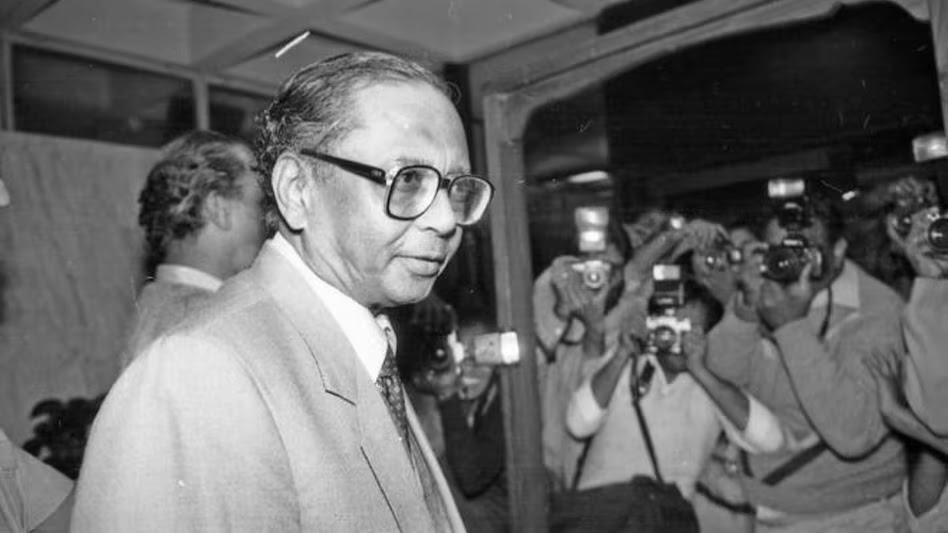
    (1) Y H Malegam Committee

    • It reviewed the adequacy of reserves and surplus distribution policy in 2013, recommended a higher transfer to the government.
    • Prior to this recommendation, the RBI transferred a portion of the surplus to the Contingency Fund and the Asset Development Fund.
    • Following the Malegam committee’s recommendation, the percentage of surplus transferred to the government significantly increased from 53.40% in 2012-13 to 99.99% in 2013-14.

    (2) Bimal Jalan Committee

    • The RBI in November 2018 had constituted a 6-member committee, chaired by former governor Dr Bimal Jalan.
    • It was tasked to review the current economic capital framework (ECF), after the Ministry of Finance asked the central bank to follow global practices.

    Key recommendations

    1. Differentiate between realised equity and revaluation balances for RBI’s economic capital.
    2. Adopt Expected Shortfall (ES) for measuring market risk with a target of ES 99.5% confidence level.
    3. Maintain Contingent Risk Buffer (CRB) between 6.5% and 5.5% of RBI’s balance sheet.
    4. Implement surplus distribution policy based on realised equity.
    5. Review RBI’s Economic Capital Framework every five years.


    Get an IAS/IPS ranker as your personal mentor for UPSC 2024 | Schedule your FREE session and get the Prelims prep Toolkit!