The World Day to Combat Desertification and Drought (17 June) was celebrated across 813 project areas under the WDC–PMKSY 2.0 (Watershed Development Component of Pradhan Mantri Krishi Sinchayee Yojana 2.0).
WDC–PMKSY 2.0
Implemented by the Department of Land Resources (DoLR) under the Ministry of Rural Development (MoRD).
Focuses on:
Soil and water conservation.
Restoration of degraded lands.
Enhancing resilience of rainfed agriculture.
Sustainable watershed development.
Major Interventions
Check dams, Percolation tanks, Farm ponds, Water harvesting and groundwater recharge structures
Key Outcomes
Improved water availability in rainfed areas.
Enables second and third crop cultivation.
Enhances farmers’ income and livelihood security.
Strengthens drought resilience and climate adaptation.
Activities Conducted
Bhoomi Poojan of 1,444 new watershed development works.
Lokarpan (Inauguration) of 8,341 completed watershed assets.
Plantation of 51,299 saplings under “Ek Ped Maa Ke Naam” campaign.
Public pledge: “For a Developed India, Let Us Build a Drought-Free India.”
Significance
Promotes community-led land and water conservation.
Supports land restoration, water security, and climate resilience.
Contributes to sustainable rural development and combating desertification.
[2016] What is/are the importance/importances of the ‘United Nations Convention to Combat Desertification’?
1. It aims to promote effective action through innovative national programmes and supportive international partnerships.
2. It has a special focus on South Asia and North Africa regions, and its Secretariat facilitates allocation of major portions of financial resources to these regions.
3. It is committed to a bottom-up approach, encouraging participation of local people in combating desertification.
Major Indian cities such as Delhi, Chennai, Bengaluru and Hyderabad experienced severe water shortages in the summer of 2026. India’s urban water crises persist not because cities lack water sources, but because governance continues to prioritize creating new supplies over fixing leakages, regulating groundwater, managing demand, ensuring transparency, and reusing wastewater. The problem is not a knowledge deficit; it is an execution deficit.
Why have seasonal water shortages evolved into a chronic urban governance crisis?
Recurring Emergencies: Urban water emergencies have become a regular feature rather than an exceptional summer event
Widespread Impact: Similar shortages were reported across Delhi, Chennai, Bengaluru and Hyderabad.
Severe Scarcity: In parts of New Delhi, large families survived on a single 20-litre water can per day.
Emergency Dependence: Delhi Jal Board deployed more than 1,000 tankers to manage shortages.
Systemic Failure: Long queues, tanker dependence, anxiety and protests indicate structural weaknesses rather than temporary disruptions.
Persistent Vulnerability: The same pattern repeats every year despite advance awareness of summer demand pressures.
Why are cities becoming more water-insecure despite having access to multiple water sources?
Multiple Sources: Cities obtain water from reservoirs, groundwater and interconnected supply systems.
Groundwater Depletion: Urban populations extract groundwater faster than aquifers can naturally replenish.
Local Buffer Erosion: Rivers, lakes and ponds that previously moderated water stress have deteriorated.
Encroachment: Urban water bodies have been occupied and degraded by expanding settlements.
Infrastructure Decay: Existing supply networks suffer from leakages and maintenance deficits.
Demand Expansion: Rapid urbanisation has increased consumption beyond the capacity of existing systems.
How does climate variability expose weaknesses that already exist in urban water systems?
Dual Extremes: Cities increasingly experience floods and droughts within the same annual cycle.
Reduced Storage Capacity: Urban ecosystems cannot retain water for future use.
Illustrative Example: Bengaluru experienced flooding after intense rains and tanker dependence a few weeks later.
Infrastructure Stress: Climate shocks reveal weaknesses that already exist in water governance systems.
Declining Resilience: Urban water systems have lost their capacity to absorb environmental fluctuations.
Why does the crisis persist even when cities know what the problem is?
Execution Deficit: Policymakers understand the causes of water stress but fail to implement corrective measures consistently.
Maintenance Neglect: Authorities search for new sources instead of repairing existing systems.
Regulatory Weakness: Groundwater extraction remains inadequately regulated and enforced.
Institutional Fragmentation: Urban planning, water supply and wastewater management operate in separate administrative silos.
Policy Bias: Infrastructure expansion receives greater attention than system efficiency.
Short-Term Responses: Crisis management frequently substitutes for long-term planning.
How can Indian cities shift from crisis-driven water management to long-term urban water security?
Solution
Key Measures Suggested
Problem Addressed
Transparent Emergency Planning
Prepare city-level water emergency plans; identify vulnerable areas; publicly disclose supply schedules, duration of shortages and distribution plans; provide regular updates.
Panic, uncertainty, poor crisis management and lack of public trust.
Recover Water Already Available
Detect and repair leakages; conduct ward-level audits; reduce Non-Revenue Water (NRW); set targets for loss reduction.
Massive distribution losses; article notes nearly 30% of water is lost before reaching consumers.
Demand Management and Conservation
Conduct water audits in campuses and commercial complexes; repair internal leaks; restrict non-essential consumption during peak months; promote community-led conservation.
Rising urban demand, wastage and unsustainable consumption patterns.
Equity-Centred Emergency Response
Regulate tanker supply and pricing; ensure minimum water access for vulnerable groups; provide temporary treatment support; spread awareness on safe storage and usage.
Unequal access, exploitation during shortages and disproportionate burden on low-income households.
Wastewater Reuse and Sewerage Reform
Upgrade sewage treatment plants; improve aeration, de-weeding and desludging; reduce sewer leakages; recycle treated wastewater; support groundwater recharge.
Water pollution, untreated wastewater discharge and underutilisation of recycled water.
Is the real challenge water scarcity or the absence of transparent and accountable management?
Information Deficit: Residents often receive little information regarding duration, frequency and extent of supply disruptions.
Uncertainty Costs: Lack of communication increases panic, rumours and public distrust.
Emergency Planning Gap: Cities lack clear and publicly available water emergency plans.
Vulnerability Mapping: Authorities rarely identify the most affected neighbourhoods before crises emerge.
Public Accountability: Regular public updates improve trust and strengthen compliance with conservation measures.
Governance Failure: Scarcity becomes more disruptive when management systems fail to communicate and coordinate effectively.
Why does recovering lost water offer greater returns than creating new water sources?
Non-Revenue Water: Nearly 30% of water is lost before reaching consumers.
Leakage Reduction: Repairing pipelines immediately increases available supply.
Cost Efficiency: Water recovery is often cheaper than developing new infrastructure.
Targeted Audits: Authorities can identify high-loss zones through local leak detection exercises.
Virtual Source Creation: Saved water functions as a new source without requiring new extraction.
Supply Reliability: Efficient distribution reduces dependence on emergency tanker operations.
Why must urban water policy shift from supply augmentation to demand management?
Large Consumers: Campuses and commercial complexes consume significant volumes of urban water.
Water Audits: Internal audits can identify avoidable wastage.
Basic Maintenance: Leak repairs generate substantial water savings.
Consumption Norms: Cities should establish clear limits during peak-demand months.
Community Participation: Resident welfare groups can promote conservation practices.
Behavioural Change: Demand reduction lowers pressure on stressed water systems.
Non-Essential Use Restrictions: Limiting discretionary consumption preserves supplies during emergencies.
Why does equitable crisis management matter as much as water availability?
Distributional Justice: Water shortages disproportionately affect low-income households.
Tanker Regulation: Authorities must regulate tanker pricing and distribution.
Basic Water Security: Emergency systems should guarantee minimum water access.
Temporary Treatment Support: Areas facing contamination require interim treatment facilities.
Safe Storage Communication: Public guidance reduces health risks during shortages.
Equity Imperative: Urban water security depends on access as much as availability.
Why is wastewater reuse the missing link in urban water security?
Resource Recovery: Treated wastewater can augment urban water supplies.
Sewerage Integrity: Leak detection prevents contamination and water quality deterioration.
Conclusion
India’s urban water crisis reflects a governance failure more than a resource shortage. Cities already possess the technical knowledge required to address leakages, groundwater depletion, excessive demand and wastewater mismanagement. Water security requires a shift from emergency tanker-driven responses to transparent planning, institutional accountability and efficient management of existing resources.
UPSC Relevance
[UPSC 2023] Why is the world today confronted with a crisis of availability of and access to freshwater resources?
Linkage: PYQ examines the structural causes behind freshwater scarcity and unequal access, which lie at the core of India’s recurring urban water crises. The article argues that urban water shortages stem not merely from inadequate water availability but from multiple reasons.
A study published in the journal Science produced the first global map of arbuscular mycorrhizal (AM) fungi, revealing the enormous extent of underground fungal networks and their importance for climate regulation.
Key Findings
Topsoils worldwide contain about 110 quadrillion km of fungal hyphae.
This distance is equivalent to nearly one billion trips between the Earth and the Sun.
AM fungal networks store around 300 million tonnes of carbon.
This is 4 to 6 times the weight of the entire human population.
The study analysed data from more than 16,000 soil cores using machine-learning techniques.
Role in Climate Regulation
AM fungi form symbiotic associations with nearly 70% of all plant species.
They exchange Nutrients and water with plants, in return for carbon compounds produced through photosynthesis.
These networks sequester approximately 4 billion tonnes of CO₂-equivalent annually.
This equals roughly 11% of global human-related carbon emissions.
Arbuscular Mycorrhizal (AM) Fungi
A group of fungi belonging to the phylum Glomeromycota.
They colonise plant roots and form mycorrhizae (fungus-root associations).
The fungal filaments, called hyphae, extend into the soil and improve nutrient uptake.
Benefits
Enhance absorption of: Phosphorus, Nitrogen, Micronutrients, and Water.
Improve plant growth and drought tolerance.
Increase soil aggregation and fertility.
Contribute to long-term carbon storage.
Biodiversity Hotspots Identified
The study found that around 40% of global AM fungal networks occur in grassland ecosystems, including South Sudan, The Tibetan Plateau, and Banni Grasslands.
Major Threats
Croplands contain about 50% lower fungal density compared to natural ecosystems.
Grasslands are being converted into agricultural land four times faster than forests.
This threatens underground fungal biodiversity and its ecosystem services.
Why is the Study Important?
Highlights fungi as a form of “living infrastructure” supporting ecosystems.
Emphasises the need to include soil biodiversity and fungi in climate policy.
Strengthens the case for grassland conservation alongside forest protection.
[2021] Which of the following have species that can establish symbiotic relationship with other organisms? 1. Cnidarians 2. Fungi 3. Protozoa Select the correct answer using the code given below.
Union Minister Bhupender Yadav announced that three new chicks have been added under Project Great Indian Bustard (GIB), taking the captive population to 94 birds.
Key Highlights
The three chicks emerged from: 1 wild-collected egg, and 2 captive-laid eggs.
Total chicks hatched in the fourth year of captive breeding:26.
The captive breeding population has now increased to 94 birds.
More chicks are expected during the current breeding season.
About the Great Indian Bustard (GIB)
Scientific Name: Ardeotis nigriceps
One of the heaviest flying birds in the world.
Endemic to the Indian subcontinent.
State Bird of Rajasthan.
Habitat
Arid and semi-arid grasslands.
Open scrublands.
Dry agricultural landscapes.
Distribution: Rajasthan (largest population), Gujarat, Maharashtra, Karnataka, and Andhra Pradesh.
IUCN Status: Critically Endangered.
Protection Status:Schedule I of the Wild Life (Protection) Act, 1972.
Listed in Appendix I of CITES.
Included under Appendix I of the Convention on Migratory Species (CMS).
[2010] With reference to India’s Desert National Park, which of the following statements are correct?
1. It is spread over two districts. 2. There is no human habitation inside the Park. 3. It is one of the natural habitats of the Great Indian Bustard. Select the correct answer using the code given below: a) 1 and 2 only b) 2 and 3 only c) 1 and 3 only d) 1, 2 and 3
Odisha has emerged as a model for community-led groundwater conservation under the initiative ‘Jal Sanchay, Jan Bhagidari’, transforming monsoon rainfall into a sustainable source of groundwater recharge through rooftop rainwater harvesting and aquifer recharge structures.
What is ‘Jal Sanchay, Jan Bhagidari’?
A nationwide approach promoting: Water conservation through people’s participation.
Based on the principle of “Whole of Government, Whole of Society.”
Encourages Community ownership, Scientific water management, and Rainwater harvesting.
Objective
Recharge groundwater aquifers.
Improve water security.
Build resilience against future water stress.
Promote sustainable use of water resources.
Odisha’s Groundwater Recharge Strategy
The State captures rainwater where it falls and channels it into underground aquifers through Rooftop Rainwater Harvesting
Rainwater collected from: Schools, Colleges, Government offices, Institutional buildings, is filtered and directed into recharge wells.
Recharge Structures in Water Bodies: Ponds, Tanks, Community water bodies, allowing excess monsoon runoff to percolate underground.
CHHATA Scheme
Focuses on Rooftop Rainwater Harvesting Systems (RRHS).
Implements recharge systems in institutional buildings.
Functions
Collection of rooftop runoff.
Filtration of rainwater.
Recharge of groundwater through bore wells.
Benefits
Improves groundwater levels.
Reduces seasonal water shortages.
Supports urban groundwater revival.
ARUA Scheme
About: Facilitates groundwater recharge through ponds and tanks.
Construction of Recharge Shafts.
Functions
Diverts surplus surface runoff.
Enhances deep aquifer recharge.
Reduces loss of monsoon water.
[2022] Which one of the following has been constituted under the Environment (Protection) Act, 1986?
Ahead of the 2026 FIFA World Cup, the axolotl has emerged as Mexico City’s unofficial mascot. However, conservationists have raised concerns that the popularity of the critically endangered amphibian has not translated into meaningful efforts to protect its rapidly disappearing habitat.
About Axolotl
Common name: Axolotl
Scientific name: Ambystoma mexicanum
Group: Amphibian (salamander).
Endemic to: Mexico, particularly the canals of Xochimilco in Mexico City.
Name derived from: The Nahuatl word meaning “water monster”.
Unique Features
Exhibits neoteny, retaining larval characteristics throughout its life.
Remains aquatic throughout its life cycle.
Breathes through External gills and oxygen absorption through its skin.
Extraordinary regenerative ability can regrow limbs, Parts of the spinal cord, Heart tissue, and Portions of the brain.
Conservation Status
IUCN Red List: Critically Endangered.
Wild populations have witnessed a drastic decline.
[2019] Consider the following statements: 1. Asiatic lion is naturally found in India only. 2. Double-humped camel is naturally found in India only. 3. One-horned rhinoceros is naturally found in India only. Which of the statements given above is/are correct?
Wildlife experts under the Wilderness Project discovered several new insect and spider species during an expedition to the Lisima Plateau in Angola.
Newly Identified Species
8 new dragonfly species.
3 new grasshopper species.
Around:
60 new butterflies and moths.
Other Notable Discoveries
Armoured predatory cricket.
New copper caterpillar species and butterfly.
Fluorescent crowned crab spider.
Blood-orange ladybird orb-web spider.
Fluorescent Crowned Crab Spider
Special Feature: Fluoresces under ultraviolet (UV) light.
Fluorescence may help:
Communication
Camouflage
Predator avoidance.
Ladybird Orb-Web Spider
Feature: Mimics ladybirds using bright coloration.
Purpose: Warns predators about:
Toxicity
Bitter taste.
Example of: Mimicry in nature.
About Lisima Plateau
Remote plateau region in: Angola.
Hydrological Importance
Feeds four major African river systems:
Congo River
Okavango River
Zambezi River
Cuanza River.
Global Biodiversity Context
Around 8.7 million species exist globally.
Only about: 1.5 million species are documented.
Extinction Concern: More than 800 animal species extinct since 1500 due to human activities.
[2023] Consider the following statements: 1.Some mushrooms have medicinal properties. 2.Some mushrooms have psycho- active properties. 3.Some mushrooms have insecticidal properties. 4.Some mushrooms have bioluminescent properties. How many of the above statements are correct?
The Delhi Bird Atlas released on 5 June 2026 documented bird distribution and abundance across Delhi for the first time and stated that Delhi ranks second among world capitals in bird diversity after Nairobi.
Bird Diversity in Delhi
Total bird species recorded in Delhi: 471 species.
Additional: 22 species not re-recorded since 1975.
First-year survey findings:
221 species recorded.
200 species in winter.
152 species in summer.
Categories
126 resident species.
81 winter migrants.
14 summer migrants.
Why Delhi Has High Bird Diversity
Northern edge of the Aravalli Range.
Presence of:
Yamuna River floodplains.
Sahibi floodplains.
Wetlands and urban green spaces.
Proximity to: Western Himalayas.
Located near: Central Asian Flyway (CAF).
What is the Central Asian Flyway (CAF)?
Major migratory bird route stretching from the Arctic region to the Indian Ocean.
Covers: Central Asia and South Asia.
Important for migratory waterbirds and shorebirds.
India lies at the heart of this flyway.
[2011] The Himalayan Range is very rich in species diversity. Which one among the following is the most appropriate reason for this phenomenon?
(a) It has a high rainfall that supports luxuriant vegetative growth.
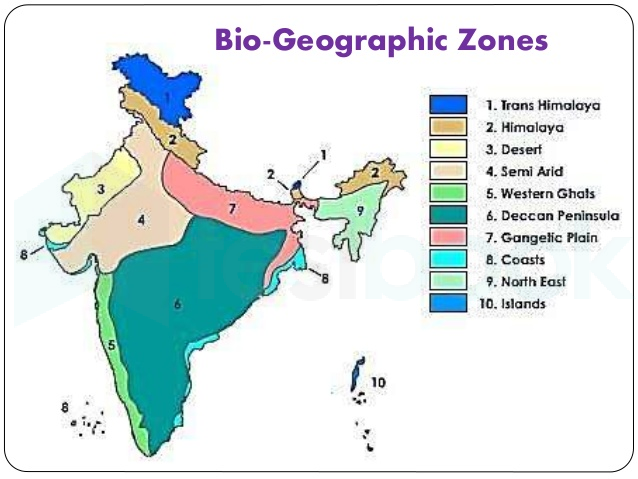
(b) It is a confluence of different biogeographical zones.
(c) Exotic and invasive species have not been invasive species and have not been introduced in this region.
The Union Cabinet has approved a two-year Clean Mobility Scheme aimed at replacing older trucks and buses in Delhi-NCR with BS-VI-compliant vehicles. The move is significant because heavy commercial vehicles constitute only a small fraction of the vehicle fleet but contribute disproportionately to particulate and nitrogen oxide emissions.
What is the Clean Mobility Scheme for Delhi-NCR?
Approval: Approved by the Union Cabinet for a two-year period to reduce air pollution and promote clean mobility in Delhi-NCR.
Objective: Accelerates replacement of BS-IV and older trucks and buses with BS-VI-compliant or electric vehicles (EVs).
Funding Mechanism: Financed through the National Capital Region Planning Board (NCRPB) under the Ministry of Housing and Urban Affairs (MoHUA).
Implementing Agencies: Implemented by the Ministry of Road Transport and Highways (MoRTH) and the Ministry of Petroleum and Natural Gas (MoPNG) in collaboration with Delhi, Haryana, Rajasthan and Uttar Pradesh.
Financial Outlay: Provides a total package of ₹9,585 crore, including ₹5,041 crore Central assistance and ₹1,601 crore estimated State tax concessions.
Coverage: Targets nearly 2.07 lakh vehicle owners, including 1.91 lakh trucks and 16,329 buses across Delhi-NCR.
Vehicle Replacement Norms: Mandates scrapping of BS-III and older vehicles at Registered Vehicle Scrapping Facilities; BS-IV vehicles may be scrapped or sold outside NCR in non-NCAP cities/towns.
Delhi-Specific Provision: Requires electric Light Goods Vehicles (LGVs) and permits only BS-VI CNG or electric buses under the scheme.
Exclusion: Government-owned vehicles are not eligible for scheme benefits.
What Incentives Does the Scheme Provide?
Central Government Support
Interest Subvention: Provides 5% interest subsidy on vehicle loans for five years.
Fuel Support: Provides monthly fuel vouchers of up to ₹4,800, depending on vehicle category.
EV Incentives: Offers lump-sum benefits for electric vehicle purchases or Certificate of Deposit trading.
State Government Support
Registration Fee Waiver: Exempts eligible new vehicles from registration charges.
Motor Vehicle Tax Relief: Provides up to 100% tax concession for new vehicles and 50% concession for used vehicles for 10 years.
Liability Waiver: Waives pending liabilities on old vehicles participating in the scheme.
Industry Support
OEM Contribution: Participating automobile manufacturers provide 8% discount on ex-showroom prices.
How Will the Scheme Be Implemented and Monitored?
Digital Platform: Uses an integrated portal for real-time eligibility verification, automated claims processing and fuel voucher disbursement.
Outcome Monitoring: Tracks pollution-reduction outcomes and scheme performance digitally.
Long-Term Support: Central benefits continue for five years from registration of the new vehicle, extending beyond the two-year enrolment period.
Empowered Committee: Monitored by a high-level committee chaired by the Cabinet Secretary, with representation from NITI Aayog, MoHUA, MoRTH, MoPNG, DFS and NCR States.
District-Level Oversight: District Collectors/District Magistrates will supervise implementation and monitoring at the local level.
Can the Replacement of Old Trucks and Buses Significantly Improve Delhi-NCR Air Quality?
Disproportionate Emission Burden: Old trucks and buses contribute significantly higher emissions despite constituting a small share of the total fleet.
PM2.5 Contribution: Trucks and buses account for 36% of transport-sector PM2.5 emissions, directly affecting respiratory and cardiovascular health.
Diagnostic Systems: Uses advanced on-board diagnostic (OBD) systems for emission monitoring.
BS-IV Gap:BS-IV vehicles emit 2.7 times more pollution than comparable BS-VI vehicles.
Technology Transition: Aligns Indian emission standards with advanced global regulatory practices.
What Is the Current Composition of Delhi-NCR’s Commercial Vehicle Fleet?
Goods Vehicles: Account for 4.1% (11.80 lakh) of Delhi-NCR’s 2.88 crore vehicle fleet.
Bus Share: Buses constitute only 0.6% of the total vehicle fleet.
BS-VI Buses:34,449 buses are BS-VI compliant.
Older Buses:1,26,549 buses fall within the pre-BS to BS-IV categories.
Pollution Concentration: A relatively small commercial fleet contributes disproportionately to emissions.
Why Is Delhi-NCR Particularly Vulnerable to Air Pollution?
Multiple Sources: Pollution arises from transport, dust, industrial emissions and biomass burning.
Meteorological Factors: Weather conditions influence pollutant accumulation and dispersion.
Regional Nature: Pollution originates from both local and regional sources.
Winter Inversion: Seasonal atmospheric conditions trap pollutants closer to the ground.
Population Exposure: High population density magnifies health impacts.
What Are the Potential Benefits and Limitations of the Scheme?
Benefits
Emission Reduction: Accelerates removal of highly polluting vehicles.
Fleet Modernisation: Promotes adoption of cleaner commercial transport.
Health Gains: Reduces exposure to PM2.5 and NOx.
Regulatory Compliance: Supports implementation of CAQM directives.
Climate Co-benefits: Improves fuel efficiency and lowers emission intensity.
Limitations
High Replacement Cost: Fleet owners may face financial constraints.
Enforcement Challenges: Effective scrappage and replacement monitoring remain critical.
Partial Solution: Transport is only one component of Delhi-NCR’s pollution problem.
Regional Coordination: Requires cooperation among multiple NCR states.
Conclusion
The Clean Mobility Scheme aligns with India’s commitment to achieve Net Zero by 2070, reduce the emissions intensity of GDP by 45% by 2030, and promote sustainable urban transport. By targeting a small fleet responsible for a disproportionately large share of vehicular pollution, the scheme can complement the National Clean Air Programme (NCAP) target of reducing particulate pollution in non-attainment cities while advancing SDG 3 (Good Health), SDG 11 (Sustainable Cities) and SDG 13 (Climate Action).
PYQ Relevance
[UPSC 2020] What are the key features of the National Clean Air Programme (NCAP) initiated by the Government of India?
Linkage: The PYQ focuses on policy measures and institutional interventions for tackling air pollution in India.The Clean Mobility Scheme complements NCAP by targeting vehicular emissions, a major source of PM2.5 and NOx pollution in Delhi-NCR, through fleet modernisation and BS-VI transition.
Focus: Avoiding unnecessary barriers to international trade.
About WTO Trade and Environment Week
Organized under: World Trade Organization
Purpose: Discuss links between Trade, Climate change, Sustainability, and Environmental regulations.
[2025] Consider the following statements: Statement I: Article 6 of the Paris Agreement on climate change is frequently discussed in global discussions on sustainable development and climate change. Statement II: Article 6 of the Paris Agreement on climate change sets out the principles of carbon markets. Statement III: Article 6 of the Paris Agreement on climate change intends to promote inter-country non-market strategies to reach their climate targets. Which one of the following is correct in respect of the above statements?
[A] Both Statement II and Statement III are correct and both of them explain Statement I
[B] Both Statement II and Statement III are correct but only one of them explains Statement I
[C] Only one of the Statements II and III is correct and that explains Statement I
[D] Neither Statement II nor Statement III is correct