💥Join UPSC 2027,2028 Mentorship (July Batch) + XFactor Notes & Microthemes PDF

Subject: Environment

  • Climate Threat Emerging from Rising Evaporative Demand and Thirstwaves

    Why in the News?

    Scientists have coined a new term, “thirstwave”, to describe spikes in evaporative demand, where a warmer atmosphere draws more water from plants, soil, and trees.

    What is Evaporative Demand?

    • Definition: Evaporative demand is the measure of how much water the atmosphere can potentially absorb from land, plants, and water surfaces if there is unlimited water available. It tells us how “thirsty” the atmosphere is.
    • Nature of Measurement: It is not about how much water is actually lost but how much could be lost if water was fully available. It depends on weather conditions, not the amount of water in the soil.
    • Standard Metric: The most widely used metric to quantify this is Standardized Short-Crop Reference Evapotranspiration (ETos)—which assumes a 12 cm grass surface with unlimited water availability.
    • Impact of Global Warming: As global warming increases atmospheric heat, evaporative demand also rises, making the air more “thirsty”.

    What is a Thirstwave?

    • Origin: “Thirstwave” is a newly coined term (2025) by Meetpal Kukal and Mike Hobbins to describe three or more consecutive days of extreme evaporative demand.
    • Definition: A thirstwave is a period of sudden and intense increase in evaporative demand, caused by hot, dry, and sunny weather. It means the atmosphere becomes extremely “thirsty” and starts pulling water rapidly from soil, plants, and water bodies, even if they already have limited moisture.
    • Distinction from Heatwaves: Unlike heatwaves, thirstwaves account for multifactorial stress, combining temperature, humidity, wind, and solar input.
    • Thirstwave in India: There is no dedicated data yet on thirstwaves in India, but researchers are beginning to investigate, especially in South Asia’s climate-vulnerable zones.
    [UPSC 2018] Which of the following leaf modifications occur(s) in the desert areas to inhabit water loss?

    1. Hard and waxy leaves

    2. Tiny leaves

    3. Thorns instead of leaves

    Select the correct answer using the code given below:

    Options: (a) 2 and 3 only (b) 2 only (c) 3 only (d) 1, 2 and 3 *


  • Rising Evaporative Demand and Thirstwaves

    Why in the News?

    Scientists have coined a new term, “thirstwave”, to describe spikes in evaporative demand, where a warmer atmosphere draws more water from plants, soil, and trees.

    What is Evaporative Demand?

    • Definition: Evaporative demand is the measure of how much water the atmosphere can potentially absorb from land, plants, and water surfaces if there is unlimited water available. It tells us how “thirsty” the atmosphere is.
    • Nature of Measurement: It is not about how much water is actually lost but how much could be lost if water was fully available. It depends on weather conditions, not the amount of water in the soil.
    • Standard Metric: The most widely used metric to quantify this is Standardized Short-Crop Reference Evapotranspiration (ETos)—which assumes a 12 cm grass surface with unlimited water availability.
    • Impact of Global Warming: As global warming increases atmospheric heat, evaporative demand also rises, making the air more “thirsty”.
    • Key Features:
      • Simplified Model: ETos simplifies evapotranspiration by assuming fixed vegetation properties and only variable weather conditions.
      • Indicators of Stress: An increase in ETos indicates higher temperatures, lower humidity, faster wind, and stronger solar radiation.
      • Effect on Soil and Crops: Rising evaporative demand leads to more rapid drying of soil and plants, even with ample irrigation.
      • Agricultural Relevance: This directly affects irrigation scheduling, crop productivity, and climate-resilient farming strategies.

    What is a Thirstwave?

    • Origin: “Thirstwave” is a newly coined term (2025) by Meetpal Kukal and Mike Hobbins to describe three or more consecutive days of extreme evaporative demand.
    • Definition: A thirstwave is a period of sudden and intense increase in evaporative demand, caused by hot, dry, and sunny weather. It means the atmosphere becomes extremely “thirsty” and starts pulling water rapidly from soil, plants, and water bodies, even if they already have limited moisture.
    • Distinction from Heatwaves: Unlike heatwaves, thirstwaves account for multifactorial stress, combining temperature, humidity, wind, and solar input.
    • Thirstwave in India: There is no dedicated data yet on thirstwaves in India, but researchers are beginning to investigate, especially in South Asia’s climate-vulnerable zones.
    [UPSC 2018] Which of the following leaf modifications occur(s) in the desert areas to inhabit water loss?

    1. Hard and waxy leaves

    2. Tiny leaves

    3. Thorns instead of leaves

    Select the correct answer using the code given below:

    Options: (a) 2 and 3 only (b) 2 only (c) 3 only (d) 1, 2 and 3 *


  • What is the Integrated Biodiversity Assessment Tool (IBAT) Alliance?

    Why in the News?

    The IBAT Alliance, a coalition of leading global conservation bodies, announced a record $2.5 million investment in biodiversity data for the year 2024, more than double the amount in 2023.

    About Integrated Biodiversity Assessment Tool (IBAT):

    • What is it: IBAT is a web-based biodiversity mapping and reporting platform launched in 2008 at the IUCN World Conservation Congress.
    • Objective: It was launched to enable the private sector, government, and civil society to integrate biodiversity into planning and risk management processes.
    • Utility: It helps screen biodiversity risks, assess conservation priorities, and align business practices with global frameworks like the UN SDGs and Kunming-Montreal Global Biodiversity Framework.
    • Members: The IBAT Alliance is a coalition of 4 major global conservation organizations:
      1. BirdLife International
      2. Conservation International (CI)
      3. International Union for Conservation of Nature (IUCN)
      4. UN Environment Programme World Conservation Monitoring Centre (UNEP-WCMC)
    • Headquarters: David Attenborough Building, Cambridge (UK), with access to global scientific and conservation networks.
    [UPSC 2016] With reference to an initiative called ‘The Economics of Ecosystems and Biodiversity (TEEB)’, which of the following statements is/are correct?

    1. It is an initiative hosted by UNEP, IMF and World Economic Forum.

    2. It is a global initiative that focuses on drawing attention to the economic benefits of biodiversity.

    3. It presents an approach that can help decision-makers recognize, demonstrate and capture the value of ecosystems and biodiversity.

    Select the correct answer using the code given below.

    (a) 1 and 2 only (b) 3 only (c) 2 and 3 only* (d) 1, 2 and 3


  • WMO’s State of the Climate in Asia 2024 Report

    Why in the News?

    The World Meteorological Organisation (WMO) has released its “State of the Climate in Asia, 2024” report.

    About the World Meteorological Organisation (WMO):

    • Overview: It is a specialised agency of the United Nations that deals with meteorology (weather and climate), operational hydrology, and related geophysical sciences.
    • Historical Origin: It was established in 1950, evolving from the International Meteorological Organisation (IMO), which was founded in 1873.
    • Headquarters Location: The headquarters of WMO is located in Geneva, Switzerland.
    • Global Coordination Role: WMO plays a key role in coordinating international efforts for climate data collection, forecasting, disaster preparedness, and climate change assessment.
    • Members: It has a membership of 193 members (187 member states + 6 Territories), including India.
    • Flagship Reports: WMO publishes annual climate reports such as the “State of the Climate” to highlight key trends and extreme weather impacts.

    Key Highlights of the State of the Climate in Asia – 2024 Report:

    • Record Warmth: 2024 was the warmest year on record in Asia, with heatwaves, extreme rainfalls, cyclones, and droughts devastating the region.
    • Global Temperature Spike: The global mean temperature reached its highest level since 1850, surpassing the 2023 record of 1.45°C.
    • Glacier Loss: 23 out of 24 monitored glaciers in the Himalayas and Tian Shan suffered mass loss, increasing the risk of glacial lake outburst floods (GLOFs).
    • Marine Heatwaves: Marine heatwaves of unprecedented extent and intensity affected Asian oceans, particularly around India, Japan, and China.
    • Major Cyclones: Cyclone Remal struck Bangladesh and India with 111 km/h winds and 2.5-metre-high storm surges; Asna and Fengal also caused major damage in Oman, Sri Lanka, and India.
    • Flash Floods and Landslides: Flash floods and landslides in Kerala, Nepal, and Sri Lanka resulted in hundreds of deaths and mass displacement.
    • Extreme Heatwaves: Heatwaves broke records across East and South Asia, including Japan, South Korea, China, Thailand, and India. Myanmar set a new national record at 48.2°C.
    • Severe Drought in China: Drought in China affected 4.8 million people, damaged over 335,000 hectares of crops, and caused losses of CNY 2.89 billion.
    [UPSC 2018] Momentum for Change: Climate Neutral Now” is an initiative launched by

    Options: (a) The Intergovernmental panel on Climate Change (b) The UNEP Secretariat (c) The UNFCCC Secretariat* (d) The World Meteorological Organization


  • All about the revised Green India Mission to increase forest cover, address climate change

    Why in the News?

    The revised plan for the Green India Mission (GIM), released by the Centre on June 17, is an important step forward in India’s fight against climate change.

    What are the achievements of the Green India Mission since its launch in 2014?

    • Large-scale Afforestation Activities: GIM facilitated tree plantation and afforestation across 11.22 million hectares between 2015–16 and 2020–21. Eg: Afforestation under state schemes in Andhra Pradesh and Telangana helped increase green cover.
    • Support to Vulnerable States: Funds were allocated based on ecological vulnerability and restoration potential. Eg:624.71 crore released to 18 states between 2019–24, with ₹575.55 crore utilised.
    • Carbon Sequestration Contribution: Contributed to creating an additional carbon sink of 2.29 billion tonnes of CO₂ equivalent between 2005–2021. Eg: Forest restoration in Jharkhand and Chhattisgarh aided national climate goals.
    • Integration with Climate Goals: GIM aligned with India’s international commitment to restore 26 million hectares of degraded land by 2030. Eg: Activities under GIM complement India’s UNFCCC goals on land restoration and carbon capture.
    • Livelihood Enhancement through Forest-Based Interventions: Helped improve livelihoods of forest-dependent communities via sustainable forestry practices. Eg: Community plantation models in Odisha created jobs and promoted conservation.

    What are the key elements of the revised Green India Mission roadmap?

    • Landscape-level restoration: Focus on saturation-based, area-specific restoration in vulnerable landscapes like the Aravallis, Western Ghats, Himalayas, and mangroves.
    • Integration with flagship projects: Syncing with initiatives like the Aravalli Green Wall project (cost: Rs 16,053 crore, coverage: 6.45 mha across 29 districts and 4 states).
    • Aravalli protection: Targeting 8 lakh hectares for forest, water system and grassland rejuvenation to curb sandstorm intrusions and pollution in NCR and Punjab.
    • Western Ghats focus: Addressing illegal mining and deforestation through afforestation and abandoned mine rehabilitation.

    Why was the Green India Mission’s roadmap revised?

    • To Address On-Ground Climate Impacts: The revision was made to respond to changing climate conditions and the increasing urgency of land degradation and desertification. Eg: Inclusion of the Aravalli Green Wall Project to counter desert expansion from the Thar region.
    • To Incorporate Feedback from States and Scientific Bodies: The revised plan reflects inputs from implementing states and scientific institutions, ensuring region-specific solutions. Eg: Feedback led to the addition of eco-restoration of abandoned mining areas in the Western Ghats.
    • To Focus on Region-Specific Restoration Practices: The update prioritises landscape-specific and ecologically appropriate restoration in vulnerable ecosystems. Eg: Special emphasis on Himalayas, mangroves, and degraded zones for carbon sequestration and biodiversity conservation.

    What key regions will it now focus on?

    Who is implementing the Green Wall project?

    • Central Government Leadership: The Centre (Government of India) is spearheading the initiative, allocating funding and coordinating implementation across states. Eg: The project’s ₹16,053 crore budget and planning is directed by central agencies in collaboration with local authorities.
    • Collaboration with States and Scientific Institutions: Implementation involves three states (Haryana, Rajasthan, Gujarat), one UT (Delhi)  and guidance from the Wildlife Institute of India (WII), using ecological data to target 12 degradation gaps in the Aravalli range. Eg: WII studies identified dust-prone regions; restoration covers 8 lakh hectares across 29 districts in these states.

    How will GIM address land degradation and carbon sequestration?

    • Restoration of Degraded and Open Forests: GIM focuses on restoring impaired open forests, which is a cost-effective and high-impact method for carbon dioxide (CO₂) sequestration. Eg: As per the Forest Survey of India (FSI), restoring 15 million hectares can sequester 1.89 billion tonnes of CO₂.
    • Region-Specific Ecological Interventions: The revised roadmap includes landscape-specific afforestation and eco-restoration in vulnerable areas like the Aravallis, Western Ghats, Himalayas, and mangroves. Eg: Under the Aravalli Green Wall Project, 8 lakh hectares will be restored to combat desertification and reduce dust pollution.
    • Expansion of Natural Carbon Sinks: GIM aligns with India’s climate commitment to create an additional carbon sink of 2.5 to 3 billion tonnes of CO₂ by 2030. Eg: By integrating schemes and intensifying plantation efforts, GIM aims to expand forest and tree cover up to 24.7 million hectares, capturing 3.39 billion tonnes of CO₂.

    Way forward: 

    • Integrated Landscape-Based Planning: Adopt a holistic, ecosystem-specific approach by aligning GIM with other environmental programs (e.g., CAMPA, MGNREGS) for coordinated restoration and afforestation efforts.
    • Enhanced Monitoring and Community Participation: Use technology (GIS, remote sensing) for real-time progress tracking, while empowering local communities and forest-dependent groups for sustainable upkeep and livelihood generation.

    Mains PYQ:

    [UPSC 2020] Examine the status of forest resources of India and its resultant impact on climate change.

    Linkage: This question directly relates to the core objectives and context of the Green India Mission (GIM). The GIM, launched in 2014, is a crucial component of India’s efforts to combat climate change by increasing forest and tree cover and restoring degraded ecosystems. The revised roadmap for GIM emphasizes not only increasing and restoring forest and green cover but also tackling land degradation and desertification, which are significant environmental issues in India.

  • First Assembly of the International Big Cat Alliance (IBCA)

    Why in the News?

    The first Assembly of the International Big Cat Alliance (IBCA) was held on June 16, 2025, in New Delhi, with the Union Environment Minister presiding over the session.

    About the International Big Cat Alliance (IBCA)

    • Overview: It is a multi-country, multi-agency alliance of 95 countries, both range and non-range, dedicated to the conservation of big cats and their habitats.
    • Launch: Proposed by PM Modi in 2019, the alliance was officially launched in April 2023 to mark Project Tiger’s 50th anniversary.
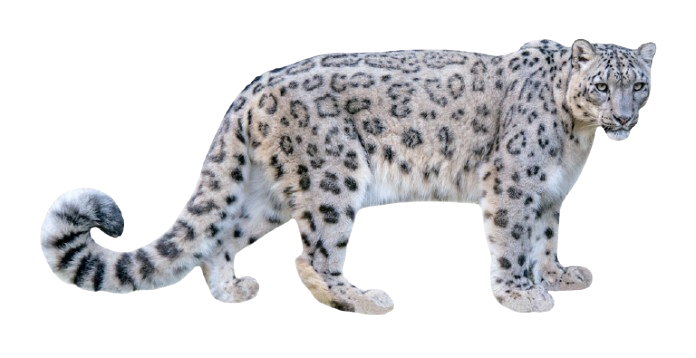
    • Conservation Focus: IBCA seeks to protect and restore populations of 7 big cats: tiger, lion, leopard, snow leopard, cheetah, jaguar, and puma.
    • Core Functions: The alliance works through advocacy, knowledge exchange, promotion of eco-tourism, and resource mobilisation.
    • Conflict Resolution: It aims to reduce human-wildlife conflict and restore degraded habitats critical to big cat survival.
    • Global Participation: IBCA brings together 95 range countries from:
      • Asia: India, China, Nepal, Pakistan, Iran
      • Africa: Kenya, Congo, Ghana
      • Americas: Brazil, Ecuador, United States
      • Europe/Central Asia: Russia, Kazakhstan
    • Members: Bhutan, Eswatini, Cambodia, Guinea, India, Liberia, Nicaragua, Somalia and Suriname have deposited an instrument of ratification.
    • Institutional Structure: It is governed by a General Assembly, an elected Council, and a secretariat led by a Secretary-General.
    • Permanent Base: The ratification of the headquarters agreement has enabled IBCA to set up its permanent headquarters in India.

    India’s Role:

    • Species Richness: India is home to 5 of the 7 big cats—the tiger, lion, leopard, snow leopard, and cheetah—and holds 70% of the world’s tiger population.
    • Funding Commitment: The Indian government has committed ₹150 crore (2023–2028) and is attracting additional global contributions to support the alliance’s goals.
    • Conservation Leadership: India plays a leading global role in big cat protection, setting benchmarks in wildlife conservation and ecological stewardship.
    [UPSC 2024] Consider the following statements:

    1. Lions do not have a particular breeding season.

    2. Unlike most other big cats, cheetahs do not roar.

    3. Unlike male lions, male leopards do not proclaim their territory by scent marking.

    Which of the statements given above are correct?

    (a) 1 and 2 only * (b) 2 and 3 only (c) 1 and 3 only (d) 1, 2 and 2


  • Ocean Darkening: A New Ecological Crisis

    Why in the News?

    A new study from the University of Plymouth has revealed that over 21% of the global ocean has significantly darkened in the last two decades.

    What is Ocean Darkening?

    • Ocean darkening refers to the reduction in sunlight penetration into the ocean’s upper layers, known as the photic zone (up to 200 meters deep), where sunlight drives photosynthesis and supports marine biodiversity.
    • This process is measured using the diffuse attenuation coefficient (Kd 490), which tracks how quickly light diminishes as it passes through seawater.
    • The photic zone is essential for phytoplankton productivity, oxygen generation, marine food chains, and the regulation of global climate.

    Recent Report Citing Ocean Darkening:

    • A new study by researchers from the University of Plymouth, published in 2024, titled “Darkening of the Global Ocean”, revealed that 21% of the global ocean has significantly darkened from 2003 to 2022.
    • Key findings:
      • 9% of the ocean saw a drop of more than 50 meters in light penetration—equal to the area of Africa.
      • 2.6% experienced a loss exceeding 100 meters in photic depth.
    • Affected Region: The study found the Arctic, Antarctic, Gulf Stream, and North Sea among the worst affected regions.
    • Causes:
      • Algal blooms from nutrient runoff in coastal areas.
      • Warming seas, altered plankton dynamics, and changing ocean currents in open ocean zones.

    Implications of Ocean Darkening:

    • Ecosystem Disruption: Light-dependent species, such as Calanus copepods, are being pushed into shallower zones, increasing predation and competition.
    • Loss of Habitat: The shrinkage of the photic zone could be one of the largest marine habitat losses ever, affecting fish stocks and biodiversity.
    • Climate Feedback Loop: Reduced photosynthesis in oceans could weaken the ocean’s role in carbon sequestration and oxygen production, worsening climate change.
    • Threat to Global Fisheries: The contraction of productive zones affects fish populations, jeopardising fisheries and food security.
    • Scientific Concern: Researchers warn that this hidden crisis could fundamentally alter marine ecosystems if not urgently addressed.
    [UPSC 2025] With reference to the planet Earth, consider the following statements:

    I. Rain forests produce more oxygen than that produced by oceans. II. Marine phytoplankton and photosynthetic bacteria produce about 50% of the world’s oxygen. III. Well-oxygenated surface water contains several folds higher oxygen than that in atmospheric air.

    Which of the statements given above is/are correct?

    Options: (a) I and II (b) II only * (c) I and III (d) None of the above statements is correct


  • [16th June 2025] The Hindu Op-ed: What are flue gas desulphurisation units?

    PYQ Relevance:

    [UPSC 2022] Discuss global warming and mention its effects on the global climate. Explain the control measures to bring down the level of greenhouse gases which cause global warming, in the light of the Kyoto Protocol, 1997.

    Linkage:  SO2 as “one of the major greenhouse gases that cause global warming”. Flue Gas Desulphurisation (FGD) units are designed specifically to remove SO2 emissions from the combustion of fossil fuels. Therefore, FGD units serve as a direct “control measure to bring down the level of greenhouse gases” as addressed by the question.


    Mentor’s Comment:  India’s top science advisory group has suggested ending the 2015 rule that made it compulsory for all coal-based power plants to install Flue Gas Desulphurisation (FGD) units. This has raised serious concerns because FGDs are key to reducing sulphur dioxide (SO₂) pollution, which causes 15% of India’s PM2.5 levels and leads to breathing problems, environmental damage, and climate change. Although installing FGDs is expensive (₹1.2 crore per MW), experts warn that dropping the plan could harm public health and clean air efforts. Worryingly, only 39 of 537 plants have installed FGDs, and deadlines keep getting pushed back.

     Today’s editorial focuses on the analysis of the installation of the Flue Gas Desulphurisation (FGD) units in a thermal power plant. This content is very relevant to GS Paper III (Environment, Science and Technology) Mains.

    _

    Let’s learn!

    Why in the News?

    A group of experts, led by Principal Scientific Advisor Ajay Sood, has recently suggested that India should cancel the 10-year-old rule that requires all coal-based thermal power plants to install Flue Gas Desulphurisation (FGD) units.

    Why India should cancel the 10-Year-Old Rule (2015 FGD Mandate)?

    • High Installation Cost Burden: Installing FGD units costs around ₹1.2 crore per MW, which can significantly raise power generation costs and electricity tariffs. Eg: For 97,000 MW of new capacity, the cost would be about ₹97,000 crore, making power less affordable.
    • Delayed and Poor Implementation: Despite the 2015 rule, compliance has been dismal—only 39 out of 537 plants had FGDs installed by 2025. Eg: Repeated deadline extensions (up to 2029) show lack of feasibility and institutional capacity.
    • Limited Local Air Quality Impact in Some Areas: In certain regions, the contribution of SO₂ emissions from TPPs to PM2.5 levels is relatively small. Eg: In Delhi, most air pollution comes from other sources like vehicles and construction, so FGDs at distant plants may offer minimal benefit.

    What is a Flue Gas Desulphurisation (FGD) unit?

    • FGD units are devices used in coal-fired thermal power plants (TPPs) to remove sulphur dioxide (SO₂) from flue gas. Flue gas is a byproduct of burning fossil fuels and contains pollutants like SO₂, CO₂, NOx, and particulate matter.
    • Three common FGD technologies:
      • Dry sorbent injection (adds powdered limestone to flue gas).
      • Wet limestone treatment (reacts SO₂ with limestone slurry to form gypsum).
      • Sea water scrubbing (used near coastal areas).

    How does it reduce SO₂ emissions from thermal power plants?

    • Chemical Neutralisation Reaction: FGD units use alkaline substances like limestone or lime to react with acidic SO₂ in flue gas, converting it into stable, non-toxic compounds. Eg: In wet limestone FGD, SO₂ reacts with limestone slurry to form gypsum (CaSO₄·2H₂O), a harmless industrial byproduct.
    • Efficient Scrubbing Techniques: Technologies like wet scrubbers or dry sorbent injection physically remove SO₂ from exhaust gases before release into the atmosphere. Eg: Dry sorbent injection sprays powdered lime into the flue gas stream, which binds with SO₂ and is later captured by filters.
    • Controlled Emission Discharge: FGD ensures that the treated flue gas released into the environment has significantly lower SO₂ levels, complying with environmental norms. Eg: Power plants near coasts use sea water FGD, where sea water absorbs SO₂ and is then treated before being discharged safely.

    Why are SO₂ emissions harmful?

    • Respiratory and Health Issues: Sulphur dioxide (SO₂) irritates the respiratory system, causing problems like asthma, bronchitis, and lung damage, especially in children and the elderly. Eg: Studies in urban industrial areas show a direct link between SO₂ exposure and increased hospital admissions for respiratory illnesses.
    • Formation of Secondary Particulate Matter (PM2.5): SO₂ reacts in the atmosphere to form fine particulate matter (PM2.5), which can penetrate deep into lungs and enter the bloodstream, posing serious health risks. Eg: According to studies, 80% of PM2.5 from coal combustion is due to secondary particles formed from SO₂.
    • Contribution to Acid Rain: SO₂ combines with water vapor in the atmosphere to form sulphuric acid, leading to acid rain that damages soil, crops, forests, and aquatic ecosystems. Eg: Regions near coal-fired plants have reported acidic lakes and damaged crops due to acid rain deposition.
    • Environmental Degradation: High SO₂ levels can corrode buildings, especially monuments made of limestone or marble, and degrade overall air and water quality. Eg: The Taj Mahal has shown signs of yellowing, partly attributed to SO₂-related pollution.
    • Climate and Visibility Impact: Though SO₂ itself is not a greenhouse gas, it leads to formation of aerosols, affecting cloud formation, reducing visibility, and causing climate imbalance. Eg: In industrial belts, hazy skies and temperature variations are linked to SO₂-derived aerosols.

    What is the status of FGD installation in India (2025)?

    • Low Overall Commissioning: Only about 39 out of 537 thermal power plant units (≈ 19,430 MW capacity) have commissioned FGD systems, representing ~11% of the total required capacity. Eg: Just 13 out of 35 units within 300 km of Delhi have installed FGDs, showing slow progress in high-pollution zones.
    • Stalled Projects and Delays: Contracts have been awarded for about 238 units (~105,200 MW), and 139 units (~42,847 MW) are still in the tendering stage, but many projects remain stalled. Eg: Some plants, especially near Delhi, may take up to 36 months to complete FGD installation due to regulatory and logistical hurdles.
    • Repeated Deadline Extensions: Compliance deadlines have been extended multiple times: from 2017 → 2024 → 2026–2029, depending on the location and plant category. Eg: The Ministry of Environment has pushed back deadlines for thermal plants in Delhi NCR without strict justification, raising concerns about enforcement.

    Way forward: 

    • Prioritised FGD Installation: Expedite FGD implementation in high-emission and densely populated zones to balance cost and health impact.
    • Policy and Financial Support: Provide targeted subsidies or incentives to TPPs and integrate FGD costs into long-term tariff planning for smoother adoption.
  • Fire on waters India’s maritime firefighting capabilities are standing up to the test

    Why in the News?

    The fire on MV Wan Hai 503 near Kannur exposed India’s weak maritime safety. With over 140 hazardous containers onboard, it posed a major risk during the monsoon, threatening the environment and lives.

    What are the major types of peacetime maritime accidents faced by the Indian coast?

    • Sinking of merchant ships – leads to cargo loss, traffic disruption, and environmental damage.
    • Fire onboard vessels – threatens coastal life, property, and marine ecology.
    • Oil spills – have long-lasting environmental impacts and are difficult to contain.

    Why was the MV Wan Hai 503 incident a significant maritime safety challenge?

    • Presence of Hazardous Cargo: Over 140 of the 1,754 containers onboard contained hazardous materials, posing a high risk of toxic release and chemical explosions. Eg: Multiple colors of smoke (brown, white, grey, black) indicated different substances burning simultaneously.
    • Proximity to Coastline During Fire: The ship began drifting dangerously toward the Indian coast near Azhikkal, Kerala, during monsoon rough seas, increasing the threat of coastal disaster. Eg: The tow rope initially snapped under pressure, risking further drift and collision with the shore.
    • Complexity of Fire-Fighting and Towing: Fire-fighting was complicated by weather conditions and ship instability, requiring precise coordination. Eg: An Indian Navy helicopter had to airdrop a salvage team to pass a steel wire rope for safe towing to deeper waters.
    • Multi-Agency Emergency Response Needed: The incident required rapid coordination between the Indian Navy, Coast Guard, and the ship owner’s team using tugs. Eg: The ship was finally stabilized 45 nautical miles offshore, where the water depth was nearly one kilometre, minimizing risk to coastal areas.

    How did Indian agencies respond to the fire on MV Wan Hai 503?

    • Rapid firefighting efforts amid adverse conditions: The Indian Coast Guard initiated firefighting operations despite rough seas caused by the monsoon. Eg: Firefighting continued while the ship drifted dangerously toward the Kerala coast, with thick smoke from burning hazardous cargo.
    • Coordinated aerial and naval action: The Indian Navy deployed a helicopter to airdrop a salvage team onto the ship and deliver a steel wire rope to secure it. Eg: The steel rope enabled safe towing after the initial tow rope snapped due to tension and sea conditions.
    • Strategic towing and risk mitigation: Indian agencies, in coordination with the ship owner’s agents and tugboats, towed the vessel 45 nautical milesaway from the coast to prevent environmental and coastal damage. Eg: The vessel was moved to deeper waters (1 km depth) to minimize the impact of any further explosion or sinking.

    Why are gas-carrying and oil-laden ships considered severe fire and explosion hazards?

    • High flammability of cargo: Gas and crude oil are highly combustible, making these ships extremely prone to fires and explosions if containment fails. Eg: Even a minor spark can ignite vapours from gas or oil, causing catastrophic fires onboard.
    • Large volume of hazardous material: These vessels carry enormous quantities of flammable substances, which amplify the scale of damage during accidents. Eg: The New Diamond VLCC was carrying 2,70,000 tonnes of crude oil when it caught fire off Colombo in 2020.
    • Critical maritime chokepoint risks: Accidents involving such vessels at strategic locations like the Suez Canal or Strait of Malacca can disrupt global trade and cause widespread damage. Eg: A gas carrier explosion at a maritime chokepoint could halt international shipping routes, impacting global supply chains.

    What are the key areas India needs to strengthen in maritime fire-fighting and salvage operations? (Way forward)

    • Rapid Salvage Capability: India must improve its ability for quick salvage of sinking or damaged vessels to prevent cargo loss, environmental damage, and navigation disruption. Eg: During the MV Wan Hai 503 incident, timely towing by the Indian Navy helped avert a coastal disaster, but highlighted the need for faster salvage deployment.
    • Multi-agency Coordination: Effective response to maritime emergencies requires seamless coordination among the Coast Guard, Navy, port authorities, and private salvage firms. Eg: The successful control of the New Diamond VLCC fire involved joint efforts from Indian and Sri Lankan naval forces.
    • Advanced Fire-fighting Infrastructure: India needs to upgrade fire-fighting equipment on patrol vessels and at key ports, especially for handling hazardous cargo and oil/gas fires. Eg: The Coast Guard’s patrol vessels are now fitted with basic fire-fighting systems, but large-scale fires require specialised ships and foam-based suppression systems.

    Mains PYQ:

    [UPSC 2023] What are the ways in which oil pollution affects the marine ecosystem? In what way is oil pollution particularly harmful for a country like India?

    Linkage: Maritime Accident Response” explicitly talks about the “oil spills” as one of the three major peacetime maritime accidents that the Indian coast needs protection against. It also states that oil is a “more severe fire hazard” than hazardous cargo, especially in the context of gas-carrying merchant ships. This question directly addresses the environmental and national impact of oil pollution, which is a significant aspect of maritime accidents and firefighting efforts.

  • India needs a sincere aircraft accident investigation

    Why in the News?

    The tragic aircraft accident in Ahmedabad on June 12, 2025, has once again thrown a spotlight on India’s deeply flawed aviation accident investigation system.

    Why is the AAIB’s independence in question despite being a statutory body?

    • Operational Control by MoCA: Although the AAIB is technically autonomous, it functions under the Ministry of Civil Aviation (MoCA), which also regulates airlines through the Directorate General of Civil Aviation (DGCA). Eg: In the Air India AI171 crash (2025), both the investigation and regulation were under MoCA’s control, raising concerns of bias and lack of transparency.
    • Leadership Appointments by the Same Authority: The MoCA appoints the heads of both the DGCA and the AAIB, undermining the bureau’s credibility as an independent investigative body. Eg: This centralized appointment structure is unlike the railway sector, where investigations are done by the Commissioner of Railway Safety, independent of the Railway Ministry.
    • Suppression of Uncomfortable Findings: Independent reviews and reports exposing deeper faults are often buried or ignored. Eg: The Air Marshal J.K. Seth Committee Report (1997) identified serious aviation safety issues, but it was never implemented because it told inconvenient truths.

    What systemic flaws affect India’s aviation safety framework?

    • Lack of Functional Independence in Investigations: The Aircraft Accident Investigation Bureau (AAIB) operates under the same ministry (MoCA) that regulates the aviation sector, compromising neutrality. Eg: After the Air India AI171 crash in June 2025, concerns were raised that the investigation might not be impartial due to overlapping roles of MoCA and AAIB.
    • Fragmented Oversight and Regulatory Capture: Aviation oversight in India suffers from poor coordination, limited resources, and influence by the very entities it is supposed to regulate. Eg: The J.K. Seth Committee Report (1997) pointed out such flaws, including regulatory capture, yet its recommendations remain largely unimplemented.
    • Reactive Rather Than Preventive Safety Culture: India’s aviation safety system often responds after accidents occur, rather than identifying and mitigating risks in advance.Eg: Multiple helicopter and flying school crashes in 2024–25 were not adequately investigated for systemic lapses, highlighting the absence of a proactive safety mechanism.

    How does MoCA’s control lead to conflict of interest in aviation oversight?

    • MoCA Controls Both Regulation and Investigation: MoCA oversees the Directorate General of Civil Aviation (DGCA) and also controls the Aircraft Accident Investigation Bureau (AAIB), creating an inherent conflict between promoting aviation and investigating its failures. Eg: In the Air India AI171 crash (2025), MoCA was in charge of both regulating the airline and investigating the crash, raising doubts about impartiality.
    • Lack of Independent Appointments: Senior officials in both DGCA and AAIB are appointed by MoCA, making it difficult for these bodies to act independently or challenge government or airline lapses. Eg: The J.K. Seth Committee (1997) warned about lack of independence due to MoCA’s direct control over top appointments, yet no structural change followed.
    • Investigative Findings May Be Influenced or Suppressed: When the regulator and investigator are under the same authority, reports may be watered down or delayed to avoid political or bureaucratic accountability. Eg: The Kozhikode crash (2020) report’s recommendations were not fully implemented, with experts citing MoCA’s influence in diluting critical findings.

    Why is pilot error often blamed in aviation accident reports?

    • Legally Convenient: Blaming the pilot simplifies legal liability and expedites insurance claims, avoiding lengthy investigations or broader accountability. Eg: In many crash reports, including Aurangabad crash (1993), pilot error was highlighted while structural or operational flaws were downplayed.
    • Shields Other Stakeholders: It protects airlines, maintenance agencies, air traffic control, and the regulator from scrutiny or punishment. Eg: In the Air India Express IX611 case (2018), suspected overloading was ignored while responsibility was pushed toward the flight crew.
    • Systemic Culture of Scapegoating: There’s a lack of a genuine no-blame culture in India’s aviation safety framework. Pilots, even posthumously, become convenient scapegoats. Eg: After the Kozhikode crash (2020), the pilot was quickly blamed, although systemic issues like runway design and poor weather protocols were also contributing factors.

    Way forward: 

    • Ensure Structural Independence of Investigative Bodies: Transfer the AAIB and DGCA out of the Ministry of Civil Aviation’s direct control and make them statutory authorities reporting to Parliament. This will eliminate conflict of interest and promote credible, impartial investigations.
    • Promote a No-Blame Safety Culture: Need to amend existing rules to prevent automatic criminal liability for pilots unless gross negligence is proven (e.g., Rule 19(3) of Aircraft Rules, 1937).

    Mains PYQ:

    [UPSC 2018] Describe various measures taken in India for Disaster Risk Reduction (DRR) before and after signing ‘Sendai Framework for DRR (2015-2030)’. How is this framework different from ‘Hyogo Framework for Action, 2005?

    Linkage: The article explicitly frames an aircraft accident as a “wake-up call” and argues that India needs a system that “prevents failures, and not just manages the damage.” It states, “We cannot keep firefighting. We need a system that prevents failures”. This directly relates to the concept of Disaster Risk Reduction (DRR), which emphasises proactive measures and preparedness over reactive response.