đŸ’„Join UPSC 2027,2028 Mentorship (July Batch) + XFactor Notes & Microthemes PDF

Subject: Health

  • Early nutrition impacts cognitive development

    Indonesia Accelerates Fight Against Childhood Stunting

    Central Idea:

    Early childhood stunting not only impacts a child’s height but also influences cognitive development, potentially leading to lower educational achievements. The article emphasizes the importance of understanding the underlying mechanisms of this impact, particularly in low- and middle-income countries like India. It discusses a recent study in Ethiopia and Peru, highlighting the negative correlation between stunting at age 5 and later cognitive skills, specifically executive functions. The findings underscore the critical role of early childhood nutrition in determining cognitive development and educational outcomes.

    Key Highlights:

    • Stunting at around age 5 is linked to lower executive functions, including working memory and inhibitory control, in later childhood.
    • Traditional cognitive-achievement tests may not fully capture inherent cognitive skills, and stunting’s impact may extend beyond cognitive deficits to include behavioral factors like delayed school enrollment.
    • The article highlights the need for a deeper understanding of the mechanisms through which stunting affects educational achievements, especially in the context of low- and middle-income countries.

    Key Challenges:

    • Existing research often focuses on specific cognitive-achievement test scores, making it challenging to fully understand the complex relationship between early human capital investments, such as nutrition, and cognitive development.
    • Achieving a comprehensive assessment of cognitive skills is complicated by the interplay of cognitive abilities, educational access, and other behavioral factors.
    • The article stresses the need to move beyond traditional cognitive-achievement tests and focus on a deeper understanding of the mechanisms linking early human capital investments to cognitive development.

    Key Terms and Phrases:

    • Early childhood stunting
    • Cognitive development
    • Executive functions
    • Behavioral factors
    • Household fixed effects
    • Poshan Abhiyaan
    • Integrated Child Development Services
    • Jal Jeevan Mission
    • Swachh Bharat Mission
    • Mother’s Absolute Affection Programme
    • Complementary feeding
    • Anganwadi worker

    Key Quotes:

    • “Stunting at approximately age 5 is negatively related to executive functions measured years later.”
    • “Empirical studies have shown that women’s height and educational attainment are strong predictors of child stunting in India.”
    • “Improvements in sanitation reduce the incidence of diarrhoea and stunting.”
    • “Promoting early breastfeeding, along with continued breastfeeding for two years, is essential for optimal child development.”

    Key Statements:

    • The study in Ethiopia and Peru establishes a negative correlation between stunting at age 5 and later cognitive skills, emphasizing the long-term impact of early childhood stunting.
    • The article stresses the need to move beyond traditional cognitive-achievement tests and focus on a deeper understanding of the mechanisms linking early human capital investments to cognitive development.

    Key Examples and References:

    • SĂĄnchez et al.’s study in ‘World Development’ linking early under-nutrition to executive functions in Ethiopia and Peru.
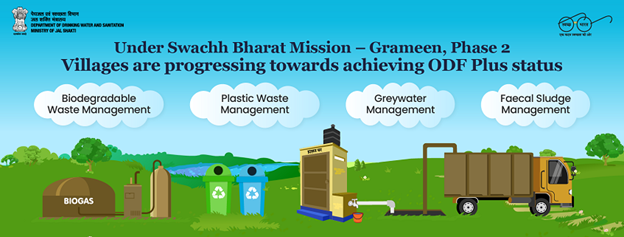
    • The role of initiatives like Poshan Abhiyaan, Integrated Child Development Services, Jal Jeevan Mission, and Swachh Bharat Mission in addressing stunting in India.

    Key Facts and Data:

    • The study in Ethiopia and Peru provides evidence of the negative relationship between stunting at age 5 and executive functions.
    • Empirical studies highlight the predictive role of women’s height and educational attainment in child stunting in India.

    Critical Analysis:

    The article effectively highlights the limitations of traditional cognitive-achievement tests in assessing the impact of early human capital investments on cognitive development. It emphasizes the need for a more nuanced understanding of the complex factors contributing to lower educational achievements, particularly in low- and middle-income countries. The study’s focus on executive functions and the link between stunting and cognitive skills adds valuable insights to the existing literature.

    Way Forward:

    • Expand initiatives like the Mother’s Absolute Affection Programme to provide comprehensive lactation support and create breastfeeding-friendly environments.
    • Implement and scale up community-based complementary feeding programs to educate parents about the importance of a diverse diet for children.
    • Consider adding an extra Anganwadi worker to each center to enhance preschool instructional time, potentially improving developmental outcomes and creating employment opportunities.

    In summary, addressing child stunting in India requires a multifaceted approach, including comprehensive nutrition initiatives, sanitation improvements, and strategic investments in education and childcare services. The article underscores the need for evidence-based policies to enhance early childhood nutrition and cognitive development.

  • Populism does not help public health

    Centre asks states to create diverse public health cadre | Latest News India  - Hindustan Times

    Central Idea:

    The article highlights the need for a shift in the approach to public health management in democratic setups, emphasizing the importance of prioritizing preventive measures over immediate, politically-driven responses. It advocates for a separation of health-care decision-making from short-term political goals to ensure sustainable health strategies that address both immediate and future health needs.

    Key Highlights:

    • Silent victories in preventing diseases often go unnoticed in the pursuit of tangible achievements.
    • Immediate response-focused initiatives divert attention from critical areas like sanitation, disease surveillance, and public health education.
    • The case of dengue exemplifies the prioritization of emergency relief over long-term prevention strategies.
    • The article stresses the importance of evidence-based decision-making and long-term goals in public health policies.
    • Gaps in public health education and the influence of the pharmaceutical industry are recognized challenges.
    • Disparities in achieving health policy targets, especially in nutrition programs, reveal gaps in public health efforts.
    • Socio-economic factors like poverty, sanitation, and overcrowding contribute to health disparities in diseases like tuberculosis.

    Key Terms/Phrases:

    • Preventive health measures
    • Vector bionomics
    • Public health education
    • Pharmaceutical industry influence
    • Socio-economic factors
    • Health policy targets
    • Separation of powers approach

    Key Quotes:

    • “In a democratic setup, leaders often chase tangible achievements and overlook vital preventive efforts.”
    • “Public health decisions should be based on scientific evidence and long-term goals, not electoral cycles.”
    • “Behavioural change is key to managing public health challenges.”
    • “Effective public health management should encompass preventive measures, policy formulation, community health, and environmental health.”

    Key Statements:

    • “Health care will benefit from being separated from political processes.”
    • “Investments in nutrition programs have far-reaching implications for health and productivity.”
    • “Public health is not just about treating diseases but preventing them.”

    Key Examples and References:

    • Dengue as an example of prioritizing immediate relief over long-term prevention.
    • Disparity in achieving targets in the Prime Minister’s Overarching Scheme For Holistic Nourishment (POSHAN) Abhiyan Scheme.
    • Disparity in TB cases between India and the United States due to socio-economic factors.

    Key Facts/Data:

    • 35.5% of children under five were stunted, and 32.1% were underweight in 2019-21.
    • 58.6% to 67.1% increase in prevalence of anaemic children aged 6-59 months.
    • India reported 21.4 lakh TB cases in 2021, an 18% increase from 2020.

    Critical Analysis:

    • The article effectively highlights the drawbacks of immediate, politically-driven health initiatives.
    • Emphasizes the importance of evidence-based decision-making and long-term planning in public health.
    • Recognizes gaps in public health education and the impact of socio-economic factors on health outcomes.

    Way Forward:

    • Advocate for a separation of health-care decision-making from short-term political goals.
    • Strengthen public health education and adopt a multidisciplinary approach.
    • Emphasize evidence-based decision-making and prioritize long-term preventive measures.
    • Address socio-economic factors influencing health outcomes.
  • Health Ministry announces new treatment regimen for Leprosy

    Leprosy

    Introduction

    • The Central government of India has given its approval for a new treatment regimen aimed at hastening the eradication of leprosy in the country.
    • The move, based on the latest global scientific research and endorsed by the World Health Organization (WHO), seeks to transition from a two-drug regimen to a three-drug regimen for Pauci-Bacillary (PB) leprosy cases.

    New Leprosy Treatment Regimen

    • Objective: The primary goal is to halt the transmission of leprosy at the sub-national level by 2027, aligning with the UN’s Sustainable Development Goals, three years ahead of schedule.
    • Transition from Two to Three Drugs: The Ministry of Health and Family Welfare has approved a shift from the existing two-drug regimen for six months to a three-drug regimen for Pauci-Bacillary (PB) cases.
    • Scientific Basis: This decision is grounded in the latest globally accepted scientific research studies and evidence-based practices.
    • WHO Endorsement: The World Health Organization (WHO) has committed to supply the revised drug regimen starting April 1, 2025, signifying international recognition and support for this approach.

    Key Implementation Steps

    • Three-Drug Regimen: The WHO-recommended treatment regimen includes dapsone, rifampicin, and clofazimine, collectively referred to as MDT. MDT is highly effective in killing the pathogen and curing the patient.
    • Advance Requisitions: All States and Union Territories are instructed to submit their requisitions for anti-leprosy drugs a full year in advance to ensure a smooth transition.
    • Unified Implementation Date: The revised classification of leprosy and the treatment regimen for both Pauci-Bacillary (PB) and multi-bacillary (MB) cases in India will come into effect simultaneously on April 1, 2025.

    Understanding Leprosy

    • Leprosy Overview: Leprosy is a chronic infectious disease caused by the Mycobacterium leprae bacteria, primarily affecting the skin and peripheral nerves.
    • Transmission: It spreads through droplets from the nose and mouth during close contact with untreated cases.
    • Curability: Leprosy is curable with multi-drug therapy (MDT).

    Distinction between PB and MB Cases

    • PB Cases: These individuals have fewer visible bacteria and show no signs of advanced disease in biopsies.
    • MB Cases: They have visible bacteria and may exhibit more advanced disease in biopsies.

    Significance of the New Regimen

    • Eradication Target: The adoption of this new treatment regimen is expected to accelerate India’s progress towards leprosy eradication by 2027, reinforcing the country’s commitment to combat this disease.
    • Previous Funding: The WHO has been providing free MDT, initially funded by the Nippon Foundation and later through an agreement with Novartis. This regimen is known as ‘Uniform MDT,’ simplifying administration and manufacturing processes.
  • Re-evaluating the Use of Mosquitofish in India

    Mosquitofish

    Introduction

    • In recent months, several regions in India, including Andhra Pradesh, Odisha, and Punjab, have resorted to releasing mosquitofish into local water bodies as a means to combat mosquito-borne diseases.
    • While this approach aims to address a pressing public health concern, it brings to light ecological challenges associated with the introduction of mosquitofish.

    Understanding Mosquitofish

    • Biological Control of Mosquitoes: Mosquitofish, particularly Gambusia affinis and Gambusia holbrooki, were introduced in freshwater ecosystems in the 1960s as an eco-friendly alternative to chemical pesticides for mosquito control.
    • Widespread Distribution: Originally native to the U.S., these fish have become global inhabitants due to their adaptability and tolerance to environmental fluctuations.
    • Unintended Consequences: Despite good intentions, the proliferation of mosquitofish has led to detrimental ecological and environmental effects.

    Historical Use in India

    • Early Introduction: Gambusia was first introduced in India in 1928 during British rule as a measure to combat malaria.
    • Government and Non-Governmental Involvement: Various governmental organizations, such as the Indian Council of Medical Research (ICMR) and the National Institute of Malaria Research (NIMR), as well as local municipal corporations and health departments, were entrusted with introducing mosquitofish.
    • Widespread Distribution: Gambusia species are now established in multiple habitats across India.

    Ecological Impact

    • Invasive Alien Species: Mosquitofish are among the hundred most detrimental invasive alien species worldwide, leading to the displacement and extinction of native fauna.
    • Threat to Biodiversity: They exhibit voracious feeding habits and aggressive behavior, posing a threat to native fish, amphibians, and freshwater communities.
    • Global Examples: Studies in Australia, New Zealand, and India have shown the harmful consequences of Gambusia presence, including the decline of endemic species and predation on native fish and frogs.

    Sustainable Alternatives

    • WHO Recommendations: The World Health Organization stopped recommending Gambusia as a mosquito control agent in 1982.
    • Government Recognition: In 2018, the National Biodiversity Authority of the Government of India designated G. affinis and G. holbrooki as invasive alien species.
    • Local Solutions: Collaborative efforts between mosquito biologists, entomologists, invasion ecologists, and fish taxonomists can identify native fish species capable of mosquito control.
    • River Basin Approach: Authorities can compile lists of native fish species in each river basin that are effective in controlling mosquito larvae, offering an eco-friendly alternative to invasive species.

    Conclusion

    • The introduction of mosquitofish in India, once intended to combat mosquito-borne diseases, has led to ecological challenges and the disruption of native ecosystems.
    • To mitigate the adverse effects and protect indigenous aquatic biodiversity, it is essential to discontinue the use of Gambusia and instead explore sustainable alternatives rooted in local solutions.
    • By adopting a river basin approach and collaborating across disciplines, India can strike a balance between mosquito control and environmental preservation.
  • ICMR to revisit current National Essential Diagnostics List (NEDL)

    Introduction

    • The Indian Council of Medical Research (ICMR) has initiated the revision of the National Essential Diagnostics List (NEDL), acknowledging the evolving healthcare landscape since its first release in 2019.
    • This move aims to optimize the availability of essential diagnostic tests across all tiers of healthcare facilities in India.

    What is NEDL?

    • Inception: The NEDL extends and builds upon initiatives like the Free Diagnostics Service Initiative (FDI) under which was launched in July 2015 under National Health Mission (NHM).
    • Comprehensive List: The NEDL is designed to cater to all levels of healthcare, including village-level healthcare, primary care, secondary care, and tertiary care facilities.
    • Scope of Tests: The NEDL focuses on diagnostic tests essential for diseases with significant burdens, such as vector-borne diseases (Malaria, Dengue, Filariasis, Chikungunya, Japanese encephalitis), as well as Leptospirosis, Brucellosis, Tuberculosis, Hepatitis (A, B, C, and E), HIV, and Syphilis. Specific tests are marked as desirable, recommended for regions or states with high disease prevalence.
    • In Vitro Diagnostics (IVD): Alongside diagnostic tests, the NEDL recommends corresponding In Vitro Diagnostics (IVD) products, which are tests conducted on samples like blood or tissue taken from the human body.
    • Regulatory Guidance: The NEDL includes a comprehensive guidance document on the “Regulatory framework for diagnostics: National and International.”
    • Human Resources: It also recommends the allocation of human resources, such as ASHA workers, lab technicians, and pathologists, tailored to the proposed list of diagnostics for different healthcare levels.

    Significance of NEDL

    • Quality Assurance: The availability of quality-assured diagnostics enhances the optimal utilization of the Essential Medicine List (EML).
    • SDG Achievement: Implementation of the NEDL contributes to the realization of Sustainable Development Goal (SDG) 3.8, aiming for Universal Health Coverage (UHC).
    • Enhanced Healthcare: The NEDL facilitates evidence-based healthcare, improving patient outcomes, reducing out-of-pocket expenses, and ensuring the effective use of public health facilities. It aids in disease burden assessment, trend analysis, surveillance, outbreak identification, and addressing antimicrobial resistance.
    • Standardization and R&D: The NEDL encourages the standardization of technology and diagnostic services, fostering research and development (R&D) for innovative diagnostics, ultimately leading to cost reduction.

    Revisiting the List: Careful Consideration Process

    • Disease Burden Analysis: The inclusion of diagnostic tests in the NEDL is based on rigorous assessments of disease burden data across India’s diverse states.
    • Alignment with National Programs: Tests align with national health programs to address specific health needs.
    • Adherence to Standards: The NEDL adheres to Indian public health standards and considers the necessary resources, infrastructure, and personnel required at each healthcare facility.

    Factors to Consider

    • Essential Test Criteria: Stakeholders are encouraged to propose tests that meet specific criteria:
      1. Priority for healthcare needs
      2. Alignment with disease prevalence and public health significance
      3. Demonstrated efficacy, accuracy, and cost-effectiveness
    • Impact on Disease Management: Tests should focus on conditions with high disease burdens and substantial public health relevance. The introduction of these tests should significantly enhance disease diagnosis and management.
    • Appropriate Utilization: Any proposed addition to the NEDL must align with the availability of equipment, infrastructure, and qualified personnel, by the Indian Public Health Standards of 2022.

    Conclusion

    • The revision of India’s National Essential Diagnostics List is a crucial step towards ensuring that essential diagnostic tests are accessible at all healthcare levels.
    • By aligning with disease burden data and adhering to stringent criteria, India aims to enhance its public health infrastructure, making diagnostics an integral part of healthcare delivery.
    • The involvement of stakeholders ensures a comprehensive and effective approach to meet the evolving healthcare needs of the nation.
  • Global Surgery: Why access to essential Surgery is important?

    Global Surgery

    Introduction

    • Global surgery, despite its critical importance, often remains in the shadows of global health initiatives.
    • This is particularly evident in South Asia, where the world’s largest population lacking access to essential surgery resides.

    Why discuss this?

    • Global surgery aims to address this disparity by focusing on equitable access to emergency and essential surgical care, encompassing a range of procedures.
    • While 2015 marked a turning point in recognizing the significance of global surgery, this field’s history goes back several decades.

    What is Global Surgery?

    • Equitable Access: Global surgery prioritizes providing equitable access to emergency and essential surgical care, predominantly in low- and middle-income countries (LMICs), but also in under-served populations within high-income countries (HICs).
    • Scope of Surgery: It encompasses essential and emergency surgeries, including surgery, obstetrics, trauma, and anaesthesia (SOTA).

    Emergence of Global Surgery

    • Annus Mirabilis of 2015: This year marked a pivotal moment in recognizing the global significance of surgical care.
    • Influential Reports: The Disease Control Priorities Network (DCPN) report sponsored by the World Bank and The Lancet Commission on Global Surgery (LCoGS) played key roles.
    • WHO Resolution 68.15: The World Health Organization Declaration on Safe Surgery highlighted the essential role of surgical systems in achieving universal health coverage.

    Magnitude of the Problem

    • Access Disparities: Over 70% of the global population, around five billion people, lack timely access to safe and affordable surgical care.
    • Regional Disparities: Access gaps are most severe in low- and lower-middle-income countries (LLMICs), with 99% and 96% of people facing disparities, compared to 24% in HICs.
    • South Asia’s Challenge: Over 1.6 billion people, over 98% of South Asia’s population, lack access to safe and affordable SOTA care.
    • Disease Burden: In 2010, surgically treatable conditions caused around 17 million deaths, surpassing the combined mortality burden of HIV/AIDS, tuberculosis, and malaria.
    • Economic Impact: The cumulative projected loss to global GDP due to insufficient surgical care could reach $20.7 trillion by 2030.

    Current Efforts and Neglect

    • Neglect in Policies: Surgical care often receives little attention in international and national policies.
    • Limited Research Focus: Research in global surgery is underrepresented compared to global health.
    • Funding Neglect: Funding for surgery is significantly lower than for other health sectors.
    • Research Funding Disparity: Research funding for surgery-related projects is scarce compared to other health fields.

    Way Forward

    • Cost-Effectiveness: Global surgery has demonstrated that emergency and essential surgical care is cost-effective and cost-beneficial.
    • Policy Commitment: Many countries have initiated National Surgical, Obstetrics, and Anaesthesia Plans (NSOAPs), demonstrating political and policy commitment.
    • Positive Initiatives: Several South Asian countries have launched initiatives to expand surgical access.
    • Research and Innovation: Prioritizing research, policy support, and sustainable financing are key to addressing global surgery challenges.
  • Kerala’s Operation AMRITH to combat Antimicrobial Resistance

    Introduction

    • The Kerala Drug Control Department launched Operation Amrith (Antimicrobial Resistance Intervention For Total Health), a significant initiative to curb the overuse of antibiotics in the state.

    Operation AMRITH

    • Objective: The initiative aims to optimize antibiotic use by preventing over-the-counter (OTC) sales and ensuring compliance with prescription requirements.
    • Pharmacy Regulations: Pharmacies are required to maintain accurate records of antibiotic sales and display notices stating that antibiotics will not be sold without a doctor’s prescription.
    • Public Participation: The initiative encourages public involvement by allowing individuals to report pharmacies that sell antibiotics without a prescription.

    Enforcement and Compliance

    • Surprise Raids: The program includes conducting surprise checks in retail medical shops to detect OTC sales of antibiotics.
    • Toll-Free Complaint Number: A toll-free number (18004253182) is provided for the public to lodge complaints against medical shops violating the rules.
    • Immediate Action: Complaints are swiftly transferred to relevant zonal offices for verification, followed by immediate departmental action upon confirmation of violations.

    Background and Context

    • Kerala’s AMR Strategy: Kerala was the first state in India to develop a state action plan on AMR, the Kerala Anti-Microbial Resistance Strategic Action Plan (KARSAP), in 2018.
    • Multi-Sectoral Approach: The plan, aligned with India’s National Action Plan on AMR, addresses human, animal, and environmental aspects of AMR containment.
    • Support and Collaboration: The plan was developed with contributions from the Centre for Science and Environment and involves various state departments in its implementation.
    • Surveillance Networks: The Kerala Antimicrobial Resistance Surveillance Network (KARS-NET) monitors AMR in humans, while an integrated plan covers non-human sector surveillance.
    • AMR Laboratory: The Kerala State Pollution Control Board (KSPCB) inaugurated an AMR laboratory for environmental surveillance in August 2023.
    • PROUD Initiative: The Programme on Removal of Unused Drugs (PROUD) is a drug take-back program piloted in Thiruvananthapuram for the proper disposal of unused antibiotics.
  • Are antibiotics over-prescribed in India?

    Current accounts of antimicrobial resistance: stabilisation,  individualisation and antibiotics as infrastructure | Humanities and Social  Sciences Communications

    Central Idea:

    The National Centre for Disease Control (NCDC) conducted a study revealing that over half of the surveyed hospital patients in India were given antibiotics preventively rather than for treatment. This overuse of antibiotics poses a significant risk as India already faces a high burden of drug-resistant pathogens, contributing to antimicrobial resistance (AMR). Experts Sumit Ray and Abdul Ghafur discuss the causes, consequences, and potential solutions to this issue, emphasizing the need for judicious antibiotic use and addressing systemic challenges.

    Key Highlights:

    • Antimicrobial Resistance (AMR): AMR refers to microorganisms becoming resistant to antibiotics. India is grappling with high levels of drug-resistant bacteria, impacting patient outcomes negatively.
    • Factors Leading to AMR: Inappropriate antibiotic use, lack of rapid diagnostics, insufficient training, inadequate monitoring, and pharmaceutical industry incentives contribute to the rise of AMR.
    • NCDC Survey Findings: The survey showed that 55% of patients received antibiotics as a preventive measure, indicating a potential over-prescription issue.
    • Root Causes of Over-Prescription: Overcrowded hospitals, limited access to rapid diagnostics, and economic factors drive doctors to opt for antibiotics as a quicker and cheaper alternative.
    • Immediate Threat: The immediate danger is evident in the survey’s findings, with a significant percentage of patients exhibiting resistance to various generations of antibiotics, leading to poor health outcomes.
    • AMR as a Complex Challenge: AMR is not solely a medical issue but a complex challenge involving socio-economic, political, and infrastructural factors.

    Key Challenges:

    • Over-Prescription: Doctors tend to prescribe antibiotics unnecessarily due to factors like overcrowded hospitals, limited time for examinations, and inadequate diagnostic facilities.
    • Lack of Rapid Diagnostics: The absence of quick and affordable diagnostic tools contributes to the inappropriate use of antibiotics.
    • Systemic Issues: Weak governance, inadequate sanitation, poverty, and limited access to clean water are interconnected factors contributing to AMR.
    • Implementation Gap: Existing guidelines for antibiotic use exist, but there is a gap in their implementation, leading to over-prescription.
    • Incentivization in Pharma Industry: The pharmaceutical industry’s encouragement of certain prescribing practices exacerbates the problem.

    Key Terms/Phrases:

    • Antimicrobial Resistance (AMR): Microorganisms becoming resistant to antibiotics.
    • Over-the-Counter Antibiotics: Antibiotics available without a prescription.
    • H1 Rule: Regulation prohibiting certain antibiotics without a prescription.
    • Colistin: A potent antibiotic, banned for growth promotion in poultry farming.
    • Third/Fourth-Generation Antibiotics: Antibiotics of advanced generations, facing resistance in bacterial strains.

    Key Quotes:

    • “I treat infections in cancer patients, who are the most immuno-compromised patients you can come across. Patients are losing their lives because of AMR.” – Abdul Ghafur
    • “What is essential is the linking of labs to all levels of clinical setups and the fast transmission of infection-related data between the lab and the clinician.” – Sumit Ray

    Key Examples and References:

    • National Centre for Disease Control (NCDC) survey on antibiotic use in Indian hospitals.
    • Indian government’s 2019 ban on colistin use in poultry farming.

    Critical Analysis:

    • Overcrowded hospitals and limited diagnostic access drive over-prescription.
    • Addressing AMR requires a holistic approach, considering socio-economic factors.

    Way Forward:

    • Restrict access to reserve antibiotics to reduce resistance.
    • Improve public health systems, delivery, and sanitation to curb AMR.
    • Enforce existing laws, such as the ban on over-the-counter antibiotic sales.

    In conclusion, addressing the overuse of antibiotics in India requires a multifaceted approach, involving improvements in healthcare infrastructure, diagnostic capabilities, and enforcement of regulations. The goal is to mitigate the immediate threat of AMR and ensure the judicious use of antibiotics for effective treatment.

  • The blood management system needs a fresh infusion

    In defence of Syed Ahmad Afzal's 'Laal Rang' – Cafe Dissensus Everyday

    Central Idea:

    The article emphasizes the importance of addressing global disparities in blood collection and management for a resilient health system. It highlights the need for public-private partnerships, dispelling myths around blood donation, and implementing innovative models like the hub and spoke system to ensure equitable access to safe blood and its products.


    Key Highlights:

    • Global disparities in blood collection pose a challenge to healthcare systems worldwide.
    • Shortages in blood units impact critical healthcare services, risking lives and affecting surgeries and transplants.
    • The hub and spoke model, involving high-volume blood banks and smaller centers, can optimize blood distribution and reduce wastage.

    Seeing red: Randeep Hooda is out for blood in Laal Rang

    Case study to fetch good marks 

    “Lal Rang,” starring Randeep Hooda, unfolds the life-threatening impact of blood shortages in a small town, where individuals resort to illegal blood trade out of desperation. The movie underscores the urgent need for systemic improvements, showcasing the potential role of public-private partnerships and awareness campaigns.

    Key Challenges:

    • Global inequities in blood collection, with low-income countries receiving a disproportionately small share.
    • Persistent shortage of blood units in countries like India, affecting healthcare services and putting lives at risk.
    • Misconceptions around voluntary blood donation hinder efforts to address shortages.

    Key Terms:

    • Public-Private Partnerships (PPP)
    • Hub and Spoke Model
    • Blood Management Ecosystem
    • Voluntary Blood Donation
    • Global Disparities


    Key Phrases:

    • “Innovative models for blood collection and distribution.”
    • “Optimizing utilization through the hub and spoke model.”
    • “Dispelling myths around voluntary blood donation.”


    Key Quotes:

    • “The hub and spoke model is one such innovative method where high-volume blood banks act as a hub for smaller blood centers.”
    • “Over the course of three years, a surplus of 30 lakh blood units and related products were discarded due to expiration, degradation, and infections.”


    Key Examples and References:

    • The World Health Organization’s report on global disparities in blood collection.
    • Data points in Parliament revealing the discard of blood units over three years.
    • The study by Savitribai Phule Pune University highlighting the impact of blood shortages on accident victims.


    Key Statements:

    • “As we leave the COVID-19 pandemic behind us, the health paradigm must be prepared accordingly, with a focus on blood management.”
    • “Proactive engagement from the industry and active citizen participation are pivotal aspects of this concerted effort.”


    Key Facts:

    • India faced a shortage of over six lakh blood units in 2019-20 despite improvements in the blood management ecosystem.
    • The hub and spoke model can address critical gaps in blood availability, especially in resource-constrained settings.
    • A surplus of 30 lakh blood units and related products were discarded over three years due to various reasons.


    Critical Analysis:

    The article critically examines the global disparities in blood collection and the impact of shortages on healthcare services. It emphasizes the need for innovative solutions like the hub and spoke model while addressing misconceptions around voluntary blood donation.


    Way Forward:

    • Strengthen public-private partnerships to improve blood collection and distribution.
    • Implement the hub and spoke model to optimize blood utilization and reduce wastage.
    • Conduct targeted awareness campaigns to dispel myths and encourage voluntary blood donation.
  • Responding to the new COVID-19 sub-variants

    Insights into SARS-CoV-2 genome, structure, evolution, pathogenesis and  therapies: Structural genomics approach - ScienceDirect

    Central idea 

    Dr. Chandrakant Lahariya discusses the emergence of the JN.1 sub-variant of SARS-CoV-2, highlighting its classification as a Variant of Interest (VoI). He emphasizes the need for ongoing genomic sequencing and data tracking while reassuring that, as of now, there’s no evidence of increased severity or immune escape. The central idea is to approach COVID-19 like any respiratory illness, maintaining standard preventive measures and avoiding unnecessary concerns.

    Key Highlights:

    • Dr. Chandrakant Lahariya, a medical doctor with extensive WHO experience, addresses the emergence of the JN.1 sub-variant of the Omicron variant of SARS-CoV-2.
    • Over 1,000 subvariants have been reported since the novel coronavirus outbreak in 2019.
    • The designation of JN.1 as a Variant of Interest (VoI) prompts increased genomic sequencing for monitoring.

    Key Challenges:

    • Continuous tracking of virus variants is challenging due to the unpredictable nature of genetic changes.
    • Distinguishing between inconsequential and significant genetic alterations requires careful assessment by international agencies and experts.

    Key Terms:

    • SARS-CoV-2: Severe Acute Respiratory Syndrome Coronavirus-2.
    • VoI: Variant of Interest.
    • VoC: Variant of Concern.
    • Hybrid Immunity: Combined immunity from natural infection and vaccination.

    Key Phrases:

    • “Silent wave”: JN.1 circulated without causing a significant increase in reported or clinical cases.
    • “Genetic material changes”: Variants and subvariants result from alterations in the virus’s genetic structure.

    Key Quotes:

    • “Designating a variant as VoI does not automatically mean there is a reason to worry.”
    • “JN.1 is not a new virus but a sub-variant of BA.2.86, itself a subvariant of Omicron.”
    • “There is no scientific evidence to support having a fourth shot of COVID-19 vaccines.”

    Key Statements:

    • WHO declared the end of the COVID-19 pandemic in May 2023 but emphasized the need for ongoing virus and variant tracking.
    • JN.1, as a VoI, requires heightened genomic sequencing and data tracking but doesn’t indicate an immediate cause for concern.

    Key Examples and References:

    • JN.1 is a subvariant of BA.2.86, part of the Omicron variant of SARS-CoV-2.
    • Waste-water surveillance in some Indian cities suggested JN.1 circulated widely without a significant increase in reported cases.

    Key Facts:

    • Since 2019, more than 1,000 subvariants and recombinant sub-lineages of SARS-CoV-2 have been reported.
    • Immunologically, current evidence supports continued protection from COVID-19 vaccines against subvariants.

    Key Data:

    • Average daily deaths due to respiratory diseases and tuberculosis in India are 50 to 60 times higher than COVID-19 deaths.

    Critical Analysis:

    • Dr. Lahariya emphasizes the need for nuanced government responses, responsible citizen behavior, and clear science communication.
    • The spike in COVID-19 cases may be due to increased testing, and deaths attributed to COVID-19 might be incidental in already sick individuals.

    Way Forward:

    • Handle SARS-CoV-2 like any other respiratory illness, focusing on standard public health measures.
    • Individual and community levels should maintain routine activities, and school closure should not be considered in response to a COVID-19 case surge.
    • Continuous surveillance, waste-water monitoring, and improved health facility services are essential for effective response.