Subject: Health
-
Responding to the new COVID-19 sub-variants

Central idea
Dr. Chandrakant Lahariya discusses the emergence of the JN.1 sub-variant of SARS-CoV-2, highlighting its classification as a Variant of Interest (VoI). He emphasizes the need for ongoing genomic sequencing and data tracking while reassuring that, as of now, there’s no evidence of increased severity or immune escape. The central idea is to approach COVID-19 like any respiratory illness, maintaining standard preventive measures and avoiding unnecessary concerns.
Key Highlights:
- Dr. Chandrakant Lahariya, a medical doctor with extensive WHO experience, addresses the emergence of the JN.1 sub-variant of the Omicron variant of SARS-CoV-2.
- Over 1,000 subvariants have been reported since the novel coronavirus outbreak in 2019.
- The designation of JN.1 as a Variant of Interest (VoI) prompts increased genomic sequencing for monitoring.
Key Challenges:
- Continuous tracking of virus variants is challenging due to the unpredictable nature of genetic changes.
- Distinguishing between inconsequential and significant genetic alterations requires careful assessment by international agencies and experts.
Key Terms:
- SARS-CoV-2: Severe Acute Respiratory Syndrome Coronavirus-2.
- VoI: Variant of Interest.
- VoC: Variant of Concern.
- Hybrid Immunity: Combined immunity from natural infection and vaccination.
Key Phrases:
- “Silent wave”: JN.1 circulated without causing a significant increase in reported or clinical cases.
- “Genetic material changes”: Variants and subvariants result from alterations in the virus’s genetic structure.
Key Quotes:
- “Designating a variant as VoI does not automatically mean there is a reason to worry.”
- “JN.1 is not a new virus but a sub-variant of BA.2.86, itself a subvariant of Omicron.”
- “There is no scientific evidence to support having a fourth shot of COVID-19 vaccines.”
Key Statements:
- WHO declared the end of the COVID-19 pandemic in May 2023 but emphasized the need for ongoing virus and variant tracking.
- JN.1, as a VoI, requires heightened genomic sequencing and data tracking but doesn’t indicate an immediate cause for concern.
Key Examples and References:
- JN.1 is a subvariant of BA.2.86, part of the Omicron variant of SARS-CoV-2.
- Waste-water surveillance in some Indian cities suggested JN.1 circulated widely without a significant increase in reported cases.
Key Facts:
- Since 2019, more than 1,000 subvariants and recombinant sub-lineages of SARS-CoV-2 have been reported.
- Immunologically, current evidence supports continued protection from COVID-19 vaccines against subvariants.
Key Data:
- Average daily deaths due to respiratory diseases and tuberculosis in India are 50 to 60 times higher than COVID-19 deaths.
Critical Analysis:
- Dr. Lahariya emphasizes the need for nuanced government responses, responsible citizen behavior, and clear science communication.
- The spike in COVID-19 cases may be due to increased testing, and deaths attributed to COVID-19 might be incidental in already sick individuals.
Way Forward:
- Handle SARS-CoV-2 like any other respiratory illness, focusing on standard public health measures.
- Individual and community levels should maintain routine activities, and school closure should not be considered in response to a COVID-19 case surge.
- Continuous surveillance, waste-water monitoring, and improved health facility services are essential for effective response.
-
Proposed Health Tax on Sugar and High-Calorie Foods in India
Central Idea
- Public health researchers recommend a health tax of 20% to 30% on sugar, sugar-sweetened beverages (SSBs), and high-fat, salt, and sugar (HFSS) products, in addition to the existing GST.
- The recommendation stems from a UNICEF-funded project, aiming to influence policies to reduce sugar consumption.
Study Insights and Recommendations
- Targeting Bulk Consumers: The study suggests taxing bulk consumers like confectionery manufacturers, rather than household sugar purchases.
- Definition of Sugar: The study includes all forms of refined, unrefined sugar, and gur (brown cane sugar) used by manufacturers.
- Impact on Manufacturers: Manufacturers, who buy up to 55% of India’s annual sugar production, are expected to be more price-sensitive than households.
Tax Implications and Demand Reduction
- Niti Aayog’s Interest: Niti Aayog is exploring the impact of health taxes and warning labels on food products to promote healthy eating in India.
- Current and Proposed Tax Rates: Sugar is currently taxed at 18% GST. The proposed additional tax could raise the total tax to 38-48%.
- Price Elasticity Metric: The study uses ‘Price Elasticity’ to estimate demand reduction. A 10% price increase could lead to a 2% demand reduction for households and a 13-18% reduction for manufacturers.
- Health Tax on Beverages and HFSS Products: A 10-30% health tax on SSBs could decrease demand by 7-30%, while a similar tax on HFSS products might lead to a 5-24% decline.
Government Revenue and Public Health Impact
- Increase in Tax Revenues: Additional taxes could boost government revenues by 12-200% across different scenarios.
- Current Tax Rates on Products: Sugar attracts 18% GST, SSBs 28% GST plus 12% cess, and HFSS products 12% GST.
- Public Health Benefits: Higher taxes on unhealthy foods could reduce obesity, diabetes, cardiovascular diseases, and certain cancers.
India’s Sugar Consumption and Health Risks
- India’s Sugar Intake: India is the world’s largest sugar consumer, with an average consumption of 25 kg per person per year, exceeding WHO recommendations.
- Rise in Sugar-Related Health Issues: There has been a significant increase in the sale of aerated drinks and HFSS food products, contributing to obesity and diabetes.
Taxation and Reformulation
- Encouraging Product Reformulation: The proposed tax rate is linked to sugar volume, encouraging manufacturers to reduce sugar content in products.
- Taxing Sugar Replacements: The study also recommends taxing artificial sweeteners to prevent manufacturers from switching to cheaper, unhealthy alternatives.
Global Precedents and Outcomes
- Health Tax Implementation Worldwide: Over 70 countries, including Mexico, Chile, and South Africa, have implemented health taxes on sugar and related products.
- Positive Outcomes in Mexico: In Mexico, the taxation on SSBs led to decreased consumption of taxed beverages and a reduction in mean BMI among younger age groups.
Conclusion
- Potential for Health Improvement: Imposing a health tax on sugar and related products could significantly contribute to public health improvement in India.
- Consideration of Economic Factors: The success of such a policy will depend on balancing health benefits with economic impacts on consumers and manufacturers.
-
A call for disability inclusion that must be heeded

Central idea
Dr. Ennapadam S. Krishnamoorthy advocates for prioritizing rehabilitation services globally, emphasizing their crucial role in treating neuropsychiatric disorders across the lifespan. He highlights the need for awareness, collaboration, and innovative solutions to address the significant burden of disabilities and enhance the quality of life for affected individuals.
Key Highlights:
- Dr. Ennapadam S. Krishnamoorthy emphasizes the importance of transformative solutions for persons with neuropsychiatric disorders, spanning childhood to old age.
- The focus is on enhancing activities of daily life and quality of life for individuals affected by various neuropsychiatric conditions.
- Rehabilitation services are crucial, with 2.41 billion individuals globally requiring rehabilitation according to the WHO’s Global Burden of Disease study.
Key Challenges:
- Rehabilitation is often seen as a disability-specific service, leading to under-prioritization despite its significant societal benefits.
- Lack of awareness in the community that disablement can be treated and, in some cases, reversed.
- The need for a shift in perception among medical professionals to recognize rehabilitation as an essential service.
Key Terms:
- Neuropsychiatric disorders
- Transformative solutions
- Rehabilitation
- Non-invasive brain stimulation (NIBS)
- Repetitive Transcranial Magnetic Stimulation (rTMS)
- Functional Magnetic Stimulation (FMS)
- Transcranial electrical stimulation (TES)
- Transcutaneous auricular vagus nerve stimulation (tA-VNS)
Key Phrases:
- “Rehabilitation needs are plentiful with a global burden of 2.41 billion individuals.”
- “Neurology and psychiatry are closely linked, requiring a continuum of care.”
- “Scientific advances, such as NIBS procedures, offer promising avenues for treatment.”
Key Quotes:
- “Disablement does not need to be endured; it can be treated, even reversed, in a proportion of cases.”
- “Rehabilitation services need to be multidisciplinary, multicomponent, and holistic.”
Key Statements:
- “Rehabilitation services are traditionally under-resourced despite individual and societal benefits.”
- “There is a need to build awareness that disablement can be treated.”
Key Examples and References:
- Repetitive Transcranial Magnetic Stimulation (rTMS) as a mainstream treatment for depression and obsessive-compulsive disorder.
- Functional Magnetic Stimulation (FMS) for pain, spasticity, and other neurological symptoms.
- Transcranial electrical stimulation (TES) showing success in improving memory, cognition, mood, and various neurological conditions.
- Transcutaneous auricular vagus nerve stimulation (tA-VNS) being investigated for depression, migraine, and dysautonomia.
Key Facts:
- 2.41 billion individuals globally had conditions benefiting from rehabilitation in 2019.
- The number of individuals requiring rehabilitation increased by 63% from 1990 to 2019.
Key Data:
- 317 million individuals affected by neuropsychiatric disorders in childhood.
- 167 million adolescents and 970 million people affected globally by mental health conditions.
Critical Analysis:
- Lack of prioritization and resources for rehabilitation despite a significant global burden.
- The necessity for a paradigm shift in perceiving rehabilitation as essential for a broad spectrum of neurological and mental health problems.
Way Forward:
- Increase awareness about the treatability of disabilities.
- Promote collaboration between governments, public and private sectors to find innovative solutions for persons with disabilities.
- Enhance training and development opportunities for rehabilitation professionals.
- Advocate for a multidisciplinary, holistic approach to rehabilitation services.
-
Decriminalising Medical Negligence: Views from both sides of the bed

Central Idea
- A women recently died from septic shock after a surgery in Jamshedpur, leading her brother to allege medical negligence due to unauthorized surgeon substitution and lack of postoperative care.
- The case has ignited discussions on the legal and ethical aspects of medical negligence in India, amidst proposed changes to exempt doctors from criminal prosecution.
Understanding Medical Negligence
- Definition and Impact: Medical negligence involves a breach of duty by healthcare professionals, leading to patient harm or death.
- Legal Framework: Currently, under Section 106(1) of the Bharatiya Nyaya (Second) Sanhita (BNSS), doctors face potential imprisonment and fines if convicted of negligence, though proposed changes might alter this.
Recent Developments and Legal Provisions
- Recent Announcement: MHA proposed exempting doctors from criminal prosecution in negligence cases, sparking debate and concern among various stakeholders.
- Constitutional Rights: The proposed changes have to be balanced against constitutional protections like Article 20(3) and Article 21, which safeguard against self-incrimination and ensure the right to life and liberty.
Role of the Indian Medical Association (IMA)
- IMA’s Stance: The IMA has advocated for exempting doctors from criminal prosecution for negligence, citing the increasing harassment and detrimental impact on patient care.
- Concerns Raised: The IMA also highlighted the high number of medical negligence cases filed against doctors and the economic losses due to violence against healthcare professionals.
Ethical and Societal Implications
- Power Dynamics: Critics argue that exempting doctors from criminal prosecution might exacerbate power imbalances in the doctor-patient relationship and lead to increased medical malpractice.
- Marginalized Populations at Risk: There’s concern that such exemptions could disproportionately affect vulnerable groups, including women, queer, transgender individuals, and rural residents.
Legal and Ethical Conundrums
- Good Faith Clause: BNSS clauses provide some protection for acts done in good faith, but the distinction between negligence and accident remains unclear.
- Bioethicists’ Perspective: Experts emphasize the need for a balanced approach that considers both healthcare professionals’ challenges and patients’ rights and safety.
Way Forward
- Nationwide Dialogue: The IMA plans to engage in discussions with the government and public to advocate for their position.
- Need for Comprehensive Data: Critics like Geet suggest conducting a nationwide survey to understand the scope of medical negligence and inform policy decisions.
- Legal Recourse for Patients: Ensuring that patients have access to legal recourse and justice is crucial to maintaining trust in the healthcare system and preventing violence against doctors.
Conclusion
- Complex Decision-Making: Exempting doctors from criminal prosecution for medical negligence is a multifaceted issue requiring careful consideration of legal, ethical, and societal factors.
- Ensuring Justice and Quality Care: Any policy changes must strive to protect patients’ rights while also considering the challenges faced by medical professionals, ensuring that the healthcare system remains just, accountable, and focused on delivering high-quality care. Top of Form
-
The quest for ‘happiness’ in the Viksit Bharat odyssey
Central idea
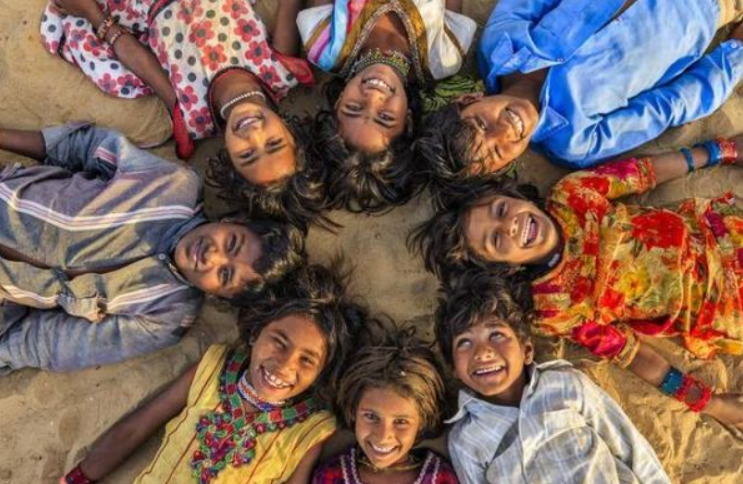
The article calls for a reimagining of India’s development strategy, shifting from an economic-centric model to prioritizing happiness and well-being. It critiques the current focus on GDP, highlighting the need for comprehensive social indicators in the development narrative. The central idea is to envision a “Happy India-Developed India” by 2047, where happiness becomes the central pursuit, transcending conventional economic measures.
Key Highlights:
- Viksit Bharat Launch: The launch of Viksit Bharat aims to make India a developed nation by its 100th Independence year in 2047.
- Economic Overemphasis: Critics argue that Viksit Bharat places excessive emphasis on economic development, overlooking other crucial aspects.
- Happiness as Central Pursuit: The author suggests reimagining the theme as ‘Happy India-Developed India,’ focusing on happiness as a central pursuit for meaningful development.
- Happiness Metrics: The World Happiness Report measures happiness through variables like GDP per capita, life expectancy, generosity, social support, freedom, and perception of corruption.
- Social Connections and Well-being: Countries like Finland and Denmark, ranked highest in happiness, emphasize social connections and support systems, contributing to well-being.
Key Challenges:
- Economic-Centric Development: The challenge lies in shifting the development narrative from an economic-centric model to one that prioritizes happiness and well-being.
- Social Disruption: The current economic-focused development model may lead to social disruption, imbalances, and contradictions.
- Disregard for Social Indicators: The conventional focus on GDP fails to consider crucial social indicators, neglecting human and social aspects of development.
Key Terms and Phrases:
- Viksit Bharat: The development initiative launched with the goal of making India a developed nation by 2047.
- World Happiness Report: An annual report measuring happiness using multiple variables and indicators.
- Human Development Index (HDI): An index considering life expectancy, educational attainment, and income level.
- Green Index: A World Bank-developed index measuring a nation’s wealth based on produced assets, natural resources, and human resources.
- Social Development Index: Introduced by the UN Research Institute for Social Development, it includes 16 core indicators.
- Global Innovation Index, Rule of Law Index, Poverty Index, Corruption Perceptions Index, Gender Equality Index, and World Press Freedom Index: Various indices significant for comprehensive national development.
Key Quotes:
- “Without achieving happiness, development has no meaning.”
- “Happiness ought to be the central pursuit in this journey.”
- “The nations have developed, but people are not happy.”
Critical Analysis: The article critically examines the conventional economic-focused development model and advocates for a paradigm shift towards happiness-centric development. It emphasizes the inadequacy of GDP-centric measures and highlights the importance of considering social indicators for a more inclusive and balanced development approach.
Way Forward: The way forward involves reimagining the development narrative, giving importance to happiness metrics, and incorporating a broader set of indicators such as the Human Development Index, Green Index, and others. Prioritizing social connections, well-being, and happiness in development strategies will contribute to a more holistic and sustainable vision for Viksit Bharat@2047.
-
Loneliness in India: A Deepening Public Health Concern
Central Idea
- The World Health Organization (WHO) recently declared loneliness a significant global health threat, with an estimated 10% of adolescents and 25% of older people affected worldwide.
- Despite being a collectivistic society with over 140 billion people, loneliness in India remains relatively understudied and unacknowledged as a public health and social issue.
Understanding Loneliness
- Definition: Loneliness is defined as the unpleasant experience due to a deficiency in one’s network of social relations, either quantitatively or qualitatively.
- Health Impact: Comparable to smoking 15 cigarettes a day, loneliness can lead to severe mental and physical health issues, including heart disease, depression, and decreased longevity.
Data and Trends in India
- Historical Data: Studies from the early 1990s to recent years show varying rates of loneliness, with a notable increase in loneliness among the elderly and the highly educated.
- Pandemic Effect: COVID-19 and subsequent lockdowns have exacerbated loneliness, particularly among young people and those living alone.
Disparities and Challenges
- Higher Among Educated Youth: Young, highly educated individuals face disproportionately higher rates of unemployment and loneliness, indicating a structural issue in the Indian economy.
- Cultural Stigma: In India, loneliness is often dismissed as a phase or a state of mind, and discussing mental health is stigmatized, making it challenging to address the issue effectively.
Public Health Implications
- Rising Disease Burden: Loneliness contributes to an increased risk of various diseases, potentially inflaming India’s already rising communicable and non-communicable disease burden.
- Inadequate Healthcare Infrastructure: India’s healthcare system struggles with inadequate staff, infrastructure, and budgetary allocation, further complicating the response to the loneliness epidemic.
The Indian Experience of Loneliness
- Cultural Differences: Unlike Western countries, India’s collectivistic culture and socioeconomic barriers present unique challenges in understanding and addressing loneliness.
- Marginalized Communities: Loneliness disproportionately affects marginalized identities, and addressing it requires understanding the intersection of social inequity and mental health.
Addressing Loneliness as a Structural Problem
- Need for Targeted Interventions: Recognizing loneliness as a distinct condition can help develop interventions tailored to India’s cultural context.
- Community-Based Solutions: Addressing loneliness may require community-focused strategies that respond to structural inequities rather than solely clinical approaches.
Conclusion
- National-Level Surveys: Conducting comprehensive surveys in local languages can help understand the true scale of loneliness in India’s diverse population.
- Holistic Approach: Combating loneliness in India requires a multifaceted approach that includes improving mental health literacy, enhancing healthcare infrastructure, and addressing social inequalities.
- Continuous Engagement: As loneliness gains recognition as a public health issue, India must continuously adapt its strategies to effectively support those affected by this silent epidemic.
-
Tax ‘HFSS’ foods, view it as a public health imperative

Central idea
The article advocates for the immediate implementation of High Fat Sugar Salt (HFSS) taxes in India to tackle health risks, emphasizing their role in encouraging healthier choices, driving industry reformulation, and reducing the economic strain on healthcare. It positions HFSS taxation as a vital public health imperative to address market failures and promote a sustainable food system.
Key Highlights:
- Rising Health Risks: High Fat Sugar Salt (HFSS) foods contribute significantly to health issues like obesity, diabetes, and high blood pressure. The global burden of Non-Communicable Diseases (NCDs) in India has surged from 38% in 1990 to 65% in 2019, with 1.2 million deaths annually attributed to dietary risks.
- Economic Impact: Overweight and obesity’s economic impact in India was estimated at $23 billion in 2017, expected to rise to $480 billion by 2060. The ultra-processed food sector in India grew at a compounded annual growth rate of 13.4% between 2011 and 2021.
- Global Trend of Taxation: Many countries, including Denmark, France, Hungary, Mexico, South Africa, the UK, and the US, have implemented taxes on HFSS foods to combat obesity. Colombia’s recent “junk food law” serves as a model for other nations.
- Market Failures and Externalities: The consumption of HFSS foods leads to negative externalities in the form of increased healthcare expenditures, imposing societal costs. Taxes are proposed as a targeted tool to curb detrimental consumption habits, reducing societal burdens.
- Need for HFSS Tax: The article argues for taxing HFSS due to market failures, negative externalities, and internalities. Unlike sin goods, HFSS taxation aims to incentivize the industry to reformulate products for healthier alternatives and prompt consumers to choose a healthier diet.
- Designing Effective HFSS Tax: Properly designed HFSS taxes can be non-regressive and fiscally neutral. Differentiated tax rates based on nutritional quality can incentivize product reformulations. The goal is to make healthier alternatives more affordable and accessible.
- Inconsistencies in GST Rates: Current GST rates on ultra-processed foods do not align with nutritional content. Uniform tax rates overlook variations in sugar, salt, and nutritional impact, limiting their impact on altering consumption patterns.
- Public Health Imperative: HFSS taxation is positioned not just as an economic or fiscal policy concern but as a public health imperative. Effective taxes, combined with nutrition literacy and food labeling, can combat overweight and obesity, fostering a more sustainable and equitable food system.
Key Challenges:
- Resistance from Industry: The food industry may resist HFSS taxes, viewing them as detrimental to profits. Balancing industry interests with public health objectives poses a challenge.
- Designing Optimal Tax Rates: Determining the right tax rates that effectively deter HFSS consumption without being regressive requires careful consideration and analysis.
- Consumer Awareness: Ensuring that consumers are aware of the health implications of HFSS foods and understand the purpose of taxes is crucial for the success of such interventions.
Key Terms/Phrases:
- HFSS Foods: High Fat Sugar Salt foods, known for their negative impact on health.
- Negative Externalities: Detrimental effects of HFSS consumption on society, leading to increased healthcare costs.
- Internalities: Harm caused to individuals due to limited understanding influenced by marketing.
- Market Failures: Situations where the market does not efficiently allocate resources, leading to suboptimal outcomes.
- Non-regressive Tax: A tax that does not disproportionately burden lower-income individuals.
- Nutritional Quality: The nutritional content and health impact of food products.
Key Quotes:
- “HFSS taxation in India should not be merely seen as an economic or fiscal policy concern but it deserves to be considered a public health imperative.”
- “Effectively designed taxes can reap multiple benefits — they can act as a deterrent to consuming HFSS; promote healthier food choices; prompt manufacturers to reformulate foods; improve public health outcomes…”
Key Statements:
- “The imperative for taxing HFSS arises from significant market failures associated with their consumption, contributing to negative externalities and internalities.”
- “HFSS taxation in India should be both non-regressive and fiscally neutral, creating a level-playing field between HFSS and their healthier alternatives.”
Critical Analysis:
The article provides a comprehensive overview of the health and economic challenges associated with HFSS consumption in India. It effectively argues for the implementation of HFSS taxes as a public health imperative and highlights the need for well-designed, non-regressive tax policies. The emphasis on creating a fiscal environment that incentivizes healthier choices and product reformulation adds depth to the analysis.
Way Forward:
- Collaborative Approach: Engage stakeholders, including the food industry, health professionals, and policymakers, to collaboratively design and implement effective HFSS tax policies.
- Continuous Evaluation: Regularly assess the impact of HFSS taxes on consumption patterns, health outcomes, and industry practices, making adjustments as needed.
- Public Awareness Campaigns: Launch campaigns to educate the public about the health risks associated with HFSS foods and the purpose of taxation, fostering informed choices.
- International Best Practices: Learn from and adapt successful strategies from countries that have effectively implemented HFSS taxes to address obesity and improve public health.
- Research and Innovation: Encourage research on the nutritional content of food products and innovative ways to reformulate HFSS items for healthier alternatives.
-
Kidney Transplants in India: Law, Demand and Alleged Rackets

Central Idea
- The government has initiated an investigation into allegations that poor villagers from Myanmar were coerced into selling their kidneys to wealthy patients, with Delhi’s Apollo hospital implicated in the scheme.
India’s Transplant Law and Kidney Scams
- India’s Transplantation Law: The Transplantation of Human Organs and Tissues Act, 1994, in India allows organ donations from living persons, primarily close relatives, and deceased donors.
- Curb on organ trade: It strictly prohibits organ trade to prevent exploitation of the poor.
- Previous Allegations: This isn’t the first instance of alleged kidney scams in India, with most rackets reportedly using forged documents to establish fake donor-recipient relationships.
Procedure for Legal Transplants
- Documentation for Close Relatives: For living donations involving close relatives, both Indian and foreign nationals must submit identity proofs, family trees, relationship evidence, and financial status documents.
- Scrutiny for Unrelated Donors: Donations from non-relatives require additional evidence of long-term association and undergo rigorous examination by an external committee to prevent illegal transactions.
- Penalties for Illegal Organ Trade: The law imposes severe punishments, including imprisonment and hefty fines, for any involvement in organ trade or related illegal activities.
Kidney Transplants: High Demand and Target for Illegal Trade
- High Demand: Approximately 2 lakh Indians annually reach end-stage kidney failure, necessitating transplants or dialysis, but only about 12,000 transplants occur each year.
- Low Risk and Accessibility: Kidney transplants pose the least risk to donors and are relatively affordable and widely available in India, making kidneys a common target for illegal trade.
- Organ Viability: Kidneys can survive outside the body for 24-36 hours, longer than lungs or liver, increasing their viability for transplants.
Addressing the Organ Supply Gap
- Promoting Deceased Donations: Increasing awareness and promoting donations from brain-dead individuals can significantly enhance the organ pool.
- Government Initiatives: The government has introduced an Aadhaar-linked donor registry to encourage deceased donations, which currently constitute only 16% of total transplants in India.
- Reducing Transplant Necessity: Efforts are also needed to decrease the number of people requiring organ transplants.
Conclusion
- Combating Illegal Organ Trade: The ongoing investigation into the alleged kidney racket highlights the need for stringent vigilance and adherence to legal procedures in organ transplants.
- Enhancing Legal Organ Donation: Increasing public awareness and promoting legal avenues for organ donation are crucial steps in addressing the organ supply-demand gap and preventing exploitation in organ trade.
-
The future of healthcare is in our genes

Central idea
The article underscores the transformative potential of gene and cell therapy in addressing India’s healthcare challenges, particularly genetic disorders, cancer, and infectious diseases. It emphasizes the imperative for a paradigm shift, highlighting the need for collaborative efforts, regulatory frameworks, and increased awareness to integrate these therapies into mainstream healthcare.
Key Highlights:
- Genetic Disorders in India: Over 40 million individuals in India suffer from genetic disorders, emphasizing the urgent need for advanced treatments like gene therapy.
- Haemoglobinopathies: Conditions like Thalassemia and Sickle Cell Anaemia affect millions, and gene therapy offers a potential cure by addressing the root genetic mutations.
- Cancer Treatment: With 1.16 million new cancer cases annually, gene and cell therapy, especially CAR-T therapy, present precision medicine solutions tailored to individual genetic profiles.
- Infectious Diseases: Gene therapy shows promise in treating infectious diseases, including potential applications against viral threats like dengue, HIV/AIDS, and others.
- Future Vision: Gene and cell therapies anticipate a future of precise and personalized treatments, reducing economic burdens associated with chronic conditions.
Key Challenges:
- Infrastructure Limitations: Integrating gene and cell therapy into mainstream healthcare faces challenges related to infrastructure readiness.
- Ethical Considerations: The ethical implications of gene therapy, including issues of consent and long-term consequences, pose challenges to widespread adoption.
- Awareness Gap: Limited awareness among healthcare professionals and the public about gene and cell therapy hinders successful integration.
Key Terms and Phrases:
- Precision Medicine: Tailored medical approaches considering the unique genetic makeup of each patient.
- Chimeric Antigen Receptor T-cell therapy (CAR-T): Modifying a patient’s immune cells to target cancer cells, exemplifying precision medicine.
- mRNA Vaccines: Groundbreaking gene-therapy products, as seen in Covid-19 vaccines like Pfizer-BioNTech and Moderna.
- Severe Combined Immunodeficiency (SCID): A genetic disorder potentially treatable with gene therapy to restore normal immune function.
Key Quotes:
- “Gene therapy is not just about managing symptoms — it is about rewriting the genetic code that underlies these conditions.”
- “The imperative lies in investing in research and infrastructure to make these transformative therapies accessible to those who need them.”
- “Gene and cell therapy are not just treatments; they are the future of healthcare.”
Key Examples and References:
- Haemoglobinopathies Impact: Thalassemia and Sickle Cell Anaemia affecting 40 million individuals in India.
- Cancer Cases: Over 1.16 million new cancer cases annually, highlighting the demand for advanced treatments.
- mRNA Vaccines: Pfizer-BioNTech and Moderna Covid-19 vaccines as groundbreaking gene-therapy products.
Key Facts and Data:
- Demographic Impact: Genetic disorders affect millions in India, necessitating advanced treatments.
- Cancer Statistics: Over 1.16 million new cancer cases reported annually in India.
- Economic Burden: Gene therapy’s potential to reduce long-term healthcare costs for chronic genetic conditions.
Critical Analysis:
- Integration Challenges: Infrastructural and ethical challenges pose hurdles to the mainstream integration of gene and cell therapy.
- Opportunities for Collaboration: Challenges present opportunities for collaborative efforts among scientific communities, industries, policymakers, and healthcare providers.
- Need for Awareness: Limited awareness emphasizes the importance of enhancing awareness among healthcare professionals and the public for successful integration.
Way Forward:
- Collaborative Efforts: Encourage collaboration between scientific communities, industries, policymakers, and healthcare providers to overcome challenges.
- Regulatory Frameworks: Develop regulatory frameworks balancing innovation with ethical considerations to guide gene therapy integration.
- Research and Development: Invest in research and development to advance gene and cell therapy, addressing infrastructure limitations and ethical concerns.
- Public Awareness: Foster awareness among healthcare professionals and the public to ensure successful integration into the broader healthcare landscape.