💥Join UPSC 2027,2028 Mentorship (July Batch) + XFactor Notes & Microthemes PDF

Subject: Science and Technology

  • Preliminary Findings of the Genome India Project

    Why in the News?

    The preliminary findings of Genome India Project, based on the whole genome sequencing of 10,074 healthy and unrelated Indians from 85 populations across the country, were published recently.

    About Genome India Project

    • The Genome India Project was launched in January 2020 to map the genetic diversity of India’s population.
    • It is a collaborative project supported and funded by the Department of Biotechnology, GoI, involving multiple institutions across the country.
    • Objectives:
      • Decode the genetic diversity of India’s population through large-scale genome sequencing.
      • Create an exhaustive catalog of genetic variations, including common, low-frequency, rare, single nucleotide polymorphisms (SNPs), and structural variations.
      • Develop a reference haplotype structure for Indians, which can be used to impute missing genetic variation in future studies.
      • Design genome-wide arrays for research and diagnostics at an affordable cost.
      • Establish a biobank for DNA and plasma collected for future research use.
    • The Genome India Database, which houses the genetic data, is now available to researchers worldwide and is stored at the Indian Biological Data Centre (IBDC) in Faridabad, Haryana.

    Preliminary findings of the Study

    • The project genotyped 10,074 individuals from 85 populations, including 32 tribal and 53 non-tribal groups across India.
    • Blood samples were collected from around 20,000 individuals, with DNA samples from 10,074 individuals subjected to whole genome sequencing.
    • A total of 180 million genetic variants were identified, of which 130 million are in non-sex chromosomes (22 autosomes) and 50 million are in sex chromosomes X and Y.
    • Variant Significance:
      • Variants associated with diseases.
      • Rare variants.
      • Variants unique to India or specific communities.
    [UPSC 2016] In the context of the developments in Bioinformatics, the term ‘transcriptome’, sometimes seen in the news, refers to

    (a) a range of enzymes used in genome editing

    (b) the full range of mRNA molecules expressed by an organism

    (c) the description of the mechanism of gene expression

    (d) a mechanism of genetic mutations taking place in cell


  • Iron inside the Sun is more opaque than expected

    Why in the News?

    Recent findings have revealed that iron’s opacity inside the Sun may be much higher than previously predicted, challenging current solar models.

    Iron Inside the Sun:

    • Iron makes up approximately 0.14% of the Sun’s mass, which is significantly less than hydrogen (~74%) and helium (~24%).
    • Despite its small percentage, iron plays a crucial role in the Sun’s opacity. In the Sun, opacity influences how energy moves from the core to the surface.
    • The higher the opacity, the more energy is trapped, impacting the Sun’s temperature, density, and fusion rates.

    Highlights of the New Study:

    • A 2025 study published in Physical Review Letters revealed that iron’s opacity in the Sun’s interior is 30-400% higher than previously predicted by models.
    • Researchers exposed a thin iron sample to X-rays and used spectrometers to measure the shadow cast by the sample.
    • By analyzing how strongly the iron absorbed the radiation, they were able to infer the element’s opacity.
    • Significance:
      • This discovery has important implications for how solar models are constructed.
      • By correcting the opacity of iron, models of the Sun’s temperature profile, fusion rates, and energy distribution may need to be revised.
      • This will lead to a more accurate understanding of stellar behaviour and energy transfer.

    Back2Basics: Composition of the Sun

    • The Sun primarily comprises hydrogen and helium, but other elements such as oxygen, carbon, neon, and iron also play significant roles.

    Element

    Composition by Mass (%)

    Key Role

    Hydrogen (H) 74% The primary fuel for nuclear fusion in the Sun’s core. It undergoes fusion to form helium, releasing energy that powers the Sun.
    Helium (He) 24% A byproduct of hydrogen fusion, helium helps maintain the Sun’s stability and supports continued fusion processes.
    Oxygen (O) ~0.8% Oxygen contributes to the Sun’s opacity, assisting in the transport of energy within the star. It also plays a role in nucleosynthesis, where heavier elements are formed in the Sun’s core.
    Carbon (C) ~0.3% Carbon is involved in nucleosynthesis and plays a significant role in determining the Sun’s opacity and energy transport mechanisms.
    Neon (Ne) ~0.2% Neon is found in the Sun’s atmosphere and is involved in the absorption of radiation, affecting the Sun’s energy output and behavior.
    Iron (Fe) ~0.14% Although small in mass, iron significantly impacts the Sun’s opacity, scattering and absorbing radiation, which influences energy transfer. Iron’s opacity affects the Sun’s temperature, density, and fusion rates.


    [UPSC 2002] Which one of the following statements is correct with reference to our solar system?

    (a) The Earth is the densest of all the planets in our solar system

    (b) The predominant element in the composition of Earth is silicon

    (c) The Sun contains 75 per cent of the mass of the solar system

    (d) The diameter of the Sun is 190 times that of the Earth


  • ESA’s Biomass Mission

    Why in the News?

    The European Space Agency (ESA) is preparing to launch Biomass Mission to map the world’s forests and enhance our understanding of their crucial role in the global carbon cycle.

    ESA's Biomass Mission

    About the Biomass Mission by ESA

    • The ESA will launch the Biomass mission on April 29, 2025, aboard the Vega C rocket from French Guiana.
    • The mission aims to map the world’s forests, gathering data on their role in the carbon cycle and how they change over time.
    • It will be placed in a sun-synchronous orbit (SSO) at around 666 km, optimizing sunlight for observations.
    • It is the 7th mission in ESA’s Earth Explorer Program, focusing on data related to Earth’s atmosphere, hydrosphere, and land surface.

    Features of the Biomass Mission:

    • Biomass uses a P-band Synthetic Aperture Radar (SAR) sensor (70 cm frequency), capable of penetrating forest canopies to measure carbon storage in trees and the forest floor.
    • It will be the first satellite to use this cutting-edge P-band SAR technology, offering unprecedented forest biomass data.
    • Equipped with a 12-meter antenna, the satellite will deploy upon launch to conduct broad Earth observations.
    • It will create 3D images of forests, from canopy to roots, providing detailed insights into forest health and carbon storage.

    Significance of the Biomass Mission:

    • The mission will fill critical gaps in forest biomass and height data, improving understanding of forests’ role in the carbon cycle and climate change.
    • Biomass will measure carbon storage in forests and track changes due to deforestation and human activity.
    • The mission’s data will aid climate change mitigation strategies by tracking carbon fluxes between forests and the atmosphere.
    • It will support environmental monitoring, assist policymakers, and contribute to global climate change strategies.
    [UPSC 2010] Consider the following statements:

    The Satellite Oceansat-2 launched by India helps in

    1. estimating the water vapour content in the atmosphere.

    2. predicting the onset of monsoons.

    3. monitoring the pollution of coastal waters.

    Which of the statements given above is/are correct?

    (a) 1 only (b) 2 and 3 only (c) 1 and 3 only (d) 1,2 and 3


  • [pib] Cu-Phen Metallo-Nanozymes and its Applications

    Why in the News?

    Researchers from the CSIR-Central Leather Research Institute (CLRI), Chennai has developed a new nanozyme, Cu-Phen, using a catalyst-by-design strategy. A nanozyme is a type of synthetic enzyme made from nanomaterials (extremely tiny particles) that can mimic the function of natural enzymes in biological systems.

    About the Metallo-Nanozymes 

    • Cu-Phen (Copper-Phenylalanine) is a type of metallo-nanozyme developed by Indian researchers.
    • It is a synthetic enzyme that mimics the functions of natural enzymes in the body, particularly in controlling the flow of energy at the cellular level.
    • It is made by combining copper ions (Cu²) with phenylalanine, an amino acid, using a special design method called “catalyst-by-design”.
    • It forms a self-assembled nano-structure with a well-defined active site, which is where the enzyme’s function occurs.
    • This structure helps Cu-Phen control the electron transfer process, which is important for many biological functions.
    • Unlike traditional nanozymes, which often have poorly defined active sites, Cu-Phen has a precisely structured active site, allowing it to work more efficiently like natural enzymes in the body.
    • Cu-Phen interacts with cytochrome c, a protein that plays a key role in the electron transport chain, which is part of how our body generates energy.
    • It helps reduce oxygen to water without producing harmful substances called reactive oxygen species (ROS), which can damage cells.

    Potential Applications

    • Cu-Phen could be used to make energy systems more efficient, like in bioenergy (energy from living things), by mimicking natural energy-making processes.
    • It could help treat diseases like neurodegenerative diseases and cancer by controlling energy production in cells and reducing harmful effects on the body.
    • These nanozymes can help clean water and make energy systems work better, while reducing pollution and harmful by-products.
    • Cu-Phen can also be used in factories to help make useful products like medicines and chemicals by working like artificial enzymes.
    • This new nanozyme is a step forward in creating artificial enzymes that could be used in many areas like medicine, energy, and manufacturing.
    [UPSC 2022] Consider the following statements :

    1. Other than those made by humans, nanoparticles do not exist in nature.

    2. Nanoparticles of some metallic oxides are used in the manufacture of some cosmetics.

    3. Nanoparticles of some commercial products which enter the environment are unsafe for humans.

    Which of the statements given above is/are correct ?

    (a) 1 only (b) 3 only (c) 1 and 2 (d) 2 and 3


  • Technology and Innovation Report, 2025

    Why in the News?

    The Technology and Innovation Report, 2025 was recently issued by United Nations Conference on Trade and Development (UNCTAD).

    About the Technology and Innovation Report

    • The report is released by the UN Conference on Trade and Development (UNCTAD).
    • It addresses critical issues related to science, technology, and innovation, with a particular focus on developing countries. The report emphasizes policy-relevant analysis and conclusions.
    • The theme for the 2025 edition is “Inclusive Artificial Intelligence for Development.”

    Key Highlights of the Report:

    • Global Highlights:
      • Developed countries lead in technology preparedness, but nations like China, India, and Brazil outperform their income levels.
      • AI market projected to reach USD 4.8 trillion by 2033, fuelling global digital transformation.
      • 100 companies, mostly in the U.S. and China, account for 40% of global corporate R&D spending.
      • AI will affect 40% of jobs globally, raising concerns over automation and job displacement.
      • U.S. leads in AI investment with USD 67 billion, followed by China (USD 7.8 billion) and India (USD 1.4 billion).
      • AI Governance Gap: 118 countries, mainly from the Global South, are absent from global AI governance discussions.
    • Indian Prospects:
      • India ranks 36th in the Readiness for Frontier Technologies Index in 2024, up from 48th in 2022. It ranks 10th globally with USD 1.4 billion in AI investments.
      • India has a talent pool of 13 million AI developers, contributing significantly to open-source platforms like GitHub.
      • The India AI Mission (2024) focuses on AI innovation through collaborations with the private sector and academia.
      • India leads in nanotechnology and has AI excellence centres like IIT Hyderabad and IIT Kharagpur.
    [UPSC 2019] The Global Competitiveness Report is published by the:

    (a) International Monetary Fund (b) United Nations Conference on Trade and Development (c) World Economic Forum (d) World bank


  • Majorana 1 Chip and the Pursuit of Quantum Computing

    Why in the News?

    In December 2024, Microsoft introduced its quantum computing chip, Majorana 1, designed to solve industrial-scale problems by utilizing the properties of Majorana particles for practical quantum computing.

    About Majorana 1 Chip and the Science Behind

    • Microsoft introduced its Majorana 1 quantum computing chip, designed to solve large-scale problems using quantum computing.
    • This chip is named after Majorana particles, which have unique properties in particle physics.
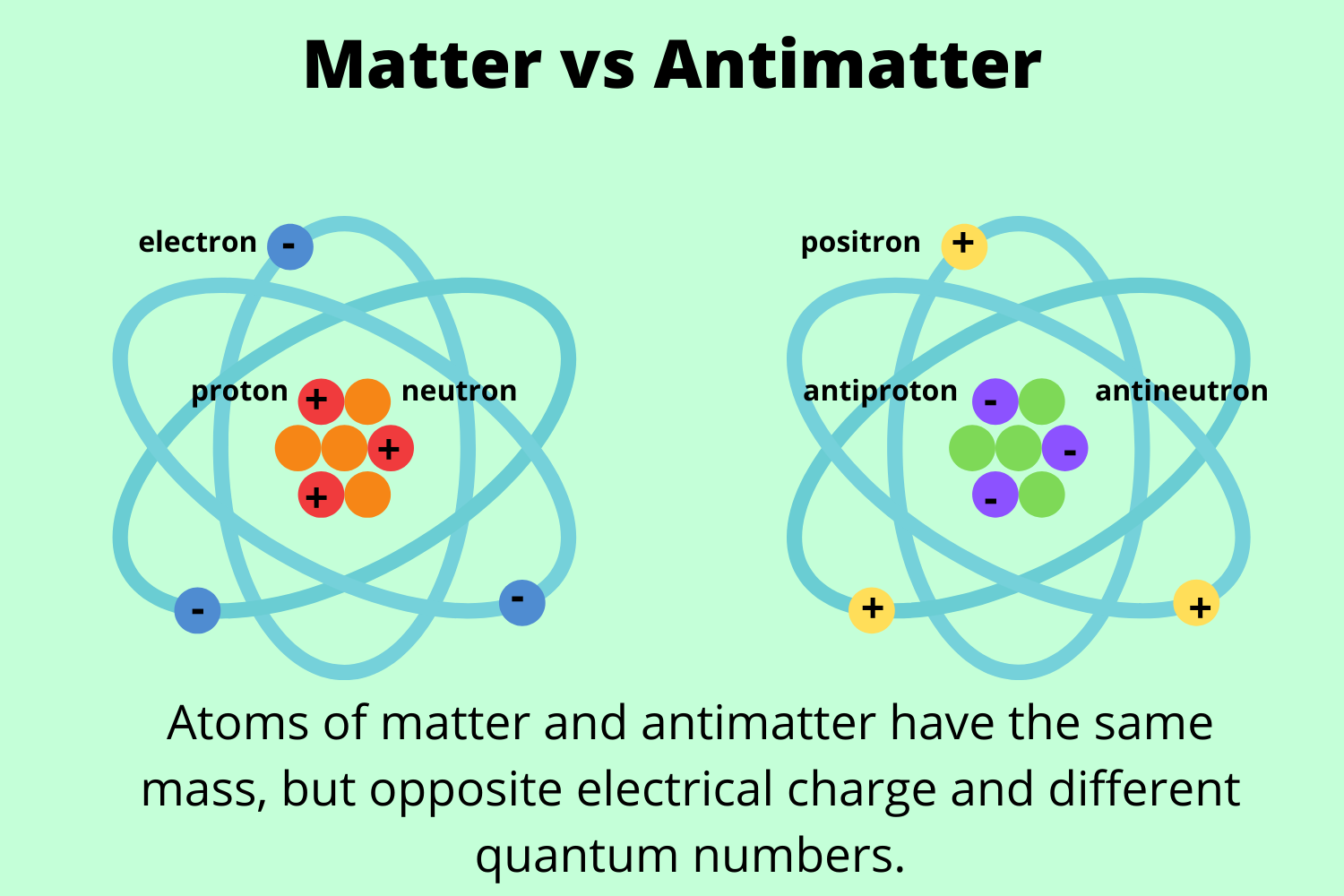
    • Majorana particles are special because they are their own anti-particles.
    • This means that when two Majorana particles meet, they destroy each other and release energy.
    • This property is different from most particles, like electrons, which have separate anti-particles (for example, the electron’s anti-particle is the positron).
    • Why Majorana Particles Matter for Quantum Computing?
      • This unique property could make Majorana particles useful in quantum computing.
      • They could help make quantum bits (qubits) more stable, which is important for improving quantum computers.
      • Using Majorana particles may also help in topological quantum computing, which makes qubits less affected by external disturbances, making them more reliable.

    Beta Decay and Neutrinoless Double Beta Decay (0vßß):

    • Beta decay happens when an unstable atomic nucleus releases energy. In this process, a neutron in the nucleus turns into a proton, and an electron and anti-neutrino are emitted. There are two types of beta decay:
    1. Beta-minus decay: A neutron becomes a proton, releasing an electron and an anti-neutrino.
    2. Beta-plus decay: A proton turns into a neutron, releasing a positron and a neutrino.
    • What is Neutrinoless Double Beta Decay (0vßß)? Neutrinoless double beta decay is a rare event where two electrons are emitted instead of the usual electron and anti-neutrino. This suggests that neutrinos and anti-neutrinos might be the same particle, known as Majorana particles.
      • If scientists observe this type of decay, it will prove that neutrinos are Majorana particles and help measure their mass.
      • This discovery would improve our understanding of particle physics.

    AMoRE Experiment:

    • The AMoRE experiment is being conducted in South Korea to detect this rare 0vßß decay.
    • The experiment uses molybdenum-100 (Mo-100), which is known to undergo double beta decay. The team is measuring the energy differences in electron emissions to detect the 0vßß decay.
    • While no evidence has been found yet, the experiment continues to improve its sensitivity by using 100 kg of Mo-100 for more accurate measurements.

    Scientific Significance:

    • The search for 0vßß and studying Majorana particles could help answer important questions about the mass of neutrinos and improve our understanding of particle physics.
    • Learning more about neutrinos is key to both advancing quantum computing and understanding particle physics.
    [UPSC 2022] Which one of the following is the context in which the term “qubit” is mentioned?

    (a) Cloud Services (b) Quantum Computing (c) Visible Light Communication Technologies (d) Wireless Communication Technologies


  • Fram2 Polar-Orbiting Mission

    Why in the News?

    SpaceX has launched the Fram2 mission, sending four private astronauts on a groundbreaking journey to orbit Earth from pole to pole, marking a major milestone in space tourism.

    About the Fram2 Polar-Orbiting Mission

    • The Fram2 mission is a spaceflight undertaken by SpaceX, featuring a crew of four private astronauts.
    • The mission is named after the Fram ship, a historical vessel used in early 20th-century polar expeditions.
    • Unlike traditional space missions, Fram2 is designed to fly from pole to pole, completing an orbital journey around Earth that no human has attempted before.
    • Its goal is to fly over both the North and South Poles, providing an unprecedented opportunity to observe these regions from low-Earth orbit.
    • The mission will involve a series of scientific experiments focused on spaceflight and the effects of microgravity on the human body.
    • The mission is scheduled to last between three to five days, with the astronauts aboard the Crew Dragon spacecraft completing each orbit in about 46 minutes.

    Features and Significance:

    • Unique Orbital Path:
      • Unlike traditional orbits closer to the equator, the Fram2 mission follows a polar trajectory, covering Earth’s poles.
      • This approach requires more fuel and presents a unique challenge in terms of mission logistics, making the Fram2 flight one of the most ambitious private space missions to date.
    • Scientific Research:
      • The crew will participate in 22 experiments, including studies on microgravity’s impact on the human body, the effects of spaceflight on muscle loss and bone density, and X-ray imaging in space.
      • Additionally, the mission will gather data crucial for climate change research by focusing on Earth’s polar regions, which play a vital role in understanding global environmental changes.
    • Climate Change Research:
      • As part of the mission, astronauts will be able to film and observe Earth’s polar regions, contributing valuable data to climate science.
    [UPSC 2010] Consider the following statements:

    The Satellite Oceansat-2 launched by India helps in

    1. estimating the water vapour content in the atmosphere.

    2. predicting the onset of monsoons.

    3. monitoring the pollution of coastal waters.

    Which of the statements given above is/are correct?

    (a) 1 only (b) 2 and 3 only (c) 1 and 3 only (d) 1, 2 and 3


  • IISc’s Bacteria-Based Technique for Lunar Habitat Construction

    Why in the News?

    Researchers at the Indian Institute of Science (IISc.) have developed a bacteria-based technique to repair bricks used in lunar habitats, designed to withstand the harsh conditions of the moon’s environment.

    About the Bacterial Brick:

    • The bacterial brick is an innovative material designed for building durable, eco-friendly structures in lunar habitats.
    • It is created using lunar soil simulants combined with Sporosarcina pasteurii, a bacteria that binds soil particles together, forming a solid material suitable for construction on the moon.
    • How is it made?
      • The bacteria Sporosarcina pasteurii converts urea and calcium into calcium carbonate crystals, which bind soil particles together to create a brick-like substance.
      • The process is further enhanced with guar gum, which serves as a natural adhesive, making it a low-cost, eco-friendly alternative to energy-intensive cement-based manufacturing.
      • The researchers also explored sintering, where a mixture of soil simulants and polyvinyl alcohol is heated to high temperatures, creating stronger, more pressure-resistant bricks.

    Significance for Lunar Surface Conditions:

    • The moon’s surface experiences extreme temperature fluctuations, ranging from 121°C to -133°C, causing bricks to crack and become brittle.
    • A bacteria-based repair technique using Sporosarcina pasteurii helps address these cracks.
      • When mixed with lunar soil simulant and guar gum, the bacteria effectively adhere to cracks, improving durability and enabling the bricks to withstand temperatures from 100°C to 175°C.
    • This approach offers a sustainable solution by allowing on-site construction with local lunar materials, reducing the need for Earth-based materials.
      • It ensures long-term structural integrity for lunar habitats, contributing to the sustainability of space missions.
    [UPSC 2011] Microbial fuel cells are considered a source of sustainable energy. Why?

    1. They use living organisms as catalysts (often including bacteria) to generate electricity from certain substrates.

    2. They use a variety of inorganic materials as substrates.

    3. They can be installed in wastewater treatment plants to cleanse water and produce electricity.

    (a) 1 only (b) 2 and 3 only (c) 1 and 3 only (d) 1, 2 and 3


  • Why the Parker Solar Probe is trying to ‘touch’ the Sun?

    Why in the News?

    The Parker Solar Probe made history on December 24, 2024, by coming within 6.1 million kilometers of the Sun’s surface, marking the closest approach ever by a spacecraft.

    Why the Parker Solar Probe is trying to ‘touch’ the Sun?

    About Parker Solar Probe

    • The Parker Solar Probe, launched in August 2018, is a car-sized robotic spacecraft named after Eugene Newman Parker, an American solar astrophysicist.
    • It is the first NASA mission named after a living researcher, and its mission is humanity’s first to explore within 3.8 million miles of the Sun’s corona.
    • The spacecraft is equipped with an advanced carbon-composite heat shield capable of withstanding temperatures up to 1,370°C.
    • This shield, which weighs only 73 kg, is designed to protect the probe from the Sun’s intense heat.
      • The probe’s instruments remain at a manageable 29°C due to the shield’s protection.
    • The primary goals are:
      • Approach the Sun: The probe aims to get as close as 6.5 million kilometers to study the Sun’s energy flow, solar corona heating, and the sources of solar wind.
      • Explore Solar Wind: Investigate the origins and behaviour of solar wind, the high-speed streams of charged particles that impact space weather.
      • Study Solar Corona: Delve into the mystery of why the Sun’s corona is 200 times hotter than its surface.
      • Investigate Plasma and Magnetic Fields: Study the structure and dynamics of plasma and magnetic fields at the sources of solar wind.
    • The Parker Solar Probe is equipped with four primary instruments:
      • FIELDS: Measures the electric and magnetic fields of the Sun’s atmosphere.
      • ISoIS: Observes energetic particles that lead to solar storms.
      • SWEAP: Records the properties of solar wind particles.
      • WISPR: Takes images of the solar corona.
      • Faraday Cup: Measures ion and electron density in the solar wind.

    Impact of the Mission on Solar Science

    • Understanding Solar Wind: The mission provides crucial data on the origins and behavior of solar wind, enhancing predictions of space weather and its impact on Earth.
    • Solving the Solar Corona Mystery: The probe’s findings suggest that Alfvén waves, plasma oscillations, may be the key mechanism responsible for the heating of the Sun’s corona, addressing a long-standing puzzle in solar physics.
    • New Discoveries on Space Dust: The probe’s discovery of dust-free pockets near the Sun challenges previous assumptions about the interaction of space dust with solar energy, offering new insights into solar dynamics.
    • Space Weather and Solar Flares: By monitoring the Sun’s activity, the probe aids in understanding solar flares and coronal mass ejections (CMEs), helping to mitigate the effects of space weather on Earth’s satellites and infrastructure.
    • Advancement in Solar Exploration Technology: The mission’s success in utilizing advanced heat shields and high-speed space travel techniques paves the way for future solar missions and deeper exploration of stellar physics.
    [UPSC 2022] If a major solar storm (solar flare) reaches the Earth, which of the following are the possible effects on the Earth?

    1.        GPS and navigation systems could fail.

    2.        Tsunamis could occur at equatorial regions.

    3.        Power grids could be damaged.

    4.        Intense auroras could occur over much of the Earth.

    5.        Forest fires could take place over much of the planet.

    6.        Orbits of the satellites could be disturbed.

    7.        Shortwave radio communication of the aircraft flying over polar regions could be interrupted.

    Select the correct answer using the code given below:

    (a) 1, 2, 4 and 5 only

    (b) 2, 3, 5, 6 and 7 only

    (c) 1, 3, 4, 6 and 7 only

    (d) 1, 2, 3, 4, 5, 6 and 7


  • GAIA Mission

    Why in the News?

    The European Space Agency (ESA) officially shut down its Global Astrometric Interferometer for Astrophysics (GAIA) Mission, which had been operational for over a decade.

    About the GAIA Mission

    • It was launched in December 2013 with the primary goal to create the most accurate three-dimensional map of the Milky Way galaxy.
    • It sought to measure the positions, distances, and movements of stars and other celestial bodies.
    • Gaia was designed for astrometry, focusing on precise measurements of celestial object locations and motions.
    • Positioned at Lagrange Point 2 (L2), 1.5 million kilometres behind Earth (as viewed from the Sun), Gaia was able to observe the universe without interference from Earth, the Sun, or the Moon.
    • Gaia was equipped with two telescopes and a camera with nearly 1 billion pixels, the largest camera ever sent to space. Key instruments include:
    1. Astrometer: Measured the location and motion of stars.
    2. Photometer: Measured brightness of celestial objects.
    3. Spectrometer: Analyzed the composition and movement of stars.
    • Discoveries and Achievements:
      • Gaia mapped the Milky Way in 3D, uncovering its shape, structure, and movement. It also detected warping and wobbling in the galaxy.
      • Gaia identified new types of black holes by observing their gravitational effects and tracked over 150,000 asteroids, contributing insights on their orbits and future impacts on Earth.
      • Additionally, it provided new understanding of stellar evolution and the formation of stars, including the Sun.
    • Gaia accumulated over 3 trillion observations, contributing to more than 13,000 scientific papers, revolutionizing knowledge about the Milky Way, the solar system, and galactic dynamics.

    Why is Gaia being Decommissioned?

    • After more than a decade of operations, the Gaia mission reached the end of its operational lifespan, making it unsustainable to continue its activities.
    • After over 10 years in space, Gaia’s technology showed signs of wear, and continuing operations became unfeasible.
    • On March 27, 2025, Gaia was successfully passivated, draining all internal energy sources. This means it can no longer be restarted or resumed for future operations.
    [UPSC 2023] Consider the following pairs: Objects in space Description

    1. Cepheids : Giant clouds of dust and gas in space

    2. Nebulae : Stars which brighten and dim periodically

    3. Pulsars : Neutron stars that are formed when massive stars run out of fuel and collapse

    How many of the above pairs are correctly matched?

    (a)Only one (b) Only two (c)All three (d) None