💥Join UPSC 2027,2028 Mentorship (August Batch) + XFactor Notes & Microthemes PDF

Distribution: weekly

  • One must know India’s Economic Growth Story

    Economic

    Context

    • As the COVID-19 pandemic fades and hopes to rise for nations and societies to return to some kind of normalcy, there is effort all around to take stock of where we stand and what our prospects look like. A look back over the last few years at how India performed in terms of its economy.

    Present situation of India’s economic growth

    • Mixed growth story: One group of experts argues, India’s growth story is more mixed. In 2021-22, its GDP growth was 8.7%, which was among the highest in the world. This is good but, against this, we must offset the fact that much of this is the growth of climbing out of the pit into which we had fallen the previous year.
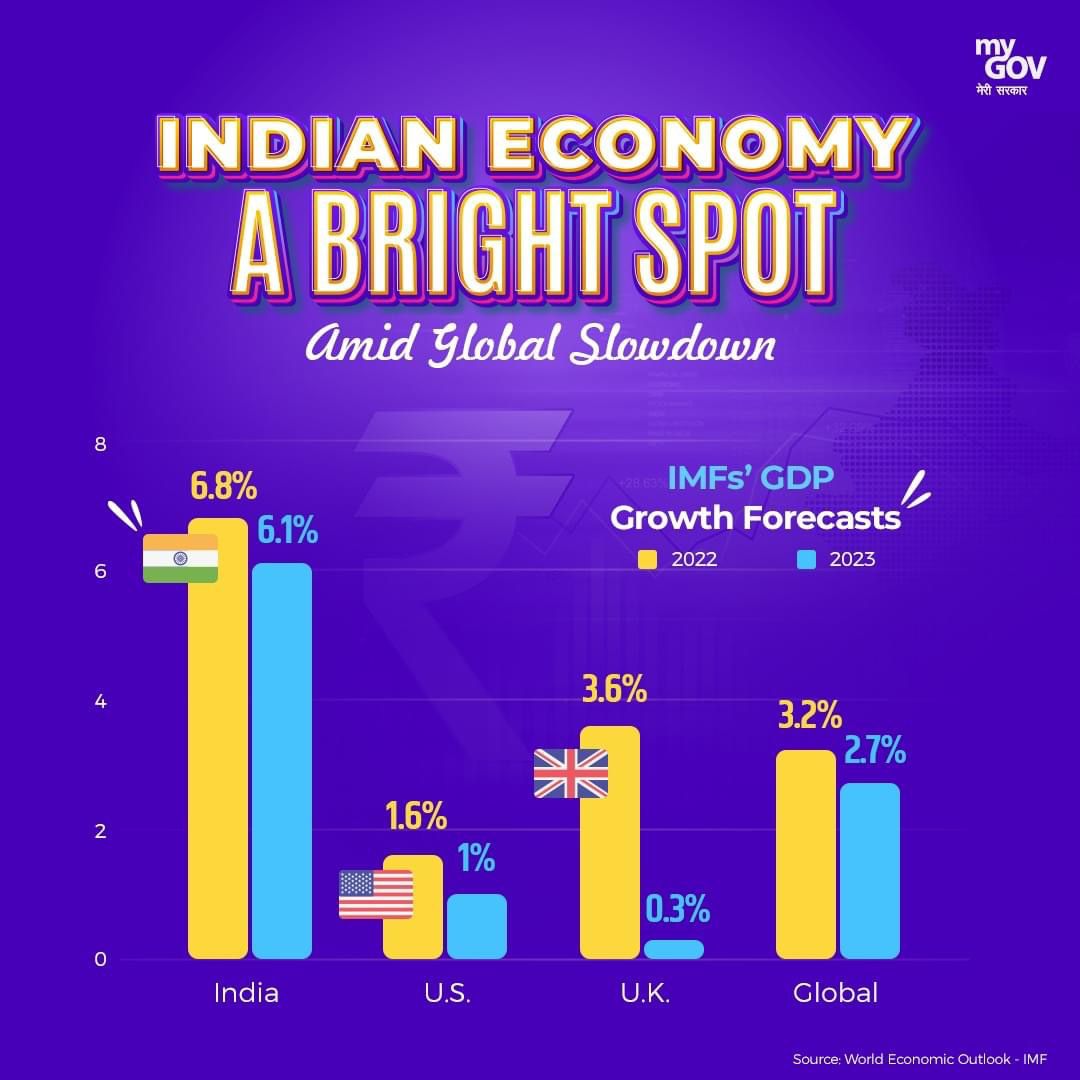
    • IMF reduced the growth forecast: In 2020-21, India’s growth was minus 6.6%, which placed the country in the bottom half of the global growth chart. For 2022-23, the International Monetary Fund has cut India’s growth forecast to 6.1%.
    Economic

    Structural assessment of India’s growth

    • Rising inequality and high unemployment: Most of India’s growth is occurring at the top end, with a few corporations raking in a disproportionate share of profits, and unemployment is so high, it is likely that large segments of the population are actually witnessing negative growth.
    • Slowdown in previous years: What makes India’s growth story worrying is that the slowdown began much before the COVID19 pandemic. It began in 2016, after which, for four consecutive years, the growth rate each year was lower than in the previous year. Growth in 2016-17 was 8.3%. After that it was, respectively, 6.9%, 6.6%, 4.8%, and minus 6.6%.
    • Status of unemployment: India’s unemployment rate is high. In October, it stood at 7.8%. However, what is really worrying is youth unemployment. According to International Labour Organization (ILO) data, collated and presented by the World Bank, India’s youth unemployment, that is, from among people aged 15 to 24 years who are looking for work, the percent that does not find any, stands at 28.3%.

     Know the basics-What is Unemployment?

    • Definition: Unemployment is a phenomenon that occurs when a person who is capable of working and is actively searching for the work is unable to find work.
    • Those who are excluded: People who are either unfit for work due to physical reason or do not want to work are excluded from the category of unemployed.
    • Unemployment rate: The most frequent measure of unemployment is unemployment rate. The unemployment rate is defined as a number of unemployed people divided by the number of people in the labour force.
    • Labour Force: Persons who are either working (or employed) or seeking or available for work (or unemployed) during the reference period together constitute the labour force.
    Economic

    Other perspectives on Indian economy

    • The latest GDP numbers suggest: For Q1 FY2022–23 suggest that economic growth is on a healthy track. Consumers, after a long lull, have started to step out confidently and spend private consumption spending went up 25.9% in Q1.
    • On the production side: the contact-intensive services sector also witnessed a strong rebound of 17.7%, thanks to improving consumer confidence.
    • Healthy agriculture sector: The only sector that consistently performed well throughout the pandemic, remained buoyant.
    • Industrial growth: Industrial growth boosted from accelerating growth in construction and electricity, gas, water supply and other utility services sectors.
    • Manufacturing is not doing well: A sector that has not yet taken off sustainably is manufacturing, which witnessed modest growth of 4.5% in Q1. Higher input costs, supply disruptions, and labor shortages due to reverse migration have weighed on the sector’s growth. According to the Reserve Bank of India’s (RBI’s) data on nonfinancial firms, surging raw material costs have stressed the profitability and margins of companies.

    What are the Challenges for the growth of economy?

    • High inflation: The biggest worry is that of high inflation (which has persisted for way too long) and all the challenges that come along with it. Inflationary environments increase the costs of doing business, impact profitability and margins, and reduce purchasing power. In short, inflation thwarts both supply and demand. Central banks’ monetary policy actions, in response to rising inflation, can impede credit growth and economic activity, thereby intensifying the probability of a recession in a few advanced nations.
    • Rising current account deficit: The other challenge is the rising current-account deficit and currency depreciation against the dollar. While a rebounding domestic economy is resulting in higher imports, moderating global demand is causing exports to slow. The US dollar’s unrelenting rise and global inflation are further causing India’s import bills to rise.
    • Declining forex: The RBI had to intervene to contain volatility and ensure an orderly movement of the rupee. The RBI’s intervention is leading to a drawdown in foreign exchange reserves. Consequently, the import cover from reserves has reduced to nine months from a high of 19 months at the start of 2021 (although, it remains above the benchmark of three months).
    Economic

    The economy’s growth drivers are improving

    • Exports: Exports, the first growth driver are slowing down and are likely to moderate along with the probable global economic slowdown.
    • Government spending: Government spending, the second driver, is already at an elevated level, thanks to the pandemic, and the government will likely focus on its prudence in utilizing limited resources. The good news is the share of capital expenses is going up even as the government is reducing revenue expenses. Multiplier effects of this spending will aid in growth in income, assets, and employment for years to come. Strong tax revenues may support further capital spending in the future.
    • Capital expenditure: According to experts, prospects for capex investments the third growth driver by companies are brighter. Sustained demand growth may be the most-awaited cue for a sustained push for investment.
    • Consumer demand: Consumer Demand, the fourth, and perhaps the most important, growth driver has improved significantly in recent quarters. However, spending has not grown sustainable despite improving consumer confidence. For instance, retail sales are growing but the pace is patchy, and auto registrations have remained muted. We expect that receding pandemic fears and the upcoming festive season could give a much-needed boost to the consumer sector.

    Conclusion

    • Indian economy should not be looked from isolation. It is very much integrated in global economy. Pandemic, Ukraine war, US- China trade war have given a successive shock to global and Indian economy. Despite that Indian has done well than rest of the world. Our focus should be on curbing inequality, not to allow people to descend into extreme poverty and employment generation.

    Mains Question

    Q. Analyse the present economic macro-indicators of Indian economy. What are the challenges for growth story of India in the context of global uncertainty?

    Click and Get your FREE copy of Current Affairs Micro notes
     

  • C295 and India’s aircraft industry

    c295

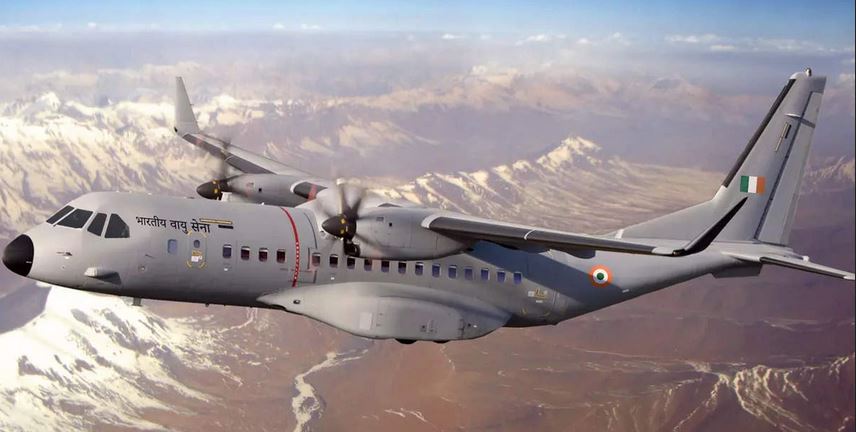
    Recently, PM laid the foundation stone for the C-295 transport aircraft manufacturing facility in Vadodara to be set up by Airbus Defence and Space and Tata Advanced Systems Limited (TASL).

    Why is it making headlines?

    • This is the first time a private sector company would be manufacturing a full aircraft in the country.
    • This is a huge step forward for India in the global aircraft manufacturing domain.

    What is the C-295MW transporter?

    • The C-295MW is a transport aircraft of 5-10 tonne capacity which will replace the legacy Avro aircraft in the Indian Air Force (IAF) procured in the 1960s.
    • It was originally produced by a Spanish aircraft manufacturer.
    • This company is now part of Airbus and the aircraft’s manufacturing takes place at Airbus’s plant in Spain.

    Why c-295MW?

    • The C-295 has very good fuel efficiency and can take off and land from short as well as unprepared runways.
    • As a tactical transport aircraft, the C295 can carry troops and logistical supplies from main airfields to forward operating airfields of the country.
    • It can operate from short airstrips just 2,200 feet long and can fly low-level operations for tactical missions flying at a low speed of 110 knots.
    • The aircraft can additionally be used for casualty or medical evacuation, performing special missions, disaster response and maritime patrol duties.

    A boost to domestic aircraft manufacturing

    • Over the last two decades, Indian companies, both public and private, have steadily expanded their footprint in the global supply chains of major defence and aerospace manufacturers.
    • They do supply a range of components, systems and sub-systems.

    India’s collaboration with top firm

    • Boeing’s sourcing from India stands at $1 billion annually, of which over 60% is in manufacturing, through a growing network of 300+ supplier partners of which over 25% are MSME.
    • Tata in a joint venture (JV) with Boeing, manufactures aero-structures for its AH-64 Apache helicopter, including fuselages, etc.
    • It also makes Crown and Tail-cones for Boeing’s CH-47 Chinook helicopters.
    • Similarly, Lockheed Martin has joint ventures with TASL in Hyderabad which has manufactured crucial components for the C-130J Super Hercules transport aircraft.

    How this has become possible?

    • The US is simplifying its export regulations for India, through a series of measures.
    • As US and India together pursue the Indo-Pacific strategy and are enhancing technology prowess.

    Boost to India’s civil aviation sector

    • India has a much bigger footprint in civil aviation manufacturing than defence, in addition to being a major market itself.
    • Both Airbus and Boeing do significant sourcing from India for their civil programmes.
    • According to Airbus every commercial aircraft manufactured by them today is partly designed and made in India.
    • India now has world’s fastest-growing aviation sector and it is about to reach the top three countries in the world in terms of air traffic.
    • Another major growing area is Maintenance, Repair and Overhaul (MRO) for which India can emerge as the regional hub.

    Conclusion

    • The private defence sector is still nascent and a conducive and stable regulatory and policy environment will be an important enabler.


    Click and get your FREE copy of Current Affairs micro notes

  • Centre restricts use of common weedicide Glyphosate

    Glyphosate

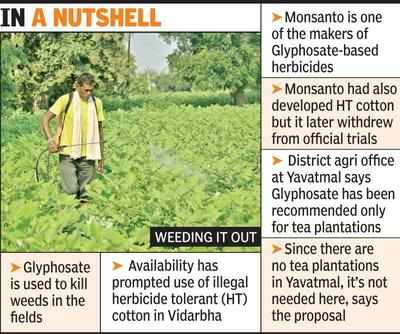
    The Union Ministry of Agriculture and Farmers Welfare has restricted the use of glyphosate, a widely used herbicide, citing health hazards for humans and animals.

    What is Glyphosate?

    • Glyphosate is an herbicide. It is applied to the leaves of plants to kill both broadleaf plants and grasses.
    • The sodium salt form of glyphosate is used to regulate plant growth and ripen specific crops.
    • Glyphosate is one of the most widely used herbicide.
    • In India, glyphosate has been approved for use only in tea plantations and non-plantation areas accompanying the tea crop.
    • Use of the substance anywhere else is illegal.

    How does glyphosate work?

    • Glyphosate is a non-selective herbicide, meaning it will kill most plants.
    • It prevents the plants from making certain proteins that are needed for plant growth.
    • Glyphosate stops a specific enzyme pathway, the shikimic acid
    • The shikimic acid pathway is necessary for plants and some microorganisms.

    What is the recent ban?

    • Only authorized Pest Control Operators are allowed to use it.
    • Earlier, state governments of Maharashtra, Telangana, Punjab and Andhra Pradesh have tried similar steps but failed.
    • The ban notification was based on a 2019 report by the Government of Kerala on prohibiting the distribution, sale and use of glyphosate and its derivatives.

    Is it banned elsewhere?

    • Some 35 countries have banned or restricted the use of glyphosate.
    • These include Sri Lanka, Netherlands, France, Colombia, Canada, Israel and Argentina.

    Hazards of Glyphosate

    • Health impacts of glyphosate range from cancer, and reproductive and developmental toxicity to neurotoxicity and immune toxicity.
    • Symptoms include irritation, swelling, burning of the skin, oral and nasal discomfort, unpleasant taste and blurred vision.


    Click and get your FREE copy of Current Affairs micro notes

  • GI tag in news: Kashmir Saffron

    saffron

    The Directorate of Tourism, Kashmir has organised a saffron festival in the Karewa of Pampore.

    Saffron

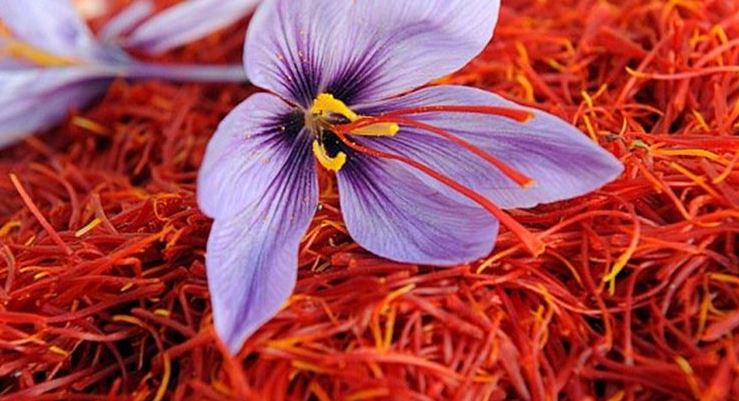
    • Saffron is a spice derived from the flower of Crocus sativus, commonly known as the “saffron crocus”.
    • The vivid crimson stigma and styles, called threads, are collected and dried for use mainly as a seasoning and colouring agent in food.

    Kashmir Saffron

    • It is cultivated and harvested in the Karewa (highlands) in some regions of Kashmir, including Pulwama, Budgam, Kishtwar and Srinagar.
    • It has been associated with traditional Kashmiri cuisine and represents the rich cultural heritage of the region.
    • Its cultivation is believed to have been introduced in Kashmir by Central Asian immigrants around 1st Century BCE. In ancient Sanskrit literature, saffron is referred to as ‘bahukam’.
    • In 2020, the Centre issued a certificate of Geographical Indication (GI) registration for Saffron grown in the Kashmir Valley.

    Major types

    The saffron available in Kashmir is of three types —

    • Lachha Saffron’, with stigmas just separated from the flowers and dried without further processing;
    • Mongra Saffron’, in which stigmas are detached from the flower, dried in the sun and processed traditionally; and
    • Guchhi Saffron’, which is the same as Lachha, except that the latter’s dried stigmas are packed loosely in air-tight containers while the former has stigmas joined together in a bundle tied with a cloth thread

    Whats’ so special about Kashmir Saffron?

    • The unique characteristics of Kashmir saffron are its longer and thicker stigmas, natural deep-red colour, high aroma, bitter flavour, chemical-free processing, and high quantity of crocin (colouring strength), safranal (flavour) and picrocrocin (bitterness).
    • It is the only saffron in the world grown at an altitude of 1,600 m to 1,800 m AMSL (above mean sea level), which adds to its uniqueness and differentiates it from other saffron varieties available the world over.

    Policy moves

    • The National Saffron Mission (launched as a part of Rashtriya Krishi Vikas Yojana) was sanctioned by the central government in the year 2010 in order to extend support for creation of irrigation facilities.
    • It seeks to facilitate farmers with tube wells and sprinkler sets which would help in production of better crops in the area of saffron production.
    • North East Centre for Technology Application and Reach (NECTAR) under Saffron Bowl Project has identified few locations in Arunachal Pradesh and Meghalaya for saffron cultivation.


    Click and get your FREE copy of Current Affairs micro notes

  • Case of Citizenship to Stateless Indian origin Tamils

    CitizenshipContext

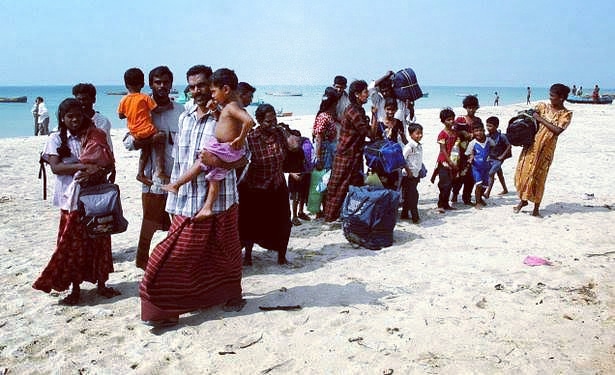
    • The Supreme Court of India has now posted the 232 petitions challenging the Citizenship (Amendment) Act (CAA) to be heard on December 6, 2022. However, there is another issue linked to the subject, i.e., the unresolved status of Indian origin Tamils who repatriated from Sri Lanka.

    Present status of Sri Lankan refugees in India

    • For over four decades, Indian origin Tamils have been classified as stateless persons, based on technicalities. Nations High Commission for Refugees, “Comprehensive Solutions Strategy for Sri Lankan Refugees”, there are around 29,500 Indian origin Tamils currently living in India.

    CitizenshipHistorical background of citizenship to Indian origin Tamils

    • As Indentured plantation workers: Indian origin Tamils were brought in as indentured labourers to work in plantations. They remained mostly legally undocumented and socially isolated from the native Sri Lankan Tamil and Sinhalese communities due to the policies of the British.
    • Denied citizenship led to stateless population: After 1947, Sri Lanka witnessed rising Sinhalese nationalism, leaving no room for their political and civil participation. They were denied citizenship rights and existed as a ‘stateless’ population, numbering close to 10 lakhs by 1960.
    • Bilateral pacts granted citizenship: As an ethnolinguistic minority without voting rights, this resulted in a double disadvantage till the two national governments addressed this issue. Subsequently, under the bilateral Sirimavo-Shastri Pact (1964) and the Sirimavo-Gandhi Pact (1974), six lakh people along with their natural increase would be granted Indian citizenship upon their repatriation.
    • Civil wars forcing to seek asylum in India: The Sri Lankan civil war resulted in a spike in Sri Lankan Tamils and Indian origin Tamils together seeking asylum in India. This resulted in a Union Ministry of Home Affairs directive to stop the grant of citizenship to those who arrived in India after July 1983.
    • Focus on Refugee welfare and rehabilitation: The focus of the Indian and Tamil Nadu governments shifted to refugee welfare and rehabilitation. The legal destiny of Indian origin Tamils has been largely intertwined with that of Sri Lankan Tamil refugees, and both cohorts have been relegated to ‘refugee’ status.
    • Classified as Illegal migrants as per the CAA 2003: Indian origin Tamils who arrived after 1983 came through unauthorized channels or without proper documentation and came to be classified as ‘illegal migrants’ as per the CAA 2003. This classification has resulted in their statelessness and blocking of potential legal pathways to citizenship.

    How to overcome the problem of statelessness?

    • While constitutional courts have not had an occasion to deal with the question of statelessness, there have been two recent judgments (Madurai Bench of the Madras High Court, Justice G.R. Swaminathan), taking these issues head on.
    • Judgment on P. Ulaganathan vs Government of India (2019): The status of citizenship of Indian origin Tamils at the Kottapattu and Mandapam camps came up for consideration. The court recognized the distinction between Indian origin Tamils and Sri Lankan Tamils and held that a continuous period of statelessness of Indian origin Tamils offends their fundamental right under Article 21 of the Constitution of India. The court further held that the Union Government has implied powers to grant relaxation in conferring citizenship and prescribed that a humanitarian approach, shorn of the rigors of law, should be adopted.
    • Abirami S. vs The Union of India 2022: Statelessness is something to be avoided. The court further held that the principles of the CAA, 2019, which relaxes the conditions for citizenship for Hindus from Afghanistan, Pakistan and Bangladesh, would also apply to Sri Lankan Tamil refugees. As such, these judgments have provided categorial judicial guidance to the Union of India on how to utilize an expanded and liberal interpretation of the CAA, 2019 to overcome statelessness.
    • Supreme Court (Committee for C.R. of C.A.P. and Ors. vs State of Arunachal Pradesh 2015): An undertaking made by the Government of India with respect to grant of citizenship inheres a right in the stateless or refugee population. As such, India has made repeated undertakings, through the 1964 and 1974 pacts, which have created a legitimate expectation among the Indian origin Tamils and would entitle them to be granted citizenship.
    • Obligatory International customary law: The situation of statelessness of Indian origin Tamils is ‘de jure’, created from the failure in implementing the 1964 and 1974 pacts. De jure statelessness is recognized in international customary law. Therefore, India has an obligation to remedy the situation.

    How other nations deals with statelessness situation?

    • United States: Remedying statelessness is not a novel process in law. While dealing with a similar situation, in 1994, the United States enacted the Immigration and the Nationality Technical Corrections Act to retroactively grant citizenship to all children born to an alien father and citizen mother.
    • Brazil: Through the Constitutional Amendment No. 54 of 2007 retroactively, Brazil granted citizenship to children under jus sanguinis, which was earlier stripped by an earlier amendment, i.e., Constitutional Amendment No. 3 of 1994.

    Citizenship

    What India can do?

    • Any corrective legislative action by the Government of India to eliminate statelessness should necessarily include retroactive citizenship for Indian origin Tamils.

    Conclusion

    • India has provided the one of largest refuge to people in the world including Tibetan, Sri Lankan, Pakistani, and Bangladeshi. Despite not being a signatory to UN refugee convention. any decision of granting citizenship has to be based on national interest rather than emotional connect.

    Mains Question

    Q. What are rules for granting the citizenship to foreigner in India? What are the hurdles in Tamil Sri Lankan getting their citizenship? How can Sri Lankan Tamil get citizenship by applying the rule of intelligible differentia under article 14?

    Click and Get your FREE copy of Current Affairs Micro notes
  • The Amendments To The IT Rules, 2021

    IT rulesContext

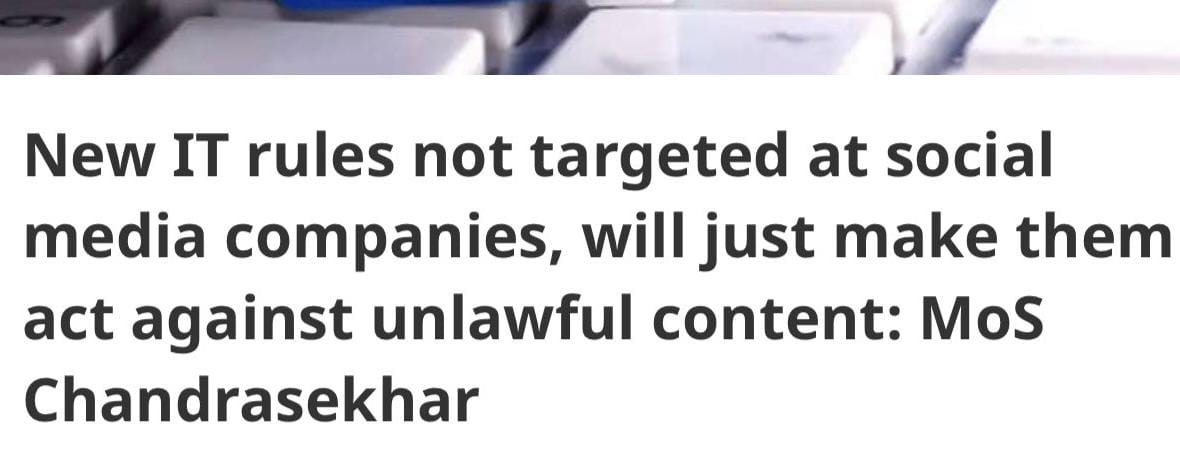
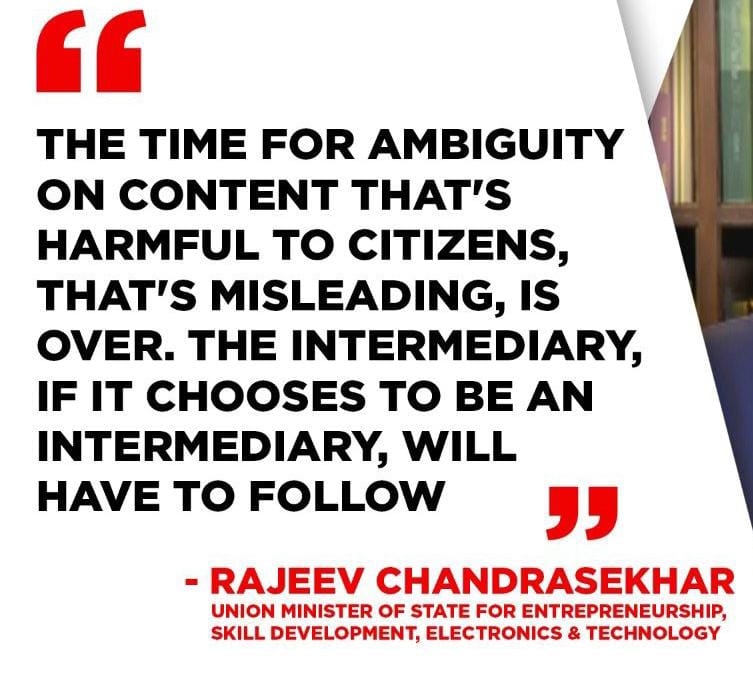
    • The Ministry of Electronics and IT (MeitY) has notified amendments to the Information Technology (Intermediary Guidelines and Digital Media Ethics Code) Rules, 2021 (IT Rules, 2021) on October 28. In June 2022, MeitY had put out a draft of the amendments and solicited feedback from the relevant stakeholders. The draft generated considerable discussion and comment on the regulation of social media in India.

    What are the IT rules 2021?

    • Regulating SMI’s: World over, governments are grappling with the issue of regulating social media intermediaries (SMIs).
    • Addressing the issues of SMI controlling the free speech: Given the multitudinous nature of the problem the centrality of SMIs in shaping public discourse, the impact of their governance on the right to freedom of speech and expression, the magnitude of information they host and the constant technological innovations that impact their governance it is important for governments to update their regulatory framework to face emergent challenges.
    • Placing obligations on SMI: In a bid to keep up with these issues, India in 2021, replaced its decade old regulations on SMIs with the IT Rules, 2021 that were primarily aimed at placing obligations on SMIs to ensure an open, safe and trusted internet.

    IT rules What are the proposed amendments?

    • Draft amendments in June 2022, the stated objectives of the amendments were threefold.
    1. Protecting the constitutional rights: there was a need to ensure that the interests and constitutional rights of netizens are not being contravened by big tech platforms,
    2. Grievance redressal: to strengthen the grievance redressal framework in the Rules,
    3. To avoid the dominance: that compliance with these should not impact early-stage Indian start-ups.
    • This translated into a set of proposed amendments that can be broadly classified into two categories.
    1. Additional obligation on SMI: The first category involved placing additional obligations on the SMIs to ensure better protection of user interests.
    2. Appellate mechanism: The second category involved the institution of an appellate mechanism for grievance redressal.

    IT rules

    What are the additional obligations placed on social media intermediaries?

    • Users need to comply with rules of platforms(intermediaries): The original IT Rules, 2021 obligated the SMIs to merely inform its users of the “rules and regulations, privacy policy and user agreement” that governed its platforms along with the categories of content that users are prohibited from hosting, displaying, sharing etc. on the platform. This obligation on the SMIs has now been extended to ensuring that its users are in compliance with the relevant rules of the platform.
    • Prevent the prohibited content: Further, SMIs are required to “make reasonable” efforts to prevent prohibited content being hosted on its platform by the users.
    • SMIs have to respects rights under constitution: Second, a similar concern arises with the other newly introduced obligation on SMIs to “respect all the rights accorded to the citizens under the Constitution, including in the articles 14, 19 and 21”. Given the importance of SMIs in public discourse and the implications of their actions on the fundamental rights of citizens, the horizontal application of fundamental rights is laudable.
    • Remove the content within 72 hours: SMIs are now obligated to remove information or a communication link in relation to the six prohibited categories of content as and when a complaint arises. They have to remove such information within 72 hours of the complaint being made. Given the virality with which content spreads, this is an important step to contain the spread of the content.
    • Ensuring the accessibility of services: SMIs have been obligated to “take all reasonable measures to ensure accessibility of its services to users along with reasonable expectation of due diligence, privacy and transparency”.
    • Provide content in all scheduled language: In this context, the amendments also mandate that “rules and regulations, privacy policy and user agreement” of the platform should be made available in all languages listed in the eighth schedule of the Constitution.

    IT rulesWhat is the grievance appellate committee (GAC)?

    • Composition of GAC: The government has instituted Grievance Appellate Committees (GAC). The committee is styled as a three-member council out of which one member will be a government officer (holding the post ex officio) while the other two members will be independent representatives.
    • Complaint within 30 days: Users can file a complaint against the order of the grievance officer within 30 days.
    • Online dispute resolution: The GAC is required to adopt an online dispute resolution mechanism which will make it more accessible to the users.

    What are the concerns associated with GAC?

    • Confusion over GAC and High courts: It is unclear whether this is a compulsory tier of appeal or not, that is will the user have to approach the grievance appellate committee before approaching the court. The confusion arises from the fact that the press notes expressly stated that the institution of the GAC would not bar the user from approaching the court directly against the order of the grievance officer. However, the final amendments provide no such indication.
    • Apprehensions about appointment by central government: While this makes the inhouse grievance redressal more accountable and appellate mechanism more accessible to users, appointments being made by the central government could lead to apprehensions of bias in content moderation.
    • GAC doesn’t have enforcement power: Further, the IT Rules, 2021 do not provide any explicit power to the GAC to enforce its orders.
    • Overlapping jurisdiction of courts and appellate: if users can approach both the courts and the GAC parallelly, it could lead to conflicting decisions often undermining the impartiality and merit of one institution or the other.

    Conclusion

    • Across the world, social media regulation is need of an hour. Fake news, protests, riots are fuelled by social media outrage on petty things. However, government should not usurp the unaccountable power of in the name social regulation. Power of government should also be scrutinized by parliamentary committee.

    Mains Question

    Q. How social media can disrupt the law-and-order situation? Social media intermediaries have become the master regulators of free speech. Explain. critically analyze the new draft recommendations of IT rules 2021.

    Click and Get your FREE copy of Current Affairs Micro notes
     

  • Decentralise MGNREGS for better implementation: Govt. Study

    An internal study commissioned by the Ministry of Rural Development has argued for decentralization of the Mahatma Gandhi National Rural Employment Guarantee Scheme (MGNREGS), allowing for more “flexibility” at the ground level.

    Key recommendations to revamp MGNREGS

    • Work diversification: There should be a greater diversification of permissible works instead of listing the types of permissible works.
    • Broad categories of works may be listed out.
    • Flexibility should be given at ground level to select the type of works as per broad categories.

    What is MGNREGS?

    • The MGNREGA stands for Mahatma Gandhi National Rural Employment Guarantee Act of 2005.
    • This is labour law and social security measure that aims to guarantee the Right to Work’.
    • The act was first proposed in 1991 by P.V. Narasimha Rao.

    What is so unique about it?

    • MGNREGA is unique in not only ensuring at least 100 days of employment to the willing unskilled workers, but also in ensuring an enforceable commitment on the implementing machinery i.e., the State Governments, and providing a bargaining power to the labourers.
    • The failure of provision for employment within 15 days of the receipt of job application from a prospective household will result in the payment of unemployment allowance to the job seekers.
    • Any Indian citizen above the age of 18 years who resides in rural India can apply for the NREGA scheme. The applicant should have volunteered to do unskilled work.
    • Employment is to be provided within 5 km of an applicant’s residence, and minimum wages are to be paid.
    • Thus, employment under MGNREGA is a legal entitlement.

    Why imbibe some changes?

    (1) Empowering Gram Sabhas

    • The fund management has been centralised instead of paying the Gram Sabhas.
    • The Gram Sabhas could better decide the work they want to undertake.
    • The Sabhas can take into account the local conditions and the community’s requirement instead of chasing a target set for them.

    (2) Prevent delays in fund disbursal

    • The internal study also flagged the frequent delay in fund disbursal, and to deal with it suggested a revolving fund that can be utilised whenever there is a delay in the Central funds.
    • The survey quoted various instances to underline this chronic problem.

    (3) Prevent delay in wages

    • In Himachal Pradesh and Gujarat, the delay in wages was by three or four months and the material component by six months.
    • The study also noted that the MGNREGS wages were far below the market rate in many States, defeating the purpose of acting as a safety net.

    Answer this PYQ in the comment box:

    Q.Among the following who are eligible to benefit from the “Mahatma Gandhi national rural employment guarantee act”?

    (a) Adult members of only the scheduled caste and scheduled tribe households.

    (b) Adult members of below poverty line (BPL) households.

    (c) Adult members of households of all backward communities.

    (d) Adult members of any household.

    [wpdiscuz-feedback id=”f5a0529pf5″ question=”Please leave a feedback on this” opened=”1″]Post your answers here.[/wpdiscuz-feedback]


    Click and Get your FREE copy of Current Affairs Micro notes
  • Species in news: Amur Falcon

    falcon

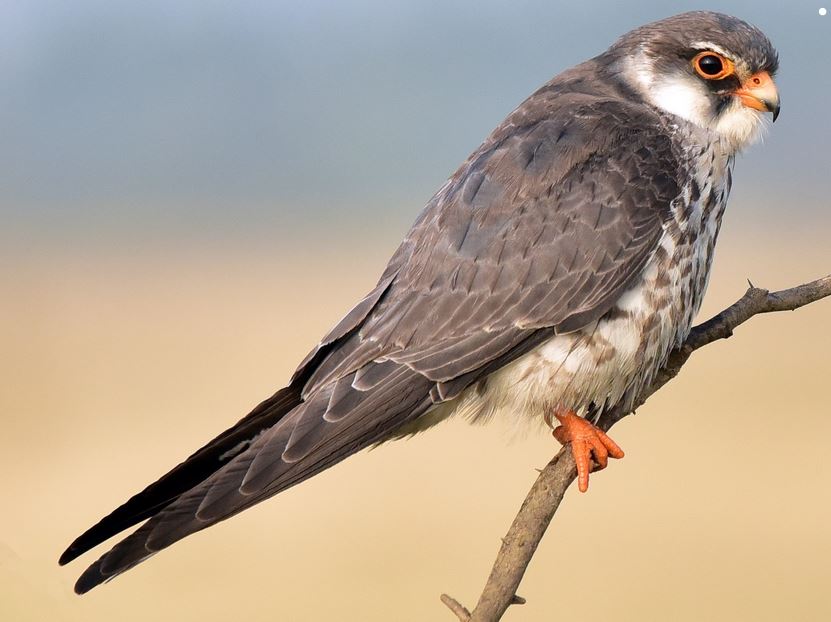
    The Amur falcons have begun to arrive in Manipur after travelling over 20,000 km.

    Amur Falcon

    • The Amur falcon (Falco amurensis) is a small raptor of the falcon family.
    • It breeds in south-eastern Siberia and Northern China before migrating in large flocks across India and over the Arabian Sea to winter in Southern and East Africa.

    How it migrates?

    • Locally known as Akhuipuina, the bird arrives mainly in Manipur and Nagaland on its southbound migration from breeding grounds in North China, Eastern Mongolia and far-east Russia.
    • They travel to Manipur en-route to its wintering grounds in South Africa.
    • The one-way journey via India is about 20,000 km long and the birds do this twice a year.
    • They spend three-four weeks in many parts of Manipur to build fat reserves by preying on termites that emerge around this time.

    Conservation status

    • It is protected under the Wildlife Protection Act 1972 and included under its Schedule IV.
    • It is listed in the IUCN Red list as Least Concern.
    • Hunting of the birds or possessing its meat is punishable with imprisonment up to three years or a fine up to Rs 5,000.
    • In 2018, the forest department started a conservation programme by radio-tagging the birds to study their migratory route.

    Click and get your FREE copy of Current Affairs micro notes

  • Are there anti-superstition laws in India?

    superstition

    Context

    • The brutal murders of two women as part of “ritualistic human sacrifices” in the Pathanamthitta district of Kerala have left the country in shock. Chilling details of the killings have sparked a debate about the prevalence of superstitious beliefs, black magic and sorcery in Kerala. In the absence of a comprehensive law to counter such acts, the call for a strict anti-superstition law has grown louder.

    superstition

    What is Superstition?

    • Superstition is an irrational belief usually founded on ignorance or fear and characterized by obsessive reverence for omens, charms etc. It is a notion, act or ritual that derives from such belief.

    What is Witchcraft?

    • Black magic is also known as Witchcraft is usage of supernatural power for evil and selfish purposes and to perform malicious practices to destroy someone physically or mentally or financially.
    • Black magic makes humans victims of baseless fears, reverses fortunes and confusions.

    superstition

    What is the status of such killings in India?

    • As per the 2021 report of the National Crime Records Bureau (NCRB), six deaths were linked to human sacrifices, while witchcraft was the motive for 68 killings.
    • In 2020, India saw 88 deaths due to witchcraft and 11 died as part of human sacrifices.
    • The maximum number of witchcraft cases were reported from Chhattisgarh (20), followed by Madhya Pradesh (18) and Telangana (11). Kerala saw two cases of human sacrifice, the NCRB report states.

    What are the laws over superstition in India?

    • No central law: In India, there is no central law that exclusively deals with crimes related to witchcraft, superstition, or occult-inspired activities. In the absence of a nationwide legislation, a few States have enacted laws to counter witchcraft and protect women from deadly ‘witch-hunting’.

    superstition

    Anti-superstition Laws enacted by the states

    • Bihar: Bihar was the first State to enact a law to prevent witchcraft, identification of a woman as a witch and “eliminate torture, humiliation and killing of women.” The Prevention of Witch (Daain) Practices Act came into force in October 1999. Anyone who identifies a person as a “witch” and acts to aid this identification can face a jail term of up to three months, or a fine of ₹1,000, or both.
    • Jharkhand: A similar law was passed in Jharkhand in 2001 the Prevention of Witch (Daain) Practices Act.
    • Chhattisgarh: Even though Chhattisgarh is one of the worst-affected States in terms of witchcraft-related crimes, the State enacted the Chhattisgarh Tonahi (witch) Pratadna Nivaran Act only in 2005. As per the law, a person convicted for identifying someone as a witch can be sentenced to up to three years of rigorous imprisonment with a fine
    • Odisha: Following the directions of the Odisha High Court to frame a law to deal with rising cases of witch-hunting in the State, the Odisha Prevention of Witch-Hunting Bill was passed by the Assembly in 2013. The bill provides penalties for a witch doctor, or a person claiming to be a black magician
    • Maharashtra: In Maharashtra, the Maharashtra Prevention and Eradication of Human Sacrifice and other Inhuman, Evil and Aghori Practices and Black Magic Act, 2013 was passed after the murder of anti-superstition activist Dr. Narendra Dabholkar.
    • Rajasthan: The state of Rajasthan enacted the Rajasthan Prevention of Witch-Hunting Act in 2015 to “provide for effective measures to tackle the menace of witch-hunting and prevent the practice of witchcraft.
    • Assam: The Assam Witch Hunting (Prohibition, Prevention and Protection) Act, 2015, which received the President’s assent in 2018, prohibits witch hunting completely. The law states, no person shall identify, call, stigmatize, defame or accuse any other person as witch by words, or by signs or indications or by conducts or actions or any other manner or instigate, aid or abet such an act or commit witch hunting.
    • Karnataka: The latest law was passed in Karnataka where the Karnataka Prevention and Eradication of Inhuman Evil Practices and Black Magic Act, 2017 came into effect in January 2020. The law bans several practices related to black magic and superstition, like forcing a person to walk on fire at religious festivals and the practice of piercing rods from one side of the jaw to the other.

    Conclusion

    • States governments are doing their best to criminalize the rituals of human sacrifices by enacting stringent laws. There is need to have a concrete nationwide anti-superstition law and as a society every individual should be made a stakeholder in awareness against human sacrifices based on witchcraft and rituals.

    Mains Question

    Q. What is Superstition? Are there any anti-superstition laws in India that criminalizes the rituals such as human sacrifices and witch-hunting? Discuss.

    Click and Get your FREE copy of Current Affairs Micro notes

  • What is the Doctrine of Pleasure?

    The Kerala Governor has sought dismissal of a minister from the Cabinet, declaring that he has withdrawn the pleasure of having him in the Council of Ministers.

    Doctrine of Pleasure: The concept behind

    • The pleasure doctrine is a concept derived from English common law.
    • It says is that a civil servant of the Crown holds office during the pleasure of the Crown.
    • This means his services can be terminated at any time by the Crown, without assigning any reason.

    How is it practised in India?

    • In India, Article 310 of the Constitution says every person in the defence or civil service of the Union holds office during the pleasure of the President.
    • Similarly, every member of the civil service in the States holds office during the pleasure of the Governor.
    • However, Article 311 imposes restrictions on the removal of a civil servant.

    How arbitrary is this doctrine?

    • It provides for civil servants being given a reasonable opportunity for a hearing on the charges against them.
    • There is also a provision to dispense with the inquiry if it is not practicable to hold one, or if it is not expedient to do so in the interest of national security.
    • In practical terms, the pleasure of the President referred to here is that of the Union government, and the Governor’s pleasure is that of the State government.

    Is the governor entitled to exercise his/her displeasure?

    • Under Article 164, the Chief Minister is appointed by the Governor; and the other Ministers are appointed by the Governor on the CM’s advice.
    • It adds that Ministers hold office during the pleasure of the Governor.
    • In a constitutional scheme in which they are appointed solely on the CM’s advice, the ‘pleasure’ referred to is also taken to mean the right of the CM to dismiss a Minister, and not that of the Governor.

    Why in news now?

    Ans. Issue over appointment of Vice-Chancellor

    • The latest controversy has arisen after the Governor sought the resignation of several vice-chancellors following a Supreme Court judgment.
    • The V-C’s appointment of a technical university was contrary to the regulations of the University Grants Commission (UGC).
    • The appointment Committee had identified only one candidate and recommended the name to the Chancellor for appointment.
    • However, under UGC regulations, a panel of three to five names should be recommended so that the Chancellor has a number of options to choose from.

    How is Governor involved in this?

    • The Governor, in his capacity as Chancellor of universities, responded by directing the V-Cs of nine universities to resign the very next day.
    • He contended that the infirmities pointed out by the Supreme Court in one case also vitiated their appointments.


    Click and Get your FREE copy of Current Affairs Micro notes