💥Join UPSC 2027,2028 Mentorship (July Batch) + XFactor Notes & Microthemes PDF

Distribution: yearly

  • Discovery of Rare Quadruple Star System with Brown Dwarfs

    Why in the News?

    Scientists have identified UPM J1040−3551 AabBab, a rare quadruple star system with two brown dwarfs orbiting two red dwarfs.

    Discovery of Rare Quadruple Star System with Brown Dwarfs

    About UPM J1040−3551 AabBab:

    • Overview: Newly discovered quadruple star system in the Milky Way.
    • Composition: Two cold T-type brown dwarfs orbiting a pair of young red dwarf stars.
    • Uniqueness: First known system of its kind; extremely rare as brown dwarfs usually exist alone, with less than 5% chance of companions.
    • Significance: Offers new insights into the formation and evolution of low-mass stars and sub-stellar objects.

    What are Brown Dwarfs?

    • Overview: Celestial objects between stars and planets in characteristics.
    • Formation: Form like stars from collapsing gas and dust but lack sufficient mass for sustained hydrogen fusion.
    • Nickname: Often called “failed stars” due to absence of sustained nuclear fusion.
    • Mass Range: Can reach up to about 70 times the mass of Jupiter.
    • Atmosphere: Similar to gas giants like Jupiter and Saturn, with molecules and water vapor clouds.
    • Detection: Very faint and cold; usually identified in multiple-star systems where brighter stars help estimate their properties.
    • Astronomical Importance: Help define the boundary between stars and planets; provide clues to conditions necessary for stellar and planetary formation.
    • Cosmological Role: Studying their abundance and distribution aids in understanding mass distribution in the universe and connections to dark matter.
    [UPSC 2024] Consider the following statements:

    Statement-I: Giant stars live much longer than dwarf stars.

    Statement-II: Compared to dwarf stars, giant stars have a greater rate of nuclear reactions.

    Which one of the following is correct in respect of the above statements?

    Options: (a) Both Statement-I and Statement-II are correct and Statement-II explains Statement-I

    (b) Both Statement-I and Statement-II are correct, but Statement-II does not explain Statement-I

    (c) Statement-I is correct, but Statement-II is incorrect

    (d) Statement-I is incorrect, but Statement-II is correct*


  • First Human Case of New World Screwworm in US

    Why in the News?

    The US authorities have reported the first human case of the flesh-eating parasite, the New World screwworm.

    About New World Screwworm (Cochliomyia hominivorax):

    • Overview: Called “man-eaterlarvae in Latin; South America and the Caribbean.
    • Larval Stage: Eggs hatch into maggots that burrow into wounds of warm-blooded animals (including humans) and feed on living flesh in a screw-like motion.
    • Life Cycle: After feeding, larvae fall to soil, pupate, and emerge as adult Blue-grey blowfly.
    • Human Infestation (Myiasis): Causes painful non-healing wounds, bleeding, foul odour, sensation of movement; may lead to sepsis or death if untreated.
    • Eradication in USA: Eliminated in 1966 using Sterile Insect Technique (SIT) by mass release of sterile males.

    Current Spread and Concerns:

    • Recent Outbreaks: Detected in Panama, Costa Rica, Nicaragua, and Honduras.
    • Cause of Spread: Likely linked to movement of infested cattle across regions.
    • Possible Weakness in SIT: Current strain of sterilized flies may be less effective than earlier strains.
    • New Human Case: First travel-associated screwworm myiasis reported in the United States in 2025.
    • Livestock Threat: Serious danger to cattle industry; risk of animal suffering and economic loss.
    • Biosecurity Risk: Reemergence could undo decades of eradication efforts if uncontrolled.
    [UPSC 2017] Consider the following statements:

    1. In tropical regions, Zika virus disease is transmitted by the same mosquito that transmits dengue.

    2. Sexual transmission of Zika virus disease is possible.

    Which of the statements given above is/are correct?

    Options: (a) 1 only (b) 2 only (c) Both 1 and 2* (d) Neither 1 nor 2


  • What is the Air Drop Test (ADT-1) conducted by ISRO?

    Why in the News?

    ISRO has successfully conducted IADT-1, a key milestone for India’s maiden human spaceflight mission, Gaganyaan.

    What is the Air Drop Test (ADT-1) conducted by ISRO?

    About Air Drop Test (ADT-1):

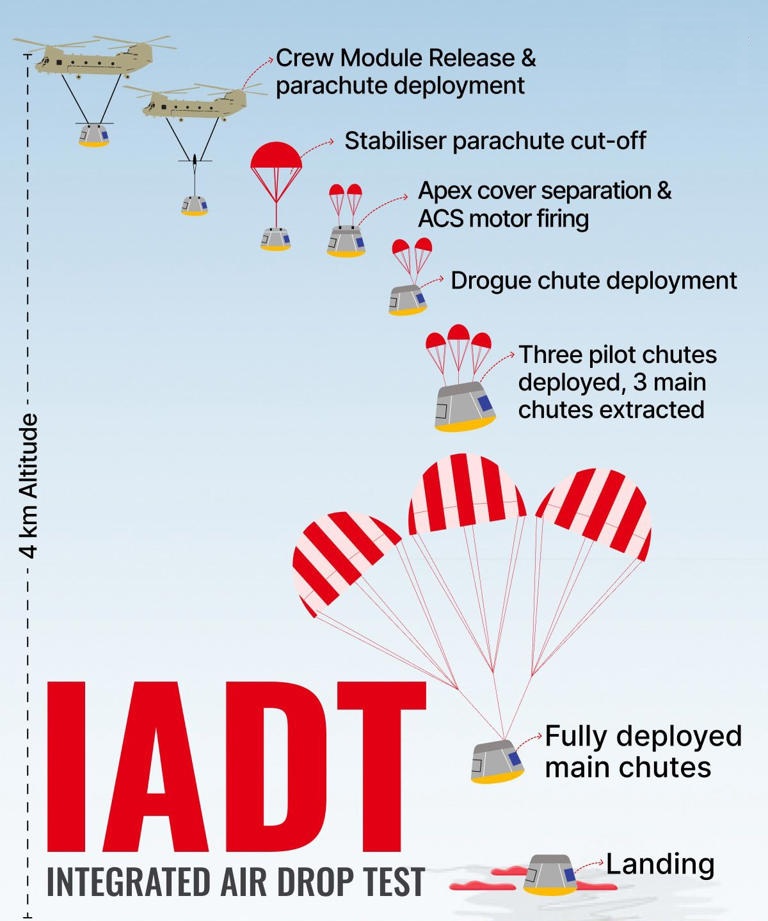
    • Test Setup: A dummy crew module weighing nearly 5 tonnes was dropped from an Indian Air Force Chinook helicopter at an altitude of about 3 km.
    • Purpose: To test the parachute-based deceleration system that will slow the crew module during re-entry and ensure a safe splashdown.
    • Parachute Sequence: Parachutes deployed in order — first drogue chutes, followed by three main parachutes — slowing the capsule to about 8 metres per second before landing.
    • Outcome: The touchdown matched expectations, successfully validating the design for human re-entry and landing.

    Roadmap for Gaganyaan:

    • Objective: The ultimate goal is to send Indian astronauts to low-earth orbit on a human-rated LVM3 rocket.
    • Validation Tests: A series of safety validation tests are planned before the crewed mission.
    • Crew Escape System (CES): Already tested with TV-D1 in October 2023; TV-D2 will demonstrate a more complex abort scenario.
    • First Uncrewed Mission (G1): Will carry the humanoid robot Vyommitra to simulate astronaut operations.
    • Parallel Trials: Multiple air drop tests and subsystem validations, including parachute trials and life-support system checks, will continue.
    • Key Technologies: Critical systems under development include the Environmental Control and Life Support System (ECLSS), the Integrated Vehicle Health Management System (IVHMS), and a strengthened human-rated LVM3 rocket.
    • Timeline: The first human spaceflight (H1) is currently targeted for 2027, though delays are possible due to complexity in human-rating systems.

    Long-term Goals:

    • Foundation: Gaganyaan marks the beginning of India’s long-term human spaceflight programme.
    • Space Station: The GoI has announced the Bharatiya Antariksh Station (BAS) to be established by 2035.
    • Lunar Mission: India aims to achieve a crewed lunar landing by 2040.
    • Critical Technologies: Capabilities such as in-orbit docking, demonstrated by the SpaDeX mission in 2025, will be essential for future missions.
    [UPSC 2025] Consider the following space missions:

    I. Axiom-4 II. SpaDeX III. Gaganyaan

    How many of the space missions given above encourage and support microgravity research?

    Options:

    (a) Only one (b) Only two (c) All the three* (d) None


  • [26th August 2025] The Hindu Op-ed: India-Japan Ties, Old Partners, New Priorities

    PYQ Relevance

    [UPSC GS II] The time has come for India and Japan to build a strong contemporary relationship, one involving global and strategic partnership that will have a great significance for Asia and the world as a whole. Comment.

    Linkage: The question calls for examining India–Japan relations as a global and strategic partnership. The current visit, with Japan’s ¥10 trillion investment, defence cooperation, and Indo-Pacific focus, shows this vision materialising. It highlights how the partnership now goes beyond economics to shape Asian stability and world geopolitics.

    Mentor’s Comment

    PM Modi’s Japan visit signals India’s strategic clarity amid global flux. Japan’s unprecedented investment pledge, technology transfer, and defence cooperation position it as India’s most reliable Indo-Pacific partner when U.S. unpredictability and China’s mistrust loom large.

    Introduction

    India–Japan ties are deepening at a crucial juncture. With a ¥10 trillion ($68 billion) Japanese investment plan and renewed security cooperation, the partnership goes beyond economics. It reflects India’s balancing act between Tokyo, Beijing, and Washington, showcasing strategic autonomy in an uncertain world.

    Why is this visit significant?

    • Historic Japanese pledge: A ¥10 trillion ($68 billion) investment plan, among Tokyo’s most ambitious commitments to New Delhi.
    • Technology transfer: Includes next-generation E10 series Shinkansen for the Mumbai–Ahmedabad high-speed rail, reflecting economic plus technological collaboration.
    • Timing amid flux: Visit comes just before Modi’s participation in the SCO Summit in China, showcasing strategic balancing.
    • U.S. uncertainty: With Trump’s erratic second term, the visit highlights India’s recalibration of partnerships, reinforcing Japan as a dependable anchor.

    Japan’s Investment and Economic Partnership

    • Massive infrastructure push: ¥10 trillion investment spread across infrastructure, manufacturing, clean energy, and technology.
    • High-speed rail corridor: Japan’s E10 Shinkansen trains for Mumbai–Ahmedabad project symbolise trust and long-term collaboration.
    • Supply chain resilience: Economic Security Initiative expands cooperation on semiconductors, critical minerals, pharmaceuticals, and clean energy.
    • Digital partnership: Upgradation to cover artificial intelligence and startup ecosystems, placing India-Japan ties at the cutting edge of innovation.

    Strategic and Defence Cooperation

    • Security framework revision: 2008 Joint Declaration on Security Cooperation to be updated in line with today’s realities.
    • Indo-Pacific commitment: Reinforces shared vision of a free, open, and rules-based Indo-Pacific.
    • Maritime security and resilience: Japan remains central to India’s Indo-Pacific strategy amid an uncertain Quad trajectory.

    The China Factor and Strategic Balancing

    • Dual engagement: Modi’s Tokyo visit followed by Beijing trip reflects India’s ability to compartmentalise relations.
    • Confidence-building with China: Resumption of flights, visa relaxations, and trade measures post-Galwan.
    • Message of balance: India signals that deepening ties with Japan need not preclude dialogue with China.

    The U.S. Factor and Quad Challenges

    • Unpredictability under Trump 2.0: Threatens to erode years of steady New Delhi–Washington cooperation.
    • Quad dilution: U.S. disengagement risks weakening the grouping’s strategic coherence.
    • India-Japan partnership: Emerges as ballast to sustain Indo-Pacific momentum even when U.S. commitment wavers.

    Broader Political and Diplomatic Significance

    • Beyond economics: Japan’s engagement shows that consistent, long-term cooperation delivers real outcomes.
    • Diplomatic flexibility: India demonstrates ability to pursue multiple alignments without losing clarity.
    • Anchor role of Japan: Unlike Washington’s inconsistency or Beijing’s mistrust, Tokyo provides stability, resources, and shared values.

    Conclusion

    The Prime Minister’s Japan visit reflects one of the enduring features of Indian diplomacy, flexibility with clarity. By securing massive investment, strengthening defence ties, and reinforcing Indo-Pacific strategies, India positions Japan as its anchor partner in uncertain times. The visit sends a broader signal: India is capable of balancing great power politics while advancing its economic and strategic priorities. For UPSC, it is a live example of strategic autonomy in action.

  • About 30% of MPs and MLAs face serious criminal cases

    Introduction

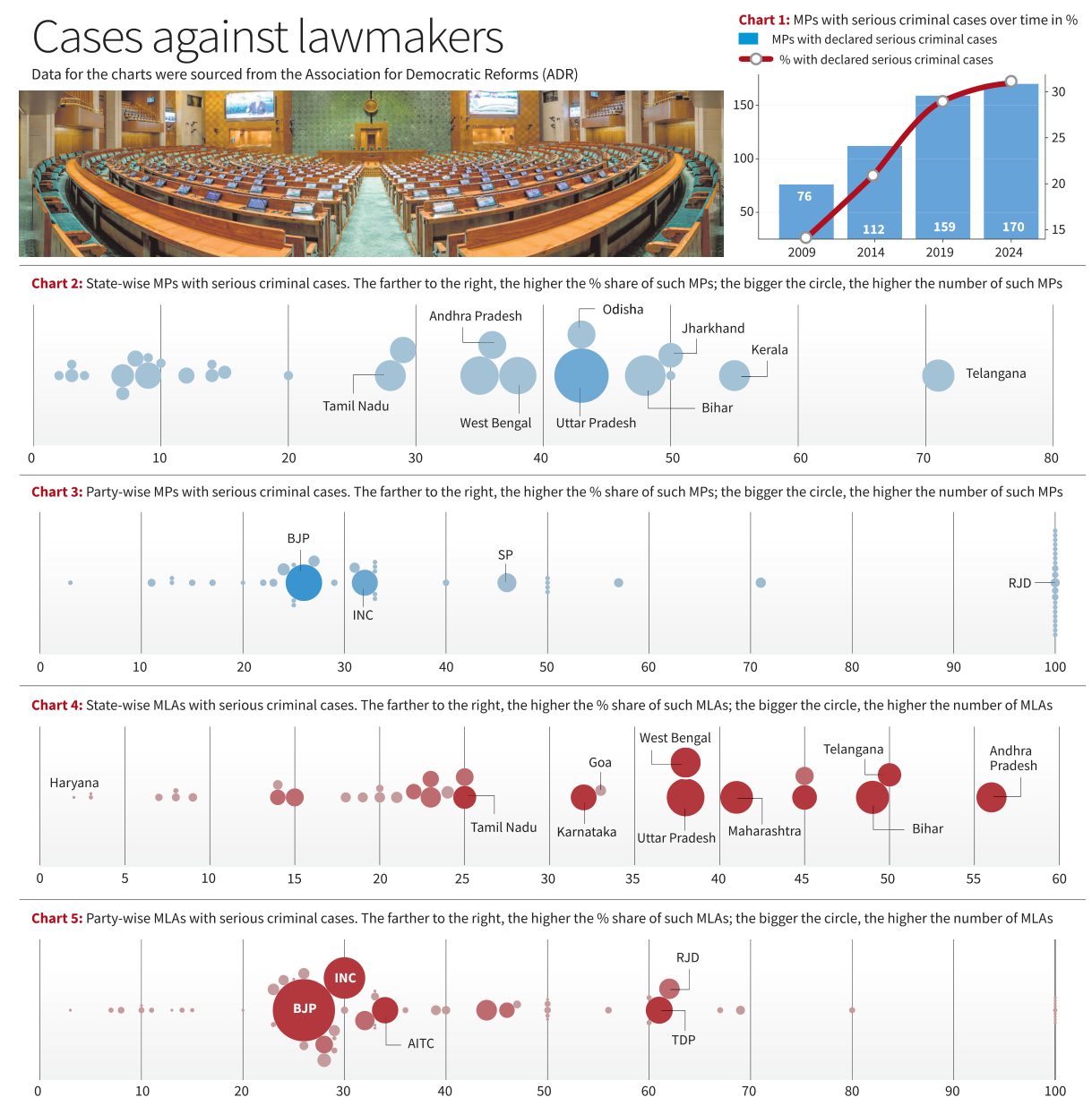
    The intertwining of crime and politics is not new in India, but the recent figures are deeply concerning. An analysis of elected representatives reveals that 31% of MPs and 29% of MLAs across India have declared serious criminal charges against them. More strikingly, in the Lok Sabha, this share has more than doubled from 14% in 2009 to 31% in 2024. Such data points underscore a disturbing trend where democratic institutions are increasingly being captured by individuals with questionable integrity.
    About 30% of MPs and MLAs face serious criminal cases

    The Scale of Criminalisation in Indian Politics

    • MPs with serious charges: 31% in 2024, compared to 14% in 2009.
    • MLAs with serious charges: 29% nationwide, amounting to more than 1,200 legislators.
    • Definition of serious crimes: Offences with punishments of 5+ years, or non-bailable in nature.

    State-wise Picture of the Crisis

    • Telangana: Highest share of MPs with serious cases (71%).
    • Bihar: Second-highest share of MPs (48%).
    • Uttar Pradesh: Highest absolute number of MPs (34) and MLAs (154 or 38%).
    • Andhra Pradesh: Highest share of MLAs with serious cases (56%), followed by Telangana (50%).

    Political Party-Wise Trends

    • BJP: Largest absolute number—63 MPs (26%) and 436 MLAs (26%).
    • Congress: 32 MPs (32%) and 194 MLAs (30%).
    • RJD: 100% of its 4 MPs, and 62% of MLAs face serious cases.
    • TDP: 61% of MLAs facing serious charges.

    Criminalisation of politics as a Democratic Crisis

    1. Undermines Rule of Law: Representatives sworn to make laws are themselves accused of violating them.
    2. Erodes Public Trust: Citizens lose faith in democratic institutions.
    3. Policy Capture Risk: Legislators with criminal backgrounds may promote laws benefiting vested interests.
    4. Vicious Cycle: Money, muscle power, and electoral compulsions perpetuate the entry of tainted candidates.

    Constitutional and Legal Context

    • Representation of People’s Act, 1951: Currently disqualifies convicted representatives but not those with pending cases.

    Judicial Interventions:

    1. Lily Thomas vs Union of India (2013): Immediate disqualification upon conviction.
    2. Public Interest Foundation vs Union of India (2018): Urged political parties to disclose candidate criminal records widely.

    Conclusion

    The latest data underscores that criminalisation in politics is not just persisting but worsening, with more than one in four lawmakers facing serious charges. Unless systemic reforms, ranging from fast-track courts to stricter disqualification laws, are implemented, India risks democratic backsliding. For a healthy democracy, the moral legitimacy of legislatures must be restored.

    Value Addition

    Issues with Criminalisation in Politics

    • Erosion of Democratic Legitimacy: Lawmakers accused of breaking the law undermine the moral authority of Parliament/Assemblies.
    • Weakening of Rule of Law: Offenders often manipulate investigations, delay trials, and escape accountability.
    • Policy Capture & Corruption: Legislators may pass laws or influence contracts to protect vested interests.
    • Distortion of Electoral Choices: Voters are forced to choose between tainted candidates, limiting free and fair choice.
    • Loss of Public Trust: Citizens lose faith in governance when crime and politics merge.
    • Security Threats: Nexus of politics and crime leads to rise in muscle power, intimidation, and weakens internal security.

    Why do Parties Field Candidates With Criminal Background?

    • Money Power: Candidates with criminal networks bring enormous funds to finance expensive elections.
    • Muscle Power: They help in mobilising voters, intimidating opponents, and managing booths in certain constituencies.
    • Winnability Factor: Studies show voters often overlook criminal charges if the candidate is influential, caste-backed, or delivers local patronage.
    • Weak Legal Framework: Only convicted representatives are barred; those with pending cases can contest. With trials dragging on for years, many continue to fight elections.
    • Vote-Bank Politics: Parties use “strongmen” with community backing to secure caste/religion-based votes.

    Way Forward with Committee Reports, Judgments & Reforms

    Committee Recommendations

    • Vohra Committee (1993): Flagged deep nexus between crime, politics, and bureaucracy.
    • Law Commission 170th Report (1999): Recommended disqualification of candidates once charges are framed in heinous offences.
    • Law Commission 244th Report (2014): Suggested immediate disqualification in cases with charges punishable by 5 years or more, and where charges are framed by a court.
    • Election Commission of India (ECI) Recommendations: Ban on candidates facing heinous charges; fast-track courts to decide political cases within a year.

    Judicial Interventions

    • Lily Thomas vs Union of India (2013): MPs/MLAs disqualified immediately upon conviction (earlier they could continue for 3 months pending appeal).
    • Public Interest Foundation vs Union of India (2018): Directed political parties to publicise candidate criminal records widely (website, media, papers).

    Suggested Reforms

    • Fast-track Courts: To ensure cases against politicians are resolved within strict timelines.
    • Stricter Disqualification Norms: Disqualify candidates at the stage of framing of charges (with safeguards against false cases).
    • Political Party Accountability: Legal provisions to penalise parties giving tickets to tainted candidates.
    • State Funding of Elections: Reduce dependence on money/muscle power.
    • Voter Awareness: Encourage citizens to reject candidates with serious charges through awareness campaigns.

    PYQ Relevance

    [UPSC GS II] There is a need for simplification of procedure for disqualification of persons found guilty of corrupt practices under the Representation of Peoples Act.” Comment

    Linkage: The issue of disqualification under the Representation of People’s Act (RPA), 1951 is central to tackling criminalisation of politics. Recent data showing over 30% MPs/MLAs facing serious criminal charges highlights the inadequacy of current provisions that act only after conviction. Simplifying and strengthening disqualification procedures, as urged by committees and the Supreme Court, is vital to restore public trust in democracy.

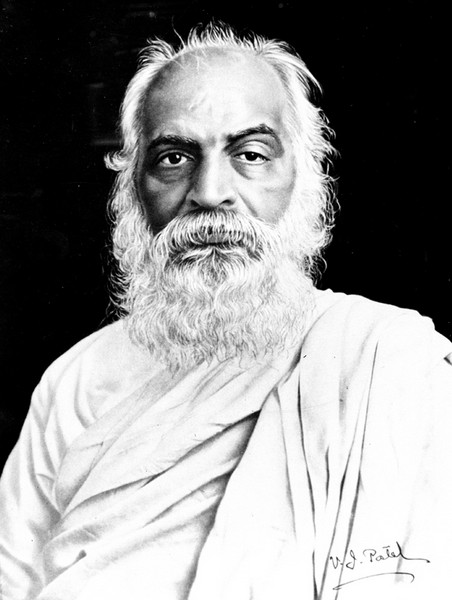
  • Vithalbhai Patel and the Legacy of India’s Legislative Traditions

    Why in the News?

    The Delhi Assembly has hosted a two-day All India Speakers’ Conference to mark 100 years since Vithalbhai Patel became the first Indian President of the Central Legislative Assembly, the precursor to today’s Parliament.

    Vithalbhai Patel and the Legacy of India’s Legislative Traditions

    Who was Vithalbhai Patel?

    • Early Life: Vithalbhai Jhaverbhai Patel (1873–1933), Elder brother of Sardar Vallabhbhai Patel; trained lawyer (studied law in England, practiced in Bombay).
    • Political career:
      • Member, Bombay Legislative Council (1912).
      • Member, Imperial Legislative Council (1918).
      • Elected to Central Legislative Assembly in 1924 from Bombay city.
    • First Indian President of the Central Legislative Assembly (1925), equivalent to today’s Lok Sabha Speaker under British rule.

    His Political Legacy:

    • Associated with Swaraj Party (1923): Co-founded by him, Motilal Nehru, Chittaranjan Das, Subhas Chandra Bose, opposing Gandhi’s suspension of Non-Cooperation Movement.
    • Strengthening Speaker’s Authority: Asserted that the Assembly President (Speaker) was paramount, even over the Viceroy inside the House.
    • Parliamentary Security: Insisted on keeping Assembly security under Speaker’s control, even after Bhagat Singh’s 1929 bomb incident. This autonomy lasted until 2024 when CISF took over.
    • Independent Parliament Secretariat: Established a staff system reporting only to the Speaker, ensuring independence from executive interference.
    • Institution Builder: Motilal Nehru and Lala Lajpat Rai supported his push, leading to creation of a separate Legislative Assembly Department in 1929.
    • Freedom Struggle Role: Critic of Gandhian withdrawal strategy; collaborated with Netaji Subhas Chandra Bose abroad to internationalize India’s cause.
    • Controversial Will: Left part of his wealth to support Bose’s political work, later overturned in court after family challenge.
    [UPSC 2016] For the Karachi session of Indian National Congress in 1931 presided over by Sardar Patel. Who drafted the Resolution Fundamental Rights and Economic Programme?

    Options: (a) Mahatma Gandhi (b) Pt Jawaharlal Nehru* (c) Dr. Rajendra Prasad (d) Dr. BR Ambedkar


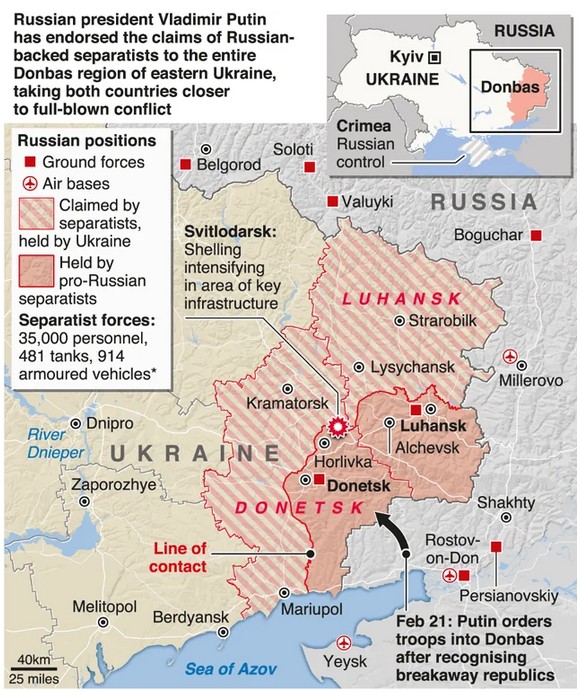
  • In news: Donbas Region

    Why in the News?

    The mineral-rich Donbas region remains central to future of Russia-Ukraine peace talks.

    About Donbas Region:

    • Constituent Areas: Includes Donetsk and Luhansk oblasts in eastern Ukraine.
    • Geographical Position: Bordered by the Sea of Azov in the south, which connects to the Black Sea via the Strait of Kerch.
    • Industrial Hub: Known as Ukraine’s industrial heartland due to large mineral and energy resources.
    • Coal Reserves: Ukraine possesses ~32 gigatonnes of hard coal, most concentrated in Donbas (IEA estimate).
    • Shale Gas Potential: Yuzivska shale gas field (Donetsk–Kharkiv) holds 1.2–2 trillion cubic metres of gas in place, one of Europe’s largest untapped reserves.
    • Salt Production: Home to Artemsil, once among Europe’s largest salt mines, producing ~2 million tonnes annually until closed in 2022 due to conflict.

    Strategic Significance of the Region:

    • For Russia:
      • Resources: Rich in coal, shale gas, salt, and coal bed methane, enhancing its resource security.
      • Geography: Provides land link to Crimea and direct access to the Sea of Azov.
      • Demographics: Large Russian-speaking population offers political and cultural leverage.
    • For Ukraine:
      • Economy: Core to industrial base, especially steel production.
      • Energy Security: Control of Yuzivska shale gas could reduce reliance on imports.
      • Sovereignty: Represents a vital part of national unity and territorial integrity.
    • Geopolitical Dimension: Sea of Azov crucial for connecting Donbas resources to Black Sea trade routes.
    • Conflict Relevance: Since Crimea’s annexation (2014) and escalation in 2022, control of Azov and Kerch Strait vital for Russia’s naval dominance.
    [UPSC 2023] Consider the following pairs: Area of conflict mentioned in news : Country where it is located

    1. North Kivu and Ituri : War between Armenia and Azerbaijan

    2. Nagorno-Karabakh : Insurgency in Mozambique

    3. Kherson and Zaporizhzhia : Dispute between Israel and Lebanon

    How many of the above pairs are correctly matched?

    Options: (a) Only one (b) Only two (c) All three (d) None*


  • Exercise Maitree

    Why in the News?

    The 14th Maitree Exercise between Indian and Thai Army will be held in Umroi, Meghalaya returning to India after five years.

    About Exercise Maitree:

    • Overview: A bilateral military exercise between the Indian Army and the Royal Thai Army.
    • Started: 2006, as a collaborative initiative to deepen defense ties.
    • Frequency: Held annually, alternating between India and Thailand.
    • Participants: Company-level contingents (approx. 70–80 soldiers each); Indian units have included Ladakh Scouts, while Thai units have included Infantry Regiments.
    • Objective: To build interoperability, mutual trust, and cooperation in counter-terrorism, insurgency management, and peacekeeping operations.

    Key Features:

    • Counter-Terrorism Focus: Joint training for counter-terror and counter-insurgency operations, especially in semi-urban and jungle terrain.
    • UN Mandate Training: Exercises designed to simulate peacekeeping operations under UN Charter VII.
    • Humanitarian Drills: Includes disaster relief, humanitarian assistance, and urban evacuation operations.
    • Strategic Relevance:
      • Strengthens India–Thailand defense cooperation under the 2012 MoU.
      • Supports India’s Act East Policy and shared maritime/strategic interests in the Bay of Bengal–Andaman Sea region.
      • Enhances interoperability for multinational operations and regional stability.
    [UPSC 2024] Which of the following statements about ‘Exercise Mitra Shakti-2023’ are correct?

    1. This was a joint military exercise between India and Bangladesh.

    2. It commenced in Aundh (Pune).

    3. Joint response during counter-terrorism operations was a goal of this operation.

    4. Indian Air Force was a part of this exercise.

    Select the answer using the code given below:

    Options: (a) 1, 2 and 3 (b) 1 and 4 (c) 1 and 4 (d) 2, 3 and 4*


  • Jan Vishwas Bill 2.0

    Why in the News?

    • The Jan Vishwas (Amendment of Provisions) Bill, 2025 was introduced in the Lok Sabha to further the government’s agenda of decriminalisation and rationalisation of laws.
    • This is the second Jan Vishwas Bill; the first (2023) decriminalised 183 provisions in 42 Acts.

    About the Jan Vishwas Bill 2.0:

    • Introduced in Lok Sabha (August 2025) as the second Jan Vishwas reform.
    • Seeks to amend 16 Central Acts across 10 ministries/departments.
    • Builds on the Jan Vishwas Act, 2023, which decriminalised 183 provisions in 42 Acts.
    • Aims to promote trust-based governance, ease of living, and ease of doing business.
    • Currently referred to a Lok Sabha Select Committee for examination.

    Key Features of the Bill:

    • Scope: Proposes amendments to 355 provisions:
      • 288 decriminalised (technical/procedural defaults).
      • 67 rationalised (ease of living).
    • Acts covered: RBI Act (1934), Drugs & Cosmetics Act (1940), Motor Vehicles Act (1988), Electricity Act (2003), Legal Metrology Act (2009), MSME Development Act (2006), Apprentice Act (1961), and others.
    • First-time Offences: Introduces “warning” and “improvement notice” in 76 offences (e.g., non-standard weights, MVA violations).
    • Decriminalisation: Removes imprisonment clauses for minor defaults, replacing them with fines or warnings.
      • Example: Electricity Act → imprisonment replaced with fines between ₹10,000 and ₹10 lakh.
    • Penalty Rationalisation: Automatic 10% increase in penalties every 3 years for repeat offences.
    • Objective: Ensure deterrence without overburdening courts and without repeated legislative amendments.

    Why was the Bill brought in?

    • Over-criminalisation in Indian laws:
      • 882 central laws; 370 contain criminal provisions for 7,305 offences (Vidhi Centre).
      • Many are trivial or outdated (e.g., penalties for routine acts like exercising pets incorrectly).
    • Business barriers:
      • ORF (2022) → Over 50% of 1,536 business laws carry jail terms; 37.8% of 69,233 compliances carry imprisonment clauses.
      • Creates fear among entrepreneurs, stifling growth.
    • Judicial pendency:
      • 3.6 crore criminal cases pending in district courts (Aug 2025).
      • 2.3 crore are over 1 year old.
      • Minor offences clog the system, delaying trials of serious crimes.
    • Governance reform agenda:
      • Aligns with PM Modi’s commitment to remove “unnecessary laws” (reiterated in Independence Day 2025 speech).
      • Supports ease of living and ease of doing business as core NDA governance planks.
    [UPSC 2012] What is/are the recent policy initiative(s)of Government of India to promote the growth of the manufacturing sector?

    1. Setting up of National Investment and Manufacturing Zones

    2. Providing the benefit of ‘single window clearance’

    3. Establishing the Technology Acquisition and Development Fund

    Select the correct answer using the codes given below:

    Options: (a) 1 only (b) 2 and 3 only (c) 1 and 3 only (d) 1, 2 and 3*


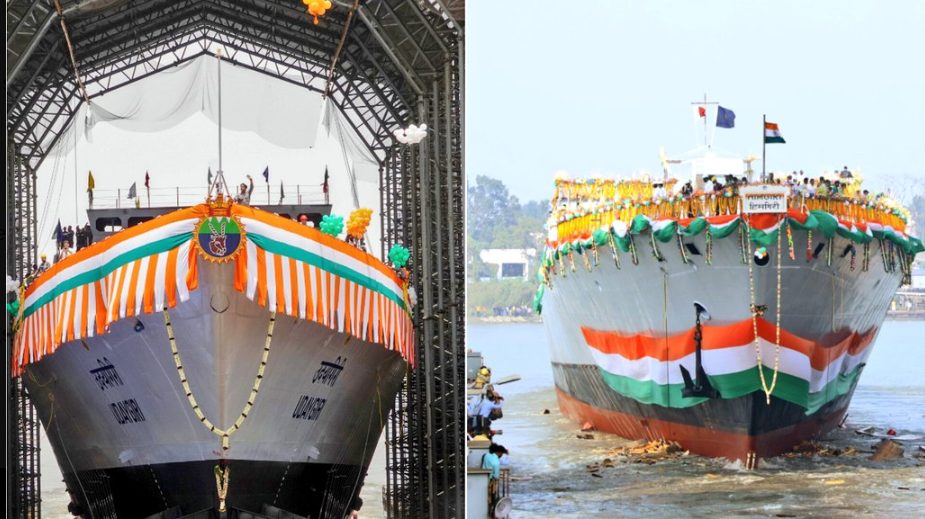
  • Induction of INS Udaygiri and INS Himgiri Stealth Nilgiri Class Frigates

    Why in the News?

    The Indian Navy has commissioned INS Udaygiri and INS Himgiri, Nilgiri-class frigates built under Project 17A, at Visakhapatnam.

    Induction of INS Udaygiri and INS Himgiri Stealth Nilgiri Class Frigates

    About INS Udaygiri & INS Himgiri:

    Feature INS Udaygiri INS Himgiri
    Builder Mazagon Dock Shipbuilders Ltd. (MDL), Mumbai Garden Reach Shipbuilders & Engineers (GRSE), Kolkata
    Series / Class 2nd ship of Project 17A;

    100th vessel designed by Navy’s Warship Design Bureau

    1st Project 17A frigate from GRSE
    Naming After Udaygiri mountain range (AP); earlier ship (1976–2007) Legacy of original INS Himgiri (1974–2005)
    Displacement / Size ~6,700 tonnes ~6,670 tonnes; Length: 149 m
    Propulsion CODOG (Combined Diesel or Gas) CODOG; speeds 28+ knots
    Stealth Features Reduced radar, infrared, and acoustic signatures Enhanced radar & IR signature reduction
    Armament BrahMos, Barak-8 SAMs, 76 mm gun, CIWS, advanced ASW weapons BrahMos, Barak-8, CIWS, ASW rocket launchers, torpedo tubes, EW systems
    Aviation Facilities Flight deck + hangar for MH-60 Romeo, ALH Dhruv Mk-III, Sea King helicopters
    Indigenous Content ~75% (local sensors, systems, IPMS) ~75%


    [UPSC 2016] Which one of the following is the best description of ‘INS Astradharini’, that was in the news recently?

    Options: (a) Amphibious warfare ship (b) Nuclear-powered submarine (c) Torpedo launch and recovery vessel* (d) Nuclear-powered aircraft carrier