💥Mains Ready By December. Smash Mains & Smash PYQ Admissions Open

GS Paper: GS2-13.Issues relating to development and management of Social Sector/Services relating to Health, Education, Human Resources.

  • ASHA and Anganwadi Workers/Helpers in Ayushman Bharat Scheme

    asha

    Introduction

    • Following the Centre’s decision to extend health coverage under the Ayushman Bharat Scheme to Accredited Social Health Activists (ASHAs) and Anganwadi workers and helpers, the Health Ministry has initiated the process of enrollment.
    • The Health Ministry has received Aadhaar details of 23 lakh Anganwadi workers and helpers and over three lakh ASHA workers from various states.

    About Ayushman Bharat Scheme

    Details
    Launch 2018, Ministry of Health and Family Welfare (MoHFW)
    Aim Achieve Universal Health Coverage (UHC) by providing promotive, preventive, curative, palliative, and rehabilitative care.
    Funding Centrally Sponsored Scheme (expenditure shared between Central and State governments)
    Coverage Targets over 10 crore families (approximately 50 crore beneficiaries) based on SECC (Socio-Economic Caste Census)
    Implementing Agency National Health Authority (NHA)
    Components
    1. Health and Wellness Centres (HWC) providing primary care services.
    2. Pradhan Mantri Jan Arogya Yojana (PM-JAY) offering health cover of Rs. 5 lakhs per family per year.
    Coverage Details
    • Covers secondary and tertiary care hospitalization.
    • Includes pre-hospitalization and post-hospitalization expenses.
    • No restrictions on family size, age, or gender.
    Portability of Benefits Benefits are portable across the country, allowing cashless treatment at any empanelled public or private hospital in India.
    Digital Overture Ayushman Bharat Digital Mission (ABDM): Launched in 2021 to provide Unique Digital Health IDs (UHID) for all Indian citizens, facilitating electronic access to health records.

    Significance of ASHA Program

    • Workforce: As of December 31, 2023, there were over 13 lakh Anganwadi workers and over 10 lakh Anganwadi helpers in the country, along with 9.83 lakh ASHAs in position.
    • Program Scale: India’s ASHA program is recognized as the world’s largest community volunteer program, operating across 35 states and union territories.
    • Role of ASHAs: The ASHA program serves as a vital component of community healthcare, facilitating access to care and playing a crucial role in the prevention and management of COVID-19.
    • Contribution Acknowledged: ASHAs have been recognized for their substantial contribution to improving access to care for communities and are integral to various community platforms under the National Health Mission.

    Ayushman Bharat Scheme Impact

    • Beneficiary Coverage: Currently, 55 crore individuals corresponding to 12 crore families are covered under the Ayushman Bharat scheme, with some states/UTs expanding the beneficiary base at their own cost.
    • Enrollment and Hospital Admissions: The government has issued approximately 28.45 crore Ayushman cards, authorizing over 6.11 crore hospital admissions amounting to ₹78,188 crores.
    • Hospital Empanelment: A total of 26,901 hospitals, including 11,813 private hospitals, have been empanelled under AB-PMJAY to provide healthcare services to scheme beneficiaries.
    • Gender Equity: The scheme ensures gender equity in access to healthcare services, with women accounting for approximately 49% of Ayushman cards created and 48% of total authorized hospital admissions.

    Back2Basics:

    [1] Accredited Social Health Activists (ASHA)

    Details
    Launch Year 2005-06 as part of the National Rural Health Mission.

    Later extended to urban areas with the National Urban Health Mission in 2013.

    Program Scope Largest community health worker program globally, serving as health care facilitators, service providers, and health awareness generators.
    Number of ASHAs Over 10.52 Lakh ASHAs across all states/UTs (except Goa) as of June 2022.
    Role Provide maternal and child health services, family planning, and services under National Disease Control Programme.
    Service Population Serve populations of approximately 1,000 in rural areas and 2,000 in urban areas, with local adjustments based on workload.
    Selection Criteria
    • Primarily women residents of the village, preferably aged 25 to 45.
    • Literacy preferred and relaxed standards for tribal, hilly, or desert areas.
    Employment Classification Considered honorary/volunteer positions rather than government workers.


    [2] Anganwadi Programme

    Details
    Initiation
    • Started by the Government of India in 1975
    • Part of the Integrated Child Development Services (ICDS)
    Objective To combat child hunger and malnutrition
    Implementation Centrally sponsored scheme implemented by States/UTs
    Services Provided
    1. Supplementary nutrition
    2. Pre-school non-formal education
    3. Immunization
    4. Health check-up
    5. Nutrition and health education
    6. Referral services
    Beneficiaries Identified based on Aadhaar
  • How coaching culture lets children down

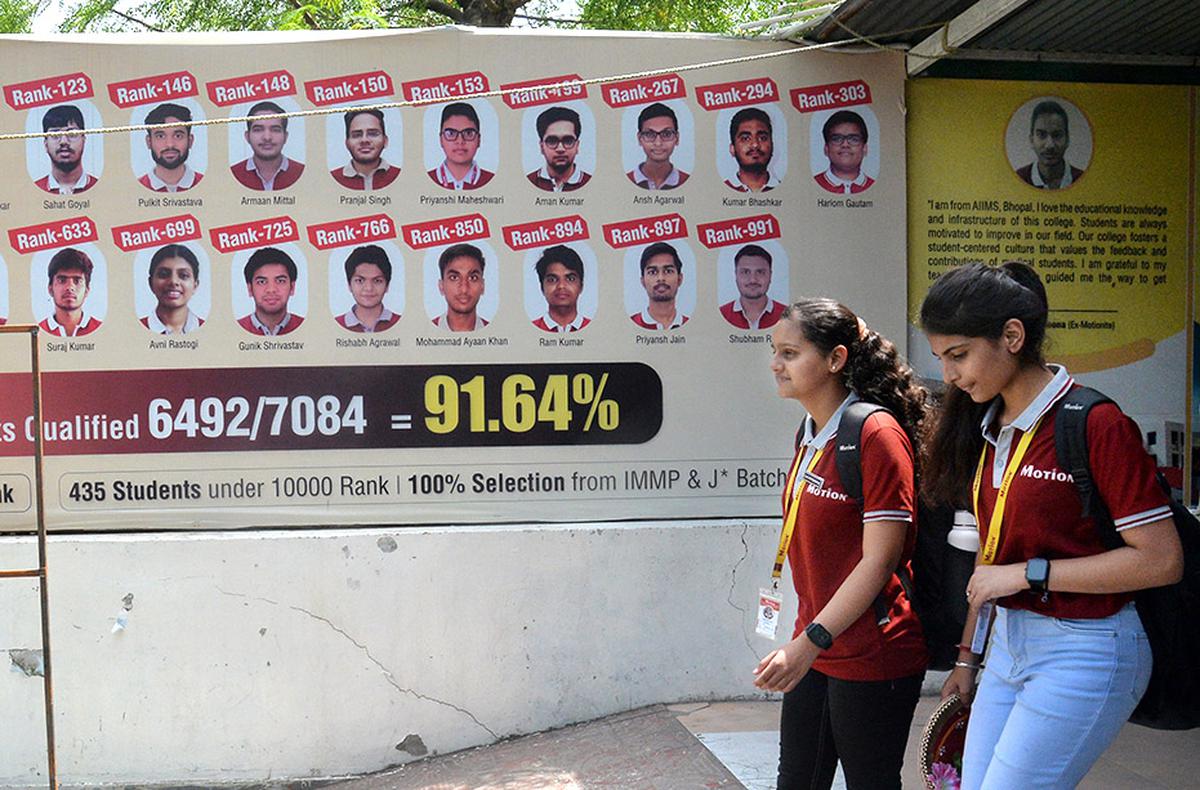
    Kota: From Coaching Hub To Suicide Cluster - Rediff.com

    Central Idea:

    The article discusses the detrimental effects of the booming coaching industry on students’ mental health, educational values, and overall well-being. It emphasizes the need for a shift in focus towards holistic education and the nurturing of students’ inner needs.

    Key Highlights:

    • Concerns regarding the negative impact of the coaching industry on students’ welfare, leading to suicides and academic disengagement.
    • Rise of coaching centres catering to various competitive exams, resulting in students abandoning traditional schooling.
    • Lack of policy support for students beyond school, allowing coaching centres to become dominant in shaping students’ education.
    • The importance of addressing mental health, learning, and understanding in education, as highlighted in the National Education Policy.
    • Critique of the coaching culture for neglecting essential aspects such as sleep, social interaction, and identity development.
    • Emphasis on the role of education in understanding and catering to the diverse needs and aspirations of students.
    • Advocacy for a shared vision where student well-being is prioritized over mere academic achievement.

    Key Challenges:

    • Balancing the pressure for academic success with the need for holistic development.
    • Overcoming the entrenched influence of coaching centres on students and parents.
    • Realigning educational priorities to focus on mental health and emotional well-being.
    • Addressing societal expectations that contribute to stress and false expectations among students.
    • Encouraging collaboration between schools, parents, and policymakers to foster a supportive educational environment.

    Main Terms:

    • Coaching industry
    • Competitive exams (e.g., NEET, JEE, CUET)
    • Mental health
    • Holistic education
    • National Education Policy
    • Identity development
    • Academic pressure
    • Emotional stability
    • Well-being
    • Co-agency

    Important Phrases:

    • “Children are not machines”
    • “The role of education”
    • “True education is value imparting”
    • “Learning is a process”
    • “Obsession with coaching”
    • “Holistic development”

    Quotes:

    • “Children are walking away from classroom teaching into coaching centres, often with parental support.”
    • “The obsession with coaching will never be able to validate and strengthen new ideas, approaches, and research, required for human flourishing.”
    • “Students go to school to become purposeful, reflective, and responsible.”

    Useful Statements:

    • “If coaching centres are going to be the foundation of these years, then the youth of today will become directionless.”
    • “Children suffer from anxiety and are unable to cope.”
    • “As a country, we need a shared vision, where well-being is the goal of education and co-agency is a guiding light.”

    Examples and References:

    • Rise of coaching centres like Kota, which have become parallel systems to traditional schooling.
    • Concerns about students opting for dummy schools to focus solely on coaching, neglecting the value of classroom education.

    Facts and Data:

    • The coaching industry generates Rs 6,000 crore annually and is growing at a rate of 7-10% per year.
    • Instances of student suicides linked to academic pressure and coaching culture.

    Critical Analysis:

    The article effectively critiques the dominance of the coaching industry and highlights the need for a more holistic approach to education. It exposes the negative consequences of prioritizing academic achievement over students’ mental health and overall well-being. However, it could provide more concrete suggestions for addressing these issues and overcoming the challenges posed by the coaching culture.

    Way Forward:

    • Implement guidelines and regulations for coaching centres to ensure student welfare.
    • Strengthen support systems for students beyond academics, focusing on mental health and emotional development.
    • Promote collaboration between schools, parents, and policymakers to create a nurturing educational environment.
    • Encourage a shift in societal attitudes towards education, valuing holistic development over narrow academic success.
  • Kyasanur Forest Disease (KFD): The Monkey Fever

    Kyasanur Forest Disease

    Introduction

    • Recent fatalities due to Kyasanur Forest Disease (KFD), known as monkey fever, in Karnataka have sparked concerns about the spread of this viral infection.

    What is Kyasanur Forest Disease (KFD)?

    • Origins and Identification: KFD is caused by the Kyasanur Forest disease virus (KFDV), a member of the Flaviviridae virus family. It was first identified in 1957 in Karnataka’s Kyasanur Forest.
    • Incidence and Mortality: Between 400-500 human cases are reported annually, with an estimated case-fatality rate ranging from 3% to 5%.

    Transmission and Spread

    • Tick-Borne Transmission: Humans can contract KFD through tick bites or contact with infected animals, particularly sick or deceased monkeys.
    • Limited Animal Role: While large animals like goats, cows, and sheep can become infected, they play a minor role in disease transmission. There’s no evidence of transmission through unpasteurized milk.

    Signs and Symptoms

    • Early Symptoms: The disease typically manifests with chills, fever, and headache after an incubation period of 3-8 days.
    • Progression: Severe muscle pain, vomiting, gastrointestinal issues, and bleeding tendencies may develop within 3-4 days. Some patients experience neurological symptoms in the third week, including severe headaches and vision problems.

    Diagnosis and Treatment

    • Diagnostic Methods: Early diagnosis involves molecular detection through PCR or virus isolation from blood. Serologic testing using ELISA is conducted later.
    • Treatment Approach: While no specific treatment exists, early hospitalization and supportive therapy, such as hydration maintenance, are crucial.

    Prevention Strategies

    • Vaccination: A vaccine for KFD is available and administered in endemic regions of India to prevent the disease.
    • Preventive Measures: Insect repellents and protective clothing are recommended in tick-infested areas to minimize the risk of infection.
  • Issues in Self-Reporting of Mental Illness

    Introduction

    • Recent studies, including one by researchers from IIT Jodhpur, indicate alarmingly low rates of self-reporting for mental health problems in India.

    Mental Health Under-Reporting in India

    • NSS 2017-2018 Findings: The NSS data, based on self-reporting by over 550000 individuals, revealed mental illness self-reporting rates of less than 1%.
    • Scale of Mental Illness: The 2017 NMHS conducted by NIMHANS estimated around 150 million individuals requiring treatment for mental illness in India.
    • WHO Estimates: India bears a heavy burden with 2443 DALYs per 10,000 population and an age-adjusted suicide rate of 21.1 per 100,000.
    • Suicide Trends: India’s contribution to global suicide deaths surged to 36% in 2016, with a concerning rise reported in 2021, especially among youth and middle-aged adults.
    • National Mental Health Survey: Alarming rates of depression among teenagers and Substance Use Disorders (SUDs) prevalence of 22.4% among adults highlight the gravity of the situation.

    Key Challenges

    • Stigma and Awareness: Social stigma and poor awareness impede access to mental healthcare, leading to delayed treatment-seeking and social isolation.
    • Out-of-Pocket Expenses: The IIT Jodhpur study highlighted significant out-of-pocket expenses, particularly in the private sector, for mental health services.
    • Vulnerability Factors: Individuals with lower income and education levels are more vulnerable to mental disorders, exacerbating their socioeconomic challenges.
    • Socioeconomic Divide: Individuals with higher incomes were more likely to report health problems, indicating a socioeconomic disparity.
    • Budget and Infrastructure: Inadequate budget allocation, lack of insurance coverage, and insufficient infrastructure pose hurdles to mental healthcare delivery.
    • Shortage of Professionals: India grapples with a severe shortage of mental health professionals, with only 3 psychiatrists per million people.

    Government Initiatives

    • Mental Healthcare Act, 2016: Aims to safeguard the rights of individuals with mental illnesses, enhance access to mental healthcare, and decriminalize suicide attempts.
    • National Mental Health Policy, 2014: Prioritizes universal access to mental healthcare and endeavors to mitigate risk factors linked to mental health issues.

    Way Forward

    • Combat Stigma: Launch nationwide campaigns to shift societal attitudes towards mental illness.
    • Enhance Awareness: Integrate mental health education into curricula and disseminate resources in local languages.
    • Improve Coordination: Strengthen collaboration between central and state governments for effective policy implementation.
    • Innovative Solutions: Explore tele-mental health services, bolster support for NGOs, and foster community engagement to address resource shortages.
    • Multisectoral Approach: Embrace a life-course perspective on mental health promotion and enforce legal frameworks.
    • Enhance Mental Health Ecosystem: Define quality metrics, recognize mental health advocates, and ensure affordability and accessibility of care.
    • Embrace Traditional Healing: Explore complementary medicines like Yoga and Ayurveda for mental health treatment.

    Conclusion

    • By prioritizing mental healthcare and fostering collaboration across sectors, India can build a resilient mental health ecosystem that promotes well-being and supports individuals in need.
    • Embracing traditional healing practices alongside modern interventions can offer holistic solutions, paving the way for a mentally healthier nation.
  • Should coaching be restricted to those above 16 years?

    Ministry of Education issues guidelines for coaching centres; prohibits  intake of students below 16 years - The Hindu


    Central Idea:
    The discussion between Vimala Ramachandran and Arjun Mohan, moderated by Priscilla Jebaraj, revolves around the Ministry of Education’s new guidelines for private coaching centres in India, particularly focusing on the restriction of enrolment to those above 16 years of age. The conversation highlights the impact of the rule, challenges within the education system, the role of coaching centers, and the importance of mental health interventions.


    Key Highlights:

    • The Ministry’s guidelines aim to alleviate the pressure on young children caused by the private coaching industry and restore their childhood by restricting enrolment to those above 16 years old.
    • The discussion underscores the high academic pressure faced by students and the necessity for foundational teaching, which is often lacking in the school system.
    • Both speakers acknowledge the failures within the education system, including rote-oriented teaching and lack of conceptual understanding.
    • Coaching centers are seen as filling the gaps left by the education system, catering to students’ needs from various backgrounds and academic levels.
    • The conversation also delves into the challenges of implementing the guidelines effectively, especially considering the involvement of state governments and the need for clear regulations.
    • Mental health interventions are recognized as crucial in reducing pressure on students, but systemic changes and public awareness campaigns are deemed essential for long-term impact.
    • The role of parents in understanding and alleviating the pressure on their children is emphasized, alongside the responsibility of coaching centers in managing expectations and providing quality education.
    • The issue of false advertising by some coaching institutes is acknowledged, along with the necessity for transparency and accountability in the industry.


    Key Challenges:

    • Lack of foundational teaching and conceptual understanding in the school system.
    • Difficulty in implementing and enforcing the Ministry’s guidelines effectively, particularly at the state level.
    • The pervasive academic pressure on students driven by competition and societal expectations.
    • Insufficient mental health support for students facing stress and anxiety.
    • Challenges in regulating the coaching industry to ensure transparency and accountability.


    Main Terms:

    • Ministry of Education
    • Private coaching industry
    • Enrolment restrictions
    • Rote-oriented teaching
    • Foundation programs
    • Competitive exams (e.g., JEE, NEET)
    • Shadow education system
    • Consumer Protection Act


    Important Phrases:

    • “Restoring childhood”
    • “Rote-oriented exam system”
    • “Shadow education system”
    • “Competitive exams pressure”
    • “False and misleading advertising”
    • “Transparency and accountability”
    • “Mental health interventions”


    Quotes:

    • “The load on today’s children is high.”
    • “Coaching helps students crack ultra-competitive exams.”
    • “Misleading advertising happens in every industry.”
    • “The pressure is because of competition.”
    • “Education is a service industry.”


    Useful Statements:

    • “The Ministry’s guidelines aim to alleviate the pressure on young children by restricting enrolment to those above 16 years old.”
    • “Coaching centers fill the gaps left by the education system, catering to students’ needs from various backgrounds and academic levels.”
    • “Mental health interventions are crucial in reducing pressure on students, but systemic changes and public awareness campaigns are essential for long-term impact.”
    • “The role of parents in understanding and alleviating the pressure on their children is emphasized.”


    Examples and References:

    • Student suicides in Kota, Rajasthan.
    • Misleading advertising by some coaching institutes.
    • Lack of conceptual understanding in the school system.


    Facts and Data:

    • India’s growing private coaching industry has faced numerous challenges, including student suicides, fire incidents, and complaints of poor infrastructure and teaching.
    • Research shows higher levels of tuition and coaching in states with higher levels of government school systems.


    Critical Analysis:
    The discussion highlights systemic issues within the education system, the role of coaching centers, and the challenges in implementing regulatory measures effectively. It emphasizes the need for a holistic approach, including changes in pedagogy, parental involvement, mental health support, and regulatory oversight.


    Way Forward:

    • Implement the Ministry’s guidelines effectively, with clear regulations and oversight mechanisms.
    • Reform the education system to focus on conceptual understanding and reduce reliance on rote learning.
    • Increase awareness about mental health issues and provide adequate support services for students.
    • Encourage parental involvement in understanding and alleviating academic pressure on children.
    • Ensure transparency and accountability in the coaching industry to protect students from false advertising and unethical practices
  • Tackling Unfair Means in Public Examinations: The 2024 Bill

    cheating

    Introduction

    • The Public Examinations (Prevention of Unfair Means) Bill, 2024, introduced in Lok Sabha, seeks to combat “unfair means” in public examinations and enhance transparency and credibility in the examination system.
    • This comprehensive legislation addresses various aspects of unfair practices in public exams and outlines stringent penalties for violations.

    “Unfair Means” in Examinations

    • Enumerating Offenses: Section 3 of the Bill outlines at least 15 actions that constitute “unfair means” in public examinations, primarily for monetary or wrongful gain.
    • Examples: These actions include question paper leaks, unauthorized access to question papers or answer sheets, tampering with answer sheets, providing unauthorized solutions to questions, and conducting fake examinations.

    Scope of “Public Examinations”

    • Defining Public Examinations: Under Section 2(k), a “public examination” encompasses any examination conducted by designated “public examination authorities” listed in the Bill’s Schedule or notified by the Central Government.
    • Designated Authorities: The Schedule includes entities like UPSC, SSC, RRBs, IBPS, and NTA, responsible for various national-level examinations.
    • Central Government’s Authority: Ministries and Departments of the Central Government, along with their attached and subordinate offices for staff recruitment, fall under the Bill’s purview.

    Penalties for Violations

    • Stringent Measures: Section 9 stipulates that offenses are cognizable, non-bailable, and non-compoundable.
    • Cognizable Offenses: Authorities can arrest individuals without a warrant.
    • Non-Bailable: Bail is not a matter of right and is subject to a magistrate’s discretion.
    • Non-Compoundable: Complainants cannot withdraw the case, necessitating a trial.

    Punishments

    • Individual Offenders: Violators may face imprisonment ranging from three to five years and fines of up to Rs 10 lakh.
    • Additional Penalty: Failure to pay the fine can result in additional imprisonment, as per the provisions of the Bharatiya Nyaya Sanhita, 2023.
    • Service Providers: Those providing support for examination conduct can be fined up to Rs 1 crore, along with other penalties.
    • Organized Paper Leaks: In cases of organized paper leaks constituting “organized crime,” offenders may face imprisonment for a minimum of five years, extendable up to ten years, and a fine not less than one crore rupees.

    Rationale Behind the Bill

    • Addressing Rampant Paper Leaks: Numerous cases of question paper leaks in recruitment exams nationwide have disrupted the hiring process and affected millions of applicants.
    • Need for Specific Legislation: The absence of a substantive law to address unfair practices in public examinations necessitated a comprehensive central legislation.
    • Objectives: The Bill aims to ensure transparency, fairness, and credibility in public examinations while deterring individuals and entities exploiting vulnerabilities in the system for wrongful gains.
    • Model Draft for States: The Bill is intended to serve as a model for states to adopt at their discretion, assisting them in preventing disruptions in their state-level public examinations.

    Conclusion

    • This legislation represents a significant step toward safeguarding the integrity of public examinations in India.
    • By establishing stringent penalties for unfair practices and addressing the issue of paper leaks, the legislation seeks to reassure candidates that their sincere efforts will be duly rewarded and their future secured.
    • Moreover, the Bill’s potential to serve as a model for state-level legislation enhances its impact in curbing exam-related malpractices.
  • A critical view of the ‘sanitation miracle’ in rural India

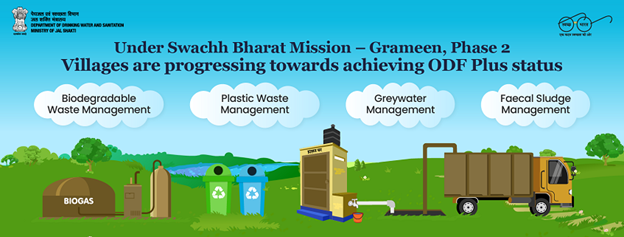
    India Achieves Another Major Sanitation Milestone - 50% Villages Are Now ODF Plus Under Swachh Bharat Mission Grameen Phase II Nearly 3 Lakh Villages Declare Themselves ODF Plus, A Significant Step Towards Achieving SBM-G Phase II Goals By ...

    Central Idea:

    The article discusses the progress and challenges of India’s sanitation programs, particularly focusing on the Swachh Bharat Mission-Grameen (SBM-G) and its Phase II. It highlights the importance of behavioral change alongside infrastructure development for sustainable sanitation practices.

    Key Highlights:

    • Improvement in sanitation coverage in India from 39% in 2014 to 100% in 2019 under SBM-G.
    • Launch of Phase II of SBM-G focusing on sustainability and ODF Plus status by 2024-25.
    • Challenges including non-usage of toilets due to various reasons such as lack of infrastructure, hygiene issues, and social norms.
    • Disparities in toilet access and usage across different states and socio-economic groups.
    • Importance of social networks and behavioral change campaigns in promoting sanitation practices.
    • Lack of synergy and coordination among various government programs addressing basic needs.

    Key Challenges:

    • Ensuring sustained usage of toilets post-construction.
    • Addressing disparities in access and usage across different regions and socio-economic groups.
    • Overcoming social norms and behaviors hindering sanitation practices.
    • Lack of coordination among different government programs related to basic needs.

    Key Terms/Phrases:

    • Swachh Bharat Mission-Grameen (SBM-G)
    • Open Defecation Free (ODF)
    • Total Sanitation Campaign
    • ODF Plus
    • Jal Jeevan Mission (JJM)
    • Social norms
    • Behavioral change campaigns

    Key Quotes:

    • “The construction of toilets does not automatically lead to their use.”
    • “Sanitation behavior also varies across socio-economic classes.”
    • “Behavioral change in sanitation cannot happen independently.”

    Key Examples/Anecdotes:

    • Survey findings showing reasons for non-usage of toilets in different regions.
    • Observations on the influence of social networks on sanitation behavior.

    Key Statements:

    • “Improvement in sanitation coverage needs to be viewed from the perspective of behavioral change for true sustainability.”
    • “Social norms and economic conditions significantly influence toilet usage.”

    Key Facts/Data:

    • Sanitation coverage improved from 39% in 2014 to 100% in 2019 under SBM-G.
    • NARSS-3 reported 95% toilet access but only 85% usage in rural India.
    • Around 10 crore toilets were constructed between 2014 and 2019.

    Critical Analysis:

    The article effectively highlights the progress and challenges in India’s sanitation programs, emphasizing the importance of behavioral change alongside infrastructure development. It underscores the need for targeted efforts to address disparities and overcome social norms hindering sanitation practices. Additionally, the critique of the lack of synergy among government programs provides valuable insight into the inefficiencies in addressing basic needs.

    Way Forward:

    • Strengthening behavioral change campaigns tailored to different socio-economic contexts.
    • Enhancing coordination among government programs addressing basic needs.
    • Targeted interventions to address disparities in access and usage across regions and socio-economic groups.
    • Continuous monitoring and evaluation to ensure sustained usage of sanitation facilities.
  • An Uttar Pradesh model to tackle malnutrition

    An Uttar Pradesh model to tackle malnutrition - The Hindu

    Central Idea:

    The article highlights the success of a decentralized approach to tackling malnutrition in Uttar Pradesh by empowering women through community-based micro-enterprises. This initiative, led by self-help groups, focuses on producing fortified and nutritious foods for pregnant/breastfeeding mothers and children, distributed via the Integrated Child Development Services (ICDS) programme.

    Key Highlights:

    • Collaborative effort between the Department of Women and Child Development and the Uttar Pradesh State Rural Livelihood Mission.
    • Decentralized production of take-home rations by women’s enterprises.
    • Positive impact on livelihoods with over 4,000 women engaged in 204 self-help group micro-enterprises.
    • Re-formulation of take-home rations to enhance nutritional value and address monotony.
    • Focus on strengthening demand through diverse and nutritious products.
    • Innovation through app-based solutions and QR code tracking for supply chain management.

    Key Challenges:

    • Ensuring consistent quality and safety standards.
    • Overcoming logistical challenges in decentralized production and distribution.
    • Addressing potential resistance to change from centralized to decentralized models.
    • Sustaining long-term engagement and empowerment of women.

    Key Terms:

    • Self-help groups
    • Micro-enterprises
    • Integrated Child Development Services (ICDS)
    • Fortified foods
    • Decentralized production
    • Nutritional supplementation
    • Livelihood opportunities

    Key Phrases:

    • Women’s empowerment for nutrition
    • Decentralized model for take-home ration production
    • Strengthening demand through diverse products
    • Innovation and sustainability in food production
    • Multi-stakeholder approach for effective solutions

    Key Quotes:

    • “Engaging women from the community to run the take-home ration production units is a game-changer.”
    • “The State-wide expansion of micro-enterprises led by women confirms successful targeting and demonstrates how empowering women can bring about effective and sustainable processes.”

    Key Examples and References:

    • Collaboration between the Department of Women and Child Development and the Uttar Pradesh State Rural Livelihood Mission.
    • Use of two pilot plants by the United Nations World Food Programme in Unnao and Fatehpur.
    • Expansion to 202 production units across 43 districts, benefiting 12 million ICDS beneficiaries.

    Key Statements:

    • “This initiative presents an excellent opportunity for women to earn a livelihood and contribute to the local economy.”
    • “The re-formulated take-home rations are nutritious and designed to support the health and well-being of children.”

    Key Facts/Data:

    • Over 4,000 women engaged in 204 self-help group micro-enterprises.
    • Aim to generate an additional income of ₹8,000 a month for each woman.
    • Products include sweet and savory options like aata besan halwa and daliya moong dal khichdi.
    • Expansion to 202 production units across 43 districts, benefiting 12 million ICDS beneficiaries.

    Critical Analysis:

    • The initiative effectively addresses the intersection of women’s empowerment and nutrition, leveraging community resources for sustainable impact.
    • Decentralized production and diverse product offerings enhance accessibility and acceptability.
    • Challenges such as quality control and scalability need continuous monitoring and adaptation.

    Way Forward:

    • Continued support for women’s empowerment and capacity building.
    • Strengthening of quality assurance mechanisms.
    • Further research and innovation in product development and supply chain management.
    • Collaboration with stakeholders for scaling up and sustainability.
  • The road to a healthy democracy

    Role of Patients in Strengthening Indian HealthCare System

    Central Idea:

    Prathap C. Reddy, founder and chairman of Apollo Hospitals Group, advocates for India’s transformation into a developed nation by 2047, emphasizing the crucial role of healthcare in this vision. He highlights India’s demographic advantage, technological innovations in preventive healthcare, and the potential for India to lead the world in healthcare delivery and medical value travel.

    Key Highlights:

    • India’s demographic dividend, with a young population, presents a significant opportunity for development.
    • The importance of prioritizing preventive healthcare to address the growing burden of chronic diseases like diabetes, cardiovascular diseases, and cancer.
    • Technological advancements, including AI and machine learning, are revolutionizing preventive healthcare by enabling early detection and personalized prevention plans.
    • India’s healthcare sector is undergoing transformation, focusing on patient-centered care, expanded access, and quality improvement.
    • India’s healthcare infrastructure and clinical talent have gained global recognition, making it a preferred destination for medical value travel, particularly in specialized treatments like oncology, cardiology, and robotic surgeries.

    Key Challenges:

    • Addressing the increasing burden of chronic diseases and lifestyle-related health issues.
    • Ensuring equitable access to preventive healthcare tools and services across all segments of the population.
    • Scaling up healthcare infrastructure and workforce to meet the growing demand, especially in rural areas.
    • Overcoming barriers to the adoption of AI-driven healthcare solutions, including data privacy concerns and regulatory challenges.
    • Balancing the need for affordable healthcare with maintaining high-quality standards in a cost-effective manner.

    Key Terms:

    • Demographic dividend
    • Preventive healthcare
    • Chronic diseases
    • Artificial Intelligence (AI)
    • Medical value travel
    • Patient-centered care
    • Healthcare infrastructure
    • Non-communicable diseases (NCDs)

    Key Phrases:

    • “Viksit Bharat” (Developed India)
    • “Health equity for all”
    • “Clinical excellence and prowess”
    • “Patient at the absolute centre”
    • “Medical value travel hub”
    • “AI-driven healthcare solutions”

    Key Quotes:

    • “India’s healthcare sector is at the cusp of transformation, potentially giving rise to a new healthcare model for the world to follow.”
    • “Preventive healthcare has touched new possibilities, empowering individuals to take control of their own health.”
    • “India stands at a pivotal moment in its healthcare journey.”
    • “Every individual and institution in the country should resolve to make India’s progress their priority.”

    Key Statements:

    • India’s demographic dividend offers a unique opportunity for development, but the health of the population is crucial for maximizing this potential.
    • Technological innovations in healthcare, including AI, have the potential to revolutionize preventive care and improve health outcomes.
    • India’s healthcare sector has gained global recognition for its clinical excellence, infrastructure, and affordability, positioning it as a leader in medical value travel.

    Key Examples and References:

    • Success of Apollo Hospitals Group in providing high-quality healthcare services and driving medical tourism in India.
    • Impact of technological interventions in preventive healthcare, such as AI-driven risk prediction and personalized prevention plans.
    • Growth of medical value travel industry in India, attracting patients from around the world for specialized treatments at lower costs.

    Key Facts and Data:

    • India’s population exceeds 1.4 billion, with a median age of 29 years, presenting a significant demographic dividend.
    • India has over 101 million diabetics and 136 million prediabetics, making it the diabetes capital of the world.
    • Cardiovascular diseases are the leading cause of mortality in India, and cancer incidence is projected to rise by 57.5% by 2040.
    • India’s healthcare costs are approximately one-tenth of the global average, making it an attractive destination for medical value travel.

    Critical Analysis:

    • While the article emphasizes the potential of technological innovations and medical value travel in transforming India’s healthcare sector, it’s essential to ensure that these developments benefit all segments of the population, particularly those in rural and underserved areas.
    • The challenge of addressing the growing burden of chronic diseases requires a comprehensive approach, including not only preventive measures but also effective management and treatment strategies.
    • Balancing affordability with quality in healthcare delivery is crucial to maintain India’s competitiveness in medical value travel while ensuring that patients receive optimal care.

    Way Forward:

    • Prioritize investments in preventive healthcare, leveraging technology to empower individuals to manage their health effectively.
    • Expand access to healthcare services, especially in rural and underserved areas, through innovative delivery models and infrastructure development.
    • Foster collaboration between public and private sectors to drive healthcare innovation and address key challenges in the sector.
    • Focus on capacity building and skill development to ensure a competent healthcare workforce capable of delivering high-quality care across all settings.
    • Advocate for policies that promote affordability, accessibility, and quality in healthcare delivery, ensuring that India’s healthcare system remains inclusive and sustainable.
  • Stricter Rules for Indian Students Pursuing Higher Education Abroad

    Introduction

    • Indian students aspiring to pursue higher education in English-speaking countries, notably Canada and the U.K., are facing increased difficulties due to tightening immigration rules.
    • This shift in regulations is affecting various aspects of the admission process and has raised concerns among higher education experts.

    Recent Policy Changes

    [1] Canada’s Revised Requirements:

    • The Canadian government, responding to political tensions with India, revised its requirements in December 2023 to enhance the protection of international students.
    • Notable Changes:
      1. The Guaranteed Investment Certificate (GIC) amount, necessary for visa applications, increased from 10,000 Canadian dollars (approximately ₹6.15 lakh) to 20,635 Canadian dollars (around ₹12.7 lakh).
      2. Canada has limited the total number of study permits or student visas to be issued to 3.6 lakh, down from nearly four lakh.

    [2] UK’s Restriction on Dependant Family:

    • Starting in 2024, international students in the UK will be prohibited from bringing dependant family members while pursuing their studies.

    [3] Increased GIC Requirements in Other Countries:

    • Countries like Germany and Australia have steadily raised their GIC amounts by around 10% annually, with Germany requiring 11,208 euros (₹10 lakh) for visa applications as of May 2023.

    Impact on Students

    • Financial Challenges: The substantial increase in GIC requirements, such as in Canada, poses financial challenges for Indian students, making it difficult to afford living expenses in expensive countries.
    • Reduced Visa Accessibility: Canada’s reduction in the number of study permits affects Indian students’ access to higher education in the country.
    • Change in Study Choices: The stricter rules have led to changes in study preferences, with some students considering countries like Germany, Australia, New Zealand, Ireland, the Netherlands, Finland, Taiwan, and Israel as alternative destinations for their education.

    Mixed Implications

    • Addressing Diploma Mills: Canada’s measures are aimed at curbing the issue of ‘diploma mills,’ improving the quality of education, and discouraging unethical practices by agents.
    • Impact on Bachelor’s Degree Seekers: While master’s program students benefit from eased norms, those pursuing bachelor’s degrees in Canada face uncertainty and delays in their visa applications.

    Conclusion

    • The recent changes in admission rules for Indian students seeking higher education abroad highlight the evolving landscape of international education.
    • These alterations necessitate adaptability among students and have sparked shifts in study preferences towards countries with more accessible pathways