The winners of the 2024 Kavli Prize were announced, recognising achievements in astrophysics, neuroscience, and nanoscience.
About Kavli Prize
The Kavli Prize celebrates outstanding achievements in astrophysics, neuroscience, and nanoscience.
It is established in honour of Norwegian-American businessman and philanthropist Fred Kavli (1927-2013).
Awarded biennially, the prize recognizes researchers whose work pushes the boundaries of human knowledge and enhances our understanding of the universe, the brain, and nanoscale phenomena.
About Fred Kavli
Fred Kavli, born in Erejsford, Norway, immigrated to California in 1956 and quickly made a mark in the engineering field.
His entrepreneurial journey began in 1958 with the founding of Kavlico, a pioneering company known for its precision pressure sensors used across diverse industries, from aviation to consumer electronics.
The Kavli Foundation:
In 2000, after selling Kavlico for $340 million, Fred Kavli established the Kavli Foundation.
This philanthropic organisation supports fundamental research aimed at improving global quality of life.
The foundation operates 20 institutes worldwide dedicated to astrophysics, neuroscience, nanoscience, and theoretical physics.
Prize Structure and Prestige:
Comparison with Nobel Prize: The Kavli Prize mirrors the Nobel Prize in its prestige and international recognition but differs by not limiting awards to achievements within the preceding year, allowing broader scope and longevity in selection criteria.
Award Ceremony: Each Kavli Prize includes a $1 million cash award per field, a scroll, and a 7 cm diameter medal. The ceremony, held at the Oslo Concert Hall and attended by global scientific leaders, features a red-carpet event, emphasizing its significance in the scientific community.
Selection Process:
Committees: Three international committees nominate and review candidates, providing a unanimous recommendation to the Norwegian Academy of Science and Letters.
Nominees: Nominees come from prestigious institutions worldwide, ensuring a diverse and comprehensive evaluation process.
Winners of the 2024 Kavli Prize:
Field
Winners
Contributions
Astrophysics
David Charbonneau (Harvard University), Sara Seager (Massachusetts Institute of Technology)
Pioneering methods for detecting atomic species in planetary atmospheres and measuring their thermal infrared emission, are crucial for identifying molecular fingerprints in atmospheres of exoplanets.
Nanoscience
Robert Langer (MIT), Armand Paul Alivisatos (University of Chicago), Chad Mirkin (Northwestern University)
Langer: Nano-engineering for controlled drug delivery systems.
Alivisatos: Development of semiconductor quantum dots for bio-imaging.
Mirkin: Concept of spherical nucleic acids (SNAs) for applications in gene regulation and immunotherapy.
Mapping brain functions related to facial recognition using neuroimaging and neuronal recording techniques, identifying brain centers and neural architectures involved in face processing.
PYQ:
[2021] The Nobel Prize in Physics of 2014 was jointly awarded to Akasaki, Amano and Nakamura for the invention of Blue LEDs in the 1990s. How has this invention impacted the everyday life of human beings?
[2018] Discuss the work of ‘Bose-Einstein Statistics’ done by Prof. Satyendra Nath Bose and show how it revolutionized the field of Physics.
[2008] Nobel Prize-winning scientist James D. Watson is known for his work in which area? (2008)
Sysmex Astrego, a Sweden-based diagnostic company, won the £10 million Longitude Prize for developing a high-tech UTI (Urinary Tract Infection) test called the PA-100 AST System.
What is Antimicrobial Resistance?
Antimicrobial Resistance (AMR) occurs when bacteria, viruses, fungi, and parasites change so that medicines no longer work against them.
This makes infections harder to treat and can lead to more severe illness and even death.
AMR can occur naturally through genetic changes or when one type of microorganism picks up resistance from another.
It can also occur randomly due to mutations or when resistant genes spread between different organisms.
The main reasons for AMR are antibiotics incorrectly or too often, not having access to clean water and good hygiene, not doing enough to prevent infections, and people not knowing how to use antibiotics properly.
Global Impact of AMR
Global Threat: Antibiotic-resistant infections caused nearly 1.3 million deaths in 2019, with projections to exceed cancer-related deaths by 2050.
Economic Impact: The global economy faces potential losses of up to 4 trillion by 2030 and 100 trillion by 2050 due to the AMR crisis.
About the Longitude Prize
The Longitude Prize, valued at £8 million (₹85 crore), was recently awarded for its profound implications in combating antimicrobial resistance (AMR).
The prize launched in 2014, aims to revolutionize infection management globally.
Historical Context:
Origins: Established in 1714 to solve the maritime longitude problem, demonstrating the critical need for accurate navigation.
Modern Application: The 21st-century Longitude Prize addresses pressing global challenges like AMR, incentivizing innovative solutions.
Goal of the Prize:
Aims to replace current lab-based diagnostic methods with rapid tests that guide targeted antibiotic therapies, combating AMR effectively.
About PA-100 AST System
Technology Breakthrough: Developed by Sysmex Astrego, this system uses a phenotypic test that identifies UTI bacteria and performs antibiotic susceptibility testing in under 45 minutes.
Operation: A single-use cartridge processes less than half a milliliter of urine, using microfluidic traps and phase-contrast imaging in a shoe box-sized reader instrument.
Clinical Impact: Provides rapid “sensitive” or “resistant” results for antibiotics, aiding doctors in immediate, accurate treatment decisions at the point of care.
Current Challenges in UTI Diagnosis
Limited Accuracy: Current options include urine dipstick tests for quick results but limited accuracy (50-60%) and lab cultures with 2-3 day turnaround times.
Impact on Treatment: Delayed diagnosis often leads to empirical antibiotic use, contributing to antibiotic resistance worldwide.
Significance for India
Healthcare Burden: In India, millions seek treatment for UTIs annually, impacting lives and healthcare systems significantly.
Potential: Rapid, accurate point-of-care tests could revolutionize UTI management globally, saving lives and reducing healthcare costs.
PYQ:
[2014] Can overuse and free availability of antibiotics without a Doctor’s prescription be contributors to the emergence of drug-resistant diseases in India? What are the available mechanisms for monitoring and control? Critically discuss the various issues involved.
[2019] Which of the following are the reasons for the occurrence of multi-drug resistance in microbial pathogens in India?
Genetic predisposition of some people
Taking incorrect doses of antibiotics to cure diseases
Using antibiotics in livestock farming
Multiple chronic diseases in some people
Select the correct answer using the code given below.
(a) 1 and 2
(b) 2 and 3 only
(c) 1, 3 and 4
(d) 2, 3 and 4
This year’s theme for International Fatty Liver Day, an awareness initiative observed annually in June, is ‘Act Now, Screen Today’. This theme holds more urgency now than ever before.
Liver Diseases in recent times
Liver diseases have long been primarily linked to excessive alcohol consumption, which continues to be a major cause of advanced chronic liver disease.
However, in recent years, a new and quietly escalating threat to liver health has emerged: non-alcoholic fatty liver disease.
India’s Growing Burden of Fatty Liver Disease
Note: MASLD, or Metabolic dysfunction-associated steatotic liver disease, is a reclassification of what was previously known as non-alcoholic fatty liver disease (NAFLD).
High Prevalence Rates: The global prevalence of Metabolic dysfunction-associated steatotic liver disease (MASLD) is estimated at 25-30%. In India, a 2022 meta-analysis revealed that the pooled prevalence of fatty liver among adults was 38.6%. Among obese children in India, the prevalence was around 36%.
Progression of Disease: The continuous damage caused by fatty liver leads to more severe conditions such as steatohepatitis and cirrhosis, often requiring liver transplants.
Causes of Growing Burden of Fatty Liver Disease
Lack of Early Detection: Fatty liver disease often goes undetected in early stages due to lack of symptoms. Diagnosis usually occurs at an advanced stage, when significant liver damage has already taken place.
Diet and Insulin Resistance: Excessive consumption of carbohydrates, especially refined carbs and sugars, leads to metabolic problems. High carbohydrate intake results in persistently high insulin levels and insulin resistance, promoting the conversion of excess glucose into fatty acids, which are then stored in the liver.
Initiatives Taken by the Government
Integration with NPCDCS: The Ministry of Health & Family Welfare launched operational guidelines for integrating NAFLD with the National Programme for Prevention & Control of Cancer, Diabetes, Cardiovascular Diseases and Stroke (NPCDCS) in February 2021.
Health Promotion and Prevention: The Ayushman Bharat- Health and Wellness Centres (AB-HWCs) are being used to promote healthy living and screen for hypertension, diabetes, and other common NCDs.
Personalization is the Key
Tailored Screening Tests: The selection of screening tests and their frequency should be based on individual risk factors, including family history, lifestyle, and pre-existing health conditions.
Avoiding Generic Assumptions: Clinicians should not rely solely on age or physical markers; instead, they should consider a comprehensive risk profile. Non-communicable diseases are increasingly affecting diverse populations, including children.
Integrated Health Strategies: Combining dietary modifications, regular physical activity, and effective weight management to mitigate liver disease risks.
Frequent Screenings: Regular monitoring of liver health through non-invasive tools like vibration-controlled transient elastography. Continuous assessment of liver stiffness to detect early stages of liver fibrosis and monitor treatment responses.
Active Health Management: Emphasis on the importance of individuals taking control of their health by being aware of their diet and lifestyle choices.Encouragement of frequent health screenings to detect and manage liver disease early.
Way Forward:
Awareness Campaigns: Government initiatives focus on raising awareness about the importance of liver health and the risks associated with MASLD.
Health Screenings: Programs promoting comprehensive health screenings that include physical examinations, blood tests, and abdomen ultrasounds to detect liver diseases early.
Mains PYQ
Q The public health system has limitations in providing universal health coverage. Do you think that the private sector can help in bridging the gap? What other viable alternatives do you suggest? (UPSC IAS/2015)
Donanemab, a new Alzheimer’s disease therapy developed by Eli Lilly, has gained unanimous support from independent scientists advising the US Food and Drug Administration (FDA), moving it closer to clinical use.
What is Donanemab?
Donanemab is a monoclonal antibody, which means it is a laboratory-produced molecule designed to function like antibodies in the immune system.
It is specifically developed for individuals in the early stages of Alzheimer’s disease, including those with mild cognitive impairment or mild dementia.
How Does Donanemab Work?
It targets amyloid beta proteins in the brain. Amyloid beta plaques are one of the defining features of Alzheimer’s disease.
Mechanism of Action: The drug binds to amyloid beta plaques and promotes their removal from the brain. This action is intended to slow down the progression of Alzheimer’s disease by reducing the accumulation of these toxic plaques.
How do the benefits of the drug stack up against its risks?
Target Population: The drug is intended for those in the early stages of Alzheimer’s disease (mild cognitive impairment or mild dementia).
Benefits: Significant clinically meaningful slowing of the disease, allowing patients to retain their functions for a longer time. Phase 3 study shows a 35.1% slowdown in cognitive decline in early Alzheimer’s patients over 76 weeks.
Risks: Main adverse effects include brain swelling (24%) and brain bleeds (19.7%), with most cases being asymptomatic.Three treatment-related deaths reported.Amyloid-related imaging abnormalities (ARIA) like brain bleeds and seizures were mostly non-serious and resolved after discontinuation of therapy.
Risk Management: The key risks can be mitigated through appropriate labeling and clinical monitoring. Further risks will be characterized through post-authorization studies.
Why is a breakthrough of this kind important?
Rising Burden of Alzheimer’s: The global population is ageing, leading to an increased burden of diseases like Alzheimer’s. In India, 5.3 million people are currently living with dementia, expected to rise to 14 million by 2050.
Lack of Effective Treatments: There are limited options for disease-modifying treatments for Alzheimer’s. Innovations like donanemab are crucial for providing new hope and potential therapies.
Economic Considerations: While the drug is expensive, it offers the potential for several more years of quality life for patients.
Why was the approval for the drug delayed?
Additional Data Requirements: The USFDA wanted to understand further the data relating to the therapy, especially regarding the limited dosing protocol used during trials.
Limited Dosing Protocol: During the trial, therapy was stopped in patients who achieved a certain level of amyloid beta plaque clearance, which is a distinguishing feature of donanemab compared to other therapies.
Previous Drug Approval Irregularities: Scrutiny increased after irregularities were found in the approval process of the first drug, aducanumab, which involved close collaboration between the regulator and the drugmaker and approval despite negative trial outcomes. The second drug, lecanemab, also had cautious optimism from doctors due to its demonstrated efficacy with fewer side effects.
Conclusion: Ensure rigorous and transparent review processes for new Alzheimer’s treatments, incorporating comprehensive data analysis and post-authorization studies to monitor long-term safety and efficacy.
Mains PYQ:
Q Stem cell therapy is gaining popularity in India to treat a wide variety of medical conditions including leukaemia, Thalassemia, damaged cornea and several burns. Describe briefly what stem cell therapy is and what advantages it has over other treatments? (UPSC IAS/2017)
The current period of intense heat in several regions has once more sparked debates about the potential inclusion of heatwaves as officially recognized disasters under the Disaster Management (DM) Act of 2005.
What are Notified Disasters?
According to the Disaster Management (DM) Act, 2005, a disaster is defined as a “catastrophe, mishap, calamity, or grave occurrence” arising from natural or man-made causes that result in substantial loss of life, destruction of property, or environmental damage and is beyond the coping capacity of the affected community.
Funds: The DM Act allows states to draw money from the National Disaster Response Fund (NDRF) and the State Disaster Response Fund (SDRF) for managing these disasters.
Current Notified Disasters: There are currently 12 categories of notified disasters: cyclones, drought, earthquake, fire, flood, tsunamis, hailstorms, landslides, avalanches, cloudbursts, pest attacks, and frost and cold waves.
Why Heatwaves Were Not Included as Notified Disasters?
Common Occurrence: Heatwaves were historically considered regular events during summer months in many parts of India. They were not seen as exceptional or unusual disasters warranting specific disaster management provisions under the DM Act, 2005.
Perception of Predictability: Unlike sudden-onset disasters such as earthquakes or cyclones, heatwaves were perceived as relatively predictable and part of seasonal weather patterns. This perception led to a belief that they could be managed through general public awareness and local interventions rather than formal disaster response mechanisms.
Not fit in definition of Disaster: When the DM Act was formulated, disasters were defined as events that caused substantial loss of life, property, or environmental damage beyond the coping capacity of the affected community. At that time, the impacts of heatwaves were typically viewed as localized health issues rather than widespread disasters.
Lack of Urgency: There was a lack of urgency in recognizing heatwaves as disasters requiring national-level response frameworks. The focus of disaster management efforts initially leaned towards more acute and visible calamities like cyclones, floods, and earthquakes.
Why is the Centre Not Adding Heatwaves as a Notified Disaster Now?
Financial Concerns: One of the primary concerns is the potential financial burden of declaring heat waves as a notified disaster. Under the current provisions, the government is obligated to provide monetary compensation for lives lost during notified disasters, which is set at Rs 4 lakh per victim.
The reluctance of Finance Commissions: Despite requests from various states, the 15th Finance Commission has not recommended adding heatwaves to the list of notified disasters. They argue that the existing categories adequately cover disaster response needs, and they have provided provisions for states to utilize a portion of the State Disaster Response Fund (SDRF) for local disasters like heatwaves.
Conclusion: Engage with the Finance Commission and other relevant bodies to reassess the inclusion of heatwaves as a notified disaster. Highlight the evolving nature of heat waves, their increasing frequency, and the need for dedicated funding and support mechanisms.
Mains PYQ:
Q Climate change’ is a global problem. How India will be affected by climate change? How Himalayan and coastal states of India will be affected by climate change? (UPSC IAS/2017)
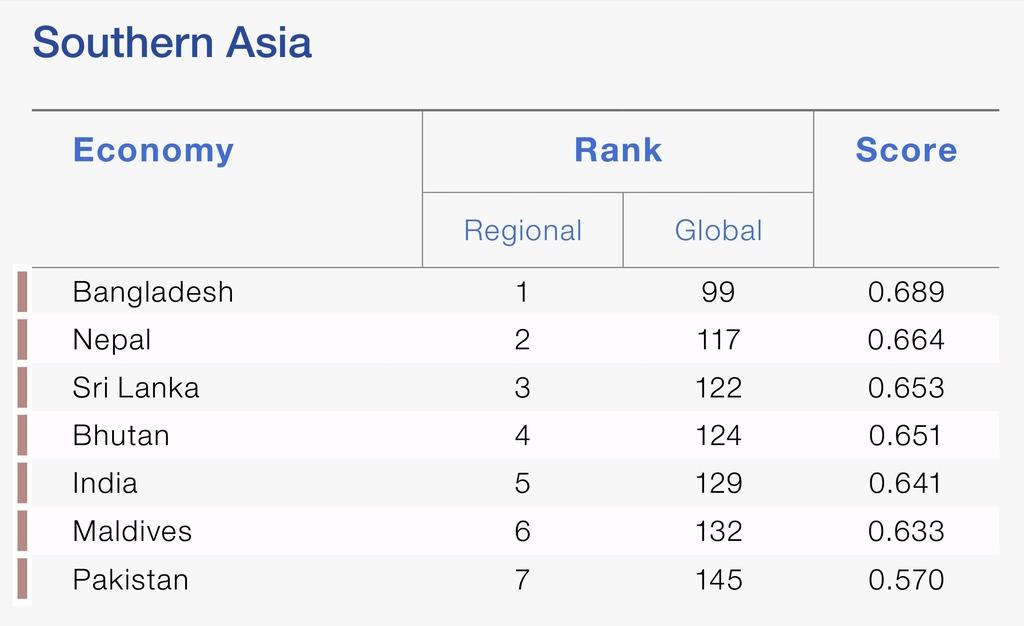
India’s new cabinet has only 2 women ministers, down from 10 previously. The Global Gender Gap Report 2024 (by the World Economic Forum) ranks India third-lowest in South Asia, highlighting significant gender disparity in leadership and representation.
Comparison of Indian Ranking with Other Countries:
Global Gender Gap Report 2024: India ranked 129th out of 146 economies in the overall gender gap index. Ranked third-lowest among South Asian economies, behind Bangladesh, Nepal, Sri Lanka, and Bhutan.
Key points as Gender Gap Report 2024:
Economic Participation and Opportunity: 142nd, Health and Survival: 142nd, Educational Attainment: 112th, and Political Empowerment: Best rank (65th), but overall political representation remains low.
Political Empowerment: India performs relatively better on the head-of-state indicator (40.7%). However, women’s representation in ministerial positions (6.9%) and parliament (17.2%) is significantly lower. The region of South Asia shows high political disparity, with Nepal leading in ministerial representation (23.5%).
Educational Attainment: Despite high enrollment rates in primary, secondary, and tertiary education for women, the gap in literacy rate between men and women is significant (17.2 percentage points). India ranks 112th globally in this indicator.
Economic Participation: India has seen improvement in economic participation and opportunity, although it still ranks low (142nd). Challenges remain in bridging gender gaps in earned income, leadership roles, labour force participation, and technical professions.
Major observations around the causes of the Gender Gap
Patriarchal Structures: Patriarchy influences decision-making processes and power dynamics, often marginalising women’s voices and restricting their participation in political, economic, and social spheres.
Gender Bias: Gender bias manifests in various forms, affecting women’s access to resources, healthcare, education, and career advancement opportunities compared to men.
Gender Pay Gap: Women in India typically earn less than men for similar work, reflecting systemic inequalities in pay and compensation.
Occupational Segregation: Women are often concentrated in lower-paying sectors and informal employment, facing barriers to accessing high-paying and leadership roles.
Political Underrepresentation: Low representation of women in decision-making bodies such as parliament and state assemblies hinders legislative reforms and policies that could promote gender equity and address systemic barriers.
Way forward:
Gender Quotas: Implement and enforce quotas for women’s representation in parliament, state assemblies, and ministerial positions. This can be modelled after successful practices in other countries where gender quotas have significantly increased women’s political participation.
Equal Pay Initiatives: Enforce equal pay for equal work through rigorous monitoring and enforcement mechanisms. Encourage transparency in salary structures and promote awareness among employers and employees.
Mains PYQ:
Q Can the vicious cycle of gender inequality, poverty and malnutrition be broken through microfinancing of women SHGs? Explain with examples.(UPSC IAS/2021)
PYQ Relevance: Q The judicial systems in India and the UK seem to be converging as well as diverging in recent times. Highlight the key points of convergence and divergence between the two nations in terms of their judicial practices. (UPSC IAS/2020)
Q Why did the Industrial Revolution first occur in England? Discuss the quality of life of the people there during the industrialization. How does it compare with that in India at present times? (UPSC IAS/2015)
Let’s learn!
Mentor comment: The UK’s upcoming elections are marked by widespread disillusionment and uncertainty. Labour leads amid economic woes and political divisions but lacks clear solutions. The Conservatives, grappling with internal turmoil, face low expectations. The outcome will impact India-UK relations, particularly in trade, immigration, and strategic partnerships, amid Brexit’s aftermath and domestic challenges like NHS funding and economic recovery.
Why in the News?
Rishi Sunak called a general election six months early, making the announcement in the rain, symbolizing the current pessimism in Britain.
Party-Dynamics in UK:
In the UK, the dominant parties in elections are:
1.Conservative Party (Led by Rishi Sunak): Historically, the Conservative Party, under the leadership of Rishi Sunak, has emphasized strengthening economic and trade ties with India. They have shown interest in forging closer partnerships in various sectors, including technology, defense, and education. The Conservative Party’s immigration policies, including visa regulations, can affect Indian nationals wishing to study, work, or immigrate to the UK.
2. Labour Party (Led by Keir Starmer): The Labour Party has also sought to enhance relations with India, focusing on areas such as trade, investment, and cultural exchange. However, the party has faced criticism from some sections of the Indian diaspora for its stance on issues like Kashmir and immigration policies. Labour’s approach to visa regulations and its stance on international affairs can impact its relationship with India.
Labour Party’s Contributions for India’s Freedom:
Support for Indian Self-Government: The Labour Party, especially under leaders like Clement Attlee, expressed support for Indian self-government and independence. Attlee, who later became Prime Minister, was sympathetic to Indian aspirations for freedom and worked towards granting independence. Cabinet Mission Plan: In 1946, the Labour government sent the Cabinet Mission to India to discuss and negotiate the transfer of power. The mission proposed a plan for India’s constitutional future, advocating for a united but decentralized India with significant autonomy for provinces. Although the plan did not ultimately succeed, it demonstrated Labour’s commitment to finding a peaceful resolution to India’s struggle for independence. Indian Independence Act: In 1947, the Labour government passed the Indian Independence Act, which provided the legal framework for India’s partition and independence. The act received support from Labour members of parliament and was instrumental in facilitating the end of British colonial rule in India.
Labour’s Challenge
Leading Polls but Facing Issues: Labour is leading in the polls but is aware of the challenges: a weak economy, a strained social contract, and political division.
Lack of Solutions: Labour recognizes it currently lacks real solutions to these problems.
Reflecting on Grievances: No party offers optimism; Britain is reflecting on past grievances.
Self-Inflicted Problems
Economic and Global Uncertainties: Britain’s weak economy and global uncertainties contribute to the current despair.
Brexit’s Impact: Much of this despair is due to Brexit, which failed to address migration issues and did not deliver economic benefits.
Funding Shortfalls: There is insufficient funding for the National Health Service (NHS), education, and addressing the cost-of-living crisis, with nearly 3% of the population relying on food banks.
Conservative Party Issues
Unpopularity and Internal Chaos: The Conservatives, in power for 14 years, are unpopular due to internal chaos and frequent leadership changes.
Frequent Leadership Changes: Since 2019, the party has had three Prime Ministers, four Chancellors, four Foreign Secretaries, and five Home Secretaries.
Low Expectations: The party is not expecting to win another term.
Why UK elections matter to India?
Trade and Economic Relations: The UK is an important trading partner for India, and the outcome of the elections could influence future trade agreements and economic cooperation between the two countries. Diaspora Concerns: The large Indian diaspora in the UK has significant political and economic influence. Their interests and concerns, including immigration policies, are often considered in the UK’s political landscape, which can impact India-UK relations. Strategic Partnerships: India and the UK share strategic interests in areas such as defense, security, and counter-terrorism. The political leadership in both countries plays a crucial role in shaping and maintaining these partnerships. Diplomatic Engagement: The stance of the UK government on international issues, including India’s relations with its neighbors and global affairs, can influence diplomatic engagements between the two countries. Immigration Policies: Immigration policies proposed or implemented by the UK government can directly affect Indian nationals, including students, professionals, and families, leading to implications for bilateral ties and people-to-people exchanges.
Labour’s Campaign
Lack of Optimism: Unlike in 1997, Labour’s current campaign lacks optimism and focuses on ending Conservative chaos.
Challenges for Keir Starmer: Keir Starmer’s Labour faces challenges as the UK exits a shallow recession and remains divided over Brexit and immigration.
International Tensions: International tensions, particularly with Russia and China, dominate discussions without the financial means to increase defense spending.
Domestic Issuesin UK
Economic Concerns and Public Services: Britain’s problems are mainly domestic, including economic concerns, an overburdened NHS, and public services affected by migration and Brexit.
NHS Promises: Both Labour and Conservatives pledge to protect the NHS but lack concrete solutions.
Brexit Stance: There is little difference between the parties on key issues, particularly Brexit.
Brexit Regret
Growing Regret: More people regret Brexit now than support it, but Starmer has ruled out rejoining the EU or restoring free movement.
Similar Brexit Stances: Labour’s stance on Brexit is similar to the Conservative hardline approach, despite the economic impact.
Migration Rhetoric: Starmer avoids sounding soft on migration due to toxic rhetoric surrounding the issue.
Scandals and Public Distrust
Major Scandals: Two major scandals are prominent: the Post Office miscarriage of justice and the infected blood scandal.
Bipartisan Involvement: Both scandals involve Labour and Conservative governments, with denial and obfuscation by politicians and civil servants.
Compensation and Distrust: The new government will face compensation costs and a distrustful electorate.
Conclusion: Britain faces a critical juncture marked by economic stagnation, social division, and disillusionment exacerbated by the Brexit fallout. To navigate forward, leaders must prioritize rebuilding trust, addressing NHS and social care crises, fostering economic stability, and healing societal rifts. Effective governance and genuine solutions are imperative to restore optimism and tackle pressing domestic challenges.
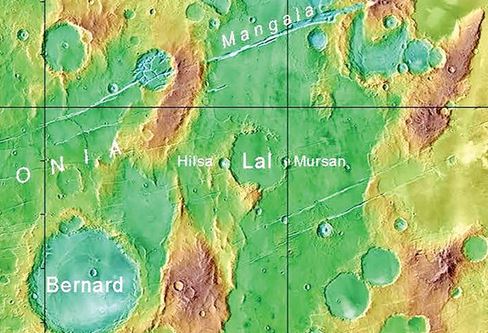
Scientists from Ahmedabad-based Physical Research Laboratory (PRL) have identified three new craters on Mars, situated in the Tharsis volcanic region around 21.0 S, 209 W.
Back2Basics: International Astronomical Union (IAU)
The IAU was founded on July 28, 1919, during the Constitutive Assembly held in Brussels, Belgium.
Its creation was prompted by the need for international collaboration in astronomy, especially after the devastation caused by World War I.
It aims to promote and safeguard astronomy in all its aspects through international cooperation.
IAU is now headquartered in Paris, France.
Major Activities and Initiatives
General Assembly: The IAU holds a general assembly every three years in varying parts of the world at which professional astronomers meet to discuss research, new cooperative ventures, and similar matters of professional interest.
Astronomical Nomenclature: IAU standardises the nomenclature of celestial bodies, features, and phenomena. It maintains several working groups dedicated to naming conventions for stars, planets, asteroids, and other objects.
Research and Collaboration: It promotes international cooperation in astronomical research and supports initiatives such as observational campaigns, data sharing, and joint projects.
Education and Outreach: It is actively involved in promoting astronomy education and public outreach efforts worldwide. It supports educational programs, workshops, and resources for students, teachers, and the general public.
Membership
IAU membership spans 92 countries. Out of those countries, 85 are National Members.
India is represented by the Astronomical Society of India (ASI).
Its members are professional astronomers from all over the world, at the D. level and beyond, who are active in professional research, education, and outreach in astronomy.
Crater Names and Significance
Lal Crater: Named after Prof. Devendra Lal, former director of PRL, this 65 km wide crater is positioned at -20.98° and 209.34°.
Mursan Crater: Named after a town in Uttar Pradesh, India, this ~10 km wide crater is situated on the eastern side of the Lal crater’s rim.
Hilsa Crater: Named after a town in Bihar, India, this ~10 km wide crater is positioned on the western side of the Lal crater’s rim.
Scientific Importance of Lal Crater
Lava Coverage: The entire Lal crater area, located in the Tharsis volcanic region on Mars, is covered with lava.
Evidence of Water: Geophysical evidence, including a 45-meter thick sedimentary deposit, suggests the presence of water in the subsurface of the Lal crater. This finding supports the theory that Mars once had water flowing on its surface.
Infilling Process: Mursan and Hilsa craters, positioned on either side of the Lal crater, offer insights into the infilling process of the Lal crater. Their presence indicates that infilling occurred episodically over time.
India’s 2nd Quest for Mars
The ISRO is expected to launch Mangalyaan-2, or Mars Orbiter Mission 2 (MOM 2), in 2025.
The mission will last one year and is aimed at studying the Red Planet.
The successor to Mangalyaan-1, or Mars Orbiter Mission 1 (MOM 1), Mangalyaan-2 will consist of only one orbiter and will be launched atop a GSLV Mark III rocket from Satish Dhawan Space Centre.
Other missions to Mars
ExoMars rover (2022): European Space Agency’s mission to explore Mars.
Tianwen-1 (2021): China’s Mars Mission aims to explore and study the Martian surface.
UAE’s Hope Mars Mission (2021): UAE’s first interplanetary mission focused on studying the Martian atmosphere.
NASA’s Mars Insight (2018): A lander designed to study the interior of Mars.
NASA’s Curiosity (2012) and Perseverance (2020): Rovers exploring the Martian surface.
NASA’s Mars Reconnaissance Orbiter (2005), Mars Odyssey (2001), and MAVEN (2013): Orbiters studying Mars from space.
Mars 2 and Mars 3 (1971): Soviet Union’s missions to Mars, which included orbiter and lander components.
PYQ:
[2016] The Mangalyaan launched by ISRO
is also called the Mars Orbiter Mission.
made India the second country to have a spacecraft orbit the Mars after USA
made India the only country to be successful in making its spacecraft orbit Mars in its very first attempt.
Which of the statements given above is/are correct?
(a) 1 only
(b) 2 and 3 only
(c) 1 and 3 only
(d) 1, 2 and 3
India ranks as the world’s second-largest contributor (after China) to nitrous oxide (N2O), a potent greenhouse gas (GHG), accounting for approximately 11% of global man-made emissions in 2020 as per data published in the journal Earth System Science Data.
The top five country emitters by volume of anthropogenic N2O emissions in 2020 were China (16.7%), India (10.9%), the United States (5.7%), Brazil (5.3%), and Russia (4.6%).
AboutNitrous Oxide
Nitrous oxide (N2O), a colourless and odourless gas, is a potent greenhouse gas, 300 times more powerful than CO2. Despite its small atmospheric fraction, it ranks third in concentration after CO2 and methane (CH4). It’s a crucial target for environmental research and efforts to mitigate climate change impacts.
Sources of Emission:
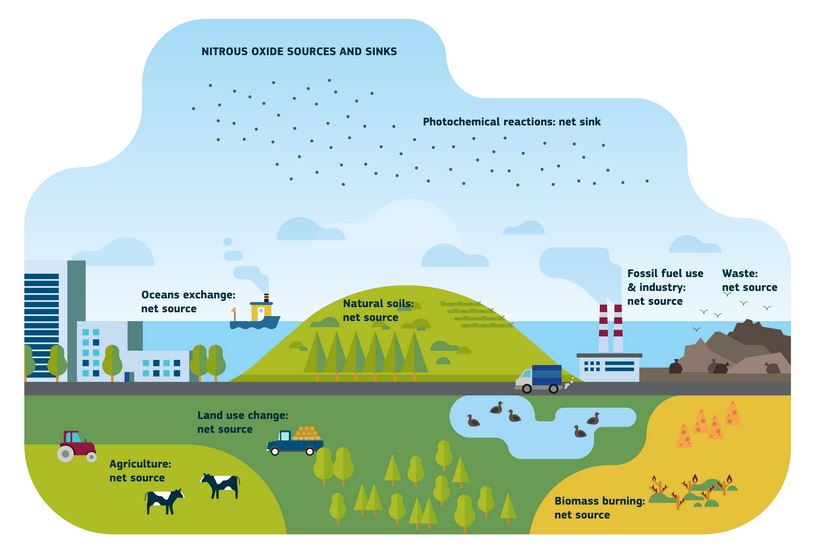
Natural Sources: N2O is naturally produced in processes such as microbial nitrogen cycling in soil and water bodies, volcanic activity, and biomass burning.
Anthropogenic Activities: Human activities significantly contribute to N2O emissions, with the primary sources being:
Agricultural practices, including the use of nitrogen-based fertilizers and animal manure.
Industrial processes such as combustion of fossil fuels and wastewater treatment.
Combustion of biomass and waste.
Use of nitrous oxide in medical and dental procedures (as a sedative) and in food packaging.
Impact on Climate Change:
Greenhouse Gas: N2O is a potent greenhouse gas with a global warming potential (GWP) much higher than that of carbon dioxide (CO2).
Ozone Depletion: In addition to its role in climate change, N2O also contributes to ozone depletion in the stratosphere, further exacerbating environmental concerns.
Environmental and Health Effects:
Environmental Pollution: N2O emissions can lead to pollution of soil, water bodies, and air, affecting ecosystems and human health.
Health Risks: While N2O is relatively non-toxic at ambient levels, prolonged exposure or high concentrations can pose health risks, including respiratory issues and neurological effects.
Global Nitrous Oxide Emissions
Atmospheric Concentration: The concentration of atmospheric N2O reached 336 parts per billion in 2022, about 25% above pre-industrial levels.
Next to Carbon Emissions: In comparison, the concentration of carbon dioxide was 417 parts per million in 2022.
Persistent Lifespan: Once emitted, N2O stays in the atmosphere for longer than the average human lifespan (117 years), making its climate and ozone impacts long-lived.
Contribution to Climate Change: These emissions are responsible for 6.4% of the effective radiative forcing of greenhouse gases and have added about 0.1°C to current global warming.
Impact of Nitrogen Fertilizers: N2O emissions from human activities have increased by 40% in the past four decades, with agricultural production using nitrogen fertilizers and animal manure contributing 74% of total anthropogenic N2O emissions in the last decade.
Call for Action and Future Outlook
Scientists warn that anthropogenic N2O emissions must decline by at least 20% relative to 2019 levels by 2050 to align with net-zero emission pathways consistent with the Paris Agreement.
Nitrogen fertilizers, which are heavily subsidized in India, contribute significantly to N2O emissions. Urgent reforms are needed to promote alternative production systems and mitigate emissions.
India’s Policy Initiatives to Curb Nitrogen Pollution
Nutrient-Based Subsidy (NBS) (2010): This policy encourages the adoption of controlled-release fertilizers to enhance nutrient management efficiency.
Soil Health Cards (2015): Provided to farmers, these cards offer insights into soil nutrient levels and tailored fertilizer recommendations, promoting balanced nutrient application.
Bharat Stage (BS VI) Emission Standards (2016): These stringent regulations for vehicles and industries aim to reduce the emission of nitrogen oxides and particulate matter, thereby mitigating air and water pollution.
Nano Urea (2021): Marketed by the Indian Farmers Fertiliser Cooperative Limited (IFFCO), Nano Urea is a patented fertilizer approved for commercial use, designed to curb excessive and indiscriminate conventional urea use while boosting crop yields.
PYQ:
[2016] Why does the Government of India promote the use of ‘Neem-coated Urea’ in agriculture?
(a) Release of Neem oil in the soil increases nitrogen fixation by the soil microorganisms
(b) Neem coating slows down the rate of dissolution of urea in the soil
(c) Nitrous oxide, which is a greenhouse gas, is not at all released into the atmosphere by crop fields
(d) It is a combination of a weedicide and a fertilizer for particular crops
Researchers at the Duke Human Vaccine Institute have successfully induced broadly neutralising antibodies (bNAbs) against HIV (human immunodeficiency virus) through vaccination for the first time.
About HIV/AIDS:
Emergence: The first cases of AIDS (Acquired Immunodeficiency Syndrome) were reported in the early 1980s, primarily among gay men in the United States.
Discovery of HIV: In 1983-1984, scientists identified HIV (Human Immunodeficiency Virus) as the cause of AIDS.
Global Spread: HIV/AIDS quickly became a global pandemic, affecting millions of people worldwide.
Causes:
HIV is transmitted through contact with certain body fluids of an infected person, including blood, semen, vaginal fluids, and breast milk.
Common modes of HIV transmission include unprotected sexual intercourse, sharing needles or syringes, and from mother to child during pregnancy, childbirth, or breastfeeding.
Symptoms:
Acute HIV Infection: Many people experience flu-like symptoms, such as fever, headache, fatigue, and swollen lymph nodes, within 2-4 weeks after infection.
Asymptomatic Stage: After the initial symptoms subside, HIV often enters a latent stage where individuals may not experience any symptoms for years.
Progression to AIDS: Without treatment, HIV gradually weakens the immune system, leading to the development of opportunistic infections and cancers. This advanced stage is known as AIDS and is characterized by severe immune deficiency.
Vaccines Development:
Challenges: Developing an HIV vaccine has been challenging due to the virus’s ability to mutate rapidly and evade the immune system.
Vaccine Candidates: Numerous vaccine candidates have been tested over the years, but none have yet been successful in providing robust protection against HIV infection.
Hope for the Future: Despite setbacks, advances in vaccine development, such as the identification of promising candidates like N332-GT5 and eOD-GT8, offer hope for eventually achieving an effective HIV vaccine.
How B cells and mRNA play distinct roles in the context of HIV infection?
1. B cells (B lymphocytes):
B cells are a type of white blood cell crucial for the immune response.
In HIV infection, B cells participate in the adaptive immune response by producing antibodies specific to HIV antigens.
These antibodies can neutralize HIV particles, tag infected cells for destruction by other immune cells, and contribute to the immune memory against HIV.
2. mRNA (messenger RNA):
mRNA is a molecule that carries genetic information from DNA to the ribosomes, where proteins are synthesized.
In the context of HIV, mRNA is involved in the replication process of the virus.
HIV uses its RNA genome to produce viral mRNA, which directs the synthesis of viral proteins necessary for the assembly of new virus particles.
Understanding HIV mRNA is crucial for developing antiviral therapies that target viral replication, such as mRNA-based vaccines or mRNA inhibitors.
N332-GT5 and eOD-GT8: The New Vaccines in Making
N332-GT5: This vaccine candidate targets a specific region on the surface of the HIV virus known as the N332 glycan site. By engaging B-cells that have the potential to produce bNAbs against this site, N332-GT5 aims to stimulate the immune system to generate a protective response against a wide range of HIV strains.
eOD-GT8: Similarly, eOD-GT8 is designed to target another region on the HIV virus, known as the eOD protein. By leveraging nanoparticles as carriers, eOD-GT8 aims to enhance the immune system’s ability to recognize and neutralize HIV, ultimately leading to the production of bNAbs.
What are Broadly Neutralizing Antibodies (bNAbs)?
In the 1990s, scientists discovered that some HIV-infected individuals produced bNAbs, which neutralize many viral strains.
bNAbs target viral protein areas crucial for infectivity, making them less likely to change.
Despite their effectiveness, bNAbs take years to develop, by which time HIV has often evolved to escape them.
Developing bNAb-Based Vaccines
The goal is to make the immune system produce bNAbs quickly in response to a vaccine.
Germline targeting involves three steps:
Identify and engage B-cells capable of producing bNAbs.
Use a booster to guide these cells to produce stronger bNAbs.
Refine bNAbs to neutralize a wide range of HIV strains.
PYQ:
[2013] Which of the following diseases can be transmitted from one person to another through tattooing?
1. Chikungunya
2. Hepatitis B
3. HIV-AIDS
Select the correct answer using the codes given below.
![[13th June 2024] The Hindu Op-ed: Britain’s summer of discontent](https://www.civilsdaily.com/wp-content/uploads/2024/06/13-June-1568x882.jpg)