In a recent election rally in Telangana, PM made a commitment to explore the sub-categorization of Scheduled Castes (SCs) to identify and uplift the most marginalized among them.
This move is seen as an attempt to garner support from the Madiga community, the largest among the SC communities in the state.
SC Sub-Categorization: Legality Check
State-Level Attempts: Over the past two decades, several states, including Punjab, Bihar, and Tamil Nadu, have attempted to introduce reservation laws to sub-categorize SCs within their territories. These efforts have been held up in courts, awaiting a Supreme Court Constitution Bench’s decision.
Andhra Pradesh’s Initiative: The issue surfaced when the Andhra Pradesh government formed a commission in 1996, led by Justice Ramachandra Raju, to recommend sub-categorization based on disparities among SC communities. However, the Supreme Court, in 2004, ruled that states did not possess the unilateral authority to sub-categorize communities within the SC and Scheduled Tribes (ST) lists, as these lists are the prerogative of Parliament and the President.
Contradictory Rulings: A 2020 judgment by a five-judge Bench, led by Justice Arun Mishra, contradicted the 2004 ruling by stating that determining benefits within the SC/ST lists would not amount to “tinkering” and could be done by states. This discrepancy prompted the referral of the 2020 judgment to a larger Bench.
Government Initiatives and Legal Opinions
Union Government’s Efforts: The 2004 judgment prompted the Union government to explore the possibility of sub-categorization. In 2005, the Attorney-General of India (AGI) opined that sub-categorization was feasible if supported by “unimpeachable evidence” and suggested a constitutional amendment for this purpose.
National Commission Recommendations: The National Commission for Scheduled Castes (NCSC) and the National Commission for Scheduled Tribes (NCST) opined that a constitutional amendment was unnecessary. They cited Article 16(4) of the Constitution, which allows states to create special laws for under-represented backward classes.
Arguments for Sub-Categorization
Graded Inequalities: Proponents argue that sub-categorization addresses the graded inequalities within SC communities. It ensures that the more backward communities receive their fair share of benefits, preventing the dominance of relatively advanced communities.
Representation at All Levels: The goal is to ensure representation at all levels, including higher positions. However, the most backward SCs lag so far behind that even reserved positions at advanced levels may not benefit them due to a lack of suitable candidates.
Data Requirement for Sub-Categorization
Legal experts emphasize the importance of robust data, including population numbers, socio-economic indicators, and community-specific information.
This data would form the basis for reasonable categorization, quota allocation, and policy decisions.
Conclusion
The sub-categorization of Scheduled Castes (SCs) is a complex legal and social issue that remains unresolved, with contradictory Supreme Court rulings and varying opinions among government bodies.
While sub-categorization aims to address disparities within SC communities, it raises practical challenges, such as data collection and ensuring meaningful representation.
The quest for a fair and legally sound sub-categorization mechanism continues, with the need for comprehensive data and clear legal guidelines at the forefront of the debate.
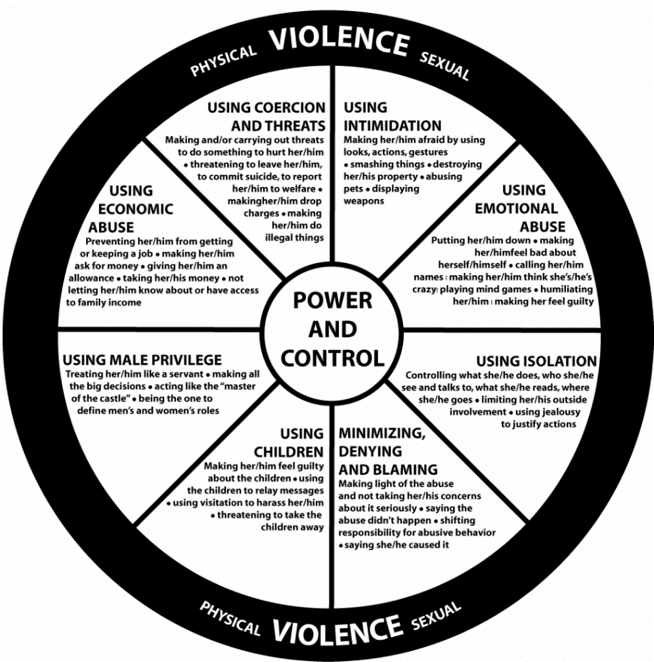
The article talks about how women facing domestic violence in India struggle to get justice due to biases in the legal system. It mentions challenges like police not taking complaints seriously and judges making unfair comments. To make things better, it suggests that judges should be fair, and the media should report responsibly to help women get the justice they deserve.
Key Highlights:
Systemic Flaws in Legal Process: The study of 4 lakh FIRs in Haryana exposes inherent biases against women, revealing flaws from the filing of complaints to the conviction process.
NGO’s Testimony on Domestic Violence: Majlis, an NGO in Mumbai, provides a firsthand account of the grave domestic violence faced by women, spanning physical, economic, verbal, emotional, and sexual abuse.
Alarming Crime Rates: India witnesses rising crimes against women, with 21 daily dowry-related deaths and 4 lakh cases under Section 498A of the IPC in 2019, emphasizing the urgent need for systemic change.
Challenges:
Reluctance to File FIRs: Police reluctance persists despite legal provisions, steering victims towards counseling instead of criminal complaints, hindering justice for domestic violence victims.
Patriarchal Mindset Impact: The police’s apathy is rooted in a patriarchal mindset, exacerbated by demeaning comments from the judiciary, contributing to the perception that women misuse legal provisions.
Impact on Victim Hope: Women turned away by police often lose hope, leading to dire consequences, such as suicide or murder, highlighting the severity of the challenges in obtaining justice.
Analysis:
Stereotype Reinforcement: Demeaning comments, accusing women of misusing Section 498A, perpetuate stereotypes and contribute to the reluctance of police in handling domestic violence cases.
Judiciary’s Role in Victim Perception: Judicial comments play a significant role in shaping public perception, impacting the willingness of women to seek justice for domestic violence.
Need for Judicial Sensitivity: Recognizing the need for sensitivity in judicial language and approach to avoid further victimization of women seeking legal recourse.
Key Data for mains value addition:
Dowry-Related Deaths: NCRB reports highlight disturbing statistics, indicating 21 daily dowry-related deaths and 4 lakh cases under Section 498A in 2019, underscoring the urgency for intervention.
Prevalence of Domestic Violence: National Family Health Survey 5 (2019-20) data reveals that 30% of women (over 20 crore) experience physical violence, emphasizing the widespread nature of the issue.
Need for Data-Driven Interventions: Utilizing crime statistics to inform targeted interventions and policy measures is crucial for addressing the increasing rates of crimes against women.
Way Forward:
Sensitization Programs: Implementing sensitization programs to eliminate the patriarchal mindset within the police force, fostering a more empathetic and proactive approach.
Legal Procedure Adherence: Ensuring strict adherence to legal procedures in handling domestic violence cases to prevent police reluctance and promote efficient and unbiased investigations.
Continuous Training: Continuous training programs for law enforcement officers to enhance their understanding of the complexities surrounding domestic violence cases.
Unbiased Judgment Enforcement: Establishing mechanisms to hold the judiciary accountable for unbiased judgments, discouraging sweeping generalizations and ensuring fair treatment of domestic violence cases.
Judicial Education Initiatives: Advocating for ongoing judicial education on domestic violence issues to keep judges informed and sensitive to the unique challenges faced by victims.
Conclusion:
The multifaceted challenges women face in obtaining justice for domestic violence necessitate a holistic approach involving legal reforms, sensitization programs for law enforcement, and responsible media reporting. Addressing systemic biases, legal loopholes, and societal perceptions is essential for meaningful change and ensuring justice for victims of domestic violence.
Following the Indian Medical Association’s protest, the NMC has withdrawn the order on ‘generic prescribing’ since August 23, 2023
Central idea
The article highlights challenges in India’s healthcare system, emphasizing the struggle between generic and brand prescriptions. It discusses the alleged nexus between pharmaceutical companies and doctors, quality assurance concerns, and the need for comprehensive measures to ensure affordable and reliable access to medicines. The withdrawal of the generic prescribing order reflects ongoing complexities in achieving universal healthcare goals.
Key Highlights:
Over-the-Counter Medical Sales in India: Patients often seek second opinions from non-qualified individuals in medical shops, with queries ranging from medicine strength to potential side effects.
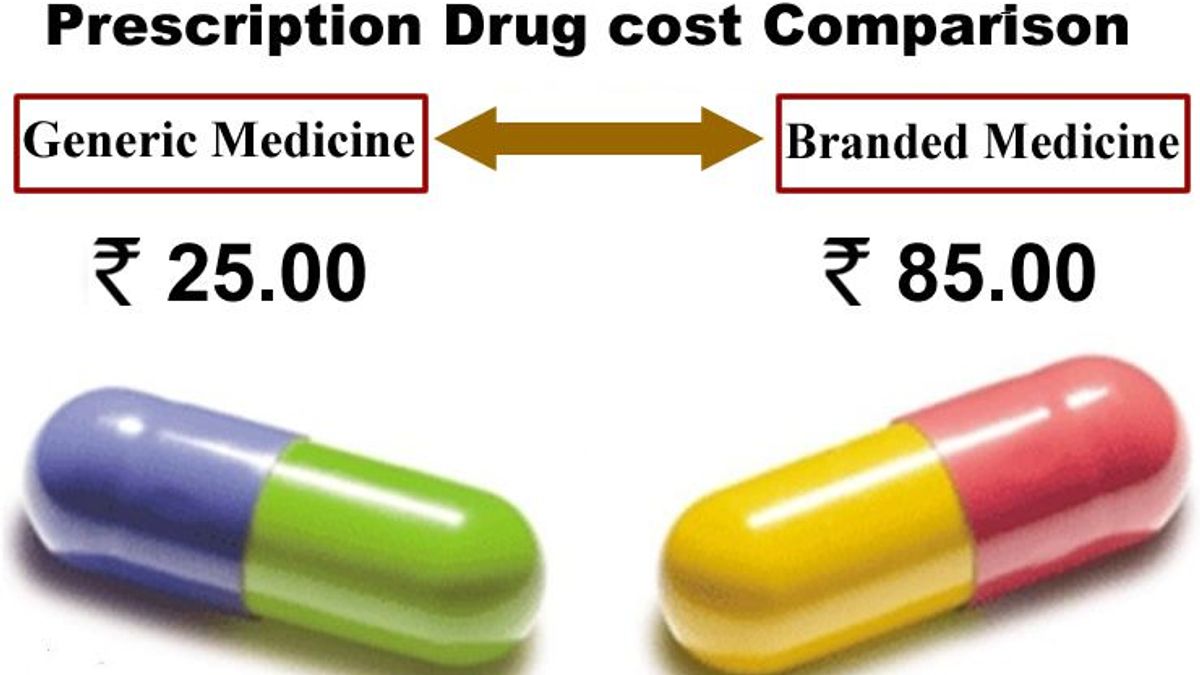
Generic vs. Brand Names: The National Medical Council (NMC) directed doctors to prescribe generic names over brand names, emphasizing the cost factor and the affordability of generic names. The Hathi Committee in 1975 supported the gradual phasing out of brand names.
Alleged Nexus and Ethical Commitment: An alleged nexus between pharmaceutical companies and doctors exists, but medical associations stress their ethical commitment to improving access to affordable medicines.
Quality Assurance Concerns: Concerns about the quality of medicines persist, with a prevalence rate of 4.5% for spurious and 3.4% for “not standard quality” medicines. The need for 100% quality-tested drugs is crucial for patient safety.
Government’s Role: The government is urged to ensure quality through Universal Health Coverage and private healthcare networks, with calls for periodic sampling, banning batches that fail quality tests, and taking punitive actions against manufacturers.
Challenges:
Quality Assurance Implementation: Existing mechanisms for quality assurance are not earnestly implemented, raising concerns about the reliability of the system.
Enforcement of Generic Prescription: The moral dilemma in enforcing generic prescription without concrete evidence of standard quality poses a challenge in the healthcare system.
Availability of Essential Medicines: The low availability rate of essential medicines, especially pediatric medicines, hampers the effective treatment of patients.
Unscientific Combinations: The presence of unscientific combinations of medicines in the retail market adds complexity to the pharmaceutical landscape.
Analysis:
Role of the Chemist: Concerns revolve around the chemist or less knowledgeable salesperson determining the brand, potentially based on profit motives, impacting the choice of medicines.
Withdrawal of Generic Prescription Order: The withdrawal of the NMC order on generic prescribing, following the Indian Medical Association’s protest, reflects the ongoing challenges in healthcare policy.
Case study to improve answer quality
The Tamil Nadu Medical Services Corporation Limited’s practice, where all supplied medicines are kept under quarantine stock till double blinded samples are cleared in quality testing by government and private sector laboratories, is worth replicating.
Key Data:
Prevalence of Spurious and NSQ Medicines: National drug surveys in the last 10 years indicate prevalence rates of 4.5% for spurious and 3.4% for “not standard quality” medicines, highlighting the need for stricter quality control.
Availability of Essential Pediatric Medicines: A study in Chhattisgarh in 2010 found only a 17% availability rate of essential pediatric medicines, indicating a significant gap in accessibility.
Way Forward:
Government Assurance and Evidence: The government should provide concrete evidence of the standard quality of medicines before enforcing generic prescriptions, ensuring patient safety.
Comprehensive Measures: Implementing comprehensive measures, such as limiting profit margins for wholesale and retail agents, is crucial for creating a transparent and fair pharmaceutical ecosystem.
Janaushadhi Kendras Expansion: Expanding the network of Janaushadhi kendras is essential to improve accessibility to affordable medicines and promote their widespread availability.
Monitoring Implementation: Ensuring proper implementation and monitoring of policies for free medicines and diagnostics under Universal Health Care is vital for the success of healthcare initiatives.
Addressing Profit Motives: Addressing profit motives influencing the choice of medicines by chemists and salespersons is essential for a patient-centric healthcare system.
Conclusion:
The withdrawal of the generic prescribing order is seen as a step back in achieving universal access to affordable generic medicines. Addressing quality concerns, ensuring availability, and monitoring implementation are crucial for a successful healthcare system.
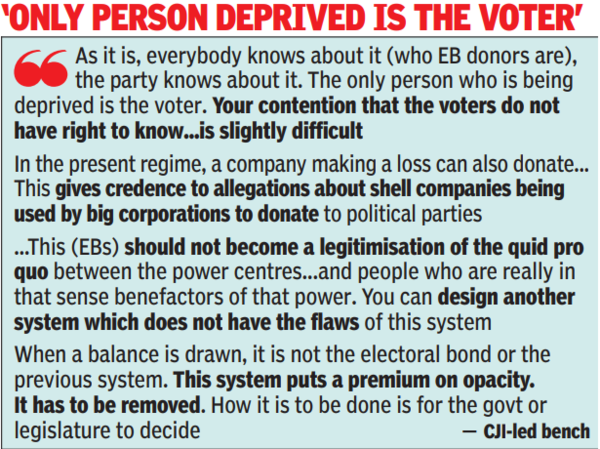
Tradition of Secrecy: Indian political parties, historically resistant to public scrutiny, operate in a culture of secrecy regarding their funding sources and applications.
Corporate Dependency: The exorbitant funds required for political processes and operations often come from Big Business entities, creating a financial reliance on these corporations.
Quid Pro Quo: Political parties, in return for financial support from corporations, are often expected to reciprocate with political favors, creating a symbiotic relationship between the two.
Voter Empowerment: Civil society campaigns, notably through Public Interest Litigation (PIL), seek to empower voters by improving access to background information on electoral candidates.
Challenging Legislative Opacity: PIL serves as a tool to challenge legislative attempts to obscure the identities of corporate donors, promoting transparency in political funding.
Democratic Right to Information: The campaign is grounded in the citizen’s democratic right to information, an integral aspect of the fundamental right to speech and expression under the Constitution.
Countering Legislative Maneuvers: PIL acts as a countermeasure against legislative maneuvers designed to undermine transparency in political funding.
Challenges:
Hiding Corporate Donors: Political establishments employ legislative tactics to conceal the identities of corporate donors, preventing public awareness of the financial backers of political parties.
Electoral Trusts and Bond Schemes: The introduction of schemes like the Electoral Trusts Scheme (2013) and the Electoral Bond Scheme (EBS) creates barriers that obscure the direct link between political parties and their corporate donors.
Transparency Concerns: Legislative changes raise concerns about jeopardizing transparency, incentivizing corrupt practices, and limiting the accountability of political parties.
Nexus Between Politics and Business: The legislative landscape contributes to a growing perception of a nexus between political entities and big business, raising questions about ethical governance.
Key Phrases for value addition:
Amendments Under Scrutiny: Recent amendments in the legal framework of corporate donations face scrutiny and constitutional challenges.
‘Right to Know’ Infringement: Allegations arise that these amendments infringe upon the citizen’s fundamental ‘Right to know’ under Article 19(1)(a) of the Constitution.
Transparency Need: The importance of transparency in political funding is emphasized as a cornerstone of a healthy and accountable democratic process.
Autonomy Compromise: Concerns are raised about the compromise of the country’s autonomy, with potential negative impacts on governance and democratic values.
Analysis
Undermining Transparency: Legislative changes are criticized for undermining transparency, creating a more opaque environment in political funding.
Electoral Bond Scheme Critique: The Electoral Bond Scheme (EBS) faces critique for introducing opacity in political funding, limiting citizens’ access to vital information concerning electoral financing.
Opacity in Politics and Business: The intertwining opacity in political and business spheres is identified as a growing trend with potential repercussions for democratic processes.
Influence of Special Interest Groups: Critics argue that legislative changes enable special interest groups, corporate lobbyists, and foreign entities to exert undue influence on the electoral process.
Key Data for mains value addition:
Favored Donation Mode: Electoral bonds have become the favored mode of political donation due to their anonymity features.
₹13,791 Crore Sales: Until July 2023, electoral bonds amounting to ₹13,791 crore have been sold in 27 tranches.
55.9% Donation Share: Electoral bonds contribute significantly, accounting for 55.9% of political donations received by 31 parties.
BJP’s Leading Redemption: The BJP leads in the redemption of electoral bonds, with 74.5% of the total until 2020-2021.
Key Facts:
Opacity and Corruption Concerns: Critics express concerns about the opacity introduced by legislative changes, potentially incentivizing corrupt practices in political funding.
Majority Cash Dealings: Despite the availability of formal options like electoral bonds, the majority of political dealings continue to be in cash.
Electoral Bond Impact: Receipts from electoral bonds enable political parties to engage in formal economy transactions, covering infrastructure, equipment, and media publicity costs.
Ongoing Legislative Scrutiny: Legislative changes continue to undergo scrutiny, impacting transparency and accountability in political funding.
Key Terms:
Electoral Trusts Scheme
Electoral Bond Scheme
Right to Know
Corporate Donations
Transparency
Corruption
Political Funding
Constitutional Challenges
Way Forward:
Hopes for a Level Playing Field: Expectations are pinned on judicial intervention to ensure a more level playing field in future elections.
Upholding Freedom of Speech: The judiciary is anticipated to play a crucial role in upholding the right to freedom of speech and expression, empowering voters with information.
Addressing Transparency Concerns: Recognizing the critical need for transparency, steps are expected to be taken to address concerns related to opacity and anonymity in corporate donations.
Judicial Scrutiny Importance: The importance of judicial scrutiny in ensuring the preservation of democratic values and principles is emphasized.
In the last 3 years, a lot of things have changed about UPSC-CSE
This includes Exam Patterns, Prelims, Mains, and Preparation strategy
Standard resources and mocks can’t make you feel prepared anymore
Now, Every ranker who qualifies Mains crafts a process for it, painstakingly
Civilsdaily Masterclasses allow you to access the real work from those who have done it before
All rankers built their own preparation system. What’s stopping you?
Never start from scratch on your UPSC preparation
Start like a Topper.
Read what AIR 48, Aaditya Pandey, IAS has to say about his UPSC experience
“I genuinely believe std. resources and mock tests are not enough now to get a rank in UPSC CSE.
One has to sit down and think about the overall preparation strategy and how he/she is going to approach the exam.
Now you need to define the exact plan.
This thinking gives you an edge over others in exam. You become relaxed and confident throughout the journey which is otherwise filled with lots of daily anxiety, fear and uncertainty.
And this Saturday, I am coming to help you create your own preparation plan especially if you are a beginner, you must attend this.
My masterclass will be a reality check on modern-day UPSC prep. Not just my book list and strategy but also my inputs on your current strategy shared with you over our private Zoom meeting.”
Attend Masterclass by AIR 48 Aaditya, IAS for FREE
By the end, you’ll have razor-sharp clarity and a clear roadmap for approaching and qualifying your UPSC exam with confidence and near-perfect certainty.
Aaditya, IAS, UPSC CSE 2022
Registration open! Join now to attend the masterclass for FREE
(Don’t wait—the next masterclass won’t be until Dec 23)
These masterclasses are packed with value. They are conducted in private with a closed community. We rarely open these masterclasses for everyone for free. This time we are keeping it for 300 seats only.
Fee:
Special Access (extra 15 min with Ranker) – Free (only for first 100 registrations, register before 17th Nov)
Early Access – Rs. 299 (for the next 100 registrations, register before 18th Nov, 5 PM )
Late Access – Rs. 499 (for last 100 registrations, register before 18th Nov, Post 5 PM)
Amal Kumar Raychaudhuri, an Indian physicist, overcame obstacles and restrictions to make a profound contribution to the field of general relativity.
A.K. Raychaudhuri: Early Life
Born in Barisal, now in Bangladesh, in 1923.
Educated in Kolkata.
Developed a deep interest in general relativity during his time at the Indian Association of Cultivation of Science (IACS).
Challenges Faced
While passionate about general relativity, Raychaudhuri was instructed by the director of IACS, Meghnad Saha, to work on topics of the director’s choosing or leave.
Raychaudhuri, with limited career options, complied with Saha’s directive but continued to explore the mysteries of gravity in his spare time.
Theoretical Breakthrough: The Raychaudhuri Equation
Raychaudhuri focused on the problem of singularities in general relativity, specifically points where gravity could become infinitely strong.
Developed a unique approach that bypassed complex mathematical challenges.
Introduced the Raychaudhuri equation, a simple and elegant formula that showed the inevitable convergence of matter in curved spacetime.
The equation hinted strongly at the existence of singularities, a critical aspect of general relativity.
Influence on Renowned Physicists
Raychaudhuri’s equation played a pivotal role in the work of Stephen Hawking and Roger Penrose.
Hawking’s area theorem, demonstrating that the surface area of black holes never decreases, relied on the Raychaudhuri equation.
Recognition and Legacy
Despite his groundbreaking work, Raychaudhuri received limited recognition in India.
He faced obstacles in career advancement, including rejection by Calcutta University.
Raychaudhuri eventually joined Presidency College, Kolkata, where he became a revered teacher, inspiring future generations of physicists.
The NASA-ISRO Synthetic Aperture Radar (NISAR) mission, a collaborative effort between NASA and ISRO, is on track for its scheduled launch in the first quarter of 2024.
About the NISAR Mission
Collaboration: NISAR is a Low Earth Orbit observatory developed jointly by NASA and ISRO, highlighting international collaboration in space exploration.
Launch Vehicle: The mission is set to launch from the Satish Dhawan Space Centre in Sriharikota onboard ISRO’s GSLV Mark-II launch vehicle.
Data Utility: NISAR data will offer unprecedented detail and assist researchers in various ways, including monitoring volcanic activity, tracking groundwater use effects, measuring ice sheet melt rates, and observing changes in global vegetation distribution.
Mission Duration: The $1.5-billion NISAR mission has a planned mission life of three years and will survey Earth’s land and ice-covered surfaces every 12 days following a 90-day commissioning period.
Advanced SAR Technology
Dual-Band SAR: NISAR carries L and S dual-band Synthetic Aperture Radar (SAR) using the Sweep SAR technique, providing both wide coverage and high-resolution data.
Observatory Structure: The SAR payloads are mounted on the Integrated Radar Instrument Structure (IRIS) along with the spacecraft bus, forming an observatory.
Contributions: NASA’s Jet Propulsion Laboratory (JPL) provides the L-band SAR and several key components, while ISRO’s U R Rao Satellite Centre contributes the spacecraft bus, S-band SAR electronics, launch vehicle, and mission operations.
Key milestones achieved
Thermal Vacuum Testing: The thermal vacuum testing, a critical system-level test, was successfully completed in Bengaluru. This test ensures that the spacecraft can operate effectively under extreme temperature conditions.
EMI and EMC Testing: Electromagnetic interference (EMI) and electromagnetic compatibility (EMC) testing have also been successfully accomplished.
Upcoming Vibration Tests: The next phase involves conducting vibration tests to simulate the harsh launch environment. This test will subject the satellite to intense vibrations while mimicking the conditions of a rocket launch.
The age at which children should begin formal education has been a topic of debate and discussion, with variations in policies and practices among different states and countries.
Understanding the rationale behind these age criteria is crucial for shaping educational policies that align with the needs and development of young learners.
NEP 2020 and Minimum Age for Class 1
National Education Policy (NEP) 2020: NEP 2020 introduces a “5+3+3+4” structure for formal schooling, emphasizing early childhood education for ages 3 to 5 years.
Minimum Age for Class 1: According to NEP 2020, a child should be 6 years old to enroll in Class 1, following three years of early childhood education.
Recent News and Policy Implementation
Union Education Ministry’s Efforts: The Union Education Ministry has urged states to align their Class 1 admission age with NEP 2020’s recommendation.
Kendriya Vidyalayas Case: Last year, Kendriya Vidyalayas increased the admission age to align with NEP 2020, leading to a legal challenge that was ultimately dismissed.
Delhi Government’s Decision: This year, the Delhi government decided to maintain its existing guidelines, permitting Class 1 admission below the age of 6.
Right to Education (RTE) Act, 2009
RTE Act’s Age Provision: RTE Act guarantees education from ages 6 to 14, implying that elementary education (Class 1) should begin at age 6.
Historical Perspective: The age of 6 was chosen based on global practices and historical references, including Mahatma Gandhi’s basic education principles.
Research on Entry Age for Formal Education
David Whitebread’s Research: Studies comparing early literacy lessons starting at ages 5 and 7 in New Zealand showed no significant advantage for early introduction to formal learning.
Reading Achievement Study: A study across 55 countries found no significant association between reading achievement and school entry age.
Global Practices in Starting Formal Education
Standard Age of 6: Many East Asian and European countries start formal education at age 6, with younger children often attending preschool.
Scandinavian Approach: Scandinavian countries typically begin formal education at age 7, supported by universal child care for younger children.
US and UK Variation: The USA and UK stand out as countries where children generally start school at age 5, with varying childcare provisions.
Conclusion
The debate over the appropriate age for starting formal education encompasses a range of factors, including developmental readiness, educational goals, and cultural norms.
Understanding the diverse approaches and research findings can inform policymakers as they strive to create educational systems that best serve the needs of young learners.
Prime Minister launched Pradhan Mantri PVTG Development Mission worth Rs 24,000 crore for the development of Particularly Vulnerable Tribal Groups (PVTGs) during.
PM PVTGS Development Mission
Objective: This Rs 24,000-crore initiative is dedicated to the holistic development of PVTGs.
Focus Areas: It aims to provide essential amenities like road and telecom connectivity, electricity, housing, clean water, sanitation, improved education, healthcare, nutrition, and sustainable livelihoods.
Multi-Ministerial Approach: Multiple ministries will collaborate to implement development projects, including Pradhan Mantri Gram Sadak Yojana, Pradhan Mantri Gramin Awas Yojana, and Jal Jeevan Mission.
Who are Particularly Vulnerable Tribal Groups (PVTGs)?
Unique Characteristics: PVTGs are a subset of tribal groups in India characterized by primitive traits, geographical isolation, low literacy, zero to negative population growth rate, and economic backwardness.
Dependency on Hunting: These tribes often rely on hunting for sustenance and employ pre-agricultural technology.
Historical Background: The distinction for Primitive Tribal Groups (PTGs) was introduced in 1973 by the Dhebar Commission.
Expansion: In 1975, the Centre identified 52 tribal groups as PTGs, and this list expanded by 23 groups in 1993.
Renaming as PVTGs: In 2006, these groups were renamed as Particularly Vulnerable Tribal Groups (PVTGs).
Current status of PVTGs
Population and Distribution: India is home to 2.8 million PVTG members, belonging to 75 tribes, residing in 22,544 villages across 220 districts in 18 states and Union Territories.
Statewise Population: States with significant PVTG populations include Odisha (866,000), Madhya Pradesh (609,000), and Andhra Pradesh (including Telangana) (539,000).
Largest PVTG: The largest PVTG is the Saura community in Odisha, numbering 535,000.
Try this PYQ:
Q.Consider the following statements about Particularly Vulnerable Tribal Groups (PVTGs) in India:
PVTGs reside in 18 States and one Union Territory.
A stagnant or declining population is one of the criteria for determining PVTG status.
There are 95 PVTGs officially notified in the country so far.
Irular and Konda Reddi tribes are included in the list of PVTGs.
Which of the statements given above are correct? (CSP 2019)
(a) 1, 2 and 3
(b) 2, 3 and 4
(c) 1, 2 and 4
(d) 1, 3 and 4
[wpdiscuz-feedback id=”m9e0nli45f” question=”Please leave a feedback on this” opened=”1″]Post your answers here.[/wpdiscuz-feedback]
A team from the Financial Action Task Force (FATF) is currently conducting a mutual evaluation in India.
India’s mutual evaluation report is expected to be discussed during the FATF plenary meeting in June 2024.
About Financial Action Task Force (FATF)
Foundation: FATF was founded in 1989 through the initiative of the G7 nations.
Secretariat: The FATF Secretariat is headquartered at the OECD headquarters in Paris, France.
Plenary Meetings: FATF conducts three Plenary meetings during each of its 12-month rotating presidencies.
Membership: As of 2019, FATF consists of 37 member jurisdictions.
India’s Engagement with FATF
Observer Status: India became an Observer at FATF in 2006, marking the beginning of its association with the organization.
Full Membership: On June 25, 2010, India officially became the 34th country to attain full membership in FATF, signifying its active participation and commitment to the organization’s objectives.
Understanding the Mutual Evaluation Process
Review Framework: The mutual evaluation process is an essential mechanism through which FATF assesses a country’s legal and institutional framework to combat money laundering and terrorist financing. It also evaluates the country’s implementation of measures to prevent these financial crimes.
Compliance Assessment: During this process, FATF scrutinizes a country’s adherence to its 40 recommendations regarding anti-money laundering and counter-terrorism financing. It also evaluates the practical effectiveness of these measures.
Outcome and Rating: The outcome of the mutual evaluation is documented in a report. This report highlights the country’s strengths, identifies weaknesses, and suggests areas for improvement. A rating is assigned based on the level of compliance and effectiveness.
FATF’s Evaluation of India
Comprehensive Assessment: FATF’s evaluation of India encompasses various aspects, including the nation’s legal framework, regulatory system, law enforcement efforts, and international collaboration.
Alignment with Global Standards: Central agencies in India have been actively working to ensure that the country’s anti-money laundering and counter-terrorism financing laws align with international standards and that their practical implementation is effective.
Significance of FATF Evaluation
Report Impact: The evaluation results in a comprehensive report detailing India’s strengths, weaknesses, and areas requiring improvement. This report includes a rating based on compliance and effectiveness.
Global Anti-Financial Crime Efforts: The mutual evaluation process is a crucial tool in the worldwide fight against money laundering and terrorist financing.
Financial Implications: The outcome can significantly affect a country’s access to international financial markets and its standing in the global community.