💥UPSC 2026, 2027, 2028 UAP Mentorship (March Batch) + Access XFactor Notes & Microthemes PDF

Search results for: “”

  • [15th August 2024] The Hindu Op-ed: The trial that progressed rapidly towards Independence

    [15th August 2024] The Hindu Op-ed: The trial that progressed rapidly towards Independence

    PYQ Relevance:
    Mains: 
    Q  Highlight the importance of the new objectives that got added to the vision of Indian Independence since the twenties of the last century. (UPSC IAS/2017)
    Q Why did the armies of the British East India Company – mostly comprising of Indian Soldiers – win consistently against the more numerous and better-equipped armies of the then-Indian rulers? Give reasons. (UPSC IAS/2022)

    Note4Students: 

    Subject: GS I (Modern India)

    Mains:  Significance of Red Fort Trial 

    Mentor comments: The Red Fort trials, held in 1945-46, were a significant event in India’s struggle for independence. The British colonial government prosecuted key members of the Indian National Army (INA), including Shah Nawaz Khan, Prem Sahgal, and Gurbaksh Singh Dhillon, charging them with waging war against the King. Despite the government’s expectation of public disdain, the trials ignited widespread support for the INA, leading to national demonstrations. The defendants were ultimately found guilty but received lenient sentences, which further fueled the independence movement and contributed to the eventual end of British rule in India.

    Why in the news? 

    Decades after the Red Fort trial, it is hoped that India’s leaders will once again find the wisdom to commit themselves to what unites us as a people.

    About the Red Fort Trial: 

    • The Red Fort Trial, also known as the Indian National Army (INA) trials, was a series of court-martials held by the British colonial government in India between November 1945 and May 1946. The trials were held at the Red Fort in Delhi, and they are among the most significant events in the final years leading up to India’s independence.

    Background:

    • Indian National Army (INA): The INA was formed by Indian nationalists during World War II under the leadership of Subhas Chandra Bose. It was composed primarily of Indian prisoners of war who had been captured by the Japanese in Southeast Asia and was aligned with the Axis powers to fight against British rule in India.
    • The objective of the INA: The INA aimed to overthrow British rule in India through military means, and it played a key role in the campaigns in Burma and the Indian Northeast during the war.
    • British Reaction: After World War II ended, the British captured several INA soldiers and officers. The British decided to make an example of the INA by trying its officers for treason, murder, and other charges.

    Protests that spread across India

    • Widespread National Support: Protests erupted in multiple cities, including Delhi, Calcutta, Madras, Lahore, Bombay, Patna, and Lucknow, with people from all religious and social backgrounds uniting to demand justice for the INA officers.
    • Role of Congress and Muslim League: Both the Indian National Congress and the Muslim League supported the INA officers, with leaders from both parties actively participating in and encouraging the protests, showcasing rare political unity against British colonial rule.
    • Slogans and Symbols of Unity: Protesters chanted slogans like “Laal Quila se aayi aawaaz, Sahgal, Dhillon, Shahnawaaz!” and “Hindu-Muslim Unity Zindabad!”, while the flags of both Congress and the Muslim League were prominently displayed, emphasizing the nationalistic fervour and unity.
    • Violent Clashes and Sacrifices: The protests were met with brutal police repression in several cities, particularly in Madras and Calcutta, where police firing led to significant casualties—five in Madras and 97 in Calcutta—highlighting the intense opposition to British rule and the high cost of the struggle for independence.

    Why is it so significant? 

    • National Unity Across Religious Lines: The trial involved three officers of the Indian National Army (INA)—a Hindu (Prem Kumar Sahgal), a Muslim (Shah Nawaz Khan), and a Sikh (Gurbaksh Singh Dhillon). This symbolized the inclusive and secular nature of India’s struggle for independence.
    • Mobilization of Public Sentiment: The INA officers were seen as heroes who had fought for India’s freedom, despite the controversial alliance with the Axis powers. Their prosecution by the British was widely perceived as unjust, leading to mass protests, strikes, and demonstrations.
    • Challenge to British Moral Authority: The trial highlighted the declining legitimacy of British rule in India. The British attempted to portray the INA officers as traitors, but the Indian public saw them as patriots fighting for their country’s freedom.
    • Catalyst for Independence Movement: The trial also demonstrated the effectiveness of public mobilization and protest in challenging colonial authority, inspiring further actions that ultimately led to India’s independence in 1947.

    Conclusion: The Red Fort Trials, featuring INA officers, ignited widespread protests and highlighted national unity, challenging British legitimacy. They symbolized India’s resolve for independence, accelerating the end of colonial rule.
  • The Seductive Trap of the Civil Services    

    Why in the News?

    Public service doesn’t have exclusive rights to serve the nation, nor does it offer any special opportunities for doing so.

    Present Status of Civil Services in India

    1. Reputation and Credibility: Recent controversies, such as the case of IAS probationer Puja Khedkar, who has allegedly misused quotas and provided false documentation shadow over the credibility of UPSC.
    2. High Aspirations and Struggles: The civil service job is a highly demandable career in India. It is often viewed as a prestigious and stable option which leads to a competitive environment where many aspirants repeatedly attempt the UPSC exams leading to mental health struggles and societal pressure. 
    3. Coaching Industry Influence: The expansive coaching industry thrives on the aspirations of civil service candidates by capitalizing on the high failure rates and the desperation of aspirants.

    About the Kothari Commission: 

    • The Kothari Commission, officially known as the Education Commission of 1964-66, was established by the Government of India to comprehensively evaluate the educational system and recommend reforms. It was chaired by Dr. D. S. Kothari.
    • The Commission aimed to align education with national development goals and address various shortcomings in the existing system. 
    • Its report, titled “Education and National Development,” was submitted on June 29, 1966.

    Suggestions from the Kothari Commission:

    The Kothari Commission’s recommendations, which aimed to reform education and public service, can provide a framework for addressing the current challenges in the civil services:

    1. Age Limit Adjustments: The government should reduce the upper age limit for candidates from around 34-35 years to 25 years, with allowances for special categories which could help mitigate the prolonged pursuit of civil services and reduce the burden on young aspirants.
    2. Limiting Attempts: Restricting the number of attempts to three, with an additional attempt for special categories which could help streamline the process and discourage the excessive commercialization of coaching services that exploit aspirants’ ambitions.
    3. Broadened Perspectives on Service: Encouraging young people to view various professions as valid forms of national service rather than solely focusing on government positions.

    Way forward: 

    • Reforming Recruitment and Training Processes: To enhance credibility and transparency in civil services recruitment, the UPSC and related bodies could implement stricter verification processes for candidates’ credentials, including quotas and documentation.
    • Diversifying Career Awareness and Opportunities: The government, along with educational institutions like CBSE can promote awareness of diverse career paths beyond civil services, emphasizing the value of contributing to the nation through various professions.

    Mains PYQ:

    Q Initially Civil Services in India were designed to achieve the goals of neutrality and effectiveness, which seems to be lacking in the present context. Do you agree with the view that drastic reforms are required in Civil Services. Comment (UPSC IAS/2017)

  • Freedom from dependence, a new era in health care

    Why in the News?

    India’s healthcare since globalization has improved greatly, and is globally recognized due to skilled professionals, effective policies, and strong institutions which draw patients from over 147 countries.

    Economic implications of being a preferred Medical Destination:

    • Foreign Exchange Savings: India saves billions in foreign exchange as fewer Indians need to travel abroad for advanced medical treatments.
    • Revenue Generation: The influx of international patients generates over $9 billion annually, contributing to economic growth.
    • Job Creation: The medical tourism sector creates employment opportunities in healthcare, hospitality, transportation, and pharmaceuticals.
    • Cost-Effective Treatments: India’s affordable yet high-quality medical services attract patients globally, further boosting the economy.

    What are the challenges? 

    • Shortage of Healthcare Professionals
        • Current Shortage: India is estimated to be short of around 600,000 doctors, leading to a doctor-patient ratio of approximately 0.7 doctors per 1,000 people, which is significantly lower than the World Health Organization’s recommended ratio of 1 doctor per 1,000 people.  
        • Future Demand: By 2030, the demand for healthcare professionals in India is expected to double, driven by an ageing population and the increasing burden of non-communicable diseases.
    • Inadequate Public Healthcare Spending
        • Low Expenditure: As of 2021-22, India’s public healthcare expenditure stood at 2.1% of GDP, which is significantly lower than that of many developed countries, For instance, countries like Japan and France spend about 10% of their GDP on healthcare, while the United States spends 16.9%.
        • Comparison with Neighbors: Even neighbouring countries like Bangladesh and Pakistan allocate over 3% of their GDP to public healthcare.
    • Unequal Access to Healthcare
        • Urban-Rural Disparity: There is a stark disparity in healthcare access between urban and rural areas. Rural regions often lack basic healthcare facilities, leading to limited access to quality services for a significant portion of the population.  
        • Healthcare Infrastructure: India’s healthcare infrastructure is inadequate to meet the growing demands of its population. For instance, India has one of the lowest per capita bed counts in the world, with only about 0.5 hospital beds per 1,000 people, compared to the OECD average of 4.7 beds per 1,000 people.
    • High Out-of-Pocket Expenditure
      • Financial Burden: Approximately 75% of healthcare expenditure in India is borne out-of-pocket by individuals and families.

    Need for a Strong Vision (Way forward)

    • “Heal in India” Initiative: The Prime Minister’s vision of “Heal in India” emphasizes positioning India as a global healthcare leader. This initiative is not merely a slogan but a strategic approach to enhance India’s reputation as a preferred medical destination.
    • Youth Engagement: Inspiring the youth to pursue careers in healthcare is crucial for sustaining growth in this sector. By encouraging innovation and entrepreneurship among young Indians, the country can ensure a robust healthcare system.
    • Investment in Public Healthcare: Increase public healthcare spending to improve infrastructure, especially in rural areas, and bridge the urban-rural disparity.
    • Focus on Medical Device Manufacturing: Promote domestic production of medical devices under the “Make in India” initiative to reduce dependency on imports.

    Mains PYQ:

    Q Appropriate local community-level healthcare intervention is a prerequisite to achieve ‘Health for All’ in India. Explain. (UPSC IAS/2018)

  • 3 more Ramsar Wetland sites now in India, taking total to 85

    Why in the News?

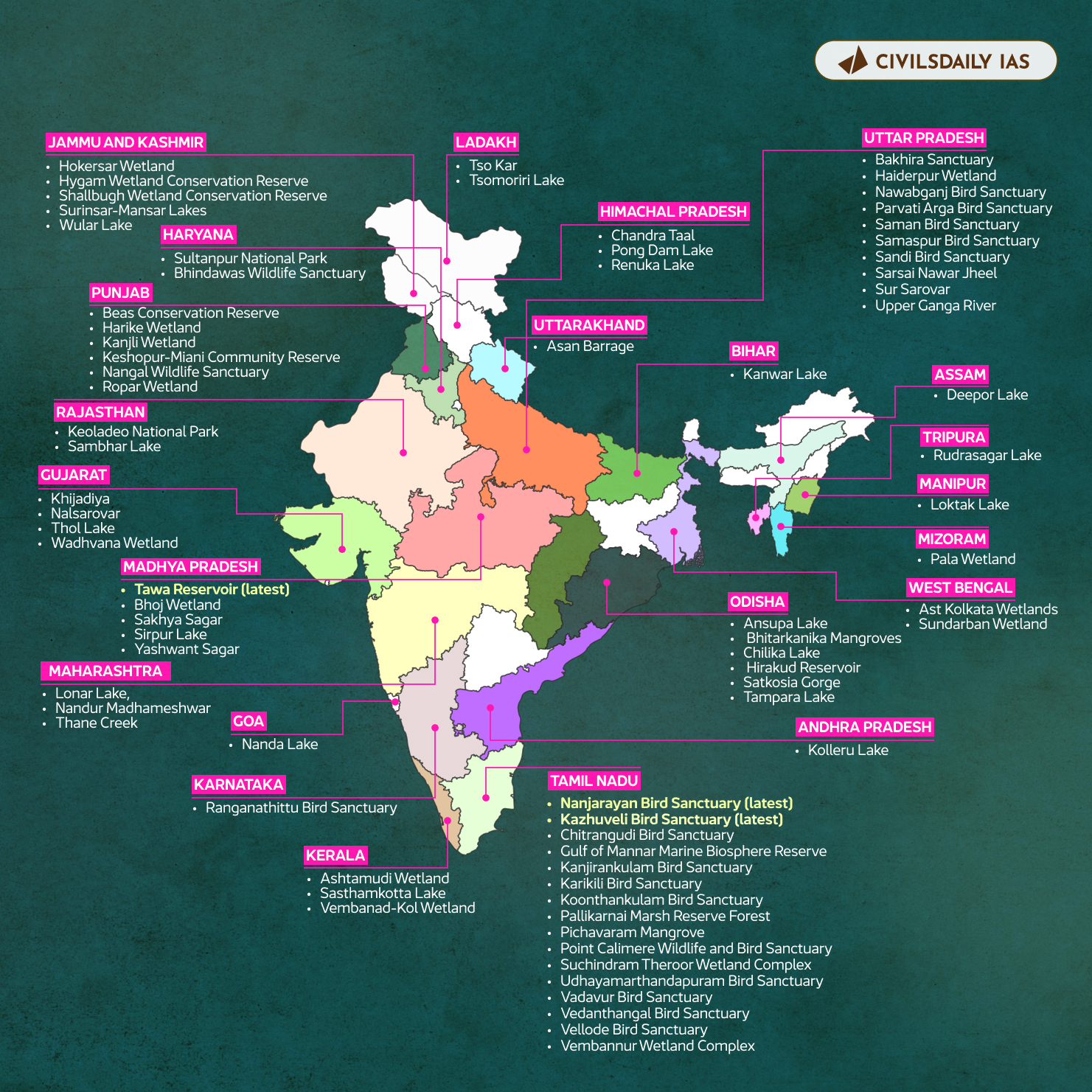
    • The Environment Ministry announced the designation of three more wetlands: Nanjarayan Bird Sanctuary (TN), Kazhuveli Bird Sanctuary (TN) and Tawa Reservoir (MP) as Ramsar Sites.
      • This makes the total Ramsar sites count in India to 85.

    About the newly designated Ramsar Sites:

    Location Geographical Features Key Species Ecosystem
    Nanjarayan Bird Sanctuary Tiruppur District, Tamil Nadu Located on the banks of Nanjarayan Tank;

    ~125 hectares

    Herons, egrets, pelicans Wetland habitats, surrounded by agricultural lands
    Kazhuveli Bird Sanctuary Villupuram District, Tamil Nadu Brackish water wetland near Bay of Bengal;

    ~5,000 hectares

    Flamingos, pelicans, storks, waterfowl Mix of freshwater and saltwater habitats, includes mangroves
    Tawa Reservoir Hoshangabad District, Madhya Pradesh Part of Narmada River Basin, foothills of Satpura Range;

    ~225 sq. km

    Mahseer fish, surrounded by Satpura forests Aquatic life, forested surroundings


    Important Facts:

    • India became a signatory to the Ramsar Convention in 1982.
      • India is one of the contracting parties to the Ramsar Convention, which was signed in Ramsar, Iran, in 1971.
    • With the inclusion of these 3 new sites, India now has 85 Ramsar sites, covering a total area of 13,58,068 hectares.
    • Tamil Nadu currently has the highest number of Ramsar sites in India, with 18 sites, followed by Uttar Pradesh with 10 sites.
    • India’s Ramsar wetlands constitute about 10% of the total wetland area in the country, spread across 18 states.
    • UK leads globally with 175 sites, followed by Mexico with 142 sites.
      • Bolivia, however, has the largest area under Ramsar protection, spanning 148,000 sq. km.
    • According to the National Wetland Inventory and Assessment by ISRO, India’s wetlands cover approximately 1,52,600 sq. km., which is 4.63% of total geographical area.
    • India has 19 types of wetlands, with Gujarat having the largest area, followed by Andhra Pradesh, Uttar Pradesh, and West Bengal.

    PYQ:

    [2019] Consider the following statements:

    1. Under Ramsar Convention, it is mandatory on the part of the Government of India to protect and conserve all the wetlands in the territory of India.
    2. The Wetlands (Conservation and Management) Rules, 2010 were framed by the Government of India based on the recommendations of the Ramsar Convention.
    3. The Wetlands (Conservation and Management) Rules, 2010 also encompass the drainage area or catchment regions of the wetlands as determined by the authority.

    Which of the statements given above is/are correct?

    (a) 1 and 2 only

    (b) 2 and 3 only

    (c) 3 only

    (d) 1, 3 and 3

  • What is the drug Captagon?

    Why in the News?

    Captagon, the “poor man’s cocaine,” has become increasingly popular among young adults in the Middle East and North Africa.

    What is the Drug Captagon?

    • Captagon is a synthetic drug that was originally developed in Germany in the 1960s and 1970s.
    • It was initially created as a pharmaceutical treatment for attention deficit disorders, narcolepsy, and sometimes depression.
    • The primary active ingredient in Captagon is fenethylline, a compound that, once ingested, is metabolized into two powerful stimulants: amphetamine and theophylline.
    • These substances stimulate the central nervous system, leading to increased alertness, reduced fatigue, and a sense of euphoria.

    How Addictive is Captagon?

    • Captagon is highly addictive due to its powerful effects on the brain and body.
    • As a psychostimulant, Captagon significantly impacts the central nervous system, leading to a range of effects that can make it very difficult for users to stop taking the drug once they start.
    • It is also reportedly used by fighters in conflict zones to enhance their endurance and suppress fatigue.
    • The primary effects of Captagon include:
    1. Euphoria: Users often experience an intense feeling of happiness or well-being.
    2. Increased Wakefulness: The drug reduces the need for sleep, keeping users awake and alert for extended periods.
    3. Enhanced Physical and Mental Performance: Users may feel stronger, more focused, and more capable of performing both physically and mentally demanding tasks.
    • However, the heavy use of Captagon comes with serious risks such as cognitive impairment, cardiovascular issues, and risk of addiction.

    Where is Captagon Made?

    • In recent years, Syria the “narco state” of Middle East has emerged as the largest producer of Captagon.
    • Its production increased after 2011 Arab Spring protests, which led to civil unrest and conflict in the region.

    PYQ:

    [2019] Consider the following statements:

    1. The United Nations Convention against Corruption (UNCAC) has a ‘Protocol against the Smuggling of Migrants by Land, Sea and Air’.
    2. The UNCAC is the ever-first legally binding global anti-corruption instrument.
    3. A highlight of the United Nations Convention against Transnational Organized Crime (UNTOC) is the inclusion of a specific chapter aimed at returning assets to their rightful owners from whom they had been taken illicitly.
    4. The United Nations Office on Drugs and Crime (UNODC) is mandated by its member States to assist in the implementation of both UNCAC and UNTOC.

    Which of the statements given above are correct?

    (a) 1 and 3 only
    (b) 2, 3 and 4 only
    (c) 2 and 4 only
    (d) 1, 2, 3 and 4

  • Extremophile bacteria have learnt to survive microwaves

    Why in the News?

    Researchers have isolated extremophile bacteria from harsh environments like volcanic vents, permafrost, acid mines, deep-sea hydrothermal vents, and lakes beneath polar ice caps.

    What are Extremophiles?

    • Extremophiles are microorganisms that thrive in extreme environmental conditions where other life forms typically cannot survive.
    • For example: Volcanic vents, Permafrost, Acid mines, Deep-sea hydrothermal vents, dark lakes buried beneath polar ice caps, on the exteriors of spacecraft, around nuclear waste storage sites.

    Adaptation and Evolution:

    • Extremophiles have developed unique biological and biochemical processes over millions of years to adapt to diverse habitats.
    • Unlike more complex life forms, which have one set of proteins, extremophiles have multiple sets of proteins, each adapted to specific environmental conditions.
    • These proteins are ‘activated’ based on the surrounding environment, enabling survival during extreme conditions like high temperatures, lack of water, or high acidity.
    • Significance: Some scientists believe that life on Earth may have begun as an extremophile in extreme environmental niches before spreading and adapting to more temperate ecosystems.

    About the ‘Earth Microbiome Project’

    • It is a global initiative aimed at mapping, organising, and understanding the diversity of microbial life across different environmental niches on Earth.
    • The project was founded in 2010.
    • Objective: 
      • To sequence 200,000 genetic samples from diverse environments.
      • To assemble 500,000 microbial genomes, creating a comprehensive map of microbial diversity on Earth.
    • Significance:
      • The project is part of broader efforts to understand the microbial world, which is still in its infancy.
      • It is related to other significant projects like the ‘Earth Biogenome Project,’ which aims to sequence the genomes of all eukaryotic organisms on the planet.
      • Understanding microbial diversity has numerous biological and industrial applications, such as developing new enzymes for molecular biology or finding new ways to adapt organisms to challenging environments.


    PYQ:

    [2017] With reference to agriculture in India, how can the technique of ‘genome sequencing’, often seen in the news, be used in the immediate future?

    1. Genome sequencing can be used to identify genetic markers for disease resistance and drought tolerance in various crop plants.

    2. This technique helps in reducing the time required to develop new varieties of crop plants.

    3. It can be used to decipher the host-pathogen relationships in crops.

    Select the correct answer using the code given below:

    (a) 1 only

    (b) 2 and 3 only

    (c) 1 and 3 only

    (d) 1, 2 and 3

  • India, UAE reviewing precious metals trade under CEPA

    Why in the News?

    India is seeking a review of certain provisions of the free trade agreement (FTA) with the UAE, which came into force on May 1, 2022.

    India-UAE Trade Relations: An Overview

    Concerns over Precious Metals Imports

    • There has been a significant increase in imports of precious metals from the UAE under the trade agreement.
    • Global Trade Research Initiative (GTRI) has raised concerns about the spurt in imports of gold, silver, platinum, and diamonds with zero tariffs in the coming years.
    • GTRI’s report highlights potential revenue losses and a shift in import business from banks to private traders, favouring Dubai-based firms.
    • It also claims that many imports do not meet the Rules of Origin conditions, making them ineligible for concessions.

    Review of IT Hardware Import Regime

    • When asked about the review of the new authorisation regime for monitoring imports of certain IT hardware products, Barthwal indicated that the government would make a decision at the appropriate time.
    • The government had previously adjusted import restrictions on laptops and computers, allowing importers to bring in shipments under an ‘authorisation’ system until September.
  • WHO declares Mpox as Public Health Emergency of International Concern

    Why in the news?

    The World Health Organization (WHO) has declared mpox as a “public health emergency of international concern” (PHEIC).

    What is a PHEIC?

    • A PHEIC is a formal declaration by the WHO under the International Health Regulations (IHR), 2005.
    • It refers to an “extraordinary event” posing a public health risk through the international spread of disease, potentially requiring a coordinated global response.
    • Criteria for PHEIC:
      • Serious and unusual event: Poses a significant public health risk.
      • Cross-border implications: Affects more than one country.
      • International response needed: Requires immediate global coordination.
    • Purpose: Mobilizes resources, raises awareness, and coordinates efforts to manage and contain the threat.

    What is Mpox?

    • Mpox is a disease caused by the orthopoxvirus, related to the smallpox virus.
    • First detected in humans in 1970, it is endemic in central and West Africa.
    • Transmission: Spread from animals to humans (zoonotic) and between humans via close contact, respiratory droplets, or contaminated materials.
    • Symptoms: Fever, rash, swollen lymph nodes; can lead to severe complications or death.
    • Vaccination: WHO recommends vaccines, widely used in Nigeria and the Democratic Republic of the Congo (DRC) to control outbreaks.

    Recent Developments: 

    • In recent years, there has been an increase in mpox cases, including the emergence of new strains such as clade 1b, which has spread to countries outside of its typical endemic regions.
    • This led to the declaration of mpox as a Public Health Emergency of International Concern (PHEIC) due to its potential for widespread impact.


    PYQ:

    [2014] Consider the following diseases

    1. Diphtheria

    2. Chickenpox

    3. Smallpox

    Which of the above diseases has/have been eradicated in India?

    (a) 1 and 2 only

    (b) 3 only

    (c) 1, 2 and 3

    (d) None

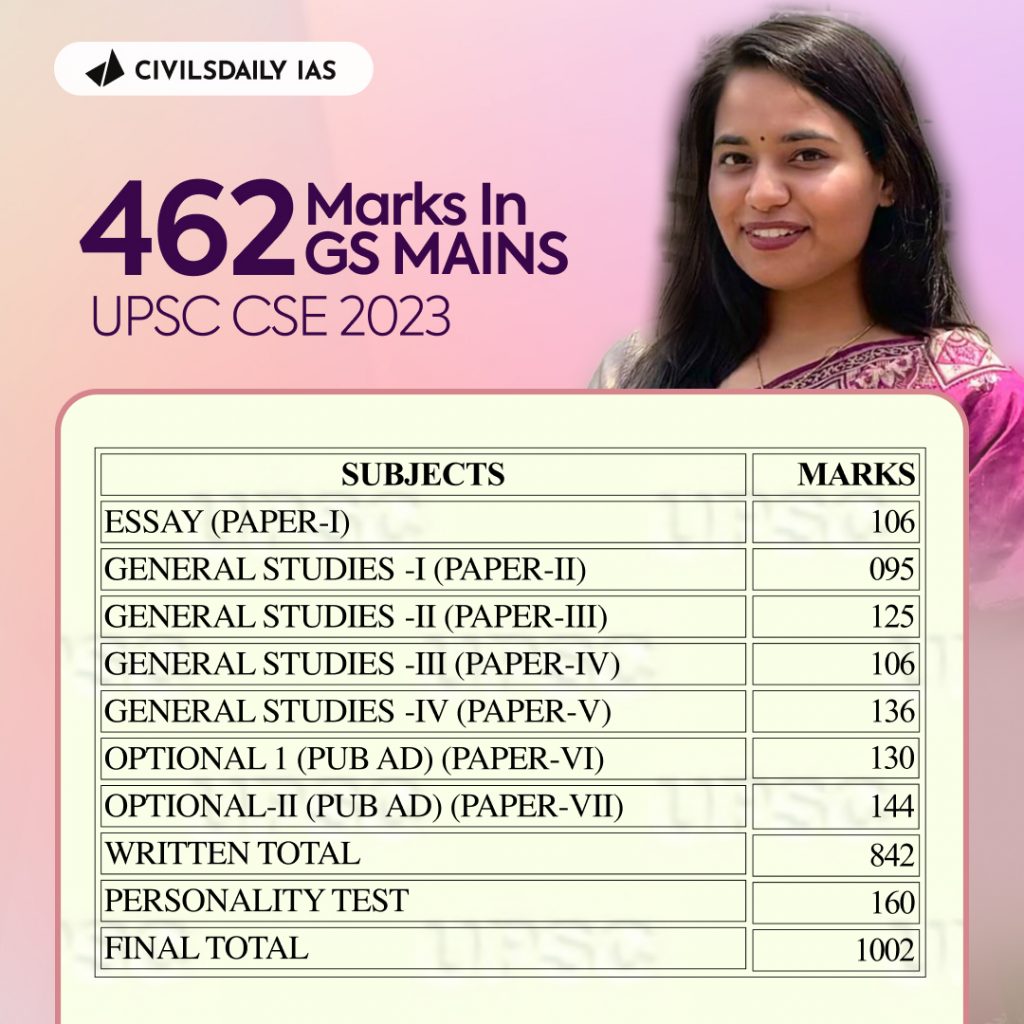
  • [UPSC Openhouse] IAS Khushhali Solanki, AIR 61 || How to Add Value to Your Mains Answers || Join my session to learn how I scored 462 marks in GS Mains || 16th Aug At 7PM

    [UPSC Openhouse] IAS Khushhali Solanki, AIR 61 || How to Add Value to Your Mains Answers || Join my session to learn how I scored 462 marks in GS Mains || 16th Aug At 7PM

    The UPSC Mains evolved to another level. Now average answers doesn’t cut it. You need to add X factors in your answers and enrich them using data, facts and reports. Majority aspirants struggle to align their preparation according to the need of this exam.

    IAS Khushhali Solanki, AIR 61, UPSC’23

    Register for UPSC Mains Masterclass By IAS Khushhali Solanki, AIR 61, On 16th August 2024 at 7 PM


    upsc, ias, rank 61, civilsdaily, GS mains

    Read what IAS Khushhali Solanki, AIR 61 has to say about her Mains Prep

    The UPSC Mains exam has evolved tremendously over time. There was a time when simply writing answers to the 20 questions in 3 hours was enough to secure an interview call. However, that is no longer the case. Nowadays, merely completing the paper is just the basic requirement. Without value addition, cracking the Mains exam has become nearly impossible. Incorporating data, facts, and committees into your answers has become essential.

    With the abundance of sources available now, the challenge lies in collecting and compiling a sufficient amount of data, facts, and committee recommendations in a way that they can be easily revised before the exam. If done correctly, this approach can help you score 450+ in the GS papers, without which an interview call may seem like a distant dream. Therefore, it’s crucial for both beginners and veterans to write answers incorporating these elements to stay competitive.

    Khushhali Solanki Ma’am, IAS, AIR 61 this year, has mastered this art. In her words, it took her 4 years of hard work and 3 attempts, with 2 interviews and 2 mains, to truly understand what it takes to clear this exam with flying colors. Join her session on 16th August at 7 PM to learn how she did it, where she will also share her own notes in the process.


    It will be a 45-minute webinar, post which we will open up the floor for all kinds of queries that a beginner or veteran aspirant must have. No questions are taboo.

    Join us for a Zoom session on 16th August 2024 at 7:00 p.m. This session is a must-attend for you If you are attempting UPSC for the first time or have attempted earlier and now preparing for next year, then it is going to be a valuable session for you too.

    We will deal with all the aspects for a comprehensive UPSC Mains Preparation. We’ll talk about starting with the basics, and move to advanced level.

    See you in masterclass

    Register for UPSC session to get a focussed UPSC Mains preparation strategy


    About Civilsdaily Mentorship Philosophy:

    At Civilsdaily, we treat Mentorship as a specialization. Not every Mains or interview candidate can be a mentor. Most such mentors will suggest cosmetic changes and will only help you evolve slowly. It is easy to find comfort in sentences like ‘every topper is different’ and’ they have their own path’. Finding what’s different about you and then figuring out your own path is why Mentorship is essential.

    We walk the talk by helping you craft your own way of preparation. A method that enhances your probability of qualifying UPSC-CSE in a single attempt. We give you that near-perfect certainty. Delivering this consistently to hundreds of aspirants (now rankers) in the past was challenging. We still stick to it and keep getting better at it with each passing year.

    At CD, we understand the science and the art of everything UPSC. If you have a problem, we will sit with you and find a solution. If that doesn’t work, then we try solution 2. Eventually, we will make sure you end up making progress. What’s the point of any content, program, or mentorship without progress? This is precisely why aspirants trust they have the best shot at clearing the exam with Civilsdaily.

    We invest a significant amount of time, effort, and energy into creating lectures, notes, and tests, understanding your needs as an aspirant. We take this responsibility seriously because, ultimately, your future depends on it.

    The heart of the Civilsdaily platform is the Yearlong Mentorship Program. For years, aspirants have enrolled here because they couldn’t find such depth and passion towards quality content and Mentorship anywhere. Their search inevitably ends at Civilsdaily. Enrollment in these programs and Mentorship also makes us accountable to aspirants for the value they get.

    In the past few years, we’ve worked quietly in the background with hundreds of aspirants; many now serve as IAS, IPS, IFS and more. We are very proud of what we’ve achieved. Overwhelmed by quick fixes, content overload, and messy timetables that never work? Join us as we take you through a realistic and relatable roadmap for UPSC 2026 preparation. 

    In this masterclass, you will get:

    1. A 45-minute deep dive on how to plan your UPSC strategy from the start to the end.
    2. How do first-attempt IAS Rankers get the most out of their one year prep?
    3. Insider tips that only the top IAS and IPS rankers know and apply to get rank.

    By the end, you’ll have razor-sharp clarity and a clear path to crack UPSC with confidence and near-perfect certainty. 

    Join UPSC orientation session on 16th August 2024, 7:00 pm

    (Don’t wait—the next webinar won’t be until September 24)


    These masterclasses are packed with value. They are conducted in private with a closed community. We rarely open these webinars for everyone for free. This time we are keeping it for 300 seats only.

    Ready to attend the UPSC Webinar?


    Not sure yet?

    We recommend you register here. It takes less than 10 seconds to register.

    • No spam! Once in a while, we’ll only send you high-quality exam-related content. 
    • We will inform you about the upcoming Masterclasses that might benefit you.
    • You can demand one free mentorship call from verified Civilsdaily mentors. 
    • You can always choose to unsubscribe. 
  • [14th August 2024] The Hindu Op-ed: The shock-effects of South Asian tumult

    PYQ Relevance:

    Mains:

    Q1 Do you think that BIMSTEC is a parallel organisation like the SAARC? What are the similarities and dissimilarities between the two? How are Indian foreign policy objectives realized by forming this new organisation?  (UPSC IAS/2022) 

    Q2 Critically examine the compulsions which prompted India to play a decisive role in the emergence of Bangladesh (UPSC IAS/2013) 

    Note4Students: 

    Mains: Reason behind the declining India’s influence in South Asia;

    Mentor comments:  Since the start of this decade, India has faced a series of shocks in its neighborhood. In 2021, the coup in Myanmar and the Taliban takeover in Afghanistan set the stage. In 2022, the ouster of Prime Minister Imran Khan in Pakistan and the riots that forced Gotabaya Rajapaksa out in Sri Lanka added to the turmoil. More recently, electoral changes in the Maldives and Nepal have replaced India-friendly governments with less cooperative ones. With Sheikh Hasina’s dramatic exit in Bangladesh, India is now urgently reassessing its approach to safeguard against future upheavals in South Asia.

    Let’s learn!

    __

    Why in the News? 

    Hasina’s removal from power in Bangladesh is no doubt a dramatic setback for India, as both countries have transformed ties on every front in the past decade and a half. 

    Key lesson for India: 

    • Engage with All Political Stakeholders: India must broaden its diplomatic engagement to include all political parties in Bangladesh, particularly the opposition, such as the Bangladesh Nationalist Party (BNP).  
    • Monitor and Respond to Local Sentiments: India should enhance its intelligence and diplomatic capabilities to monitor local sentiments and political developments in Bangladesh more effectively. This includes understanding the socio-political dynamics and public opinion, which can provide critical insights into potential unrest or shifts in governance.  
    • Reassess Strategic Partnerships: India needs to reassess its strategic partnerships and avoid over-reliance on any single government or political party.  
    • Promote Democratic Values and Human Rights: India should advocate for democratic values and human rights in its foreign policy, emphasizing the importance of free and fair elections and the protection of civil liberties.  

    Loss of Reputation:

    • Reputation as a Dependable Partner: India’s reputation as a reliable ally in the region suffered a setback after the fall of Kabul when it refused visas to hundreds of Afghans fleeing the Taliban. Many of these individuals were senior defense and security officials who had risked their lives for Indian diplomats.
    • Pragmatism in Supporting Allies: Despite the potential complications, India wisely allowed Sheikh Hasina to stay in the country after her removal from power, recognizing that turning its back on an old ally would have been a betrayal. This approach is necessary to maintain long-term relationships in the region, where political leaders often return to power.
    • Future Diplomatic Challenges: The continued presence of Sheikh Hasina in India could complicate ties with any new government in Bangladesh, especially if they request her extradition or perceive the Awami League as regrouping in India.

    Communal Lens:

    • Faulty Assumption of Religious Ties: The good diplomatic ties in South Asia are somehow linked to shared religious majorities. For example, Hindu-majority Nepal has been a challenging relationship for India, while Buddhist-majority Bhutan and Muslim-majority Maldives have often been among its closest allies.
    • Impact of the Citizenship (Amendment) Act (CAA): The Indian government’s introduction of the CAA, which fast-tracks citizenship for non-Muslims from Muslim-majority countries (Afghanistan, Pakistan, Bangladesh), has backfired across the region. It has strained relationships not only with the countries directly mentioned but also with others in the neighbourhood.

    Erosion of Pan-South Asian Mechanisms: 

    1. Boycott of SAARC by India: India has boycotted the SAARC (South Asian Association for Regional Cooperation) summit for a decade now due to bilateral issues with Pakistan. This has led to the stagnation of the regional grouping and its inability to address common challenges.
    2. Abandonment of BIMSTEC: There are concerns that India may abandon the Bay of Bengal Initiative for Multi-Sectoral Technical and Economic Cooperation (BIMSTEC) if ties with Bangladesh worsen, similar to its stance on SAARC. This would further erode regional cooperation mechanisms.

    Implications for India

    1. Loss of Influence in the Region: The erosion of pan-South Asian mechanisms has diminished India’s influence in the region. Countries like Bangladesh are now more open to engaging with other powers, reducing India’s ability to shape regional dynamics.
    2. Vulnerability to External Interference: The absence of effective regional cooperation platforms has made South Asian countries more vulnerable to external interference from global powers like the United States and China. Their rivalries can now play out in the region without sensitivity to India’s interests.
    3. Deprived Economic Opportunities: The lack of regional integration has deprived India and its neighbours of potential economic benefits through increased trade, investment, and connectivity. Reviving mechanisms like SAARC could unlock significant economic opportunities for the region.

    Way Forward for India

    1. Reviving Pan-South Asian Mechanisms: India must take the lead in reviving pan-South Asian mechanisms like SAARC and finding ways to engage with its neighbours without external interference. This would require addressing bilateral issues and prioritizing regional cooperation.
    2. Balancing Relations with Global Powers: India needs to strike a balance in its relations with global powers like the United States and China. It should avoid being drawn into its rivalries and instead focus on pursuing its own interests in the region.

    Source: https://www.thehindu.com/opinion/lead/the-shock-effects-of-south-asian-tumult/article68521412.ece 

  • An overview of governance in Delhi

    Why in the News?

    The Supreme Court ruled that Delhi’s LG can independently nominate 10 aldermen to the MCD which escalates tensions between the Union, Delhi, and local governments.

    How did the Delhi government evolve?

    • At the commencement of the Constitution in 1950, Delhi was classified as a Part C State.
    • Following the state reorganisation in 1956, it became a Union Territory governed by an administrator.
    • The Municipal Corporation of Delhi (MCD) was established in 1958, and a limited local government was introduced in 1966.
    • Based on the Balakrishnan Committee’s recommendations in 1989, the 69th Constitutional Amendment in 1991 created a Legislative Assembly and council of ministers for the NCT of Delhi. 
    • However, the Union government retained control over public order, police, and land, excluding these subjects from the Delhi government’s jurisdiction.

    Why is there constant tension and friction between the Union government and the Delhi government?  

    • Legal Disputes: Legal battles have escalated tensions, particularly following Supreme Court judgments that have altered the balance of power between the elected Delhi government and the Lieutenant Governor (LG). For instance, recent rulings have clarified the LG’s powers, allowing for unilateral actions that bypass the council of ministers.
    • Control Over Key Areas: The Union government retains control over critical areas such as police, public order, and land, which limits the Delhi government’s autonomy.
    • Administrative Confusion: The presence of multiple layers of governance, including the MCD and other local bodies, complicates accountability and governance, leading to blame-shifting during crises, such as the recent incidents of electrocution and flooding.
    •  Budgetary Conflict: The Delhi State Government has accused the Central Government of underfunding the MCD, leading to poor civic services, while the Central Government has argued that the State Government is not providing adequate support.
    • Division and Unification of MCD: In 2012, the MCD was trifurcated into three separate entities by the Congress-led state government, a move seen as an attempt to decentralize power. However, in 2022, the BJP-led Central Government passed a law to reunify the MCD, citing administrative efficiency, but the move was perceived by the Delhi State Government as an effort to centralize control.

    What did the 1989 Balakrishnan committee recommend?  

    1. On Union Territory Status: The Balakrishnan Committee recommended that Delhi must remain a Union Territory rather than achieving full statehood.
    2. On Governance Structure: The committee proposed a governance model that included an Administrator exercising powers based on the advice of the Council of Ministers, ensuring a balance of power while maintaining central oversight.
    3. On Representation and Accountability: The committee emphasized the need for a more effective representative democratic system to safeguard the rights of Delhi’s growing population.

    How has the Municipal Corporation of Delhi been involved in the power tussle? 

    • Multiple Authorities: The MCD operates under the Union government’s control, adding complexity to the governance structure in Delhi. For example in public services and urban management.
    • Electoral Conflicts: The MCD’s elected representatives have often been caught in the crossfire of political disputes between the Union and Delhi governments, leading to inefficiencies and a lack of coherent governance. The recent tragedies in the city have highlighted the consequences of this blame-shifting.

    Way Forward:

    • Revisiting Governance Structure: A constitutional amendment could be considered to delineate the powers of the central government and the Delhi government more clearly. For instance, the area of New Delhi (50-100 square kilometres) could be under central control, while the rest could be governed by the Delhi Assembly.
    • Implementation of triple chain accountability: Implementing the spirit of the Supreme Court’s 2023 judgment, which emphasized a triple chain of accountability, could help restore balance and ensure that all layers of government are accountable to the people.
    • Promoting Consensus-Based Governance: Encouraging dialogue and consensus between the different layers of government could help mitigate conflicts and foster a more cooperative governance environment.

    Mains PYQ: 

    Q Whether the Supreme Court Judgement (July 2018) can settle the political tussle between the Lt. Governor and elected government of Delhi? Examine.(2018)

  • Does India have laws on the movement of ballast water?

    Why in the News?

    The TN Water Resources Department (WRD) has informed the National Green Tribunal that it has requested ₹160 crore from Kamarajar Port in Ennore, Tamil Nadu, to address the removal of invasive mussels along the coast near the port.

    • The WRD has accused Kamarajar Port of being primarily responsible for the spread of this invasive species due to its failure to regulate ballast water from ships.

    What is Ballast Water?

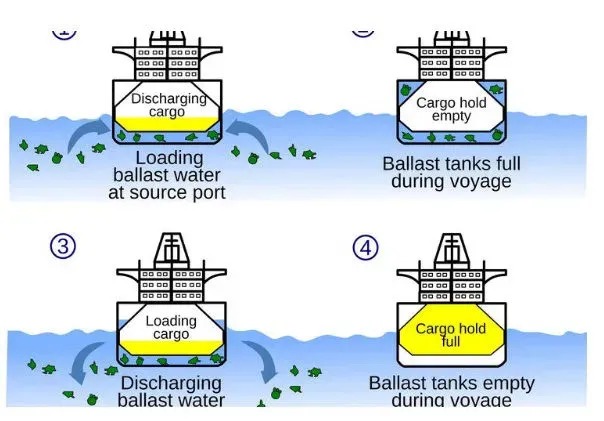
    • Ballast water is fresh or saltwater held in the ballast tanks of ships. It is used to provide stability and maneuverability during a voyage, especially when a ship is not carrying enough cargo or when additional stability is required due to rough seas.
    • Ballast water can carry a variety of biological materials, including bacteria, microbes, and small invertebrates. When discharged at a new location, this water can introduce non-native species into local ecosystems, potentially leading to ecological imbalances.

    How Serious is the Problem?

    • Invasive Species in India: Scientists have recorded nearly 30 invasive species entering Indian waters through ship ballast water, with the charru mussel (Mytella strigata) being one of the most harmful. This species has replaced native species in critical habitats like Pulicat Lake in Tamil Nadu.
    • Ecological Impact: The introduction of invasive species can disrupt local ecosystems, outcompete native organisms, and significantly affect biodiversity. The charru mussel has a high survival rate and prolific reproduction, exacerbating its impact on marine environments.
    • Economic Consequences: The proliferation of invasive species can hinder fishing activities and affect the livelihoods of local communities dependent on marine resources.

    What are Global Regulations?

    • Ballast Water Management (BWM) Convention: The International Maritime Organization (IMO) adopted the BWM Convention, which came into force in 2017. This convention aims to prevent the spread of harmful aquatic organisms and pathogens through ballast water.
    • Under the BWM Convention, ships must manage their ballast water to ensure that aquatic organisms and pathogens are removed or rendered harmless before discharge.
    • Compliance: Countries like Australia and New Zealand have stringent regulations to prevent ballast water from damaging their marine ecosystems, including rigorous checks of ballast water management systems.

    What is India’s Position?

    • As of July 2023, India has not signed the BWM Convention, meaning there are no obligations for ships calling at Indian ports to comply with its regulations. This lack of participation raises concerns about the unchecked discharge of ballast water.
    • While other maritime regulations apply in Indian ports but the discharge of ballast water is not subject to checks or regulations, leading to potential ecological risks.

    Way forward: 

    • Adopt and Implement the BWM Convention: India should consider ratifying the Ballast Water Management (BWM) Convention to align with international standards.
    • Strengthen Domestic Regulations and Awareness: Even before ratifying the BWM Convention, India can introduce national legislation to regulate ballast water discharge in its ports.

    Mains PYQ: 

    Q How does biodiversity vary in India? How is the Biological Diversity Act,2002 helpful in conservation of flora and fauna? (2018)

  • Hints of the corporatization of science research in India 

    Why in the News?

    The establishment of the Anusandhan National Research Foundation and its funding structure clearly signals the government’s intended direction.

    Research Policy in India

    • Shift Towards Corporatisation: The Indian government’s approach encourages research institutions to generate revenue through external sources, moving away from reliance on public funding.
      • This trend aligns with the 2015 Dehradun Declaration, which advocated for marketing patents to self-finance research initiatives.
    • Focus on Market-Driven Research: The ANRF aims to align research outcomes with market needs, promoting the idea that scientific advancements should have immediate applications.
      • This is evident in the emphasis on prototype development, which assesses the marketability of research products, which was highlighted in the 2024 Budget speech.
    • Integration of Industry and Academia: The ANRF is designed to forge collaborations between research institutions and the private sector by earmarking a substantial portion of its funding (approximately 72%) from private sources, bridging the gap between scientific research and commercial application.
    Note: The Anusandhan National Research Foundation (ANRF) is a significant initiative in India’s research landscape, established under the Anusandhan National Research Foundation Act, 2023.

    Funding Mechanism of ANRF

    • Budget Allocation: The ANRF will be allocated ₹50,000 crore over five years, with a significant portion expected to come from non-government sources, including industry and philanthropic contributions.
    • Governance Structure: The ANRF will be governed by a board that includes industry representatives and experts, ensuring that funding decisions align with market demands and technological advancements.

    What are the signals despite the stated objective of ANRF? (challenges)

    • Potential Undermining of Curiosity-Driven Research:  The private sector does not want to fund basic research because it has no immediate commercial applications which ultimately leads to a decline in foundational scientific exploration.
    • Public Funding Concerns: The government’s expectation for private sector funding raises questions about the sustainability of public investment in research.
      • The current ratio of public funding for science research in India (0.6% to 0.7% of GDP) is significantly lower than that of countries like South Korea (around 4.8%  of GDP).

    India’s Achievements Despite a Low GDP Investment in R&D: 

    • High Production of PhDs:  Annually, India generates approximately 40,813 PhDs, ranking third globally after the United States and China. 
    • Robust Research Output: India’s research output remains substantial, with over 300,000 publications in 2022, making it the third-largest producer of scientific publications globally.
    • Growth in Patent Grants: India has shown remarkable progress in intellectual property creation, securing 30,490 patents in 2022, placing it sixth globally.  
    • Improvement in Global Rankings: India has made significant strides in global innovation rankings and research quality. It improved its position on the Global Innovation Index (GII) from 81st place in 2015 to 40th in 2023.  
        • India climbed to the 9th rank in the Nature Index 2023, surpassing countries like Australia and Switzerland.
    • Investment in Autonomous R&D Institutions: A considerable portion of India’s R&D funding is directed towards autonomous research laboratories. The total investment in R&D reached approximately $17.2 billion in 2020-21, with a significant allocation to key scientific agencies such as the Defence Research and Development Organisation (DRDO) and the Indian Council of Agricultural Research (ICAR).

    Comparison with Other Countries

    As of 2023, India’s gross expenditure on R&D stands at approximately 0.64% of its GDP.

    • United States: The U.S. invests about 3.46% of its GDP in R&D
    • South Korea: South Korea leads with an impressive 4.8% of GDP allocated to R&D.
    • Germany: Germany’s R&D spending is around 3.1% of GDP.
    • China: China’s investment in R&D is approximately 2.4% of GDP.
    • Taiwan: Taiwan also invests around 3.77% of its GDP in R&D.

    Way Forward: 

    • Strengthening Public Funding for Basic Research: To ensure a balanced research ecosystem, the government should increase public investment in foundational scientific research.
    • Enhancing Industry-Academia Collaboration: The government should facilitate stronger partnerships between research institutions and the private sector while maintaining a focus on both applied and basic research.

    Mains PYQ: 

    Q What are the research and developmental achievements in applied biotechnology? How will these achievements help to uplift the poorer sections of the society? (2021)

  • [pib] FloodWatch India Version 2.0 App

    Why in the News?

    The Union Ministry of Jal Shakti has launched Version 2.0 of the ‘FloodWatch India’ mobile application.

    About FloodWatch India Version 2.0

    • FloodWatch India Version 2.0 is a mobile application developed by Central Water Commission (CWC) under the Union Ministry of Jal Shakti.
    • The app provides real-time information and forecasts related to flood situations across India.
    • It now covers 592 flood monitoring stations, up from 200 in the previous version, offering a more comprehensive overview of flood conditions.
    • The app includes information on the storage positions of 150 major reservoirs in India, aiding in flood management.
    • Key features include:
      • It provides real-time river flow data and flood forecasts up to 7 days in advance.
      • Users can view state-wise and basin-wise flood forecasts and advisories.
      • The app uses satellite data analysis, mathematical modelling, and real-time monitoring to ensure accurate and timely flood information.
      • The app is available in English and Hindi and offers both readable and audio broadcast formats.

    PYQ:

    [2016] The frequency of urban floods due to high intensity rainfall is increasing over the years. Discussing the reasons for urban floods, highlight the mechanisms for preparedness to reduce the risk during such events.

  • [pib] Exercise Udara Shakti, 2024

    Why in the News?

    The recent edition of Exercise Udara Shakti was recently concluded in Malaysia.

    About Exercise Udara Shakti

    • Udara Shakti is a bilateral air force exercise conducted between India and Malaysia.
    • The primary objective of this exercise is to enhance military cooperation, improve mutual understanding, and share operational expertise.

    Features of the Exercise  

    • Both India and Malaysia deploy their Sukhoi-30 fighter jets for the exercise, facilitating direct comparison and operational cooperation.
    • A distinctive feature of this initiative is the HOP (Hands-On Participation) Exercise, where pilots from both nations swap aircraft.
    • The Subject Matter Expert Exchange (SMEE) component focuses on sharing knowledge and skills in aviation and engineering specific to the Sukhoi-30 aircraft.

    PYQ:

    [2024] Which of the following statements about ‘Exercise Mitra Shakti-2023’ are correct?

    1. This was a joint military exercise between India and Bangladesh.
    2. It commenced in Aundh (Pune).
    3. Joint response during counter-terrorism operation was a goal of this operation.
    4. Indian Air Force was a part of this exercise.

    Select the answer using the code given below :

    (a) 1, 2 and 3

    (b) 1, 2 and 4

    (c) 1, 3 and 4

    (d) 2, 3 and 4

  • St Martin’s Island

    Why in the News?

    The ousted Bangladeshi PM Sheikh Hasina claimed she could have stayed in power if she had given up St. Martin’s Island and parts of the Bay of Bengal to the United States.

    About St Martin’s Island

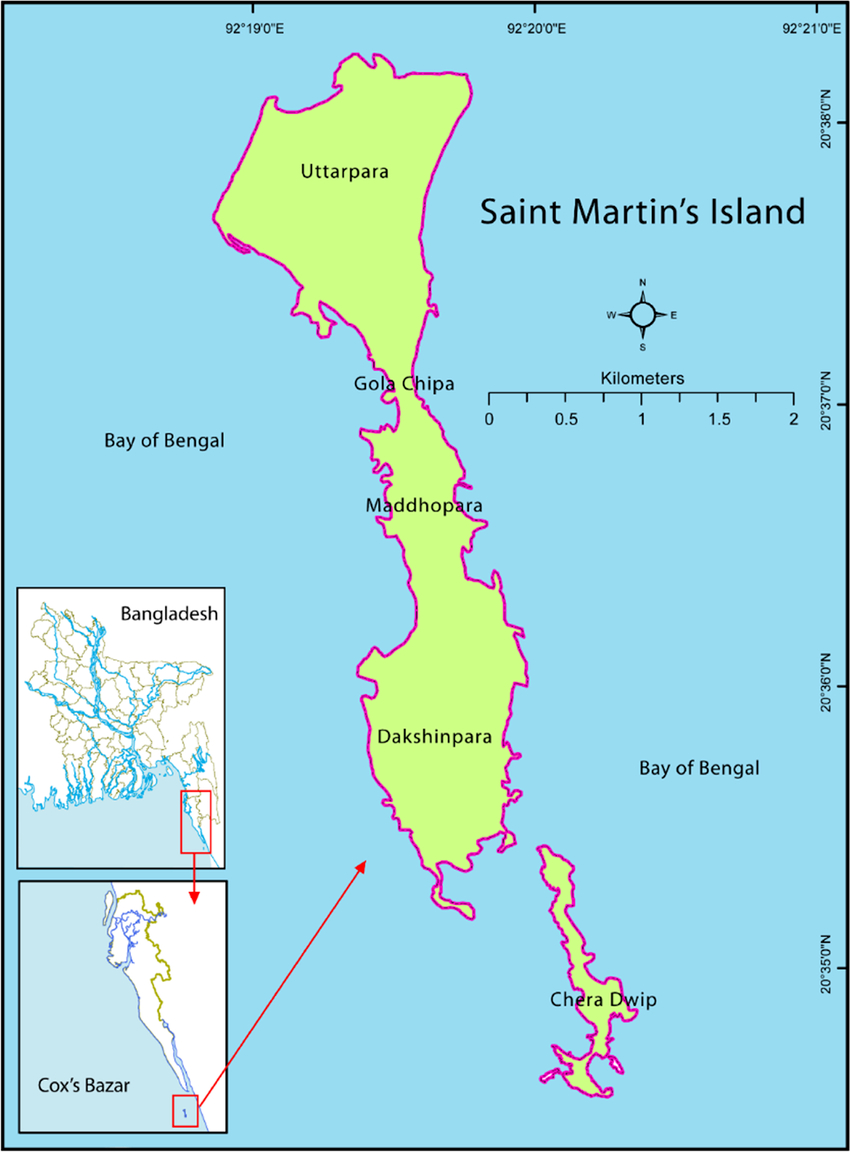
    • St. Martin’s Island is located in the northeastern region of the Bay of Bengal, near the maritime boundary between Bangladesh and Myanmar.
    • It lies about 9 kilometers south of the Cox’s Bazar-Teknaf peninsula in Bangladesh.
    • The island is approximately 7.3 km long and is mostly flat, with an elevation of about 3.6 meters above mean sea level.
    • It is Bangladesh’s only coral island and is surrounded by coral reefs that extend 10-15 km to the west-northwest of the island.
    • Historical Background:
      • The island was originally part of the Teknaf peninsula but gradually submerged into the sea around 5,000 years ago.
      • It resurfaced approximately 450 years ago.
      • Arab merchants were among the first settlers in the 18th century. They named it “Jazira” and later “Narikel Jinjira” (Coconut Island).
      • In 1900, British India annexed the island, and it became known as St. Martin’s Island, named after a Deputy Commissioner of Chittagong.

    Strategic importance:

    • Near the Strait of Malacca: Close to one of the world’s busiest maritime routes, making it strategically important for military oversight.It offers potential for monitoring maritime activities, including strategic interests of global powers.
    • Border with Myanmar: Proximity to Myanmar adds significance in regional security dynamics.

    Other significance for Bangladesh:

    • It is part of Bangladesh’s EEZ, rich in marine resources like fish, oil, and gas. Also a key tourist destination.
    • It is important for biodiversity, with coral reefs and diverse marine life.

    PYQ:

    [2023] Consider the following pairs:

    Area of conflict mentioned in news: Country where it is located

    1.Donbas: Syria

    2.Kachin: Ethiopia

    3.Tigray: North Yemen

    How many of the above pairs are correctly matched?

    (a) Only one

    (b) Only two

    (c) All three

    (d) None

  • Long Range Glide Bomb (LRGB) ‘GAURAV’

    Why in the News?

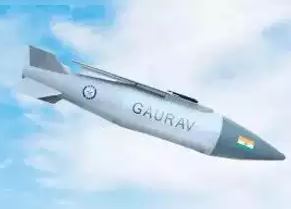
    • The Defence Research and Development Organisation (DRDO) has successfully conducted the maiden flight test of the long-range glide bomb (LRGB) Gaurav’.
      • The test was carried out from a Su-30 MK-I fighter jet of IAF.

    About LRGB GAURAV

    • LRGB Gaurav is a 1,000 kg class long-range glide bomb developed by the DRDO.
    • It is air-launched from a Su-30 MK-I fighter jet of the Indian Air Force.
    • The bomb is designed and developed indigenously by the Research Centre Imarat (RCI), Hyderabad.
    • Adani Defence and Bharat Forge participated as Development cum Production Partners in the Gaurav project.
    • Key Features:
      • It uses a hybrid navigation system that combines Inertial Navigation System (INS) with Global Positioning System (GPS) data for highly accurate targeting.
      • The glide bomb is capable of hitting targets at long distances, although the exact range is not publicly disclosed.
      • Gaurav enhances India’s precision strike capabilities, allowing for significant impact on various target types with reduced risk to aircraft.

    PYQ:

    [2014] Which reference to Agni-IV Missile, which of the following statements is/are correct?

    1. It is a surface-to-surface missile.

    2. It is fuelled by liquid propellant only.

    3. It can deliver one-tonne nuclear warheads about 7500 km away.

    Select the correct answer using the code given below.

    (a) 1 only

    (b) 2 and 3 only

    (c) 1 and 3 only

    (d) 1, 2 and 3

  • [13th August 2024] The Hindu Op-ed: Disinformation, AI and ‘cyber chakravyuh’

    [13th August 2024] The Hindu Op-ed: Disinformation, AI and ‘cyber chakravyuh’

    PYQ Relevance:

    Mains: 

    Q. Discuss different types of cyber crimes and measures required to be taken to fight the menace. (UPSC IAS/2020)
    Q. “The emergence of the Fourth Industrial Revolution (Digital Revolution) has initiated e-Governance as an integral part of government”. Discuss. (UPSC IAS/2020)

    Note4Students: 

    Mains: Challenges due to AI in 2024;

    Mentor comment: Concerns in 2024 were fueled by fears of new threats from Artificial Intelligence (AI), including Generative AI and Artificial General Intelligence (AGI). The growing potential for disinformation and cyber threats made the outlook particularly grim. The 33rd Summer Olympic Games in France during July-August 2024 were seen as prime targets for digital criminals, prompting experts to prepare for unprecedented attacks. Fortunately, the Games concluded peacefully, without any major incidents. However, the absence of a significant attack shouldn’t lead to complacency, as new digital threats continue to emerge, requiring ongoing vigilance from security agencies.

    Let’s learn!

    __

    Why in the News?

     As 2024 began, there were warnings of new security threats on the horizon, and security experts around the world were preparing for a series of attacks across various areas.

    Challenges due to AI in 2024: 

    • Increased Disinformation: The year began with a surge in disinformation, particularly surrounding the Taiwanese elections in January 2024. The atmosphere was rife with fake posts and videos, largely attributed to external influences, notably China.  
    • National Security Concerns: The combination of AI-generated disinformation and cyber attacks poses a serious threat to national security. This is particularly evident in the ongoing conflict in Ukraine, where both sides have employed disinformation tactics, leading to disruptions in critical infrastructure such as telecommunications and power grids.
    • Global Electoral Impact: As elections are scheduled in at least 64 countries in 2024, the potential for AI to disrupt electoral processes has raised alarms.  

    A recent software glitch in Microsoft Windows

    • Global Outage: The outage began on July 19, 2024, affecting Microsoft’s Azure cloud service and quickly spreading to various regions, including the United States and India.
      • It disrupted critical operations such as flight schedules, air traffic control, and stock exchanges, showcasing the vulnerability of interconnected systems.
    • Severity Rating: The Indian Computer Emergency Response Team (CERT-IN) issued a ‘critical’ severity rating for the incident, indicating the serious nature of the disruption, even though a cyberattack did not cause it.
    • Impact on Devices: Microsoft reported that over eight million Windows devices experienced failures due to the glitch, leading to widespread operational issues.
      • Many users encountered the Blue Screen of Death (BSOD), which trapped them in boot loops and rendered their devices inoperable.
    Do you know?

    This incident recalls previous significant cyberattacks, such as WannaCry in 2017, which infected over 230,000 computers globally, and Stuxnet in 2010, which specifically targeted Iran’s nuclear program.
    Steps taken by the Indian government: 

    Indian Cyber Crime Coordination Centre (I4C):  Established to provide a comprehensive framework for law enforcement agencies (LEAs) to address cyber crimes effectively. It includes various components such as the National Cyber Crime Threat Analytics Unit and the National Cyber Crime Reporting Portal, facilitating state coordination.
    Indian Computer Emergency Response Team (CERT-In): It acts as the central agency to help control cybersecurity incidents and disseminate alerts.
    Cyber Surakshit Bharat Initiative: Launched to raise awareness about cyber crimes and improve safety measures for Chief Information Security Officers (CISOs) and IT staff across government departments.
    Cyber Swachhta Kendra: This initiative focuses on detecting and removing malicious botnet programs from computers.

    Way forward: 

    • Strengthening Cybersecurity Infrastructure: The government should focus on enhancing the existing cybersecurity frameworks and expanding the capabilities of agencies like CERT-In and I4C.  
    • Public Awareness and Education: The need to increase awareness about the risks associated with AI-generated disinformation and cyber threats is crucial. Initiatives like Cyber Surakshit Bharat should be expanded to include broader public education campaigns. 
  • The top court as custodian of liberties    

    Why in the News?

    • Delhi Deputy Chief Minister Manish Sisodia was arrested in early 2023 by the CBI and ED in the Delhi liquor policy case. After nearly a year and a half in prison, the Supreme Court of India granted him bail, underscoring that bail should not be used as a form of punishment.

    Previous judgments on the ‘Right to Speedy Trial’:

    1. The Supreme Court referenced its earlier judgments, including Kashmira Singh (1977), P. Chidambaram (2020), and Satender Kumar Antil (2022), which establish that the right to a speedy trial is fundamental under Article 21 of the Constitution.
    2. The Court’s decision in Arnab Manoranjan Goswami vs The State of Maharashtra and Ors. (2020) was cited, reinforcing that liberty is a core component of constitutionalism.
    3. In recent scenario, the SC relied on its earlier order dated October 30, 2023, in Manish Sisodia vs Central Bureau of Investigation, which highlighted concerns about the large volume of evidence (56,000 pages of documents and 456 witnesses) potentially causing significant delays in trial proceedings.

    What are the present limitations?

    • Prolonged Incarceration: The ruling pointed out that the legal system often leads to excessive delays, which can result in individuals being punished without trial.
    • Dependence on Prosecutorial Statements: A concern was raised about the reliance on the prosecution’s assurances regarding the timeline for trial completion.  

    ‘Guarantee of Civil Liberties’:

    • Constitutional Foundation: The Supreme Court emphasized that individual liberties should not be contingent on the discretion of the prosecution.
      • In judgments like Maneka Gandhi v. Union of India (1978), the Court expanded the understanding of due process, emphasising that any deprivation of liberty must follow fair, just, and reasonable procedures.
    • Judicial Responsibility: The judgment aims to prevent the misuse of stringent laws like the Prevention of Money Laundering Act (PMLA) and to uphold the dignity and rights of individuals.
      • In Rana Ayyub v. Directorate of Enforcement (2023), the Supreme Court emphasized judicial oversight in PMLA enforcement while ensuring trials follow underlying offenses.
    • Public’s trust on Judiciary: Presently, the Apex Court pointed out the flawed tendency of some judges to deny bail unnecessarily, ignoring the principle of timely trials. This may lead to loss of public trust in the judiciary.
    • Call for Systemic Change: The ruling urges a reevaluation of the political and legal systems to prioritize justice and individual rights over personal vendettas.
      • State of Maharashtra v. Rani Kusum (2005) underscores the necessity for reforms to address delays in the judicial process.
    • Bail is the Rule, Not the Exception: The Supreme Court’s decision in granting bail to Manish Sisodia reinforces the principle that bail is the rule, not the exception.

    Way forward: 

    • Adherence to procedural deadlines: In this situation, courts should enforce stricter adherence to procedural deadlines and prioritize cases involving prolonged incarceration to safeguard the right to a speedy trial.
    • Independent oversight committees: Need to establish independent oversight committees to regularly review cases of prolonged incarceration without trial, ensuring accountability and reducing reliance on prosecutorial assurances alone.

    Mains PYQ:

    Q What was held in the Coelho case? In this context, can you say that judicial review is of key importance amongst the basic features of the Constitution? (UPSC IAS/2016)

  • On the allegations against the SEBI chief      

    Why in the News?

    Hindenburg Research has alleged SEBI Chairperson Madhabi Puri Buch and her husband held stakes in Adani-linked offshore funds, implying bias in SEBI’s Adani investigation.

    Accusations Against SEBI Chairman Madhabi Puri Buch 

    • Hindenburg Research has accused SEBI Chairman Madhabi Puri Buch of conflicts of interest related to offshore funds tied to the Adani Group, financial opacity regarding a consulting firm transferred to her husband, and potential favoritism towards Blackstone, where her husband is a senior advisor. 

    Status of the Ongoing Investigation by SEBI

    • Supreme Court Oversight: The Supreme Court has directed SEBI to investigate the allegations made by Hindenburg Research.
    • Show Cause Notice by SEBI: In June 2024, SEBI issued a show cause notice to Hindenburg Research, indicating that the regulator is actively pursuing the matter.

    About SEBI’s Code on Conflict of Interest:

    According to SEBI’s Code on Conflict of Interest, board members, including the Chairperson, are prohibited from holding any other office of profit or engaging in professional activities that involve receiving a salary or professional fees.It can constitute a number of different things that need to be disclosed by the concerned board member:

    • Certain transactions in shares: The Code says that a member must disclose their, and their family’s (spouse, dependent children below 18 years of age) holdings within 15 days of the assumption of Office, and annually update this disclosure.
    • Outside private activities: SEBI board members are not allowed to hold any other ‘office of profit’.
    • Acceptance of gifts: Board members are not allowed to accept “any gift (whose value exceeds Rs 1,000) by whatever name called, to the extent possible, from a regulated entity”. If they do, they have to hand it over to the General Services Department of the SEBI.
    • Miscellaneous: Members are bound to disclose “any post, other employment or fiduciary position” which they hold or have held in the past five years, in connection with any regulated entity.

    Way forward: 

    • Enhance stricter disclosure requirements:  SEBI should implement stricter disclosure requirements for all board members, including the Chairperson, ensuring transparency about their financial interests, past affiliations, and potential conflicts.
    • Establishing an Independent Ethics Committee: An independent ethics committee should be created to oversee and review any potential conflicts of interest involving SEBI board members.

    Mains PYQ: 

    Q In the light of Satyam Scandal (2009), discuss the changes brought in the corporate governance to ensure transparency and accountability. (2015)

More posts