💥UPSC 2026, 2027, 2028 UAP Mentorship (March Batch) + Access XFactor Notes & Microthemes PDF

Search results for: “”

  • [Burning Issue] The Sudan Crisis

    sudan

    Context

    • Intense clashes between Sudan’s military and the country’s main paramilitary force have killed hundreds of people and sent thousands fleeing for safety. The burgeoning civil war threatens to destabilize the wider region also.
    • In this context, this edition of the Burning Issue will explain this war, its causes and implications.

    About Sudan

    kaveri sudan
    • Sudan is a country located in North Africa, bordered by Egypt to the north, Libya to the northwest, Chad to the west, the Central African Republic to the southwest, South Sudan to the south, Ethiopia to the southeast, and Eritrea to the east.
    • It is the third-largest country in Africa and has a diverse population of around 43 million people.
    • According to the World Bank, around 46% of the population lives below the poverty line, and many Sudanese people struggle to access basic services such as healthcare, education, and clean water.

    Significance of Sudan

    • Borders seven countries: Sudan’s geographic location is crucial as it borders seven countries — Egypt, Ethiopia, Libya, Chad, the Central African Republic, Eritrea and South Sudan.
    • Strategic location on the Red Sea: Owing to its strategic location on the Red Sea and access to the Nile River.
    • Mineral and resources: With the vast swath of gold reserves and agriculture potential, the third largest African nation has long been coveted by outside powers, including its neighbors, the Gulf countries, Russia and the Western nations.
    • Rich oil potential: Sudan has underused potential of the rich soil that borders the Nile River.

    About Sudan Crisis: Origin and Causes

    • Sudan is facing a crisis due to fighting between two rival military factions.
    • The underlying causes of conflict in Sudan is a result of the military generals’ overthrow of long-serving President Omar al-Bashir in April 2019, following widespread protests.
    • As a result, the military and protesters came to an agreement that established the Sovereignty Council, a power-sharing body that will lead Sudan to elections by the end of 2023.
    • Under the agreement, both the army and the RSF had to cede power, but two issues were contentious: the formal placing of the army under civilian oversight and the timetable for the RSF to be integrated into the regular armed forces.
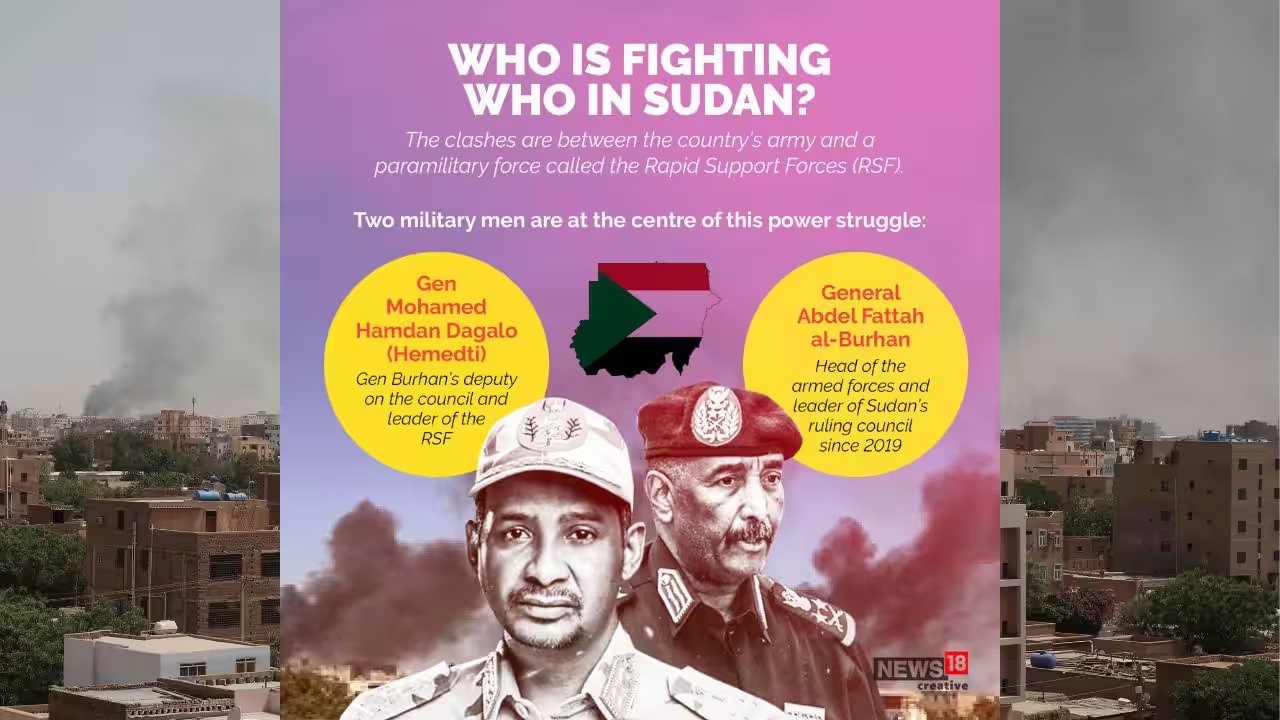
    • However, in October 2021, the military toppled the transitional government led by Abdalla Hamdok. Lt Gen Abdel Fattah al-Burhan became the de facto leader of the country, and Gen Mohamed Hamdan Dagalo became his second-in-command (Lt Gen Abdel Fattah al-Burhan is the current army chief and Gen Mohamed Hamdan Dagalo, head of the Rapid Support Forces (RSF))
    • Following the coup of 2021, a power struggle between two generals from the military (SAF) and the paramilitary (RSF) broke up a plan to move to elections in July 2023.

    Global Implications of the Conflict

    • The entire region could destabilize: The volatile region, which borders the Red Sea, the Sahel, and the Horn of Africa, could be destabilized if the fighting continues.
    • Refugee crisis: The conflict in Sudan has the potential to cause a refugee crisis, with people fleeing the country to escape the violence and instability.
    • The democratic transition of Sudan failed: The latest conflict has pushed hopes for the establishment of a peaceful democracy even further to the margins, casting a long shadow on the general election set to take place in July this year.
    • Spillover to neighbouring countries: Many analysts fear that the ongoing war between the military and RSF would spill over into neighbouring countries, which are already mired in their internal conflicts, causing destabilization of the entire region.
    • Ethiopia’s dam project may be affected: Egypt, too, is closely observing the latest development. The country shares a strong bond with Sudan’s military, which it sees as an “ally against Ethiopia”, AP stated. Ethiopia, a land-locked nation, has locked horns with both Egypt and Sudan over its ambitious hydroelectric dam, which could impact the Nile River’s flow.
    • For Russia, Sudan has a subject of interest. The Kremlin has wanted to construct a naval base for years, capable of hosting up to 300 troops and four ships in Port Sudan, located on one of the world’s busiest and most contested sea lanes.

    India Sudan Relations

    • It had already implemented 49 bilateral projects through concessional lines of credit worth USD 612 million in areas such as energy, transport, and agribusiness industry in Sudan in 2021.
    • India supported Sudan’s efforts to establish a transitional government and the government’s signing of the Juba Peace Agreement in October 2020.
    • India also supported including outside armed movements in the negotiation process and a national plan for 1,200 personnel of civilian protection.
    • As part of its Indian Technical and Economic Cooperation (ITEC) program, India provided Sudan with 290 scholarships for capacity building. In addition, India had offered Sudan humanitarian assistance in 2020, including food supplies.
    • Between 2005-2006 and 2018-2019, trade between India and Sudan increased from USD 327.27 million to USD 1663.7 million.
    • India invested approximately USD 3 billion in Sudan and South Sudan, with USD 2.4 billion going to ONGC Videsh, a public sector organization, in the petroleum sector.

    What Was India’s Response: Operation Kaveri

    • India has launched “Operation Kaveri” to evacuate its citizens from war-torn Sudan.
    • It is the recent series of evacuations held by India over the last few years to rescue its nationals in crisis-hit countries. India rescued its nationals last year from war-hit Ukraine and Afghanistan.
    • The operation was launched in response to the conflict and breakdown of essential services in Sudan that had brought the country to a standstill.
    • India has positioned two transport aircraft of the IAF in the Saudi Arabian city of Jeddah and a naval ship at a key port in Sudan as part of its contingency plans to evacuate its stranded nationals.

    Way forward

    • The UN Security Council: will hold its first meeting on the crisis in Sudan soon. The council should try to end the crisis as soon as possible.
    • Regional major powers such as UAE, and Saudi Arabia should try to pacify the situation rather than becoming parties to the crisis.
    • Considering the current designs of Indo-Sudanese ties and Sudan’s location in the Horn of Africa, India needs to monitor its exchange, ventures, and interests in the district prior to making any hurried stride of perceiving the new system.

    Conclusion

    • Where the fighting will end is unclear. Both sides claim control over key sites and fighting has been reported across the country in places far from the capital Khartoum.
    • India must safeguard its trade, investments, and other interests in the Horn of Africa. The Red Sea region is essential to India’s energy and maritime security.
  • Bharat Tap Rating System for Water Fixtures

    bharat tap

    Central idea: The Centre is in the process of bringing in a star rating system for water fixtures similar to the ratings of electrical appliances.

    Bharat Tap Rating

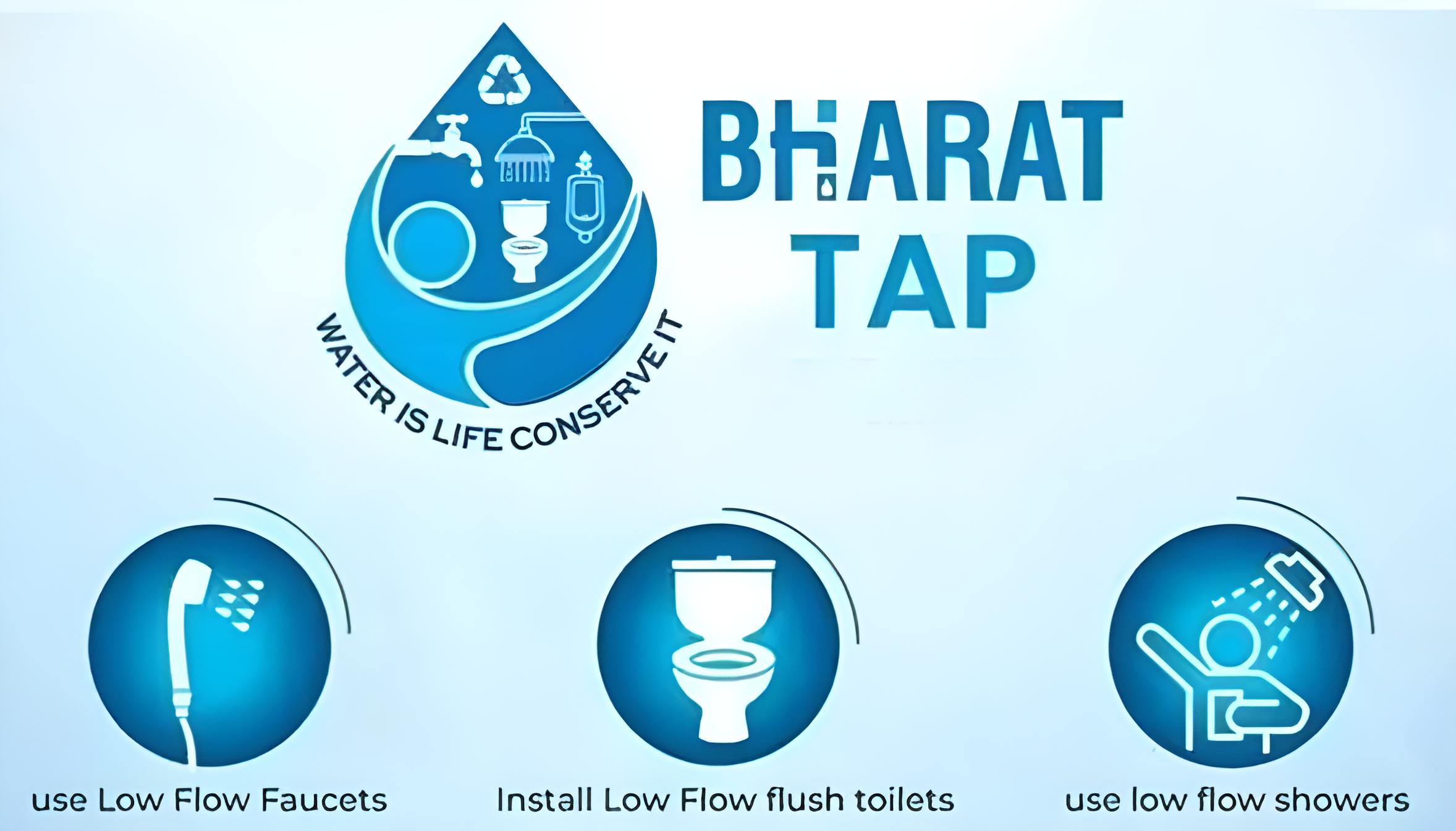
    • The star rating system would come under one umbrella called Bharat Tap, which was formulated under AMRUT 2.0 to drive water efficiency.
    • The initiative aims to promote and adopt water-efficient fixtures.
    • It would have 3, 4, and 5-star water fixtures based on their water efficiency.
    • This would help consumers make informed decisions while purchasing sanitary equipment.

    Collaborators of the initiative

    • The Indian Plumbing Association and all manufacturers have been roped in to adopt and promote the new standards for water-efficient fixtures.

    Why such move?

    • Data derived from this initiative showed that on average over 30% of water can be saved.
    • However, there was not enough data available to consumers to assist them in making informed decisions when purchasing sanitary fixtures.

    Back2Basics: AMRUT 2.O

    • Water management: It will build upon the progress of AMRUT to address water needs, rejuvenate water bodies, better manage aquifers, reuse treated wastewater, thereby promoting circular economy of water.
    • Water supply: It would provide100% coverage of water supply to all households in around 4,700 ULBs.
    • Sewerage: It will provide 100% coverage of sewerage and septage in 500 AMRUT cities.
    • Rejuvenation of water bodies and urban aquifer management: It will be undertaken to augment sustainable fresh water supply.
    • Recycle and reuse of treated wastewater: It is expected to cater to 20% of total water needs of the cities and 40% of industrial demand.
    • Pey Jal Survekshan: It will be conducted in cities to ascertain equitable distribution of water, reuse of wastewater and mapping of water bodies.


    Get an IAS/IPS ranker as your personal mentor for UPSC 2024 | Schedule your FREE session and get the Prelims prep Toolkit!

  • Latest National Health Account figures on India’s Healthcare Sector

    national health

    Central idea: The National Health Account Estimates 2019-20 report shows an increase in government spending and a decline in out-of-pocket expenditure on healthcare.

    About National Health Account (NHA) estimates

    • The NHA estimates for India 2019-20 is the seventh consecutive report prepared by the National Health Systems Resource Centre (NHSRC).
    • NHSRC was designated as National Health Accounts Technical Secretariat (NHATS) in 2014 by the Union Health Ministry.
    • The NHA estimates use an accounting framework based on the internationally accepted standard of System of Health Accounts, 2011 developed by the WHO.
    • India now has a continuous series of NHA estimates from 2013-14 to 2019-20, making the estimates comparable internationally.
    • The estimates enable policymakers to monitor progress in different health financing indicators of the country.

    health

    Key highlights

    Description

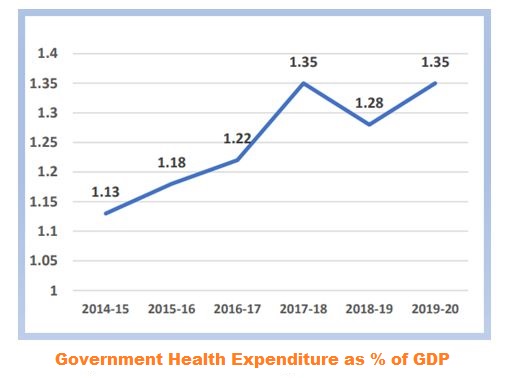
    Government spending as % of GDP
    • Increased from 1.13% (FY 2015) to 1.35% (FY 2020)
    • Per capita health spending of the government has also increased from Rs 1,108 in FY 2015 to Rs 2,014 in FY 2020.
    • Govt share in total healthcare spending has increased from 29% in 2015 to 41.4% in 2020
    Declining out-of-pocket expenditure
    • Proportion of total healthcare spending that comes from people’s pockets has decreased from 62.6% in 2015 to 47.1% in 2020
    • Govt aims to further reduce out-of-pocket expenditure by investing in public health and insurance
    • To reduce the financial burden of healthcare on individuals and increase the utilization of healthcare services
    Government spending on primary healthcare
    • Increased from 51.3% in 2015 to 55.9% in 2020.
    • Govt. invested in creating 1.5 lakh health and wellness centres that can screen people for cancers, diabetes, and eye disease.
    Increase in social security expenditure
    • Increased from 5.7% of total healthcare spending in 2015 to 9.3% in 2020.
    • Suggests that the government is investing more in social welfare programs.
    Increase in spending on insurance
    • Privately purchased health insurance increased from 3.9% of total health expenditure in 2015 to 7.72% in 2020
    • Govt. financed health insurance spending also went up from 3.8% in 2015 to 6.37% in 2020
    Health spending by states
    • Only two big states and three smaller ones have crossed the target of 8% of their budget going towards healthcare as set by the National Health Policy 2017.


    Key issues

    • Marginal increase: Activists are concerned about the marginal increase in government spending.
    • Global laggard: This increase in government health expenditure as a percentage of GDP also takes into account capital spending, which puts India in 164th place out of 184 countries in terms of government health spending.
    • No proportional increase: Total spending on health as a proportion of GDP has been going down, from 3.9% in 2015 to 3.3% in 2020, indicating a decline in consumption of healthcare services.

    Conclusion

    • Overall, the report shows that government spending on healthcare has been increasing, while out-of-pocket expenditure has been declining.
    • There is a need to invest in public health and insurance and increase the contribution of states towards healthcare.


    Get an IAS/IPS ranker as your personal mentor for UPSC 2024 | Schedule your FREE session and get the Prelims prep Toolkit!

  • Over 19,000 Seamounts discovered

    seamount

    Central Idea: Scientists have reported finding 19,325 new seamounts after poring through new high-resolution data. A study had already mapped 24,000 seamounts across the world’s oceans.

    Why study this?

    • The recent discovery of new seamounts was made possible by advancements in altimetry for gravity-field mapping, which improved spatial coverage.
    • The CryoSat-2, Envisat, Jason-1 geodetic missions, and the SARAL satellite developed by India and France contributed to these advancements.

    What are Seamounts?

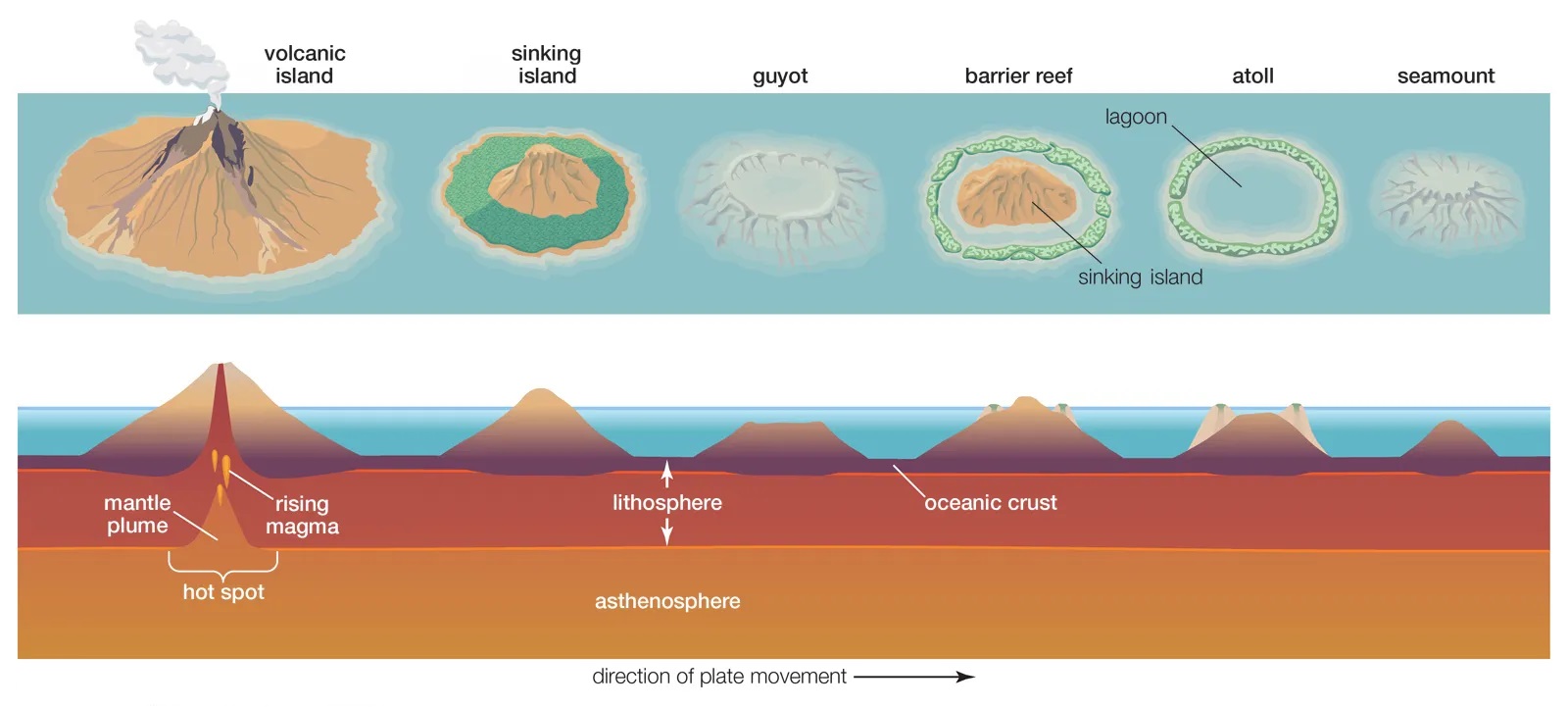
    • Seamounts are underwater mountains formed through volcanic activity.
    • They are recognised as hotspots for marine life.
    • Most seamounts are formed near mid-ocean ridges, intraplate hotspots, and oceanic island chains with volcanic and seismic activity called island arcs.
    • They can be active, extinct or dormant volcanoes.

    Importance of Seamounts

    • Seamounts provide information about the mantle’s composition and how tectonic plates evolve as they are formed when molten rock comes up from below the tectonic plates.
    • Oceanographers study seamounts to understand their influence on how water circulates and absorbs heat and carbon dioxide.
    • Seamounts are home to diverse biological communities as they can cause localised ocean upwelling, which brings nutrient-rich water from deep within the ocean to the surface.

    How were they mapped?

    • Surveyors map seamounts using either echo sounders or multibeam sonar on ships for topographic mapping or using satellite altimetry for gravity-field mapping.
    • The hi-res maps produced by multibeam sonar mapping are often incomplete, whereas the low-res maps produced by satellite altimetry have better coverage.


    Get an IAS/IPS ranker as your personal mentor for UPSC 2024 | Schedule your FREE session and get the Prelims prep Toolkit!

  • What is Ningaloo ‘Hybrid’ Solar Eclipse?

    ningaloo

    A ‘hybrid’ solar eclipse called the Ningaloo Eclipse recently happened on April 20, 2023.

    Ningaloo ‘Hybrid’ Solar Eclipse

    • It was a rare astronomical event that occurred on April 20, 2023.
    • The Moon passed directly between the Sun and the Earth, casting a shadow on a narrow strip of land in Western Australia.
    • It was a “hybrid” eclipse, starting as an annular eclipse and transitioning into a total eclipse.
    • The path of the eclipse crossed over the Ningaloo Reef, a world heritage site in Western Australia.
    • It offered a unique opportunity to view the eclipse against the backdrop of the reef and the Indian Ocean.

    How rare are such events?

    • During a solar eclipse, the Moon passes between the Sun and Earth, casting a shadow on Earth’s surface.
    • However, solar eclipses do not occur every month because the Moon’s orbit is tilted by about 5 degrees relative to Earth’s orbit around the Sun.
    • Therefore, the Moon’s shadow usually misses Earth, but occasionally the alignment is just right for a solar eclipse to occur.
    • In the case of the Ningaloo Hybrid Solar Eclipse, the alignment was such that the Moon was at the right distance from Earth to create both an annular and a total eclipse as it moved across the Sun.
    • This type of eclipse is quite rare, occurring only about once every 400 years.

    Back2Basics:

    ningaloo

    Get an IAS/IPS ranker as your personal mentor for UPSC 2024 | Schedule your FREE session and get the Prelims prep Toolkit!

  • Darwin’s Theory of Evolution: Exclusion From Indian School and College Curricula

    Evolution

    Central Idea

    • The recent exclusion of Darwin’s theory of evolution from Indian school and college curricula has prompted concerns among scientists and educators, as it is one of the most firmly established theories in science that explains the origin of all forms of life and rescues the explanation from the belief in an intelligent designer.

    What is Darwin’s theory of evolution?

    Charles Darwin’s theory of evolution is one of the most influential scientific theories ever proposed. The main ideas behind Darwin’s theory of evolution include:

    • Variation: Within a population, there is variation in traits among individuals.
    • Inheritance: Some of these traits are passed on from parents to offspring.
    • Overproduction: Most populations produce more offspring than can survive to maturity.
    • Natural selection: Individuals with traits that are advantageous for survival and reproduction in their particular environment are more likely to survive and pass on their traits to their offspring, while those with less advantageous traits are less likely to survive and reproduce.
    • Adaptation: Over time, the frequency of advantageous traits in a population will increase, resulting in a better match between the organisms and their environment, known as adaptation.
    • Common descent: All living organisms share a common ancestor that lived in the distant past.

    Evolution

    Facts for prelims: Scientists and theories

    Scientist Theory Key Points
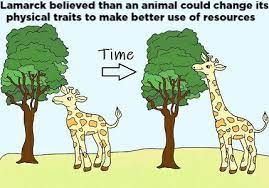
    Jean-Baptiste Lamarck Theory of Inheritance of Acquired Characteristics Organisms change and evolve during their lifetimes based on the environmental needs, and these changes can be passed on to their offspring. For example, giraffes developed longer necks by stretching their necks to reach higher branches, and these longer necks were passed on to their offspring.
    Thomas Malthus Theory of Population Populations tend to increase faster than the food supply, leading to competition for resources. Only the individuals with advantageous traits survive, while others perish. This concept of “survival of the fittest” became an important part of Darwin’s theory.
    Charles Darwin Theory of Natural Selection Organisms with advantageous traits have a greater chance of surviving and reproducing, passing on those traits to their offspring. Over time, this leads to the development of new species through the process of speciation. Darwin’s theory also emphasized the importance of variation, competition, and adaptation in the evolutionary process.
    Alfred Russel Wallace Theory of Evolution by Natural Selection Similar to Darwin’s theory, Wallace’s theory emphasized the role of natural selection in the development of new species. However, Wallace also proposed that natural selection could result in the divergence of species into separate branches, which could eventually become new genera or families.
    Hugo de Vries Mutation Theory Mutations, or sudden genetic changes, are the driving force behind evolution rather than gradual changes over time. De Vries also proposed the concept of “species-polymerism”, where multiple species could arise from a single ancestral species through mutations.
    Stephen Jay Gould Theory of Punctuated Equilibrium Evolutionary change occurs in rapid bursts (punctuations) followed by long periods of stability (equilibrium). This theory challenges the traditional view of evolution as a slow, gradual process. Gould also emphasized the role of contingency or chance events in shaping evolutionary history.

    Why must students and teachers in school concern themselves with Darwin’s theory?

    • Understanding the origin of human beings and other forms of life: Darwin’s theory of evolution is one of the most firmly established theories in science that explains the origin of human beings and all other forms of life in the world.
    • Challenging the belief in an intelligent designer: Darwin’s theory rescues the explanation of the origin of life from the belief that an ‘intelligent designer’ (read: god) built them the way they are and put them in their place.
    • Encouraging critical inquiry and embracing critique: The teaching of Darwin’s theory offers possibilities of confronting science’s own troubled history and requires caution alongside curiosity, creativity and imagination.
    • Understanding the historical and contemporary world of science: The teaching of Darwin’s theory can help students understand that science is rarely the story of a lone man, and it is shaped by the social and cultural beliefs of its times.
    • Enhancing scientific literacy: Understanding Darwin’s theory of evolution is crucial for enhancing scientific literacy, as it is an essential component of biology and a cornerstone of modern science.

    Criticisms: Darwin’s theory of evolution

    • Lack of transitional fossils: Some critics argue that there is a lack of transitional fossils, which are intermediate forms of species between ancestral and descendant forms. They claim that the absence of such fossils undermines the validity of the theory of evolution.
    • Incomplete explanation of variation: While Darwin’s theory of natural selection explains how variation arises in a population, it does not fully explain the source of the variation. Some critics argue that the theory does not account for genetic mutations or other mechanisms that can generate variation.
    • Lack of empirical evidence for macroevolution: While the theory of evolution is well-supported by empirical evidence for microevolution (small-scale changes within a species), critics argue that there is insufficient empirical evidence to support macroevolution (large-scale changes between species).
    • The origin of life: Critics argue that Darwin’s theory does not explain how life originated in the first place.
    • Complexity of living organisms: Critics argue that the complexity of living organisms cannot be explained solely by natural selection and that there must be some other explanation for the diversity and complexity of life.

    Conclusion

    • Science is a messy affair that requires caution alongside curiosity, creativity, and imagination. The teaching of Darwin’s theory must offer possibilities of confrontation without underplaying its strengths. While Darwin must remain in our textbooks, the way it is taught must change to include other influences that have shaped the theory and the consequent use of the theory by others and himself.

    Mains Question

    Q. What is Darwin’s theory of evolution? As the theory is being dropped from the school textbooks, discuss why must students and teachers in school concern themselves with Darwin’s theory?

    Get an IAS/IPS ranker as your personal mentor for UPSC 2024 | Schedule your FREE session and get Prelims prep Toolkit!

  • Moving Beyond Vande Bharat: Performance of Indian Railways

    Vande Bharat

    Central Idea

    • The Indian Railways has been in the news lately, with the launch of Vande Bharat trains and their successive introduction in different parts of the country. However, amid the publicity surrounding these new trains, the larger picture and serious issues confronting the Indian Railways are being overlooked. This article aims to evaluate the performance of the Indian Railways, especially in the freight and passenger sectors, and highlights the need for more relevant metrics.

    Facts for prelims: Vande Bharat Express

    Vande Bharat Express

    • Vande Bharat Express, also known as Train 18, is a semi-high-speed, fully air-conditioned train in India that runs on electric traction. It is named after the country’s national slogan “Vande Mataram” and was designed and manufactured by the Integral Coach Factory in Chennai, India.
    • The train is equipped with modern amenities such as Wi-Fi, an infotainment system, and a GPS-based passenger information system, among others.
    • It has a maximum speed of 180 km/h and is considered to be one of the fastest trains in India.
    • It is designed to be an energy-efficient and eco-friendly train, and is expected to provide a comfortable and safe travel experience to passengers.

    Performance and prospect of the Indian Railways, especially in the freight and passenger sectors

    1. Investment in Indian Railways: Since the merger of the Railway Budget with the General Budget in 2017, there has been a shift towards ramping up investments in the Indian Railways. The Annual Plan outlay for the Railways has increased from ₹1,09,935 crore in 2016-17 to ₹2,60,200 crore in the Budget for 2023-24, an increase of 137%. While this unprecedented level of investment is welcome, it must translate into concrete progress towards capacity building, and not just be limited to inputs.
    2. Freight Sector:
    • Rail share of freight traffic: The National Rail Plan 2030 (NRP) aims to raise the rail share in freight traffic vis-à-vis roadways from 27% to 45% by 2050. However, the rail share of freight carried reduced from 51.5% in 2008-09 to 32.4% in 2018-19 for leads over 300 km.
    • Commodity diversification: Almost the entire increase in volume of traffic carried by rail over the decade 2008-09 to 2018-19 has been in short lead traffic (leads up to 300 km) and 55% of the increase was through the transport of just one commodity, viz. coal. As yet, there is no evidence of higher levels of traffic being achieved concurrently with diversification of commodities carried or an increase in rail share vis-à-vis road transport.
    • Average speed of goods trains: The NRP aims to raise the average speed of goods trains to 50 kilometres per hour from the present 25 kmph, which is expected to increase efficiency and reduce transportation costs.
    • Tariff rates for freight: The NRP also calls for a concurrent reduction in tariff rates for freight by up to 30%.
    1. Passenger Sector: Punctuality is a crucial operational index for passenger trains. While published statistics of punctuality usually are above 90%, these figures are arrived at with a dose of adjustment and only the destination arrival time is considered irrespective of the fact that a train might have been off schedule en route at all the important intermediate stations. The Indian Railways should aim to be at least within five minutes (without any adjustment) of the scheduled time.

    Vande Bharat

    Facts for prelims (Conceptual): Why freight trains are switching to aluminium wagons?

    • Consume less energy and reduce carbon emissions: Aluminium trains consume less energy and the metal is recyclable. It is estimated that switching to aluminium will save 1,500 tonnes of carbon emissions a year.
    • Lighter as compared to steel: They are lighter by up to 30% compared to stainless steel coaches. These coaches, being lighter than stainless steel ones, are preferred for higher speed systems.
    • Less time to manufacture: Aluminium trains take less time to manufacture and thus can help speed up capacity for production.
    • Low haulage cost and high payload capacity: They offer low haulage cost and higher payload, better fuel efficiency and lower pollution levels.
    • Expected to improve freight transportation: The new metal trains will help the Railways hike its share in overall freight transportation from the current 18%.

     Need for an annual report

    • Report on the lines of the annual Economic Survey: Government should consider tabling an annual report on the performance of the Railways in Parliament on the lines of the annual Economic Survey prepared by the Finance Ministry ahead of the General Budget.
    • Not just for publicity pamphlet but a resource for policymakers: This report, unlike a publicity pamphlet like the Indian Railways Year Book, should be an internal performance audit that should serve as a valuable resource for policymakers, serious students and also researchers in the field of rail transport.

    Way ahead

    • International standards in punctuality: If stations in the Indian Railways network can be remodelled to international standards, perhaps it is time to aim for international standards in punctuality of trains as well.
    • Evolve an index of punctuality: It is high time to move away from the traditional concept of destination punctuality and evolve an index of punctuality that will also reflect the punctuality at select intermediate stations, at least for all mail/express trains.
    • Passenger experience: The focus should be to improve overall passenger experience, not merely statistics.
    • Other areas for assessment: There are several other areas that need critical analysis, such as financial performance, physical performance, safety, organizational/human resource issues, project execution, customer relations, and the effect of the dedicated freight corridors on the Indian Railways system capacity.

    Indian Railways

    Conclusion

    • The Indian Railways is the prime transporter and the largest public undertaking in the country, and it is crucial that its performance is evaluated using relevant metrics. While the introduction of Vande Bharat trains is a success story, it must not be the only focus. The focus should be on improving overall passenger experience and performance in the freight sector, and not merely on statistics.

    Mains Question

    Q. The consecutive introduction of Vande Bharat trains is a success story so far. In this backdrop Evaluate the performance of Indian railways and suggest measures to further improve the passenger experience.

    Get an IAS/IPS ranker as your personal mentor for UPSC 2024 | Schedule your FREE session and get Prelims prep Toolkit!

  • Nikaalo Prelims Spotlight || Government schemes- II


    Dear Aspirants,

    This Spotlight is a part of our Mission Nikaalo Prelims-2023.

    You can check the broad timetable of Nikaalo Prelims here

    Session Details

    YouTube LIVE with Parth sir – 7 PM  – Prelims Spotlight Session

    Evening 04 PM  – Daily Mini Tests

    Join our Official telegram channel for Study material and Daily Sessions Here


    28th Apr 2023

    Government schemes- I

    Kindly refer to schemes compilation.

  • SC modifies judgement on Eco-Sensitive Zones

    eco

    Central idea

    • The Supreme Court modified its judgment on mandatory eco-sensitive zones (ESZs) around protected forests, national parks, and wildlife sanctuaries across the country.
    • The court has now made it clear that ESZs cannot be uniform across the country and has to be “protected area-specific.”

    What are the Eco-sensitive Zones (ESZs)?

    • Eco-Sensitive Zones (ESZs) or Ecologically Fragile Areas (EFAs) are areas notified by the MoEFCC around Protected Areas, National Parks and Wildlife Sanctuaries.
    • The purpose of declaring ESZs is to create some kind of “shock absorbers” to the protected areas by regulating and managing the activities around such areas.
    • They also act as a transition zone from areas of high protection to areas involving lesser protection.

    How are they demarcated?

    • The Environment (Protection) Act, 1986 does NOT mention the word “Eco-Sensitive Zones”.
    • However, Section 3(2)(v) of the Act, says that Central Government can restrict areas in which any industries, operations or processes or class of industries, operations or processes shall be carried out or shall not, subject to certain safeguards.
    • Besides Rule 5(1) of the Environment (Protection) Rules, 1986 states that central government can prohibit or restrict the location of industries and carrying on certain operations or processes on the basis of certain considerations.
    • The same criteria have been used by the government to declare No Development Zones (NDZs).

    Defining its boundaries

    • An ESZ could go up to 10 kilometres around a protected area as provided in the Wildlife Conservation Strategy, 2002.
    • Moreover, in the case where sensitive corridors, connectivity and ecologically important patches, crucial for landscape linkage, are beyond 10 km width, these should be included in the ESZs.
    • Further, even in the context of a particular Protected Area, the distribution of an area of ESZ and the extent of regulation may not be uniform all around and it could be of variable width and extent.

    Activities Permitted and Prohibited

    • Permitted: Ongoing agricultural or horticultural practices, rainwater harvesting, organic farming, use of renewable energy sources, and adoption of green technology for all activities.
    • Prohibited: Commercial mining, saw mills, industries causing pollution (air, water, soil, noise etc), the establishment of major hydroelectric projects (HEP), commercial use of wood, Tourism activities like hot-air balloons over the National Park, discharge of effluents or any solid waste or production of hazardous substances.
    • Under regulation: Felling of trees, the establishment of hotels and resorts, commercial use of natural water, erection of electrical cables, drastic change of agriculture system, e.g. adoption of heavy technology, pesticides etc, widening of roads.

    What was the recent SC judgment?

    • On June 3, 2022, the apex court had ordered a 1-km buffer zone for protected areas to act as a “shock absorber.”
    • However, the Centre and several states, including Kerala, had returned to the apex court seeking modification of the judgment, saying the direction affected hundreds of villages in the peripheries of forests.

    Impact of the Judgment

    • Earlier judgement would have certainly hampered the day-to-day activities of the citizens residing in ESZs.
    • It would also prevent villagers from reconstructing their houses, the government from constructing schools, dispensaries, anganwadis, and other basic structures for the improvement of the life of the villagers.
    • The court also noted that it would be impossible for forest departments to conduct eco-development activities around national parks and sanctuaries.

    Try this PYQ

    With reference to ‘Eco-Sensitive Zones’, which of the following statements is/are correct?

    1. Eco-Sensitive Zones are the areas that are declared under the Wildlife (Protection) Act, 1972
    2. The purpose of the declaration of Eco-Sensitive Zones is to prohibit all kinds of human activities, in those zones except agriculture.

    Select the correct answer using the code given below:

    (a) 1 only

    (b) 2 only

    (c) Both 1 and 2

    (d) Neither 1 nor 2


    Post your answers here.


    Get an IAS/IPS ranker as your personal mentor for UPSC 2024 | Schedule your FREE session and get the Prelims prep Toolkit!

  • [pib] Cabinet approves the Policy for the Medical Devices Sector

    medical device

    Central idea: The Union Cabinet, chaired by Hon’ble Prime Minister, approved the National Medical Devices Policy, 2023.

    National Medical Devices Policy, 2023

    • The Policy, 2023 aims to facilitate an orderly growth of the medical device sector to meet the public health objectives of access, affordability, quality, and innovation.
    • The policy lays down a roadmap for accelerated growth of the medical devices sector to achieve various missions.

    Objectives

    • The policy aims to make the industry competitive, self-reliant, resilient, and innovative.
    • It focuses on meeting the healthcare needs of not only India but also the world.
    • It aims to accelerate the growth of the medical devices sector.
    • It takes a patient-centric approach to meet the evolving healthcare needs of patients.
    • It provides support and directions to the medical devices industry to achieve these goals.

    Strategies to Promote Medical Device Sector

    The medical devices sector will be facilitated and guided through a set of strategies that cover six broad areas of policy interventions:

    Key measures and actions

    1. Regulatory Streamlining Enhance ease of doing research and business, balance patient safety with product innovation, create a Single Window Clearance System for licensing of medical devices, enhance the role of Indian Standards like BIS, and design a coherent pricing regulation.
    2. Enabling Infrastructure Establish and strengthen large medical device parks and clusters equipped with world-class common infrastructure facilities in proximity to economic zones with requisite logistics connectivity.
    3. Facilitating R&D and Innovation Promote research and development in India, establish centres of excellence in academic and research institutions, innovation hubs, and support for startups.
    4. Attracting Investments in the Sector Encourage private investments, funding from venture capitalists, and public-private partnerships, in addition to existing schemes and interventions like Make in India, Ayushman Bharat program, Heal-in-India, and Start-up mission.
    5. Human Resources Development Ensure a steady supply of skilled workforce across the value chain by leveraging available resources in the Ministry of Skill Development and Entrepreneurship, supporting dedicated multidisciplinary courses for medical devices in existing institutions, and developing partnerships with foreign academic/industry organizations to develop medical technologies.
    6. Brand Positioning and Awareness Creation Create a dedicated Export Promotion Council for the sector under the Department, initiate studies and projects for learning from best global practices of manufacturing and skilling system, promote more forums to bring together various stakeholders for sharing knowledge, and build strong networks across the sector.


    Medical devices sector in India: A quick recap

    • The medical devices sector in India is an essential and integral part of the Indian healthcare sector.
    • The sector has contributed significantly to the domestic and global battle against the COVID-19 pandemic through the large-scale production of medical devices & diagnostic kits.

    Growth potential in India

    • The market size of the medical devices sector in India is estimated to be $11 billion (approximately, ₹ 90,000 Cr) in 2020, and its share in the global medical device market is estimated to be 1.5%.
    • The Indian medical devices sector has enormous potential to become self-reliant and contribute towards the goal of universal health care.

    Current initiatives in this sector

    • The Government of India has initiated the implementation of the PLI Scheme for medical devices.
    • It supports for setting up of four Medical devices Parks in the States of Himachal Pradesh, Madhya Pradesh, Tamil Nadu, and Uttar Pradesh.


    Get an IAS/IPS ranker as your personal mentor for UPSC 2024 | Schedule your FREE session and get the Prelims prep Toolkit!

  • India’s sustainable jet fuel may get ASTM certified in 2023

    fuel

    Central idea

    • The Indian Institute of Petroleum (IIP) has developed sustainable aviation fuel (SAF) using home-grown technology from cooking oil and oil-bearing plants.
      • SAF is also being produced from non-petroleum-based renewable feedstocks, municipal solid waste, woody biomass, fats/greases/oils, and other feedstocks.

    About ASTM certification

    • ASTM International is an international standards organization that develops and publishes technical standards for a wide range of materials, products, systems, and services.
    • It was formerly known as the American Society for Testing and Materials and is based in the United States.
    • The organization has over 30,000 members from more than 140 countries, including scientists, engineers, and industry professionals.
    • The standards cover industries such as construction, petroleum, medical devices, and consumer products.

    SAF under ASTM Certification

    • Two of ASTM standards related to aviation fuel are ASTM D4054 and ASTM D7566.
    • ASTM D4054 sets the requirements for qualifying aviation turbine fuels.
    • ASTM D7566 sets the requirements for certifying fuels for use in commercial aviation.

    Present use of SAF

    • The Indian Air Force received provisional certification in November 2021 to use SAF on their test flights, subject to case-by-case approval by the aircraft manufacturer concerned.
    • However, it is yet to be internationally certified for use in commercial airlines in India.

    SAF production in India

    • The Mangalore Refinery and Petrochemicals Ltd is setting up the first SAF plant, which is expected to come online by early 2025.
    • However, two more SAF plants are expected to be set up by other refineries, probably by 2025-26.
    • The Mangalore Refinery can produce 20 tonnes of SAF per day, meaning about 7,000 tonnes per year.
    • However, to achieve even a per cent of blending of SAF in India, around 60,000 tonnes per year are required.

    Way forward

    • Demand for bio-jet fuel must be increased through a national policy, along the lines of the National Biofuel Policy, for it to be commercially scaled and to accelerate production.
    • A nodal agency to implement this policy should be formed to bring together energy, transportation and agriculture sectors together under one roof.
    • Mapping the sources of the various feedstock could aid this policy.


    Get an IAS/IPS ranker as your personal mentor for UPSC 2024 | Schedule your FREE session and get the Prelims prep Toolkit!

  • Preparedness and Resilience for Emerging Threats (PRET) Initiative

    pret

    Central Idea: The World Health Organization (WHO) has launched a PRET initiative to be better prepared for future outbreaks of a similar scale and devastation as the COVID-19 pandemic.

    What is PRET Initiative?

    • The Preparedness and Resilience for Emerging Threats (PRET) initiative is launched by the WHO to prepare for future outbreaks of a similar scale and devastation as the COVID-19 pandemic.
    • It is aimed at providing guidance on integrated planning for responding to any respiratory pathogen such as influenza or coronaviruses.
    • The current focus of PRET is on respiratory viruses, but work is already underway to assess what should be the next group of pathogens to be mitigated under this initiative.
    • It can serve to operationalize the objectives and provisions of the Pandemic Accord, which is currently being negotiated by WHO Member States.

    Three-pronged approach of PRET

    • The three-pronged approach includes-
    1. Updating preparedness plans
    2. Increasing connectivity among stakeholders in pandemic preparedness planning, and
    3. Dedicating sustained investments, financing, and monitoring of pandemic preparedness.
    • The approach has a special focus on bridging the gaps highlighted during the COVID-19 pandemic and ensuring community engagement and equity are at the centre of preparedness and response efforts.


    Get an IAS/IPS ranker as your personal mentor for UPSC 2024 | Schedule your FREE session and get the Prelims prep Toolkit!

  • Preventing Heat Strokes: Lessons from Ahmedabad’s Heat Action Plan

    Heat Stroke

    Central Idea

    • The recent deaths of 14 people due to heat stroke in Navi Mumbai serves as a reminder of the dangers of heat waves, and with the IMD predicting a hotter summer this year, it’s essential that we take proactive steps to prevent heat-related deaths and illnesses. The Ahmedabad Heat Action Plan (HAP), launched in 2013, offers a blueprint that can be applied across India to combat heat stroke-related mortality and morbidity.

    What is Heat Stroke?

    • Heat stroke is a severe and potentially life-threatening condition that occurs when the body’s temperature regulation system fails, leading to a dangerous increase in body temperature.
    • This can happen when a person is exposed to high temperatures and humidity for prolonged periods, leading to dehydration, loss of fluids and electrolytes, and an inability to cool down through sweating.
    • Symptoms of heat stroke include high body temperature, rapid heartbeat, rapid and shallow breathing, confusion, agitation, disorientation, seizures, and in severe cases, loss of consciousness and organ failure.
    • Heat stroke requires immediate medical attention, as it can be fatal if left untreated.

    Facts for prelims: Heat related terminologies in news

    Heat stroke: Heat stroke is a serious medical condition that occurs when the body’s temperature regulation system fails, and the body temperature rises to dangerous levels, usually above 104°F (40°C). It can lead to organ damage and even death if not treated promptly.

    Heat cramps: Heat cramps are painful muscle contractions that can occur during physical activity in hot weather.

    Heat wave: A heat wave is a prolonged period of excessively hot weather, which can be accompanied by high humidity levels. The World Meteorological Organization (WMO) defines a heat wave as when the daily maximum temperature of more than five consecutive days exceeds the average maximum temperature by 5°C, and the normal minimum temperature is also exceeded.

    Heat index: It is the measure of how hot it feels when relative humidity is added to actual air temperature. The higher the heat index, the hotter it feels.

    Thermal stress: It is the stress on the human body caused by high temperatures, humidity, and solar radiation.

    Urban Heat Island: It refers to the phenomenon where urban areas experience higher temperatures than surrounding rural areas due to human activities like transportation, industrialization, and construction.

    Wet bulb globe temperature: It is a measure of heat stress in direct sunlight, which takes into account temperature, humidity, wind speed, sun angle and cloud cover.

    Diurnal temperature range: It is the difference between the maximum and minimum temperatures in a 24-hour period. A low diurnal temperature range indicates high humidity and poor air quality.

    Heat Stroke

    Features of Ahmedabad Heat Action Plan (HAP)

    • The Ahmedabad Heat Action Plan (HAP) includes five components that are designed to prevent heat stroke-related mortality and morbidity. These components are:
    1. Prediction and Alert System: The Indian Meteorological Department (IMD) predicts temperature levels for over 500 cities and all districts of India. Local governments can use historical temperature data to issue red, orange, and yellow alerts depending on the severity of the heat wave.
    2. Public Awareness: Raising public awareness about the actions to be taken during heat waves. Simple measures like carrying water while going out, avoiding direct exposure to sunlight, and taking frequent rests can prevent heat stroke.
    3. Provision of Water and Shade: Providing water and shade in public places and construction sites.
    4. Vulnerable Populations: Special attention should be given to vulnerable populations like the elderly and those with comorbidities. Those who work outside, such as traffic police, labourers, and street vendors, should be informed about ways to protect themselves from heat stroke.
    5. Annual Review: Each city and district should appoint a Heat officer to ensure that the HAP is implemented effectively. An annual review of the plan can help identify areas for improvement and ensure that the most vulnerable are protected from heat stroke-related mortality and morbidity.

    Heat Stroke

    Why India have not paid much attention to heat-related mortality and morbidity?

    • People accustomed to hot weather: Most people in India are accustomed to hot weather, and heat waves are not seen as a major threat. Traditionally, most cultures in India have words to describe heat stroke, and people know that it is a serious condition, so it has not been seen as a new or emerging issue.
    • Weak commitment to public health: The country is facing several other pressing issues and has a weak national commitment to public health in general.
    • Lack of awareness: Lack of awareness about the dangers of heat stroke and the need for preventive measures.
    • Overshadow effect: The focus on communicable diseases and other health issues has overshadowed the impact of heat waves on public health.
    • Limited research and data: Limited research and data on the extent of heat stroke-related morbidity and mortality in India.
    • Limited resources: Limited infrastructure and resources for managing heat waves and providing relief to affected populations.
    • Inadequate political will: Insufficient political will and resources to prioritize public health interventions related to heat waves.

    Long-term measures that the government can take to combat the effects of heat waves

    • Increase green cover: Trees and plants can help to reduce the effects of heat waves by providing shade and absorbing carbon dioxide. The government can undertake afforestation drives and promote the planting of trees in cities, towns, and villages.
    • Promote cool roofs: Painting roofs white or using reflective roofing materials can help to reflect sunlight and reduce the absorption of heat. The government can promote the use of cool roofs in new construction and retrofitting of existing buildings.
    • Improve access to water: Access to safe drinking water is crucial during heat waves. The government can undertake initiatives to improve access to water in public places, especially for vulnerable populations.
    • Develop urban heat island mitigation strategies: Urban areas are more susceptible to the effects of heat waves due to the urban heat island effect. The government can develop strategies to mitigate the effects of urban heat islands, such as increasing green cover, promoting cool roofs, and improving ventilation in buildings.
    • Improve healthcare infrastructure: The healthcare system must be prepared to deal with the increased incidence of heat stroke during heat waves. The government can improve healthcare infrastructure by increasing the number of hospitals and clinics, providing adequate medical supplies and equipment, and training healthcare professionals to deal with heat stroke cases.
    • Improve public transport: The use of public transport can reduce the number of vehicles on the road, thereby reducing emissions and heat. The government can promote the use of public transport by improving the quality and availability of public transport services.
    • Promote energy efficiency: The government can promote energy efficiency by undertaking energy audits of public buildings and promoting the use of energy-efficient appliances.

    Heat Stroke

    Conclusion

    • The Heat Action Plan offers a simple, effective framework for preventing heat stroke-related deaths and illnesses. With interdepartmental coordination and top-level commitment, it is possible to protect vulnerable populations during heat waves. It is essential that all cities, districts, and villages in India prepare for heat waves and take proactive measures to prevent heat stroke-related mortality and morbidity.

    Mains Question

    Q. What do you understand by mean is Heat Stroke? India has witnessing high number of heat related mortality and morbidity. In light of this serious concern, illustrate how India can take measures to prevent heat stroke-related mortality and morbidity.

    Get an IAS/IPS ranker as your personal mentor for UPSC 2024 | Schedule your FREE session and get Prelims prep Toolkit!

  • Water Bodies Census: First-Ever By The Ministry of Jal Shakthi

    Census

    Central Idea

    • The Ministry of Jal Shakthi has released the first-ever census of water bodies in India, highlighting the number of water bodies and their usage. The census has identified 24,24,540 water bodies in India. The Census highlighted disparities between rural and urban areas and varying levels of encroachment and revealed crucial insights into the country’s water resources. The data can help in planning rural development initiatives and conserving natural resources.

    Census

    Definition of water bodies

    • Water bodies in this census are defined as any natural or man-made structures used for storing water for various purposes, such as irrigation, industry, fish farming, domestic use, recreation, religious activities, and groundwater recharge. They are classified as tanks, reservoirs and ponds.
    • A structure that collects water from melting ice, streams, springs, rain, or drainage from residential or other areas, or stores water diverted from a stream, nala, or river, is also considered a water body

    All you need to know about the Water Bodies census

    • Launched under Irrigation Census: The census was launched under the centrally sponsored scheme, Irrigation Census in convergence with the 6th Minor Irrigation Census in order to have a comprehensive national database of all water bodies.
    • Comprehensive information: The information on all important aspects of the water bodies including their type, condition, status of encroachments, use, storage capacity, status of filling up of storage, etc was collected.
    • Extensive coverage: It covered all the water bodies located in rural as well as urban areas that are in-use or not in-use. The census also took into account all type of uses of water bodies like irrigation, industry, pisciculture, domestic/ drinking, recreation, religious, ground water recharge etc.
    • Completed and published: Census has been successfully completed and the All India and State-wise reports have been published.

    The key findings of the Census

    • Disparities in rural and urban area: 24,24,540 water bodies have been enumerated in the country, out of which 97.1% (23,55,055) are in rural areas and only 2.9% (69,485) are in urban areas.
    • Manmade v/s natural water bodies and encroachment: 78% water bodies are man-made water bodies whereas 22% are natural water bodies. 1.6% (38,496) water bodies out of all the enumerated water bodies are reported to be encroached out of which 95.4% are in rural areas and remaining 4.6% in urban areas.
    • Top 5 States in terms of number of water bodies: West Bengal, Uttar Pradesh, Andhra Pradesh, Odisha and Assam which constitute around 63% of the total water bodies in the country.
    1. Top 5 States in terms of number of water bodies in urban areas: West Bengal, Tamil Nadu, Kerala, Uttar Pradesh and Tripura,
    2. Top 5 States in terms of number of water bodies in rural areas: West Bengal, Uttar Pradesh, Andhra Pradesh, Odisha and Assam.
    • Categorisation of water bodies:5% of water bodies are ponds, followed by tanks (15.7%), reservoirs (12.1%), Water conservation schemes/percolation tanks/check dams (9.3%), lakes (0.9%) and others (2.5%).
    • Private ownership:2% of water bodies are owned by private entities. Out of all private owned water bodies, maximum water bodies are in hands of Individual owner/farmer followed by group of individuals and other private bodies. Top 5 States which lead in the private owned water bodies are West Bengal, Assam, Andhra Pradesh, Odisha and Jharkhand.
    • Public ownership:8% of water bodies are in the domain of public ownership. Out of all public owned water bodies, maximum water bodies are owned by Panchayats, followed by State Irrigation/State WRD.

    Census

    Facts for prelims

    • West Bengal boasts of the highest number of ponds and reservoirs.
    • Andhra Pradesh the highest number of tanks.
    • Tamil Nadu the highest number of lakes.
    • Maharashtra leads in terms of water conservation initiatives.

    Major use of water bodies

    • Among the total 20,30,040 utilised water bodies,
    • Pisciculture: Top 5 States wherein major use of water bodies is in pisciculture are West Bengal, Assam, Odisha, Uttar Pradesh and Andhra Pradesh. Among the total 20,30,040 utilised water bodies,
    • Irrigation: Top 5 States wherein major use of water bodies is in irrigation are Jharkhand, Andhra Pradesh, Telangana, West Bengal and Gujarat. 16.5% (3,35,768) is dedicated to irrigation,
    • Groundwater replenishment: Among the total 20,30,040 utilised water bodies 12.1% (2,44,918) to groundwater replenishment, and
    • Domestic and drinking water:1% (2,05,197) to domestic and drinking water needs. The remaining are employed for recreational, industrial, religious and other purposes.

    Importance of water bodies

    • Ecological Significance: Water bodies serve as habitats for various aquatic plants and animals, maintaining biodiversity in ecosystems. They also contribute to the regulation of water cycles, groundwater recharge, and reduction of soil erosion.
    • Social Significance: Water bodies have cultural and religious values in many societies. They also provide recreational opportunities for fishing, swimming, boating, and other leisure activities.
    • Economic Importance: They play a crucial role in agriculture, providing irrigation water to crops. They also support the fishing industry, which is a significant source of livelihood for many communities. Moreover, water bodies contribute to hydropower generation and are used for industrial and domestic purposes.
    • Climate Change Resilience: Water bodies can help mitigate the impacts of climate change by acting as carbon sinks and regulating the microclimate in surrounding areas.
    • Disaster Management: Water bodies can act as natural buffers against natural disasters such as floods and droughts. They can also help in mitigating the effects of water scarcity by providing alternative sources of water.

    What is the significance of the census of water bodies?

    • Better management and conservation: The census provides an inventory of the country’s water bodies, which can help in better management and conservation of these resources. It can aid policymakers in making informed decisions about their usage and allocation, especially in areas facing water scarcity.
    • Data-driven planning: The data from the census can be used to identify the areas where water bodies are in need of restoration or protection. It can also help in identifying the gaps in availability and utilization of water resources, which can be addressed through data-driven planning and decision-making.
    • Addressing environmental concerns: The census can aid in identifying water bodies that are under threat due to pollution or other environmental concerns. Such water bodies can be prioritized for remedial action and conservation efforts.
    • Economic benefits: The census can help in identifying the potential economic benefits of the water bodies, such as for fishing, irrigation, or tourism. This can aid in promoting sustainable use of these resources and in creating livelihood opportunities for the local population.
    • Better targeting of government schemes: The census data can be used to target government schemes and programs related to water conservation and management. This can aid in ensuring that the benefits of such schemes reach the intended beneficiaries and that the resources are used effectively.

    Census

    Conclusion

    • The census of water bodies in India provides valuable data for planning rural development initiatives, conserving natural resources, and preventing encroachment. The data also highlights the need for sustainable water management practices and the importance of preserving natural resources for future generations. The census serves as a reminder of the importance of water bodies in supporting livelihoods, ensuring food security, and providing access to clean drinking water.

    Mains Question

    Q. For the first time in the country, Ministry of Jal Shakti has conducted the first-ever census of water bodies across the nation. In this backdrop, highlight key findings of the census and discuss the significance of such kind of census.

    Get an IAS/IPS ranker as your personal mentor for UPSC 2024 | Schedule your FREE session and get Prelims prep Toolkit!

  • Web 3.0: A Transformative Tool for India’s Digital Asset Opportunity

    Web 3.0

    Central Idea

    • India’s digital asset opportunity is worth $1.1 trillion by 2032, and the third-generation web or Web 3.0 is crucial to realizing this potential. However, the complex and diverse descriptors used by experts make the policy perspective of Web 3.0 difficult to comprehend. The article aims to explain the transformative role of Web 3.0 in India’s digital asset opportunity.

    What is Web 3?

    • Third-generation internet web: Web 3, also known as the third-generation web, is a term used to describe the next iteration of the internet, which is expected to be decentralised, privacy-oriented, blockchain-driven, and crypto-asset friendly.
    • Radically transformation the way data generated: It seeks to radically transform the manner in which data is generated, monetised, shared, and circulated, and advocates for decentralised data storage systems with the objective of unshackling the oligopolistic grip of technology behemoths over data.
    • Bold elements: Web3 has bold elements such as the strategic role it assigns to non-custodial wallets that function as digital passports for users to access blockchain-enabled transaction platforms, as well as replacing micro-economic organizations with decentralized autonomous organizations (DAOs).

    What is Web 3.0?

    • Semantic web: Web 3.0 upholds the property of the semantic web, which is powered by Artificial Intelligence (AI).
    • Ability to recombine information: The real point about the semantic web is its ability to recombine information available on different websites to generate new content and knowledge resources that are more authentic and creative.
    • Robust capability of data analytics: Followers of Web 3.0 claim that their version is endowed with robust capability on the data analytics front. This way, it is argued that Web 3.0 will create far better search engines.

    How is Web 3 is different from 3.0?

    Web3

    Web 3.0

    Decentralized, privacy-oriented, blockchain-driven and crypto-asset friendly Powered by Artificial Intelligence (AI) and upholds the property of the ‘semantic web’
    Seeks to radically transform the manner in which data is generated, monetized, shared and circulated. Has the ability to recombine information available on different websites to generate new content and knowledge resources that are more authentic and creative
    Advocates decentralised data storage systems to unshackle the oligopolistic grip of technology behemoths over data. Robust capability on the data analytics front to create far better search engines
    Has file-sharing systems such as the Inter-Planetary File System which are cryptographically protected, more secure and capable of functioning off Internet and off blockchains. The web 3.0’s semantic web is powered by Artificial Intelligence and the ability to recombine information available on different websites to generate new content and knowledge resources that are more authentic and creative.
    Strategic role it assigns to non-custodial wallets that function as digital passports for users to access blockchain-enabled transaction platforms. Has the ability to facilitate ‘analytics at the edge’ providing considerable scope for mapping the water use habits of communities
    Seeks to replace micro-economic organizations with decentralized autonomous organizations (DAOs). Can yield insights from large volumes of community data generated by IoT-enabled development programs such as the Jal Jeevan Mission
    Seeks to create a distributed economic system where special classes of native digital tokens and cryptocurrencies would form the media of monetary circulation. Can improve early warning systems for floods due to data analytics facilities being obtained at the sub-basin level
    Seeks to raise the efficiency of peer-to-peer transactions. Can be utilized to draw upon the talent pool for the benefit of rural communities.

    Web 3.0

    Benefits of Web 3.0 for India

    • Handicraft industry: Web 3.0 could enable India’s handcraft enterprises to secure their innovations using digital tokens. Instruction tools based on Web 3.0 could also allow for the rapid dissemination of grassroots innovations from master artisans to fellow members, improving the economic fortunes of craftsmen and artisan communities in north-east, western, and peninsular India.
    • Rural development: India’s major digital public infrastructure push and the large-scale deployment of Internet of Things (IoT) in rural development projects offer major possibilities for deploying Web 3.0 in rural areas. Web 3.0’s (decentralized) analytics systems could help overcome the limitation of data analytics capabilities at the community level.
    • For Instance: Web 3.0 could yield insights from large volumes of community data generated by IoT-enabled development programs such as the Jal Jeevan Mission. Web 3.0’s natural advantage of facilitating analytics at the edge provides considerable scope for mapping the water use habits of communities.
    • Capital mobilization: Web 3.0 could generate asset tokens that are native to the new-gen web and have the potential to function as capital mobilization tools for Web3 projects. Stakeholders of DAOs can also utilize tokens to exercise their voting rights.
    • Peer-to-peer transactions: Web3 seeks to replace micro-economic organizations with decentralized autonomous organizations (DAOs). In general, Web3 platforms would serve to raise the efficiency of peer-to-peer transactions.
    • Data storage: Web3 advocates for decentralized data storage systems with the objective of unshackling the oligopolistic grip of technology behemoths over data. Web3 has file-sharing systems such as the Inter-Planetary File System which are cryptographically protected, more secure and capable of functioning off Internet and off blockchains.

    What are the challenges for web 3.0 in India?

    • Lack of infrastructure: Web 3.0 requires a robust and reliable internet infrastructure, which is currently lacking in many parts of India. This can hinder the adoption of Web 3.0 technologies, especially in rural areas.
    • Limited digital literacy: India still has a large population with limited digital literacy. This can make it difficult for users to understand and access Web 3.0 applications, especially in remote areas where access to digital devices and the internet is limited.
    • Regulatory challenges: The use of blockchain and cryptocurrency technologies, which are central to Web 3.0, faces regulatory challenges in India. The government has been hesitant to embrace these technologies, which could hinder the development of Web 3.0 applications.
    • Skill gaps: The development of Web 3.0 applications requires a specific set of technical skills, which are currently in short supply in India. Bridging this skill gap will be crucial to enable the development and deployment of Web 3.0 technologies in India.
    • Security concerns: Web 3.0 applications are based on decentralized systems, which are inherently more secure than centralized systems. However, they are still susceptible to cyber attacks and security breaches

    Constraints related to data analytics in rural areas

    • Lack of data analytics capabilities at the community level, resulting in untapped data resources such as the Atal Bhujal Yojana.
    • Rapid pace of data generation in rural areas outpacing the capacity for data analytics to keep up.
    • Limited availability of data analytics talent in rural areas.

    Way ahead

    • Developing a third-gen web strategy that optimizes public interest by combining the features of Web3 and Web 3.0.
    • Providing incentives for decentralised analytics and tokenising them to draw upon the talent pool for the benefit of rural communities.
    • Exploring tokenisation and applying blockchain solutions for development programs, as proposed in India’s National Blockchain Strategy 2021.
    • Addressing challenges such as lack of awareness, regulatory uncertainty, and insufficient infrastructure.
    • Building capacity for data analytics and web design in rural areas.
    • Encouraging the deployment of Web 3 applications in rural development projects and community data initiatives.
    • Partnering with global experts to leverage their knowledge and experience in the field.
    • Facilitating research and development to enhance the capabilities of Web 3 technologies.
    • Ensuring that the development of Web 3 is inclusive and accessible to all, regardless of socio-economic status.

    Conclusion

    • India’s National Blockchain Strategy 2021 must craft a third-gen web strategy that optimises public interest by combining the welcome features of Web3 and Web 3.0. By providing incentives for decentralised analytics and tokenising them, it is possible to draw upon the talent pool for the benefit of rural communities. Web 3.0 can be a transformative tool for India’s digital asset opportunity worth $1.1 trillion by 2032.

    Mains Question

    Q. What is web 3.0. How it is seen as different from web 3? Discuss the potential benefits and challenges of web 3.0 for India.

    Get an IAS/IPS ranker as your personal mentor for UPSC 2024 | Schedule your FREE session and get Prelims prep Toolkit!

  • Virtual Digital Assets Regulation: India’s progressive Approach

    Central Idea

    • The regulation of new technologies can be a challenging task, as their rapid and constant change can create unintended consequences. History is full of examples where innovations were curtailed, such as the infamous Red Flag Act of the UK that ended up strengthening the motorcar industry in Europe. Today, India’s recent notification on anti-money laundering provisions for virtual digital assets businesses and service providers is a step in the right direction.

    What is mean by Virtual Digital Assets?

    • Digital representations of value: Virtual Digital Assets refer to digital representations of value that can be transferred, stored, or traded electronically. These assets may include cryptocurrencies, tokens, or other forms of digital assets that are secured using cryptography and blockchain technology.
    • Intangible: Virtual digital assets are intangible and exist only in the digital realm, but they can be used as a medium of exchange, store of value, or investment.
    • Decentralized nature: Virtual digital assets are typically decentralized and operate independently of central authorities, making them appealing to many users. However, their decentralized nature also makes them susceptible to illicit activities such as money laundering and terrorism financing, which has led to the need for regulations and oversight.

    How Virtual digital assets are linked with money laundering?

    • Anonymity: Virtual digital assets offer a degree of anonymity, which can be exploited by criminals to conceal their identities and activities.
    • Lack of regulations: The lack of comprehensive regulations in the virtual digital asset space makes it easier for criminals to launder money using these assets.
    • Cross-border transactions: Virtual digital assets can be used to conduct cross-border transactions with ease, making it easier for criminals to move money across jurisdictions and avoid detection.
    • Decentralized nature: The decentralized nature of virtual digital assets means that there is no central authority regulating the transactions, making it difficult to track and monitor illicit activities.
    • High liquidity: Virtual digital assets are highly liquid and can be easily converted into other forms of currency, making it easier for criminals to move money around and launder their proceeds.
    • Complex transactions: Some virtual digital asset transactions can be highly complex, making it difficult to trace the source of the funds and detect money laundering activities.

    India’s approach to regulate virtual digital assets

    • Prevention of Money Laundering Act (PMLA) Act of 2002: PMLA enacted in 2002 to prevent and combat money laundering and related crimes. The act provides for the confiscation of property derived from, or involved in, money laundering, and also imposes penalties on individuals and entities involved in money laundering activities.
    • Extension of anti-money laundering provisions: India’s Union Finance Ministry, in a gazette notification, extended anti-money laundering provisions to virtual digital assets businesses and service providers, under the Prevention of Money Laundering Act (PMLA) Act of 2002.
    • Mandatory registration: Virtual digital assets platforms carrying out activities such as exchange between virtual digital assets and fiat currencies, exchange between one or more forms of virtual digital assets, transfer of virtual digital assets, safekeeping or administration of virtual digital assets or instruments enabling control over virtual digital assets, and participation in and provision of financial services related to an issuer’s offer and sale of a virtual digital asset, must register as a reporting entity with the Financial Intelligence Unit-India.
    • Implementation of know your customer and record-keeping measures: Reporting entity platforms such as CoinSwitch are now mandated to implement know your customer, record and monitor all transactions, and report to the Financial Intelligence Unit-India as and when any suspicious activity is detected.
    • Standardisation of norms: By extending anti-money laundering provisions to virtual digital assets, a framework has been created for virtual digital assets platforms to diligently monitor and take actions against malpractices, making the Indian virtual digital assets sector more transparent.
    • Compliance with global guidelines: The anti-money laundering provisions in India are in line with global guidelines put forward by the International Monetary Fund and the Financial Action Task Force.
    • Reconsideration of tax rates: With the mitigation of money laundering and terror financing risks through the PMLA notification, there is an opportunity for India to reconsider its tax treatment of virtual digital assets, which is currently an outlier both domestically and internationally.

    How India can leverage G20 presidency?

    • Spearheading critical discussions on establishing a global regulatory framework for virtual digital assets.
    • Sharing its leadership and experience on this issue with other G20 nations.
    • Considering the steps taken by other G20 nations, such as Japan and South Korea’s establishment of a framework to license Virtual Asset Service Providers (VASPs), and Europe’s passing of the Markets in Crypto-Assets (MiCA) regulation by the European Parliament.
    • Using the G20 platform to coordinate and provide greater oversight on the domestic virtual digital assets ecosystem, which could provide much-needed assurance to everyday users as well as regulators.

    Conclusion

    • India’s measured approach to regulating virtual digital assets is a step in the right direction. With India’s presidency of the G-20, it is an opportunity to establish a global regulatory framework for virtual digital assets. A progressive regulatory framework will establish India’s virtual digital assets leadership and instill the animal spirit in India’s innovation economy.

    Mains Question

    Q. What do you understand by mean by Virtual Digital Assets? Establish a link between virtual digital assets and money laundering. Discuss how India is taking measures to regulate virtual assets?

    Get an IAS/IPS ranker as your personal mentor for UPSC 2024 | Schedule your FREE session and get Prelims prep Toolkit!


More posts