💥UPSC 2026, 2027, 2028 UAP Mentorship (March Batch) + Access XFactor Notes & Microthemes PDF

Search results for: “”

  • India’s Ambitious Grain Storage Plan

    grain storage

    Central Idea

    • India, with its massive population of 1.4 billion people, faces the challenge of ensuring food security for its citizens.
    • To address this issue, the Centre has approved the establishment of an Inter-Ministerial Committee (IMC) to facilitate the implementation of the “world’s largest grain storage plan in the cooperative sector.”
    • This article explores the key aspects of the plan and its potential impact on food security in India.

    Need for Grain Storage Network

    (1) Population vs. Arable Land

    • India constitutes 18% of the global population but has only 11% of the arable land.
    • The country’s vast population necessitates a robust network of food-grain storage facilities.

    (2) Current Storage Gap

    • India’s current foodgrain storage capacity is 145 million metric tonnes (MMT).
    • However, the total food production stands at 311 MMT, resulting in a storage gap of 166 MMT.
    • Insufficient storage facilities often lead to open storage, causing damage to food grains.

    (3) Global Storage Capacities

    • Countries like China, USA, Brazil, Russia, Argentina, Ukraine, France, and Canada have better storage capacities than their foodgrain production.
    • For instance, China, with a foodgrain production of 615 MMT, has a storage capacity of 660 MMT.

    (4) Regional Disparities in India

    • In India, the storage capacity varies across regions.
    • Some southern states have a storage capacity of 90% and above, while northern states like Uttar Pradesh and Bihar have capacities below 50%.

    Understanding the ‘World’s Largest Grain Storage Plan’

    (1) Role of Primary Agricultural Credit Societies (PACS)

    • The Ministry of Cooperation plans to establish a network of integrated grain storage facilities through PACS.
    • PACS are widely spread across India, with over 1,00,000 societies and more than 13 crore farmers as members.
    • Leveraging the existing PACS network is a crucial aspect of the plan.

    (2) IMC Composition

    • The IMC, constituted under the chairmanship of Minister of Cooperation , includes three other ministers and secretaries from relevant ministries.
    • The IMC will modify guidelines and implementation methodologies of schemes to facilitate the storage plan.

    (3) Budgetary Allocation

    • The plan will be implemented through the convergence of 8 existing schemes, eliminating the need for a separate allocation.
    • Schemes under the Ministry of Agriculture and Farmers Welfare, Ministry of Food Processing Industries, and Ministry of Consumer Affairs, Food and Public Distribution will be utilized.

    Benefits of the Grain Storage Plan

    (1) Multi-Purpose Benefits:

    The plan aims to establish godowns at the PACS level, enabling them to serve multiple functions:

    1. Procurement centres for state agencies and Food Corporation of India (FCI)
    2. Fair Price Shops (FPS)
    3. Custom hiring centres
    4. Common processing units for agricultural produce

    (2) Other benefits

    1. Reduction in post-harvest losses
    2. Decreased foodgrain handling and transportation costs
    3. Enhanced market flexibility for farmers, reducing distress sales

    Key issues addressed

    grain storage food

    • Infrastructure Address: The establishment of godowns at PACS level will address the shortage of agricultural storage infrastructure, increasing India’s foodgrain storage capacity by 700 lakh tonnes.
    • Diversification of PACS: PACS will be empowered to undertake various activities such as procurement centers, fair price shops, and setting up custom hiring centers, enhancing farmer incomes.
    • Reduced Food Grain Wastage: Decentralized storage at PACS level will minimize grain wastage, contributing to improved food security.
    • Prevention of Distress Sales: Farmers can store their produce in PACS facilities and access loans of up to 70%, preventing distress sales and enabling better prices.
    • Cost Reduction: Local storage facilities will significantly reduce transportation costs of food grains to procurement centers and fair-price shops.

    Design and Features of Integrated Storage Facilities

    food grain storage

    (1) Facility Layout

    • Spread over 1 acre of land, the integrated modular PACS will have various components.
    • These include a custom hiring center, a multi-purpose hall, primary processing units, storage sheds, and container storage and silos.

    (2) Financing and Capacity:

    • The cost of establishing the facility is estimated at Rs 2.25 crore.
    • A subsidy of Rs 51 lakh will be provided, with the remaining amount as margin money or a loan.
    • The PACS is projected to earn Rs 45 lakh per year.
    • The hub and spoke model will be implemented, with 55,767 PACS functioning as spokes and 7,233 PACS as hubs.
    • The combined storage capacity of all 63,000 PACS will be 70 million tonnes.

    (3) Technological Advancements:

    • The modern silos will be equipped with computerized real-time monitoring systems.
    • These facilities can be rented out to the FCI and other private agencies.

    Conclusion

    • India’s ambitious grain storage plan in the cooperative sector, facilitated by the IMC, aims to bridge the storage gap and ensure food security for its billion-plus population.
    • By leveraging the vast network of PACS and implementing an integrated storage model, the plan seeks to reduce losses, transportation costs, and distress sales.
    • With proper execution and allocation of resources, this transformative initiative can have a significant and positive impact on India’s food security landscape.

    Back2Basics: Primary Agricultural Credit Societies (PACS)

    • PACS are the lowest tier of the Short-Term Cooperative Credit (STCC) structure in India directly dealing with Farmers.
    • The first PACS was established in 1904.
    • They are headed by the State Cooperative Banks (SCB) at the state level.
    • Credit from the SCBs is transferred to the District Central Cooperative Banks (DCCBs) which operate at the district level.
    • PACS directly work with farmers and play a crucial role in providing short-term lending.
    • PACS provide credit to farmers at the beginning of the cropping cycle to meet their needs for seeds, fertilizers, and other requirements.
  • UPSC highest scores and topper marks

    UPSC highest scores and topper marks

    UPSC Paper-wise highest scores.

    Essay – 149 | AIR 61 | Gautam Vivekanandan

    GS 1 Highest – 128 | AIR 110, Abhishek Dawachya

    GS 2 Highest – 125 | AIR 23, Vaishali

    GS 3 Highest – 102 | AIR 105, Mayur Hazarika

    GS 4 Ethics Highest – 141 | AIR 02, Garima Lohia

    Attend Now

  • Strengthening ICDS and Empowering Anganwadi Workers

    ICDS

    Central Idea

    • India continues to grapple with high rates of stunting, wasting, and anaemia, posing significant public health risks for children and women. In order to combat these challenges, it is crucial for India to bolster its social sector schemes, particularly the Integrated Child Development Services (ICDS).

    What is ICDS?

    • ICDS is a flagship program implemented by the Government of India to address the nutritional and developmental needs of children under the age of six, pregnant women, and lactating mothers. The program is implemented through Anganwadi centers, which serve as grassroots-level delivery points for these services in rural and urban areas across the country

    ICDS

    key elements of ICDS

    • Supplementary Nutrition: ICDS provides supplementary nutrition to children under the age of six, pregnant women, and lactating mothers. This includes the provision of hot cooked meals, take-home rations, and nutritional supplements to address malnutrition and promote healthy growth.
    • Immunization: The program ensures the timely immunization of children against preventable diseases. It facilitates immunization sessions and helps families understand the importance of vaccination.
    • Health Check-ups: Regular health check-ups are conducted for children and women to monitor their growth, detect any health issues, and provide appropriate medical interventions. This includes weight monitoring, growth assessment, and screening for common ailments.
    • Referral Services: ICDS facilitates the referral of children and women to appropriate healthcare facilities for specialized care and treatment when needed. It acts as a link between the community and the healthcare system, ensuring timely access to essential services.
    • Non-formal Pre-school Education: ICDS centers provide early childhood education to children aged 3-6 years. This includes age-appropriate learning activities, cognitive stimulation, and socialization opportunities to prepare children for formal schooling.
    • Nutrition and Health Education: The program emphasizes the importance of nutrition and health through education and awareness campaigns. Anganwadi workers conduct regular sessions to educate families about proper nutrition, hygiene practices, breastfeeding, and maternal and child health.
    • Community Mobilization: ICDS encourages community participation and engagement in the program. It seeks to involve families, community leaders, and local organizations in creating awareness, advocating for children’s rights, and supporting the effective implementation of ICDS services.
    • Anganwadi Workers: Anganwadi workers, who serve as the frontline functionaries of ICDS, play a critical role in delivering services at the grassroots level. They are responsible for conducting home visits, implementing program activities, counseling families, and maintaining records.

    The Impact of ICDS

    • Cognitive Achievements: A study published in World Development revealed the positive impact of ICDS on cognitive achievements, particularly among girls and economically disadvantaged families. The program’s interventions, including nutrition, education, and health services, have shown to contribute to improved cognitive development in children.
    • Educational Attainment: Another study published in The University of Chicago Press Journals found that children who were exposed to ICDS during the first three years of life completed more grades of schooling compared to those who did not have access to the program. This indicates that early interventions provided by ICDS positively influence educational outcomes.
    • School Enrollment: According to a study published in the Natural Library of Medicine, adolescents aged 13-18, who were born in villages with proper ICDS implementation, showed a 7.8% increased likelihood of school enrollment. This suggests that ICDS plays a role in promoting access to education and increasing enrollment rates.
    • Reduction in Malnutrition: The children who remained enrolled in ICDS exhibited reduced rates of child stunting and severe malnutrition. By providing supplementary nutrition and monitoring the growth of children, ICDS contributes to improving nutritional outcomes and addressing malnutrition issues

    Why there is need to reassess existing strategies?

    • Addressing Persistent Issues: The ICDS program still faces challenges in improving the nutritional and health outcomes for children aged 0-6 years. Despite four decades of efforts, there is a pressing need to reevaluate strategies to effectively tackle these persistent issues.
    • Empowering Anganwadi Workers: Empowering Anganwadi workers, who are at the forefront of implementing the ICDS program, is crucial. These workers play a vital role in advancing child nutrition, health, and education in their communities. However, they often face challenges due to high workload and limited resources.
    • Variation in Implementation: The significant variation in the implementation of ICDS across different regions and the level of skills of Anganwadi workers. This calls for further investments in training programs to ensure standardized and high-quality service delivery.
    • Infrastructural Improvements: The ICDS program also faces infrastructural challenges, such as the lack of functional sanitation facilities, access to potable water, and adequate physical infrastructure in many Anganwadi centers. Addressing these infrastructural gaps is crucial for improving service delivery and overall program effectiveness.

    ICDS

    Advantages of Additional Workers to the ICDS Program

    • Improved Health and Educational Outcomes: Adding an extra Anganwadi worker to each center can lead to better health and educational outcomes for children. A randomized controlled trial conducted in Tamil Nadu demonstrated that increasing staff levels within the ICDS framework resulted in improved math and language test scores among enrolled children. The additional worker effectively doubled the net preschool instructional time, leading to significant positive effects.
    • Reduced Rates of Stunting and Severe Malnutrition: The same trial in Tamil Nadu also showed that children who remained enrolled in the program exhibited reduced rates of child stunting and severe malnutrition. The presence of additional workers can contribute to enhanced nutritional support and monitoring, leading to improved child health outcomes.
    • Cost-Effectiveness: Implementing the model of adding an additional Anganwadi worker to each center nationwide is relatively cost-effective compared to the potential benefits it offers. The estimated long-term benefits, based on expected improvements in lifetime earnings, would be around 13 to 21 times the expenses.
    • Specialization of Roles: With an additional worker, the responsibilities can be divided to allow existing workers to focus more on child health and nutrition. The new Anganwadi worker can be assigned the specific responsibility of concentrating on preschool and early childhood education. This specialization allows for better utilization of resources and expertise, resulting in improved outcomes in both health and education domains.
    • Job Opportunities and Women Empowerment: Adding an extra Anganwadi worker to each center creates job opportunities, particularly for women, across the country. This initiative would lead to the creation of 1.3 million new jobs for women, contributing to economic empowerment and gender equality.

    Implementation Challenges Within the ICDS Program

    • Variation in Implementation: There is significant variation in the implementation of the ICDS program across different regions of India. This variation can be attributed to factors such as resource allocation, infrastructure availability, and capacity of Anganwadi workers. Addressing this variation and ensuring standardized implementation across all regions is crucial for the program’s effectiveness.
    • Skill Levels of Anganwadi Workers: There is a variation in the skill levels of Anganwadi workers. To ensure consistent and high-quality service delivery, it is necessary to invest in training programs that enhance the skills and knowledge of these workers.
    • Infrastructural Challenges: Many Anganwadi centers face infrastructural challenges, such as a lack of functional sanitation facilities, inadequate access to potable water, and insufficient physical infrastructure. These infrastructural gaps hinder the effective delivery of ICDS services.
    • Decentralized Implementation: The ICDS program operates under a decentralized approach, with state governments overseeing the execution, administration, management, and monitoring of the program. While decentralization promotes tailored implementation, it also poses challenges in terms of coordination, resource allocation, and maintaining consistent standards across different states and regions.

    Way Ahead

    • Empowerment of Anganwadi Workers: Providing comprehensive support and resources to Anganwadi workers is crucial. This includes enhancing their training programs, improving their skills and knowledge related to child nutrition, health, and early childhood education. Regular capacity-building programs should be conducted to keep them updated with the latest research and best practices.
    • Increase Staffing Levels: Adding an additional Anganwadi worker to each existing center can alleviate the workload and ensure more focused attention on preschool and early childhood education. This step would enable existing workers to dedicate more time to child health and nutrition, leading to improved outcomes.
    • Improve Infrastructure: Investments should be made to improve the infrastructure of Anganwadi centers. This includes providing functional sanitation facilities, access to clean drinking water, and adequate buildings. Upgrading the infrastructure will create a conducive environment for delivering quality services and ensure the safety and well-being of children.
    • Strengthen Monitoring and Evaluation: Robust monitoring and evaluation mechanisms should be established to assess the progress, impact, and effectiveness of the ICDS program. Regular data collection, analysis, and feedback loops will help identify gaps and inform evidence-based decision-making for program improvement.
    • Collaborative Approach: Collaboration between the central and state governments, along with active involvement of local communities, is essential. Effective coordination and communication channels should be established to ensure seamless implementation and integration of the ICDS program at all levels.
    • Sustainable Funding: Adequate and sustained funding should be allocated to the ICDS program. The government should prioritize investments in child nutrition and early childhood development as a long-term strategy for the nation’s well-being. Exploring partnerships with non-governmental organizations and private sector entities can also help mobilize additional resources.
    • Community Engagement and Awareness: Creating awareness among communities about the importance of child nutrition, health, and education is crucial. Community mobilization efforts, including campaigns, workshops, and interactive sessions, should be conducted to engage families and community members in the ICDS program. Promoting behavior change and encouraging active participation will contribute to its success.
    • Regular Policy Review: Periodic review and assessment of the ICDS program’s policies and strategies are essential to adapt to changing needs and emerging evidence. Regular policy reviews should be conducted to incorporate best practices, address implementation challenges, and align the program with evolving national and international standards

    Conclusion

    • To unlock the full potential of ICDS and address persistent issues related to child malnutrition, it is crucial to revisit and re-evaluate its strategies and implementation. Empowering Anganwadi workers through additional staffing, improved training, and better infrastructure is a vital first step. By enhancing the ICDS program, India can make significant progress in improving child nutrition, health, and educational outcomes.

    Also read:

    Early Childhood Care and Education through Anganwadis


  • Finance Commission and the Challenges of Fiscal Federalism

    Finance Commission

    Central Idea

    • The government is set to appoint a Finance Commission in the coming months to address the crucial matter of distributing the Centre’s tax revenue among the States. This article examines the significance of the Finance Commission in India’s fiscal federalism, highlighting the changing dynamics post-reforms and the ensuing debates surrounding the horizontal distribution formula.

    Evolution of the Finance Commission

    • Constitutional Provision: The Finance Commission is a constitutional body established under Article 280 of the Indian Constitution. It was first constituted in 1951.
    • Primary Objective: The primary objective of the Finance Commission is to recommend the distribution of financial resources between the Union (Centre) and the States.
    • Five-Year Cycle: The Finance Commission is appointed every five years, or as specified by the President of India. The recommendations of the Commission cover a five-year period.
    • Composition: The Commission consists of a Chairman and other members appointed by the President. The Chairman is usually a person with a background in economics, finance, or public administration.
    • Terms of Reference: The President determines the terms of reference for each Finance Commission, which guide the Commission in its deliberations and recommendations.

    Significance of the Finance Commission in India’s fiscal federalism

    • Vertical and Horizontal Distribution: The Finance Commission determines the vertical share, which is the proportion of the Centre’s tax revenue that should be given to the States, ensuring a fair allocation of resources. It also formulates the horizontal sharing formula, which determines how this revenue should be distributed among the States.
    • Addressing Fiscal Disparities: The Finance Commission plays a crucial role in addressing these disparities by providing financial transfers to less economically developed states. Through revenue deficit grants and other means, the Commission helps bridge the fiscal gap and supports states with limited revenue-raising capacity.
    • Promoting Cooperative Federalism: The Finance Commission acts as an institutional mechanism that fosters cooperative federalism by facilitating intergovernmental fiscal transfers. It encourages collaboration and coordination between the Centre and the States, fostering a sense of shared responsibility in fiscal matters.
    • Constitutional Mandate: The Finance Commission is constitutionally mandated under Article 280 of the Indian Constitution. Its existence and functioning are enshrined in the constitutional framework, ensuring its independence and impartiality in making recommendations.
    • Five-Year Review Cycle: The regular appointment of the Finance Commission every five years ensures a periodic review of the fiscal arrangements between the Centre and the States. This allows for adjustments and revisions based on evolving economic and social realities, ensuring that fiscal transfers remain relevant and effective.
    • Expertise and Recommendations: The Finance Commission comprises experts in the fields of economics, finance, and public administration. Its recommendations are based on in-depth analysis, consultations, and assessments of various factors, including population, fiscal capacity, and development needs. These recommendations provide valuable insights and guidance to the Centre and the States in fiscal decision-making.
    • Resolving Fiscal Conflicts: The Finance Commission helps resolve conflicts and disputes between the Centre and the States regarding fiscal matters. By providing an independent and objective platform for negotiation and deliberation, it promotes a sense of fairness and transparency in fiscal resource allocation.
    • Strengthening Fiscal Discipline: The Finance Commission plays a role in promoting fiscal discipline and accountability. By assessing the fiscal performance and needs of the States, it encourages responsible fiscal behavior and discourages imprudent spending practices

    Facts for Prelims

    Aspect Vertical Distribution Horizontal Distribution
    Definition Allocation of the Centre’s tax revenue between the Centre and the States Allocation of funds among the States
    Determined by Finance Commission Finance Commission
    Factors considered Fiscal capacity, needs of the States, population figures, and relevant indicators Population, area, fiscal capacity, demographic trends, development indicators, and relevant parameters
    Objective Provide a fair and equitable share of revenue to the States Promote equitable development and address regional imbalances
    Purpose Ensure States have sufficient resources for expenditure requirements and promote balanced development Provide greater financial support to States with lower fiscal capacity and greater development needs
    Focus Centre-State distribution of revenue State-State distribution of funds
    Outcome Ensures fair allocation of revenue between the Centre and the States Reduces disparities and fosters balanced growth among the States

    Finance Commission

    Changing dynamics post reforms

    • Decreased Role of Plan Financing: In the pre-reform era, the Centre had the flexibility to compensate States through plan financing. However, post-reforms, there has been a decline in fresh investments in public sector undertakings (PSUs) and the abolition of the Planning Commission in 2014. As a result, the Finance Commission has become the primary mechanism for the vertical and horizontal distribution of resources, making its role more critical.
    • Devolution of Tax Revenues: With the amendment of the Constitution in 2000, States were given a share in the Centre’s tax revenue pool. This devolution of tax revenues has increased the significance of the Finance Commission in determining the distribution of funds between the Centre and the States.
    • Shift in Population Figures: The use of population figures in determining the distribution of resources has seen a shift from the earlier practice of using 1971 census data to considering 2011 census data. This shift has led to debates and controversies, particularly among States that have successfully controlled population growth rates, as it can affect their share of devolution.
    • Deepening Faultlines: In recent years, faultlines between States have deepened along political, economic, and fiscal dimensions. The outcome of elections and regional disparities in terms of infrastructure, private investment, social indicators, and the rule of law have widened the north-south gap and brought regional imbalances into focus. Managing these faultlines while ensuring equitable distribution poses challenges for the Finance Commission.
    • Concerns of Fiscal Incapacity vs. Fiscal Irresponsibility: The Finance Commission faces the challenge of determining the extent to which a State’s deficit is due to its fiscal incapacity or fiscal irresponsibility. Striking a balance between supporting deficit-ridden States without penalizing fiscally responsible ones is a complex task, as providing more to one State would mean giving less to others.
    • Changing Economic Landscape: The post-reform period has witnessed shifts in India’s economic landscape, with some states experiencing higher growth rates and greater fiscal capacity compared to others. This dynamic requires the Finance Commission to consider the changing economic realities and ensure that the distribution formula reflects the current context

    Addressing the concerns related to cesses and surcharges

    • Clear Guidelines: The Finance Commission should lay down clear guidelines on when and under what circumstances cesses and surcharges can be levied. These guidelines should ensure that cesses and surcharges are not used as routine measures but rather as exceptional instruments to address specific needs or challenges.
    • Cap on Amount Raised: The Finance Commission can suggest a formula or mechanism to cap the amount that can be raised through cesses and surcharges. This would prevent excessive reliance on these instruments and ensure that they do not become a substantial portion of the Centre’s total tax revenue.
    • Transparency and Accountability: The government should enhance transparency and accountability in the utilization of funds generated through cesses and surcharges. It should provide regular reports on the utilization of these funds, demonstrating how they contribute to the intended purposes and benefit the states and the overall economy.
    • Consultation with States: The Finance Commission should engage in extensive consultations with states while formulating guidelines regarding cesses and surcharges. States should have the opportunity to provide their input, share their concerns, and suggest ways to strike a balance between the Centre’s revenue requirements and the states’ financial autonomy.
    • Alignment with Fiscal Responsibility: Any levies on cesses and surcharges should be in line with the principles of fiscal responsibility and budget management. The Finance Commission can ensure that these instruments are used judiciously and do not undermine the fiscal discipline goals set by the FRBM Act.
    • Review and Evaluation: Regular review and evaluation of the impact of cesses and surcharges should be conducted to assess their effectiveness in achieving the intended objectives. The Finance Commission can play a crucial role in monitoring the usage of these instruments and recommending necessary adjustments based on the evaluation outcomes.

    Finance Commission

    Implementing restraint on freebies

    • Clear Definition: Establishing a clear definition of what constitutes a freebie is crucial to avoid ambiguity and misuse of resources. It should encompass measures that go beyond essential public services and infrastructure development and instead focus on non-essential giveaways or subsidies.
    • Fiscal Responsibility and Budgetary Constraints: The Finance Commission can emphasize the importance of adhering to fiscal responsibility guidelines and staying within budgetary constraints. This ensures that resources are allocated judiciously and in a sustainable manner, avoiding the accumulation of unsustainable debt.
    • Prioritization of Essential Services: Encouraging governments to prioritize essential public services, such as healthcare, education, and infrastructure, over non-essential freebies. This ensures that resources are allocated to areas that have a more significant and long-lasting impact on the overall well-being and development of the population.
    • Evaluation of Impact: Regular evaluation of the impact of freebies on the economy, fiscal health, and the intended beneficiaries is essential. This evaluation can help identify any unintended consequences, potential wastage of resources, or negative effects on economic growth.
    • Public Awareness and Discourse: Creating public awareness about the implications of excessive freebies and the importance of responsible fiscal management. Encouraging open discourse and dialogue among citizens, policymakers, and experts can foster a deeper understanding of the long-term consequences of unsustainable giveaways.
    • Role of the Finance Commission: The Finance Commission can play a pivotal role in setting guidelines and recommendations for restraint on freebies. This includes providing advice on responsible fiscal management and ensuring that resource allocation aligns with long-term development goals.

    Conclusion

    • The Finance Commission plays a crucial role in India’s fiscal federalism. To address concerns regarding cesses, surcharges, and freebies, the Commission must provide clear guidelines, ensure transparency, and emphasize long-term fiscal sustainability. Stakeholder consultation, periodic evaluation, and public awareness are key to maintaining a balance between meeting welfare needs and promoting responsible fiscal management.

    Also read:

    The curious case of Fiscal Federalism in India


  • Gender Disparities in Clinical Trials: Recognizing the Need for Sex-Specific Research

    Clinical Trials

    Central Idea

    • The persistent male-centric approach in medicine disregards the physiological differences between men and women. Despite the U.S. National Institutes of Health (NIH) Revitalization Act of 1993 mandating the inclusion of women and minorities in clinical trials, gender disparities prevail. India, known as the pharmacy of the world, faces significant implications in clinical trials due to its generic drug production and consumption.

    Generic Drugs, Trials, and Women’s Response

    • Gender Disparities in Clinical Trials: Historically, clinical trials have predominantly included male participants, leading to a lack of understanding of how medications specifically affect women. This gender disparity in clinical trials contributes to gaps in knowledge regarding women’s response to generic drugs.
    • Physiological Differences: Women’s bodies have unique physiological characteristics, such as hormone levels, body composition, and enzymatic activity, that can impact their response to medications. However, these differences have often been overlooked in clinical trials, resulting in a lack of data on how women specifically respond to generic drugs.
    • Underrepresentation of Women: Women have been underrepresented in clinical trials for generic drugs, which has significant implications for their healthcare. Without adequate representation, it is challenging to determine the optimal dosages and potential side effects of medications for women.
    • Inaccurate Dosages: Studies have revealed that nearly one-fifth of medications show differences in the active dose between men and women. This means that women may be receiving either inadequate doses or unintended overdoses of certain generic drugs due to the lack of gender-specific research.
    • Suboptimal Treatment Outcomes: The underrepresentation of women in clinical trials for generic drugs can lead to suboptimal treatment outcomes. Women may not receive the appropriate dosage of medication, resulting in ineffective treatment or potential harm due to overdosing.
    • Personalized Medicine: Including more women in clinical trials for generic drugs is crucial for the development of personalized medicine. By understanding how women specifically respond to medications, healthcare providers can tailor treatment approaches to better meet the needs of female patients.
    • Importance of Representation: The inclusion of diverse populations, including women, in clinical trials is essential for accurate and comprehensive data collection. It enables researchers to identify potential gender-specific variations in drug response and ensure that medications are safe and effective for both men and women.

    Cardiac issues and the perpetuation of stereotypes: Significant challenges for women’s healthcare

    • Prevalence of Cardiac Issues: While traditionally seen as a male-dominated health concern, cardiac issues are now recognized as having a slightly higher prevalence in women. However, stereotypes and biases often lead to delayed diagnosis, misdiagnosis, and inadequate treatment for women experiencing cardiac problems.
    • Diagnostic Disparities: Women with cardiac symptoms may face challenges in receiving timely and accurate diagnoses. Symptoms of heart disease can manifest differently in women compared to men, with women more likely to experience atypical symptoms. Unfortunately, these differences are not always fully understood or considered by healthcare professionals, leading to underdiagnosis or misdiagnosis.
    • Treatment Disparities: Studies consistently demonstrate that women are less likely to receive appropriate medications, diagnostic tests, and clinical procedures for cardiac issues, even in developed countries. This discrepancy can be attributed to stereotypes that portray women as “lesser men” or dismiss their symptoms as anxiety or stress-related, undermining the urgency of necessary interventions.
    • Stereotypes and Bias: Stereotypes, such as the notion of the hysterical woman, continue to persist and influence healthcare decisions. These stereotypes can lead to a lack of trust and credibility when women seek medical attention for cardiac symptoms. It is essential to challenge and overcome such biases to ensure that women receive the appropriate care they need.

    Clinical Trials

    Reproductive Health and Maternal Mortality

    • Maternal Mortality: Maternal mortality refers to the death of a woman during pregnancy, childbirth, or within 42 days of delivery. Despite significant progress in reducing maternal mortality globally, it remains a pressing issue, particularly in low-resource settings. Factors contributing to maternal mortality include inadequate access to healthcare, lack of skilled birth attendants, limited emergency obstetric care, and delays in receiving appropriate medical interventions.
    • Complications of Pregnancy and Childbirth: Pregnancy and childbirth can pose various health risks to women. Complications such as hemorrhage, hypertensive disorders, infections, and unsafe abortions can lead to severe health consequences or even death
    • Pre-existing Medical Conditions and Pregnancy: Women with pre-existing medical conditions, such as diabetes, hypertension, or heart disease, face increased risks during pregnancy. These conditions can interact with pregnancy, leading to higher rates of complications and maternal mortality.
    • Reproductive Rights and Autonomy: Reproductive health includes the right to make informed decisions about one’s reproductive choices, including family planning, pregnancy, and childbirth. Women’s reproductive rights are often restricted, denying them the autonomy to control their reproductive health.
    • Inequities in Maternal Healthcare: Socioeconomic disparities, geographic location, and marginalized populations face additional challenges in accessing quality maternal healthcare. Women in rural or remote areas, indigenous communities, or minority groups may experience disproportionately higher maternal mortality rates due to limited access to healthcare facilities, cultural barriers, and discrimination.
    • Postpartum Mental Health: Postpartum mental health disorders, such as postpartum depression and anxiety, pose significant challenges to women’s well-being. However, these disorders are often overlooked and underdiagnosed, leaving women without proper support and treatment.

    Gaps in Sex-Specific Research

    • Underrepresentation in Clinical Trials: Women have historically been underrepresented in clinical trials across various medical conditions and treatments. This gender disparity limits our understanding of how different therapies, medications, and interventions specifically affect women.
    • Limited Focus on Sex-Specific Illnesses: Many diseases and conditions affect women differently than men, such as breast or endometrial cancers, polycystic ovarian syndrome, and pregnancy-related issues. However, there are significant gaps in research focusing specifically on these sex-specific illnesses, leading to limited knowledge about their causes, prevention, and treatment.
    • Lack of Understanding of Sex-Specific Symptoms: Women often experience different symptoms or manifestations of certain diseases compared to men. For example, heart attack symptoms can be atypical in women, which can lead to delayed diagnosis and treatment. Insufficient research on sex-specific symptoms hinders accurate diagnosis and appropriate medical interventions for women.
    • Insufficient Data on Medication Safety and Efficacy: Medications may affect women differently due to hormonal fluctuations, body composition, or metabolism. However, clinical trials often fail to collect enough data on potential sex-specific differences in drug safety and efficacy. This can lead to inadequate dosing guidelines and potential adverse effects for women.

    Clinical Trials

    Way forward

    • Increased Representation in Clinical Trials: Efforts should be made to ensure adequate representation of women in clinical trials for generic drugs and across various medical conditions. This will enable researchers to gather comprehensive data on how medications specifically affect women and tailor treatments accordingly.
    • Sex-Specific Research: There is a need for increased focus on sex-specific research, particularly in areas such as reproductive health, sex-specific illnesses, and conditions with gender-specific variations. This research should explore differences in symptoms, treatment responses, and healthcare outcomes between men and women.
    • Policy Interventions: Governments and healthcare authorities should implement policies that promote sex-specific research in medicine. This can include providing funding and resources for research projects focused on women’s health and establishing guidelines that emphasize the inclusion of women in clinical trials.
    • Public Awareness and Education: Raising awareness among healthcare providers, researchers, and the general public about gender disparities in medicine is crucial. Educational initiatives should emphasize the importance of considering sex-specific differences in treatment approaches and highlight the need for equitable healthcare for women.
    • Empowering Women in Healthcare: Empowering women to actively participate in their healthcare decisions and advocate for their needs is essential. This can be achieved through providing comprehensive health education, promoting self-advocacy, and encouraging women’s involvement in healthcare research and policy-making.
    • Collaborative Efforts: Stakeholders, including healthcare professionals, researchers, policymakers, and advocacy groups, should collaborate to address gender disparities in medicine. By working together, they can identify gaps, share knowledge and best practices, and implement strategies to promote gender equality in healthcare.
    • International Cooperation: The issue of gender disparities in medicine is not limited to one country or region. International cooperation, such as sharing research findings and collaborating on initiatives, can contribute to a more comprehensive and effective approach to addressing gender inequalities in healthcare globally.

    Clinical Trials

    Conclusion

    • To ensure equal access to healthcare, women’s ailments must be properly understood and addressed. As India assumes the G-20 presidency, it presents an ideal opportunity to highlight this issue and align with the Sustainable Development Goals on women’s health. It is time to bridge the gender disparities in medicine and create a more equitable healthcare system for all.

    Also read:

    Menstrual health hygiene and sexual and reproductive health: The link


  • Festivals in news: Pandharpur Wari

    Pandharpur Wari

    The Sant Tukaram and Sant Dyaneshwar Palkhi processions started their three-week-long journeys from the temple towns of Dehu and Alandi in Pune.

    Pandharpur Wari

    Pandharpur wari
    The deities are said to be shifted to Pandharpur right away from Vitthala Temple, Hampi (Karnataka) to avoid demolition.

    • Tradition: The Wari tradition is an 800-year-old pilgrimage in Maharashtra, where devotees, known as Warkaris, undertake a foot journey to the Vithoba temple (Incarnation of Vishnu) in Pandharpur.
    • Largest walking event: The event is said to be one of the world’s largest and oldest movements where people gather on one day each year and walk a distance of around 250 km.
    • Guinness Record: The Wari has been classified by the World Book of Records as “one of the most visited places in a day”
    • Essence of Wakari Panth: The Wari is a ritualistic practice and a distinctive part of Maharashtrian culture, representing the essence of the Wakari Panth, which is a sect within the Bhakti tradition.
    • Four Processions: The Wari takes place in four months – Chaitra, Ashadh, Kartik, and Magh. The Ashadhi Ekadashi Wari is the most popular and significant among these processions.

    Historical Evolution

    • Changed over time: Over the years, the Wari procession has evolved with changing practices, associated legends, and unique systems of organization and management.
    • Influence of Sant Dyaneshwar: The Wari tradition can be traced back to Sant Dyaneshwar, the father of Sant Dyaneshwar, who played a pivotal role in promoting the pilgrimage to Pandharpur.
    • Legacy of Sant Namdev: Sant Namdev (whose verses find mention in Guru Granth Sahib), a contemporary of Sant Dyaneshwar, also followed the tradition and composed devotional compositions expressing his devotion to Lord Vitthala.

    Rituals and Cultural Aspects

    • Dindi and Musical Fervor: Dindis, comprising groups of devotees, accompany the palkis during the Wari, singing, chanting, and dancing. Musical instruments like the veena and mridangam enhance the devotional fervor.
    • Seva Dindis and Social Initiatives: Seva Dindis perform selfless service along the Wari route, including annadana (donation of food), medical assistance, and rural infrastructure development.
    • Social Messaging and Initiatives: The Wari has been utilized as a platform for social messaging and initiatives such as promoting cleanliness through the ‘Nirmal Wari’ campaign and women-centric drives like ‘Wari Nari Shakti’ focusing on menstrual hygiene.

    Try this PYQ:

    Consider the following pairs:

    Traditions Communities

    1. Chaliha Sahib Festival — Sindhis
    2. Nanda Raj Jaat Yatra — Gonds
    3. Wari-Warkari — Santhals

    Which of the pairs given above is/are correctly matched?

    (a) 1 only

    (b) 2 and 3

    (c) 1 and 3

    (d) None of the above


    Post your answers here.


  • Data Breach: Unveiling the Cracks in Digital India

    Data

    Central Idea

    • On June 12, a series of events unfolded, revealing a stark disparity between the promises made by Digital India and the ground reality. From a data breach on the CoWIN platform to the absence of a comprehensive National Cyber Security Strategy and inadequate legal protection for citizens’ data, these incidents raise serious concerns about the efficacy and integrity of India’s digital transformation.

    CoWIN Data Breach and Government Denials

    • Data Breach: On June 12, a data breach on the CoWIN platform was reported by the Malayala Manorama and online portal “The Fourth.” Personal details, including vaccination information and identification numbers, were found circulating on the messaging platform Telegram.
    • Government Denials: Despite the mounting evidence of the data breach, the Ministry of Health and Family Welfare and Minister of State, Ministry of Electronics and IT (MEITY), responded with denials. The Ministry of Health and Family Welfare labeled the reports as “mischievous,” while the Minister of State, MEITY, claimed that the sensitive information had emerged from previously stolen data.
    • Press Information Bureau Statement: Later in the day, the PIB issued a statement asserting the complete safety of the Co-WIN portal and its adequate safeguards for data privacy. However, the credibility of this statement was questionable, given the initial denials and the substantial evidence of the breach.
    • Lack of Transparency: The government’s response to the CoWIN data breach exemplifies a recurring pattern of denial and opacity in addressing data breaches in the public sector. Previous incidents, such as the Employees’ Provident Fund Organisation breach and the ransomware attack on AIIMS, have been met with similar denials and lack of transparency.
    • Erosion of Trust: The consistent lack of transparency, coupled with the absence of a National Cyber Security Strategy and data protection laws requiring breach notifications to affected users, has eroded citizens’ trust in the government’s ability to secure their personal information. T

    Lack of Cybersecurity Strategy and Data Protection Laws

    • Absence of National Cybersecurity Strategy: India lacks a comprehensive National Cybersecurity Strategy, which is crucial for effectively addressing the evolving cyber threats and ensuring the security of digital infrastructure.
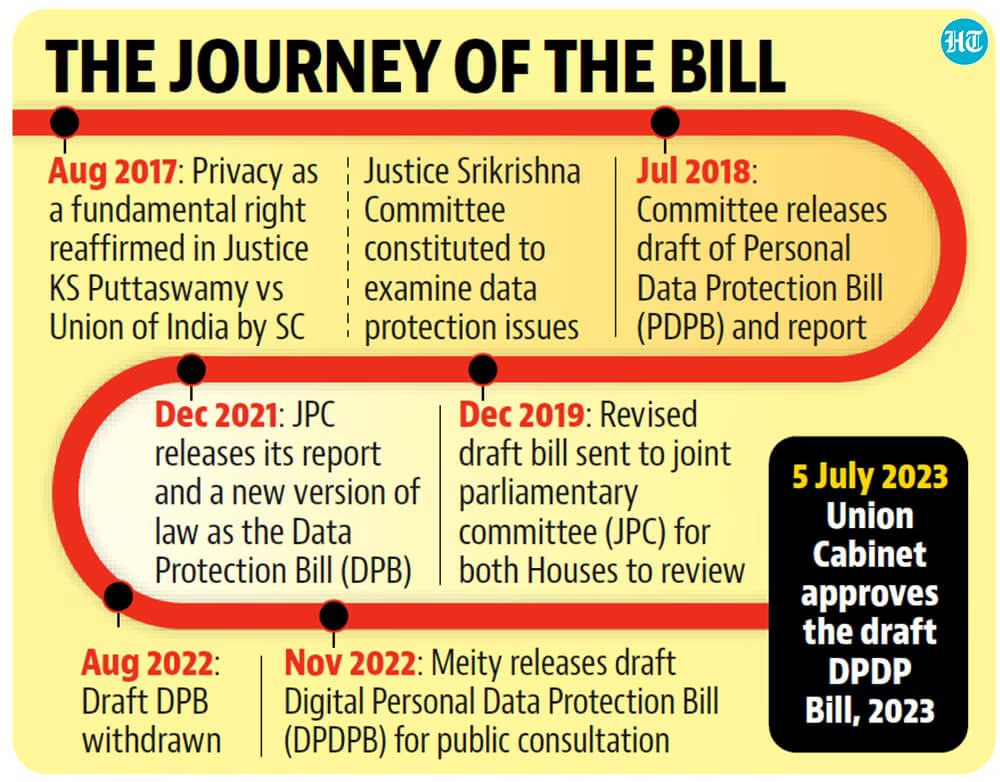
    • Limited Legislative Framework: India does not have robust data protection laws that adequately safeguard citizens’ personal information. While the proposed Draft Digital Personal Data Protection Bill, 2022, is under consideration, there are concerns that it may exempt government entities from compliance.
    • Inadequate Breach Notification Requirements: The absence of data protection laws also means that there are no specific requirements for organizations to notify individuals in the event of a data breach.
    • Limited Accountability and Transparency: The Computer Emergency Response Team (CERT-In), responsible for investigating and responding to cyber incidents, often maintains silence and does not make its technical findings public. This lack of transparency undermines public trust and leaves citizens unaware of the actions taken to address cybersecurity incidents and protect their data.

    Data

    Digital Public Infrastructure (DPI) and Lack of Legislative Mandate

    • Lack of Legislative Mandate: The Digital Public Infrastructure (DPI) framework, encompassing various platforms like Aadhaar, Aarogya Setu, CoWIN, Government E-Marketplace (GEM), and the Open Network for Digital Commerce (ONDC), operates without a clear legislative mandate. These platforms have been created without specific functions, roles, and responsibilities defined by an Act of Parliament.
    • Joint Ventures and Special Purpose Vehicles: Many of these DPI platforms are developed as joint ventures or special purpose vehicles, which allows them to circumvent accountability mechanisms such as audits by the Computer Auditor General (CAG) or transparency mandates under the Right to Information Act.
    • Inconsistencies in Expertise: The claim of expertise in creating DPI platforms to provide citizen services is inconsistent with the evidence. Glitches, failures, and exclusion errors have been observed in systems like Aadhaar, Aarogya Setu, and GEM, undermining the credibility of their expertise.
    • Data Gathering: A common aspect of DPI platforms is their tendency to collect extensive personal information from Indian citizens that goes beyond the technical requirements. This data collection can result in multiple individual and social harms, including the risk of data breaches and privacy infringements.
    • Constitutional Frameworks and Accountability: The absence of a constitutional framework for DPI platforms hampers the establishment of robust regulatory and institutional frameworks. This lack of accountability leaves individual harms unaddressed and undermines the creation of effective governance mechanisms.

    Data

    Coercion and Censorship of Social Media Platforms

    • Coercion of Twitter: Jack Dorsey, the former CEO of Twitter, revealed that the Indian government coerced Twitter into complying with censorship directions regarding the farmers’ protest. The government threatened the platform’s continued operations and the safety of its staff in India to enforce compliance with their demands.
    • Secret Censorship Directions: Twitter’s resistance to comply with a secret direction to remove 250 accounts and tweets related to the farmers’ protest sparked ministerial statements and controversies. The secrecy surrounding these censorship directions raises concerns about transparency and due process in the decision-making process.
    • Office Raids: As a consequence of Twitter’s resistance and its placement of a “manipulated media” tag on a tweet by a BJP spokesperson, the platform’s offices were raided by the Delhi Police in May 2021. This coercive action against Twitter’s offices further emphasizes the government’s efforts to control and suppress dissenting voices on social media.
    • Legal Battles: Twitter filed a writ petition in the Karnataka High Court, challenging the secretive and disproportionate nature of the censorship demands. The platform argued that the demands violated principles of natural justice and lacked proper notice to account holders, who are ordinary individuals using the platform.
    • Denial by the Government: Despite public records and statements made by Twitter and its executives, the Ministry of Electronics and IT (MeitY) denied the allegations of coercion and censorship. This denial reflects a pattern of dismissing concerns and evading accountability for actions taken against social media platforms.

    Way ahead

    • Strengthen Cybersecurity Measures: Develop and implement a comprehensive National Cybersecurity Strategy to address the evolving cyber threats and ensure the security of digital infrastructure. This should include robust encryption standards, regular security audits, and incident response plans.
    • Enact Comprehensive Data Protection Laws: Introduce and pass robust data protection legislation that provides clear guidelines for the collection, storage, and usage of personal data. The legislation should also include provisions for breach notifications to affected individuals, ensuring transparency and accountability.
    • Establish Legislative Mandates for DPI Platforms: Define the functions, roles, and responsibilities of Digital Public Infrastructure (DPI) platforms through legislative mandates. This will ensure transparency, accountability, and adherence to constitutional frameworks in the development and operation of these platforms.
    • Enhance Transparency and Accountability: Foster a culture of transparency and accountability by making the technical findings of investigations into data breaches and cyber incidents public. This will build trust among citizens and stakeholders and help identify areas for improvement in cybersecurity practices.
    • Promote Public Consultation and Stakeholder Engagement: Involve the public, industry experts, and civil society organizations in the formulation of policies related to digital infrastructure, data protection, and cybersecurity. Conduct regular public consultations to gather feedback, suggestions, and concerns, ensuring a more inclusive and holistic approach.
    • Protect Digital Freedoms and Right to Privacy: Safeguard individuals’ digital freedoms and right to privacy by ensuring that government actions and regulations do not infringe upon these fundamental rights. Uphold the principles of free expression and the right to dissent on social media platforms, avoiding undue coercion and censorship.
    • Develop Cybersecurity Capacity and Expertise: Invest in building cybersecurity capacity and expertise within the government and private sector. Promote research and development in cybersecurity technologies and encourage collaboration between industry, academia, and government agencies.
    • International Cooperation: Foster international cooperation and information sharing on cybersecurity best practices, threat intelligence, and incident response. Collaborate with other nations and international organizations to address cross-border cyber threats effectively.

    Conclusion

    • While India’s digital transformation holds great potential, the recent events on June 12 expose the glaring gaps between rhetoric and reality. To realize the true potential of Digital India, it is imperative to prioritize transparency, accountability, and the creation of robust regulatory frameworks.

    Also read:

    India’s Digital Public Infrastructure (DPI)


  • Sedition Law in India: The Need for Repeal and Reform

    Sedition

    Central Idea

    • French author Andre Gide’s statement, “Everything has been said before, but since nobody listens, we have to keep going back and beginning all over again,” aptly reflects the current state of the sedition debate in India. The 279th Law Commission Report, which upholds the sedition law, symbolizes the lack of attention paid to public opinion.

    sedition

    Historical Perspective of Sedition law

    • Section 124A of the IPC was introduced during the British Raj in 1870 to suppress dissent and protest against the colonial government.
    • The then British government in India feared that religious preachers on the Indian subcontinent would wage a war against the government.
      Particularly after the successful suppression of the Wahabi/Waliullah Movement by the British, the need was felt for such law.
    • Throughout the Raj, this section was used to suppress activists in favor of national independence, including Tilak and Mahatma Gandhi, both of whom were found guilty and imprisoned

    What is the ‘Tendency’ Jurisprudence?

    • The tendency jurisprudence refers to the legal concept or approach that considers the potential or inclination of an act to incite violence or disturb public order, rather than requiring evidence of actual violence or an imminent threat of violence.
    • In the context of sedition laws, it implies that expressions or actions that have a tendency to incite violence or promote hatred, contempt, or disaffection against the government can be penalized, regardless of whether they directly lead to public disorder.

    Key points related to the ‘Tendency’ Jurisprudence

    • Ambiguity: The ‘tendency’ standard is often criticized for its ambiguity and lack of clarity. It allows for the inclusion of acts or expressions that may not have a direct causal connection with public disorder, making it difficult for judicial and executive bodies to interpret and apply consistently.
    • Loose Formulation: The ‘tendency’ standard is a loose formulation that can encompass a wide range of acts or expressions. It opens the possibility of penalizing speech or actions that may not pose an immediate threat but are perceived to have the potential to incite violence or disrupt public order in the future.
    • Judicial Challenges: The ‘tendency’ jurisprudence has been subject to legal challenges in various jurisdictions. Critics argue that it can be misused to suppress dissent, curtail freedom of expression, and stifle legitimate criticism of the government, as it broadens the scope of what can be considered seditious.
    • Pending Petitions: In the Indian context, there are currently nine petitions pending before the Supreme Court challenging the constitutionality of Section 124A (the sedition law). These petitions raise concerns about the ambiguity and potential misuse of the ‘tendency’ standard, highlighting the need for a clearer and more precise definition of sedition.
    • Relevance to Sedition Laws: The ‘tendency’ jurisprudence is significant in the context of sedition laws because it determines whether an act or expression falls within the purview of sedition. By assessing the inclination or potential of an act to incite violence or disrupt public order, authorities can decide whether to initiate sedition charges against individuals.
    • Need for Clarity: Critics argue that the ‘tendency’ standard lacks objective criteria and can be subject to interpretation and abuse. There is a demand for a more precise and narrowly defined standard that clearly distinguishes between protected speech and seditious activities to safeguard freedom of expression and prevent misuse of the law.

    sedition

    Concerns over the Power of the police in the enforcement of sedition laws

    • Investigation and Enquiry: The Law Commission’s recommendation that a police officer, holding the rank of an Inspector or higher, should conduct a “preliminary enquiry” before registering a First Information Report (FIR) in sedition cases. This suggests that the police are granted the power to determine whether an act or expression has the tendency to incite violence, even without proof of actual violence or imminent threat.
    • Ambiguous Standards: The proposed amendment to include the “tendency to incite violence” in sedition laws further adds ambiguity to the assessment of seditious acts. This gives police officers discretionary power to judge whether an act has an inclination towards violence, creating potential room for misuse or subjective interpretations.
    • Wide Net and Misuse: The are concerns that the proposed amendment and the broad discretion given to police officers could result in a wide net being cast, potentially encompassing acts that have no real connection to public disorder.
    • Political Influence: The police officers, especially when influenced by those with political clout at the local, state, or national level, may exercise their power selectively and target individuals or groups critical of the government. This can lead to a suppression of dissent and the abuse of police power for political purposes.

    Disregard for Ground Realities

    • Invalidation of Sedition Laws: The Law Commission overlooks developments in other countries where sedition laws have been invalidated or repealed. It suggests that the Commission dismisses these developments by claiming that the “ground realities” in India are different.
    • High Number of Cases: India has witnessed a significant number of sedition cases filed against individuals for criticizing the government or engaging in harmless activities. It cites the example of 174 cases of sedition filed against nearly 950 individuals since 2010.
    • Confusion caused by Precedent: The confusion caused by the Kedar Nath Singh precedent is another aspect of ground realities that the Commission failed to address. The Supreme Court’s admission of multiple petitions challenging the constitutionality of Section 124A, based on the confusion stemming from the Kedar Nath Singh case, indicates the need for clarity and reform in the interpretation and application of sedition laws.
    • Impact on Freedom of Expression: The disregard for ground realities also encompasses the impact of sedition laws on freedom of expression and dissent. The Commission’s recommendation to retain sedition laws fails to consider the stifling effect these laws can have on individuals’ ability to question authority, engage in political criticism, or express dissenting views without fear of criminal repercussions

    Way forward

    • Narrowing the Definition of Sedition: Refining and narrowing the definition of sedition can help prevent its misuse. The focus should be on acts or speech that directly incite violence or pose a genuine threat to the territorial integrity or sovereignty of the country.
    • Safeguarding Freedom of Speech: Safeguards should be put in place to protect individuals’ right to free speech and expression, while allowing for robust public debate and the peaceful expression of dissenting opinions.
    • Transparency and Accountability: Establish mechanisms to promote transparency and accountability in the application of sedition laws. This includes clear guidelines for law enforcement agencies, regular review of cases, and strict consequences for misuse of the law.
    • Public Awareness and Legal Education: Promote public awareness and legal education about the scope and limitations of the sedition law. This can help individuals understand their rights and responsibilities, empowering them to exercise their freedom of speech responsibly while avoiding unlawful acts.
    • Focus on Alternative Measures: Emphasize the use of alternative legal measures, such as laws related to defamation, incitement to violence, or hate speech, to address genuine threats to public order or national security. These laws should be effectively enforced to protect individuals without infringing upon their fundamental rights.

    sedition

    Conclusion

    • The Law Commission’s recommendations, which include vague standards and police empowerment, do not address the fundamental issues with the sedition law. Lingual changes and procedural reforms alone cannot rectify the deep-rooted problems associated with Section 124A. It is imperative to promote free speech, protect dissent, and foster accountability in a post-colonial democracy like India.

    Also read:

    Sedition Law: A Threat to Freedom of Expression in India


More posts