💥Mains Ready By December. Smash Mains & Smash PYQ Admissions Open

Subject: Basic Sciences

  • Surprising ‘Dark Oxygen’ discovery could ensnarl deep-sea mining    

    Why in the News?

    Scientists reported on July 22 in Nature Geoscience that an unknown process is generating oxygen in the deep oceans, where photosynthesis is not possible due to the lack of light.

    About the recent study:

    • Discovery of Oxygen: Scientists reported an unknown process producing oxygen in the deep ocean, specifically in the abyssal zone, where photosynthesis is not feasible due to insufficient sunlight.
    • Location of Study: The study was conducted in the Clarion-Clipperton Zone, located off Mexico’s west coast, which is known for having the highest concentration of polymetallic nodules.
    • Oxygen Measurement: At a depth of 4 km, researchers observed unexpected increases in oxygen levels, sometimes tripling within two days, contrary to expectations of decreasing levels due to consumption by marine life.
    • Source of Oxygen: The researchers hypothesized that the oxygen could be generated by polymetallic nodules, which may create electric charges that split water molecules, releasing oxygen. The nodules exhibited voltages up to 0.95 V, suggesting they could function like battery cells.

    What is Deep-Sea Mining?

    • Deep-Sea Mining: It involves extracting minerals from the ocean floor at great depths, targeting resources such as polymetallic nodules, polymetallic sulphides, and cobalt-rich ferromanganese crusts.

    Economic and Strategic Importance of Deep-sea Mining:

    • Resource Potential: The Clarion-Clipperton Zone holds substantial reserves, including 6 billion tonnes of manganese, and over 200 million tonnes each of copper and nickel, making it a significant target for future mining operations.
    • International Contracts: The International Seabed Authority has granted exploration contracts to various contractors, including the Government of India, for deep-sea mining activities.

    What is Dark Oxygen?

    • “Dark oxygen” refers to the oxygen found in the deep ocean, specifically in regions where photosynthesis cannot occur due to the absence of sunlight. In such areas, known as the abyssal zone, oxygen levels are typically low and depend on global ocean circulation for replenishment.

    Impact of Deep-Sea Mining

    • Ecological Concerns:
      • Potential Damage: The recent findings highlight the potential risks of deep-sea mining to unique marine ecosystems that depend on ‘dark oxygen’. There is concern that mining could disrupt these ecosystems, leading to significant and possibly irreversible environmental impacts.
      • Historical Evidence: Previous experiments, such as the DISCOL Experiment, have shown long-term ecological damage from simulated mining activities, including reduced biodiversity and altered sedimentological profiles.
    • Industry Response and Challenges:
      • Insurance Withdrawal: In response to growing concerns, major European insurance companies announced they would exclude deep-sea mining from their underwriting portfolios.
      • Sustainability Issues: The new discovery of ‘dark oxygen’ adds complexity to the debate on deep-sea mining. If sustainable practices are not implemented, such mining could become unfeasible due to its potential negative impacts on marine ecosystems.

    Way forward: 

    • Develop Comprehensive Environmental Regulations: The Government should establish and enforce robust environmental regulations and impact assessment protocols for deep-sea mining.
    • Promote Sustainable Mining Practices: Need to invest in research and innovation to develop and implement technologies and methods that minimize environmental impact.

    Mains PYQ: 

    Q Coastal sand mining, whether legal or illegal, poses one of the biggest threats to our environment. Analyse the impact of sand mining along the Indian coasts, citing specific examples. (2019)
  • ‘Telecom sector awaits next frontier in communications via policy reform’  

    Why in the News?

    The telecom industry has proposed several policy recommendations to the Ministry of Communications that are essential to realize the Government’s vision of promoting digital empowerment and inclusivity.

    Present global status of the Indian market: 

    • Digital Connectivity Advancements: India has made significant strides in digital connectivity, positioning itself as the third-largest digitized country globally, following the USA and China.
    • Telecommunications Infrastructure: The telecommunications infrastructure in India serves as a cornerstone for digital transformation, facilitating connectivity across various devices and applications, thereby contributing to higher standards of living and economic growth.
    • Policy Reforms: Ambitious policy reforms have been implemented to elevate India’s status as a leading digital economy. These reforms aim at fostering digital empowerment and inclusivity, crucial for sustaining growth and competitiveness in the global market.

    Recommendations submitted by the telecom industry   

    • Reduction in Levy and Tax Burden:
      • Abolishment of the USOF (Universal Service Obligation Fund) levy because of  imposes a burden on telecom service providers (TSPs), diverting resources that could be invested in newer technologies such as 5G and network upgrades
        • USOF is the pool of funds generated by 5% Universal Service Levy that is charged upon all the telecom fund operators on their Adjusted Gross Revenue (AGR).
      • Reduction of the license fee from 3% to 1%.
      • Clarity in the definition of Gross Revenue (GR) to exclude non-telecom activities from tax calculations.
    • Exemption and Duty Reductions:
      • Exemption of Service Tax on additional Adjusted Gross Revenue (AGR) liabilities is demanded because it is crucial for the recovery of the industry’s financial health and ensuring efficient 5G rollout.
        • AGR has resulted in massive dues of over ₹1.5 lakh crore that telecom companies like Bharti Airtel, Vodafone Idea, and others have to pay.
      • Reduction of Customs Duty to zero for telecom manufacturing, with gradual increases for 4G and 5G products.
      • Urgency in renewing Customs Duty exemptions for submarine cable vessels to prevent future cost increases.
    • Spectrum Allocation:
      • Prioritization of 6 GHz spectrum for 5G deployment in India.
      • Strategic planning of 6 GHz spectrum for future 6G technologies, aiming at enhancing network quality, coverage, and supporting a range of advanced applications like telemedicine and smart cities.
    • Telecommunications Act 2023:
      • Introduction of the Telecommunications Act 2023, addressing critical issues such as Right of Way (RoW) for telecom infrastructure.
      • Standardization of RoW rules across states, simplification of licensing processes, and delinking telecom infrastructure from property taxes to facilitate faster deployment of 5G services.
    • Implementation of Reforms:
      • Emphasis on the swift implementation of regulatory reforms to minimize bureaucratic delays and operational hurdles.
      • Creation of a conducive environment for telecom investments by ensuring clarity and uniformity in RoW regulations, thereby improving the Ease of Doing Business (EoDB) in the sector.

    Conclusion: The Government should prioritize the swift implementation of proposed policy reforms, including the reduction of levies and taxes, clarity in revenue definitions, and spectrum allocation for 5G and future 6G technologies. Timely execution will bolster investor confidence, accelerate infrastructure development, and enhance digital connectivity nationwide.

    Mains PYQ:

    Q Cyber warfare is considered by some defence analysts to be a larger threat than even Al Qaeda or terrorism. What do you understand by Cyberwarfare? Outline the cyber threats which India is vulnerable to and bring out the state of the country’s preparedness to deal with the same. (2013)

  • ICAR launches ‘One scientist, One product’ Scheme 

    Why in the News?

    • The Indian Council of Agricultural Research (ICAR) is set to launch its ‘One Scientist-One Product’ program. This initiative aims to enhance research in agriculture and animal husbandry.

    About the Indian Council of Agricultural Research (ICAR)

    • ICAR is an autonomous organisation under the Department of Agricultural Research and Education (DARE), Ministry of Agriculture and Farmers Welfare.
    • It is headquartered in New Delhi.
    • ICAR was formerly known as the Imperial Council of Agricultural Research.
    • It was established in 1929 as a registered society under the Societies Registration Act, 1860 on the basis of the report of the Royal Commission on Agriculture.

    Functions of ICAR:

    • Its primary mandate is to coordinate agricultural education and research in India and provide leadership in agriculture and allied sectors.
    • It is the apex body for coordinating, guiding and managing research and education in agriculture including horticulture, fisheries and animal sciences in the entire country.

    Structure and Organization:

    • ICAR operates under the Department of Agricultural Research and Education (DARE), Ministry of Agriculture and Farmers Welfare, Government of India.
    • It consists of a network of research institutes, national bureaus, project directorates, and agricultural universities across the country.
    • The council is governed by a Governing Body and an Executive Committee, which oversee its functioning and activities.
    • ICAR confers prestigious awards, such as: the Rafi Ahmed Kidwai Award, the Borlaug Award, and the Hari Om Ashram Trust Award, to recognize excellence in agricultural research and education.

    Significant feats achieved by ICAR:

    • Bio-fortified Coverage: In 2023-24, approximately 16 million hectares are cultivated with bio-fortified crop varieties.
    • Crops Mentioned: This includes wheat, rice, pearl millet, lentil, and mustard.
    • Climate Resilience: The deployment of climate-resilient technologies has boosted production, even in abnormal years.
    • Variety Release: From 2014-15 to 2023-24, ICAR has released 2,593 high-yielding varieties, including 2,177 climate-resilient and 150 bio-fortified varieties.

    What is the “One Scientist One Product” Scheme?

    • The “One Scientist One Product” initiative is a strategic research plan launched by the Indian Council of Agricultural Research (ICAR).
    • It aims to enhance agricultural productivity by assigning specific research targets to individual scientists within the organization in the next 5 years.

    Key Objectives of the Scheme:

    • Target-Oriented Research: Each scientist is given a specific target to develop a product. For example- seed variety, technology, research paper, or a conceptual model.
    • Avoiding Duplication: The initiative ensures that efforts are not duplicated by carefully mapping and assigning unique research targets to each scientist.
    • Regular Monitoring: Progress will be monitored every three months at the official level and twice a year by the researchers themselves.

    Implementation Details:

    • All 5,521 scientists of ICAR have been registered under this scheme.
    • At the beginning of each year, scientists must identify and inform about the product they aim to develop.
    • While the focus is on individual contributions, there will be instances where a product will be developed by a group of scientists.

    Long-Term Goals:

    • Product Development: The initiative is part of a broader plan to release 100 new seed varieties across various crops within the government’s 100-day plan.
    • Climate-Resilient Crops: A significant target is to increase the area under climate-resilient paddy seeds to 25% of the total kharif acreage, up from the current 15%.

    Announcement of New Crop Varieties

    • Event Details: ICAR will announce the release of 323 new crop varieties during a function in Delhi. The new releases include cereals, oilseeds, forage crops, and sugarcane.
    • Variety Breakdown: Among these, there are 289 climate-resilient varieties and 27 bio-fortified varieties.
    • Upcoming Initiatives: ICAR aims to develop 100 new seed varieties and 100 farm technologies within 100 days as part of a national 100-day action plan.

    Progress in Bio-fortification and Climate Resilience

    • ICAR reports significant progress in the adoption of bio-fortified crop varieties, with a total area of 16 million hectares under these varieties.
    • The organization emphasizes the success of its climate-resilient technologies, noting enhanced production even during years with abnormal weather conditions.

    PYQ:

    [2018] With reference to the Genetically Modified mustard (GM mustard) developed in India, consider the following statements:

    1. GM mustard has the genes of a soil bacterium that give the plant the property of pest-resistance to a wide variety of pests.
    2. GM mustard has the genes that allow the plant cross-pollination and hybridization.
    3. GM mustard has been developed jointly by the IARI and Punjab Agricultural University.

    Which of the statements given above is/are correct?

    (a) 1 and 3 only

    (b) 2 only

    (c) 2 and 3 only

    (d) 1, 2 and 3

  • What makes mosquitoes suck blood?

    Why in the News?

    A study published in the Proceedings of the National Academy of Sciences (PNAS) 1 has suggested that a pair of hormones work together to activate or suppress mosquitoes’ blood cravings.

    Mosquito Species and Behavior

    • There are around 3500 mosquito species globally, found on every continent except Antarctica.
    • Female mosquitoes consume blood to aid in egg development.
    • After feeding, female mosquitoes lose their appetite for blood until they lay their eggs.

    Research by Michael Strand and Team

    • Strand observed that levels of the mosquito gut hormone F (NPF) spiked when mosquitoes were seeking a host and dropped after feeding.
    • Their study analyzed mosquito enteroendocrine cells responsible for gut hormone production.
    • Hormonal Mechanisms:
      • NPF levels increased before blood meals and decreased six hours after feeding.
      • Another gut hormone, RYamide, was found to influence mosquitoes’ blood lust. As NPF levels decreased after a blood meal, RYamide levels increased, and vice versa.
      • The researchers concluded that NPF and RYamide work together to regulate mosquitoes’ attraction to humans and other hosts.

    Implications of the Study

    • Controlling the Deadliest Animal: Mosquitoes are the deadliest animal on the planet, acting as vectors for diseases such as malaria, dengue, West Nile virus, yellow fever, Zika, chikungunya, and lymphatic filariasis, which collectively kill more people than any other creature.
    • Pesticide Development: The discovery could lead to new pesticide targets for preventing mosquito reproduction and disease transmission.

    Note: Mosquitoes are responsible for over 1 million human deaths per year worldwide. They transmit deadly diseases like malaria, yellow fever, dengue, and Zika virus

    PYQ:

    [2023] ‘Wolbachia method’ is sometimes talked about with reference to which one of the following?

    (a) Controlling the viral diseases spread by mosquitoes
    (b) Converting crop residues into packing material
    (c) Producing biodegradable plastics
    (d) Producing biochar from thermo-chemical conversion of biomass

  • Digital jurisprudence in India, in an AI era  

    Why in the news?

    Generative AI’s transformative potential challenges existing legal frameworks and judicial precedents, which are inadequate for effectively governing this rapidly-evolving technology designed for a pre-AI world.

    What is Generative AI?

    • Generative AI refers to artificial intelligence models that can generate original content like text, images, videos, and audio in response to prompts or requests.
    • These models learn patterns from large datasets and use that knowledge to create new content that resembles the training data.

    Persistent and Contentious Issues in Internet Governance

    Safe Harbour and Liability Fixation:

    • The Shreya Singhal judgment upholds Section 79 of the IT Act, granting intermediaries ‘safe harbour’ protection against liability for hosted content, contingent upon meeting due diligence requirements.
    • Challenges arise in applying these provisions to GAI tools, with debates on whether they should be classified as intermediaries, conduits, or active creators.
    • The Delhi High Court’s ruling in the Christian Louboutin Sas vs Nakul Bajaj and Ors (2018) case limited safe harbour protection to “passive” intermediaries.
    • The classification of GAI tools complicates the assignment of liability, especially in cases of user reposts.

    Generative AI and Legal Conflicts:

    • GAI outputs have led to legal conflicts, such as a lawsuit in the U.S. against OpenAI for defamation by ChatGPT.
    • Ambiguities in classifying GAI tools complicate legal decisions regarding liability.

    What Does the Indian Copyright Act 1957 Say?

    • Section 16 specifies that copyright protection is granted only under the provisions of the Act, with reluctance globally to extend protection to AI-generated works.
    • Critical questions include whether existing copyright laws should be revised for AI, the need for co-authorship with humans, and the responsibility for copyright infringement by AI tools.
    • The 161st Parliamentary Standing Committee Report highlights the inadequacy of the Copyright Act to facilitate AI authorship and ownership.
    • Current Indian law allows copyright owners to take legal action against infringement, but liability for AI-generated content remains unclear.

    Steps to Pursue (Way forward)

    • Learning by Doing: Implement a sandbox approach, granting temporary immunity from liability to GAI platforms for responsible development and data gathering to inform future regulations.
    • Data Rights and Responsibilities: Overhaul the data acquisition process for GAI training, ensuring legal compliance, proper licensing, and compensation for intellectual property used in training models. Potential solutions include revenue-sharing or licensing agreements with data owners.
    • Simplify the Licensing: Licensing data for GAI is complex due to the lack of a centralized licensing body for web data. The creation of centralized platforms, similar to stock photo websites, can simplify licensing, streamline access to data, and ensure data integrity against bias and discrimination.
    • Government and Judicial Approach to maximize the benefits of GAI: A comprehensive re-evaluation of existing digital jurisprudence is needed, requiring a holistic, government-wide approach and judicious interpretations by constitutional courts. The aim is to maximize the benefits of GAI while safeguarding individual rights and protecting against unwelcome harm.

    Mains PYQ:

    Q The emergence of the Fourth Industrial Revolution (Digital Revolution) hasinitiated e-Governance as an integral part of government”. Discuss. (UPSC IAS/2020)

  • On Improving Rural Mobile Connectivity 

    Why in the news? 

    On June 6, IEEE endorsed a wireless network structure aimed at providing economical broadband access in rural areas, formulated at IIT Bombay.

    About the latest Telecom Subscription Data        

    • Urban Tele-density: Urban tele-density in India is 127%, indicating that on average, each urban user has more than one mobile connection.
    • Rural Tele-density: Rural tele-density is significantly lower at 58%, meaning only about one in two rural residents has a mobile connection.
    • Urban-Rural Digital Divide: The data highlights a stark contrast between urban and rural areas, with urban areas having much higher mobile connectivity compared to rural regions, reflecting a significant digital divide.

    What are access and core networks?

    • Access Network (AN): The AN consists of base stations that provide wireless connectivity to mobile devices within a limited geographical area. It interfaces directly with mobile devices, facilitating communication and data transfer between devices and the wider network.
    • Core Network (CN): The CN comprises centralized network equipment that manages and directs data traffic between the access network, other networks (like the Internet), and service providers. It handles tasks such as routing, switching, and managing connectivity across the broader network infrastructure.

    What impedes rural connectivity?

    • Affordability: Lower income levels in rural areas make mobile services relatively expensive, limiting access for many rural residents.
    • Cost of Infrastructure: Installing and maintaining network infrastructure like fibre optics in remote rural areas is costly and may not be economically viable for service providers.
    • Low Population Density: Rural areas often have sparse populations spread over large geographic areas, making it less profitable for network operators to invest in infrastructure deployment.
    • Geographical Barriers: Difficult terrains and remote locations further complicate the installation of base stations and backhaul infrastructure necessary for robust network coverage.
    • Urban Bias in Technology: Most advancements in cellular networks, such as 5G, prioritize high data rates and low latency suitable for urban environments, neglecting the unique challenges of rural areas.
    • Limited Research: There has been insufficient research focused on developing cost-effective solutions that can efficiently cover large rural areas with adequate connectivity.

    What is the IEEE 2061-2024 standard? (Its working and architecture)   

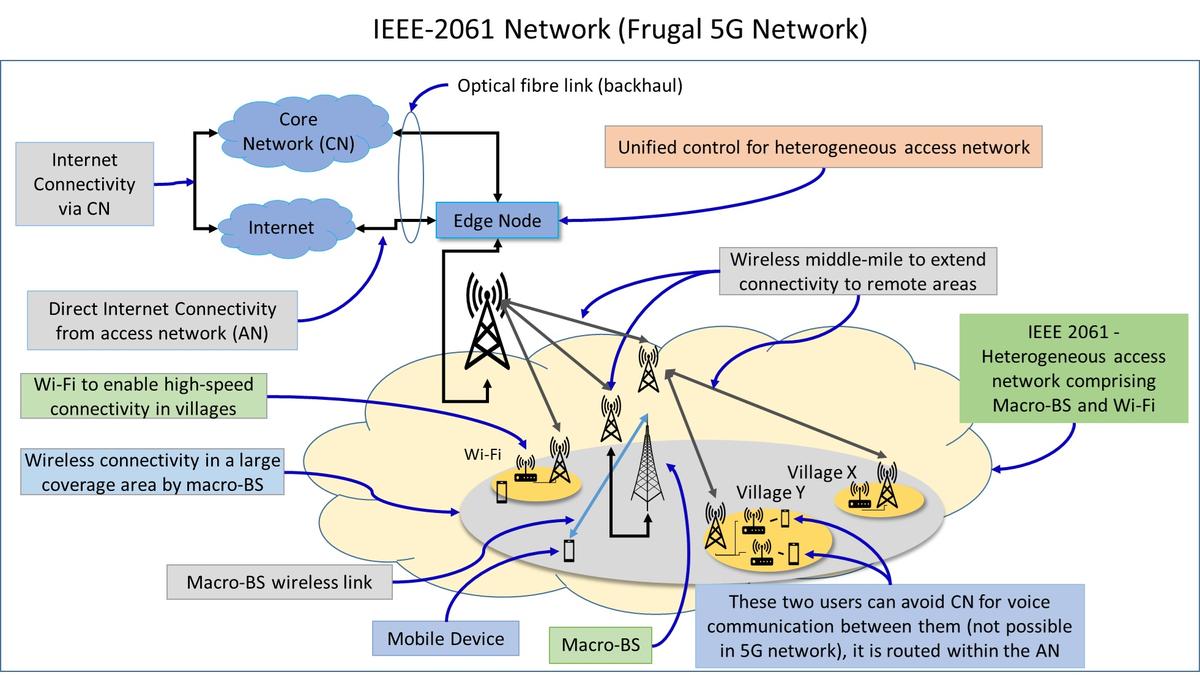
    • IEEE 2061-2024 aims to establish a standardized wireless network architecture for affordable broadband access in rural areas.
    • It defines a heterogeneous Access Network (AN) comprising macro base stations (Macro-BS) and Wi-Fi base stations, integrated with a flexible Core Network (CN) bypass capability.

    Architecture:

    • Heterogeneous AN: Includes Macro-BS covering large areas with potentially lower data rates, complemented by Wi-Fi base stations deployed within villages for high-speed connectivity.
    • CN Bypass: Allows direct Internet access from the AN, bypassing the centralized Core Network for certain communications. This enhances efficiency and reduces latency, catering to stationary users common in rural settings.
    • Middle-Mile Connectivity: Utilizes multi-hop wireless networks (e.g., satellites, long-range Wi-Fi) to extend connectivity over long distances where optical fibre deployment is impractical or costly.

    What is a middle-mile network?

    • A middle-mile network refers to the infrastructure that connects core network hubs to local access points, spanning intermediate distances. It uses technologies like fibre optics, microwave links, or satellites to transport data between central and regional locations, facilitating efficient connectivity over longer distances without the need for direct local access networks.

    Conclude: To bridge the urban-rural digital divide in telecom, measures should focus on affordability through subsidized services, incentivizing infrastructure investment in rural areas, promoting research on rural-specific technologies, and ensuring equitable access to advanced wireless standards like IEEE 2061-2024.

    Mains PYQ: 

    Q Has digital illiteracy, particularly in rural areas, coupled with a lack of Information and Communication Technology (ICT) accessibility hindered socio-economic development? Examine with justification. (UPSC IAS/2021)

  • Activated Carbon Production from Coconut Husks for Supercapacitors

    Why in the News?

    Researchers at Government College for Women, Thiruvananthapuram, have developed a way to make activated carbon from coconut husks, which are a common leftover from farming in Kerala. This activated carbon is well-suited for making supercapacitors.

    Back2Basics: Supercapacitors

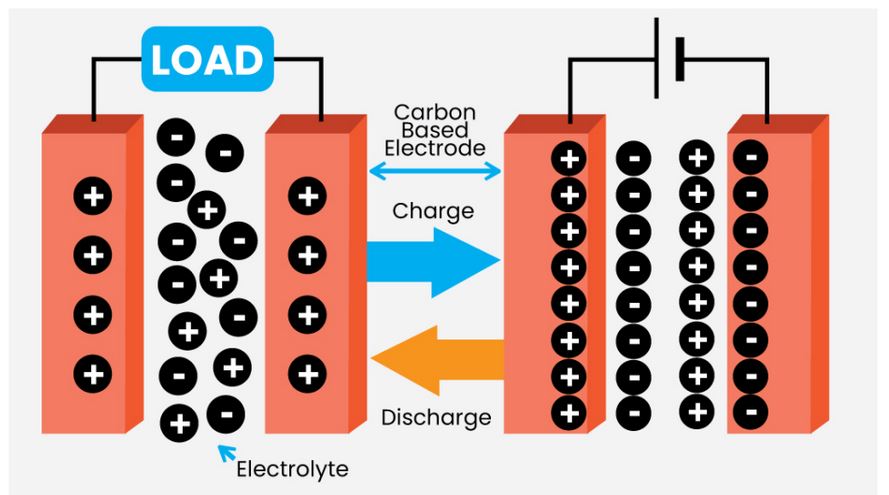
    • Supercapacitors, also known as ultra-capacitors or electrochemical capacitors, are energy storage devices that bridge the gap between conventional capacitors and batteries.
    • They store energy through the electrostatic separation of charges rather than through chemical reactions as in batteries.
    • This allows supercapacitors to charge and discharge much faster than batteries.

    Key Characteristics:

    • High Power Density: Supercapacitors can deliver and accept charge much more rapidly than batteries.
    • Long Cycle Life: They can endure millions of charge-discharge cycles without significant degradation.
    • Wide Operating Temperature Range: Supercapacitors perform well in a broad range of temperatures, making them suitable for various applications.

    Structure and Components:

    • Electrodes: Made of materials like activated carbon, carbon aerogels, or graphene, which have high surface areas.
    • Electrolyte: The medium that allows ionic conductivity between the electrodes, typically a liquid or gel.
    • Separator: A porous membrane that prevents electrical contact between the electrodes but allows ionic movement.

    What is Activated Carbon?

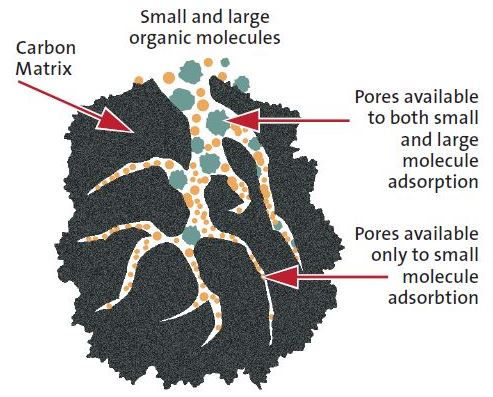
    • Activated Carbon, also known as activated charcoal, is a highly porous form of carbon.
    • It is processed to have small, low-volume pores with increased surface area available for adsorption or chemical reactions.
    • It is widely used for purification, decontamination, and as a filtration medium.
    • Key Characteristics:
      • High Surface Area: Due to its extensive network of pores, activated carbon has a very high surface area, typically ranging from 500 to 1500 m²/g.
      • Porosity: The structure includes micropores, mesopores, and macropores, allowing it to adsorb a variety of molecules.

    How is it produced?

    • Activated carbon is produced from carbonaceous source materials such as coconut shells, peat, wood, coir, lignite, coal, and petroleum pitch.
    • The production involves two main steps:
    1. Carbonization: The raw material is subjected to high temperatures (600-900°C) in an inert atmosphere (usually nitrogen or argon) to remove volatile components.
    2. Activation/Oxidation: The carbonized material is treated with oxidizing agents (such as steam or carbon dioxide) at high temperatures (800-1000°C) to develop a porous structure.

    Types:

    • Powdered Activated Carbon (PAC): Finely ground carbon particles primarily used in liquid phase applications.
    • Granular Activated Carbon (GAC): Larger particles used in both liquid and gas phase applications, such as water and air filtration.
    • Extruded Activated Carbon (EAC): Cylindrical pellets used mainly for gas phase applications due to their low pressure drop and high mechanical strength.
    • Impregnated Activated Carbon: Activated carbon treated with chemicals to enhance its adsorption capacity for specific contaminants.

    Applications:

    • Water Treatment: Removes contaminants like chlorine, odors, and organic compounds from drinking water.
    • Air Purification: Adsorbs volatile organic compounds (VOCs), odors, and airborne pollutants.
    • Medical Uses: Used in poisoning cases to absorb toxins in the gastrointestinal tract.
    • Industrial Processes: Utilized in the recovery of solvents, purification of gases, and in gold purification.
    • Food and Beverage: Helps in decolorization and purification processes in sugar, wine, and juice production.

    About Coconut Husk-Derived Activated Carbon

    • Coconut husk-derived activated carbon is a sustainable and efficient green solution for high-performance supercapacitors.
    • This material is readily available, low-cost, and eco-friendly.
    • It was produced by Microwave-Assisted Method designed at the Centralised Common Instrumentation Facility (CCIF) at the college.

    Importance of Supercapacitors

    • Energy Storage: Supercapacitors have significantly higher capacitance and energy storage capacity compared to conventional capacitors.
    • Search for Ideal Material: Finding the ideal supercapacitor electrode material has been a significant challenge in sustainable energy storage solutions.

    Research Findings:

    • Efficiency: Prototype supercapacitors made from coconut husk-derived activated carbon are four times more efficient than existing supercapacitors.
    • Cost-Effective and Efficient: Activated carbon produced using this technology is inexpensive and exhibits exceptional supercapacitor capability.
  • Nuclear Study provides major update on Plutonium Isotope Fission

    Why in the News?

    Recently a study was conducted on Prompt Fission Neutron Spectrum (PFNS) by the US. This study holds significance for design updates in India’s second stage of its nuclear power programme.

    India’s Progress in Nuclear Energy

    On March 4, India advanced to the second stage of its nuclear power programme by beginning the core-loading process of the Prototype Fast Breeder Reactor (PFBR) at the Madras Atomic Power Station in Kalpakkam. 

    India’s 3-stage Nuclear Power Program:

    Description Timeline
    Stage 1 Relies on pressurized heavy water reactors (PHWRs) using natural uranium as fuel. Initiated in the 1950s;

    Operational since the 1960s

    Stage 2 Focuses on developing fast breeder reactors (FBRs) using plutonium-239 produced in Stage 1. Initiated in the 1970s;

    Development phase

    Stage 3 Involves the development of thorium-based reactors utilizing India’s significant thorium reserves. Initiated in the late 1980s/early 1990s;

    Research & Development phase

    What is Prompt Fission Neutron Spectrum (PFNS)?

    • Definition: PFNS refers to neutrons emitted right after a Pu-240 nucleus captures a neutron but before it reaches a stable state.
    • Previous Studies: To date, only one study has investigated PFNS for Pu-240-induced fission at 0.85 mega-electron-volt (MeV). Recently, researchers in the U.S. conducted a second study with neutrons of higher energy than 0.85 MeV.
    • New Findings: The findings reveal significant differences between predicted and measured PFNS, aiding reactor designers and nuclear medicine practitioners.

    About Plutonium-240 and its Fission

    • Neutron Capture: When a Pu-239 nucleus captures a neutron, it can either undergo fission or become Pu-240.
      • Pu-240 is common in nuclear reactors and nuclear weapon test fallout.
    • Pu-240 Behavior: Pu-240 capturing a neutron typically turns into Pu-241.
      • If Pu-240 undergoes fission, there’s uncertainty about the energy of its fission products.
      • Current models use complex calculations to estimate this output.

    Do you know?

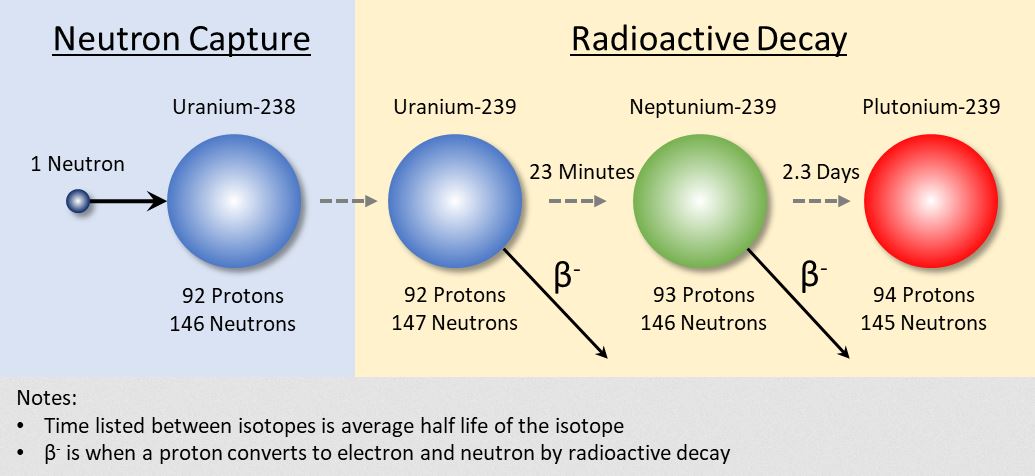
    • Plutonium is created from Uranium-238 in nuclear reactors.
    • Plutonium-239 is a weapon-grade fissile material (i.e. used to make nuclear weapons).
      • Pu-239 and Pu-240 are by-products of nuclear reactor operations and nuclear bomb explosions.

    Relevance of PFNS Study to India’s PFBR

    • PFBR Use: The PFBR uses plutonium from CANDU (Canada Deuterium Uranium) reactor spent fuel, which contains Pu-240. Reprocessed PFBR spent fuel will also contain Pu-240.
    • Importance of New Data: New data on Pu-240 behaviour is essential for improving reactor efficiency and safety.

    Production and Characteristics of Pu-240

    • Creation of Pu-239: Pu-239 is created when U-238 is exposed to neutrons in a reactor. As Pu-239 captures neutrons, it turns into Pu-240, which builds up over time.
    • Spontaneous Fission: Pu-240 undergoes spontaneous fission, emitting alpha particles, and is considered a contaminant in weapons-grade plutonium, where its composition is kept below 7%.
    • Reactor-Grade Plutonium: Plutonium with more than 19% Pu-240 is classified as reactor-grade.

    Experimental Findings on PFNS

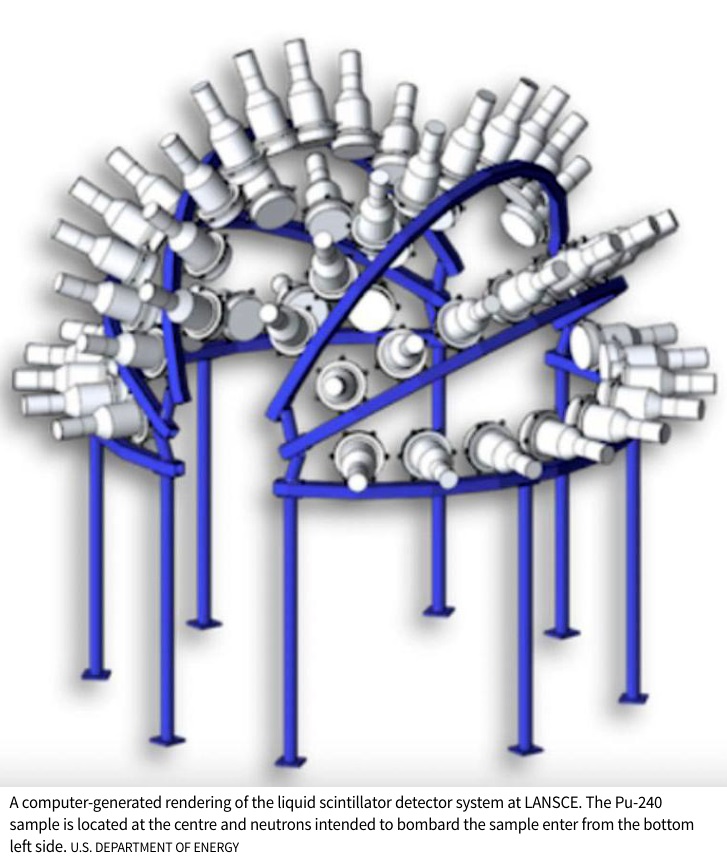
    • Research at LANSCE: Researchers at Los Alamos Neutron Science Centre (LANSCE) conducted tests by bombarding a pure Pu-240 sample with neutrons of 0.01-800 MeV energy.
    • Detection Setup: The setup included liquid scintillators to detect emitted particles, using a small Pu-240 sample to minimize alpha particle emission.
    • Measurement Focus: They measured the energies of neutrons and other fission products, focusing on neutron-induced fission data.

    PYQ:

    [2023] Consider the following statements:

    • Statement-I: India, despite having uranium deposits, depends on coal for most its electricity production.
    • Statement-II: Uranium, enriched to the extent at of least 60%, is required for the production of electricity.

    Which one of the following is correct in respect of the above statements?

    (a) Both Statement-I and Statement-II are correct and Statement-II is the correct explanation for Statement-I

    (b) Both Statement-I and Statement-II are correct and Statement-II is not the correct explanation for Statement-1

    (c) Statement-I is correct but Statement-II is incorrect

    (d) Statement-I is incorrect but Statement-II is correct

  • How will AlphaFold 3 change life sciences research?

    Why in the News?

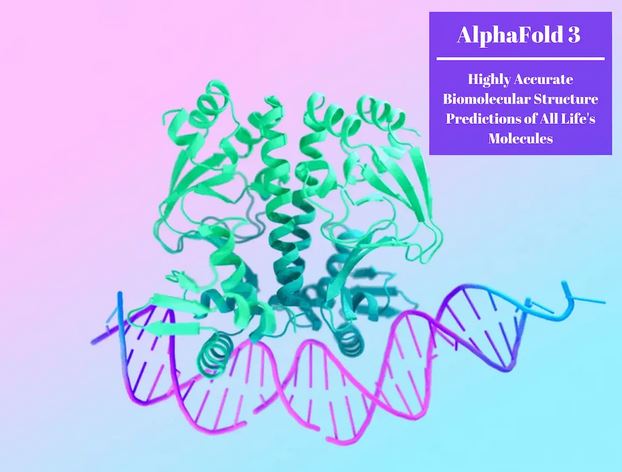
    AlphaFold 3, and AI System introduced in a May 2024 Nature paper, extends capabilities to predict protein-protein interactions, DNA, RNA structures, and their interactions.

    Importance of Proteins

    • Proteins are crucial molecules regulating nearly every biological function.
    • They are composed of amino acids, which determine their structure and function.
    • Understanding protein folding is essential for comprehending cellular and organismal functions.

    The Protein-Folding Problem

    • The process of protein folding is complex and not fully understood, known as the protein-folding problem.
    • It is vital for deciphering how cells, organisms, and life itself operate.
    • Frank Uhlmann emphasizes the significance of understanding protein structure for molecular biology.

    What is AlphaFold?

    • Google DeepMind’s AlphaFold debuted in 2020, employs AI and machine learning to predict protein structures.
    • AlphaFold 2, released in 2021, significantly improved accuracy in protein structure prediction.
    • Derek Lowe acknowledges AlphaFold’s achievement in predicting structures effectively, although the deeper biological principles remain less explored.
    • AlphaFold 3’s Advancements:
      • It democratizes research by offering accessible structure prediction tools, even for non-experts.

    Technology behind AlphaFold 3

    • Unlike its predecessors, AlphaFold 3 utilizes a diffusion model akin to image-generating software.
    • This approach involves training on noisy data and de-noising to predict accurate protein structures.
    • Working:
      • Given an input list of molecules, AlphaFold 3 generates their joint 3D structure, revealing how they all fit together.
      • It models large biomolecules such as proteins, DNA and RNA, as well as small molecules, also known as ligands — a category encompassing many drugs.

    Applications of AlphaFold 3

    • AlphaFold 3 excels in predicting protein structures and interactions, aiding drug discovery efforts.
    • DeepMind’s spin-off, Isomorphic Labs, utilizes AlphaFold 3 for drug candidate identification.

    Challenges

    • The model’s code restriction has sparked criticism among researchers for hindering scientific collaboration and transparency.
    • DeepMind initially withheld AlphaFold 3’s full code, prompting calls for open access from the scientific community.
    • Responding to backlash, DeepMind plans to release the complete code within six months.

    PYQ:

    [2020] With the present state of development, Artificial Intelligence can effectively do which of the following?

    1. Bring down electricity consumption in industrial units
    2. Create meaningful short stories and songs
    3. Disease diagnosis
    4. Text-to-Speech Conversion
    5. Wireless transmission of electrical energy

    Select the correct answer using the code given below:

    (a) 1, 2, 3 and 5 only

    (b) 1, 3 and 4 only

    (c) 2, 4 and 5 only

    (d) 1, 2, 3, 4 and 5

  • Quantum Physics Behind Diapers: How they absorb so much Liquid?

    Why in the News?

    Understanding the absorbency of diapers through the Quantum physics of water absorption and contrasting materials that do or do not absorb water.

    Absorption in Diapers: How it works?

    • Absorption depends on Microscopic forces and Material properties. Water molecules are attracted to materials like cotton due to their structure.
    • Cotton, a network of polymers with ions, absorbs water effectively by attracting water molecules.
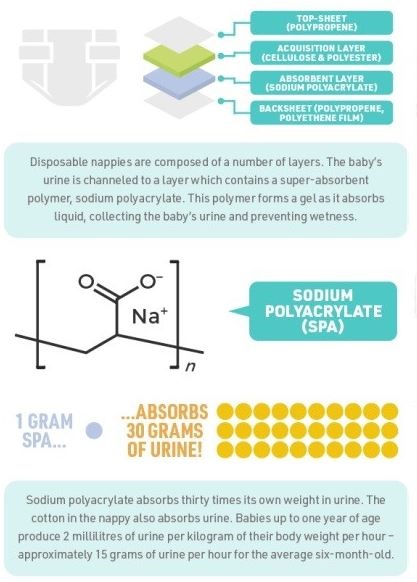
    • For large fluid absorption like in diapers, Super-Absorbent Polymers (SAP) are crucial.

    What are Super-Absorbent Polymers (SAP)?

    • SAPs are synthetic materials with the ability to absorb and retain large amounts of liquid relative to their own mass.
    • They are commonly used in products like diapers, sanitary napkins, and other absorbent hygiene products.
    • SAPs are typically cross-linked polymers, meaning their molecules are bonded in a way that creates a network capable of absorbing water molecules.

    Examples:

    1. Sodium Polyacrylate: This is one of the most common types of SAP used in diapers. It forms a gel-like substance when it absorbs liquid.
    2. Polyacrylamide: Another type of SAP used in various applications, including agriculture and wastewater treatment, due to its high water-absorbing capacity.

    Quantum Physics Insight of SAP

    Quantum physics plays a fundamental role in understanding the behaviour of super-absorbent polymers (SAPs), particularly in how they interact with water molecules at the atomic level:

    1. Electron Sharing: SAPs contain ions like sodium, which have a strong affinity for water molecules. This attraction is based on the principles of quantum physics, where atoms like sodium and oxygen prefer to share electrons to achieve stability. This shared electron arrangement allows water molecules to bond with the ions in SAPs, facilitating the absorption process.
    2. Quantum Mechanical Properties: At the quantum level, electrons behave as waves and can exist in shared states between atoms. This phenomenon allows for the formation of stable bonds between water molecules and SAP ions, enhancing the SAP’s ability to absorb large amounts of liquid.
    3. Energy States: Quantum physics explains how SAPs manage energy states during absorption. As water enters the SAP, energy is released due to changes in the electron configurations and bonding energies of the ions involved. This process is crucial for maintaining the gel-like structure of the SAP and preventing leakage.

    PYQ:

    [2022] Which one of the following is the context in which the term “qubit” is mentioned?

    (a) Cloud Services

    (b) Quantum Computing

    (c) Visible Light Communication Technologies

    (d) Wireless Communication Technologies