💥Mains Ready By December. Smash Mains & Smash PYQ Admissions Open

Subject: Global Groupings and Conventions

Important International institutions, agencies and fora- their structure, mandate.

  • WTO’s 13th Ministerial Conference: A Path Forward for Global Trade

    In the news

    • The 13th Ministerial Conference (MC13) of the World Trade Organization (WTO) convened in Abu Dhabi, UAE, from February 26 to March 2, drawing participation from 166 member countries.
    • The conference culminated in the adoption of a ministerial declaration outlining a reform agenda to bolster the WTO’s role in regulating global trade and facilitating seamless cross-border commerce.

    About World Trade Organization (WTO)

    Details
    Establishment 1995, replacing GATT
    Objective To regulate international trade
    Headquarters Geneva, Switzerland
    Members
    • 164
    • India is a Founding Member.
    Objectives
    • Formulate rules for trade
    • Negotiate further liberalization
    • Settle disputes
    • Assist developing countries
    • Cooperate with major economic institutions
    Principles
    • Non-Discrimination
    • Most Favored Nation
    • National Treatment
    • Reciprocity
    • Predictability through Binding Commitments
    • Transparency
    • Encourage Development and Reforms
    Important Trade Agreements
    • Agreement on Agriculture (AoA),
    • Agreement on TRIPS (Trade-Related Aspects of Intellectual Property Rights),
    • Agreement on the Application of Sanitary and Phytosanitary Measures (SPS),
    • Agreement on Technical Barriers to Trade (TBT),
    • Agreement on Trade-Related Investment Measures (TRIMS),
    • General Agreement on Trade in Services (GATS) etc.
    WTO Agreement on Agriculture (AoA)
    • Negotiated during Uruguay Round (1995)
    • Aims to reform trade in agriculture
    • Allows support for rural economies with fewer trade “distortions”
    • Focuses on improving market access, reducing subsidies, and eliminating export subsidies

    Subsidies Types:

    1. Green Box – No distortion in trade
    2. Amber Box – Can distort production and trade (subject to limits)
    3. Blue Box – Subsidies linked to production-limiting programs
    Most Favoured Nation Clause
    • Ensures non-discriminatory trade
    • Prevents discrimination among trade partners
    • First clause in GATT
    • Special trade statuses extended to all WTO members

    Key Decisions at MC13

    • Dispute Settlement System: Member countries reaffirmed their commitment to establishing a fully functional dispute settlement system by 2024.
    • Special and Differential Treatment (S&DT): Emphasis was placed on enhancing the utilization of S&DT provisions to support the development objectives of developing and least developed countries (LDCs).

    Challenges to Multilateral Trading Order

    • Rising Protectionism: Developed economies, amid growing domestic pressures, have exhibited a propensity towards protectionist policies, challenging the prevailing globalized trade paradigm.
    • Supply Chain Disruptions: Ongoing conflicts and sanctions have disrupted global supply chains, necessitating a reassessment of trade norms to ensure resilience and efficiency.
    • Development Disparities: Concerns persist regarding the equitable treatment of nations, with attention directed towards mitigating disparities between richer nations and LDCs.

    India’s Approach

    • Public Stockholding (PSH) Programme: India advocated for a resolution concerning the PSH program, crucial for ensuring food security. The program enables the procurement and distribution of essential food grains to millions of beneficiaries at subsidized rates.
    • Fisheries Subsidies: India proposed measures to regulate fisheries subsidies, advocating for support to poor fishermen within national waters while curbing subsidies for industrial fishing in international waters.
    • E-commerce Customs Duties: India pressed for the removal of the moratorium on customs duties for cross-border e-commerce, citing the need to safeguard revenue generation in the digital trade landscape.

    Outcomes

    • Agriculture: MC13 witnessed the formulation of a text addressing agricultural issues, marking a significant milestone after decades of negotiations.
    • Fisheries: Progress towards consensus on fisheries regulations was noted, with expectations of finalization by mid-year.
    • E-commerce Duties: Despite efforts, the exemption from customs duties for e-commerce transactions was extended for an additional two years, disappointing several developing economies.

    Conclusion

    • The outcomes of MC13 underscore the imperative for collaborative efforts to address pressing challenges in global trade.
    • While strides were made in certain areas such as agriculture and fisheries, unresolved issues surrounding e-commerce and development disparities persist.
    • As nations navigate the evolving trade landscape, sustained dialogue and concerted action are essential to foster inclusive and sustainable economic growth worldwide.

    Try this PYQ from CSE Prelims 2015:

    The terms ‘Agreement on Agriculture’, ‘Agreement on the Application of Sanitary and Phytosanitary Measures’ and Peace Clause’ appear in the news frequently in the context of the affairs of the:

    (a) Food and Agriculture Organization

    (b) United Nations Framework Conference on Climate Change

    (c) World Trade Organization

    (d) United Nations Environment Programme


    [wpdiscuz-feedback id=”cygi29n862″ question=”Please leave a feedback on this” opened=”1″]Post your response here.[/wpdiscuz-feedback]

  • Ensure Pakistan does not divert loans to foot defence bills: India to IMF

    Ensure Pakistan does not divert loans to foot defence bills: India to IMF

    Why in the News?

    India stresses the need for stringent monitoring during a recent review of the loan to Pakistan when the new PM Shehbaz Sharif seeking additional funding support from the IMF.

    Background:

    • Taking a tough stance, India has batted for “stringent monitoring” of any emergency funds provided by the International Monetary Fund (IMF) to Pakistan, stressing that such funds must not be redeployed towards defense bills or repayment of loans from other countries.
    • India’s position was put across to the IMF’s executive board during a recent review of an ongoing $3 billion short-term Stand-By Arrangement (SBA) granted to Pakistan by the Fund.

    About International Monetary Fund (IMF):

    • The IMF works to achieve sustainable growth and prosperity for all of its 190 member countries.
    • It does so by supporting economic policies that promote financial stability and monetary cooperation, which are essential to increase productivity, job creation, and economic well-being.
    • The IMF is governed by and accountable to its member countries.

    Aims and Objectives:

    • Furthering international monetary cooperation;
    • Encouraging the expansion of trade and economic growth;
    • Discouraging policies that would harm prosperity.

    Functions of IMF:

    • Policy Advice: As part of this process, which takes place at the global and regional levels, the IMF identifies potential risks and recommends appropriate policy adjustments to sustain economic growth and promote financial stability.
    • Financial Advice: The IMF provides financial support to countries hit by crises to create breathing room as they implement policies that restore economic stability and growth. It also provides precautionary financing to help prevent crises. IMF lending is continuously refined to meet countries’ changing needs. The causes of crises can be domestic, external, or both.
      • Domestic factors include inappropriate fiscal and monetary policies, which can lead to large current account and fiscal deficits and high public debt levels; an exchange rate fixed at an inappropriate level, which can erode competitiveness and result in the loss of official reserves, and a weak financial system. Political instability and weak institutions also can trigger crises.
      • External factors include shocks ranging from natural disasters to large swings in commodity prices. With globalization, sudden changes in market sentiment can result in capital flow volatility. Both are common causes of crises, especially for low-income countries.

    Significance of IMF monitoring:

    • Essential in identifying risks that may require remedial policy adjustments.
    • International cooperation on these efforts is critical in today’s globally integrated economy, in which the problems or policies of one country can affect many others.
    • Focuses on individual countries or bilateral surveillance, and the global economy or multilateral surveillance.

    Conclusion: There is uncertainty around Pakistan’s ability to quickly negotiate a new IMF program after the current one expires in April 2024 remains very high. Pakistan’s government liquidity and external vulnerability risks will remain very high until there is clarity on a credible longer-term financing plan

  • The current global order — a fraying around many edges


    PYQ Relevance

    Mains PYQs

    1. “There arose a serious challenge to the Democratic State System between the two World Wars.” Evaluate the statement. (2021)

    2. The World Bank and the IMF, collectively known as the Bretton Woods Institutions, are the two inter-governmental pillars supporting the structure of the world’s economic and financial order. Superficially, the World Bank and the IMF exhibit many common characteristics, yet their role, functions and mandate are distinctly different. Elucidate. (2015)

    Prelims PYQs

    ‘Global Financial Stability Report’ is released by which organization? (2016)

    a)      Organization for Economic Cooperation and Development (OECD)

    b)      World Economic Forum

    c)       World Bank

    d)      World Trade Organization (WTO)

    Note4Students:

    Relevance: GS II(International Relation)

    • Prelims: United Nations and Security Council;
    • Mains: Global Order and Challenges; Major International Organizations; United Nations;

    Mentor Comments: UPSC has been known to ask questions about ‘how things are at present vs. how things should be ideally’ across subjects like IR, Science and Technology, governance, or Economy. This op-ed is useful for analyzing the recent ongoing dynamics at the geopolitical level which is affecting the power play among the significant multilateral organizations.

    So, Let’s Learn.

    Why in the News?

    Recently, at the 55th regular session of the Human Rights Council, Antonio Guterres (UN Secretary-General), has expressed growing pessimism about the organization’s future due to the “lack of unity” among members of the United Nations Security Council (UNSC).

    Context:

    • During the 2020s, the United Nations-led system, although traditionally the default option, is presently facing significant challenges.
    • There is an urgent need for reform within the UN due to existing divisions, as superficial changes may not be sufficient to address the underlying issues to revitalize its effectiveness.

     Is this the end of the road for the current global order?

    1) The Evolution and the shift in Global world order w.r.t United Nations System:

    • The UN’s foundation dates back to January 1942 when 26 Allied nations signed the Declaration of the United Nations, endorsing the Atlantic Charter of 1941 that outlined the war aims of the US and UK.
    • Evolution of the UN and Power Dynamics:
      • The UN was created to uphold sovereignty and equality among nations through collective security principles but faced challenges within the Security Council due to the dominance of its five Permanent Members.
      • Post-1942 negotiations led to a structure where major Allied powers were granted permanent veto power, resembling early 19th-century European power dynamics.
      • The Bretton Woods Conference in July 1944 established key financial institutions like the IMF, World Bank, and GATT (later WTO) to create an international economic order focused on post-war reconstruction and global trade liberalization.
    • Shifts in Power and Economic Order:
      • The creation of the IMF marked a shift in power dynamics as imperial Britain’s debt burden led to the US emerging as a dominant force in global finance.
      • Britain had to relinquish its imperial trade preferences, symbolizing a transition from sterling to dollar dominance in international financial systems

    2) Controlling Power Structures:

    • Influence of old power structures: The governance of the World Bank and IMF reflects old power structures, with an American heading the World Bank and Europe nominating the IMF head.
    • Voting rights: Voting rights in the IMF remain stagnant, favoring major economies like the US, UK, and G-7 nations, giving them significant influence.
      • For Example, currently the percentage voting rights for, say, the original BRICS members (Brazil, Russia, India, China and South Africa) are 2.22, 2.59, 2.63, 6.08, and 0.63. The U.S. alone commands 16.5; add to it the votes of the U.K.
    • Special Drawing Rights (SDR): Special Drawing Rights allocation and major reforms require an 85% majority vote, effectively granting the US a powerful veto within the IMF.
      • The IMF maintains global stability by promoting financial stability, offering advice, and providing funds to countries in financial difficulty, as long as they accept conditions set by the leadership of the Fund.

    What are the significant challenges in maintaining UN’s role in global governance and international peace and security?

    • Global Events and Geopolitical Constraints: The geopolitical constraints on the UN are intensifying, with deep rifts among major powers affecting the organization’s effectiveness in addressing global crises.
      • The 2020s have exposed vulnerabilities within the global system, with events like COVID-19 border closures disrupting cooperation and shared prosperity ideals. Secondly, Russia’s invasion of Ukraine highlighted the disregard for rules by powerful nations, undermining the system’s integrity.
    • New Fault Lines and Declining Political Influence: The UN’s political influence is decreasing due to political divisions and resource gaps, requiring new strategies to mobilize its strengths for peace.
      • For Example, presently, the conflict in Gaza revealed divisions between developed and developing nations, questioning support for the UN and exposing underlying tensions over human rights and historical injustices. Further, the crisis in West Asia is pushing the UN to the sidelines as key players challenge its authority, testing their commitment to fundamental UN principles.
    • Major-Power Divisions: Divisions among major powers are shrinking the space for multilateral cooperation, impacting the UN’s ability to manage international peace and security.
      • For Example, the China-led Asian Infrastructure Investment Bank (AIIB) aimed to challenge the World Bank but faces resistance, highlighting ongoing power struggles in global governance.
    • Security Council Paralysis: The Security Council has been slow and indecisive in reacting to crises, with the Russian invasion of Ukraine posing a serious challenge to international security and highlighting the need for more effective collective solutions.
      • Moreover, developing countries struggled to overcome Security Council vetoes and Bretton Woods Institutions’ voting structures.
    Silver Lining:

    • Existing organizations outside the UN, like ASEAN, EU, G-7, G-20, and NATO, serve specific interests rather than universal values, lacking the binding legal framework of the UN. These organizations operate as clubs or regional security alliances, and can be more effective considering global governance structure.

     Way Forward:

    • Need for an Inclusive Global Cooperation: There is a growing need for more effective and inclusive global cooperation, emphasizing the importance of reforming international financial institutions and strengthening the role of the General Assembly within the UN system.
    • Need for Pragmatic Approach: In light of these challenges, there is a consensus on the necessity for flexibility, and adaptability within the UN to navigate complex geopolitical dynamics and effectively address global issues while restoring trust and reigniting global solidarity.


  • Are INTERPOL Blue Corner Notices being Politically Exploited?

    interpol

    Why in the News?

    Concerns arise over the misuse of Interpol notices, especially blue corner notices, raising issues about balancing police cooperation and preventing abuse of power.

    About INTERPOL (International Criminal Police Organization)

    Details
    Overview
    • Established in Vienna, Austria (1923), it enables cross-border police cooperation and supports and assists all organizations, authorities and services whose mission is to prevent or combat international crime.
    • An inter-governmental organization comprising 195 member countries,
    • Facilitates better coordination among police forces globally
    Functions
    • Enables member countries to share and access data on crimes and criminals
    • Offers technical and operational support to member countries
    • Manages 19 police databases containing information on crimes and criminals, accessible in real-time
    • Provides investigative support, including forensics, analysis, and assistance in locating fugitives worldwide.
    Working
    • Run by a Secretary General
    • Headquarters located in Lyon, France
    • Global complex for innovation based in Singapore
    • Several satellite offices in different regions.
    India’s Membership
    • Joined in June 1956.
    Functioning in Member Countries
    • Each member country has a National Central Bureau (NCB), serving as the central point of contact for the general secretariat and other NCBs worldwide
    • NCBs are typically managed by police officials and situated in the government ministry responsible for policing (e.g., MHA in India)
    • Interpol’s databases contain various information, from names and fingerprints to stolen passports, accessible in real-time to member countries
    • Provides investigative support to member countries, aiding in forensic analysis and locating fugitives globally.


    What are Blue Corner Notice?

    • Types of Notices: Interpol issues seven types of notices, including Blue Notice.
    • Purpose: Blue corner notice, also known as an “enquiry notice,” facilitates sharing critical crime-related information, including criminal records verification and locating individuals.
    • Example: In January 2020, Interpol issued a blue corner notice to locate fugitive Nithyananda, a self-styled godman.

    Distinguishing Blue from Red Corner Notice

    • Red Corner Notice: It is issued by a member state for the arrest of a wanted criminal, often following criminal convictions, allowing arrests in any member state.
    • Difference: Blue notices precede criminal charges, while red notices typically follow convictions. Red notices enable arrests and other consequences like bank account closures, while blue notices facilitate information exchange.

    Examples of Notice Issuance

    • Red Corner Notice: In 2018, a red corner notice was issued against Nirav Modi for the Punjab National Bank scam.
    • Interpol’s Decision: However, in October 2022, Interpol rejected India’s request for a red notice against Gurpatwant Singh Pannun, citing insufficient information and political dimensions.

    Concerns of Misuse

    • Political Misuse: Despite Interpol’s prohibition on political activities, concerns persist regarding its enforcement.
    • Instances: Russia, China, Iran, Turkey, and Tunisia face accusations of abusing Interpol notices for political purposes.
    • Criticism: While Interpol tightened oversight of red notices, vulnerabilities remain, especially with blue notices, which experts suggest are less scrutinized before publication.

    Debates on Notice Issuance

    • Turkey’s Argument: Countries like Turkey argue against excessive restraint in notice issuance, citing hampered police cooperation and sovereignty concerns.
    • Global Response: International human rights groups call for stricter enforcement of Interpol’s rules to prevent authoritarian exploitation.
  • Schengen Area: A Milestone in European Integration

    Schengen Area

    Introduction

    • Kosovo recently achieved visa-free access to the Schengen zone in Europe, marking a significant milestone in its integration with the European Union (EU) and the broader international community.

    What is Schengen Area?

    • Definition: A zone comprising 27 European countries where internal borders have been abolished for the free movement of people.
    • Membership: Includes 23 of the 27 EU member states and all members of the European Free Trade Association (EFTA) – Iceland, Liechtenstein, Norway, and Switzerland.
    • Key Features:
      1. No internal border checks except in specific threat situations.
      2. Harmonized controls at external borders based on defined criteria.

    About Eurozone

    • A geographic and economic region consisting of European Union countries that have adopted the euro as their national currency.
    • As of January 2023, consists of 20 EU countries: Austria, Belgium, Croatia, Cyprus, Estonia, Finland, France, Germany, Greece, Ireland, Italy, Latvia, Lithuania, Luxembourg, Malta, Netherlands, Portugal, Slovakia, Slovenia, and Spain.
    • Key Features:
      1. Coordination of economic policy-making to support EU economic aims.
      2. Replacement of national currencies with the euro.

    Requirements for Joining the Eurozone

    EU nations must meet specific criteria, including four macroeconomic indicators:

    1. Price Stability: Maintain sustainable price performance with average inflation no more than 1.5 percent above the rate of the three best-performing member states.
    2. Public Finances: Maintain a budget deficit no greater than 3% of GDP and public debt no greater than 60% of GDP.
    3. Durability of Convergence: Assessed through long-term interest rates, which cannot exceed 2 percent above the rate in the three most price-stable member states.
    4. Exchange Rate Stability: Demonstrate stability by participating in the Exchange Rate Mechanism (ERM) II for at least two years without severe tensions or devaluation against the euro.
  • 7th Edition of Indian Ocean Conference (IOC)

    Indian Ocean Conference

    Introduction

    • The 7th Edition of Indian Ocean Conference (IOC) is being held in Perth, Australia.

    About Indian Ocean Conference (IOC)

    • IOC started in 2016, serving as the premier consultative forum for countries in the Indian Ocean region on regional affairs.
    • The first edition of the Conference was held in Singapore in 2016.
    • It is organised by India Foundation in partnership with other organizations in the region.
    • It aims to bring together critical states and maritime partners to discuss regional cooperation under the concept of Security and Growth for All in the Region (SAGAR).

    What is SAGAR?

    • SAGAR stands for ‘Security and Growth for All in the Region’ and was initiated by PM Narendra Modi in 2015 at Mauritius.
    • It aims to leverage the blue economy and maintain strategic partnerships with littoral states in Asia and Africa.
    • It seeks to provide leadership in capacity building and capability enhancement programs transparently, aligning with other maritime initiatives like Act East Policy, Project Mausam, and Blue Economy.

    Key Statements by Dignitaries this Year

    • Challenges to International Rule of Law: EAM S. Jaishankar highlighted challenges to international rule of law from the Red Sea to the Indo-Pacific, implicitly targeting China’s actions.
    • Call for Conflict Reduction: Australian Foreign Minister emphasized the necessity of reducing conflict in the region amid growing tensions.
    • Veiled References to China’s Actions: Jaishankar made indirect references to China’s troop buildup at the Line of Actual Control and actions in the South China Sea, stressing the importance of adhering to internationally negotiated regimes.
  • At World Economic Forum, how India made a mark

    Davos 2024: While world is fighting for land, India is winning foreign  investments at World Economic Forum

    Central Idea:

    India’s notable economic growth, showcased at Davos 2024, positions it as a global player addressing challenges such as geopolitical incidents, climate change, and technology risks. The country’s achievements in technology-driven governance, active participation in global discussions, and emphasis on socioeconomic aspects contribute to its recognition as a resilient and influential economy.

    Key Highlights:

    • Technology-driven Governance: India’s effective use of technology for governance solutions at scale is highlighted, especially in the context of Artificial Intelligence (AI).
    • Global Participation: India actively engages in global discussions, particularly on socioeconomic issues, reflecting its role as a responsible and influential partner in the world.
    • Women Empowerment: Davos discussions spotlight Indian women’s substantial contribution to the economy, managing businesses worth $37 billion annually. Advocacy for financial institution investments in women-owned businesses is emphasized.
    • Energy Transition: Amidst the focus on climate change, challenges related to energy transition are discussed, with attention to the importance of non-disruptive processes and policy strategies.
    • Equitable Growth: India’s growth trajectory is highlighted as equitable, encompassing infrastructure development, gender inclusivity, and addressing the needs of disadvantaged sections through social security measures.
    • Global Recognition: Moody’s recognizes India as a “pocket of resilience” in the face of global economic challenges, acknowledging the country’s stability and receiving attention across economic, social, and political dimensions.
    • Favorable Investment Destination: India is presented as a favored destination for global investments, with the government’s mission to achieve developed status by 2047.

    Key Challenges:

    • Geopolitical Incidents: India’s integration into the global economy makes it susceptible to geopolitical incidents, requiring a responsible approach to maintain trust.
    • Energy Transition Challenges: Balancing import dependence on fossil fuels with the need for sustainable alternatives poses challenges in India’s energy transition.
    • Inflation Risk: Sticky inflation globally poses a risk to India’s growth trajectory, requiring vigilant economic management.

    Key Terms/Phrases:

    • AI Leadership: India’s leadership role in adopting and leveraging AI for business solutions.
    • Women’s Self-Employment: The substantial contribution of Indian women, managing businesses with credit from financial institutions.
    • Green Hydrogen: Highlighting alternative energy sources, like green hydrogen, to address energy transition challenges.

    Key Quotes:

    • “India can appear as a ‘pocket of resilience’ amid the risk of sticky inflation affecting the growth trajectory of the global economy.” – Moody’s Investors Service
    • “India’s economic prowess consistently outshone several large economies, showcasing a robust growth trajectory.”

    Key Examples/References:

    • UN World Investment Report: Recognizing India as a favored destination for global investments.
    • Moody’s Investors Service: Acknowledges India’s resilience in the face of global economic challenges.

    Key Facts/Data:

    • Indian Women’s Contribution: Ninety million women are self-employed, managing businesses worth $37 billion annually.
    • Government’s Mission: Prime Minister’s goal to propel India into developed status by 2047.

    Critical Analysis:

    • Equitable Growth: The focus on growth reaching every part of the country is critical for inclusive development.
    • Global Recognition: Recognition at the global level highlights India’s role in shaping the world’s economic, social, and political landscape.

    Way Forward:

    • Continued Reforms: India should maintain a proactive approach to governance and reforms, especially in technology adoption and energy transition.
    • Global Collaboration: Strengthening collaborations with global partners ensures a more sustainable and inclusive future.
    • Inclusive Policies: Continued emphasis on gender inclusivity and social security measures contributes to a more equitable growth trajectory.
  • Fired up and plugged in

    Unlocking the co-benefits of decarbonising India's power sector | TERI

    Central Idea:

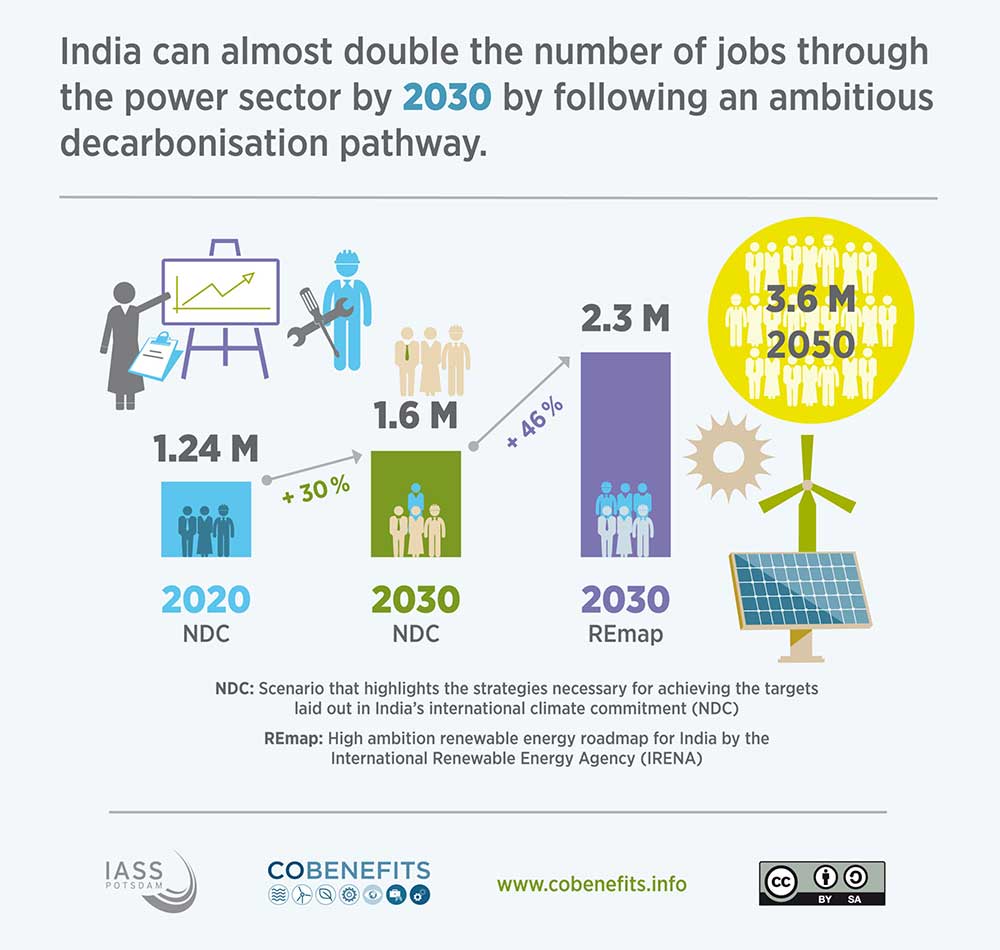
    India aims to balance economic growth and environmental concerns as it strives to become the fastest-growing economy, focusing on decarbonizing the power sector, ensuring development, and securing energy needs. Coal remains crucial, but strategies involve managing existing assets, enhancing coal fleet flexibility, incentivizing energy storage, and promoting domestic manufacturing of renewable energy technologies.

    Key Highlights:

    • India is actively involved in climate action, reducing fossil fuel subsidies, and planning a threefold increase in renewable power capacity by 2030.
    • Coal, despite being essential, is slated to persist until India attains developed country status.
    • Strategies include better managing thermal plant outages, increasing coal fleet flexibility, incentivizing energy storage, and promoting domestic clean energy manufacturing.

    Key Challenges:

    • Balancing economic growth with the imperative to phase down unabated coal.
    • Uncertainty in predicting India’s coal reliance due to rising electricity demand.
    • Adapting existing coal plants for flexibility in integrating renewable energy.
    • Compensating entities for energy storage services and boosting domestic value and job creation in clean energy.

    Key Terms:

    • COP-28: The 28th Conference of the Parties, relevant to global climate change negotiations.
    • Unabated Coal: Coal burning without a reduction in carbon emissions.
    • Renewable Power Generation: Electricity from sustainable sources like wind, solar, and hydropower.
    • Atmanirbhar: A Hindi term signifying self-reliance, commonly used in promoting domestic manufacturing.

    Key Phrases:

    • “Decarbonizing the power sector while ensuring economic development and energy security.”
    • “Reducing overall fossil fuel subsidies” and “tripling installed renewable power generation capacity by 2030.”
    • “Managing thermal plant outages during peak demand periods.”
    • “Increasing the flexibility of the existing coal fleet to integrate more renewable energy into the grid.”
    • “Indigenizing supply chains for battery storage and renewable energy technologies.”

    Key Quotes:

    • “India has reduced overall fossil fuel subsidies by 76% between FY14 and FY22.”
    • “Coal will remain a vital energy source until India reaches the status of a developed country.”
    • “Entities deploying batteries must be compensated for the value they bring to grid operation.”
    • “Boosting domestic value and job creation in clean energy will mitigate concerns associated with disruptions in the global supply chain.”

    Key Statements:

    • “To keep the economy powered while decarbonizing, India must use existing assets better and invest in energy storage capabilities.”
    • “Improving availability and utilization of existing plants can mitigate the need for investments in new thermal assets.”
    • “Indigenizing supply chains for clean energy will support exports and domestic value additions, mitigating concerns of global supply chain disruptions.”

    Key Examples and References:

    • “In 2023, coal-based power plants in India witnessed unplanned outages during peak demand days.”
    • “The PLI scheme committed funds to solar manufacturing, supporting domestic value additions.”

    Key Facts and Data:

    • “India reduced overall fossil fuel subsidies by 76% between FY14 and FY22.”
    • “India produced coal worth substantial amounts in FY22, providing significant revenues to the government.”
    • “The PLI scheme committed funds to solar manufacturing, supporting potential domestic value addition.”

    Critical Analysis:

    • The article underscores the tension between economic growth and environmental concerns in India’s energy strategy.
    • Emphasizing strategies for managing existing assets and enhancing coal fleet flexibility reflects a pragmatic approach to the transition to renewables.
    • Highlighting the importance of incentivizing energy storage services and promoting domestic manufacturing underscores the need for a comprehensive and sustainable energy policy.

    Way Forward:

    • Prioritize transparent assessments of long-term opportunity costs of conventional power sources.
    • Focus on affordable electricity for all segments of the economy.
    • Build on the success of the PLI scheme to further indigenize supply chains for clean energy.
    • Implement policies encouraging flexibility in the coal fleet and compensating entities for energy storage services.
    • Continue investing in renewable energy and storage technologies to align with global decarbonization commitments while ensuring energy security.
  • What are Labour Rules for Workers abroad?

    Introduction

    • The governments of Uttar Pradesh and Haryana, in collaboration with the National Skill Development Corporation (NSDC), have initiated the recruitment of around 10,000 workers for employment in Israel, primarily for construction roles.
    • These workers are being recruited to address employment challenges and offer an opportunity for overseas employment.

    Labour Laws: International Practices

    • ILO Conventions: International labor standards are governed by conventions of the International Labour Organisation (ILO).
    • India’s Non-Ratification: India has not ratified these conventions, while Israel ratified the Migration for Employment Convention (Revised), 1949, in 1953.
    • Action against Misleading Propaganda: The 1949 convention calls for action against misleading propaganda related to emigration and immigration.

    Emigration Rules

    • Registration Requirement: Workers going to conflict zones or regions lacking sufficient labor protections are required to register on the Ministry of External Affairs’ ‘e-migrate’ portal.
    • Exclusion of Israel: However, Israel is not on the list of countries covered by this requirement, despite ongoing violence in certain areas.

    Opposition and Legal Concerns

    • Conflict Zone Concerns: Central trade unions argue that sending workers to a region of conflict goes against the principles of bringing back citizens from such zones.
    • Political Motivation: They assert that the government’s move is politically motivated and aimed at pleasing Israel.
    • Service Charges: Trade unions highlight that the Emigration Act prohibits the collection of service charges exceeding ₹30,000 from workers.
    • High Recruitment Costs: In the case of recruitment for Israel, workers are required to pay a significant fee to the NSDC, as well as cover other expenses, adding up to nearly ₹1 lakh.
    • Violating Emigration Act: This paid recruitment in a conflict zone facilitated by governments is seen as a violation of the Emigration Act, 1983.

    Way Forward

    • ILO’s Outlook: The ILO’s World Employment and Social Outlook: Trends 2024 report highlights rising global unemployment rates in 2024.
    • Migration Policy: Countries are urged to design sensible migration policies and skill development initiatives to support and develop local labor markets.
    • Education and Training: Strengthened education and training systems are also recommended in countries with growing labor resources.

    Conclusion

    • The recruitment of workers for employment in Israel has sparked legal concerns and opposition from trade unions.
    • These concerns center on the Emigration Rules, paid recruitment in a conflict zone, and the need for strengthened labor protections.
    • International labor standards and the demographic transition of countries with excess labor resources are important considerations in the context of overseas employment.
  • A revival of the IMEC idea amid choppy geopolitics

    What Is The Suez Canal? For Kids, 48% OFF

    Central Idea:

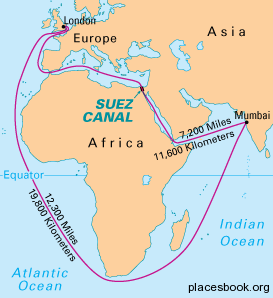
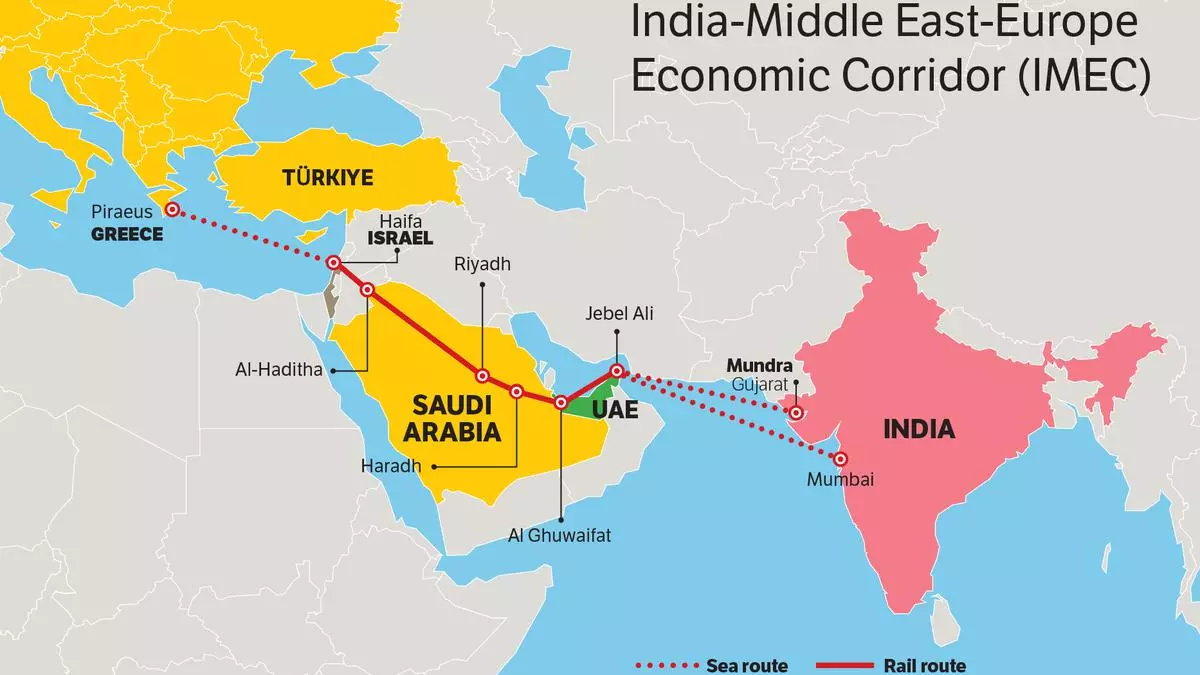
    The article discusses the growing relevance of the India-Middle East-Europe Economic Corridor (IMEC) in light of the Yemen conflict and its impact on the shipping industry’s confidence in the Suez Canal. The author highlights the potential challenges and geopolitical considerations for IMEC, emphasizing its significance for trade, infrastructure, and strategic partnerships.

    Key Highlights:

    • Shippers are considering alternative routes around Africa due to concerns about the Suez Canal’s reliability amid the Yemen conflict.
    • IMEC gains importance as a viable alternative, connecting Saudi Arabia to Israel and potentially transforming trade routes.
    • Challenges include geopolitical complexities, opposition from the Arab Street, and alternative proposals by countries like Turkey.
    • Existing rail projects in the Middle East, such as Etihad Rail and GCC Railway, align with IMEC’s objectives, targeting ports like Fujairah and Jebel Ali.
    • Hydrogen pipelines and containerization through rail and road are proposed components of IMEC, contributing to decarbonization and efficient trade.

    Key Challenges:

    • Geopolitical hurdles, especially after the Gaza war, may impact the implementation of IMEC.
    • Opposition from the Arab Street and concerns about major trade links between Saudi Arabia and Israel pose challenges.
    • Turkey’s proposed alternative route and its exclusion from IMEC could complicate regional dynamics.
    • The uncertain political landscape and potential changes in U.S. leadership raise questions about the project’s future.

    India-Middle East-Europe Economic Corridor: A passage of possibilities -  Frontline

    Key Terms/Phrases:

    • India-Middle East-Europe Economic Corridor (IMEC).
    • Suez Canal.
    • Yemen conflict.
    • Gaza war.
    • Geopolitics.
    • Containerization.
    • Hydrogen pipelines.
    • Rail freight corridors.
    • Decarbonization.
    • Strategic partnerships.

    Key Quotes:

    • “The Yemen conflict has seen an alarming erosion in the shipping industry’s confidence in the Suez Canal.”
    • “Critics of IMEC say the Arab Street would simply not allow any major trade link between Saudi Arabia and Israel.”
    • “Turkey, which has been explicitly left out of IMEC, has already been expressive about its irritation.”
    • “IMEC will be the sort of project that would sync with a business-focused Trump if he were to become President of the U.S. again.”

    Key Statements:

    • The Yemen conflict has raised concerns about the reliability of the Suez Canal, prompting consideration of alternative routes like IMEC.
    • Geopolitical challenges and opposition from the Arab Street may impact the realization of IMEC.
    • The exclusion of Turkey and uncertainties in U.S. leadership pose additional complexities for the project.

    Key Examples and References:

    • Etihad Rail and GCC Railway as existing rail projects aligning with IMEC.
    • The Gaza war’s impact on the potential meeting for stakeholders to flesh out IMEC details.
    • The Adani stake in Haifa port and its potential role in capacity expansion, drawing parallels with the Colombo deepwater container terminal.

    Key Facts/Data:

    • The India-Middle East-Europe Economic Corridor (IMEC) aims to connect Al Haditha in Saudi to Haifa in Israel.
    • Containerization through rail and road in IMEC is highlighted as a significant aspect for India’s trade goals.
    • IMEC promises to cut delivery schedules by 40%, emphasizing efficiency in trade.

    Critical Analysis:

    • The article critically evaluates the geopolitical challenges and potential impediments to the successful implementation of IMEC.
    • It discusses the impact of recent conflicts and political developments on the project’s feasibility.
    • The inclusion of hydrogen pipelines and containerization as components of IMEC is analyzed in the context of global trends and India’s logistics goals.

    Way Forward:

    • Advocate for addressing geopolitical hurdles and building consensus among stakeholders for IMEC.
    • Consider potential modifications to the project to accommodate geopolitical sensitivities, such as involving Turkey.
    • Emphasize the importance of IMEC in the context of global trade, decarbonization, and efficiency, especially with changing political landscapes.
    • Ensure that key stakeholders, including the U.S., European nations, and Saudi Arabia, remain committed to the project’s financing and implementation.
    • Explore opportunities for collaboration and financing models, drawing from successful templates like the United States International Development Finance Corporation funding for the Colombo deepwater container terminal.