đŸ’„Join UPSC 2027,2028 Mentorship (July Batch) + XFactor Notes & Microthemes PDF

Subject: Indian Society

  • India’s Unemployment Rate Declines: PLFS 2022-2023

    Central Idea

    • The latest findings from the Periodic Labour Force Survey (PLFS), conducted by the National Sample Survey Office (NSSO), reveal a decrease in India’s unemployment rate for the period between April and June 2023.
    • This encouraging trend is accompanied by improvements in the Labour Force Participation Rate (LFPR) and the Worker-Population Ratio (WPR), signifying positive shifts in the country’s labor market.

    About Periodic Labour Force Survey (PLFS)

    Objective Collect comprehensive labor market data in India.
    Conducted by Ministry of Statistics and Programme Implementation (MoSPI), Government of India.
    Replacement for Replaced earlier employment-unemployment surveys by NSSO.
    Frequency Conducted periodically, with rounds typically spanning a year.
    First Round Conducted in July 2017-2018, marking the survey’s initiation.
    Data Categories Employment status, unemployment rate, sector-wise employment, income, demographics, and more.
    Sampling Methodology Sample survey approach with data collected from households and individuals through a scientific sampling process.
    Policy Impact Informs government policies related to employment, labor market interventions, and economic planning.


    2022-23 Survey Overview

    • Scope: The national survey compiled data from 5,639 first-stage sampling units (FSUs) and encompassed 1,67,916 individuals residing in 44,190 urban households.
    • Age Group: The survey focused on individuals aged 15 years and above.

    Improvements in Urban Labour Force Participation

    • LFPR Uptick: The LFPR in urban areas exhibited growth, rising from 47.5% in April-June 2022 to 48.8% in the corresponding months of 2023 for individuals aged 15 years and above.
    • Gender Disparities: While the LFPR remained stable at approximately 73.5% for males during this period, it notably increased for females, climbing from 20.9% to 23.2%.

    Enhanced Worker-Population Ratio

    • WPR Gains: In urban areas, the WPR increased from 43.9% in April-June 2022 to 45.5% during the same period in 2023 for individuals aged 15 years and above.
    • Gender-Specific Improvements: For males, the WPR progressed from 68.3% to 69.2%, and for females, it surged from 18.9% to 21.1% over this timeframe.

    Decrease in Unemployment Rate

    • Declining Unemployment: The PLFS reported a diminishing trend in the Unemployment Rate (UR) for individuals aged 15 years and above in urban areas.
    • UR in Urban Areas: It decreased from 7.6% in April-June 2022 to 6.6% in April-June 2023.
    • Gender-Based UR: For males, the UR dropped from 7.1% to 5.9%, while for females, it decreased from 9.5% to 9.1% during this period.

    Comparative Analysis

    • Positive Trends: The report highlights improvements in key labor market indicators in urban areas when compared to the pre-pandemic period (April-June 2018 to October-December 2019).
    • LFPR Improvement: The LFPR ranged from 46.2% to 47.8% during the pre-pandemic period and has now reached 48.8%.
    • WPR Enhancement: Pre-pandemic WPR figures ranged from 41.8% to 44.1%, while the current WPR stands at 45.5%.
    • Lower UR: Unemployment rates during the pre-pandemic period fluctuated between 7.8% and 9.7%, with the latest survey reporting a lower UR of 6.6%. This rate is deemed favorable compared to the unemployment rates observed in the quarters preceding the pandemic.

    Conclusion

    • The Periodic Labour Force Survey (PLFS) results reflect positive developments in India’s labor market, marked by a decreasing unemployment rate, improved labor force participation, and enhanced worker-population ratios.
    • These trends indicate a resilient labor market recovery and may signify the nation’s progress towards economic stability and job creation.

    Back2Basics:

    • Labour Force Participation Rate (LFPR): LFPR is defined as the percentage of persons in labour force (i.e. working or seeking or available for work)in the population.
    • Worker Population Ratio (WPR): WPR is defined as the percentage of employed persons in the population.
    • Unemployment Rate (UR): UR is defined as the percentage of persons unemployed among the persons in the labour force.
    • Activity Status- Usual Status: The activity status of a person is determined on the basis of the activities pursued by the person during the specified reference period. When the activity status is determined on the basis of the reference period of last 365 days preceding the date of survey, it is known as the usual activity status of the person.
    • Activity Status- Current Weekly Status (CWS): The activity status determined on the basis of a reference period of last 7 days preceding the date of survey is known as the current weekly status (CWS) of the person.
  • Tribes in news: Hakki- Pikki

    hikki

    Central idea: Thirty-one tribals belonging to the ‘Hakki-Pikki’ community from Karnataka are stranded in Sudan due to violent clashes between a paramilitary force and the country’s armed forces.

    Who are the Hakki-Pikkis?

    Description
    Origin Migrated from northern India to Karnataka.
    Traditional Occupation Traditionally known for bird hunting, which was later outlawed.
    Language Indo-Aryan language called ‘Vaagri’ and use Kannada for daily business.
    Location Predominantly found in Shivamogga, Davanagere, and Mysuru districts of Karnataka
    Lineage A matriarchal community, where women have an important role in decision-making.
    Traditional  Knowledge Known for selling indigenous medicines developed based on their knowledge of plants and herbs.

    Language and UNESCO Listing

    • ‘Vaagri’ has been listed as one of the endangered languages by UNESCO.
    • This indicates that the language is at risk of becoming extinct in the future, highlighting the importance of preserving and promoting it.
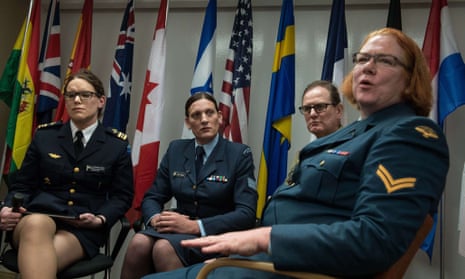
  • Need for more women police

    What’s the news?

    • The 2023 Constitution Amendment Bill, passed by both Houses of Parliament, reserves one-third of seats in the House of the People, State Legislative Assemblies, and the Legislative Assembly of Delhi.

    Central idea

    • In the near future, women lawmakers are poised to constitute at least 33% of India’s legislative bodies. In tandem with legislative reforms, there is a pressing need for increased female representation in law enforcement agencies.

    The Connection between Legislators and Law Enforcement

    • The representation of women in the Indian Parliament stands at approximately 14.4%, a notable improvement compared to the 4.9% recorded in the first Lok Sabha in 1952.
    • While the direct relationship between the number of legislators and the effectiveness of law enforcement agencies is not straightforward, the representation of women in these institutions reflects their alignment with the diverse society they serve.

    Reservation and Representation in the Police Force

    • In parallel with legislative reforms, achieving greater gender diversity within law enforcement agencies is a pressing concern.
    • Several states have adopted policies mandating the allocation of 30% or 33% of vacant police positions to women, leveraging horizontal reservation.
    • This approach ensures that if minimum reserved positions for SC, ST, Other Backward Classes, and unreserved categories are not filled by women candidates on merit, women are given priority.
    • However, there is significant variation among states in implementing such policies, with some not having any reservation for women in their police forces.
    • The data published by the Bureau of Police Research and Development (BPR&D) reveals that although the total strength of state police forces grew by approximately 7.48% over five years, the representation of women in these forces increased only marginally.

    Examples of Variations in Implementation

    • Kerala, Mizoram, and Goa: These states, despite not having specific reservation policies for women in the police force, manage to maintain women’s representation in a commendable range between 6% and 11%.
    • Bihar: Bihar allocates an impressive 35% reservation for women, with an additional 3% reserved for backward caste women. However, the actual representation of women in the force is around 17.4%, indicating challenges in the effective execution of these quotas.
    • Chandigarh: Chandigarh boasts the highest percentage of women in its police force, with approximately 22% representation.
    • Jammu and Kashmir: Conversely, Jammu and Kashmir have the lowest representation of women in their police force, standing at approximately 3.3%.

    Challenges in Recruitment

    • Low Rate of Filling Vacancies: Recruitment is conducted for only about 4% to 5% of the total vacant positions, taking into account an attrition rate of 2.5% to 3% and an annual sanction of new posts of around 1.5% to 2%. This sluggish pace of recruitment impedes efforts to increase women’s representation.
    • Lack of Permanent Police Recruitment Boards: Numerous states lack permanent police recruitment boards, which makes it challenging to conduct regular recruitment cycles.
    • Infrequent Recruitment: Due to these impediments, recruitment cycles often occur at infrequent intervals, further delaying the process of enhancing women’s representation.
    • Reforms Implementation: Some of the key reforms aimed at enhancing women’s participation include merging women police with the regular police force and establishing police recruitment boards. However, not all states have been enthusiastic about implementing these reforms, potentially affecting their benefits.
    • State Subject: Policing falls under the purview of states as per the Seventh Schedule of the Constitution. Therefore, implementing necessary police reforms primarily remains the responsibility of individual states.

    Crime Data and the Imperative for Women in Policing

    • Gender-Based Crimes:
    • According to National Crime Records Bureau (NCRB) data, approximately 10% of the total crimes defined under the Indian Penal Code were committed against women in 2021.
    • These crimes include offenses such as domestic violence, sexual assault, and crimes against women and children.
    • This data underscores the pressing need for specialized handling of such cases, as they often require a nuanced and empathetic approach.
    • Insufficient Representation:
    • Despite the prevalence of crimes against women, only about 5.3% of total arrests in 2021 were women. This indicates that the available women police force may be insufficient to effectively address cases related to women.
    • Ensuring an adequate number of women police officers is essential to handling these cases sensitively and professionally.
    • Scope Enlargement: The Protection of Children from Sexual Offenses Act has expanded the scope of women’s recruitment in the police force. This expansion acknowledges the unique skills and sensitivity that women officers can bring to cases involving children and minors.
    • Versatile Capabilities: The women have demonstrated their competence in various police duties, dispelling any doubts about their ability to handle diverse assignments in a police institution. Their versatility is an asset in responding to a wide range of law enforcement challenges.
    • Democracy and Representation: In a democratic country, every institution must be representative of its populace to earn the trust of the citizens it serves. Ensuring diversity, including gender diversity, within law enforcement agencies is vital to building trust and confidence among the public.

    Government efforts

    • Financial Incentives: The Ministry of Home Affairs (MHA) introduced financial incentives starting in 2018–19 to encourage states to implement police reforms effectively. These incentives include reserving a portion of modernization funds, with an initial reservation of 10% in the first year, followed by 20% of total modernization funds.
    • Special Initiatives: The MHA also offered a special grant to encourage states to establish a ‘women desk’ in every police station. However, there may not be sufficient women personnel to handle these desks effectively in some districts.

    Way Forward: Empowering Women in Policing

    • Family Quarters Satisfaction: As of January 1, 2021, the satisfaction level regarding family quarters for women police officers stood at only about 30%. Adequate family quarters are crucial for creating a conducive work environment.
    • Infrastructure and Environment: Efforts should be made to provide a conducive environment and basic infrastructure to encourage more women to join the police force. This includes improving living conditions, providing separate toilets for women staff, and providing crĂšche facilities for children in police stations.
    • Uniform Police Act: Consider implementing a uniform police act for the entire country to establish consistent standards for women in the police force.
    • Recruitment: Ensure that every state has a recruitment board to oversee and facilitate regular recruitment of women into the police force.
    • Special Recruitment Drive: Launch special recruitment drives in all states and union territories to actively recruit more women officers and increase their representation in the police force, similar to the Constitutional 128th Amendment for women in legislatures.

    Conclusion

    • The journey toward gender equality and representation in India’s legislative and law enforcement bodies is complex but essential. Bridging the gender gap in the police force is not just about equality, but also about enhancing the effectiveness and inclusivity of these vital institutions in a democratic society.

    Also read:

    Women’s reservation: What is the road ahead, before it can be implemented


  • A milestone in Hindu marriage reform in India

    What’s the news?

    • In recent years, the Supreme Court has had to remind the Madras High Court of the validity of self-respect marriages, emphasizing the enduring legacy of the Self-Respect Movement in the fight for social justice and self-respect.

    Central idea

    • The recent controversy surrounding the validity of self-respect marriages, also known as Suyamariyathai thirumanam, in Tamil Nadu is a poignant reminder of the enduring battle for recognition and acceptance that these unions have faced. Despite being legalized in 1967 self-respect marriages continue to be a subject of contention.

    What is a self-respect marriage?

    • A self-respect marriage, also known as Suyamariyathai thirumanam, is a type of marriage ceremony and union that originated within the Dravidian self-respect movement in the Indian state of Tamil Nadu.
    • These marriages are characterized by their departure from traditional Hindu marriage rituals and customs. Instead, self-respect marriages are based on principles of social equality, individual freedom, and non-religious ideals.

    What is the self-respect movement?

    • The Self-Respect Movement is a socio-political and cultural movement that originated in the Indian state of Tamil Nadu during the early 20th century.
    • It was primarily championed by leaders and thinkers associated with the Dravidian ideology, which aimed to promote the rights and interests of the Dravidian people of South India and challenge perceived inequalities and injustices in society.
    • The movement had a significant influence on the politics and social fabric of Tamil Nadu and played a role in shaping the state’s identity.

    The Self-Respect Movement’s Struggle

    • Challenging Caste-Based Discrimination: The Self-Respect Movement fiercely opposed the deeply entrenched caste-based discrimination prevalent in Tamil Nadu. It sought to dismantle the oppressive caste system and challenge the privileges enjoyed by Brahmins in society.
    • Advocating for Social Equality: Central to the movement’s ethos was the promotion of social equality. It encouraged rationalism and atheism as alternatives to religious dogma and superstition, advocating for a scientific worldview.
    • Empowerment of Women: The Self-Respect Movement was at the forefront of advocating for women’s rights. It fought for women’s education, equality, and autonomy within both families and society at large.
    • Promotion of Tamil Language and Culture: The movement emphasized the importance of preserving and promoting the Tamil language and culture. It resisted the imposition of Sanskrit and Brahminical traditions that threatened Tamil identity and heritage.
    • Formation of Political Parties: The Self-Respect Movement eventually translated its socio-cultural goals into political action. This led to the formation of influential political parties like the Dravida Munnetra Kazhagam (DMK) and the All India Anna Dravida Munnetra Kazhagam (AIADMK) that championed the cause of social justice and self-respect.

    Legal battles for recognition

    • Early Lack of Recognition: In the early stages of the movement, self-respect marriages lacked legal recognition. They were not supported by existing laws, which favored traditional Hindu marriages.
    • Advocacy during the Hindu Code Bill: Leaders and activists of the Self-Respect Movement actively participated in the Hindu Code Bill drafting process in 1944. They submitted memorandums and evidence to advocate for comprehensive changes to Hindu law, particularly focusing on women’s legal rights and recognition of non-religious marriages.
    • Limited Recognition in the 1955 Act: Despite the movement’s efforts, the Hindu Marriage Act of 1955 provided only limited recognition to select reformed marriages. It did not acknowledge self-respect marriages, emphasizing traditional Hindu rites and ceremonies.
    • Proposals for Separate Legislation: The movement proposed the Hindu Non-Conformist Marriage Registration Bill, 1954. However, it was abandoned in favor of the Special Marriage Act, 1954, which did not adequately address property rights within civil marriages.
    • Struggles in the Legislative Process: Efforts to pass legislation recognizing self-respect marriages faced opposition, particularly from Congress legislators. The ‘Madras Suyamariyathai Marriage Validation Bill’ introduced in 1959 aimed to legalize self-respect marriages but was defeated.

    The 1967 Amendment

    • Introduction of Section 7 A: Section 7 A was introduced in the Hindu Marriage (Tamil Nadu Amendment) Act 1967. This provision was pivotal as it provided legal recognition and legitimacy to non-ritual Hindu marriages.
    • Validation of Non-Ritual Hindu Marriages: The amendment validated and legalized non-ritual Hindu marriages, including self-respect marriages, under Hindu law. This marked a significant departure from the previous lack of recognition.
    • Challenging Brahminic Interpretations: Beyond recognition, the 1967 Amendment challenged Brahminic interpretations of Hindu marriage practices that had marginalized and discredited self-respect marriages and those who chose them.
    • Impact on Legal Status: With the enactment of this amendment, self-respect marriages gained legal standing and legitimacy under Hindu law in Tamil Nadu. This recognition was crucial to protecting the rights of individuals who had entered into such marriages.

    Contemporary Challenges

    • Resistance from Government Bodies: Government bodies, such as the Union Ministry for Social Justice and Empowerment, have at times resisted recognizing the Section 7 Act, leading to disputes and challenges.
    • Judicial Misinterpretations: The judiciary has occasionally misinterpreted or questioned the validity of self-respect marriages, contributing to legal challenges and uncertainty.
    • Recent Supreme Court Reminders: The Supreme Court has had to remind the Madras High Court of the validity of self-respect marriages in recent years, indicating ongoing legal battles.
    • Cumulative Legal Reforms: The cumulative effect of legal reforms in Tamil Nadu has had a far-reaching impact on gender rights within marriages, challenging traditional norms and ideals.

    Conclusion

    • The ongoing struggle for recognition of self-respect marriages in Tamil Nadu highlights the resilience of the Dravidian self-respect movement and its commitment to challenging traditional norms. The Madras High Court’s progressive stance on gender rights within marriage underscores the need for continued advocacy and awareness to protect the rights of individuals who choose self-respect marriages.
  • Challenges and Opportunities of India’s Aging Population

    aging population

    Central Idea

    • Projected Demographic Shift: By 2050, the percentage of elderly individuals in India is expected to double, reaching over 20% of the total population, as per the UN Population Fund, India (UNFPA) in its 2023 India Ageing Report.
    • Rapid Expansion: India is experiencing a remarkable decadal growth rate in its elderly population, currently estimated at 41%.
    • Changing Dynamics: This demographic shift raises the possibility that by 2046, the elderly population may surpass the number of children (aged 0 to 15 years) in the country.

    Economic Disparities among the Elderly

    • Poverty Prevalence: More than 40% of India’s elderly population belongs to the poorest wealth quintile, with nearly 18.7% of them living without any source of income.
    • Quality of Life Impact: Such high levels of poverty can significantly affect their quality of life and their access to healthcare services.

    Understanding the Aging Population

    • Rapid Growth in the 80+ Age Group: The report predicts a staggering 279% growth rate in the population of individuals aged 80 and above between 2022 and 2050.
    • Gender Disparities: There is a predominance of widowed and highly dependent elderly women in this age group, a trend observed in several nations.
    • Regional Variations: Life expectancy at 60 and 80 varies across states and union territories, with women generally having higher life expectancies, raising concerns about their social and economic well-being.
    • Regional Disparities: States like Rajasthan, Haryana, Gujarat, Uttarakhand, Kerala, Himachal Pradesh, and the Union Territory of J&K have women with life expectancies exceeding 20 years at age 60, highlighting the need for tailored support.

    Changing Sex Ratios among the Elderly

    • Steady Increase: The sex ratio (females per 1,000 males) among the elderly has been steadily rising since 1991, in contrast to the stagnation in the general population’s sex ratio.
    • Regional Variations: The northeast and east show an increased sex ratio among the elderly, but it remains below 1,000, indicating a male predominance. In contrast, central India saw a remarkable shift, with women outperforming men in survival after the age of 60.

    Gendered Poverty in Old Age

    • Inherent Gender Bias: Poverty in old age is inherently gendered, with older women more likely to be widowed, living alone, lacking personal income, and relying on family support.
    • Feminization and Ruralization: The major challenges facing India’s aging population include the feminization and ruralization of the elderly. Policies must address these specific needs.

    Inter-State Variations in Elderly Population

    • Diverse Demographic Transition: Significant inter-state variation exists in the levels and growth of the elderly population, reflecting differing stages and rates of demographic transition.
    • Regional Differences: States in the southern and select northern regions have a higher share of the elderly population, a gap expected to widen by 2036. In contrast, states with higher fertility rates, like Bihar and Uttar Pradesh, will see an increase in the elderly population share but will remain below the national average.
    • Ageing Index: Central and northeastern regions are characterized by a younger demographic as indicated by the aging index.

    Response to Elderly Needs during the Pandemic

    • Inadequate State Aid: The report reviews the government and state authorities’ response to the needs of elderly people during the COVID-19 pandemic, highlighting that while most received state aid, it was insufficient.
    • Only NGOs to rescue: Accessible public healthcare facilities were lacking, with NGOs and CBOs being the primary sources of help.
    • Call for Preparedness: The report recommends a special focus on older persons in disaster-preparedness plans moving forward.

    Enhancing Data Collection and Support

    • Data Deficiency: The report underscores the lack of credible data on various issues related to the elderly in India and calls for the inclusion of questions concerning older persons in upcoming data collection exercises.
    • Policy Recommendations: Suggestions include increasing awareness about elderly schemes, regulating Old Age Homes, and promoting in-situ aging.
    • Community Engagement: Encouraging the creation of elderly self-help groups and emphasizing multigenerational households as well as short-term care facilities.

    Promising Roadmap and Valuable Resource

    • Government Acknowledgment: Social Justice Dept. termed the report a “valuable roadmap”. It emphasized its importance as a resource for scholars, policymakers, program managers, and all stakeholders involved in elder care.
    • Data Sources: The report draws from various sources, including the 2011 Census, the 2017-18 Longitudinal Ageing Survey in India (LASI), population projections, and reports from the Government of India and the World Population Projection 2022.

    Way forward

    The report advocates for policies that enhance the well-being of India’s aging population-

    • Foster community support
    • Multigenerational living, and
    • In-situ aging
  • Parliamentary Panel findings on the New Education Policy, 2020

    panel nep

    Central Idea

    • The Parliament Standing Committee on Education presented a report during a special parliamentary session focused on the “Implementation of the National Education Policy (NEP), 2020 in Higher Education.”

    Report Highlights

    • Salient NEP Features: The report examined the key aspects of NEP’s application in higher education and assessed the progress achieved thus far. The committee engaged with representatives from State governments, Union Ministries, higher education institutions, and stakeholders to compile the report.
    • State’s Role: The report emphasized the significance of State governments, as approximately 70% of the country’s 1,043 universities operate under State Acts. Furthermore, 94% of students are enrolled in State or private institutions, while only 6% attend Central higher educational institutions.

    Key Issues Discussed

    • Rigid Disciplinary Separation: The committee addressed issues such as the inflexible division of disciplines in higher education.
    • Limited Access in Disadvantaged Areas: It acknowledged the limited access to higher education in socio-economically disadvantaged regions.
    • Language of Instruction: The report highlighted the dearth of higher education institutes (HEIs) offering education in local languages.
    • Faculty Shortage: The committee noted the shortage of faculty members in HEIs.
    • Lack of Autonomy: Concerns about institutional autonomy and insufficient emphasis on research were also raised.
    • Regulatory System: The report identified the regulatory system as ineffective and criticized low standards of undergraduate education.

    Recommendations

    • Expansion of Multidisciplinary HEIs: The committee recommended that by 2030, every district in India should have at least one multidisciplinary higher education institution.
    • Enrolment Ratio Increase: It called for increasing the Gross Enrolment Ratio in higher education, including vocational education, from 26.3% in 2018 to 50% by 2035.
    • Socially and Economically Disadvantaged Groups (SEDGs): Actions proposed included allocating suitable funds for SEDGs, setting higher enrolment targets for SEDGs, improving gender balance in HEI admissions, offering more financial assistance and scholarships, ensuring inclusive admission processes and curricula, enhancing employability potential of higher education programs, and developing courses taught in regional languages and bilingually.
    • Infrastructure for Physically Challenged: Specific infrastructural enhancements were recommended to support physically challenged students, along with strict enforcement of non-discrimination and anti-harassment rules.
    • NEP Implementation in Jammu and Kashmir: The committee commended Jammu and Kashmir for its prompt implementation of NEP in all higher educational institutions from the 2022 academic session. It noted positive changes in teaching methods leading to enhanced lifelong learning opportunities for students.

    Funding Enhancement and Diversification

    • Effective Use of HEFA: The committee suggested improving the Higher Education Financing Agency (HEFA) to enhance funding for HEIs.
    • Diversified Funding Sources: It advised HEFA to diversify funding sources beyond government allocations by exploring partnerships with private sector organizations, philanthropic foundations, and international financial institutions.
    • Loan Interest Rates: The committee recommended reviewing and adjusting interest rates on loans provided by HEFA to make them more competitive and affordable for HEIs.

    Concerns about MEME Program

    • Feasibility Challenges: The panel raised concerns about the feasibility of implementing the multiple entry and multiple exit (MEME) system in Indian institutions.
    • Predictability Issues: MEME’s flexible structure, effective in Western educational institutions, might pose challenges in the country. Predicting student entry and exit numbers could disrupt the pupil-teacher ratio.
  • What will hold up women’s reservation Bill?

    reservation

    What’s the news?

    • In a historic move, Parliament passed the Constitution (One Hundred and Twenty-eighth Amendment) Bill, commonly referred to as the women’s reservation Bill.

    Central idea

    • The Indian Parliament recently ratified the Constitution (128th Amendment) Bill. The Nari Shakti Vandan Adhiniyam, as the bill is called, seeks to reserve one-third of all seats for women in the Lok Sabha, the State Legislative Assemblies. The bill received overwhelming support in both houses of Parliament and now awaits presidential assent to become law.

    What does the bill say?

    • Reservation for Women: The primary objective of the bill is to provide 33% reservation for women in both the Lok Sabha and the State Legislative Assemblies across India. This means that one-third of the total seats in these legislative bodies would be reserved exclusively for women candidates.
    • Applicability to SCs and STs: The reservation for women extends to seats that are reserved for Scheduled Castes (SCs) and Scheduled Tribes (STs) in the Lok Sabha and State Legislative Assemblies as well. This ensures that women from marginalized communities also have an opportunity to participate in the political process.
    • Rotational Reservation: The bill stipulates that the seats reserved for women will be rotated after each delimitation exercise. Delimitation involves the adjustment of territorial boundaries and the allocation of seats based on population changes. This rotation ensures that women candidates have a chance to represent different constituencies over time.

    Reservation

    The groundwork for the Women’s Reservation Bill

    • The foundation for the Women’s Reservation Bill was established with the enactment of the 73rd and 74th Constitutional Amendments in 1993.
    • These amendments introduced the concept of panchayats and urban local bodies into the Indian Constitution.
    • Notably, these amendments mandated a one-third (33%) reservation for women in these local governing bodies.
    • This marked a significant step toward increasing women’s representation in grassroots politics.
    • State-Level Initiatives:
    • Building on the provisions of the 73rd and 74th Amendments, some states took progressive steps to further enhance women’s political participation.
    • For example, Bihar became the first state to provide 50% reservation for women in panchayat bodies in 2006.
    • Over time, more than 20 states adopted a 50% reservation for women at the panchayat level.
    • Studies on Women’s Leadership:
    • Academic research conducted during this period shed light on the positive influence of women’s leadership in political bodies.
    • For example, a 2001 study by Raghabendra Chattopadhyay and Esther Duflo in West Bengal found that women leaders tended to invest more in infrastructure directly relevant to the needs of rural women, such as water supply, fuel availability, and roads.
    • Another study conducted in Maharashtra highlighted how all-women panchayats prioritized women’s issues, showcasing the potential benefits of women’s representation in politics.

    Previous attempts in the parliament over the years

    • 1996:
    • The Women’s Reservation Bill, also known as the 81st Constitution Amendment Bill, was first introduced in the Lok Sabha in 1996 by the Deve Gowda-led United Front government. This bill proposed reserving one-third of the seats in the Lok Sabha and State Legislative Assemblies for women.
    • It was referred to a Joint Committee for recommendations but failed to receive approval in the Lok Sabha. The bill lapsed with the dissolution of the Lok Sabha.
    • 1998:
    • In 1998, the Atal Bihari Vajpayee-led National Democratic Alliance government reintroduced the Women’s Reservation Bill in the Lok Sabha.
    • However, like the previous attempt, it also lapsed after the government fell in 1999.
    • 1999, 2000, 2002, and 2003:
    • The Women’s Reservation Bill was reintroduced in the Lok Sabha multiple times between 1999 and 2003.
    • However, it faced resistance and failed to secure passage during these years.
    • 2010:
    • In 2010, the Manmohan Singh-led United Progressive Alliance (UPA) government tabled the Women’s Reservation Bill in the Rajya Sabha (the upper house of Parliament). This bill aimed to reserve one-third of the seats in the Lok Sabha and State Legislative Assemblies for women.
    • However, the bill was never taken up for consideration in the Lok Sabha and lapsed with the dissolution of the 15th Lok Sabha.

    Critical issues and concerns raised by the opposition

    • Delay Due to Delimitation:
    • The primary concern raised by the opposition is the linkage of women’s reservations with the periodic delimitation exercise. The last delimitation order was issued in 2008, and there is a freeze on seat readjustment until the figures of the first Census held after 2026 become available.
    • This has raised concerns that women’s reservations might not be implemented until the 2031 Census figures are available, causing a potential prolonged delay.
    • Lack of OBC Reservation:
    • Another significant issue raised by the Opposition is the absence of a separate reservation for OBCs in the Women’s Reservation Bill.
    • While the bill provides reservations for SCs and STs, it does not include a specific provision for OBCs, despite their significant population representation.

    Assurance and suggestions

    • Amit Shah’s Assurance: Home Minister Amit Shah informed Parliament that the census and delimitation exercise would be conducted immediately after the general election due in 2024. This implies that the delimitation process, which has been a concern regarding potential delays in implementing women’s reservations, would be expedited.
    • Owaisi’s Suggestion: Asaduddin Owaisi and Syed Imtiyaz Jaleel of the AIMIM suggested that the bill should incorporate separate quotas for Other Backward Classes (OBC) and Muslim women, as these communities are underrepresented in Parliament and legislative assemblies.

    Way forward

    • Timely Delimitation: The government can work on conducting the delimitation exercise promptly after the general election due in 2024, as stated by Home Minister Amit Shah. This would ensure that women’s reservation becomes a reality sooner.
    • Inclusive Consultations: The concerns regarding the absence of a separate reservation for OBCs should be addressed through inclusive consultations and discussions with political parties and stakeholders.
    • Research and Data: Continued research on the impact of women’s reservation at various levels of governance can provide evidence of its positive effects.
    • Political Consensus: Building consensus among political parties and garnering bipartisan support for the Women’s Reservation Bill is essential. This can be achieved through dialogue, negotiations, and compromise to address the concerns of different parties.

    Conclusion

    • The passage of the Women’s Reservation Bill is a significant step toward promoting gender equality and women’s participation in the Indian political landscape. While it faces challenges related to delimitation and OBC representation, its historical context and potential benefits make it a pivotal moment in India’s journey towards inclusive and representative governance.

    Also read:

    Women’s share in Assemblies less than 10% in 20 States

  • USCIRF to hold hearing on Religious Freedom in India

    Central Idea

    • The US Commission for International Religious Freedom (USCIRF) has announced that it will hold a hearing on religious freedom in India on September 20.
    • India has previously rejected USCIRF reports that alleged violations of religious freedom in the country.

    What is the USCIRF Report?

    • The USCIRF report assesses the status of religious freedom around the world.
    • It provides a comprehensive analysis of the state of religious freedom in countries across the globe, highlighting issues of concern and making recommendations for action by the US government.
    • The report is an important tool for raising awareness of violations of religious freedom and advocating for greater protection of this fundamental human right.

    Allegations against India

    (1) Policies

    • It is alleged that the Indian government at the national, state, and local levels promoted and enforced religiously discriminatory policies, including:
    1. Laws targeting religious conversion
    2. Interfaith relationships
    3. Ban over wearing of hijabs and cow slaughter
    • This has negatively impacted Muslims, Christians, Sikhs, Dalits, and Adivasis.

    (2) Laws of Suppression

    • The report also alleges that the national government continued to suppress critical voices, particularly of religious minorities and those advocating on their behalf through-
    1. Surveillance / Harassment / Cow Vigilantism
    2. Accusation of Sedition
    3. Demolition of Property
    4. Detention under the Unlawful Activities Prevention Act (UAPA)
    5. Targeted banning of NGOs ex. Missionaries of Charity under the Foreign Contribution Regulation Act (FCRA)
    6. Constitution

    India’s response

    • India has slammed USCIRF for “misrepresenting” facts and described it as an “organisation of particular concern”.
    • The Indian government rejected the biased and inaccurate comments.
    • The Foundation of Indian and Indian Diaspora Studies (FIIDS) slammed USCIRF for its biased report and failure to acknowledge the cultural and economic significance of cows to Indians.

    Why such reports often falsely target India?

    • Lack of objectivity: There have been instances in the past where these reports have been criticized for being one-sided and lacking objectivity.
    • US lobby against everyone: It is important to note that reports like USCIRF’s are based on the organization’s own assessments.
    • Inherent bias against India: Such allegations are prevalent ever since India attained its Freedom.
    • Self-proclaimed father of democracy: US has infamous for selectively promoting democracy and human rights, and for supporting authoritarian regimes that align with its strategic interests.
    • Anti-regime: Such reports often overlook the efforts made by the present regime in India towards promoting religious tolerance and communal harmony.

    Way forward

    • Urgent action: India needs to take prompt and necessary steps to address religious freedom issues and take everyone’s faith in the government and democratic process.
    • Nuanced understanding: International organizations and foreign governments must make a conscious effort to understand the complexities of India’s social, political, and economic landscape before making any recommendations or issuing reports.
    • Avoid sweeping generalizations: It is important to avoid sweeping generalizations and presenting a one-sided view of the situation, which can be detrimental to India’s reputation and lead to misunderstandings.
    • Self-reflection by the US: The US must address its own issues related to religious freedom and human rights violations, and not just sermon other countries.

    Conclusion

    • India’s historical diversity and pluralism: India has a long history of diversity, pluralism, and peaceful coexistence among different communities.
    • Constitutional guarantees: The Constitution guarantees fundamental rights to all citizens, regardless of their religion, caste, or creed.
    • Media as a strong pillar: The country has a vibrant democracy and a free and independent media that regularly scrutinizes the government and its policies. This eliminates the scope for anyone’s oppression.
    • Nation-building: All communities have contributed significantly to the country’s cultural and social fabric. Success of India is often unwelcomed by the US. People should not fall prey to foreign propaganda.
  • How fraternity in India is different from the idea enshrined in the Constitution

    What’s the news?

    • In his thought-provoking book Political Fraternity: Democracy Beyond Freedom and Democracy, philosopher Angel Puyol emphasizes the significance of fraternity in the realm of politics.

    Central idea

    • Despite its historical roots dating back to Plato and its coexistence with liberty and equality in liberal political philosophy, fraternity often remains a neglected concept. However, India’s struggle for independence and the subsequent establishment of constitutional democracy underscored the importance of fraternity in a society marked by hierarchical social inequalities.

    Origins of the Concept

    • Ancient Greece:
    • Plato: The concept of fraternity can be traced back to ancient Greece. In Plato’s Lysis, the philosopher introduces the term philia (love) in the context of a strong desire to pursue wisdom. It is suggested that love and friendship among individuals became more meaningful when they shared knowledge. This emphasis on the act of sharing provides an early glimpse into the discourse of fraternity in ancient Greece.
    • Aristotle: The emergence of the polis in Aristotle’s philosophy is noted, where the polis (city-state) was seen as the logical location for individuals who were primarily political beings. Within the polis, justice and friendship among citizens became enduring features, laying the foundation for the idea of political fraternity.
    • Medieval Christian Society: During the Middle Ages, the article suggests that fraternity found fertile ground within the context of Christian society in Europe. Fraternal bonds often developed within religious institutions and orders, reflecting the communal and moral values of the time.
    • The French Revolution:
    • The concept of fraternity found its entry into politics with the French Revolution of 1789.
    • It was during this revolutionary period that the triptych of libertĂ©, Ă©galitĂ©, and fraternitĂ© (liberty, equality, and fraternity) became a foundational slogan.
    • Fraternity took on a revolutionary dimension, emphasizing the solidarity of citizens in their pursuit of common goals.

    How is fraternity in India different from the idea enshrined in the Constitution?

    • Caste-Based Divisions: The Constitution envisions fraternity as a means to bridge social divides and create unity among India’s diverse population. However, the deeply rooted caste system in India continues to influence social interactions, politics, and access to opportunities, making it challenging to achieve a fraternity that transcends these divisions.
    • Community vs. Individual: The Indian Constitution prioritizes individual rights and liberties, which can sometimes conflict with the communitarian approach underlying fraternity.
    • Social Inequalities: The constitutional concept of fraternity presupposes social and economic equality among citizens. However, India continues to grapple with significant economic disparities and enduring discrimination based on caste, gender, and other factors, hindering the development of genuine fraternity.
    • Communal Tensions: Religious and communal tensions in India have, at times, hindered the pursuit of fraternity. The constitutional vision of fraternity should extend across religious and communal boundaries to foster inclusivity. However, divisive politics occasionally exploits religious differences, undermining the spirit of fraternity.

    The limits of fraternity in India

    • Caste-Based Divisions: The deeply ingrained caste system in India continues to influence social interactions and opportunities, posing a significant challenge to achieving fraternity that transcends these divisions.
    • Shared History and Ideological Differences: In India, historical and ideological differences rooted in social inequalities can hinder the development of fraternity. Ideological motivations can also hamper political fraternity between individuals, particularly when rooted in social inequalities among different communities.
    • Secular Conception of Fraternity: Given the communal nature of India’s traditional civic life and the predominance of communal ties, the article suggests that a secular conception of fraternity is necessary. To overcome the challenges posed by ideological and communal differences, fraternity in India needs to be rooted in politics, where caste privileges can be challenged.
    • Affirmative Actions and Equality: The introduction of affirmative action, including the reservation system, aimed to address inequality and promote fraternity. However, these policies have sometimes resulted in fraternity primarily within specific caste communities rather than fostering unity across caste lines.
    • Religious and Communal Tensions: Religious and communal tensions have, at times, overshadowed the pursuit of fraternity in India. Fraternity should ideally extend across religious and communal boundaries, but divisive politics can exploit religious differences and hinder the spirit of fraternity.

    The role of equality as a prerequisite

    • Both Dr. B.R. Ambedkar and philosopher John Rawls stressed the importance of equality as a prerequisite for fraternity.
    • While affirmative actions, such as the reservation system, were introduced to address historical inequalities, they have often resulted in fraternity primarily within specific caste or community groups rather than fostering unity across these boundaries.

    Conclusion

    • In India, the coexistence of caste and political fraternity is a challenging endeavor due to the country’s unique social landscape. Achieving political fraternity that transcends caste boundaries requires addressing these complex issues. The future of Indian politics will determine whether fraternity or caste prevails, and this choice will shape the country’s destiny.


  • Vidya Samiksha Kendras (VSKs) for Education Data Management

    Vidya Samiksha Kendras (VSKs)

    Central Idea

    • Under the National Digital Education Architecture (NDEAR), the Ministry of Education is spearheading the establishment of Vidya Samiksha Kendras (VSKs) across Indian states.

    What are Vidya Samiksha Kendras (VSKs)?

    • VSKs are data repositories designed to consolidate information from various educational schemes and initiatives run by the Ministry of Education.
    • These repositories aim to streamline data management, promote data analysis, and enhance decision-making in the education sector.

    Key Components of VSKs:

    1. Comprehensive Data: VSKs will aggregate data from diverse educational programs, including:
      • PM-POSHAN mid-day meal programs
      • Teacher training records from the National Initiative for School Heads’ and Teachers’ Holistic Advancement portal
      • Textbook content from Digital Infrastructure for Knowledge Sharing
      • School dropout and attendance data via Unified District Information System for Education (UDISE+)
      • Students’ learning outcomes from National Achievement Survey
      • Performance Grading Index evaluating state-level school education systems.
    2. Central and State-Level Centers: At the central level, VSK operations are housed in the Central Institute of Educational Technology building within the National Council for Educational Research and Training (NCERT) campus. Ernst and Young, a multinational IT company, manages these operations.
    3. Advisory Role: The EkStep Foundation, a non-profit organization co-founded by Nandan Nilekani, former Chairman of the Unique Identification Authority of India (UIDAI), provides advisory support for the VSK project’s implementation.
    4. Transition to Automation: While data entry currently relies on manual processes and is available for download in Excel format, there are plans to transition to automation through Application Programming Interface (API) integration. This shift will enable seamless communication and data integration between multiple platforms at the central, state, and district levels.

    State-Level Initiatives

    • Funding Allocation: The central government has allocated funds ranging from â‚č2 to â‚č5 crore to each state for the establishment of VSKs. These funds cover pre-configured open-source hardware and software, as well as human resources.
    • States in Action: States like Gujarat, Maharashtra, Odisha, and Jharkhand have already initiated the setup of these technological platforms.

    Benefits of VSKs:

    • Data Correlation and Analysis: The primary objective of VSKs is to enable data analytics through correlation. With vast data from numerous educational schemes, VSKs seek to derive meaningful insights by connecting various data points.
    • Example Scenarios:
      • Attendance Patterns: Analyzing attendance data alongside student dropout rates to identify potential correlations.
      • Mid-Day Meals Impact: Investigating whether consistent mid-day meal provision in certain regions leads to increased school attendance.
      • Student Improvement Tracking: Monitoring students’ progress over time using data from weekly tests to tailor educational support.
    • Gross Access Ratio Mapping: VSKs will facilitate mapping the location of schools with population data to assess the Gross Access Ratio. This information can guide the establishment of new schools, support industry clusters in understanding skilling needs, and assist in higher education planning based on demand and future projections.