💥Join UPSC 2027,2028 Mentorship (July Batch) + XFactor Notes & Microthemes PDF

Subject: International Relations

  • Is the United Nations toothless in ending wars?

    Central idea 

    The article discusses the escalating conflicts in the Israel-Hamas and Russia-Ukraine situations, questioning the UN’s effectiveness in maintaining global peace. It highlights challenges such as the post-Cold War dilemma, erosion of the liberal order, and veto impasse, emphasizing the need for innovative conflict resolution mechanisms, UN reforms, and global public engagement to address the complexities in today’s geopolitical landscape.

    Key Highlights:

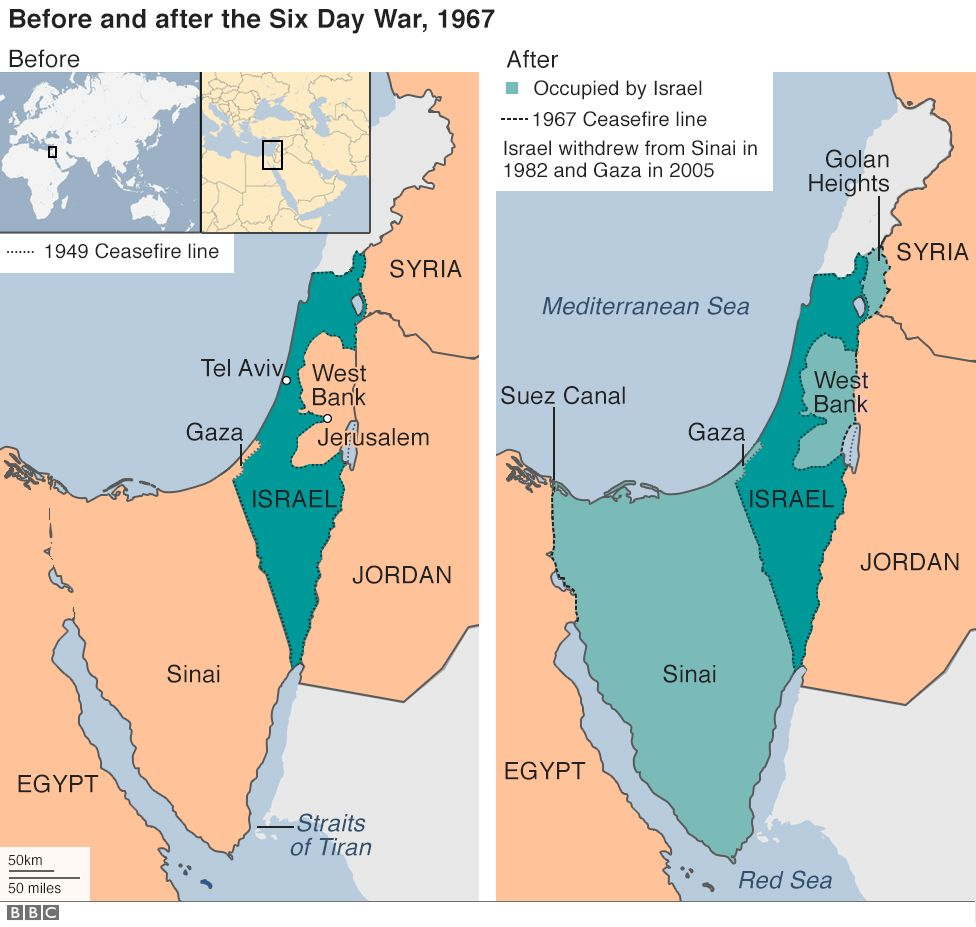
    • Escalating Conflicts: Israel-Hamas clashes intensify post-October 7 attack. Simultaneous Russia-Ukraine conflict adds global complexity.
    • Strategic Dialogue: Rakesh Sood and Vivek Katju discuss UN’s peacekeeping challenges. Moderated by Kallol Bhattacherjee, the dialogue addresses current geopolitical unrest.
    • Global Impact: UN’s role questioned in resolving modern conflicts. Increasing doubts about UN’s effectiveness in maintaining global peace.
    • Diverse Perspectives: Perspectives on the liberal international order and its alleged demise. Shift from unipolarity to multipolarity examined in the post-Cold War era.

    Challenges:

    • Post-Cold War Dilemma: Diminished UN conflict resolution post-Cold War. Major powers’ discord paralyzes UN decision-making.
    • Erosion of Liberal Order: Dispute over the existence of a liberal international rules-based order. Unipolar moment disappears by 2008, raising concerns.
    • Veto Impasse: UNSC’s efficacy hampered by veto powers. National interests obstruct addressing conflicts effectively.
    • Internal Israeli Complexities: Netanyahu’s divisive leadership influences Israel’s stance. Domestic protests and judicial reforms contribute to complexity.
    • Global Power Discord: Lack of consensus among major powers hinders UN efforts. Veto powers in the UNSC obstruct conflict resolution.
    • Nuances in Israel’s Approach: Israel’s response to Hamas extends beyond national security. Commitment to eliminating Hamas reflects deep resolve.
    • UN’s Passive Role: Criticism for UN’s passive role in recent conflicts. Major powers’ differences render the UN a bystander.
    • Shift to Multipolarity: Multipolarity after 2008 presents challenges. Multipolarity without multilateralism leads to chaos.

    Concerns:

    • Global Power Discord: Lack of consensus hinders UN’s conflict resolution. Veto powers impede the organization’s ability to act decisively.
    • Nuances in Israel’s Approach: Israel’s response to Hamas goes beyond national security. Commitment to eliminating Hamas reflects a profound resolve.
    • UN’s Passive Role: UN criticized for passive role in recent conflicts. Major powers’ differences render UN a bystander.
    • Shift to Multipolarity: Transition to a multipolar world after 2008 presents challenges. Multipolarity without effective multilateralism leads to chaos.

    Analysis:

    • Inert UN Dynamics: UN’s perceived ineffectiveness raises questions. Major powers’ disagreements cripple the UN’s active role.
    • Multipolarity Challenges: Emergence of a multipolar world introduces complexities. Lack of a new order suited for a multipolar world contributes to global unrest.
    • Strategic US Interventions: US interventions post-Cold War questioned for legitimacy. Iraq, Afghanistan, Mali, and Libya conflicts showcase UN’s limited role.
    • Dilemmas in Conflict Resolution: Complexities in resolving conflicts beyond traditional UN approaches. Calls for exploring alternative mechanisms acknowledging evolving geopolitical landscapes.

    Key Terms:

    • UN, Israel-Hamas conflict, Russia-Ukraine crisis, liberal international order, multipolarity, major powers, ceasefire.

    Way Forward:

    • Revamping Conflict Resolution: Urgency in exploring innovative conflict resolution mechanisms. Recognition of complexities beyond traditional UN paradigms in today’s geopolitical scenario.
    • India’s Global Role: Acknowledges India’s increasing global significance. Emphasizes the need for realistic expectations given the superior dynamics at play.
    • Multilateral Diplomacy: Strengthening multilateral diplomatic efforts for conflict resolution. Encouraging dialogue and cooperation among major powers to overcome discord.
    • UN Reforms: Advocating reforms in UN structures for increased agility. Addressing veto-related challenges to enhance the UN’s role in global peacekeeping.
    • Global Public Engagement: Fostering global public engagement in conflict resolution. Leveraging public sentiment to influence diplomatic decisions and encourage peaceful solutions.
  • Isthmus of Kra Land Bridge Project

    Isthmus of Kra

    Central Idea

    • Thailand, with its distinctive geography resembling a plume of smoke rising from the sea, is considering a bold and historic project – the creation of an Isthmus of Kra Land Bridge.
    • This project aims to revolutionize global trade routes and significantly impact Thailand’s economy.

    About the Isthmus of Kra

    Details
    Location Southern Thailand, separating the Malay Peninsula
    Width Approximately 44 km
    Geographic Features Connects Andaman Sea (west) to South China Sea (east)
    Strategic Importance Historical trade route; potential shortcut for maritime trade


    The Land Bridge Project: A Historical Dream

    • Centuries-Old Idea: The dream of connecting Thailand’s two coasts across the Isthmus of Kra dates back to King Narai the Great of the Ayutthaya Kingdom in 1677.
    • Early Efforts: British and French colonial interests led to surveys and studies in the 19th century to create a maritime channel through the isthmus.
    • Modern Proposal: In 2021, Thailand introduced a new proposal, envisioning a land bridge instead of a canal.

    Current Vision

    • Reducing Shipping Distance: Thai PM envisions a 90-kmland bridge with road and rail networks, connecting deep-sea ports on both coasts.
    • Strait of Malacca Alternative: This project could offer a shorter, safer, and cost-effective route, saving approximately 1,200 km and 2 to 3 days of travel compared to the congested Strait of Malacca.
    • Economic Benefits: It aims to stimulate economic growth, create jobs, and reduce transport time, benefiting Thailand’s economy and its position in Southeast Asia.

    Conclusion

    • Thailand’s proposal to create an Isthmus of Kra Land Bridge reflects its ambition to redefine global trade routes, boost its economy, and strengthen its role in Southeast Asia.
    • While financial, geopolitical, and environmental challenges loom large, this project symbolizes Thailand’s determination to shape its future on the world stage.
  • Akhaura-Agartala Rail Link

    Akhaura-Agartala Rail Link

    Central Idea

    • The Akhaura-Agartala rail connection has been launched. After nearly seven and a half decades, Bangladesh and northeastern India are set to re-establish rail connectivity through Tripura.

    Akhaura-Agartala Rail Link

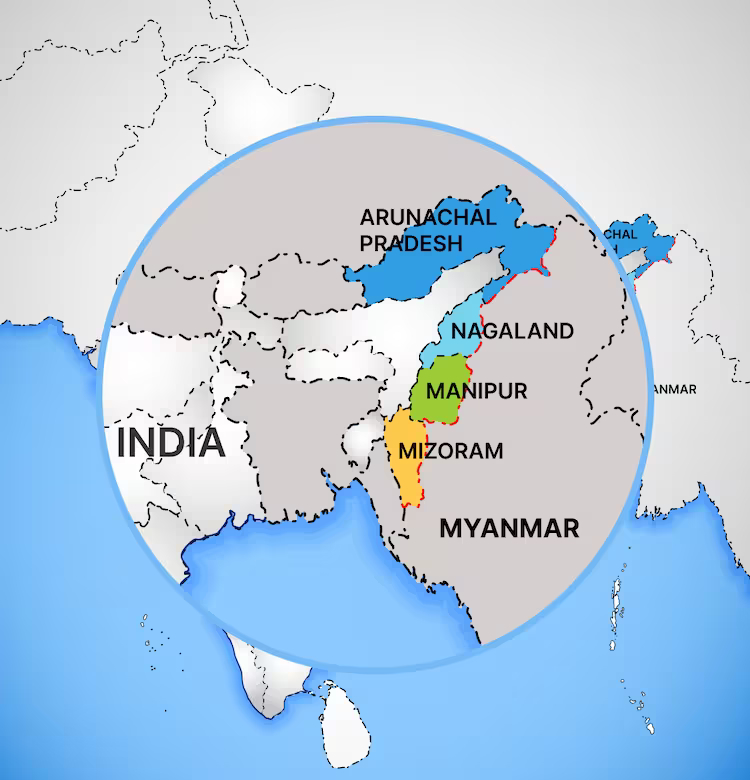
    • This rail link stretches over 12.24 km, with a 6.78 km dual gauge rail line in Bangladesh and 5.46 km in Tripura.
    • Akhaura junction, located in Bangladesh’s Brahmanbaria district, has historical ties with India’s northeastern region, dating back to the colonial era.
    • The connection was originally constructed in the late 19th century to cater to Assam’s tea industry’s demand for access to the Chittagong port.
    • The project gained momentum in 2010 when then-PM Manmohan Singh signed an agreement to rebuild the rail link during PM Sheikh Hasina’s visit to Delhi.

    Akhaura-Agartala Rail Link

    Significance of the project

    • Multilevel connectivity: Akhaura is currently well-connected by rail, river, and road to several industrial areas in Bangladesh, including Dhaka, Chittagong, and Sylhet.
    • NE connectivity: The rail link to Agartala is expected to enhance connections between India’s northeast and Chittagong, facilitating the transportation of goods.
    • Shortened Routes: The Akhaura link has the potential to significantly reduce travel time and distance for trains travelling to Tripura, southern Assam, Mizoram, Kolkata, and the rest of India, compared to the longer route via Guwahati and Jalpaiguri stations.
    • Unique Event: This event is unique as it marks the first direct rail connection between Akhaura and Agartala, with the first trains anticipated to run between Nishchintapur and Gangasagar stations.

    Commercial benefits

    • Trade Expansion: The rail link is expected to boost India-Bangladesh trade in various sectors, including agriculture products, tea, sugar, construction items, iron and steel, and consumer goods, while also fostering people-to-people relationships.
    • Expanded Connectivity: The Akhaura-Agartala rail route is seen as a significant initiative to enhance India’s connectivity with Southeast Asian regions, holding potential for regional economic growth.
  • Places in news: Dagestan

    Dagestan

    Central Idea

    • A recent incident involving anti-Israel protesters storming an airport in Makhachkala, Dagestan, has drawn international attention.
    • This incident highlights the unique position of Dagestan, which, while sounding like a country, is actually a province within Russia.

    About Dagestan

    • Dagestan, officially known as the Republic of Dagestan, is a province within the Russian Federation, dispelling any confusion arising from its name.
    • Situated in the southernmost part of Russia, it holds strategic importance for the country.

    Geographical Location

    • Land of Mountains: Dagestan’s name translates to “land of the mountains,” emphasizing its mountainous terrain.
    • North Caucasus: Located in the eastern part of the North Caucasus, it shares borders with Georgia and Chechnya to the west and Azerbaijan to the south. To the east lies the Caspian Sea.
    • Inaccessible Terrain: Some areas within Dagestan’s mountains are so remote that reaching them requires helicopters.

    Ethnic Diversity

    • Over 40 Ethnicities: The province is home to at least 40 different ethnic groups.
    • 30+ Languages: More than 30 languages are spoken in this region.
    • Prominent Ethnic Groups: The largest ethnic group in Dagestan is the Avars, comprising approximately one-fifth of the population. Other significant groups include Dargins, Kumyks, and Lezgins.
    • Ethnic Russian Presence: Despite the ethnic diversity, around 10% of Dagestan’s population is ethnically Russian.

    Capital: Makhachkala

    • Strategic Coastal City: Makhachkala, the capital of Dagestan, is situated along the Caspian Sea coast.
    • Historical Significance: Once a major trading port, Makhachkala was conquered by the Russian Imperial Army in the 19th century.
    • Oil and Gas Hub: Today, Dagestan serves as a crucial conduit for oil and gas pipelines connecting the Caspian Sea to Russia’s heartland, possessing its own reserves of these resources.
    • Challenges: The region has grappled with organized crime and instability, with Russian security forces combating armed insurgencies and militant groups in Dagestan and neighboring areas.
  • UNGA Vote on Gaza War, and why India abstained

    unga hamas israel

    Central Idea

    • The recent United Nations General Assembly (UNGA) vote on a resolution calling for an immediate humanitarian truce in the Israel-Hamas conflict saw India abstaining from the vote.

    What are UNGA Resolutions?

    UNGA Resolutions and Voting
    What is it? Cover diverse global issues, including disarmament, climate change, and humanitarian aid.
    Types Include regular, consensus (adopted without a vote), and procedural resolutions.
    Who can initiate? Originates from member states, UN committees, or regional groups after negotiations and debates.
    Nature of Enforcement Non-binding but hold moral and political influence on member states and UN bodies.
    Significance Shape international norms, public opinion, and state behavior despite lacking legal enforcement.
    Features of UNGA Resolutions Discussed and adopted during annual sessions, with possible special sessions when required.
    Equal Voting Rights Each member state has an equal vote, ensuring equality regardless of size or influence.
    Majority Requirements Typically adopted with a two-thirds majority of present and voting member states (e.g., 128 votes if all 193 are present).
    Varied Majority Types Some require a simple majority, while others, like UN Charter amendments, need a two-thirds majority of all member states.
    Abstentions Member states can abstain, signifying neutrality without supporting or opposing.
    Challenges and Divisions Resolutions may face opposition or receive no votes, leading to international discussions and divisions.

    Resolution over Israel-Hamas War

    • The resolution, titled “Protection of civilians and upholding legal and humanitarian obligations,” was proposed by Jordan on behalf of the Arab League and co-sponsored by approximately 40 countries.
    • It called for an immediate humanitarian truce, cessation of hostilities, and unhindered humanitarian access to Gaza.
    • However, it did not specifically refer to the cowardly terror attacks by Hamas, which resulted in numerous Israeli casualties and hostages.
    • Ultimately, the resolution passed with 120 votes in favor, 14 against (including US and UK), and 45 abstentions, with India among the abstaining nations.

    India’s Abstinent

    • India defended its abstention by citing the absence of “explicit condemnation” of the October 7 terror attacks in Israel in the resolution.
    • Since India’s concerns regarding these omissions were not addressed in the final text of the resolution, abstaining was the chosen course of action.
    • The government emphasized that there should be no ambiguity when it comes to condemning terrorism and that its position on this matter remains “steadfast and consistent.”
    • Key elements of India’s statement include-
    1. Condemnation of violence, including the October 7 attacks by Hamas.
    2. Acknowledgement of the humanitarian crisis in Gaza and support for international de-escalation efforts.
    3. Concern about the security situation and a call for all parties to exercise restraint.
    4. Reiteration of India’s support for a negotiated two-state solution in the Israel-Palestine issue.
    5. Encouragement for diplomacy and dialogue to create conditions for peace negotiations.

    Why so furore over India’s action?

    • India’s abstention differed from its previous vote in favour of a UNGA resolution calling for a ceasefire in Gaza in 2018 and other similar votes in the past.
    • Opposition parties in India criticized the government for refusing to take a stronger stand on the humanitarian issue.
    • They argued that India’s abstention stood alone among countries in the Global South, South Asia, and BRICS, all of which had voted in favour of the resolution.

    Significance of India’s action

    • Balanced Position: India’s abstention mirrors its approach to other global conflicts, such as the Russia-Ukraine war, where it seeks to maintain a diplomatic balance between opposing sides.
    • Not Legally Binding: Unlike UN Security Council resolutions, UNGA resolutions are not legally binding, meaning that Israel and the US are not obligated to act on it.
    • Weight and Moral Authority: Despite its non-binding nature, the resolution carries significant moral weight, with 120 votes in favour signifying support for international law and proportionate use of force.
    • India’s Principled Stand: India reiterated its support for a negotiated two-state solution to the Israel-Palestine issue and called for diplomacy and dialogue to resolve the conflict.

    Conclusion

    • India’s abstention in the recent UN General Assembly vote reflects its balanced and nuanced approach to international conflicts.
    • While it has drawn criticism from some quarters, it underscores India’s commitment to principles of diplomacy and its focus on a negotiated resolution to complex global issues.
  • How Natural Gas is central to ties between India and Qatar?

    qatar

    India-Qatar Diplomatic Spat

    • The recent death sentences handed down to eight former Indian Navy personnel by a Qatari court pose a significant challenge to the traditionally amicable ties between New Delhi and Doha.
    • In international relations, trade dynamics often play a pivotal role, and in the case of India and Qatar, the balance of trade is heavily skewed in Qatar’s favor, primarily due to imports.

    LNG Dependency and Diplomacy

    • Trade Imbalance: Qatar enjoys significant leverage in the bilateral relationship because the trade balance is weighted heavily in its favor, with imports from Qatar far exceeding India’s exports.
    • LNG Dominance: Liquefied natural gas (LNG) is at the heart of this trade relationship, accounting for nearly 50% of India’s imports by value from Qatar.
    • Energy Security: India’s import dependency on natural gas is around 50%, and with a national drive to increase natural gas consumption, LNG imports are expected to grow, even with potential increases in domestic production.

    Need for India’s Energy Transition

    • Cleaner Alternative: Natural gas is viewed as a cleaner and more affordable alternative to conventional petroleum fuels, aligning with India’s efforts to reduce carbon emissions and transition to cleaner energy sources.
    • Energy Security: Given India’s high import dependency on crude oil, natural gas is seen as a critical component of energy security.
    • Ambitious Targets: India aims to raise the share of natural gas in its primary energy mix to 15% by 2030, a goal likely to drive increased LNG imports in the years ahead.

    Sensitivity of the Present Situation

    • Diplomatic Challenge: The case of the retired Navy personnel presents a sensitive challenge for Indian diplomacy, given India’s energy security concerns and ambitions.
    • Trade Dependency: India’s energy security relies on Qatar, making diplomatic relations delicate.

    Trade Figures

    • Imports from Qatar: In FY2022-23, India’s total imports from Qatar were valued at $16.81 billion, with LNG accounting for $8.32 billion or 49.5%.
    • Exports to Qatar: In contrast, India’s exports to Qatar in the same period amounted to only $1.97 billion.
    • LNG Dependency: Of the 19.85 million tonnes of LNG imported by India in FY23, 10.74 million tonnes (54%) came from Qatar.

    Global LNG Dynamics

    • Seller’s Market: The global LNG market has become a seller’s market following geopolitical disruptions, such as Russia’s invasion of Ukraine.
    • Term Contracts vs. Spot Purchases: Term contracts offer more stability compared to spot purchases, particularly during supply gluts or shortages.
    • Qatar’s Position: Qatar, as the world’s largest LNG exporter, has gained significant leverage and stability in the LNG market.
    • Long-Term Contracts: LNG importers worldwide, including India, are seeking long-term contracts with major suppliers like Qatar to secure stable supplies.

    Future Prospects for India

    • Long-Term Contracts: India is actively negotiating for long-term LNG contracts, and Petronet’s existing contract with Qatar is set to expire in 2028.
    • Buyer’s Market: Industry experts predict that the global LNG market may become a buyer’s market in the coming years due to new LNG export projects. Qatar remains a key player in this scenario.

    Conclusion

    • Balancing India’s energy security needs with diplomatic challenges in the backdrop of trade dependency on Qatar, especially in LNG, is a complex task.
    • India’s pursuit of long-term LNG contracts reflects its determination to secure stable energy supplies while navigating international relations sensitively.
    • The evolving global LNG market dynamics will continue to influence India’s energy choices and diplomatic strategies.
  • With life of eight Indians in Qatar at stake, India needs deft diplomacy

    Central idea

    Qatar’s unprecedented death sentences for eight retired Indian naval personnel on espionage charges pose a formidable diplomatic challenge for the government. Minister Jaishankar’s cautious response and public expectations add layers to this sensitive situation.

    What Happened?

    • Recently, Qatar handed death sentences to eight retired Indian naval personnel, a shocking move.
    • Unlike previous cases involving murder or narcotics, these charges relate to espionage.

    Minister Jaishankar’s Response and Diplomatic Sensitivity

    • Assurances to Parliament: Minister Jaishankar assured Parliament that the matter is a priority, urging patience due to its sensitivity. The focus is on keeping the welfare of the eight individuals at the forefront.
    • Media Statements and Caution: Media statements exercise caution due to the confidential nature of the case. Not commenting further is a diplomatic approach, respecting the sensitivity of ongoing proceedings.

    Current Challenges:

    • Diplomatic Problem: The government faces a tough situation with Qatar giving death sentences to eight retired Indian naval people.
    • Public Worries: People, along with opposition parties, are worried about the safety of those convicted, putting pressure on the government to bring them back home.
    • Sensitive Matter: The case involves spying charges against a group of retired defense officers, making it a delicate issue in the diplomatic world.
    • Limited Information: Because the case details are confidential, the government can’t share much, leading to people guessing and worrying more.

    Way Forward:

    • Talking with Qatar: India should keep discussing with Qatar, telling them to be fair and just while following their laws.
    • Helping with Consular Stuff: Making sure the convicted individuals can meet with Indian officials regularly and watching over their court case is really important.
    • Telling People What’s Up: The government needs to tell people what it can, being honest but also keeping some things private.
    • Getting Support: Asking other countries for support and help can make Qatar rethink its decision.
    • Using Legal Moves: Trying legal ways, like making appeals and talking with Qatar, is crucial to get the naval people released.
    • Calming People Down: Making sure veterans and the public know what’s happening and addressing their worries is super important.
  • India- Qatar Diplomatic Conundrum

    qatar

    Central Idea

    • The recent verdict of the death penalty for eight Indian Navy officials in Qatar has sent shockwaves through diplomatic circles.
    • The Indian MEA expressed deep shock and initiated a quest for legal remedies.

    What is the case about?

    • Arrest Details: The Indian Embassy learned about their arrests in mid-September the previous year.
    • Consular Access: The first consular access was granted on October 3, more than a month after their detention.
    • Solitary Confinement: While the specific charges were never disclosed publicly, the detainees’ confinement in solitary cells hinted at possible security-related offences.

    qatar

    India-Qatar Relations

    • Historical Relations: India and Qatar have maintained friendly relations for decades. PM Manmohan Singh’s visit to Qatar in 2008 marked a significant turning point, followed by reciprocal visits from the Emir of Qatar and PM Narendra Modi.
    • Economic Ties: The bilateral trade between India and Qatar, valued at $15 billion, primarily involves LNG and LPG exports from Qatar to India.
    • Defence Cooperation: Defence cooperation is a key component of India-Qatar ties, with the India-Qatar Defence Cooperation Agreement serving as a pivotal milestone.

    Challenges in the Relationship

    • Religious Controversy: In June 2022, a controversy involving derogatory remarks about the Prophet on a TV show led to tension between India and Qatar. Qatar demanded a public apology, which India addressed by swiftly sacking the individual responsible.
    • Recent shift-overs: The imprisonment of the eight ex-Navy personnel constitutes the second significant challenge. It took India by surprise in a country where a large Indian expatriate community resides, making India-Qatar relations a sensitive issue.

    Why does Qatar matter to India?

    • Expatriate Community: Indians constitute the largest expatriate community in Qatar, with approximately 800,000 individuals working and living there.
    • Remittances: The flow of remittances from Qatar and the safety of Indian citizens make Qatar vital for India’s interests.
    • Energy Security: Qatar is the largest supplier of LNG to India, making it critical for India’s energy security.
    • GCC Membership: Qatar’s membership in the Gulf Cooperation Council (GCC) is strategically significant for India, especially concerning issues like Kashmir.
    • UNSC Support: India’s bid for a permanent seat at the United Nations Security Council requires support from countries like Qatar.
    • Business Presence: Several Indian companies, including Tata Consultancy Services Ltd, Wipro, MahindraTech, and Larsen & Toubro Limited, operate in Qatar.
    • Stability in the Gulf: The stability of the Gulf region is of paramount importance to India’s energy and maritime security.

    Conclusion

    • The detention and sentencing of eight Indian nationals in Qatar have posed a complex diplomatic challenge for India.
    • Against the backdrop of India-Qatar relations, this incident underscores the importance of navigating cultural sensitivities and geopolitical dynamics to secure the release of these individuals.
  • Bhutan-China Border Talks and Indian Concerns

    Bhutan-China Border Talks

    Central Idea

    • In Beijing, the 25th round of Bhutan-China Border Talks culminated with the signing of a significant Cooperation Agreement.
    • This historic agreement reflects the progress made in their quest for border resolution, carrying forward the 3-Step Roadmap initiated in 2021.
    • Amid the backdrop of a seven-year gap in talks, these recent developments bear immense significance.

    Bhutan-China Border Talks

    • Complex Border: Bhutan and the Tibetan Autonomous Region share an extensive contiguous border, spanning approximately 470 km. Prior to 2016, the two nations engaged in 24 rounds of talks to address border disputes.
    • Positive Momentum: Talks had been stalled due to the Doklam Standoff in 2017 and the subsequent COVID-19 pandemic. However, this interlude witnessed discussions at other levels, especially after China raised concerns about a border dispute to Bhutan’s east.
    • A Seven-Year Hiatus Ends: After a prolonged pause in boundary talks lasting seven years, the resumption of discussions signals substantial headway.

    3-Step Roadmap

    • Initiating Border Delimitation: The 3-Step roadmap, established through an MoU in 2021 and facilitated by the Joint Technical Team (JTT), aims to delineate the Bhutanese and Chinese territories conclusively. Despite the absence of diplomatic ties, Bhutan and China seek to formalize their border.
    • Steps in the Roadmap:
      1. Agreement on the border “on the table.”
      2. On-ground inspections of the border.
      3. Formal demarcation of the boundary.

    India’s Vigilance and Concerns

    • Strained Sino-Indian Relations: In the context of deteriorating relations between India and China since the 2020 Line of Actual Control standoff, any warming of ties between China and one of India’s closest neighbours raises concerns in New Delhi.
    • Doklam: A Critical Focus: India closely observes discussions related to Doklam, where China has proposed a “swap” of areas under Bhutanese control with territories in Jakarlung and Pasamlung, claimed by China. The Doklam trijunction is strategically significant as it is in close proximity to India’s Siliguri corridor, a vital land link connecting northeastern states to the rest of India.
    • China’s Strategic Moves: Since the Doklam standoff in 2017, China has bolstered its presence in the Doklam plateau, constructing underground facilities, new roads, and villages in disputed areas within Bhutan, undermining India’s strategic interests.
    • Diplomatic Tensions: India remains cautious about China’s insistence on establishing full diplomatic relations with Bhutan and opening an embassy in Thimphu. Given India’s challenges with Chinese projects and funding in neighbouring countries like Bangladesh, Nepal, Sri Lanka, and the Maldives, China’s presence in Bhutan raises apprehensions.

    Conclusion

    • The Bhutan-China boundary talks represent a significant stride towards resolving longstanding disputes.
    • However, Bhutan’s leadership has emphasized that decisions will be made with due consideration for India’s concerns, maintaining a delicate balance in this Himalayan diplomatic endeavour.
  • The legality of using white phosphorus

    white phosphorus

    Central idea

    The article explores the legality of using white phosphorus in armed conflicts, focusing on instances like Israel’s alleged use in Gaza. It delves into the ethical concerns, relevant legal frameworks, and the need for strengthening regulations to prevent harm to civilians and the environment.

    Key highlights in the Article:

    • Human Rights Watch accused Israel of using white phosphorus munitions in Gaza.
    • The 2008-2009 Gaza War witnessed allegations of Israel using white phosphorus in the Gaza Strip.
    • The UN Fact Finding Mission on the Gaza Conflict condemned IDF’s use of white phosphorus in civilian areas.
    • The Israel military, in the case of Yoav Hass and others v. Chief of Staff (2013), agreed to abandon white phosphorus use except in specified situations communicated to the court.

    Know about the White Phosphorus (WP):

    • Chemical Properties: WP is a chemical substance with phosphorus as its primary component. It has unique properties, including self-ignition in the presence of oxygen.
    • Military Applications: Used in incendiary devices like grenades and artillery shells. Creates dense smoke screens for military operations.
    • Incendiary Effects: Can cause intense and persistent fires effective against people, equipment, and structures. Poses significant ethical concerns due to its potential for causing severe burns and suffering.
    • International Humanitarian Law (IHL): Governed by IHL principles, including distinction, proportionality, and the prohibition of indiscriminate attacks. Use in civilian areas raises concerns about adherence to these principles.

    Learn the difference UPSC might trick you in prelims

    Criteria Chemical Weapons Convention (CWC) Convention on Certain Conventional Weapons (CCW)
    Objective Comprehensive elimination of chemical weapons, toxic chemicals, and precursors. Restriction of specific conventional weapons causing excessive harm.
    Coverage Covers a broad range of chemical agents used in warfare. Addresses particular categories such as incendiary weapons, blinding lasers.
    Focus Prohibits the development, production, and use of chemical weapons. Addresses concerns related to specific conventional weapons without complete prohibition.
    Verification Robust verification regime, including inspections and declarations. Less extensive verification mechanisms, more targeted to specific weapon categories.
    Examples Prohibition of nerve agents like Sarin and VX. Regulations on incendiary weapons like white phosphorus, blinding lasers.


    Legality in its use:

    • Not covered by the Chemical Weapons Convention (CWC) when used as an incendiary weapon, not for chemical warfare. White phosphorus, although a chemical agent and toxic, is not covered by the CWC
    • Regulated by Protocol III under the Convention on Certain Conventional Weapons (CCW). Protocol III under the CCW specifically deals with incendiary weapons. Article 1 of this protocol defines an “incendiary weapon” as a weapon or munition primarily designed to set fire to objects or to cause burn injury to persons through the action of flame, heat, or combination thereof, produced by a chemical reaction of a substance delivered on the target.
    • Article 1(b)(i) includes an exemption in this classification for munitions that may cause unintended incendiary effects, such as illuminants, tracers, smoke, or signalling systems.
    • White phosphorus munitions are primarily intended to produce illuminating and smokescreen effects, with the incendiary aspects being secondary or unintentional. Consequently, incendiary munitions clearly fall within the exceptions outlined in Protocol III’s definition of an “incendiary weapon.”
    • When employed as an incendiary weapon and not for chemical warfare, white phosphorus falls under the regulations of Protocol III of the CCW.
    • However, Protocol III does not effectively regulate multi-purpose munitions such as those containing white phosphorus, which can cause harm in the same way as the incendiary weapons it defines.

    Ongoing Concerns:

    • Recent accusations against Israel highlight continued concerns about the use of WP in conflict zones.
    • Its effects on civilians and the environment underscore the importance of legal regulations.
    • White phosphorus has diverse applications, including creating smoke screens and as an ingredient in incendiary devices.
    • Environmental dangers and ethical concerns arise due to its potential to cause severe burns and suffering.

    Way Forward:

    • Strengthening Protocol III to effectively regulate multi-purpose munitions, including those containing white phosphorus.
    • Consideration of legal precedents, such as the Advisory Opinion on the Legality of the Threat or Use of Nuclear Weapons and Additional Protocol I of the Geneva Conventions.
    • Emphasis on upholding international law, treaties, and protocols to reduce harm to civilians and the environment.
    • Strengthening legal frameworks and removing ambiguities would enhance global efforts to curb the misuse of substances like white phosphorus in armed conflicts.