💥Join UPSC 2027,2028 Mentorship (July Batch) + XFactor Notes & Microthemes PDF

Subject: Science and Technology

  • Decoding C. Elegans Worm: A Remarkable Discovery

    Why in the news?

    Researchers at Princeton University found that Caenorhabditis elegans can inherit the ‘knowledge’ to avoid a disease-causing bacterium, Pseudomonas vranovensis, across several generations after initially consuming it.

    C. Elegans: Breakthrough made in Scientific Research

    • C. elegans can inherit the ‘knowledge’ to avoid a disease-causing bacterium, Pseudomonas vranovensis, across several generations after by consuming it.
    • The study revealed that the worms ingested small RNA (sRNA) molecules from P. vranovensis, which then altered their feeding behaviour to avoid the bacteria.
    • This sRNA interacts with the worm’s gene maco-1, affecting its neurological functions.
    • These sRNAs are passed down to at least four subsequent generations, demonstrating a form of transgenerational epigenetic inheritance.


    About C. Elegans Worm

    • C. elegans, or Caenorhabditis elegans, is a small, transparent nematode (roundworm) widely used in scientific research.
    • It is about 1 mm in length, making it easy to study under a microscope.
    • It has a simple body plan, which simplifies many types of biological research.
    • C. elegans was the first multicellular organism to have its entire genome sequenced in 1998.

    Key Features of C. Elegans Worm

    • Short lifespan and quick regeneration: It has a short lifespan of about 2-3 weeks and develops from an egg to an adult in just 3-5 days. This allows for quick generation turnover and facilitates studies on genetics and developmental biology.
    • Transparency:  It allows researchers to easily observe its internal structures and developmental processes in real time.
    • Genetic information: This has provided a wealth of genetic information and made it a powerful tool for genetic studies.
    • Consistent Somatic Cell Count: Adult C. elegans have exactly 959 somatic cells, and their lineage has been fully mapped, providing a consistent model for studying cell development and death.

    PYQ:

    [2021] Consider the following:​

    1. Bacteria​

    2. Fungi​

    3. Virus​

    Which of the above can be cultured in artificial/synthetic medium?​

    (a) 1 and 2 only

    (b) 2 and 3 only

    (c) 1 and 3 only

    (d) 1, 2 and 3

  • FLiRT Variants: Latest Twist in the COVID-19 Saga

    Why in the news?

    The emergence of new variants KP.2 and KP1.1, known as the FLiRT variants, has raised global concerns.

    • Despite vaccination efforts, these variants pose challenges, leading to concerns about a potential rise in COVID-19 cases.

    What are the FLiRT Variants of COVID-19?

    • KP.2 and KP1.1, dubbed ‘FLiRT’ variants, are descendants of the Omicron JN.1 which spread globally over the winter last year.

    Features and Differences from Other Variants

    • New Spike Mutations: The FLiRT group includes two specific mutations that are believed to enhance the virus’s ability to infect human cells.
    • Transmission and Evasion: Preliminary studies suggest that KP.2, the more prevalent of the two, may possess enhanced capabilities to evade immune responses generated by vaccines and previous infections.

    Are FLiRT Variants Riskier than JN.1?

    • Increased Immune Evasion: Research indicates that KP.2 shows a significant ability to escape immunity from both the latest vaccines and previous infections.
    • Reproduction Number: The reproduction number of KP.2 may be higher than that of JN.1, indicating a potentially greater ability to spread.
    • No definitive evidence: While there’s no definitive evidence that FLiRT variants cause more severe illness, their ability to circumvent immune defences can lead to more infections and, by extension, potential increases in hospitalizations.

    PYQ:

    [2022] In the context of vaccines manufactured to prevent COVID-19 pandemic, consider the following statements:

    1. The Serum Institute of India produced COVID-19 vaccine named Covishield using mRNA platform.
    2. Sputnik V vaccine is manufactured using vector based platform.
    3. COVAXIN is an inactivated pathogen based vaccine.

    Which of the statements given above are correct?

    (a) 1 and 2 only

    (b) 2 and 3 only

    (c) 1 and 3 only

    (d) 1, 2 and 3

  • Artificial Rain through Cloud Seeding

    Why in the news?

    The Uttarakhand government faced scrutiny from the Supreme Court following Forest fires that claimed lives in the state.

    • Justices highlighted the inefficacy of relying solely on cloud-seeding or rain gods to address the crisis.

    Case Study: Experimenting Artificial Rain in India

    • A recent study published in the Bulletin of the American Meteorological Society (BAMS) highlighted the success of a cloud seeding trial in Maharashtra’s Solapur region, which resulted in an 18% increase in rainfall compared to normal patterns.
    • Scientists from the Indian Institute of Tropical Meteorology in Pune and other institutes conducted this study.
    • The experiment targeted warm convective clouds with a height above zero degrees Celsius, releasing calcium chloride particles to stimulate rainfall.
    • Spanning from 2017 to 2019, the experiment analyzed 276 clouds using advanced tools like automatic rain gauges, radars, radiometers, and aircraft.
    • Glaciogenic seeding, attempted in clouds containing both ice and water, did not significantly impact rainfall at the seeding location, according to the study’s findings.

    About Cloud-Seeding

    • Cloud seeding is a weather modification technique aimed at altering precipitation patterns by dispersing substances into clouds to stimulate rainfall or snowfall.
    • It is used to mitigate hail, disperse fog, and either induce precipitation or prevent it from occurring in subsequent days.
    • It involves the dispersal of substances like silver iodide, potassium iodide, dry ice, and hygroscopic materials such as table salt into the atmosphere.
    • Techniques include:
    1. Static seeding: promotes ice particle formation in supercooled clouds, and
    2. Dynamic seeding: enhances convective cloud development through the release of latent heat.
    • Dispersion methods range from aircraft and ground-based generators to newer approaches like drones delivering electric charges or infrared laser pulses.

    Limitations: Impact on Environment and Health

    • Concerns persist regarding the potential accumulation of seeding agents in sensitive ecosystems, although detailed studies have shown negligible impacts.
    • The chemicals used, such as silver iodide, may potentially damage the environment and cause health issues like iodine poisoning in high concentrations

    PYQ:

    [2019] In the context of which of the following do some scientists suggest the use of cirrus cloud thinning technique and the injection of sulphate aerosol into stratosphere?

    (a) Creating the artificial rains in some regions

    (b) Reducing the frequency and intensity of tropical cyclones

    (c) Reducing the adverse effects of solar wind on the Earth

    (d) Reducing the global warming

  • Widal Test: Flaws of Typhoid Diagnosis  

    Why in the news?

    Patients with fever in India often undergo testing and treatment for typhoid fever, primarily relying on the Widal test.

    • The Widal test, though widely used, has several limitations that affect its accuracy and reliability.

    Typhoid diagnosis using Widal Test

    • The Widal test is used primarily to diagnose typhoid fever.
    • Typhoid fever, caused by Salmonella Typhi and related bacteria, presents with symptoms like high fever, stomach pain, weakness, and gastrointestinal issues.
    • It detects antibodies in the patient’s blood against the O (somatic) and H (flagellar) antigens of Salmonella Typhi.
    • Procedure:
    1. The presence of these antibodies is detected through an agglutination reaction.
    2. The test involves serial dilution of the patient’s serum.
    3. The highest dilution at which agglutination occurs indicates the antibody titer, with higher titers suggesting an active infection.

    Diagnostic Challenges:

    • The gold standard for diagnosing typhoid involves isolating the bacteria from blood or bone marrow cultures, which is time-consuming and resource-intensive.
    • Widal test is commonly used due to its convenience and accessibility. However, the Widal test’s interpretation is complicated by factors like the need for multiple serum samples, variations in cutoff values, and potential cross-reactivity with antibodies from other infections or vaccines.

    Challenges with Widal Test:

    • Impractical: A single positive Widal test does not confirm typhoid.
    • Complicated result interpretation: High background antibody levels and variability in test cutoff values.
    • Cross-reactivity with antibodies from other infections and false negatives due to prior antibiotic therapy undermine test reliability.

    Consequences of Widal Test Use:

    • Erroneous results obscure the true burden of typhoid in India, leading to inappropriate treatment and financial strain on patients.
    • Overuse of antibiotics based on Widal test results contributes to antimicrobial resistance, exacerbating the challenge of treating typhoid.

    PYQ:

    [2016] Which of the following statements is/are correct?

    Viruses can infect

    1. Bacteria

    2. Fungi

    3. Plants

    Select the correct answer using the code given below.

    (a) 1 and 2 only

    (b) 3 only

    (c) 1 and 3 only

    (d) 1, 2 and 3

  • CRISPR’s Breakthrough in Treating Blindness

    Why in the news?

    Scientists have successfully used CRISPR-Cas9 gene editing to restore vision in individuals with a rare form of inherited or congenital blindness.

    • The groundbreaking clinical trial, named “BRILLIANCE,” demonstrated promising results in improving vision and quality of life for participants with Leber congenital amaurosis (LCA), a severe vision disorder.

    What is Leber Congenital Amaurosis (LCA)?

    • LCA is a rare genetic disorder that primarily affects the retina the ‘light-sensitive’ tissue at the back of the eye. It leads to severe visual impairment or blindness at birth or within the first few months of life.
    • It is inherited in an autosomal recessive manner, meaning a child needs to inherit one defective gene from each parent to develop the condition.
    • There are several genes associated with LCA, with mutations in at least 14 different genes known to cause the disorder.
    • These genes generally affect the development and function of photoreceptors or the retinal pigment.

    Key highlights of the BRILLIANCE trial:

    • The BRILLIANCE trial involved 12 adults and two children diagnosed with LCA, a condition characterized by early-onset vision loss.
    • Participants received a single dose of a CRISPR gene therapy called EDIT-101, designed to correct mutations in the CEP290 gene responsible for LCA.
    • In this case, CRISPR-Cas9 cuts out the faulty DNA segment in the CEP290 gene and replaces it with a healthy DNA sequence, restoring the function of the CEP290 protein crucial for vision.
    • Out of 14 participants, 11 experienced improved vision without serious side effects.

    Back2Basics: CRISPR-Cas9 Gene Editing

    • CRISPR-Cas9 stands for Clustered Regularly Interspaced Short Palindromic Repeats and CRISPR-associated protein 9.
    • It is a technology that allows geneticists and researchers to edit parts of the genome by altering sections of the DNA sequence.
    • Emmanuelle Charpentier and Jennifer Doudna’s work on CRISPR-Cas9 as a ‘molecular scissor’ earned them the 2020 Nobel Prize in chemistry.
    • The system consists of two key components:
    1. Cas9: This is the enzyme that acts like a pair of molecular scissors. It is responsible for cutting the DNA strand at a specific location, allowing for the removal, addition, or alteration of DNA at that site.
    2. Guide RNA (gRNA): This is a piece of RNA that is designed to find and bind to a specific sequence of DNA that matches its code. The gRNA guides the Cas9 enzyme to the exact spot in the genome where an edit is desired.
    • Mechanism:
      • The process begins with the design of a gRNA that matches the DNA sequence where an edit is needed.
      • Once inside the cell, the Cas9 enzyme and the gRNA form a complex that can identify and bind to the target DNA sequence.
      • The Cas9 then cuts the DNA at this location.
      • After the DNA is cut, the cell’s natural repair mechanisms can be harnessed to add or remove genetic material, or to make specific changes to the DNA.


    PYQ:

    [2019] What is Cas9 Protein that is often mentioned in news?

    (a) A molecular scissors used in targeted gene editing

    (b) A biosensor used in the accurate detection of pathogens in patients

    (c) A gene that makes plants pest-resistant

    (d) A herbicidal substance synthesized in genetically modified crops

  • Magnetic Resonance Imaging (MRI) and the Science behind

    Why in the news?

    • Magnetic Resonance Imaging (MRI) revolutionized medical diagnostics, offering non-invasive insights into soft tissues.
    • The pioneering efforts of Paul Lauterbur and Peter Mansfield led to its commercialization, earning them the Nobel Prize in Medicine in 2003.

    What is MRI?

    • Magnetic resonance imaging (MRI) is a non-invasive diagnostic procedure used to obtain detailed images of soft tissues within the body.
    • It is particularly valuable for imaging sophisticated structures like the brain, cardiovascular system, spinal cord, joints, muscles, liver, and arteries.
    • MRI is instrumental in diagnosing and monitoring various conditions, including cancer, neurological disorders (such as Alzheimer’s and stroke), and cardiovascular diseases.
    • Functional MRI (fMRI) can also assess brain activity by monitoring changes in blood flow.

    Working Principle:

    • MRI utilizes the magnetic properties of hydrogen atoms (one proton with one electron around it), which are abundant in water and fat molecules found throughout the body.
    • The MRI machine generates a powerful magnetic field, aligning hydrogen atoms within the body.
    • Radiofrequency pulses are then applied, causing hydrogen atoms to absorb energy and emit signals.
    • These emitted signals are detected by sensors and processed by a computer to create detailed images of the body’s internal structures.

    Components of an MRI Machine:

    The MRI machine consists:

    • Superconducting Magnet: Large magnet (superconducting magnet) that produces a powerful and stable magnetic field.
    • Gradient Coils: Gradient magnets produce smaller magnetic fields with varying strengths and directions, allowing for precise imaging of specific body areas.
    • Radiofrequency Coils: This emit radiofrequency pulses to excite hydrogen atoms in the body. The frequency of pulse the ‘excess’ atoms have to absorb is called the Larmor frequency.
    • Detectors: It capture emitted signals from hydrogen atoms and convert them into image data for analysis.

    Advantages of MRI:

    • High-Resolution Imaging: MRI offers high-resolution imaging with excellent tissue contrast, allowing for accurate diagnosis and treatment planning.
    • Versatile Viewing Angles: It can visualize structures from various angles without the need for repositioning, providing comprehensive information.
    • Safety and Non-Invasiveness: MRI scans are non-invasive and do not involve ionizing radiation, making them safe for repeated use.
    • Enhanced Image Quality: Contrast agents can enhance image quality by highlighting specific tissues or abnormalities.

    Limitations of MRI:

    • High Costs: MRI machines are expensive to purchase and maintain, resulting in high healthcare costs for patients.
    • Requirement for Patient Stillness: Patients undergoing MRI scans must remain still for extended periods to prevent image distortion, which can be challenging for some individuals.
    • Discomfort or Anxiety: The strong magnetic fields and loud noises produced during MRI scans may cause discomfort or anxiety for patients.
    • Limitations with Metallic Implants: Certain metallic implants or objects can interfere with MRI scans, limiting their use in individuals with such implants.

    PYQ:

    [2020] With the present state of development, Artificial Intelligence can effectively do which of the following?

    1. Bring down electricity consumption in industrial units
    2. Create meaningful short stories and songs
    3. Disease diagnosis
    4. Text-to-Speech Conversion
    5. Wireless transmission of electrical energy

    Select the correct answer using the code given below:

    (a) 1, 2, 3 and 5 only

    (b) 1, 3 and 4 only

    (c) 2, 4 and 5 only

    (d) 1, 2, 3, 4 and 5

  • Role of Fusobacterium in Colorectal Cancer

    Why in the news?

    • Researchers at the Fred Hutchinson Cancer Center in the US have identified specific subtypes of Fusobacterium nucleatum associated with colorectal cancer (CRC) tumors.
    • These subtypes, particularly Fusobacterium nucleatum animalis (Fna), have been found in relatively higher quantities in CRC tumors.

    About Fusobacterium nucleatum

    • Fusobacterium nucleatum is a species of bacteria commonly found in the human mouth.
    • It is a gram-negative anaerobic bacterium, meaning it does not require oxygen for growth.
    • While typically residing in the oral cavity, it has been associated with various diseases and conditions, including periodontal diseases and colorectal cancer.

    Association with Colorectal Cancer (CRC):

    • In cases of colorectal cancer (CRC), Fusobacterium nucleatum has been found within tumors in the gut.
    • Studies have shown that this bacterium can aid cancer cells in evading the immune system and promoting metastasis, or the spread of cancer to other parts of the body.
    • Its presence in CRC tumors has led to investigations into its potential role in the development and progression of colorectal cancer.

    Impact:

    • Assisting cancer cells in evading the immune system.
    • Promoting inflammation and creating an environment conducive to tumor growth.
    • Facilitating metastasis by interacting with cancer cells and promoting their spread to other tissues.

    PYQ:

    [2013] Improper handling and storage of cereal grains and oilseeds result in the production of toxins known as Aflatoxins which are not generally destroyed by normal cooking process. Aflatoxins are produced by:

    (a) Bacteria

    (b) Protozoa

    (c) Moulds

    (d) Viruses

  • West Nile Fever Outbreak in Kerala 

    Why in the news?

    • The Kerala government disclosed the re-emergence of West Nile fever cases in Thrissur, Malappuram, and Kozhikode districts.
    • West Nile fever was first detected in Kerala in 2011, with a fatal case recorded in 2019 involving a six-year-old from Malappuram.

    What is West Nile Fever?

    • West Nile fever is caused by a West Nile Virus (WNV) transmitted through bites from infected Culex mosquitoes.
    • The WNV is a mosquito-borne, single-stranded RNA virus.
    • According to the WHO, it is a member of the flavi-virus genus and belongs to the Japanese Encephalitis antigenic complex of the family Flaviviridae.

    How does it spread?

    • It is transmitted by infected mosquitoes between and among humans and animals, including birds, which are the reservoir host of the virus.
    • Mosquitoes become infected when they feed on infected birds, which circulate the virus in their blood for a few days.
    • The virus eventually gets into the mosquito’s salivary glands.
    • During later blood meals (when mosquitoes bite), the virus may be injected into humans and animals, where it can multiply and possibly cause illness.
    • WNV can also spread through blood transfusion, from an infected mother to her child, or through exposure to the virus in laboratories.
    • It is not known to spread by contact with infected humans or animals.

    Symptoms of WNV infection:

    • The disease is asymptomatic in 80% of the infected people.
    • The rest develop what is called the West Nile fever or severe West Nile disease.
    • In these 20% cases, the symptoms include fever, headache, fatigue, body aches, nausea, rash, and swollen glands.

    PYQ:

    [2017] Consider the following statements:

    1. In tropical regions, Zika virus disease is transmitted by the same mosquito that transmits dengue.

    2. Sexual transmission of Zika virus disease is possible.

    Which of the statements given above is/are correct?

    (a) 1 only

    (b) 2 only

    (c) Both 1 and 2

    (d) Neither 1 nor 2


    Back2Basics: Type of Viruses 

    Subtypes Description Examples
    DNA Viruses Herpesviruses DNA viruses with a complex structure causing various diseases including cold sores, chickenpox, and mononucleosis. HSV-1, HSV-2, VZV, EBV
    Papillomaviruses DNA viruses associated with warts and certain cancers. HPV
    Adenoviruses DNA viruses causing a wide range of infections in humans. Adenovirus types causing respiratory, gastrointestinal, and ocular infections
    Poxviruses Large, complex DNA viruses responsible for diseases like smallpox. Variola virus (smallpox), Vaccinia virus
    RNA Viruses Positive-Sense RNA Viruses RNA viruses with genomes that can directly serve as mRNA, causing diseases like the common cold, Zika, and COVID-19. Picornaviruses, Flaviviruses, Coronaviruses
    Negative-Sense RNA Viruses RNA viruses requiring transcription into positive-sense RNA before translation, causing diseases like influenza and rabies. Orthomyxoviruses, Paramyxoviruses, Rhabdoviruses
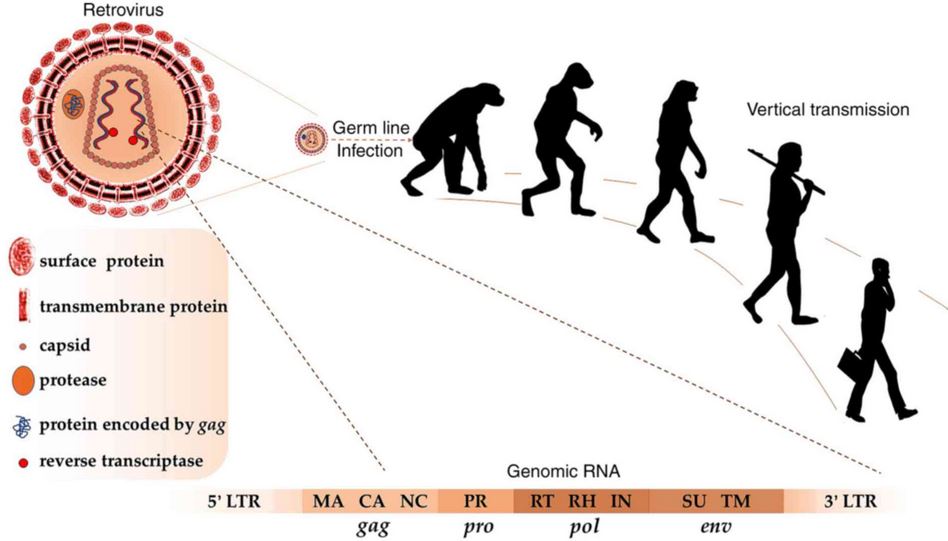
    Retroviruses RNA viruses that use reverse transcriptase to integrate their genome into the host cell’s DNA. HIV, HTLV
    Double-Stranded RNA (dsRNA) Viruses RNA viruses with double-stranded RNA genomes causing gastroenteritis and other infections. Reoviruses
    Single-Stranded RNA (ssRNA) Viruses with Ambisense Genome RNA viruses with genomes containing both positive-sense and negative-sense RNA regions. Arenaviruses, Bunyaviruses
    Single-Stranded RNA (ssRNA) Viruses with Segmented Genome RNA viruses with genomes consisting of multiple segments, causing diseases like influenza and hemorrhagic fevers. Orthomyxoviruses, Bunyaviruses
    Single-Stranded RNA (ssRNA) Viruses with Circular Genome Satellite viruses with a circular RNA genome requiring helper viruses for replication. Hepatitis Delta Virus (HDV)
    Enveloped Viruses Influenza Viruses RNA viruses surrounded by a lipid envelope causing seasonal flu outbreaks. Influenza A, B, C viruses
    Herpesviruses Enveloped DNA viruses causing diseases like cold sores, chickenpox, and mononucleosis. HSV-1, HSV-2, VZV, CMV
    Coronaviruses Enveloped RNA viruses causing diseases like severe acute respiratory syndrome (SARS) and COVID-19. SARS-CoV, MERS-CoV, SARS-CoV-2
    HIV Enveloped retroviruses responsible for acquired immunodeficiency syndrome (AIDS). Human immunodeficiency virus
    Ebola Virus Enveloped RNA virus causing severe hemorrhagic fever in humans. Ebola virus
    Non-enveloped Viruses Adenoviruses DNA viruses lacking a lipid envelope, causing various infections in humans. Adenovirus types causing respiratory, gastrointestinal, and ocular infections
    Papillomaviruses DNA viruses associated with warts and certain cancers, lacking an envelope. HPV
    Noroviruses RNA viruses causing gastroenteritis, lacking an envelope. Norovirus
    Rotaviruses RNA viruses causing severe gastroenteritis in infants and young children, lacking an envelope. Rotavirus
    Bacteriophages T4 Bacteriophage Viruses that infect bacteria, with a complex structure and lifecycle. T4 bacteriophage
    Lambda Phage Temperate bacteriophage capable of lysogenic and lytic cycles in E. coli. Lambda phage
  • Catatumbo Lightning: A Torrent of Current

    Why in the news?

    Catatumbo lightning is a natural event seen over the Catatumbo River in Venezuela, where lightning strikes almost nonstop.

    What is Catatumbo Lightning?

    • Catatumbo Lightning is an atmospheric phenomenon that occurs over the Catatumbo River in Venezuela.
    • It specifically occurs at the Catatumbo Delta, where the river meets Lake Maracaibo.
    • It is known as one of the world’s largest lightning displays.
    • This natural spectacle involves frequent and nearly continuous lightning strikes that illuminate the night sky, creating a mesmerizing light show.
    • Catatumbo Lightning is most prevalent during the wet season, typically from April to November.
    • The consistent and abundant lightning activity has earned the region the moniker the lightning capital of the world.”

    Factors behind Catatumbo Lightning

    • Weather Dynamics
    • Warm, moisture-laden air from the Caribbean Sea clashes with cooler air descending from the Andes mountains, creating a dynamic interplay of atmospheric forces.
    • This collision, accentuated by the local landscape, triggers rapid upward movement of warm air, leading to the formation of towering cumulonimbus clouds.
    • Electrical Charge Generation
    • Strong winds and temperature differentials within these clouds generate electrical charges.
    • Cumulonimbus clouds, towering over 5 km high, accumulate vast amounts of static electricity.
    • Lightning Discharge: When the electrical potential within the clouds reaches a critical level, it discharges in the form of lightning strikes.

    Characteristics of Catatumbo Lightning

    • Catatumbo lightning occurs on approximately 160 nights annually, exhibiting a remarkable longevity.
    • At its peak, the phenomenon generates an astonishing average of 28 lightning strikes per minute.

    PYQ:

    [2013] During a thunderstorm, the thunder in the skies is produced by the

    1. Meeting of cumulonimbus clouds in the sky

    2. Lightning that separates the nimbus clouds

    3. Violent upward movement of air and water particles

    Select the correct answer using the codes given below:

    (a) 1 only

    (b) 2 and 3

    (c) 1 and 3

    (d) None of the above produces the thunder

  • [pib] May 5: World Pulmonary Hypertension Day 

    Why in the news?

    Every year on May 5, pulmonary hypertension organizations and groups around the world participate in World Pulmonary Hypertension Day.

    What is Pulmonary Hypertension?

    • Pulmonary hypertension (PH) is a condition characterized by high blood pressure in the pulmonary arteries, which are the blood vessels that carry blood from the heart to the lungs.
    • This elevated pressure in the pulmonary arteries can lead to various symptoms and complications, affecting the heart’s ability to pump blood effectively to the lungs and the rest of the body.

    Here are some key aspects of pulmonary hypertension:

    Causes:

    1. Idiopathic Pulmonary Arterial Hypertension (IPAH): In many cases, the exact cause of pulmonary hypertension is unknown, and it is referred to as idiopathic. IPAH is a subtype of PH without an identifiable cause.
    2. Secondary Pulmonary Hypertension: PH can also develop secondary to other underlying conditions, including:
      • Chronic obstructive pulmonary disease (COPD)
      • Interstitial lung disease
      • Sleep apnea
      • Connective tissue diseases such as scleroderma and lupus
      • Congenital heart diseases
      • HIV infection
      • Liver disease (cirrhosis)
    3. Genetic Factors: Some forms of PH may have a genetic component, with mutations in certain genes predisposing individuals to the condition.

    Features:

    • Symptoms: Symptoms of pulmonary hypertension may include:
        • Shortness of breath, especially during physical activity
        • Fatigue
        • Chest pain or pressure
        • Dizziness or fainting spells
        • Swelling in the ankles and legs (edema)
        • Bluish lips or skin (cyanosis)
    • Diagnostic Tests: Diagnosis of pulmonary hypertension typically involves a combination of medical history review, physical examination, and diagnostic tests, including:
        • Echocardiogram (ECG)
        • Right heart catheterization
        • Pulmonary function tests
        • Chest X-ray
        • CT scan or MRI of the chest
        • Blood tests
    • Treatment: Treatment for pulmonary hypertension aims to relieve symptoms, improve quality of life, and slow disease progression. Treatment options may include:
      • Medications such as vasodilators, endothelin receptor antagonists, and prostacyclin analogs
      • Oxygen therapy
      • Pulmonary rehabilitation
      • Surgery or a lung transplant in severe cases

    Hypertension Control Initiatives in India:

    • India Hypertension Control Initiative (IHCI) (2017): It was launched to strengthen the hypertension component of National Programme for Prevention and Control of Non-Communicable Diseases (NP-NCD) in primary care public sector facilities in India
    • 75/25 initiative (2023): Union Health Ministry announced the initiative- 75 million people with hypertension and diabetes to be put on Standard Care by 2025, through the Primary Health Centres (PHCs).


    PYQ:

    [2021] In the context of hereditary diseases, consider the following statements :​

    1. Passing on mitochondrial diseases from parent to child can be prevented by mitochondrial replacement therapy either before or after in vitro fertilization of egg.​

    2. A child inherits mitochondrial diseases entirely from mother and not from father.​

    Which of the statements given above is/are correct?

    (a) 1 only

    (b) 2 only

    (c) Both 1 and 2

    (d) Neither 1 nor 2