đŸ’„Join UPSC 2027,2028 Mentorship (July Batch) + XFactor Notes & Microthemes PDF

Subject: Science and Technology

  • ISRO successfully conducts ‘Pushpak’ Reusable Landing Vehicle Landing

    What is the news?

    • The ISRO has conducted the Pushpak Reusable Landing Vehicle (RLV) LEX 02 landing experiment at the Aeronautical Test Range in Chitradurga. It was lifted by an Indian Air Force Chinook helicopter and released from an altitude of 4.5 km.
    • This experiment marks a significant milestone in ISRO’s pursuit of reusable space technology.

    About Pushpak Reusable Landing Vehicle (RLV)

    • The Pushpak RLV is a winged vehicle, equipped with aerodynamic surfaces that enable controlled flight during re-entry into the Earth’s atmosphere.
    • The RLV is designed to autonomously land on a designated runway after completing its mission in space, thereby demonstrating India’s capability in autonomous space vehicle landing.
    • It is equipped with sophisticated navigation, control, and landing gear systems that allow it to autonomously navigate and land on a predefined runway.

    Key Features

    1. The RLV is a space plane with a low lift-to-drag ratio, requiring an approach at high glide angles that necessitates landing at high velocities of 350 km/h.
    2. This design allows it to transport payloads to Low Earth orbits and return to Earth for future use.

    Future Prospects

    • Iterative Testing: ISRO conducts a series of experiments, such as the RLV LEX 02 landing experiment, to test and validate the performance of the RLV in various scenarios.
    • Orbital Re-entry Missions: The successful demonstration of the Pushpak RLV’s capabilities paves the way for future orbital re-entry missions, where reusable vehicles can be deployed for various scientific and commercial purposes.

    PYQ:

    2018: With reference to India’s satellite launch vehicles, consider the following statements:

    1. PSLVs launch the satellites useful for Earth resources monitoring whereas GSLVs are designed mainly to launch communication satellites.
    2. Satellites launched by PSLV appear to remain permanently fixed in the same position in the sky, as viewed from a particular location on Earth.
    3. GSLV Mk III is a four-stage launch l vehicle with the first and third stages l using solid rocket motors; and the second and fourth stages using liquid rocket engines.

    Which of the statements given above is/are correct?

    1. 1 only
    2. 2 and 3
    3. 1 and 2
    4. 3 only


    Practice MCQ:

    Consider the following statements about the ‘Pushpak’ Reusable Landing Vehicle (RLV):

    1. It is a winged vehicle.
    2. It can transport payloads to Low Earth orbits and return to Earth with the help of a parachute.

    Which of the given statements are correct?

    1. Only 1
    2. Only 2
    3. Both 1 and 2
    4. Neither 1 nor 2
  • Patent (Amendment) Rules, 2024: Key Highlights

    In the news-

    • The Patent (Amendment) Rules, 2024 were recently published in the Gazette of India, making crucial changes in the Indian patent regime.

    Context:


    2023 emerged as a landmark year for intellectual property rights (IPR) in India, reflecting the nation’s commitment to innovation and creativity.


    • 1 Lakh Patents filed: The Indian Patent Office has achieved a significant milestone this year by granting over 1 lakh patents in a year for the first time.
    • Sector-wise Breakdown: The highest number of patents, 47,993, were granted in the electrical and related field of invention, followed by mechanical (37,714), chemical sciences (12,028) and Biotech (3,576) categories.

    Key Amendments Introduced:

    • Revised Timeline for Request for Examination: The period for submitting a Request for Examination (RFE) in a patent application has been shortened from 48 months to 31 months from the earliest priority date.
    • Streamlined Applications: Patent applicants now need to furnish details of corresponding applications solely twice using Form 3.
    • Introduction of ‘Certificate of Inventorship’: This new provision acknowledges the contributions of inventors to patented innovations.
    • Reduction in Advance Renewal Fees: A discount of 10% on renewal fees is offered if paid electronically in advance for a minimum of four years.
    • Decreased Frequency of Patent Working Statements: The requirement to file statements of working patents has been reduced from annually to once every three financial years.
    • Enhanced Authority of Controller: The Controller is now empowered to extend specified periods and excuse delays for up to six months.
    • Amendments to Opposition Procedures: Adjustments have been made to the time frames for submitting recommendations by an Opposition Board and the response period for applicants in both pre-grant and post-grant opposition procedures.

    What are Patents?

    • A patent is a legal right granted by a government to an inventor or assignee, giving them exclusive rights to an invention for a limited period.
    • It provides the inventor with the right to exclude others from making, using, selling, or importing the patented invention without their permission.
    • In essence, a patent acts as a form of intellectual property protection for inventions, allowing inventors to control and commercialize their creations.
    • Patents are territorial rights. In general, the exclusive rights are only applicable in the country or region in which a patent has been filed and granted.

    Indian Patent Regime: A Backgrounder

    • Indian patents are governed by the Indian Patent Act of 1970.
    • India has gradually aligned itself with international regimes pertaining to intellectual property rights.
    • In 1995, India became a party to the Trade-Related Aspects of Intellectual Property Rights (TRIPS) Agreement following its membership to the World Trade Organisation on January 1, 1995.
    • An interesting point is that the original Indian Patents Act did NOT grant patent protection to pharmaceutical products to ensure that medicines were available at a low price.
    • Patent protection of pharmaceuticals were re-introduced after the 2005 amendment to comply with TRIPS.

    Filing a Patent: Key Terms

    • Patentable Subject Matter: Under the Indian Patents Act, inventions related to products, processes, methods, and applications in all fields of technology are patentable, provided they are novel, involve an inventive step, and are capable of industrial application.
    • Patent Office: The Indian Patent Office, under the Department for Promotion of Industry and Internal Trade (DPIIT), administers the patent system in India. It operates through four branches located in Kolkata, Mumbai, Delhi, and Chennai, with the Controller General of Patents, Designs & Trade Marks overseeing patent-related matters.
    • 20-Year Validity: Patent protection is granted for a limited period, generally 20 years from the filing date of the application.

    Various Agreements

    India is also a signatory to several IPR-related conventions, including-

    1. Berne Convention (1886) The Berne Convention for the Protection of Literary and Artistic Works, established in 1886, is an international treaty governing copyright.
    2. Budapest Treaty (1977): It aims to facilitate the international recognition of patents relating to microorganisms by providing a centralized deposit system for the storage and distribution of biological materials.
    3. Paris Convention for the Protection of Industrial Property (1883): It aims to harmonize and standardize the protection of industrial property, including patents, trademarks, industrial designs, and trade secrets, among its member countries.
    4. Patent Cooperation Treaty (1970): It is an international treaty administered by the World Intellectual Property Organization (WIPO) to simplify the process of filing patent applications in multiple countries by providing a unified procedure for filing an international patent application.

    Back2Basics:

    Patents Copyright Trade Secrets
    Legal Basis Patents Act, 1970 Copyright Act, 1957 Common law, contracts
    Duration of Protection 20 years Author’s lifetime + 60 years Indefinite
    Nature of Protection Inventions, processes, methods Literary, artistic, musical works Confidential information
    Criteria for Protection Novelty, Inventiveness Originality, Fixation Confidentiality
    Registration Requirement Required Optional (automatic) None (advisable)
    Scope of Protection Technical aspects Expression of ideas Unauthorized use or disclosure
    Enforcement Mechanism Civil litigation Civil and criminal actions Civil litigation
    International Protection Patent protection can be sought internationally through the Patent Cooperation Treaty (PCT) and other international agreements Copyright protection is recognized internationally through the Berne Convention and other treaties Protection of trade secrets can vary internationally and may depend on the laws and regulations of individual countries
    Examples Inventions, software Books, music, software Formulas, processes


    PYQ:


    2013: Bringing out the circumstances in 2005 which forced an amendment to section 3(d) in Indian Patent Law, 1970, discuss how it has been utilized by the Supreme Court in its judgement in rejecting Novartis’ patent application for ‘Glivec’. Discuss briefly the pros and cons of the decision. (200 words)

    2014: In a globalized world, Intellectual Property Rights assume significance and are a source of litigation. Broadly distinguish between the terms—Copyrights, Patents and Trade Secrets.

  • Onward to Thorium

    Why in the News?

    Recently, at the start of March 2024, our 500-MWe Prototype Fast Breeder Reactor (PFBR) began fuel-loading, marking the successful completion of commissioning trials and rectification of a range of first-of-its-kind equipment in the fast breeder reactor technology.

    Context:

    • Homi Bhabha’s spirit of self-reliance has enabled the autonomous pursuit of ‘Thorium Goals’.
    • His proposed three-stage strategy aims to develop critical nuclear technologies, starting with modest uranium resources, and achieve a large-scale thorium-based energy program.
    • The largest contributor to the climate change-related existential threat we face has created an immediate demand for large-scale deployment of nuclear power plants.
    • BHAVINI, Indira Gandhi Centre for Atomic Research (IGCAR), and the Bhabha Atomic Research Centre (BARC) are responsible for building and operating the PFBR.

    What is the significance of thorium in making India energy self-sufficiency?

      • Meeting Energy Demand:
    • Boosting Domestic Market: 
        • Given the size of India’s population and its economy, its energy demands would lead to serious challenges to energy security.
        • For ‘Vikasit Bharat’, India needs around three-and-a-half times more energy, which can come only from nuclear energy, specifically thorium.
      • Reducing Imports:
        • India has been dependent on energy imports all along. Thorium presents us with a unique opportunity to become energy self-sufficient.
        • Renewable energy, including large hydropower projects, can, at best, meet current energy needs.
    • Building Global Perspective:
      • India’s long-term Energy security:
        • Looking towards India’s level of nuclear energy deployment will, the PFBR is expected to become operational, paving India into the second stage of its three-stage nuclear power programme.
        • It works as the gateway for meeting the country’s energy needs for a long time into the future, leveraging India’s vast thorium resources, which are the largest in the world.
      • Further, there is no other clean energy source available on the Indian landmass that can cope with India’s energy needs.

    Future Scope:

    • Transitioning to Better Fuel:
        • A high-assay, low-enriched uranium (LEU) and thorium fuel capable of delivering a seven-times larger fuel burn-up in the PHWR design is needed.
        • ANEEL fuel has been designed and will be available shortly. The ANEEL fuel concept could also bring the Advanced Heavy Water Reactor (AHWR300-LEU), a fully developed design immune to any severe accident-related anxiety, to reality.
    • Concurrent fuel Recycling Processes:
        • A Fast Reactor Fuel Cycle Facility (FRFCF) that would work alongside the PFBR is coming up.
        • Once a sizeable inventory of uranium-233 accumulates, we must bring in reactors specifically designed for thorium and the related fuel-cycle facilities, constituting the third stage of our nuclear power program.
    • Advancement in Fast Reactor Technology:
        • The rapid deployment of PHWRs based on imported uranium allows for the advancement of thorium utilization in PHWRs, facilitating the deployment of third-stage thorium reactor systems, reducing spent fuel inventory, and proliferation resistance, and enhancing safety and economy.
        • The fast reactor systems with faster growth based on inherently better breeding performance are needed.
        • More reactors on the PFBR model must be constructed to consolidate sodium-cooled fast reactor technology, a key feature of the second stage of the nuclear program.
    • High-temperature reactor:
      • Thorium utilization can be improved in high-temperature reactors to produce low-cost hydrogen with minimal carbon footprint.
      • Direct hydrogen production without electricity would make hydrogen production cheaper and less dependent on hydrogen electrolyzers.

    Conclusion: The beginning of fuel-loading in PFBR is a significant step that must be celebrated to motivate our scientists and prepare them for the bigger tasks ahead. Sustained encouragement backed up by a demanding but conducive framework around them is the need of the hour. One must move on the thorium path, though it has no parallel anywhere else in the world.


    Mains PYQ:

    1. With growing energy needs should India keep on expanding its nuclear energy programme? Discuss the facts and fears associated with nuclear energy. (UPSC 2018)
    2. Give an account of the growth and development of nuclear science and technology in India. What is the advantage of a fast breeder reactor program in India? (UPSC 2017)
  • Changing cancer nomenclature can improve treatment outcomes: doctors 

    Why in the news? 

    Physicians have expressed the necessity to categorize Cancers based on their genetic characteristics.

    Context:

    • An updated classification system could aid patients in comprehending the reasoning behind their treatment.
    • While two individuals may share the same type of cancer, their therapies could vary due to differences in the biological mechanisms driving their tumors.

    What motivates the need for change?

    •  Not limited to cancers of a single organ: With technological improvements, doctors are also able to find which genetic mutations are responsible for a tumor in many cases and target them with drugs.
      • All cancers from the same organ don’t always share the same mutations, and these mutations aren’t limited to cancers of a single organ
    • Access life-saving drugs sooner: This development in precision oncology requires cancers to be classified based on their molecular and genetic characteristics rather than the organ in which they originate, a team of researchers from France has written in a paper.
      • This way, according to them, cancer patients can also access life-saving drugs sooner. Oncologists spend a lot of time testing new drugs in clinical trials in a sequential manner, leading to “delay in treatment access”.

    Has sequential testing caused delays? 

      • A 2012 clinical trial conducted in the U.S. explored the efficacy of the drug nivolumab across various cancer types, including melanoma and kidney cancer. Nivolumab targets a specific protein receptor found in certain tumors, and it showed promising results by alleviating symptoms in individuals with tumors expressing this protein
    • Challenges Due to Traditional Organ-Based Classification-
      • Hindered by the traditional classification-Despite promising outcomes, the next logical step of testing nivolumab in individuals with tumors expressing the protein, regardless of cancer origin, was hindered by the traditional classification of cancers based on their organ of origin (e.g., breast, kidney, lung).
      • Multiple trials needed: As a consequence, researchers were compelled to conduct separate trials for each type of cancer, leading to significant delays in drug accessibility for patients with tumors expressing the targeted protein.
      • Time taking trails: Each trial requires substantial time and resources, from recruitment to data analysis, prolonging the process of drug approval and availability for specific cancer subtypes.

    Significance of categorizing cancers based on their genetic characteristics-

    • Faster drug development and availability: By targeting specific genetic mutations rather than specific cancer types, clinical trials for drugs can encompass all cancer types with those mutations. This approach potentially expedites the trial process, leading to faster drug development and availability.
    • Reduces confusion among the patient: The revamped classification system not only accelerates clinical trial timelines but also enhances patient understanding of treatment rationale. Patients often receive different therapies for the same cancer due to diverse underlying biological mechanisms. Aligning cancer names with biological mechanisms reduces confusion and helps patients comprehend the reasoning behind their treatment plans.
    • Personalized treatment: Physicians, including Dr. Jobanputra, emphasize the importance of educating patients about the molecular characteristics of their cancers. As the approach to cancer treatment becomes more personalized, understanding these molecular aspects becomes crucial as they directly impact prognosis and treatment costs.
    • Reducing the timing in trial-naming cancers based on their biological characteristics rather than their anatomical origin can significantly reduce the time required to conduct clinical trials. This shift eliminates the need for separate trials for each cancer type defined by organ of origin, streamlining the research process

    Challenges in Implementing the Proposed Cancer Classification Change:

    • Limited Access to Genetic Testing: The accessibility and affordability of genetic testing are major hurdles, particularly in regions like India where many patients cannot afford these tests.
      • Without widespread access to such tests, implementing a classification system based on molecular alterations becomes impractical.
    • Financial Barriers to Genetic Testing: The cost of genetic testing in Indian labs and abroad is prohibitively high for many patients, further exacerbating the issue of limited access.
      • Addressing these financial barriers is crucial for ensuring equitable access to precision oncology.
    • Lack of Patients in Clinical Trials: Clinical trials based on molecular signatures require a significant number of patients with each type of cancer to produce meaningful results.
      • Without adequate representation across cancer types, there is a risk of generalizing results, limiting the effectiveness of precision oncology approaches.
    • Time-taking Process: Transitioning to a new diagnostic nomenclature based on molecular alterations will likely occur gradually and require careful implementation.
      • While the proposed change has the potential to improve drug accessibility, its full realization will take time and concerted effort to overcome various challenges.

    Conclusion: Categorizing cancers based on genetic characteristics can streamline treatment, improve drug accessibility, and enhance patient understanding. However, challenges like limited access to genetic testing and lack of patient representation in trials must be addressed.

  • Many elections, AI’s dark dimension

    Why in the news? 

    With a series of elections to be held across the world in 2024, the potential of AI to disrupt democracies cannot be dismissed.

    • The rapid development of Generative Artificial Intelligence (GAI) and its potential evolution into Artificial General Intelligence (AGI) could have significant implications for elections.

    AI and the Electoral landscape in India (Possible opportunities and Concerns):

    Opportunities: 

    • Campaign Strategy Revolution: AI tools like sentiment analysis and chatbots optimize campaign strategies, making them more efficient and cost-effective.
    • Disinformation Campaigns: AI facilitates can also be used against targeted disinformation campaigns, spreading fake news tailored to specific demographics or regions.
    • Technological Advancements: Rapid developments in AI technologies simulate real-world interactions and have the potential to influence electoral dynamics significantly.
    • Micro-Targeting Voters: AI enables precise targeting based on data like demographics and online behaviour, enhancing campaign effectiveness.
    • Influence through Personalization: Tailored messages resonate better with voters, potentially swaying opinions.

    Concerns

    • Quality and Quantity of Misinformation: In the upcoming 2024 elections, AI-driven disinformation campaigns are expected to overwhelm voters with vast quantities of incorrect information, including hyper-realistic Deep Fakes and micro-targeted content.
    • Challenges to Democracy: The disruptive potential of AI in influencing electoral behaviour necessitates the implementation of robust checks and balances to prevent AI-driven manipulation and ensure the integrity of democratic processes.
    • Deep Fake Concerns: There are fears of AI-powered “Deep Fake Elections,” where AI-generated content manipulates and confuses voters. This phenomenon may exploit existing societal attitudes, such as the reported support for authoritarianism in India.
    • Propaganda Techniques: AI facilitates the development of sophisticated propaganda techniques, aiming to mislead and manipulate voters. As elections progress, newer methods emerge, potentially leading to the proliferation of Deep Fake content.
    • Disinformation Amplification: AI technology amplifies the spread of falsehoods and misinformation, posing a significant threat to democracies by confusing and misleading the electorate on an unprecedented scale.

    What are ways to tackle AI ‘determinism’? (Way Forward):

    • Mitigate voter mistrust: AI-deployed tactics may erode trust in democratic institutions and processes, highlighting the need for measures to counter AI determinism and mitigate voter mistrust.
    • Checks and Balances: While acknowledging AI’s considerable potential, it is imperative to implement checks and balances to mitigate its harmful effects and safeguard against AI’s unpredictable behavior.
    • Inconsistencies in AI Models: Public scrutiny over inaccuracies associated with AI models, such as those observed with Google, underscores the inherent dangers of relying solely on AI for decision-making without adequate validation and oversight.
    • Existential Threats: Beyond biases in design and development, AI systems pose existential threats, including adversarial capabilities like poisoning, backdooring, and evasion, which undermine the reliability and effectiveness of AI solutions.
    • Mitigating Adversarial Capabilities: Current concepts and ideas for mitigating adversarial capabilities in AI systems are insufficient, requiring further research and development to address the inherent vulnerabilities and risks associated with AI technology.
  • Multi-purpose app SAKHI to assist Gaganyaan Crew

    What is the news-

    • The Vikram Sarabhai Space Centre (VSSC), an ISRO facility located at Thumba in Thiruvananthapuram, has developed a multi-purpose app ‘SAKHI’ to assist Gaganyaan Crew.

    About SAKHI

    • The Space-borne Assistant and Knowledge Hub for Crew Interaction (SAKHI) is equipped to monitor astronauts’ health, maintain communication with Earth, and manage dietary schedules.
    • It serves as an essential tool for the crew, offering real-time assistance and access to necessary data.
    • It would assist astronauts during the Gaganyaan space flight mission, facilitating tasks such as accessing vital technical information and communication.
    • Strapped to astronauts’ space suits, it allows for easy access and facilitates the maintenance of mission logs in various formats.

    Utility offered by SAKHI

    • Health Monitoring: SAKHI provides comprehensive health monitoring, including parameters like blood pressure, heart rate, and oxygen saturation. It also reminds astronauts about hydration, dietary schedules, and sleep patterns, enhancing their mission efficiency.
    • Communication: SAKHI maintains communication between the crew, onboard computers, and ground-based stations, ensuring seamless connectivity.

    Gaganyaan Mission Timeline:

    • ISRO aims to launch the Gaganyaan human spaceflight mission in 2025.
    • The identities of the four astronaut-designates, all IAF test pilots, were revealed at a high-profile event attended by PM at the VSSC on February 27.
    • The final crew for the mission will be selected from among the four astronaut-designates.

    Also read:

    4 IAF Gaganyaan Astronaut-designates named


    PYQ:

    Which of the following is/are cited by the scientists as evidence/evidences for the continued expansion of the universe? (2012)

    1. Detection of microwaves in space
    2. Observation of redshift phenomenon in space
    3. Movement of asteroids in space
    4. Occurrence of supernova explosions in space

    Select the correct answer using the codes given below:

    1. 1 and 2
    2. 2 only
    3. 1, 3 and 4
    4. None of the above can be cited as evidence
  • 7 Ghost Particles pierce through Earth: IceCube Observations

    Why in the news

    • Researchers at the IceCube Observatory, buried beneath the Antarctic ice, have identified seven potential instances of elusive “Ghost Particles” or astrophysical Tau Neutrinos as they penetrated through Earth.
    • These neutrinos are pivotal for understanding the cosmic exchanges between Earth and the vast universe.

    What are Neutrinos?

    • Neutrinos, often referred to as “ghost particles,” are subatomic particles characterized by their nearly zero mass and lack of electric charge.
    • They traverse through matter with minimal interaction, making their detection extremely challenging.
    • Previously believed to be massless, evidence has emerged indicating that neutrinos possess a very small mass.
    • Neutrinos rank among the most abundant particles in the universe.
    • While neutrinos and electrons behave similarly in terms of nuclear forces, neither of them engages in strong nuclear interactions.
    • However, both participate in weak nuclear interactions.
    • Neutrinos are produced during events such as nuclear fusion in stars like the Sun or nuclear fission in reactors.

    Properties of Neutrinos

    Electric Charge Electrically Neutral
    Mass Extremely Low (Exact Masses Not Known)
    Types Electron Neutrino, Muon Neutrino, Tau Neutrino
    Interaction Weak Interaction
    Speed Close to the Speed of Light
    Spin Fermion, Half-Integer Spin
    Neutrino Oscillations Neutrinos Change Flavor during Travel
    Interactions Very Weak Interaction with Matter
    Abundance Among the Most Abundant Particles in the Universe
    Cosmic Messengers Can Carry Information from Distant Cosmic Sources


    Why Neutrinos are termed “Ghost Particles”?


    • The weak charge and almost imperceptible mass of neutrinos render them exceedingly difficult for scientists’ to detect directly.
    • Due to their rare interactions with other particles, tracking neutrinos proves nearly impossible.

    Significance of Neutrino Detection

    • The origins of the abundant neutrino particles remain largely unknown to scientists.
    • There’s a hypothesis suggesting their potential role in the early universe shortly after the Big Bang, yet concrete evidence remains elusive.
    • Understanding neutrinos better holds the promise of unraveling numerous scientific phenomena, including the mysterious origins of cosmic rays, which neutrinos are known to carry.
    • Researchers anticipate that pinpointing the source of neutrinos will aid in explaining the origins of cosmic rays, a puzzle that has perplexed scientists for centuries.

    About IceCube Observatory

    icecube

    • Location: The IceCube Neutrino Observatory is situated near the Amundsen-Scott South Pole Station in Antarctica.
    • Components:
    1. IceCube: The primary detector consists of 5,160 digital optical modules (DOMs) attached to vertical strings frozen into the ice.
    2. IceTop: Located on top of IceCube strings, it serves as a veto and calibration detector for cosmic rays.
    3. DeepCore: A denser subdetector within IceCube that lowers the neutrino energy threshold for studying neutrino oscillations.
    • Construction:
    1. Completed in December 2010 with 86 strings deployed over seven austral summers.
    2. Involved melting holes in the ice to depths of 2,450 meters and deploying sensors connected to cables.
    • Research Goals:
    1. Observing neutrinos from various astrophysical sources to study cosmic phenomena like exploding stars, gamma-ray bursts, and black holes.
    2. Studying cosmic rays interacting with the Earth’s atmosphere to reveal structures not fully understood.
    3. Advancing neutrino astronomy and exploring high-energy processes in the Universe.


    Recent Neutrino Observatories in news:


    [1] Indian Neutrino Observatory (INO)

    • INO approved in 2015, is a proposed particle physics research mega project.
    • Its objective is to study neutrinos in a 1,200 meter deep cave.
    • The primary objective of the INO Project is to study neutrinos, one of the most abundant fundamental particles, coming from various sources and using an underground Iron calorimeter (ICAL) detector.
    • Its location is decided to be at the Bodi West Hills (BWH) region near Pottipuram village in Theni district of Tamil Nadu (110 km from the temple town of Madurai).

    [2] China’s TRIDENT

    • Scheduled for completion in 2030, TRIDENT, aptly nicknamed “Ocean Bell” or “Hai ling” in Chinese.
    • It will be positioned 11,500 feet (3,500 meters) beneath the ocean’s surface in the Western Pacific.
    • It seeks to explore the realm of neutrinos, transient particles that momentarily interact with the deep ocean, emitting faint flashes of light.


    PYQs:

    (1) In the context of modern scientific research, consider the following statements about ‘IceCube’, a particle detector located at the South Pole, which was recently in the news: (2015)

    1. It is the world’s largest neutrino detector, encompassing a cubic kilometre of ice.
    2. It is a powerful telescope to search for dark matter.
    3. It is buried deep in the ice.

    Which of the statements given above is/are correct?

    1. 1 only
    2. 2 and 3 only
    3. 1 and 3 only
    4. 1, 2 and 3


    (2) India-based Neutrino Observatory is included by the planning commission as a mega-science project under the 11th Five-year plan. In this context, consider the following statements: (2010)

    1. Neutrinos are chargeless elementary particles that travel close to the speed of light.
    2. Neutrinos are created in nuclear reactions of beta decay.
    3. Neutrinos have a negligible, but non-zero mass.
    4. Trillions of Neutrinos pass through the human body every second.

    Which of the statements given above are correct?

    1. 1 and 3 only
    2. 1, 2 and 3 only
    3. 2, 3 and 4
    4. 1, 2, 3 and 4
  • What is the HbA1C Test for Diabetes?

    Why in the news-

    • India faces a significant burden of diabetes, with an estimated 10.13 crore people affected and an additional 13.6 crore individuals classified as pre-diabetic.
    • One of the most commonly-used tests to diagnose pre-diabetes and diabetes (both type 1 and type 2) and to help manage diabetes, is the haemoglobin A1C (HbA1C) test.

    What is the HbA1C Test?

    • The HbA1C test, or glycated haemoglobin test, serves as a vital tool for diagnosing pre-diabetes and diabetes, offering insights into long-term blood glucose control.
    • It measures the percentage of red blood cells coated with sugar.
    • It provides a comprehensive view of average blood glucose levels over the preceding two to three months.
    • It is recommended for individuals over 30 years and those with specific risk factors, with retests scheduled based on initial findings and individual health profiles.

    Evolution and Acceptance

    • Initially inconsistent, the test gained recognition for its correlation with blood glucose values and its role in monitoring glycemia, leading to improved standardization and accuracy.
    • It is endorsed by medical bodies like World Health Organization (WHO) and the American Diabetes Association and.
    • This underscores the test’s diagnostic utility, subject to stringent quality assurance measures.

    Interpretation of Results

    • Results are typically presented as percentages.
    1. Normal: Values below 5.7% are considered
    2. Pre-diabetes: 5.7% to 6.4%
    3. Diabetes: 6.5% or higher
    • Alternatively, results may be expressed in mmol/mol, providing a comparable metric for assessment.

    Limitations of the Test

    • While informative, the HbA1C test may be supplemented by other tests, particularly in populations with conditions affecting assay accuracy.
    • In India, factors like thalassemia prevalence and iron-deficiency anemia may impact test reliability, necessitating caution and additional indices for glycemic assessment.

    PYQ:

    ‘Aerial metagenomics’ best refers to which one of the following situations?

    1. Collecting DNA samples from air in a habitat at one go
    2. Understanding the genetic makeup of avian species of a habitat
    3. Using air-borne devices to collect blood samples from moving animals
    4. Sending drones to inaccessible areas to collect plant and animal samples from land surfaces and water bodies

    Practice MCQ:

    Consider the following statements about the HbA1C test:

    1. It is used in the diagnosis of Sickle Cell Disease.
    2. It measures the percentage of red blood cells coated with sugar.
    3. It is recommended for individuals over 30 years.

    How many of the given statements is/are correct?

    1. One
    2. Two
    3. Three
    4. None
  • Indigenous Drug for Sickle Cell Disease developed

    sickle cell

    What is the news-

    • Based in Delhi, Akmus Drugs and Pharmaceutical Limited unveiled a groundbreaking drug for sickle cell disease on March 16.
    • This drug marks India’s first indigenous, room-temperature stable solution for sickle cell disease, available at a mere 1% of the global price.

    What is Sickle Cell Disease (SCD)?


    • Sickle Cell Disease (SCD) is a genetically inherited red blood cell disorder.
    • It causes red blood cells to become hard, sticky, and sickle-shaped due to abnormal hemoglobin.
    • This abnormality leads to complications such as pain, infections, acute chest syndrome, and stroke.
    • Different types of SCD include HbSS, HbSC, and HbS beta thalassemia, each varying in severity.
    • SCD is diagnosed through a simple blood test, often identified at birth through new-born screening.
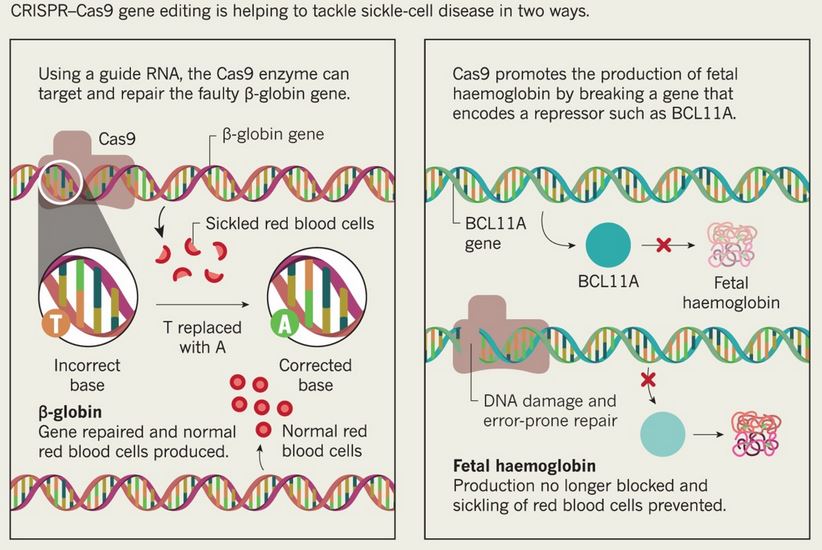
    • Treatment focuses on managing complications with options like bone marrow or stem cell transplantation, gene therapies, and medications like hydroxyurea to reduce symptoms and prevent complications.
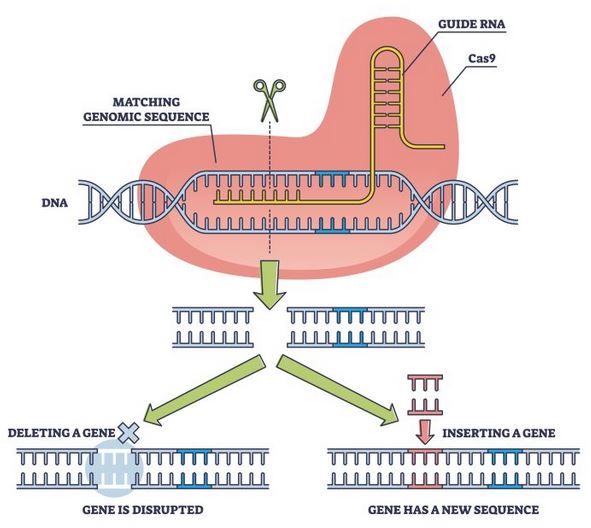
    • The recent approval of Casgevy, a groundbreaking gene therapy utilizing Crispr-Cas9 technology,  represents a monumental achievement SCD Treatment.

    About Akmus Sickle Cell Drug

    • The oral suspension of Hydroxyurea is the basic component of the drug.
    • Priced at less than â‚č600, the drug is poised to revolutionize access to treatment for sickle cell disease patients nationwide.
    • It is tailored for patients across all age groups.
    • It offers convenience and precision in dosage administration through provided oral syringes.

    What makes it a revolutionary drug?

    • Room Temperature Stability: Unlike imported hydroxyurea solutions requiring storage at 2-8 degrees Celsius, Akmus Pharmaceuticals’ formulation ensures accessibility without stringent storage conditions.
    • Cost-Efficiency: With the global brand priced at approximately â‚č77,000, Akmus’ solution underscores a paradigm shift towards affordable medication.

    Sickle Cell Disease Menace in India


    • Prevalence among STs: Sickle cell disease is a genetic disorder mostly prevalent in districts with high tribal populations. About one in 86 births among STs have sickle cell disease that affects haemoglobin in red blood cells, resulting in morbidity and mortality (as per WHO).
    • Health Priority: Recognizing sickle cell disease as a significant health challenge, India has identified it among the top 10 issues disproportionately affecting tribal communities.
    • National Mission:  The National Sickle Cell Anemia Elimination Mission launched in 2023, aims to eliminate sickle cell anemia from India by 2047.


    PYQ:

    Q. Consider the following statements in the context interventions being undertaken under Anaemia Mukt Bharat Strategy: (2023)

    1. It provides prophylactic calcium supplementation for pre-school children, adolescents and pregnant women.
    2. It runs a campaign for delayed cord clamping at the time of child-birth.
    3. It provides for periodic deworming to children and adolescents.
    4. It addresses non-nutritional causes of anaemia in endemic pockets with special focus on malaria, hemoglobinopathies and fluorosis.

    How many of the statements given above are correct?

    1. Only one
    2. Only two
    3. Only three
    4. All four

    Practice MCQ:

    Q. Regarding the prevalence of Sickle Cell Disease (SCD) in India, consider the following statements:

    1. Sickle cell disease is a hereditary disorder affecting affects haemoglobin in red blood cells.
    2. About one in 86 births among STs have sickle cell disease.
    3. India has identified it among the top 10 issues disproportionately affecting tribal communities.
    4. The National Sickle Cell Anemia Elimination Mission, aims to eliminate sickle cell anemia from India by 2030.

    How many of the given statements is/are correct?

    1. One
    2. Two
    3. Three
    4. Four
  • U.S. to moot first-of-its-kind resolution at UN seeking equal global access to AI

    Why in the news? 

    • The United States is leading an effort at the United Nations to create rules for Artificial intelligence (AI).

    Context- 

    • The draft resolution, which recognizes the rapid acceleration of AI development and use, aims to close the digital divide between countries.
    • The United States initiated negotiations with all 193 UN member nations about three months before the statement.
    • It plans to make sure that nations have the necessary capabilities to take advantage of the technology when it comes to detecting diseases and predicting floods.

    What are the provisions proposed through the New framework?

    • Encouragement for Regulatory and Governance Approaches: The resolution encourages various entities, including countries, organizations, communities, and individuals, to develop and support regulatory and governance frameworks for safe AI systems. It emphasizes the importance of safeguarding against improper or malicious use of AI systems.
    • Global Movement Towards AI Regulations: Countries worldwide, including the U.S., China, and the EU, are working on AI regulations. The EU is set to finalize comprehensive AI rules, and other nations and groupings like the G20 are also developing AI regulations.
    • Assistance to Developing Countries: The U.S. draft resolution calls for helping developing countries access the benefits of digital transformation and safe AI systems. It stresses the importance of respecting human rights and fundamental freedoms throughout the lifecycle of AI systems.
    • Support for UN Development Goals:  It particularly aims to support the UN’s 2030 goals, including ending hunger and poverty, improving health, and achieving gender equality.


    Need Global support to pass the resolution: 

    • For Principles: The resolution aims to garner global support for a set of principles for developing and using AI. It intends to guide the use of AI systems for beneficial purposes while managing associated risks.
      • If approved, the resolution is deemed a historic advancement in promoting safe, secure, and trustworthy AI on a global scale.
    • Consensus Support: After several drafts, the resolution achieved consensus support from all member states. It will be formally considered later in the month.
    • Non-Legally Binding: Unlike Security Council resolutions, General Assembly resolutions are not legally binding. However, they serve as important indicators of global opinion.

    How it will positively impact the well-being of the Society all over?

    AI can play a crucial role in both detecting diseases and predicting floods by leveraging various data sources, advanced algorithms, and computational power-

    Disease Detection with AI:

    • Medical Imaging Analysis: AI algorithms can analyze medical images such as X-rays, MRI scans, and CT scans to detect abnormalities or signs of diseases like cancer, tuberculosis, or pneumonia.
      • Deep learning models, such as convolutional neural networks (CNNs), have shown remarkable accuracy in identifying patterns in medical images.
    • Health Monitoring and Predictive Analytics: AI-powered health monitoring devices can continuously collect data such as heart rate, blood pressure, and glucose levels.
      • Machine learning algorithms can analyze this data to detect anomalies or early signs of diseases, allowing for early intervention and prevention.
    • Diagnostic Decision Support Systems: AI-based diagnostic systems can assist healthcare professionals in diagnosing diseases by analyzing patient data, symptoms, medical history, and laboratory test results.
      • These systems can provide accurate and timely recommendations, improving diagnostic accuracy and efficiency.

    Flood Prediction with AI:

    • Data Analysis and Modeling: AI algorithms can analyze various data sources such as weather patterns, topography, soil moisture, river levels, and historical flood data to build predictive models. Machine learning techniques, including regression, decision trees, and neural networks, can identify complex relationships between these factors and predict the likelihood and severity of floods.
    • Remote Sensing and Satellite Imagery: AI can analyze satellite imagery and remote sensing data to monitor changes in land use, vegetation, and water bodies. This information can be used to assess flood risks and predict flood events in vulnerable areas.
    • Real-time Monitoring and Early Warning Systems: AI-powered sensors and monitoring devices can continuously collect data on rainfall, river levels, and water flow rates. Machine learning algorithms can analyze this data in real time to detect sudden changes or anomalies indicative of imminent flooding. Early warning systems can then alert authorities and communities, enabling them to take preventive measures and evacuate residents if necessary.

    Conclusion-

    In the way forward, global consensus on AI principles is vital. Continued efforts in developing regulatory frameworks and assisting developing nations are essential. AI’s role in disease detection and flood prediction underscores its potential for addressing global challenges effectively.


    Mains Question for Practise-

    Discuss the global efforts towards establishing regulatory frameworks for Artificial Intelligence (AI) and its applications in healthcare and disaster management. Examine the significance of international cooperation in ensuring the safe and beneficial deployment of AI technologies. (250 words)