💥Join UPSC 2027,2028 Mentorship (July Batch) + XFactor Notes & Microthemes PDF

Subject: Social Justice

  • WHO Report on Tobacco Control

    Central Idea

    • The WHO has released a report on the progress made in global tobacco control in the last 15 years.
    • The report highlights the impact of the MPOWER measures, introduced by WHO, to combat tobacco use and protect public health.

    What are MPOWER measures by WHO?

    • The World Health Organization (WHO) has introduced a set of global health targets known as “MPOWER measures” to address the global tobacco epidemic.
    • These measures are evidence-based strategies aimed at reducing tobacco use and its associated health risks.
    • The MPOWER measures were developed to assist countries in implementing effective tobacco control policies and interventions.
    • The term “MPOWER” is an acronym, with each letter representing a specific area of focus:
    1. M – Monitor tobacco use and prevention policies
    2. P – Protect people from tobacco smoke
    3. O– Offer help to quit tobacco use
    4. W – Warn about the dangers of tobacco
    5. E – Enforce bans on tobacco advertising, promotion, and sponsorship
    6. R – Raise taxes on tobacco products

    Key Findings of the Report

    • Reduction in Smoking: Globally, there are 300 million fewer smokers today, with smoking prevalence declining from 22.8% in 2007 to 17% in 2021. In a city-specific example, hundreds of enforcement drives and awareness campaigns resulted in a 27% reduction in smoking in public places.
    • Impact of MPOWER Measures: The MPOWER measures have positively impacted tobacco control efforts worldwide. 71% of the global population, or 5.6 billion people, are protected by at least one MPOWER measure, up from 5% in 2008. The number of countries implementing at least one measure has increased from 44 to 151.
    • Global Challenges: Despite progress, 44 countries still do not implement any MPOWER measure, and there are shortcomings in enforcing smoke-free policies in healthcare facilities and restaurants.
    • Focus on Second-Hand Smoke: The report emphasizes the importance of curbing second-hand smoke, which causes significant health risks, including 1.3 million tobacco-related deaths among non-smokers annually. India is among the countries making efforts to control this aspect.

    India’s Achievements and Areas for Improvement

    • Health Warning Labels: India ranks among the top 10 countries for having health warning labels on cigarette packs, with 85% of packs carrying warnings on both sides.
    • Ban on E-cigarettes: India has implemented a ban on the sale of e-cigarettes, which WHO recognizes as an essential step in curbing the tobacco epidemic.
    • Smoking Bans: India has banned smoking in healthcare facilities and educational institutions, although there is scope for improvement in terms of enforcement.
    • Warnings on OTT Platforms: India is taking significant steps to implement warnings on over-the-top (OTT) platform content showing tobacco use, making it the first country to do so. This move is crucial, given the increased subscriptions to OTT platforms during the pandemic.

    Expert Perspectives

    • Experts suggest the need for further amendments to India’s comprehensive tobacco control laws, with specific attention to banning the loose sale of cigarettes.
    • Implementing warnings on OTT platforms is seen as a necessary measure to reach a broader audience, especially young viewers.

    Conclusion

    • The WHO report highlights the global progress in reducing smoking prevalence and implementing tobacco control measures.
    • While India has made significant strides in certain aspects of tobacco control, there are areas that require continued attention and action.
  • Is there a Rural Bias in National Surveys?

    survey

    Central Idea

    • The Centre has appointed a panel to review the methodology of the National Statistical Organisation (NSO).
    • This step comes amid discussions regarding the accuracy of national surveys such as the National Sample Survey (NSS), National Family Health Survey (NFHS), and Periodic Labour Force Survey (PLFS).

    About National Statistical Office (NSO)

    Historical Background:

    • The NSO was established in 1950 as the Central Statistical Office (CSO) under the Ministry of Planning.
    • It was later renamed the National Sample Survey Office (NSSO) in 1970 and subsequently became the NSO in 2019.
    • Over the years, it has evolved to become the primary statistical agency in India.

    Organizational Structure:

    • The NSO consists of several divisions and units responsible for different statistical functions.
    • These include the Survey Design and Research Division, Field Operations Division, Data Processing Division, National Accounts Division, Price Statistics Division, and Social Statistics Division, among others.

    Key organizations under NSO: Central Statistical Office (CSO)

    • The CSO is a part of the NSO and focuses on macroeconomic statistics and national income accounting.
    • It is responsible for producing key economic indicators such as the Gross Domestic Product (GDP), Index of Industrial Production (IIP), Consumer Price Index (CPI), and Wholesale Price Index (WPI).

    Important Surveys Conducted:

    1. Population Census: The NSO conducts a decennial Population Census in collaboration with the Registrar General and Census Commissioner of India. The census collects data on population size, composition, and other demographic characteristics.
    2. National Sample Survey (NSS): The NSS is a large-scale household survey conducted by the NSO to collect data on various socio-economic aspects. It provides valuable information on employment, consumer expenditure, poverty, education, health, and other important indicators.
    3. Economic Census: The NSO conducts the Economic Census periodically to collect data on the number of business establishments, their distribution across sectors and regions, employment, and other relevant economic variables.
    4. Annual Survey of Industries (ASI): The ASI is conducted by the NSO to collect data on the performance and structure of the industrial sector in India. It covers various aspects such as employment, wages, production, and financial indicators.
    5. Agricultural Census: The NSO conducts the Agricultural Census periodically to collect comprehensive data on agricultural holdings, cropping patterns, land use, irrigation, livestock, and other relevant agricultural variables.
    6. Health and Morbidity Survey: The NSO conducts surveys on health and morbidity to gather data on healthcare utilization, access to healthcare services, prevalence of diseases, and other health-related indicators.

    Why under review?

    • Concerns about Methodology: Experts argue that the usage of outdated survey methodology in national surveys may have systematically underestimated India’s development.
    • Narrower capture of data: The dynamic nature of the Indian economy over the last 30 years might not be adequately captured.
    • Different Perspectives: While some experts believe there is no systematic underestimation of development by these surveys, they acknowledge the presence of errors that should be minimized.
    • Role of National Data: Accurate national-level data is crucial for research, policymaking, and development planning.

    Focus on NFHS Data

    • Crucial development data: The National Family Health Survey provides vital data on health and family welfare indicators.
    • Claims of Bias: Some experts suggest that national surveys, including NFHS, may exhibit a “rural bias” in representation, leading to an underestimation of India’s development.
    • Issue of Error and Random Bias: While errors in population estimations have occurred in some rounds, they appear to be random rather than systematic.

    Minimizing Errors in Data Collection

    • Improving Response Rates: Efforts to increase response rates in both rural and urban areas can lead to more accurate data.
    • Importance of Sample Weights: Proper assignment of sample weights can significantly improve the accuracy of estimations and correct any underrepresentation of rural or urban populations.

    Recommendations for the Review Panel:

    • Addressing Concerns: The review panel should focus on ensuring that the samples are adequately representative rather than proposing a complete overhaul of survey methodologies.
    • Correcting Bias Where It Exists: While addressing any perceived biases, the panel should aim to eliminate bias where it genuinely exists without introducing new biases in policymaking and planning.

    Conclusion

    • Accurate data serves as the bedrock of progress and development in the country.
    • Reviewing the methodology of national surveys is vital to ensure accurate and representative data for India’s development.
    • Striking the right balance between addressing concerns and minimizing errors will lead to more informed decision-making and policy formulation.
  • Tele-MANAS counsels 2 Lakh distressed people

    manas

    Central Idea: The government-run national tele-mental health programme, Tele MANAS, has achieved a significant milestone by receiving over 2,00,000 calls from individuals across India since its launch in October 2022.

    What is Tele-MANAS?

    • Tele Mental Health Assistance and Networking across States (Tele-MANAS) initiative has been launched by the Ministry of Health & Family Welfare in October 2022.
    • It aims to provide free tele-mental health services all over the country round the clock, particularly catering to people in remote or under-served areas.

    Implementation of the scheme

    • Counselling: The programme includes a network of 38 tele-mental health centres of excellence spread across 27 States and UTs working in over 20 languages.
    • Helpline: A toll-free, 24/7 helpline number (14416) has been set up across the country allowing callers to select the language of choice for availing services. Service is also accessible at 1-800-91-4416.

    Two-tier working

    • Tele-MANAS will be organised in a two-tier system; Tier 1 comprises state Tele-MANAS cells which include trained counsellors and mental health specialists.
    • Tier 2 will comprise specialists at District Mental Health Programme (DMHP)/Medical College resources for physical consultation and/or e-Sanjeevani for audio-visual consultation.

    Call Demographics and Concerns

    • Age Group: Two-thirds of the callers fall in the 18-45 years age group, while 12.5% belong to the 46-64 years age group, and 8% are below 18 years of age.
    • Gender Distribution: Of the two lakh calls, 59.6% were made by male callers, and 40% by female callers.
    • Top Concerns: The most common reasons for seeking help were general feelings of sadness (28.8%), sleep-related problems (27.6%), anxiety (20.4%), relationship issues (10%), aggression (9.2%), and low interest in activities (9.7%).

    Expansion of the scheme

    • The initial rollout providing basic support and counselling through a centralized Interactive Voice Response system (IVRS) is being customized for use across all States and UTs.
    • It is being linked with other services like National teleconsultation, e-Sanjeevani, Ayushman Bharat, mental health professionals, health centres, and emergency psychiatric facilities for specialized care.
    • This will not only help in providing immediate mental healthcare services but also facilitate a continuum of care.
    • Eventually, this will include the entire spectrum of mental wellness and illness, and integrate all systems that provide mental health care.

    Back2Basics: National Tele Mental Health Programme (NTMHP)

    • The Indian Government announced the National Tele Mental Health Programme (NTMHP) in the Union Budget 2022-23.
    • The National Institute of Mental Health and Neurosciences (NIMHANS) in Bengaluru is the nodal centre for the programme.
    • The programme sought to establish a digital mental health network that can address the mental health crisis in the wake of the COVID-19 pandemic.
    • The pandemic has brought forth challenges to mental health, and the NTMHP aims to provide accessible and affordable mental health services to all.
    • The programme will involve the use of digital platforms such as teleconsultations, chatbots, and mobile applications to deliver mental health services.
    • The NTMHP will integrate with existing mental health services to provide a comprehensive and coordinated approach to mental healthcare.
  • India achieves record DPT3 vaccination coverage in 2022: WHO

    dpt3

    Central Idea

    • The coverage rate for DPT3 vaccines (diphtheria, pertussis, and tetanus) in India reached an all-time high of 93% in 2022, surpassing the pre-pandemic record of 91% in 2019.
    • This significant increase from the 85% coverage in 2021 was reported by the World Health Organization (WHO).

    What is DPT3?

    • DPT3 vaccines refer to a combination vaccine that provides protection against three infectious diseases: diphtheria, pertussis (whooping cough), and tetanus.
    • The “DPT” in DPT3 stands for the initials of these three diseases:
    1. Diphtheria: It is a bacterial infection that primarily affects the respiratory system. It can cause severe throat and nose congestion, difficulty breathing, and in severe cases, it can lead to heart and nerve damage.
    2. Pertussis (Whooping Cough): It is a highly contagious respiratory infection caused by the bacterium Bordetella pertussis. It is characterized by severe coughing fits, often accompanied by a “whooping” sound when gasping for breath. Pertussis can be particularly dangerous for infants and young children.
    3. Tetanus: Also known as lockjaw, is a bacterial infection caused by the bacterium Clostridium tetani. It enters the body through wounds or cuts and produces a toxin that affects the nervous system, leading to muscle stiffness and spasms, particularly in the jaw and neck muscles.

    WHO records on immunization

    • DPT3 Coverage Recovery: The WHO South-East Asia Region saw the DPT3 coverage recover to pre-pandemic levels of 91% in 2022, a significant increase from 82% in 2021.
    • Measles Vaccine Coverage: The region also witnessed a six percent improvement in measles vaccine coverage, rising to 92% in 2022 from 86% in 2021.
    • Zero-Dose Children: The number of zero-dose children (those who have not received even the first dose of the DPT vaccine) halved from 4.6 million in 2021 to 2.3 million in 2022.
    • Partially Vaccinated Children: The number of partially vaccinated children (those who received at least one dose but not the complete three-dose series) decreased from 1.3 million in 2021 to 650,000 in 2022.
  • Poverty’s Impact on Brain Development

    poverty brain

    Introduction

    • In 1844, Frederich Engels observed that poor living conditions had physical effects on the poor, manifesting in various health issues.
    • Neuroscientists in the 1960s discovered that growing up in poverty could hinder brain development in rats.
    • Recent studies have shown a correlation between low-income families and lower cortical volume, poor academic performance, and smaller hippocampus in human children.

    The Link between Poverty and Brain Development

    • Poverty’s Effect on the Brain: Poverty has been found to affect brain development in children and young adults.
    • Cortex and Academic Performance: Studies in 2015 revealed that children from low-income families had lower cortical volume and performed poorly in academic tests.
    • Importance of the Hippocampus: Another study in 2015 highlighted the correlation between family socioeconomic status and the volume of the hippocampus, a key region for learning and memory.

    New Study on Anti-Poverty Policies and Hippocampus Size

    • The Study: Researchers from Harvard University and Washington University conducted a study published in May 2023 in the journal Nature Communication.
    • Data: The study analyzed brain scans of over 10,000 children aged 9-11 from 17 U.S. states with varying costs of living and anti-poverty programs.
    • Findings: Children from low-income families had a smaller hippocampus, but generous anti-poverty policies significantly reduced this risk.
    • State-Level Public Policies: The study highlights the potential of state-level public policies to address the correlation between brain development and low income.

    Implications for Children’s Health and Well-being

    • Psychological Impact: Impaired hippocampal development is associated with a higher risk of mental health issues such as major depressive disorder and post-traumatic stress disorder.
    • Internalizing and Externalizing Psychopathologies: The study found a negative association between family income and the incidence of internalizing and externalizing psychopathologies in children.
    • Impact of Anti-Poverty Policies: Generous cash benefits were associated with larger hippocampal volumes and reduced internalizing problems in low-income households.

    Considerations and Limitations

    • Systemic Discrimination: Poverty is often a result of systematic discrimination, such as racial disparities.
    • Alternative Explanations: The study aimed to rule out alternative explanations, including racial and ethnic factors, but acknowledges the need for further investigation.
    • Applicability to Other Contexts: The study’s findings may not directly apply to other countries like India, given different macroeconomic conditions.

    Role of Welfare and Policy

    • Financial Resources and Stressors: Access to more financial resources can help shield families from chronic stressors associated with low income, potentially influencing hippocampal development.
    • Generous Anti-Poverty Policies: Such policies not only increase family income but also enable families to make decisions that reduce stress, such as working fewer hours.
    • Investing in Social Safety Net Programs: Investments in social safety net programs can mitigate socioeconomic disparities in neurodevelopment, addressing mental health, education, and economic challenges.

    Conclusion

    • Longitudinal Study: The researchers will continue studying the mental health and brain development trajectories of the study’s participants to examine the influence of policy changes.
    • Importance of Social Safety Net Programs: The study underscores the significance of investing in social safety net programs to address the consequences of socioeconomic disparities in brain development.
  • Connection between Anaemia and Maternal Health

    anaemia

    Introduction

    • Recent discussions in India have brought anaemia to the forefront, with debates surrounding the measurement and management of haemoglobin levels.
    • The WOMAN-2 trial collaborators published a study in The Lancet, emphasizing the importance of anaemia in postpartum haemorrhage and calling for informed policy decisions in India.
    • Anaemia affects a significant number of women worldwide and is associated with high mortality rates in postpartum haemorrhage cases.

    What is Anaemia?

    • Anaemia is a medical condition characterized by a decrease in the number of red blood cells or a deficiency in haemoglobin, the protein responsible for carrying oxygen throughout the body.
    • This condition can lead to a reduced capacity of the blood to deliver oxygen to tissues and organs.
    • The symptoms of anaemia can vary depending on the underlying cause and the severity of the condition.

    However, some common symptoms of anaemia include:

    1. Fatigue and weakness: Feeling tired and having a lack of energy is a common symptom of Anaemia. This occurs because the body’s tissues and organs do not receive enough oxygen.
    2. Shortness of breath: Due to the reduced oxygen-carrying capacity of the blood, individuals with Anaemia may experience difficulty breathing, especially during physical activity or exertion.
    3. Rapid or irregular heartbeat: In an attempt to compensate for the lack of oxygen, the heart may beat faster or irregularly. This symptom is particularly noticeable during physical activity or when the individual is at rest.
    4. Dizziness and light-headedness: Anaemia can cause a decrease in blood flow to the brain, leading to feelings of dizziness and lightheadedness.
    5. Cold hands and feet: Reduced blood flow can result in a sensation of coldness in the extremities, such as the hands and feet.
    6. Headaches: Some individuals with anaemia may experience frequent headaches, which can be a result of the decreased oxygen supply to the brain.

    How Anaemia is linked to maternal risks?

    • Increased risk of complications: Anaemia during pregnancy raises the risk of preterm birth, low birth weight, and maternal mortality.
    • Fatigue and weakness: Anaemia can cause exhaustion, making it harder for pregnant women to handle physical demands.
    • Preeclampsia: Anaemia is linked to a higher likelihood of developing preeclampsia, a dangerous condition.
    • Postpartum haemorrhage: Anaemia increases the risk of excessive bleeding after childbirth.
    • Impaired immune function: Anaemia weakens the immune system, making pregnant women more susceptible to infections.
    • Iron deficiency Anaemia: Common during pregnancy, it can negatively impact maternal and fetal health.

    Link between Anaemia and Postpartum Haemorrhage

    • Global anaemia burden: Over half a billion women of reproductive age suffer from anaemia worldwide.
    • Postpartum haemorrhage risk: Anaemia increases the risk of postpartum haemorrhage, a leading cause of maternal deaths, particularly in low- and middle-income countries.
    • WOMAN-2 trial: The trial examined the association between prebirth haemoglobin levels and postpartum haemorrhage risk in women from Pakistan, Nigeria, Tanzania, and Zambia.

    Findings from the WOMAN-2 Trial

    • Continuous relationship: Lower haemoglobin levels were directly associated with increased blood loss and clinical postpartum haemorrhage.
    • Impact on maternal function: Women with anaemia experience reduced oxygen-carrying capacity, leading to shock after smaller blood loss volumes.
    • Severity of anaemia: Severe anaemia was associated with higher odds of death or near-miss events compared to moderate anaemia.

    Recommendations and Prevention Strategies

    • Preventive treatment: Attention should be given to preventing and treating anaemia in women of reproductive age.
    • Existing initiatives: The Indian government provides iron and folic acid supplements to address anaemia, especially among adolescent girls.
    • Challenges and mission-mode approach: Rising levels of anaemia in India require an intensified public health approach to combat the issue effectively.
    • Cultural and social considerations: Public health programs should consider cultural attitudes and preferences regarding blood draws for accurate haemoglobin measurement.
    • Outreach program considerations: A comprehensive understanding of cultural and social realities is crucial to ensure the success of anaemia prevention initiatives.

    Conclusion

    • The WOMAN-2 trial highlights the significance of anaemia in postpartum haemorrhage, urging policymakers in India to use evidence-based guidelines for anaemia management.
    • The Indian public health program should focus on prevention, treatment, and community engagement to combat rising anaemia levels effectively.
    • Cultural and social factors must be considered when designing outreach programs, ensuring their relevance and acceptance by the target population.


  • Centre planning new Bill on Stray Dog Issue

    dog

    Centre Idea:

    • The Centre will soon formulate a law on the issue of stray dogs, Union Minister Parshottam Rupala said.

    Stray Dog Menace in India

    • Cities have witnessed a sharp increase in the stray dog population, which as per the official 2019 livestock census stood at 1.5 crore.
    • However, independent estimates peg the number to be around 6.2 crore.
    • The number of dog bites has simultaneously doubled between 2012 and 2020.
    • Experts agree there may be a correlation between urbanisation and solid waste production, made visible due to the mismanagement of waste disposal.
    • Tepid animal birth control programmes and insufficient rescue centres, in conjunction with poor waste management, result in a proliferation of street animals in India.

    Reasons behind

    • Poor waste management: Inadequate waste disposal facilities and the mismanagement of solid waste often lead to the congregation of stray dogs around garbage dumps and landfills, where they scavenge for food.
    • Unplanned urbanization: The population boom in Indian cities has led to a sharp increase in the stray dog population. Rapid urbanization has led to the creation of slums and unmanaged solid waste, which attract dogs.
    • Lack of food and shelter: The availability of food and shelter determines the carrying capacity of a city. In the absence of these facilities, free-ranging dogs become scavengers that forage around for food, eventually gravitating towards exposed garbage dumping sites.
    • Territoriality: Stray dogs often become territorial and aggressive about public spaces where they are fed, leading to increased attacks on humans.
    • Improper sterilization and rescue centres: Tepid animal birth control programmes and insufficient rescue centres, in conjunction with poor waste management, result in a proliferation of street animals in India.

    Food wastage in India

    • A population boom in Indian cities has contributed to a staggering rise in solid waste production. Indian cities generate more than 150000 metric tonnes of urban solid waste every day.
    • According to a 2021 UNEP report, an estimated 931 million tonnes of food available to consumers ended up in households, restaurants, vendors and other food service retailers’ bins in 2019.
    • Indian homes on average also generated 50 kg of food waste per person.
    • The presence of free-roaming dogs in urban areas is determined by the “carrying capacity” of a city, which is the availability of food and shelter.

    Urban Stray Dogs and Waste Disposal

    • Food and shelter: The wastage food often serves as a source of food for hunger-stricken, free-roaming dogs that move towards densely-populated areas in cities, such as urban slums which are usually located next to dumping sites.
    • Sanitation assists food hunt: In the absence of proper sanitation and waste disposal facilities, stray dogs become scavengers that forage for food around exposed garbage dumping sites.

    Impact of Unplanned and Unregulated Urban Development

    • ABC Program: Under Animal Birth Control (ABC) program, municipal bodies trap, sterilize, and release dogs to slow down the dog population. This approach aims to control the number of strays while avoiding the inhumane practice of killing them.
    • Rabies Control Measures: Another anchor of India’s response is rabies control measures, including vaccination drives. Rabies is a fatal disease that can be transmitted to humans through dog bites. Thus, preventing rabies is essential in addressing the issue of stray dogs.
    • Informal Measures: These include mass killing of dogs in states like Kerala, which is a controversial practice as it is often inhumane and does not address the root causes of the issue. Other measures include imposing bans on the entry of stray dogs in colonies or feeding them in public.

    Why address stray dog attacks issue?

    • Adds Vulnerability to the poor: The disproportionate burden of dog bites may also fall on people in urban slums, which are usually located in close proximity to dumping sites.
    • Exposes harsher realities: The rise in such attacks speak to core issues of lack of serviced affordable urban housing for all, lack of safe livelihood options and improper solid waste management”.

    Empathizing the strays

    • Abandoned, not strayed: Stray dogs are sentient social beings capable of feeling pain, fear, and joy. Urban living patterns have largely impacted their abandonment.
    • Subjected to abuse: They are often victims of neglect, abuse, and abandonment, and are forced to survive in harsh conditions on the streets.
    • Neglected community guardians: Stray dogs can serve as community guardians by alerting us to potential dangers and can also provide emotional support to humans.

    Way forward

    • Improve waste management: Efficient management of solid waste can help reduce the availability of food for stray dogs and limit their population growth.
    • Increase vaccination and sterilization: ABC and vaccination programs should be implemented in a more organized and efficient manner to control the stray dog population and the spread of rabies.
    • Encourage responsible feeding practices: Regulating feeding around bakeries and restaurants and improving waste management in public spaces can reduce the carrying capacity of the environment for stray dogs and minimize the congregation of dogs in certain areas.
    • Develop national policy: There is a need for a comprehensive national policy that addresses the issue of stray dogs and their management in a more systematic and humane manner.
    • Stop gruesome brutality: Stopping brutality towards dogs is a crucial step towards creating a more compassionate and just management of stray dogs menace.


  • What is Medicines Patent Pool (MPP)?

    medicine

    Central Idea

    • The Medicines Patent Pool (MPP) has entered into sub-licence agreements with Indian and Indonesian companies to produce generic versions of the cancer drug Nilotinib.
    • Nilotinib is used in the treatment of chronic myeloid leukaemia, a type of blood cancer.

    What is Medicines Patent Pool (MPP)?

    • Mission and Purpose: The MPP is a United Nations-backed organization focused on increasing access to life-saving medicines for low- and middle-income countries.
    • Addressing IPR: The MPP works to overcome barriers related to intellectual property rights and patents that limit the availability and affordability of essential medicines.
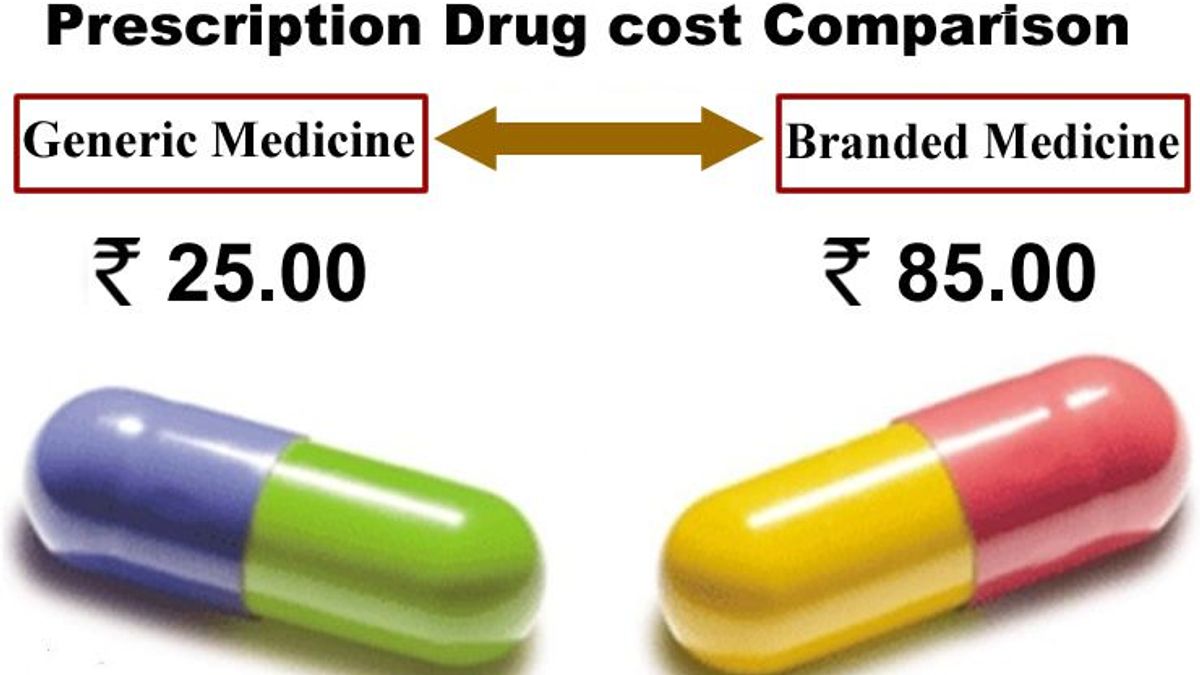
    • Voluntary Licensing Agreements: The MPP negotiates voluntary licensing agreements with pharmaceutical companies to allow the production of generic versions of patented medicines.
    • Production of Affordable Generics: By securing licenses, the MPP enables qualified manufacturers in low- and middle-income countries to produce and distribute affordable generic medicines.

    Need for MPP

    • Collaborative Approach: The MPP collaborates with governments, non-profit organizations, civil society groups, and pharmaceutical companies to address global health challenges and promote access to medicines.
    • Focus on Priority Diseases: The MPP’s efforts are particularly significant in diseases like HIV/AIDS, tuberculosis, hepatitis C, and other priority areas where access to affordable medications is crucial.
    • Sustainable Supply of Generic Medicines: Through licensing agreements, the MPP ensures a sustainable supply of quality-assured generic medicines, promoting market competition and expanding treatment options.
    • Improving Health Outcomes: The MPP’s work reduces the burden of high drug costs and enhances access to life-saving treatments, ultimately improving health outcomes and saving lives.
    • Benefit for Low- and Middle-Income Countries: The MPP’s initiatives directly benefit patients in low- and middle-income countries by increasing access to affordable medicines and reducing disparities in healthcare.

    Recent agreements signed

    • Licence Agreement with Novartis: In October 2022, the MPP signed a licence agreement with Novartis Pharma AG, the Switzerland-based pharmaceutical corporation that holds the patent for Nilotinib.
    • First Sub-Licence Agreements: The recent sub-licence agreements with Indian companies Eugia, Hetero, and Dr. Reddy’s Laboratories, along with the Indonesian firm BrightGene, mark the first such agreements for a cancer treatment drug by the MPP.

    Benefits

    • Generic Versions of Nilotinib: The licensed manufacturers can produce generic versions of Nilotinib.
    • Manufacturing: The selected manufacturers have the rights to manufacture generic Nilotinib in India and seven middle-income countries.
    • Supply in 44 Territories: The non-exclusive licence agreement allows for the supply of generic Nilotinib in 44 territories covered by the agreement, subject to local regulatory authorisation.
    • Affordable Treatment Option: Charles Gore, the executive director of the MPP, states that the production of generic Nilotinib will provide an affordable treatment option for people diagnosed with chronic myeloid leukaemia in the covered countries.
    • Increasing Access to Cancer Medication: The MPP’s initiative aims to improve access to essential cancer medications by reducing costs and increasing availability.
  • India’s Rising Burden of Diabetes: Urgent Actions Needed

    diabetes

    Central Idea: A recent study by ICMR has raised concerns about the emerging crisis of diabetes in India and the urgent need for effective strategies to tackle this escalating issue.

    What is Diabetes?

    Type 1 Diabetes Type 2 Diabetes
    Prevalence Generally diagnosed in children and young adults Usually diagnosed in adults, but can occur at any age
    Autoimmune Autoimmune condition, immune system attacks pancreas Not autoimmune, insulin resistance or impaired insulin production
    Insulin Dependence Requires insulin injections or insulin pump May be managed with lifestyle changes, oral medication, or insulin
    Onset Sudden onset Gradual onset
    Causes Genetic predisposition and environmental factors Genetic and lifestyle factors, including obesity
    Body Weight Often normal or underweight Often overweight or obese
    Insulin Production Little to no insulin production Insulin resistance or inadequate insulin production
    Treatment Insulin therapy, blood sugar monitoring Lifestyle changes, oral medication, insulin therapy if needed
    Complications Higher risk of diabetic ketoacidosis Higher risk of heart disease, stroke, and other complications
    Lifestyle Factors Cannot be prevented or reversed Can be prevented or managed through lifestyle changes
    Prevention No known prevention strategies Focus on healthy lifestyle, weight management


    Burden of Diabetes in India

    • The results of the largest long-term study on metabolic factors in the Indian subcontinent, known as the ICMR-InDiab study, were recently published in The Lancet.
    • This study, conducted between 2008 and 2020, aimed to estimate India’s burden of chronic non-communicable diseases (NCDs).

    Key Findings

    The study revealed alarming statistics regarding diabetes in India:

    1. Approximately 11% of the population has diabetes.
    2. Another 15.3% of the population is in the pre-diabetic stage.
    3. This translates to an estimated 101.3 million diabetics and 136 million individuals in the pre-diabetic stage.
    4. Urban areas have a higher prevalence (16.4%) compared to rural areas (8.9%).

    These numbers underscore the need for immediate attention to prevent the further rise of diabetes and manage its complications effectively.

    Reasons for India’s Rising Burden

    India’s escalating burden of diabetes can be attributed to several factors:

    • Genetic Predisposition: Indians have a higher genetic susceptibility to diabetes.
    • Changing Lifestyles: Urbanization, sedentary habits, and unhealthy dietary patterns contribute to increased obesity and diabetes risk.
    • Obesity Epidemic: Rising obesity rates in India are a major risk factor for diabetes.
    • Socioeconomic Factors: Limited access to healthcare, lack of awareness, and resource constraints hinder diabetes management.
    • Urban-Rural Divide: Diabetes is no longer limited to urban areas, as rural regions also experience a growing prevalence.
    • Delayed Diagnosis and Treatment: Late diagnosis and treatment initiation impede effective disease management.

    Addressing India’s Rising Burden of Diabetes

    To combat this crisis, key interventions include:

    • Prevention and Health Promotion: Encouraging healthy lifestyles and stress reduction.
    • Early Detection and Diagnosis: Promoting awareness and implementing screening programs.
    • Access to Quality Healthcare: Improving healthcare infrastructure and ensuring equitable access.
    • Education and Awareness: Public health campaigns to raise awareness and encourage lifestyle modifications.
    • Policy Interventions: Implementing policies for healthy environments and regulating unhealthy products.

    Conclusion

    • India is facing a significant health crisis with the rising burden of diabetes.
    • It is imperative to prioritize diabetes prevention and management to ensure a healthier future for the nation.
  • Jal Jeevan Mission: Saving Lives through Access to Piped Water

    jal jeevan mission water

    Central Idea

    • Potable water: The Jal Jeevan Mission aims to provide piped potable water to all of India.
    • Potential Life-Saving Impact: If successful, the mission could avert nearly 400000 deaths from diarrhoea.
    • Reduction in Disease Burden: The mission could avoid 14 million DALYs (Disability Adjusted Life Years) related to diarrhoea.

    Disability Adjusted Life Years (DALY)

    • DALY is a metric used to measure the burden of disease on a population.
    • It combines years of life lost due to premature mortality (YLLs) and years lived with a disability (YLDs) into a single measure.
    • DALYs provide a comprehensive assessment of the impact of diseases, injuries, and disabilities by quantifying both the years of healthy life lost and the years lived with a disability.
    • This metric helps policymakers and researchers prioritize health interventions and allocate resources effectively to address the overall disease burden in a population.


    About Jal Jeevan Mission

    • Launch: Government initiative launched in 2019
    • Goal: Provide access to clean and piped drinking water to every rural household
    • Focus: Water supply infrastructure development, community participation, water quality monitoring
    • Objective: Improve health, well-being, and productivity of rural communities, Addressing challenges of water scarcity, contamination, and inadequate infrastructure
    • Target: Achieve 100% coverage by 2024 for reliable and sustainable water supply
    • Definition of functional Connection: A fully functional tap water connection means receiving at least 55 litres of potable water per capita per day throughout the year

    The key objectives of the Jal Jeevan Mission include:

    1. Universal coverage: Mission aims to achieve tap water connections for all rural households, ensuring access to potable water within premises.
    2. Sustainability: Focus on long-term sustainability through community participation, water resource management, and water conservation practices.
    3. Quality assurance: Prioritizing safe and clean drinking water by implementing water quality monitoring systems and adhering to prescribed standards set by BIS.
    4. Convergence and coordination: Emphasis on collaboration among stakeholders to effectively achieve mission objectives.

    Socioeconomic Benefits of the Mission

    • Economic Savings: The study suggests that the mission could save close to $101 billion.
    • Time Savings: It could save 66.6 million hours per day that would have been spent collecting water, primarily by women.
    • Improved Quality of Life: Access to piped water connections would enhance convenience and overall well-being.
    • Sanitation benefits: Every dollar invested in sanitation interventions yields a $4.3 return in reduced healthcare costs.

    Progress status of the scheme

    • Current Coverage Levels: Around 62% of rural households have piped water connections.
    • States and UTs at Full Coverage: Five states and three Union Territories have reported 100% coverage.
    • Progress of states: Himachal Pradesh is at 98.87% coverage, while Bihar is at 96.30% and nearing saturation.

    Limitations and Considerations of the Study

    • Extrapolation of Data: The study extrapolates data and does not compute current levels of coverage.
    • Contamination Concerns: The study does not account for the degree of contamination in the piped water provided.
    • Data Sources: The authors used population data from the United Nations, the 2018 National Sample Survey, and water quality data collected by the Jal Jeevan Mission.

    Challenges Addressed by the Mission

    • Water scarcity: Mission aims to tackle the challenge of inadequate water availability in rural areas.
    • Contamination: Focus on improving water quality and addressing issues of waterborne diseases.
    • Infrastructure gaps: Efforts to bridge the gap in water supply infrastructure in rural regions.

    Way forward

    • Enhancing Capacity of Local Bodies: Provide support and resources to strengthen the capacity of local governance institutions in effectively managing and governing rural water supply systems.
    • Promoting Community Participation: Foster active community participation in decision-making processes related to water infrastructure planning, implementation, and maintenance.
    • Empowering Local Water User Committees: Strengthen the role of local water user committees in monitoring and regulating water supply services, promoting their active involvement in decision-making.
    • Participatory Planning: Facilitate participatory planning processes, where water user associations actively contribute to the development of water management plans, considering local needs and priorities.