💥Join UPSC 2027,2028 Mentorship (July Batch) + XFactor Notes & Microthemes PDF

Subject: Social Justice

  • Supreme Court’s divided on Abortion: A Complex Legal Dilemma

    Central Idea

    • A Division Bench of two judges of the Supreme Court grappled with divergent views regarding the abortion of a 26-week pregnancy and the government’s stance to protect the “unborn child.”
    • The judges, unable to reach a consensus, opted to refer the case to the CJI to convene a three-judge Bench for further deliberation.

    Woman’s Plight for Abortion

    • A mother of two with her youngest child just a one-year-old infant, she asserted her desire for a medically induced abortion due to her mental health condition and her inability to care for a third child.
    • Her lawyer stressed the court should prioritize the mother’s well-being.
    • He emphasized the threat to her privacy and dignity and her conscious decision to not proceed with the pregnancy.

    Government’s Stance

    • Legal Argument: The Additional Solicitor General contended that the woman did not possess an “absolute right of autonomy” to exercise her reproductive rights in a manner that would compromise the rights of the unborn child.
    • MTP Act of 2021: Reference was made to the Medical Termination of Pregnancy (Amendment) Act of 2021, which extended the abortion deadline to 24 weeks in “exceptional circumstances,” primarily to save the mother’s life or in the case of fatal foetal deformity.

    Legal Debate

    • Bodily Autonomy vs. Foetal Rights: The core of the debate centred on whether, once a viable baby exists, the woman’s right to bodily autonomy or integrity should yield to the Act, curbing her fundamental right to choose.
    • Court’s Earlier Decision: On October 9, the Bench had initially permitted the medical termination in line with the woman’s wishes, following a report from an All India Institute of Medical Sciences (AIIMS) medical board.

    Government’s Reversal

    • Government’s Appeal: Subsequently, the Union government filed an application, citing an expert doctor’s opinion received on October 10, which advocated for giving the child a chance to survive.
    • State’s Responsibility: The argument was that a categorical medical opinion had emerged, offering hope for the child’s survival, and placing a responsibility on the state.

    Judicial Opinions

    • Justice Kohli’s Stance: One judge aligned with the government’s position that the woman should not be allowed to terminate the pregnancy.
    • Justice Nagarathna’s Dissent: In contrast, the other judge dissented, asserting that the woman’s decision should be respected, considering her socio-economic circumstances, mental health, and the young age of her second child.

    Conclusion

    • The Supreme Court’s divided opinion on this intricate abortion case underscores the challenging balance between a woman’s right to make decisions about her body and the state’s interest in protecting the unborn.
    • As the case proceeds to a three-judge Bench, it raises broader questions about the legal and ethical complexities surrounding reproductive rights and foetal interests in India’s legal landscape.
  • Ageing World: Addressing Mental Health Challenges in the Elderly

    Elderly

    Central Idea

    • The world’s elderly population is larger than ever before, with 1.1 billion people aged 60 and above in 2022, constituting 13.9% of the population (UNFPA report).
    • By 2050, this number is projected to rise to 2.1 billion, accounting for 22% of the global population.

    Why discuss this?

    • India’s Scenario: India is no exception to this trend, with 149 million older adults (10.5%) in 2022, expected to increase to 347 million (20.8%) by 2050.
    • Longevity: People are living longer lives than ever before, underscoring the need to understand healthy ageing and address mental health issues in the elderly.

    Misconceptions about Ageing and Mental Health

    • Ageing as a Process: Ageing is a natural physiological process encompassing physical, social, and psychological dimensions. However, misconceptions and fears about ageing, particularly mental health concerns like depression, anxiety, and dementia, persist.
    • Heterogeneity: The ageing process varies among individuals, influenced by factors such as genetics, lifestyle, environment, and diseases. Not all older adults experience the same physical or mental changes.

    Social Challenges Faced by the Elderly

    • Social Isolation and Dependency: Many elderly individuals grapple with increased dependency, social isolation, poverty, ageism, and feelings of pessimism and nihilism.
    • Abuse and Neglect: Elderly individuals are vulnerable to emotional, physical, sexual, and financial abuse, often perpetrated by family members.
    • Inaccessible Infrastructure: India’s towns and cities often lack elder-friendly infrastructure, including ramps, handrails, pavements, and adequate public transport, making healthcare access a challenge.
    • Lack of Purpose: Many elderly men, especially after retirement, may feel unproductive and lost. Developing diverse interests earlier in life can mitigate the sense of purposelessness in retirement, reducing the risk of depression.

    Psychological Aspects of Ageing

    • Psychological Growth: As individuals age, they are expected to gain wisdom and a broader understanding of life’s challenges through personal or vicarious experiences.
    • Erik Erikson’s Theory: Erik Erikson proposed ‘Ego integrity versus Despair’ as the final psychosocial development stage in human life. It emphasizes viewing one’s life accomplishments positively to avoid despair.
    • Indian Cultural Emphasis: Indian culture underscores the importance of accepting the limitations that come with old age and renouncing responsibilities without suffering.

    Mental Health Challenges

    • Prevalence: Approximately 15% of elders in India (22 million individuals) experience serious mental illnesses such as depression, anxiety, dementia, and substance use disorders.
    • Treatment Gap: A significant treatment gap of 90% exists, largely due to a lack of awareness among the public and healthcare professionals.
    • Stigmatization: Stigma associated with both ageing and mental illness often leads to reluctance to admit mental health issues and seek treatment.
    • Poverty and Access: Many elderly individuals lack access to mental healthcare services due to poverty and limited availability of interventions, particularly in rural areas.

    Case Study: SCARF Partnership

    • Community Initiatives: The Schizophrenia Research Foundation (SCARF) has partnered with the Azim Premji Foundation to raise awareness about elder mental health in rural areas of Tamil Nadu, benefiting over 350 villages.
    • Indian Tradition of Joint Families: While joint families are becoming rarer, they offer advantages in terms of multi-generational interactions and support for elders.

    Preserving Cultural Traditions

    • Importance of Festivals and Rituals: Cultural traditions, including festivals and rituals, encourage socialization and cognitive engagement among elders.
    • Risk of Tradition Loss: Neglecting these traditions risks losing their potential protective effects on elderly mental health.

    Way forward

    • Individual Planning: Planning for old age with financial savings and lifestyle adjustments is crucial.
    • Educational Initiatives: Introducing the concept of healthy ageing in school curricula can promote awareness.
    • Community Services: Accessible mental health services for elders should be available at the community level.
    • Role of Retirement Homes: Retirement homes and elder care facilities, while providing care and reducing social isolation, need to address mental health issues urgently.
    • Collective Responsibility: Caring for the elderly is a collective responsibility that requires the concerted efforts of individuals, families, civic society, private organizations, NGOs, and the government.

    Conclusion

    • The ageing world presents both opportunities and challenges, with a growing elderly population that demands a holistic approach to mental health care, community support, and cultural preservation.
    • Addressing the mental health needs of the elderly is not only a matter of compassion but also a responsibility that encompasses various stakeholders and sectors of society.
  • Bridging Gender Gaps in Cancer Care: The Lancet Commission Report

    women cancer

    Central Idea

    • The Lancet Commission report ‘Women, Power and Cancer’ spotlights the gender disparities in cancer care that persist in India.

    Women dying of Cancer: Alarming Statistics

    • The report emphasizes that approximately 6.9 million cancer-related deaths among Indian women were preventable, and 4.03 million were treatable.
    • It revealed that a staggering 63% of premature cancer-related deaths in Indian women could have been prevented through risk reduction, screening, and early diagnosis.
    • 37% could have been averted through timely and optimal treatment.

    Understanding the Gender Gap

    • Cancer Incidence and Mortality: Despite men being at a higher risk of certain cancers affecting both genders, women continue to face a significant burden of cancer incidence and mortality. Globally, women account for 48% of new cancer cases and 44% of cancer-related deaths. This happens even though some of the cancers in women, such as breast and cervical cancers, are highly preventable and treatable.
    • Root Causes: The report attributes this gender gap in cancer outcomes to several factors, including limited access to timely and appropriate care due to disparities in knowledge, decision-making power, and financial resources. Women, irrespective of their socioeconomic status, often lack the necessary information and autonomy for informed decision-making in healthcare.
    • Financial Strain: Additionally, women are more likely than men to experience financial devastation due to cancer-related expenses, compounding the challenges they face.

    Challenges in Cancer Care for Women

    • Underrepresentation: The report underscores that women are underrepresented in leadership roles in the field of cancer care. They are also susceptible to gender-based discrimination and harassment, making it a complex environment for women to thrive.
    • Unrecognized Contributions: Shockingly, women constitute the largest unpaid workforce in cancer care, with their contributions estimated to be worth approximately 3.66% of India’s national health expenditure.

    Expert Insights

    • Healthcare-Seeking Behavior: A healthcare expert highlights the impact of gendered healthcare-seeking behavior. Women, particularly in disadvantaged sections of society, tend to exhibit lower healthcare-seeking behavior, impacting their overall health outcomes.
    • Societal Changes: Beyond medical knowledge, societal changes are crucial. Women often hesitate to consult medical professionals for conditions like breast or cervical cancer, leading to delays in diagnosis and treatment.

    Significance of Screening

    • Preventable and Treatable Cancers: Breast and cervical cancers, two of the most common cancers in women, are highly preventable and treatable. Experts emphasize the importance of regular screenings.
    • Early Detection: Self-examination of breasts, annual clinical examinations by a medical professional, and mammography for women over 40 can aid in early breast cancer detection. For cervical cancer, regular screenings can identify pre-cancerous growth and the presence of the human papillomavirus.

    Government Interventions

    • Awareness Campaigns: Experts underscore the need for government-led awareness campaigns to promote cancer prevention and early detection, similar to those for other health initiatives.
    • Vaccination Programs: The government’s initiative to include vaccination programs for young girls is a positive step in reducing cancer incidence.
    • Primary Health Centers: Experts highlight the potential for primary health centers to play a more significant role in cancer diagnosis and early treatment, particularly for cervical cancer.

    Recommendations from the Report

    • Data Collection: Regularly collecting gender and social demographic data for cancer health statistics is crucial.
    • Policy Development: Developing, strengthening, and enforcing policies that reduce known cancer risks is essential.
    • Equitable Access: The report calls for equitable access to cancer research resources, leadership roles, and funding opportunities for women, addressing the gender imbalance in cancer care and research.
  • Tobacco Warnings on OTT Platforms: A Closer Look at the Debate

    tobacco

    Central Idea

    • The Central government’s regulations mandated long-duration smoking warnings for films and TV series on OTT platforms like Hotstar, Amazon, and Netflix.
    • Streaming websites voiced objections, raising concerns about user experience.

    Recent Development

    • According to a recent report, the government has agreed to find “pragmatic solutions” for stricter tobacco warnings on OTT platforms.
    • A closed-door meeting saw streaming executives engage with Health Ministry and Information and Broadcasting (I&B) Ministry officials.

    Why Smoking Warnings in Indian Entertainment?

    • Linking Health Impact and Public Perception: The introduction of smoking warnings in Indian entertainment stems from the connection between smoking’s health impact and its portrayal to the public. The goal is to communicate clear information about the health risks associated with smoking and discourage its use.
    • Regulation Evolution: The Indian government has a history of regulating how smoking is portrayed. The Cinematograph Act of 1952 prohibited the “glamorization” of tobacco in movies, and the Cable Television Networks Amendment Act of 2000 banned tobacco and alcohol advertising on cable TV.

    Historical Context

    • Factors Leading to Consensus: Several factors contributed to a growing national consensus on tobacco control, including increased health awareness, new laws and enforcement, judicial rulings (e.g., the 2008 ban on public smoking), civil society efforts, global support for tobacco control, and the influence of the World Health Organization.
    • COTPA and Health Ministry Notification: Under the Cigarettes and Other Tobacco Products Act (COTPA), signed into law in May 2003, the Health Ministry introduced a notification prohibiting the display of tobacco products in cinema and television programs.
    • Content Rules: This notification required films and shows produced before it to include health warnings regarding smoking as a prominent scroll at the bottom of the screen. It also recommended prohibiting smoking in public places and using pictorial health warnings covering 85% of tobacco product display areas.
    • Legal Challenges: Legal challenges arose as some filmmakers and actors argued that these rules violated their freedom of speech. The Delhi HC quashed the notification in 2009, but the Supreme Court later upheld the rules.

    Introduction of Health Spots

    • Consensus-Building Efforts: Amid legal disputes, I&B Ministry appointed a new minister, leading to attempts to reach consensus. In 2011, the Health Ministry introduced new rules after consultations with I&B Ministry, aiming to make them more practical and implementable.
    • Health Spots in Old Content: For films and shows made before these rules, anti-tobacco health spots or messages were required at the beginning and middle of television programs, made available to the Central Board of Film Certification (CBFC).
    • Requirements for New Content: New films and TV shows with smoking scenes were to provide an “editorial justification” to the CBFC, include anti-tobacco health spots, display a prominent static message during tobacco product scenes, and feature an audio-visual disclaimer on the ill effects of tobacco use.

    Implementation Challenges

    • A study revealed that while many movies implemented at least one element of the film rules on tobacco imagery, few fully complied.
    • Compliance with other aspects of COTPA, such as restrictions on selling cigarettes near schools, has also been lacking.

    Debate over OTT Smoking Warnings

    • Content Library Concerns: I&B Ministry which regulates streaming platforms, expressed concerns about implementing warnings in existing content, foreign content, and health spots. It suggested displaying an appropriate health warning when users log in.
    • OTT Industry Concerns: In May, India ordered OTT platforms to insert static health warnings and anti-tobacco disclaimers. OTT executives raised concerns about the potential need to edit vast amounts of existing content, impacting user experience and creators’ freedom of expression.
  • President launches Ayushman Bhav Campaign

    Central Idea

    • The President of India, Mrs. Murmu, virtually launched the Ayushman Bhav campaign and the Ayushman Bhava portal.

    Ayushman Bhav Campaign  

    • The Ayushman Bhav campaign aims to deliver healthcare services to the remotest corners of India, playing a pivotal role in achieving the campaign’s ambitious objectives.
    • It is designed to ensure that every individual receives essential health services, aligning with the overarching goals of Ayushman Bhav.
    • The campaign’s goals, include-
    1. Facilitating access to Ayushman cards
    2. Generating ABHA IDs
    3. Raising awareness about critical health schemes and disease conditions, such as non-communicable diseases, tuberculosis, and sickle cell disease.

    Three Components of Ayushman Bhav:

    • President highlighted the three integral components of Ayushman Bhav:
    1. Ayushman – Apke Dwar 3.0
    2. Ayushman Melas at Health and Wellness Centres (HWC) and Community Health Clinics (CHC)
    3. Ayushman Sabhas in every village and panchayat
    • These components are expected to accelerate the delivery of healthcare services at grassroots levels, contributing to the creation of a healthier nation.

    Back2Basics: Ayushman Bharat Scheme

    Launch Year 2018
    Objective Universal Health Coverage and Financial Protection
    Components 1. Pradhan Mantri Jan Arogya Yojana (PM-JAY)

    2. Health and Wellness Centers (HWCs)

    Target Beneficiaries Economically disadvantaged families, rural populations, vulnerable communities
    Coverage Health insurance for eligible families, covering various medical expenses
    Services Offered Comprehensive healthcare services, including preventive, promotive, and curative care
    Impact Improved health indicators, reduced financial burden on beneficiaries, enhanced healthcare infrastructure
    Vision To make healthcare a fundamental right for all Indian citizens
  • Orphan Diseases in India

    Central Idea

    • Health discussions often revolve around common ailments, such as diabetes, which affect a significant portion of the population.
    • However, amidst these well-known health issues, there are numerous rare/ orphan diseases that, though infrequent, can have devastating consequences for patients and their families.

    What are Orphan Diseases?

    • Rare diseases, often referred to as orphan diseases, are characterized by a low prevalence rate, typically affecting one person in a population of 10,000.

    Challenges Posed

    • Difficulty in Diagnosis: Rare diseases are challenging to diagnose, particularly for young medical practitioners who may have limited exposure to such cases. The rarity of these conditions means that many healthcare professionals may not have encountered them during their training.
    • Lack of Research: Limited prevalence has historically resulted in insufficient research efforts. With fewer cases to study, there has been a lack of scientific understanding and effective treatments for many rare diseases.
    • High Treatment Costs: While advances in medical research have led to the development of therapies for some rare diseases, the costs associated with these treatments are often exorbitant. From an Indian perspective, these costs can range from Rs. 1 million to Rs. 20 million per year, making them unaffordable for many.

    Initiatives and Progress in India

    • Increasing Awareness: Greater awareness of rare diseases and advancements in genomic technologies for diagnosis have begun to address these challenges. As awareness spreads, more cases are being identified and correctly diagnosed.
    • Regulatory Incentives: Several countries, including India, have introduced regulatory incentives to encourage pharmaceutical companies to invest in research and development for neglected diseases. This has led to increased interest in orphan drugs.
    • Patient-Driven Initiatives: Patient groups and organizations in India are actively contributing to rare disease research and treatment. One notable example is the Dystrophy Annihilation Research Trust (DART), which is conducting clinical trials for Duchenne’s muscular dystrophy.
    • Government Initiatives: The government’s National Policy for Treatment of Rare Diseases is gradually making an impact. It aims to address rare diseases prevalent in India, such as cystic fibrosis, hemophilia, lysosomal storage disorders, and sickle-cell anaemia.

    Lessons from Leprosy

    • Incidence Reduction: Leprosy, once prevalent in India, is now considered a rare disease due to successful efforts in reducing its incidence.
    • Research Benefits: Research on orphan diseases like leprosy can yield broader societal benefits. For instance, studies on synthetic antibiotics have shown a potential to curb the spread of leprosy to household relatives.
    • Government Goals: Research findings may contribute to achieving the government’s objective of making India leprosy-free by 2027.

    Conclusion

    • Rare diseases present unique healthcare challenges that have long been neglected.
    • However, recent progress in diagnosis, research, and patient-driven initiatives is gradually improving the landscape for rare disease patients in India.
    • As awareness grows and regulatory support continues, there is hope for enhanced diagnosis, treatment options, and affordability, ultimately improving the lives of those affected by these conditions.
  • Personalised Adaptive Learning (PAL) on DIKSHA Platform

    Central Idea

    • The National eGovernance Division (NeGD) plans to incorporate Personalised Adaptive Learning (PAL) into its existing Digital Infrastructure for Knowledge Sharing (DIKSHA) platform.
    • PAL offers individualized learning experiences based on students’ unique needs and abilities.

    DIKSHA 2.0 Portal

    • Diksha Portal was launched in 2017 to provide a digital platform to teachers giving them an opportunity to learn and train themselves and connect with the teacher community.
    • It serves as the National Digital Infrastructure for Teachers.
    • It aids teachers to learn and train themselves for which assessment resources will be available.
    • It houses digitized National Council of Educational Research and Training (NCERT) textbooks, teaching videos, and practice questions.
    • It also has assistive technologies for learners with disabilities, but it’s a static content repository.

    Integration of PAL

    • NCERT seeks MeitY’s expertise in implementing PAL within DIKSHA.
    • PAL provides customized learning paths for each student based on their learning progress.
    • PAL can loop back students to basic concepts if they make mistakes, enhancing learning efficiency.

    Challenges and Implementations in States

    • PAL development involves categorizing and tagging content, potentially creating new material.
    • Chemistry, Mathematics, and Physics for Classes 9 to 12 are prioritized for PAL development.
    • Several states like Andhra Pradesh, Assam, and Haryana experimented with PAL, facing budget constraints.
  • Vital link between Soil Micronutrients and Human Health

    Micronutrients

    Central Idea

    • A new study has underscored the significant connection between soil micronutrients and human nutritional outcomes, particularly among children and adult women.
    • The research, titled “Soil Micronutrients Linked to Human Health in India,” emphasizes that soil deficiency in key nutrients contributes to nutritional deficiencies in vulnerable populations.

    What are Soil Micronutrients?

    • Micronutrients are essential elements required by plants in smaller quantities compared to macronutrients (nitrogen, phosphorus, and potassium).
    • These micronutrients play crucial roles in various physiological and biochemical processes within plants.

    Types of Micronutrients

    Role in Plants Deficiency Symptoms
    Iron (Fe) Chlorophyll synthesis, photosynthesis Chlorosis (yellowing) of leaves
    Manganese (Mn) Photosynthesis, enzyme activation Interveinal Chlorosis, poor fruit dev.
    Zinc (Zn) Enzyme activity, protein synthesis Stunted growth, small leaves
    Copper (Cu) Enzyme activity, chlorophyll formation Leaf wilting, reduced growth
    Molybdenum (Mo) Nitrogen fixation, enzyme activity Poor growth, yellowing of leaves
    Boron (B) Cell wall formation, auxin synthesis Distorted growth, reduced fruit dev.
    Chlorine (Cl) Osmotic balance, photosynthesis Osmotic imbalance, leaf damage
    Nickel (Ni) Enzyme cofactor Specific deficiency symptoms


    Soil Micronutrients and Health Correlation

    • Soil-Zinc Relationship: The study indicates that districts with higher soil zinc content exhibit lower rates of child stunting and underweight, signifying the importance of soil zinc in nutritional outcomes.
    • Height and Soil Zinc: Soil zinc availability corresponds to an increase in the height of women, suggesting a relationship between micronutrient-rich soil and human growth.
    • Soil Iron and Anemia: The study highlights a strong connection between soil iron availability and anemia among women, as well as haemoglobin levels in both children and women.

    Implications for India

    • Soil Nutrient Deficiency: The study holds significance for India, where over 35% of soil is deficient in zinc and around 11% is deficient in iron.
    • Micronutrient Deficiency: India faces significant micronutrient deficiency issues, with roughly one-third of the global population experiencing these deficiencies. Iron deficiency is a leading cause of anemia in the country.

    Addressing Malnutrition and Stunting

    • Malnutrition and Stunting: With a child stunting rate of approximately 39%, malnutrition is a leading risk factor for disability-adjusted life years (DALYs) loss, as per the Lancet’s Global Burden of Disease Study.
    • Study Insights: The researchers’ study reveals that a one standard deviation increase in satisfactory soil zinc is associated with a reduction in stunting and underweight among children.

    Implications for Policy

    • Mitigating Anaemia: The study suggests that soil mineral availability could serve as a valuable tool for mitigating the widespread prevalence of anaemia in the population.
    • Wealthier Households: The link between soil zinc availability and childhood stunting is particularly notable in wealthier households, potentially due to additional health constraints that poorer households face.

    Way forward

    • Soil Enrichment and Agricultural Practices: Implement soil enrichment strategies to address micronutrient deficiencies. Promote sustainable farming practices to enhance soil health and nutrient content.
    • Nutrient-Fortified Crops: Invest in research for nutrient-fortified crops rich in essential micronutrients. Encourage the cultivation and consumption of these crops to boost dietary intake.
    • Nutritional Education: Launch awareness campaigns about balanced nutrition and micronutrient importance. Educate communities on the role of micronutrients in maintaining good health.
    • Women’s Health Programs: Establish tailored health programs for women during pregnancy and lactation. Ensure access to supplements like iron to combat anaemia.

    Conclusion

    • The study’s findings reaffirm the crucial link between soil micronutrients and human health outcomes, particularly in the context of child stunting, underweight, and anaemia.
    • With India grappling with both soil nutrient deficiency and widespread micronutrient deficiencies among its population, this research provides insights that could inform targeted policy interventions.
  • Patient Safety and Neonatal Care: India’s Efforts and Challenges

    Central Idea

    • The recent conviction of a former British nurse highlights the importance of patient safety in healthcare systems.
    • While neonatal safety is not governed by exclusive rules, there are provisions to ensure the wellbeing of newborns and minimize potential risks.

    Patient Safety Provisions in India

    • Defining Patient Safety: Patient safety is defined as freedom from harm or potential harm associated with healthcare provision, according to the ‘National Patient Safety Implementation Framework (2018-2025).’
    • Legal Protection: Patients in India are protected under various laws, including the Consumer Protection Act, Clinical Establishment Act, and mechanisms by the National Pharmaceutical Pricing Authority and Drugs Controller General of India to safeguard patients’ rights.
    • Fragmented Laws: Patient safety is governed by a range of laws, from the Hippocratic Oath to clinical establishment regulations, reflecting a multifaceted approach to ensure safe healthcare practices.

    Neonatal Safety and Care

    • Proactive Measures: While no exclusive rules exist for neonatal care, provisions against issues like mix-ups and abductions are present. Deliberate harm is extremely rare and often linked to complex psychiatric illnesses.
    • Comprehensive Provisions: Neonatal safety is ensured through comprehensive provisions that include staffing, equipment, infection control, parental involvement, training, and continuing medical education.
    • Human Errors: In a country with a high birth rate, human errors may occur in neonatal care, but planned, deliberate harm remains an exceptional occurrence.

    Neonatal Health Challenges

    • Global Neonatal Deaths: Despite a decline in global neonatal deaths, newborns face the highest risk of death within the first 28 days of life. A significant proportion of under-five deaths occur during the newborn period.
    • India’s Scenario: India’s infant mortality rate is gradually declining, but pre-term birth, complications during birth, infections, and birth defects remain major causes of neonatal deaths.
    • Improving Neonatal Survival: Ensuring proper neonatal care and addressing the key challenges can contribute to reducing neonatal mortality rates and improving child health outcomes.

    Promoting Neonatal Safety

    • Midwife-Led Continuity of Care: Professional midwives providing midwife-led continuity of care (MLCC) significantly reduce the risk of neonatal and pre-term birth. This approach emphasizes the importance of skilled care during childbirth and the immediate postnatal period.
    • Seeking Prompt Medical Care: Families are advised to seek prompt medical care in case of danger signs in newborns and to follow vaccination schedules for timely protection. This proactive approach helps prevent and manage potential health risks in neonates.
    • Ensuring Proper Training: Proper training of healthcare providers, especially those in neonatal services, is crucial for maintaining high-quality care and adherence to safety standards.

    Conclusion

    • Patient safety and neonatal care form the foundation of a robust healthcare system.
    • The challenges of neonatal care require ongoing attention, collaboration, and innovation to ensure the best outcomes for the youngest members of society.
  • Jan Vishwas Bill

    Central Idea

    • The Jan Vishwas Bill, aimed at enhancing ease of doing business, has sparked a heated debate over certain amendments that modify the Drugs and Cosmetics Act, 1940.
    • While the bill intends to streamline regulatory provisions, critics argue that it may allow manufacturers of substandard medicines to evade imprisonment and instead pay fines for their offenses.

    Jan Vishwas Bill

    • Amendment I: The first amendment under the Jan Vishwas Bill eliminates imprisonment for companies repeatedly using government analysis or test reports to promote their products. Instead, offenders will be subject to a fine not less than five lakh rupees, as opposed to the previous fine of not less than ten thousand rupees.
    • Amendment II: The second, more contentious amendment allows for the “compounding” of offenses under section 27 (d) of the existing Drugs and Cosmetics Act. Compounding enables companies to pay a fine as an alternative to undergoing criminal proceedings. However, section 27 (d) covers offenses related to drugs not of standard quality (NSQ) or colloquially termed substandard drugs.

    Controversy and Concerns

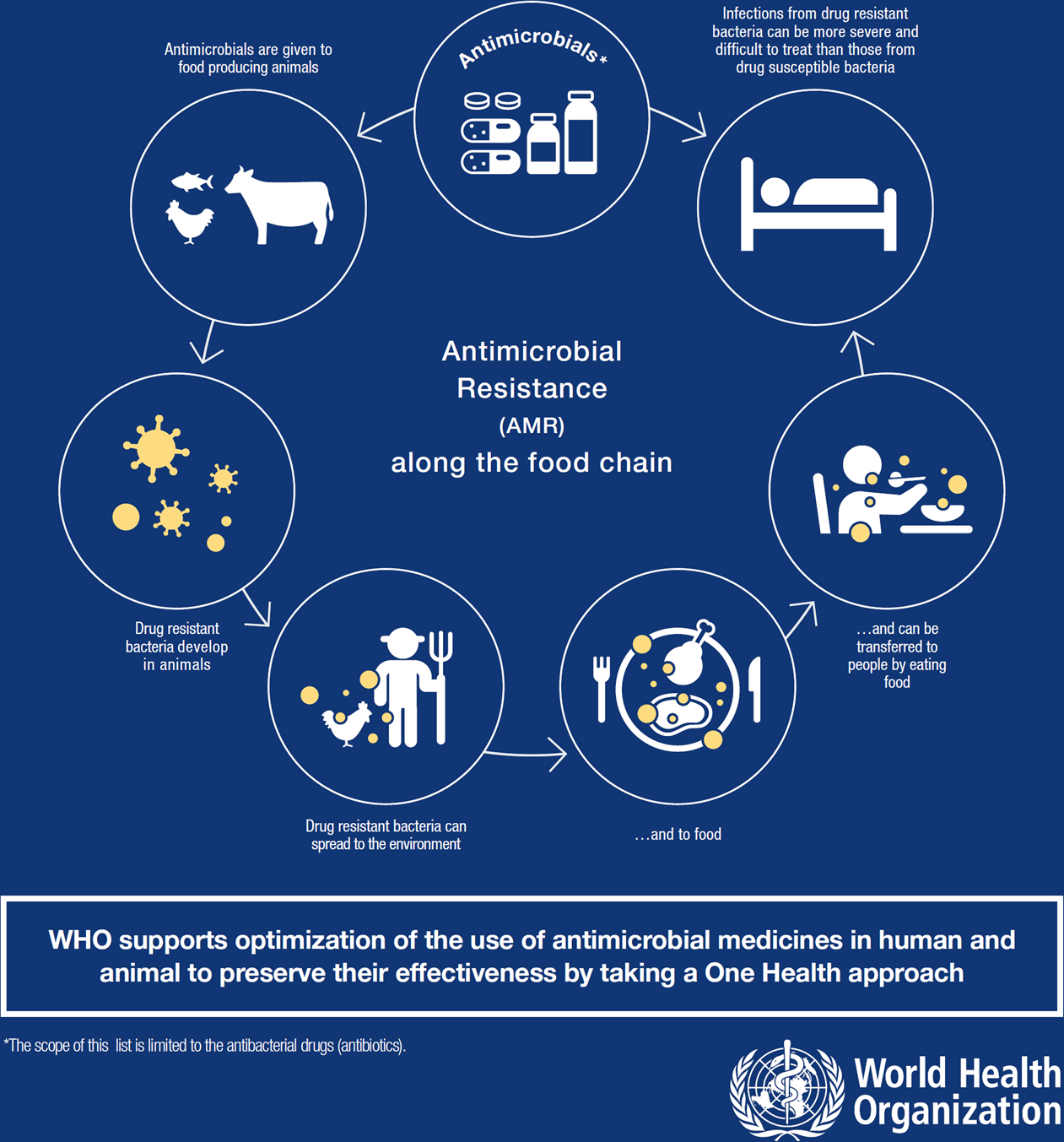
    • NSQ Drugs and Their Risks: Substandard drugs (NSQ) are products that fail to meet Indian Pharmacopoeia requirements, leading to potential harm to consumers. Examples include drugs with low levels of active ingredients, affecting treatment effectiveness and causing antibiotic resistance.
    • Criticism of Inclusion of Section 27 (d): The inclusion of NSQ drugs under section 27 (d) for compounding has raised concerns among many. Critics argue that it could allow companies to escape liability for manufacturing substandard products by merely paying a fine.

    Scope of Offenses Eligible for Compounding

    • Eligible Offenses: Compounding will be available for manufacturers whose drugs are NSQ, enabling them to avoid criminal proceedings by paying a fine.
    • Government’s Stance: The government contends that compounding will be reserved for minor aberrations or quality control issues, and companies involved in spurious or adulterated drug manufacturing will not be eligible. It aims to offer an alternate mechanism for minor offenses to reduce litigation delays and foster ease of doing business.

    Impact on Good Manufacturing Practices

    • Schedule M Requirements: In 2018, amendments were made to Schedule M of the drug act to improve drug manufacturing practices. However, a significant number of drug manufacturers have yet to adopt these measures.
    • Compounding for Non-Compliance: Under the Jan Vishwas Bill, companies failing to implement Schedule M requirements within the stipulated time will be prosecuted under section 27 (d).

    Industry Perspective

    • Industry Support for Compounding: Some manufacturers view compounding as a positive step, preventing minor offenses from leading to lengthy litigation and business disruptions. They argue that non-intentional aberrations should not result in imprisonment, especially for first-time offenders.
    • Balancing Enforcement and Business Growth: Advocates of compounding emphasize that strict action should be taken against repeat offenders or those engaging in offenses with malicious intent. Balancing enforcement and encouraging quality production will enable the pharmaceutical industry to thrive and produce safe, effective products.

    Conclusion

    • Striking a balance between enabling business growth and enforcing quality standards will be critical in determining the long-term impact of the bill on the pharmaceutical industry.

    Also read:

    In news: Jan Vishwas Bill, 2022