💥Join UPSC 2027,2028 Mentorship (July Batch) + XFactor Notes & Microthemes PDF

Subject: Social Justice

  • Kerala reports India’s first Monkeypox Case

    The first known lab-confirmed case of monkeypox in India has been reported in a 35-year-old man in Kerala.

    What is Monkeypox?

    • The monkeypox virus is an orthopoxvirus, which is a genus of viruses that also includes the variola virus, which causes smallpox, and vaccinia virus, which was used in the smallpox vaccine.
    • It causes symptoms similar to smallpox, although they are less severe.
    • While vaccination eradicated smallpox worldwide in 1980, monkeypox continues to occur in a swathe of countries in Central and West Africa, and has on occasion showed up elsewhere.
    • According to the WHO, two distinct clade are identified: the West African clade and the Congo Basin clade, also known as the Central African clade.

    Its origin

    • Monkeypox is a zoonosis, that is, a disease that is transmitted from infected animals to humans.
    • Monkeypox virus infection has been detected in squirrels, Gambian poached rats, dormice, and some species of monkeys.
    • According to the WHO, cases occur close to tropical rainforests inhabited by animals that carry the virus.

    Symptoms and treatment

    • Monkeypox begins with a fever, headache, muscle aches, back ache, and exhaustion.
    • It also causes the lymph nodes to swell (lymphadenopathy), which smallpox does not.
    • The WHO underlines that it is important to not confuse monkeypox with chickenpox, measles, bacterial skin infections, scabies, syphilis and medication-associated allergies.
    • The incubation period (time from infection to symptoms) for monkeypox is usually 7-14 days but can range from 5-21 days.
    • There is no safe, proven treatment for monkeypox yet.


    UPSC 2023 countdown has begun! Get your personal guidance plan now! (Click here)

  • Is India really ahead of the West in terms of reproductive rights?

    Context

    Contrary to the grandstanding since the overturning of the landmark Roe V. Wade judgment, the truth is that India is not ahead of the West in terms of reproductive rights.

    Medical Termination of Pregnancy (MTP) Act

    • Abortion in India has been a legal right under various circumstances for the last 50 years with the introduction of Medical Termination of Pregnancy (MTP) Act in 1971.
    • The Act was amended in 2003 to enable women’s accessibility to safe and legal abortion services.
    • Abortion is covered 100% by the government’s public national health insurance funds, Ayushman Bharat and Employees’ State Insurance with the package rate for surgical abortion.

    The idea of terminating your pregnancy cannot originate by choice and is purely circumstantial. There are four situations under which a legal abortion is performed:

    1. If continuation of the pregnancy poses any risks to the life of the mother or mental health
    2. If the foetus has any severe abnormalities
    3. If pregnancy occurred as a result of failure of contraception (but this is only applicable to married women)
    4. If pregnancy is a result of sexual assault or rape

    These are the key changes that the Medical Termination of Pregnancy (Amendment) Act, 2021, has brought in:

    • The gestation limit for abortions has been raised from the earlier ceiling of 20 weeks to 24 weeks, but only for special categories of pregnant women such as rape or incest survivors. But this termination would need the approval of two registered doctors.
    • All pregnancies up to 20 weeks require one doctor’s approval. The earlier law, the MTP Act 1971, required one doctor’s approval for pregnancies upto 12 weeks and two doctors’ for pregnancies between 12 and 20 weeks.
    • Women can now terminate unwanted pregnancies caused by contraceptive failure, regardless of their marital status. Earlier the law specified that only a “married woman and her husband” could do this.
    • There is also no upper gestation limit for abortion in case of foetal disability if so decided by a medical board of specialist doctors, which state governments and union territories’ administrations would set up.

    Issues with legal provisions related to reproductive rights in India

    • Lack of rights based approach: The Medical Termination of Pregnancy (Amendment) Act 2021 is far from ideal and has been criticised for not taking a rights-based approach.
    • According to the Act, a pregnancy can be terminated on the following conditions: Grave danger to the physical/mental health of the pregnant woman; foetal abnormalities; rape/coercion; and contraceptive failure.
    • A woman’s right to choose to end the pregnancy even in the first few weeks is still not recognised in India.
    • Systemic barriers: It doesn’t give the pregnant person complete autonomy in ending the pregnancy, instead making them go through various systemic barriers.
    • The final decision falls not on the pregnant person, but on registered medical practitioners (RMP).
    • The constitution of a medical board, a requirement by the Act, is considered a barrier by the World Health Organisation.
    • Excludes transgenders and non-binary persons: Additionally, it uses the word “woman”, thereby leaving out pregnant transgender and non-binary persons who are biologically capable of bearing children.
    • It forces them to identify themselves in the gender-binary ignoring their gender identity.

    Social factors and lack of medical facilities

    • It is important to look through an intersectional lens, and factor in class and caste privilege.
    • Abortion facilities in private medical centres are expensive, available only for those who have the resources.
    • Lack of access: Not all public health centres, especially in rural India, provide abortion facilities.
    • Most unmarried women end up resorting to unsafe abortions in illegal clinics or at home.
    • According to the latest National Family Health Survey 2019-2021, 27 percent of the abortions were carried out by the woman herself at home.
    • According to United Nations’ Population Fund’s (UNFPA) State of the World Population Report 2022, around 8 women die each day in India due to unsafe abortions.
    • It also found that between 2007-2011, 67 percent of the abortions were classified as unsafe.
    • Unsafe abortion was one of the top three causes of maternal deaths.

    Discussion on reproductive rights in India are incomplete without mentioning surrogacy.

    Issues in the Surrogacy (Regulation) Act 2021

    • While well-intentioned, leaves much to be desired.
    • The plethora of regulations one must undergo is antithetical to a dignified standard of living.
    • Exclusionary in nature: Experts have pointed out that the Act is exclusionary in nature, disregards privacy, and also exploits women’s reproductive labour.
    • Only a heterosexual married couple (with certain preconditions) can be the intending parents.
    • It strips the reproductive autonomy of LGBTQ+ persons and single, divorced, and widowed intending parents. It can be seen as a violation to the fundamental right to equality.
    • Experts also believe that regulations, rather than a complete ban on commercial surrogacy, should have been the way forward.
    • Violates right to privacy: The Act requires the intending couple to declare their infertility and reveals the identity of the surrogate, both of which violate the right to privacy.
    • The landmark Puttaswamy judgment discusses bodily privacy – the right over one’s body and “the freedom of being able to prevent others from violating one’s body.”
    • The current reproductive rights regulatory framework falls short in guaranteeing bodily privacy.

    Conclusion

    The situation in India is far from perfect and we should take this moment to reflect and learn from progressive practices around the world. We should strive for inclusivity, complete bodily autonomy, and reproductive equity.

    UPSC 2023 countdown has begun! Get your personal guidance plan now! (Click here)

  • Performance Grading Index for Districts (PGI-D)

    The Ministry of Education has released the Performance Grading Index for Districts (PGI-D) for 2019 which studied 83 indicators grouped in six categories.

    What is PGI-D?

    • The 83-indicator-based PGI for District (PGI-D) has been designed to grade the performance of all districts in school education.
    • The data is filled by districts through an online portal.
    • The indicator-wise PGI score shows the areas where a district needs to improve.
    • The PGI-D structure comprises a total weightage of 600 points across 83 indicators.
    • They are grouped under 6 categories, viz., Outcomes, Effective Classroom Transaction, Infrastructure Facilities & Students’ Entitlements, School Safety & Child Protection, Digital Learning, and Governance Process.
    • These categories are outcomes, effective classroom transaction, infrastructure facilities and student’s entitlements, school safety and child protection, digital learning and governance process.

    How does the grading scale works?

    • The PGI-D grades the districts into 10 grades with the highest achievable grade being ‘Daksh’, which is for districts scoring more than 90% of the total points in that category or overall.
    • ‘Utkarsh’ category is for districts with score between 81-90%, followed by ‘Ati-Uttam’ (71-80%), ‘Uttam’ (61-70%), ‘Prachesta-I’ (51-60%), ‘Prachesta-II’ (41-50%) and ‘Pracheshta III’ (31-40%).
    • The lowest grade in PGI-D is called ‘Akanshi-3’ which is for scores up to 10% of the total points.

    Performance of the states

    • Rajasthan’s Sikar is the top performer, followed by Jhunjhunu and Jaipur.
    • The other States whose districts have performed best are Punjab with 14 districts in ‘Ati-uttam’ grade (scoring 71-80% on a scale of 100).
    • It followed by Gujarat and Kerala with each having 13 districts in this category.
    • However, there are 12 States and UTs which do not have even a single district in the ‘Ati-uttam’ and ‘Uttam’ categories and these include seven of the eight States from the North East region.

    Significance

    • The PGI-D will reflect the relative performance of all the districts on a uniform scale which encourages them to perform better.
    • It is expected to help the state education departments to identify gaps at the district level and improve their performance in a decentralized manner.


    UPSC 2023 countdown has begun! Get your personal guidance plan now! (Click here)

  • Managing Type 1 Diabetes

    Last week, the Indian Council of Medical Research (IMCR) released guidelines for the diagnosis, treatment, and management for type-1 diabetes.

    Why such move?

    • India is considered the diabetes capital of the world, and the pandemic disproportionately affected those living with the disease.
    • Type 1 or childhood diabetes, however, is less talked about, although it can turn fatal without proper insulin therapy.
    • Type 1 diabetes is rarer than type 2. Only 2% of all hospital cases of diabetes in the country are type 1.

    What is Diabetes?

    • Diabetes is a chronic (long-lasting) health condition that affects how your body turns food into energy.
    • Most of the food you eat is broken down into sugar (also called glucose) and released into your bloodstream.
    • When your blood sugar goes up, it signals your pancreas to release insulin.

    What is Type 1 Diabetes?

    • Type 1 diabetes is a condition where the pancreas completely stops producing insulin.
    • Insulin is the hormone responsible for controlling the level of glucose in blood by increasing or decreasing absorption to the liver, fat, and other cells of the body.
    • This is unlike type 2 diabetes — which accounts for over 90% of all diabetes cases in the country — where the body’s insulin production either goes down or the cells become resistant to the insulin.

    How lethal diabetes is?

    • Type 1 diabetes is predominantly diagnosed in children and adolescents.
    • Although the prevalence is less, it is much more severe than type 2.
    • Unlike type 2 diabetes where the body produces some insulin and which can be managed using various pills, if a person with type 1 diabetes stops taking their insulin, they die within weeks.

    How rare is it?

    • There are over 10 lakh children and adolescents living with type 1 diabetes in the world, with India accounting for the highest number.
    • Of the 2.5 lakh people living with type 1 diabetes in India, 90,000 to 1 lakh are under the age of 14 years.
    • For context, the total number of people in India living with diabetes was 7.7 crore in 2019.
    • Among individuals who develop diabetes under the age of 25 years, 25.3% have type 2.

    Who is at risk of type 1 diabetes?

    • The exact cause of type 1 diabetes is unknown, but it is thought to be an auto-immune condition where the body’s immune system destroys the islets cells on the pancreas that produce insulin.
    • Genetic factors play a role in determining whether a person will get type-1 diabetes.
    • The risk of the disease in a child is 3% when the mother has it, 5% when the father has it, and 8% when a sibling has it.
    • The presence of certain genes is also strongly associated with the disease.


    UPSC 2023 countdown has begun! Get your personal guidance plan now! (Click here)

  • CoWIN as a repurposed digital platform

    Context

    Seeing its success, other nations have also expressed interest in availing CoWIN and using it as a bridge for erecting their digital health systems. Responding to this incoming interest, our prime minister has offered CoWIN as a digital public good, free of cost, for all nations globally to adopt.

    About CoWIN

    • In late 2020, even before the Covid-19 vaccines had arrived, the Government of India had commenced preparations for launching the world’s largest vaccination drive.
    • This led to the beginning of the CoWIN journey in January 2021.
    • Scalability, modularity, and interoperability: CoWIN, or the Covid-19 Vaccine Intelligence Network, was developed in a record time, with consideration given to scalability, modularity, and interoperability.
    • The platform has been made available in English and 11 regional languages to allow citizens across multiple states to access the platform with ease.
    • To circumvent the lack of digital access, the platform allows for up to six members to be registered under one mobile-number linked account.
    • CoWIN has scaled every 100 million milestone faster than any other platform.
    • It reached the coveted one billion registered user mark which only a handful of platforms have been able to achieve globally, and none in such a short time.
    • A key feature of the platform has been its modularity and evolvability.
    • The CoWIN team has been adept at keeping pace with the changing policy environment and scientific research and developments in the administration of vaccines.
    • It was never that CoWIN became the bottleneck or delayed the implementation of our vaccination policies or drive.
    • Time and again, CoWIN has proved itself as one of the most secure and robust platforms with minimal data input and zero risk of personal data hacks. 

    Major phases of CoWIN

    • The journey of CoWIN was staggered across three major phases, with multiple additions subsequently.
    • In phase 1, the registration process went online where healthcare workers and frontline workers were sent system-generated notifications about their vaccination schedule.
    • In subsequent phases, beneficiaries were allowed both walk-in and online vaccination registration, along with the choice of location and time slot as per their convenience.
    • An assisted mode was also made available through the 240,000+ Common Service Centres (CSCs) and a helpline number.
    • After ensuring successful orchestration using scalability and agile features of the platform to vaccinate individuals over 45 years of age, the APIs of the platform were made available to private players at the beginning of Phase III of the vaccination drive.
    • Once access to its services was opened through APIs, more than 100 applications integrated with CoWIN for providing search, booking and certification facilities to their users.

    Way ahead

    • The inevitable question is what will we do with CoWIN when no further Covid-19 vaccines are to be administered?
    • Repurpose the platform: The decision is to repurpose the platform as a universal immunisation platform.
    • The credentialing service of DIVOC, used in CoWIN, has proven to be a game-changer in the world of digital certificates.
    • CoWIN service is being implemented in five other countries after India and receiving global acceptance for its veracity and sound architecture.
    • There is a proposal for opening the credentialing service for more use cases in health.

    Conclusion

    The story of CoWIN has truly been one of national impact and importance. And while the story started during the pandemic, it won’t end with the pandemic: it will segue into a repurposed digital platform for more health use-cases.

    UPSC 2023 countdown has begun! Get your personal guidance plan now! (Click here)

  • Surrogacy Law faces challenge in Court

    A person has approached the Delhi High Court to question why marital status, age or gender should be the criteria for prohibiting someone from commissioning a surrogacy.

    Why in news?

    • Under the Surrogacy (Regulation) Act, 2021 a married couple can opt for surrogacy only on medical grounds.
    • The petitioner have challenged in the court the surrogacy law and the Assisted Reproductive Technology (Regulation) Act, 2021 which provides a regulatory framework for surrogacy.

    Issues raised by the petition

    • Currently, the laws does not allow single men to have child through surrogacy.
    • Married women can only avail surrogacy services if they are unable to produce a child due to medical conditions.
    • Otherwise, for women to avail of surrogacy services, they must be aged between 35 and 45 and widowed or divorced.
    • Women can only offer surrogacy if they are aged between 25 and 35 and married with at least one biological child.
    • The laws also require a surrogate to be genetically related to the couple who intend to have a child through this method, their petition said.

    Basis of the Petition

    • The personal decision of a single person about the birth of a baby through surrogacy, i.e., the right of reproductive autonomy is a facet of the right to privacy guaranteed under Article 21 of the Constitution.
    • Thus, the right to privacy of every citizen or person affecting a decision to bear or beget a child through surrogacy cannot be taken away.

    Distinct features of the Surrogacy (Regulation) Act, 2021

    • Definition of surrogacy: It defines surrogacy as a practice where a woman gives birth to a child for an intending couple with the intention to hand over the child after the birth to the intending couple.
    • Regulation of surrogacy: It prohibits commercial surrogacy, but allows altruistic surrogacy which involves no monetary compensation to the surrogate mother other than the medical expenses and insurance.
    • Purposes for which surrogacy is permitted: Surrogacy is permitted when it is: (i) for intending couples who suffer from proven infertility; (ii) altruistic; (iii) not for commercial purposes; (iv) not for producing children for sale, prostitution or other forms of exploitation; and (v) for any condition or disease specified through regulations.
    • Eligibility criteria: The intending couple should have a ‘certificate of essentiality’ and a ‘certificate of eligibility’ issued by the appropriate authority ex. District Medical Board.

    Eligibility criteria for surrogate mother:

    • To obtain a certificate of eligibility from the appropriate authority, the surrogate mother has to be:
    1. A close relative of the intending couple;
    2. A married woman having a child of her own;
    3. 25 to 35 years old;
    4. A surrogate only once in her lifetime; and
    5. Possess a certificate of medical and psychological fitness for surrogacy.
    • Further, the surrogate mother cannot provide her own gametes for surrogacy.

    Also read:

    [Burning Issue] Surrogacy in India


    UPSC 2023 countdown has begun! Get your personal guidance plan now! (Click here)

  • Thailand becomes first Asian country to legalize Marijuana

    Thailand has officially legalized the growing and consumption of marijuana in food and drinks, becoming the first Asian country to do so.

    Films like ‘Udta Punjab’ have graphically portrayed the crisis faced by the society and its youth with regard to the drug menace.

    What is Marijuana?

    • Cannabis, also known as marijuana among other names, is a psychoactive drug from the Cannabis plant used primarily for medical or recreational purposes.
    • The main psychoactive component of cannabis is tetrahydrocannabinol (THC), which is one of the 483 known compounds in the plant, including at least 65 other cannabinoids, including cannabidiol (CBD).
    • It is used by smoking, vaporizing, within the food, or as an extract.

    Prospects of legalizing Marijuana

    (1) Health benefits

    • The cannabinoids found in Cannabis is a great healer and has found mention in the Ayurveda.
    • It can be used to treat a number of medical conditions like multiple sclerosis, arthritis, epilepsy, insomnia, HIV/AIDS treatment, cancer.

    (2) Ecological benefits

    • The cannabis plant and seeds apart from being labeled a ‘super-foods’ as per studies is also a super-industrial carbon negative raw material.
    • Each part of the plant can be used for some industry. Hemp currently is also being used to make bio-fuel, bio-plastics and even construction material in certain countries. The cosmetic industry has also embraced Hemp seeds.

     (3) Marijuana is addiction-free

    • An epidemiological study showed that only 9%  of those who use marijuana end up being clinically dependent on it.
    • The ‘comparable rates’ for tobacco, alcohol and cocaine stood at 32%, 15% and 16% respectively.

    (4) Good source of Revenue

    • By legalizing and taxing marijuana, the government will stand to earn huge amounts of revenue that will otherwise go to the Italian and Israeli drug cartels.
    • In an open letter to US President George Bush, around 500 economists, led by Nobel Prize winner Milton Friedman, called for marijuana to be “legal but taxed and regulated like other goods”.

    (5) A potential cash crop

    • The cannabis plant is something natural to India, especially the northern hilly regions. It has the potential of becoming a cash crop for poor marginal farmers.
    • If proper research is done and the cultivation of marijuana encouraged at an official level, it can gradually become a source of income for poor people with small landholdings.

    (6) Prohibition was ineffective

    • In India, the consumption of synthetic drugs like cocaine has increased since marijuana was banned, while it has decreased in the US since it was legalized in certain states.
    • Moreover, these days, it is pretty easy to buy marijuana in India and its consumption is widespread among the youth. So it is fair to say that prohibition has failed to curb the ‘problem’.

     (7) Marijuana is less harmful

    • Marijuana consumption was never regarded as a socially deviant behaviour any more than drinking alcohol was. In fact, keeping it legal was considered as an ‘enlightened view’.
    • It is now medically proven that marijuana is less harmful than alcohol.

    Risks of Legalizing Cannabis

    (1) Health risks continue to persist

    • There are many misconceptions about cannabis. First, it is not accurate that cannabis is harmless.
    • Its immediate effects include impairments in memory and in mental processes, including ones that are critical for driving.
    • Long-term use of cannabis may lead to the development of addiction of the substance, persistent cognitive deficits, and of mental health problems like schizophrenia, depression and anxiety.
    • Exposure to cannabis in adolescence can alter brain development.

    (2) A new ‘tobacco’ under casualization

    • A second myth is that if cannabis is legalized and regulated, its harms can be minimized.
    • With legalization comes commercialization. Cannabis is often incorrectly advertised as being “natural” and “healthier than alcohol and tobacco”.
    • Tobacco, too, was initially touted as a natural and harmless plant that had been “safely” used in religious ceremonies for centuries.

    (3) Unconvincing Advocacy

    • Advocates for legalization rarely make a convincing case. To hear some supporters tell it, the drug cures all diseases while promoting creativity, open-mindedness, moral progression.
    • Too much trivialization of Cannabis use could lead to its mass cultivation and a silent economy wreaking havoc through a new culture of substance abuse in India.

    Way forward

    • For Cannabis/ Marijuana, it’s important to make a distinction between legalization, decriminalization and commercialization.
    • We must ensure that there are enough protections for children, the young, and those with severe mental illnesses, who are most vulnerable to its effects.
    • Hence, laws should be made to suit people so that they do not break the law to maintain their lifestyle.
    • Laws should weave around an existing lifestyle, not obstruct it. Or else laws will be broken.

    Conclusion

    • The debate on the legalization of marijuana in India has been consistent on social media and other noted platforms.
    • As with alcohol and tobacco products, the use of cannabis needs to be regulated, taxed and monitored.


    UPSC 2023 countdown has begun! Get your personal guidance plan now! (Click here)

  • Healthcare in India is ailing. Here is how to fix it

    Context

    The lesson emerging from the pandemic experience is that if India does not want a repeat of the immeasurable suffering and the social and economic loss, we need to make public health a central focus.

    Need for institutional reforms in the health sector

    • The importance of public health has been known for decades with every expert committee underscoring it.
    • Ideas ranged from instituting a central public health management cadre like the IAS to adopting an institutionalised approach to diverse public health concerns — from healthy cities, enforcing road safety to immunising newborns, treating infectious diseases and promoting wellness.
    • Covid has shifted the policy dialogue from health budgets and medical colleges towards much-needed institutional reform.

    About National Health Mission (NHM)

    • The National Health Mission (NHM) seeks to provide universal access to equitable, affordable and quality health care which is accountable, at the same time responsive, to the needs of the people, reduction of child and maternal deaths as well as population stabilization, gender and demographic balance.
    • The Framework for Implementation of NUHM has been approved by the Cabinet on May 1, 2013.
    • NHM encompasses two Sub-Missions, National Rural Health Mission (NRHM) and National Urban Health Mission (NUHM).
    • The National Rural Health Mission (NRHM) was launched in 2005 with a view to bringing about dramatic improvement in the health system and the health status of the people, especially those who live in the rural areas of the country.

    Learning from the failure of National Health Mission (NHM)

    • The National Health Mission (NHM) has been in existence for about 15 years now and the health budget has trebled— though not as a proportion of the GDP.
    • Despite this less than 10 per cent of the health facilities below the district level can attain the grossly minimal Indian public health standards.
    • Clearly, the three-tier model of subcentres with paramedics, primary health centres with MBBS doctors and community health centres (CHC) with four to six specialists has failed.
    • Lack of accountability framework: The model’s weakness is the absence of an accountability framework.
    • The facilities are designed to be passive — treating those seeking care.

    Suggestions

    • 1] FHT: Instead of passive design of NHM, we need Family Health Teams (FHT) like in Brazil, accountable for the health and wellbeing of a dedicated population, say 2,000 families.
    • The FHTs must consist of a doctor with a diploma in family medicine and a dozen trained personnel to reflect the skill base required for the 12 guaranteed services under the Ayushman Bharat scheme.
    • A baseline survey of these families will provide information about those needing attention.
    • Family as a unit: The team ensures a continuum of care by taking the family as a unit and ensuring its well-being over a period.
    •  Nudging these families to adopt lifestyle changes, following up on referrals for medical interventions and post-operative care through home visits for nursing and physiotherapy services would be their mandate.
    • 2] Health cadre: The implication of and central to the success of such a reset lies in creating appropriate cadres.
    • 3] Clarity to nomenclatures: There is also a need to declutter policy dialogue and provide clarity to the nomenclatures.
    • Currently, public health, family medicine and public health management are used interchangeably.
    • While the family doctor cures one who is sick, the public health expert prevents one from falling sick.
    • The public health management specialist holds specialisation in health economics, procurement systems, inventory control, electronic data analysis and monitoring, motivational skills and team-building capabilities, public communication and time management, besides, coordinating with the various stakeholders in the field.
    • 4] Move beyond doctor-led systems: India needs to move beyond the doctor-led system and paramedicalise several functions.
    • Instead of wasting gynaecologists in CHCs midwives (nurses with a BSc degree and two years of training in midwifery) can provide equally good services except surgical, and can be positioned in all CHCs and PHCs.
    • This will help reduce C Sections, maternal and infant mortality and out of pocket expenses.
    • 5] Counsellors and physiotherapists at PHC: Lay counsellors for mental health, physiotherapists and public health nurses are critically required for addressing the multiple needs of primary health care at the family and community levels.
    • 6] Review of existing system: Bringing such a transformative health system will require a comprehensive review of the existing training institutions, standardising curricula and the qualifying criteria.
    • Increase spending on training: Spending on pre-service and in-service training needs to increase from the current level of about 1 per cent.
    • 7] Redefining of functions: A comprehensive redefinition of functions of all personnel is required to weed out redundancies and redeploy the rewired ones.

    Conclusion

    Resetting the system to current day realities requires strong political leadership to go beyond the inertia of the techno-administrative status quoist structures. We can.

    UPSC 2023 countdown has begun! Get your personal guidance plan now! (Click here)

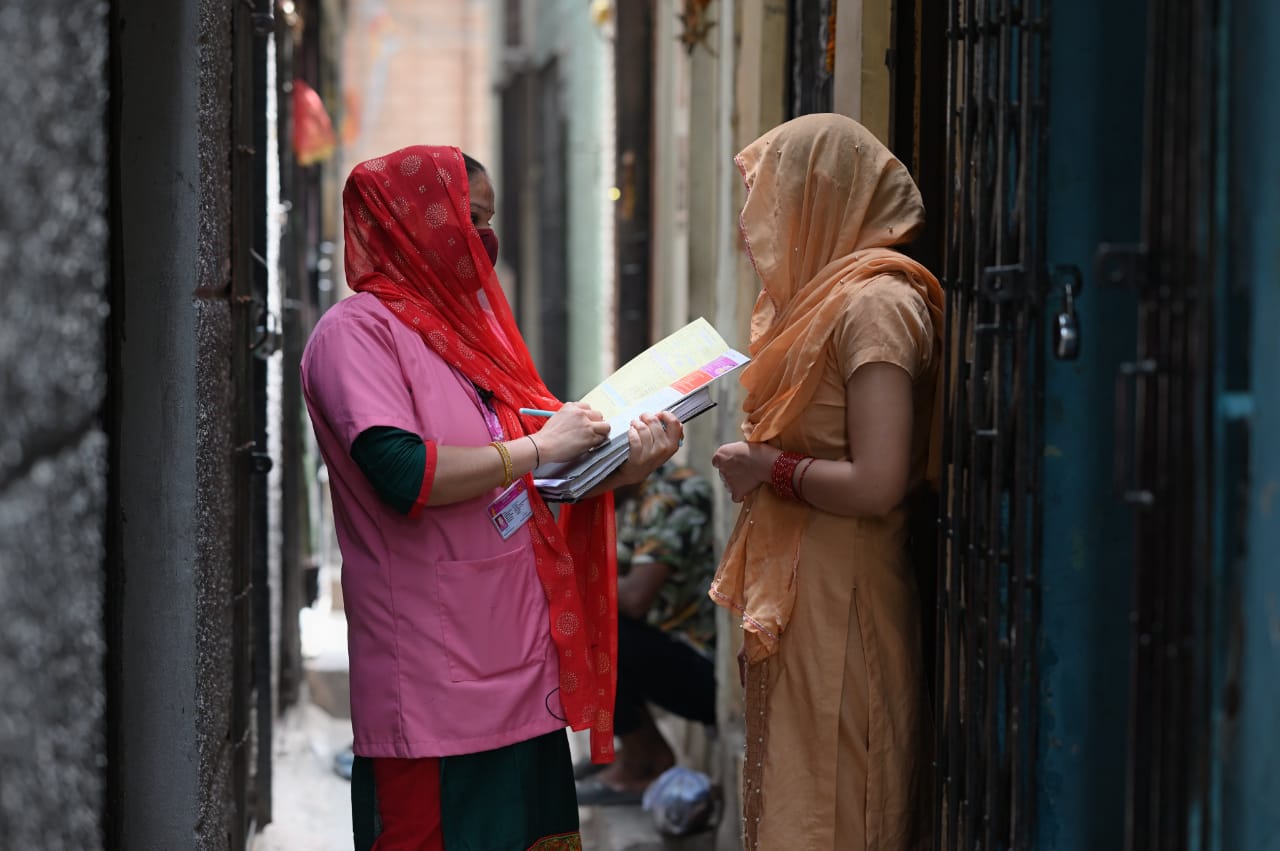
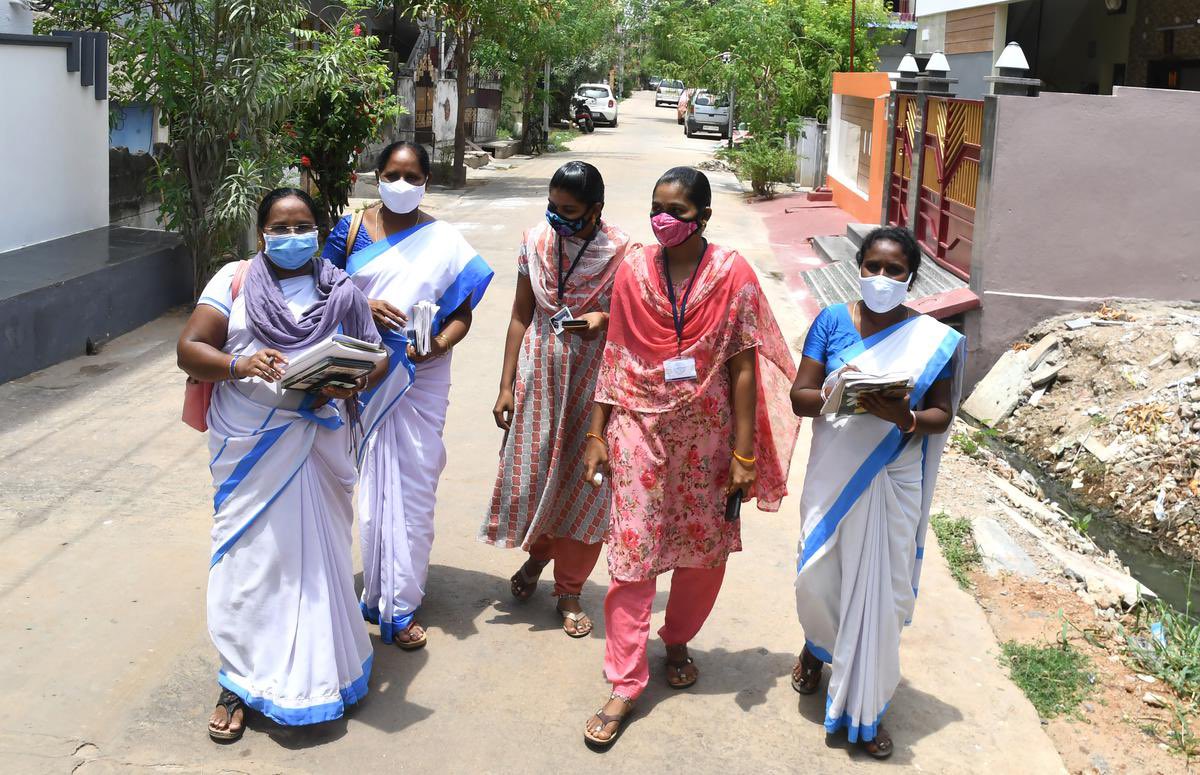
  • ASHA Program

    Context

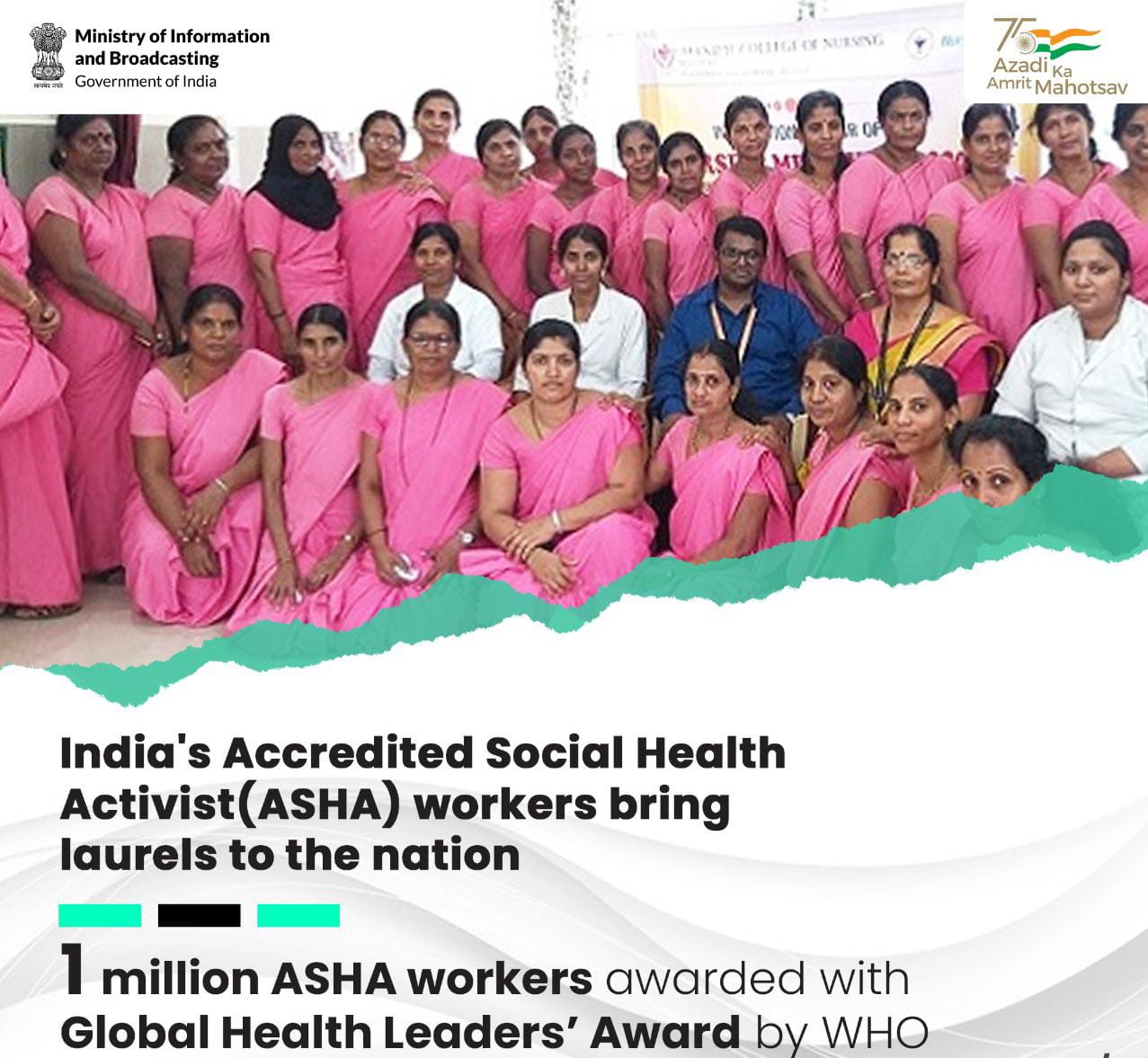
    India’s one million Accredited Social Health Activists (ASHA) volunteers have received World Health Organization’s Global Health Leaders Awards 2022.

    Background of the ASHA program

    • In 1975, a WHO monograph titled ‘Health by the people’ and then in 1978, an international conference on primary health care in Alma Ata (in the then USSR and now in Kazakhstan), gave emphasis for countries recruiting community health workers to strengthen primary health-care services that were participatory and people centric.
    • Soon after, many countries launched community health worker programmes under different names.
    • India launched the ASHA programme in 2005-06 as part of the National Rural Health Mission.
    • The biggest inspiration for designing the ASHA programme came from the Mitanin (meaning ‘a female friend’ in Chhattisgarhi) initiative of Chhattisgarh, which had started in May 2002.
    • The core of the ASHA programme has been an intention to build the capacity of community members in taking care of their own health and being partners in health services.
    • Each of these women-only volunteers work with a population of nearly 1,000 people in rural and 2,000 people in urban areas, with flexibility for local adjustments.

    A well thought through and deliberated program

    • The ASHA programme was well thought through and deliberated with public health specialists and community-based organisations from the beginning.
    • 1] Key village stakeholders selected: The ASHA selection involved key village stakeholders to ensure community ownership for the initiatives and forge a partnership.
    • 2] Ensure familiarity: ASHAs coming from the same village where they worked had an aim to ensure familiarity, better community connect and acceptance.
    • 3] Community’s representative: The idea of having activists in their name was to reflect that they were/are the community’s representative in the health system, and not the lowest-rung government functionary in the community.
    • 4] Avoiding the slow process of government recruitment: Calling them volunteers was partly to avoid a painfully slow process for government recruitment and to allow an opportunity to implement performance-based incentives in the hope that this approach would bring about some accountability.

    Contribution of ASHA

    • It is important to note that even before the COVID-19 pandemic, ASHAs have made extraordinary contributions towards enabling increased access to primary health-care services; i.e. maternal and child health including immunisation and treatment for hypertension, diabetes and tuberculosis, etc., for both rural and urban populations, with special focus on difficult-to-reach habitations.
    • Over the years, ASHAs have played an outstanding role in making India polio free, increasing routine immunisation coverage; reducing maternal mortality; improving new-born survival and in greater access to treatment for common illnesses.

    Challenges

    • Linkages with AWW and ANM: When newly-appointed ASHAs struggled to find their way and coordinate things within villages and with the health system, their linkage with two existing health and nutrition system functionariesAnganwadi workers (AWW) and Auxiliary Nurse Midwife (ANM) as well as with panchayat representatives and influential community members at the village level — was facilitated.
    •  This resulted in an all-women partnership, or A-A-A: ASHA, AWW and ANM, of three frontline functionaries at the village level, that worked together to facilitate health and nutrition service delivery to the community.
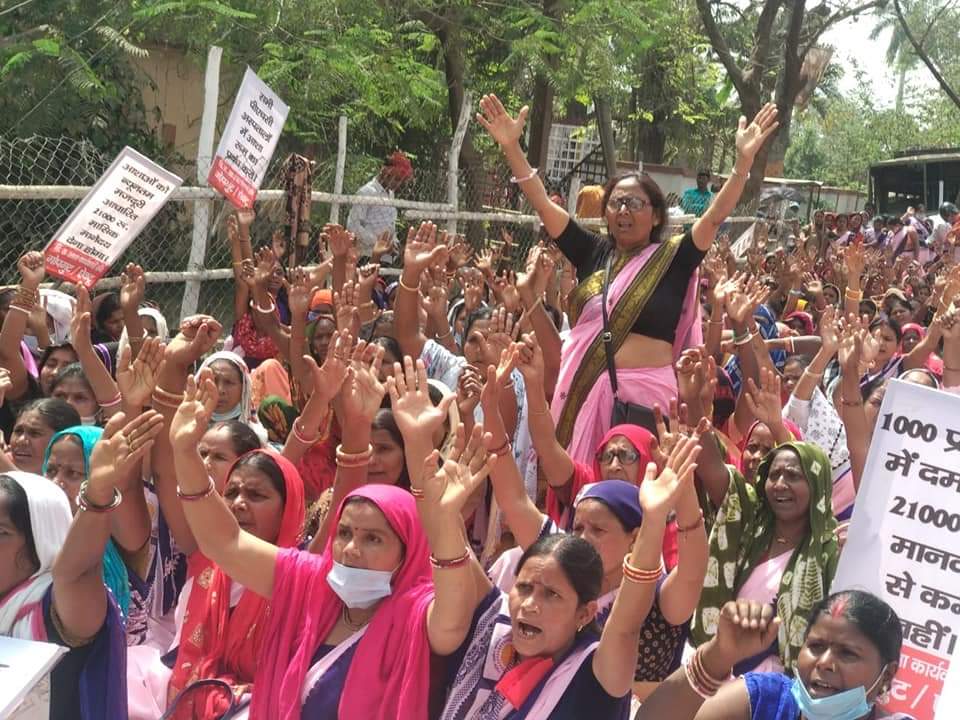
    • No fixed salary to ASHAs: Among the A-A-A, ASHAs are the only ones who do not have a fixed salary; they do not have opportunity for career progression.
    • These issues have resulted in dissatisfaction, regular agitations and protests by ASHAs in many States of India.

    Way forward

    • The global recognition for ASHAs should be used as an opportunity to review the programme afresh, from a solution perspective.
    • 1] Higher remuneration: Indian States need to develop mechanisms for higher remuneration for ASHAs.
    • 2] Avenues for career progression: It is time that in-built institutional mechanisms are created for capacity-building and avenues for career progression for ASHAs to move to other cadres such as ANM, public health nurse and community health officers are opened.
    • 3] Extend the benefits of social sector services: Extending the benefits of social sector services including health insurance (for ASHAs and their families) should be considered.
    • 4] Independent and external review: While the ASHA programme has benefitted from many internal and regular reviews by the Government, an independent and external review of the programme needs to be given urgent and priority consideration.
    • 5] Regularisation of temporary posts: There are arguments for the regularisation of many temporary posts in the National Health Mission and making ASHAs permanent government employees.

    Conclusion

    The WHO award for ASHA volunteers is a proud moment and also a recognition of every health functionary working for the poor and the underserved in India.  It is a reminder and an opportunity to further strengthen the ASHA programme for a stronger and community-oriented primary health-care system.

    UPSC 2023 countdown has begun! Get your personal guidance plan now! (Click here)

  • Malnutrition in India is a worry in a modern scenario

    Context

    The country’s response to its burden of malnutrition and growing anaemia has to be practical and innovative.

    What is malnutrition?

    • Malnutrition refers to deficiencies, excesses or imbalances in a person’s intake of energy and/or nutrients.
    • The term malnutrition covers 2 broad groups of conditions.
    • One is ‘undernutrition’—which includes stunting (low height for age), wasting (low weight for height), underweight (low weight for age) and micronutrient deficiencies or insufficiencies (a lack of important vitamins and minerals).
    • The other is overweight, obesity and diet-related non-communicable diseases (such as heart disease, stroke, diabetes, and cancer).

    What are the root causes of malnutrition in India?

    The following three deficits are the root cause of malnutrition in India.

    1) Dietary deficit

    • There is a large dietary deficit among at least 40 per cent of our population of all age groups, shown in— the National Nutrition Monitoring Bureau’s Third Repeat Survey (2012), NFHS 4, 2015-16, the NNMB Technical Report Number 27, 2017.
    • Our current interventions are not being able to bridge this protein-calorie-micronutrient deficit.
    • The NHHS-4 and NFHS-5 surveys reveal an acute dietary deficit among infants below two years, and considerable stunting and wasting of infants below six months.
    • Unless this maternal/infant dietary deficit is addressed, we will not see rapid improvement in our nutritional indicators.

    2) Information deficit at household level

    • We do not have a national IEC (information, education and communication) programme that reaches targeted households to bring about the required behavioural change regarding some basic but critical facts.
    • For example, IEC tells about the importance of balanced diets in low-income household budgets, proper maternal, child and adolescent nutrition and healthcare.

    3) Inequitable market conditions

    • The largest deficit, which is a major cause of dietary deficiency and India’s chronic malnutrition, pertains to inequitable market conditions.
    • Such market conditions deny affordable and energy-fortified food to children, adolescents and adults in lower-income families.
    • The market has stacks of expensive fortified energy food and beverages for higher income groups, but nothing affordable for low-income groups.

    The vicious cycle of malnutrition

    • Link with mother: A child’s nutritional status is directly linked to their mother.
    • Poor nutrition among pregnant women affects the nutritional status of the child and has a greater chance to affect future generations.
    • Impact on studies: Undernourished children are at risk of under-performing in studies and have limited job prospects.
    • Impact on development of the country: This vicious cycle restrains the development of the country, whose workforce, affected mentally and physically, has reduced work capacity.

    Marginal improvement on Stunting and Wasting

    • The National Family Health Survey (NFHS-5) has shown marginal improvement in different nutrition indicators, indicating that the pace of progress is slow.
    • This is despite declining rates of poverty, increased self-sufficiency in food production, and the implementation of a range of government programmes.
    • Children in several States are more undernourished now than they were five years ago.
    • Increased stunting in some states: Stunting is defined as low height-for-age.
    • While there was some reduction in stunting rates (35.5% from 38.4% in NFHS-4) 13 States or Union Territories have seen an increase in stunted children since NFHS-4.
    • This includes Gujarat, Maharashtra, West Bengal and Kerala.
    • Wasting remains stagnant: Wasting is defined as low weight-for-height.
    • Malnutrition trends across NFHS surveys show that wasting, the most visible and life-threatening form of malnutrition, has either risen or has remained stagnant over the years.

    Prevalence of anaemia in India

    • What is it? Anaemia is defined as the condition in which the number of red blood cells or the haemoglobin concentration within them is lower than normal.
    • Consequences: Anaemia has major consequences in terms of human health and development.
    • It reduces the work capacity of individuals, in turn impacting the economy and overall national growth.
    • Developing countries lose up to 4.05% in GDP per annum due to iron deficiency anaemia; India loses up to 1.18% of GDP annually.
    • The NFHS-5 survey indicates that more than 57% of women (15-49 years) and over 67% children (six-59 months) suffer from anaemia.

    Way forward

    1] Increase investment:

    • There is a greater need now to increase investment in women and children’s health and nutrition to ensure their sustainable development and improved quality of life.
    • Saksham Anganwadi and the Prime Minister’s Overarching Scheme for Holistic Nourishment (POSHAN) 2.0 programme have seen only a marginal increase in budgetary allocation this year (₹20,263 crore from ₹20,105 crore in 2021-22).
    • Additionally, 32% of funds released under POSHAN Abhiyaan to States and Union Territories have not been utilised.

    2] Adopt outcome oriented approach on the nutrition programme

    • India must adopt an outcome-oriented approach on nutrition programmes.
    • It is crucial that parliamentarians begin monitoring needs and interventions in their constituencies and raise awareness on the issues, impact, and solutions to address the challenges at the local level.
    • Direct engagement: There has to be direct engagement with nutritionally vulnerable groups and ensuring last-mile delivery of key nutrition services and interventions.
    • This will ensure greater awareness and proper planning and implementation of programmes.
    • This can then be replicated at the district and national levels.

    3] Increase awareness and mother’s education

    • With basic education and general awareness, every individual is informed, takes initiatives at the personal level and can become an agent of change.
    •  Various studies highlight a strong link between mothers’ education and improved access and compliance with nutrition interventions among children.

    4] Monitoring

    • There should be a process to monitor and evaluate programmes and address systemic and on the ground challenges.
    • A new or existing committee or the relevant standing committees meet and deliberate over effective policy decisions, monitor the implementation of schemes, and review nutritional status across States.

    Conclusion

    We must ensure our young population has a competitive advantage; nutrition and health are foundational to that outcome.

    UPSC 2023 countdown has begun! Get your personal guidance plan now! (Click here)