💥Join UPSC 2027,2028 Mentorship (July Batch) + XFactor Notes & Microthemes PDF

GS Paper: GS3-19.Disaster and Disaster Management.

  • ​Monsoon woes: On the southwest monsoon and the northeast

    Why in the News?

    In 2025, the Southwest Monsoon, which plays a vital role in India’s farming economy, brought heavy and destructive rains. Instead of simply starting the farming season, it has caused widespread damage across the northeastern states.

    Why is the northeastern region particularly vulnerable to monsoon-related disasters?

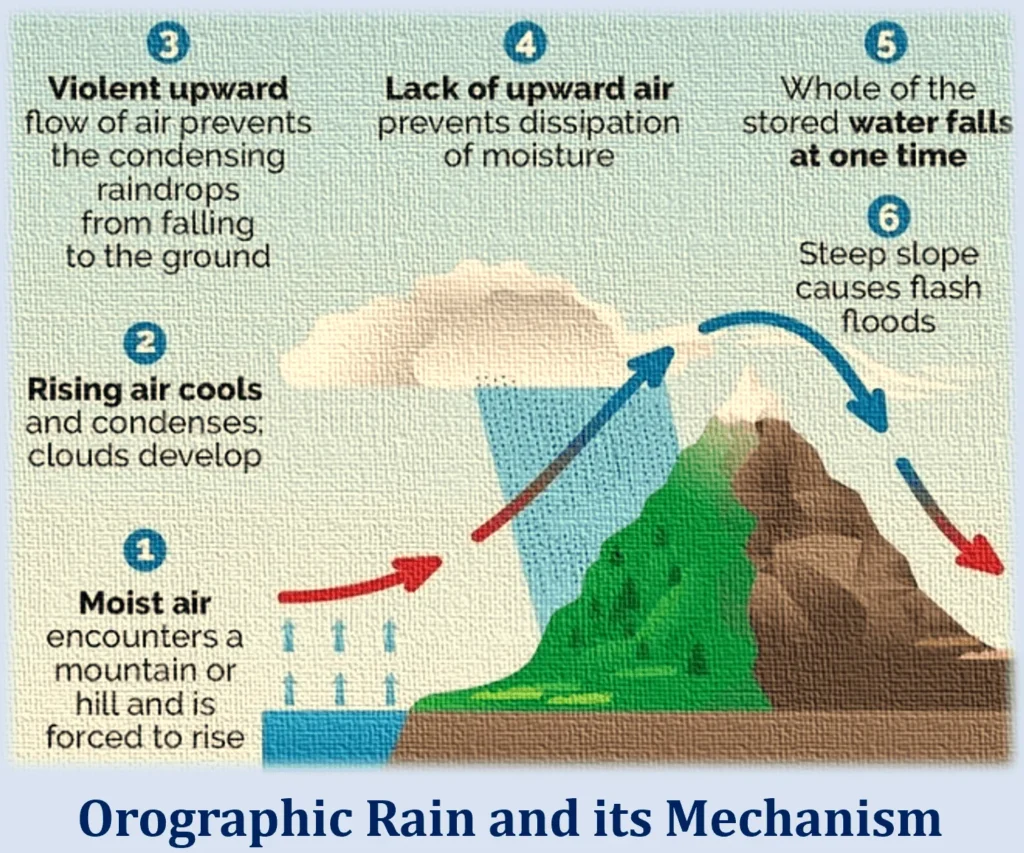
    • Geographical Terrain and River Systems: The Northeast has a complex topography of steep hills and fast-flowing rivers like the Brahmaputra and Barak. These rivers often overflow during monsoon, causing floods and erosion. Eg: In Assam, over 10 major rivers flowed above danger level in June 2025, affecting over 3 lakh people across 19 districts.
    • High and Prolonged Rainfall: The region receives one of the highest average monsoon rainfalls in India, making even a “below normal” monsoondestructive. Eg: Despite IMD predicting lower-than-normal rainfall, Assam, Tripura, and Sikkim faced flash floods and landslidesin May–June 2025.
    • Dual Monsoon Exposure and Fragile Ecology: The region experiences both the southwest monsoon (June–September) and a retreating monsoon (October–December), increasing disaster exposure. The fragile ecology, including deforestation and slope instability, worsens risks. Eg: In North Sikkim, landslides in early June 2025 marooned 1,500 tourists and blocked arterial roads due to incessant rain.

    What is the Dual Monsoon Pattern? 

    Dual Monsoon Pattern refers to the occurrence of two distinct monsoon phases in a year that affect a region, particularly the Northeastern States of India. These are:

    • Southwest Monsoon (June to September):
      This is the primary monsoon season for most of India. The Bay of Bengal branch of the southwest monsoon brings heavy rainfall to the Northeastern States like Assam, Meghalaya, and Arunachal Pradesh.
    • Retreating/Post-Monsoon (October to December):
      This secondary phase brings additional rainfall, especially to Nagaland, Manipur, Mizoram, and Tripura (NMMT region). This is often accompanied by cyclonic storms originating from the Bay of Bengal.

    How does the dual monsoon pattern affect the disaster preparedness of northeastern States?

    • Extended Vulnerability Period: The presence of both the southwest monsoon (June–September) and the retreating/post-monsoon (October–December) leads to a prolonged rainy season, increasing the duration for which states must stay alert and prepared. Eg: In 2023, flash floods affected parts of Meghalaya in both July and November, stretching disaster response capacities.
    • Recurring Strain on Resources: The back-to-back monsoon cycles put continuous pressure on relief infrastructure, emergency services, and budgetary resources, often without adequate recovery time between events. Eg: In Assam, flood shelters and boats used during June floods had to be reactivated again during October rains, delaying repairs and replenishment.
    • Challenges in Long-term Planning: The dual monsoon system makes it harder to plan and execute infrastructure repair, agricultural recovery, and resettlement efforts, as damage may recur within months. Eg: In Arunachal Pradesh, roads repaired after July landslides were again washed away during October rains in 2022, disrupting connectivity repeatedly.

    Why has infrastructure development lagged in the northeastern States compared to the rest of India?

    • Challenging Geographical Terrain: The region is dominated by mountainous landscapes, dense forests, and seismic zones, which make construction of roads, bridges, and railways technically difficult and cost-intensive. Eg: In Sikkim, frequent landslides and narrow mountain roads delay road-widening and highway projects.
    • Security and Strategic Concerns: The presence of international borders with countries like China, Myanmar, and Bangladesh and historical instances of insurgency have led to delays in project execution due to security concerns and administrative restrictions. Eg: The construction of the India-Myanmar-Thailand Trilateral Highway through Manipur has faced repeated delays due to local unrest and law-and-order issues.
    • Low Political and Economic Prioritisation: Compared to other regions, the Northeast has received less investment in infrastructure due to lower population density, limited industrial base, and less political influence at the national level. Eg: States like Nagaland and Mizoram have limited railway connectivity even today, unlike the rapid expansion seen in western and southern India.

    What are the steps taken by the Indian government? 

    • Strengthened Disaster Response and Early Warnings: The government has deployed NDRF units across the Northeast and enhanced IMD’s region-specific alerts for floods and landslides in states like Assam, Sikkim, and Arunachal Pradesh.
    • Infrastructure Development in Vulnerable Areas: Schemes like NESIDS support critical infrastructure such as flood protection embankments and all-weather roads in remote regions of Manipur and Mizoram.
    • Integration into National Disaster Management Frameworks: NDMA conducts capacity building, mock drills, and implements region-specific guidelines for urban flooding and landslide risk in cities like Gangtok and Guwahati.

    What long-term measures are needed to ensure sustainable disaster management in the Northeast? (Way forward)

    • Region-Specific Infrastructure Planning and Investment: Develop climate-resilient infrastructure suited to the region’s fragile ecology, such as landslide-resistant roads, flood-resistant housing, and robust early warning systems. Eg: The installation of a real-time flood monitoring system in the Brahmaputra basin has improved early evacuation in parts of Assam.
    • Integrated Inter-State and Central Coordination Mechanism: Establish a permanent regional disaster coordination body with participation from all Northeast states and the Centre to plan, share resources, and respond collectively to disasters. Eg: A joint task force involving Assam, Arunachal Pradesh, and Meghalaya could improve flood response across shared river systems like the Barak and Brahmaputra.

    Mains PYQ:

    [UPSC 2024] Flooding in urban areas is an emerging climate-induced disaster. Discuss the causes of this disaster. Mention the features of two such major floods in the last two decades in India. Describe the policies and frameworks in India that aim at tackling such floods.

    Linkage: The Bay of Bengal branch of the monsoon reaches the northeastern States first. These areas usually get a lot of rain during the monsoon, even in years when rainfall is lower than normal. Because of this, the region is naturally more prone to problems like flooding, which often comes with such heavy rain. 

  • Danger in the sea: On Kerala and the MSC Elsa 3 sinking

    Why in the News?

    The container ship MSC Elsa 3 sank off the coast of Kochi on May 24, triggering a major environmental and maritime safety crisis that could turn into one of India’s worst maritime pollution disasters.

    What led to the sinking of MSC Elsa 3?

    • Operational Failure at Sea: On May 24, MSC Elsa 3 began tilting off the coast of Kochi due to an unspecified operational problem. Despite attempts by the crew, the ship could not be stabilised.
    • Aging Vessel and Abandonment by Crew: Although structurally considered safe, the ship was nearly 30 years old. The crew abandoned it after unsuccessful efforts to right it, leading to its eventual sinking.
    • Unfavourable Sea Conditions: Monsoon-related rough weather worsened the situation, with containers dislodging and floating, further destabilising the vessel before it sank to a depth of 50 metres.

    Why are the sunken containers considered hazardous?

    • Reactive Chemicals: Some containers hold substances that react dangerously with water, posing immediate chemical and fire hazards. Eg: 12 containers had calcium carbide, which reacts with seawater to produce acetylene gas, a highly flammable and explosive compound.
    • Toxic Leakage: Leaked substances from damaged containers can pollute seawater and pose health hazards to marine life and humans. Eg: A container with rubber solution leaked and reacted with seawater, leading to the appearance of plastic pellets along the Kerala coast.
    • Long-Term Environmental Impact: Chemicals from sunken containers can gradually seep out, causing persistent marine pollution and ecological damage. Eg: If not retrieved, chemicals from these containers may enter the food chain, harming marine biodiversity and impacting fisheries.

    Who handles oil spill response in India?

    The Indian Coast Guard is the nodal agency under the National Oil Spill Disaster Contingency Plan (NOS-DCP).

    How does this incident test India’s maritime disaster readiness?

    • Inter-agency Coordination: Effective disaster response requires smooth coordination between multiple agencies such as the Coast Guard, pollution control boards, and port authorities. Eg: In the 2017 Chennai oil spill, response was delayed due to confusion and poor coordination, leading to severe coastal damage.
    • Emergency Response Infrastructure: The ability to quickly deploy salvage teams, pollution control equipment, and monitoring systems is essential. Eg: After MSC Elsa 3 sank, authorities had time to prepare, making it a critical test of India’s readiness to act swiftlybefore oil or chemicals leak.
    • Policy Implementation and Preparedness: Real-time implementation of national plans and compliance with international protocols demonstrate operational strength. Eg: The National Oil Spill Disaster Contingency Plan (NOS-DCP) designates the Coast Guard as the nodal agency, and this incident checks how well the plan is executed.

    What are the steps taken by the Indian Government? 

    • Activation of Nodal Agencies: The Indian Coast Guard has been designated as the nodal agency under the National Oil Spill Disaster Contingency Plan (NOS-DCP) to coordinate the response. Eg: In the MSC Elsa 3 case, the Coast Guard is actively engaged in monitoring oil leakage and coordinating salvage efforts.
    • Deployment of Salvage Operations: Salvage teams are being engaged following international insurance protocols to prevent further environmental damage. Eg: Authorities have mobilised professional salvers to safely retrieve containers and prevent hazardous leaks from the sunken ship.
    • Monitoring and Cleanup Measures: Environmental agencies have been tasked with identifying and addressing the pollution caused, including plastic pellets and chemical residues. Eg: The Kerala government is coordinating with central pollution control authorities to manage the shoreline impactand protect marine life.

    Way forward: 

    • Strengthen Maritime Hazard Protocols and Container Screening: India must enforce stricter pre-shipment screening of cargo for hazardous materials and mandate real-time tracking of containers carrying reactive or toxic substances.
    • Enhance Rapid Response Infrastructure and Inter-agency Coordination: Develop a unified maritime disaster response framework with clearly defined roles for all agencies — Coast Guard, pollution boards, port authorities, and state governments.

    Mains PYQ:

    [UPSC 2022] Discuss in detail the photochemical smog emphasizing its formation, effects and mitigation. Explain the 1999 Gothenburg Protocol.

    Linkage: The MSC Elsa 3 incident directly involves environmental pollution, specifically marine pollution from hazardous cargo and fuel oil, necessitating mitigation efforts. This question reflects the UPSC’s interest in environmental pollution issues.

  • [27th May 2025] The Hindu Op-ed: Focus on heat-resilience despite the monsoon


    PYQ Relevance:

    [UPSC 2024] What is disaster resilience? How is it determined? Describe various elements of a resilience framework. Also mention the global targets of the Sendai Framework for Disaster Risk Reduction (2015- 2030).

    Linkage: The heat health crisis falls under the broader domain of disaster risk reduction and building resilience, especially considering extreme heat events as climate-induced disasters. It prompts discussion on defining resilience and the frameworks needed, aligning with the call for embedding heat resilience into public health systems.


    Mentor’s Comment: India is going through a serious climate-health crisis as rising temperatures and frequent heatwaves put more pressure on the already stretched public health system. At the recent national conference “India 2047: Building a Climate-Resilient Future,” experts shared not only scientific facts like wet-bulb temperatures but also the real-life struggles of informal workers. This showed how heat stress and social inequality are closely linked. The conference highlighted the need to move beyond isolated emergency care and take united, cross-sector, and fair action to build climate resilience into the way we manage public health.

    Today’s editorial discusses the  serious climate-health crisis as rising temperatures and frequent heatwaves. This content would help in GS Paper II ( Governance & Health Sector) and GS Paper III (Climate change impact).

    _

    Let’s learn!

    Why in the News?

    As extreme weather increases, we need to move from only treating emergencies to preventing problems by focusing on fair and caring public health.

    Why is linking weather alerts with health systems crucial?

    • Enables Timely Preventive Action: Early warning systems allow health workers to prepare and respond before heatwaves lead to medical emergencies. Eg: In Ahmedabad, heat alerts trigger distribution of hydration kits and public advisories, reducing heatstrokecases.
    • Strengthens Community-Level Response: Alerts shared through ASHA workers or local networks can activate door-to-door checks, especially for the elderly and chronically ill. Eg: ASHAs sending WhatsApp messages and visiting vulnerable residents during red alerts.
    • Reduces Burden on Emergency Healthcare: By preventing illness through early interventions (like avoiding midday work, increasing hydration), the pressure on hospitals and emergency services is reduced. Eg: Pre-monsoon planning with meteorological inputs helps health centers stock cooling kits and prepare treatment spaces.

    What is the impact of extreme heat on India’s public health?

    • Rise in Heat-related Illnesses and Deaths: Extreme heat leads to heatstroke, dehydration, and worsens heart and kidney conditions. Eg: According to the National Centre for Disease Control (NCDC), over 25,000 heat-related deaths were recorded in India between 1992 and 2020.
    • Overburdened Healthcare Infrastructure: Hospitals face a surge in emergency cases during heatwaves, straining limited resources. Eg: During the 2022 heatwave, Delhi’s Lok Nayak Hospital reported a 30% increase in patients with heat-related symptoms in just a week.

    How does extreme heat act as a “social injustice multiplier”?

    • Greater Risk to Vulnerable Populations: Outdoor workers, elderly, and slum dwellers suffer disproportionately due to poor shelter and exposure. Eg: A study by the Indian Institute of Public Health (Ahmedabad) found construction workers had a 2.5 times higher risk of heat illness compared to the general population during peak summer.
    • Limited adaptive capacity: Daily wage workers, street vendors, and waste pickers cannot afford to stop working during heatwaves, making them more vulnerable to heat stress and illness. Eg: Construction workers under tin roofs suffer intense heat but have no choice but to continue working.
    • Excludes the marginalised from public guidance: Advice like “stay indoors” or “avoid exertion” is often irrelevant to those who lack shelter, depend on outdoor jobs, or live in overcrowded spaces, highlighting deep systemic inequalities. Eg: A homeless person or a street vendor cannot follow “stay indoors” guidance during a red alert.

    Who can act as frontline heat-safety champions?

    • ASHA Workers and Primary Health Workers: Trained Accredited Social Health Activists (ASHAs) and staff at Primary Health Centres (PHCs) are well-placed to spread awareness, monitor vulnerable groups, and respond early to heat-related illnesses. Eg: An ASHA worker in a rural village sends heat alerts via WhatsApp and conducts door-to-door visits during a heatwave.
    • Health and Wellness Centre Staff: Staff at Health and Wellness Centres can play a key role in educating communities, distributing hydration kits, and advising on preventive measures like staying hydrated and avoiding midday sun. Eg: A nurse at a wellness centre trains local youth on recognizing signs of heat stress and first-aid response.

    What are the steps taken by the Indian Government? 

    • Development of Heat Action Plans (HAPs): The government, in collaboration with local bodies and NGOs, has promoted city-level Heat Action Plans to reduce heat-related mortality through early warnings, public awareness, and cooling strategies. Eg: The Ahmedabad Heat Action Plan (2013) includes early warning systems, public cool spaces, and training for health workers.
    • Integration with Meteorological Services: India Meteorological Department (IMD) provides heat alerts, which are increasingly being integrated into local health response systems to trigger preventive action. Eg: Heat alerts in Odisha are linked to ASHA worker messaging and hydration kit distribution before peak summer.
    • Policy Push for Climate-Resilient Health Systems: The National Action Plan on Climate Change and Human Health (NAPCCHH) encourages health systems to be climate-ready by building infrastructure, developing clinical protocols, and training staff. Eg: Health ministries now issue advisories on heat stress, including guidance on modifying medication for chronic patients during heatwaves.

    What preventive steps can make India’s health system heat-resilient? (Way forward)

    • Strengthening Primary Health Infrastructure: Equip primary health centres, Health & Wellness Centres, and ASHA workers with training and protocols to identify and respond to heat-related illnesses. Eg: Trained ASHA workers in rural Gujarat conduct door-to-door checks during heat alerts and share hydration tips via WhatsApp groups.
    • Integrating Heat Risk into Chronic Disease Care: Clinicians should adjust medications, provide heat safety counselling, and track high-risk patients like those with heart or kidney conditions during summer. Eg: In Delhi, doctors monitor diabetic patients more closely during red alerts and advise them on avoiding midday exposure.
    • Standardising Clinical Protocols for Heat Illness: Create and implement national clinical guidelines for diagnosing and treating heatstroke and heat stress, including summer drills and heat corners in hospitals. Eg: Rajasthan hospitals now stock cooling kits and have designated heat response units during summer months.
  • Akshvi Platform for Disaster Damage Reporting

    Why in the News?

    India has introduced Akshvi, a unique e-digital wallet aimed at assisting in disaster relief and improving the accuracy of loss reporting.

    About Akshvi: The E-Digital Wallet for Disasters

    • Akshvi (Aapda Kshati Vivaran) is a unique e-digital wallet developed by SEEDS India to assist disaster-stricken communities in India.
    • The platform allows people to self-report economic and non-economic losses during climate-induced events.
    • It bridges the data gap in disaster reporting and enhancing relief distribution and climate resilience.

    Key Features of Akshvi:

    • Self-Reporting Mechanism: It enables affected communities to log their losses during disasters such as floods, droughts, heatwaves, and landslides, ensuring accurate and timely assessments.
    • Localized Data Collection: The platform collects hyperlocal data, which is vital for tailoring disaster management strategies and relief efforts to the specific needs of affected communities.
    • User-Friendly Interface:
      • IVRS: Allows voice recording of losses.
      • WhatsApp Chatbot: For tech-savvy users to log data.
      • Assisted Data Entry: Available for those needing help with information entry.
    • Traceability: The platform tracks the progress of relief, ensuring that aid reaches the affected households transparently.
    • Integration with Government Schemes: Akshvi’s data links to social welfare schemes and index-based insurance programs, improving disaster response efforts.
    [UPSC 2004] In which one of the following countries did hundreds of people die in 2004 due to Tropical Storm Jeanne?

    Options: (a) Colombia  (b) Haiti (c) Sudan (d) Ghana


  • [21st April 2025] The Hindu Op-ed: Tackle heatwaves with short- and long-term measures

    PYQ Relevance:

    [UPSC 2024] What is disaster resilience? How is it determined? Describe various elements of a resilience framework. Also mention the global targets of the Sendai Framework for Disaster Risk Reduction (2015- 2030).

    Linkage: Heatwaves are increasingly recognized as severe weather events and fall under the purview of disaster management. This question directly asks about disaster resilience and its framework, which is crucial for tackling heatwaves. Building resilience to heatwaves involves both short-term preparedness (early warning systems, public awareness) and long-term adaptation (infrastructure changes, social safety nets) as highlighted in the article. The Sendai Framework’s targets are also relevant for setting goals in reducing heatwave-related mortality and morbidity.


    Mentor’s Comment:  According to the World Meteorological Organization, 2024 was the hottest year ever recorded, with global temperatures about 1.55°C higher than in pre-industrial times. In India, December 2022 was the hottest December since temperature records began in 1901. Overall, India has seen more heatwaves in the last 20 years compared to the 20 years before that.

    Today’s editorial talks about the current heatwave situation and its effects. This topic is useful for GS Paper 3 in the UPSC Mains exam.

    _

    Let’s learn!

    Why in the News?

    On March 15, some states and cities in India faced their first severe heatwave of 2025 — about 20 days earlier than the first severe heatwave in 2024.

    What are the key health and socio-economic effects of heatwaves in India?

    • Health Impacts (Heat Stress): Heatwaves in India lead to heat stress, which occurs when the outside temperature approaches the body’s normal temperature of 37°C. This hampers the body’s ability to release internal heat, leading to a range of health problems including kidney failure, liver damage, and brain-related issues, sometimes resulting in death. Eg, the 2015 heatwave in Andhra Pradesh and Telangana caused over 2,000 deaths due to extreme temperatures.
    • Impact on Agriculture and Livestock: Heatwaves negatively affect the farming sector, reducing crop yields and livestock production due to heat stress. Eg, the 2020 heatwaves led to significant crop damage, particularly in areas like Punjab and Haryana, where farmers saw a drop in wheat and paddy production, impacting food security.
    • Socio-Economic Consequences: Heatwaves result in loss of productivity, particularly in labor-intensive sectors like agriculture, construction, and outdoor work. This causes economic losses as workers lose work hours, and agricultural outputs decline. Eg, in 2023, heat stress led to an estimated loss of 6% of work hours in India, contributing to reduced personal incomes and affecting national GDP.

    Why is heat stress an equity issue for vulnerable groups?

    • Disproportionate Impact on the Poor: Vulnerable groups such as the poor face the worst effects of heat stress due to limited access to resources like cooling systems, healthcare, and safe working conditions. Eg, in urban slums with poor infrastructure, people are exposed to higher temperatures both indoors and outdoors, leading to greater health risks compared to wealthier populations with air-conditioned homes.
    • Gendered Impact: Women, especially in rural and lower-income areas, are more affected by heat stress due to cultural norms that restrict their mobility and tasks, such as working in kitchens or wearing heavy clothing. Eg, women in rural India may have to work in the kitchen during peak heat hours, further increasing their risk of heat-related illnesses.
    • Impact on Migrant Workers and Informal Sector Employees: Migrants and workers in the informal sector often lack access to benefits such as paid leave, healthcare, or workplace protections, making them more vulnerable to heat stress. Eg, construction workers in cities like Delhi and Mumbai suffer from heat-related illnesses as they work outdoors without proper protection, and they cannot afford to miss work, leading to further health deterioration.

    When did India begin implementing Heat Action Plans (HAPs), and how have they evolved over the years?

    • Initial Implementation in 2013: India began implementing Heat Action Plans (HAPs) in 2013 when Ahmedabad, Gujarat, became the first city in Asia to develop a municipal Heat Action Plan. The plan focused on early heatwave predictions, public awareness, and health system preparedness. Eg, Ahmedabad’s HAP helped reduce heat-related mortality by alerting vulnerable communities and healthcare systems ahead of heatwaves.
    • Expansion to Other Cities (2014-2018): After the success in Ahmedabad, other cities and states began developing their own heat action plans. By 2018, over 20 Indian cities and states had implemented their HAPs, adapting them based on local vulnerabilities. Eg, cities like Chennai and Hyderabad incorporated heat action strategies, including cooling shelters and awareness campaigns.
    • National Coordination (2018): In 2018, the National Programme on Climate Change and Human Health (NPCCHH) was introduced to provide a unified approach, coordinating heat advisories and other health-related information across the country. Eg, the National Disaster Management Authority (NDMA) began issuing nationwide heatwave alerts to help states and cities prepare for extreme heat events.
    • Focus on Long-Term Measures (2020-Present): Recent iterations of HAPs have emphasized long-term preventive measures, such as urban greening, reflective rooftops, and improved building materials to reduce heat retention. Eg, several cities, like Delhi, are promoting cool roof policies, encouraging the use of heat-reflective materials on buildings to reduce urban heat islands.

    How can India improve the effectiveness and implementation of Heat Action Plans at the state and city levels?

    • Tailor Plans Based on Local Vulnerability: India can improve HAP effectiveness by ensuring that each state and city develops plans based on specific local vulnerabilities such as geography, socio-economic factors, and infrastructure. Eg, coastal cities like Mumbai may need strategies focusing on humidity and high temperatures, while inland cities like Jaipur might need to focus more on extreme heat and dry conditions.
    • Incorporate Real-Time Data and Predictive Technology: HAPs can be enhanced by using real-time data on temperature, humidity, and wind speed to improve forecasting accuracy and timely alerts. Eg, the use of satellite data and ground-based sensors in cities like Pune has allowed for more accurate predictions of heat stress, enabling better preparedness and quicker responses during heatwaves.
    • Strengthen Collaboration Between Stakeholders: Successful implementation of HAPs requires coordination between government bodies, local authorities, public health institutions, NGOs, and community organizations. Eg, in Ahmedabad, the city’s HAP involved collaborations between municipal authorities, public health officials, and non-governmental organizations, which significantly contributed to the reduction in heat-related deaths.
    • Focus on Long-Term Urban Planning and Infrastructure: HAPs should integrate long-term urban development strategies that mitigate heat in the built environment, such as increasing green spaces, promoting cool roofs, and using reflective materials for buildings. Eg, Chennai’s initiative to plant more trees and create shaded public spaces has helped reduce heat in urban areas, making the city more resilient to heatwaves.
    • Ensure Inclusivity and Equity in Response Measures: HAPs should ensure that vulnerable populations such as informal sector workers, elderly, and marginalized communities are given special attention during heatwaves. Eg, Delhi’s HAP has included mobile cooling units and shelters for the homeless, along with providing water points and health services in areas with high concentrations of migrant workers and low-income groups.

    What is the current situation regarding the occurrence of heat waves in India?

    • Increased Frequency of Heatwave Days: The number of heatwave days in India has risen over the past decade. In 2022, approximately 121 heatwave days were recorded across the country, a decrease from the previous year but still indicative of a growing trend.
    • Record-Breaking Temperatures: In May 2024, northern India experienced severe heatwaves, with temperatures reaching up to 49.1°C in New Delhi. Over 37 cities reported temperatures exceeding 45°C, leading to at least 56 confirmed deaths and 25,000 suspected cases of heatstroke.
    • Projections of Future Heatwave Intensification: Future projections indicate a significant increase in heatwave frequency due to climate change. Under the RCP 4.5 scenario, the frequency of heatwaves in India is expected to increase by a factor of 4 to 7 in the mid-term and by 5 to 10 times in the long-term future.

    Way forward: 

    • Strengthen Policy Integration and Local Capacities: Integrate Heat Action Plans into urban planning and disaster management policies, while building capacity at local levels for climate-resilient infrastructure and real-time response systems.
    • Targeted Support for Vulnerable Groups: Prioritize inclusive measures such as community cooling centers, mobile health units, and social safety nets to protect informal workers, elderly, and low-income populations from heat-related risks.
  • Himalayan tragedy: On avalanches in the Himalayan States

    Why in the News?

    Earlier this week, the Indian Army and Indo-Tibetan Border Police rescued 23 workers trapped under snow and ice after an avalanche in Mana village, Uttarakhand.

    What were the key challenges faced by the rescue teams during the avalanche operation in Mana Village?

    • Harsh Weather Conditions: The rescue teams operated under heavy snowfall and extreme cold at an elevation of 10,500 feet above mean sea level.
    • Blocked Access Routes: Snow-blocked roads required the use of helicopters for evacuation, complicating logistics and delaying rescue efforts.
    • Physical Exhaustion: Rescuers worked in near-continuous 60-hour shifts, demanding immense physical and mental stamina.
    • Buried Structures: Containers housing workers were buried under several feet of snow, ice, and rock, making detection and extraction challenging.
    • Limited Visibility and Navigation: Poor weather conditions hindered visibility, requiring the use of advanced technology like drone-based detection systems.

    Why is Mana village particularly vulnerable to avalanches and other natural disasters?

    • High-Altitude Location: Situated at 10,500 feet above sea level in the upper Himalayas, the village experiences heavy snowfall and extreme weather, increasing the risk of avalanches. Example: The recent avalanche buried containers under several feet of snow, making rescue operations challenging.
    • Geological Instability: The Himalayan region is tectonically active, making the terrain prone to landslides, avalanches, and other natural hazards. Example: Frequent landslides during the monsoon season disrupt roads and infrastructure in Uttarakhand.
    • Seasonal Climate Extremes: Harsh winters with severe snow accumulation create unstable snowpacks that can trigger avalanches. Example: Villagers traditionally migrate to lower areas like Gopeshwar during winter to avoid extreme weather risks.
    • Construction and Human Activity: Ongoing infrastructure projects, such as road-building by the Border Roads Organisation (BRO), disturb the fragile environment and increase disaster risks. Example: Workers were caught in an avalanche while working on a BRO construction site.
    • Proximity to Glacial Zones: Close to glacial areas where melting ice and shifting snowpacks heighten the probability of snow slides. Example: Melting glaciers in the region have previously triggered flash floods, like the 2021 Chamoli disaster.

    What lessons can be learned from other hazardous environments? 

    • Enhanced Shelter Design for Safety: Use reinforced, insulated shelters designed to withstand extreme weather and heavy snow loads, similar to Antarctic research stations. Example: Antarctic research bases like the Amundsen-Scott Station use elevated, modular designs to prevent snow burial and provide long-term safety.
    • Advanced Early Warning Systems: Implement real-time monitoring using satellite imaging, drones, and weather forecasting to detect potential avalanches and other hazards. Example: Switzerland’s avalanche warning system uses advanced sensors and weather models to alert communities and workers in mountainous areas.
    • Comprehensive Safety Protocols and Training: Provide specialized safety training, emergency drills, and evacuation plans to workers in high-risk zones. Example: Oil platforms in the Arctic conduct regular safety drills and have rapid-response systems for extreme weather emergencies.

    How could better infrastructure and safety measures reduce the risks faced by workers in high-altitude, disaster-prone areas? (Way forward)

    • Improved Worker Shelters and Living Conditions: Construct insulated, avalanche-resistant shelters with emergency exits and heating systems to protect workers from harsh weather. Example: The Siachen Glacier military base uses reinforced prefabricated shelters designed to withstand extreme snow and sub-zero temperatures.
    • Deployment of Real-Time Monitoring and Early Warning Systems: Use geospatial technology, drones, and automated weather stations to track snow accumulation and predict avalanches. Example: Japan’s snow monitoring system uses remote sensors to provide early warnings, reducing avalanche risks in mountainous areas.
    • Enhanced Emergency Response Infrastructure: Establish permanent rescue facilities with specialized equipment (e.g., thermal detectors and rapid evacuation routes) for quicker disaster response. Example: The Alps region in Europe maintains well-equipped avalanche rescue stations, ensuring faster response times and reducing casualties.

    Mains PYQ:

    Q Differentiate the causes of landslides in the Himalayan region and Western Ghats. (UPSC IAS/2021)

  • [13th February 2025] The Hindu Op-ed: Nuclear energy — dangerous concessions on liability

    PYQ Relevance:

    Q) Give an account of the growth and development of nuclear science and technology in India. What is the advantage of a fast breeder reactor programme in India? (UPSC CSE 2017)


    Mentor’s Comment: UPSC mains have always focused on nuclear science and technology (2017), and atomic energy (2013).

    In the Union Budget speech on February 1, Finance Minister Nirmala Sitharaman announced plans to amend the Atomic Energy Act and the Civil Liability for Nuclear Damage (CLND) Act. This move is likely to be welcomed by the U.S., where past governments have opposed India’s law because it holds nuclear manufacturers partly responsible for accidents. However, in India, removing supplier liability could be a major concern, as it might weaken nuclear safety measures.


    Today’s editorial talks about the Atomic Energy Act and the Civil Liability for Nuclear Damage (CLND) Act. This content will help in GS papers 2 and 3 in mains answer writing.

    _

    Let’s learn!

    Why in the News?

    The mention of plans to amend the Civil Liability for Nuclear Damage Act in the Union Budget is a serious issue that needs attention.

    What is the Atomic Energy Act?

    • The Atomic Energy Act, 1962 is an Indian law that regulates the development, production, and use of nuclear energy for peaceful purposes while ensuring national security. It gives the government exclusive control over nuclear materials, plants, and research and allows the establishment of nuclear power projects. The Act also covers radiation safety, uranium mining, reactor operations, and waste disposal to prevent misuse and ensure public safety.

    What is the Civil Liability for Nuclear Damage Act? 

    • The Civil Liability for Nuclear Damage (CLND) Act, 2010 is an Indian law that defines liability in case of a nuclear accident. It ensures compensation for victims while holding nuclear plant operators accountable.

    Key Features:

    • Operator Liability: The primary financial responsibility for any nuclear accident rests with the plant operator (NPCIL in India), not the supplier.
    • Right of Recourse: Unlike many other countries, India allows operators to seek compensation from suppliers if defective equipment or services cause an accident (Section 17).
    • Liability Cap: Operator liability is capped at ₹1,500 crore (~$180 million), with the government covering additional costs if needed.
    • Exclusion from Global Regimes: India has not joined international nuclear liability agreements like the Convention on Supplementary Compensation (CSC), meaning financial responsibility remains domestic.

    What are the safety and liability concerns related to nuclear energy?

    • Risk of Catastrophic Accidents: Nuclear plant failures can lead to massive radiation leaks, environmental destruction, and long-term health impacts.Example: The Fukushima Daiichi disaster (2011, Japan) resulted from a tsunami, causing multiple reactor meltdowns and widespread radioactive contamination.
    • Design Flaws and Negligence: Suppliers may overlook or downplay safety risks in reactor designs, leading to vulnerabilities. Example: The Three Mile Island accident (1979, USA) occurred due to a known reactor design flaw that the supplier failed to address.
    • Limited Liability for Suppliers: In many countries, nuclear suppliers are indemnified, placing financial liability entirely on plant operators and governments.Example: General Electric (GE), which designed the Fukushima reactors, faced no financial consequences due to Japan’s liability laws.
    • Insufficient Compensation for Victims: Liability caps limit compensation for victims, despite the high costs of nuclear disasters. Example: India’s Civil Liability for Nuclear Damage (CLND) Act caps liability at ₹1,500 crore, whereas Fukushima’s cleanup costs are estimated at ₹20-46 lakh crore.
    • Radioactive Waste and Long-Term Risks: Safe disposal of nuclear waste remains a major challenge, with risks of leaks and contamination lasting thousands of years.Example: The Chernobyl disaster (1986, USSR) left a radioactive exclusion zone that remains uninhabitable nearly 40 years later.

    How does India’s approach to nuclear liability differ from global standards?

    • Operator Liability with Limited Supplier Responsibility: India’s Civil Liability for Nuclear Damage (CLND) Act, 2010, places primary liability on the operator (NPCIL), but allows it to seek compensation from suppliers in case of defective equipment or services (Right of Recourse, Section 17).
      • Global Standard: Most countries fully indemnify suppliers, meaning they bear no financial responsibility after supplying reactors.
      • Example: In Japan, General Electric (GE) faced no liability for the Fukushima disaster (2011), while in India, foreign suppliers fear financial risks if an accident occurs.
    • Liability Cap vs. Unlimited Liability in Some Countries: India caps operator liability at ₹1,500 crore (~$180 million), with additional compensation coming from the government if needed.
      • Global Standard: Some countries, like Germany, impose unlimited liability on operators to ensure full compensation. The U.S. Price-Anderson Act establishes a large industry-backed fund for damages beyond a certain limit.
      • Example: After the Chernobyl disaster (1986, USSR), the Soviet government bore the entire cost (~$235 billion), whereas an Indian accident beyond ₹1,500 crore would shift the financial burden to taxpayers.
    • India is Not Part of Global Nuclear Liability Regimes: India has not signed the Convention on Supplementary Compensation for Nuclear Damage (CSC), which standardizes liability norms and creates an international compensation pool.
      • Global Standard: Most nuclear-powered nations, including the U.S. and Japan, are CSC members, ensuring global financial support for nuclear accidents.
      • Example: If a nuclear accident occurs in France, CSC members contribute to compensation, but in India, all financial burdens remain domestic.

    What are the reasons behind the government’s plan to amend the Atomic Energy Act and the Civil Liability for Nuclear Damage (CLND) Act?

    • Attracting Foreign Investment and Suppliers – The existing CLND Act allows India’s nuclear operator (NPCIL) to seek compensation from foreign suppliers in case of faulty equipment, discouraging companies from supplying reactors. Amendments could limit supplier liability, making India a more attractive market for nuclear investments from countries like the U.S., France, and Russia.
    • Expanding Nuclear Energy Capacity – India aims to increase its nuclear power generation to meet rising energy demands and climate goals. Simplifying liability laws could accelerate agreements with international partners and facilitate the construction of new nuclear plants under deals such as the India-U.S. Civil Nuclear Agreement.

    What are the other implications of increasing nuclear energy reliance?

    • High Economic Costs and Project Delays: Nuclear power plants require massive upfront investments, long construction periods, and frequent cost overruns.
      • Example: The AP1000 reactors in Georgia, USA, were initially estimated at $14 billion but were completed at $36.8 billion—a 250% cost overrun. Similarly, India’s Kudankulam Nuclear Power Plant faced significant delays and cost escalations.
    • Nuclear Waste Management and Environmental Risks: Nuclear energy produces radioactive waste that remains hazardous for thousands of years, requiring secure disposal and long-term monitoring.
      • Example: The Fukushima disaster (2011) led to the release of radioactive material, contaminating land and water, with cleanup costs estimated between ¥35-80 trillion (~₹20-46 lakh crore). India lacks permanent storage facilities for high-level nuclear waste.
    • Geopolitical and Security Concerns: Expanding nuclear energy means higher dependence on foreign suppliers, leading to strategic vulnerabilities and potential external influence.
      • Example: India’s civil nuclear deal with the U.S. (2008) opened doors for technology transfer, but suppliers now demand liability protection before delivering reactors, creating diplomatic pressure.

    Way forward:

    • Strengthen Liability and Safety Frameworks: The government should Amend the Civil Liability for Nuclear Damage (CLND) Act to ensure fair risk-sharing between operators and suppliers.
      • Need to invest in advanced reactor safety technologies (e.g., Small Modular Reactors – SMRs) and strengthen independent regulatory oversight.
    • Develop Robust Waste Management and Indigenous Capabilities: The government should establish permanent disposal sites for high-level nuclear waste with stringent monitoring.
      • Need to enhance domestic nuclear technology (e.g., Thorium-based reactors) to reduce reliance on foreign suppliers and improve energy security.
  • Asteroid 2024 YR4

    Why in the News?

    NASA has identified a newly discovered near-Earth asteroid, 2024 YR4, which has a slightly more than 1% chance of impacting Earth in 2032.

    Asteroid 2024 YR4

    Asteroid 2024 YR4 and its Geographical Features:

    • The asteroid was discovered in December 2024 by an observatory in Chile.
    • It measures between 40 to 100 meters across, making it roughly the size of a football field.
      • The exact size is uncertain because astronomers estimate an asteroid’s size based on its brightness.
    • On December 25, 2024, the asteroid passed within 800,000 kilometers of Earth, which is approximately twice the distance of the Moon.
    • It will fade from sight in April 2025 and will not be visible again until 2028, when it approaches Earth once more.
    • The asteroid is currently rated 3 on the Torino Scale, which measures the risk of impact on a scale from 0 to 10.

    Potential Destruction from 2024 YR4 Impact:

    • If 2024 YR4 collides with Earth, it is expected to release between 8 to 10 megatons of energy, equivalent to multiple nuclear explosions.
    • It injured 1,500 people and damaged thousands of buildings across several cities.
    • In comparison, the Apophis asteroid, discovered in 2004, was initially rated 4 but was later downgraded after further observations ruled out an impact threat.

    How often do Asteroids crash Into Earth?

    • Thousands of small asteroids burn up in Earth’s atmosphere daily due to friction.
    • The Chelyabinsk meteor (2013) exploded over Russia with 30 times the power of the Hiroshima bomb.
    • Asteroids around 40 meters can cause regional destruction if they hit Earth.
    • Large asteroids (1 km+ in size) can trigger global disasters, occurring about once every 260 million years.
    • The Chicxulub asteroid (66 million years ago) led to the extinction of dinosaurs.

    How Space Agencies prevent Asteroid Collisions?

    • NASA and global space agencies work on planetary defense to prevent impacts.
    • In 2022, NASA’s DART mission successfully changed asteroid Dimorphos’s trajectory using kinetic impact.
    • Scientists explore 3 key methods for asteroid deflection:
      • Kinetic Impact:  Using spacecraft to hit an asteroid and alter its path.
      • Gravity Tractors:  Using a spacecraft’s gravity to pull an asteroid off course.
      • Nuclear Explosions: As a last resort, detonating a nuclear device near an asteroid to deflect or destroy it.


    PYQ:

    [2011] What is the difference between asteroids and comets?

    1. Asteroids are small rocky planetoids, while comets are formed of frozen gases held together by rocky and metallic material.
    2. Asteroids are found mostly between the orbits of Jupiter and Mars, while comets are found mostly between Venus and Mercury.
    3. Comets show a perceptible glowing tail, while asteroids do not.

    Which of the statements given above is/are correct?

    (a) 1 and 2 only
    (b) 1 and 3 only
    (c) 3 only
    (d) 1, 2 and 3

  • The science is clear, crowd disasters are preventable

    Why in the News?

    This week in India, a tragic crowd crush at the Maha Kumbh claimed the lives of 30 people.

    What scientific evidence supports the prevention of crowd disasters?

    • Crowd Density Studies: Research indicates that crowd crushes become dangerous at densities of five persons per square meter, with serious risks emerging at seven persons per square meter or more. This evidence underscores the need for effective crowd management to prevent dangerous overcrowding.
    • Predictability of Crowd Behavior: Scientific studies have shown that crowd dynamics can be predicted and managed. By understanding how crowds behave in different environments, planners can implement strategies to avoid conditions that lead to crushes.
    • Historical Data on Past Incidents: Analysis of previous crowd disasters reveals common factors leading to fatalities, such as inadequate space and poor crowd control measures. Lessons learned from these incidents can inform better practices for future events.

    How can effective crowd management practices be implemented at large events?

    • Strategic Planning: Event organizers should create a comprehensive plan that includes crowd flow evaluation, risk assessment, and clearly marked exits and entrances. This planning should involve local officials to ensure safety measures are adequate.
    • Staggered Entry and Exit Times: To reduce peak crowd density, organizers can stagger arrival and departure times for attendees, allowing for a more manageable flow of people into and out of the venue.
    • Use of Barriers: Implementing physical barriers can help segment crowds into smaller groups, reducing the likelihood of dangerous surges. Barriers should be designed to allow for emergency exits if needed.
    • Crowd Monitoring Systems: Utilizing technology for real-time monitoring of crowd density and behaviour can help event staff respond quickly to potential dangers. Mass notification systems can alert staff about growing concerns, enabling timely interventions.
    • Staff Training and Communication: Ensuring that all staff and security personnel are trained in crowd management techniques is essential. Clear communication protocols should be established to relay information quickly during an event.

    What role do policies and regulations play in enhancing crowd safety?

    • Mandatory Safety Regulations: Governments should introduce regulations requiring event organizers to adhere to safety standards that limit crowd density and ensure adequate emergency planning. Such policies can hold organizers accountable for crowd safety.
    • Economic Incentives for Compliance: While event organizers often prioritize profit over safety, regulations can create incentives for them to implement safer practices, such as limiting ticket sales based on venue capacity.
    • Post-Incident Reviews and Accountability: Establishing a framework for reviewing crowd disasters can lead to improved regulations and practices in the future. Accountability measures can encourage compliance with safety standards among event planners and local authorities.
    • Public Awareness Campaigns: Governments can promote awareness about crowd safety among the public, educating attendees on how to behave in crowded situations and the importance of following safety protocols during events.

    What are the steps taken by the government?

    • National Disaster Management Authority (NDMA) Guidelines: The NDMA has formulated guidelines to ensure safe crowd management during mass gatherings. These guidelines include regulating traffic, using barricades, and ensuring adequate police presence to manage crowds effectively.
    • Capacity Evaluation: Before hosting large events, there is a requirement for proper evaluation of the venue’s capacity. This ensures that the infrastructure can handle the expected crowd size without leading to dangerous overcrowding.
    • Use of Technology: The government encourages the deployment of advanced technologies such as CCTV surveillance, drones for aerial monitoring, and public address systems to enhance crowd management and safety.
    • Traffic Management: Effective traffic management strategies are implemented, including displaying route maps, managing unauthorized parking, and controlling pedestrian flow around event venues to prevent bottlenecks.

    Way forward: 

    • Strengthen Regulatory Framework – Governments should enforce stricter crowd safety regulations, mandating capacity limits, emergency preparedness, and real-time crowd monitoring for all large events.
    • Enhance Technological Integration – Deploy AI-based crowd analytics, drone surveillance, and real-time alert systems to monitor crowd density and movement. Training event staff in using these technologies will improve response times and prevent disasters.

    Mains PYQ:

    Q Discuss the recent measures initiated in disaster management by the Government of India departing from the earlier reactive approach. (UPSC IAS/2020)

    Q How important are vulnerability and risk assessment for pre-disaster management? As an administrator, what are key areas that you would focus on in a Disaster Management System? (UPSC IAS/ 2013)

  • Why meteorologists are comparing Storm Eowyn to a bomb?

    Why in the News?

    Storm Éowyn has hit the British Isles with very strong winds, especially in Ireland and Scotland.

    What are the meteorological characteristics of Storm Eowyn?

    • Explosive Cyclogenesis: Storm Éowyn qualifies as a “bomb cyclone,” with air pressure at its center dropping 50 millibars within 24 hours, significantly exceeding the 24-millibar threshold for explosive cyclogenesis. This rapid deepening is a hallmark of severe winter storms in the region.
    • Wind Speeds: The storm produced wind gusts exceeding 100 mph, with a record gust of 114 mph reported at Mace Head on Ireland’s west coast. The Met Office issued red warnings for widespread gusts of 80-90 mph, particularly affecting Northern Ireland and central and southern Scotland.
    • Jet Stream Influence: A strong jet stream, with winds exceeding 200 mph, played a crucial role in the storm’s development. The temperature contrast between cold air from the eastern US and warmer air over the North Atlantic contributed to this intensity.

    What impacts it had on affected regions and what are the expected consequences?

    • Power Outages and Damage: Nearly one million properties across the British Isles experienced power outages due to downed trees and damaged infrastructure. Restoration efforts are expected to take several days, with some areas potentially facing up to ten days without power.
    • Transport Disruptions: The storm caused significant disruptions to road and rail services, with many routes blocked or cancelled due to hazardous conditions. Emergency services have been deployed to manage the aftermath.
    • Casualties: Tragically, at least one fatality was reported in Ireland when a tree fell on a vehicle due to the high winds. The overall impact of the storm has raised concerns about safety and emergency preparedness in affected regions.

    How does Storm Eowyn fit into broader climate change trends and patterns of extreme weather events?

    • Climate Change Considerations: While Storm Éowyn’s intensity raises questions about climate change’s role in extreme weather events, current research has not conclusively linked specific storm intensities or frequencies to climate change.
      • The Intergovernmental Panel on Climate Change (IPCC) reports low confidence in observed trends related to extratropical storms over the last century.
    • Future Storm Patterns: There are indications that future winter storms may become more frequent and clustered, leading to increased overall impacts. Additionally, as global temperatures rise, storms may exhibit more extreme wind speeds and rainfall due to a warmer atmosphere’s capacity to hold more moisture.
    • Potential for Sting Jets: There is speculation that Storm Éowyn may have developed “sting jets,” which can produce localized but extremely destructive winds. While their occurrence is difficult to predict, studies suggest that such phenomena may increase with future cyclones as atmospheric conditions evolve.

    Way forward: 

    • Strengthening Infrastructure & Emergency Preparedness – Governments should invest in resilient power grids, reinforced transportation networks, and improved early warning systems to mitigate the impact of extreme storms.
    • Climate Adaptation & Policy Measures – Policymakers should integrate climate resilience into urban planning, enforce stricter building codes, and invest in sustainable land management to reduce vulnerabilities.

    Mains PYQ:

    Q Discuss the concept of air mass and explain its role in macro-climatic changes.(UPSC IAS/2016)