💥UPSC 2026, 2027, 2028 UAP Mentorship (March Batch) + Access XFactor Notes & Microthemes PDF

Search results for: “”

  • Monsoon Croaks Bioblitz: Protecting Kerala’s Frog Species

    Why in the News?

    The Centre for Citizen Science and Biodiversity Informatics, Kerala Forest Research Institute (KFRI), has organised the event “Monsoon Croaks Bioblitz 2024”.

    About Monsoon Croaks Bioblitz, 2024:

    •  This program aims to document Kerala’s frog species during the monsoon season.
    • Objective: Cultivate scientific curiosity among the public and raise awareness about frog conservation through social media platforms, such as posters and articles.
      • Bioblitz Definition: It’s an intensive survey conducted over time to identify and document as many species as possible within a designated area, a popular participatory survey method globally.

    Project Details:

    • Participation: People of all ages can contribute by uploading frog photographs and sounds via the iNaturalist app.
    • Data Utilization: Scientific observations collected during the bioblits will contribute to the Global Biodiversity Information Facility (GBIF), facilitating biodiversity awareness, habitat conservation, and climate change research.

    Need for such an event

    • Monsoon heralds a festive season for frogs, marking their peak activity and breeding period.
    • However, the survival of frogs, crucial indicators of ecosystem health, faces threats from climate change, habitat loss, and water pollution.
    • As a result, 41% of the world’s frog species are on the IUCN Red List of endangered species, including those in Kerala.

    Results of 2023:

    • In 2023, KFRI conducted the Monsoon Croaks project, witnessing enthusiastic participation from citizens across Kerala.
    • Highlights: Around 200 citizen scientists uploaded 1,223 observations, identifying approximately 80 amphibian species, including those listed on the IUCN Red List.
    • Notable Species:  The top most observed species is the Wayanad Bush Frog (Pseudophilautus wynaadensis).
      • Following closely is the Asian Common Toad (Duttaphrynus melanostictus).
      • Other important amphibian species recorded in the bioblitz include:
      • Critically Endangered Resplendent Shrub frog (Raorchestes resplendens).
      • Endangered Malabar Torrent Toad (Blaira ornata).
      • Small Tree Frog (Rhacophorus lateralis).
      • Vulnerable Anaimalai Flying Frog (Rhacophorus pseudomalabaricus).
      • Near Threatened Purple Frog (Nasikabatrachus sahyadrensis).

    Back2Basics: Global Biodiversity Information Facility (GBIF)

    Details
    Purpose To provide free and open access to biodiversity data for research, conservation, and sustainable development
    Establishment Established in 2001
    Headquarters Copenhagen, Denmark
    Members Over 40 countries and economies, including government agencies, museums, research institutions, and NGOs
    Mission Facilitate the digitisation and mobilization of biodiversity data, making it accessible and usable for scientific research and policy-making
    Core Functions
    • Promote and facilitate collaboration and data sharing among members
    • Develop standards and tools for data mobilisation, quality, and interoperability
    • Provide technical infrastructure for publishing, indexing, and accessing biodiversity data
    Data Availability GBIF provides access to over 2 billion occurrence records of species worldwide, contributed by thousands of data publishers
    Legal Framework GBIF operates under an intergovernmental treaty, the GBIF Agreement, and is governed by its members through an annual Governing Board
    Funding Funding for GBIF comes from member countries and economies, as well as international organizations and private sector partners
    Contributions to Science and Policy
    • Contributes to global assessments such as the Intergovernmental Science-Policy Platform on Biodiversity and Ecosystem Services (IPBES)
    • Supports the Convention on Biological Diversity (CBD) and other international initiatives related to biodiversity conservation


    PYQ:

    [2015] With reference to an organization known as ‘Birdlife International’ which of the following statements is/are correct?

    1. It is a Global Partnership of Conservation Organizations.
    2. The concept of ‘biodiversity hotspots’ originated from this organization.
    3. It identifies the sites known/referred to as ‘Important Bird and Biodiversity Areas’.

    Select the correct answer using the code given below.

    (a) 1 only

    (b) 2 and 3 only

    (c) 1 and 3 only

    (d) 1, 2 and 3

  • 299th Birth Anniversary of Ahilyabai Holkar (1725 –1795)

    Why in the News?

    The 299th birth anniversary of legendary ruler Ahilyabai Holkar was celebrated on 30th May.

    About Ahilyabai Holkar

    Details
    Birth May 31, 1725; Chaundi village, Ahmednagar district, Maharashtra, India
    Family Daughter of Mankoji Shinde, a respected Dhangar family member
    Education Despite societal norms, her father taught her to read and write
    Marriage Married Khande Rao Holkar, son of Malhar Rao Holkar, in 1733
    Rise to Prominence Impressed by her piety and character, Khande Rao married Ahilyabai on the Peshwa’s advice
    Leadership Took control of Malwa after her husband’s death in 1754
    Reign Ruled Malwa from 1767 to 1795
    Capital Maheshwar became the capital of Malwa under her rule
    Administrative Prowess Known for her administrative acumen
    Military Strategies Personally led armies into battle and defended Malwa against intruders
    Cultural Contributions Established Maheshwar as the seat of the Holkar Dynasty
    Temple Restorations Led the reconstruction of Kashi Vishwanath Temple and built Somnath Temple
    Economic Development Promoted the production of Maheshwari Sarees and fostered trade and commerce
    Social Inclusion Advocated for marginalised communities and mainstreamed their inclusion
    Legacy Revered as “The Philosopher Queen” by historians like John Keay


  • Surge in Indian Companies’ External Commercial Borrowings (ECBs)

    Why in the News?

    Indian companies “external commercial borrowings” nearly doubled in FY24, reaching $49.2 billion, according to RBI data.

    Key Statistics:

    • Disbursements: ECB disbursements stood at $38.4 billion in FY24, a significant increase from $23.8 billion in FY23, underscoring the growing reliance on overseas markets for funding.
    • Domestic Pressure: High interest rates in the domestic system have led to increased pressure, prompting companies to explore ECBs as a viable funding alternative.

    External Commercial Borrowing (ECBs) in India:

    Details
    Definition Loans provided by non-resident lenders in foreign currency to Indian borrowers.
    Usage Widely used by Indian corporations and PSUs to access foreign funds.
    Instruments Covered Commercial bank loans, buyers’ credit, suppliers’ credit, securitised instruments (floating rate notes, fixed-rate bonds), credit from official export credit agencies, and commercial borrowings from multilateral financial institutions.
    Regulation Monitored and regulated by the Department of Economic Affairs (DEA) under the Ministry of Finance, Government of India, along with the Reserve Bank of India.
    Contribution Contributed between 20 and 35% of total capital flows into India in 2012.
    Recent Changes RBI raised ECB limit for infrastructure finance companies from 50% to 75% of owned funds.
    Guideline Changes RBI allowed all eligible borrowers to raise ECB up to USD 750 million per financial year under the automatic route (2019).
    Utilisation of Funds 25% of ECB can be used to repay rupee debt; 75% should be allocated for new projects.
    Regulatory Framework Governed by the Foreign Exchange Management Act, 1999.
    Routes for Raising ECBs Automatic Route and Approval Route.

    1. Automatic Route: Cases examined by AD (Authorized Dealer) Category-I Banks.
    2. Approval Route: Borrowers submit requests to RBI through their AD banks for examination.
    Maturity Period ECBs can only be raised for a specific period known as the Minimum Average Maturity Period (MAMP).
    Advantages Offered
    • ECBs offer the opportunity to secure substantial funding.
    • These funds typically come with longer-term repayment options.
    • Interest rates on ECBs are generally lower compared to domestic borrowing rates.
    • ECBs are denominated in foreign currencies, providing corporations with access to foreign currency to fulfil import needs such as machinery procurement.


    PYQ:

    [2019] Consider the following statements :

    1. Most of India’s external debt is owed by governmental entities.
    2. All of India’s external debt is denominated in US dollars.

    Which of the statements given above is/are correct?

    (a) 1 only

    (b) 2 only

    (c) Both 1 and 2

    (d) Neither 1 nor 2

  • NIMHANS bags WHO’s Nelson Mandela Award for Health Promotion for 2024

    Why in the News?

    • The National Institute of Mental Health and Neuro Sciences (NIMHANS), Bengaluru, India’s premier mental health institution, has been honoured with the Nelson Mandela Award” for Health Promotion by the World Health Organization (WHO) for 2024.

    About National Institute of Mental Health and Neuro-Sciences (NIMHANS)

    Details
    Location Bangalore, India
    Affiliation Autonomous institute under the Ministry of Health and Family Welfare, Government of India
    Ranking Ranked 4th best medical institute in India by the National Institutional Ranking Framework (NIRF)”
    History
    • Founded in 1847 as the Bangalore Lunatic Asylum.
    • Renamed as the Mental Hospital in 1925.
    • Amalgamated with the All India Institute of Mental Health (AIIMH) in 1974 to form NIMHANS.
    • Conferred with deemed university status by the University Grants Commission in 1994.
    • Declared an Institute of National Importance by an act of parliament in 2012.
    Governance
    • Operates with academic autonomy under the “Societies Registration Act”.
    • Prioritises service, manpower development, and research in mental health and neurosciences.
    • A multidisciplinary integrated approach was adopted for translating research results into practice.
    Funding Receives resources for academic and research activities from national and international funding organisations.
    Outreach
    • Engages in mental health outreach initiatives including critiquing mental health reports and collaborating with government agencies for training and counseling.
    • Known for diagnosing and treating various mental health conditions including depression and neurobiological disorders.


    Back2Basics: Nelson Mandela Award for Health Promotion

    Aspect Details
    Establishment Year 1995
    Presented by World Health Organization (WHO)
    Purpose Recognizing outstanding contributions and achievements in health promotion worldwide
    Namesake Nelson Mandela, former President of South Africa
    Criteria for Recognition
    • Innovative approaches
    • Sustainable Impact
    • Dedication to health equity and social justice
    Recipients Individuals, organisations, institutions, or communities
    Selection Process
    • Based on significant strides in health promotion
    • Consideration of efforts in disease prevention and well-being improvement, especially among disadvantaged populations
    Presentation
    • Occurs during special ceremonies or events
    • Often coincides with key health promotion initiatives or milestones
    Significance
    • Symbolises recognition and encouragement for ongoing efforts in health promotion
    • Highlights the importance of collective action and collaboration in addressing health challenges and achieving public health and sustainable development goals


    PYQ:

    [2021] We can never obtain peace in the outer world until and unless we obtain peace within ourselves.

  • Blaming court vacation for pendency misses the real problem

    Why in the news?

    A casual remark from a member of the Prime Minister’s Economic Advisory Council has reignited the debate on judges’ working hours and vacations.

    Reports on Case Pendencies:

    According to the “India Justice Report”, as of June 2020, cases remain pending for an average of three years in subordinate courts and five years in high courts, highlighting the extensive backlog.

    Issues of unfilled vacancies and lack of infrastructure/ Present challenges:

    • Overburdened Judiciary: Judges and courts are overburdened with excessive government litigation, new legislation adding to the workload, and the rising tide of litigation across various domains.
    • Infrastructure Deficits: Shortages in courtrooms and support staff, with national averages showing a 26% deficit in support staff. Insufficient infrastructure hampers the smooth processing of cases.
    • Quality Deficits: Uneven proficiency in language and legal knowledge among lawyers and judges contribute to procedural delays and suboptimal outcomes. Lengthy pleadings, paper books, and judgments further exacerbate the problem.
    • Vacancy Crisis: Many courts, including high courts and lower courts, face a significant shortage of judges, with vacancies averaging around 30% in high courts and 22% in subordinate courts. Some states, like Bihar and Meghalaya, have vacancies exceeding 30% for over three years.
      • Lack of administrative support and outdated procedures impede the efficient management of cases and court operations.

    What can be done?

    • Address Vacancies: Expedite the appointment process for vacant judicial positions and strive to achieve full complement in courts to alleviate workload pressures.
      • Set higher standards for judicial appointments and legal practice to ensure competence and proficiency among legal professionals.
      • Establish Permanent Administrative Secretariats (PAS) led by qualified court managers to assist judges in case management and administrative tasks.
    • Invest in Infrastructure: Build more courtrooms, hire additional support staff, and invest in technology to streamline court processes and enhance efficiency.
      • Allocate adequate resources to the judiciary to improve infrastructure, enhance administrative capabilities, and ramp up efficiency in justice delivery.
    • Prioritize Judicial Reform: Undertake comprehensive judicial reforms to address systemic issues, streamline processes, and enhance access to justice for all citizens.
      • Implement specialized courts, pre-trial mediation, and other alternative dispute resolution mechanisms to expedite case resolution and reduce backlog.

    Mains PYQ:

    Q Critically examine the Supreme Court’s judgement on ‘National Judicial Appointments Commission Act, 2014’ with reference to appointment of judges of higher judiciary in India. (UPSC IAS/2017)

  • KAZA Summit 2024: Delegates renew calls to leave CITES

    Why in the news?

    At the KAZA 2024 Summit in Livingstone, Zambia, delegates reiterated the urge for member states to withdraw from CITES because they seek approval to trade their plentiful ivory and wildlife items.

    About the Convention on International Trade in Endangered Species of Wild Fauna and Flora (CITES):

    • It is an international agreement adopted in 1973 (entered into force in 1975) between governments.
    • Aim: To ensure that international trade in wild animals and plants does not threaten their survival.
    • Headquarters: Geneva, Switzerland.
    • Although CITES is legally binding on the Parties – in other words, they have to implement the Convention–it does not take the place of national laws.
    • Representatives of CITES nations meet every two to three years at a Conference of the Parties (COP) to review progress and adjust the lists of protected species, which are grouped into three categories with different levels of protection:
      • Appendix I: Includes the world’s most endangered plants and animals, such as tigers and gorillas. International commercial trade in these species, or even parts of them, is completely banned, except in rare cases such as scientific research.
      • Appendix II: Contains species like corals that are not yet threatened with extinction, but which could become threatened if unlimited trade were allowed. Also included are “look-alike” species that closely resemble those already on the list for conservation reasons. Plants and animals in this category can be traded internationally, but there are strict rules.
      • Appendix III: Species whose trade is only regulated within a specific country can be placed on Appendix III if that country requires cooperation from other nations to help prevent exploitation.

    What is Kavango-Zambezi Trans-Frontier Conservation Area (KAZA-TFCA)?

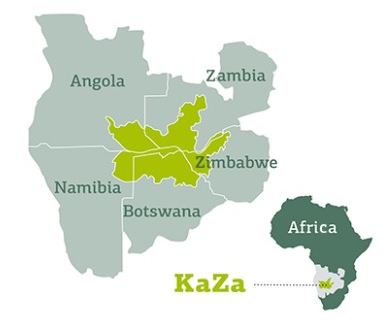
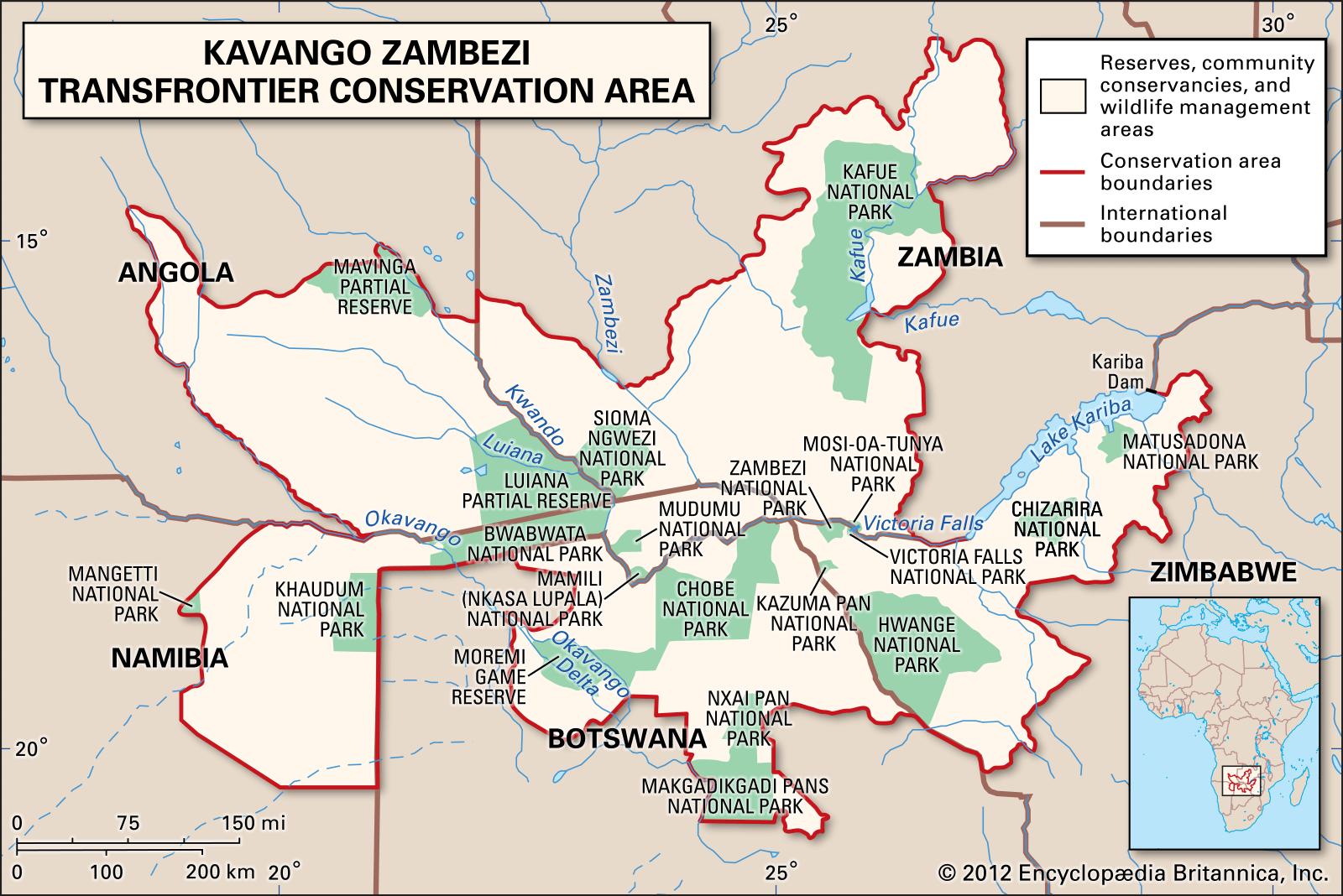
    • The Kavango-Zambezi Trans-Frontier Conservation Area (KAZA-TFCA) spans 520,000 square kilometers. It covers parts of five southern African nations. These nations are Angola, Botswana, Namibia, Zambia, and Zimbabwe.
    • The area is centered around the Okavango and Zambezi river basins. The combined elephant population in these nations represents over two-thirds of Africa’s total, estimated at around 450,000.
    • Botswana has the largest elephant population within the region, with 132,000 elephants. Zimbabwe follows with 100,000 elephants.

    Key Objectives of KAZA 2024 Summit :

    • Conservation: Promote the sustainable management and conservation of wildlife across the five member states: Angola, Botswana, Namibia, Zambia, and Zimbabwe.
    • Economic Benefit: To explore ways to monetize abundant wildlife resources, particularly elephants, to fund conservation efforts and benefit local economies.

    Dominant Issues:

    • At the 19th meeting of the CITES conference in Panama in 2022, KAZA states and five other southern African countries advocated for opening up trade in ivory and elephant products.
    • Southern African countries, including those in the KAZA region, argue that their large elephant populations contribute to habitat loss and human-wildlife conflict.
    • Despite repeated requests, CITES delegates rejected the proposal, leading to frustration among African countries.
    • Ten countries, including KAZA states and others like Eswatini, Lesotho, Mozambique, South Africa, and Tanzania, declared a dispute with CITES. They criticized CITES for straying from its founding principles and adopting ideologies over science-based conservation strategies.

    Way forward:

    • Lobbying for Change: Advocacy for a more equitable and science-based approach to wildlife trade regulations within international frameworks like CITES.
    • Regional Cooperation: Enhance collaboration among member states to develop joint conservation strategies and share best practices for managing human-wildlife conflicts.
    • Diversification of Revenue Streams: Explore alternative sources of funding for conservation efforts, such as ecotourism, carbon credits, and sustainable agriculture.

    Mains PYQ:

    Q How does biodiversity vary in India? How is the Biological Diversity Act, 2002 helpful in the conservation of flora and fauna? (250 Words, 15 Marks) (UPSC IAS/2018)

  • The Tobacco Epidemic in India

    Why in the News?

    Tobacco is a leading preventable cause of disease which affects nearly 26 crore Indians and 60 lakh industry workers, posing significant health risks.

    Reports on Tobacco Consumption in India

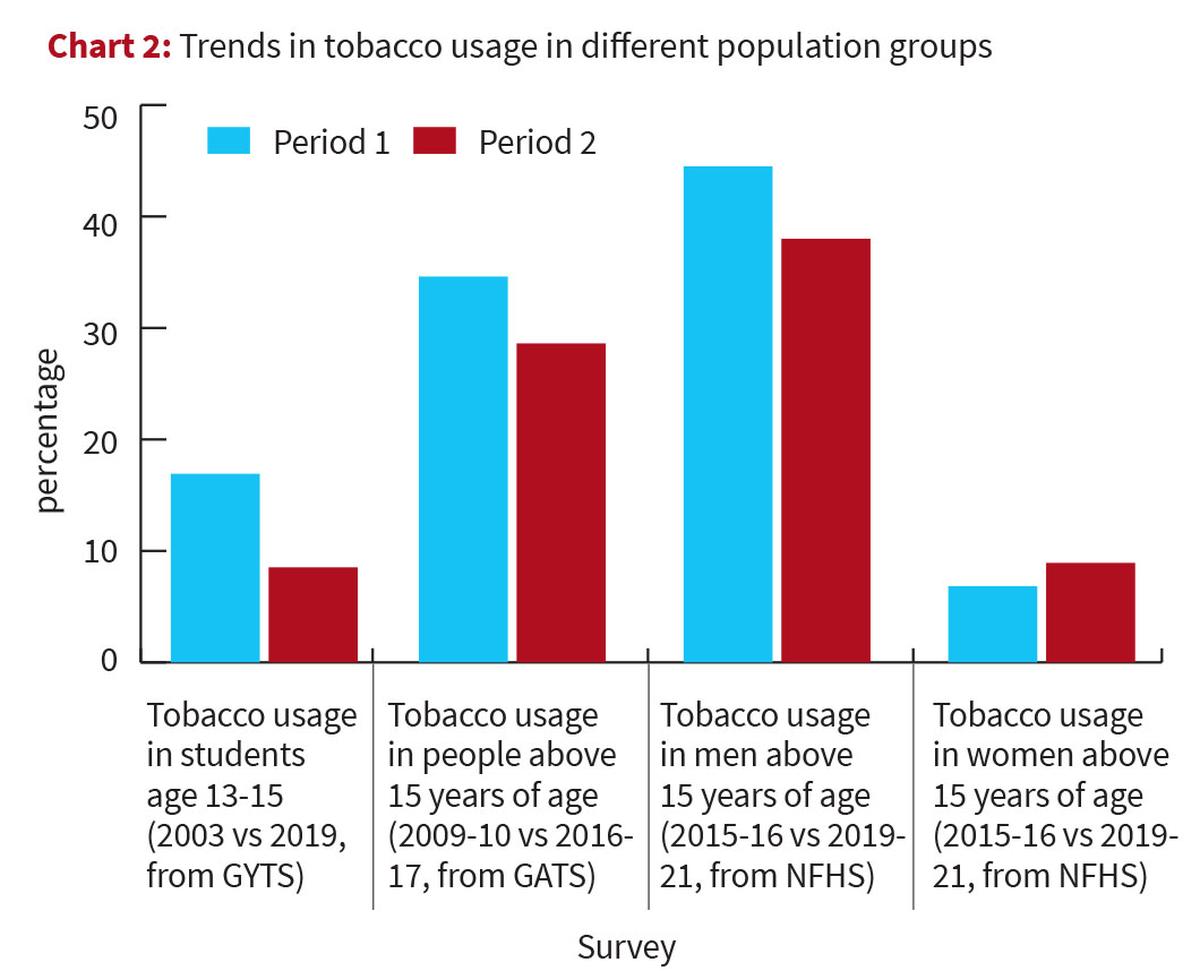
    • According to the Global Adult Tobacco Survey (GATS), there is a general decline in tobacco use, except for an increase in women between 2015-2016 and 2019-2021. (above 15 years)
    • According to the Global Youth Tobacco Survey (GYTS), tobacco use among students aged 13-15 years indicates a reduction in tobacco use in this demographic.
    • The National Family Health Survey (NFHS), which captures data on tobacco use in people above 15 years of age, aligns with the GATS findings, showing a decrease in tobacco use except among women.

    What is the WHO Framework Convention on Tobacco Control (FCTC)?

    • The WHO Framework Convention on Tobacco Control (FCTC) is an international treaty adopted by the World Health Organization (WHO) in 2003. It is a legally binding treaty.
    • It means that countries that have ratified it are obligated to implement the measures outlined in the convention within their national jurisdictions.
    • It addresses the global health risks associated with tobacco use and provides a comprehensive framework for governments and organizations to implement effective tobacco control policies and strategies.

    Challenges in India: Lobbying by the Tobacco Industry

    • The tobacco industry exerts substantial influence on policy-making to maintain low tax rates and evade stricter regulations.
    • Government Engagement: Both in-service and retired government officials often engage with the tobacco industry. Example: A retired Indian Administrative Services officer joined the board of Godfrey Phillips as an independent director.
    • Government Stake: The Central government holds a 7.8% stake in ITC Ltd., India’s largest tobacco company.
    • Tax Exemptions:  Continuous exemptions of cess on bidis and smaller tobacco manufacturers. Persistent extensions of these exemptions despite the harmful effects of tobacco.

    Tax Measures and Lobbying

    • Current Tax Burden:  Cigarettes 51%, Bidis 22%, Smokeless Tobacco Products (SLTs) 64%
    • FCTC Recommendation: At least 75% tax on tobacco products.
    • Challenges at affordability level: Low taxes relative to income growth have kept tobacco products affordable, with cigarettes and SLTs becoming more affordable over the past decade due to the transition to the Goods and Services Tax (GST).
    • Thus, India’s score has worsened since 2021, indicating increased interference by the tobacco industry in governance.

    Initiatives taken by the Government:

    • Cigarette and Other Tobacco Products Act (COTPA) 2003: It regulates the advertisement, promotion, and sponsorship of tobacco products, prohibits smoking in public places, mandates pictorial health warnings on tobacco product packaging, and sets rules for the sale of tobacco products to minors.
    • Awareness on Media: India is the first country in the world to implement the larger steps through implementing warnings on OTT platform content when actors are seen using tobacco products.
    • Awareness of Product: India has implemented prominent and graphic pictorial health warnings on tobacco product packaging.

    Challenges in Implementation

    • Poor Enforcement: Existing measures are not strictly implemented, leading to widespread non-compliance, especially among smokeless tobacco products (SLTs).
    • Indirect Advertisements: Surrogate advertisements (e.g., using elaichi to promote tobacco brands) circumvent direct advertising bans, undermining control efforts.
    • Inadequate Fines: Penalties for violations of COTPA regulations have not been updated since 2003, making them ineffective deterrents.

    Way forward:

    • Update COTPA Fines and Penalties: Revise and significantly increase fines for violations of COTPA regulations to create a stronger deterrent.
    • Strengthen Border and Market Surveillance: Improve customs and market surveillance to combat smuggling and illicit trade of tobacco products.

    Mains question for practice:

    Q Discuss the various measures undertaken by the Indian government to control tobacco consumption. Evaluate the effectiveness of these measures and suggest improvements. 15M


    Tobacco Board of India

      • The Tobacco Board is a statutory body established under the Ministry of Commerce and Industry.
      • Hq: Guntur, Andhra Pradesh.
    • Functions:
      • To regulate the production and curing of Virginia tobacco by improving the yields and quality of tobacco.
      • To facilitate the sale of tobacco through e-auctions, undertaking various grower welfare measures and export promotion of tobacco.
  • 40 Years since Operation Blue Star

    Why in the News?

    June 1, the day Punjab votes in the last phase of the Lok Sabha election, happens to be the anniversary of Operation Blue Star” which has influenced the recent history and politics of the state.

    Operation Blue Star

    • Operation Blue Star was a military operation carried out by the Indian Army in June 1984 to remove  Khalistani group-based militants who were hiding inside the Golden Temple complex in Amritsar, Punjab.
    • The militants, led by Jarnail Singh Bhindranwale, had fortified the temple complex and were advocating for an independent Sikh state called Khalistan.
    • The operation aimed to flush out the militants from the Golden Temple complex and restore law and order in the region.
    • However, it resulted in significant casualties and damage to the sacred shrine.
    • The operation began on June 1, 1984, and lasted for 10 days

    The operation was highly controversial and led to widespread outrage among Sikhs, both in India and abroad. It also had political repercussions, including the assassination of Prime Minister Indira Gandhi by her bodyguards later that year, which sparked anti-Sikh riots across India.

    What is the Khalistan movement?

    • The Khalistan movement is a Sikh separatist movement aiming to establish a sovereign state called Khalistan (Land of the Khalsa) in the Punjab region of India and Pakistan.

    Factors Contributing to Khalistan’s Rise:

    • Partition of India (1947): The division of Punjab and the loss of Sikh holy sites in Pakistan led to a sense of displacement and marginalisation among Sikhs.
    • Linguistic Reorganization of States (1966): The creation of a Sikh-majority Punjab but with reduced territorial size and economic potential further fueled the desire for greater autonomy and cultural rights.
    • Anandpur Sahib Resolution (1973): The demand for greater autonomy and cultural rights for Punjab was seen as a secessionist threat by the central government, leading to increased tensions.
    • External Support: The involvement of external forces, such as Pakistan, which have supported and funded some Khalistani groups for their strategic interests, has also played a significant role in the movement’s persistence.

    PYQ:

    [2016] Has the formation of linguistic states strengthened the cause of Indian unity?

  • K-9 Vajra Howitzers and Su-30 MKI Fighter Aircraft Engines                                  

    Why in the news?

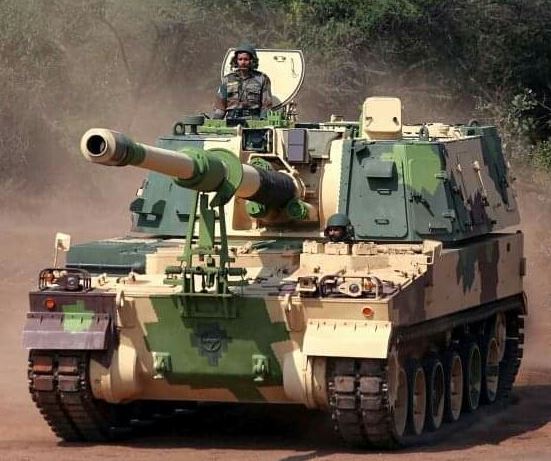
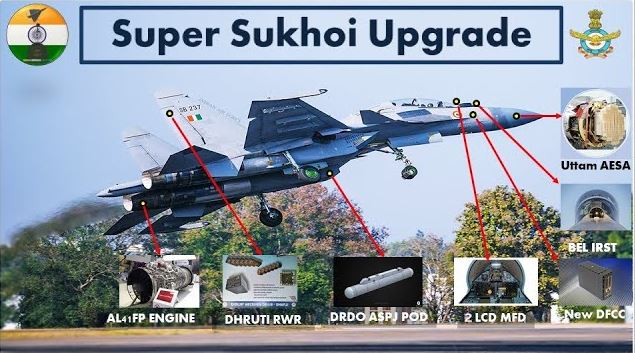
    Several critical ‘Make in India’ defence projects, including acquisitions of K-9 Vajra self-propelled howitzers and Su-30 MKI fighter aircraft engines, are pending final approval from the Centre post-elections.

    About K-9 Vajra Self-Propelled Howitzers:

    • It is a self-propelled howitzer.
    • Technology: It incorporates technology transferred from South Korean defence major Hanwha Defense based on its K9 Thunder.
    • Development: The K9 gun has been developed under the ‘Buy Global’ programme of the Defence Procurement Procedure (DPP) where foreign companies are allowed to participate.
    • Features: The platform boasts all-welded steel armour protection. Initially intended for desert use, it has been deployed in mountainous regions due to the India-China standoff.
    • Winterisation: To ensure optimal performance in extreme cold conditions, the Army procured winterisation kits for the regiment deployed in mountainous areas.

    About Su-30MKI:

      • The Sukhoi Su-30MKI is a two-seater, twinjet multirole air superiority fighter. It is built under license by India’s Hindustan Aeronautics Limited (HAL).
    • Design: 
      • It was designed by Russia’s Sukhoi Corporation beginning in 1995 and built under licence by India’s Hindustan Aeronautics Limited (HAL).
      • The first squadron was inducted into the Indian Air Force (IAF) in 2002.
    • Characteristics:
      • It is a heavy, all-weather, long-range fighter with a highly integrated twin-finned airframe.
      • The construction materials include titanium and high-strength Aluminium alloy.

    Engine Upgrade:

    India’s “Super Sukhoi” Program aims to enhance the performance and longevity of AL-31F engines, addressing long-standing engine failure issues and deficiencies.


    PYQ:

    [2016] Which one of the following is the best description of ‘INS Astradharini’, that was in the news recently?

    (a) Amphibious warfare ship
    (b) Nuclear-powered submarine
    (c) Torpedo launch and recovery vessel
    (d) Nuclear-powered aircraft carrier

  • Agnibaan Sub Orbital Technology Demonstrator (SOrTeD)

    Why in the News?

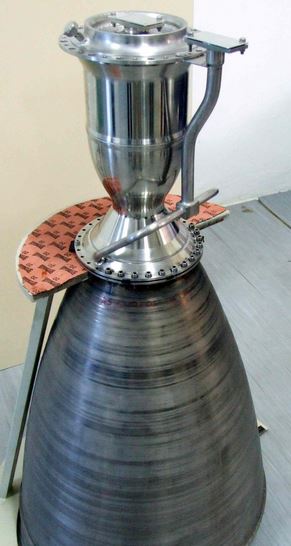
    Agnikul Cosmos Private Limited, a space start-up from Chennai, made history by launching the world’s first rocket with a single-piece 3D-printed engine, named Agnibaan Sub Orbital Technology Demonstrator (SOrTeD), from Sriharikota.

    About 3D Printed PS4 Engine

    • The PS4 engine, which forms the uppermost stage of the Polar Satellite Launch Vehicle (PSLV), comprises two Earth-storable liquid engines.
    • It uses a bipropellant combination of nitrogen tetroxide as the oxidizer and monomethyl hydrazine as the fuel, both developed by ISRO’s Liquid Propulsion Systems Centre.
    • This same engine is employed in the Reaction Control System (RCS) of the first stage (PS1) of PSLV.
    • ISRO redesigned the PS4 engine for production using 3D printing technology.
    • The technology helped ISRO bring down the number of parts in the engine from 14 to a single piece.
    • ISRO was able to eliminate 19 weld joints and saved 97% of raw material.
    • It also reduced the overall production time by 60%.

    What is Agnibaan SOrTeD (Suborbital Tech Demonstrator)?

    • Agnibaan SOrTeD is a single-stage launch vehicle powered by Agnikul’s patented Agnilet semi-cryogenic engine.
    • In contrast to traditional sounding rockets, Agnibaan SOrTeD’s vertical take-off and precise trajectory enable orchestrated manoeuvres during flight.

    PYQ:

    [2018] With reference to India’s satellite launch vehicles, consider the following statements:

    1. PSLVs launch the satellites useful for Earth resources monitoring whereas GSLVs are designed mainly to launch communication satellites.
    2. Satellites launched by PSLV appear to remain permanently fixed in the same position in the sky, as viewed from a particular location on Earth.
    3. GSLV Mk III is a four-staged launch vehicle with the first and third stages using solid rocket motors; and the second and fourth stages using liquid rocket engines.

    Which of the statements given above is/are correct?

    (a) 1 only
    (b) 2 and 3
    (c) 1 and 2
    (d) 3 only

  • [pib] India Hosts Digital Health Side Event at World Health Assembly

    Why in the News?

    • India hosted a side event on Digital Health during the 77th World Health Assembly.The event saw participation from Quad countries (Australia, Japan, and the United States of America) and delegates from over 100 countries.

    Key Highlights of the 7th WHA:

    • Transformative Role: India highlighted digital health’s role in ensuring equitable and accessible healthcare services, contributing to Universal Health Coverage and SDG 3.
    • India’s Advancements: WHA noted India’s success in implementing digital public infrastructure at scale, including Aadhaar for digital identities, Unified Payments Interface (UPI) for financial transactions, and Co-WIN for health service delivery during the pandemic.
    • Transition to UWIN: Co-WIN is being transformed into UWIN for the National Immunization Programme, facilitating immunization records for millions of newborns and mothers, as well as Anganwadi and school health records.
    • Ayushman Bharat Digital Mission (ABDM): India highlighted efforts under ABDM to create a robust national digital health ecosystem, with over 618 million Unique Health IDs (ABHA IDs) generated, 268,000 registered health facilities, and 350,000 healthcare professionals enlisted.
    • National Health Claims Exchange (NHCX): GoI is launching NHCX as part of ABDM to transform the insurance payments ecosystem, enabling real-time settlements with auto adjudication of claims through public-private partnerships leveraging digital public infrastructure.

    About World Health Assembly (WHA):

    Details
    Establishment Established in 1948 as the decision-making body of the World Health Organization (WHO)
    Frequency Typically meets annually in Geneva, Switzerland
    Membership Includes all 194 member states of the WHO, as well as certain international organizations as observers
    Role and Functions
    • Setting Health Policies
    • Adoption of Resolutions
    • Reviewing Reports
    • Collaboration and Partnerships
    Decision-Making Process Decisions made by a simple majority vote of member states present and voting
    Themes and Agendas Each session focuses on specific global health priorities, addressing a wide range of health topics
    Notable Achievements Development and adoption of international health instruments and initiatives, including:

    • International Health Regulations (IHR),
    • Framework Convention on Tobacco Control (FCTC),
    • Global Vaccine Action Plan (GVAP), and
    • Global Strategy for Women’s, Children’s, and Adolescents’ Health.
    Challenges Resource constraints, geopolitical tensions, need for greater inclusivity and transparency in decision-making


    PYQ:

    [2016] ‘Doctors Without Borders (Medecins Sans Frontieres)’, often in the news, is

    (a) A division of World Health Organization.

    (b) A non-governmental international organization.

    (c) An inter-governmental agency sponsored by European Union.

    (d) A specialized agency of the United Nations.

  • [30 May 2024] The Hindu Op-ed: India, liberalism and its crisis of legitimacy

    PYQ Relevance:

    Mains: 

    Q. Explain how the foundations of the modern world were laid by the American and French revolutions. (UPSC IAS/2016)

    Q. “Refugees should not be turned back to the country where they would face persecution or human rights violation”. Examine the statement concerning the ethical dimension being violated by the nation claiming to be democratic with an open society. (UPSC IAS/2021)

    Prelims:
    Which one of the following objectives is not embodied in the Preamble to the Constitution of India?  (UPSC IAS/2017)
    (a) Liberty of thought
    (b) Economic liberty
    (c) Liberty of expression
    (d) Liberty of belief

    Note4Students: 

    Prelims: Liberalism; Constitutional Values;

    Mains: Liberalism; Democratic System;

    Mentor comment: Since all of us are the form of Nature, we all are equal in a moral sense. Thus Liberalism started as a progressive idea. It aimed at giving liberty and protecting people from coercion. Once the capitalist class could establish themselves in power, their revolutionary fervor had gone. From a progressive philosophy, it was limited to the economic doctrine. It came to be dominated by utilitarians. Liberalism came to be criticized as ‘a pig’s philosophy’ because of utilitarians. Liberalism/utilitarianism became the basis of justification for the extreme exploitation of workers. There were protests against such policies. It has led to the growth of left movements. It forced liberals to change. Liberalism has been the longest-surviving ideology because of its flexible nature. Every ideology represents the interest of a particular class. Liberalism is an ideology of the middle classes. (emerging capitalist class). Liberalism is a philosophy of modern times. Liberalism is a by-product of the Renaissance, reformation, and scientific revolution. 

    Let’s learn.

    Why in the News?

    Indian liberalism faces challenges from both left and right, with criticisms of elitism, individualism, and Western colonialism.

    • India’s tryst with liberalism began in the 1990s, but it has faced criticism and a decline in support.
    • The rise of populist and authoritarian leaders has led to a decline in liberal democracy, with only 34 countries maintaining it in 2022.

    Attacks by the left and the right

    • Left Criticisms
      • Elitism: Liberalism is seen as prioritizing individual interests over collective needs, promoting inequality and corporate interests.
      • Individualism: The left views individualism as a dangerous doctrine that widens the gap between the haves and have-nots, marginalizes the disadvantaged, and prioritizes corporate interests over social justice.
      • Contradiction with Egalitarian Democracy: The left argues that the commitment to egalitarian democracy is incompatible with the individualistic market capitalism promoted by liberalism.
    • Right Criticisms
      • Emphasis on Individual Freedom: The right sees individual freedom as a Western colonial import that has no connection with traditional Indian values and way of living.
      • Disconnection from Tradition and Identity: The right argues that liberalism is disconnected from Indian traditions and identity, prioritizing individual freedom over community and social values.
    Liberalism is deeply ingrained in Indian society:

    Amartya Sen has pointed out, the key values of liberalism like an emphasis on individual liberty, freedom, social justice, and societal harmony, have been deeply ingrained in Indian society since ancient times. 

    Liberal values can be found in our civilizational traditions and cultural beliefs, with giants such as Raja Ram Mohan Roy, Swami Vivekananda, M.G. Ranade, Gopal Krishna Gokhale, Gurudev Tagore, and B.R. Ambedkar situating their critique of colonial rule within a liberal framework. 

    Radical liberal thinkers such as Jyotirao Phule and Ambedkar argued that progress could be achieved through better (and more representative) political instruments rooted in liberal ideals. 

    What are the proposed solutions for making liberalism more inclusive in India?

    Indian liberalism needs to evolve to address the challenges it faces, and the time to start this process is now.

    • Syncretic Liberalism: Engage with tradition and identity in a more comprehensive and sustained manner to address the feelings of marginalization and overlook that have driven populist success.
      • This involves recognizing the importance of community and tradition in Indian society and incorporating these values into liberal thought.
    • Economic Reforms: Adopt a more inclusive and socially just approach to markets, balancing free enterprise with social justice through welfare.
      • This includes ensuring that economic growth benefits all sections of society, not just the privileged few.
    • Political Reforms: Revive representative institutions to restore public trust in democracy.
      • This involves decentralizing power, improving representation, and addressing issues of government overreach and surveillance.
    • Consensus: Develop a basic consensus among liberals to address criticisms and work together effectively.
      • This involves recognizing the vast areas of agreement among liberals and focusing on these rather than contesting each other’s political commitments
  • Dispelling population myths triggered by a working paper

    Why in the News?

    The working paper released by the Economic Advisory Council (EAC) to the Prime Minister makes an erroneous assertion regarding the growth of the Muslim population.

    Composition of the Population of various communities highlighted by EAC:

    • Absolute Increase in Population (1950-2015): Hindu population grew by 701 million. The Muslim population increased by 146 million.
    • Proportional Changes: The proportion of Hindus in the population fell by 6.64 percentage points (from 84.7% in 1950 to 78.06% in 2015). The proportion of Muslims increased by 4.25 percentage points (from 9.84% in 1950 to 14.09% in 2015).
      • Despite these changes, the Muslim population remains significantly smaller compared to the Hindu population.

    What does the 2011 census say?

    • The proportion of the Hindu population to the total population in 2011 declined by 0.7 percentage points (PP); the proportion of the Sikh population declined by 0.2 PP and the Buddhist population declined by 0.1 PP during the decade 2001-2011.
    • The proportion of the Muslim population to the total population has increased by 0.8 PP. There has been no significant change in the proportion of Christians & Jains.

    Issue of Misinterpretation and Sensationalism of Data:

    • Misleading Media Reports: Many media reports and politicians have sensationalized the findings of the EAC-PM working paper inaccurately suggesting that the Muslim population in India is growing rapidly while posing a threat to the Hindu population.
      • Such interpretations contribute to a divisive political narrative and misinform the public about population issues.
    • Limitations of the Paper: The working paper itself states that understanding changes in religious demography is a multivariate phenomenon. However, the paper does not contain sufficient evidence to support this claim.

    The true story behind this Data::

    • Influence of Socio-Economic Factors: Population growth is significantly influenced by socio-economic conditions such as education, healthcare, and economic opportunities. Higher fertility rates in a community often reflect lower levels of socio-economic development rather than religious factors.
    • Policies and Development Indicators: The Muslim community in India has a higher population growth rate primarily because it lags in some of the Population and Marriage policies that affect socio-economic development indicators as compared to the Hindu community.

    Need for Exact Data:

    • Contextual Analysis: Detailed analysis is essential to avoid misinterpretation of demographic changes. Understanding the multi-faceted reasons behind population changes requires considering socio-economic, cultural, and political factors.
      • Religious Composition: According to the Pew Research Center (2021), the proportion of India’s six largest religious groups has remained relatively stable since Partition.
      • Fertility Rates: Recent National Family Health Survey (NFHS) rounds indicate significant declines in Muslim fertility rates.

    Conclusion: Accurate and comprehensive analysis is necessary to understand population trends and avoid fueling divisive narratives.

    Mains PYQ: 

    Q Demographic Dividend in India will remain only theoretical unless our manpower becomes more educated, aware, skilled, and creative.” What measures have been taken by the government to enhance the capacity of our population to be more productive and employable? (UPSC IAS/2016)

  • An overview of the AMRUT scheme | Explained

    Why in the News?

    By 2047, over 50% of India’s population will be urban. The AMRUT scheme launched in 2015 and updated in 2021, addresses urban infrastructure needs.

    About Atal Mission for Rejuvenation and Urban Transformation -AMRUT:

    • It is a flagship urban development scheme launched by the Government of India in June 2015.
    • The mission is being operated as a Central Sponsored Scheme.
    • Aim: To provide basic urban infrastructure to improve the quality of life in cities and towns.
    • Objectives:  
      • Ensure that every household has access to a tap with an assured water supply and a sewerage connection.
      • Increase the green areas in the cities.
      • Reduce pollution by promoting public transport and constructing facilities for non-motorized transport.
    • Funding: It is divided among States/UTs in an equitable formula in which 50:50 weightage.
    • The Mission covers 500 cities including all cities and towns with a population of over one lakh with notified Municipalities.
    • Revenue Set Aside for the Scheme:
      • AMRUT 1.0: Total outlay was ₹50,000 crore for five years from FY 2015-16 to FY 2019-20.
      • AMRUT 2.0: Total outlay is ₹2,99,000 crore, with a central outlay of ₹76,760 crore for five years, starting from October 1, 2021.

    Achievements by AMRUT Mission:

      • Financial Utilization: As of May 19, 2024, a total of ₹83,357 crore has been disbursed under the AMRUT scheme, combining contributions from the Central Government, States, and cities.
    • Infrastructure Achievements:
      • Tap Connections: A total of 58,66,237 households have been provided with tap connections, ensuring access to a reliable water supply.
      • Sewerage Connections: 37,49,467 households have been connected to the sewerage system, improving sanitation and hygiene.
      • Parks Development: 2,411 parks have been developed, enhancing urban green spaces and recreational areas.
      • LED Street Lights: 62,78,571 LED street lights have been replaced, contributing to energy efficiency and better urban lighting.

    Present Challenges:

    • Public Health Crisis: Approximately 2,00,000 deaths annually due to inadequate water, sanitation, and hygiene. The disease burden from unsafe water and sanitation in India was 40 times higher per person than in China as of 2016.
    • Water and Sanitation Issues: Significant untreated wastewater increases vulnerability to diseases. Major reservoirs are at just 40% capacity, threatening water supply for drinking, irrigation, and hydro-electricity.21 major cities are projected to run out of groundwater soon.

    Causes for the present shortcomings:

    • Non-Comprehensive Approach: The scheme adopted a project-oriented rather than a holistic approach, failing to integrate comprehensive urban planning.
      • For example, cities had no significant participation in the scheme’s design or implementation, reducing its effectiveness.
      • Secondly, the governance was led by bureaucrats and private interests with little involvement of elected city governments, violating the 74th constitutional amendment.
    • Inadequate Water Management: The scheme did not adequately factor in local climate, rainfall patterns, or existing infrastructure, leading to inefficient water and sewage management.
      • Urban planning became dominated by real estate development interests, resulting in the disappearance of water bodies, disrupted stormwater flows, and poor drainage systems.
      • Continued inadequate water, sanitation, and hygiene contribute to significant public health problems, including high disease burden and mortality rates.

    Way Forward:

    • Comprehensive Approach: Shift from a project-oriented to an extensive urban planning approach that includes all aspects of infrastructure development.
      • Ensure active participation of city governments and local bodies in planning and implementation to reflect local needs and conditions.
      • Strengthen the role of local elected representatives in decision-making processes to ensure accountability and community involvement.
    • Nature-Based Solutions: Incorporate sustainable urban planning, including preserving and restoring water bodies and green spaces.
      • Integrate climate and rainfall pattern considerations into water and sewage management to enhance efficiency and resilience.
      • Prioritize water, sanitation, and hygiene infrastructure improvements to reduce disease burden and improve public health outcomes.

    Conclusion: The need to take a balanced approach combining holistic urban planning, enhanced city participation, empowerment of local bodies, nature-based solutions, climate-responsive strategies, and a strong public health focus is essential for sustainable urban development.

    Mains PYQ:

    Q Major cities of India are becoming vulnerable to flood conditions. Discuss. (UPSC IAS/2016)

    Q What are ‘Smart Cities’? examine their relevance for urban development in India. Will it increase rural-urban differences? Give arguments for ‘Smart Villages’ in the light of PURA and RURBAN Mission. (UPSC IAS/2016)

    Q With a brief background of quality of urban life in India, introduce the objectives and strategy of the ‘Smart City Programme.” (UPSC IAS/2016)
  • Open access is crucial for self-reliance in science

    Why in the News?

    As per Nature Index” India’s scientific prowess is rising but lacks essential research infrastructure. Initiatives like I-STEM aim to bridge this gap by democratizing access to advanced facilities.

    The Indian Science Ecosystem:

    • Growth in Research: India ranks third globally in research output and eleventh in research quality according to the “Nature Index”.
    • Infrastructure Shortfalls: Despite an increase in the number of universities from 760 in 2014 to 1,113 in 2021, many lack essential resources such as advanced labs, instrumental access, and research literature.

    Why is the Open Access Crucial for Self-Reliance in Science?

    • Open Access (OA) ensures that scientific knowledge is freely available to all, regardless of geographical or financial barriers.
    • It promotes inclusivity and allows researchers from diverse backgrounds to access the latest research findings, fostering collaboration and innovation.

    Initiatives to Address Gaps:

    • I-STEM: Catalogues all publicly funded research facilities nationwide and makes them available to researchers based on need.
    • One Nation, One Subscription (ONOS): Proposes a centralized model of subscription to scientific journals to make them universally available to all publicly funded institutions, addressing the high cost of accessing commercial journals.

    What is the Optimal Solution?

    • The optimal solution lies in prioritizing Open Access (OA) initiatives. With a global shift towards OA and increasing mandates from major funding bodies, India should leverage this trend to reduce dependency on costly subscriptions and ensure widespread access to scientific literature.
      • Major funding bodies and countries are pushing for OA, with the U.S. mandating immediate open accessibility of publicly funded research by 2025.
    • Challenges with ONOS: The high cost and oligopolistic academic publishing market make negotiation difficult. OA reduces the necessity of a costly unified subscription. ONOS does not ensure long-term access or global accessibility of Indian research.
    • The Green Open Access: Green Open Access allows authors to deposit a version of their work in a university repository, making it freely accessible globally. Ensures long-term preservation and accessibility of research funded by taxpayer money.

    Limitations:

    • Indian funding agencies have mandated green OA, but it has not been enforced effectively.
    • Recent issues should catalyze a stronger push for green OA.

    Conclusion: India should enhance its journal system, avoiding payment burdens on authors or readers. Utilise digital technology capabilities to create and share low-cost, high-quality scientific publishing infrastructure for the global south.

    Mains PYQ:

    India’s Traditional Knowledge Digital Library (TKDL) which has a database containing formatted information on more than 2 million medicinal formulations is proving a powerful weapon in the country’s fight against erroneous patents. Discuss the pro and cons of making the database available publicly available under open-source licensing. (UPSC IAS/2015)

  • What is Golden Rice?

    Why in the News?

    • The Court of Appeals in the Philippines revoked biosafety permits for GM Golden Rice and BT eggplant, citing safety violations and ordering a halt until issues are resolved.

    Golden Rice and Bt Eggplant in the Philippines 

    What is Golden Rice? 

    • Golden Rice is a variety of rice (Oryza sativa) developed through genetic engineering to produce beta-carotene, a precursor of vitamin A, in the edible parts of the rice.
    • This modification aims to address vitamin A deficiency, particularly in areas where it’s prevalent.
    • The Philippines approved its commercial production in 2021.
    • The Philippines became the first country to officially issue a biosafety permit for commercially propagating golden rice in July 2021.

    Bt Eggplant: Developed by the University of the Philippines Los Banos (UPLB), Bt eggplant is engineered to resist pests, aiming to enhance farmer productivity and reduce environmental impact.


    Development of Golden Rice:

    • Research for golden rice began as a Rockefeller Foundation initiative in 1982.
    • Peter Bramley discovered in the 1990s that a single phytoene desaturase gene (bacterial CrtI) could be used to produce lycopene from phytoene in genetically modified tomato.
    • Ingo Potrykus of the Swiss Federal Institute of Technology and Peter Beyer of the University of Freiburg published the scientific details of golden rice in 2000 after an eight-year project.

    Genetics:

    • Golden rice incorporates Psy and CrtI genes from daffodils and a soil bacterium into the rice genome to enhance beta-carotene production in the endosperm.

    Field Trials and Approvals:

    • The first field trials of golden rice cultivars were conducted by Louisiana State University Agricultural Center in 2004.
    • Additional trials were conducted in the Philippines, Taiwan, and Bangladesh.
    • In 2018, Canada and the United States approved golden rice as safe for consumption.
    • In 2019, the Philippines approved golden rice for use as human food, animal feed, or for processing.

    In the context of India 

    • Currently, there is no cultivation or commercialization of Golden Rice in India. Growing and selling GM brinjal remains banned in India.
    • Recently, the Supreme Court has also intervened on the issue of stubble burning and paddy cultivation in India esp, Punjab and Haryana states.
      • India has approved commercial cultivation of only one GM crop, Bt cotton. No GM food crop has ever been approved for commercial cultivation in the country.
      • We can have some lessons from the Philippines.

    Controversy over its Use

    • Legal challenges emerged in the Philippines in 2023 and 2024, leading to a halt in commercial propagation.
    • Critics have raised concerns about its safety, environmental impact, and efficacy compared to other interventions like supplements and dietary diversification.
    • Greenpeace opposes the use of genetically modified organisms in agriculture and opposes the cultivation of golden rice.
    • Vandana Shiva, an Indian anti-GMO activist, has argued against golden rice, citing potential issues with loss of biodiversity and availability of diverse and nutritionally adequate food.

    Golden Rice 2:

    • In 2005, researchers at Syngenta developed Golden Rice 2, which contains the phytoene synthase (psy) gene from maise combined with the crtl gene from the original golden rice.
    • Golden Rice 2 produces significantly higher levels of carotenoids, particularly beta-carotene, compared to the original golden rice.


    PYQ:

    [2018] With reference to the Genetically Modified mustard (GM mustard) developed in India, consider the following statements:

    1. GM mustard has the genes of a soil bacterium that give the plant the property of pest resistance to a wide variety of pests.
    2. GM mustard has the genes that allow the plant cross-pollination and hybridisation.
    3. GM mustard has been developed jointly by the IARI and Punjab Agricultural University.

    Which of the statements given above is/are correct?

    (a) 1 and 3 only

    (b) 2 only

    (c) 2 and 3 only

    (d) 1, 2 and 3

    [2021] What are the research and developmental achievements in applied biotechnology? How will these achievements help to uplift the poorer sections of the society?

  • RBI launches PRAVAAH, Retail Direct mobile app and FinTech Repository

    Why in the News?

    • The Reserve Bank of India (RBI) recently introduced three significant initiatives: the PRAVAAH portal, the RBI Retail Direct mobile application, and the FinTech Repository.
      • These initiatives aim to streamline regulatory processes, empower retail investors, and provide insights into the fintech sector.

    1. PRAVAAH Portal:

    • The PRAVAAH portal (Platform for Regulatory Application, VAlidation, and AutHorisation) serves as a centralised web-based platform for individuals and entities to seek regulatory approvals from the RBI.
    • Offering features like online application submission and status tracking, the portal covers 60 different application forms across various regulatory departments, ensuring efficiency and transparency in the authorisation process.

    2. RBI Retail Direct Mobile App:

    • The RBI Retail Direct Mobile App provides retail investors with convenient access to government securities (G-Secs) trading directly from their smartphones.
    • Accessible on both Android and iOS platforms, the app simplifies transactions in both primary and secondary markets, empowering retail investors to participate more actively in the securities market.

    3. FinTech Repository:

    The FinTech Repository aims to provide comprehensive data on Indian fintech firms, facilitating better regulatory understanding and policy formulation in the rapidly evolving fintech landscape.

    Other initiatives launched:

    • EmTech Repository: It focuses on RBI-regulated entities’ adoption of emerging technologies like AI, ML, Cloud Computing, and Quantum, providing valuable insights for policymakers and industry stakeholders.
    • Reserve Bank Innovation Hub (RBIH): Both repositories are managed by the RBIH, underscoring the central bank’s commitment to fostering innovation and collaboration in the financial sector.


    PYQ:

    [2013] In the context of the Indian economy, ‘Open Market Operations’ refers to:

    (a) borrowing by scheduled banks from the RBI

    (b) lending by commercial banks to industry and trade

    (c) purchase and sale of government securities by the RBI

    (d) None of the above

  • Kanyakumari’s Vivekananda Rock

    Why in the News?

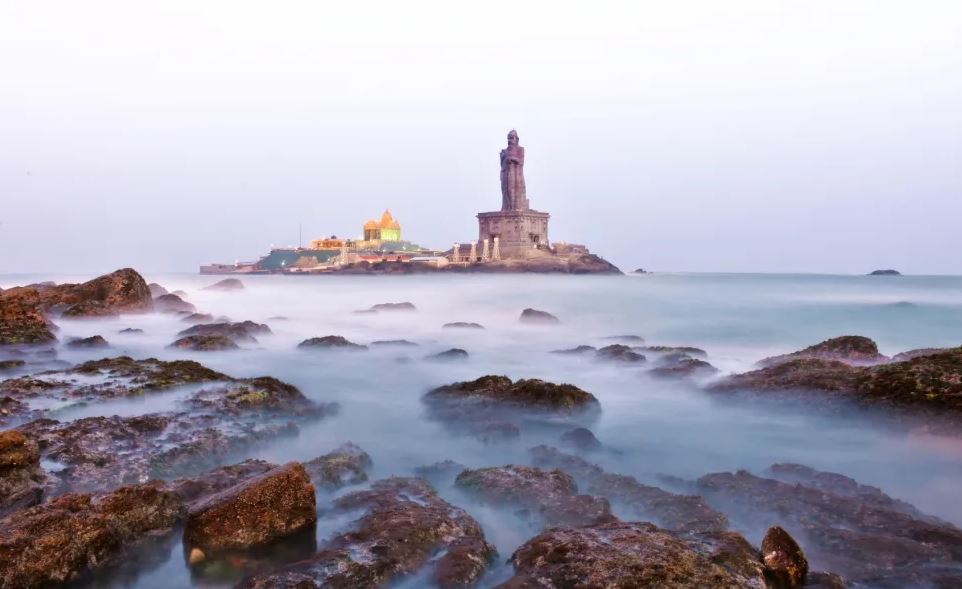
    Prime Minister Narendra Modi announced his plan to visit and meditate at the Vivekananda Rock Memorial in Kanyakumari, Tamil Nadu marking the culmination of the Lok Sabha election campaign.

    About Vivekananda Rock:

    • Vivekananda Rock Memorial is located in Kanyakumari’s Vavathurai beach, Tamil Nadu.
    • It is situated on a rock island at the southernmost tip of the Indian Peninsula, where the Arabian Sea, the Bay of Bengal, and the Indian Ocean meet.
    • The memorial consists of two main structures: the Vivekananda Mandapam and the Shripada Mandapam.

    Historic Significance of Kanyakumari:

    • Swami Vivekananda is said to have meditated on this rock for two days in December 1892, as he journeyed across India after his return from the West.
    • Eknath Ranade, the founder of the Vivekananda Rock Memorial Committee, proposed the idea of constructing a memorial on the rock.
    • The foundation stone for the memorial was laid on September 1, 1964, by then-President of India, Sarvepalli Radhakrishnan.
    • The memorial was inaugurated on September 2, 1970, by then-President of India, V. V. Giri.

    About Swami Vivekananda

    Details
    Birth and Death Narendranath Datta (1862-1902)
    Message Spread Ramakrishna’s message, reconciled it with contemporary Indian society, preached neo-Hinduism
    Spiritual Foundation Based on the spiritual experiences of Ramakrishna, teachings of Upanishads and Gita, examples of Buddha and Jesus
    Philosophical Beliefs Subscribed to Vedanta, believed in fundamental oneness of God, advocated for blending of Hinduism and Islam
    Advocacy for Social Action Emphasised social action, criticised religion’s approval of oppression of the poor, called for secular and spiritual knowledge for upliftment
    Balance between Spiritualism and Materialism Advocated for a healthy balance between spiritualism and materialism, called for a blend of Western materialism and Eastern spiritualism for global happiness
    Establishment of Ramakrishna Mission Founded Ramakrishna Mission in 1897, used it for humanitarian relief and social work, stands for religious and social reform, advocated service as worship, not a proselytizing body
    Philosophy of Ramakrishna Mission Believes in using technology and modern science for mankind’s service, recognizes the utility of image worship, emphasizes Vedanta philosophy as a unifying force for all religions, open to all men regardless of caste or creed
    Physical Establishment Acquired land at Belur in 1898, shifted Ramakrishna Math there.


    PYQ:

    What does each of the following quotations mean to you?

    1. [2021] Every work has got to pass through hundreds of difficulties before succeeding. Those that persevere will see the light, sooner or later.- Swami Vivekananda.
    2. [2020] Condemn none: if you can stretch out a helping hand, do so. If not, fold your hands, bless your brothers, and let them go their own way. – Swami Vivekananda. (2020)
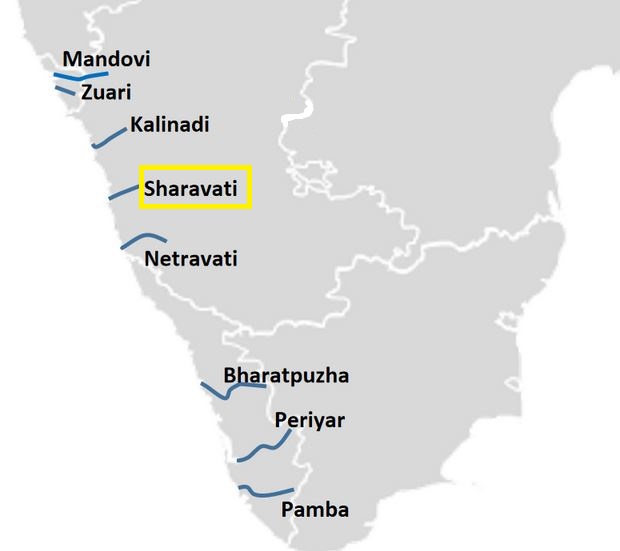
  • In news: Sharavathi River

    Why in the News?

    The National Green Tribunal (NGT) has directed the State Environment Impact Assessment Authority (SEIAA) and the mines and geology department to stop any unlawful/illegal sand mining in the Sharavathi River coastal zone.

    About National Green Tribunal (NGT)

    Description
    Establishment Formed in 2010 under the National Green Tribunal Act as a statutory body.
    Objective
    • To deal with cases related to environmental issues and ensure speedy implementation of decisions.
    • Responsible for giving many prominent decisions aimed at environmental protection, including addressing air pollution in Delhi and canceling coal block clearances.
    Composition
    • Headquartered in Delhi, chaired by a retired Supreme Court judge
    • Included Judicial Members and Expert Panel.
    Powers Empowered to decide on questions related to various environmental laws and hear civil cases concerning environmental issues:

    1. The Water (Prevention and Control of Pollution) Act, 1974;
    2. The Water (Prevention and Control of Pollution) Cess Act, 1977;
    3. The Forest (Conservation) Act, 1980;
    4. The Air (Prevention and Control of Pollution) Act, 1981;
    5. The Environment (Protection) Act, 1986;
    6. The Public Liability Insurance Act, 1991;
    7. The Biological Diversity Act, 2002.
    Exceptions Prohibited to hear any issues which are covered under:

    1. The Indian Forest Act, 1927,
    2. The Wildlife (Protection) Act, 1972, and
    3. Any other laws made by States which are related to protection of trees, forests, etc.
    Places
    • Principal bench in Delhi;
    • Additional benches in Bhopal, Pune, Kolkata, and Chennai.
    Governing Principles
    • Governed by principles of natural justice, not bound by Indian Evidence Act.
    • Applies principles of sustainable development, precautionary, and polluter pays.
    Review and Challenge
    • NGT orders can be reviewed as per Rule 22 of NGT Rules.
    • Can be challenged before the Supreme Court within 90 days.
    Jurisdiction
    • Jurisdiction over all civil cases involving a substantial question relating to environment.
    • Powers vested are the same as in a civil court under the Code of Civil Procedure, 1908.
    • Decisions are binding.
    Disposal of Cases Disposal of applications or appeals finally within 6 months of filing of the same.

    About Sharavathi River

    • It originates and flows entirely within Karnataka.
    • It is among the few westward-flowing rivers in the country and a significant part of its basin lies in the Western Ghats.
    • Origin: The river originates at Ambutheertha in the Thirthahalli taluk.
    • Legend: According to ancient legend, the god Rama shot an arrow (Ambu) into the ground to quench his wife Sita’s thirst. The water that poured out was named “Thirtha,” hence the river’s name “Sharavati,” with “Shara” meaning arrow.

    Geography and Length:

    • The river stretches about 128 km (80 mi) and joins the Arabian Sea at Honnavar in Uttara Kannada district.
    • Jog Falls, formed by the Sharavati River, is located approximately 25 km from Siddapura.

    Tributaries and Basin:

    • Major tributaries: Nandihole, Haridravathi, Mavinahole, Hilkunji, Yennehole, Hurlihole, and Nagodihole.
    • River basin: divided between Uttara Kannada and Shimoga districts.
    • Pre-Cambrian rocks, including the Dharwar system and peninsular gneiss, dominate the basin.

    Soils and Agriculture:

    • Soils in the basin are predominantly lateritic and tend to be acidic, ranging from clay loamy to loamy.
    • Four soil orders are found: ultisols, alfisols, inceptisols, and entisols.

    Dams:

    • The Linganamakki Dam, constructed in 1964, spans the Sharavati River, with a catchment area of nearly 1,991.71 km2.
    • The Gerusoppa Dam, completed in 2002, primarily serves for electricity generation.

    Flora and Fauna:

    • The Sharavati Valley Wildlife Sanctuary declared in 1972, protects diverse ecosystems and endangered species.
    • The river basin is rich in biodiversity, home to rare species of flora and fauna.

    Regulation of Sand Mining in India:

    Mines and Minerals Act, 1957

    Definition of Sand as a Minor Mineral Sand is categorized as a minor mineral under section 3(e) of the MMDR Act.
    State Governments’ Role Section 15 empowers state governments to regulate mineral concessions for minor minerals, leading to the formulation of state-specific concession rules.
    Control of Illegal Mining Section 23C places the jurisdiction over controlling illegal mining under the purview of state governments.

    Sustainable Sand Mining Management Guidelines, 2016

    Purpose Released by the Ministry of Environment, Forest and Climate Change, aims to promote scientific and environmentally friendly sand mining practices.
    Recommendations Emphasizes sustainable sand extraction, monitoring, and district-wise mapping of sand availability.

    Sand Mining Framework, 2018

    Issued by Released by the Ministry of Mines, provides states with guidance for policy formulation and combating illegal sand mining.
    Recommended Measures Suggests geo-fencing, GPS-enabled transportation tracking, price control, involvement of women’s self-help groups, and exploration of alternative sand sources.


    PYQ:

    [2018] Which of the following is/are the possible consequence/s of heavy sand mining in riverbeds?

    1. Decreased salinity in the river
    2. Pollution of groundwater
    3. Lowering of the water-table

    Select the correct answer using the code given below:

    (a) 1 only

    (b) 2 and 3 only

    (c) 1 and 3 only

    (d) 1, 2 and 3

    [2019] With reference to the management of minor minerals in India, consider the following statements :

    1. Sand is a ‘minor mineral’ according to the prevailing law in the country.
    2. State governments have the power to grant mining leases of minor minerals, but the powers regarding the formation of rules related to the grant of minor minerals lie with the Central Government.
    3. State Governments have the power to frame rules to prevent illegal mining of minor minerals.

    Which of the statements given above is/are correct?

    (a) 1 and 3 only

    (b) 2 and 3 only

    (c) 3 only

    (d) 1, 2 and 3

  • [UPSC Beginners Webinar ’25/26] Mains Ready before Prelims | Clear UPSC in 1 Attempt with Mains Prep

    [UPSC Beginners Webinar ’25/26] Mains Ready before Prelims | Clear UPSC in 1 Attempt with Mains Prep

    Begin your UPSC Prep with Mains through Interlinking Notes-Making (using Syllabus, Sources & PYQs) + Answer Writing. Mains Prep Strategy for 2025 with Arvind Sir (Lead, Mains Program).

    Join FREE Webinar on 1st June, 7:00 pm

    100% UPSC aspirants know that Mains Prep is important.

    Yet 99% will end up only preparing the exam from the Prelims Perspective.

    The consequence?

    You might as well clear Prelims by your hard work, but till the time you write your first Mains – you will not be ready enough.

    This is because we often lack the strong foundational preparation with respect to Mains. Something as basic as Mains Notes, PYQs, and Current Affairs is often missed. Our notes end up being very Prelims-Centric.

    But what separates a Ranker is a Mains-Centric approach from the very beginning.

    Your Mains preparation could significantly enhance your Prelims performance as well.

    This only comes with a forward-thinking mindset.

    Animesh, (AIR 2, UAP student), exemplifies this forward-thinking approach. From the very beginning, he focused on building and refining his Mains notes, which not only helped him get an Interview-Proof Mains Marks, it also helped him clear Prelims with a margin.

    Read what Animesh Pradhan has to say about his way of preparation:

    “I didn’t just clear the exam, but scored 473 marks in my first attempt. It was only possible because I made really exhaustive notes in a manner which were more like UPSC Answers. Having this approach also helped me with Prelims, as I knew almost everything about every topic mentioned in the syllabus.

    This was all while I was working full-time at IOCL. My father passed away when I started preparation, and it was my mother who was my support system till my Interview.

    I know it can be stressful to manage studies, especially an integrated way to prepare. But here my mentor Ranadheer Sir was very helpful. He helped me with Notes Making, gave me feedback on my answers, & constantly removed my stress by working like a big brother..

    With little time that I could gather, I gave my 100% with my notes-making and enrichment through Samachar Manthan, & this was my X-Factor which helped me both in Prelims & Mains.

    I have shared my personal notes with the CD Team. I hope they are helpful.

    Here’s what he did

    Animesh joined the UAP in February 2022, & within a week of his Samachar Manthan prep, he was attempting answers through his Mains Notes.

    Look at the following topic taken from his Notes:

    He picked it up from Samachar Manthan:

    What we can conclude with the above it

    • He has covered all dimensions that he could use in his answers.
    • In the beginning, he mentions a judgment by the Supreme Court related to the topic.
    • Next, he mentions issues with proper sub-headings.
    • In the later part, he includes Government Policies and Constitutional Safeguards provided to the Sex workers.

    Now look at the answer that he wrote on a similar question asked in the Test Series:

    Look at how he mentions the same judgment of the Supreme Court in the answer, mentions issues like what was written in his notes, and also includes Government Interventions from the notes.

    He left no dimensions. Anyone can write some dimensions, but to be able to cover more is an altogether different ball game.

    Let’s take a look at another example:

    Look at the graph mentioned in the notes, showing the increase in the percentage of MPs with criminal charges.

    He reproduces the same graph in his answers:

    Animesh made his notes so comprehensive that he was able to reproduce the same dimensions, examples and case studies in his answers in the test paper.

    Further, his notes were so to the point, that we was able to give his Prelims with confidence.

    This is what you must intend to do.

    The first step? We need to make impeccable notes. This is a strategy we need to know.

    Next, we need to incorporate these notes into our answers effectively.

    Both the above objectives are easier to think, but difficult to do. Hence, we have Arvind sir, who has done crafted a perfect strategy for you.

    He is coming with a Webinar on 1st June, 7 PM helping with a Strategy to Clear UPSC Mains 2025 in First Attempt.

    If you are a serious UPSC Aspirant who doesn’t want to miss out on proven strategies by Rankers, you must register and block your calendar!

    Register for Arvind Sir’s Webinar

    Bonus – Get all Mains Topic-Wise PYQs (GS 1-4) from 2013-2023 to start off with your UPSC Prep 2025.

    Key outcomes of the Webinar

    At the end of the Webinar, you’ll

    1. Have a Strategy to rely upon – to clear your UPSC Exam in the First Attempt.
    2. Know the method to make concise notes value-added with PYQs and Current Affairs.
    3. Know how to clear Prelims using Mains Prep.

    Why Attend?

    1. Tailored for UPSC Prep Beginners: Our strategies are designed to help you with an effective headstart.
    2. Mentor Guidance: Get tips from experienced civil services mentors.
    3. Interactive Session: Ask questions and get real-time answers to your queries.

    Not sure yet?

    We recommend you register here. It takes less than 10 seconds to register.

    • No spam! Once in a while, we’ll only send you high-quality exam-related content. 
    • We will inform you about the upcoming Masterclasses that might benefit you.
    • You can demand one free mentorship call from verified Civilsdaily mentors. 
    • You can always choose to unsubscribe. 

More posts