💥UPSC 2026, 2027, 2028 UAP Mentorship (March Batch) + Access XFactor Notes & Microthemes PDF

Search results for: “”

  • IPC is history: In 1837, how Macaulay cracked the code

    What’s the news?

    • On the final day of the Monsoon Session, Home Minister Amit Shah unleashed a surprising and profound transformation of India’s criminal justice system.

    Central idea

    • The introduction of three key Bills in the Lok Sabha signals a pivotal departure from the colonial-era approach to criminal laws. The intent to supplant the archaic Indian Penal Code (IPC) of 1860, the Evidence Act of 1872, and the Code of Criminal Procedure (CrPC) of 1973 aims to usher in relevance, simplicity, and expedited justice.

    Three Key Bills

    • Bharatiya Nyaya Sanhita Bill:
    • This bill aims to replace the colonial-era Indian Penal Code (IPC) of 1860.
    • The IPC defines crimes, sets out their elements, and prescribes corresponding penalties.
    • The proposed Bharatiya Nyaya Sanhita Bill seeks to revamp the existing penal code to ensure it aligns with contemporary values and caters to the needs of modern society.
    • Bharatiya Nagarik Suraksha Sanhita Bill:
      • This bill is presented alongside the others and intends to replace the Code of Criminal Procedure (CrPC) of 1973.
      • The CrPC outlines procedures related to the administration of criminal justice, including aspects like investigation, arrest, bail, trial, and sentencing.
      • The Bharatiya Nagarik Suraksha Sanhita Bill’s primary objective is to streamline these procedures, enhance efficiency, and ensure the equitable treatment of all citizens under the law.
    • Bharatiya Sakshya Bill:
      • The third bill aims to replace the Indian Evidence Act of 1872.
      • The Indian Evidence Act governs the rules of evidence in legal proceedings, including what can be presented as admissible evidence and how it should be evaluated.
      • The proposed Bharatiya Sakshya Bill seeks to modernize and adapt the rules of evidence to current legal requirements, making the legal process more effective and transparent.

    The need for codification

    • Complex Legal Landscape: The intricate mix of legal sources—parliamentary charters, Acts, Regulations, customary laws, and religious laws—led to confusion, contradictions, and inconsistencies.
    • Administrative Challenges: The need for effective governance under expanding British colonial control was hindered by fragmented legal systems, causing disorder and unequal justice.
    • Clarity and Predictability: The absence of a unified legal framework caused uncertainty for citizens and administrators, lacking clear guidelines for legal matters.
    • Efficiency in Governance: Codification streamlined administration, enabling efficient enforcement, and consistent application of laws.
    • Enhancing the Rule of Law: Codified laws ensured fairness, transparency, and accessibility, upholding the rule of law more effectively.
    • Eliminating Contradictions: A uniform code resolved inconsistencies and conflicts among different legal systems, ensuring equitable treatment.

    Rationale behind the new bills

    • Eliminating Colonial Influence: The current laws, such as the Indian Penal Code (IPC) of 1860, carry a British colonial stamp. The new bills aim to discard this colonial legacy and establish laws that are truly representative of the needs and aspirations of the Indian population.
    • Relevance to Modern Society: The colonial-era laws were formulated in a different historical context and might not effectively address the complexities of contemporary Indian society. The new bills intend to update and adapt the legal framework to align with present-day realities.
    • Enhancing Justice for Citizens: The colonial laws were primarily designed to protect British interests. The new bills seek to prioritize the interests of common Indian citizens, ensuring that the justice system serves their needs and rights.
    • Simplification and Speedy Justice: The new bills aim to simplify legal procedures, making them more accessible and understandable. This simplification is expected to expedite legal processes, ensuring a quicker delivery of justice.
    • Adapting to Technological Advancements: Rapid technological progress has introduced new dimensions to crime and evidence. The new bills are likely to address cybercrime, digital evidence, and other technological challenges in the modern context.
    • Aligning with Contemporary Values: The bills aim to incorporate modern values, human rights principles, and global legal standards into the legal framework. This ensures that the laws are relevant, progressive, and in harmony with present-day societal values.
    • Removing Outdated Provisions: Over time, some provisions of the colonial laws might have become obsolete or irrelevant. The new bills aim to remove or modify such provisions to ensure a more coherent and effective legal framework.

    How did the rebellion of 1857 influence the fate of the IPC?

    • Initial Delays and Resistance: Despite Macaulay’s efforts to draft the IPC, its enactment faced hurdles. The project encountered governmental inertia, resistance from European residents who opposed having the same legal status as indigenous populations, and a loss of momentum for reform.
    • Governors-General’s Opposition: Governors-General like Auckland and Ellenborough opposed reforms, considering them unnecessary. This opposition reflected a reluctance to change the existing legal framework and resisted codifying the legal system.
    • East India Company Rule: The governance of India was under the control of the East India Company rather than the British Crown. This administrative structure affected the decision-making process and the pace of legal reforms.
    • Impact of the Rebellion of 1857: The Rebellion of 1857 (also known as the Indian Mutiny or the Sepoy Mutiny) was a widespread uprising against the East India Company’s rule. It challenged the authority of the Company and led to significant consequences.
    • Change in Ruling Authority: The Rebellion marked the decline of the East India Company’s control. In 1858, the British Crown assumed direct control over India, ending the Company’s rule. This transition from Company rule to direct Crown rule was a significant historical shift.
    • Crisis of Legitimacy: The Rebellion and its aftermath raised a crisis of legitimacy for colonial rule. The British claim to enlightened and just governance was seriously undermined by the harsh reprisals and brutal actions taken in response to the Rebellion.
    • Impact on British Perception: The British political classes became aware of the damage caused to the legitimacy of British rule due to the repressive responses to the Rebellion. The principles of constitutionalism and the rule of law, which formed the basis of British governance claims, were called into question.
    • Enactment of the IPC: In this context, the enactment of the IPC was seen as a means to address legitimacy concerns. The codification of laws was considered a step towards presenting a more just and orderly legal system, aiming to restore confidence in British rule’s claims of legality and fairness.

    Macaulay’s complex role in shaping India’s legal landscape

    • Macaulay’s Role in Charter Act Debates: During the deliberations of the 1833 Charter Act in the UK Parliament, Macaulay played a significant role in advocating for a uniform legal code for India.
    • Advocating Uniformity and Certainty: Macaulay passionately argued that India needed a legal system characterized by uniformity where possible; diversity where necessary, and certainty in all cases. This approach would provide clarity and consistency in legal matters.
    • Advantage of Absolute Governments: Macaulay believed that the ability to establish a comprehensive legal code was a distinct advantage of absolute governments over popular ones. This viewpoint underscored his belief in the efficacy of centralized legal reforms.
    • Desire for a Role in India: While advocating for the uniform code, Macaulay subtly indicated his interest in securing a role as a law member in India. He recognized the potential financial benefits that such a position could bring.
    • Financial Motivations: Macaulay’s interest in the law member role was driven by financial considerations. He anticipated a substantial salary and the prospect of accumulating wealth during his tenure in India, which would significantly improve his financial situation.
    • Impactful Arrival in India: Macaulay’s arrival in India in 1834 marked the beginning of his active involvement in the legal and legislative affairs of the country. His subsequent contributions and initiatives left a lasting impact on India’s legal landscape.

    Conclusion

    • While Macaulay’s legacy carries both praise and censure, his codification journey serves as a foundation for the ongoing transformation. As the new Bills navigate legislative processes, India must remain committed to justice that transcends punitive measures and embodies equity, accessibility, and modern relevance.


  • Switzerland ambassador writes: A time-tested friendship with India

    Switzerland

    What’s the news?

    • On the 75th anniversary of the Treaty of Friendship, Switzerland and India commemorate a historic alliance that has fostered achievements in diverse sectors and look forward to deepening collaboration in areas like innovation, sustainable development, and healthcare.

    Central idea

    • In the annals of diplomatic history, the Treaty of Friendship and Establishment signed between Switzerland and India in 1948 stands as a testament to the enduring bond that has flourished for 75 years. As we commemorate this significant milestone, it is both opportune and prudent to reflect on the accomplishments achieved and envision the promising avenues that lie ahead.

    What is The Treaty of Friendship and Establishment?

    • The Treaty of Friendship and Establishment between Switzerland and India, signed in 1948, holds historical significance as one of India’s earliest diplomatic agreements after gaining independence.
    • It marked the establishment of formal diplomatic ties between the two nations and set the tone for their subsequent bilateral relationship.
    • This treaty emphasized mutual respect and cooperation, laying the groundwork for collaborations across various sectors such as vocational training, economic investments, technological exchange, and sustainable development.

    Historical Significance and Diverse Achievements

    • India’s Earliest Diplomatic Endeavors: The 1948 Treaty marked one of India’s earliest diplomatic endeavors and established a foundation of mutual respect. The ensuing decades witnessed fruitful cooperation in various sectors.
    • Investments in Skill Development: Switzerland’s investment in vocational training institutes and rail wagon factories aided India’s workforce development.
    • Milk Cooperatives: The establishment of milk farmer cooperatives in Kerala contributed to the dairy industry’s growth.
    • Technological Synergy: India’s IT expertise supported global undertakings, including Y2K bug resolution.
    • Climate-Friendly Innovation: Swiss-Indian collaboration led to Limestone Calcined Clay Cement (LC3), a low-carbon cement alternative.
    • Economic Partnership: Switzerland’s position as India’s 12th largest foreign investor fostered economic growth.

    Future Trajectory in the Swiss-Indian Partnership

    • Swiss-Indian Innovation Platform:
    • An upcoming milestone, the Swiss-Indian Innovation Platform, is a testament to the commitment of both nations towards fostering innovation.
    • By harnessing the strengths of India’s technological advancements and Switzerland’s innovation prowess, this platform aims to address pressing global challenges.
    • Notably, the focus on combating Antimicrobial Resistance (AMR) showcases the partnership’s practical relevance in tackling contemporary healthcare concerns.
    • Sustainable Development:
    • Both nations share a steadfast commitment to sustainable development.
    • Building on their historical collaboration, they are likely to channel their efforts towards joint initiatives that promote eco-friendly practices, address climate change, and ensure responsible resource utilization.
    • Healthcare Cooperation:
    • The partnership’s trajectory is expected to be marked by deeper collaboration in healthcare.
    • Drawing upon India’s technological prowess and Switzerland’s pharmaceutical innovations, joint ventures can pave the way for groundbreaking medical solutions, contributing to global health and well-being.
    • Investment and Trade:
    • Switzerland’s position as India’s 12th largest foreign investor underscores the depth of economic engagement.
    • With over 330 Swiss companies actively operating in India, this partnership has facilitated investment, job creation, and technology transfer, contributing to India’s economic growth.\
    • Free Trade Agreement:
    • Anticipating the horizon, discussions surrounding a Free Trade Agreement between the European Free Trade Association (EFTA) and India hold immense promise.
    • This agreement not only deepens trade ties but also catalyzes increased investments and innovation in both regions, boosting economic vitality.
    • Shared Values, Shared Growth:
    • Built upon the foundation of shared values, the economic relationship is characterized by mutual respect and common interests.
    • The economic collaborations not only boost trade figures but also underscore the friendship’s ability to drive prosperity for both nations.

    Conclusion

    • As we celebrate this milestone, the trajectory ahead appears promising, anchored in sustainable development, innovative solutions, and cooperative endeavors. It is a tryst with destiny that not only celebrates past achievements but anticipates an even brighter future for the intertwined destinies of Switzerland and India.

    Also read:

    India Switzerland Relations

  • Catalysing youth well-being: Beyond a human capital approach

    What’s the news?

    • A recent study, as depicted in the Youth Well-being Framework, underscores the multifaceted nature of well-being among the younger population. This framework serves as a guiding principle for policymakers and societies alike to holistically address the needs of adolescents.

    Central idea

    • Investing in youth is recognized as a cornerstone for human capital advancement. This investment goes beyond economic implications, integral to intrinsic well-being. Modern youth development covers various factors—physical health, nutrition, skills, employability. While physical and mental health are vital, well-being extends to personal experiences, life quality assessments.

    What is youth well-being framework?

    • The Youth Well-being Framework is a comprehensive and multidimensional approach to assessing and promoting the well-being of young individuals.
    • It goes beyond traditional measures of well-being that focus solely on economic indicators and instead considers a wide range of factors that contribute to the overall quality of life and life satisfaction of young people.
    • Key domains:
    • Physical Health: This domain includes factors such as access to healthcare, nutrition, physical activity, and overall health status. It recognizes the importance of physical well-being as a foundational element for a good quality of life.
    • Mental and Emotional Well-being: Mental health, emotional resilience, and psychological well-being are essential components of this domain. It addresses issues like stress, anxiety, depression, and other mental health challenges that young individuals may face.
    • Social Connections: This domain focuses on the importance of social relationships, friendships, family support, and a sense of belonging. Positive social connections are vital for emotional well-being and overall life satisfaction.
    • Education and Skills Development: Access to quality education, skills training, and the ability to acquire knowledge and competencies for personal and professional growth are central to this domain.
    • Economic Empowerment: This domain emphasizes the importance of economic opportunities, employment prospects, and financial stability for young people as they transition into adulthood.
    • Human Rights and Empowerment: Recognizing the rights of young individuals and empowering them to participate in decision-making processes, engage in civic activities, and contribute to their communities are key aspects of this domain.
    • Subjective Well-being: Beyond objective measures, this domain considers young people’s subjective experiences and perceptions of their own well-being and life satisfaction.
    • Social and Cultural Context: The broader social and cultural environment in which young people live influences their well-being. This domain takes into account factors like cultural norms, social inequalities, and policy frameworks.

    Linking youth well-being with Sustainable Development Goals

    • SDG 3 – Good Health and Well-being: Investing in the well-being of young individuals during the critical transition to adulthood establishes lifelong health habits.
    • SDG 4 – Quality Education: Access to quality education equips youth with essential skills, enabling informed decisions about their lives and contributing to overall well-being.
    • SDG 8 – Decent Work and Economic Growth: Empowering youth with meaningful employment opportunities enhances financial well-being, purpose, and self-esteem.
    • SDG 10 – Reduced Inequality: Addressing structural inequalities supports the well-being of marginalized youth, promoting equality and inclusivity.
    • SDG 16 – Peace, Justice, and Strong Institutions: Creating safe environments for youth by addressing issues like violence and discrimination contributes to overall well-being.
    • SDG 17 – Partnerships for the Goals: Engaging youth in decision-making and policy processes amplifies the impact of sustainable development efforts.

    What are the challenges?

    • Health Disparities: Ensuring good health and well-being for all youth is hindered by disparities in access to healthcare and nutritious food, especially among marginalized groups.
    • Education Inequities: Quality education remains elusive for many young individuals, particularly those in disadvantaged regions, due to inadequate infrastructure, resources, and skilled educators.
    • Youth Employment: Providing decent work and economic opportunities for youth is a challenge, exacerbated by global economic fluctuations and the changing nature of work.
    • Marginalization: Vulnerable groups, including ethnic minorities and those with disabilities, face discrimination, limiting their access to education, healthcare, and economic opportunities.
    • Mental Health: The prevalence of mental health issues among youth, exacerbated by factors like the COVID-19 pandemic, poses a significant challenge to overall well-being.
    • Inclusive Governance: Involving youth in decision-making processes is often hindered by institutional barriers and lack of platforms for meaningful participation.
    • Inadequate Resources: Insufficient financial investment in youth-related programs, education, and healthcare limits progress in enhancing well-being.
    • Data Gaps: Lack of comprehensive data on youth well-being and its intersections with SDGs hampers evidence-based policymaking

    A human rights approach to youth well-being

    • Empowerment: Empowering marginalized groups by advocating for their rights and providing opportunities for personal growth and societal progress.
    • Inclusion: Mainstreaming youth perspectives into government departments, policymaking, and budget allocation for youth development.
    • Equity: Addressing power imbalances and discrimination to ensure equal access to education, healthcare, and economic opportunities.
    • Progress Monitoring: Monitoring youth progress and well-being to ensure that policies and initiatives effectively cater to their needs.
    • Youth Participation: Engaging youth in policymaking and community development projects, fostering their sense of purpose and contributing to positive change.

    Way forward

    • Empowering Youth Voices: Actively involve young individuals in decision-making processes, policy formulation, and community initiatives. Their unique perspectives and insights are essential for effective solutions.
    • Creating Safe Spaces: Establish platforms where youth can express themselves without fear of discrimination. Safe spaces encourage open dialogue and the sharing of diverse viewpoints.
    • Youth-Led Projects: Support and fund projects initiated by young people that address local challenges. These initiatives empower youth to drive positive change within their communities.
    • Education for Empowerment: Design education programs that equip young individuals with critical thinking skills, empowering them to engage constructively in society and effect meaningful change.
    • Diverse Representation: Ensure diverse representation of youth, including those from marginalized backgrounds and ethnic minorities, in decision-making bodies and leadership roles.
    • Equal Access to Opportunities: Remove barriers that hinder marginalized youth from accessing education, healthcare, and employment opportunities. Promote equitable access to resources.
    • Collaborative Networks: Build networks that connect youth with mentors, professionals, and organizations. Such networks provide guidance, exposure, and pathways for personal and professional growth.
    • Data-Driven Strategies: Gather data on the challenges faced by different youth groups. Utilize this data to tailor policies and programs that address specific needs and enhance overall well-being

    Conclusion

    • Investing in youth well-being extends beyond economic growth, encompassing physical health, mental resilience, education, and empowerment. The alignment with SDGs, adoption of human rights principles, and inclusive policies are pivotal for fostering holistic youth development. Empowering youth to shape their future ensures a brighter and more prosperous society for all.


  • Super 50 for UPSC Mains 2024: December batch launched! Answer writing with IAS-IPS Rankers for 430+ GS Mains score

    Super 50 for UPSC Mains 2024: December batch launched! Answer writing with IAS-IPS Rankers for 430+ GS Mains score

    430+ marks in UPSC Mains 2024 will guarantee your Top 100 rank | Get Personally mentored by Arvind, Parth and Swatantra sir

    Download Timetable here

    Click below and register to book your FREE 1-1 session and understand how we will curate your Mains Answer Writing strategy


    GS feels like a massive, insurmountable mountain with 1000 marks spread across the four papers in Mains. Polishing your thoughts is essential for success, and to keep up with the hands of the clock, practice, and practice are the only things that matter the most to an IAS aspirant.

    What should be your motto to clear UPSC Mains?

    The simple answer is writing more tests, Doing more practice, and improving answer writing skills, for fetching better scores.

    But under a strategically devised plan, constant evaluation, and measurement of progress. (Check how we measure and evaluate progress)

    Replicating 85% Success Rate of Mains 2022 and 2023 results

    Civilsdaily had a great 2022 and 2023 Mains session. With 85% of the questions in UPSC Mains were directly/indirectly from our previous MEP tests. And after receiving feedback from nearly 1000+ of our successful UPSC candidates, we decided to increase the number of tests this time.

    Check Program Inclusion Details👉

    “Impressed by the efforts put in to improve my answer writing, structured phone calls. Grateful for personal guidance.”

    Karishma Nair, AIR 14, UPSC 2020

    “UPSC level questions, detailed evaluation, and in-depth discussion of tests (question by question) improved my score.”

    AIR 28, Mourya Bharadwaj UPSC 2021

    To satisfy the high demand, we are fully prepared now to launch Super-50 2024 batch.

    Enroll here for Super 50 MEP | Register to book your FREE 1-1 session


    Table of Content:


    What is Super-50 Mains Essential Program?

    Super 50 MEP is mentor-guided, and Rankers directed Mains Answer Writing and Evaluation program. With just 50 students per batch this is aimed at imparting answer writing skills, filling critical gaps for mains, and undergoing rigorous practice for a 430+ score in UPSC 2024.

    Super -50 is your solution to low confidence wrt Mains Answer writing. You shouldn’t procrastinate and instead deliberately start answer writing, learning the skills and techniques right now.

    This program will ensure comprehensive and intensive prep for GS Mains papers. The focus is on making students understand the requirement of the Mains Question, and its elements, using information and imparting answer writing skills for that.


    With just a couple of months to UPSC mains this is the right time to get into mains answer writing mode.

    Your knowledge is tested through your answers: If you have not learned the art to articulate your thoughts on paper, then that’s a disaster waiting to happen. Studying and writing answers is a symbiotic relationship and one reinforces the other.

    • Helps you retain concepts, facts, and figures.
    • Learning the trick to formulate the structure of the answer.
    • Helps to revise things and learn new things not covered by conventional books.
    • Improves your writing speed, and handwriting.
    https://www.youtube.com/watch?v=mhKgcq_AOqY

    Know-How Our Mains Test Program Stands Apart?

    1. Personalised 1-1 Mentorship to correct you at each step

    We believe in personalized individual attention. A one-to-one discussion with your Mentor will not only highlight your weaknesses but will also help in tracking your improvements over the subsequent tests. It will also ensure consistency, continuity, and progressive improvement.

    Students usually get swayed by only seeing the theme of the question. The question is not about electoral bonds only. Many aspirants write everything they know about electoral bonds. You need to first mention how it will cleanse India’s electoral system. After that, link it with democracy. How it violates key features of democracy like transparency, accountability, and a level playing field. Writing only Pros and Cons will not fetch you marks.

    Just schedule a call with our mentor to clear all your doubts and queries.

    2. Our performance review system ensures your progress is being evaluated and measured

    After every test we prepare and update your performance on two levels: one by the evaluator – who actually checked your test answer copy, and at the second level by Mentor.

    We evaluate and review it on the basis of gaps that you have to overcome and there are four such gaps identified by Sukanya ma’am:

    • Knowledge gap
    • Value addition gap
    • Structure gap
    • Representation gap

    3. Quality standards of questions in our test series

    Our Test series questions have consistently proven to be similar to UPSC standards.

    Here’s the proof

    The whole syllabus will be divided into portions like history, economics, and geography. The other 12 tests will be spread over 8 months. This will ensure that your basic static preparation happens continuously alongside your Mains answer writing program. Killing two birds with one stone!

    Enroll here for Super 50 MEP | Register to book your FREE 1-1 session


    Program Inclusion Details:

    • 36 Tests: 24 sectional + 12 FLT – We are adding 12 extra tests from our test series – to practice sectional subjects better
    •  1-on-1 mentorship after every test
    • Lecture sessions with IAS-IPS Rankers – Exclusive for students of this test series, we’ll have IAS-IPS rankers like Areeba (AIR 109), Shubham, IPS and Soham (AIR 267) take LIVE sessions with students on answer writing skills, strategy building, conceptual clarity, doubt resolution and more of such topics. This will ensure that you are learning from the best and keeping up to date with the latest Main trends.
    • Monthly webinar session with Sajal sir to discuss Mains strategy.
    • Performance Review reportNew feature added for this series. (Check here)
    • Civilsdaily’s hand holding: Interact with peers on strategies to improve your Mains writing. You can also contact mentors like Sajal sir, Sukanya ma’am, Rahul sir, and Parth sir. They all have interview-level experience, so utilize their experience to your benefit.
    • High-value Mains Content:
      • Mains Value added material: 250+ Most Probable Topics
      • Sajal sir’s High-Value Mains Toolkit PDF
      • Documents on the latest and most relevant Case Studies, data
      • Best answer writing practices PDF
      • Civilsdaily magazine: Your current affairs will be covered with access to our 1-year subscription.

    Course Fee

    Rs 18,000 + GST

    Click here for mode of payment

    Or call here directly: +91 7303316700

    Enroll here for Super 50 MEP

    Our Philosophy Behind Super 50 MEP

    1. Question Formulation

    It happens under a team of experienced Civilsdaily faculty. Questions framed are from the most important UPSC relevant themes and papers are based on the latest pattern of UPSC.

    Our questions specifically state:

    • Whether they are straightforward or thought-provoking/analytical.
    • Whether they have subparts.
    • Why this question – similar to previous year’s questions, the importance of the theme, etc.

    CD InnovationRed highlight – to let you know about the necessary and innovative points.

    2. One-to-One Discussion

    We believe in personalized individual attention. This is the biggest reason why you should join our TS. Students can schedule a call within 2 days of receiving their checked copies.

    A one-to-one discussion with your Mentor will not only highlight your weaknesses but will also help in tracking your improvements over the subsequent tests. It will also ensure consistency, continuity, and progressive improvement.

    3. Answer Checking

    Our evaluation focuses on multiple dimensions and parameters like structure, flow, presentation, contextuality, relevance to question, analytical excellence, and cross-domain inter-linkages than simply on superficial, memory-based lapses.

    Evaluated answer copy – 1 (Click to download)

    Evaluated answer copy – 2 (Click to download)
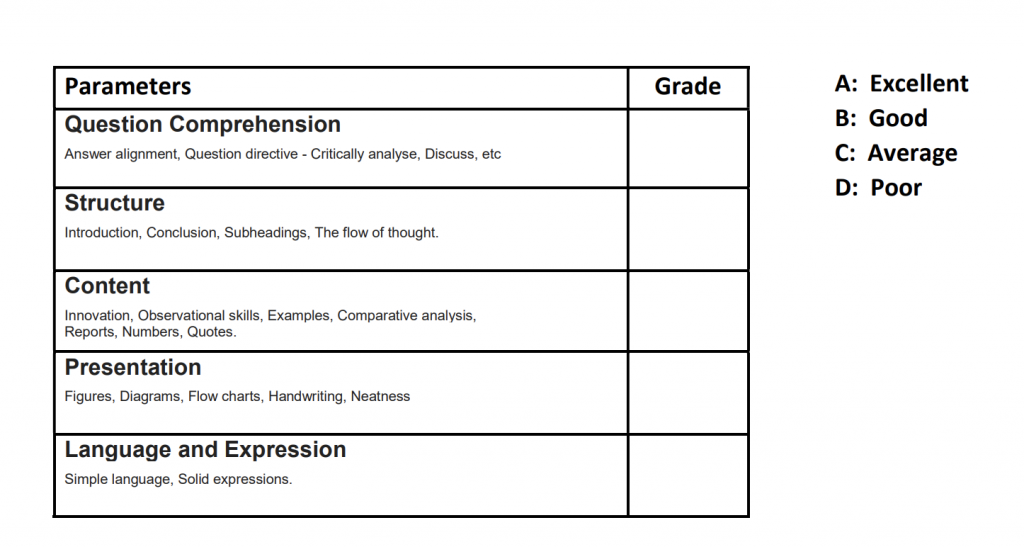
    Parameters we use to evaluate your answers

    4. Model Answers

    More than just simply providing information, our model answers cover all the aspects of a question and provide enriching points to the student. They also include:

    • For ‘thought-provoking/analytical’ type of questions, we’ll provide the best way to approach them.
    • Alternate introductions
    • Subheadings and categorization to enhance readability and answer structure.
    • Colour coding for main arguments, reports, data, scholars, etc.
      OTB – Out-of-the-box points for additional marks

    5. Civilsdaily’s Handholding

    You’ll be assigned to a special group on Civilsdaily’s Habitat, there you can interact with different mentors like Sajal Sir, Sukanya Ma’am, Parth Sir, Rahul sir, and others.

    6. Value-added material

    Current affairs magazines – Civilsdaily’s Magazines are the best in terms of comprehensive coverage, superb design, and high readability.

    Listicles and other relevant study material – Supplementary content provided will help cover multiple related questions.


    Civilsdaily’s Mains Team Guided 250+ Rankers in UPSC 2022

    Abour Sukanya Rana, Mains Program Head:

    Sukanya Ma’am has firsthand experience of 4 mains and 2 interviews with UPSC. In 2019, she scored 140 in ethics. She has also appeared in the State PCS interview. Before she worked as a Probationary officer at Canara Bank. Now at Civilsdaily, she heads the Mains program and is engaged in a core team of Civilsdaily.

    As per need, we will also involve our Civilsdaily core mentors like Swatantra sir, Parth sir, etc.

    Enroll here for Super 50 MEP | Register to book your FREE 1-1 session
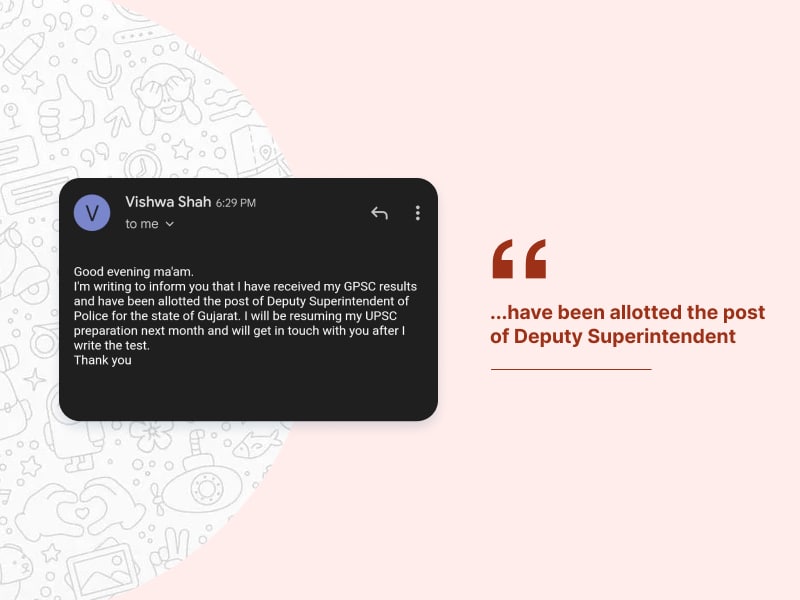

    This is what our students have to say…

    From Quora’s answer. (Read the full answer here)


    Mode of payment

    PAY VIA CARD/UPI: 18,000+GST = 21,240/-

    ASK FOR A PAYMENT LINK FROM OUR TEAM/ PING US ON WHATSAPP

    DIRECT BANK DEPOSIT

    A/C NAME: APEIROGON TECHNOLOGIES PVT. LTD

    A/C NO: 50200016012695

    IFSC CODE: HDFC0000922

    GSTIN: 07AAOCA0521B1ZA

    WALK-IN & PAY

    VISIT OUR OFFICE AN SWIPE CARD/ DEPOSIT CASH & GET A RECEIPT

    GET IN TOUCH

    LOCATION: 1 LGF, Apsara Arcade, Next to Karol Bagh Metro Stn. (Gate #7), Delhi 110060

    CONTACT: hello@civilsdaily.com OR +91 7303316700


    Enroll here for Super 50 MEP | Register to book your FREE 1-1 session

  • Climate change impacts ancient moss Takakia

    Takakia

    Central Idea

    • Takakia, a unique moss genus that has thrived at high altitudes on the Tibetan Plateau for millions of years, has captured the attention of international scientists.
    • Astonishingly, the same habitat that nurtured Takakia for eons is now rapidly transforming due to climate change, highlighting the urgency of conservation efforts.

    Takakia and its Evolution

    • Adaptive Traits: Takakia is slender turf with finger-like leaves and resilience to harsh weather conditions. Genetic traits protecting it from frost and high UV radiation have evolved over 65 million years.
    • Living Fossil: Despite its rapidly evolving genome, Takakia’s physical appearance has remained unchanged for over 165 million years, making it a remarkable example of a living fossil.
    • Evolutionary Paradox: The juxtaposition of constant appearance and evolving genome poses an intriguing challenge for evolutionary biologists, shedding light on the species’ unique adaptation.

    Its scientific significance

    • Hybrid Characteristics: Takakia blends features from mosses, liverworts, and green algae, intriguing researchers for its evolutionary diversity.
    • Ancient Separation: Research confirms that Takakia’s divergence from other mosses occurred around 390 million years ago, soon after the emergence of the first land plants.

    Climate Change Impacts on Takakia

    • Changing Habitat: Takakia’s habitat, which sheltered it for millions of years, is now experiencing rapid climate change within decades.
    • Temperature and Glacier Shifts: Recorded measurements since 2010 indicate a temperature increase of nearly half a degree Celsius per year on the Tibetan Plateau, accompanied by a glacier’s retreat of almost 50 meters per year.
    • Species Resilience: Unlike some other plants that benefit from warming, Takakia’s populations have diminished over the study period. Its struggle to cope with rising temperatures raises concerns about its survival.
  • Earendel: Most distant Star discovered

    Earendel

    Central Idea

    • The remarkable discovery of the star Earendel by the Hubble Space Telescope in 2022 has been further illuminated by the James Webb Space Telescope.

    About Earendel

    • Earendel is the farthest star ever detected, observed within the first billion years after the big bang.
    • It’s a massive B-type star, more than twice as hot as the Sun, and a million times more luminous.
    • The star is part of the Sunrise Arc galaxy, detectable due to the gravitational lensing
    • Gravitational lensing is a natural phenomenon where the mass of a massive object bends and magnifies light from a background object.
    • The massive galaxy cluster WHL0137-08 acts as a “magnifying glass,” allowing telescopes to observe Earendel even though it’s distant.

    How was it discovered?

    • JSWT discovery: The James Webb Space Telescope employed its Near-Infrared Camera (NIRCam) to build upon Hubble’s observations of Earendel.
    • Star’s Characteristics: The revelations from NIRCam showcase Earendel as a massive B-type star, surpassing our Sun’s heat by over twofold and radiating luminosity a million times greater.
    • 9 Billion Light-Years Away: Situated approximately 12.9 billion light-years from Earth, Earendel holds insights into the early universe’s cosmic evolution.
    • Gravitational Lensing: Both Webb and Hubble harnessed gravitational lensing—a phenomenon where foreground galaxies magnify distant objects—to detect Earendel, with galaxy cluster WHL0137-08 acting as a cosmic magnifying lens.

    Glimpse into it’s Past

    • Single Point of Light: Due to its immense distance, Earendel appears as a solitary point of light even on Webb’s high-resolution infrared imagery.
    • Snapshot from 1 Billion Years Post-Big Bang: Although Earendel remains a faint pinpoint, the telescope’s data indicates that we are witnessing the star as it appeared 1 billion years after the Big Bang.
    • Historic Perspective: This revelation pushes the boundaries of our knowledge, as the previous farthest observed star had been documented around 4 billion years post-Big Bang.
  • PUSHp Portal: A Game-Changer

    Central Idea

    • The National Power Committee (NPC) has urged States to contribute their insights towards shaping incentives for both buyers and sellers on the Power High Price Day Ahead Market (HP-DAM) and Surplus Power Portal (PUShP).
    • This innovative platform, introduced by the Ministry of Power, aims to enhance power availability, optimize utilization, and facilitate efficient power trading.

    PUSHp Portal

    • Concept Launch: The Ministry of Power unveiled the HP-DAM and PUShP to address power scarcity during peak demand periods and to encourage surplus power trading.
    • Price Flexibility: The platform allows certain sellers to offer power at prices exceeding the ceiling of Rs 12 per unit during peak demand, promoting higher availability.
    • Surplus Power Indication: Power distribution companies (DISCOMs) can display their surplus power availability on the portal, indicating the block times, days, or months.
    • Requisition Mechanism: DISCOMs in need of power can requisition the surplus power from the portal, promoting efficient allocation.

    Operational Mechanism

    • Cost Determination: New buyers will pay both variable charges (VC) and fixed costs (FC) as regulated by authorities.
    • Reassignment Implications: Once power is reassigned, the original beneficiary relinquishes the right to recall power, including the entire FC liability.
    • Reducing Fixed Costs: This approach alleviates the fixed cost burden on DISCOMs, making power distribution more efficient.
    • Optimal Capacity Utilization: The platform ensures that all available generation capacity is effectively utilized, mitigating wastage.

    Back2Basics: Day Ahead Market

    • A Day Ahead Market is a platform for trading electricity where delivery occurs within 24 hours from the following day’s midnight.
    • Electricity is traded in 15-minute time blocks, and prices are determined through auction bidding.
    • The auction process establishes prices and the quantum of electricity traded, ensuring transparency.
  • EC sticks to Assam Delimitation Draft

    Central Idea

    • Delimitation, the process of redrawing electoral boundaries to reflect population changes, is a crucial exercise that ensures fair representation and equal distribution of constituencies.
    • In Assam, the recent delimitation process has garnered attention due to its impact on political dynamics.

    Delimitation in Assam

    • Historical Basis: The last delimitation in Assam was based on 1971 census data by the Delimitation Commission in 1976. Over time, population shifts necessitate boundary adjustments.
    • Equitable Representation: Delimitation aims to ensure that the population of constituencies is relatively equal, promoting fair representation.
    • Legal Authority: Delimitation orders have the force of law and are beyond judicial review.

    Process of Delimitation

    • Delimitation Commission: An independent Delimitation Commission is formed, consisting of retired Supreme Court judges, the Chief Election Commissioner, and State Election Commissioners.
    • Objectives: The Commission determines boundaries and numbers of constituencies, striving for uniform population distribution.
    • Reserved Seats: The Commission identifies seats reserved for Scheduled Castes and Scheduled Tribes based on their population concentrations.

    Implementation of Delimitation

    • Draft Proposals: The Commission publishes draft proposals in official gazettes and newspapers, seeking public feedback.
    • Public Sittings: Public hearings are held to gather opinions and objections.
    • Final Order: After considering objections and suggestions, the Commission issues a final order published in official gazettes, coming into effect as specified.

    Frequency of Delimitation

    • Early Delimitation: The first delimitation in 1950-51 was temporary, carried out by the President after India’s first general elections.
    • Need for Independence: Subsequent delimitation was mandated to be carried out by independent commissions following the dissatisfaction with the first exercise.
    • Past Instances: Delimitation occurred in 1952, 1963, 1973, and 2002, under Acts of respective years.

    Postponement and Justification

    • Frozen Seats: Delimitation was postponed after the 1981 and 1991 Censuses.
    • Uniform Growth Rate: Post the 2001 Census, an amendment delayed delimitation until 2026, justified by achieving uniform population growth throughout India.
    • Last Exercise: The most recent delimitation in Assam (2002-2008) adjusted boundaries based on 2001 Census data and reserved seat allocations.

    Conclusion

    • Delimitation plays a vital role in democratic governance, maintaining equitable representation by accounting for population shifts.
    • The recent delimitation in Assam, governed by a structured process and legal framework, exemplifies India’s commitment to fair and inclusive electoral practices.
  • PM mentions Katchatheevu Islands

    katchatheevu

    Central Idea

    • The island of Katchatheevu has emerged as a symbol of historical disputes, political contention, and a reminder of complex geopolitical decisions.
    • PM’s reference to Katchatheevu during a parliamentary debate added fuel to the ongoing discussions surrounding this small island, nestled between Tamil Nadu and Sri Lanka.

    Katchatheevu Island: Historical Background

    • Colonial Influence: Katchatheevu, a 285-acre island, has its origins in a 14-century volcanic eruption. It was historically under the control of the Jaffna kingdom in Sri Lanka and later the Ramnad Zamindari in India.
    • British-Era Claims: Both India and Sri Lanka claimed Katchatheevu in the early 20th century to establish fishing boundaries. The ownership dispute continued even during the British Raj.

    1974 Indo-Sri Lankan Maritime Agreement

    • Landmark Decision: Indira Gandhi’s government decided to cede Katchatheevu to Sri Lanka as part of the 1974 agreement, aiming to establish maritime borders.
    • Political Implications: The decision raised concerns in Tamil Nadu, where voices protested the lack of state assembly consultation and the impact on traditional fishing rights.
    • Fishing Ambiguity: The agreement allowed Indian fishermen access to Katchatheevu “hitherto,” but fishing rights remained ambiguous, leading to disputes.

    Sri Lankan Civil War and Beyond

    • Civil War Dynamics: The Sri Lankan civil war (1983-2009) shifted focus from the Katchatheevu issue as Sri Lanka’s naval forces grappled with internal strife.
    • Post-War Reality: Post the civil war, Sri Lanka reinforced maritime defense, leading to the arrest of Indian fishermen venturing into their waters, reigniting demands for Katchatheevu’s retrieval.

    Tamil Nadu’s Persistent Concerns

    • Political Backlash: Tamil Nadu politicians across parties raised objections against ceding Katchatheevu without state assembly consent, citing historical ties and livelihood impacts.
    • Legal Battles: Late J Jayalalitha’s AIADMK filed petitions challenging the 1974 agreement, arguing it affected traditional fishing rights. However, the Union government’s stance remained unaltered.
    • Modi Government’s Position: Despite vocal demands from Tamil politicians, the Modi government maintained that the island’s status was finalized in 1974 and reclaiming it would require drastic measures.

    Contemporary Implications

    • Symbol of Sovereignty: Katchatheevu symbolizes regional and sovereignty concerns, reflecting tensions between Tamil Nadu’s interests and central government decisions.
    • Geopolitical Dilemma: The case highlights the delicate balance between historical claims, political sentiments, and international agreements in the context of bilateral relations.

    Conclusion

    • The island of Katchatheevu continues to serve as a reminder of India’s historical intricacies, reflecting the delicate balancing act between state interests, national decisions, and regional aspirations.
    • While Tamil Nadu’s calls for retrieval echo in the political corridors, the longstanding 1974 agreement and subsequent geopolitical realities create a complex landscape.
    • As the island’s fate intertwines with broader diplomatic relations, Katchatheevu remains a testament to the complexities of national sovereignty and regional sentiment.
  • Vasudhaiva Kutumbakam in G-20 Logo Sparks Protest

    Vasudhaiva Kutumbakam

    Central Idea

    • The inclusion of the Sanskrit term “Vasudhaiva Kutumbakam” (The world is one family) in the G-20 logo has sparked diplomatic discussions between India and China.
    • Reports surfaced suggesting that China objected to the use of non-UN languages like Sanskrit in G-20 texts being negotiated.

    Vasudhaiva Kutumbakam

    • The ancient Sanskrit phrase “Vasudhaiva Kutumbakam” encapsulates the idea of the world as one interconnected family.
    • Rooted in religious texts, this concept reverberates through history and has found resonance in modern times, impacting diplomatic exchanges and global events.

    अयं निजः परो वेति गणना लघुचेतसाम्।

    उदारचरितानां तु वसुधैव कुटुम्बकम्॥

    Meaning: Considerations like “he is mine or he is another’s” occur only to the narrow minded person. To the broad-minded person the whole world is a family.

    Origin and Meaning:

    • Sanskrit Phrase: “Vasudhaiva Kutumbakam” is composed of three words: Vasudha (Earth), Eva (Thus), and Kutumbakam (Family).
    • Moral Value: It is considered a profound moral value, reflecting interconnectedness and universal harmony.

    Historical Context:

    • Maha Upanishad Verse: The original verse appears in Maha Upanishad stressing unity among all beings and the world.
    • Engraved Symbolism: The verse is inscribed in the entrance hall of the Parliament of India, reflecting its importance in Indian society.
    • Embrace of Unity: The verse advocates embracing the world as a family, urging magnanimity and detachment.

    Interpretations and Influences

    • Spiritual Progress: Subsequent shlokas expand on the idea, stating that detachment leads to attaining the Brahman (Universal Spirit).
    • Influence in Hindu Literature: The Bhagavad Gita refers to “Vasudhaiva Kutumbakam” as the “Loftiest Vedantic Thought,” demonstrating its influence in Hindu philosophy.
    • Gandhian Connection: Dr. N. Radhakrishnan relates the concept to Gandhi’s holistic development vision and nonviolent conflict resolution.

    Modern Relevance

    • PM’s Reference: Prime Minister Modi invoked the phrase, highlighting its values of unity and cultural richness.
    • International Earth Science Olympiad: The phrase was used in the logo of the 7th International Earth Science Olympiad, emphasizing Earth’s interconnected systems.
    • India’s G20 Presidency: The theme and logo of India’s G20 Presidency included “Vasudhaiva Kutumbakam,” representing global unity.

    Diplomatic Controversy

    • China’s Opposition: China objected to the use of Sanskrit in G20 documents, asserting that it’s not an official UN language.
    • Logo Exclusion: Despite its significance, the phrase did not appear in official G20 documents due to China’s objections.
  • How to Score in Philosophical and Abstract Essays for UPSC Main 2023-24? | Target 150+ score | Unbreakable Mains Essay Masterclass by Zeeshan sir

    How to Score in Philosophical and Abstract Essays for UPSC Main 2023-24? | Target 150+ score | Unbreakable Mains Essay Masterclass by Zeeshan sir

    12th August@ 7:30 pm | UPSC Philosophical and Abstract Essays made super easy by Zeeshan sir | Click below and register for the Essay Masterclass

    Join Unbreakable Mains Telegram Group

    Essay writing is a crucial component of the UPSC Mains examination. This is a paper where the candidates’ expressive and analytical skills are put to the test. The topics provided in the essay paper can range from socio-economic issues to philosophical and abstract themes. Tackling such broad and diverse themes can be challenging, especially when it comes to philosophical and abstract topics.

    A great UPSC essay starts with brainstormed random ideas, disjointed facts…chaos, formulated into a ‘blueprint’. That’s the first step before you actually start writing it.

    We are delighted to announce that Zeeshan Sir, our esteemed Essay Program Head, will be conducting a comprehensive session on mastering the nuances of philosophical essays in UPSC Mains and aiming for a stellar score of 150+

    Feedback on Zeeshan sir’s mentorship by AIR 65, Pranav (from Quora: https://qr.ae/pvH4yA)

    Known for his profound expertise and effective teaching methods, Zeeshan Sir has been a guiding beacon for countless UPSC aspirants. His mentorship has proven instrumental in the success of over 56 UPSC 2022 rankers, who vouch for his insightful understanding of the subject matter and his ability to convey complex ideas with clarity and precision.

    Why abstract and philosophical essays are a pain point for UPSC aspirants?

    • Abstract and philosophical essays are often seen as challenging due to their broad and interpretative nature.
    • Unlike socio-economic topics, philosophical topics do not have a fixed set of facts or data that can be directly included in the essay.
    • These essays require the candidates to demonstrate their critical thinking skills, ability to make abstract connections and articulate their thoughts coherently.

    Who should attend the webinar by Zeeshan sir ?

    • Aspirants preparing for the UPSC 2023-24 Mains.
    • Individuals struggling with abstract and philosophical essays in the Mains.
    • Candidates looking to improve their overall score in the Mains.
    • Aspirants seeking guidance from an experienced and successful mentor.
    • Candidates looking for effective strategies and tips to approach philosophical and abstract essays.
    • Anyone who is aiming to break free from the feeling of unfulfillment and aimlessness in their preparation.
    • Aspirants who are not able to decipher the pattern and ‘new ways of UPSC’.
    • Someone who has failed in earlier attempts – aiming to understand and fill critical gaps in your preparation.
    • Candidates looking for practical strategies rather than generic guidance.
    • Aspirants who want effectiveness, efficiency, and consistency in their preparation

    This Clarity with Ranker’s session holds the keys to your success.

    What should you expect?

    • In-depth understanding of how to tackle abstract and philosophical essays in the Mains.
    • Strategies to target and achieve a 150+ score in the UPSC Mains essay paper.
    • UPSC Essay trends vis-a-vis Philosophical and Abstract topics.
    • Insightful tips and tactics to decode and address complex essay topics.
    • Interactive Q&A session to address individual queries and concerns.
    • Guidance on improving writing skills and presenting ideas effectively.
    • Exposure to previous years’ essay topics and a critical analysis of the same.

    Other than this Zeeshan sir will also share best practices to be followed:

    • Regular writing practice: Choose diverse topics, including philosophical ones, for regular practice.
    • Read widely: Broaden your understanding and perspective by reading widely, including philosophy, sociology, psychology, current affairs, etc.
    • Brainstorming: For every topic, spend some time brainstorming different ideas, views, and arguments before starting to write.
    • Outline your essay: Always create an outline to ensure your essay is structured and coherent.
    • Choose your essay topic wisely: Your understanding of the topic and comfort level should determine your choice.
    • Time management: Allocate sufficient time for understanding the topic, brainstorming ideas, creating an outline, writing the essay, and reviewing it.
    • Maintain a balanced view: If the topic is debatable, present both sides of the argument before taking a stand.
    • Use effective language: Avoid grammatical and spelling errors.
    • Ensure flow and coherence: The essay should be logically structured, and each paragraph should flow

    Details 

    This session will be held in online mode.

    Date: 12th Aug 2023 (Saturday)

    Time: 7:30 pm Onwards

    Zoom Meeting Link will be sent via your registered email address.


    Join FREE UPSC Mains 2023 Initiative: Unbreakable Mains 2023 Telegram group

    Join Unbreakable Mains Telegram Group


    Post-Webinar CivilsDaily’s UPSC Essay and Mentorship session

    Post webinar we will share an Essay Framework PDF.

    You will also get a 1-1 Mentorship session with Zeeshan sir and his team.

  • Sustainable business practices: Imperatives and pathways

    What’s the news?

    • The 2023 IPCC Report highlights that human-induced global warming of 1.1 degrees Celsius has led to unprecedented shifts in the Earth’s climate.

    Central idea

    • In recent decades, human activities have substantially contributed to the acceleration of climate change. The economic toll of climate change has been immense. The anticipated intensification of climate impacts underscores the urgent need for both mitigation and adaptation strategies.

    Climate Change and Shifting Business Paradigms for Environmental Sustainability

    • Climate Change Impact: Human activities have led to a significant increase in global warming, resulting in unprecedented climate changes. The 2023 IPCC Report highlights the Earth’s warming by 1.1 degrees Celsius due to human influence.
    • Economic Consequences: The International Monetary Fund (IMF) estimates substantial economic losses of around US$1.3 trillion annually during 2011–2020, constituting 0.2 percent of global GDP. These losses stem from climate change-related damages, affecting both the economy and the environment.
    • Businesses and Sustainability: There’s a noticeable shift in business attitudes, moving away from pure profit-centric approaches to considering their social and environmental impacts. Many companies are now striving to balance economic, social, and environmental aspects—also known as the triple bottom line.
    • ESG and CSR Frameworks: Enterprises are adopting Environmental, Social, and governance (ESG) and Corporate Social Responsibility (CSR) frameworks to integrate sustainable practices into their operations. This includes using renewable energy sources, improving stakeholder relationships, and engaging in environmentally responsible actions.
    • IBM Survey on Business Leaders’ Views: The IBM survey revealed that 51 percent of top business leaders and CEOs recognize the importance of environmental sustainability. This suggests growing awareness and concern among influential business figures.
    • Consumer Behavior: Consumers’ preferences are also changing. About 49 percent of consumers are willing to pay more for products labeled as sustainable or socially responsible. This indicates a shift in consumer behavior towards supporting eco-friendly products and companies.

    How are companies responding?

    • IKEA’s Environmental Priorities:
      • IKEA, a global furniture leader, has embraced climate finance for sustainable practices. They reduced their climate footprint by 5 percent in 2022, from 27.2 to 25.8 million tonnes.
      • IKEA’s transparency extends to disclosing outdoor air pollution across their supply chain. Their food section now offers 50 percent plant-based meals, aligning with reduced greenhouse gas emissions.
    • NIKE’s Sustainable Business Approach:
      • NIKE, a renowned sportswear brand, echoes this trend by incorporating sustainable practices.
      • Their ESG Risk Rating of 19.6 reflects effective management of industry-specific ESG risks.
    • India’s Regulatory Push:
      • India’s Ministry of Corporate Affairs is propelling sustainability within the corporate sphere through the National Guidelines on Responsible Business Conduct.
      • These guidelines emphasize resource-efficient, low-carbon technologies and accountability for environmental impact and stakeholder considerations.
    • Ather Energy’s Holistic EV Strategy:
      • Ather Energy, a Bengaluru-based EV startup, showcases a comprehensive strategy. Their approach involves building an entire charging infrastructure network and fostering a local, sustainable supply chain.
      • This strategy encompasses high-quality product creation and reusing/recycling outdated items.

    Sustainability Challenges Faced by Companies

    • Climate change impacts supply chains, leading to transition risks and event-driven physical risks.
    • Environmental factors like water shortages and changing demand affect business operations.
    • Vendor credibility issues and logistical challenges disrupt supply chain stability.
    • Social factors, including communal disturbances and employee strikes, introduce uncertainties.
    • Ensuring profitability while investing in sustainable practices poses financial challenges.

    Strategies to Overcome Sustainability Challenges

    • Financing Green Transitions: To address the increased investments required, companies can allocate separate budgets for CSR and ESG activities, as evidenced by the IBM survey. Regulatory compliance would ensure dedicated budget allocations, fostering a commitment to sustainable practices over the long term.
    • Justifying Price Increases: As per the IBM survey, consumers are increasingly willing to pay more for sustainable products, even in developing countries. By emphasizing ethical marketing practices and leveraging social media, businesses can tap into this growing consumer trend.
    • Overcoming Technological Limitations: While traditional methods like paper backups remain useful, the evolution of technology can help in avoiding fraud and malpractice, as mentioned in the article. Embracing technology, with proper safeguards in place is essential for comprehensive sustainability.
    • Addressing Greenwashing Concerns: Organizations can counter doubts about the credibility of their sustainable practices by prioritizing brand awareness and emotional marketing. Through multi-stakeholder involvement and coordinated efforts, companies can establish themselves as genuine advocates of sustainability.

    Conclusion

    • Promoting sustainable business practices in the context of traditional profit-oriented models requires a multi-stakeholder approach, regulatory compliance, and governmental support. As the world moves toward universal business sustainability, businesses need to prioritize environmentally conscious practices, with stringent penalties for non-compliance and incentives for positive contributions to society and the environment.
  • HeLa Cells: Everything you need to know about

    hela cells

    Central Idea

    • HeLa cells, an extraordinary line of human cells recovered from a woman suffering from cancer has helped various realms of scientific discovery and medical progress.

    What are HeLa Cells?

    • Unveiling the Unknown: In 1951, Henrietta Lacks was diagnosed with cervical cancer and underwent a tissue biopsy at Johns Hopkins Hospital.
    • Pioneering Phenomenon: A fraction of Lacks’ tumor cells, later termed HeLa cells, displayed an exceptional trait – the ability to perpetually divide and multiply in laboratory conditions.

    Distinctive Attributes of HeLa Cells

    • Endless Proliferation: Unlike typical human cells that have finite lifespans, HeLa cells displayed continuous division, enabling their perpetual growth.
    • Scientific Marvel: This property revolutionized research by offering a consistent and adaptable medium for experiments.

    Utility for Scientific Progress

    • Polio Vaccine: HeLa cells played a pivotal role in cultivating the poliovirus, facilitating the development of the polio vaccine.
    • Cancer Research: HeLa cells fueled insights into cancer biology, aiding in testing treatments and understanding disease mechanisms.
    • Genetic Insights: These cells were the first human cells to be cloned, deepening our grasp of genetics and cellular biology.
    • Drug Testing: HeLa cells revolutionized drug testing, aiding in drug development and assessing safety profiles.
    • Space Exploration: Their journey extended to space, contributing to the understanding of cellular behavior in microgravity.

    Ethical Dilemmas and Controversies

    • Informed Consent Absence: HeLa cells’ use without Henrietta Lacks’ consent raised ethical concerns, especially in the context of medical experimentation on African American patients.
    • Patient Rights and Acknowledgment: Discussions emerged about patient rights, equitable compensation, and the acknowledgement of individuals whose contributions fuel scientific progress.
  • Bill to Redefine the Election Commission Selection Process

    Central Idea

    • A new Bill has been proposed in the Rajya Sabha aimed at reversing the impact of a Supreme Court ruling on the appointment of the Chief Election Commissioner (CEC) and Election Commissioners (ECs).
    • The proposed legislation suggests a revamped selection process, featuring a committee comprising the Prime Minister, Leader of Opposition in the Lok Sabha, and a nominated Cabinet Minister.
    • This initiative comes after a Supreme Court verdict that demanded the participation of the PM, Leader of Opposition, and ‘CJI’ in the selection of these crucial electoral positions.

    Supreme Court’s Ruling and Legislative Vacuum

    • March 2 Verdict: A unanimous verdict by a SC bench this year mandated the involvement of the PM, Leader of Opposition, and CJI in the appointment of CEC and ECs.
    • Constitutional Vacuum: The Court intervened due to the absence of a parliamentary law as prescribed by Article 324 of the Constitution for the appointment process.

    New Legislative Approach

    • Aim of the Bill: The proposed Bill aims to address the constitutional vacuum and establish a structured legislative process for the appointment of members to the Election Commission of India (ECI).
    • Search Committee: The Bill establishes a Search Committee, led by the Cabinet Secretary and composed of two other government officials knowledgeable about election matters. The Committee is tasked with preparing a panel of five potential candidates for appointment.
    • Selection Committee: The core of the proposed process is the Selection Committee, composed of the Prime Minister, the Leader of the Opposition in the Lok Sabha, and a Cabinet Minister nominated by the Prime Minister. This committee would finalize the appointment of CEC and ECs.

    Supreme Court’s Concerns

    • Parliament’s Authority: The Parliament holds the power to address the issues highlighted by the Supreme Court ruling and nullify its impact through legislative action that aligns with the judgment’s intent.
    • Preserving Independence: The Supreme Court’s ruling emphasized the need for an independent body overseeing elections, aligning with the Constitution’s original intent.

    Concerns raised

    • Composition of Selection Committee: The new Bill raises concerns about the independence of the selection process due to its composition.
    • Absence of LoP: With the PM and a nominated Cabinet Minister holding the majority in the three-member panel, the Leader of Opposition’s voice is marginalized even before the process begins.
    • Omits CJI: The Bill omits CJI from the panel counterviewing the 2nd March Judgment which prompted this legislation.

    Conclusion

    • The proposed Bill’s attempt to address the legislative vacuum created by the Supreme Court ruling is a significant step towards streamlining the appointment process for the Election Commission.
    • While the Parliament has the authority to shape the process, ensuring the true independence and integrity of the selection process remains a critical concern.
    • The balance between various stakeholders must be maintained to uphold the sanctity of India’s democratic electoral processes.
  • Integration of NavIC with Aadhaar Enrolment Devices

    navic

    Central Idea

    • The Navigation with Indian Constellation (NavIC), India’s indigenous satellite navigation system, is set to be integrated into Aadhaar enrolment devices.
    • This strategic move, as revealed by the Department of Space (DoS) showcases the seamless amalgamation of advanced technologies to enhance the functionality and reach of essential services.

    What is NAVIC?

    • History: Originally conceptualized as the Indian Regional Navigation Satellite System (IRNSS), the project sought to establish an autonomous navigation infrastructure to fulfill both civilian and strategic requirements.
    • Reducing Foreign Dependency: The core motivation behind NAVIC was to lessen dependence on foreign navigation systems like GPS and cultivate a self-reliant platform.
    • Comprehensive Constellation: The NAVIC constellation encompasses a total of 7** satellites.
    • Deployment Chronology: Launches of satellites such as IRNSS-1A, IRNSS-1B, IRNSS-1C, IRNSS-1D, IRNSS-1E, IRNSS-1F, and IRNSS-1I commenced in July 2013, continuing the phased deployment.

    Key Features and Technical Excellence

    • Standard Position Service (SPS) and Restricted Service (RS): NavIC offers two services – SPS for civilian users and RS for strategic users. These services are available in both L5 (1176.45 MHz) and S band (2498.028 MHz).
    • Coverage Area: NavIC covers India and extends up to 1,500 km beyond its borders. Upcoming satellites will include the L1 band compatible with civilian applications.

    NavIC and Aadhaar Enrolment Devices

    • Field Trials and Technical Expertise: The DoS has successfully conducted field trials and provided technical expertise to finalize the procurement specifications for integrating NavIC into Aadhaar enrolment devices.
    • Current Setup: The Aadhaar enrolment kits presently use GPS for location-based services, which gather and authenticate personal information during enrolment.

    Utilization in other areas

    • Disaster Management: NavIC plays a pivotal role in the National Disaster Management Agency’s alert dissemination system for natural calamities like landslides, earthquakes, floods, and avalanches.
    • Ocean Information Broadcast: The Indian National Centre for Ocean Information System employs NavIC to broadcast alerts regarding cyclones, high waves, and tsunamis to fishermen operating in deep-sea regions.
    • Standardization Efforts: Various organizations, including the Bureau of Indian Standards (BIS), Telecom Standards Development Society of India (TSDSI), Telecom Engineering Centre (TEC), and international bodies like the International Electrotechnical Committee (IEC), are actively working on setting interoperability standards for NavIC.
  • China’s Deflation: A cause for concern?

    deflation

    Central Idea

    • China’s recent bout of deflation, marked by a decline in consumer prices for the first time in over two years, has sparked debates about its implications and causes.
    • This article delves into the intricacies of deflation, its potential impact on economic growth, and the unique circumstances driving deflation in China.

    Understanding Deflation

    • Deflation Defined: Deflation refers to a sustained decrease in the general price level of goods and services within an economy.
    • Historical Context: Historically, the terms “inflation” and “deflation” were linked to changes in the money supply, with “inflation” representing a rise and “deflation” a fall in money supply.

    Concerns Associated with Deflation

    • Economic Slowdown: Many economists view deflation as an indicator of dwindling demand for goods and services, potentially leading to an economic slowdown.
    • Demand-Supply Dynamics: Falling prices may prompt consumers to delay purchases, hampering demand and triggering a ripple effect throughout the economy.
    • Resource Utilization: A certain level of inflation is deemed necessary for optimal resource utilization, ensuring full economic potential is realized.

    Varied Perspectives on Deflation

    • Positive Instances: Some economies have experienced deflation during periods of robust growth. Japan witnessed increased real income levels despite persistent deflation.
    • Economic Crises: Deflation can arise during economic crises when cautious spending and resource reallocation occur.
    • Consumer Demand and Prices: Some economists argue that consumer demand dictates prices, rather than the other way around.

    China’s Deflation Scenario

    • Policy Measures: China’s central bank maintained low interest rates to stimulate demand amid the post-pandemic recovery.
    • Property Sector Turmoil: China’s pre-pandemic property sector challenges, affecting GDP contribution, may be a root cause of the current deflationary trend.
    • Complex Factors: While liquidity may not be the core issue, comprehensive analysis of money supply and monetary transmission is necessary to determine the underlying cause.

    Deflation and India

    Period Causes Impact on India
    Great Depression (1930s) Global economic downturn, reduced demand Agricultural and industrial contraction, falling prices
    Post-Independence (1950s-1960s) Supply-side constraints, monetary policy Agricultural fluctuations, efforts to control inflation
    Global Oil Crisis (1970s) Surge in oil prices, cost-push inflation Economic slowdown, increased costs, reduced demand
    Economic Reforms Era (1990s) Transition to market-oriented economy, policy measures Sectoral slowdown, reduced demand, short-term deflation
    Global Financial Crisis (2008-2009) Global financial crisis, economic slowdown Reduced consumer spending, limited deflationary impact


    Repercussions of Chinese Deflation

    [A] Positive Impacts:

    • Cheaper Imports: If Chinese goods become cheaper due to deflation, it could lead to lower import costs for India, benefiting consumers and businesses that rely on Chinese imports.
    • Lower Input Costs: Reduced prices for raw materials and intermediate goods from China could lower production costs for Indian industries that depend on these inputs.
    • Global Supply Chains: If Chinese deflation reduces the cost of production within global supply chains, Indian businesses integrated into these chains might experience cost savings.
    • Improved Trade Balance: Cheaper Chinese imports can contribute to a more favorable trade balance for India, especially if it leads to reduced import bills.

    [B] Negative Impacts:

    • Export Competition: Cheaper Chinese exports due to deflation could increase competition for Indian exports in international markets, potentially affecting certain Indian industries.
    • Import Dumping: A flood of cheap Chinese goods into the Indian market could harm domestic producers, leading to job losses and economic strain.
    • Investment Flows: A slowdown in China’s economy caused by deflation might lead to reduced investor confidence and affect foreign direct investment (FDI) flows to India.
    • Currency Effects: If China’s central bank devalues its currency to boost exports in response to deflation, it could lead to a stronger Indian rupee, impacting India’s export competitiveness.
    • Commodity Prices: Reduced demand for commodities from China due to deflation could lead to lower global commodity prices, affecting Indian exporters of raw materials.

    Conclusion

    • China’s encounter with deflation amidst efforts to boost demand and stabilize its economy presents a multi-faceted challenge.
    • Understanding the nuances of deflation, its interaction with demand dynamics, and China’s unique economic landscape are vital.
    • As China navigates its path forward, policymakers must consider the interplay of factors, including the property sector’s impact and broader economic goals.

    Back2Basics:

    Terminologies related to PRICE RISE

    Inflation Sustained increase in the general price level of goods and services in an economy over time, leading to reduced purchasing power of money.
    Deflation Sustained decrease in the general price level of goods and services, often resulting in reduced consumer spending and economic stagnation.
    Hyperinflation Extremely rapid and uncontrollable increase in prices, eroding the value of money and disrupting economic stability.
    Stagflation Simultaneous occurrence of stagnant economic growth, high unemployment, and high inflation, contrary to traditional economic theories.
    Creeping Inflation Gradual increase in the general price level at a rate of 1-3% annually, considered normal and manageable.
    Galloping Inflation High inflation ranging from 10% to several hundred percent per year, eroding savings and economic planning.
    Demand-Pull Inflation Rise in prices due to demand exceeding supply, often occurring during periods of strong economic growth.
    Cost-Push Inflation Increase in prices caused by higher production costs, such as rising wages or raw material expenses.
    Built-In Inflation Cycle of rising prices and wages as workers demand higher wages to match inflation, contributing to a continuous cycle.
    Structural Inflation Inflation resulting from supply and demand imbalances due to structural factors like technology changes or market conditions.
    Open Inflation When rising prices are publicly acknowledged and factored into economic decisions, including wage negotiations.
    Suppressed Inflation Prices rise but are officially reported at a lower rate due to government intervention, subsidies, or price controls.
    Repressed Inflation Artificially keeping prices low through government controls despite demand exceeding supply, leading to potential future price spikes.
    Disinflation Decrease in the rate of inflation, indicating the general price level is still rising but at a slower rate, often a transition to more stable inflation levels.


  • Should there be a blanket ban on smartphones in schools?

    What’s the news?

    • UNESCO’s call for a ban on smartphones in Indian schools sparks nationwide debate on their impact, with educators and experts divided over whether to implement a blanket ban or nuanced regulations.

    Central idea

    • With 1.2 billion mobile and 600 million smartphone users, India’s digital transformation is reshaping society. Predicted to reach over a billion by 2026, smartphone use in education is being debated after UNESCO’s call for a school ban, raising questions about classroom dynamics and student well-being.

    UNESCO’s Stance on Smartphone Ban

    • With 1.2 billion mobile phone users and 600 million smartphone users in India, the country is experiencing a technology boom.
    • UNESCO recommends a global ban on smartphones in schools due to concerns about disruptions, cyberbullying, and compromised learning.
    • Research suggests that the mere presence of mobile devices can distract students and hinder their academic engagement.
    • The London School of Economics’ research highlights the positive impact of not allowing mobile phones in schools on academic performance.

    Delhi’s Directorate of Education’s Approach

    • The Directorate of Education, Private School Branch, Government of the National Capital Territory of Delhi, issued an advisory on restricting mobile phone use in schools.
    • The advisory emphasizes the importance of reaching a consensus among stakeholders like students, parents, teachers, and school heads regarding mobile phone use in educational environments.
    • Delhi’s response demonstrates a proactive approach to maintaining a conducive learning atmosphere and prioritizing student well-being.
    • The Directorate’s concern centers around smartphone distractions such as notifications, games, and social media engagement during class hours.
    • The Delhi Government’s response showcases a commitment to addressing the potential negative impact of smartphone usage on education.

    Impact of Mobile Phones on Students

    • Positive Impacts:
    • Access to Information: Smartphones offer students instant access to a vast pool of information and educational resources. Over 80% of students in developed countries use smartphones to access educational content.
    • Digital Literacy: Smartphone use fosters digital literacy, a crucial skill in today’s technology-driven world. The NEP (National Education Policy) in India emphasizes digital education and the use of technology.
    • Interactive Learning: Mobile apps and online platforms enhance interactive learning experiences. The use of QR codes in the state curriculum and additional resources showcases the integration of technology for learning.
    • Flexibility and Convenience: Smartphones enable learning beyond traditional classroom hours and locations. In countries like Finland, students are allowed to bring phones to class around age 12, promoting flexible learning.
    • Educational Apps: Educational apps cater to diverse learning styles and subjects. Language learning apps, mathematics tutorials, and science simulations provide engaging learning opportunities.
    • Negative Impacts:
    • Distractions and Reduced Focus: Mere proximity to smartphones can lead to distraction and reduced focus during classes. Research by the London School of Economics suggests that mobile phones can deter academic performance.
    • Addiction and Sleep Deprivation: Excessive smartphone usage contributes to addiction and sleep deprivation among students. Teenagers’ addiction to smartphones has been linked to increased anxiety and behavioral problems.
    • Cyberbullying and Mental Health: Smartphone-enabled access to social media platforms exposes students to cyberbullying and mental health issues. Students’ exposure to unrealistic standards on social media can lead to feelings of inadequacy and depression.
    • Decline in Face-to-Face Interaction: Increased smartphone use can lead to reduced face-to-face interactions among students. UNESCO’s recommendation to ban smartphones in schools aims to promote more meaningful face-to-face interactions.
    • Academic Decline due to Distracted Learning: Checking notifications, playing games, and engaging in social media during class hours negatively impact academic performance. Studies show a correlation between excessive smartphone use and lower grades.

    Perspectives in Favor of a Smartphone Ban in Schools

    • Enhanced Academic Focus: Banning smartphones can lead to improved academic focus among students. Research indicates that the presence of mobile devices distracts students and hampers their learning engagement.
    • Mitigation of Cyberbullying and Mental Health Concerns: A smartphone ban would protect students from cyberbullying and associated mental health issues. Students exposed to social media platforms can experience emotional distress due to online interactions.
    • Encouragement of Face-to-Face Interaction: Banning smartphones would encourage more meaningful face-to-face interactions, fostering interpersonal skills. UNESCO’s recommendation emphasizes maintaining academic integrity through human interactions.
    • Positive Impact on Academic Performance: Limiting smartphone use during school hours can lead to improved academic performance. Research from the London School of Economics suggests that mobile phone restrictions can positively influence student achievement.
    • Development of Healthy Learning Habits: Implementing a smartphone ban promotes healthy learning habits by reducing distractions. Excessive smartphone use has been linked to addiction and sleep deprivation, which hinder effective learning.

    Perspectives Against a Smartphone Ban in Schools

    • Access to Information and Resources: Smartphones provide quick access to a wealth of educational information and resources. Educational apps and online resources cater to diverse learning styles and offer supplementary materials.
    • Preparation for Real-World Technology Use: Allowing controlled smartphone use prepares students for a technology-driven future. National Education Policies and state curricula emphasize the importance of digital literacy and technology integration.
    • Customized Learning and Engagement: Smartphone apps and interactive platforms offer personalized and engaging learning experiences. Many students in developed countries use smartphones to access tailored educational content.
    • Parental Responsibility and Education: Educating students about responsible smartphone use is the responsibility of parents. Some developed countries allow controlled smartphone use, teaching students about balanced usage.
    • Bridge the Gap for Economically Disadvantaged Students: Smartphones bridge technology gaps for economically disadvantaged students, providing access to digital resources. An outright ban could worsen disparities among students based on their socioeconomic backgrounds.

    Way Forward

    • Holistic Stakeholder Engagement: Engage all stakeholders, including students, parents, teachers, and school administrators, in open discussions and decision-making processes regarding smartphone usage in schools.
    • Incorporate Age-Based Guidelines: Develop age-specific guidelines for smartphone use in classrooms, taking into account developmental stages and potential distractions.
    • Digital Literacy Curriculum: Integrate digital literacy education within the curriculum to educate students about responsible smartphone usage, privacy, and online etiquette.
    • Educate Educators: Provide teachers with training on managing smartphone use effectively in classrooms and incorporating them as tools for learning.
    • Parental Awareness Campaigns: Launch campaigns to educate parents about the implications of excessive smartphone use, emphasizing responsible parenting in the digital age.
    • Digital Divide Solutions: Consider alternative solutions, like providing laptops, tablets, or internet facilities alongside smartphones, to bridge the digital divide effectively.
    • Research on New Learning Paradigms: Invest in research to explore innovative approaches that harness the benefits of smartphones while mitigating potential distractions and drawbacks.

    Conclusion

    • As India strides toward an increasingly digital future, the education system faces the challenge of embracing innovation while mitigating distractions. Balancing student welfare, academic integrity, and equitable access will be vital in shaping policies that harness technology’s potential while preserving the sanctity of the classroom.

More posts