💥UPSC 2026, 2027, 2028 UAP Mentorship (March Batch) + Access XFactor Notes & Microthemes PDF

Search results for: “”

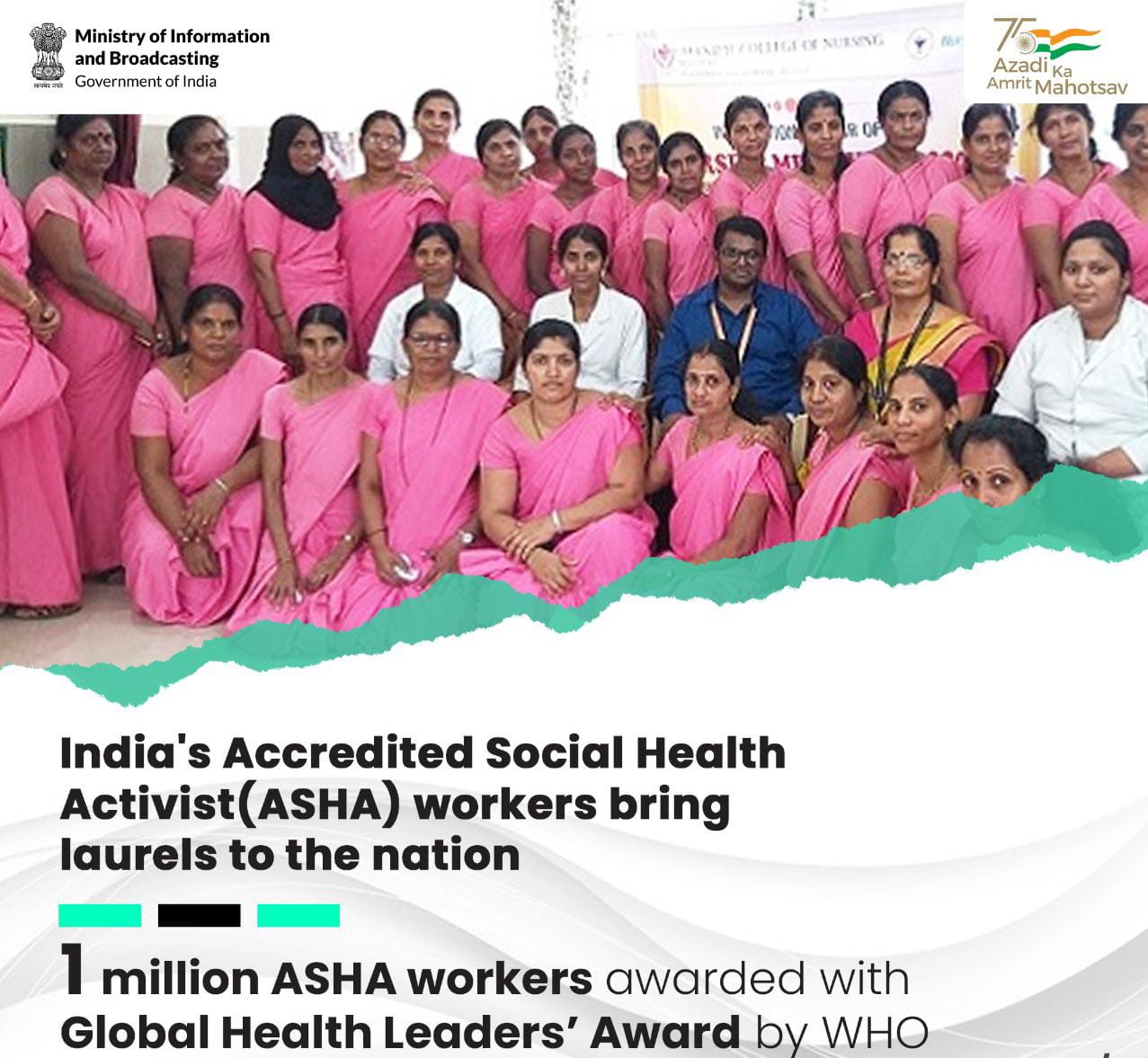
  • Recognizing “ASHA”: The real hope

    ASHA

    Context

    • One of the biggest issues facing rural health services is lack of information. ASHA workers are the first respondents even when there is lack of access to medical aid are threatened with violence and abused on the number of occasions while handlining the prospected patients in COVID19 pandemic.

    Evolution of “ASHA” you may want to know

    • The ASHA programme was based on Chhattisgarh’s successful Mitanin programme, in which a Community Worker looks after 50 households.
    • The ASHA was to be a local resident, looking after 200 households.
    • The programme had a very robust thrust on the stage-wise development of capacity in selected areas of public health.
    • Many states tried to incrementally develop the ASHA from a Community Worker to a Community Health Worker, and even to an Auxiliary Nurse Midwife (ANM)/ General Nurse and Midwife (GNM), or a Public Health Nurse.

    Who are ASHA workers?

    • ASHA workers are volunteers from within the community who are trained to provide information and aid people in accessing benefits of various healthcare schemes of the government.
    • The role of these community health volunteers under the National Rural Health Mission (NRHM) was first established in 2005.
    • They act as a bridge connecting marginalized communities with facilities such as primary health centers, sub-centers and district hospitals.

    Qualifications for ASHA Workers

    • ASHAs are primarily married, widowed, or divorced women between the ages of 25 and 45 years from within the community.
    • They must have good communication and leadership skills; should be literate with formal education up to Class 8, as per the programme guidelines.
    ASHA

    What role do the ASHA Workers play? 

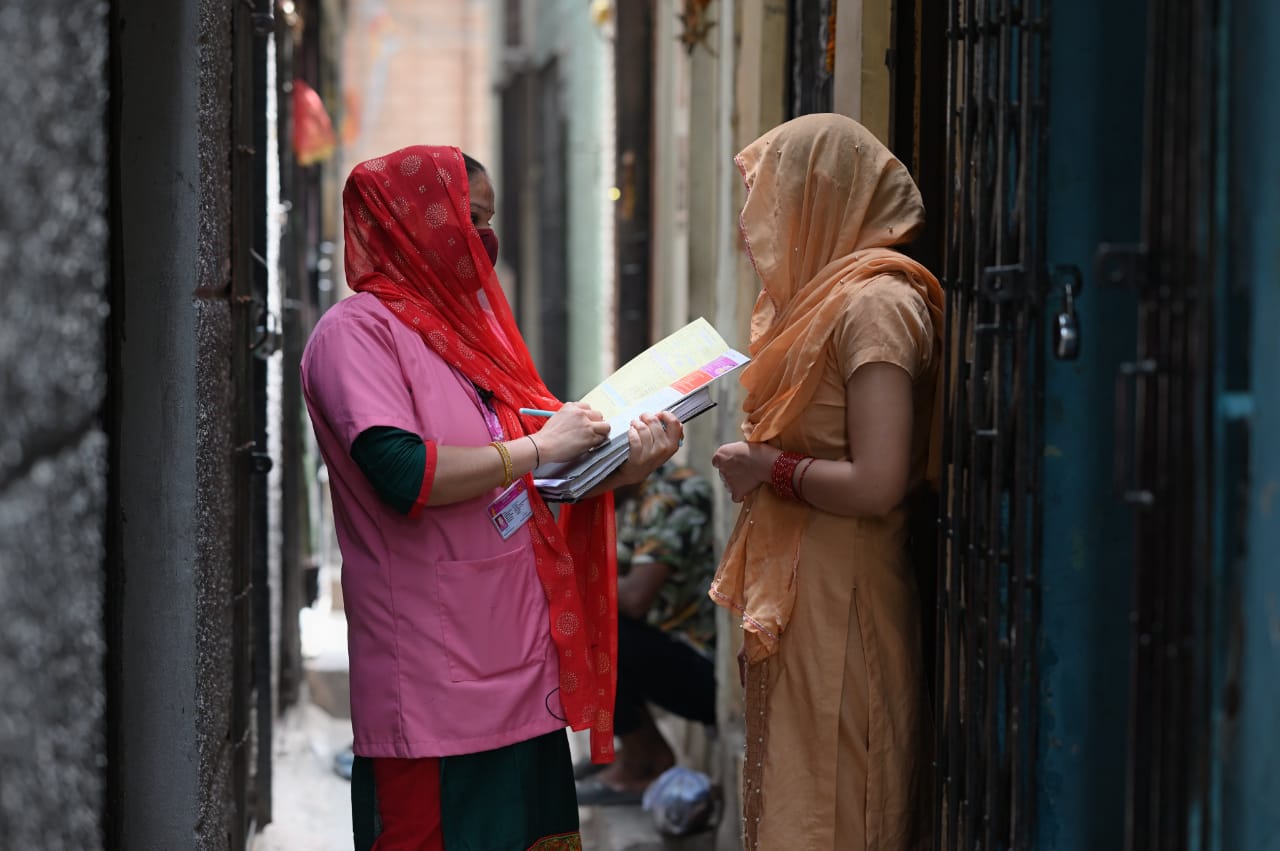
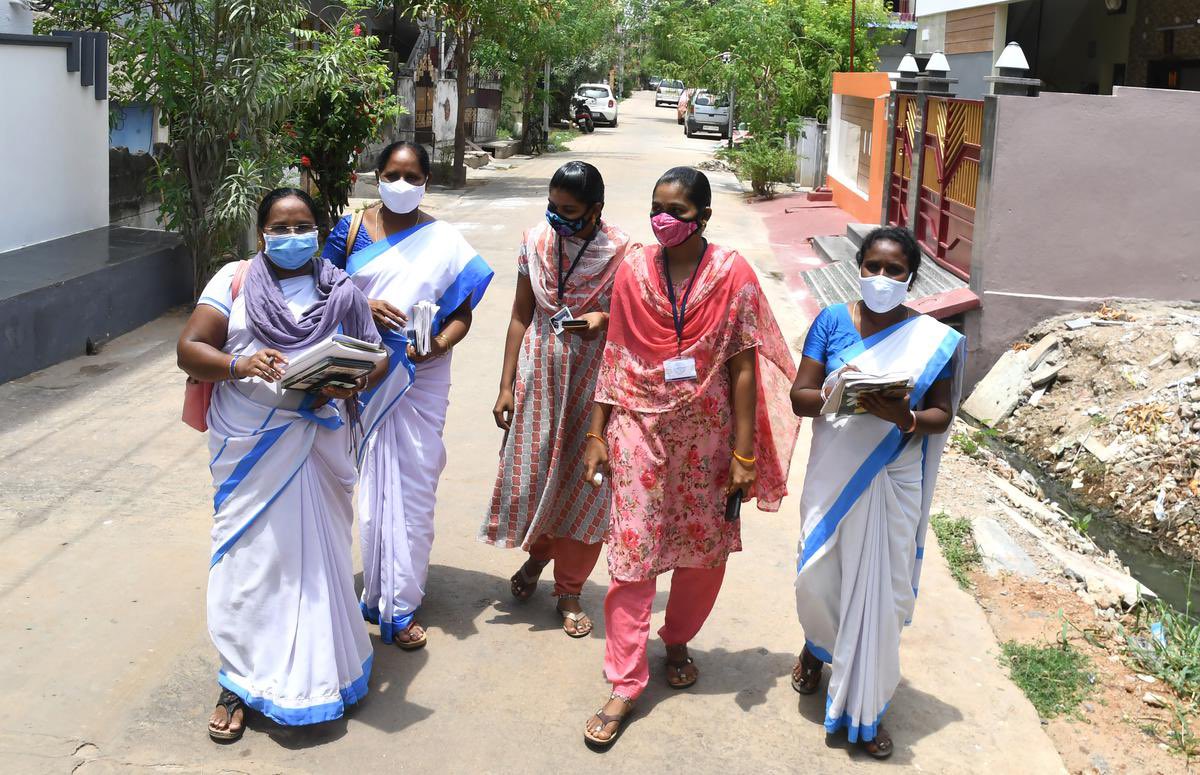
    • Involved in Awareness programs: They go door-to-door in their designated areas creating awareness about basic nutrition, hygiene practices, and the health services available. They also counsel women about contraceptives and sexually transmitted infections.
    • Ensures Mother and child health: They focus primarily on ensuring that pregnant women undergo ante-natal check-up, maintain nutrition during pregnancy, deliver at a healthcare facility, and provide post-birth training on breast-feeding and complementary nutrition of children.
    • Actively involved in Immunization programs: ASHA workers are also tasked with ensuring and motivating children to get immunized.
    • Providing medicines and therapies: Other than mother and childcare, ASHA workers also provide medicines daily to TB patients under directly observed treatment of the national programme. They also provide basic medicines and therapies to people under their jurisdiction such as oral rehydration solution, chloroquine for malaria, iron folic acid tablets to prevent anemia etc.
    • Tasked with Screening tests: They are also tasked with screening for infections like malaria during the season. They also get people tested and get their reports for non-communicable diseases. They were tasked to quarantine the covid 19 infected patients in the pandemic.
    • Informing the birth and death in respective areas:  The health volunteers are also tasked with informing their respective primary health center about any births or deaths in their designated areas.
    ASHA

    What are the challenges that ASHA workers face?

    • Lack of communication threating the job of ASHA Workers: One of the biggest issues facing rural health services is lack of information.
    • Lack of resources burdening the ASHA works job: Another area of concern is the lack of resources. Over the years, with the closest hospital being 9 km away and ambulances taking hours to respond, ASHA workers had to take multiple women in labour to the hospital in auto rickshaws.
    • Poor medical health facilities: Medical facilities are understaffed and lack adequate equipment for various basic procedures like deliveries. Simple tests, like for sickle cell anemia and HIV, cannot be conducted in no of respective areas of ASHA workers.
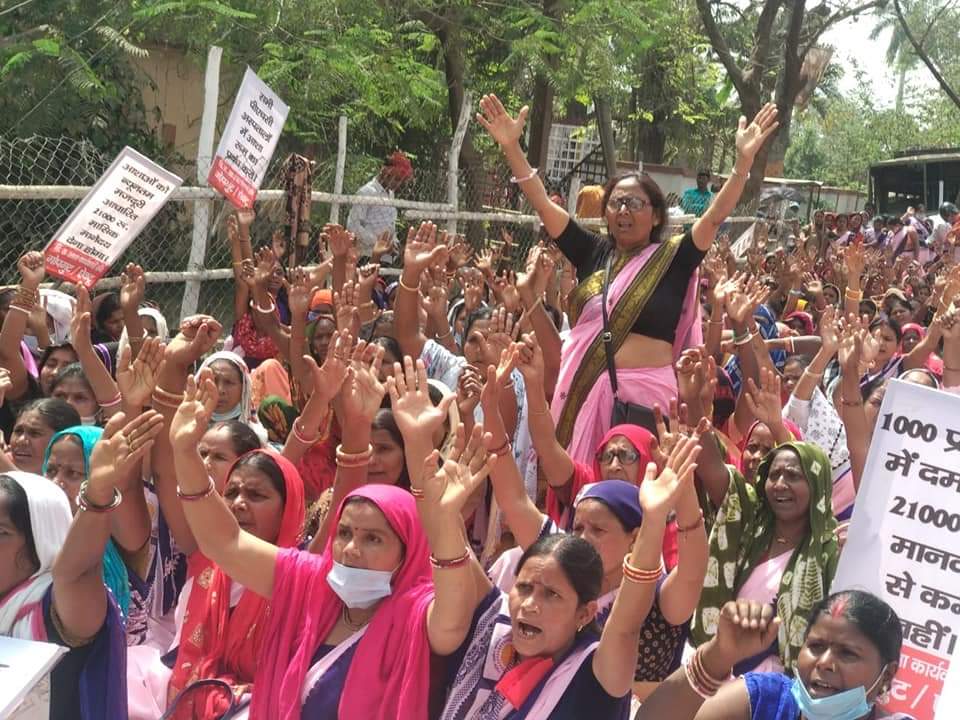
    • Low wages according to the job they do: The initial payment used to be paid was Rs 250 a month in 2009. Since ASHA’s unionized and agitated for a living wage. Thirteen years on, they earn around Rs 4,000 a month. It is simply not enough to sustain a family of four.
    • Covid 19 disruptions added to the existing problems: Low wages forcing ASHA’s to work two or more jobs. In the pandemic, no of women lost their husband or the means of earnings and had to revert to farming. Weather fluctuations disrupting the farm produce leaving no of ASHA’s the sole earner for the family. Those who don’t have land are living in miserable conditions.
    • Delayed payments reduce the morale: Payments are also delayed by months, Desperation for work leaves us unable to focus on the groundwork we do.
    ASHA

    What can be done to improve the work conditions of ASHA workers?

    • Improving the communication channels: Channels of communication between the government and the rural population need to be robust. A deadly pandemic makes the value of these channels obvious but in order to get people on board, information needs to be sent out much more effectively and in a hands-on manner. ASHA workers play a crucial role in aiding this effort. ASHA’s can’t do this alone. They need new systems to ensure the dissemination of life-saving information in remote areas.
    • ASHA’s should have fixed income: ASHA’s should have a fixed income, giving them the stability in a job where they spend between eight to twelve hours daily.
    • Role needs to be formalized ensuring the dignity: ASHA’s are recognized as “volunteers” currently. Their role needs to be formalized. Recognizing them as workers provides dignity and protection, and helps them to be taken seriously, by the state, the gram panchayat responsible for the disbursal of funds, and patients.
    • Recognizing and awarding their role will empower and motivate ASHA’s further: For people in villages, ASHA’s have become lifelines. They have led innumerable immunization drives and are everybody’s first call in a medical emergency. They have labored to build trust and serve as a bridge with the state. Examples shows recognition gives some leverage to circumvent the system and seek funds for people in my community.

    Conclusion

    • ASHA’s are lifelines of rural primary healthcare, they are playing critical role on no of fronts ensuring the basic health of India. A better, stronger India is possible if ASHA’s are enabled to serve people. Giving them due recognition would serve this end, along with making rural India’s needs medical or otherwise a priority.

    Mains Question

    Q. For the villagers, ASHA has been a lifeline in the last few years. Acknowledge the problems they face on a daily basis and suggest solutions to raise their morale for the primary health of the village community and the nation as a whole.

    Click and Get your FREE copy of Current Affairs Micro notes
     

  • [Sansad TV] Perspective: Big Tech Monopoly

    Click and get your FREE copy of Current Affairs micro notes

    Context

    • The Competition Commission of India has imposed a provisional penalty of Rs. 1337.76 crore on Google for abusing its dominant position in multiple markets in the Android Mobile device ecosystem.
    • The regulator also issued cease and desist directions to the tech giant on a number of its business practices.
    • Big tech companies have faced similar actions in various other countries as well.

    Broader Issue: Big Tech Competition

    • During the course of inquiry, Google argued about the competitive constraints being faced from Apple.
    • However the Commission noted the differences in the two business models which affect the underlying incentives of business decisions.
    • Google manages the Android operating system as well as other licences, which gives it advantage over its competitors to pre-install most prominent apps and widget like Chrome browser on Android devices.

    Major contention with Google: Tech Monopoly and Hegemony

    • Monopolies like Amazon and other Big Tech companies have been allowed to conduct blatantly anti-competitive and discriminatory disinformation practices.
    • This is no new thing for a huge market like India.
    • Google is facing more antitrust scrutiny at home and abroad.

    What is Monopoly?

    • A monopoly that occurs when a single firm controls manufacturing methods necessary to produce a certain product, or has exclusive rights over the technology used to manufacture it.
    • Technological monopolies differ from those based on vertical or horizontal consolidation in that the exclusivity derives from the production process itself.

    What is a Technology Monopoly?

    • Facebook, Google, Rogers, Microsoft, and Amazon – you have heard their names and you might even use them on a day to day basis.
    • Turning trillions of consumer dollars each year, these tech giants have dominated the global market.
    • These companies have wiped out any competition in order to maintain their monopolies on power.
    • Or Facebook, which has acquired over 94 companies, the most notable being Instagram, WhatsApp Messenger, Oculus Virtual Reality, Giphy, and more.
    • These are just a few examples of how these companies consolidate power and monopolize the industry.

    Issues with Big-tech Monopoly

    (1) Data Privacy

    • A major issue with technology monopolies is the accumulation of users’ data.
    • We never read the privacy policies under the terms and conditions of a website.
    • Technology monopolies get to set the bar in what they do with our data instead of the individual deciding.
    • This accumulation of data in a centralized domain makes it more enticing for hackers to breach these companies’ security measures.

    (2) User manipulation

    • Especially regarding media companies like social media or news outlets, these large corporations can push their personal agendas and biases on the public.
    • The lack of variety in major media sources can result in a reduction of different perspectives and a narrowed personal point of view.
    • Censorship can also aid in manipulating what the public gets to see (or does not get to see) and can obstruct religious, political, social, and other viewpoints.

    (3) Ability to bypass regulator

    • Due to rapid innovation and advancement by the Big Tech firms, the regulators are only able to react, not be in readiness.
    • Before the policymakers could realize prospects of a disrupting tech, the technology replaces itself. Ex. Intellectual Property manipulations by Pharma companies.
    • Due to this, they can avoid any negative repercussions for their continued violations.

    Does this really affect us?

    • Sudden disruptions: Recently, the WhatsApp went down for no known reasons. Also Instagram and Netflix do.  Luckily for us it was a network system failure.
    • Lack of alternatives would disrupt everything: But if this is what a mere maintenance mistake, imagine what a cyber-attack on one of these companies could do.

    How vulnerable is India to such monopolies?

    • Use of the targeted algorithm: You might have seen a video in which Google CEO admits that it records and monitors every movement or click by a user.
    • Consumer manipulation: Tech giants are using users’ search data to push advertisements to the users. The ads are specifically targeted to users based on their recent search over the internet.
    • Ambiguity over data control: This has raised serious privacy concerns and also created anti-trust investigations by various governments. The Cambridge Analytica scandal of Facebook is one such example. The recent WhatsApp privacy policy also created widespread concern.
    • Predatory pricing: The tech giants usually drive out competitors using anti-competitive behaviour. For example, accusations on Amazon favouring their self-branded products over third-party products.
    • Societal impact: The big techs are the foremost medium of fake news, hate speech, etc. These were seen as un-democratic activities by countries.
    • Impact on economy: The combined market capitalization of the big techs is more than the GDP of most countries except China and the USA. The sheer economic presence and their market presence make them create aggressive clauses in their terms and conditions, contract agreements etc.

    Steps taken in India

    • Competition Act, 2002 established the Competition Commission of India (CCI). The CCI has been established to eliminate practices having an adverse effect on competition.
    • Information and Technology Act, 2000 governs all activities related to the use of computer resources in India.  
    • Open Network for Digital Commerce (ONDC) seeks to promote open networks, which are developed using the open-source methodology. The project is aimed at curbing “digital monopolies”.

    Way Forward

    • Capitalizing information: Big Tech companies must negotiate a fair payment with all the stakeholders for using their content in Facebook’s newsfeed and Google’s Search.
    • Personal data protection bill: At a point in time where data is the new gold standard, the regulation of how tech companies use consumers’ personal data needs to be established by a proper legislation.
    • Comprehensive regulation: One umbrella legislation is far better than having multiplicity of legislations.

    Conclusion

    • The implications of tech monopolies have real life consequences, and the actions of these corporations have a direct effect on each of us as individuals.

    Click and get your FREE copy of Current Affairs micro notes

  • One must know India’s Economic Growth Story

    Economic

    Context

    • As the COVID-19 pandemic fades and hopes to rise for nations and societies to return to some kind of normalcy, there is effort all around to take stock of where we stand and what our prospects look like. A look back over the last few years at how India performed in terms of its economy.

    Present situation of India’s economic growth

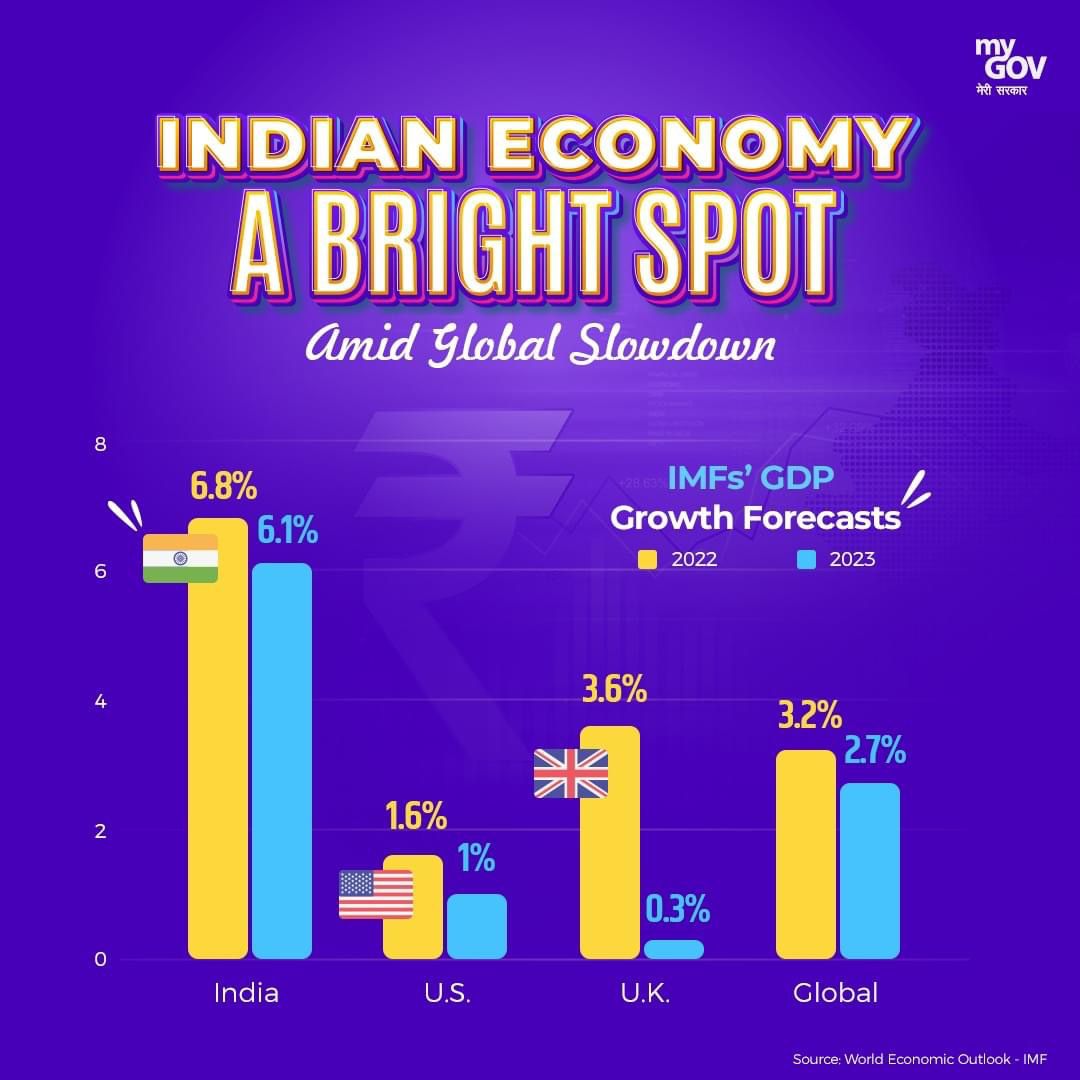
    • Mixed growth story: One group of experts argues, India’s growth story is more mixed. In 2021-22, its GDP growth was 8.7%, which was among the highest in the world. This is good but, against this, we must offset the fact that much of this is the growth of climbing out of the pit into which we had fallen the previous year.
    • IMF reduced the growth forecast: In 2020-21, India’s growth was minus 6.6%, which placed the country in the bottom half of the global growth chart. For 2022-23, the International Monetary Fund has cut India’s growth forecast to 6.1%.

    Economic

    Structural assessment of India’s growth

    • Rising inequality and high unemployment: Most of India’s growth is occurring at the top end, with a few corporations raking in a disproportionate share of profits, and unemployment is so high, it is likely that large segments of the population are actually witnessing negative growth.
    • Slowdown in previous years: What makes India’s growth story worrying is that the slowdown began much before the COVID19 pandemic. It began in 2016, after which, for four consecutive years, the growth rate each year was lower than in the previous year. Growth in 2016-17 was 8.3%. After that it was, respectively, 6.9%, 6.6%, 4.8%, and minus 6.6%.
    • Status of unemployment: India’s unemployment rate is high. In October, it stood at 7.8%. However, what is really worrying is youth unemployment. According to International Labour Organization (ILO) data, collated and presented by the World Bank, India’s youth unemployment, that is, from among people aged 15 to 24 years who are looking for work, the percent that does not find any, stands at 28.3%.

     Know the basics-What is Unemployment?

    • Definition: Unemployment is a phenomenon that occurs when a person who is capable of working and is actively searching for the work is unable to find work.
    • Those who are excluded: People who are either unfit for work due to physical reason or do not want to work are excluded from the category of unemployed.
    • Unemployment rate: The most frequent measure of unemployment is unemployment rate. The unemployment rate is defined as a number of unemployed people divided by the number of people in the labour force.
    • Labour Force: Persons who are either working (or employed) or seeking or available for work (or unemployed) during the reference period together constitute the labour force.

    Economic

    Other perspectives on Indian economy

    • The latest GDP numbers suggest: For Q1 FY2022–23 suggest that economic growth is on a healthy track. Consumers, after a long lull, have started to step out confidently and spend private consumption spending went up 25.9% in Q1.
    • On the production side: the contact-intensive services sector also witnessed a strong rebound of 17.7%, thanks to improving consumer confidence.
    • Healthy agriculture sector: The only sector that consistently performed well throughout the pandemic, remained buoyant.
    • Industrial growth: Industrial growth boosted from accelerating growth in construction and electricity, gas, water supply and other utility services sectors.
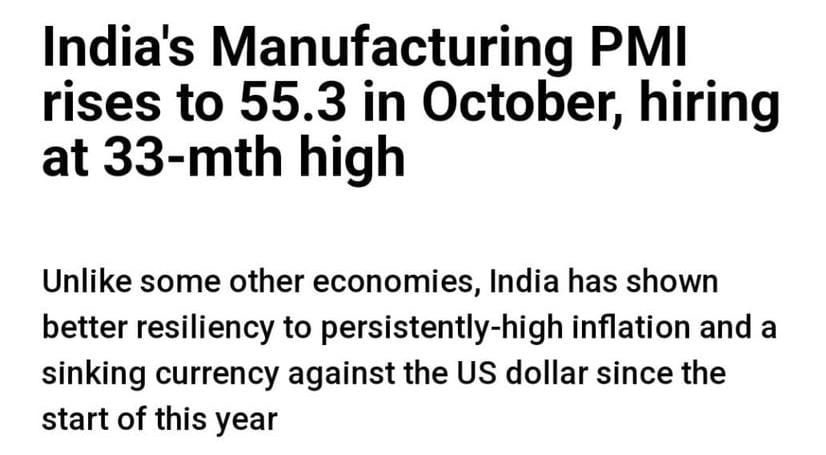
    • Manufacturing is not doing well: A sector that has not yet taken off sustainably is manufacturing, which witnessed modest growth of 4.5% in Q1. Higher input costs, supply disruptions, and labor shortages due to reverse migration have weighed on the sector’s growth. According to the Reserve Bank of India’s (RBI’s) data on nonfinancial firms, surging raw material costs have stressed the profitability and margins of companies.

    What are the Challenges for the growth of economy?

    • High inflation: The biggest worry is that of high inflation (which has persisted for way too long) and all the challenges that come along with it. Inflationary environments increase the costs of doing business, impact profitability and margins, and reduce purchasing power. In short, inflation thwarts both supply and demand. Central banks’ monetary policy actions, in response to rising inflation, can impede credit growth and economic activity, thereby intensifying the probability of a recession in a few advanced nations.
    • Rising current account deficit: The other challenge is the rising current-account deficit and currency depreciation against the dollar. While a rebounding domestic economy is resulting in higher imports, moderating global demand is causing exports to slow. The US dollar’s unrelenting rise and global inflation are further causing India’s import bills to rise.
    • Declining forex: The RBI had to intervene to contain volatility and ensure an orderly movement of the rupee. The RBI’s intervention is leading to a drawdown in foreign exchange reserves. Consequently, the import cover from reserves has reduced to nine months from a high of 19 months at the start of 2021 (although, it remains above the benchmark of three months).

    Economic

    The economy’s growth drivers are improving

    • Exports: Exports, the first growth driver are slowing down and are likely to moderate along with the probable global economic slowdown.
    • Government spending: Government spending, the second driver, is already at an elevated level, thanks to the pandemic, and the government will likely focus on its prudence in utilizing limited resources. The good news is the share of capital expenses is going up even as the government is reducing revenue expenses. Multiplier effects of this spending will aid in growth in income, assets, and employment for years to come. Strong tax revenues may support further capital spending in the future.
    • Capital expenditure: According to experts, prospects for capex investments the third growth driver by companies are brighter. Sustained demand growth may be the most-awaited cue for a sustained push for investment.
    • Consumer demand: Consumer Demand, the fourth, and perhaps the most important, growth driver has improved significantly in recent quarters. However, spending has not grown sustainable despite improving consumer confidence. For instance, retail sales are growing but the pace is patchy, and auto registrations have remained muted. We expect that receding pandemic fears and the upcoming festive season could give a much-needed boost to the consumer sector.

    Conclusion

    • Indian economy should not be looked from isolation. It is very much integrated in global economy. Pandemic, Ukraine war, US- China trade war have given a successive shock to global and Indian economy. Despite that Indian has done well than rest of the world. Our focus should be on curbing inequality, not to allow people to descend into extreme poverty and employment generation.

    Mains Question

    Q. Analyse the present economic macro-indicators of Indian economy. What are the challenges for growth story of India in the context of global uncertainty?

    Click and Get your FREE copy of Current Affairs Micro notes
     

  • CAA is an internal matter of India: Bangladesh Minister

    Bangladesh Information Minister has said that the Citizenship Amendment Act (CAA) framed to grant Indian citizenship to minorities of Bangladesh, Pakistan and Afghanistan was an “internal matter” of India.

    What is Citizenship Amendment Act (CAA), 2019?

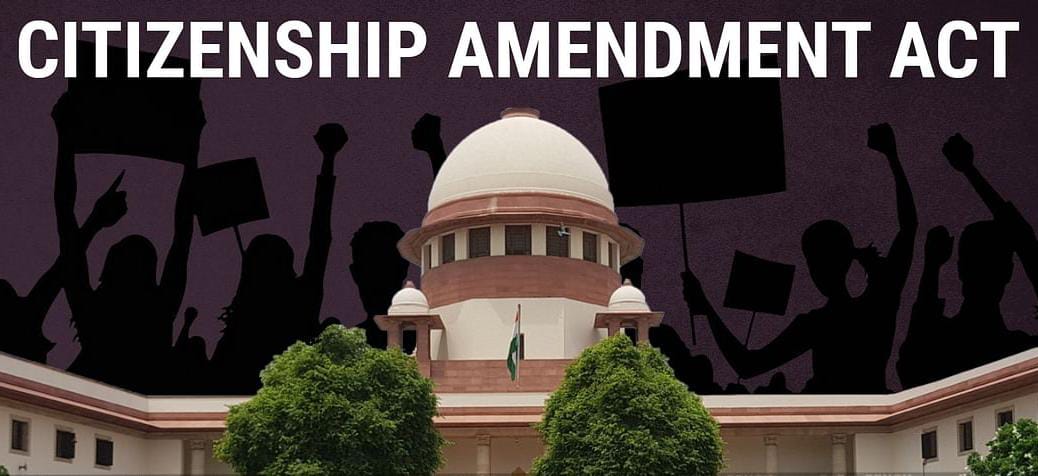
    • The Citizenship (Amendment) Act, 2019 (CAA) is an act that was passed in the Parliament on December 11, 2019.
    • The 2019 CAA amended the Citizenship Act of 1955 allowing Indian citizenship for religious minorities who fled from the neighboring Muslim majority countries before December 2014 due to “religious persecution or fear of religious persecution”.
    • However, the Act excludes Muslims.
    • Under CAA, migrants who entered India by December 31, 2014, and had suffered “religious persecution or fear of religious persecution” in their country of origin, were made eligible for citizenship by the new law.
    • These type of migrants will be granted fast track Indian citizenship in six years.
    • The amendment also relaxed the residence requirement for naturalization of these migrants from eleven years to five.

    Key feature: Defining illegal migrants

    • Illegal migrants cannot become Indian citizens in accordance with the present laws.
    • Under the CAA, an illegal migrant is a foreigner who: (i) enters the country without valid travel documents like a passport and visa, or (ii) enters with valid documents, but stays beyond the permitted time period.
    • Illegal migrants may be put in jail or deported under the Foreigners Act, 1946 and The Passport (Entry into India) Act, 1920.

    Exceptions

    • The Bill provides that illegal migrants who fulfil four conditions will not be treated as illegal migrants under the Act.  The conditions are:
    1. They are Hindus, Sikhs, Buddhists, Jains, Parsis or Christians;
    2. They are from Afghanistan, Bangladesh or Pakistan;
    3. They entered India on or before December 31, 2014;
    4. They are not in certain tribal areas of Assam, Meghalaya, Mizoram, or Tripura included in the Sixth Schedule to the Constitution, or areas under the “Inner Line” permit, i.e., Arunachal Pradesh, Mizoram, and Nagaland.

    Controversy with the Act

    • Country of Origin: The Act classifies migrants based on their country of origin to include only Afghanistan, Pakistan and Bangladesh.
    • Other religious minorities ignored: It is unclear why illegal migrants from only six specified religious minorities have been included in the Act.
    • Defiance of purpose: India shares a border with Myanmar, which has had a history of persecution of a religious minority, the Rohingya Muslims.
    • Date of Entry: It is also unclear why there is a differential treatment of migrants based on their date of entry into India, i.e., whether they entered India before or after December 31, 2014.

    Why discuss this?

    • The CAA became a huge cause of concern between India and Bangladesh when it was passed by the Parliament in December 2019, with Dhaka seeking a written assurance from India.
    • Dhaka, then was irked by the remarks about religious persecution of minority Hindus in Bangladesh.


    Click and get your FREE copy of Current Affairs micro notes

  • Mulling remote Voting facility for NRIs: Govt. tells SC

    The Union government has said that it was considering ways to facilitate non-resident Indians (NRI) to cast their votes remotely while ensuring the integrity of the electoral process.

    Who are the NRIs?

    • Overseas Indians, officially collectively known as Non-Resident Indians (NRIs) and Overseas Citizens of India (OCI).
    • NRIs are Indian citizens who are not residents of India and OCI are people of Indian birth or ancestry who live outside and also are not the citizens of Republic of India.

    Classification of Overseas Indians

    (A) Non-Resident Indian (NRI)

    • Strictly asserting non-resident refers only to the tax status of a person who, as per section 6 of the Income-tax Act of 1961, has not resided in India for a specified period for the purposes of the Act.
    • The rates of income tax are different for persons who are “resident in India” and for NRIs.

    (B) Person of Indian Origin (PIO)

    Person of Indian Origin (PIO) means a foreign citizen (except a national of Pakistan, Afghanistan, Bangladesh, China, Iran, Bhutan, Sri Lanka and/or Nepal), who:

    • at any time held an Indian passport OR
    • either of their parents/grandparents/great-grandparents were born and permanently resident in India as defined in GoI Act, 1935 and other territories that became part of India thereafter provided neither was at any time a citizen of any of the aforesaid countries OR
    • is a spouse of a citizen of India or a PIO.

    (C) Overseas Citizenship of India (OCI)

    • After multiple efforts by leaders across the Indian political spectrum, a pseudo-citizenship scheme was established, the “Overseas Citizenship of India”, commonly referred to as the OCI card.
    • The Constitution of India does not permit full dual citizenship.
    • The OCI card is effectively a long-term visa, with restrictions on voting rights and government jobs.

    Why need remote Voting facility?

    • There had been several petitions to allow NRIs to vote through postal ballots.
    • Many migrant labourers often find it beyond their limited means to fly in just to cast their vote.
    • Allowing NRIs to vote from abroad might emerge as a decisive force in the country’s electoral politics.


    Click and get your FREE copy of Current Affairs micro notes

  • C295 and India’s aircraft industry

    c295

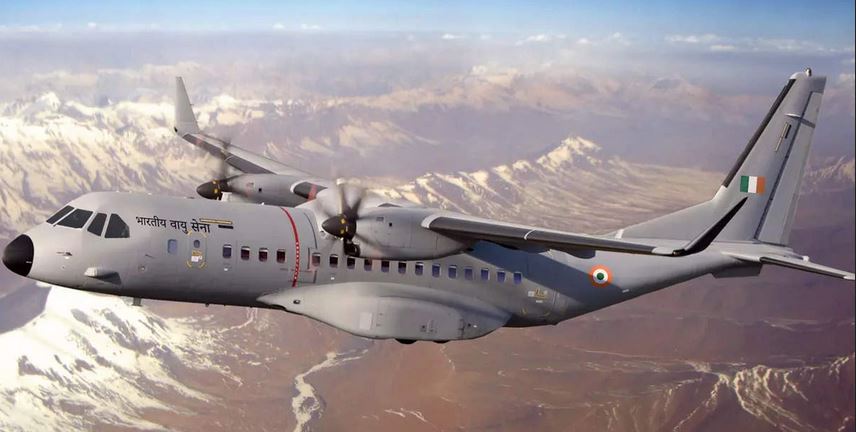
    Recently, PM laid the foundation stone for the C-295 transport aircraft manufacturing facility in Vadodara to be set up by Airbus Defence and Space and Tata Advanced Systems Limited (TASL).

    Why is it making headlines?

    • This is the first time a private sector company would be manufacturing a full aircraft in the country.
    • This is a huge step forward for India in the global aircraft manufacturing domain.

    What is the C-295MW transporter?

    • The C-295MW is a transport aircraft of 5-10 tonne capacity which will replace the legacy Avro aircraft in the Indian Air Force (IAF) procured in the 1960s.
    • It was originally produced by a Spanish aircraft manufacturer.
    • This company is now part of Airbus and the aircraft’s manufacturing takes place at Airbus’s plant in Spain.

    Why c-295MW?

    • The C-295 has very good fuel efficiency and can take off and land from short as well as unprepared runways.
    • As a tactical transport aircraft, the C295 can carry troops and logistical supplies from main airfields to forward operating airfields of the country.
    • It can operate from short airstrips just 2,200 feet long and can fly low-level operations for tactical missions flying at a low speed of 110 knots.
    • The aircraft can additionally be used for casualty or medical evacuation, performing special missions, disaster response and maritime patrol duties.

    A boost to domestic aircraft manufacturing

    • Over the last two decades, Indian companies, both public and private, have steadily expanded their footprint in the global supply chains of major defence and aerospace manufacturers.
    • They do supply a range of components, systems and sub-systems.

    India’s collaboration with top firm

    • Boeing’s sourcing from India stands at $1 billion annually, of which over 60% is in manufacturing, through a growing network of 300+ supplier partners of which over 25% are MSME.
    • Tata in a joint venture (JV) with Boeing, manufactures aero-structures for its AH-64 Apache helicopter, including fuselages, etc.
    • It also makes Crown and Tail-cones for Boeing’s CH-47 Chinook helicopters.
    • Similarly, Lockheed Martin has joint ventures with TASL in Hyderabad which has manufactured crucial components for the C-130J Super Hercules transport aircraft.

    How this has become possible?

    • The US is simplifying its export regulations for India, through a series of measures.
    • As US and India together pursue the Indo-Pacific strategy and are enhancing technology prowess.

    Boost to India’s civil aviation sector

    • India has a much bigger footprint in civil aviation manufacturing than defence, in addition to being a major market itself.
    • Both Airbus and Boeing do significant sourcing from India for their civil programmes.
    • According to Airbus every commercial aircraft manufactured by them today is partly designed and made in India.
    • India now has world’s fastest-growing aviation sector and it is about to reach the top three countries in the world in terms of air traffic.
    • Another major growing area is Maintenance, Repair and Overhaul (MRO) for which India can emerge as the regional hub.

    Conclusion

    • The private defence sector is still nascent and a conducive and stable regulatory and policy environment will be an important enabler.


    Click and get your FREE copy of Current Affairs micro notes

  • Centre restricts use of common weedicide Glyphosate

    Glyphosate

    The Union Ministry of Agriculture and Farmers Welfare has restricted the use of glyphosate, a widely used herbicide, citing health hazards for humans and animals.

    What is Glyphosate?

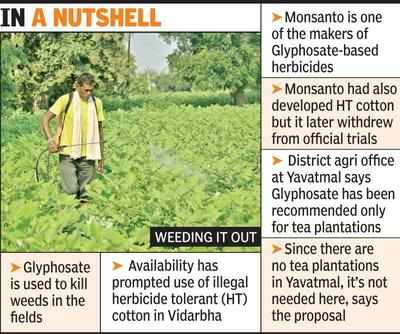
    • Glyphosate is an herbicide. It is applied to the leaves of plants to kill both broadleaf plants and grasses.
    • The sodium salt form of glyphosate is used to regulate plant growth and ripen specific crops.
    • Glyphosate is one of the most widely used herbicide.
    • In India, glyphosate has been approved for use only in tea plantations and non-plantation areas accompanying the tea crop.
    • Use of the substance anywhere else is illegal.

    How does glyphosate work?

    • Glyphosate is a non-selective herbicide, meaning it will kill most plants.
    • It prevents the plants from making certain proteins that are needed for plant growth.
    • Glyphosate stops a specific enzyme pathway, the shikimic acid
    • The shikimic acid pathway is necessary for plants and some microorganisms.

    What is the recent ban?

    • Only authorized Pest Control Operators are allowed to use it.
    • Earlier, state governments of Maharashtra, Telangana, Punjab and Andhra Pradesh have tried similar steps but failed.
    • The ban notification was based on a 2019 report by the Government of Kerala on prohibiting the distribution, sale and use of glyphosate and its derivatives.

    Is it banned elsewhere?

    • Some 35 countries have banned or restricted the use of glyphosate.
    • These include Sri Lanka, Netherlands, France, Colombia, Canada, Israel and Argentina.

    Hazards of Glyphosate

    • Health impacts of glyphosate range from cancer, and reproductive and developmental toxicity to neurotoxicity and immune toxicity.
    • Symptoms include irritation, swelling, burning of the skin, oral and nasal discomfort, unpleasant taste and blurred vision.


    Click and get your FREE copy of Current Affairs micro notes

  • GI tag in news: Kashmir Saffron

    saffron

    The Directorate of Tourism, Kashmir has organised a saffron festival in the Karewa of Pampore.

    Saffron

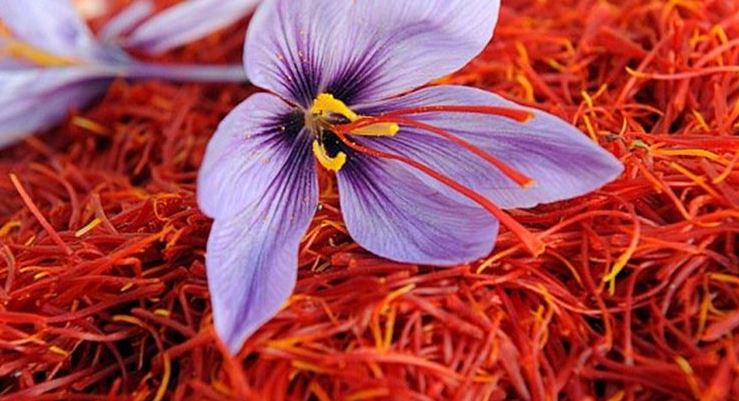
    • Saffron is a spice derived from the flower of Crocus sativus, commonly known as the “saffron crocus”.
    • The vivid crimson stigma and styles, called threads, are collected and dried for use mainly as a seasoning and colouring agent in food.

    Kashmir Saffron

    • It is cultivated and harvested in the Karewa (highlands) in some regions of Kashmir, including Pulwama, Budgam, Kishtwar and Srinagar.
    • It has been associated with traditional Kashmiri cuisine and represents the rich cultural heritage of the region.
    • Its cultivation is believed to have been introduced in Kashmir by Central Asian immigrants around 1st Century BCE. In ancient Sanskrit literature, saffron is referred to as ‘bahukam’.
    • In 2020, the Centre issued a certificate of Geographical Indication (GI) registration for Saffron grown in the Kashmir Valley.

    Major types

    The saffron available in Kashmir is of three types —

    • Lachha Saffron’, with stigmas just separated from the flowers and dried without further processing;
    • Mongra Saffron’, in which stigmas are detached from the flower, dried in the sun and processed traditionally; and
    • Guchhi Saffron’, which is the same as Lachha, except that the latter’s dried stigmas are packed loosely in air-tight containers while the former has stigmas joined together in a bundle tied with a cloth thread

    Whats’ so special about Kashmir Saffron?

    • The unique characteristics of Kashmir saffron are its longer and thicker stigmas, natural deep-red colour, high aroma, bitter flavour, chemical-free processing, and high quantity of crocin (colouring strength), safranal (flavour) and picrocrocin (bitterness).
    • It is the only saffron in the world grown at an altitude of 1,600 m to 1,800 m AMSL (above mean sea level), which adds to its uniqueness and differentiates it from other saffron varieties available the world over.

    Policy moves

    • The National Saffron Mission (launched as a part of Rashtriya Krishi Vikas Yojana) was sanctioned by the central government in the year 2010 in order to extend support for creation of irrigation facilities.
    • It seeks to facilitate farmers with tube wells and sprinkler sets which would help in production of better crops in the area of saffron production.
    • North East Centre for Technology Application and Reach (NECTAR) under Saffron Bowl Project has identified few locations in Arunachal Pradesh and Meghalaya for saffron cultivation.


    Click and get your FREE copy of Current Affairs micro notes

  • [Burning issue] Indian Space Industry

    Click and Get your FREE copy of Current Affairs Micro notes             
    Context

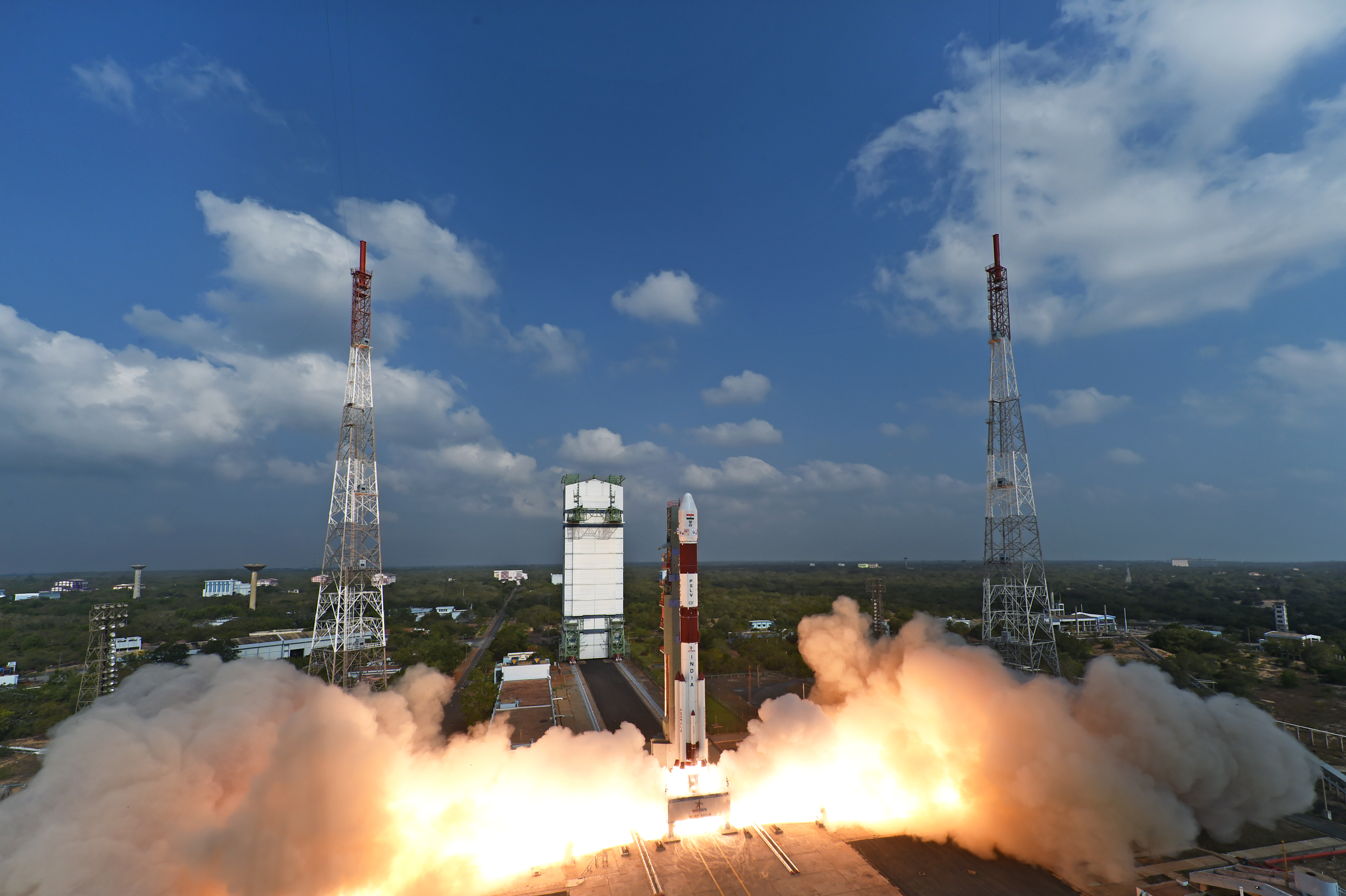
    • The Indian Space Research Organisation recently launched a constellation of 36 broadband satellites developed by OneWeb to Low Earth Orbit.
    • This was the first commercial launch for LVM-3 and the mission is being conducted under an agreement between OneWeb and New Space India Limited (NSIL).
    • Also, the Principal Scientific Adviser Ajay Kumar Sood stated in July 2022 that the government would soon come up with a new space policy to increase private sector participation in the industry.
    • In this context, in this edition of the burning issue, we will be analyzing the Indian Space Industry in detail and suggest what more needs to be done to further improve the industry.

    Vision and Background of the Indian space industry

    • The Indian space program is driven by the vision of Vikram Sarabhai, considered the father of the Indian space program.
    • India’s interest in space travel began in the early 1960s, when scientists launched a Nike-Apache rocket from TERLS, Kerala.
    • The Indian National Committee for Space Research was subsequently set up, which later became the Indian Space Research Organisation (ISRO) functioning under a new independent Department of Space in the 1970s under the Prime Minister of India.
    • India’s space program has impressively evolved for the past 50 years. Throughout the years, ISRO has upheld its mission of bringing space to the service of the common man, and the service of the Nation.
    • Currently, India’s Space Industry is predominantly driven by the national Indian Space Research Organisation (ISRO). The industry includes over 500 private suppliers and other various bodies of the Department of Space in all commercial, research and arbitrary regards.

    Facts about the Indian space industry

    • Among Top 5 nations: In terms of technological capabilities, India ranks among the top 5 space-faring nations of the world.
    • Costing edge over others: India is globally recognized for building low-cost satellites and launch vehicles. The global space economy is estimated at ~US $440 billion.
    • 6th largest market player: As per SpaceTech Analytics, India is the sixth-largest player in the industry internationally having 3.6% of the world’s space-tech companies (as of 2021). The U.S. holds the leader’s spot housing 56.4% of all companies in the space-tech ecosystem. Other major players include the U.K. (6.5%), Canada (5.3%), China (4.7%) and Germany (4.1%).
    • Exponential growth ahead: In 2019, the space industry of India accounted for $7 billion or 2% of the global space industry. Antrix Corporation expects the industry to grow up to $50 billion by 2024 if provided with appropriate policy support.

    Achievements of the Indian space industry

    • Growing budget: India’s total budgetary allocation for FY2022-23 towards the Department of Space was ₹13,700 crore.
    • Startups boom: As per Tracxn data, funding into the sector’s start-ups (in India) nearly tripled to $67.2 million on a year-over-year basis in 2021. There were more than 40 startups in India in early 2021 in various stages of developing their launch vehicles, designing satellites and other allied activities
    • Reliable satellite launcher: By 2019, India had launched more than 300 satellites for various foreign states. ISRO has a record on its name of launching 104 satellites in one go. The recent LVM launch is a further extension of it.
    • Growing Private sector participation: Reforms liberalizing the space sector and nondisclosure agreements came in the late 2010s, leading to the emergence of various private spaceflight companies such as Larsen and Toubro, Godrej aerospace etc.
    • Successful Interplanetary missions: ISRO has launched several interplanetary missions such as the Mars orbiter mission, Chandrayaan 1 and 2. Ambitious missions like Gaganyaan, and Aditya L1 are in pipeline.

    Role of the private sector in the Indian Space Industry

    (A) Initial Growth

    • Over four decades, ISRO continued transferring technologies to small and medium enterprises (SMEs), leading to there being over 500 suppliers of various components in 2017.
    • During 1990’s, The Department of Space actively promoted the growth of the sector, leading to the establishment of the manufacturing of various systems. Large mapping projects for various civilian and military requirements were outsourced by the government, which drove the growth of India’s private space sector. However, the private sector still played a supporting role, while the government continued to dominate the space sector.

    (B) Emergence of startups

    • In the late 2010s, a large number of startups started to emerge throughout the country with their proposals and concepts to develop various satellite technologies and rockets.
    • A range of initiatives to deregulate the private space sector was introduced by Narendra Modi’s cabinet in June 2020, and the Indian National Space Promotion and Authorisation Centre (INSPACe) was established for incubating technology into private firms.
    • Throughout this time, various nondisclosure agreements and tech transfers have been taking place between ISRO and private entities. In February 2020, 35 startups came up in the space sector, of which three focused on designing rockets, 14 on designing satellites, and the rest on drone-based applications and services sector.
    • The number further grew to over 40 in January 2021. Two companies, Skyroot Aerospace and AgniKul Cosmos, have tested their engines and are in the advanced stages of developing their launch vehicles, while others have their launchers in the production pipeline and have launched satellites using ISRO rockets.

    Challenges to the Indian space industry

    • Absence of a framework: The reason for the lack of independent private participation in space includes the absence of a framework to provide transparency and clarity in-laws.
    • Brain drain: Another aspect to throw light on is the extensive brain drain in India, which has increased by 85% since 2005.
    • Policy bottlenecks: Brain drain can be linked to the bottlenecks in policies that create hindrances for private space ventures and founders to attract investors, making it virtually non-feasible to operate in India.
    • Security concerns from private activities: Government worries over knowledge sharing, launch methods, and satellite capabilities have led to a reluctance to allow private actors in the market due to security concerns.
    • Long gestation period: Many approval processes take a long time to complete. Approvals take around a year and a half. This comes at a time when the next three to four years are critical for the sector’s growth.
    • State control: The ISRO is directly controlled by the Department of Space (DOS), which is under the Prime Minister’s Office.
    • Licensing issues: Another regulatory worry is the licensing structure for satellite earth station gateways, which needs to be transformed to make it easier for any satellite operator to set one up.
    • Limited indigenization: Another challenge is promoting indigenous innovation. In the new global climate, the challenge for the country is to continue to benefit from this innovation.
    • Restricted FDI: Presently, FDI in space is allowed under government routes only for satellite establishment and operations. FDI in space is approved by the Government on a case-by-case basis and often this approval takes time.

    Criticisms of Space Programmes

    • For a long, India is known to be making investments in the space arena for social, scientific and security purposes. However, many fundamentalists see investment in space as a waste of money.
    • All previous missions of ISRO are about the race for planetary resources. Unfortunately, it has not planned for any missions to asteroids, an ideal bed for mineral mining.
    • After Chandrayaan-2 failure, there is a danger that future ambitious missions could also end up only as a ‘feel-good program’ with Gaganyaan coming ahead.

    Steps taken to promote the space industry

    • ANTRIX: ISRO’s business branch is called Antrix, which markets ISRO’s space products and technologies to a global audience.
    • Launching of the Indian Space Association (ISpA):  In 2021, the Government of India launched the Indian Space Association (ISpA) to open the Indian space industry to private sectors and start-ups. Several private companies like Larsen & Toubro, Nelco (Tata Group), OneWeb, MapmyIndia, Walchandnagar Industries are founding members of this organization.
    • Establishment of IN-SPACe: The Indian National Space Promotion and Authorisation Centre (IN-SPACe) was mandated with the task of promoting, authorizing and licensing private players to carry out space activities.
    • Establishment of NSIL: New Space India Ltd (NSIL), is mandated to transfer the matured technologies developed by the ISRO to Indian industries.
    • Boost to Atmanirbhar call: This will enhance the diffusion of space technology and boost the space economy within the country, for a resurgent, AatmaNirbhar Bharat. Additionally, it will enable the commercialization of space technology, boost private investments, and prepare the youth as space leaders, and innovations in the sector for the progress of humanity.
    • Increased FDI limit in certain cases: witnessing the change in the approach of the Indian Government towards private player’s involvement, Indian companies will be allowed to invest up to 100% and 70% through FDI with approval of the center in all the streams viz. Upstream, midstream and downstream segments.
    • New Space Activities Bill: As of 2021, a new Space Activities Bill and a space policy are being drafted by NALSAR Centre for Aerospace and Defence laws to regulate space manufacturing and the legal aspects of the industry in India.

    What more needs to be done?

    • Creating a policy and regulatory framework: that is predictable for both ISRO and private firms.
    • Renting ISRO’s facility: Allowing commercial enterprises to rent ISRO testing facilities to test their products and equipment.
    • Improved regulatory clarity: this would result in fewer hurdles to entry for private companies and better synergy between ISRO and private partners.
    • Private companies should be given more incentives: to develop satellites or test rockets, lowering costs and increasing incentives for enterprises to build operational spacecraft.
    • ISRO’s assistance: ISRO should assist the private sector in attracting both domestic and foreign direct investment by offering access to its satellite technology, facilities, and orbital slots (FDI).
    • Need for space legislation in India: India has invested enormous resources in its space program through the ISRO. We need space legislation enabling coherence across technical, legal, commercial, diplomatic and defense goals.

    Conclusion

    • Future readiness is the key to maintaining an edge in technology and ISRO endeavors to optimize and enhance its technologies as the needs and ambitions of the country evolve.
    • Indian space industry thus is at the cusp of major evolution. Strong government handholding and ISRO’s mentorship of startups could play a significant role in the socioeconomic and technological development of India.

    Click and Get your FREE copy of Current Affairs Micro notes             
  • Case of Citizenship to Stateless Indian origin Tamils

    CitizenshipContext

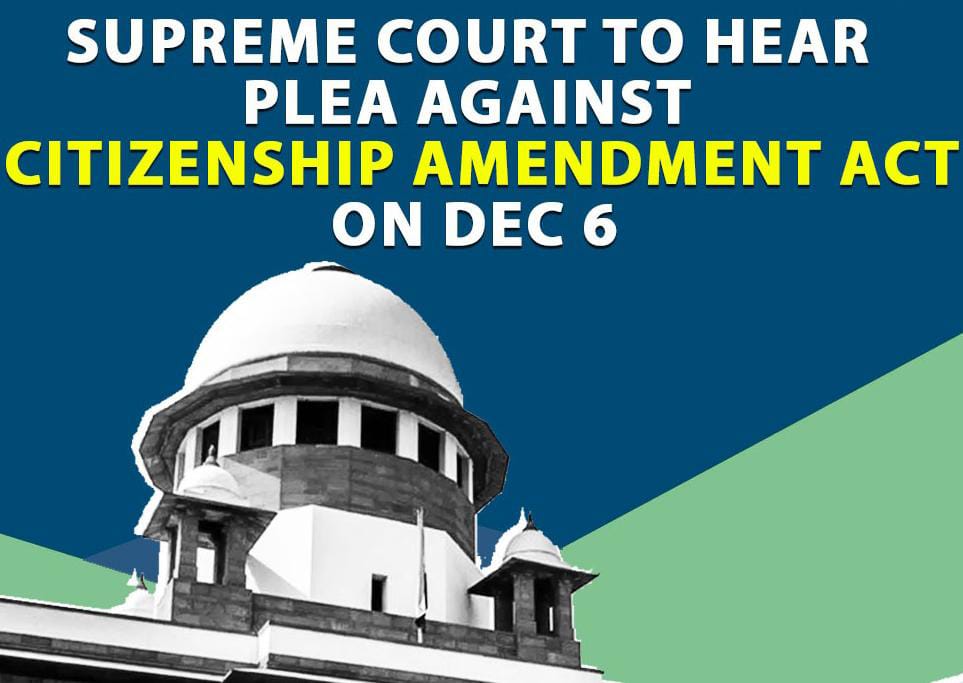
    • The Supreme Court of India has now posted the 232 petitions challenging the Citizenship (Amendment) Act (CAA) to be heard on December 6, 2022. However, there is another issue linked to the subject, i.e., the unresolved status of Indian origin Tamils who repatriated from Sri Lanka.

    Present status of Sri Lankan refugees in India

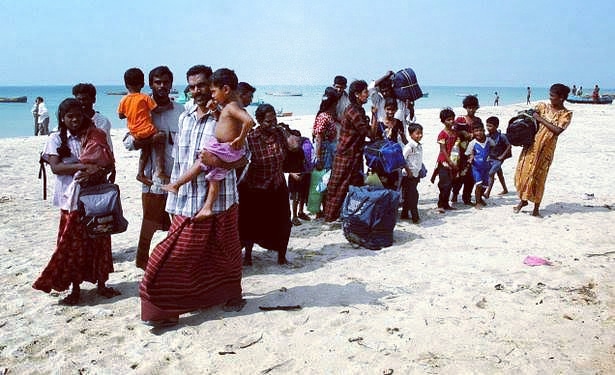
    • For over four decades, Indian origin Tamils have been classified as stateless persons, based on technicalities. Nations High Commission for Refugees, “Comprehensive Solutions Strategy for Sri Lankan Refugees”, there are around 29,500 Indian origin Tamils currently living in India.

    CitizenshipHistorical background of citizenship to Indian origin Tamils

    • As Indentured plantation workers: Indian origin Tamils were brought in as indentured labourers to work in plantations. They remained mostly legally undocumented and socially isolated from the native Sri Lankan Tamil and Sinhalese communities due to the policies of the British.
    • Denied citizenship led to stateless population: After 1947, Sri Lanka witnessed rising Sinhalese nationalism, leaving no room for their political and civil participation. They were denied citizenship rights and existed as a ‘stateless’ population, numbering close to 10 lakhs by 1960.
    • Bilateral pacts granted citizenship: As an ethnolinguistic minority without voting rights, this resulted in a double disadvantage till the two national governments addressed this issue. Subsequently, under the bilateral Sirimavo-Shastri Pact (1964) and the Sirimavo-Gandhi Pact (1974), six lakh people along with their natural increase would be granted Indian citizenship upon their repatriation.
    • Civil wars forcing to seek asylum in India: The Sri Lankan civil war resulted in a spike in Sri Lankan Tamils and Indian origin Tamils together seeking asylum in India. This resulted in a Union Ministry of Home Affairs directive to stop the grant of citizenship to those who arrived in India after July 1983.
    • Focus on Refugee welfare and rehabilitation: The focus of the Indian and Tamil Nadu governments shifted to refugee welfare and rehabilitation. The legal destiny of Indian origin Tamils has been largely intertwined with that of Sri Lankan Tamil refugees, and both cohorts have been relegated to ‘refugee’ status.
    • Classified as Illegal migrants as per the CAA 2003: Indian origin Tamils who arrived after 1983 came through unauthorized channels or without proper documentation and came to be classified as ‘illegal migrants’ as per the CAA 2003. This classification has resulted in their statelessness and blocking of potential legal pathways to citizenship.

    How to overcome the problem of statelessness?

    • While constitutional courts have not had an occasion to deal with the question of statelessness, there have been two recent judgments (Madurai Bench of the Madras High Court, Justice G.R. Swaminathan), taking these issues head on.
    • Judgment on P. Ulaganathan vs Government of India (2019): The status of citizenship of Indian origin Tamils at the Kottapattu and Mandapam camps came up for consideration. The court recognized the distinction between Indian origin Tamils and Sri Lankan Tamils and held that a continuous period of statelessness of Indian origin Tamils offends their fundamental right under Article 21 of the Constitution of India. The court further held that the Union Government has implied powers to grant relaxation in conferring citizenship and prescribed that a humanitarian approach, shorn of the rigors of law, should be adopted.
    • Abirami S. vs The Union of India 2022: Statelessness is something to be avoided. The court further held that the principles of the CAA, 2019, which relaxes the conditions for citizenship for Hindus from Afghanistan, Pakistan and Bangladesh, would also apply to Sri Lankan Tamil refugees. As such, these judgments have provided categorial judicial guidance to the Union of India on how to utilize an expanded and liberal interpretation of the CAA, 2019 to overcome statelessness.
    • Supreme Court (Committee for C.R. of C.A.P. and Ors. vs State of Arunachal Pradesh 2015): An undertaking made by the Government of India with respect to grant of citizenship inheres a right in the stateless or refugee population. As such, India has made repeated undertakings, through the 1964 and 1974 pacts, which have created a legitimate expectation among the Indian origin Tamils and would entitle them to be granted citizenship.
    • Obligatory International customary law: The situation of statelessness of Indian origin Tamils is ‘de jure’, created from the failure in implementing the 1964 and 1974 pacts. De jure statelessness is recognized in international customary law. Therefore, India has an obligation to remedy the situation.

    How other nations deals with statelessness situation?

    • United States: Remedying statelessness is not a novel process in law. While dealing with a similar situation, in 1994, the United States enacted the Immigration and the Nationality Technical Corrections Act to retroactively grant citizenship to all children born to an alien father and citizen mother.
    • Brazil: Through the Constitutional Amendment No. 54 of 2007 retroactively, Brazil granted citizenship to children under jus sanguinis, which was earlier stripped by an earlier amendment, i.e., Constitutional Amendment No. 3 of 1994.

    Citizenship

    What India can do?

    • Any corrective legislative action by the Government of India to eliminate statelessness should necessarily include retroactive citizenship for Indian origin Tamils.

    Conclusion

    • India has provided the one of largest refuge to people in the world including Tibetan, Sri Lankan, Pakistani, and Bangladeshi. Despite not being a signatory to UN refugee convention. any decision of granting citizenship has to be based on national interest rather than emotional connect.

    Mains Question

    Q. What are rules for granting the citizenship to foreigner in India? What are the hurdles in Tamil Sri Lankan getting their citizenship? How can Sri Lankan Tamil get citizenship by applying the rule of intelligible differentia under article 14?

    Click and Get your FREE copy of Current Affairs Micro notes
  • 1st Nov| Daily Answer Writing Enhancement

    Topics for Today’s questions:

    GS-1          Salient features of Indian Society, Diversity of India.

    GS-2         Functioning of the Executive and the Judiciary

    GS-3         Science and Technology- developments and their applications and effects in everyday life.

    GS-4        Attitude: content, structure, function; its influence and relation with thought and behaviour; moral and political attitudes; social influence and persuasion.

    Question 1)

    Q.1 Fully unlocking the value of India’s diversity will depend on the ability to manage contradictions and conflicts arising out of cultural differences. Discuss. (15 Marks)

    Question 2)

    Q.2 With the help of relevant Supreme Court judgements, analyse whether death penalty as a method of delivering justice should remain or go. (15 Marks)

    Question 3)

    Q.3 Although the adoption of genetically modified (GM) food crops is in our broader national interest, there are some concerns associated with it. Discuss. (10 Marks)

    Question 4)  

    Q.4 Social media has played a key role in influencing political opinions and social attitudes in India. Comment. (10 Marks)

    HOW TO ATTEMPT ANSWERS IN DAILY ANSWER WRITING ENHANCEMENT(AWE)?

    1. Daily 4 questions from General studies 1, 2, 3, and 4 will be provided to you.

    2. A Mentor’s Comment will be available for all answers. This can be used as a guidance tool but we encourage you to write original answers.

    3. You can write your answer on an A4 sheet and scan/click pictures of the same.

    4.  Upload the scanned answer in the comment section of the same question.

    5. Along with the scanned answer, please share your Razor payment ID, so that paid members are given priority.

    6. If you upload the answer on the same day like the answer of 11th  February is uploaded on 11th February then your answer will be checked within 72 hours. Also, reviews will be in the order of submission- First come first serve basis

    7. If you are writing answers late, for example, 11th February is uploaded on 13th February , then these answers will be evaluated as per the mentor’s schedule.

    8. We encourage you to write answers on the same day. However, if you are uploading an answer late then tag the mentor like @Staff so that the mentor is notified about your answer.

    *In case your answer is not reviewed, reply to your answer saying *NOT CHECKED*. 

    1. For the philosophy of AWE and payment: 

  • Q.3 Although the adoption of genetically modified (GM) food crops is in our broader national interest, there are some concerns associated with it. Discuss. (10 Marks)

    Mentor’s Comments-

  • Q.2 With the help of relevant Supreme Court judgements, analyse whether death penalty as a method of delivering justice should remain or go. (15 Marks)

    Mentor’s Comments-

  • Q.4 Social media has played a key role in influencing political opinions and social attitudes in India. Comment. (10 Marks)

    Mentor’s Comments-

    • Briefly define the term ‘social media’ and its current relevance in day to day lives.
    • Highlight the positive/negative role played by social media in influencing political opinions and social attitudes in India.
    • Conclude with a way forward.
  • Q.1 Fully unlocking the value of India’s diversity will depend on the ability to manage contradictions and conflicts arising out of cultural differences. Discuss. (15 Marks)

    Mentor’s Comments-

    • Introduce by describing India’s diversity as a cultural asset, with potential economic, social, political benefits.
    • List the major conflicts of cultures in India. List a comprehensive way forward for successful resolution of issues of cultural conflicts, with examples.
    • Conclude by emphasizing the right intent to resolve cultural contradictions.
  • The Amendments To The IT Rules, 2021

    IT rulesContext

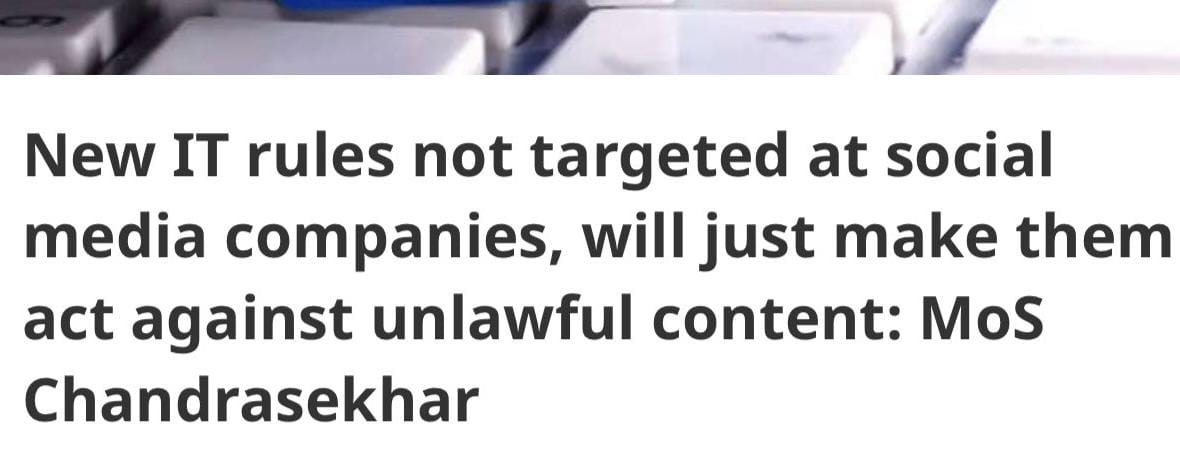
    • The Ministry of Electronics and IT (MeitY) has notified amendments to the Information Technology (Intermediary Guidelines and Digital Media Ethics Code) Rules, 2021 (IT Rules, 2021) on October 28. In June 2022, MeitY had put out a draft of the amendments and solicited feedback from the relevant stakeholders. The draft generated considerable discussion and comment on the regulation of social media in India.

    What are the IT rules 2021?

    • Regulating SMI’s: World over, governments are grappling with the issue of regulating social media intermediaries (SMIs).
    • Addressing the issues of SMI controlling the free speech: Given the multitudinous nature of the problem the centrality of SMIs in shaping public discourse, the impact of their governance on the right to freedom of speech and expression, the magnitude of information they host and the constant technological innovations that impact their governance it is important for governments to update their regulatory framework to face emergent challenges.
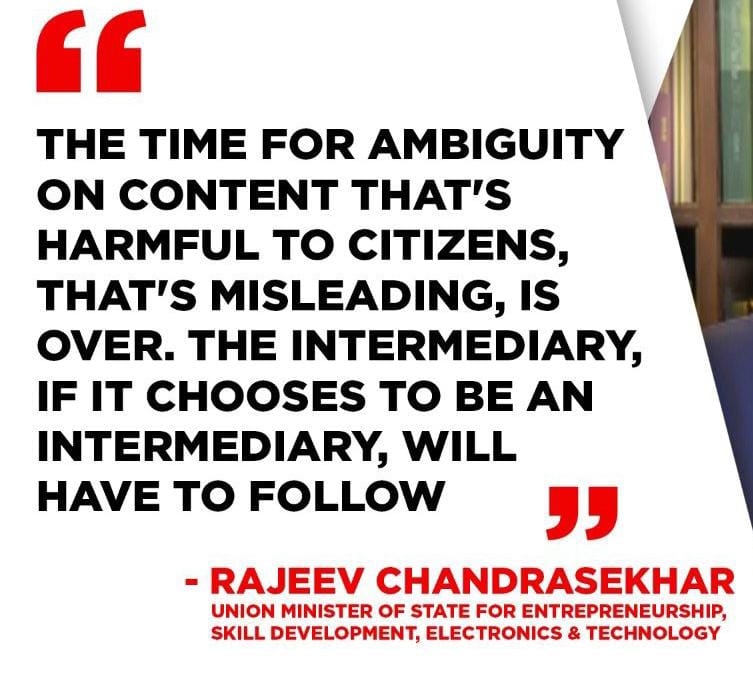
    • Placing obligations on SMI: In a bid to keep up with these issues, India in 2021, replaced its decade old regulations on SMIs with the IT Rules, 2021 that were primarily aimed at placing obligations on SMIs to ensure an open, safe and trusted internet.

    IT rules What are the proposed amendments?

    • Draft amendments in June 2022, the stated objectives of the amendments were threefold.
    1. Protecting the constitutional rights: there was a need to ensure that the interests and constitutional rights of netizens are not being contravened by big tech platforms,
    2. Grievance redressal: to strengthen the grievance redressal framework in the Rules,
    3. To avoid the dominance: that compliance with these should not impact early-stage Indian start-ups.
    • This translated into a set of proposed amendments that can be broadly classified into two categories.
    1. Additional obligation on SMI: The first category involved placing additional obligations on the SMIs to ensure better protection of user interests.
    2. Appellate mechanism: The second category involved the institution of an appellate mechanism for grievance redressal.

    IT rules

    What are the additional obligations placed on social media intermediaries?

    • Users need to comply with rules of platforms(intermediaries): The original IT Rules, 2021 obligated the SMIs to merely inform its users of the “rules and regulations, privacy policy and user agreement” that governed its platforms along with the categories of content that users are prohibited from hosting, displaying, sharing etc. on the platform. This obligation on the SMIs has now been extended to ensuring that its users are in compliance with the relevant rules of the platform.
    • Prevent the prohibited content: Further, SMIs are required to “make reasonable” efforts to prevent prohibited content being hosted on its platform by the users.
    • SMIs have to respects rights under constitution: Second, a similar concern arises with the other newly introduced obligation on SMIs to “respect all the rights accorded to the citizens under the Constitution, including in the articles 14, 19 and 21”. Given the importance of SMIs in public discourse and the implications of their actions on the fundamental rights of citizens, the horizontal application of fundamental rights is laudable.
    • Remove the content within 72 hours: SMIs are now obligated to remove information or a communication link in relation to the six prohibited categories of content as and when a complaint arises. They have to remove such information within 72 hours of the complaint being made. Given the virality with which content spreads, this is an important step to contain the spread of the content.
    • Ensuring the accessibility of services: SMIs have been obligated to “take all reasonable measures to ensure accessibility of its services to users along with reasonable expectation of due diligence, privacy and transparency”.
    • Provide content in all scheduled language: In this context, the amendments also mandate that “rules and regulations, privacy policy and user agreement” of the platform should be made available in all languages listed in the eighth schedule of the Constitution.

    IT rulesWhat is the grievance appellate committee (GAC)?

    • Composition of GAC: The government has instituted Grievance Appellate Committees (GAC). The committee is styled as a three-member council out of which one member will be a government officer (holding the post ex officio) while the other two members will be independent representatives.
    • Complaint within 30 days: Users can file a complaint against the order of the grievance officer within 30 days.
    • Online dispute resolution: The GAC is required to adopt an online dispute resolution mechanism which will make it more accessible to the users.

    What are the concerns associated with GAC?

    • Confusion over GAC and High courts: It is unclear whether this is a compulsory tier of appeal or not, that is will the user have to approach the grievance appellate committee before approaching the court. The confusion arises from the fact that the press notes expressly stated that the institution of the GAC would not bar the user from approaching the court directly against the order of the grievance officer. However, the final amendments provide no such indication.
    • Apprehensions about appointment by central government: While this makes the inhouse grievance redressal more accountable and appellate mechanism more accessible to users, appointments being made by the central government could lead to apprehensions of bias in content moderation.
    • GAC doesn’t have enforcement power: Further, the IT Rules, 2021 do not provide any explicit power to the GAC to enforce its orders.
    • Overlapping jurisdiction of courts and appellate: if users can approach both the courts and the GAC parallelly, it could lead to conflicting decisions often undermining the impartiality and merit of one institution or the other.

    Conclusion

    • Across the world, social media regulation is need of an hour. Fake news, protests, riots are fuelled by social media outrage on petty things. However, government should not usurp the unaccountable power of in the name social regulation. Power of government should also be scrutinized by parliamentary committee.

    Mains Question

    Q. How social media can disrupt the law-and-order situation? Social media intermediaries have become the master regulators of free speech. Explain. critically analyze the new draft recommendations of IT rules 2021.

    Click and Get your FREE copy of Current Affairs Micro notes
     

  • Green Signal to GM Mustard

    MustardContext

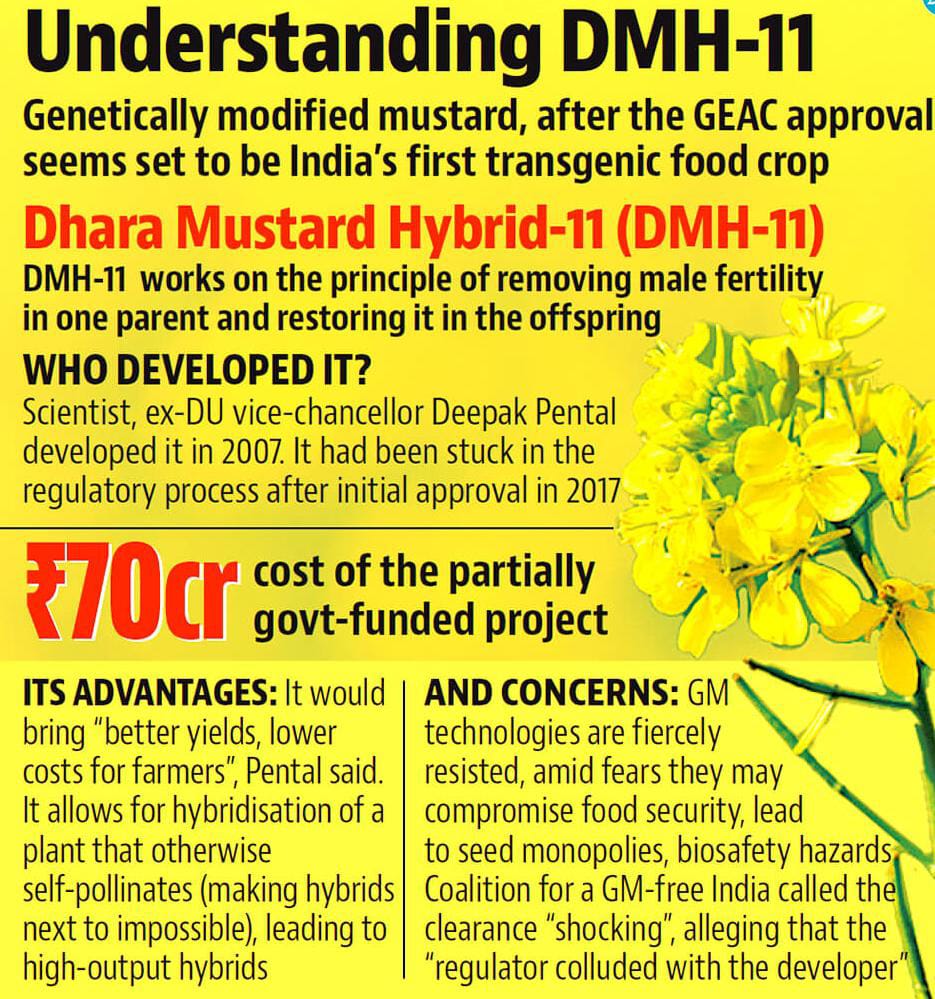
    • The recent clearance by the government for the release of GM Mustard Hybrid DMH 11 based on the recommendations of GEAC under the Ministry of Environment, Forests and Climate Change is a bold decision in the best interest of our farmers and the nation.

    What are Genetically modified organisms (GMO)

    • Changes in genetic material: GMOs can be defined as organisms (i.e., plants, animals or microorganisms) in which the genetic material (DNA) has been altered in a way that does not occur naturally by mating and/or natural recombination
    • Transfers of genes: It allows selected individual genes to be transferred from one organism into another, also between nonrelated species.
    • GM foods: Foods produced from or using GM organisms are often referred to as GM foods
    • GM Mustard: GM mustard crop was introduced, which was later withdrawn. There is a raging debate going on advantages and disadvantages of GMOs. For a long time, further study was requested by farmers, environmentalist on GMO crops.

    MustardAdvantages of GM mustard?

    • Benefits to producers and consumers: GM foods are developed and marketed because there is some perceived advantage either to the producer or consumer of these foods. This is meant to translate into a product with a lower price, greater benefit (in terms of durability or nutritional value) or both. Initially GM seed developers wanted their products to be accepted by producers and have concentrated on innovations that bring direct benefit to farmers (and food industry generally)
    • Improves crop protection: One of the objectives for developing plants based on GM organisms is to improve crop protection.
    • Insect Resistance: Some GMO foods have been modified to make them more resistant to insects and other pests. This means the amount of pesticide chemicals used on the plants are reduced, so their exposure to dangerous pesticides is also reduced
    • Develops stronger Crop: Another benefit that GM technology is believed to bring about is that crops can be engineered to withstand weather extremes and fluctuations, this means that there will be good quality and sufficient yields even under a poor or severe weather condition
    • Provides Environment Protection: GM crops often requires less time, tools and chemicals, and may help with reducing greenhouse gas emissions, soil erosion and environmental pollution
    • More Nutritious Foods: According to the UN Food and Agricultural Organization (FAO), some GM foods have been engineered to become more nutritious in terms of vitamin or mineral content.
    • More economic benefits: Larger production leading to increased farm income, reduced poverty, low food prices and thus reduced hunger and malnutrition. Besides new food products are also included, diversifying food varieties

    What is the risk associated with GMO?

    • Contamination of genes: GMOs contaminate forever. GMOs cross pollinate and their seeds can travel far and wide.
    • Irreversible changes in gene pool: It is impossible to fully clean up our contaminated gene pool.
    • More herbicides in our food: Genetic engineering allows plants to survive high doses of weed killers, resulting in higher herbicide residues in our food.
    • Super weeds and super bugs: GMO crops are creating ‘super weeds’ and ‘super bugs,’ which can only be killed with more toxic poisons.

    MustardWhy there was necessity to grant approval for GM Mustard?

    • To meet our current challenges: Over-exploitation of natural resources (soil, water, biodiversity), declining factor productivity, urgency to achieve sustainable development goals, especially ending poverty and hunger, and addressing timely the adverse effects of climate change the best option is scientific innovations and their scaling.
    • The adoption of GM food crops is in our broader national interest: Genetically modified maize, soybean, cotton, tomato and canola are grown across the world and the area currently under GM crops is about 200 m ha. Besides India, these have been grown for many years in the US, Brazil, Argentina, Canada, Australia, Philippines, Pakistan, Bangladesh, and China.
    • To meet the existing deficit in edible oils: India is currently importing around 13 million tonnes at a cost of Rs 1.17 lakh crore to the exchequer. Interestingly, of this, 2.0-2.5 mt soybean oil and 1.0-1.5 mt canola oil is already GM. Hence, we are consuming GM oil already, besides, the 1.5 mt of GM cotton oil produced domestically.
    • Associated health benefits: It is scientifically proven that the consumption of refined oil does not allow any protein to enter the human system. Thus, the consumption of GM oil is completely safe from a health point of view.
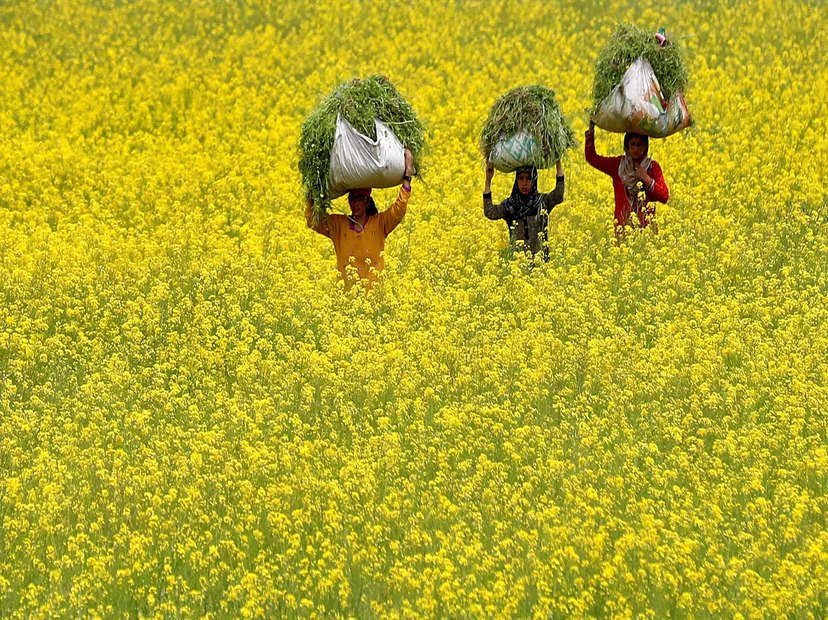
    • High yields to farmers: A major concern of our farmers is that yields of mustard are low and have stagnated for a long time at around 1,260 kg/ha, much lower than the global average of 2,000 kg/ha. Yields of canola in Canada, China and Australia are almost three times higher than in India since they use GM hybrid technology. Mustard is a very important oilseed crop, grown in 6.0 -7.0 million hectares, mostly in Rajasthan, Haryana, Punjab and Madhya Pradesh. Thus, the government’s decision to allow the production of GM Mustard hybrids will go a long way in increasing our yields, while reducing the use of pesticides.

    MustardWhat else needs to be done?

    • Providing enabling environment: The Department of Agriculture (DoA) and ICAR need to move forward fast and provide an enabling environment to test the available seed of Hybrid DMH 11 in the current rabi season.
    • Encourage public-private partnership: This needs to happen on several farmers’ fields in the mustard belt. It must also encourage public-private partnerships to produce quality seeds to cover more area next year.
    • Encouraging further innovation: Also, scientists at ICAR institutes must be encouraged to develop new GM Mustard hybrids on a mission mode. Allowing the production of GM Soybean and GM Maize going forward will also be a positive step, increasing both the productivity and profitability of these crops and doubling farmers’ income.

    Conclusion

    • The decision to remove the unscientific ban on GM crops reflects the determination of the government to move towards Atmanirbhar Bharat. It also meets the aspirations of our scientific community and farmers can derive the benefits of innovative technology.

    Mains Question

    Q. How GM mustard crop are different from conventional crops? What are the benefits and risks of adopting the GM mustard crop?

    Click and Get your FREE copy of Current Affairs Micro notes
     

  • SC admits plea challenging first amendment to Constitution

    The Supreme Court has agreed to examine a PIL challenging changes made to the right to freedom of speech and expression by the first amendment to the Constitution in 1951.

    Why in news?

    • The fresh petition argues that the 1st Constitutional Amendment damages the basic structure doctrine.

    What was the first amendment?

    • The Constitution (First Amendment) Act, 1951 made several changes to the Fundamental Rights provisions of the Indian constitution.
    • It provided means to:
    1. Restrict freedom of speech and expression,
    2. Validation of zamindari abolition laws, and
    3. Clarified that the right to equality does not bar the enactment of laws which provide “special consideration” for weaker sections of society
    • This Amendment set the precedent of amending the Constitution to overcome judicial judgements impeding fulfilment of the government’s perceived responsibilities.

    Why in news now?

    • In his plea, the petitioner said Section 3(1) of the 1951 Amending Act substituted original Clause (2) of Article 19.
    • This clause 19(2) deals with reasonable restrictions on the freedom of speech and expression guaranteed under Article 19(1)(a).

    (a) Objectionable insertions

    • It which contained two objectionable insertions allowing restrictions also:
    1. In the interest of public order and
    2. In relation to incitement to an offence

    (b) Crucial omissions

    • The new Clause (2) also omitted the expression “tends to overthrow the State” as appearing in the original Clause (2).
    • Section 3 (2) of the amending Act effected validation of certain laws even if they took away or abridged the right to freedom of speech and expression, the petitioner said.

    Issues created by Clause (2) of Article 19

    Ans. It protects certain arbitrary sections of IPC from constitutionality check

    • The petition contended that these two insertions protect certain IPC sections such as from the vice of unconstitutionality –
    1. Sections 124A: Sedition
    2. Section 153A: Promoting enmity between different groups on grounds of religion, race, place of birth, residence, language, etc. prejudicial to maintenance of harmony
    3. Section 295A: Deliberate and malicious acts, intended to outrage religious feelings of any class by insulting its religion or religious beliefs and
    4. Section 505: Statements conducing to public mischief
    • The questionable expressions inserted unduly abridge the fundamental right under Article 19 (1)(a) { freedom of speech and expression}.

    How it sought to trivialize national security?

    • The amendment also neglects national security by dropping the expression ‘tends to overthrow the State’.
    • The omission of this expression raises grave concern in the context of the dangers posed to the concept of secular democratic republic by radicalism, terrorism and religious fundamentalism.
    • This could either be radicalism or right-wing extremism.

    How did the petition invoke basic structure doctrine here?

    • The petition argued that undue abridgement does not advance or sub serve any constitutional objectives.
    • They appear more to damages inter alia democracy and republicanism and supremacy of the Constitution.


    Click and Get your FREE copy of Current Affairs Micro notes
  • Why the SC slammed the two-finger test on rape and sexual assault victims?

    finger

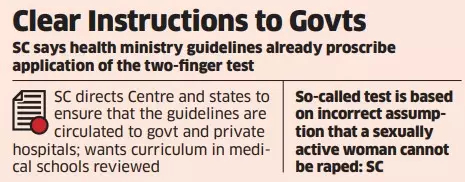
    The Supreme Court has declared that any person conducting the invasive ‘two-finger’ or ‘three-finger’ vaginal test on rape or sexual assault survivors will be found guilty of misconduct.

    What is the two-finger test?

    • The test is conducted to check whether the victim has had recent sexual intercourse.
    • It includes an inspection of the hymen.
    • The hymen is inspected as it can be torn only if the woman has had any sexual intercourse.
    • This test was performed on rape or sexual assault survivors.

    What did the Verma Committee say on the two-finger test?

    • The committee under former Chief Justice JS Verma, formed soon after the 2012 Nirbhaya Gangrape case had recommended tougher laws for such cases and ban of the two-finger test.
    • This test has no bearing on a case of sexual assault.
    • On the basis of this test observations/ conclusions such as ‘habituated to sexual intercourse’ should not be made and this is forbidden by law.
    • Yet, the test continues to be conducted in India and other countries despite rape test kits are being provided by the government to all medical institutions after the committee recommendations.

    Is the two-finger test scientifically accepted?

    • Of course NOT.
    • According to medical experts, science has proved that the hymen is not a reliable source of proving vaginal penetration.
    • The hymen, which is a thin membrane in the vagina, can rupture not just during sexual activity but also during day-to-day work or any physical activity, including playing sports.

    What has the Supreme Court said previously?

    • Violation of privacy: In May 2013, the Supreme Court banned the two-finger test on rape victims on the grounds that it violated their right to privacy.
    • Alternative procedures: The court asked the government to provide better medical procedures in order to confirm sexual assault.
    • Painful for women: The test is medically unnecessary, often times painful, humiliating and a traumatic practice that must end.

    Way ahead

    • Workshops should be held for health providers to prevent the test from being conducted on rape survivors.
    • The curriculum in medical schools should be revised.
    • The court ordered copies of the judgment to be handed over to the Health Ministry, which should be circulated to the health and home departments of the States.
    • The home departments should circulate the judgment to the Director Generals of Police in the States.


    Click and Get your FREE copy of Current Affairs Micro notes
  • Decentralise MGNREGS for better implementation: Govt. Study

    An internal study commissioned by the Ministry of Rural Development has argued for decentralization of the Mahatma Gandhi National Rural Employment Guarantee Scheme (MGNREGS), allowing for more “flexibility” at the ground level.

    Key recommendations to revamp MGNREGS

    • Work diversification: There should be a greater diversification of permissible works instead of listing the types of permissible works.
    • Broad categories of works may be listed out.
    • Flexibility should be given at ground level to select the type of works as per broad categories.

    What is MGNREGS?

    • The MGNREGA stands for Mahatma Gandhi National Rural Employment Guarantee Act of 2005.
    • This is labour law and social security measure that aims to guarantee the Right to Work’.
    • The act was first proposed in 1991 by P.V. Narasimha Rao.

    What is so unique about it?

    • MGNREGA is unique in not only ensuring at least 100 days of employment to the willing unskilled workers, but also in ensuring an enforceable commitment on the implementing machinery i.e., the State Governments, and providing a bargaining power to the labourers.
    • The failure of provision for employment within 15 days of the receipt of job application from a prospective household will result in the payment of unemployment allowance to the job seekers.
    • Any Indian citizen above the age of 18 years who resides in rural India can apply for the NREGA scheme. The applicant should have volunteered to do unskilled work.
    • Employment is to be provided within 5 km of an applicant’s residence, and minimum wages are to be paid.
    • Thus, employment under MGNREGA is a legal entitlement.

    Why imbibe some changes?

    (1) Empowering Gram Sabhas

    • The fund management has been centralised instead of paying the Gram Sabhas.
    • The Gram Sabhas could better decide the work they want to undertake.
    • The Sabhas can take into account the local conditions and the community’s requirement instead of chasing a target set for them.

    (2) Prevent delays in fund disbursal

    • The internal study also flagged the frequent delay in fund disbursal, and to deal with it suggested a revolving fund that can be utilised whenever there is a delay in the Central funds.
    • The survey quoted various instances to underline this chronic problem.

    (3) Prevent delay in wages

    • In Himachal Pradesh and Gujarat, the delay in wages was by three or four months and the material component by six months.
    • The study also noted that the MGNREGS wages were far below the market rate in many States, defeating the purpose of acting as a safety net.

    Answer this PYQ in the comment box:

    Q.Among the following who are eligible to benefit from the “Mahatma Gandhi national rural employment guarantee act”?

    (a) Adult members of only the scheduled caste and scheduled tribe households.

    (b) Adult members of below poverty line (BPL) households.

    (c) Adult members of households of all backward communities.

    (d) Adult members of any household.

    Post your answers here.


    Click and Get your FREE copy of Current Affairs Micro notes

More posts