





💥UPSC 2026, 2027, 2028 UAP Mentorship (March Batch) + Access XFactor Notes & Microthemes PDF

Search results for: “”

  • A Troubling Statistic in India’s Nutritional Landscape

    nutrition

    Central Idea

    • A troubling statistic in the fifth National Family Health Survey (NFHS-5) data, conducted in 2019-21, is not well-known. Going without food for an entire day at this critical period of a child’s development raises serious concerns related to severe food insecurity.

    Statistics from the NFHS-5 data

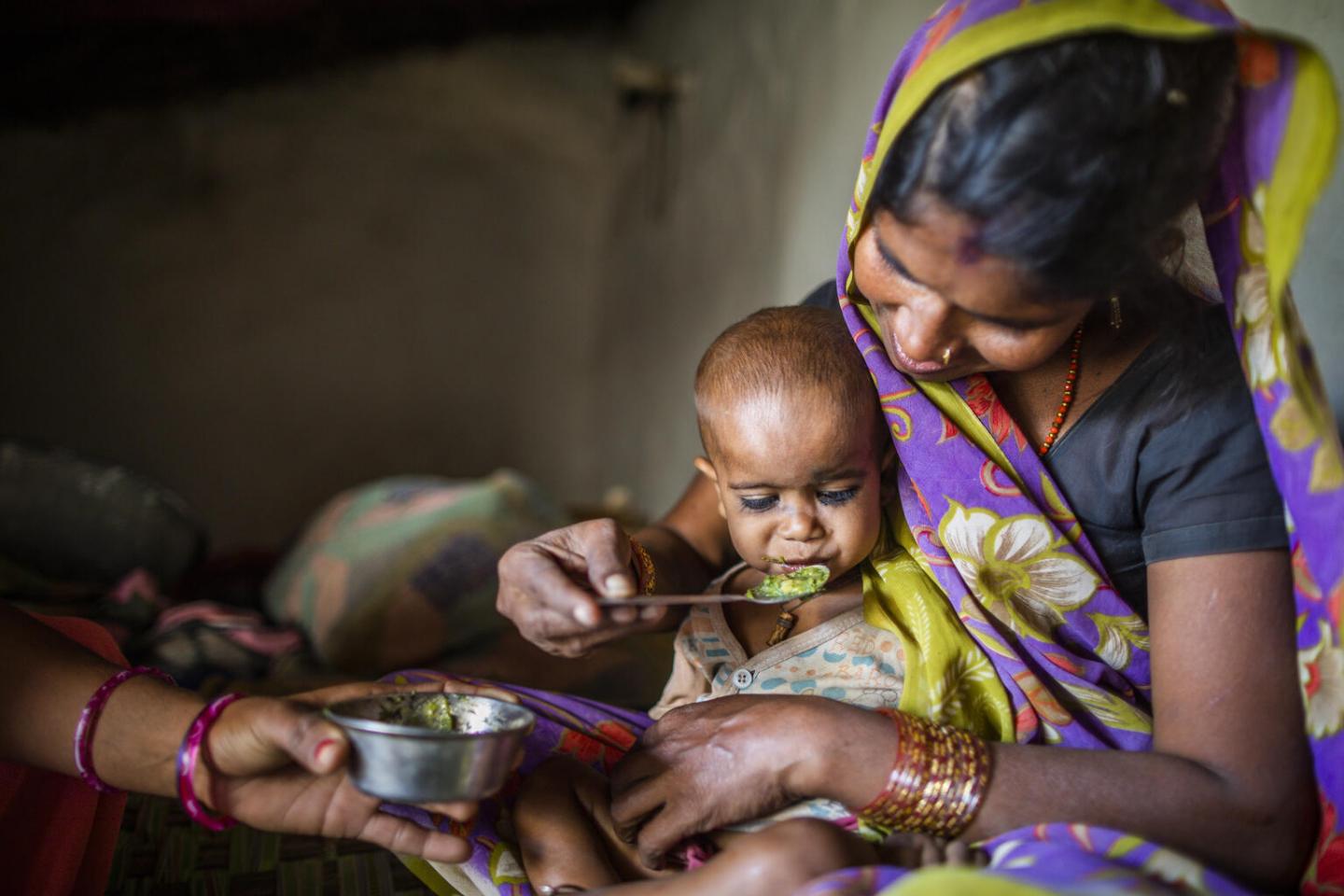
    • Zero-food: Among mothers with a child between ages 6-23 months, 18% reported that their child did not eat any food whatsoever (“zero-food”) in the 24 hours preceding the survey. The zero-food prevalence was 30% for infants aged 6-11 months, 13% among 12-17 months old, and 8% among 18-23 months old.
    • Zero-protein: More than 80% of children in the age group of 6-23 months had not consumed any protein-rich foods for an entire day (“zero-protein”). Close to 40% of children in the age group of 6-23 months did not eat any grains (roti, rice, etc.) for an entire day.
    • Zero-milk: Six out of 10 children in the age group of 6-23 months do not consume milk or dairy of any form every day (“zero-milk”).

    The current measures for undernutrition

    • Stunting: It is a measure of chronic malnutrition, where children are too short for their age. It is determined by comparing a child’s height with the World Health Organization (WHO) child growth standards.
    • Wasting: It is a measure of acute malnutrition, where children have a low weight for their height. It is determined by comparing a child’s weight with the WHO child growth standards.
    • Underweight: It is a measure of both chronic and acute malnutrition, where children have a low weight for their age. It is determined by comparing a child’s weight with the WHO child growth standards.

    Limitations of current measures of undernutrition

    • Anthropometric measures: The assessment of the extent of nutritional deprivation among young children in India has relied on measures of anthropometric failure such as the percentage of children short for their age (stunting) or weighing less given their height (wasting), compared to a reference population. These measures are, at best, proxies suggesting plausible overall deficiencies in the child’s environment, without any guidance on the specific nature of the deficiencies. They do not provide insight into the specific food groups that are lacking in the child’s diet.
    • Multifactorial nature: Given the multifactorial nature of what causes stunting or wasting among children, it is challenging for any single ministry or department of the Government of India to take responsibility for designing, implementing and monitoring policies to reduce undernutrition among children.
    • Sensitivity: The sensitivity of the stunting prevalence to what population reference is being used makes it problematic as a policy metric for creating and evaluating the effectiveness of current programs and interventions.
    • Lack of data: The fact that we do not know what India eats highlights a core deficiency in data related to food and dietary consumption. This limits the ability to design effective policies and programs to improve nutritional security among Indians.

    Facts for prelims

    Initiative

    Description

    NFHS-5 Conducted in 2019-21, it revealed that 18% of mothers with a child between ages 6-23 months reported zero-food intake.
    Mission Poshan 2.0 A flagship programme aimed at achieving SDG 2 “zero hunger” and focuses on food-based initiatives.
    Swachh Bharat Mission (SBM) Increased access to improved toilets among Indian households from 48% to 70% between 2016 and 2021.
    Zero Food Metric A food-based metric that provides a good start to monitor and assess the performance of Poshan 2.0.
    White House initiative on hunger, nutrition and health Launched by the US to end hunger by 2030.

    Calorie intake recommendations by WHO

    • According to the World Health Organisation, at six months of age, 33 per cent of the daily calorie intake is expected to come from food. This proportion increases to 61 per cent at 12 months of age.
    • The recommended calorie percentages mentioned here are the minimum amount that should come from food.
    • It is presumed that the child obtains the remaining calories through on-demand breastfeeding, meaning the child is breastfed whenever they need it throughout the day and night, and not solely when the mother is able to provide it.
    • Consequently, the percentage of food-sourced calories only increases further when a child cannot receive breast milk when needed.

    What is the need for Poshan 2.0?

    • Achieving SDG 2: Poshan 2.0 is a flagship program that aims to achieve SDG 2, which aims to end hunger and ensure year-round access to safe, nutritious, and sufficient food by 2030.
    • Targeting maternal and child nutrition: Poshan 2.0 focuses on food-based initiatives, including its flagship supplementary nutrition program service as mandated by the 2013 National Food Security Act, to target maternal and child nutrition.
    • Developing food-based metrics: To effectively monitor and assess the performance of Poshan 2.0, there is an immediate need to develop appropriate food-based metrics to measure the extent of food insecurity among Indian households.
    • Improving nutritional security: The goal of Poshan 2.0 is to ensure affordable access to sufficient quantity and quality of nutritionally diverse food, with a special and immediate focus on India’s youngest children to improve nutritional security among Indians.
    • Establishing routine dietary and nutritional assessments: A national effort to establish routine dietary and nutritional assessments for the entire population is the need of the hour to measure the availability, accessibility, and affordability of nutritious food, especially for disadvantaged and vulnerable populations such as young children, and constitute the foundation for any evidence-based policy to end hunger and improve nutritional security among Indians.

    Way ahead

    • Elevating food intake among young children to be of primary importance, as opposed to being referred to as “complementary” in policies and guidelines related to maternal, infant and young child nutrition.
    • Extending the 24-hour recall questions on consumption of various food items to the population of children under five years to better understand food security for all populations in India.
    • Developing appropriate food-based metrics to effectively monitor and assess the performance of Mission Poshan 2.0.
    • Establishing routine dietary and nutritional assessments for the entire population to measure the availability, accessibility and affordability of nutritious food, especially for disadvantaged and vulnerable populations such as young children.
    • Consider a strategic initiative led by the Prime Minister’s Office aimed at eliminating food insecurity in India and ensuring affordable access to sufficient quantity and quality of nutritionally diverse food, with a special and immediate focus on India’s youngest children.

    Conclusion

    • Given the urgency of the situation and the critical need for prompt action to address the issue of hunger and malnutrition among Indians, it is recommended that India takes inspiration from the United States. Recently, the US launched a high-level initiative aimed at ending hunger by 2030, which could offer valuable insights and guidance to India’s efforts in this direction.

    Mains Question

    Q. Statistic in the fifth National Family Health Survey (NFHS-5) data on hunger and malnutrition is troubling. In this backdrop discuss the need for Poshan 2.0 for India.

    Get an IAS/IPS ranker as your personal mentor for UPSC 2024 | Schedule your FREE session and get the Prelims prep Toolkit!

    Also Read:

    A reality check on Nutrition programs


  • Ukraine War Impact on Global Politics and India’s Diplomatic Agenda

    Ukraine

    Central Idea

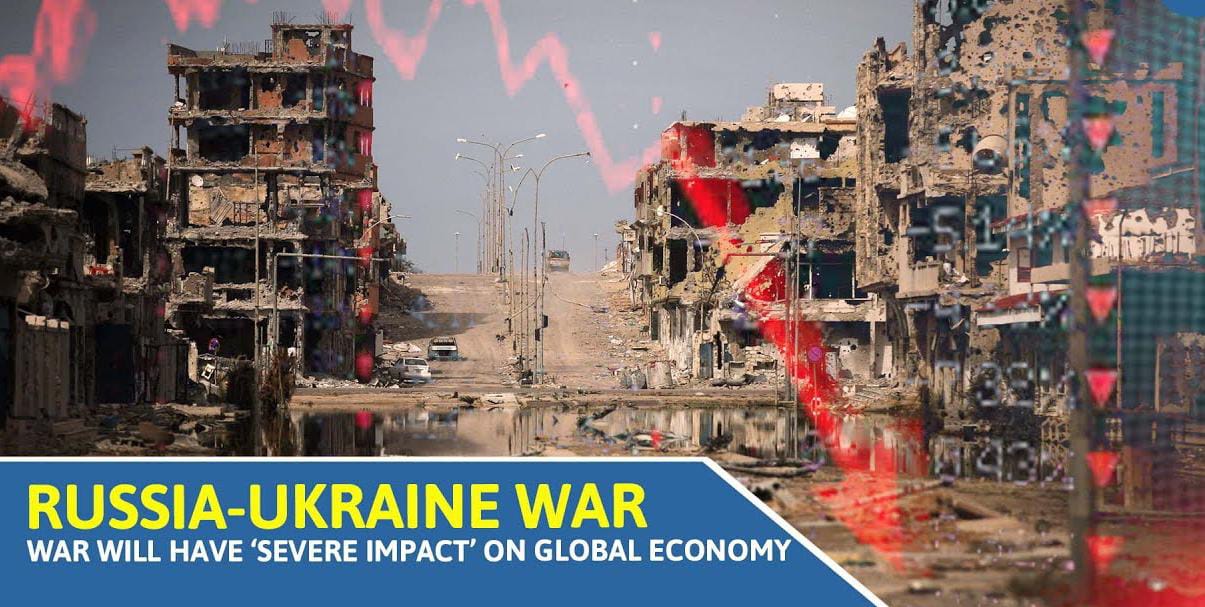
    • The war in Ukraine has had a ripple effect on global political and financial systems, leading to shortages of essential commodities and rising prices. The conflict is rooted in Putin’s revanchist claims that Ukraine is an inalienable part of Russia’s history, culture, and spiritual space. On the other hand, Putin accuses the US and Europe of violating their assurance to Gorbachev that NATO would not advance eastward. The crisis poses a dilemma for India, which must balance its partnerships with Russia and China in the BRICS and SCO formats while maintaining strategic autonomy.

    Two Essential Facets of the Conflict?

    • Putin’s Assertion of Russia’s Dominance: Vladimir Putin argues that Ukraine is not a sovereign nation and that it is an inalienable part of Russia’s history, culture, and spiritual space. He makes revanchist claims to camouflage Russia’s quest for dominance. Such claims are echoed in China’s Nine-dash line in the South China Sea, its occupation of India’s Aksai Chin, and blatant claims on Arunachal Pradesh.
    • Alleged Violation of NATO’s Assurance: Putin accuses the US and Europe of bad faith, citing the assurance given to a worried Gorbachev that NATO would advance not an inch eastward. This solemn undertaking was allegedly violated when NATO enlisted 10 former Warsaw Pact members in the next decade. With Finland as the latest entrant, NATO is now 31-strong, and Russia feels truly cornered.

    Impact of the war in Ukraine on global political and financial systems

    • Shortages of Essential Commodities: Ukraine is a key contributor of grain, edible oil, and fertilizers to the world’s supply chains, and Russia is a major exporter of natural gas and crude oil. The war has disrupted the production and transportation of these commodities, leading to shortages and rising prices.
    • Falling Stock Markets: The war in Ukraine has caused a decline in global stock markets as investors become increasingly nervous about the economic impact of the conflict.
    • Public Discontent and Political Upheaval: The shortages of essential commodities and rising prices have led to public discontent and even political upheaval in some countries. For example, in India, rising fuel prices have led to widespread protests and political unrest.
    • Realignment of Global Alliances: The war in Ukraine has led to a realignment of global alliances as countries seek alternate sources of food, energy, commodities, and arms. This has resulted in a polarisation of the global community and realignments in diplomatic relations.
    • Economic Sanctions: The international community has imposed economic sanctions on Russia in response to its actions in Ukraine, which have had a significant impact on the Russian economy.
    • Threat of Nuclear War: The conflict in Ukraine has raised concerns about the possibility of a nuclear war, particularly given Putin’s reckless nuclear sabre-rattling.

    What is the Dilemma for India?

    • India’s Engagement with Russia and China: India is engaged with Russia and China in various multilateral forums, including the BRICS format and the Shanghai Cooperation Organisation (SCO). At the same time, India is partnering with the US in the Quad and Malabar groupings. The conflict in Ukraine has created a complex situation for India as it seeks to maintain strategic autonomy while engaging with multiple partners.
    • Security Environment: India’s security environment is of paramount concern, given the recent Poonch ambush and persistent cross-border terrorism by the Pakistan army-ISI combine. In addition, there is stonewalling of Raksha Mantri Rajnath Singh’s demarche about the violation of existing agreements by his Chinese counterpart, Li Shangfu.
    • Lack of Defense Technology: India is a nuclear-weapon state and space power with the world’s fourth-largest military. However, the lackadaisical performance of its military-industrial complex has rendered it abjectly import-dependent for weaponry. India seeks to promote its atmanirbharta (self-reliance) policy, but technology has long gestation periods, and India needs to acquire defense technology from its partners.

    How Quad and Malabar Groupings can help India? 

    • Convergence of strategic interests: The Quad and Malabar groupings represent a convergence of strategic interests between India and the US, which can help India strengthen its security and diplomatic ties with the US, Japan, and Australia.
    • Military-diplomatic purpose: These forums serve a useful military-diplomatic purpose, allowing India to deepen its military cooperation with the US and other Quad members, particularly in the Indo-Pacific region.
    • Power-balancing: India needs to accord priority to power-balancing on its diplomatic agenda, and the Quad and Malabar Groupings can play a significant role in this regard. India can leverage these groupings to balance China’s growing influence in the region.
    • Technology acquisition: India is abjectly import-dependent for weaponry and needs to acquire advanced technologies to address its security concerns. The Quad and Malabar Groupings can help India access advanced military technologies from the US, Japan, and Australia, which can enhance India’s defense capabilities.

    Facts for prelims

    Initiative Objective Countries Involved Key Features
    Quad Strengthen security and promote economic growth in the Indo-Pacific region India, United States, Japan, Australia Regular high-level meetings, joint military exercises, cooperation on maritime security, infrastructure development, and technology transfer
    AUKUS Strengthen security in the Indo-Pacific region through advanced military technology sharing and cooperation United States, United Kingdom, Australia Joint development and sharing of advanced military technologies, including nuclear-powered submarines, and joint military exercises
    iCET Promote cooperation on critical and emerging technologies between India and the United States India, United States Cooperation on cutting-edge technologies such as AI, quantum computing, and 5G, with a focus on sharing knowledge, expertise, and best practices

     New US initiatives

    • AUKUS: AUKUS is a trilateral security pact between the US, the UK, and Australia, aimed at enhancing security cooperation and sharing advanced military technologies. While the focus of the pact is primarily on Australia, it can indirectly benefit India by strengthening the US security architecture in the Indo-Pacific region and deterring China’s aggressive behavior. The pact can also lead to the development of new technologies, such as advanced unmanned underwater vehicles, which can enhance India’s maritime security.
    • Initiative on Critical and Emerging Technologies (iCET): The iCET is aimed at boosting cooperation between India and the US in the field of critical and emerging technologies, such as artificial intelligence, quantum computing, and biotechnology. This initiative can help India access cutting-edge technologies and knowledge, which can enhance India’s technological capabilities and address its security concerns.

    Way ahead: Self-reliance in defence production and reduce dependence

    • Invest in R&D: India should invest heavily in research and development (R&D) to develop cutting-edge military technologies indigenously. This can help reduce India’s dependence on imports and enhance its military capabilities.
    • Promote Public-Private Partnership (PPP): India can promote PPPs to encourage private sector participation in defence production. This can help bring in much-needed investment, innovation, and expertise into the defence sector, thereby enhancing India’s defence capabilities.
    • Facilitate Technology Transfer: India can facilitate technology transfer from foreign defence manufacturers to domestic firms to enhance their technological capabilities. This can help Indian companies acquire critical technologies and expertise, which can be leveraged to develop advanced military systems indigenously.
    • Focus on Export: India should focus on promoting defence exports to enhance its defence manufacturing base and generate much-needed revenue. This can help reduce the cost of domestic production and make Indian defence products globally competitive.

    Conclusion

    • India needs to navigate the conflict in Ukraine deftly to maintain its strategic autonomy while balancing its partnerships with Russia and China. India must prioritize power-balancing and technology acquisition on its diplomatic agenda and focus on building self-reliance in defense production.

    Mains Question

    Q. The war in Ukraine has had a ripple effect on global political and financial systems. In this backdrop highlight the dilemma for India and discuss how Quad and Malabar Groupings along with US initiatives help India on Defence and strategic issues ?

    Get an IAS/IPS ranker as your personal mentor for UPSC 2024 | Schedule your FREE session and get the Prelims prep Toolkit!

    Also Read:

    India’s role in Russia-Ukraine war

  • Constitutional Punctuality: Need of The Hour

    constitutional

    Central Idea

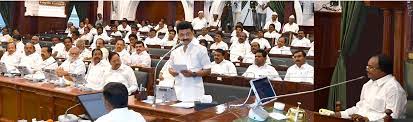
    • The Tamil Nadu Legislative Assembly recently passed a resolution that urges a time frame for Governors to act on Bills passed by the State Legislature. The resolution was passed because the Governor of Tamil Nadu, R.N. Ravi, had withheld assent to as many as 13 Bills passed by the Tamil Nadu Legislative Assembly. This highlights the need for a time-bound constitutional delivery mechanism for Governors, Speakers of Assemblies, and the President of India, emphasizing the importance of time-bound governance.

    What the resolution is all about?

    • The Tamil Nadu Legislative Assembly passed a resolution urging the Union Government and President to advise the Governor to decide on the bills passed by the State Legislatures within a reasonable time period.
    • The resolution, proposed by the Chief Minister, M.K. Stalin, argued that it was important to protect the sovereignty of the Legislatures and, ultimately, safeguard parliamentary democracy.
    • The resolution seeks to provide a time frame for Governors to act on Bills passed by the State Legislature and ensure that they do not sit over Bills indefinitely. The resolution also encourages other Opposition-ruled states to pass similar resolutions in their Assemblies.

    What is mean by Constitutional Punctuality?

    • Timely discharge of duties in accordance with the constitutional provisions: Constitutional punctuality refers to the timely discharge of duties and responsibilities by various constitutional high offices in accordance with the provisions of the Indian Constitution. It involves adhering to a strict time frame to avoid unnecessary delays and ensure the smooth functioning of the constitutional scheme.
    • Growing concerns over misuse of discretionary powers: This concept has gained importance in recent times due to the growing concern over the misuse of discretionary powers by constitutional authorities such as governors, which can lead to a delay in the enactment of important legislation and undermine the principles of parliamentary democracy.

    Need for Constitutional punctuality in terms of Governors role

    • Upholding the sovereignty of legislatures: When the Governor of a state withholds assent to bills passed by the state legislature indefinitely, it undermines the sovereignty of the legislatures. It is essential to provide a time frame for the Governor to act on bills to safeguard the democratic principles enshrined in the Constitution.
    • Ensuring timely delivery of justice: The Constitution of India guarantees the right to speedy justice to all citizens. The delay in the Governor’s assent to bills passed by the legislature leads to a delay in the implementation of new laws, which could impact the timely delivery of justice.
    • Preventing misuse of power: Governors hold a significant position of power, and the discretion they exercise in giving assent to bills should not be misused. The absence of a time frame for them to act on bills provides them with an opportunity to misuse their powers, which could harm the interests of the people.
    • Advancing the constitutional scheme: Providing a time-bound constitutional delivery mechanism advances the constitutional scheme. It ensures the smooth functioning of the democratic process and upholds the principles of accountability and transparency.
    • Building public trust: When constitutional high offices, including that of the Governor, President, and Speakers of Assemblies, discharge their duties in a time-bound manner, it builds public trust in the democratic institutions of the country. It ensures that people’s will, as expressed through their elected representatives, is implemented without undue delay.

    Facts for prelims

    Ambit of judicial review on matters of delays by constitutional authorities

    • In India, matters involving delays in exercising powers by constitutional authorities have been brought under the ambit of judicial review by the courts.
    • In the case of Keisham Meghachandra Singh vs The Hon’ble Speaker Manipur (2020), the Supreme Court issued a writ of mandamus to the Speaker of the Meghalaya Legislative Assembly to decide on disqualification petitions within four weeks.

    Time bound governance

    • The concept of time-bound governance has been successfully implemented in other countries, such as the United Kingdom and the United States, where there are strict timelines for the assent or veto of bills by the respective authorities.
    • In the US, if the President does not sign or veto a bill within 10 days, it automatically becomes an Act.
    • In the UK, there has been no royal veto since 1708.

     Conclusion

    • The resolution passed by the Tamil Nadu Legislative Assembly is a step in the right direction towards a time-bound constitutional delivery mechanism. Constitutional high offices, including Governors, Speakers of Assemblies, and the President of India, must evolve strict time frames and avoid unnecessary delays. Such an approach would advance the constitutional scheme and safeguard

    Mains Question

    Q. What do you understand by mean constitutional punctuality? Discuss the need of constitutional punctuality specifically in terms of Governors role in the state?

    Get an IAS/IPS ranker as your personal mentor for UPSC 2024 | Schedule your FREE session and get the Prelims prep Toolkit!

    Also Read:

    Governor’s Constitutional Limits: A Resolution to President


  • [Burning Issue] 100 Episodes of Mann ki Baat’

    mann ki baat

    Context

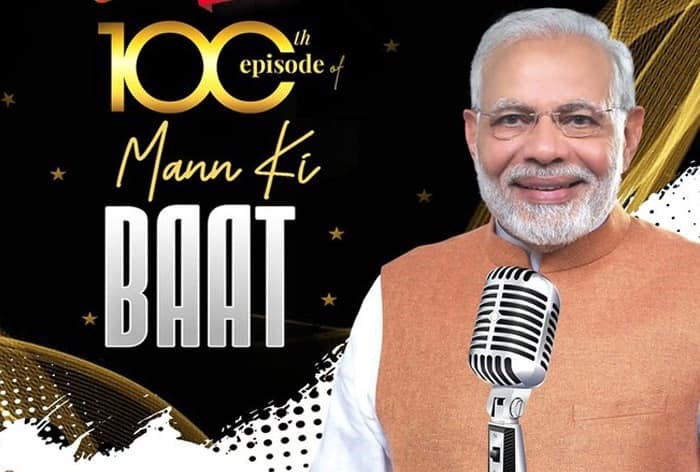
    • Mann Ki Baat, Prime Minister Narendra Modi’s popular radio program, completed 100 episodes this Sunday.
    • In this context, this edition of the Burning Issue will talk about this program and its significance.

    About Mann Ki Baat

    • Mann Ki Baat is an Indian radio program hosted by Prime Minister Narendra Modi in which he addresses the people of the nation on All India Radio, DD National and DD News.
    • The main purpose of the program is to “establish a dialogue with the citizens on issues of day-to-day governance”, according to a statement by the Information and Broadcasting Minister in the Rajya Sabha in July 2021.
    • The program is India’s “first visually enriched radio program”.

    Highlights of the 100th episode

    • Highlighted achievements: The PM highlighted the achievements of this program. He also mentioned the timeline of the program in the last nine years.
    • Telecasted in multiple regional languages: The program was telecasted in multiple regional languages to have a wider reach of the program. It was also this time, that the program was telecasted globally.
    • 100 days of action: The Tourism Ministry announced “100 days of action” to mark the 100th episode of Mann Ki Baat. The activities include a design challenge for entrepreneurs to develop substitutes for single-use plastic items.
    • Highlighted countrymen’s dedication: PM said Every time, the countrymen’s dedication to duty and skill has motivated others. Every countryman in this program serves as an example to other countrymen.
    • DG UNESCO part of the episode: he thanked PM Modi on behalf of UNESCO for the opportunity to be part of the 100th episode of the ‘Mann Ki Baat’ Radio broadcast.

    Major achievements of the program

    • As PM Modi’s ‘Mann Ki Baat’ approaches its 100th episode on April 30, 2023, a survey conducted by the Indian Institute of Management, Rohtak shows that at least twenty-three crore people have ‘listened to or viewed’ Prime Minister Narendra Modi’s monthly radio broadcast regularly and over 100 crore people have listened to it at least once.
    • In the first fifteen addresses of Mann ki Baat broadcast, more than 61,000 ideas were received on the website and 1.43 lakh audio recordings by listeners have been received. Each month, some selected calls become a part of the broadcast.
    • From 2 June 2017, Mann Ki Baat became available in regional dialects. The aim is to expand the reach of the program as far as possible.

    Significance of the podcast

    • Apolitical character: the program has remained apolitical throughout its journey. Political and sensitive issues were not discussed in the program. It mainly focused on highlighting the achievements of ordinary Indians and generating awareness about social issues.
    • Catalyst in igniting mass movements: The campaigns mentioned by PM Modi which had the most impact on listeners were Selfie with Daughter, Incredible India, Fit India and Sandesh to Soldiers. The most remembered topics were the promotion of Khadi, Drug Free India and Team Tarini.
    • Highlighted success stories of Indians: Mann Ki Baat has showcased stories of talented individuals across diverse fields, from promoting Aatmanirbhar Bharat to Make in India and space startups.
    • Interactive Nature:  “Mann Ki Baat” is an interactive program that allows people from all walks of life to participate. Citizens can share their views, experiences, and stories. It encourages people to share their ideas and suggestions with the Prime Minister.
    • Wide Range of Topics: The program addresses a range of topics, including social issues, education, healthcare, and the environment. It promotes social initiatives such as the Swachh Bharat Abhiyan, Beti Bachao Beti Padhao, and Digital India. The program has been particularly effective in promoting social initiatives
    • Led to Positive Impact in society: “Mann Ki Baat” has become a significant platform for the Prime Minister to engage with the people of India. It has helped to create a sense of unity and shared purpose among citizens. It encourages people to work together towards a better future for India.

    Criticism

    • Lack of Opposition Voices: One of the main criticisms of “Mann Ki Baat” is that it is a one-sided conversation, with no participation from opposition parties or critics of the government. This has led to accusations that the program is being used as a propaganda tool to promote the government’s agenda, rather than as a genuine platform for dialogue.
    • Still Limited Audience Reach: While the program is aired on multiple platforms, it still has limited reach in rural areas and among lower-income groups who may not have access to radios, televisions, or the internet. This raises questions about the program’s ability to truly represent the diverse perspectives of the Indian population.
    • Lack of Action: Critics have also argued that “Mann Ki Baat” has not resulted in concrete action on the issues discussed. While the program may raise awareness about certain social issues or initiatives, there is a perception that it has not led to significant policy changes or improvements on the ground.
    • Insufficient Time for Discussion: Another criticism of “Mann Ki Baat” is that it only allows for brief discussions on complex issues. This may not provide enough time for in-depth analysis or debate on topics that require nuanced perspectives.
    • Disregard for Questions Raised: Some participants have raised concerns that the government does not adequately address the questions and suggestions shared on the program. This has led to criticism that “Mann Ki Baat” is more of a PR exercise than a genuine dialogue between the government and citizens.

    Conclusion

    • Overall, “Mann Ki Baat” is a platform that has both supporters and critics. While it has been successful in promoting social initiatives and providing a platform for the Prime Minister to connect with citizens, it has also been criticized for its one-sided nature, limited audience reaches, and lack of concrete action on the issues discussed. Additionally, the program’s format may not allow for in-depth analysis or debate on complex topics.
    • Nevertheless, “Mann Ki Baat” remains a significant program that reflects the government’s efforts to engage with the public and promote its agenda. As with any public forum, the program needs to balance the voices and perspectives represented and ensure that it provides a platform for meaningful dialogue between the government and the people it serves.

    Get an IAS/IPS ranker as your personal mentor for UPSC 2024 | Schedule your FREE session and get the Prelims prep Toolkit!

  • Nikaalo Prelims Spotlight || RBI, Inflation and Monetary Policy, Money Market and Capital Market


    Dear Aspirants,

    This Spotlight is a part of our Mission Nikaalo Prelims-2023.

    You can check the broad timetable of Nikaalo Prelims here

    Session Details

    YouTube LIVE with Parth sir – 7 PM  – Prelims Spotlight Session

    Evening 04 PM  – Daily Mini Tests

    Join our Official telegram channel for Study material and Daily Sessions Here


    1st May 2023

    Inflation

    Understanding Inflation

    Inflation: Inflation is when the overall general price level of goods and services in an economy is increasing. As a consequence, the purchasing power of the people are falling. 

    Inflation Rate: Inflation Rate is the percentage change in the price level from the previous period. 

    Inflation Rate= {(Price in year 2 – Price in year 1)/ Price in year 1} *100

    Whole sale Price Index: WPI is used to monitor the cost of goods and services bought by producer and firms rather than final consumers. The WPI inflation captures price changes at the factory/wholesale level.

    GDP Deflator: GDP Deflator is the ratio of nominal GDP to real GDP. The nominal GDP is measured at the current prices whereas the real GDP is measured at the base year prices. 

    The Difference

    Consumer Price Index GDP Deflator
    CPI reflects the price of goods and services bought by the final consumers. GDP deflator reflects the price of all the goods and services produced domestically.
    Example: Suppose the price of a satellite to be launch by ISRO increases. Even though the satellite is part of the GDP of India, but it is not a part of normal CPI index, since we don’t consume satellite. The price rise of the ISRO satellite will be reflected in GDP deflator.
    Similarly, India produces some crude oil, but most of the oil/petroleum is imported from the West Asia, as a result, when the price of oil/petroleum product changes, it is reflected in CPI basket as petroleum products constitute a larger share in CPI. The price change of oil products is not reflected much in the GDP deflator since we do not produce much crude oil.
    The CPI compares the price of a fixed basket of goods and services to the price of the basket in the base year. The GDP deflator compares the price of currently produced goods and services to the price of the same goods and services in the base year. Thus, the group of goods and services used to compute the GDP deflator changes automatically over time.

    Producer Price Index

    PPI measures the average change in the sale price of goods and services either as they leave the place of production or as they enter the place of production. Moreover, PPI includes services also.

    The PPI measure the price changes from the perspective of the seller and differs from CPI which measures price changes from buyer perspective.

    Causes of Inflation

    Inflation is mainly caused either by demand Pull factors or Cost Push factors. Apart from demand and supply factors, Inflation sometimes is also caused by structural bottlenecks and policies of the government and the central banks. Therefore, the major causes of Inflation are:

    • Demand Pull Factors (when Aggregate Demand exceeds Aggregate Supply at Full employment level).
    • Cost Push Factors (when Aggregate supply increases due to increase in the cost of production while Aggregate demand remains the same).
    • Structural Bottlenecks (Agriculture Prices fluctuations, Weak Infrastructure etc.)
    • Monetary Policy Intervention by the Central Banks.
    • Expansionary Fiscal Policy by the Government.

    Demand and Supply factors can be further sub divided into the following:
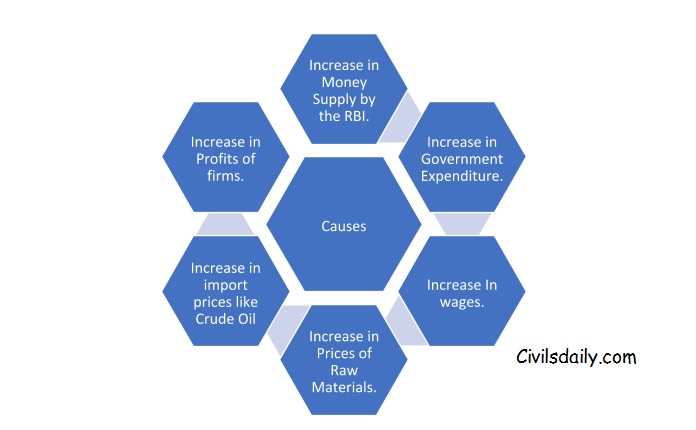
    Inflationary Gap: the Inflationary gap is a situation which arises when Aggregate demand in an economy exceeds the Aggregate supply at the full employment level.

    Deflationary Gap: Deflationary Gap is a situation which arises when Aggregate demand in the economy falls short of Aggregate Supply at the full employment level.

    Stagflation:  The falling growth along with rising prices makes cost push inflation more dangerous than the demand-pull inflation. The situation of rising prices along with falling growth and employment is called as stagflation.

    Hyperinflation: Hyperinflation is a situation when inflation rises at an extremely faster rate. The rate of inflation can increase from 50 times to 300 times. The major causes of the hyperinflation are; government issuing too much currency to finance its deficits; wars and political instabilities and unexpected increase in people’s anticipation of future inflation.

    Structural Inflation

    • Structuralist Inflation is another form of Inflation mostly prevalent in the Developing and Low-Income Countries.
    • The Structural school argues that inflation in the developing countries are mainly due to the weak structure of their economies.

    Deflation: Deflation is when the overall price level in the economy falls for a period of time.Deflation is when, for instance, the price of a basket of goods has fallen from Rs 100 to Rs 80. It’s the reduction in overall prices of goods.

    Disinflation: Disinflation is a situation in which the rate of inflation falls over a period of time. Remember the difference; disinflation is when the inflation rate is falling from say 5% to 3%.

    Headline versus Core Inflation

    The headline inflation measure demonstrates overall inflation in the economy. Conversely, the core inflation measures exclude the prices of highly volatile food and fuel components from the inflation index.

    Core inflation excludes the highly volatile food and fuel components and therefore represents the underlying trend inflation. 

    Banking and Monetary Policy

    What is monetary policy?

    As the name suggests it is policy formulated by monetary authority i.e. central bank which happens to be RBI in case of India.

    It deals with monetary i.e money matters i.e. affects money supply in the economy.

    Eg. CRR,SLR,OMO,REPO etc

    What is fiscal policy then?

    It is formulated by finance ministry i.e. government. It deals with fiscal matters i.e. matters related to government revenues and expenditure.

    Revenue matters- tax policies, non tax matters such as divestment, raising of loans, service charge etc

    Expenditure matters– subsidies, salaries, pensions, money spent on creation of capital assets such as roads, bridges etc.

    Monetary policy and fiscal policy together deal with inflation.


    Let us now understand how RBI formulates monetary policy to control inflation

    It’s clear from what we have learnt so far that to control inflation, RBI will have to decrease money supply or increase cost of fund so that people do not demand goods and services.

    Tools available with RBI


    1. Quantitative tools or general tools- they affect money supply in entire economy- housing, automobile, manufacturing, agriculture- everything.

    They are of two types

    1. Cash Reserve Ratio (CRR)– as the name suggests, banks have to keep this proportion as cash with the RBI. Bank cannot lend it to anyone. Bank earns no interest rate or profit on this.Bank cannot lend it to anyone. 
    2. Statutory Liquidity Ratio (SLR)-  As the name indicates banks have to set aside this much money into liquid assets such as gold or RBI approved securities mostly government securities. Banks earn interest on securities but as yield on govt securities is much lower banks earn that much less interest.

    RBI Tools for Controlling Credit/Money Supply

    Broadly speaking, there are two types of methods of controlling credit.

    Measure of Money Supply in India

    M1 M2 M3 M4
    It is also known as Narrow Money. It is a broader concept of the money supply. It is also known as Broad Money. M4 includes all items of M3 along with total deposits of post office saving accounts.
    M1= C+DD+OD

    C= Currency with Public.

    DD= Demand Deposit with the public in the Banks.

    OD= Other Deposits held by the public with RBI.

    M2= M1 + Saving deposits with the post office saving banks.

    M1 is distinguished from M2 because the post office saving deposits are not as liquid as Bank deposits.

    M3 = M1+ Time Deposits with the Bank.

    Time deposits serve as a store of wealth and represent a saving of the people and are not as liquid as they cannot be withdrawn through cheques or ATMs as compared to money deposited in Demand deposits.

    M4= M3+Total Deposits with Post Office Saving Organisations.

    M4 however, excludes National Saving Certificates of Post Offices.

    It is the most liquid form of the money supply.   M3 is the most popular and essential measure of the money supply. The monetary committee headed by late Prof Sukhamoy Chakravarty recommended its use for monetary planning in the economy. M3 is also called Aggregate Monetary Resource  


    FINANCIAL MARKETS

    • Financial Markets refers to the system consisting of financial institutions, financial instruments, regulatory bodies and organisations
    •  It facilitates flow of debt and equity capital.
    • Financial Institutions (Banks), Development financial Institutions (NABARD, SIDBI, IDBI etc.) and Non-Banking Financial Institutions form Financial Institutions. Ø Financial Instruments are shares, bonds, debentures etc.

    Financial markets consist of two major segments:

    (l) Money Market: the market for short term funds;

    (2) Capital Market: the market for long and medium term funds.

    MONEY MARKET

    According to the RBI, “The money market is the centre for dealing mainly of short character, in monetary assets; it meets the short term requirements of borrowers and provides liquidity or cash to the lenders.

    It is a place where short term surplus investible funds at the disposal of financial and other institutions and individuals are bid by borrowers, again comprising institutions and individuals and also by the government.

    Functions of Money Market

    • To maintain monetary equilibrium: It means to keep a balance between the demand for and supply of money for short term monetary transactions.
    • To promote economic growth: Money market can do this by making funds available to various units in the economy such as agriculture, small scale industries, etc.
    • To provide help to Trade and Industry: Money market provides adequate finance to trade and industry. Similarly it also provides facility of discounting bills of exchange for trade and industry.
    • To help in implementing Monetary Policy: It provides a mechanism for an effective implementation of the monetary policy.
    • To help in Capital Formation: Money market makes available investment avenues for short term period. It helps in generating savings and investments in the economy.
    • Money market provides non-inflationary sources of finance to government.

    Instruments of money market

    Treasury Bills: They are promissory notes issued by the RBI on behalf of the government as a short term liability and sold to banks and to the public. The maturity period ranges from 14 to 364 days. They are the negotiable instruments, i.e. they are freely transferable. No interest is paid on such bills but they are issued at a discount on their face value.

    Commercial Bills: They are also called Trade Bills or Bills of Exchange. Commercial bills are drawn by one business firm to another in lieu of credit transaction. It is a written acknowledgement of debt by the maker directing to pay a specified sum of money to a particular person. They are short-term instruments generally issued for a period of 90 days. These are freely marketable. Banks provide working capital finance to firms by purchasing the commercial bills at a discount; this is called ‘discounting of bills’.

    Commercial Paper (CP): The CP was introduced in 1990 on the recommendation of the Vaghul Committee. A commercial paper is an unsecured promissory note issued by corporate with net worth of atleast Rs 5 crore to the banks for short term loans. These are issued at discount on face value for a period of 14 days to 12 months. These are issued in multiples of Rs 1 lakh subject to a minimum of Rs 25 lakh.

    Certificate of Deposit (CD): The CD was introduced in 1989 on the recommendation of the Vaghul Committee. These are issued by banks against deposits kept by individuals and institutions for a period of 15 days to 3 years. These are similar to Fixed Deposits but are negotiable and tradable. These are issued in multiples of Rs. 1 lakh subject to a minimum of Rs25 lakh.

    CAPITAL MARKET

    The capital market is the market, for medium and long term funds. It consists of all the financial institutions, organizations and instruments which deal in lending and borrowing transaction of over one year maturity.

    It is of following two types:

    Primary Market

    Secondary Market

    It issues security for the first time. Example- Initial public offer and follow on public offer.

    Existing securities are bought and sold.

    Firms issue shares to public.

    One investor sells it to another investor.

    Price is fixed by the firms.

    Price is fixed on the basis of demand and supply.

    Firms raise money for long-term investment.

    Companies benefit from the secondary markets.

    There is no specific geographical location.

    There is no specific geographical location.

    SEBI is the regulator for this market.

    SEBI is the regulator for this market as well.

    GILT-EDGED MARKET

     The Gilt-edged market refers to the market for government and semi government securities, backed by the RBI.

    It is known so because the government securities do not suffer from the risk of default and are highly liquid.

    The RBI is the sole supplier of such securities. These are demanded by commercial banks, insurance companies, provident funds and mutual funds.

    The gilt-edged market may be divided into two parts- the Treasury bill market and the government bond market. Treasury bills are issued to meet short-term needs for funds of the government, while government bonds are issued to finance long-term developmental expenditure. 


  • Re-examination of Sedition Law in motion: Govt informs SC

    Central idea: The Centre has informed Supreme Court that it has initiated the “process of re-examination” of Section 124A (sedition) of the Indian Penal Code and consultations are in its “final stage”.

    What is the Sedition Law?

    • Section 124A of the Indian Penal Code lays down the punishment for sedition. The IPC was enacted in 1860, under the British Raj.
    • The then British government in India feared that religious preachers on the Indian subcontinent would wage a war against the government.
    • Particularly after the successful suppression of the Wahabi/Waliullah Movement by the British, the need was felt for such law.
    • Throughout the Raj, this section was used to suppress activists in favor of national independence, including Tilak and Mahatma Gandhi, both of whom were found guilty and imprisoned.

    Do you know?

    Queen-Empress v. Bal Gangadhar Tilak (1897) was the first case in which Section 124A was defined and applied. Again in 1908, when Tilak was tried under same section, then young barrister and a staunch protagonist Mohammed Ali Jinnah defended Tilak.

    What is Sedition?

    • The Section 124A defines sedition as:

    An offence committed when “any person by words, either spoken or written, or by signs, or by visible representation, or otherwise, brings or attempts to bring into hatred or contempt, or excites or attempts to excite disaffection towards the government established by law in India”.

    • Disaffection includes disloyalty and all feelings of enmity.
    • However, comments without exciting or attempting to excite hatred, contempt or disaffection, will not constitute an offense.
    • Sedition is a non-bailable offense.
    • Punishment under Section 124A ranges from imprisonment up to three years to a life term with/without a fine.

    Sedition as a cognizable offense

    • Sedition was made a cognizable offense for the first time in history in India during the tenure of Prime Minister Indira Gandhi in 1973, that is, arrest without a warrant was now permissible.
    • In 1962 the Supreme Court of India interpreted the section to apply only if there is, say, “incitement to violence” or “overthrowing a democratically elected government through violent means”.

    Is it constitutionally valid?

    • Violative of FRs: Two high courts had found it unconstitutional after Independence, as it violated the freedom of speech and expression.
    • Reasonable restrictions: The Constitution was amended to include ‘public order’ as one of the ‘reasonable restrictions’ on which free speech could be abridged by law.
    • Kedar Nath Case: Thereafter, the Supreme Court, in Kedar Nath Singh v. State of Bihar (1962) upheld its validity.
    • Limited use: At the same time, it limited its application to acts that involve “intention or tendency to create disorder” or incitement to violence.
    • Strong criticism doesn’t amount to sedition: Thus, even strongly worded remarks, as long as they do not excite disloyalty and enmity, or incite violence, are not an offence under this section.

    sedition

    Why the controversy now?

    • Frequent use: In recent times, the resort to this section is seen as disturbingly frequent.
    • Curbing dissent: Activists, cartoonists and intellectuals have been arrested under this section, drawing criticism from liberals that it is being used to suppress dissent and silence critics.
    • Misuse for propaganda: Authorities and the police who invoke this section defend the measure as a necessary step to prevent public disorder and anti-national activities.
    • Irrelevance: Many of them have also been detained under the National Security Act and UAPA.

    What is being debated about it?

    • Demand for its scrapping: Liberals and rights activists have been demanding the scrapping of Section 124A.
    • Provision is outdated: It is argued that the provision is “overbroad”, i.e., it defines the offence in wide terms threatening the liberty of citizens.
    • Various calls for its reconsideration: The Law Commission has also called for a reconsideration of the section.
    • Tyranny of the law: It has pointed that Britain abolished it more than a decade ago and raised the question of whether a provision introduced by the British to put down the freedom struggle should continue to be law in India.
    • Doctrine of severability: Some argue that a presumption of constitutionality does not apply to pre-constitutional laws as those laws have been made by foreign legislature or bodies.

    Need for such law

    • There are some tendencies exist even today who wish to overthrow the state apparatus and constitutional scheme of India.
    • It falls on the judiciary to protect Articles 19 and Article 21 of the Constitution.
    • Undue exercise of free speech has led to overture of ordinary dissent into an anti-national insurrection or uprising.
    • There are areas in the country that face hostile activities and insurgencies created by rebel groups, like the Maoists.
    • There must be restrictions on expressing unnecessary contempt or ridiculing of the Government beyond certain limits.

    Way forward

    • India is the largest democracy in the world and the right to free speech and expression is an essential ingredient of democracy.
    • The sedition law should not be abolished as some measures are needed to check communal violence & insurgency activities like Naxals.
    • The definition of sedition should be narrowed down, to include only the issues pertaining to the territorial integrity of India as well as the sovereignty of the country.
    • Section 124A should not be misused as a tool to curb free speech.


    Get an IAS/IPS ranker as your personal mentor for UPSC 2024 | Schedule your FREE session and get the Prelims prep Toolkit!

  • ASEAN-India maritime exercise in South China Sea

    south china sea asean

    Central idea: The article highlights India’s increasing military cooperation with ASEAN countries, with a special emphasis on the upcoming ASEAN-India Maritime Exercise (AIME) in the South China Sea.

    ASEAN-India Maritime Exercise

    • The first ASEAN-India Maritime Exercise (AIME) is set to commence on May 2, 2023, with war games to be held in the South China Sea.
    • INS Satpura and INS Delhi will participate in the exercise.
    • The exercise is divided into two phases: ‘Harbour Phase’ and ‘Sea Phase.’
    • The exercise is aimed at fostering close cooperation and conducting seamless operations in the maritime domain between the Indian Navy and ASEAN navies.

    About ASEAN (Association of Southeast Asian Nations)

    Details
    Members Brunei Darussalam, Cambodia, Indonesia, Laos, Malaysia, Myanmar, Philippines, Singapore, Thailand, Vietnam
    Formation August 8, 1967
    Headquarters Jakarta, Indonesia
    Purpose To promote economic growth, social progress, and cultural development
    Economic integration ASEAN Free Trade Area (AFTA) and ASEAN Economic Community (AEC)
    Political cooperation ASEAN Regional Forum (ARF) and ASEAN Defense Ministers Meeting (ADMM)
    Cultural cooperation ASEAN Socio-Cultural Community (ASCC)
    Relationship with India Strategic partnership, trade, and investment


    Why such exercise?

    • Defying territorial claims: The South China Sea is a critical waterway that connects the Indian Ocean with the Pacific Ocean, and it is also a contested region where multiple countries have territorial claims.
    • Support freedom of navigation: Conducting exercises in this region allows India to demonstrate its commitment to maintaining freedom of navigation and upholding international maritime laws.
    • Indo-Pacific Strategy: India’s growing strategic ties with ASEAN are part of its broader Indo-Pacific strategy, which seeks to promote a rules-based order and ensure stability in the region.
    • Counterbalancing China: As China’s influence in the Indo-Pacific grows, India sees ASEAN as a key partner in balancing China’s assertiveness and promoting regional stability.

    India’s stakes in South China Sea

    The South China Sea plays a critical role in India’s security and well-being as-

    • Global common: The SCS is not China’s sea, but a global common.
    • Unimpeded navigation: It has been an important sea-lane of communication for centuries, and passage has been unimpeded. Indians have sailed these waters for well over 1,500 years with a continuous trading presence.
    • Global trade chokepoint: Nearly $200 billion of India’s trade passes through the South China Sea, and thousands of Indian citizens study, work and invest in ASEAN, China, Japan and the Republic of Korea.

    Key significance: India’s Responsiveness to ASEAN

    India needs to be responsive to ASEAN’s expectations.

    • Meeting ASEAN’s aspirations: While strategic partnerships and high-level engagements are important, ASEAN expects longer-lasting buy-ins by India in their future.
    • History of lesser importance given by India: ASEAN has taken the initiative time and again to involve India in Indo-Pacific affairs, even though India’s current level of trade or investment with ASEAN does not make a compelling argument.
    • Broader perception of India as key partner: ASEAN has deliberately taken a longer-term view, given the importance of regional arrangements for economic recovery and rejuvenation.


    Back2Basics:  South China Sea Dispute

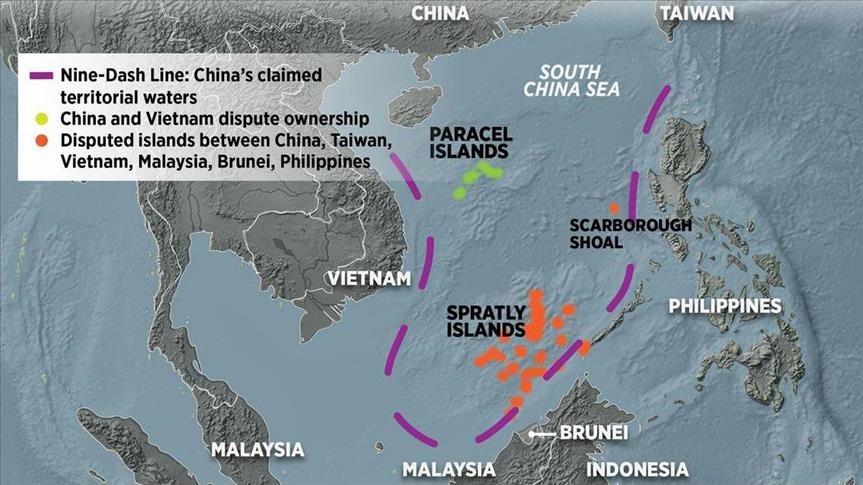
    • It is a dispute over territory and sovereignty over ocean areas, and the Paracels and the Spratlys – two island chains claimed in whole or in part by a number of countries.
    • China, Vietnam, the Philippines, Taiwan, Malaysia, and Brunei all have competing claims.
    • Alongside the fully-fledged islands, there are dozens of rocky outcrops, atolls, sandbanks, and reefs, such as the Scarborough Shoal.
    • China claims by far the largest portion of territory – an area defined by the “nine-dash line” which stretches hundreds of miles south and east from its most southerly province of Hainan.
    • Beijing says its right to the area goes back centuries to when the Paracel and Spratly island chains were regarded as integral parts of the Chinese nation, and in 1947 it issued a map detailing its claims.
    • It showed the two island groups falling entirely within its territory. Those claims are mirrored by Taiwan.


    Get an IAS/IPS ranker as your personal mentor for UPSC 2024 | Schedule your FREE session and get the Prelims prep Toolkit!

More posts